Solo Travel in Amsterdam: The Complete Guide to Safety, Logistics & What to Do
Amsterdam is one of Europe's most rewarding solo destinations: compact, English-friendly, and full of world-class culture. This guide covers everything you need to know before you go, from staying safe and getting around to the best activities and how to book them without the stress.
Tickets & tours
Live prices and dates from our booking partner. If you book, we may earn a commission at no extra cost to you.
TL;DR
- Amsterdam is genuinely safe for solo travelers; petty theft (pickpocketing, bike theft) is the main risk, not violent crime.
- Book the Anne Frank House, Rijksmuseum, and Van Gogh Museum tickets online well in advance — walk-up entry is not available at most major attractions.
- Public transport (trams, metro, bus) covers the city well; cycling is excellent but lock your rental bike with two locks every time.
- The GVB network is the fastest and cheapest way to move around — use an OV-chipkaart or contactless payment.
- Solo travel here works well year-round, but April to September offers the best weather and longest daylight hours; book accommodation early for those months.
Is Amsterdam Safe for Solo Travelers?
The short answer is yes, with caveats. Amsterdam consistently ranks among the safer capitals in Western Europe, and the vast majority of solo travelers — including solo women — report no serious incidents. The city has a functioning emergency system (call 112 for police, ambulance, or fire), visible policing in tourist areas, and a culture that is, broadly, tolerant and non-confrontational.
The real risks are mundane: pickpockets operate in the Dam Square area, on busy trams, and around Amsterdam Centraal station. The Red Light District, known locally as De Wallen, is generally fine during the day but becomes rowdier after about 22:00 on weekends. It is worth visiting once for the cultural curiosity of it, but it is not the place to linger alone late at night. Secure your phone and keep bags zipped and in front of you — that single habit eliminates most of the risk.
⚠️ What to skip
Bike theft is endemic in Amsterdam. If you rent a bicycle, always use two locks: one through the frame and wheel, one securing the frame to a fixed object. Rental companies often provide locks; use them both, every time, even for short stops. An unlocked bike in Amsterdam is a lost bike.
There are no genuine no-go zones in Amsterdam for tourists. Neighborhoods like Bijlmer (Amsterdam Zuidoost) or parts of Noord are sometimes perceived as edgier, but they are working residential areas that simply require the same common sense you would apply in any large city. The idea that Amsterdam is dangerous for solo travelers does not match the actual experience reported by people who visit.
Getting Around Amsterdam Alone
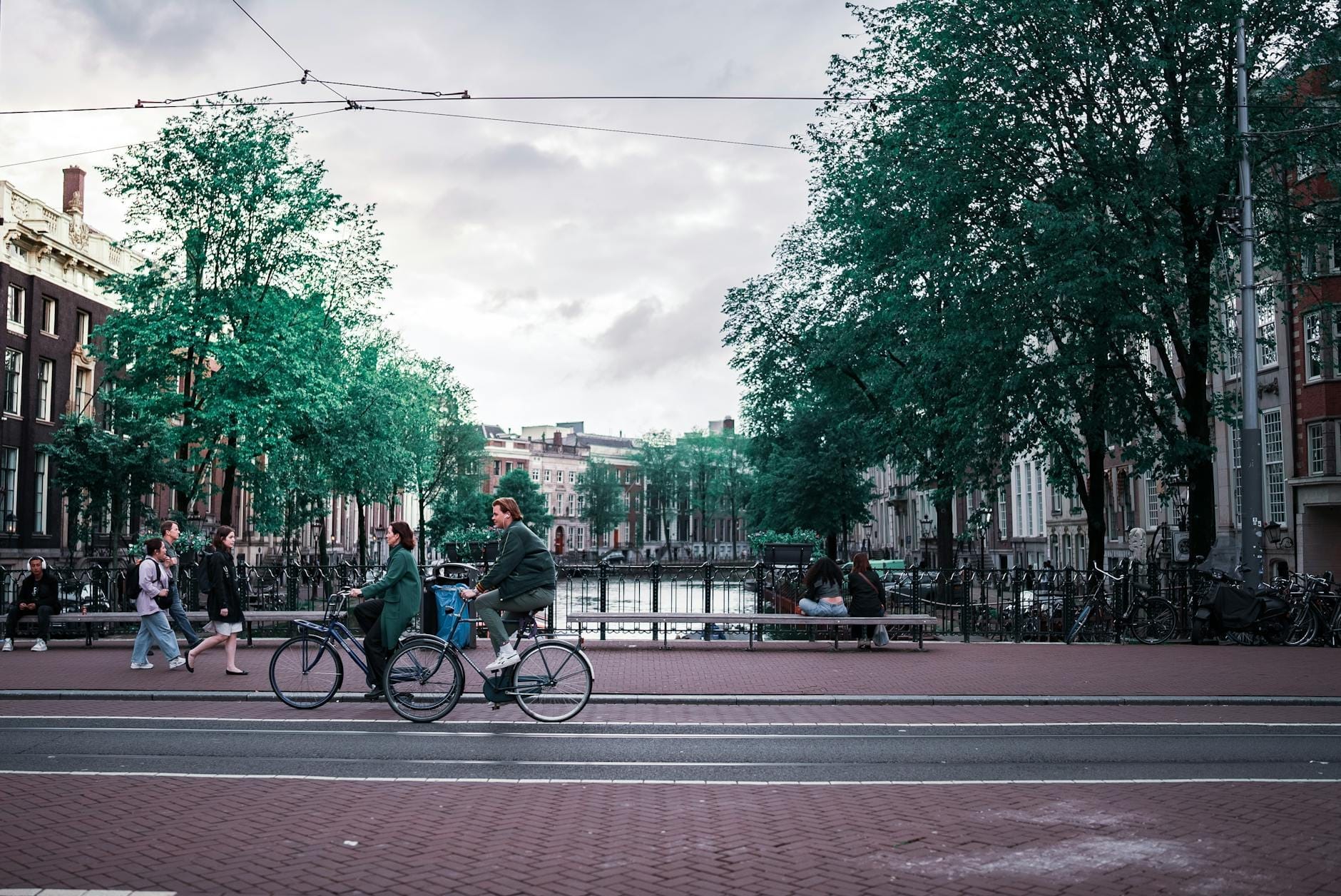
Amsterdam is compact enough that many solo travelers walk between sights in the historic centre without thinking about transport at all. The Canal Ring (Grachtengordel), the Jordaan, and Museum Quarter are all within comfortable walking distance of each other. For longer trips, the GVB network of trams, buses, and metro lines covers the city well.
- Tram The fastest way to cross the centre. Lines run frequently from early morning until around 00:30; night buses cover the gaps. Pay with contactless bank card, OV-chipkaart, or the GVB app — cash is not accepted on board.
- Metro Most useful for reaching Amsterdam-Noord (via the North-South line) and areas east of the centre. Not as useful for the main tourist sights.
- Bicycle The most local way to travel. Rental shops cluster near Centraal station; expect to pay around €10-15 per day for a basic bike. Follow traffic rules, use bike lanes, and never ride on the pavement.
- Taxi / Ride-hailing Uber and Bolt operate in Amsterdam. TCA (Taxi Centrale Amsterdam) is the main regulated taxi firm. Taxis are significantly more expensive than public transport — use them for late nights or airport runs, not sightseeing.
- Train from Schiphol Airport The direct train from Schiphol Airport (AMS) to Amsterdam Centraal takes around 15-20 minutes and runs several times per hour. It is the fastest and most affordable airport transfer by a significant margin.
💡 Local tip
If you are staying more than two or three days, look into the Amsterdam City Card. It includes unlimited public transport and free or discounted entry to dozens of museums and attractions. For a solo traveler hitting multiple sights, it can offer real savings. Check the official I amsterdam website for current pricing before buying.
Top Things to Do Solo in Amsterdam
Solo travel in Amsterdam suits almost every interest. The city has an exceptionally high concentration of museums, a canal system that is genuinely one of the world's great urban engineering feats, and a food and coffee culture that makes solo dining easy and comfortable. Start with the non-negotiables, then go deeper into the neighborhoods. A two-day itinerary covers the essential highlights; three days or more lets you breathe.
- Anne Frank House One of the most significant historical sites in Europe. Timed-entry tickets must be booked online through the official website — there are no walk-up tickets. Book as far in advance as possible; slots sell out weeks ahead in summer.
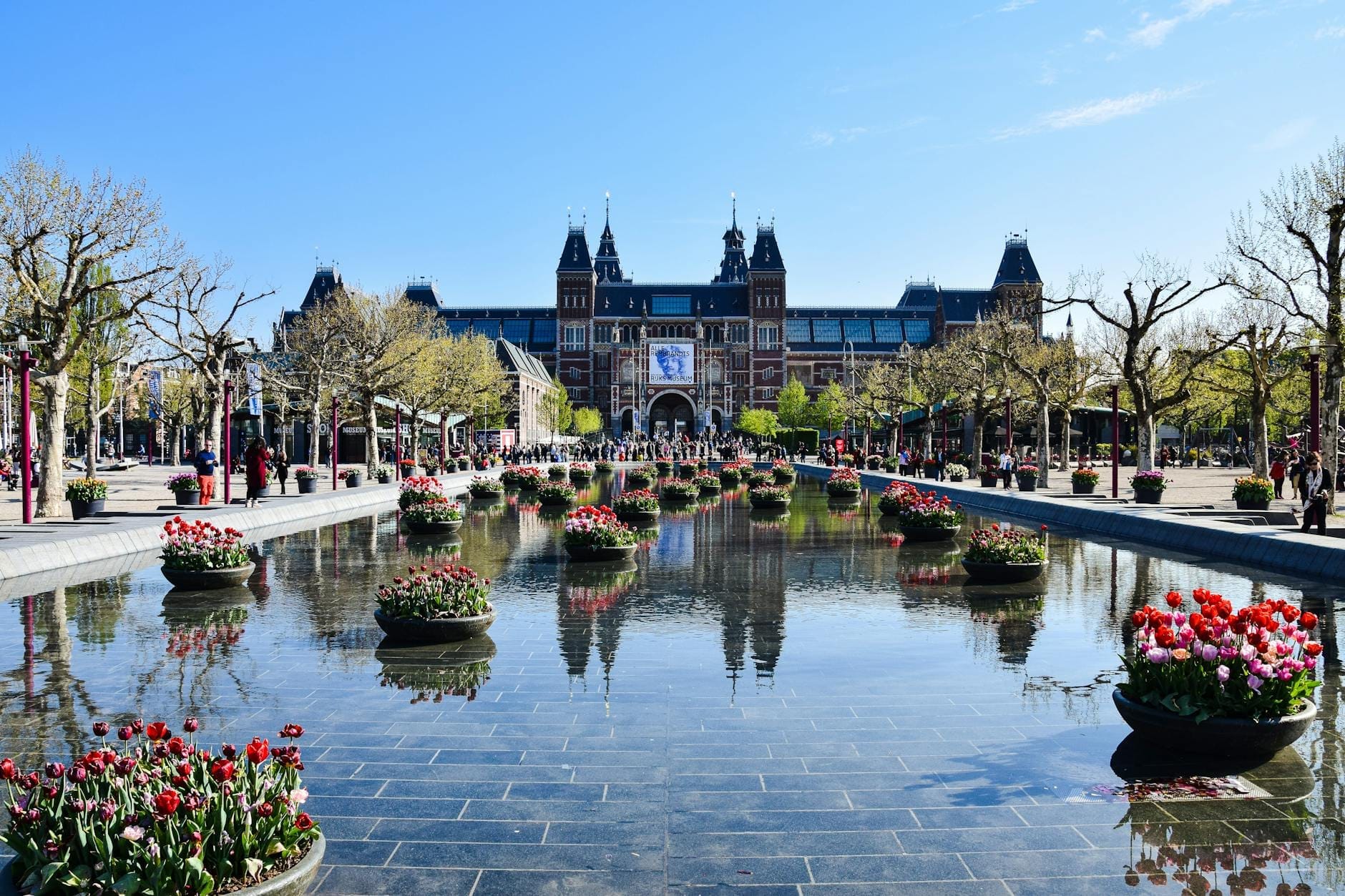
- Rijksmuseum The Dutch national museum, home to Rembrandt's Night Watch and Vermeer's The Milkmaid. Pre-booked tickets are strongly recommended. Allow at least two to three hours.
- Van Gogh Museum The world's largest collection of Van Gogh's work, located on Museumplein. Book tickets via the official site — the queue without tickets on a summer afternoon is genuinely brutal.
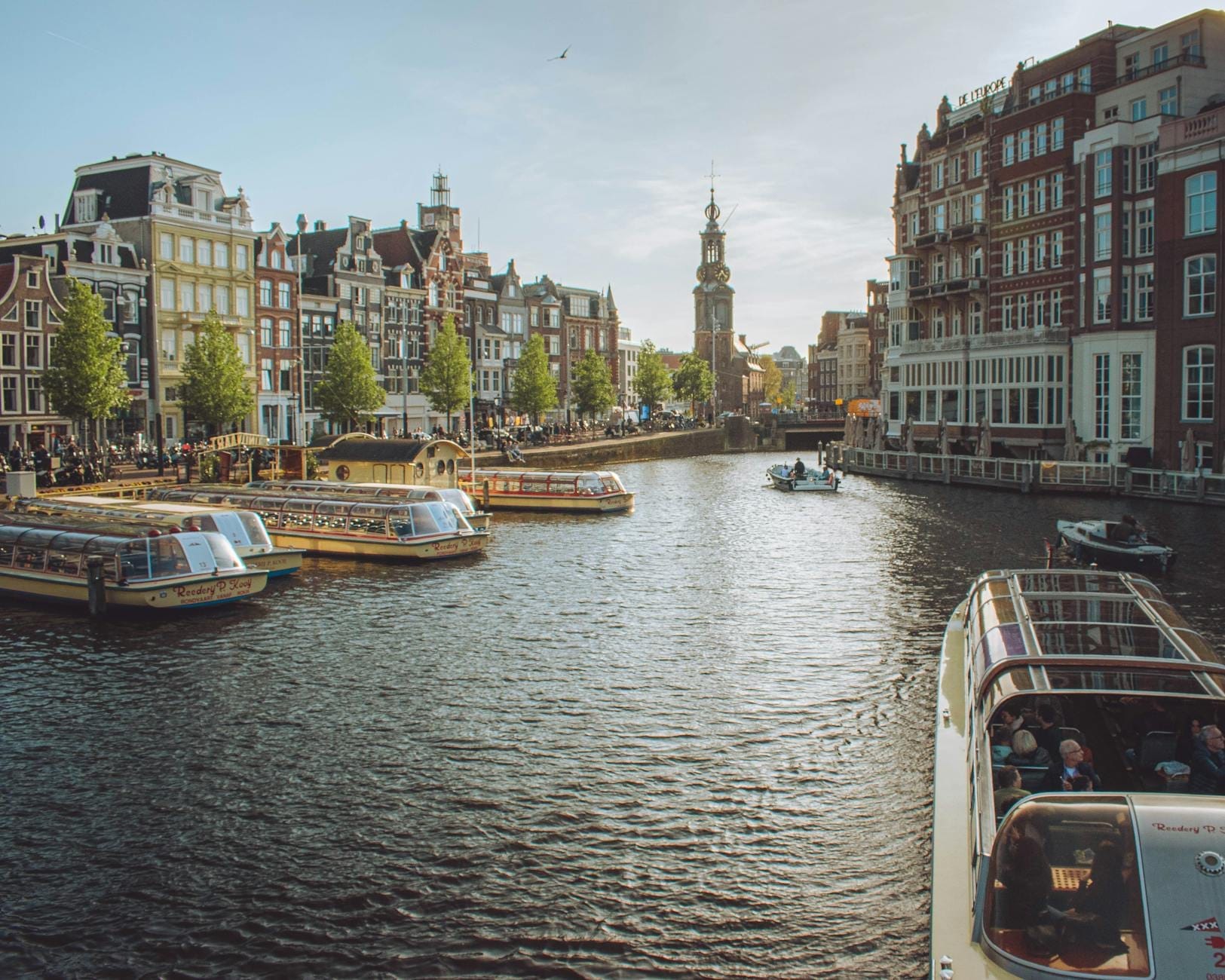
- Canal cruise A reliable, low-effort way to see the city from water level. Multiple operators run routes from Centraal station and the Rijksmuseum area. Evening cruises are particularly atmospheric for solo travelers.
- Vondelpark Amsterdam's main city park, free to enter and excellent for an afternoon of reading, people-watching, or a run. Particularly lively on sunny weekend afternoons.
- Walking tour Free walking tours depart daily from Dam Square; pay what you think it was worth at the end. A good way to meet other travelers and get oriented on your first day.
For solo travelers who want to go beyond the headline sights, the De Pijp neighborhood is worth a full morning. The Albert Cuyp Market runs Monday to Saturday and is one of the largest outdoor markets in the Netherlands: cheap street food, fresh produce, fabrics, and a genuine local crowd. It is a far cry from the tourist-facing Bloemenmarkt on the Singel canal, which sells more souvenirs than actual flowers at this point.
✨ Pro tip
Museums in Amsterdam are significantly less crowded on weekday mornings, especially Tuesday to Thursday. If you can time your Rijksmuseum or Van Gogh Museum visit for a 9:00 or 10:00 entry on a Wednesday, you will have a genuinely different experience from a Saturday afternoon in July.
Where to Stay as a Solo Traveler

Accommodation choices in Amsterdam break down fairly simply for solo travelers. Hostels in the centre offer the social dimension that can make solo travel more enjoyable; the best-reviewed ones book out weeks in advance during peak season (April to August and around King's Day in late April). Women-only dorm rooms are available at several hostels and are consistently well-reviewed by solo female travelers; check the specific hostel listings on booking platforms for availability.
For solo travelers who prefer a private room, budget hotels and the Canal Ringapartment rentals in the Jordaan, Canal Ring, and Oud-Zuid offer good positions without being directly in the most chaotic tourist zones. Staying near Leidseplein or Rembrandtplein puts you close to nightlife but expect noise on weekend nights. For a calmer base, the area around Westerpark or eastern De Pijp is walkable to the centre and noticeably quieter. A full breakdown of neighborhoods and what they offer solo travelers is in the Amsterdam accommodation guide.
Practical Logistics: Money, Language & Daily Life
Amsterdam uses the Euro (EUR). ATMs accept Visa and Mastercard; contactless payment works almost everywhere, including on public transport, in supermarkets, and at most cafes and restaurants. Carrying a small amount of cash is sensible for public toilets (which often charge around €0.50) and very small purchases, but you will rarely need more than €20 in notes.
English is spoken fluently by the vast majority of people working in hospitality, transport, and retail in Amsterdam. You do not need Dutch to navigate the city, though learning a few words (dankjewel for thank you, alsjeblieft for please or here you go) is always appreciated. Amsterdam's official language is Dutch and the country is formally the Netherlands, not Holland.
- Tipping is optional, not obligatory. Rounding up the bill or leaving 5-10% in restaurants is common and appreciated, but not expected the way it is in the US.
- Tap water is safe to drink throughout Amsterdam and the Netherlands. Carry a refillable bottle.
- Electricity runs at 230V, 50Hz with Type C and F plugs. Travelers from the UK and US will need adapters.
- The country dialing code is +31. SIM cards are available at Schiphol Airport and phone shops in the city centre.
- Public toilets charge around €0.50. Cafe toilets are usually free if you buy something — ordering a coffee gives you access to a seat and a bathroom, both useful for solo travelers.
- Dress is casual across the city. Some churches and upscale restaurants expect smart-casual attire, but Amsterdam has no meaningful formal dress culture for tourists.
Amsterdam's climate is oceanic: mild summers, cool winters, and rainfall distributed fairly evenly across the year. There is no true dry season. April to September offers the most reliable weather and the longest daylight hours, with July and August the warmest months (typically low-to-mid 20s °C). Spring is particularly rewarding if you plan to visit the wider tulip region — see the tulip season guide for timing and logistics. Winter is quieter, cheaper, and has its own appeal, especially around the Amsterdam Light Festival in December and January.
Solo Travel Mindset: What Amsterdam Rewards and What It Does Not
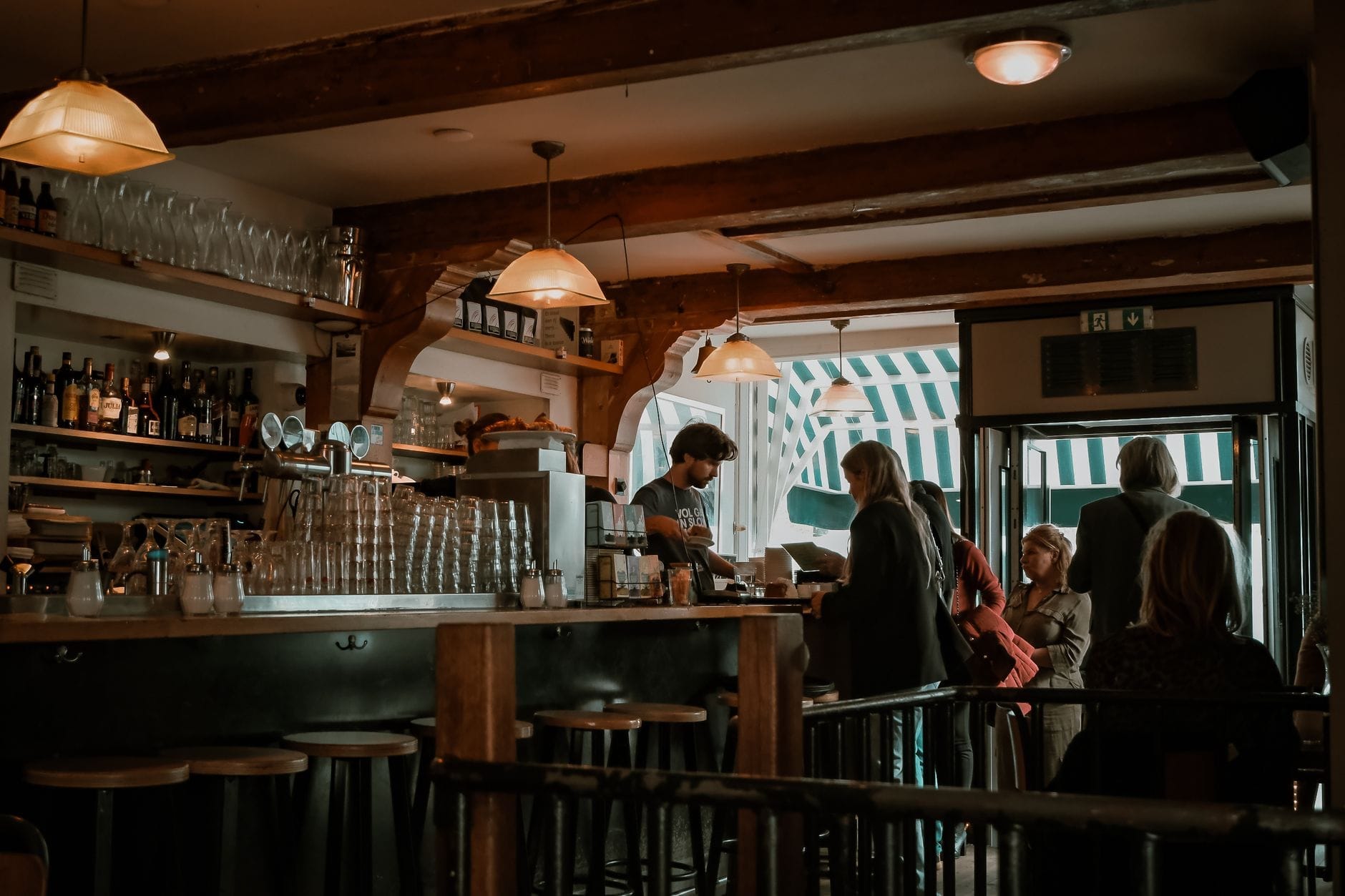
Amsterdam rewards curiosity and slow exploration more than any checklist approach. The city is small enough that getting lost is never a real problem, and many of the best experiences come from following a canal in an unfamiliar direction or ducking into a brown cafe (bruine kroeg) for an afternoon beer. Solo travelers who try to hit every major museum in two days usually feel rushed and leave underwhelmed.
What Amsterdam does not particularly reward is passivity. The city has a well-documented tourist infrastructure that will happily take your money for mediocre experiences if you do not do a little research first. The Bloemenmarkt is more souvenir shop than flower market. Madame Tussauds exists near Dam Square and is not worth your time unless you have children in tow. The canal cruises vary enormously in quality and price — look for operators with audio guides in multiple languages and boats with open upper decks rather than sealed glass hulls.
For solo travelers who want to meet people, free walking tours hostels are consistently the best option on arrival day. Beyond that, cooking classes, cycling tours, and evening canal tours tend to attract solo travelers and are structured around small groups. Amsterdam's coffee shop culture is a solo-friendly environment, though it is worth understanding what you are walking into before you do — the coffee shop guide gives a clear overview.
ℹ️ Good to know
Amsterdam has excellent day trip options within 30-60 minutes by train. Haarlem is 15 minutes by direct train and far less crowded than Amsterdam for most of the year. Zaanse Schans offers the classic Dutch windmill and cheese experience without the coach-tour intensity if you arrive before 10:00. Both make excellent solo half-day trips.
FAQ
Is Amsterdam safe for solo female travelers?
Yes, Amsterdam is widely considered one of the safer cities in Europe for solo female travelers. The main precautions are standard urban awareness: keep bags secure in crowded areas, avoid lingering alone in the Red Light District late at night, and use regulated taxis or ride-hailing apps rather than unmarked cabs. Multiple solo female travel accounts describe Amsterdam as straightforward and comfortable to navigate alone.
How many days do you need in Amsterdam as a solo traveler?
Three to four days is a solid amount of time to cover the major museums, explore two or three neighborhoods properly, take a canal cruise, and have time to simply wander. Two days is workable if you pre-book tickets and stay focused. Less than two days means you will spend most of your time queuing rather than experiencing the city.
What is the best area to stay in Amsterdam for solo travelers?
The Jordaan and Canal Ring offer the best balance of central location, walkability, and atmosphere without being directly in the most chaotic tourist zones. De Pijp suits travelers who prefer a more local feel. Staying very close to the Red Light District can mean noise and disruption at night, which is fine for some solo travelers and not for others.
Do I need to book Amsterdam attractions in advance?
Yes, for the major ones. The Anne Frank House requires advance booking through the official website — there is no walk-up option. The Rijksmuseum and Van Gogh Museum strongly recommend pre-booking, especially between April and August when same-day tickets often sell out. Book as soon as you have confirmed dates.
What is the cheapest way to get from Amsterdam Airport (Schiphol) to the city centre?
The direct train from Schiphol Station (inside the airport) to Amsterdam Centraal is the fastest and most affordable option. The journey takes around 15-20 minutes. Trains run frequently throughout the day and night. Taxis and ride-hailing apps are significantly more expensive and subject to traffic delays, particularly during peak hours.
Tickets & tours
Live prices and dates from our booking partner. If you book, we may earn a commission at no extra cost to you.
Planning a trip? Discover personalized activities with the Nomado app.