Amsterdam Coffee Shops: What Every Traveler Needs to Know Before They Go
Amsterdam's coffeeshops are unlike anything else in Europe, but they come with rules, limits, and legal nuances most visitors don't fully understand. This guide breaks down exactly how they work, what to expect inside, what you can legally do outside, and how to avoid the most common mistakes.
Tickets & tours
Live prices and dates from our booking partner. If you book, we may earn a commission at no extra cost to you.
TL;DR
- A coffeeshop in Amsterdam is a licensed cannabis venue, not a regular café. The two are completely different things.
- Cannabis is not fully legal in the Netherlands. It is tolerated under a formal policy called gedoogbeleid, meaning small-scale sale and use are permitted in licensed shops.
- You must be 18 or older to enter, and you need valid ID. The daily purchase limit is 5 grams per person.
- Since May 2023, smoking cannabis in public is banned at night in central areas including Dam Square and the Red Light District. Fines apply. See our guide to staying safe and legal in Amsterdam for more context.
- Amsterdam currently allows tourists to buy cannabis in coffeeshops. The daily cap is 5 grams. This policy applies to Amsterdam specifically and differs from rules in some Dutch border towns.
What a Coffeeshop Actually Is (and What It Isn't)
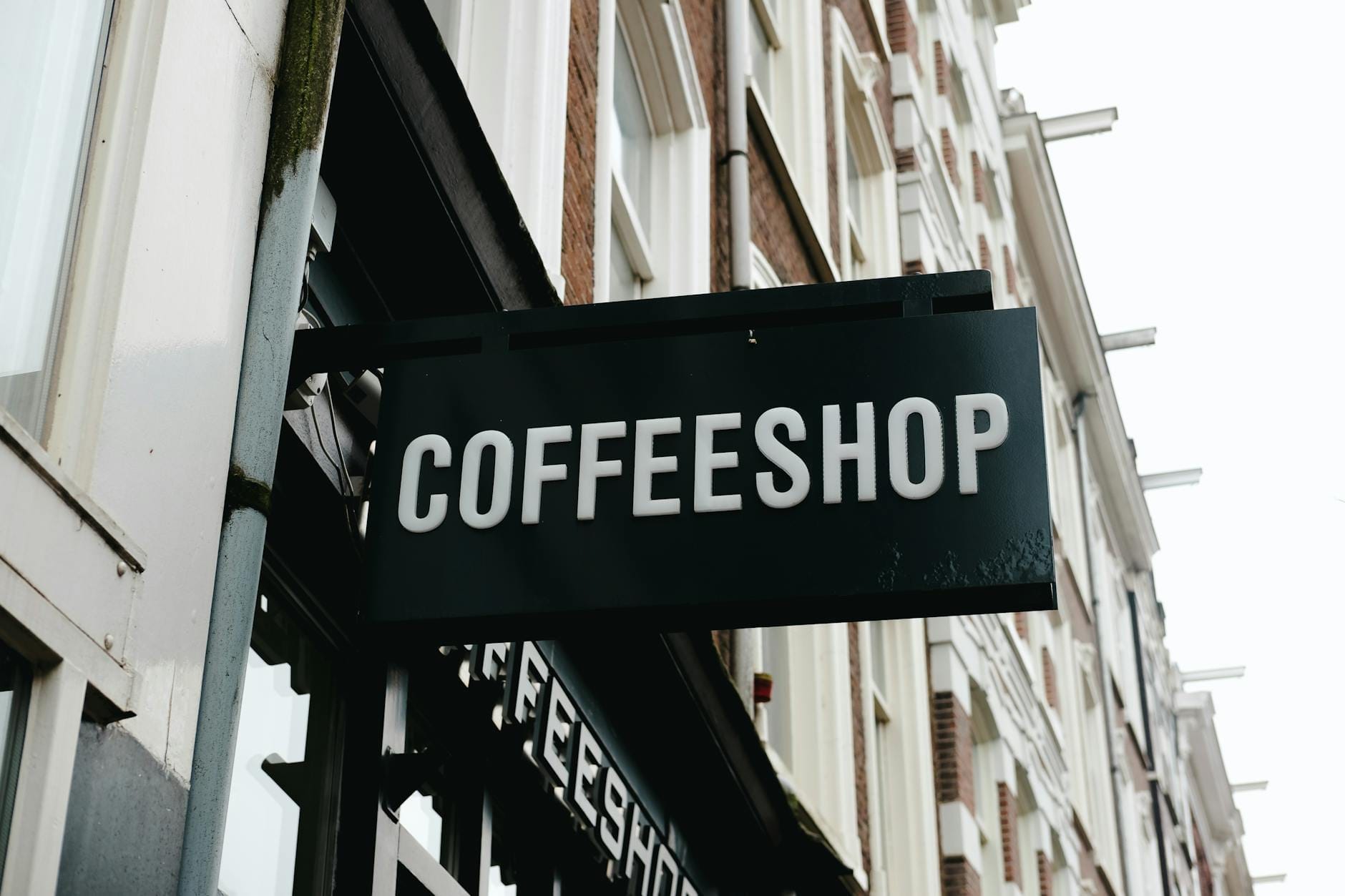
The terminology confuses a lot of first-time visitors. In Dutch, a koffiehuis or café is where you order an espresso and sit with your laptop. A coffeeshop, written as one word, is a licensed premises where cannabis is sold and consumed. The two are entirely separate categories, and most regular cafés in Amsterdam have nothing to do with cannabis.
Coffeeshops operate under what the Dutch call gedoogbeleid, a formal tolerance policy. Cannabis possession and sale technically remain illegal under Dutch law, but the government has chosen not to prosecute licensed shops that operate within strict conditions. This is not the same as legalisation. The distinction matters practically: coffeeshops cannot openly advertise, cannot sell hard drugs, and must not supply minors under any circumstances.
ℹ️ Good to know
The word 'coffeeshop' in Amsterdam always refers to a cannabis venue. If you want a specialty coffee experience, look for a café, koffiebar, or specialty coffee roaster. Amsterdam has an excellent third-wave coffee scene that is entirely separate from the coffeeshop circuit.
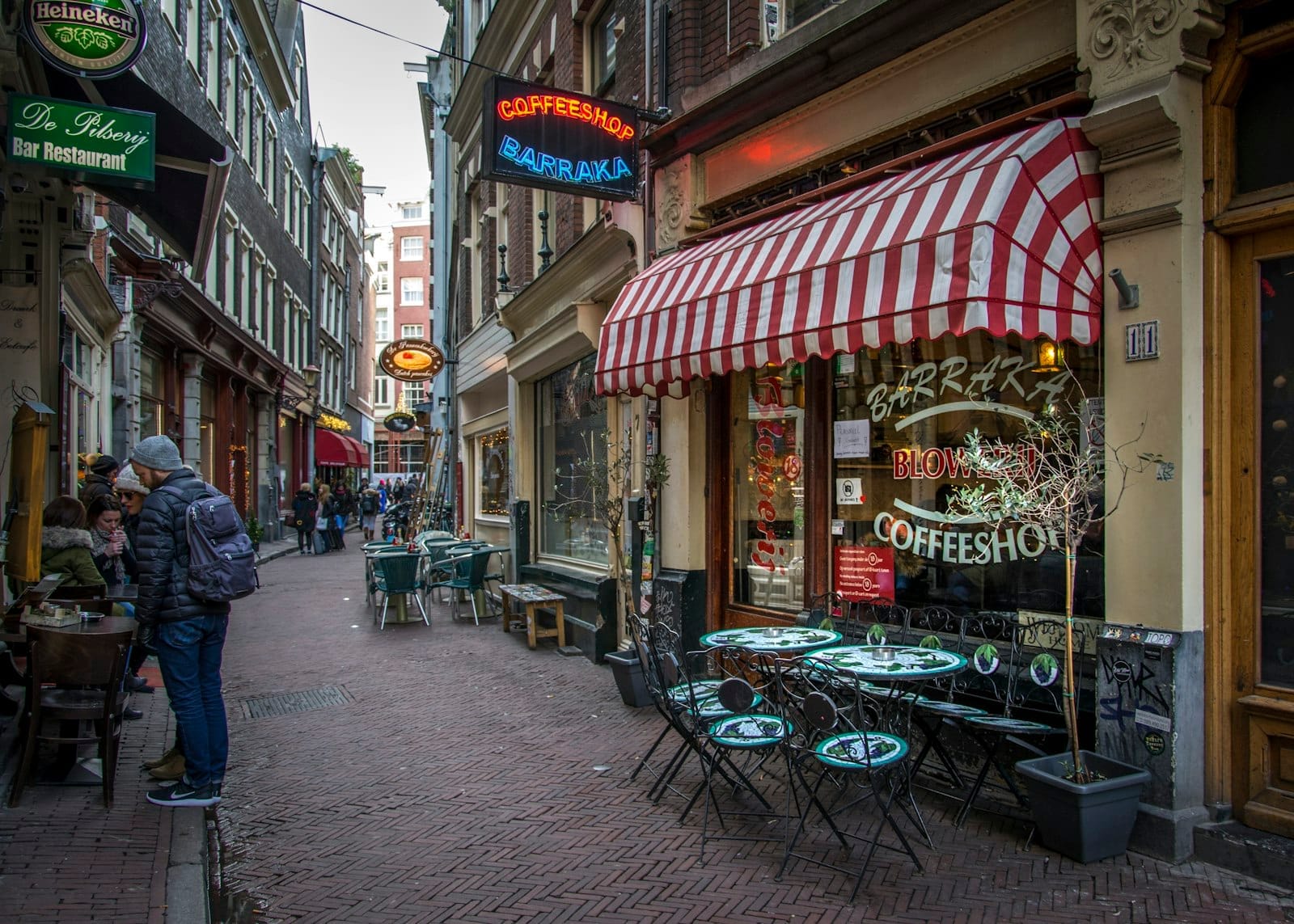
Coffeeshops are concentrated heavily around the Red Light District (De Wallen) and the broader city centre. You'll also find them scattered through the Jordaan, Leidseplein, and Rembrandtplein areas. The density in De Wallen means weekends there can feel chaotic, especially in spring and summer.
The Rules: Age, ID, Limits, and What They Sell
The minimum age to enter a coffeeshop and make a purchase is 18. Some shops set their own house rules at 21, which they are entitled to do. You will be asked for ID at the door or at the counter, and staff are trained to refuse entry if you cannot produce valid identification. A passport or EU national ID card is the safest option to carry. A driving licence may be accepted but is not guaranteed.
- Purchase limit 5 grams of cannabis per person per day, across all formats including loose weed, hash, and pre-rolled joints.
- Products available Loose cannabis by the gram (typically sold in 1g increments), hash, and pre-rolled joints. Some shops also sell edibles, though availability varies.
- Typical prices Loose cannabis costs roughly €10 to €15 per gram depending on strain and shop quality. Pre-rolled joints start at around €5 each. Many pre-rolls contain tobacco, so check before you buy if that matters to you.
- No alcohol Coffeeshops are not licensed to sell alcohol. Expect soft drinks, tea, coffee, and juice. This is a deliberate regulatory separation.
- No hard drugs Selling, offering, or using hard drugs on the premises is illegal and grounds for immediate licence revocation.
⚠️ What to skip
Many pre-rolled joints sold in Amsterdam coffeeshops contain a mix of cannabis and tobacco. If you want pure cannabis, ask specifically for a tobacco-free joint or roll your own using the herbal (non-tobacco) mixes that most shops stock. Indoor tobacco smoking is banned under Dutch law, and joints with tobacco may not be smoked inside, but you can generally still consume pure cannabis (without tobacco) on the premises where the venue provides a designated area for it.
Public Smoking Rules: What Changed in 2023
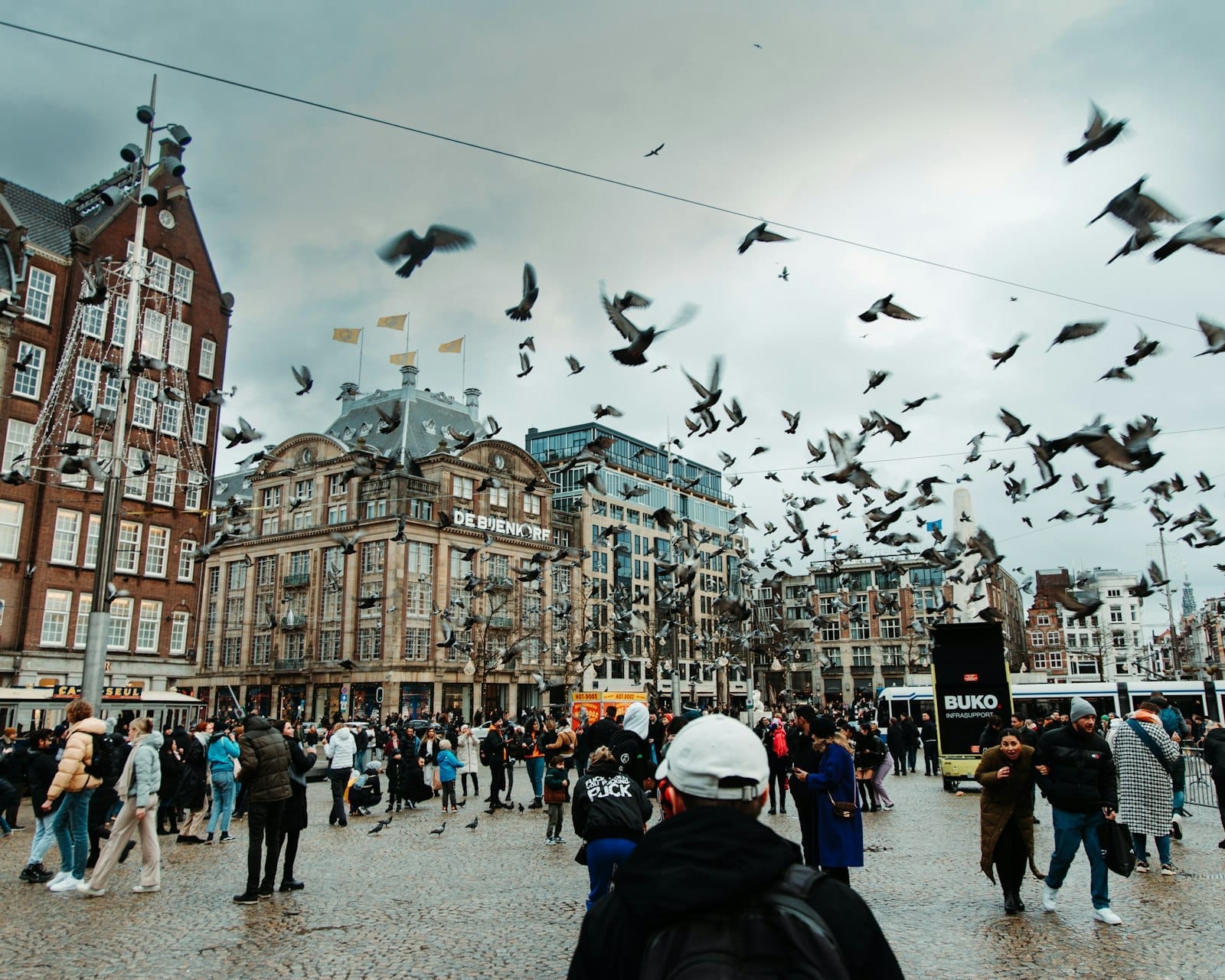
This is where many visitors get caught out. Amsterdam introduced a public cannabis smoking ban in specific central areas from May 2023. The ban applies at night and covers high-traffic zones including Dam Square, Damrak, the Red Light District, and Nieuwmarkt. Violating the ban can result in a fine. The city has been enforcing this as part of a broader effort to manage tourism pressure in its most crowded neighbourhoods.
The practical implication is straightforward: consume inside a licensed coffeeshop, not on the street. The Jordaan and areas away from the main tourist corridor are generally quieter, with less enforcement pressure and a more relaxed atmosphere. If you're visiting during peak season, these neighbourhoods offer a noticeably different experience from the gridlocked streets near Centraal Station.
✨ Pro tip
Visit coffeeshops on a weekday morning or early afternoon to avoid queues and capacity limits. During summer weekends, popular shops in the centre can have significant wait times at the door, and some operate strict crowd controls. Shops in the Jordaan or De Pijp tend to be calmer than those directly in De Wallen.
What to Expect Inside a Coffeeshop
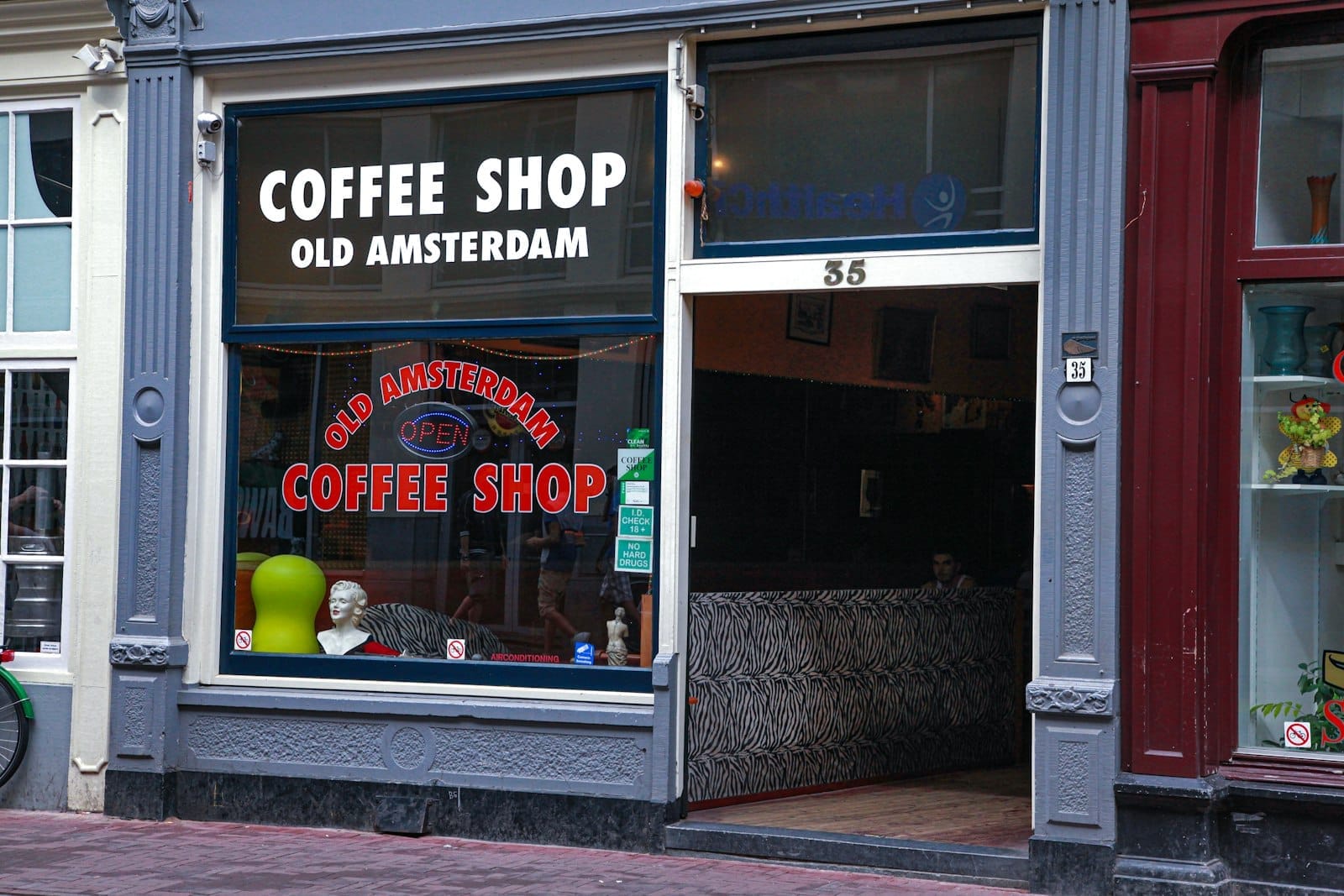
The layout and vibe vary considerably. Some coffeeshops are dark, music-heavy spaces with low lighting and a basement feel. Others are bright, cafe-style rooms with menus displayed on boards and a service counter where you order cannabis separately from food and drinks. The common element is a display case or menu listing strains and formats with prices per gram.
When you enter, head to the cannabis counter first, then get your drinks separately. Staff are generally accustomed to tourists and will walk you through products if you ask. Being honest about your experience level is a good idea: the cannabis sold in Amsterdam coffeeshops can be significantly stronger than what visitors may be used to, and staff can advise accordingly. Starting with a small amount and waiting to gauge the effect is consistently sound advice.
- Bring your ID every time, even if you visited the same shop the day before. Staff can refuse entry to anyone who cannot produce it.
- Don't bring your own cannabis. Coffeeshops are licensed to sell, not to allow consumption of outside product.
- Respect the no-tobacco rule. Rolling with pure cannabis or herbal mix is standard practice.
- You are not obligated to buy cannabis to sit inside, but most shops expect you to purchase something, even if it's just a drink.
- Some shops have a two-queue system: one for cannabis purchases, one for drinks. Watch how other customers move and follow the same flow.
- Photography of other customers is not acceptable. Many regulars are there for privacy and won't appreciate being in someone's travel photos.
Common Misconceptions Worth Addressing Directly
Cannabis is not fully legal in the Netherlands. This is the single most repeated misconception among visitors. Possession and sale are crimes under Dutch law. The tolerance policy creates a legal grey area, not a green light. This also means there is no equivalent of a Colorado-style regulated market with lab-tested packaging and consumer protections. You are buying from a tolerated grey market, and the quality and composition of products can vary.
The resident-only restriction does not currently apply in Amsterdam. Some Dutch municipalities, particularly near the Belgian and German borders, restrict coffeeshop sales to Dutch residents, requiring a so-called wietpas or membership system. Amsterdam has not adopted this approach and continues to serve international visitors. However, Dutch drug policy does evolve, and it is always worth checking current rules before your trip.
Finally, buying cannabis in a coffeeshop and then carrying it across an international border is illegal, regardless of where you're travelling to. The Netherlands is part of the Schengen Area, and crossing into Belgium, Germany, or France with cannabis is a criminal offence in those countries. If you're planning a train journey to Berlin or a trip to Paris after Amsterdam, do not bring cannabis with you.
Practical Context: Fitting Coffeeshops Into Your Amsterdam Trip
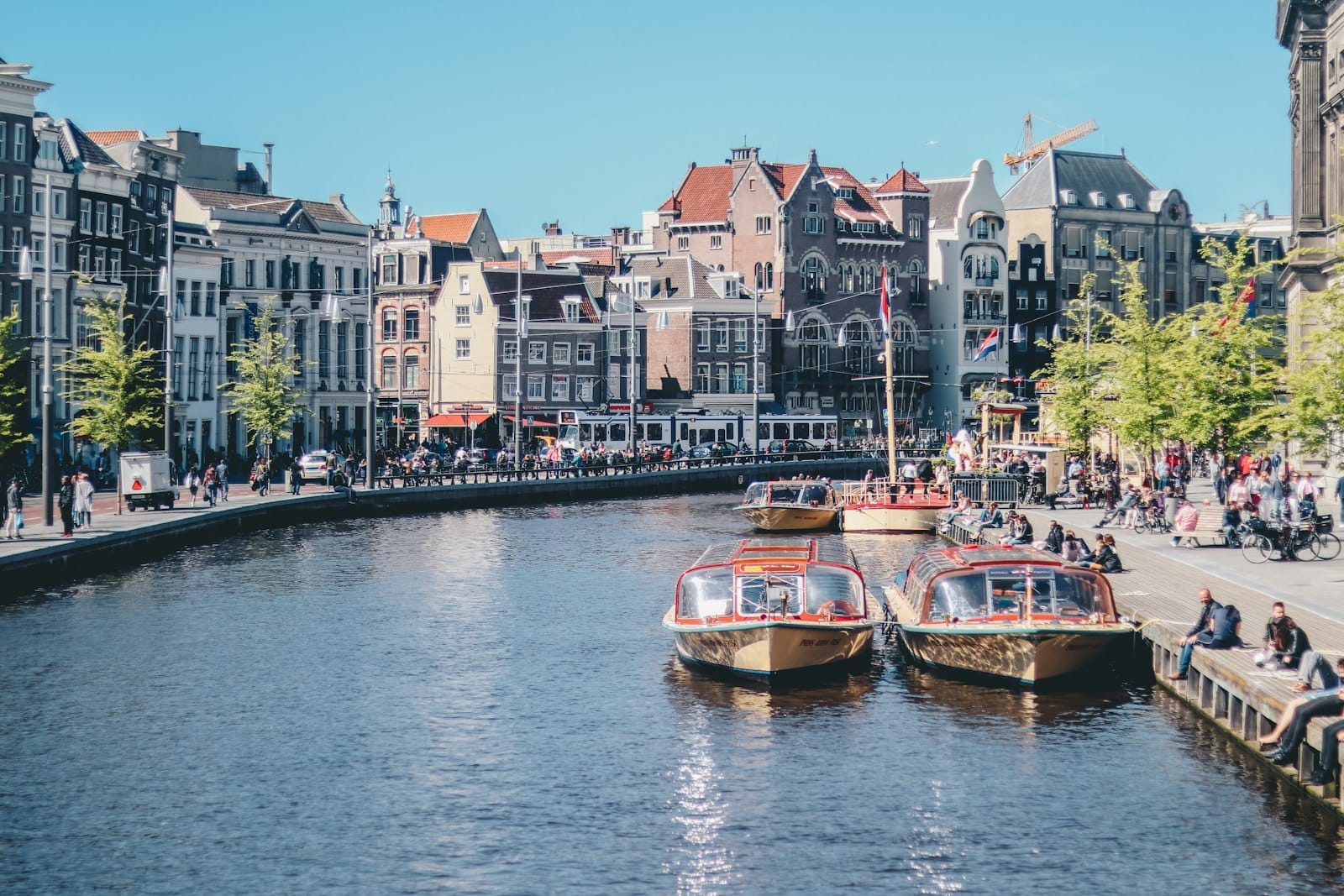
For most visitors, coffeeshops are one small part of a much larger Amsterdam experience. The city's Rijksmuseum, Van Gogh Museum, canal boat tours, and market culture are all far more central to what makes Amsterdam worth visiting. Treating coffeeshops as a curiosity rather than the primary reason for a trip leads to a more rewarding visit overall.
If you're building an itinerary, note that the most efficient two-day itinerary puts the major cultural sites in the mornings when crowds are lighter, leaving afternoons for neighbourhood exploration. The Jordaan and De Pijp are both excellent areas to walk through, and both have coffeeshops if that's part of your plan, along with independent shops, cafés, and the Albert Cuyp Market.
Seasonal timing affects the experience noticeably. Spring weekends, particularly during tulip season in April and May, bring the highest tourist volumes to the city centre. If you're visiting during spring in Amsterdam, expect long queues at popular coffeeshops near the centre and consider seeking out shops in quieter districts instead.
FAQ
Can tourists buy cannabis in Amsterdam coffeeshops?
Yes. Amsterdam currently allows international visitors to purchase cannabis in licensed coffeeshops. You must be 18 or older, carry valid ID, and the daily purchase limit is 5 grams per person. Note that some other Dutch cities restrict sales to residents, but this does not apply in Amsterdam at the time of writing.
Is cannabis legal in Amsterdam?
No, cannabis is not fully legal in the Netherlands. It remains technically illegal under Dutch law, but the government tolerates small-scale sale and personal use in licensed coffeeshops under a policy called gedoogbeleid. This is a legal grey area, not full legalisation.
What is the difference between a coffeeshop and a café in Amsterdam?
A coffeeshop is a licensed cannabis venue. A café or koffiehuis is a regular place to eat and drink coffee or alcohol. The two are completely separate. Most regular cafés and specialty coffee bars in Amsterdam have no connection to cannabis.
Can you smoke cannabis on the streets of Amsterdam?
Since May 2023, smoking cannabis in public has been banned at night in key central areas including Dam Square, Damrak, the Red Light District, and Nieuwmarkt. Fines can be issued. Cannabis consumption is permitted inside licensed coffeeshops.
How much does cannabis cost in Amsterdam coffeeshops?
Prices vary by shop and product quality. Loose cannabis typically costs between €10 and €15 per gram. Pre-rolled joints start at around €5 each. Many pre-rolls contain a mix of cannabis and tobacco, so ask specifically if you want a tobacco-free option.
Tickets & tours
Live prices and dates from our booking partner. If you book, we may earn a commission at no extra cost to you.
Planning a trip? Discover personalized activities with the Nomado app.