FOAM Photography Museum: Amsterdam's Best Space for Photography
Housed in a 17th-century canal house on Keizersgracht, FOAM Photography Museum (Fotografiemuseum Amsterdam) has been one of Europe's leading photography institutions since it opened in December 2001. Four floors of rotating exhibitions cover documentary work, fine art photography, fashion, and emerging talent, making it a serious cultural stop that rewards repeat visits.
Quick Facts
- Location
- Keizersgracht 609, 1017 DS Amsterdam, Canal Ring
- Getting There
- Tram 24 from Dam Square to the Keizersgracht stop; also walkable from Waterlooplein
- Time Needed
- 1.5 to 2.5 hours depending on current exhibitions
- Cost
- Adults €16 / Students €12.80 / Under 18 €11.75 / Under 12 free
- Best for
- Photography enthusiasts, contemporary art lovers, rainy-day culture seekers
- Official website
- www.foam.org
What FOAM Photography Museum Actually Is
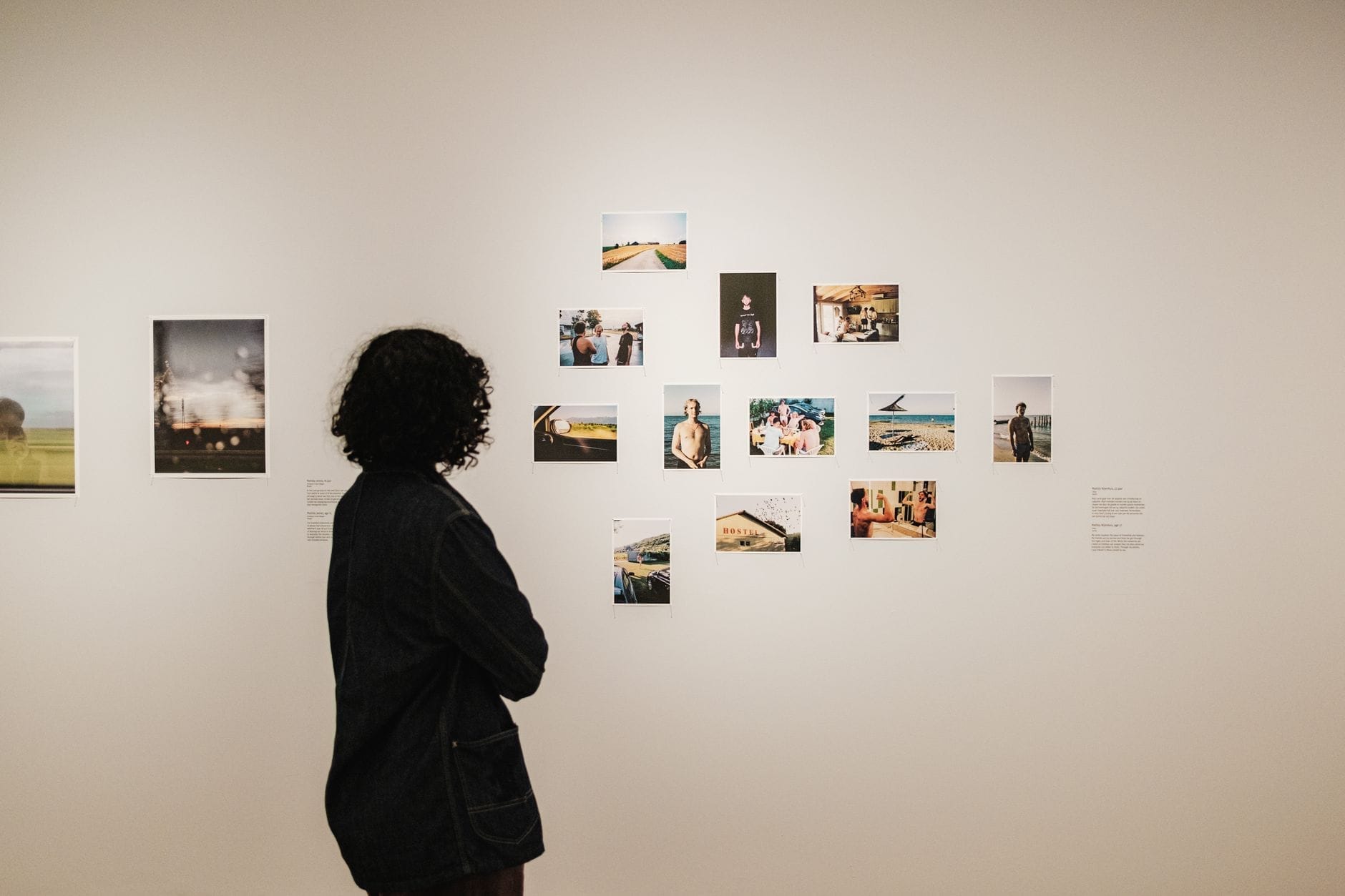
FOAM Photography Museum, officially the Fotografiemuseum Amsterdam, opened in December 2001 in a converted canal house on Keizersgracht in Amsterdam's historic Canal Ring. It is not a permanent collection museum in the traditional sense. Instead, FOAM runs a continuous program of rotating exhibitions, typically four to six shows running simultaneously across its four floors, drawing from documentary photography, portraiture, fashion, street photography, and fine art. The programming shifts several times a year, which means two visits six months apart will feel like two different museums.
The museum has cultivated a reputation for presenting both established names and emerging photographers with equal seriousness. Past exhibitions have featured work by photographers of international standing alongside names that were largely unknown before FOAM gave them a platform. That curatorial ambition is the museum's defining quality, and it is the main reason photographers and photography editors based in Amsterdam treat it as essential.
💡 Local tip
Check foam.org before your visit to see which exhibitions are running. The program changes frequently, and the current lineup will significantly shape whether the museum matches your interests on any given day.
The Building: A Canal House That Works Hard
The building at Keizersgracht 609 is a classic Amsterdam canal house, narrow and deep, with the slightly uneven floors and steep internal staircases characteristic of 17th-century construction in the Canal Ring. The canal house format creates an unusual gallery experience: rooms are relatively small and intimate compared to purpose-built white-cube museums, which means the photographs feel closer and more immediate. Large prints that might feel remote in a vast gallery press in on you here.
The architects who converted the space did not attempt to disguise the building's age. Original wooden beams, period details, and the slightly creaking floors are all still present. Skylights and carefully placed artificial lighting compensate for the modest natural light that canal-house windows allow. The result is a layered environment where contemporary photography sits inside a building that is itself part of Amsterdam's architectural heritage.
The Keizersgracht address places FOAM squarely in one of the most photographed streets in Amsterdam. Walking to the museum from either direction along the canal is part of the experience. If you want context for the surrounding architecture and urban history of this district, the Amsterdam architecture guide covers the Canal Ring's 17th-century planning in detail.
Tickets & tours
Live prices and dates from our booking partner. If you book, we may earn a commission at no extra cost to you.
What to Expect Inside: Floor by Floor
FOAM's four floors are connected by a narrow staircase, and most visitors move upward from the ground floor entry. Each floor typically hosts a separate exhibition, so the transition between shows is sharp: you will notice the shift in atmosphere, scale, and intent as you pass from one photographer's world into another. This segmentation works well when the exhibitions contrast interestingly, and occasionally feels abrupt when the curation does not provide connective tissue between them.
The ground floor space is the largest and most accessible, making it the usual home for the anchor exhibition. Upper floors tend to host more focused or experimental work. The top floor, lit partly by skylights, is often given to quieter, more contemplative projects. A small bookshop near the entrance stocks photography monographs, exhibition catalogs, and FOAM's own magazine, which has been running since the museum's early years and is respected in photography circles internationally.
The museum does not have a permanent café, though the bookshop area sometimes has seating. If you want coffee before or after your visit, the Canal Ring offers no shortage of options within a short walk.
Best Time to Visit and How It Changes Through the Day
Thursday and Friday evenings, when the museum stays open until 21:00, are the most atmospheric times to visit. By early evening the midday tourist traffic has thinned, the canal outside takes on a different quality of light, and the interior feels more contemplative. These evening hours are particularly good for anyone who wants to spend time sitting with individual photographs rather than moving through at a pace dictated by crowd flow.
Weekend midday hours, particularly Saturday between noon and 15:00, are the most crowded. The narrow staircases and small gallery rooms feel genuinely cramped when the museum is full. If Saturday is your only option, arriving at opening time at 10:00 makes a meaningful difference.
Weekday mornings from Monday through Wednesday are the quietest windows. If you are in Amsterdam mid-week and have flexibility, a Tuesday or Wednesday morning visit lets you move through the exhibitions at your own pace, which is how photography is best absorbed.
ℹ️ Good to know
Opening hours: Monday to Wednesday 10:00–18:00, Thursday to Friday 10:00–21:00, Saturday to Sunday 10:00–18:00. Verify current hours at foam.org before visiting, as hours can change around public holidays and exhibition changeovers.
Getting There and Practical Logistics
FOAM sits on Keizersgracht in the southern part of the Canal Ring. From Dam Square, tram 24 reaches the Keizersgracht stop in a few minutes. From Amsterdam Centraal, tram 24 covers the route in roughly 10 to 15 minutes depending on traffic. The museum is also reachable on foot from Waterlooplein in around 10 minutes, passing through the eastern edge of the Canal Ring.
Cycling to FOAM is straightforward. Keizersgracht has ample bicycle parking along the canal railings, and Amsterdam's cycling infrastructure means most central hotels are within a 10 to 15 minute ride.
If you are combining FOAM with other Canal Ring stops, it fits naturally into a half-day route that includes the Anne Frank House to the north or the independent boutiques of De Negen Straatjes nearby.
⚠️ What to skip
Accessibility is limited for wheelchair users due to the canal house's narrow staircases and multiple floor levels. Guide dogs are permitted. Contact the museum in advance if you have specific access requirements.
Photography Inside the Museum
FOAM generally permits photography without flash in its galleries for personal, non-commercial use, but individual exhibitions may restrict photography depending on the artist's wishes. Check the signage at the entrance to each gallery room before shooting. Because the rooms are small, available light varies considerably: top-floor skylit spaces are brighter than the lower floors, which rely more heavily on artificial gallery lighting.
If you are shooting the exterior, Keizersgracht provides some of Amsterdam's most consistently photographed canal views. Morning light from the east falls along the canal in a way that is worth planning around if you have a specific shot in mind.
Honest Assessment: Is FOAM Worth Your Time?
FOAM is one of those attractions that varies significantly in value depending on the current program and your interest level in photography as a medium. When the exhibitions are strong, it is one of the most rewarding cultural experiences Amsterdam offers: intimate, intelligent, and distinct from anything you will find in the Rijksmuseum or Van Gogh Museum. When the program is between major shows or the current lineup does not connect with you, the relatively small physical space and the €16 ticket price may feel steep.
Visitors who do not have a pre-existing interest in photography will likely find the experience brief and possibly underwhelming compared to the larger encyclopedic museums nearby. The museum makes no attempt to be broadly accessible in the way that family-oriented institutions do. It is a serious photography space, and it works best for people who engage with it on those terms.
Travelers who want a broader sweep of Amsterdam's cultural institutions can weigh FOAM against the city's larger museums using the best museums in Amsterdam guide, which gives a clearer picture of how to allocate limited time across the city's museum offerings.
If you hold an Amsterdam City Card, check current inclusion terms before purchasing; FOAM's inclusion status can change, and verifying this in advance affects how you calculate the card's value.
Insider Tips
- Thursday and Friday evening sessions until 21:00 are the museum's best-kept schedule feature. Crowds drop significantly after 18:00, and the canal views from the upper-floor windows take on a completely different character after dark.
- The FOAM magazine, sold in the bookshop, is respected in professional photography circles and makes a more interesting souvenir than a poster or postcard. Back issues are sometimes available at a discount.
- If you are visiting multiple times during a stay, ask at the desk about re-entry policies or multi-visit options, particularly if exhibitions change during your time in Amsterdam.
- The canal house staircase is genuinely steep and narrow. If you have mobility concerns short of wheelchair use, take it slowly and use the handrails. It is not dangerous, but it catches some visitors off-guard.
- Combine a FOAM visit with a walk south along Keizersgracht toward the Amstel river. The stretch between FOAM and the Magere Brug is one of the quieter and more photogenic sections of the canal, particularly in the early morning or late afternoon.
Who Is FOAM Photography Museum For?
- Photography enthusiasts and working photographers wanting to see serious contemporary work in an intimate setting
- Travelers on a second or third Amsterdam visit who have covered the major museums and want something more specialized
- Rainy afternoon culture seekers looking for a compact, absorbing indoor experience in a central location
- Art and design students with an interest in how photography functions across documentary, commercial, and fine art contexts
- Couples or solo travelers who prefer smaller, quieter institutions over large crowds
Nearby Attractions
Other things to see while in Canal Ring (Grachtengordel):
- Anne Frank House
The Anne Frank House on Prinsengracht 263 preserves the hidden rooms where Anne Frank and seven others lived in concealment from 1942 to 1944. One of the most significant memorial sites in Europe, it requires advance planning but rewards visitors with an experience that stays with them long after they leave Amsterdam.
- Bloemenmarkt (Floating Flower Market)
The Bloemenmarkt sits on a row of fixed barges along the Singel canal, operating since 1862 as the world's only floating flower market. Free to enter and open daily, it sells tulip bulbs, cut flowers, and souvenirs in the heart of Amsterdam's Canal Ring. Here is what you will actually find there.
- Amsterdam Canal Cruises
A canal cruise is one of the most efficient ways to understand Amsterdam's layout and its 17th-century heritage. This guide covers the main operators, departure points, what you'll actually see, and how to pick the right cruise for your trip.
- Houseboat Museum
The Houseboat Museum, or Woonbootmuseum, lets you step aboard the Hendrika Maria, a 23-metre cargo vessel moored on Prinsengracht that has been a houseboat since the 1960s. It is one of the few places in Amsterdam where you can genuinely understand how roughly 2,500 people call the city's canals home. Small, focused, and refreshingly honest about what it is, this is a niche museum that delivers exactly what it promises.
Planning a trip? Discover personalized activities with the Nomado app.