Zaanse Schans: The Living Dutch Village Worth the Day Trip
Zaanse Schans is a preserved open-air neighborhood near Amsterdam where working windmills, traditional craft workshops, and 18th-century green timber houses line the banks of the Zaan river. Entry to the grounds is free, and individual attractions charge their own fees. It takes about 20 minutes to reach by train from Amsterdam Centraal.
Quick Facts
- Location
- Kalverringdijk, 1509 BT Zaandam, Netherlands — approx. 20 minutes northwest of Amsterdam
- Getting There
- Train from Amsterdam Centraal to Zaandijk Zaanse Schans station, then a short walk
- Time Needed
- 2 to 4 hours depending on how many windmills and workshops you enter
- Cost
- Free to walk the grounds; individual windmills and museums charge separate admission fees
- Best for
- Families, history enthusiasts, photographers, and first-time visitors to the Netherlands
- Official website
- www.zaanseschans.com/en
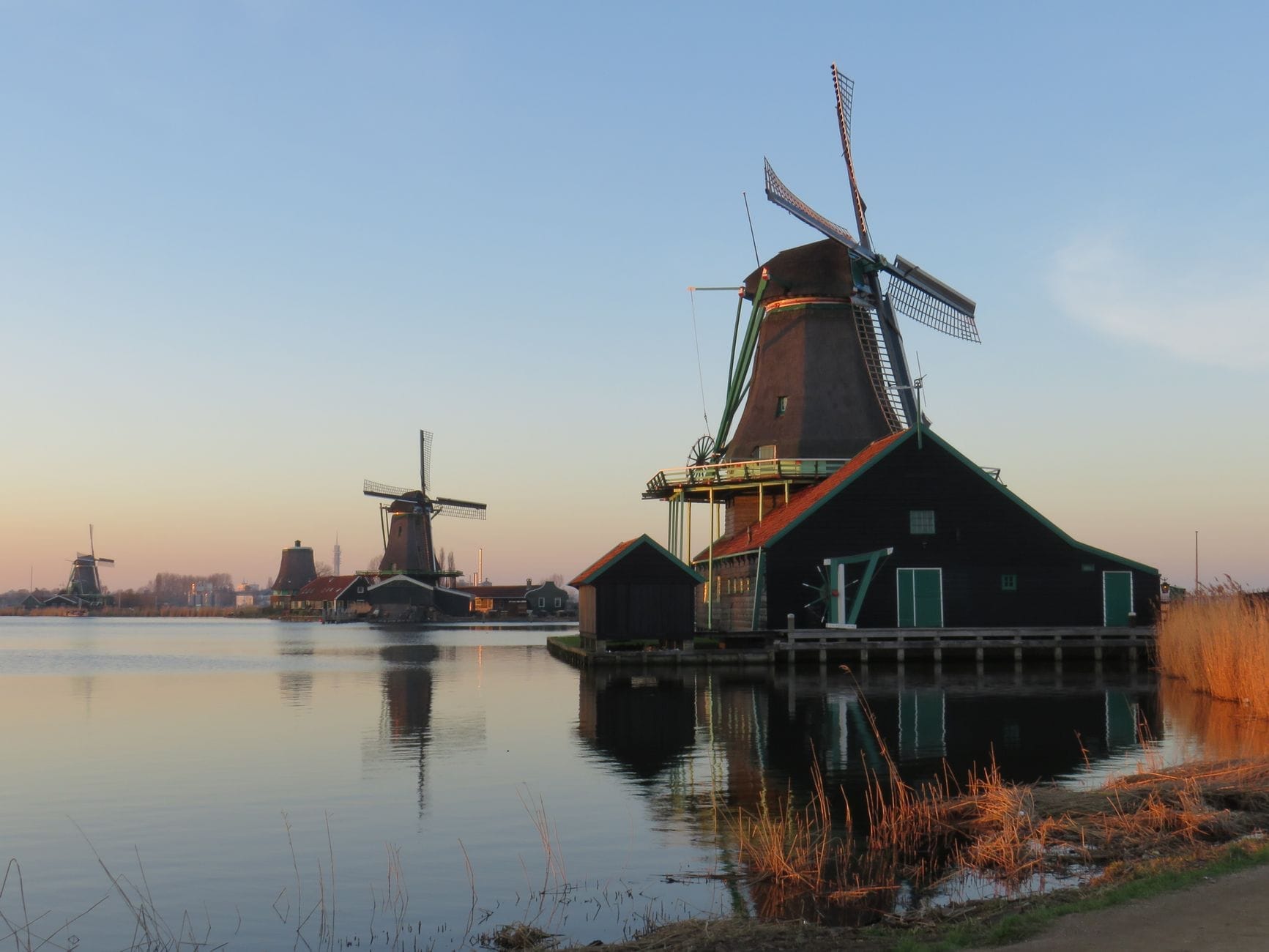
What Zaanse Schans Actually Is
Zaanse Schans is not a theme park or a reconstruction. It is a functioning residential neighborhood where a collection of historic Dutch houses, working windmills, and traditional craft workshops have been preserved along the western bank of the Zaan river. People live here. The windmills actually grind mustard, produce oil, and saw timber. The clog maker carves shoes from wood using the same methods that kept the Dutch dry for centuries. That distinction matters, because it changes how the place feels compared to a typical open-air museum.
The name Zaanse Schans traces back to the 16th century, during the Eighty Years' War, when a schans, a word meaning earthwork or fortified entrenchment, stood on this bend of the river to protect the region. By the 18th and 19th centuries, the Zaan area had become one of the most industrialized zones in the world, with hundreds of windmills powering sawmills, paper factories, and paint mills that supplied the Dutch Golden Age shipbuilding industry. What survives at Zaanse Schans today is a curated remnant of that era, with the characteristic dark green timber architecture that defines the Zaan region to this day.
ℹ️ Good to know
The public grounds are open 365 days a year with no entrance fee. You pay only for what you choose to enter: specific windmills, the clog workshop, cheese farms, or small museums. Budget accordingly before you arrive.
The Walk Along the River: What You Will Actually See
The main route through Zaanse Schans follows the Kalverringdijk, a narrow dike path that runs parallel to the Zaan river. On one side, the water reflects the silhouettes of windmill sails. On the other, dark green wooden houses with stepped gable roofs sit close together, their window boxes sometimes bright with seasonal flowers. The path is mostly flat and unpaved in sections, which means it can get muddy after rain.
Several windmills are clustered along this stretch, and each has a different industrial function. Inside, steep wooden staircases lead to the grinding floors where you can watch the mechanism at work. The smell of grain dust and aged timber is immediate and specific. Outside, the sails move faster than most people expect, and standing next to one when the wind picks up is genuinely loud. The wooden platform encircling the upper section of each mill, called the stage, offers river views that justify the climb even if the industrial mechanics do not interest you.
Beyond the windmills, the site includes a clog workshop where you can watch a full wooden shoe being carved from a block of poplar in under two minutes, a cheese farm with tastings, a jenever distillery, and several small specialty museums. If you are planning a broader Amsterdam day, it pairs naturally with a visit to Keukenhof in spring, since both are outside the city and reachable on day-trip logistics.
Tickets & tours
Live prices and dates from our booking partner. If you book, we may earn a commission at no extra cost to you.
Zaanse Schans half-day tour from Amsterdam
From 43 €Instant confirmationFree cancellationWooden Shoe Painting Workshop at Zaanse Schans
From 30 €Instant confirmationFree cancellationCountryside and windmills private day tour
From 110 €Instant confirmationFree cancellationZaanse Schans, Marken, Volendam and optional Edam tour from Amsterdam
From 0 €Instant confirmation
How the Experience Changes Through the Day
Arrive before 10:00 and Zaanse Schans is a different place. The tour groups have not yet disembarked from their coaches, the windmill platforms are uncrowded, and the low morning light catches the river surface in a way that afternoon overcast skies simply do not replicate. The craft workshops open at varying times, so check ahead if a specific demonstration is your priority.
From roughly 10:30 to 14:00, the site absorbs the heaviest volume of visitors. Coach parking fills, queues form at the cheese shop, and the dike path becomes genuinely congested near the most photogenic windmill cluster. This is when the site can feel like it is working against you if your goal is a quiet experience. The crowds are thinner again by mid-afternoon on weekdays, though weekends remain busy throughout the day.
Winter visits deserve a separate mention. From November through February, the visitor numbers drop significantly, some individual attractions reduce their hours or close entirely, and the windmills may not operate if conditions are icy. But on a clear winter morning, the Zaan river can have a silver stillness and the site can feel genuinely isolated. Dress warmly: the wind off the water is unfiltered and the dike path offers no shelter.
💡 Local tip
If you visit in spring, the surrounding Zaan area has patches of tulip fields visible from the train window on the approach. It is not Keukenhof in scale, but it adds context to the agricultural landscape you are entering.
Getting There From Amsterdam
The most straightforward route is by train from Amsterdam Centraal to Zaandijk Zaanse Schans station. The journey takes approximately 17 to 20 minutes on a direct NS service, and trains run frequently throughout the day. From the station, the walk to the windmill area takes around 10 to 15 minutes along a clearly marked route. Fares depend on your OV-chipkaart balance or ticket type; check the NS website or app for current pricing before travel.
If you hold an Amsterdam City Card, check whether your card includes NS rail travel, as terms vary by card type and validity period. Bus connections from Zaandam also serve the site. Driving is possible, with parking available near the entrance, though the roads in the immediate area are narrow and parking fills early on peak days.
Cycling from Amsterdam is an option for experienced cyclists comfortable with longer urban and semi-rural routes, but the distance is significant and the route is not trivial. For those exploring Amsterdam by bike, cycling in Amsterdam covers routes and rental options that can inform whether adding a Zaanse Schans leg is realistic for your trip.
Historical and Cultural Weight
The Zaan region was, by the late 17th century, arguably the most concentrated industrial zone on earth. Contemporaneous accounts describe over 600 windmills operating within a few kilometers, producing linseed oil, sawing Baltic timber for the VOC shipyards, milling grain, pressing paper, and grinding pigments for the Dutch paint industry. The machinery that powered Dutch global trade was largely built and supplied from here, not from Amsterdam itself.
What Zaanse Schans preserves is architecturally specific to this region. The dark green wooden houses, painted with iron-oxide pigment to protect the timber from moisture, are a Zaan vernacular that does not appear elsewhere in the Netherlands in the same concentration. Many of the buildings at Zaanse Schans were relocated from elsewhere in the Zaan region during the 20th century to prevent demolition, making the site a carefully assembled preservation rather than an entirely in-situ landscape.
For broader context on Dutch architectural heritage, Amsterdam's own Het Schip represents a completely different chapter of Dutch design history, and the contrast between the two sites illustrates how differently the Netherlands expressed itself across different eras and industries.
Practical Details for Your Visit
Wear shoes with grip and waterproofing if rain is forecast. The dike path can become slippery after wet weather, and the interiors of windmills involve worn wooden stairs that are steep by modern building standards. There are no handrails at every section. Anyone with significant mobility limitations should note that most windmill interiors are not accessible, though the Jonge Schaap windmill offers limited wheelchair access, including the ground floor and visitor center, but not all interior levels. Amenities for visitors with disabilities are available on site.
There are several cafes and a restaurant within the Zaanse Schans grounds. Prices reflect the tourist footfall, so expect to pay more than you would in Amsterdam's residential neighborhoods. Bringing your own snacks and a water bottle is a reasonable call, particularly for families. Tap water in the Netherlands is safe to drink.
Photography is unrestricted in the outdoor areas. The windmill platforms and the river-facing side of the dike offer the widest compositions, particularly in the hour after sunrise. If you are visiting Amsterdam primarily for photography, this site fits into a broader strategy alongside spots like the Magere Brug and the Canal Ring for a range of Dutch landscape and urban imagery.
⚠️ What to skip
Individual windmill and museum opening hours change seasonally and some may close for maintenance without advance notice. Check the official Zaanse Schans website before your visit to confirm what will be open on your specific date.
Is It Overhyped?
The short answer is: it depends on what you expect. If you arrive at 11:00 on a Saturday in July expecting a tranquil pastoral scene, you will be disappointed. The site is genuinely popular, and the combination of coach tours and independent visitors creates density that the narrow dike path was not designed to absorb. Some visitors find the cheese shop atmosphere and souvenir density too commercial for the historic setting.
But if you visit at the right time, if you go early on a weekday, if you actually climb a windmill and watch the gears turn, if you walk past the main cluster to the quieter stretches of the dike where the houses thin out and the river opens up, the place earns its reputation. There is genuine craft knowledge being demonstrated here, genuine 18th-century engineering still in operation, and a landscape that does not exist quite like this anywhere else in the Netherlands at this scale and accessibility.
Insider Tips
- Take the train, not a coach tour. Arriving independently means you can get there before the group tours and leave on your own schedule. The difference in experience between arriving at 9:00 and 11:00 is substantial.
- Walk past the main windmill cluster toward the northern end of the dike. The crowds thin, the views of the Zaan river open up, and the residential character of the neighborhood becomes more apparent and more interesting.
- The clog demonstration is free to watch. You do not need to buy anything. The carver works fast and the process is genuinely surprising if you have never seen it. Give it five minutes.
- If you want windmill interiors, buy your tickets as soon as you arrive at each one. Some have limited capacity and entry can fill up by late morning on busy days.
- Check wind speed before you go. The windmills only operate when there is sufficient wind. A calm, overcast day may mean static sails, which changes the atmosphere considerably.
Who Is Zaanse Schans For?
- First-time visitors to the Netherlands who want to see working windmills and traditional Dutch crafts in a single location
- Families with children who benefit from hands-on demonstrations and outdoor space to move around
- Photographers looking for river landscapes, historic architecture, and rotating mill sails in natural light
- Travelers with a specific interest in Dutch industrial history and the Zaan region's role in the Golden Age economy
- Day-trippers from Amsterdam looking for a destination that is meaningfully different from the city experience
Nearby Attractions
Combine your visit with:
- Amsterdam Dance Event (ADE)
Every October, Amsterdam transforms into the global capital of electronic music for five days. Amsterdam Dance Event brings together more than 1,000 shows across nearly 200 venues, from intimate club nights to warehouse raves, alongside a major industry conference that shapes the direction of dance music worldwide.
- Amsterdamse Bos (Amsterdam Forest)
Covering nearly 1,000 hectares on Amsterdam's southwestern edge, Amsterdamse Bos is a man-made forest park three times the size of New York's Central Park. Free to enter and open year-round, it offers cycling paths, a rowing lake, wildlife meadows, and genuine breathing room that the city centre simply cannot provide.
- Dappermarkt
Running along Dapperstraat in Amsterdam-East since 1910, Dappermarkt is a street market with around 200 stalls selling everything from fresh produce and spices to fabrics and secondhand clothing. Free to enter, open Monday through Saturday, and drawing locals from across the city, it offers a sharply different experience from the tourist-facing markets in the centre.
- Haarlem
Just under 20 km west of Amsterdam, Haarlem is the capital of North Holland and one of the Netherlands' oldest cities, granted city rights in 1245. A compact historic centre, the landmark Grote Kerk, the Frans Hals Museum, and a lively market square make it one of the most rewarding half-day escapes from the capital.
Planning a trip? Discover personalized activities with the Nomado app.