Hortus Botanicus Amsterdam: A 400-Year-Old Garden Worth Your Time
Founded in 1638 as a medicinal herb garden during plague outbreaks, Hortus Botanicus Amsterdam has grown into one of the world's oldest and most storied botanical gardens. Compact but carefully curated, it holds more than 6,000 plant species across its themed sections and several distinctive greenhouses in the Plantage neighborhood.
Quick Facts
- Location
- Plantage Middenlaan 2a, 1018 DD Amsterdam (Plantage neighborhood)
- Getting There
- Tram 14 to Mr. Visserplein, or Metro 51/53/54 to Waterlooplein then 5-min walk
- Time Needed
- 1.5 to 2.5 hours
- Cost
- Paid admission; check current prices at dehortus.nl/en
- Best for
- Plant lovers, slow travelers, families with curious kids, rainy-day visits
- Official website
- www.dehortus.nl/en
What Hortus Botanicus Amsterdam Actually Is
Hortus Botanicus Amsterdam, known locally as De Hortus, is a botanical garden established in 1638 on a modest plot in what is now the Plantage district. It started as a purely functional space: Amsterdam's city council created it as a medicinal herb garden, the Hortus Medicus, partly in response to repeated plague epidemics. Physicians and apothecaries came here to study and source plant remedies at a time when herbal medicine was the dominant form of treatment.
Today, the garden spans approximately 1.2 hectares. Its living collection includes more than 6,000 plants, ranging from tropical specimens in the historic Palm Greenhouse to succulents, ferns, and cycads in dedicated climate-controlled structures. That compact scale is both its limitation and its strength: you can walk every path without fatigue, yet the density of plant life ensures there is always something specific to stop and examine.
💡 Local tip
The garden currently opens daily at 10:00 and closes at 17:00. Arrive close to opening if you want the greenhouses to yourself — by 11:30 on weekends, tour groups begin filling the main pathways.
The History That Makes This Place Unusual
Few botanical gardens can trace their origins back to the 17th century, and even fewer can point to a direct role in global botanical exchange. During the Dutch Golden Age, Amsterdam was the commercial hub of a worldwide trade network, and the Hortus benefited directly. Exotic seeds and specimens arrived on VOC (Dutch East India Company) ships from Asia, Africa, and the Americas, many of them reaching European science for the first time through this garden.
One of the most historically significant plants in De Hortus is a cycad, Encephalartos altensteinii, often described as one of the oldest potted plants in the world, which has been in the Hortus collection for centuries. Standing beside it, even casually, puts an unusual amount of history into a single line of sight.
The garden also played an indirect role in the global spread of coffee cultivation. A coffee plant grown here in the early 18th century was reportedly the ancestor of coffee plants sent to Central and South America, helping establish the plantations that now supply most of the world's coffee. For context on how deeply the Dutch trading past shaped Amsterdam's physical landscape, the Amsterdam architecture guide covers how this era left its mark on the city's canal ring and warehouse districts.
Tickets & tours
Live prices and dates from our booking partner. If you book, we may earn a commission at no extra cost to you.
Gray Line Canal Cruise with snackbox & Heineken Experience
From 48 €Instant confirmationFree cancellationAmsterdam evening canal cruise
From 18 €Instant confirmationFree cancellationJewish Museum and Portuguese Synagogue entrance ticket
From 20 €Instant confirmationFree cancellationAdmission ticket for Artis Royal Zoo and Micropia
From 39 €Instant confirmationFree cancellation
How the Garden Feels at Different Times of Day
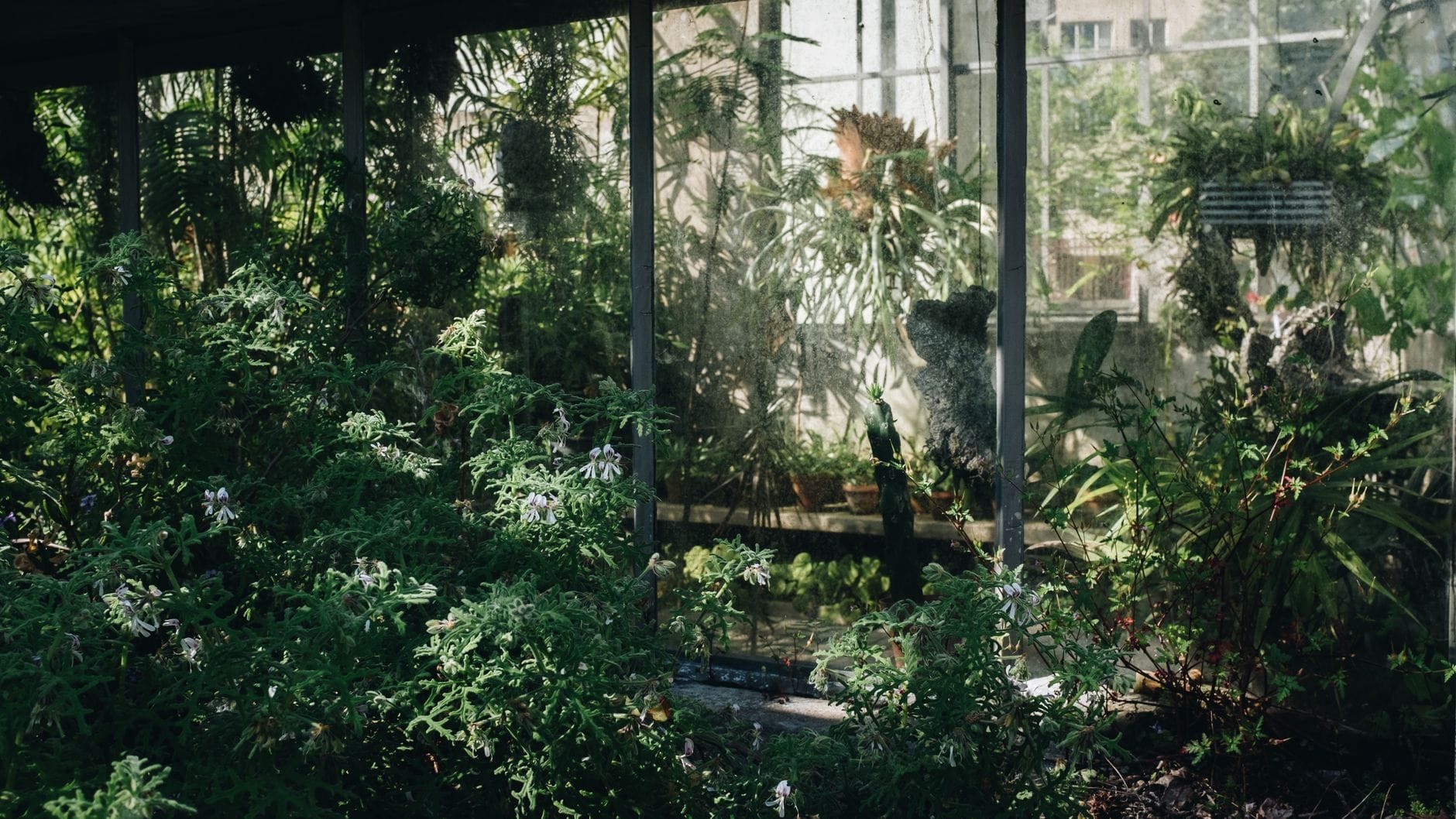
Early mornings are quiet enough to hear birds moving through the outdoor sections. The light in the Palm Greenhouse during the first hour after opening has a particular quality: filtered through old glass, it lands on fronds and tree bark in a way that feels removed from the city entirely. The ambient temperature inside the tropical greenhouse is noticeably warmer than Amsterdam's typically cool air, and the smell shifts immediately upon entering: humid, loamy, with a faint sweetness from flowering specimens.
Midday on weekdays is manageable, but on summer weekends the garden's compact size becomes apparent. Pathways narrow between dense planting beds, and popular spots near the butterfly greenhouse or the monumental Palm House can feel congested. The outdoor seating areas fill with visitors eating lunch. If you are visiting on a weekend in July or August, the Thursday evening summer opening hours (until 21:00 on selected dates) offer a genuinely different experience: the golden late-afternoon light across the outdoor beds, and a much lighter crowd from around 17:00 onward.
In winter, the outdoor sections are stripped back considerably, but the greenhouses remain fully operational and, arguably, more impressive precisely because the world outside is grey and cold. The contrast between a January afternoon in Amsterdam and stepping into the humid warmth of the tropical house is worth experiencing on its own terms.
What to See: A Practical Walkthrough
The garden is small enough that you will not need a rigid plan, but a rough orientation helps. The three main greenhouse structures anchor the experience: the monumental Victorian-era Palm Greenhouse, the Cycad Greenhouse housing that extraordinary 400-year-old specimen, and a three-climate greenhouse that divides its interior into desert, temperate, and tropical zones. Each has a noticeably different atmosphere, and the transition between zones in the three-climate house is abrupt enough to feel slightly theatrical.
The outdoor garden sections are organized thematically: a geographic section groups plants by continent of origin, while the systematic section arranges plants according to botanical classification. The medicinal garden section directly references the Hortus's original purpose, with labeling that explains historical and contemporary uses. These labels are in Dutch and English throughout, which makes independent exploration accessible to most visitors.
The butterfly greenhouse is a seasonal addition, typically operating in the warmer months, and is particularly popular with younger visitors. Families with children who have already spent time at Artis Amsterdam Royal Zoo — which is a short walk away in the same neighborhood — often combine both in a single day. The Plantage area rewards this kind of slow, sequential exploration.
ℹ️ Good to know
Opening hours: daily 10:00–17:00. On selected summer evenings the garden offers extended opening until 21:00; check current dates on the official website. Always confirm current hours at dehortus.nl/en before visiting, as they are subject to seasonal changes.
Getting There and Getting Around
De Hortus sits on Plantage Middenlaan, one of the tree-lined boulevards that give the Plantage its distinctive residential-but-green character. From Amsterdam Centraal, tram 14 runs directly to the Mr. Visserplein stop, from which the garden entrance is a four-minute walk. Alternatively, Metro lines 51, 53, or 54 to Waterlooplein station leave you roughly five minutes away on foot.
The Plantage neighborhood itself is pleasant to walk through. Coming from Waterlooplein market on the way is a natural pairing if you are approaching from the city centre on foot. The walk along Plantage Middenlaan takes you past the entrance to Artis Zoo and a stretch of 19th-century housing that makes the neighborhood feel calmer than the canal ring to the west.
Cycling to De Hortus is straightforward from most central Amsterdam neighborhoods, with bike parking available at the entrance. The garden itself is not large enough to require significant walking, and most paths are flat and smooth enough for strollers and wheelchairs, though visitors with specific mobility requirements should confirm step-free access arrangements directly with the venue before visiting.
Photography, Practical Tips, and Honest Limitations
The greenhouses are excellent photography subjects but present real challenges. The high contrast between bright glass panels and shaded plant interiors means that auto-exposure often struggles. Early morning, when light enters from a lower angle and there is less overhead glare, tends to produce more even results. The three-climate greenhouse's desert section, with its succulents and sharp geometric forms, tends to photograph more cleanly than the tropical section, which is dense to the point of visual chaos in wide shots.
One honest limitation: if you have visited larger botanical gardens such as Kew Gardens in London or the Jardin des Plantes in Paris, De Hortus will feel modest in scale. It is not a destination for anyone expecting sweeping landscape design or vast lawn spaces. What it offers instead is density, historical layering, and a compact experience that requires attention rather than distance. Think of it as a library rather than a park.
⚠️ What to skip
The garden is small. If you are expecting a half-day nature escape with open meadows or wide horticultural vistas, this is not that. Most visitors cover everything in under two hours.
Visitors interested in Amsterdam's broader green spaces might also consider Vondelpark for a longer outdoor walk, or the Amsterdamse Bos for a more expansive natural setting outside the city centre. Both offer a different kind of outdoor experience that complements rather than duplicates De Hortus.
Who Should Probably Skip It
Travelers with a very short time in Amsterdam and a primary focus on major art museums or canal-side sightseeing may find that De Hortus does not compete well against the Rijksmuseum or Anne Frank House for time allocation. It is also not the right choice for visitors who primarily want outdoor walking space: the garden is too small and enclosed for that purpose. Children under seven or eight may enjoy the butterfly house but are unlikely to engage with the botanical labeling or greenhouse environments for long without getting restless.
Insider Tips
- Selected summer evenings when the garden stays open until 21:00 draw noticeably smaller crowds from around 17:00. The quality of evening light across the outdoor beds in late July is genuinely worth planning around.
- The cafe inside the garden uses the outdoor terrace in good weather. Buying a coffee here after touring the greenhouses is a much quieter experience than any cafe in the surrounding streets, and it gives you a second, more relaxed look at the outdoor planting beds.
- The 400-year-old cycad in the Cycad Greenhouse is easy to walk past without registering what you are looking at. Read the label before you move on: knowing its documented age changes how you perceive it.
- If rain is forecast during your Amsterdam stay, consider saving De Hortus specifically for that day. The greenhouse circuit keeps you dry for most of the visit, and the indoor environments are genuinely impressive rather than a compromise.
- The Amsterdam City Card covers admission to De Hortus. If you are planning multiple museum visits in a single trip, check whether the card makes financial sense before buying tickets individually.
Who Is Hortus Botanicus Amsterdam For?
- Travelers who appreciate botanical history and want context beyond standard Amsterdam sightseeing
- Families with children aged 7 and up, especially during butterfly greenhouse season
- Visitors planning a slow afternoon in the Plantage neighborhood alongside Artis Zoo or the Dutch Resistance Museum
- Anyone visiting on a rainy day who wants an indoor experience that is not a conventional art museum
- Photographers interested in unusual light conditions and close-up botanical subjects
Nearby Attractions
Other things to see while in Plantage & Jewish Quarter:
- ARTIS Amsterdam Royal Zoo
Founded in 1838, ARTIS Amsterdam Royal Zoo is the oldest zoo in the Netherlands and the fifth oldest zoo in the world still in operation. Set across landscaped grounds in the Plantage neighborhood, it blends wildlife, botanical gardens, and 19th-century heritage architecture into a single half-day destination that works for families, history enthusiasts, and curious solo travelers alike.
- Brouwerij 't IJ
Brouwerij 't IJ is Amsterdam's most distinctive craft brewery, operating inside an early-20th-century bathhouse at the foot of the De Gooyer windmill. The tasting room is free to enter, pours a rotating lineup of house-brewed beers, and offers short brewery tours on weekends. It is one of the few places in the city where industrial heritage, local brewing culture, and canal-side atmosphere converge in a single address.
- De Gooyer Windmill
Standing 26.6 metres tall on the eastern edge of the city, De Gooyer is widely described as the tallest wooden windmill in the Netherlands and one of Amsterdam's most photogenic historic structures. The mill itself is private, but the exterior is free to visit, and the craft brewery in the former bathhouse beside it is reason enough to linger.
- Dutch Resistance Museum
The Dutch Resistance Museum (Verzetsmuseum Amsterdam) tells the story of the Nazi occupation of the Netherlands through the choices ordinary people made: those who resisted, those who complied, and those who stood between. Located in the Plantage district, it is one of the most thoughtfully curated war museums in Europe.
Planning a trip? Discover personalized activities with the Nomado app.