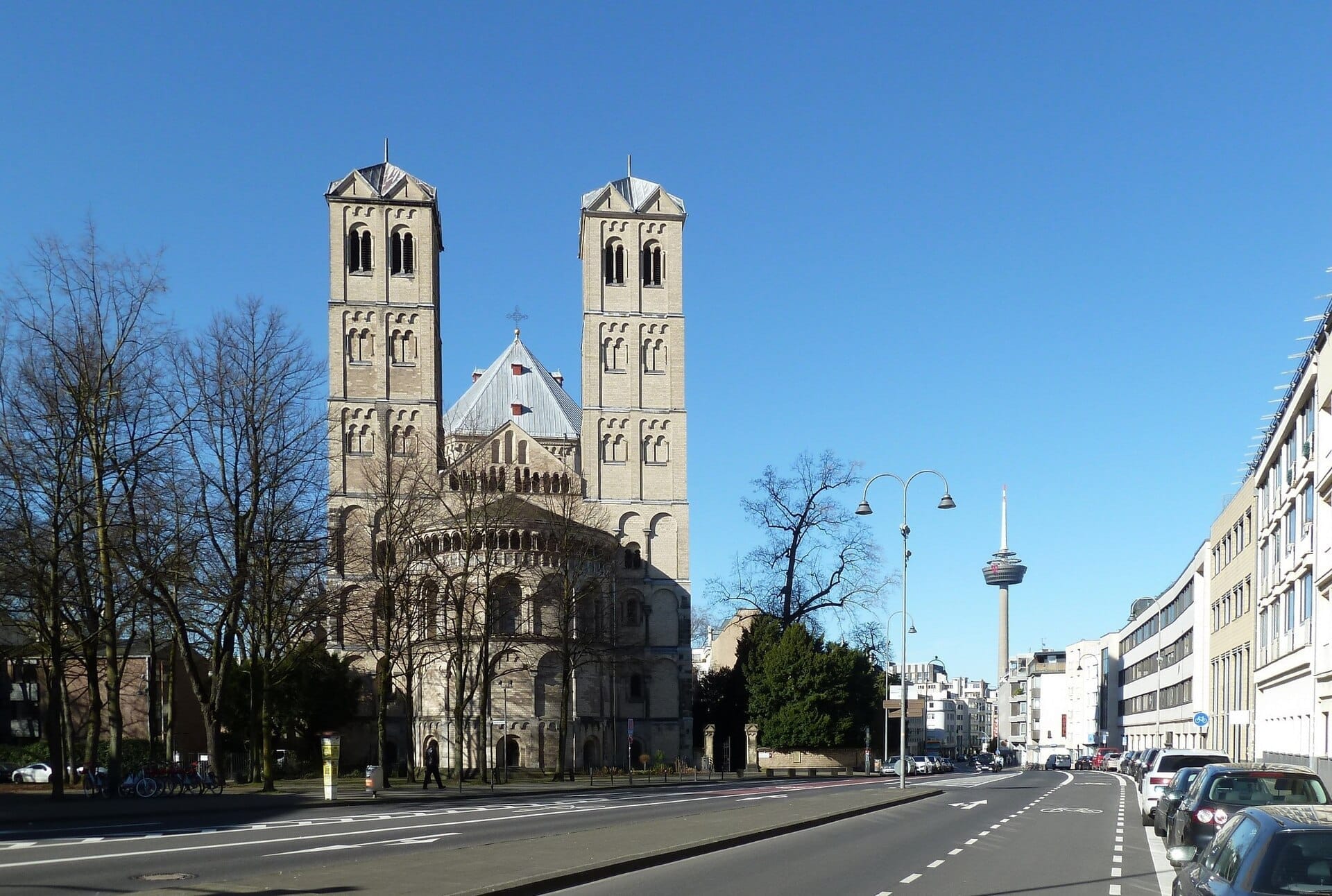
Cologne's Altstadt covers the historic heart of the city along the Rhine's west bank, spanning Altstadt-Nord and Altstadt-Süd. From the soaring twin spires of the Dom to the cobbled lanes of the Martinsviertel, this is where Cologne's two-thousand-year story is most legible. It is also the city's most visited area, which brings both energy and the occasional tourist-fatigue trade-off.
Cologne's Altstadt is the city's anchor: a compact, largely pedestrianized historic core where the cathedral rises above medieval market squares, traditional brewpubs serve Kölsch from ceramic crocks, and some of Germany's finest museums sit within a fifteen-minute walk of each other. It is the obvious starting point for any visit to Köln, and for many travelers, it delivers more than expected.
Orientation
The Altstadt occupies the westernmost bank of the Rhine in Cologne's central districts, divided administratively into two sub-districts: Altstadt-Nord in the upper half and Altstadt-Süd below. Together they form a long, relatively narrow strip of historic city pressed between the river to the east and the semi-circular boulevard system known as the Kölner Ringe to the west. The Ringe themselves follow the line of the medieval city wall, so the Old Town's western edge has a physical logic to it.
North to south, the district runs from the Hohenzollernbrücke railway bridge near the cathedral down to the Bayenturm tower and the Deutzer Brücke crossing. That is roughly two kilometres of riverfront, much of it walkable on a wide promenade. The internal boundary between Altstadt-Nord and Altstadt-Süd follows the east-west axis of Pipinstraße, Cäcilienstraße, Neumarkt, and Hahnenstraße. In practice, most visitors spend the majority of their time in Altstadt-Nord, which contains the cathedral, the main market squares, and the dense cluster of brewpubs and restaurants around Groß St. Martin church.
Cologne's central station, Köln Hauptbahnhof, sits right on the northern edge of Altstadt-Nord, making orientation straightforward: walk out of the station, look south, and the Dom is right in front of you. From there, the old town fans out toward the river and along the Rhine. Altstadt-Süd, by contrast, has a quieter residential and cultural character, with fewer tourist amenities and more of the city's serious museum infrastructure.
ℹ️ Good to know
The Altstadt is almost entirely pedestrianized during daytime hours. Vehicle access is restricted to residents and delivery vehicles, so navigating on foot is both easy and encouraged. The main shopping spine, Hohe Straße, runs south from the Dom and links the northern and central old town in a straight line.
Character and Atmosphere
Early mornings in the Altstadt belong to the city. Before nine o'clock, the cobbled lanes around Groß St. Martin and the Martinsviertel are quiet enough to hear your own footsteps. The light hits the cathedral's southern facade at a low angle, turning the stone from grey to warm ochre. Delivery vans restock the restaurants along Frankenwerft, the riverside promenade, while a handful of joggers move along the Rhine path.
By mid-morning, the tourist flow begins in earnest at the Dom and Hohenzollernbrücke, where the famous lock bridge is already being photographed. Hohe Straße fills with shoppers, and the squares at Alter Markt and Heumarkt start to populate with people eating lunch or drinking coffee at the outdoor tables that spill out across the cobbles. This is when the Altstadt feels at its most European: open-air seating, church towers framing the sky, the Rhine glinting at the end of every eastward-facing street.
After dark, the character shifts again. The area around Alter Markt and Heumarkt becomes the city's most concentrated strip of bars and brewpubs, particularly lively on weekends when groups circulate between the traditional Kölsch taverns. The streets narrow and the lighting dims as you move away from the main squares, and the quieter lanes behind the waterfront take on a more intimate feel. This is the Altstadt at its most local, even if locals themselves often prefer the bar scenes in Ehrenfeld or the Belgian Quarter for a night out.
One honest caveat: the core tourist zone, particularly along Hohe Straße and the immediate surroundings of the Dom, can feel overrun during summer weekends and at Christmas market season. The souvenir shops and chain restaurants that cluster near the cathedral are a real feature of this area. Moving two or three streets back from the main drag, toward the Martinsviertel or along the quieter stretches of Altstadt-Süd, gives a noticeably different experience.
What to See and Do
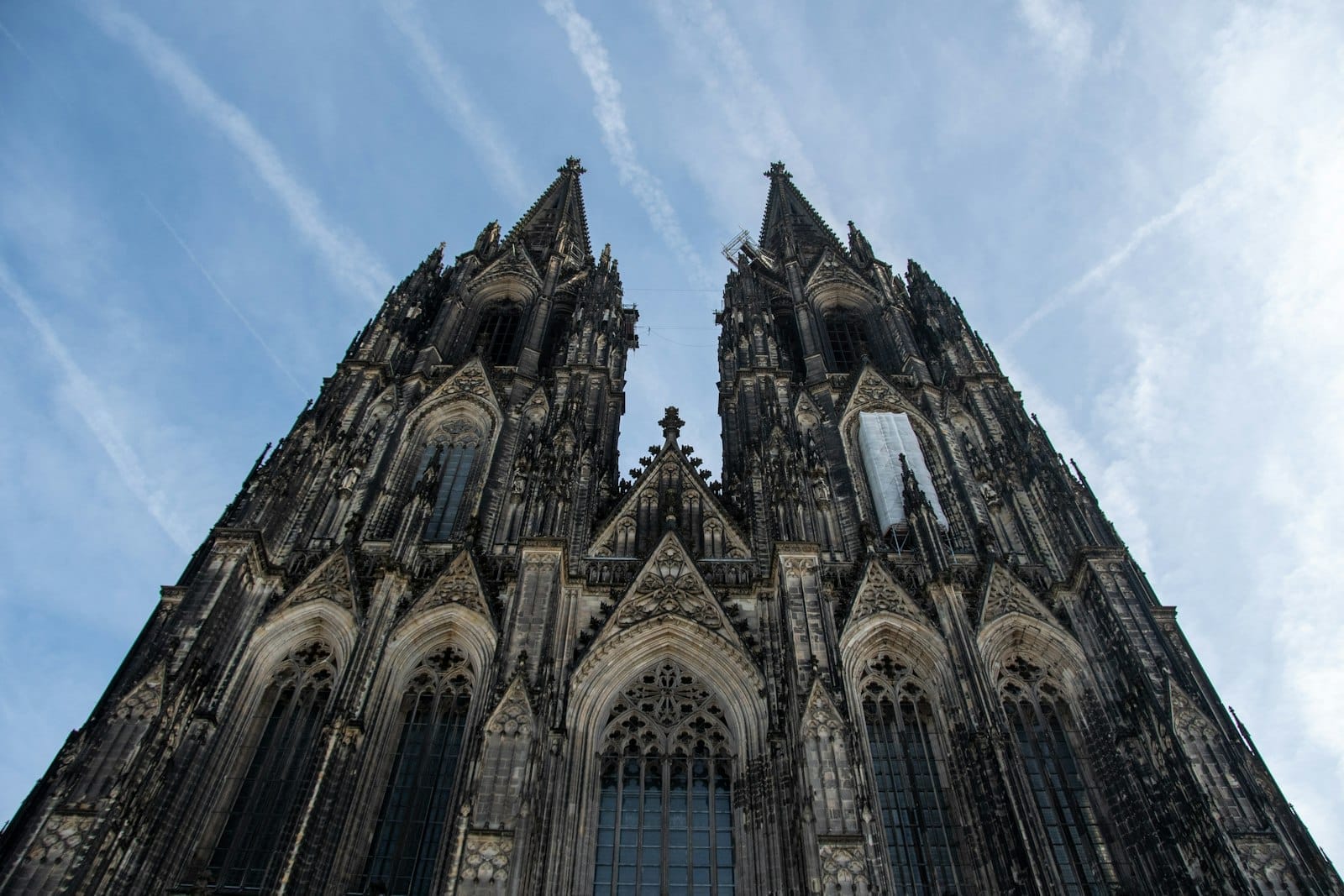
The Cologne Cathedral is the non-negotiable starting point. The twin-spired Gothic structure took over six centuries to complete, and its scale is still arresting even with prior knowledge. From 1 July 2026, tourist visits to the interior cost €12 (reduced €6; children 13 and under free); prayer and services remain free via the north entrance, and the south tower and Treasury are ticketed separately. The interior houses significant medieval artworks including the Shrine of the Three Kings, one of the largest reliquaries in the Western world. Allow at least an hour if you plan to explore properly.
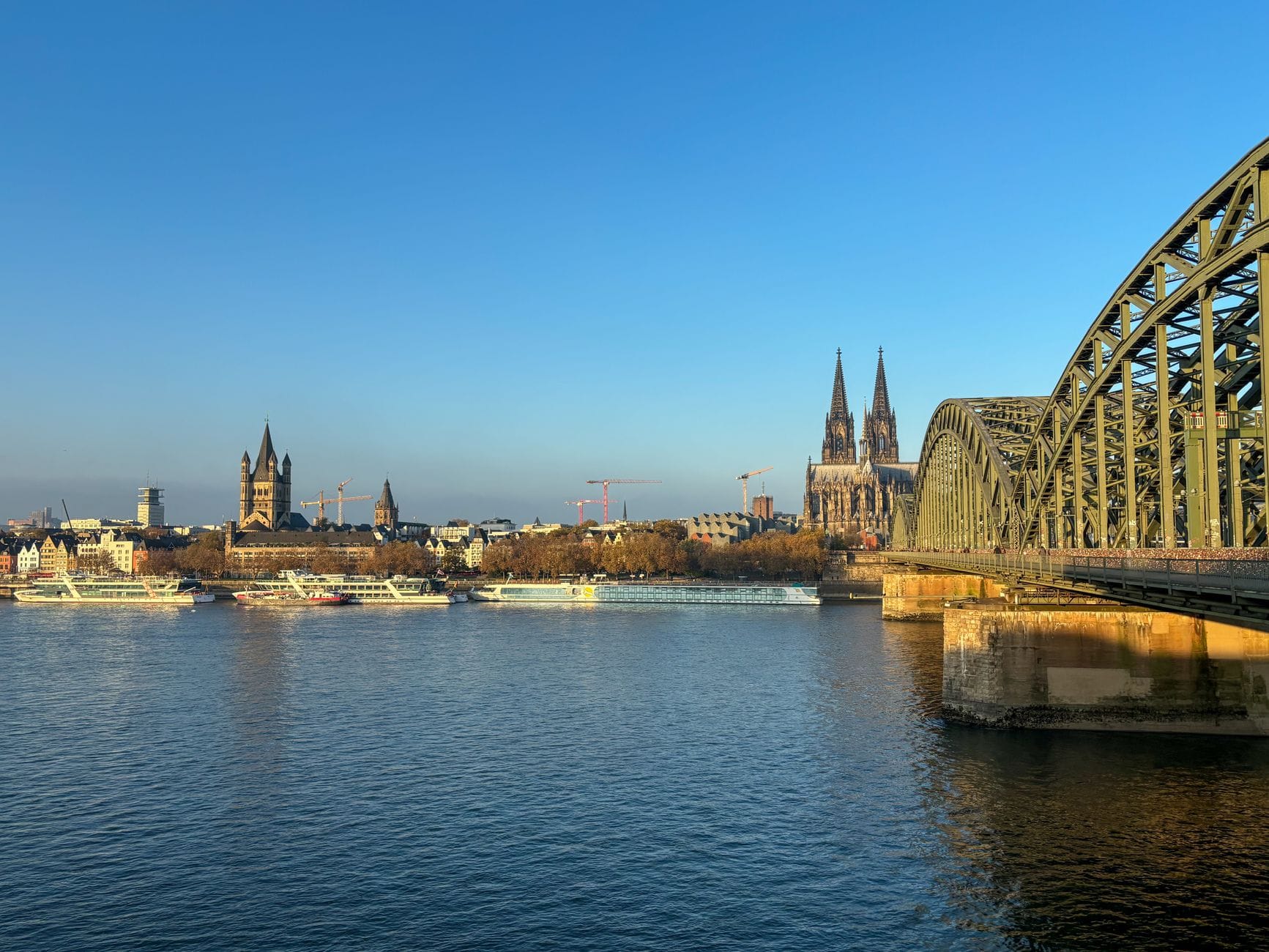
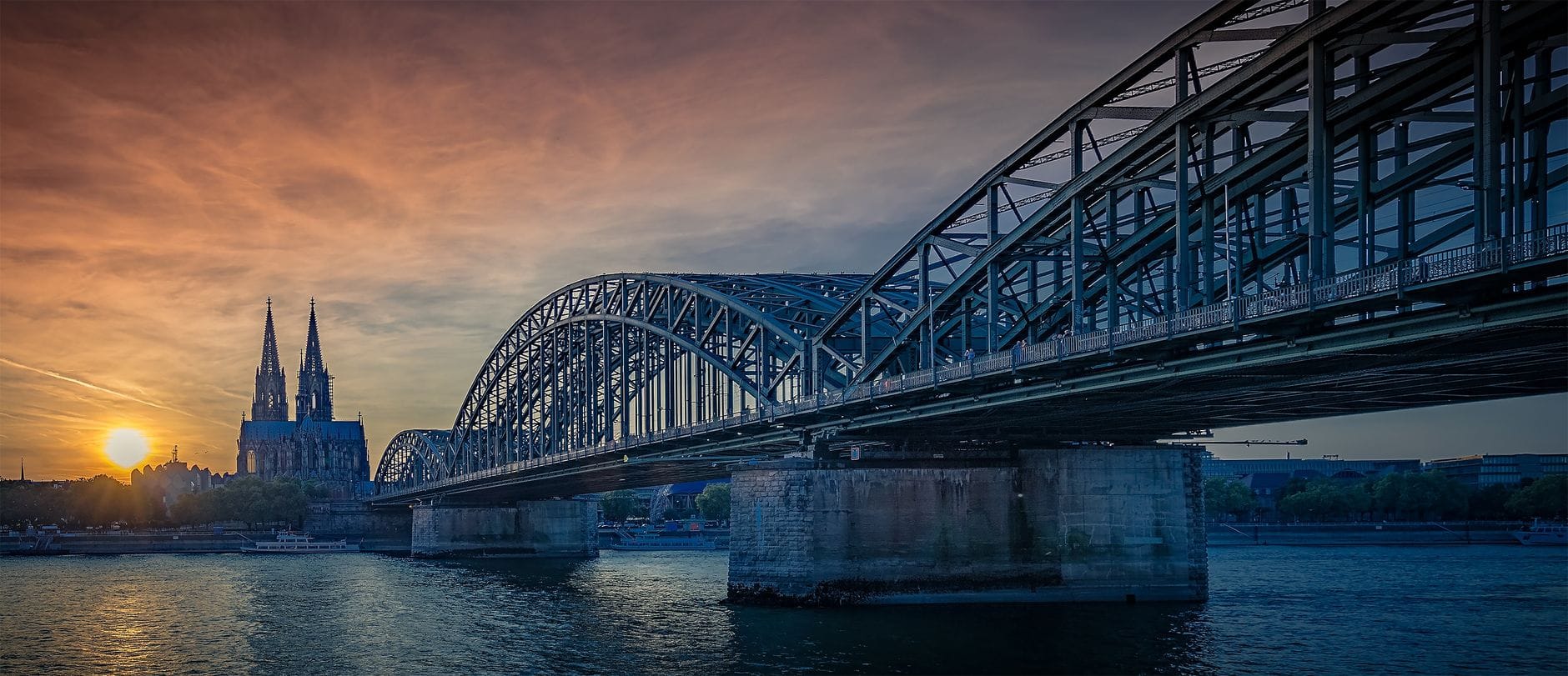
A short walk south of the Dom, the Hohenzollernbrücke offers one of the best vantage points over the Rhine and the Deutz skyline across the water. The bridge is a working rail crossing, and standing on the pedestrian walkway while an ICE train thunders past a few metres away is a genuinely unexpected experience. The lock installations on the railings have become a visual landmark in their own right.
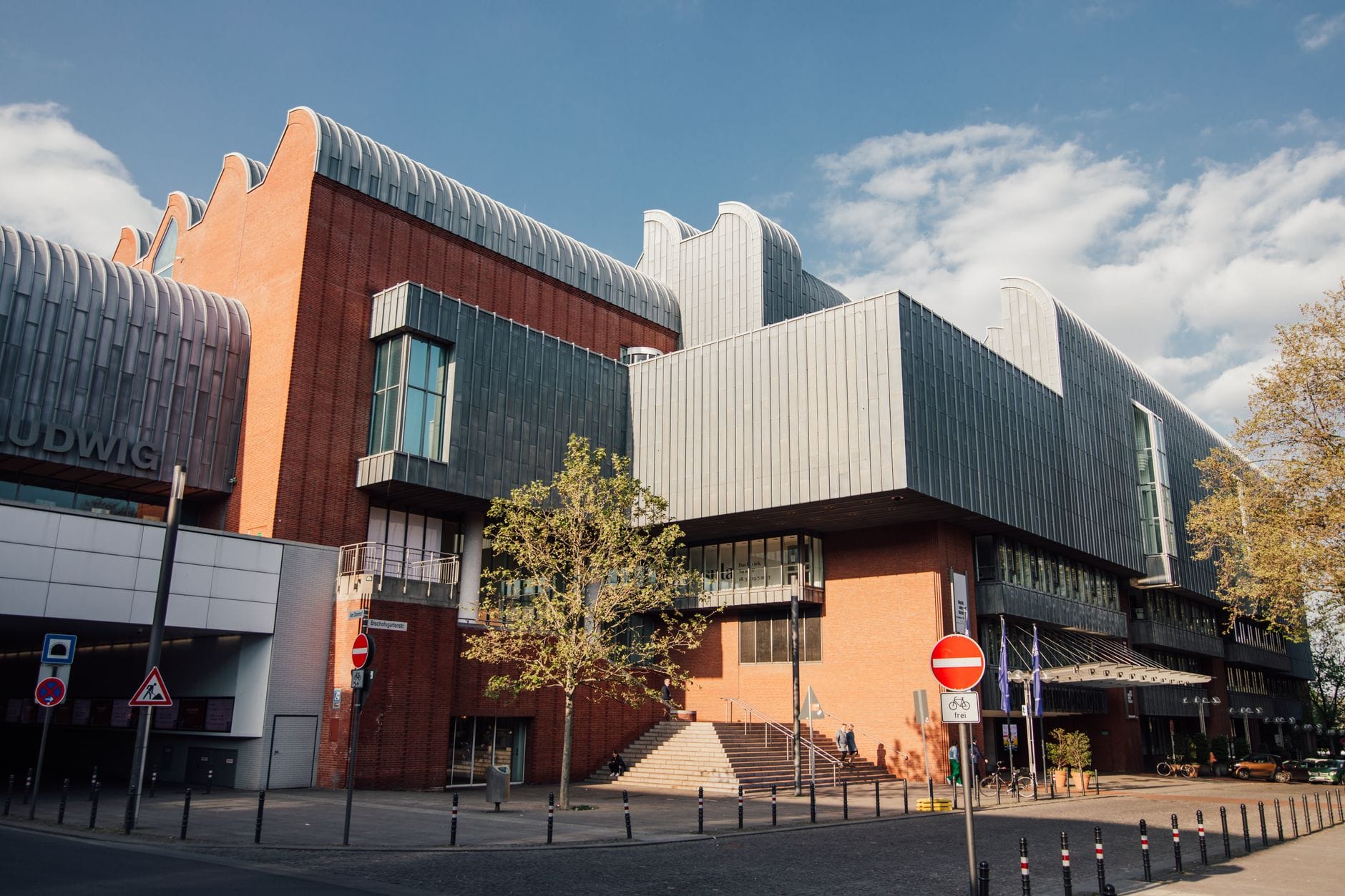
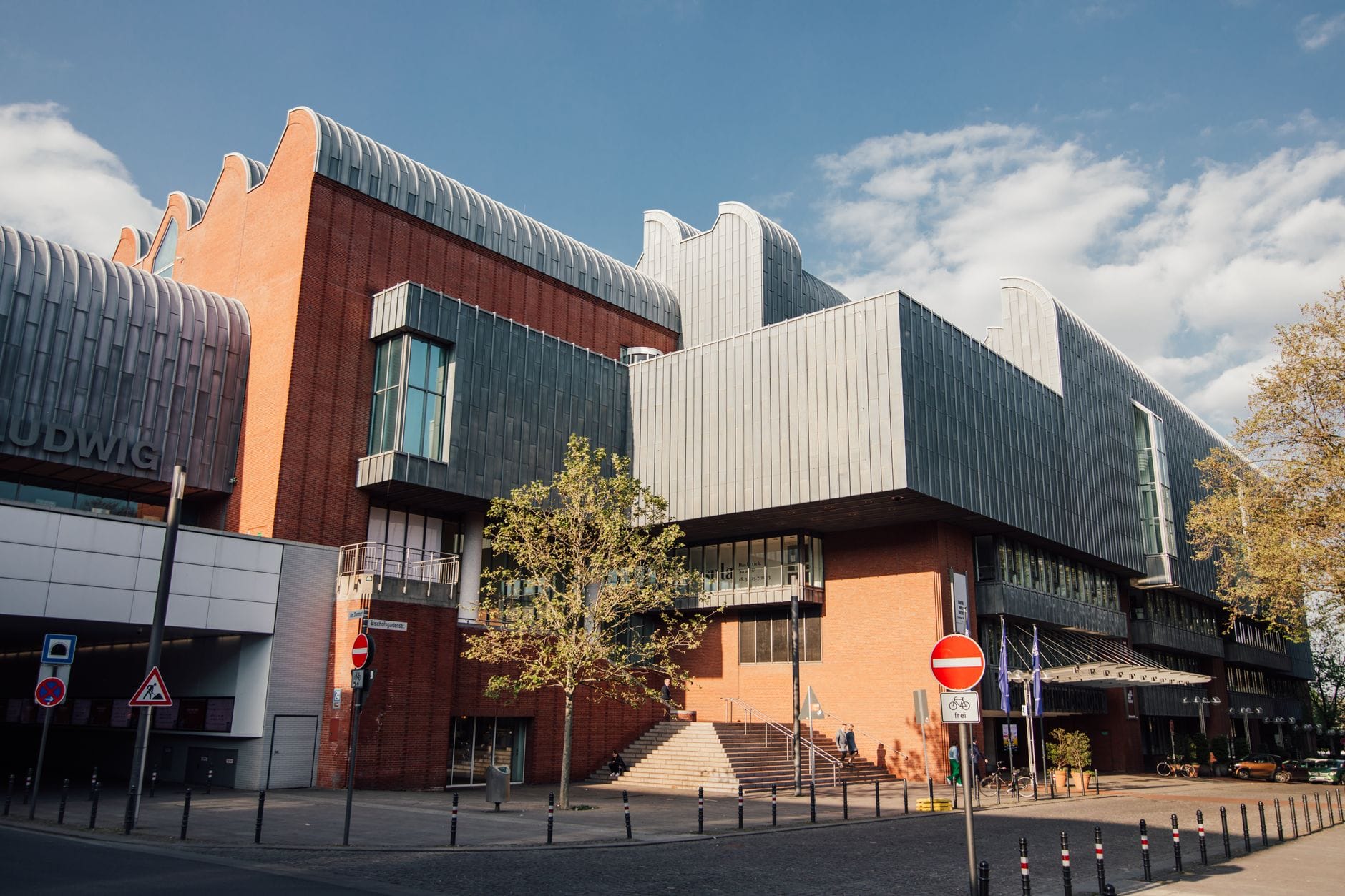
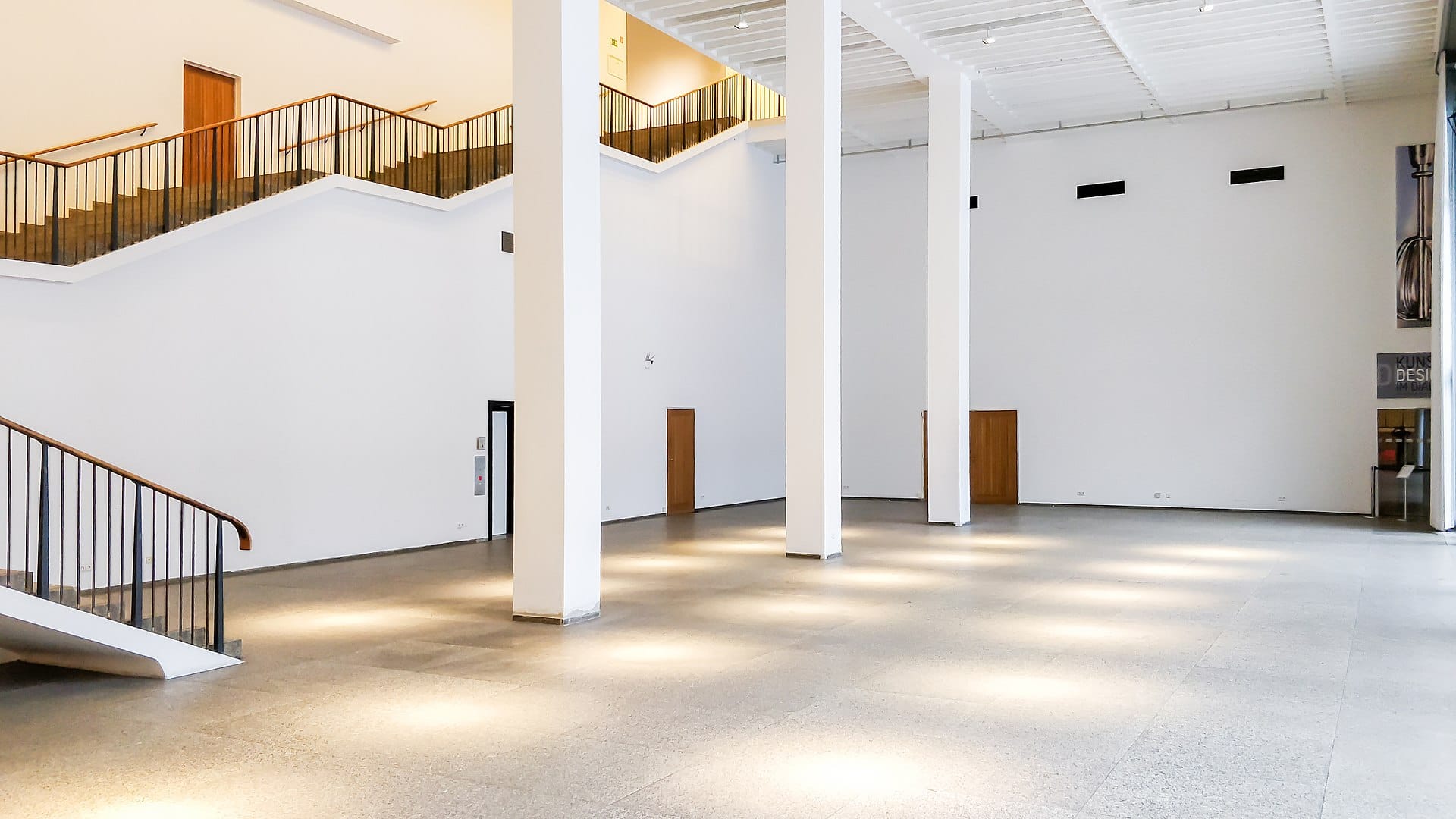
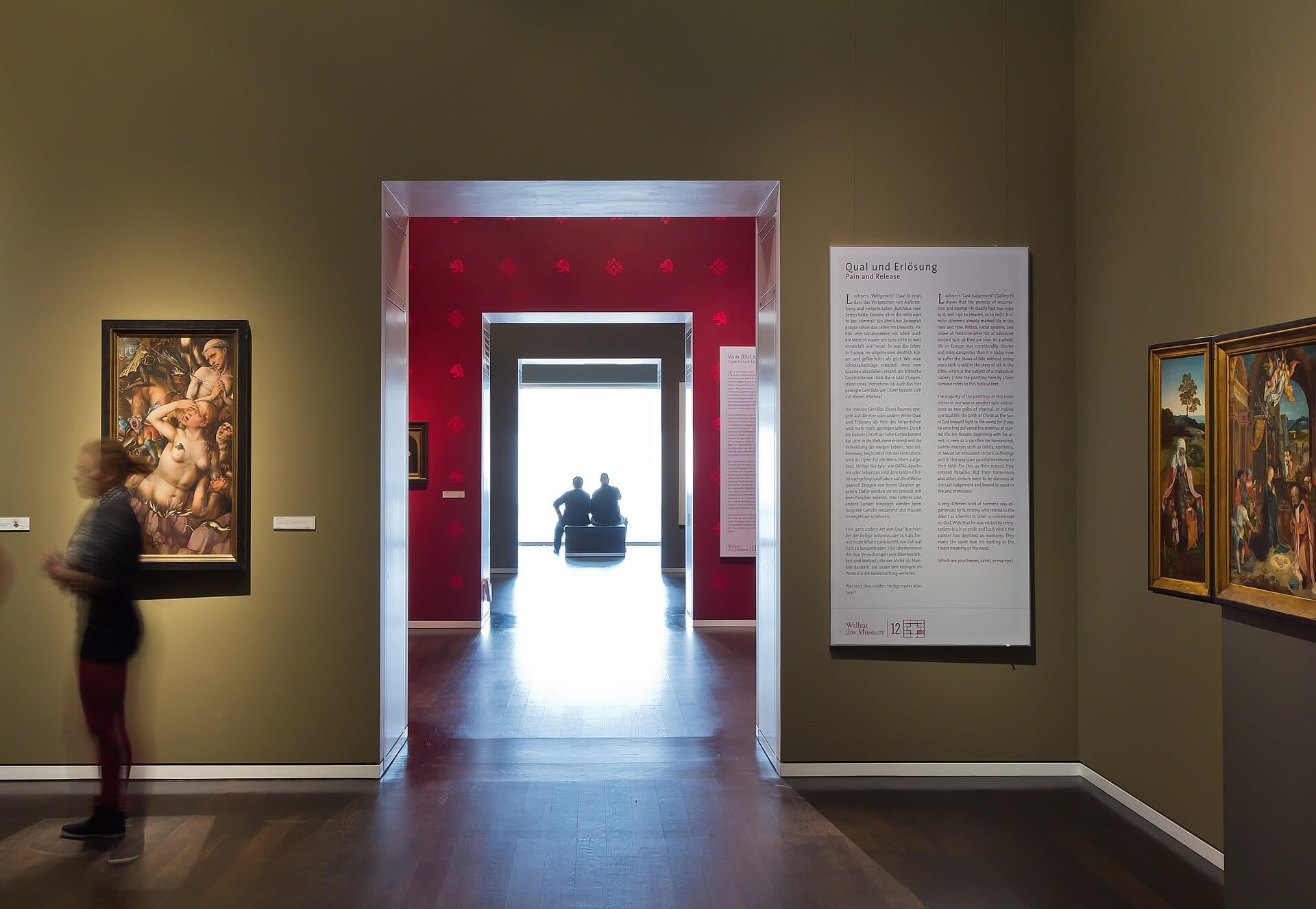
The museum density in and immediately around the Altstadt is exceptional. The Museum Ludwig sits adjacent to the cathedral and holds one of Europe's strongest collections of 20th-century art, including significant Picasso, Pop Art, and Russian Avant-Garde holdings. The Wallraf-Richartz Museum nearby covers medieval Cologne painting through to 19th-century European art. Both are world-class institutions that consistently outperform their relative obscurity outside Germany.
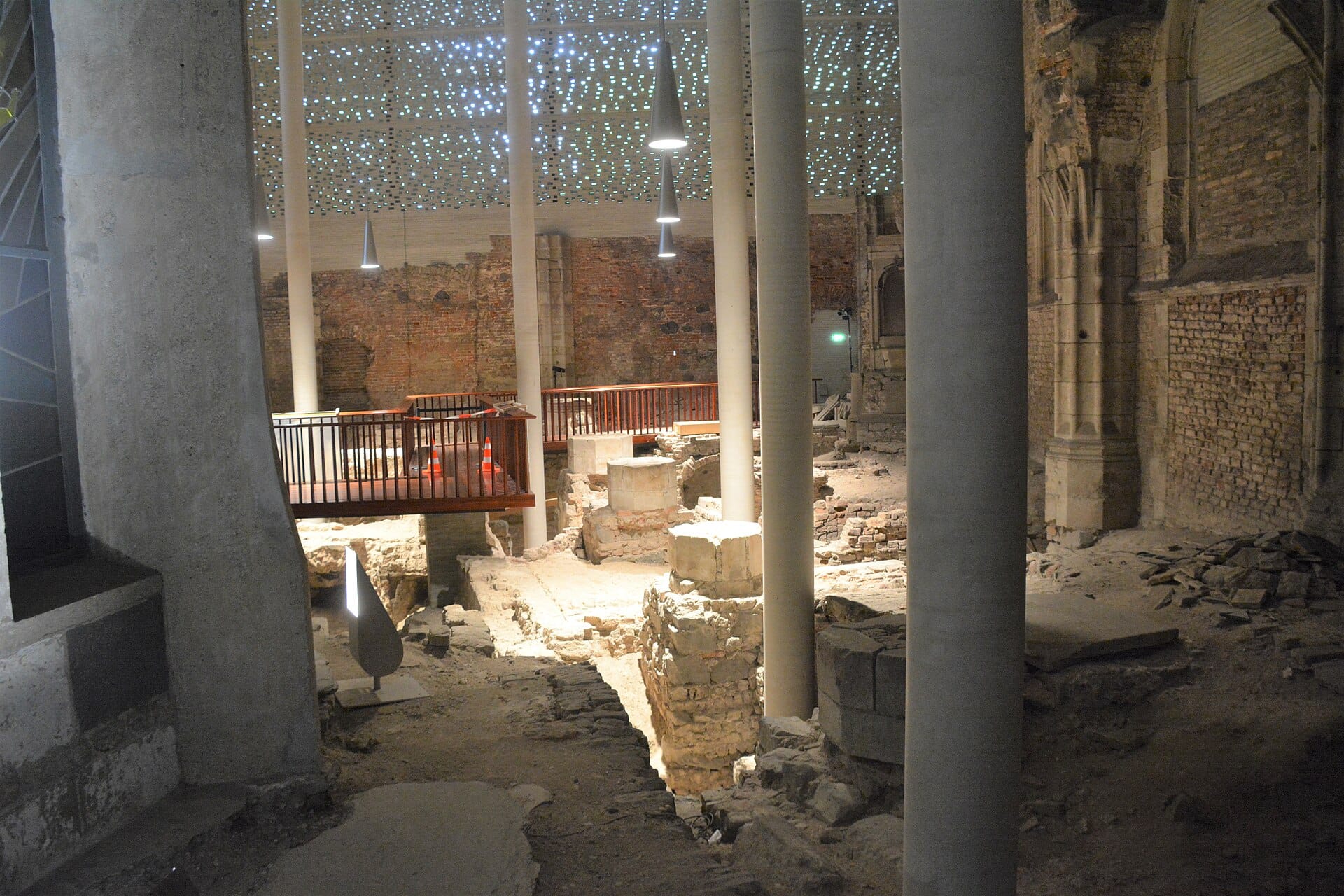
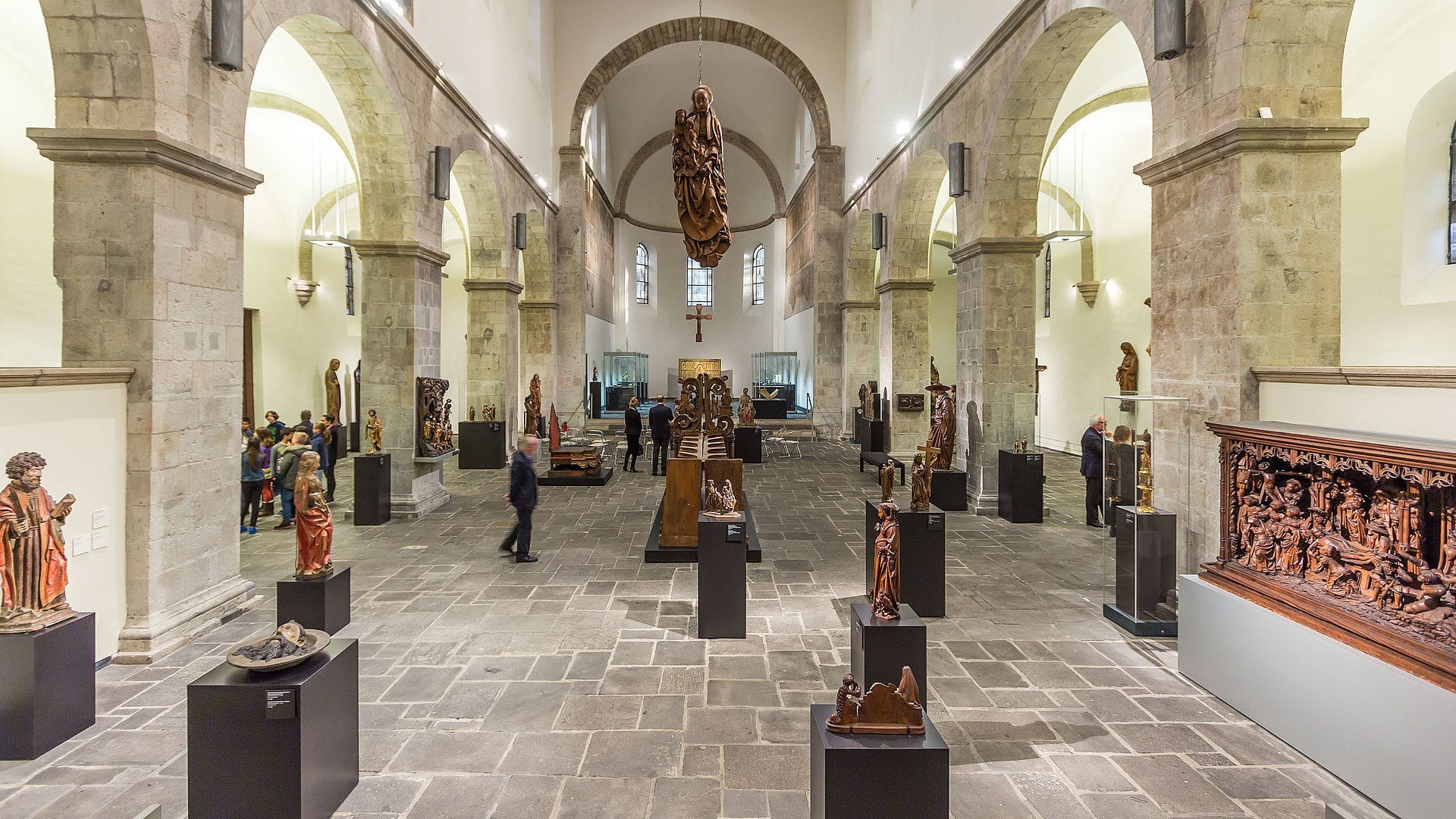
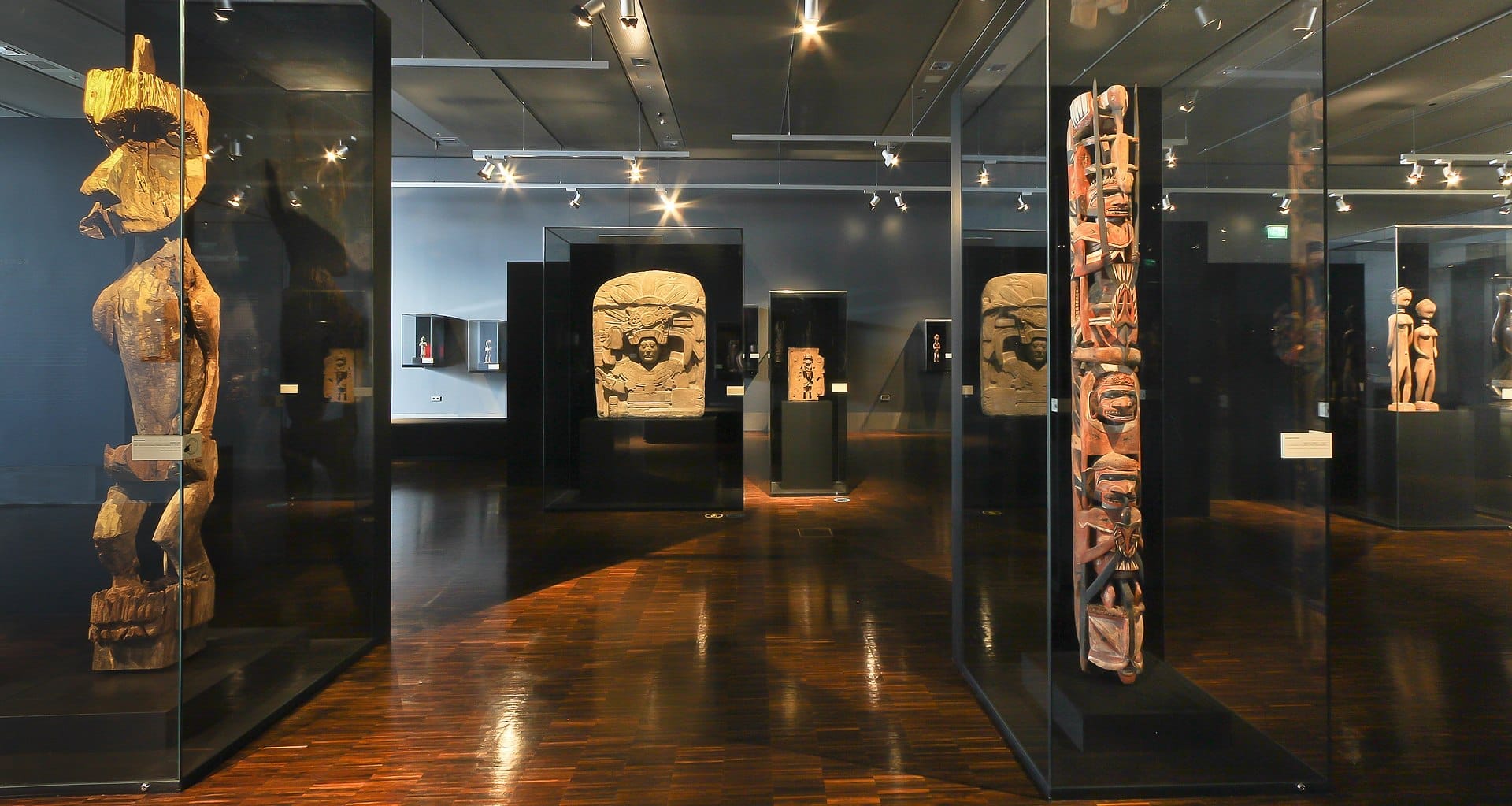
Altstadt-Süd hosts several more specialist museums worth seeking out. The Kolumba Art Museum, the diocesan museum of the Archdiocese of Cologne, is built around the ruins of a bombed Gothic church and combines medieval sacred art with contemporary works in one of the more architecturally striking museum buildings in Germany. The Rautenstrauch-Joest Museum is one of Germany's best ethnological museums, while the Museum Schnütgen houses medieval sacred art inside an actual Romanesque church on Cäcilienstraße.
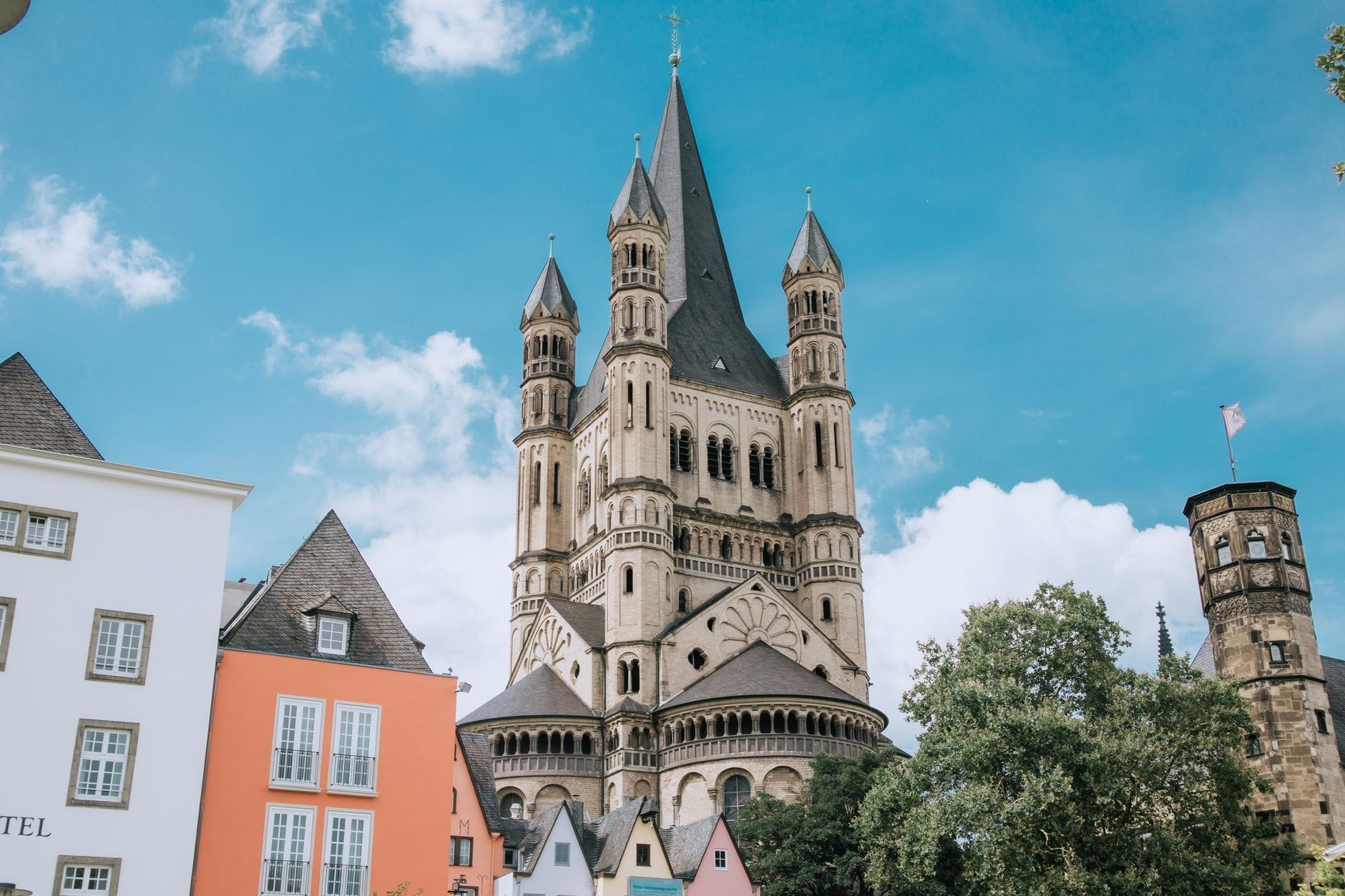
Groß St. Martin: the Romanesque tower in the Martinsviertel is one of Cologne's most photographed landmarks from the Rhine side
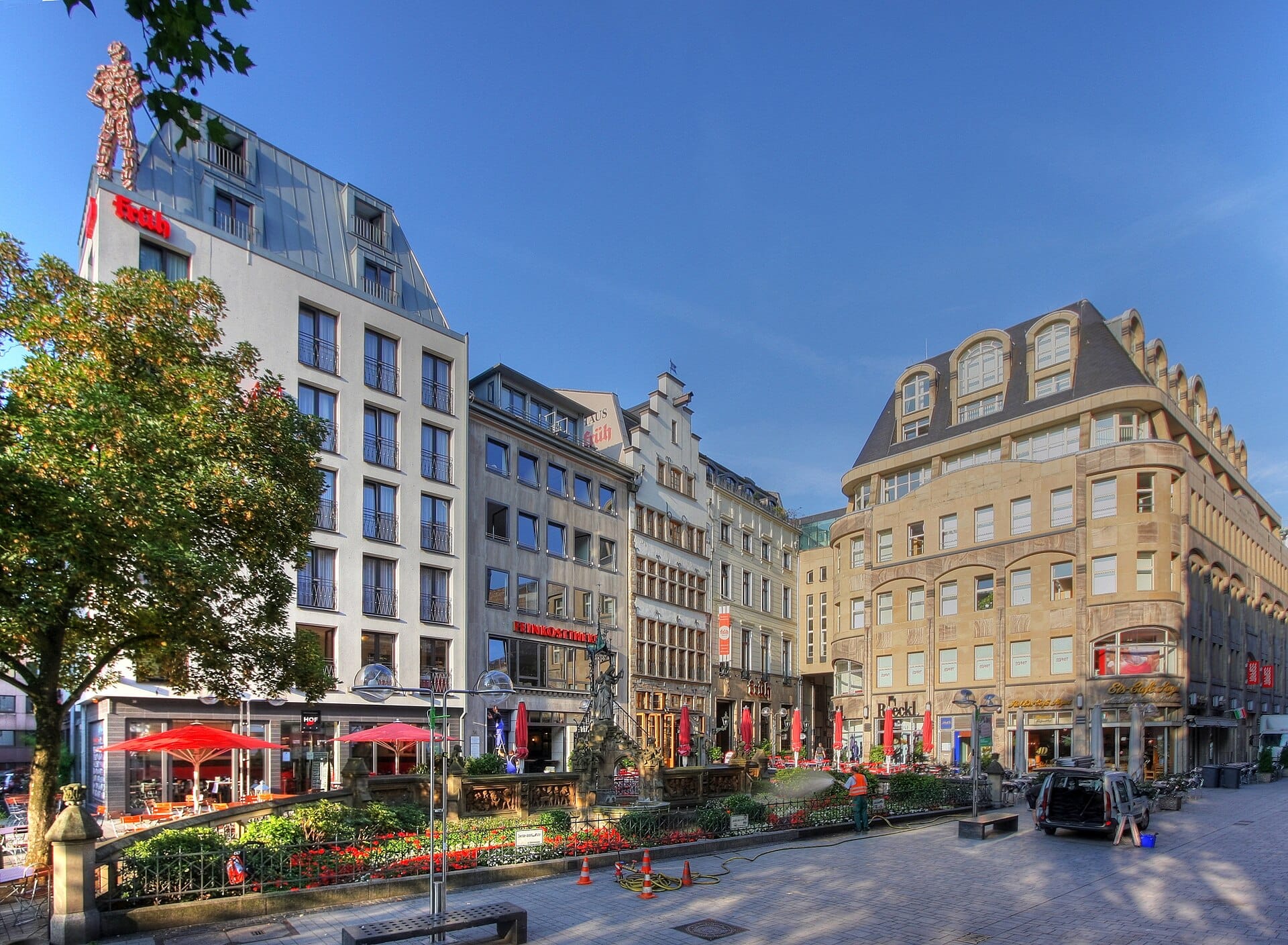
Alter Markt and Heumarkt: the main historic squares, used for markets, Karneval celebrations, and summer festivals
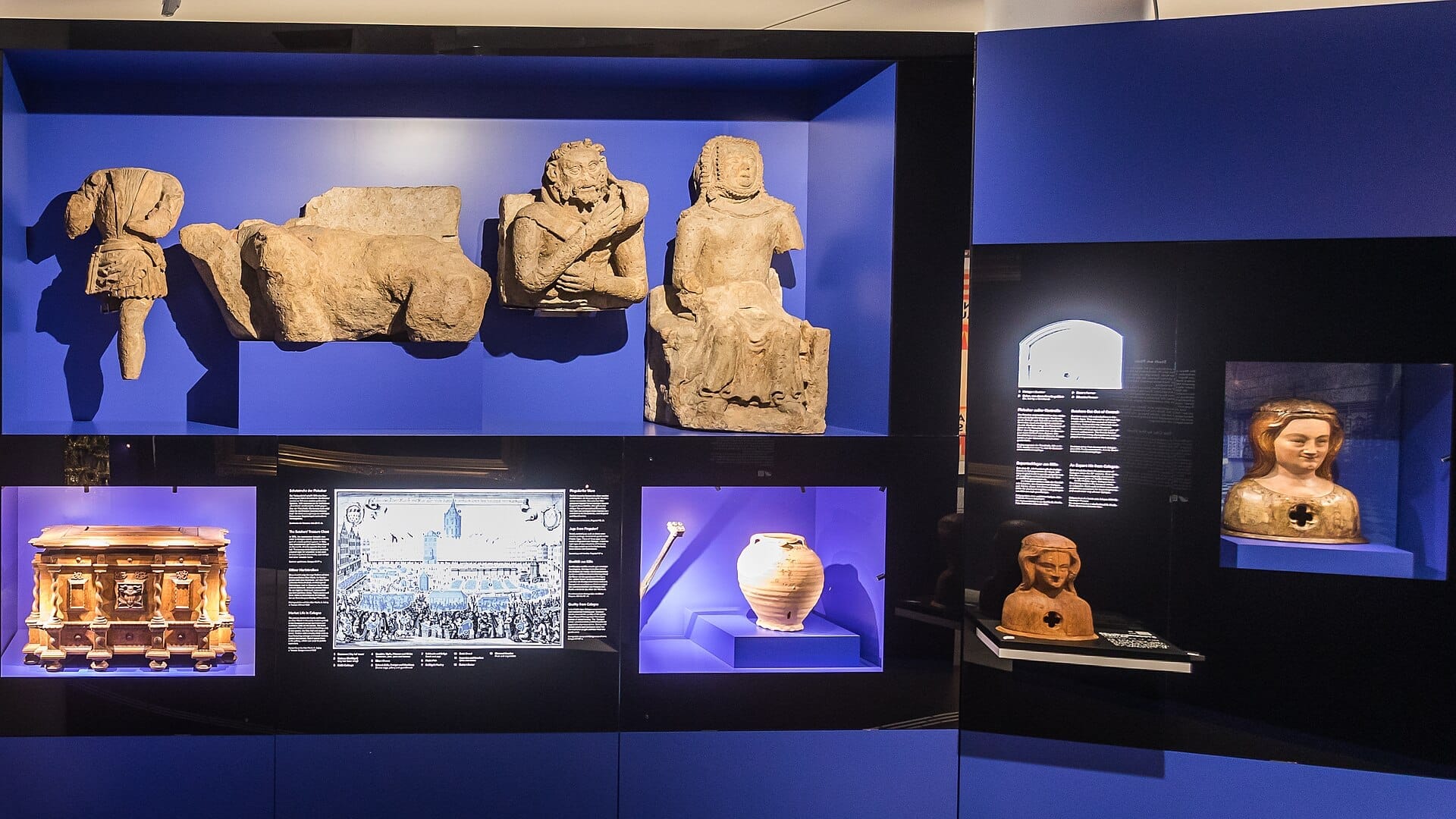
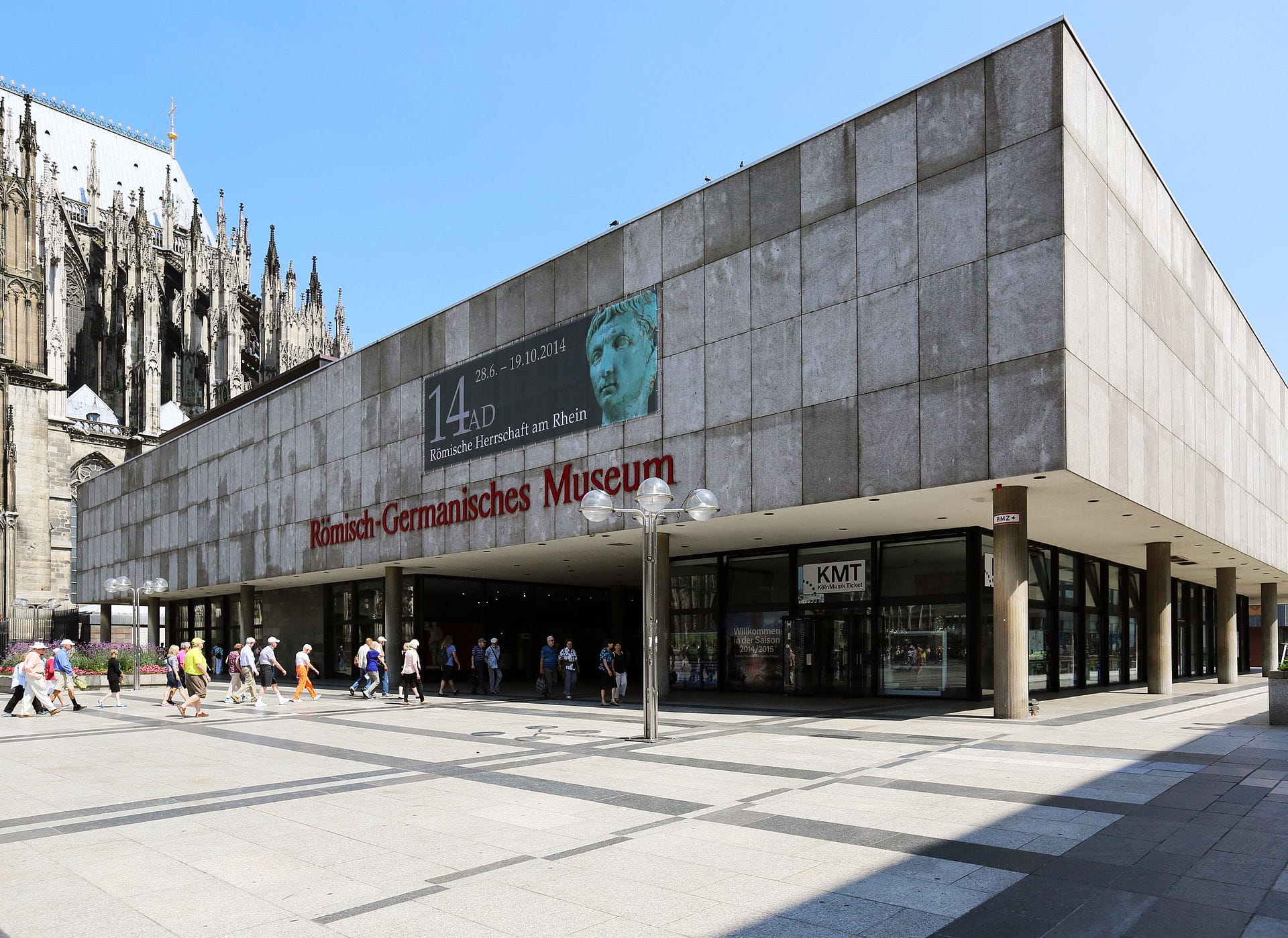
Romano-Germanic Museum: major collection of Roman-era Cologne artifacts, currently undergoing renovation works (verify current status before visiting)
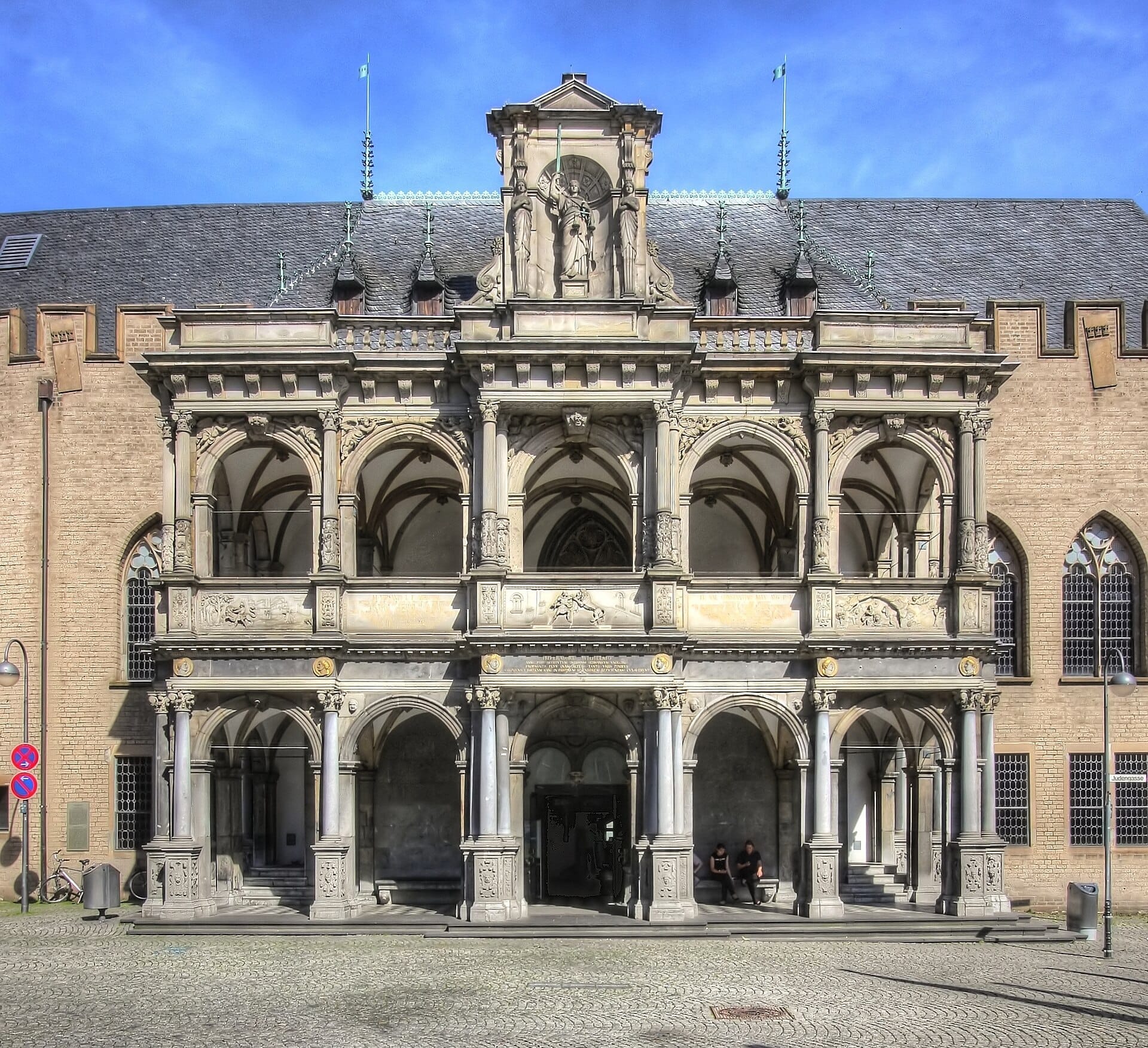
Cologne City Hall (Kölner Rathaus): the historic city government building on Rathausplatz with a Gothic tower and Renaissance loggia
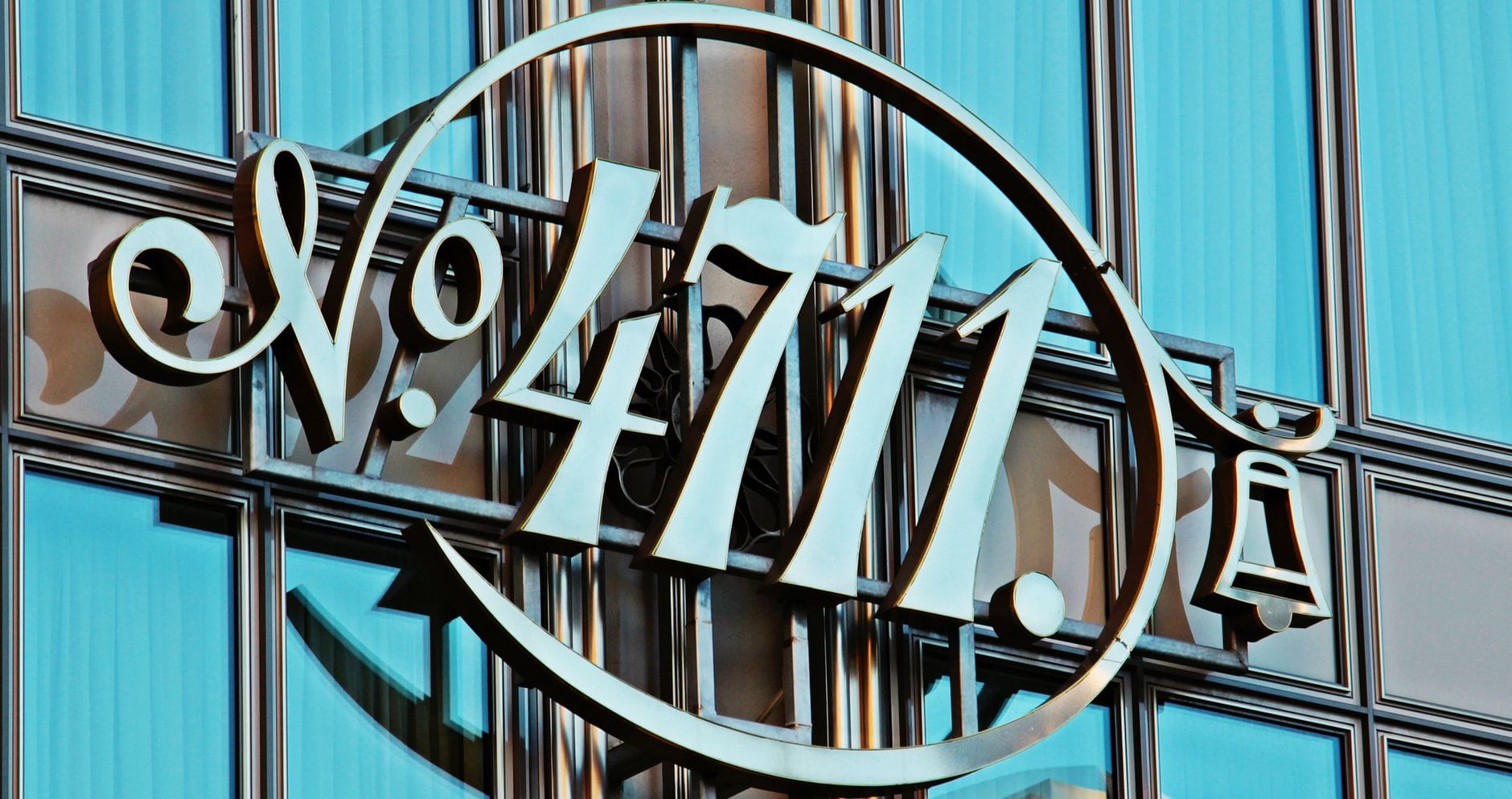
4711 House: the historic home of 4711 Original Eau de Cologne on Glockengasse, a short walk west of the Dom
Bayenturm: medieval tower at the southern end of the old town, beside the Rhine
The Romano-Germanic Museum documents Cologne's Roman origins when the city was known as Colonia Claudia Ara Agrippinensium. Combined with the Cologne City Hall nearby, this northeast corner of Altstadt-Nord is the area with the deepest historical layering in the entire city.
Eating and Drinking
The Altstadt is the home of the traditional Kölsch brewpub, known locally as a Brauhaus or Wirtshaus. These are wood-panelled, efficient, and follow a specific ritual: servers called Köbesse circulate with trays of small 0.2-litre glasses called Stangen, replacing your empty glass automatically until you place your beer mat on top to signal you're done. Früh am Dom on Am Hof is the most famous, positioned directly beside the cathedral, and serves decent traditional food alongside its house-brewed Kölsch. Expect queues and a tourist-heavy crowd, but the atmosphere is genuine.
For a broader picture of Cologne's food culture, the guide to what to eat in Cologne covers the full range of local dishes beyond Kölsch. In the Altstadt specifically, look for Halve Hahn (rye bread with aged Gouda, despite the misleading name), Himmel un Ääd (black pudding with mashed potato and apple sauce), and Reibekuchen (potato pancakes) at the market stalls that appear seasonally around Alter Markt and Heumarkt.
The area immediately around the Dom and Hohe Straße skews toward tourist-priced restaurants with mediocre food. Moving south toward Heumarkt and the Martinsviertel streets reveals a more varied picture, with independent restaurants, wine bars, and cafés serving a mixed local and visitor clientele. The Frankenwerft riverside promenade has a concentration of restaurants with Rhine views, at the higher end of the price range.
💡 Local tip
If you want the Brauhaus experience without the tourist markup, walk south from Heumarkt into the quieter streets of Altstadt-Süd. Several traditional taverns operate here with lower prices and a more local customer base than those within sight of the Dom.
The Altstadt's bar scene after dark concentrates around Alter Markt and Heumarkt, which form the backbone of a pub crawl circuit popular with stag parties and larger groups. It is lively and can be rowdy on Friday and Saturday nights. Travelers looking for a more varied nightlife experience should read the Cologne nightlife guide, which covers the full spread of the city's after-dark options including the quieter bars and club scene in Ehrenfeld.
Getting There and Around
Cologne's Altstadt is exceptionally well-connected. Köln Hauptbahnhof (the central station) is the primary transit hub for the entire city and sits at the northern edge of Altstadt-Nord, immediately adjacent to the cathedral. From here, all S-Bahn lines, multiple Stadtbahn (light rail) lines, regional rail services, and long-distance ICE trains are accessible. The station also connects directly to Cologne Bonn Airport via S-Bahn in around 15 minutes.
Within the Altstadt itself, the KVB (Kölner Verkehrs-Betriebe) network provides stops at Dom/Hbf for the northern zone, Rathaus and Heumarkt for the central area, and Neumarkt and Rudolfplatz along the Ringe for westward and southward access. The Stadtbahn lines running along the Ringe connect the Altstadt to surrounding neighborhoods including the Belgian Quarter to the northwest and Ehrenfeld further west. For most journeys within the Altstadt itself, walking is faster than waiting for transit.
The full logistics of navigating Cologne's public transport system, including ticket types and zone structures, are covered in the guide to getting around Cologne. Taxis and ride-hailing services (including Uber, operating under German regulations) are available but rarely necessary within the Altstadt itself given the compact, pedestrian-friendly layout.
⚠️ What to skip
Cycling in the pedestrianized core of the Altstadt is restricted. Bike lanes exist on streets approaching the old town, but riders should dismount on the main pedestrian zones or risk a fine. Bicycle parking is available at several points around the perimeter, including near the Hauptbahnhof.
Where to Stay
Staying in the Altstadt puts you within walking distance of every major sight in the city and within easy transit reach of everything else. The trade-off is noise, particularly on weekend nights when the bar zone around Alter Markt and Heumarkt stays active until the early hours. Rooms in the hotels directly facing the Dom or the Frankenwerft command premium prices for views that are genuinely spectacular, but quieter streets one or two blocks back offer better value.
Altstadt-Nord suits first-time visitors and travelers who want maximum convenience: you can walk from your hotel to the cathedral in minutes and reach the Rhine promenade in under ten. Altstadt-Süd is calmer and slightly more residential in character, better suited to travelers who want proximity to the museum belt on Cäcilienstraße without being in the thick of the evening tourist circuit. A broader overview of accommodation options across the city is available in the guide to where to stay in Cologne.
For travelers comparing the Altstadt against other neighborhoods, the Belgian Quarter to the west offers a more local-feeling alternative with good transport links back to the old town, while Deutz on the opposite Rhine bank provides excellent views of the cathedral skyline and tends to have lower hotel prices for equivalent quality.
Practical Tips
The Altstadt is at its most atmospheric during the Cologne Christmas markets season in late November and December, when multiple markets operate simultaneously around the Dom, Alter Markt, Heumarkt, and along the Rhine. It is also, predictably, the most crowded period of the year. Book accommodation months in advance if visiting in December.
During Cologne Karneval, which peaks in the week before Ash Wednesday (dates vary by year), the Altstadt becomes the epicenter of one of Europe's largest street carnivals. The area around Alter Markt and Heumarkt draws enormous crowds in costume. It is a genuinely extraordinary spectacle, but the logistics require planning: transit is disrupted, streets are closed, and the noise levels from Thursday to Tuesday morning are continuous.
💡 Local tip
Pickpocketing is the main safety concern in the Altstadt, as with any heavily visited European city center. The crowded areas around the Dom, Hohe Straße, and the weekend bar strips are where it most commonly occurs. Keep valuables in a front pocket or secure bag and be particularly alert in dense crowds at the Christmas markets and during Karneval.
Summary
TL;DR
The Altstadt is Cologne's historic core: the cathedral, the Martinsviertel, the major museums, and the traditional Kölsch brewpubs are all here, making it the essential starting point for any visit to the city.
Best for: first-time visitors to Cologne, museum enthusiasts, travelers who want walkable convenience and maximum sightseeing density in a compact area.
Be aware: the tourist strip around the Dom and Hohe Straße can feel crowded and overpriced; moving even a few streets back from the main drag improves the experience significantly.
Nightlife around Alter Markt and Heumarkt is lively but skews toward large groups and stag parties on weekends; the Belgian Quarter and Ehrenfeld offer a more varied after-dark scene.
Transit access is excellent: Köln Hauptbahnhof is right on the doorstep, connecting the Altstadt to the airport, the wider city, and high-speed rail routes across Germany.
Two days is enough time to see the best of Cologne if you plan well. This itinerary covers the Gothic cathedral, world-class museums, the Rhine waterfront, historic brewhouses, and the city's most interesting neighborhoods — structured so you can walk between most stops without backtracking.
Cologne offers an unusually rich museum landscape, with over 100 collections spanning Roman archaeology, medieval religious art, modern masterpieces, ethnology, and even chocolate. This guide covers the best museums in Cologne, organized by theme, so you can plan your visits efficiently.
Cologne rewards visitors year-round, but the experience varies dramatically depending on when you arrive. This guide breaks down every season, from Carnival chaos in February to peaceful autumn walks along the Rhine, so you can match your trip to your priorities.
Cologne rewards those who look up, across, and down from the right spot. This guide covers the city's best viewpoints, from paid observation decks to free riverbank promenades, with practical tips on timing, access, and exactly what you'll see from each vantage point.
Cologne Bonn Airport is one of Germany's most convenient city break entry points, with direct trains to Cologne city centre in under 20 minutes. This guide covers every transport option, real fare ranges, and what to watch out for at different times of day.
Cologne is an unexpectedly strong art city. With more than 30 museums and hundreds of galleries, it rivals much larger European capitals for depth and range. This guide covers the essential art museums, from world-class modern art to medieval religious masterpieces and East Asian treasures.
Cologne (Köln) hosts one of Germany's most impressive concentrations of Christmas markets, with seven or eight major markets spread across a compact city centre, all free to enter and most within a 10- to 20-minute walk of each other. This guide covers every main market, practical logistics, pricing, crowd patterns, and clear guidance on what to skip.
Cologne is an underrated romantic destination. This guide covers the best experiences for couples: riverside walks, Gothic cathedral views, perfume heritage, candlelit Brauhaus dinners, and where to stay for a memorable trip to Köln.
Cologne Karneval is one of Europe's largest street festivals, drawing over a million people to the city in the days before Lent. This guide covers the full season timeline, Rose Monday parade logistics, costume traditions, crowd realities, and practical advice for first-timers and returning visitors alike.
Cologne's nightlife is one of the most underrated in Germany, spread across distinct neighborhoods rather than a single strip. This guide breaks down every major area, what to drink, what to spend, and how to get home at 5 AM.
Cologne (Köln) is one of western Germany's most rewarding cities, and it doesn't have to be expensive. This guide breaks down realistic daily costs, the best free and low-cost attractions, smart transport choices, and the seasonal timing that keeps your spending in check.
The Cologne to Amsterdam train is a direct ICE high-speed service covering roughly 214 km in as little as 2 hours 37 minutes. This guide breaks down fares, booking strategy, schedules, and everything you need to know before you board.
The Cologne to Frankfurt train is one of Germany's most efficient intercity connections. ICE services cover the roughly 152 km route in around one hour, with dozens of daily departures and fares starting around €10–15 if you book smart. This guide covers schedules, pricing, booking platforms, and practical tips for getting the most out of the journey.
Cologne's historic core is compact enough to cover on foot in a single morning or afternoon. This guide maps out a 6.6 km self-guided walking tour through the Cathedral, Old Town, Romanesque churches, and Rhine riverfront, with clear guidance on what to skip, what costs money, and how to time it right.
Cologne (Köln) delivers more for families than most travellers expect. With a world-class zoo, an interactive chocolate museum, a climbable cathedral tower, and free riverside parks, the city offers a full week of family activities without straining your budget. This guide covers what to do, what to skip, and how to plan smart.
Cologne's location in western Germany puts you within two hours of medieval castles, Roman ruins, Dutch canals, and some of the Rhine Valley's finest scenery. This guide covers the most rewarding day trips from Köln, with train times, realistic costs, and honest notes on what works and what doesn't.
Cologne rewards budget travellers generously. The botanical garden, riverside promenades, Romanesque churches, and entire neighbourhoods of street art all cost nothing to enjoy (cathedral tourist entry is ticketed from July 2026). This guide covers the best free experiences across the city.
Cologne's public transport network is efficient, affordable, and covers the entire city. This guide breaks down every option for getting around Köln, from the KVB Stadtbahn to airport trains, taxis, cycling, and walking, with current fares, route tips, and clear guidance on what to skip.
Cologne's Kölner Dom draws millions of visitors, but the city's real character lives elsewhere. From a medieval ossuary church to a free botanical garden, a rooftop panorama across the Rhine, and one of Europe's best ethnological museums, these are the places locals love and tourists too often miss.
Cologne (Köln) is Germany's fourth-largest city, a 2,000-year-old Rhine river city with a Gothic cathedral, 40-plus museums, and one of Europe's wildest festivals. This guide cuts through the hype to tell you exactly what makes it worth the trip, what to skip, and how to get the most out of your time there.
Kölsch is more than a beer style. It's a legally protected product, a serving ritual, and a point of local pride in Cologne. This guide covers the brewing rules, brauhaus etiquette, the best places to drink, and what to know before your first Stange.
From one-hour panorama loops past the Cologne Cathedral to full-day excursions toward the UNESCO-listed Rhine Gorge, this guide covers every cruise option available from Cologne, including prices, operators, seasonal schedules, and clear guidance on what's worth your time.
Cologne's 12 Romanesque churches form one of the most remarkable medieval ensembles in Europe, arranged in a rough semicircle around the city center and predating the famous Gothic cathedral by centuries. This guide covers all 12 churches, practical visiting tips, and how to see them in a single day.
Cologne (Köln) offers one of Germany's most diverse retail landscapes, from the country's busiest pedestrian shopping mile to weekend flea markets and design-forward boutiques. This guide breaks down exactly where to shop, when to go, and what to avoid.
Cologne (Köln) packs an extraordinary range of experiences into a compact, walkable city on the Rhine. This guide covers the essential sights, the best neighbourhoods to explore, seasonal events worth planning around, and clear guidance on what to skip.
Cologne's food culture is deeply rooted in Rhineland tradition: hearty, honest, and built around a handful of dishes that locals have been eating for centuries. This guide covers the essential foods to try, the best places to eat them, and a few traps worth avoiding.
Cologne (Köln) offers genuinely distinct neighborhoods to base yourself in, each with different trade-offs between location, price, and atmosphere. This guide breaks down the best areas to stay, who each one suits, and what to watch out for when booking.