Getting Around Cologne: Transport, Fares, and Local Tips
Cologne's public transport network is efficient, affordable, and covers the entire city. This guide breaks down every option for getting around Köln, from the KVB Stadtbahn to airport trains, taxis, cycling, and walking, with current fares, route tips, and clear guidance on what to skip.
Tickets & tours
Live prices and dates from our booking partner. If you book, we may earn a commission at no extra cost to you.
TL;DR
- The city centre is compact and walkable. Most major sights around the Cathedral and Altstadt are within 15-20 minutes on foot.
- Cologne's public transport is run by KVB (trams, Stadtbahn, buses) under the VRS fare system. A single adult fare within the city costs around €4.00; a 24-hour ticket runs around €9.60 (as of June 2026, verify before travel).
- The Stadtbahn does NOT serve Cologne Bonn Airport (CGN). Use the S19 or RE6 train from Köln/Bonn Flughafen — around 15-20 minutes.
- Buy tickets via KVB machines, the KVB app, or at staffed counters. Always validate before boarding — plain-clothes inspectors are common.
- For neighbourhood-by-neighbourhood context, see our guide to where to stay in Cologne to match your accommodation to the right transport zone.
Walking: The Best Option for Central Cologne
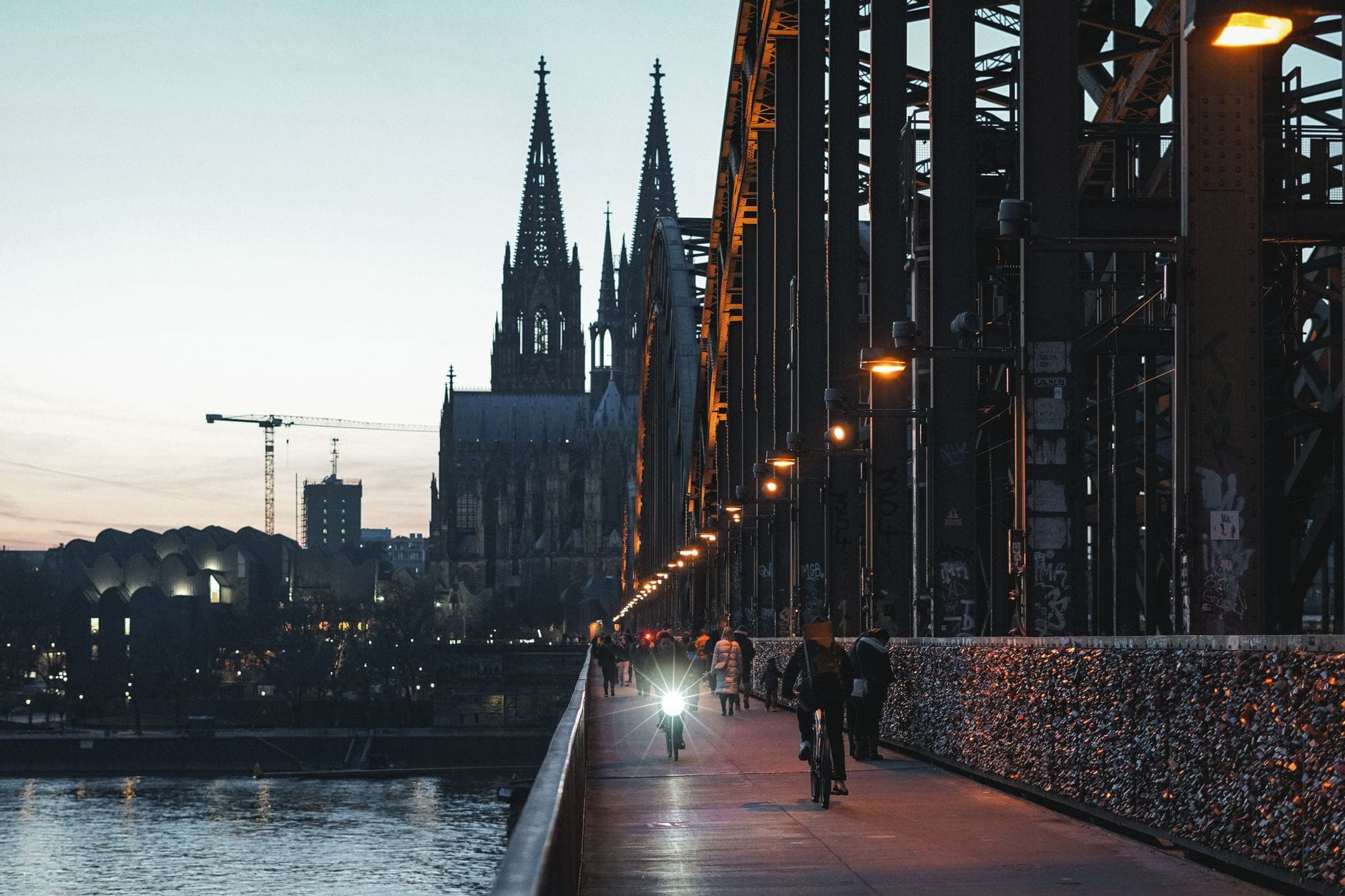
If you're staying anywhere near the Cologne Cathedral or the Altstadt, your feet will take you further than any tram. The historic core of Köln is genuinely compact: the Cathedral, the Hohenzollern Bridge, the Chocolate Museum, and the Romanesque churches are all within a radius of about 1.5 km from the central train station.
The Rhine promenade is flat and well-maintained, making it ideal for extended walking in spring and summer. Factor in that several pedestrianised shopping streets — Hohe Straße and Schildergasse in particular — funnel a lot of foot traffic during weekends and holidays. If you're exploring outside the centre, say heading to Ehrenfeld or Deutz, public transport becomes the practical choice.
💡 Local tip
Plan your walking route using the Rhine as your reference point. Head north from the Cathedral towards the Hohenzollern Bridge, south along the promenade toward Rheinauhafen, or west into the Innenstadt shopping district. You won't need a map for most of this.
The KVB Network: Trams, Stadtbahn, and Buses
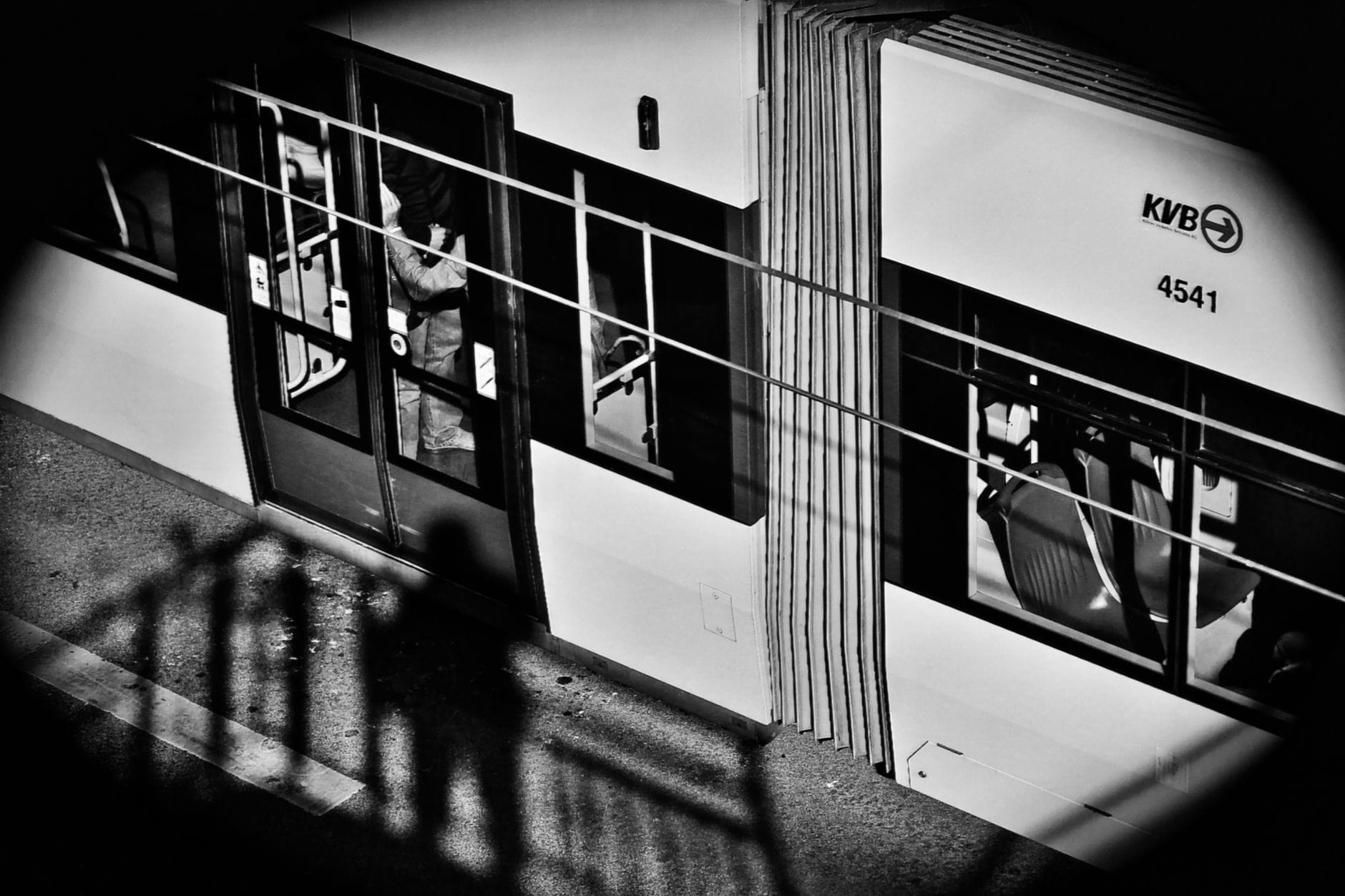
Kölner Verkehrs-Betriebe (KVB) operates Cologne's urban public transport, including the Stadtbahn (light rail), trams, and buses. The network is extensive: around 12 regular Stadtbahn lines, approximately 230 stops, and a combined network of roughly 200 km. Coverage reaches nearly every residential district and suburb, including Ehrenfeld, Nippes, Deutz, Mülheim, and Lindenthal.
KVB is integrated into the larger Verkehrsverbund Rhein-Sieg (VRS) regional fare system, which means a single ticket is valid across trams, buses, and local/regional trains within the specified zones and time window. This integration is genuinely useful: if you're heading from Cologne to Bonn or into the surrounding region, you use the same ticketing infrastructure — just ensure you select the correct zone when purchasing.
- Stadtbahn / Tram The backbone of the network. Stadtbahn lines run underground in the city centre and above ground in outer districts. Fast, frequent, and reliable — the best option for cross-city travel.
- Bus Supplements the Stadtbahn in areas without rail coverage. During peak hours, many routes run every 10 minutes. Less useful for tourists unless you're heading to specific outer districts.
- S-Bahn (Regional Rail within VRS) Faster for longer-distance trips within the VRS zone. Essential for the airport connection and for day trips to Bonn or other nearby cities.
Frequency is generally good: trams and buses typically run every 10-20 minutes on many standard routes, with tighter headways in the centre at peak times. Services continue through the night on weekends with a reduced night network.
⚠️ What to skip
Always validate your ticket before boarding or at the platform barriers. KVB uses a trust-based system but deploys plain-clothes inspectors regularly. Fines for travelling without a valid ticket are substantial — well above the cost of a day pass.
KVB Fares and Ticket Types
Fares are set by the VRS tariff system and divided into zones. For most tourists staying in the city centre and visiting central attractions, all travel falls within the Cologne city zone. A single adult fare within Cologne costs around €4.00, and a 24-hour day ticket runs approximately €9.60. Prices do change, so verify current fares on the KVB website or app before you travel.
- Single Ticket (Einzelticket) Valid for one journey within the purchased zone. Use for one-off trips when you don't plan to make multiple journeys in a day.
- 24-Hour Day Ticket (24-Stunden-Ticket) Best value if you plan three or more journeys in a day. Valid from time of purchase for 24 hours on all KVB services within the city zone.
- Weekly and Monthly Passes Relevant for longer stays. Weekly passes offer significant savings over daily tickets for visitors staying 5+ days.
- Group Day Tickets Available for small groups (typically up to 5 people). Considerably cheaper per person than individual day tickets when travelling together.
Purchase tickets at KVB machines (at most Stadtbahn stops and stations), via the KVB app, or at staffed counters in major stations. The app is straightforward and available in English — worth installing before arrival to avoid queuing at machines during busy periods.
✨ Pro tip
If you're visiting Cologne for two or more full days and plan to use public transport frequently, check whether a multi-day pass or the Cologne Card (which bundles transport with museum discounts) offers better value than buying daily tickets separately. Run the numbers based on which museums you actually intend to visit — the card is only worthwhile if you'd pay for those admissions anyway.
Getting from Cologne Bonn Airport to the City Centre
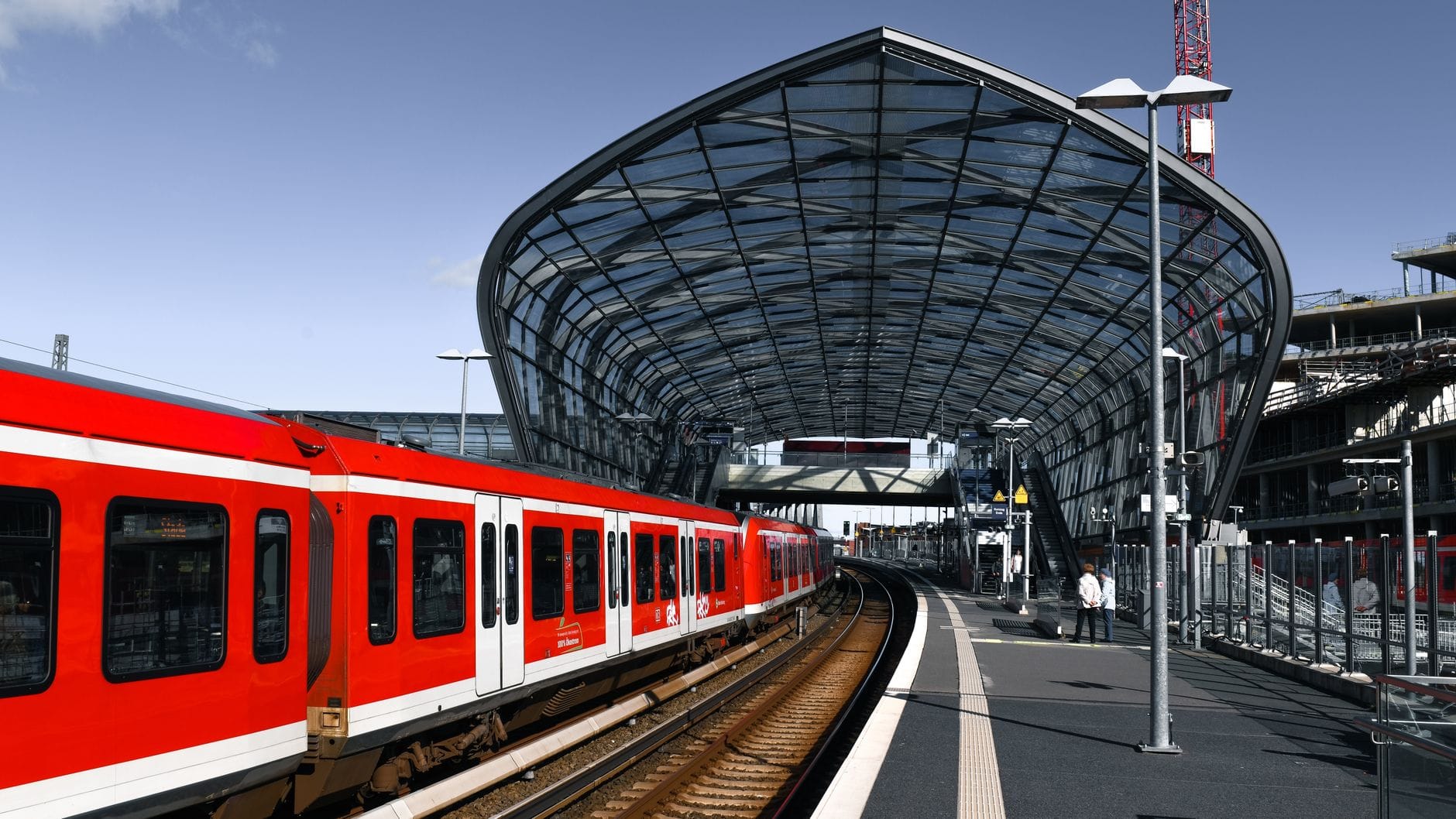
Cologne Bonn Airport (IATA: CGN) sits roughly 15 km southeast of the city centre, between Cologne and Bonn. The critical thing to understand: the KVB Stadtbahn does not reach the airport. You need either a regional train, an S-Bahn, a taxi, or a ride-hailing service. For most travellers, the train is the right answer. Check the full Cologne airport guide for terminal layouts, facilities, and more transfer detail.
- S-Bahn / Regional Train (recommended) The S19 and RE6 are the main rail options, running from Köln/Bonn Flughafen station directly to Köln Hauptbahnhof. Journey time is approximately 15-20 minutes. Trains are frequent and covered by the VRS fare system — your city zone ticket may not cover the full journey, so check the fare zones when buying.
- Taxi Taxis queue outside the terminals and offer a direct, metered service to any Cologne address. Practical for early-morning arrivals or when travelling with large luggage. Journey time varies with traffic — budget for 20-40 minutes depending on conditions.
- Ride-hailing (Uber and others) Uber operates in Cologne under German ride-hailing regulations. Pick-up is from designated zones at the airport. Comparable to taxi pricing in most cases, occasionally cheaper off-peak.
- Bus Several bus lines connect the airport to parts of Cologne and Bonn within the VRS network. Slower than the train and less practical for travellers with luggage, but a cheaper option for those on tight budgets heading to specific districts.
Travellers arriving at Düsseldorf Airport (DUS) or Frankfurt Airport (FRA) — both used by visitors to Cologne — should plan on a regional or intercity train connection. From Düsseldorf, the rail journey to Cologne Hauptbahnhof takes around 30-40 minutes on the regional express. From Frankfurt, high-speed ICE trains reach Cologne in approximately 60-75 minutes.
Taxis, Ride-Hailing, and Cycling
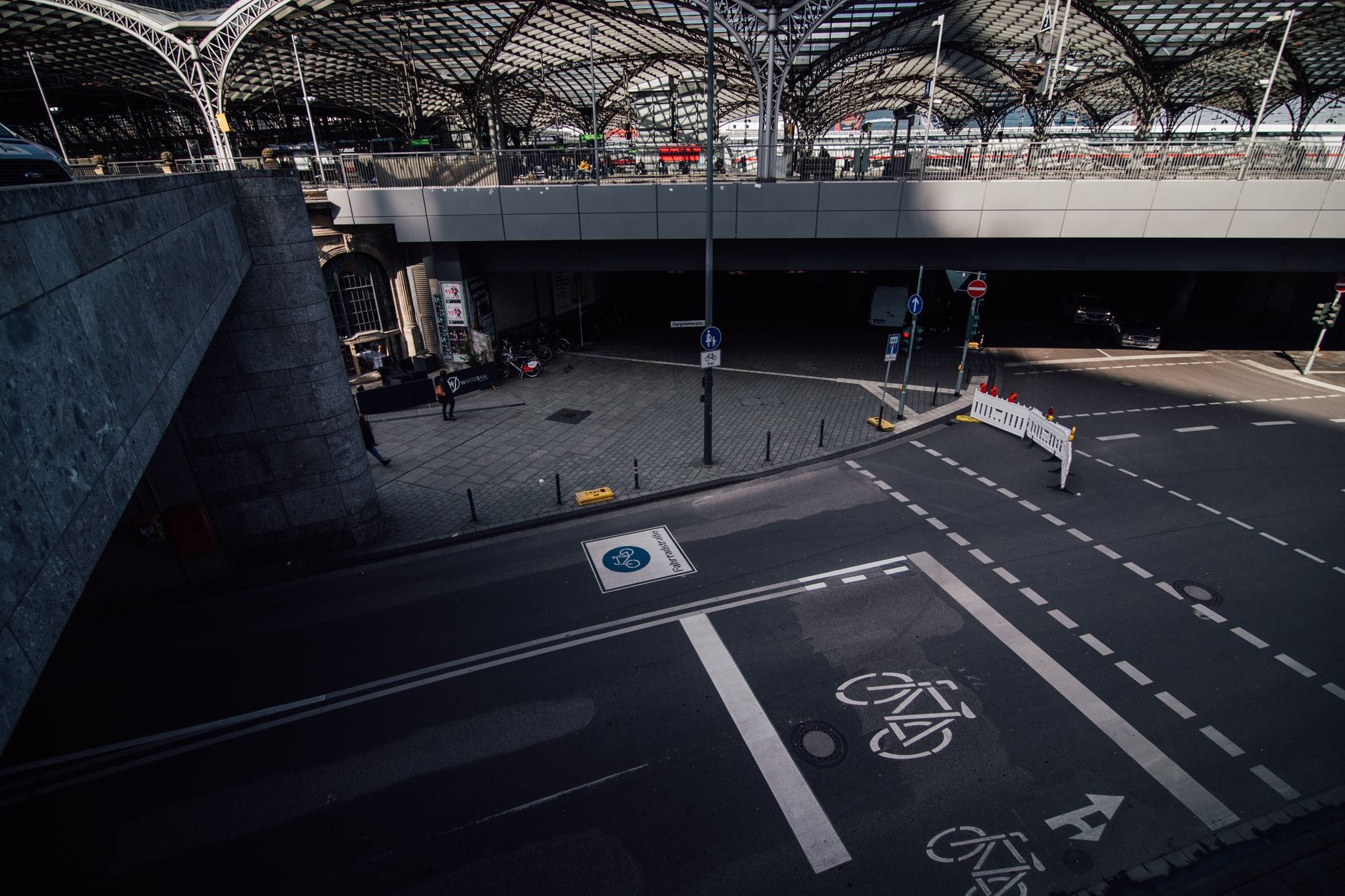
Taxis in Cologne are metered and regulated. You can hail them on the street, find them at designated taxi ranks near the Hauptbahnhof, Heumarkt, and major hotels, or book via phone through services like Taxiruf Köln. Fares follow city-set tariffs and are generally transparent. For short in-city trips, taxis are rarely the most economical option compared to a 24-hour transit pass, but they are genuinely useful late at night, with luggage, or when travelling in groups.
Cycling is a reasonable option in Cologne, particularly for the flat riverside areas and the inner districts. The city has a reasonable cycling infrastructure, and several bike-sharing schemes operate across central neighbourhoods. The Rheinauhafen and the Rhine promenade are particularly well-suited to cycling. That said, Cologne's traffic in the Innenstadt can be heavy, and cycling on the main shopping streets is restricted. For leisure cycling rather than navigation, this works well; for getting between specific sights quickly, the Stadtbahn is more practical.
ℹ️ Good to know
Cologne operates within the Schengen Area, so no border controls apply if arriving from another EU country. Germany uses the Euro (EUR). Tap water is safe to drink throughout the city. Emergency number: 112. Police: 110. Country code: +49.
Navigating Cologne's Districts
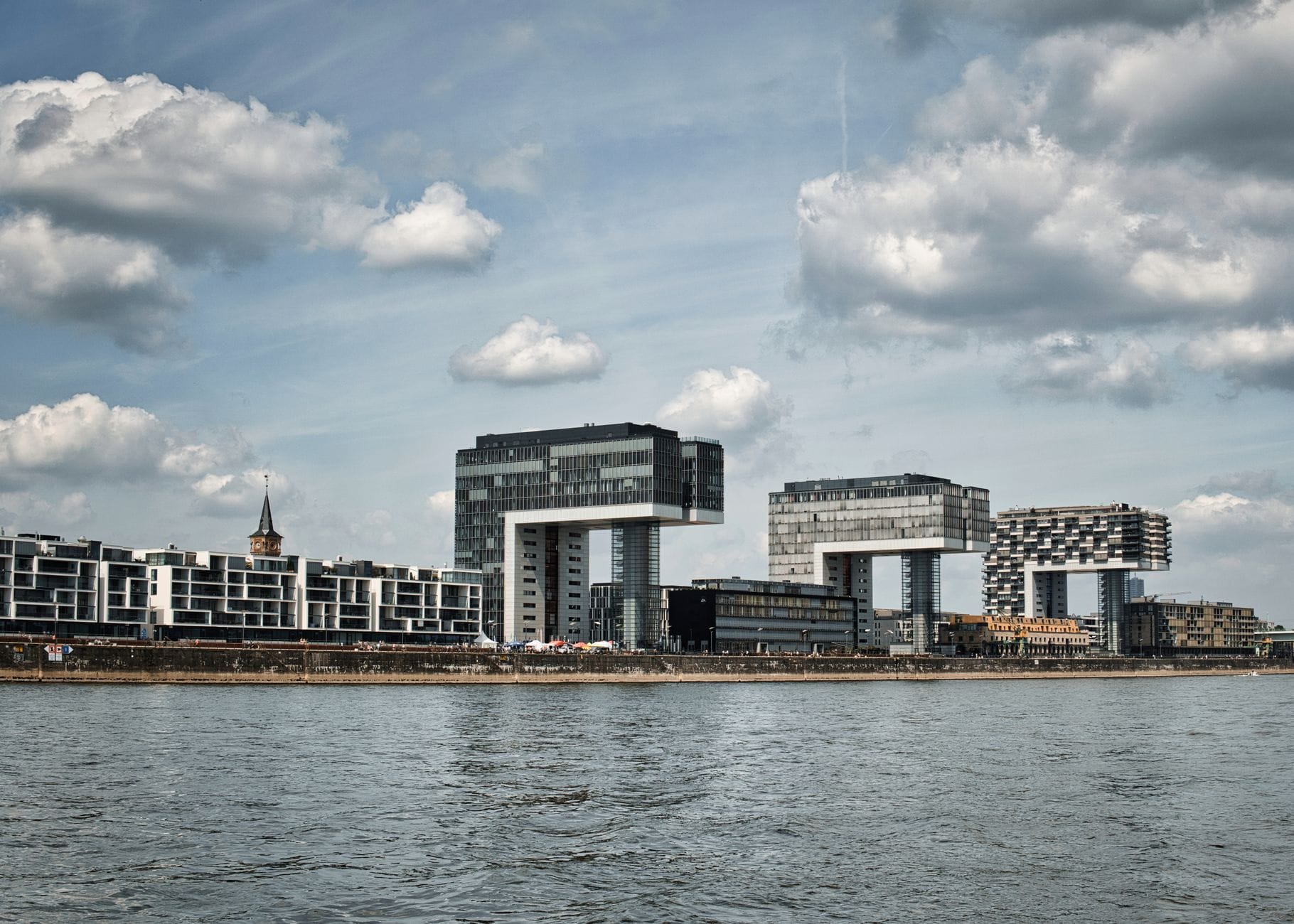
Cologne is divided into 9 Stadtbezirke (city districts), each subdivided into smaller Stadtteile. For visitors, a few areas matter most. The Innenstadt (city centre) encompasses the Cathedral area, the Altstadt, and the main shopping streets. DeutzDeutz, directly across the Rhine, houses the Koelnmesse trade fair complex and the Lanxess Arena, both easily reached by tram or by crossing the Hohenzollern Bridge on foot.
Further west, Ehrenfeld and the Belgian Quarter are the city's most interesting residential neighbourhoods for independent restaurants, bars, and creative culture. Both are well-served by Stadtbahn. Nippes to the north and Lindenthal to the west are primarily residential, relevant mainly to those staying in those areas. For a focused look at the best things to do across these areas, the things to do in Cologne guide organises attractions by neighbourhood.
One practical point: Cologne's street-level addresses can be counterintuitive for first-time visitors because the city's ring road system (the Ringe) divides the Innenstadt from the inner suburbs. Addresses on the same street can be in completely different neighbourhoods depending on which side of the ring you're on. A mapping app — Google Maps and Apple Maps both work reliably throughout the city — is worth having open when navigating on foot.
Practical Tips for Getting Around Cologne
- Download the KVB app before arriving. It provides real-time departure information, journey planning, and allows you to buy tickets. More reliable than relying on station machines during busy periods.
- Cologne Hauptbahnhof (the central station) is directly underneath the Cathedral and functions as the main hub for all transport: regional trains, S-Bahn, Stadtbahn, taxis, and bus connections.
- Rush hour runs roughly 7:30-9:00 and 17:00-19:00 on weekdays. Trams and platforms can be crowded, particularly on the north-south Stadtbahn axis.
- Weekend nights during events, Carnival, or major trade fairs can overwhelm taxi supply near the Altstadt. Plan ahead or allow extra time if you need a taxi after midnight on a Friday or Saturday.
- The KVB network map is freely available at the Hauptbahnhof service centres and worth picking up on arrival — useful even with a smartphone, since orientation is faster with a physical overview.
- If you're travelling to nearby cities, Cologne's rail connections are excellent. Fast trains reach Frankfurt in around 60-75 minutes and Amsterdam in around 2.5 hours from Köln Hauptbahnhof.
For day trips beyond the city, Cologne's position in the western German rail network is a genuine advantage. Direct trains run frequently to Düsseldorf (around 25 minutes), Bonn (around 20 minutes), and Aachen (around 50 minutes). Longer routes on ICE services reach Frankfurt and Amsterdam. See the day trips from Cologne guide for destination details and recommended connections.
FAQ
Does the tram go to Cologne Bonn Airport?
No. The KVB Stadtbahn (tram/light rail) does not serve Cologne Bonn Airport. You need to take an S-Bahn or regional train — the S19 and RE6 are the main options — from Köln/Bonn Flughafen or other central stations. The journey takes approximately 15-20 minutes. Taxis and ride-hailing services also serve the airport directly.
How much does public transport cost in Cologne?
A single adult fare within the Cologne city zone costs around €4.00. A 24-hour day ticket is approximately €9.60. Fares are set by the VRS tariff system and can change, so verify current prices on the KVB website or app before travel. Group day tickets and weekly passes offer better value for multiple people or longer stays. Fares are set by the VRS tariff system and can change, so verify current prices on the KVB website or app before travel. Group day tickets and weekly passes offer better value for multiple people or longer stays.
Is Cologne city centre walkable?
Yes, for central sights. The Cathedral, Hohenzollern Bridge, Altstadt, Chocolate Museum, and most Romanesque churches are within easy walking distance of each other — typically 10-20 minutes on foot between any two central attractions. For outer districts like Ehrenfeld, the Belgian Quarter, or Deutz, the Stadtbahn is quicker and more practical.
What is the best way to get from Cologne to Frankfurt or Amsterdam?
By train. ICE high-speed services from Köln Hauptbahnhof reach Frankfurt in approximately 60-75 minutes. ICE International services connect Cologne to Amsterdam in around 2.5 hours. Both routes are frequent and bookable through Deutsche Bahn or the relevant rail operators.
Can I use one ticket across all KVB trams, buses, and regional trains in Cologne?
Yes, within the correct zone. The KVB network is integrated into the VRS fare system, meaning a single valid ticket covers trams, buses, and local/regional trains within the purchased zone during the validity window. If your journey crosses into a different VRS zone — for example, travelling to the airport or to Bonn — you need a ticket that covers the relevant zones. Always check the zone when purchasing.
Tickets & tours
Live prices and dates from our booking partner. If you book, we may earn a commission at no extra cost to you.
Planning a trip? Discover personalized activities with the Nomado app.