Where to Stay in Cologne: The Best Neighborhoods for Every Traveler
Cologne (Köln) offers genuinely distinct neighborhoods to base yourself in, each with different trade-offs between location, price, and atmosphere. This guide breaks down the best areas to stay, who each one suits, and what to watch out for when booking.
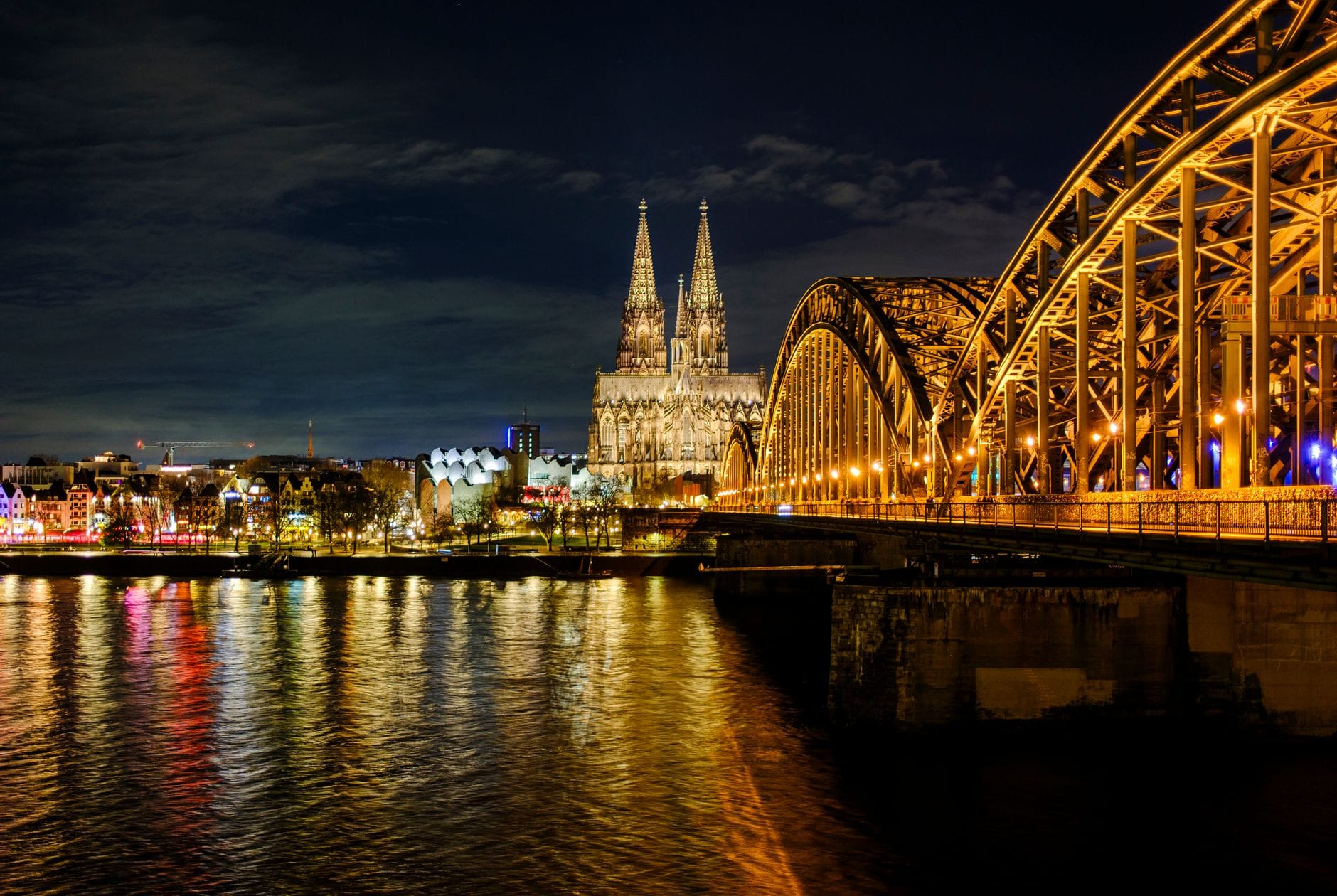
Tickets & tours
Live prices and dates from our booking partner. If you book, we may earn a commission at no extra cost to you.
TL;DR
- The Altstadt (Old Town) puts you closest to the Cologne Cathedral and major museums, but pays for it in price and tourist density.
- The Belgian Quarter is the best all-round pick for independent travelers who want cafés, boutique shopping, and local atmosphere without straying far from the centre.
- Deutz, on the Rhine's right bank, is underrated for leisure travelers: it offers cathedral views, quieter streets, and competitive rates, but you will cross a bridge to reach most sights.
- Ehrenfeld and Südstadt suit travelers who want a residential, local feel and easy access to Cologne's nightlife without paying Old Town premiums.
- During trade fairs at Koelnmesse and major concerts at Lanxess Arena, prices across the city spike sharply. Book early or choose neighborhoods further from Deutz.
How to Think About Location in Cologne
Cologne is a compact, well-connected city. Köln Hauptbahnhof (the central train station) sits directly beside the Cathedral, and the KVB tram and light-rail network covers virtually every neighborhood worth staying in. That means location anxiety is lower here than in sprawling German cities like Berlin or Hamburg. The real question is not 'how far am I from things?' but 'what kind of street do I want to walk out onto in the morning?'
The city divides neatly into a left-bank core (where most sights, restaurants, and nightlife sit) and a right-bank district dominated by Deutz. A single tram or a 10-minute walk over the Hohenzollernbrücke connects the two sides. Understanding this geography makes choosing a neighborhood much simpler.
ℹ️ Good to know
Cologne uses the euro (EUR). Most hotels quote rates in euros. The city sits in Central European Time (CET, UTC+1) and Central European Summer Time (CEST, UTC+2). Power sockets are Type F (Schuko), 230V — bring an adapter if you're arriving from the US, UK, or Australia.
Altstadt and the Cathedral Quarter: Best for First-Time Visitors
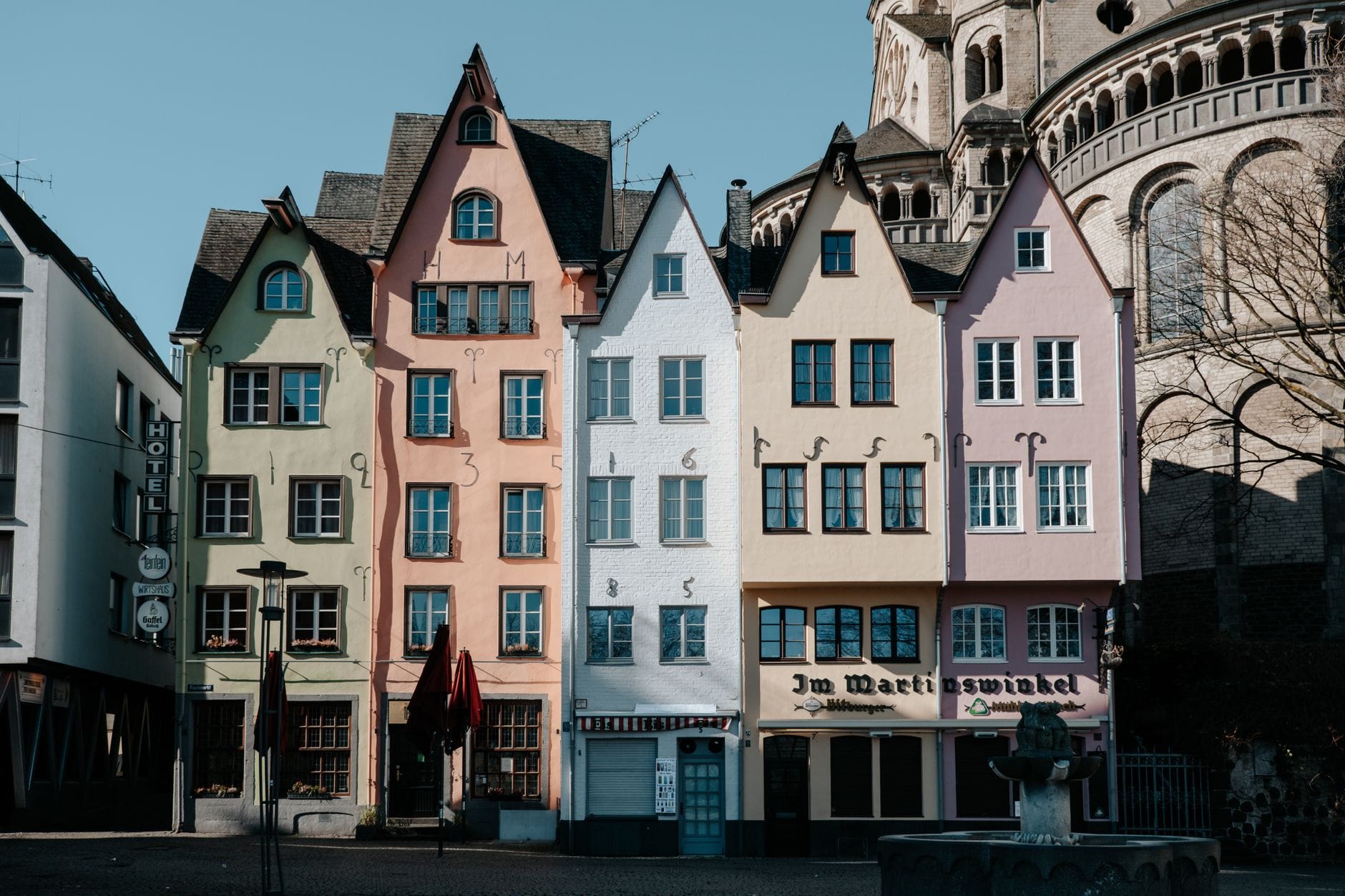
The Altstadt, split administratively into Altstadt-Nord and Altstadt-Süd, is Cologne's historic core. The Cathedral (Kölner Dom) anchors the northern end; the Rhine promenade, Alter Markt square, and the Great St. Martin Church fill the middle; and Südstadt bleeds into the southern half. For a first trip to Cologne, this area earns its reputation as the default choice: you can walk to nearly every major sight, the transport connections are excellent, and the cluster of Kölsch brewhouses along the waterfront gives an authentic introduction to local drinking culture.
The trade-off is price and crowds. Central hotels in this zone typically run around €100 to €160 per night for a double room in mid-range properties, rising sharply during Cologne's Christmas markets (late November through December) and Karneval (usually February). Rooms with direct cathedral views command a premium at any time of year. Well-regarded properties in this zone include the five-star Excelsior Hotel Ernst, which occupies a historic building steps from the Cathedral's north side, and the Hotel Mondial am Dom MGallery, part of the Accor group.
The honest downside: the immediate cathedral area gets very busy on weekends and in summer. The streets around Heumarkt and the riverfront promenade can feel more like a theme park than a city on Friday and Saturday nights. If that kind of atmosphere wears thin quickly, the Belgian Quarter or Agnesviertel will suit you better.
- Best for First-time visitors, cathedral access, walking to museums like the Museum Ludwig and Wallraf-Richartz
- Typical double room rate Around €80–160/night depending on category and season
- Watch out for Weekend crowds, noise on the main squares, price surges during events
- Notable hotels Excelsior Hotel Ernst (5-star), Hotel Mondial am Dom MGallery, Hilton Cologne, ibis Köln am Dom (budget)
The Belgian Quarter: Best All-Round Choice for Independent Travelers
The Belgian Quarter (Belgisches Viertel) consistently comes up as the neighbourhood Cologne locals would recommend to a well-traveled friend. It sits about 1.5 km west of the Cathedral, roughly 20 minutes on foot or a single tram stop from the city centre. The streets are named after Belgian cities, lined with independent boutiques, specialty coffee shops, wine bars, and some of the better restaurants in town. It has a distinctly urban, creative energy without tipping into self-conscious trendiness.
For a city break focused on food, design, and wandering rather than tick-box sightseeing, this is the best base in Cologne. Hotel supply here leans toward boutique and design properties rather than big chains, which tends to keep the experience more personal. Prices are often competitive with central Old Town options while delivering a more interesting street-level experience.
💡 Local tip
If you are staying in the Belgian Quarter, the Neumarkt tram hub is your gateway to the rest of the city. Multiple KVB lines pass through here, connecting you to the Hauptbahnhof, Deutz, Ehrenfeld, and the southern districts in under 10 minutes.
Deutz: The Right-Bank Alternative
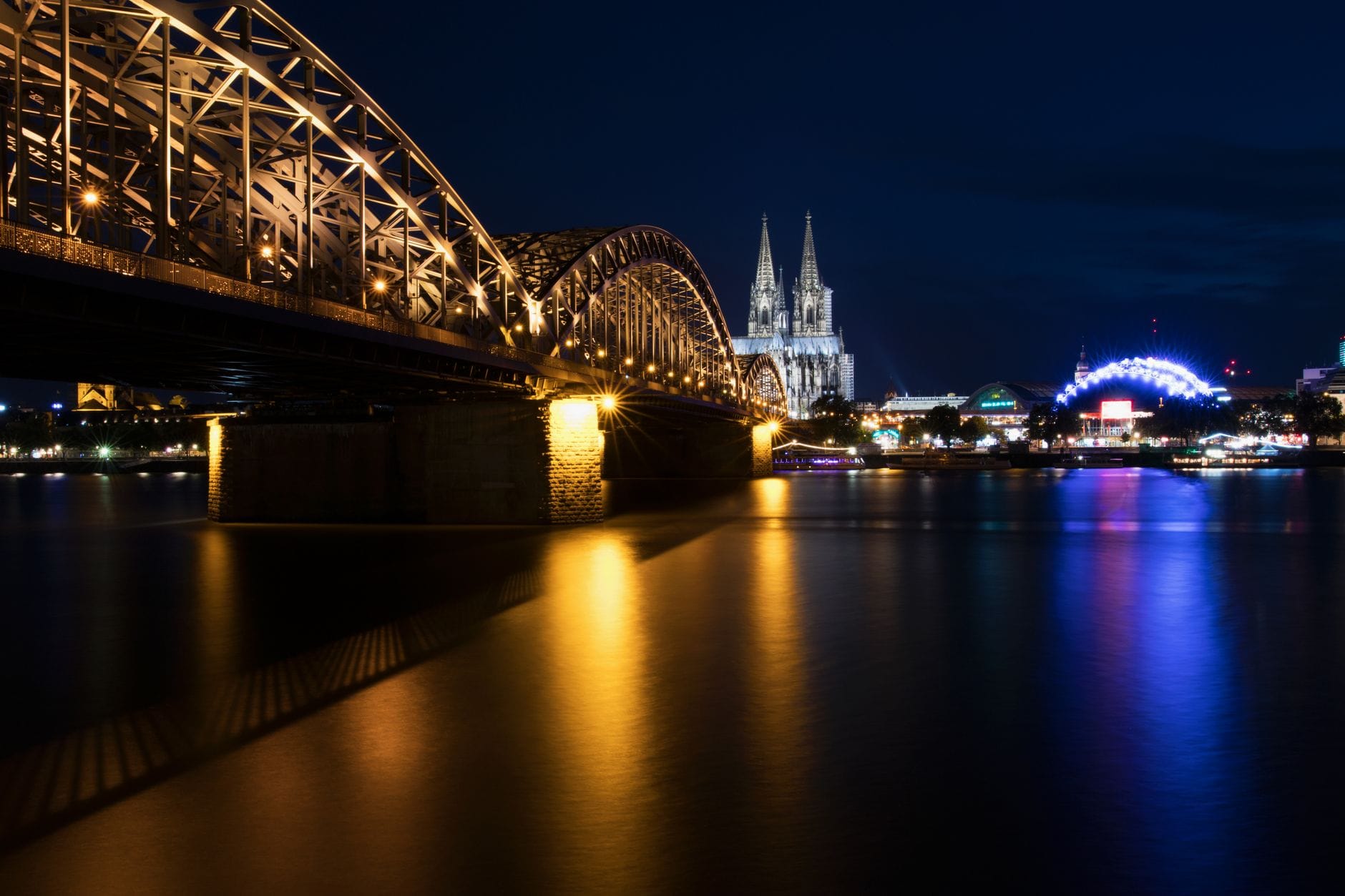
Deutz sits directly across the Rhine from the Altstadt, connected to the Cathedral quarter by the Hohenzollernbrücke footbridge and by tram. It hosts the Koelnmesse trade fair complex and Lanxess Arena, which means accommodation here fills fast and prices spike whenever a major trade fair or concert runs. Outside those windows, Deutz is genuinely attractive: the Rhine promenade on the right bank offers some of the best unobstructed views of the Cathedral and the Kranhäuser crane houses in Rheinauhafen, and the area is quieter than the Altstadt.
The Hyatt Regency Köln is the flagship property here, with Rhine-facing rooms that deliver dramatic cathedral views. Several more affordable business hotels operate in Deutz as well. The misconception that Deutz is purely for conference attendees is worth dismissing: it is a practical, well-connected base with a calmer atmosphere than the tourist-heavy left bank, and it works well for leisure travelers too, especially those using the Hauptbahnhof or flying into Cologne Bonn Airport (CGN), from which a direct S-Bahn reaches the city in roughly 14 minutes.
Ehrenfeld and Südstadt: For Travelers Who Want Local Life
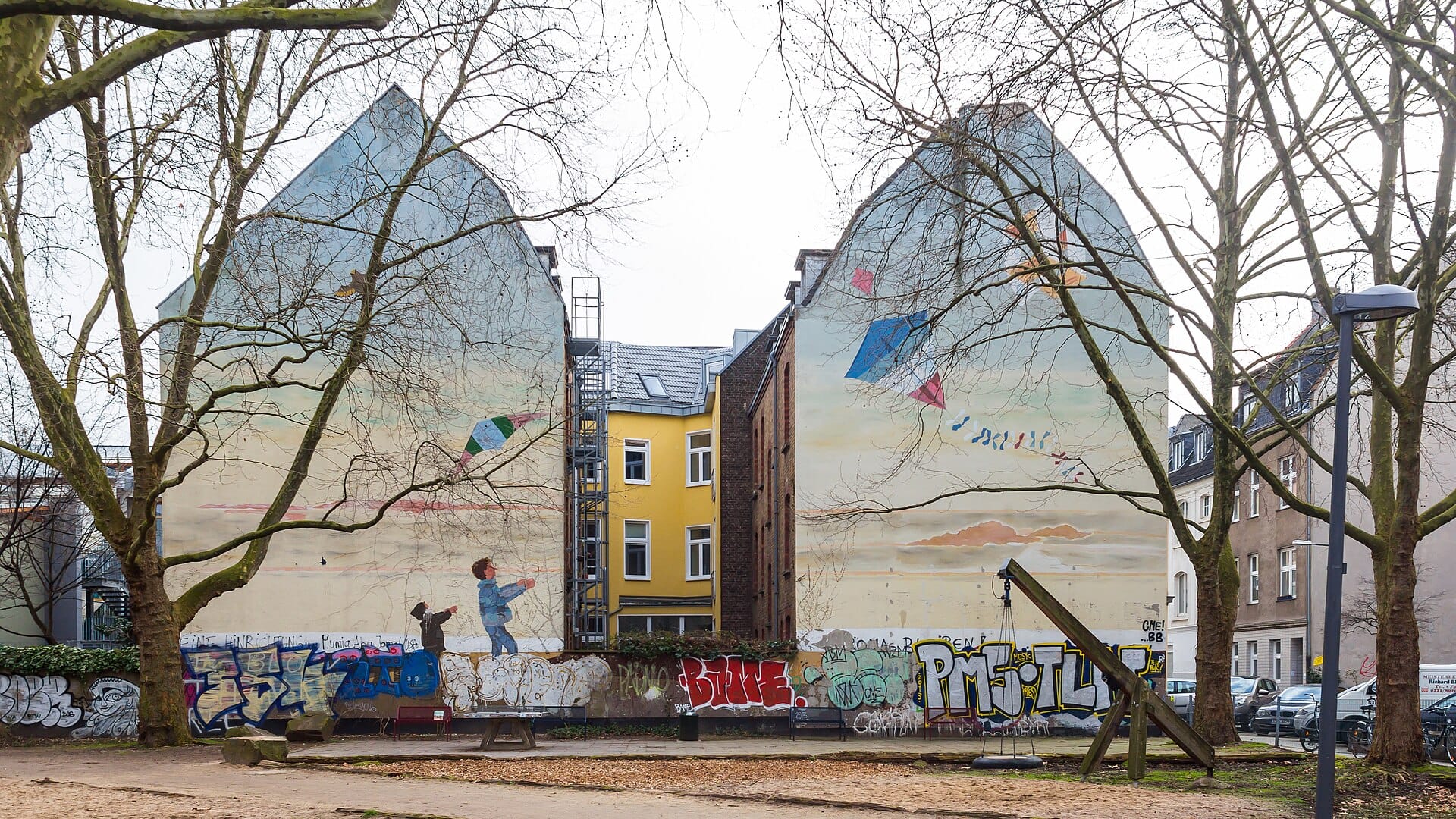
Ehrenfeld, a few kilometres west of the Cathedral, is Cologne's most culturally mixed district. Former factory buildings have been converted into creative spaces, the street art scene is active (see Ehrenfeld's street art), and the restaurant and bar landscape is more adventurous and less expensive than anywhere closer to the centre. The KVB lines 3 and 4 connect Ehrenfeld to the central area in around 10–12 minutes.
Südstadt, south of the Altstadt, offers a more genteel version of local living: streets lined with late-19th-century apartment buildings, good neighbourhood restaurants, and quick access to the parks and Rhine-side paths that run down toward Rodenkirchen. Neither Ehrenfeld nor Südstadt has the density of hotel supply found in the centre, so availability can be tighter. Both areas suit travelers who find the Altstadt too polished and the Belgian Quarter too self-consciously hip.
Agnesviertel and Eigelstein, north of the Cathedral, split the difference: they are close enough to the centre to walk to major sights while retaining a residential grain that keeps prices and tourist crowds lower than the immediate Old Town.
- Ehrenfeld: multicultural dining, street art, independent bars, around 10–12 min to centre by tram
- Südstadt: residential calm, parks, local restaurants, good for longer stays
- Agnesviertel/Eigelstein: close to centre, lower prices than Old Town, fewer tourists
- Nippes: northern neighbourhood with a village-like high street, popular with families and long-stay visitors
Practical Booking Advice and Seasonal Pricing
Cologne prices follow a clear seasonal pattern. Summer (June to August) and the Christmas market period (late November through December) see the highest leisure demand. KarnevalKarneval weekend in February or early March can be the hardest time of year to find a room at a sensible price: book months in advance if you plan to attend. Trade fair dates at Koelnmesse (verify the calendar each year) cause surges across all of central Cologne and Deutz specifically.
For budget travelers, the area around Cologne Hauptbahnhof has a range of mid-range and budget chain options including ibis and various independent hostels. These do not offer the most characterful experience, but they deliver reliable transit access and reasonable prices outside peak periods. Our Cologne on a budget guide covers cost-saving strategies across accommodation, food, and transport.
Cologne Bonn Airport (IATA: CGN) is around 15 km southeast of the city centre. The S-Bahn from Köln/Bonn Flughafen station to Köln Hauptbahnhof takes roughly 14 minutes, which makes nearly any central neighbourhood a practical choice for arrivals. Taxi fares from the airport to the city centre are metered; confirm current tariffs with the airport or local taxi services before traveling. Ride-hailing services including Uber also operate pickup zones at the airport.
⚠️ What to skip
Cologne hosts some of Europe's largest trade fairs at Koelnmesse. During major events like Anuga, gamescom, or IMM Cologne, hotel rates across the entire city can double or triple. Always check the Koelnmesse event calendar before booking accommodation in Cologne, regardless of which neighbourhood you choose.
✨ Pro tip
Rooms facing the Rhine in Deutz or the Cathedral from Altstadt-Nord typically cost 20–30% more than interior-facing rooms in the same hotel. If unobstructed views are not a priority, ask for a courtyard or city-facing room at booking and put the savings toward food and experiences instead.
Public transport across all these neighbourhoods is handled by KVB (Kölner Verkehrs-Betriebe), whose tram and Stadtbahn network is integrated into the wider VRS regional system. A single ticket covers most central journeys; day passes offer better value if you are moving around a lot. For full transport logistics, see the getting around Cologne guide.
FAQ
What is the best area to stay in Cologne for first-time visitors?
The Altstadt (Old Town) is the most convenient base for a first visit: it puts you within walking distance of the Cathedral, the main museums, the Rhine promenade, and the traditional Kölsch brewhouses. Expect to pay a premium for that convenience, especially on weekends and during major events.
Is Deutz a good place to stay in Cologne?
Yes, more than its reputation suggests. Deutz is directly across the Rhine from the Altstadt, connected by foot and tram in minutes. The cathedral and Rhine views from the right bank are excellent, the neighbourhood is quieter than the Old Town, and prices are often more competitive. The main caveat is that it fills up fast during trade fairs at Koelnmesse and events at Lanxess Arena.
How far in advance should I book a hotel in Cologne?
For a standard leisure trip in summer or autumn, a few weeks in advance is usually sufficient outside of peak dates. For Karneval (February or March), Christmas market season (late November through December), and major Koelnmesse trade fairs, book as early as three to six months ahead. Prices rise steeply as availability drops.
Which Cologne neighbourhood is best for nightlife?
The Altstadt riverside has the highest concentration of bars and the most tourist-facing nightlife. Ehrenfeld is the local favourite for a more varied, less commercialised scene with clubs, independent bars, and live music venues. The Belgian Quarter sits in between: good bars and restaurants with a cosmopolitan feel, but not primarily a nightlife destination.
How easy is it to get from Cologne Bonn Airport to central hotels?
Very easy. The S-Bahn from Köln/Bonn Flughafen station runs directly to Köln Hauptbahnhof in around 15 minutes. From there, trams and the Stadtbahn connect to every major neighbourhood. Taxis and ride-hailing services also operate from the airport. Most central hotels are reachable within 30 minutes of landing.
Tickets & tours
Live prices and dates from our booking partner. If you book, we may earn a commission at no extra cost to you.
Planning a trip? Discover personalized activities with the Nomado app.