Cologne Christmas Markets: The Complete Guide
Cologne (Köln) hosts one of Germany's most impressive concentrations of Christmas markets, with seven or eight major markets spread across a compact city centre, all free to enter and most within a 10- to 20-minute walk of each other. This guide covers every main market, practical logistics, pricing, crowd patterns, and clear guidance on what to skip.
Tickets & tours
Live prices and dates from our booking partner. If you book, we may earn a commission at no extra cost to you.
TL;DR
- Cologne runs 7–8 distinct Christmas markets, not one — each has a different theme, location, and atmosphere. See our full Cologne things-to-do guide for context on the wider city.
- Entry to all main markets is free — you only pay for food, drinks, and souvenirs. Budget €3–5 for Glühwein and €4–8 for food portions.
- The markets typically run from mid-November to 23 December, with some (Heinzels Wintermärchen) continuing into early January.
- Weekday mornings are the only genuinely uncrowded time — Cologne draws 4–5 million visitors per season. Weekend evenings near the Cathedral are extremely busy.
- A dedicated Christmas Market Train connects four main sites for around €15 (day ticket). Check the getting around Cologne guide for public transport options.
Why Cologne's Christmas Markets Are Different
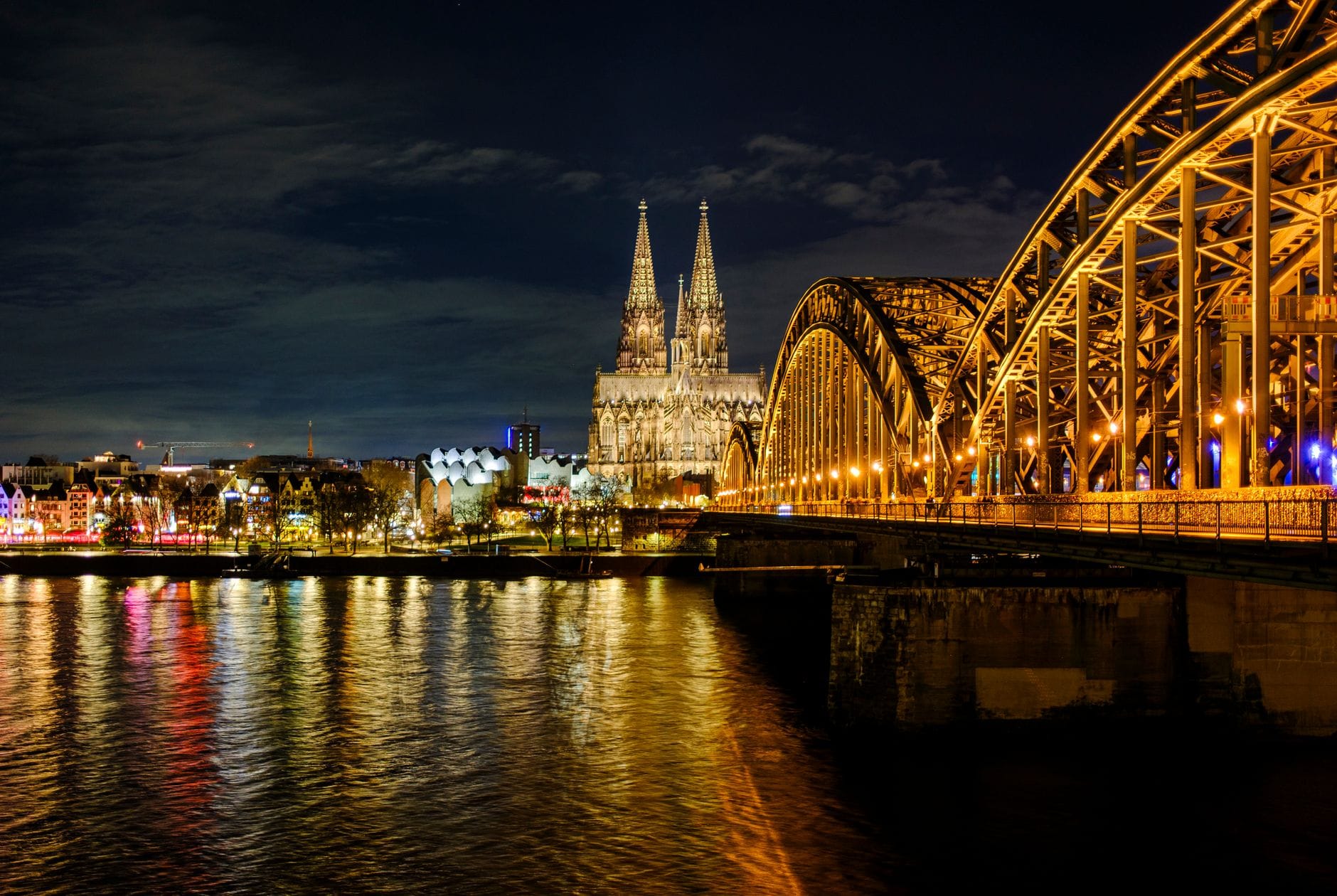
Most German cities have one central Christmas market. Cologne has several running simultaneously, each with its own identity, location, and crowd. The Cathedral Market sits directly beneath the twin spires of the Kölner Dom, one of the most dramatic settings for any market in Europe. Heinzels Wintermärchen on the Alter Markt leans into medieval gnome folklore. The Market of Angels at Neumarkt fills a broad square with white-canopied stalls. Heavenue on Rudolfplatz is one of the few explicitly LGBTQ+-welcoming Christmas markets in Germany. The Harbour Market beside the Chocolate Museum occupies the Rhine waterfront. Stadtgarten offers a quieter, neighbourhood-scale alternative west of the centre.
This variety is Cologne's real selling point, and it's worth understanding before you arrive. The Cologne Cathedral market gets most of the attention and most of the crowds, but spending your entire visit there means missing what makes the city's Christmas season genuinely interesting. The markets collectively attract an estimated 4–5 million visitors per season, which makes strategic planning essential.
Cologne's Christmas market tradition has documented roots stretching back to at least 1820 on the Alter Markt, though informal winter trading goes back further. That history gives the markets a legitimacy that newer, purpose-built events lack — though it also means they have become significant commercial operations. Some stalls are excellent; others sell generic Christmas merchandise you can find anywhere. Knowing which markets to prioritise, and when to visit them, makes the difference between a memorable trip and an expensive, crowded shuffle.Cologne's Christmas market tradition has documented roots stretching back to at least 1820 on the Alter Markt, though informal winter trading goes back further. That history gives the markets a legitimacy that newer, purpose-built events lack — though it also means they have become significant commercial operations. Some stalls are excellent; others sell generic Christmas merchandise you can find anywhere. Knowing which markets to prioritise, and when to visit them, makes the difference between a memorable trip and an expensive, crowded shuffle.
ℹ️ Good to know
Cologne is officially Köln in German. The name 'Cologne' comes from the city's Roman-era Latin name, Colonia Claudia Ara Agrippinensium. Both names appear on transport signs and official materials — don't be confused when you see 'Köln Hbf' on train tickets.
The Main Markets: What Each One Actually Offers
- Cathedral Market (Weihnachtsmarkt am Kölner Dom) The flagship market, directly in front of the cathedral's west facade. Around 150 stalls selling gifts, food, and Glühwein against one of the most photographed Gothic backdrops in the world. Extremely busy from mid-afternoon onwards, especially weekends. Best visited before noon on a weekday.
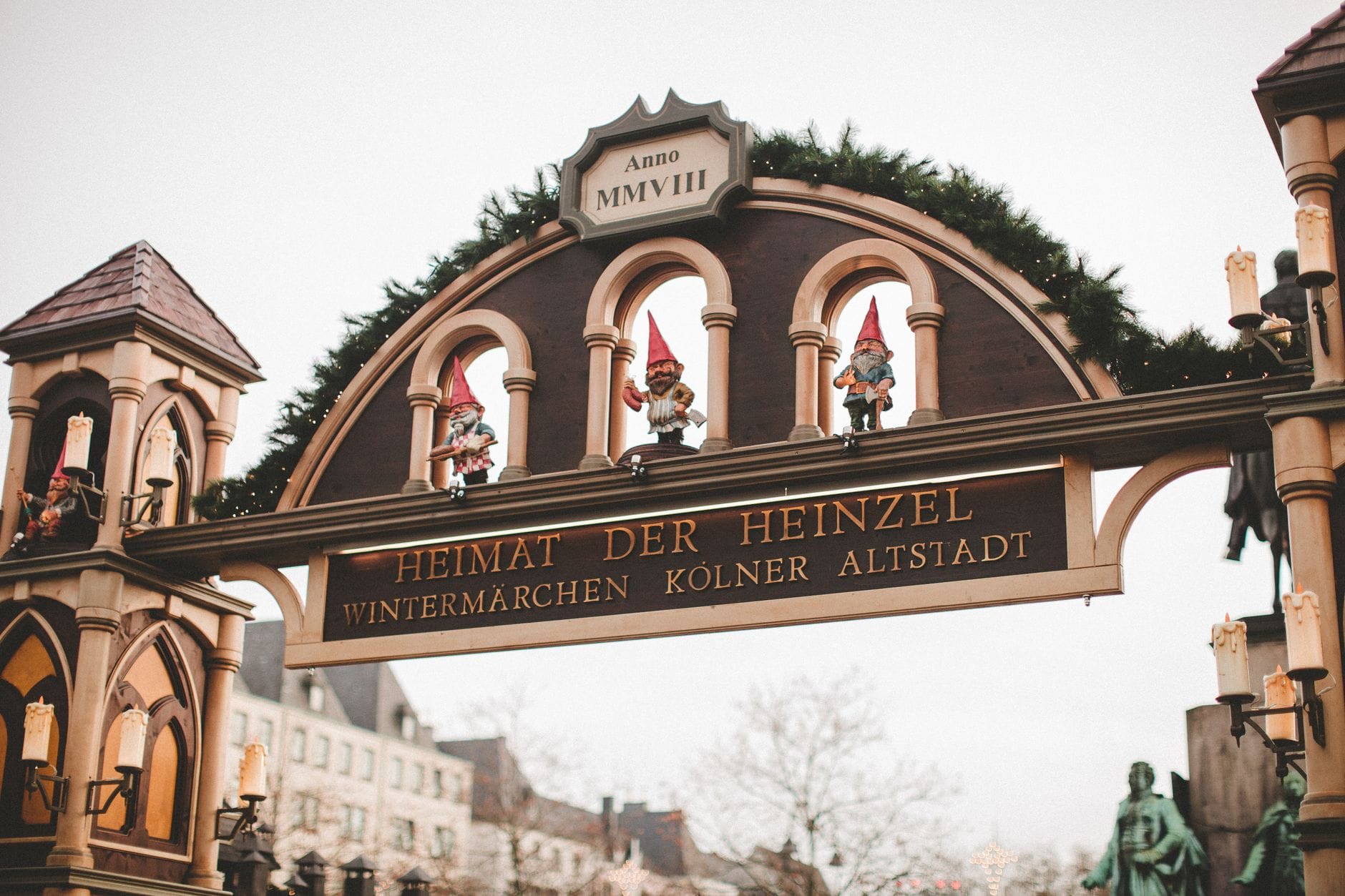
- Heinzels Wintermärchen (Alter Markt / Old Town) Themed around Heinzelmännchen — the Cologne gnome legend. The Alter Markt location gives it a historic, cobblestoned setting. This market typically runs into early January as a winter market, so it's a good option for post-Christmas visits. One of the older, more atmospheric sites.
- Market of Angels (Weihnachtsmarkt am Neumarkt) A large square market with a white tent aesthetic and angel motif. More commercial in feel than the Cathedral or Alter Markt markets, but a practical stop given Neumarkt's central transport connections. Good for picking up gifts if you need variety.
- Nicholas Village / Heavenue (Rudolfplatz) Cologne's LGBTQ+-welcoming Christmas market, occupying the area around the Hahnentor medieval gate. The combination of the old city gate and festive lighting makes it one of the more photogenic evening settings. Welcoming to all visitors, not exclusively LGBTQ+ in attendance.
- Harbour Market (Chocolate Museum waterfront) Set along the Rhine waterfront near the Rheinauhafen district, with views across the river. Often listed as running from mid-November to early January — one of the longest seasons. The proximity to the Chocolate Museum makes it easy to combine. Less hectic than the Cathedral Market.
- Stadtgarten Market A smaller, neighbourhood-scale market in the Stadtgarten park, west of the Altstadt. Attracts more local visitors than tourists. A good counterpoint to the main sites if you want a quieter drink without the crush.
- Veedelsadvent (Südstadt) An independent, community-run market in the Südstadt neighbourhood, aimed at a local rather than tourist audience. Has its own website (veedelsadvent.de) and a noticeably different atmosphere from the city-centre markets. Worth visiting if you want to see how Cologne residents actually celebrate.
⚠️ What to skip
Not all markets run the same dates. Some close on 23 December; others continue until early January. A few observe reduced hours or close entirely on Totensonntag (the Sunday of Remembrance, typically in late November) and on 24–25 December. Always check official dates at cologne-tourism.com before planning travel specifically around a single market.Not all markets run the same dates. Some close on 23 December; others continue until early January. A few observe reduced hours or close entirely on Totensonntag (the Sunday of Remembrance, typically in late November) and on 24–25 December. Always check official dates at cologne-tourism.com before planning travel specifically around a single market.
Dates, Opening Hours, and What Changes Year to Year
The main Cologne Christmas markets typically open in the third or fourth week of November and run until 23 December. In 2026, multiple sources indicate a general opening period of 16 November to 23 December for the primary markets. The Harbour Market (beside the Chocolate Museum) has in recent seasons opened earlier — around 13 November — and stayed open until late December, making it one of the longest-running sites. Heinzels Wintermärchen on the Alter Markt similarly extends into January, rebranded as a winter market.
Opening hours for most markets run roughly 11:00 to 21:00 or 22:00 daily, though this varies by market and by day of the week. Weekend hours tend to be longer. Markets located near the Cathedral and Alter Markt often stay open later on Friday and Saturday evenings. Do not rely on these times being fixed: the City of Cologne tourism office and individual market operators publish annual updates, and hours can shift. If your visit centres on a specific market, check the official Cologne Tourism website (cologne-tourism.com) or the market's own site shortly before departure.Opening hours for most markets run roughly 11:00 to 21:00 or 22:00 daily, though this varies by market and by day of the week. Weekend hours tend to be longer. Markets located near the Cathedral and Alter Markt often stay open later on Friday and Saturday evenings. Do not rely on these times being fixed: the City of Cologne tourism office and individual market operators publish annual updates, and hours can shift. If your visit centres on a specific market, check the official Cologne Tourism website (cologne-tourism.com) or the market's own site shortly before departure.
💡 Local tip
The Christmas Market Train is a hop-on, hop-off shuttle that connects four main markets: the Cathedral, Heinzels Wintermärchen, the Harbour Market, and the Market of Angels. A day ticket costs a separate fare for adults and children. It's a convenient option for families or anyone who wants to cover multiple markets without navigating public transport repeatedly.
Prices, Payments, and What to Actually Buy
Entry to every Cologne Christmas market is free. No tickets, no timed slots, no registration. You pay only for what you consume: food, drinks, rides, and purchases. Glühwein (mulled wine) typically costs €3–5 per mug — you usually pay a deposit of €2–3 on a ceramic or glass mug, which you return for a refund or keep as a souvenir. Bratwurst and Reibekuchen (potato pancakes) run €4–8 per portion. A full evening of drinks and food for two people, moving between two or three markets, realistically costs €30–60 depending on appetite and how long you linger.
Cash remains king at many smaller stalls, particularly for food and Glühwein vendors. Card readers are increasingly available at gift stalls and larger vendors, but assuming card payment works everywhere will cause frustration. ATMs (Geldautomaten) are plentiful in the Innenstadt and around Neumarkt. Withdrawing €50–80 in cash before your first market visit removes the problem entirely.Cash remains king at many smaller stalls, particularly for food and Glühwein vendors. Card readers are increasingly available at gift stalls and larger vendors, but assuming card payment works everywhere will cause frustration. ATMs (Geldautomaten) are plentiful in the Innenstadt and around Neumarkt. Withdrawing €50–80 in cash before your first market visit removes the problem entirely.
- Glühwein mugs with the Cologne Cathedral silhouette are the most common souvenir — practical, cheap (around €3–5 after mug deposit), and usable at home.
- Hand-carved wooden ornaments vary enormously in quality; higher-quality pieces tend to come from dedicated craft stalls rather than bulk-stock gift vendors.
- Aachener Printen (gingerbread) is a regional speciality from nearby Aachen, widely sold at Cologne markets — a better food souvenir than generic Christmas biscuits.
- Cologne-branded Kölnisch Wasser (eau de Cologne) appears at gift stalls near the Cathedral. The 4711 flagship house on Glockengasse is worth visiting separately for a wider selection.
- Skip the mass-produced nutcrackers and smoker figures — these are made in bulk and are not local specialities. If you want quality wooden decorations, look for stalls explicitly noting Erzgebirge origin (the Ore Mountains region of Saxony, where this craft tradition originates).Skip the mass-produced nutcrackers and smoker figures — these are made in bulk and are not local specialities. If you want quality wooden decorations, look for stalls explicitly noting Erzgebirge origin (the Ore Mountains region of Saxony, where this craft tradition originates).
Crowds, Timing, and How to Make the Most of the Visit
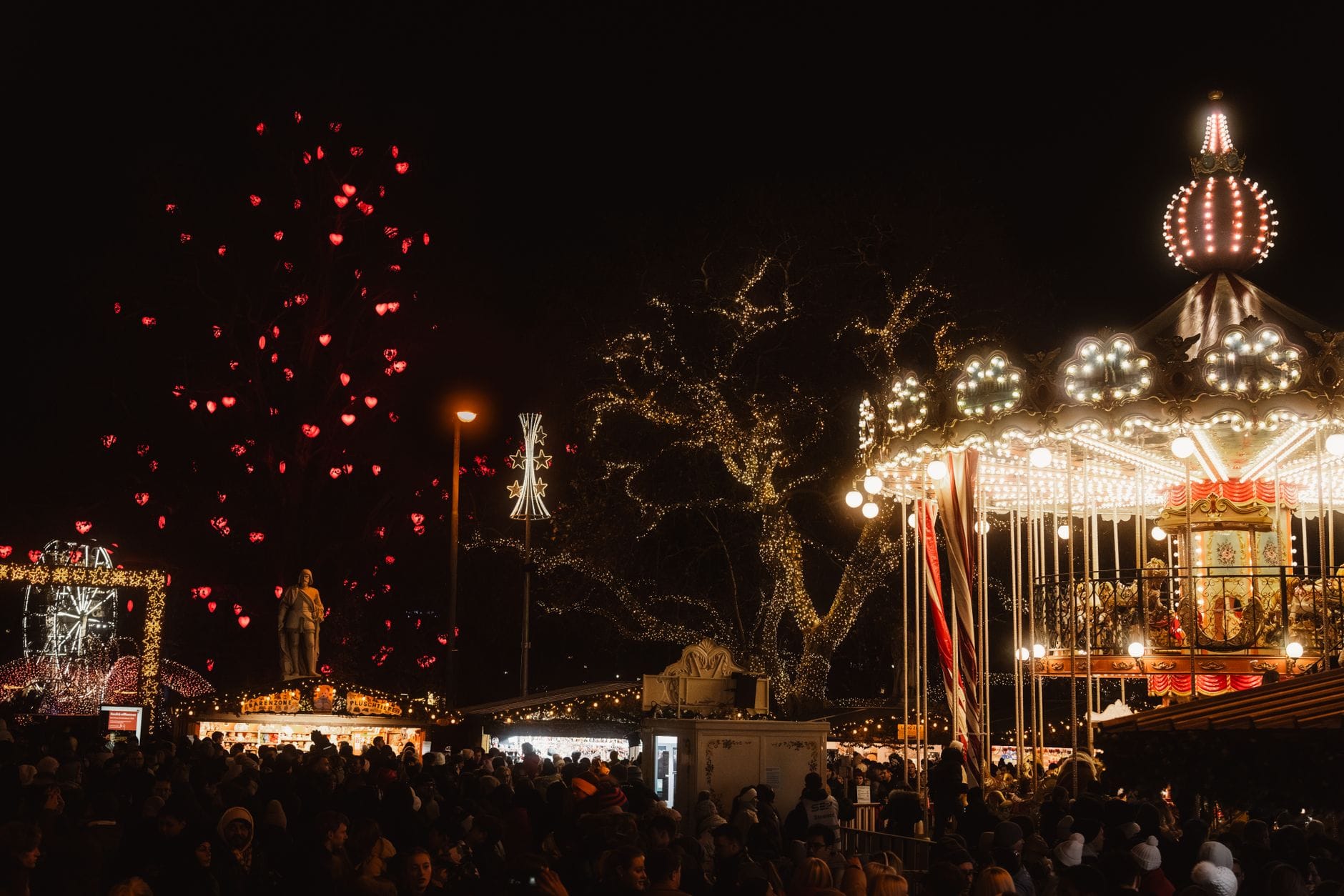
Cologne's Christmas markets collectively draw 4–5 million visitors per season across roughly five to six weeks. That number tells you everything about crowd levels. Weekend afternoons and evenings at the Cathedral Market and Alter Markt are genuinely packed — not unpleasantly so in mild weather, but claustrophobic in the rain when everyone opens umbrellas simultaneously. The best time to visit Cologne for Christmas markets is weekday mornings, ideally Tuesday through Thursday before noon. By 14:00 on any day, crowds at the Cathedral market become significant.
The week leading up to Christmas (roughly 18–23 December) is the busiest of the season. If you have flexibility, the first two weeks of December offer the best balance of full atmosphere and manageable crowds. The markets are fully operational, decorated, and running normal hours, but the school-holiday surge has not yet arrived. The opening weekend in mid-November attracts curious locals and early visitors but tends to be less crowded than mid-December.The week leading up to Christmas (roughly 18–23 December) is the busiest of the season. If you have flexibility, the first two weeks of December offer the best balance of full atmosphere and manageable crowds. The markets are fully operational, decorated, and running normal hours, but the school-holiday surge has not yet arrived. The opening weekend in mid-November attracts curious locals and early visitors but tends to be less crowded than mid-December.
Cologne's December weather averages 2–5°C with frequent cloud cover and rain. Outdoor markets are fully exposed — there is no indoor version of the Cathedral market. Warm, waterproof layers are essential, not optional. Waterproof boots make a real difference when standing on cobblestones in wet weather. For a full picture of what to pack and expect, the seasonal visitor guide covers Cologne's climate in detail.
✨ Pro tip
Start your market circuit at the Harbour Market (Chocolate Museum waterfront) in the late morning — it opens slightly earlier and tends to be quieter than the Cathedral market throughout the day. Work your way through Heinzels Wintermärchen on the Alter Markt around lunchtime, then reach the Cathedral market by 13:00–14:00 before the afternoon rush peaks. This route is roughly 1.5 km end to end and takes 3–4 hours at a comfortable pace.
Getting There, Getting Around, and Combining with Other Attractions
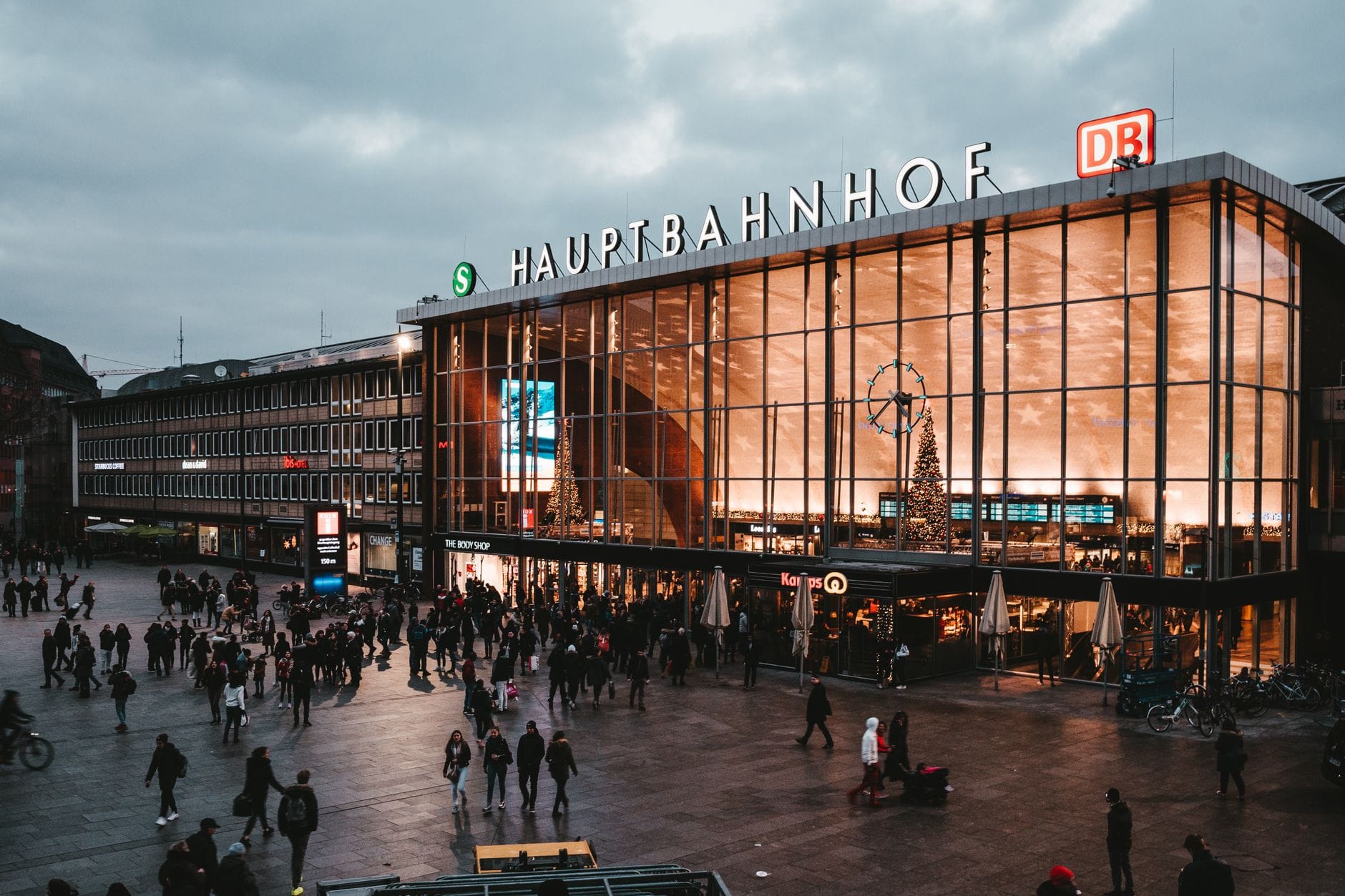
Cologne is exceptionally well connected by rail. Cologne Central Station (Köln Hauptbahnhof) sits directly adjacent to the Cathedral and the main Christmas market — you can walk from the train platform to a Glühwein stall in under five minutes. High-speed ICE trains connect Cologne to Frankfurt in around 1 hour and to Amsterdam in around 3 hours or a little more. Check the Cologne to Frankfurt train guide or Cologne to Amsterdam train guide if you are building a multi-city trip around the markets.
Cologne Bonn Airport (CGN) is around 15 km southeast of the city centre. The S-Bahn and regional trains from the airport station connect to Köln Hauptbahnhof in approximately 15 minutes. Taxis and ride-hailing are available but considerably more expensive. See the Cologne airport transfer guide for current fare ranges and transport options.
All seven or eight main markets sit within the compact Innenstadt and are walkable from one another. The furthest stretch — from the Stadtgarten market to the Harbour Market — is around 2.5 km. Public transport via KVB trams and buses covers the full network for anyone who prefers not to walk in the cold. The Christmas Market Train (see above) is a dedicated hop-on service connecting four main sites. For a broader orientation of Cologne's layout, a covering the Altstadt and Cathedral area provides useful context before your market visit.All seven or eight main markets sit within the compact Innenstadt and are walkable from one another. The furthest stretch — from the Stadtgarten market to the Harbour Market — is around 2.5 km. Public transport via KVB trams and buses covers the full network for anyone who prefers not to walk in the cold. The Christmas Market Train (see above) is a dedicated hop-on service connecting four main sites. For a broader orientation of Cologne's layout, a Cologne walking tour covering the Altstadt and Cathedral area provides useful context before your market visit.
The markets pair naturally with Cologne's major attractions. The Chocolate Museum is immediately beside the Harbour Market and makes an obvious combined visit, particularly for families. The Hohenzollern Bridge is a short walk east of the Cathedral and offers some of the best views of the Cathedral and market lights from the Rhine bank, especially after dark. The 4711 House on Glockengasse, where the original eau de Cologne has been produced since 1709, is a three-minute walk from the Cathedral Market and worth a brief stop.
FAQ
Do you need tickets to enter the Cologne Christmas markets?
No. Entry to all main Cologne Christmas markets is free. There are no tickets, booking requirements, or timed entry slots. You only pay for food, drinks, rides, and anything you choose to buy. The Christmas Market Train is a separate paid service but is optional — all markets are walkable.
How many Christmas markets does Cologne have?
Cologne typically runs several major markets simultaneously, plus smaller neighbourhood markets. The main ones are: the Cathedral Market, Heinzels Wintermärchen (Alter Markt), Market of Angels (Neumarkt), Heavenue (Rudolfplatz), Harbour Market (Chocolate Museum waterfront), Stadtgarten, and various neighbourhood events including Veedelsadvent in the Südstadt. Each has a distinct theme and atmosphere. The main ones are: the Cathedral Market, Heinzels Wintermärchen (Alter Markt), Market of Angels (Neumarkt), Heavenue (Rudolfplatz), Harbour Market (Chocolate Museum waterfront), Stadtgarten, and various neighbourhood events including Veedelsadvent in the Südstadt. Each has a distinct theme and atmosphere.
When do the Cologne Christmas markets open and close in 2026?
For 2026, the main markets are expected to run from approximately 16 November to 23 December, with some markets (notably Heinzels Wintermärchen and the Harbour Market) continuing into late December or early January 2027. Dates and hours vary by market and are confirmed annually — check cologne-tourism.com for official information before you travel. Some markets reduce hours or close on Totensonntag (late November) and on 24–25 December. Dates and hours vary by market and are confirmed annually — check cologne-tourism.com for official information before you travel. Some markets reduce hours or close on Totensonntag (late November) and on 24–25 December.
What is the best Cologne Christmas market to visit?
The Cathedral Market is the most famous and most atmospheric — the setting beneath the Kölner Dom is genuinely spectacular. But it is also the most crowded. For a more local feel, Heinzels Wintermärchen on the Alter Markt is the better choice. For the most relaxed experience, the Harbour Market on the Rhine waterfront is quieter, opens earlier in the season, and stays open the longest. Heavenue at Rudolfplatz is the best option for evening atmosphere with a diverse crowd.
Is Cologne a good base for visiting multiple Christmas markets in Germany?
Yes. Cologne's central location in western Germany makes it an efficient base. Aachen (with its own historic Christmas market) is 70 km west by train, roughly 50 minutes. Düsseldorf is 45 km north, around 25 minutes by regional train. Frankfurt is about 1 hour by ICE. Yes. Cologne's central location in western Germany makes it an efficient base. Aachen (with its own historic Christmas market) is 70 km west by train, roughly 50 minutes. Düsseldorf is 45 km north, around 25 minutes by regional train. Frankfurt is about 1 hour by ICE. You can visit Cologne's own main markets and still day-trip to one or two others without changing hotels.
Tickets & tours
Live prices and dates from our booking partner. If you book, we may earn a commission at no extra cost to you.
Planning a trip? Discover personalized activities with the Nomado app.