Cologne to Frankfurt by Train: Everything You Need to Know
The Cologne to Frankfurt train is one of Germany's most efficient intercity connections. ICE services cover the roughly 152 km route in around one hour, with dozens of daily departures and fares starting around €10–15 if you book smart. This guide covers schedules, pricing, booking platforms, and practical tips for getting the most out of the journey.
Tickets & tours
Live prices and dates from our booking partner. If you book, we may earn a commission at no extra cost to you.
TL;DR
- ICE trains run from Köln Hauptbahnhof (Köln Hbf) to Frankfurt (Main) Hbf in roughly 1 hour 2-6 minutes, making it one of Germany's fastest intercity connections.
- Around 38-64 direct trains run daily, with services from early morning past midnight.
- Advance fares start around €15-20 second class; last-minute prices can reach €75+ on popular routes and dates.
- Book directly via Deutsche Bahn (bahn.de) for the most accurate schedules, or compare on Trainline and Rail Europe. If you're also exploring other routes, see our guide to the Cologne to Amsterdam train for another popular connection.
- Trains to Frankfurt Airport (FRA) take around 47-55 minutes — a handy option if you're flying out after visiting Cologne.
The Route: Köln Hbf to Frankfurt (Main) Hbf
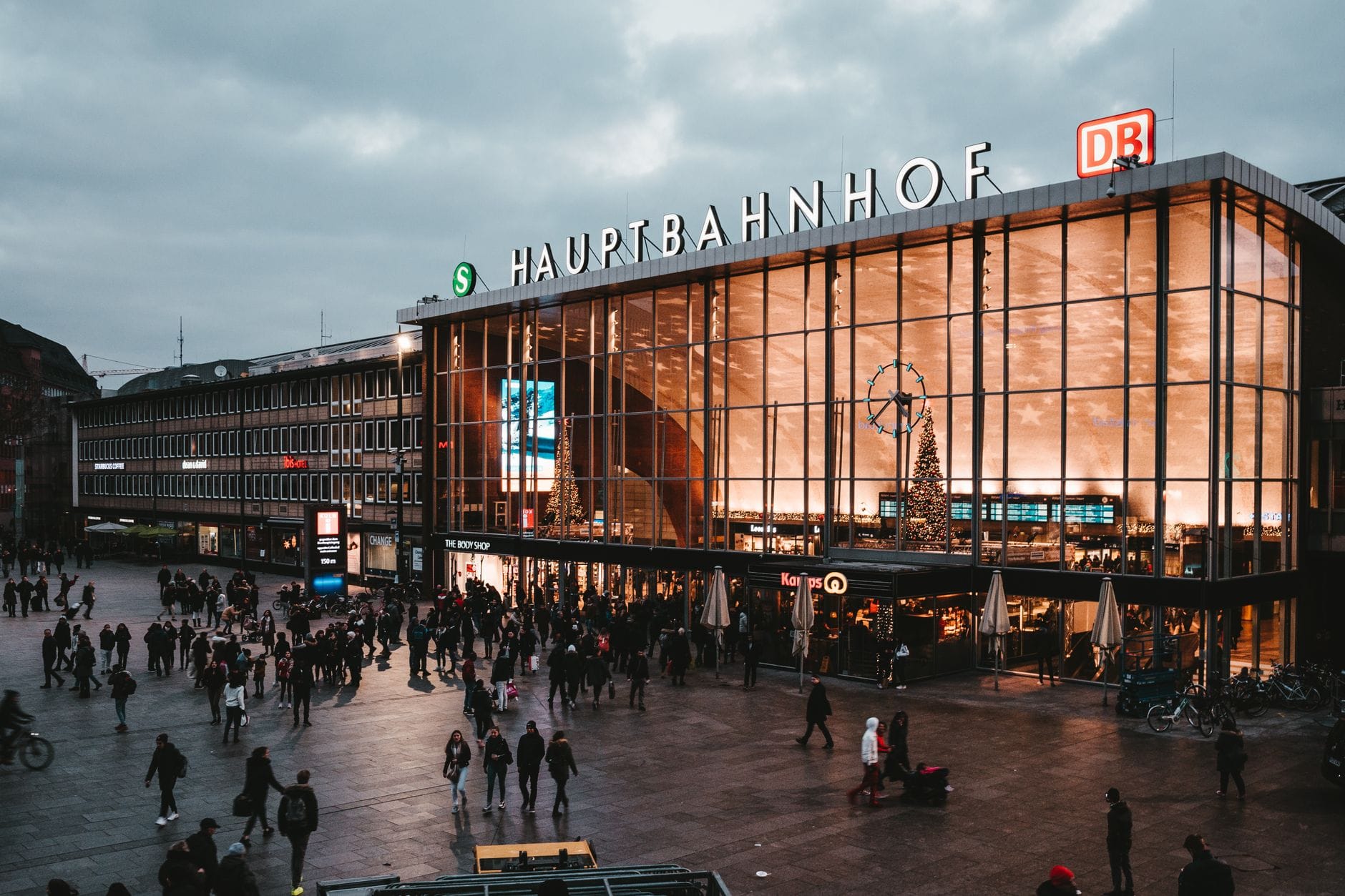
The Cologne to Frankfurt train runs on the Schnellfahrstrecke Köln-Rhein/Main, a dedicated high-speed rail line opened in 2002. At around 152 km (about 94–95 miles), it is not the longest route in Germany's ICE network — but it is one of the most optimised. The line was specifically engineered for speeds up to 300 km/h, which is why journey times sit consistently around one hour rather than the 2+ hours you might expect from a 150 km trip.
Almost all services on this corridor are ICE (InterCity Express) trains operated by Deutsche Bahn. A small number of IC (InterCity) services also run the route but take slightly longer. The fastest scheduled ICE Sprinter services complete the journey in around 1 hour 2-3 minutes. Standard ICE trains typically arrive in about 1 hour 4-6 minutes. The difference is marginal in practice.
Cologne's main station, Köln Hauptbahnhof, sits directly in front of the Cologne Cathedral in the city centre, making it genuinely convenient to reach from almost any neighbourhood. Frankfurt (Main) Hbf is equally central on the Frankfurt side, within walking distance of the city's main sights.
ℹ️ Good to know
If your destination is Frankfurt Airport (FRA) rather than Frankfurt city centre, there are direct trains from Köln Hbf to Frankfurt Flughafen Fernbahnhof (the airport's long-distance rail station) in around 46 minutes. This is often faster than flying via a connecting hub and avoids the stress of city-to-airport transfers in Frankfurt.
Schedules and Frequency: How Often Do Trains Run?
This is one of the most heavily served intercity corridors in Germany. On a typical weekday, between 38 and 64 direct trains run from Köln Hbf to Frankfurt (Main) Hbf. That works out to roughly one train every 10-20 minutes throughout most of the day. First departures begin around 01:50 on some timetables, and the last services depart close to 23:55-23:57, giving the route very broad daily coverage.
Frequency remains high on weekends, though timetable patterns shift slightly. Business-heavy services thin out on Sunday mornings but recover by mid-afternoon. Public holidays in North Rhine-Westphalia or Hesse (Frankfurt's state) can occasionally affect specific services, so always check live schedules on bahn.de rather than assuming a fixed pattern.
- Weekday peak hours (07:00-09:00, 16:00-19:00) Trains are busier and slightly pricier during these windows. Seat reservations become more important, especially on Friday evenings.
- Midday and early afternoon Best time to travel for comfort and price. Trains are less crowded, and flexible fares are more available.
- Trade fair periods (Messe Frankfurt, Koelnmesse) Both cities host major international trade fairs. During events like the Frankfurt Book Fair or Cologne's gamescom, trains sell out quickly and prices spike. Book well in advance if your trip coincides with a major fair.
- Public holidays German public holidays see leisure travel surge. Fares and seat availability tighten noticeably around Easter, Whitsun, and the Christmas period.
Ticket Prices: What to Expect and How to Save
German rail pricing is dynamic, meaning the fare you pay depends heavily on when you book. Deutsche Bahn releases a fixed number of discounted Sparpreis (Super Saver) tickets for each departure, and once those sell out, you pay the standard Flexpreis rate, which is significantly higher but fully flexible and refundable.
For the Cologne to Frankfurt route, Sparpreis second-class fares typically start around €15-20 when booked in advance. On occasional DB promotional periods, fares as low as €6.99-€8.50 do appear, but these are not reliable everyday prices. Standard Flexpreis fares in second class typically fall between €55 and €75 for this route, though this varies. First-class fares add a substantial premium but include lounge access at major stations and slightly more space on board.
- Book through bahn.de directly: Deutsche Bahn's own platform has the full fare inventory and often the cheapest Sparpreis prices.
- Comparison platforms like Trainline, Rail Europe, and Omio aggregate multiple operators and can be useful for comparing, but always verify the final price against bahn.de.
- The DB BahnCard 25 or 50 gives 25% or 50% off standard fares and pays for itself quickly if you travel within Germany more than a handful of times per year.
- Tickets can be booked up to around 12 months in advance depending on the platform — earlier is better for popular dates.
- Seat reservations on ICE trains are optional but cost around €4-5 and are worth it during peak periods or on Friday evenings.
💡 Local tip
The cheapest fares appear on Deutsche Bahn's website as 'Sparpreis' and are non-refundable. If your plans are firm, grab them early. If flexibility matters, the 'Flexpreis' ticket allows you to travel on any train the same day and get a full refund up to departure — useful for business trips or uncertain schedules.
Booking Platforms: Where to Buy Your Ticket
For the Cologne to Frankfurt route, Deutsche Bahn's own website (bahn.de) and DB Navigator app are the most reliable starting points. They show the complete timetable, all available fare classes, and allow you to download tickets directly to your phone. The DB app in particular is well-designed and works offline once tickets are downloaded, which is useful if you lose signal in tunnels.
Third-party platforms have their uses. Trainline and Rail Europe are particularly popular with international travellers who prefer to compare multiple routes or book a multi-city itinerary in one place. Omio works similarly and is worth checking if you're combining train and bus segments. That said, these platforms occasionally add small booking fees, so always compare the final checkout price against bahn.de before confirming.
⚠️ What to skip
Avoid buying tickets from unofficial resellers or third-party apps not listed above. Deutsche Bahn tickets are non-transferable and tied to the passenger's name on long-distance services. Counterfeit or incorrectly issued tickets will not be accepted by DB conductors, and you will be required to buy a new ticket on board at the walk-up rate.
Practical Tips for the Journey
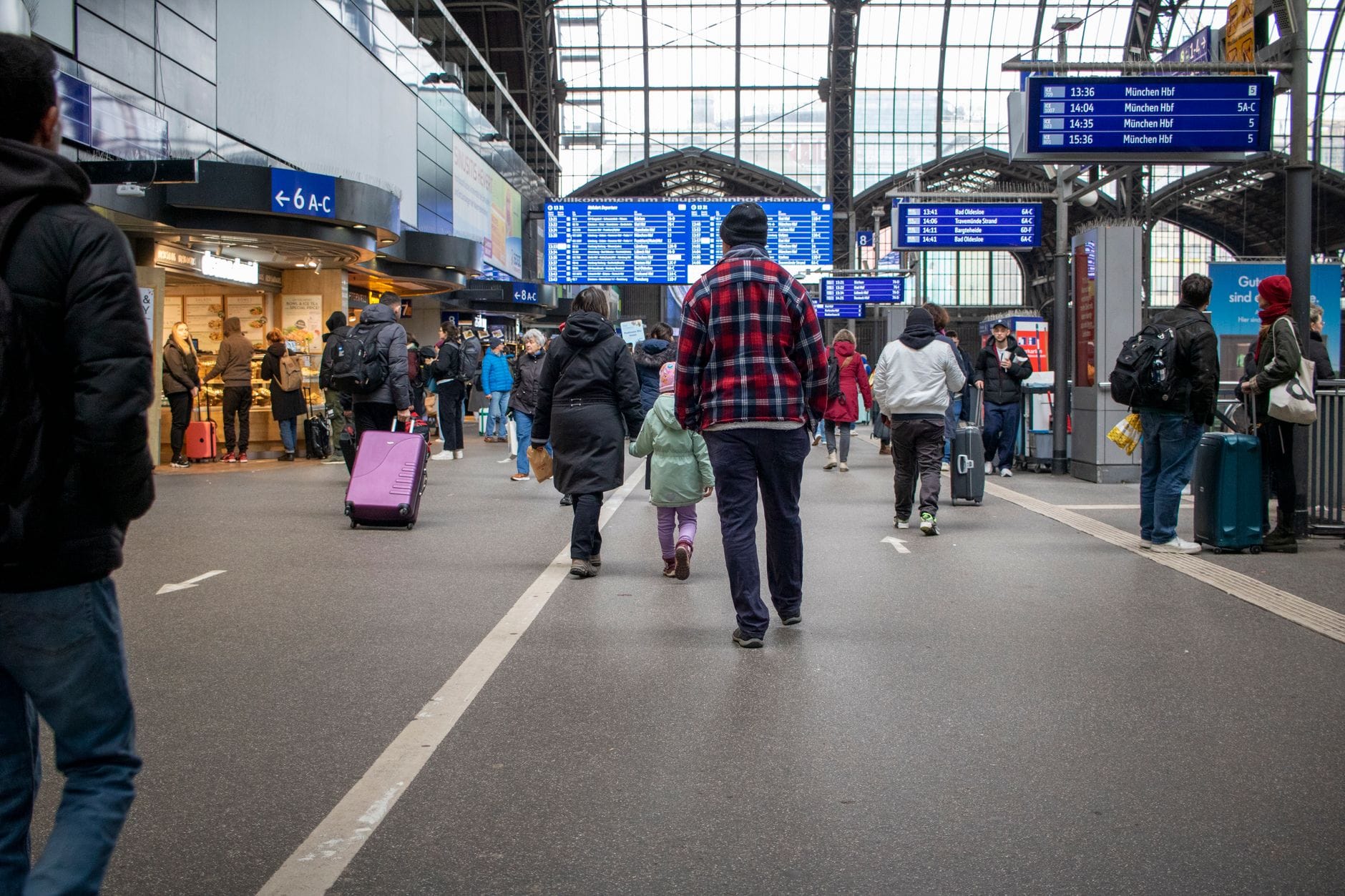
Köln Hauptbahnhof is a busy, well-organised station with clear signage in German and English. Platforms for ICE trains to Frankfurt are typically on the main level. The station sits immediately next to the Hohenzollern Bridge and the Cathedral, so if you have time before your departure, the surrounding area is worth a short walk.
ICE trains have two classes of seating. Second class (2. Klasse) is comfortable, with airline-style seats, fold-down tray tables, and power sockets at most seats. First class (1. Klasse) has wider seats and more space, and DB offers complimentary drink service in some ticket categories. Both classes have free WiFi on ICE trains, though reliability varies and streaming can be inconsistent.
If you're spending time in Cologne before catching your train, the city is compact enough to visit several major sights in a single morning. The Cologne walking tour covers the Cathedral, Great St. Martin Church, and the Rhine waterfront — all within easy distance of the main station.
Luggage is not checked in and there are no baggage fees. You can bring as many bags as you can reasonably carry, though overhead racks fill up quickly on packed services. Large suitcases should go in the dedicated luggage areas near the carriage doors. Do not leave bags unattended on the platform or in the station.
✨ Pro tip
ICE train delays do happen, though the Cologne-Frankfurt route is relatively punctual by European standards. Deutsche Bahn's DB Navigator app shows live train tracking and will update your connection information in real time. If your train is delayed and you miss a connection, DB must honor your through ticket on the next available service in the same category at no extra cost.
Cologne to Frankfurt vs. Other Transport Options
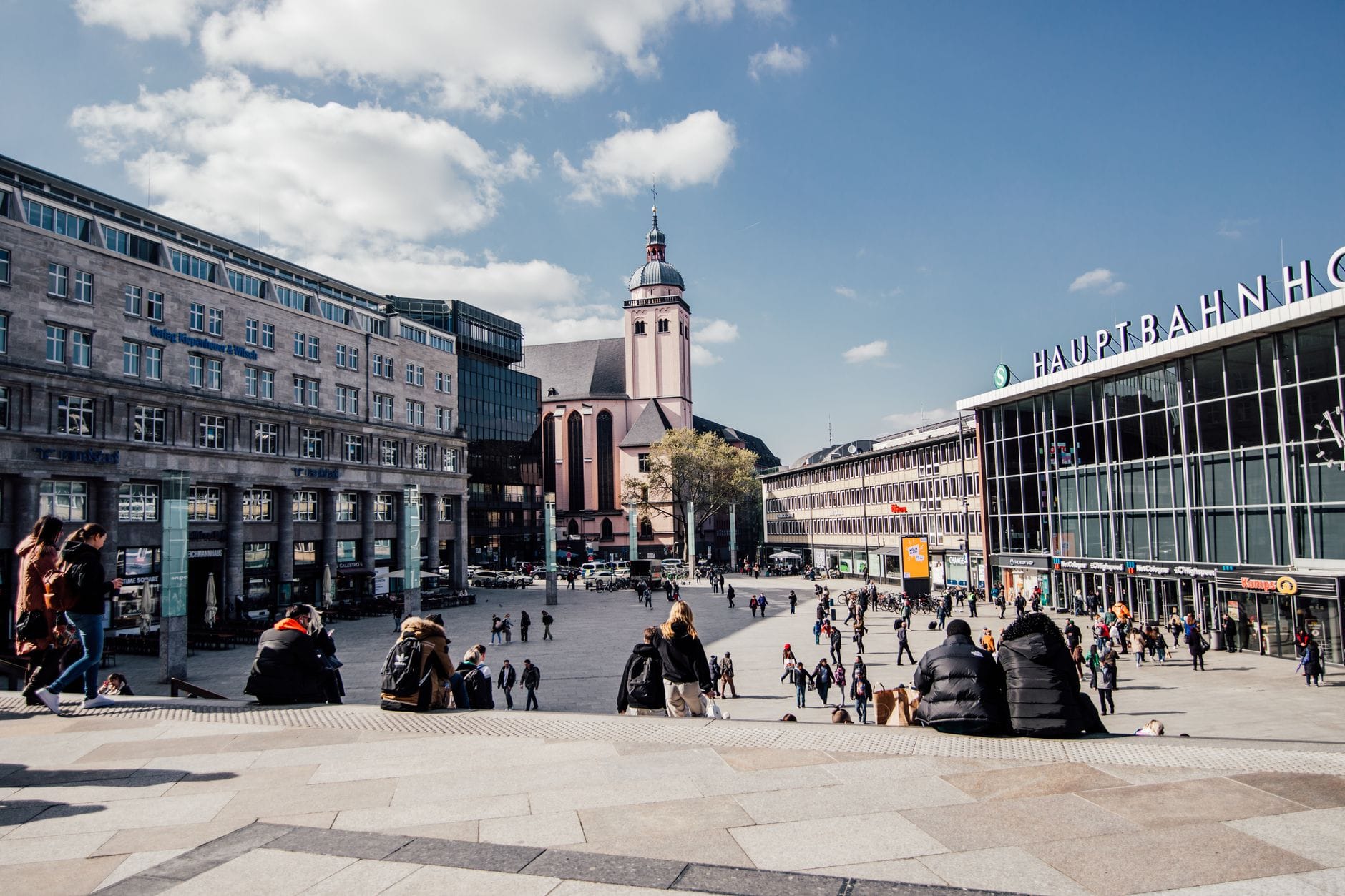
The train wins this comparison in almost every practical category. Driving from Cologne to Frankfurt takes around 2-2.5 hours on the A3/A5 motorway under normal conditions, rising to 3+ hours during rush hour or weekend traffic. Parking in Frankfurt city centre is expensive and limited. The train, by contrast, deposits you at Frankfurt's central station in one hour, with no parking to find and no motorway fatigue.
Flixbus and other coach operators run Cologne to Frankfurt services, typically taking 3-4 hours and pricing at €5-15. These are only worth considering if you have extreme budget constraints and no time pressure. The time cost of three extra hours rarely makes sense when advance train fares are available at €17-20.
Flying between Cologne and Frankfurt is not a realistic option. When you factor in check-in time, security, the flight itself, and city transfer at both ends, it takes longer and costs significantly more than the train. Both cities are also well below the distance threshold where flying makes practical sense.
- ICE Train (recommended) Around 1 hour, from ~€17 advance, central station to central station. Comfortable, reliable, no traffic.
- Driving 2-3+ hours depending on traffic. Fine if you have luggage or are exploring rural areas along the way, but expensive with tolls and parking in Frankfurt.
- Coach (Flixbus etc.) 3-4 hours, typically €5-15. Only worthwhile on a very tight budget with flexible time.
- Flying Not practical. Total door-to-door time exceeds the train by at least 1.5-2 hours, at greater cost.
If you're planning a broader trip through Germany, Cologne is a strong base for day trips and onward connections. Our guide to day trips from Cologne covers several destinations reachable by rail within 1-2 hours, including Bonn, Aachen, and Düsseldorf. For overnight stays and what to do while in the city, the 2 days in Cologne itinerary is a practical starting point.
FAQ
How long does the train from Cologne to Frankfurt take?
ICE trains cover the roughly 152 km route in approximately 1 hour 2-6 minutes. The fastest ICE Sprinter services arrive in around 1 hour 2-3 minutes. IC trains on the same route take slightly longer. Journey times are consistent and rarely affected by the factors that delay longer-distance services.
How much does a Cologne to Frankfurt train ticket cost?
Advance Sparpreis (Super Saver) tickets in second class typically start at around €15-20 when booked early. On promotional periods, fares as low as €6.99-€8.50 occasionally appear. Standard flexible Flexpreis fares range from €55-€75 or more. First-class tickets add a significant premium. Book at bahn.de for the most accurate pricing.
How many trains run between Cologne and Frankfurt each day?
Between 38 and 64 direct trains run on a typical weekday, roughly one every 10-20 minutes throughout the day. Services begin in the early hours of the morning and run until close to midnight the following day. Weekend frequency is slightly lower but still highly regular.
Can I get a direct train from Cologne to Frankfurt Airport?
Yes. Direct ICE trains run from Köln Hauptbahnhof to Frankfurt Flughafen Fernbahnhof (Frankfurt Airport's long-distance rail station) in approximately 47-55 minutes. This is faster than many city-centre services and is a practical option if you're flying out of Frankfurt after visiting Cologne.
Is it better to book the Cologne to Frankfurt train in advance or can I buy at the station?
You can always buy at the station, but you will pay the full Flexpreis rate, which is typically €55-75 for this route. If you book in advance on bahn.de or a comparison platform, Sparpreis fares start around €15-20. Book at least a few days ahead for better prices; several weeks ahead during trade fair periods, public holidays, or summer weekends.
Tickets & tours
Live prices and dates from our booking partner. If you book, we may earn a commission at no extra cost to you.
Planning a trip? Discover personalized activities with the Nomado app.