2 Days in Cologne: The Perfect Weekend Itinerary
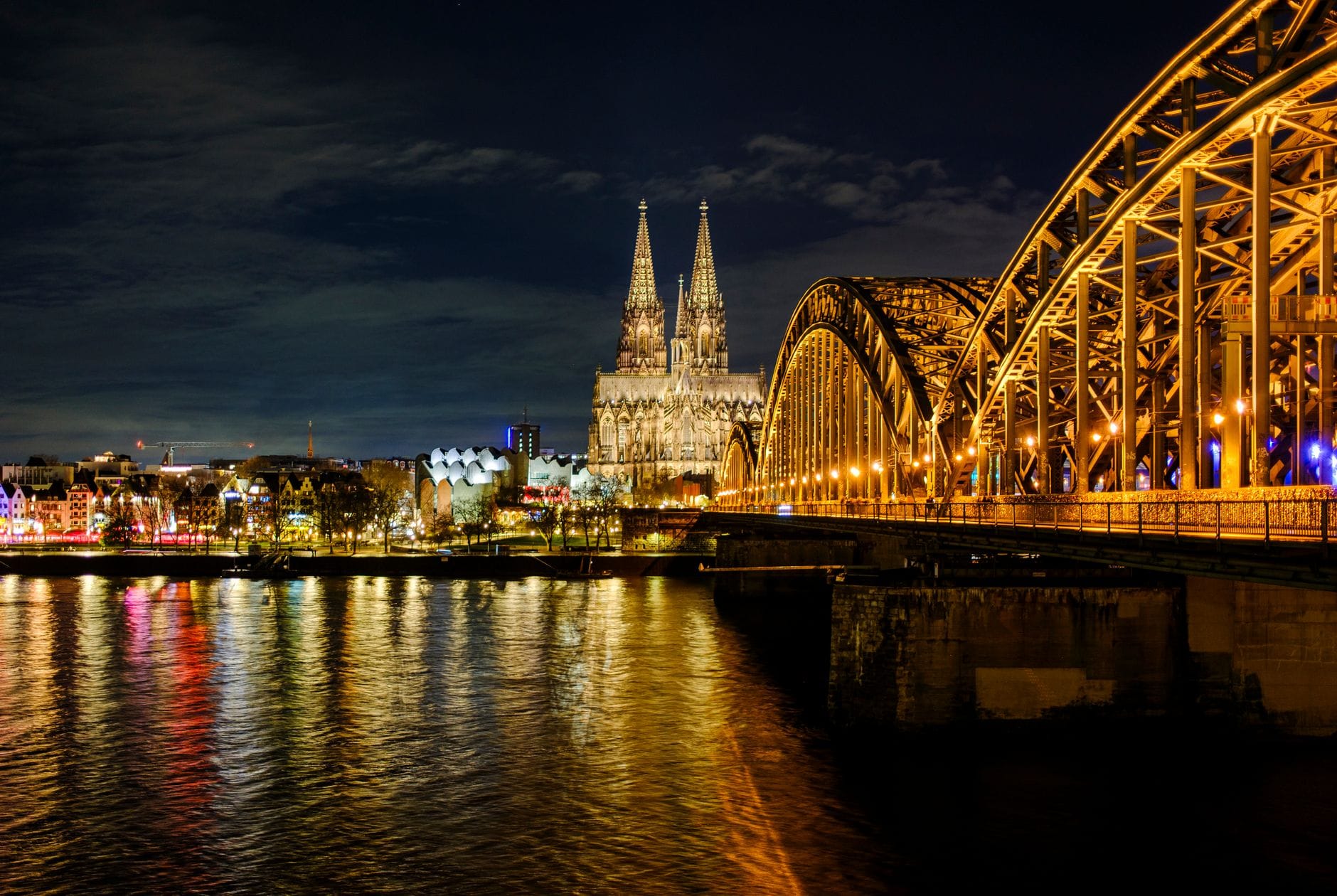
Two days is enough time to see the best of Cologne if you plan well. This itinerary covers the Gothic cathedral, world-class museums, the Rhine waterfront, historic brewhouses, and the city's most interesting neighborhoods — structured so you can walk between most stops without backtracking.
Tickets & tours
Live prices and dates from our booking partner. If you book, we may earn a commission at no extra cost to you.
Cologne rewards a focused weekend more than almost any other German city. The historic core is compact, the public transport is excellent, and the range of things to do — from Gothic architecture to Pop Art to Kölsch beer — is genuinely impressive for a 48-hour window. This guide structures your two days logically, grouping attractions by location to minimize transit time. For context on what to expect before you arrive, the is Cologne worth visiting guide covers the city's strengths honestly. If you want to go deeper on any single topic — art museums, nightlife, or the Rhine — check the full things-to-do guide for extended coverage. The itinerary below covers 18 attractions across five thematic sections, with practical notes on timing and sequencing throughout.
💡 Local tip
Start both mornings early. The cathedral and the Hohenzollern Bridge are dramatically quieter before 9am, and Museum Ludwig can feel very crowded by mid-afternoon on weekends. Book museum tickets online the day before if advance purchase is offered.
Day 1 Morning: The Cathedral Quarter
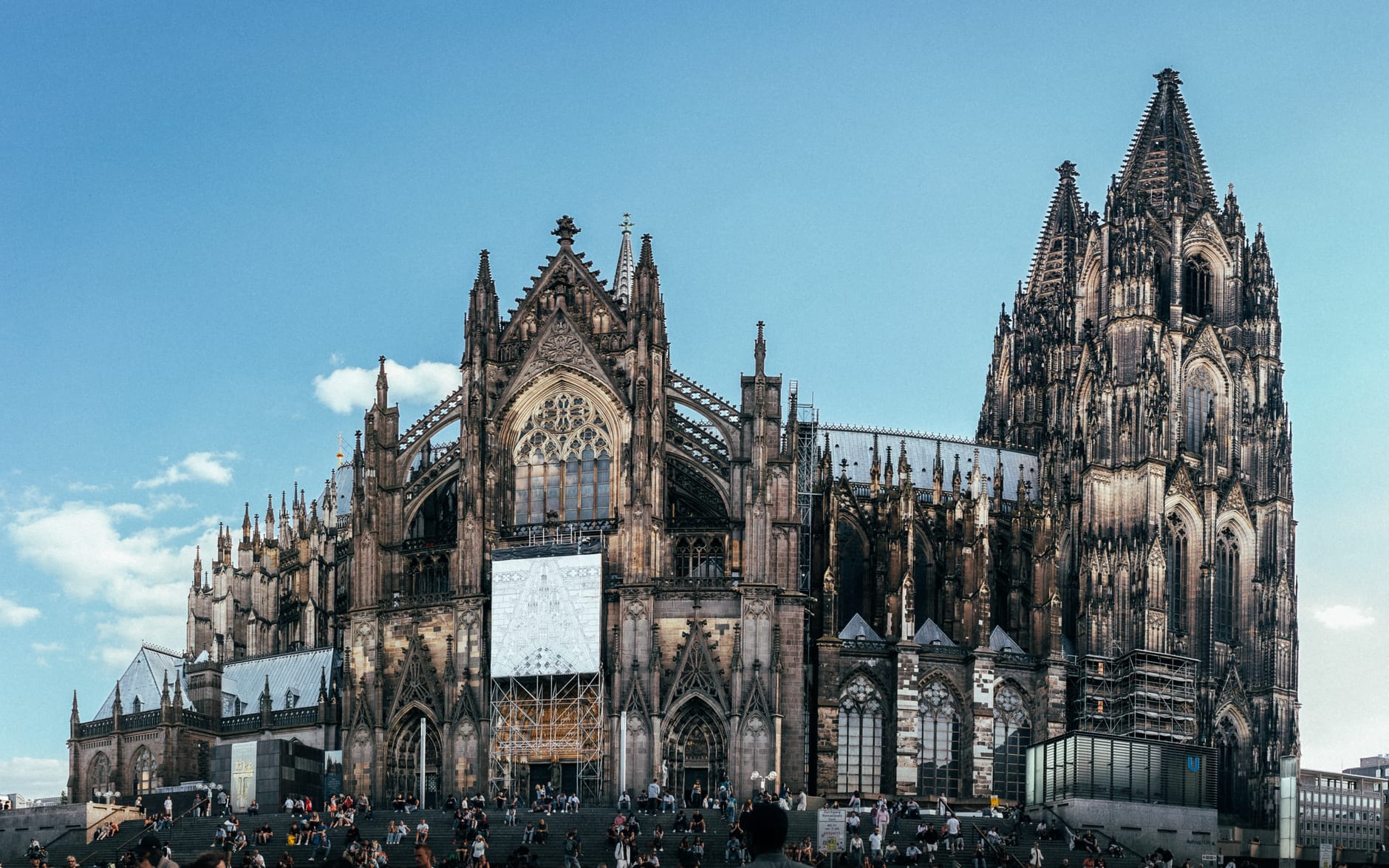
The logical place to start any Cologne weekend is the cathedral square. Everything in the historic core of the Altstadt radiates outward from here, and spending your first morning in this cluster means you cover the city's most essential sights while your energy is highest. Plan on three to four hours for this section, including the tower climb.
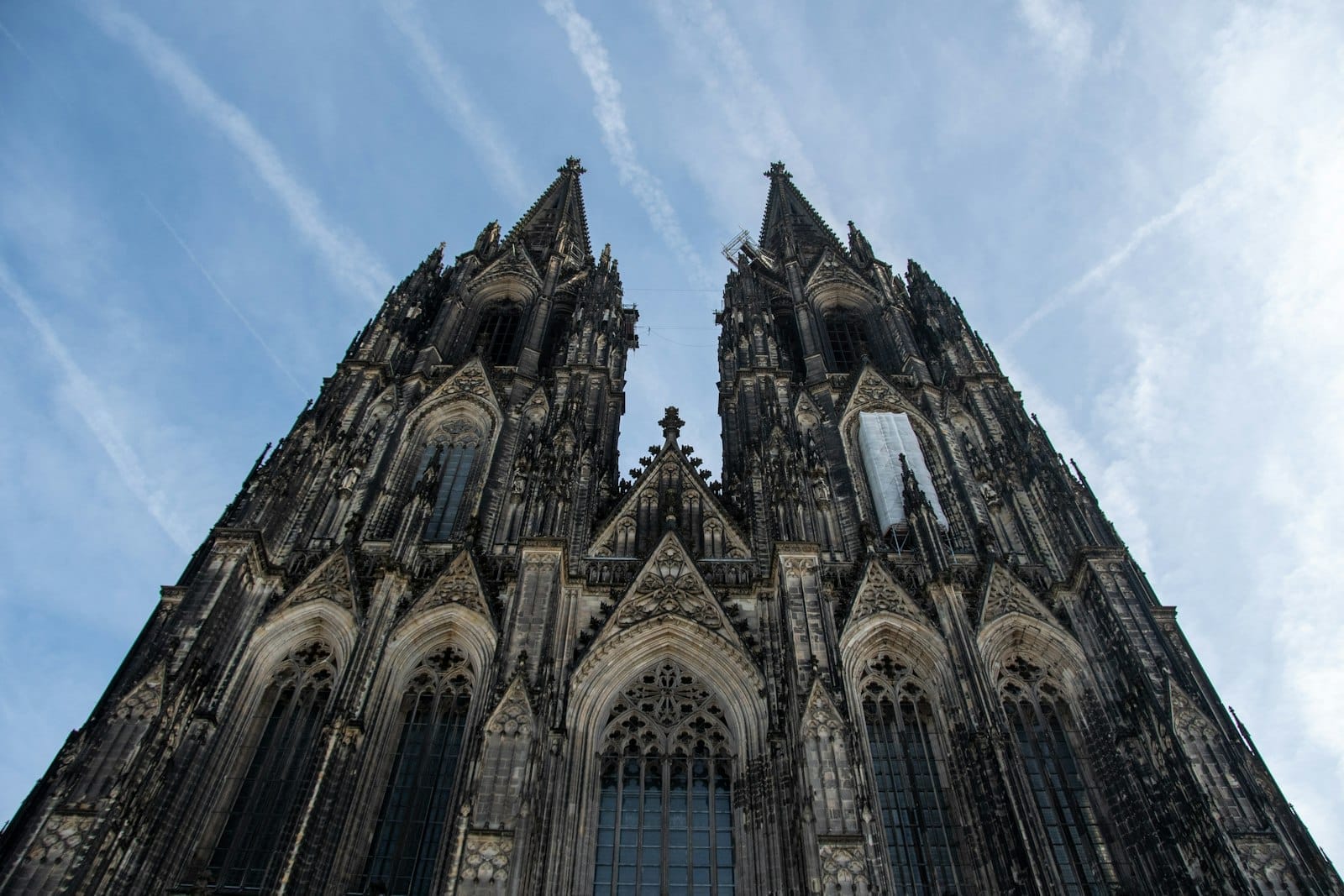
1. Start at the Top: Climb the Cologne Cathedral Tower
Begin at the Dom and go straight to the south tower. The 533-step climb takes 20-30 minutes and delivers panoramic views you'll use all weekend to orient yourself. Budget at least 90 minutes total for the interior, treasury, and tower.
Explore1. Start at the Top: Climb the Cologne Cathedral Tower
Begin at the Dom and go straight to the south tower. The 533-step climb takes 20-30 minutes and delivers panoramic views you'll use all weekend to orient yourself. Budget at least 90 minutes total for the interior, treasury, and tower.
Explore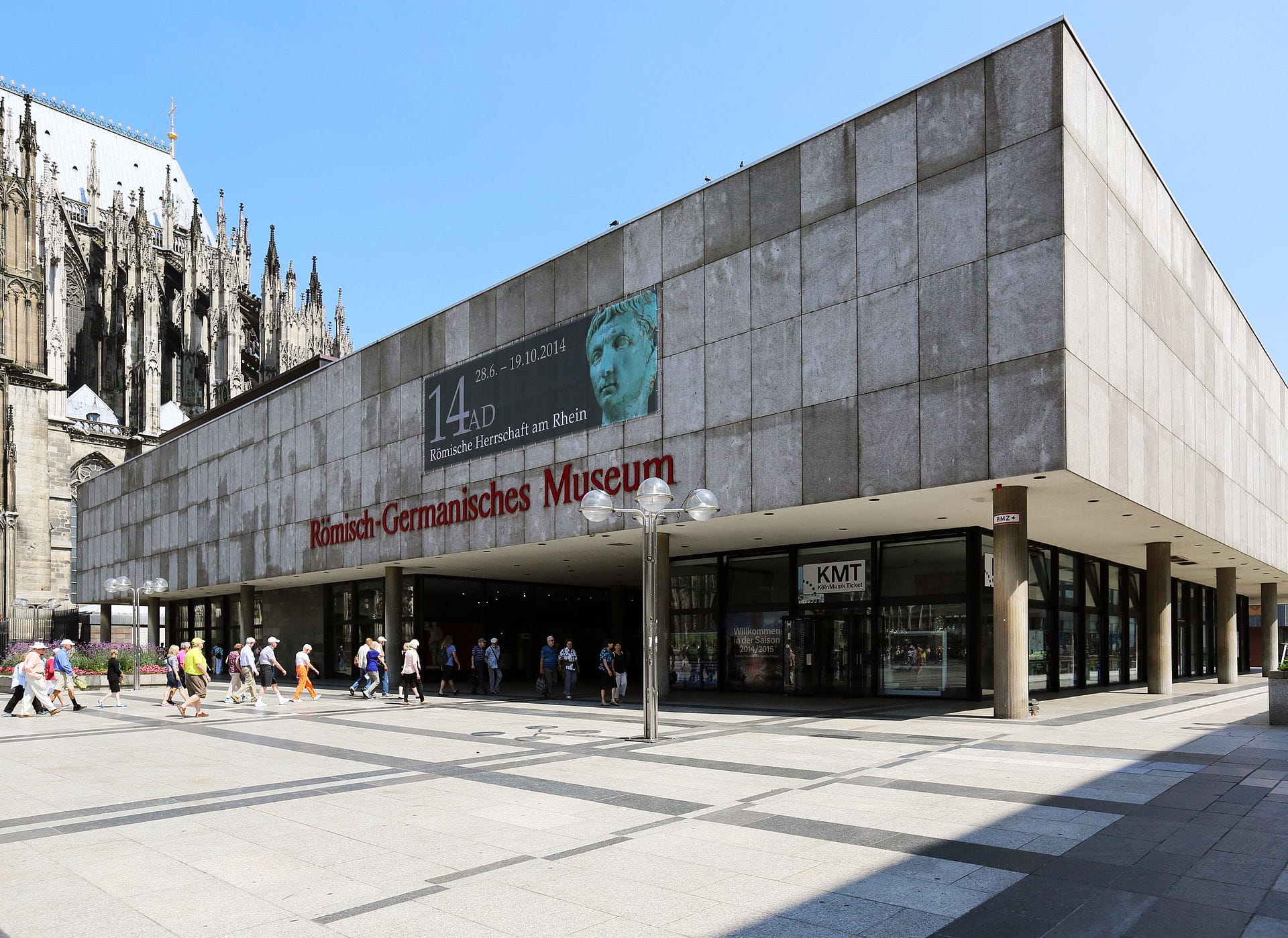
2. Walk Back 2,000 Years at the Romano-Germanic Museum
The main building at Roncalliplatz next to the Cathedral is under renovation and closed; the interim exhibition at the Belgian House on Cäcilienstraße shows other objects from the Roman collection (the famous in-situ Dionysus Mosaic is not currently on display). Even in interim form, the collection reframes Cologne as a Roman city before it was a medieval one, which changes how you see the rest of the Altstadt.
Explore2. Walk Back 2,000 Years at the Romano-Germanic Museum
The main building at Roncalliplatz next to the Cathedral is under renovation and closed; the interim exhibition at the Belgian House on Cäcilienstraße shows other objects from the Roman collection (the famous in-situ Dionysus Mosaic is not currently on display). Even in interim form, the collection reframes Cologne as a Roman city before it was a medieval one, which changes how you see the rest of the Altstadt.
Explore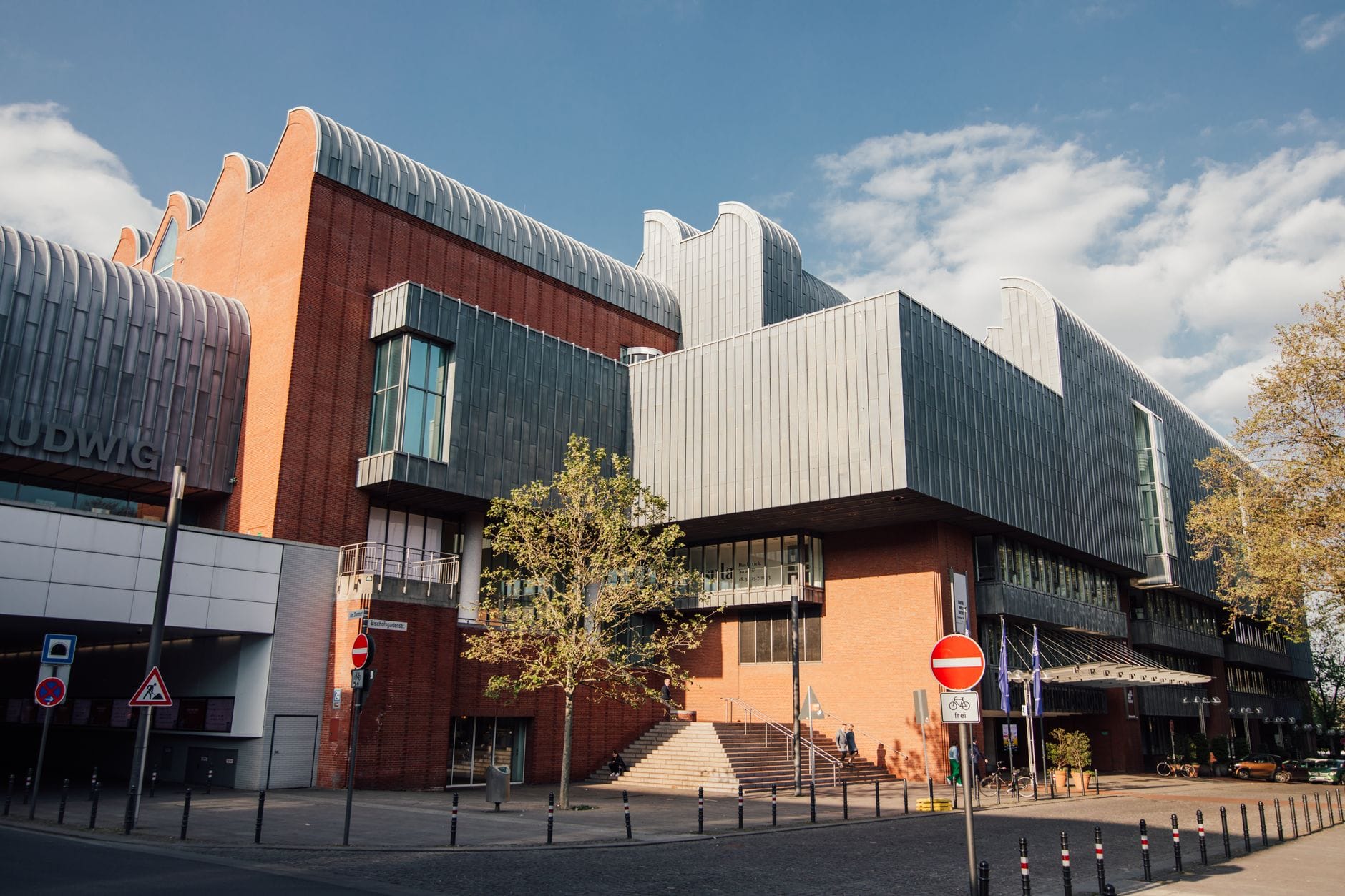
3. See Warhol and Picasso Next Door at Museum Ludwig
Sharing a plaza with the cathedral, Museum Ludwig houses one of Europe's finest Pop Art collections. Allow 90 minutes minimum. The Picasso collection alone is worth the entry price, and the building's postmodern geometry is striking against the Gothic backdrop.
Explore3. See Warhol and Picasso Next Door at Museum Ludwig
Sharing a plaza with the cathedral, Museum Ludwig houses one of Europe's finest Pop Art collections. Allow 90 minutes minimum. The Picasso collection alone is worth the entry price, and the building's postmodern geometry is striking against the Gothic backdrop.
Explore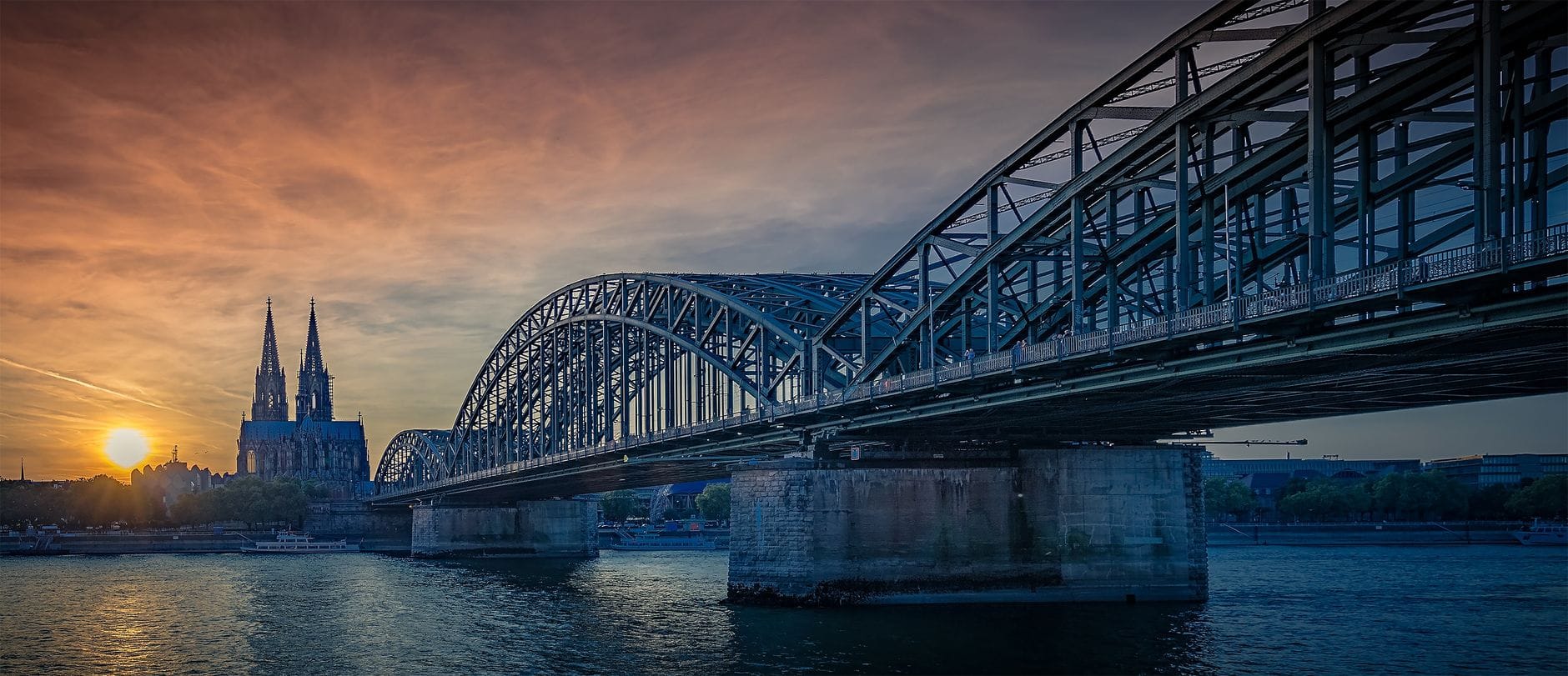
4. Walk the Love Lock Bridge at Sunrise or Sunset
A five-minute walk from the cathedral, the Hohenzollern Bridge pedestrian walkway is covered in over half a million padlocks. The cathedral view from the bridge's midpoint is the most photographed in Cologne. Early morning means you'll have it almost to yourself.
Explore4. Walk the Love Lock Bridge at Sunrise or Sunset
A five-minute walk from the cathedral, the Hohenzollern Bridge pedestrian walkway is covered in over half a million padlocks. The cathedral view from the bridge's midpoint is the most photographed in Cologne. Early morning means you'll have it almost to yourself.
ExploreDay 1 Afternoon: The Rhine Waterfront South
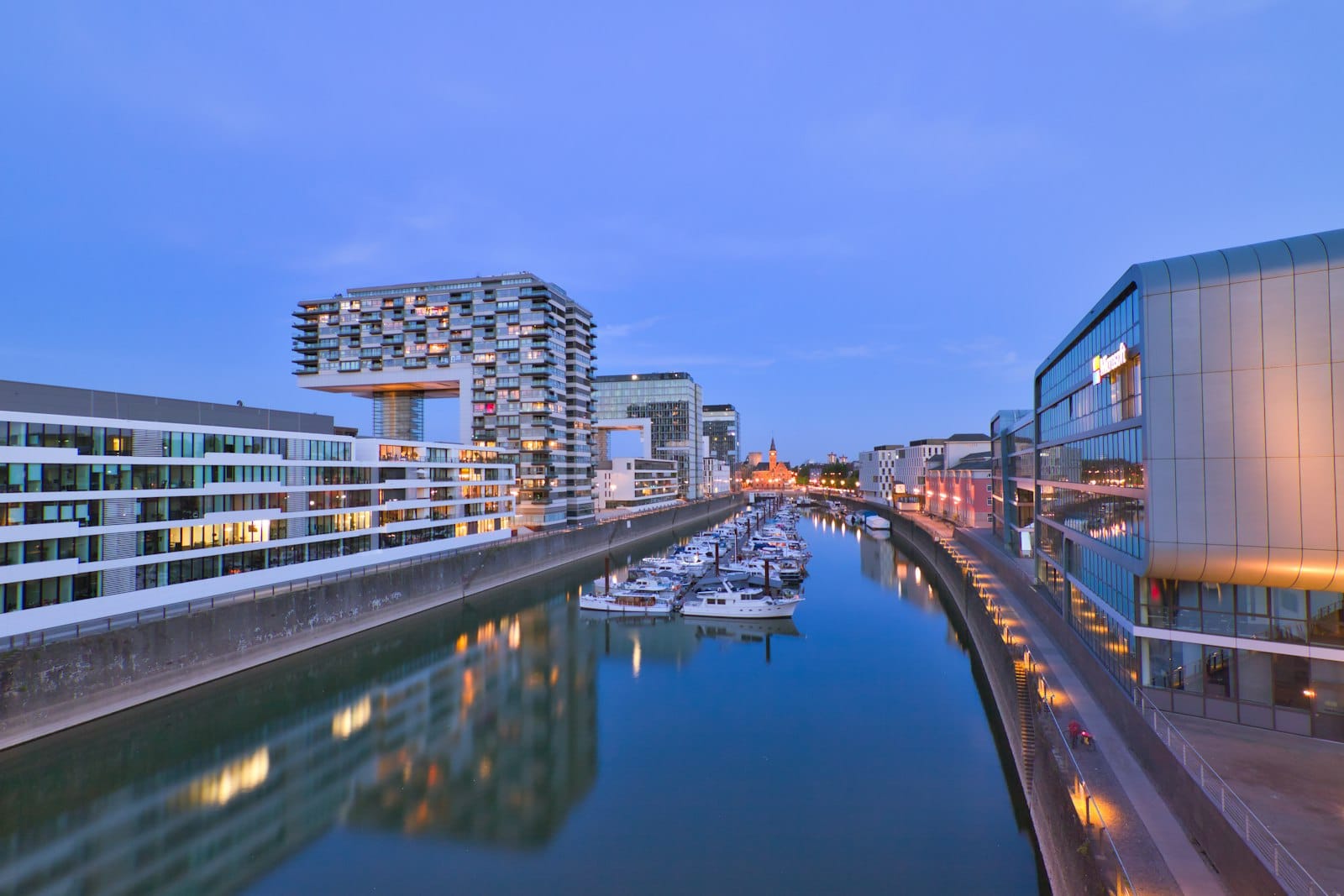
After lunch in the Altstadt, head south along the Rhine promenade toward Rheinauhafen. This 30-minute walk along the waterfront is one of the most pleasant in the city and connects the historic core to Cologne's most striking contemporary architecture. The Rhine cruise guide is worth reading if you want to add a short boat trip to this section of the day.
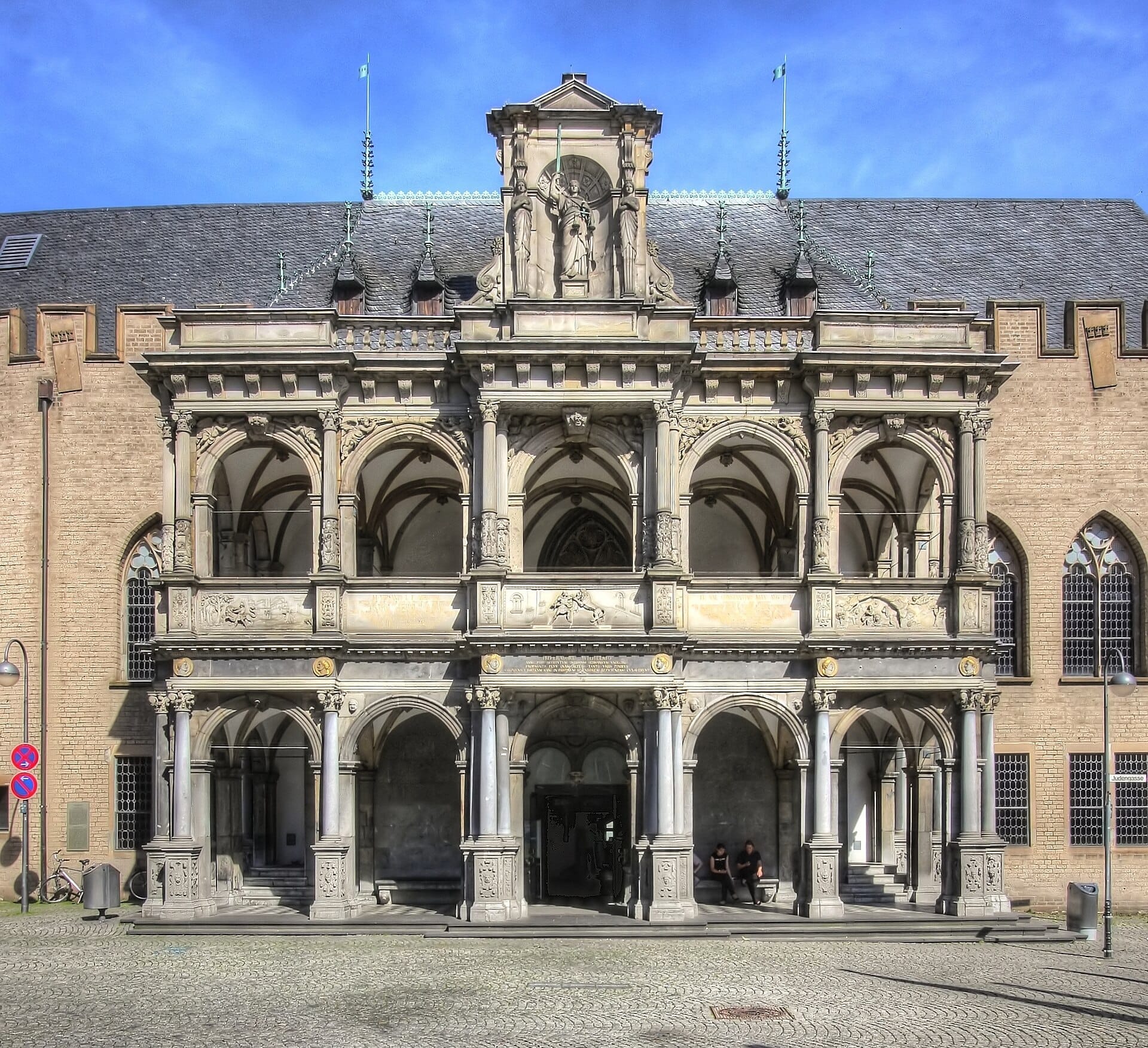
5. Detour to Cologne's 600-Year-Old City Hall
A short detour off the waterfront walk, the Rathaus features a Renaissance loggia from 1569 that is one of the finest in Germany. The square in front sits above excavated Roman and medieval Jewish ruins — context panels explain what lies beneath the modern city.
Explore5. Detour to Cologne's 600-Year-Old City Hall
A short detour off the waterfront walk, the Rathaus features a Renaissance loggia from 1569 that is one of the finest in Germany. The square in front sits above excavated Roman and medieval Jewish ruins — context panels explain what lies beneath the modern city.
Explore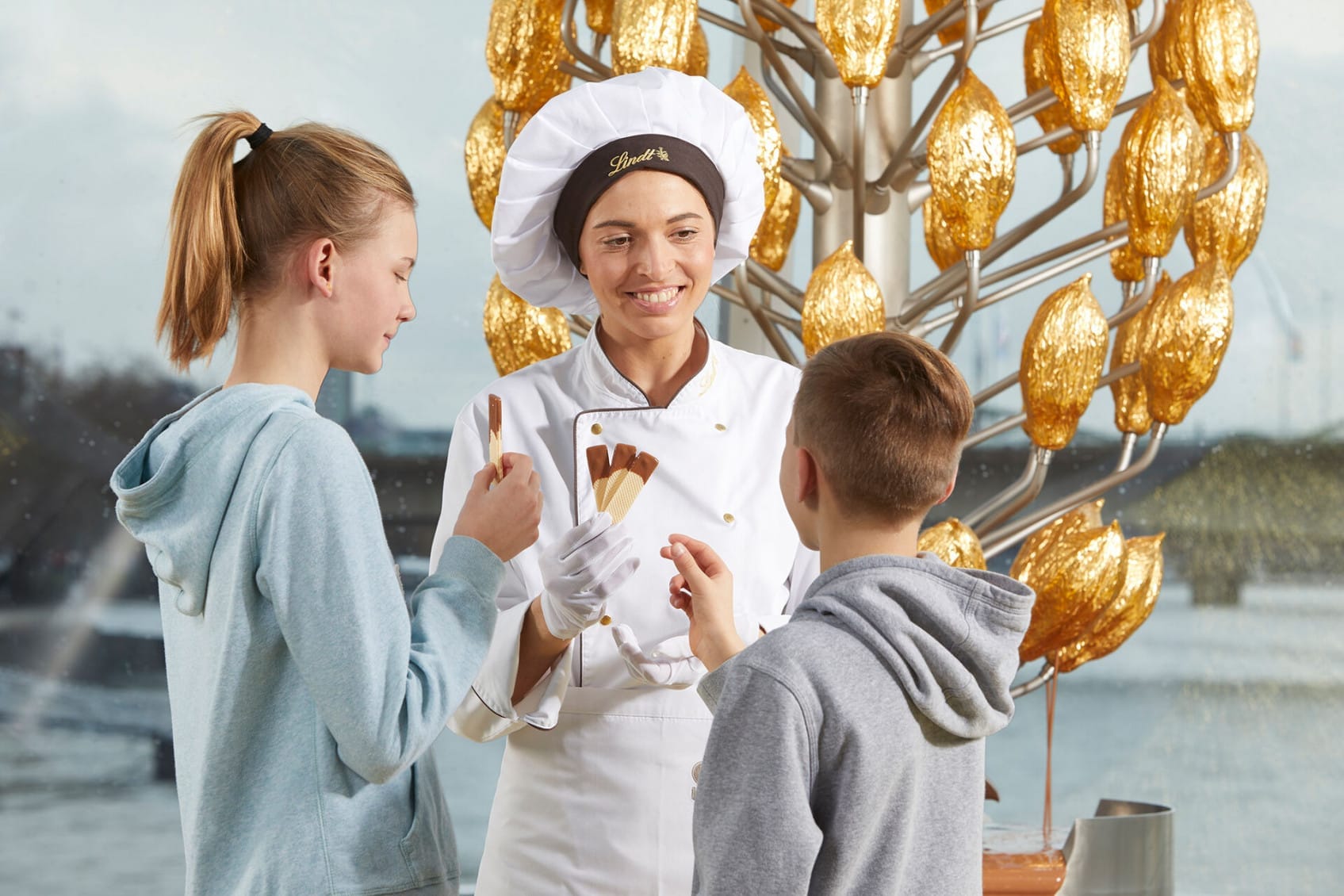
6. Dip a Wafer in the Famous Chocolate Fountain
Germany's most-visited chocolate museum sits on a Rhine peninsula and traces 3,000 years of cacao history. The three-metre chocolate fountain is not a gimmick — it is genuinely impressive. Arrive before 2pm on weekends to avoid long queues at the entrance.
Explore6. Dip a Wafer in the Famous Chocolate Fountain
Germany's most-visited chocolate museum sits on a Rhine peninsula and traces 3,000 years of cacao history. The three-metre chocolate fountain is not a gimmick — it is genuinely impressive. Arrive before 2pm on weekends to avoid long queues at the entrance.
Explore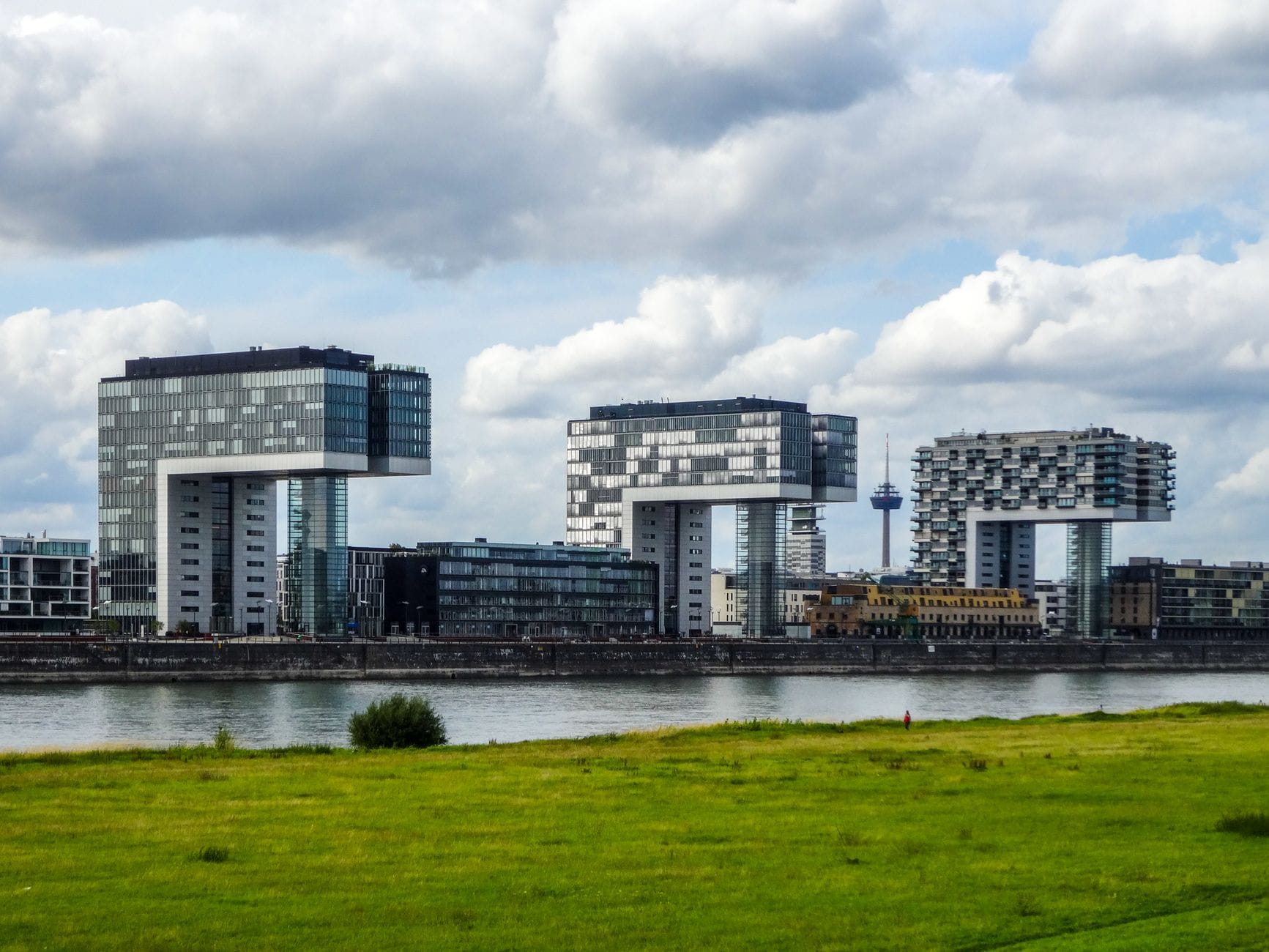
7. Photograph the Crane Houses of Rheinauhafen
Three L-shaped towers designed to echo the historic harbour cranes that once defined this dock district. Walk through the ground-floor passages and along the waterfront promenade for the best angles. The restaurants in the base of the towers are solid for an early dinner.
Explore7. Photograph the Crane Houses of Rheinauhafen
Three L-shaped towers designed to echo the historic harbour cranes that once defined this dock district. Walk through the ground-floor passages and along the waterfront promenade for the best angles. The restaurants in the base of the towers are solid for an early dinner.
ExploreDay 1 Evening: Kölsch Beer and the Old Town
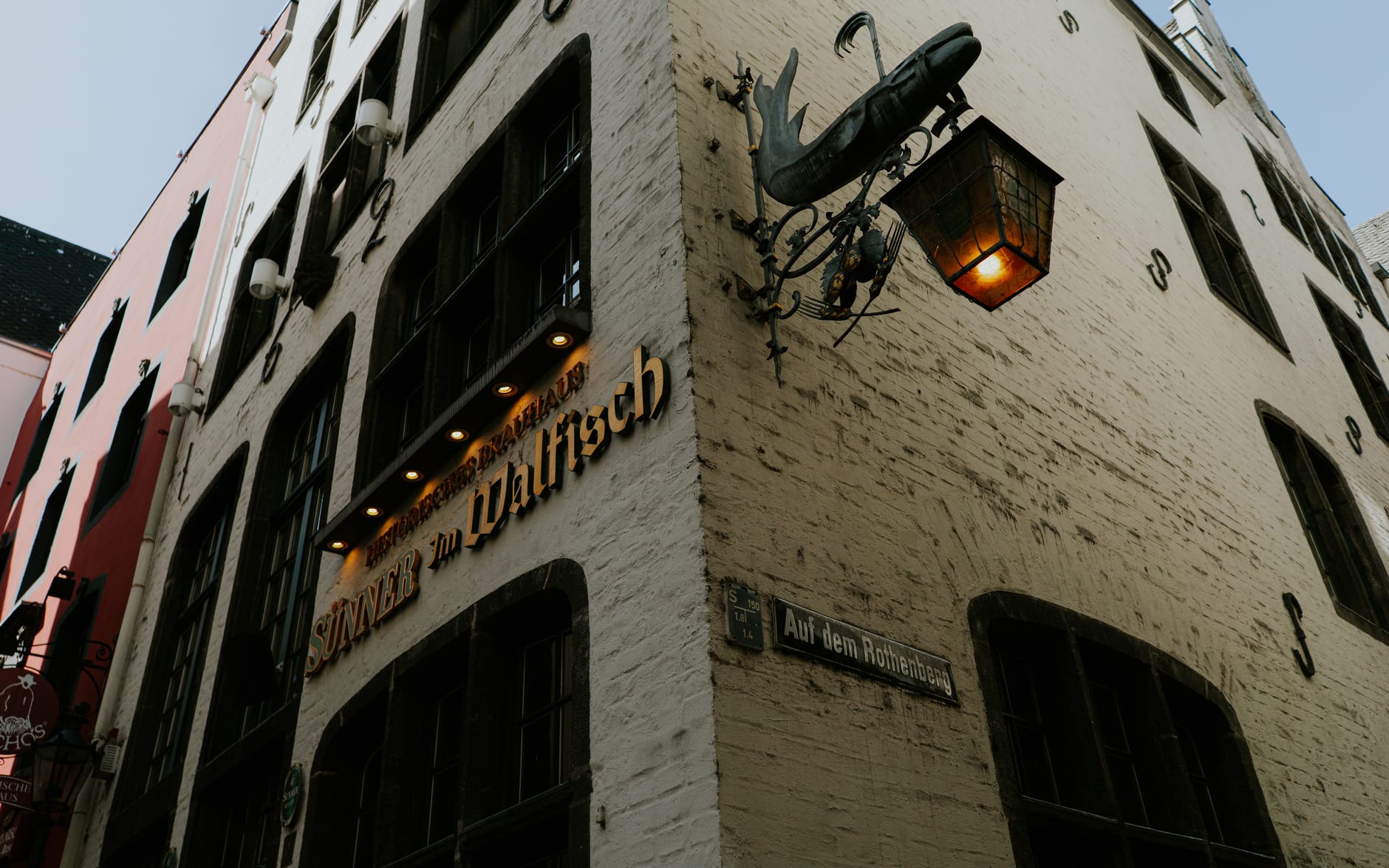
Cologne's evening culture is defined by its Brauhaus tradition and the convivial rhythm of Kölsch beer service. Kölsch is served in small 0.2-litre glasses called Stangen, and your waiter will keep bringing fresh ones until you place your coaster on top of your glass. For a full guide to navigating this ritual, see the Kölsch beer guide. The Altstadt Fischmarkt square, just south of Great St. Martin Church, is the best spot to finish the evening with Rhine views.
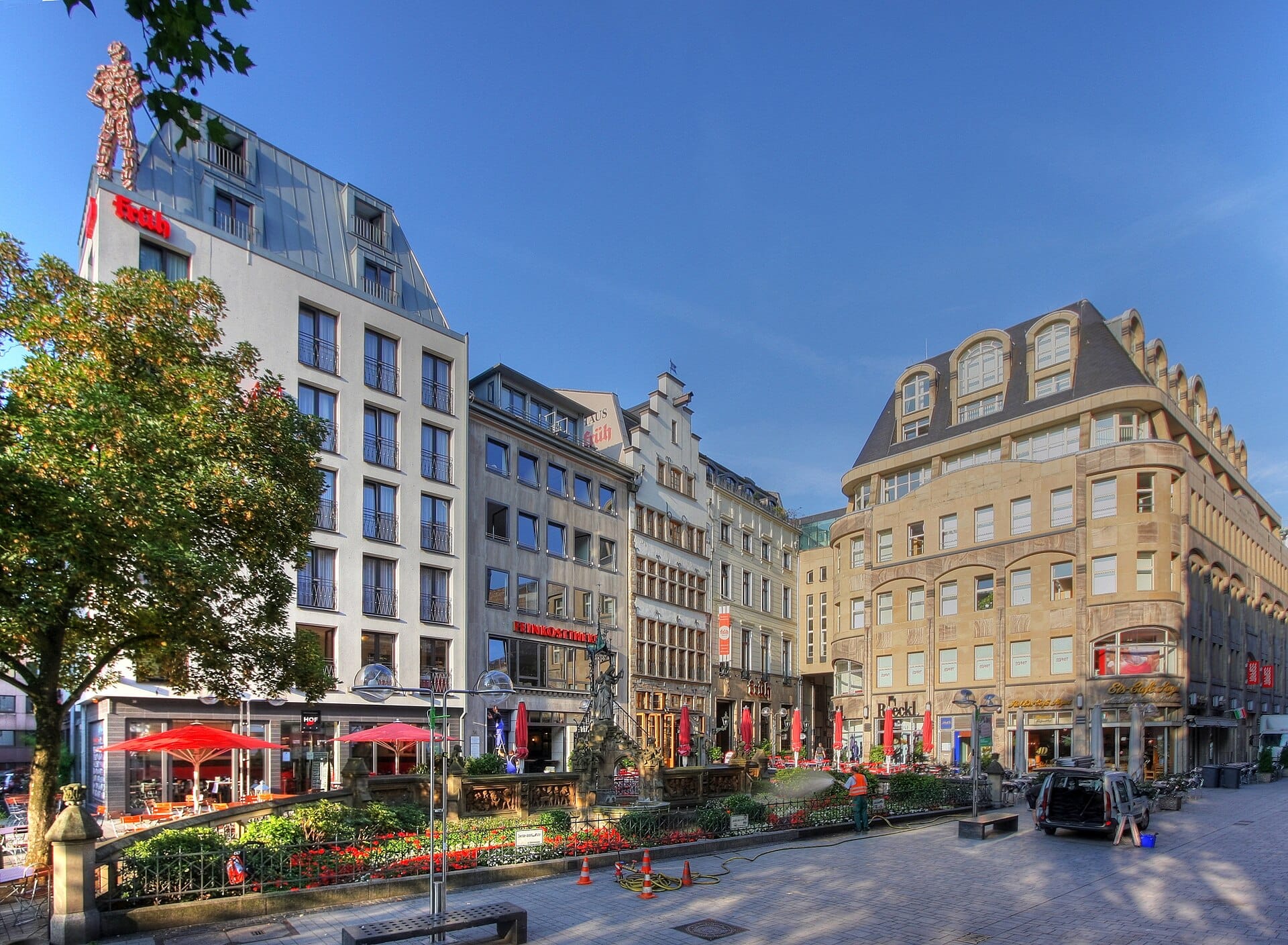
8. Drink Kölsch at Cologne's Most Famous Brewhouse
Früh am Dom has been pouring Kölsch since 1904 from a spot 50 metres from the cathedral. Order the Himmel un Ääd (black pudding with apple sauce and mashed potato) alongside your beer. It fills up by 7pm on weekends, so arrive early or expect a short wait.
Explore8. Drink Kölsch at Cologne's Most Famous Brewhouse
Früh am Dom has been pouring Kölsch since 1904 from a spot 50 metres from the cathedral. Order the Himmel un Ääd (black pudding with apple sauce and mashed potato) alongside your beer. It fills up by 7pm on weekends, so arrive early or expect a short wait.
Explore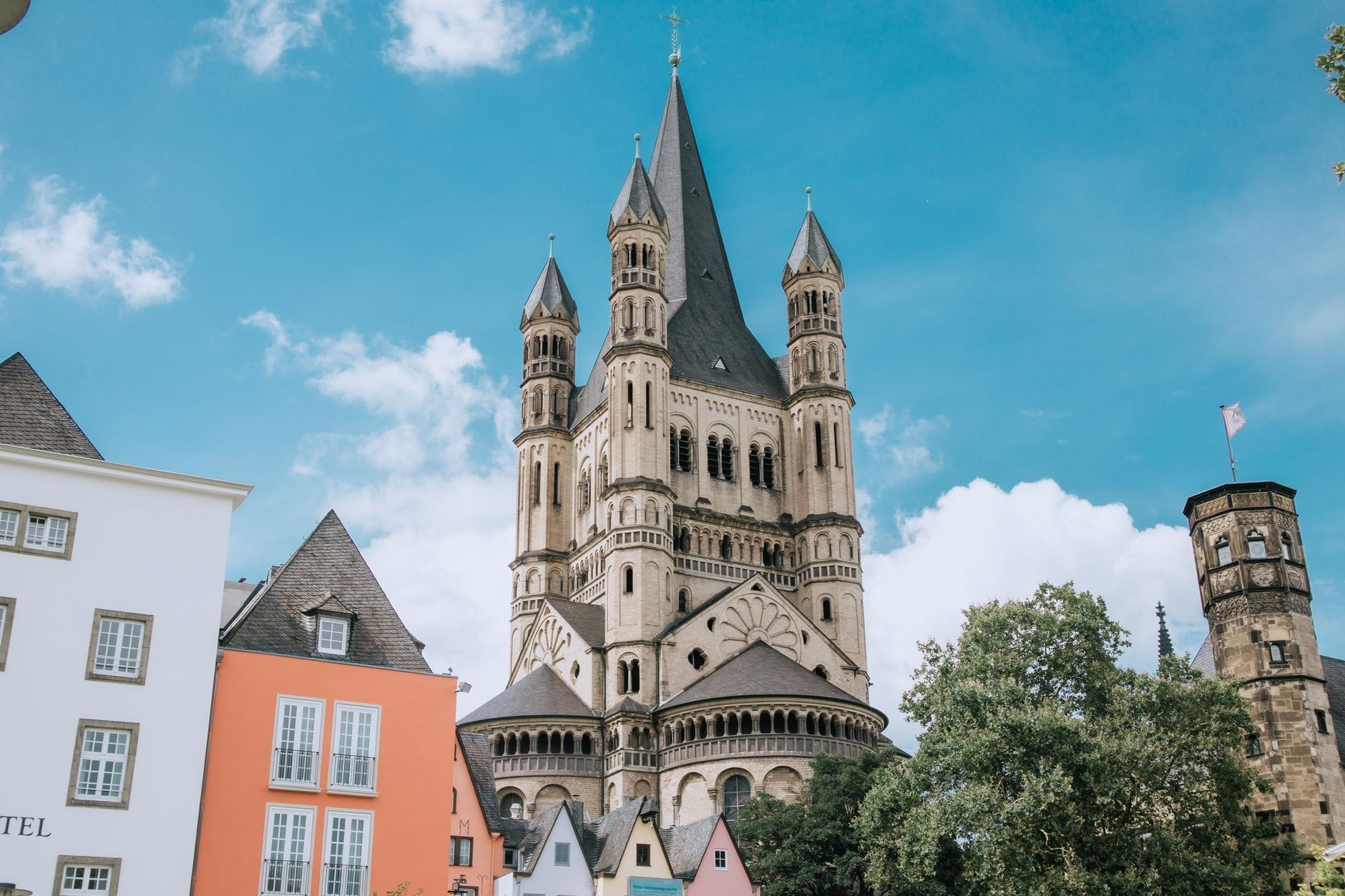
9. End the Evening at Great St. Martin and Fischmarkt
After dinner, walk to the Fischmarkt square below Great St. Martin's tower for the classic Cologne riverfront view. The 12th-century Romanesque clover-leaf apse is especially striking when lit at dusk, and the square has outdoor bars where locals gather late into the evening.
Explore9. End the Evening at Great St. Martin and Fischmarkt
After dinner, walk to the Fischmarkt square below Great St. Martin's tower for the classic Cologne riverfront view. The 12th-century Romanesque clover-leaf apse is especially striking when lit at dusk, and the square has outdoor bars where locals gather late into the evening.
ExploreDay 2 Morning: Churches, Art, and the Altstadt's Quieter Side
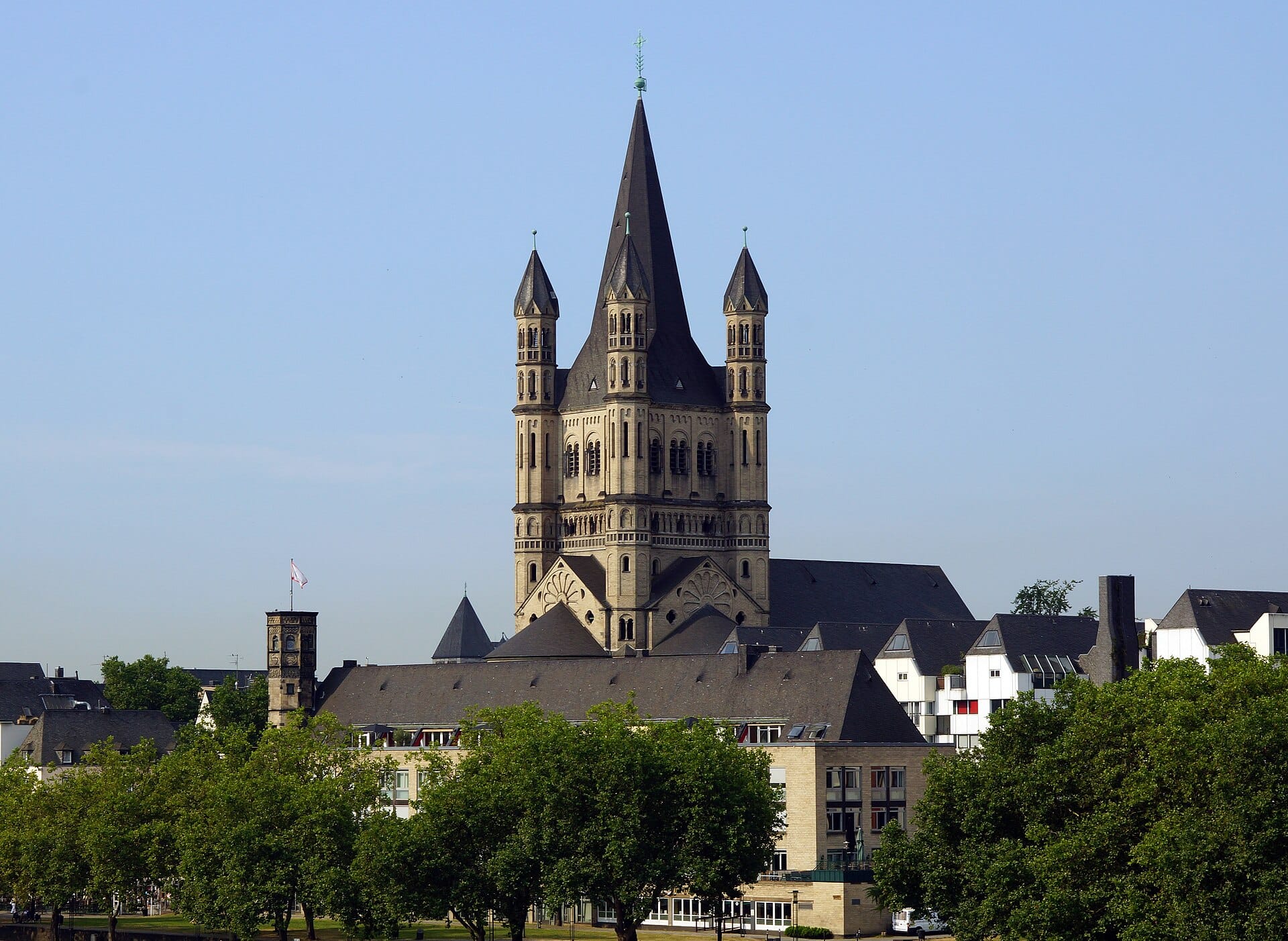
Cologne's twelve Romanesque churches are one of the city's most underappreciated assets — a circuit of medieval architecture that predates the cathedral. You won't visit all twelve in a morning, but three well-chosen stops give you a full picture. The Romanesque churches guide maps out the full circuit if you want to extend this into an afternoon. Combine this section with the Kolumba and Wallraf-Richartz museums for a morning that is heavy on art and medieval history.
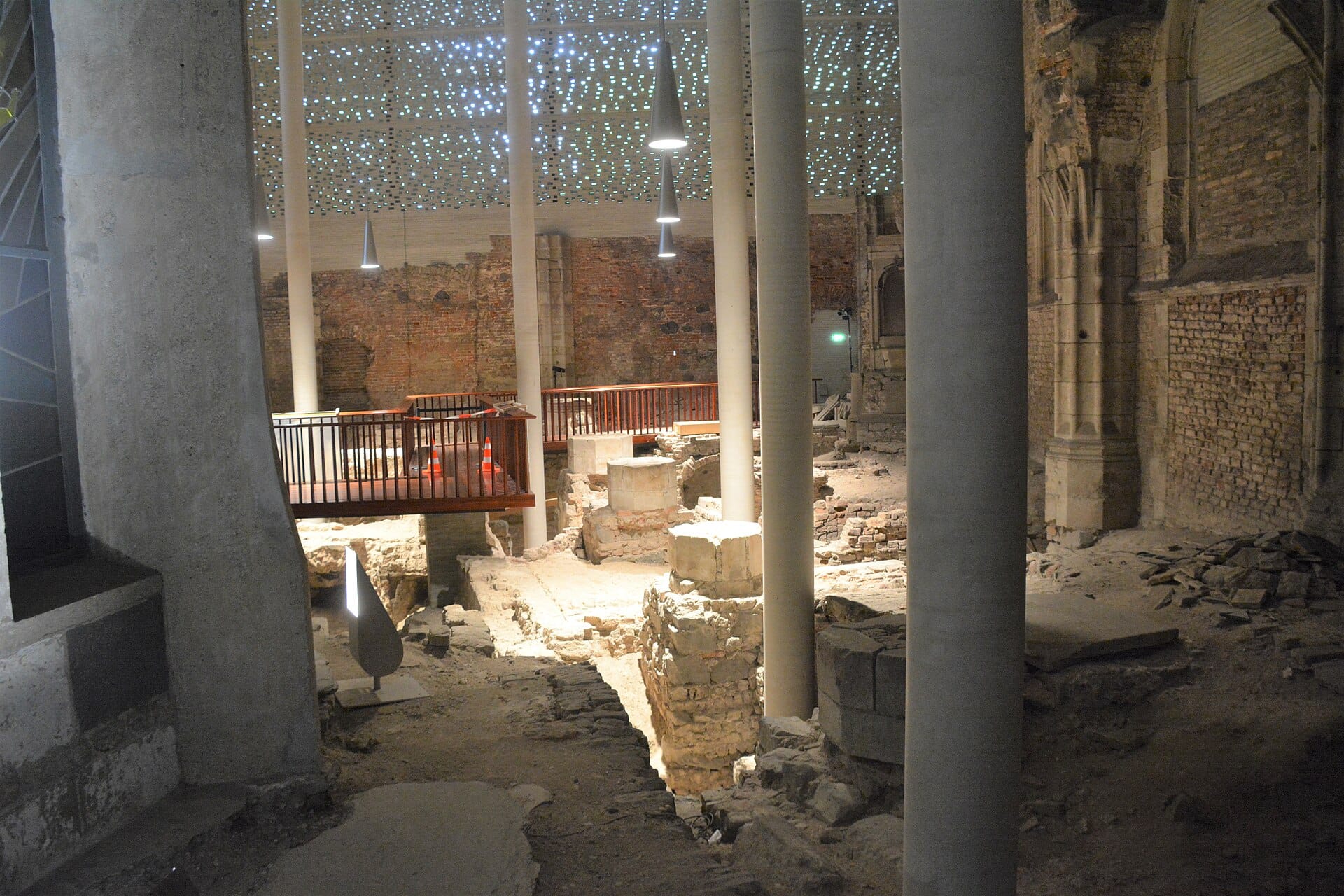
10. Experience the Most Meditative Museum in Cologne
Peter Zumthor's building for the Archdiocese's art museum is built over Gothic church ruins and Roman foundations. The collection spans 2,000 years of religious art. Allow 75 minutes and go slowly — the atmosphere rewards patience in a way few museums do.
Explore10. Experience the Most Meditative Museum in Cologne
Peter Zumthor's building for the Archdiocese's art museum is built over Gothic church ruins and Roman foundations. The collection spans 2,000 years of religious art. Allow 75 minutes and go slowly — the atmosphere rewards patience in a way few museums do.
Explore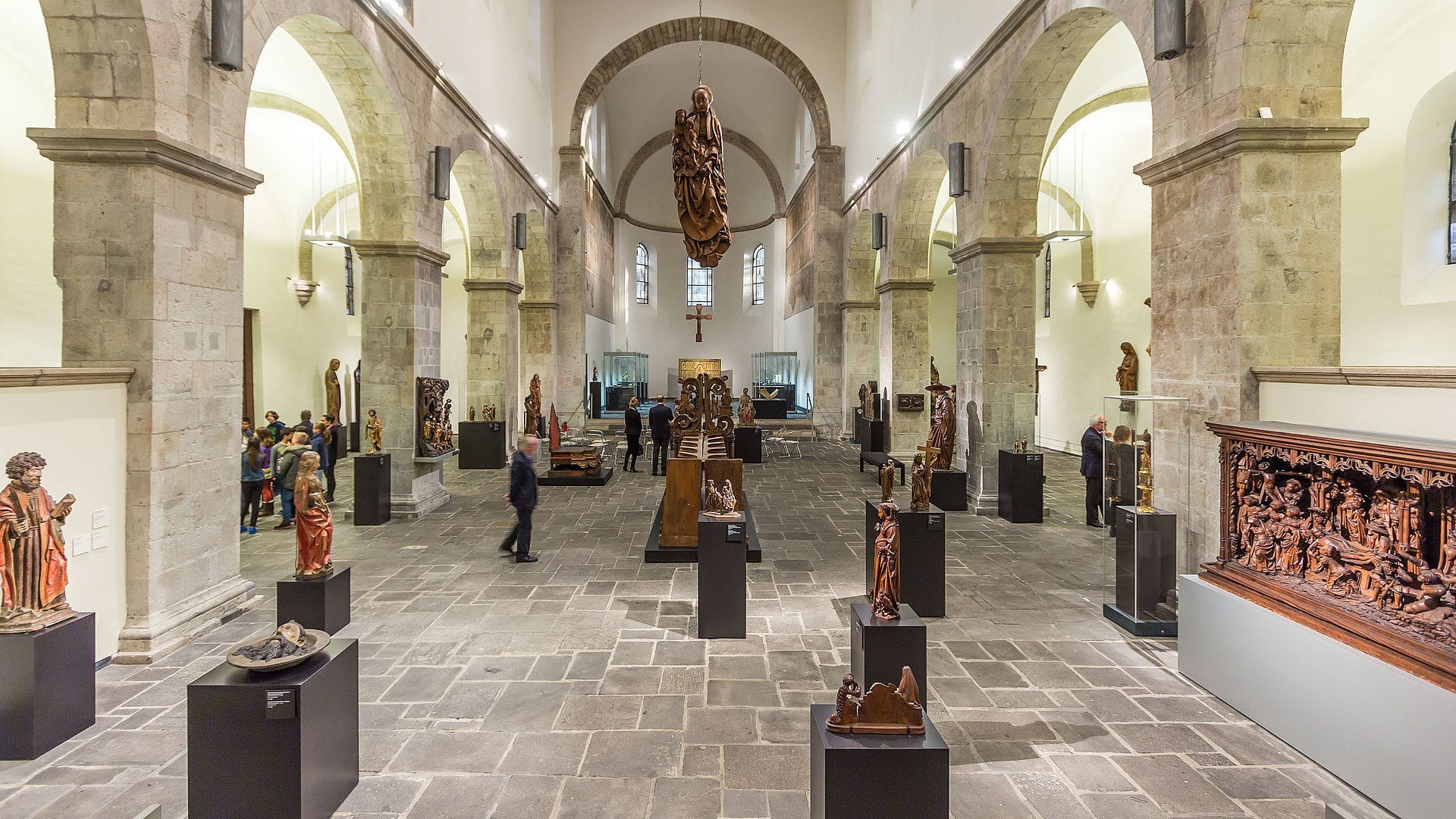
11. See Medieval Art Inside a 12th-Century Romanesque Church
Museum Schnütgen displays Germany's finest collection of Romanesque and Gothic religious art inside the church of St. Cäcilien. Ivory carvings, reliquaries, and wooden Madonnas are arranged in the nave and transepts. The setting does as much work as the objects themselves.
Explore11. See Medieval Art Inside a 12th-Century Romanesque Church
Museum Schnütgen displays Germany's finest collection of Romanesque and Gothic religious art inside the church of St. Cäcilien. Ivory carvings, reliquaries, and wooden Madonnas are arranged in the nave and transepts. The setting does as much work as the objects themselves.
Explore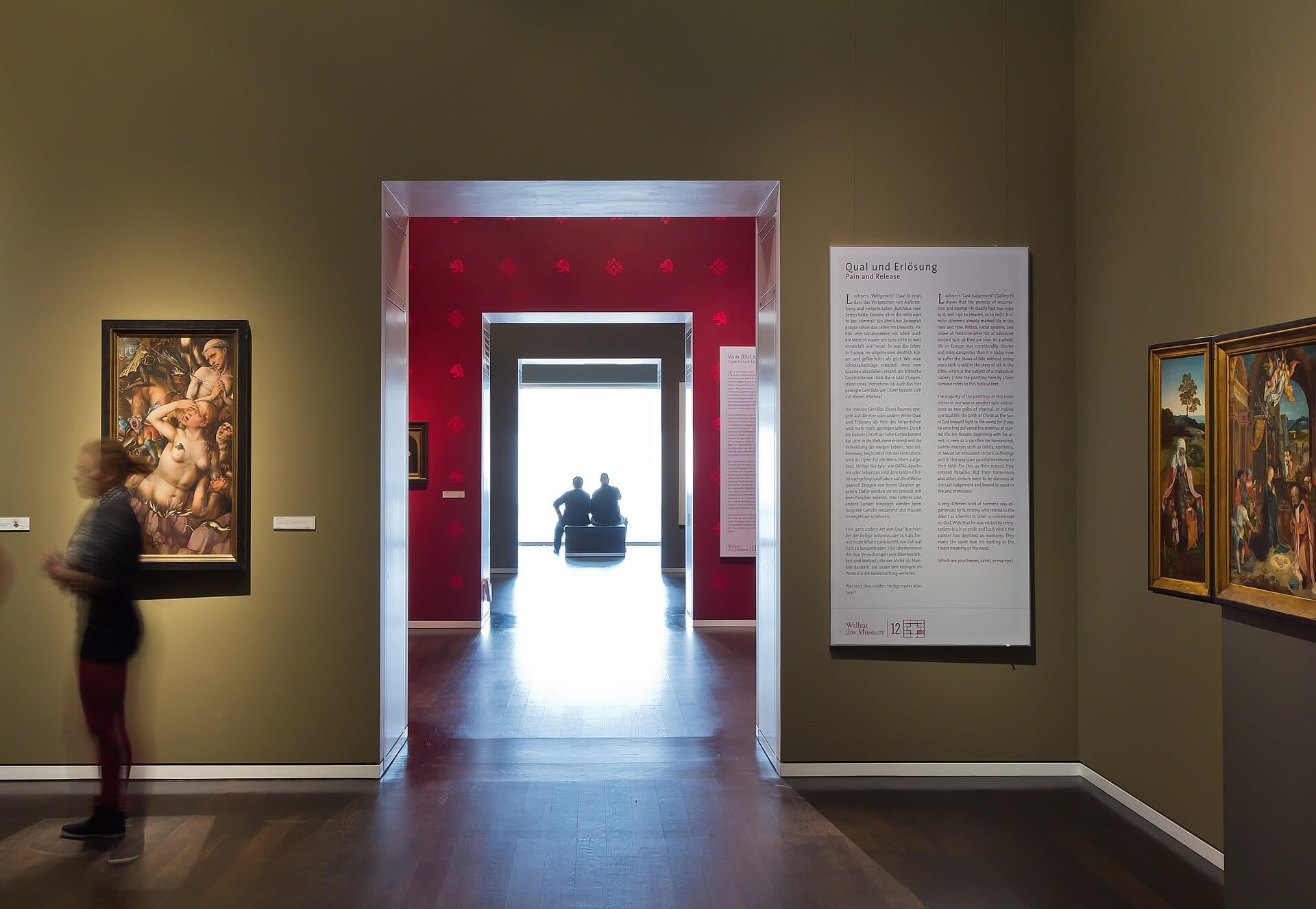
12. See the Medieval Masters and the Impressionists at Wallraf-Richartz
One of Germany's oldest public art museums, the Wallraf-Richartz collection moves from Cologne School altarpieces through Dutch Old Masters to Monet and Renoir. The medieval rooms on the upper floor are extraordinary — few cities preserved this quality of Gothic panel painting.
Explore12. See the Medieval Masters and the Impressionists at Wallraf-Richartz
One of Germany's oldest public art museums, the Wallraf-Richartz collection moves from Cologne School altarpieces through Dutch Old Masters to Monet and Renoir. The medieval rooms on the upper floor are extraordinary — few cities preserved this quality of Gothic panel painting.
Explore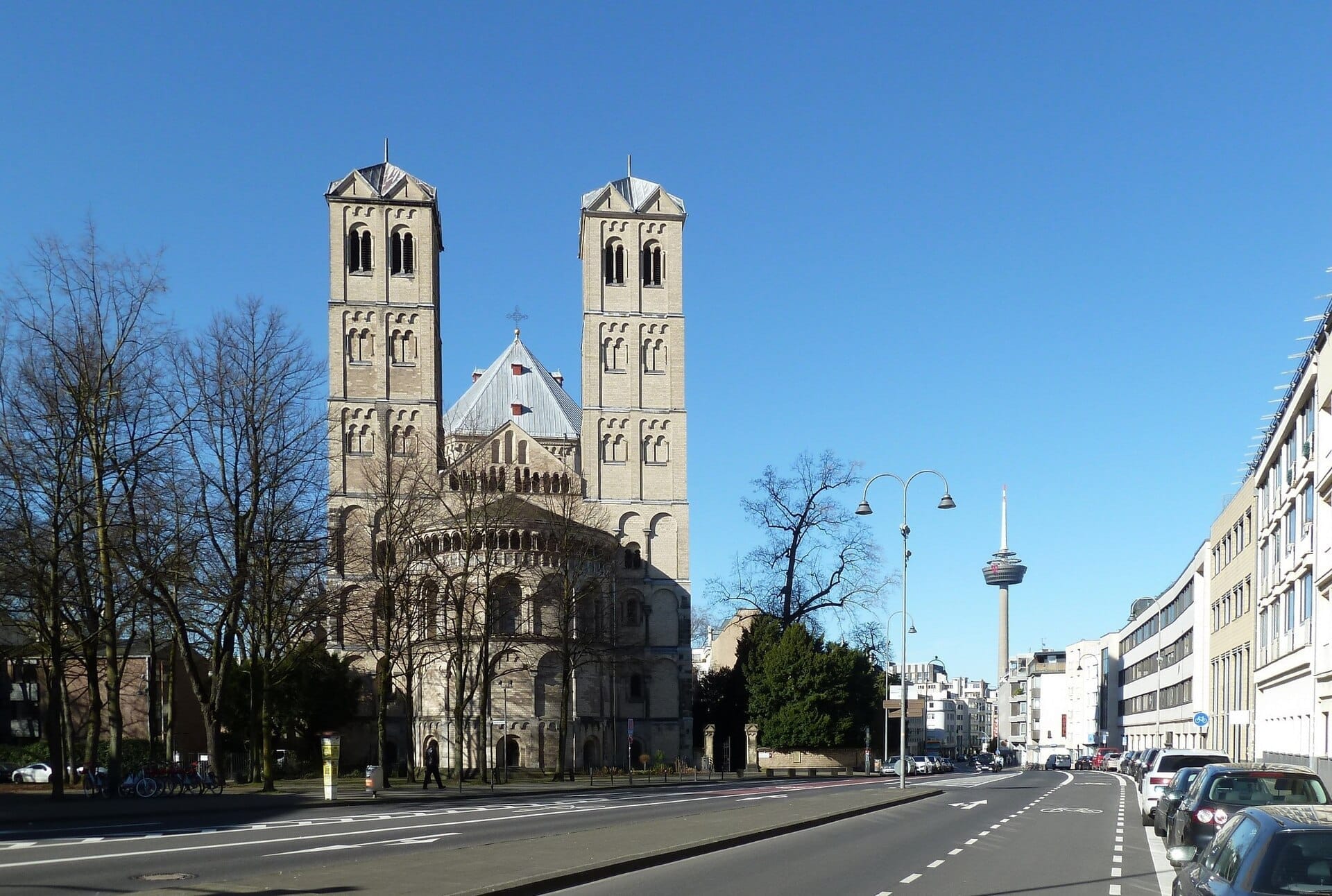
13. See the Decagonal Nave of St. Gereon's Basilica
Built over a Roman mausoleum, St. Gereon has a unique ten-sided nave with one of the largest Romanesque domes in existence. It is not on most tourist maps but is ten minutes from the cathedral. Architecture enthusiasts should not miss it.
Explore13. See the Decagonal Nave of St. Gereon's Basilica
Built over a Roman mausoleum, St. Gereon has a unique ten-sided nave with one of the largest Romanesque domes in existence. It is not on most tourist maps but is ten minutes from the cathedral. Architecture enthusiasts should not miss it.
Explore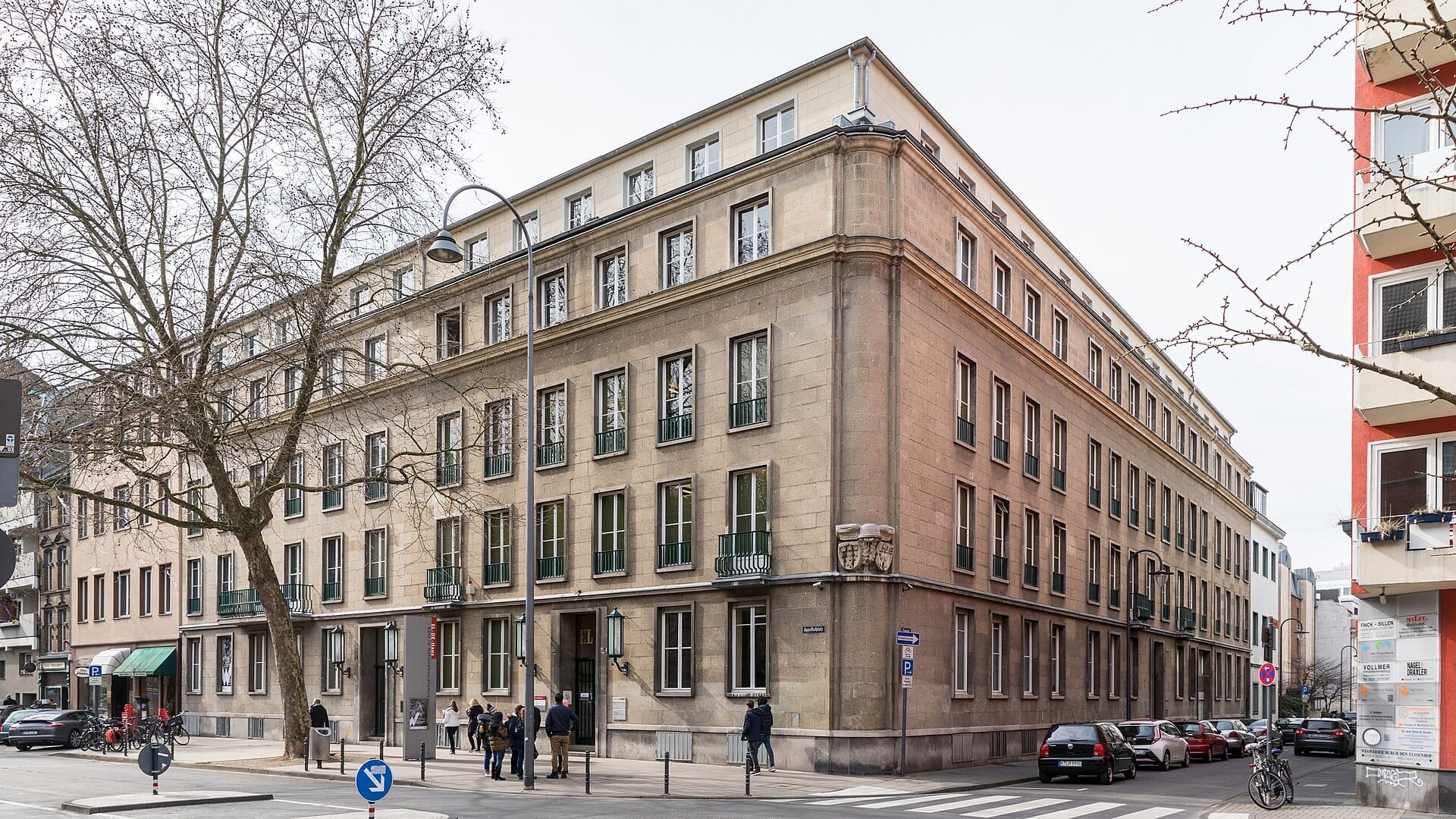
14. Confront Cologne's Nazi History at the EL-DE Haus
The former Gestapo headquarters still has prisoners' inscriptions on the basement cell walls. The permanent exhibition documents National Socialism in Cologne in rigorous detail. Allow 60-90 minutes. It is sobering and essential — not a site to rush through.
Explore14. Confront Cologne's Nazi History at the EL-DE Haus
The former Gestapo headquarters still has prisoners' inscriptions on the basement cell walls. The permanent exhibition documents National Socialism in Cologne in rigorous detail. Allow 60-90 minutes. It is sobering and essential — not a site to rush through.
ExploreDay 2 Afternoon: Views, Neighbourhoods, and Cologne's Perfume Origin
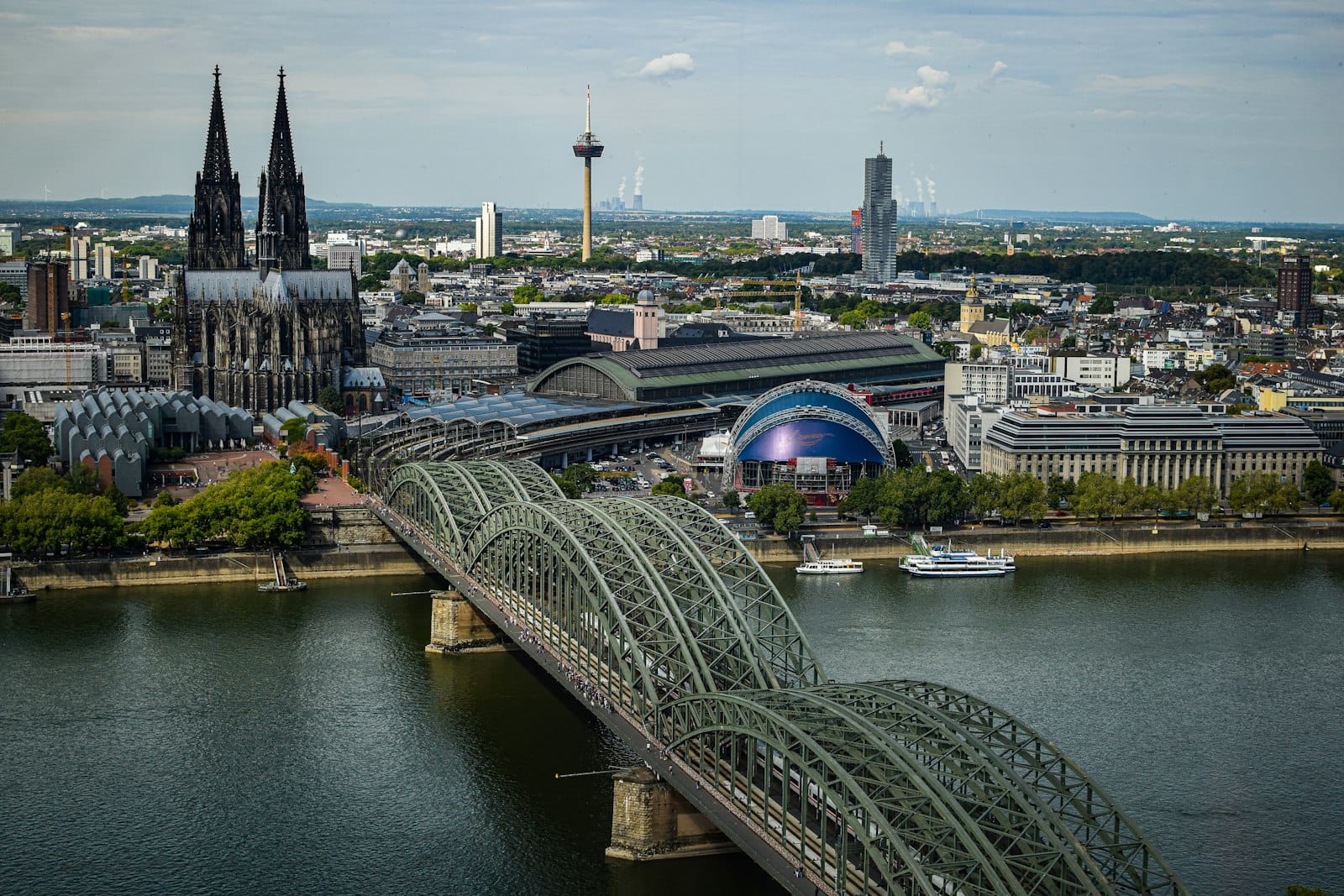
The second afternoon is best spent crossing the Rhine into Deutz for the city's finest panoramic viewpoint, then returning to explore either the Belgian Quarter or the Altstadt's western reaches. Finish with the 4711 House, which connects Cologne's identity as a city to the worldwide spread of a fragrance — a better story than most visitors expect.
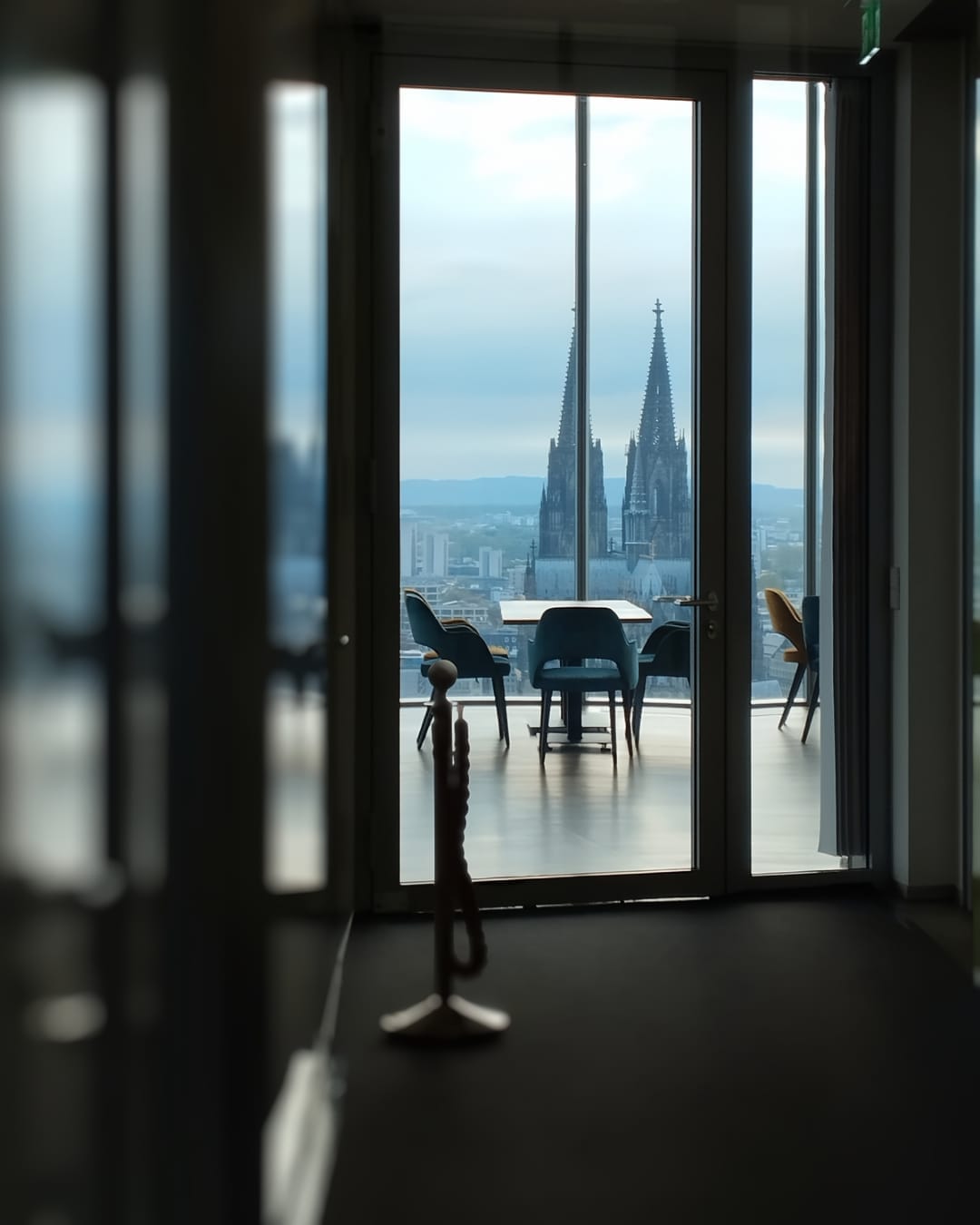
15. Get the Best View of the Cathedral from the Cologne Triangle
Cross the Hohenzollern Bridge on foot and take the lift to the Triangle tower's rooftop platform. At 103 metres, the view of the cathedral across the Rhine is the definitive Cologne panorama. Entry is inexpensive and the platform rarely crowded on weekday afternoons.
Explore15. Get the Best View of the Cathedral from the Cologne Triangle
Cross the Hohenzollern Bridge on foot and take the lift to the Triangle tower's rooftop platform. At 103 metres, the view of the cathedral across the Rhine is the definitive Cologne panorama. Entry is inexpensive and the platform rarely crowded on weekday afternoons.
Explore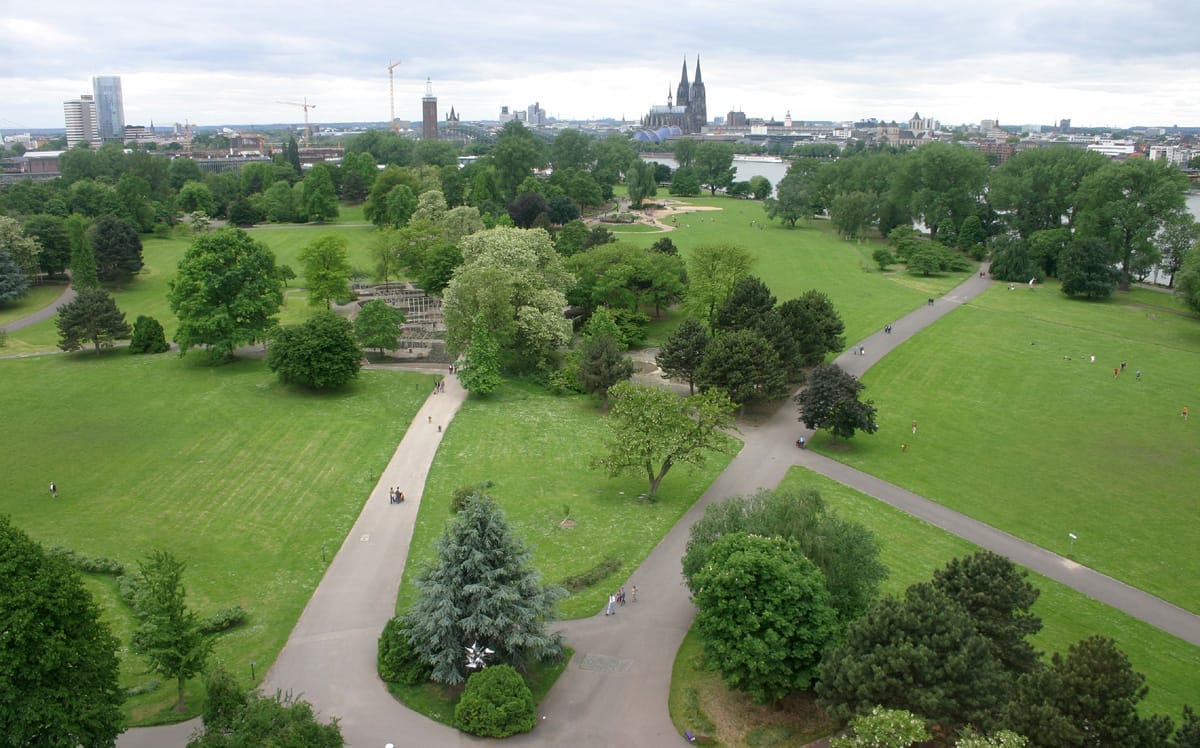
16. Walk Along the East Bank in the Rheinpark
After the Triangle viewpoint, walk south through the Rheinpark along the east Rhine bank. The views back across to the Altstadt skyline are excellent, and the park is a calm contrast to the Altstadt crowds. It connects to the cable car landing point if you visit in season.
Explore16. Walk Along the East Bank in the Rheinpark
After the Triangle viewpoint, walk south through the Rheinpark along the east Rhine bank. The views back across to the Altstadt skyline are excellent, and the park is a calm contrast to the Altstadt crowds. It connects to the cable car landing point if you visit in season.
Explore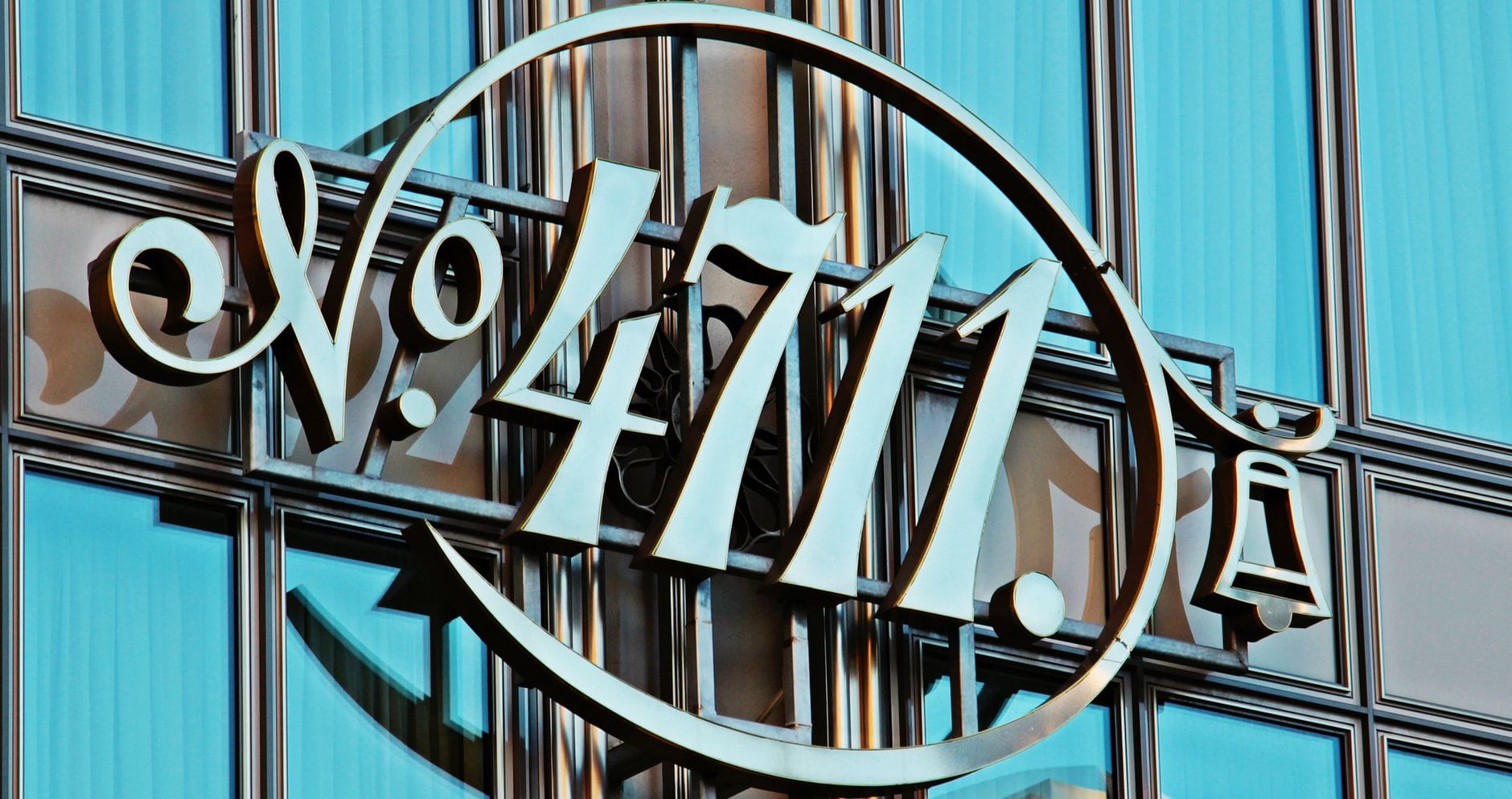
17. Visit the 4711 House on Glockengasse
The fragrance created here in 1792 gave cologne its name as a scent category. The Glockengasse flagship is part boutique, part museum, and the carillon plays every hour on the hour. It takes about 30 minutes and reframes 'cologne' from a generic word into a specific place.
Explore17. Visit the 4711 House on Glockengasse
The fragrance created here in 1792 gave cologne its name as a scent category. The Glockengasse flagship is part boutique, part museum, and the carillon plays every hour on the hour. It takes about 30 minutes and reframes 'cologne' from a generic word into a specific place.
Explore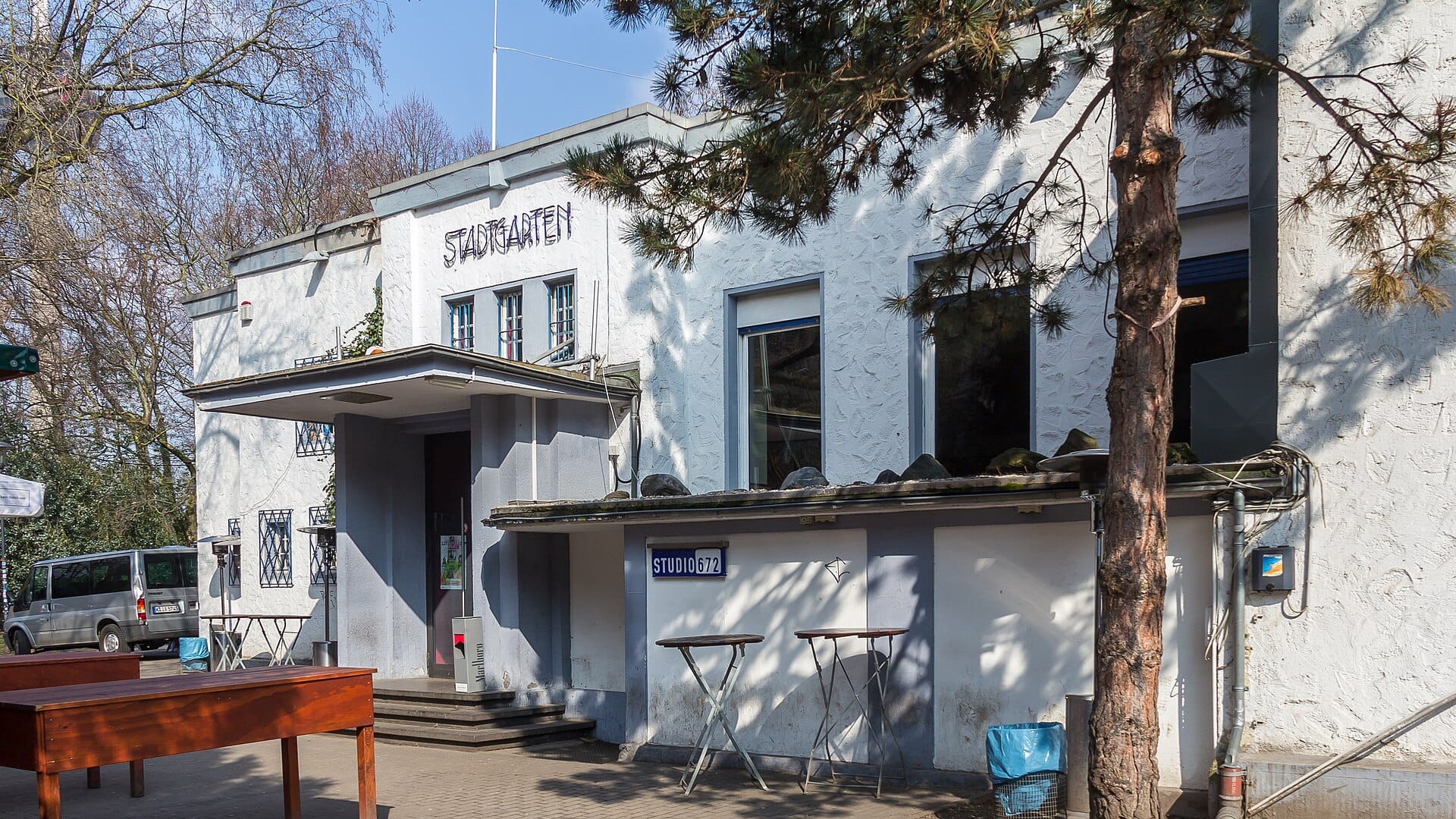
18. Finish the Weekend at the Stadtgarten Beer Garden
The Stadtgarten park in the Belgian Quarter has one of Cologne's best outdoor beer gardens, with a large pond and tree-lined lawns. It is where locals actually spend Sunday evenings. The adjacent jazz club is one of Germany's most respected venues if you want a late finish.
Explore18. Finish the Weekend at the Stadtgarten Beer Garden
The Stadtgarten park in the Belgian Quarter has one of Cologne's best outdoor beer gardens, with a large pond and tree-lined lawns. It is where locals actually spend Sunday evenings. The adjacent jazz club is one of Germany's most respected venues if you want a late finish.
Explore✨ Pro tip
The Cologne WelcomeCard gives unlimited public transport and discounts at many museums and attractions. For two days of heavy sightseeing, it typically pays for itself by the second museum. Buy it at the tourist information office next to the cathedral or online before you arrive.
FAQ
Is two days enough time to see Cologne?
Two days is enough to cover the cathedral, major museums, the Rhine waterfront, and at least one neighbourhood in depth. You won't see everything, but you'll see the best of it. A third day would allow day trips to Bonn or Brühl, or a slower pace through the Romanesque churches circuit.
What is the best area to stay for a 2-day trip to Cologne?
The Altstadt (Old Town) and Innenstadt put you within walking distance of most Day 1 sights. The Belgian Quarter is quieter and better for restaurants, with a 20-minute walk or short tram ride to the cathedral. Avoid staying in Deutz unless you're attending a trade fair — it's convenient but lacks character.
Do I need to book Cologne Cathedral tickets in advance?
From 1 July 2026, tourist entry to the cathedral interior costs €12 (reduced €6; children 13 and under free); prayer and services remain free via the north entrance. The south tower climb and the treasury each require a separate ticket, which you can buy on the day at the entrance. On busy summer weekends, queues for the tower can reach 45 minutes, so go early in the morning.
How do I get between attractions in Cologne without a car?
Most of the Altstadt is walkable — the cathedral to the Chocolate Museum is about 25 minutes on foot along the Rhine promenade. The KVB tram and Stadtbahn network connects the Altstadt to the Belgian Quarter, Ehrenfeld, and Deutz in under 15 minutes. The Cologne WelcomeCard covers all public transport.
What should I eat in Cologne during a weekend visit?
Order Kölsch beer and Himmel un Ääd (black pudding with apple and potato) at a Brauhaus for the classic local experience. Reibekuchen (potato fritters with apple sauce) are sold from street stands near the cathedral. For a full rundown of local dishes and where to find them, the what-to-eat-in-cologne guide covers every essential.
Tickets & tours
Live prices and dates from our booking partner. If you book, we may earn a commission at no extra cost to you.
Planning a trip? Discover personalized activities with the Nomado app.