Kölsch Beer Guide: Cologne's Brewing Culture Explained
Kölsch is more than a beer style. It's a legally protected product, a serving ritual, and a point of local pride in Cologne. This guide covers the brewing rules, brauhaus etiquette, the best places to drink, and what to know before your first Stange.
Tickets & tours
Live prices and dates from our booking partner. If you book, we may earn a commission at no extra cost to you.
TL;DR
- Kölsch is a top-fermented, cold-conditioned beer unique to Cologne, with EU Protected Geographical Indication (PGI) status since 1997.
- It is only served in 0.2 L cylindrical glasses called Stangen, and a server called a Köbes keeps refilling you until you put a coaster on top.
- Expect to pay around €2.30–€2.80 per glass at central brauhäuser like Früh am Dom and Gaffel am Dom.
- Kölsch peaks during Karneval but is brewed and served year-round at more than 20 local breweries.
- For the full local drinking experience, pair your Kölsch tour with a walk through the Altstadt or a stop at one of Cologne's Romanesque churches.
What Is Kölsch and Why Is It Different?
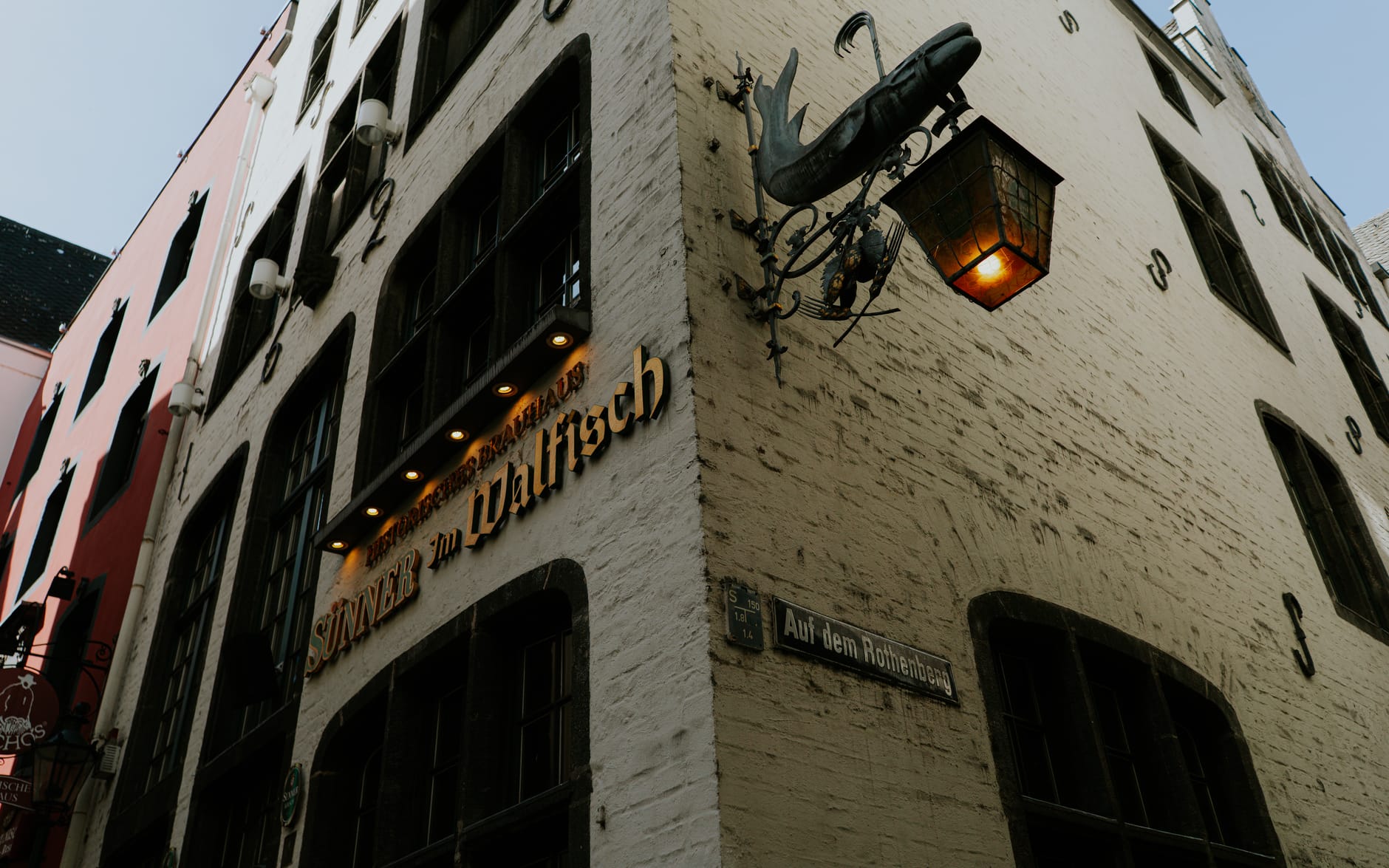
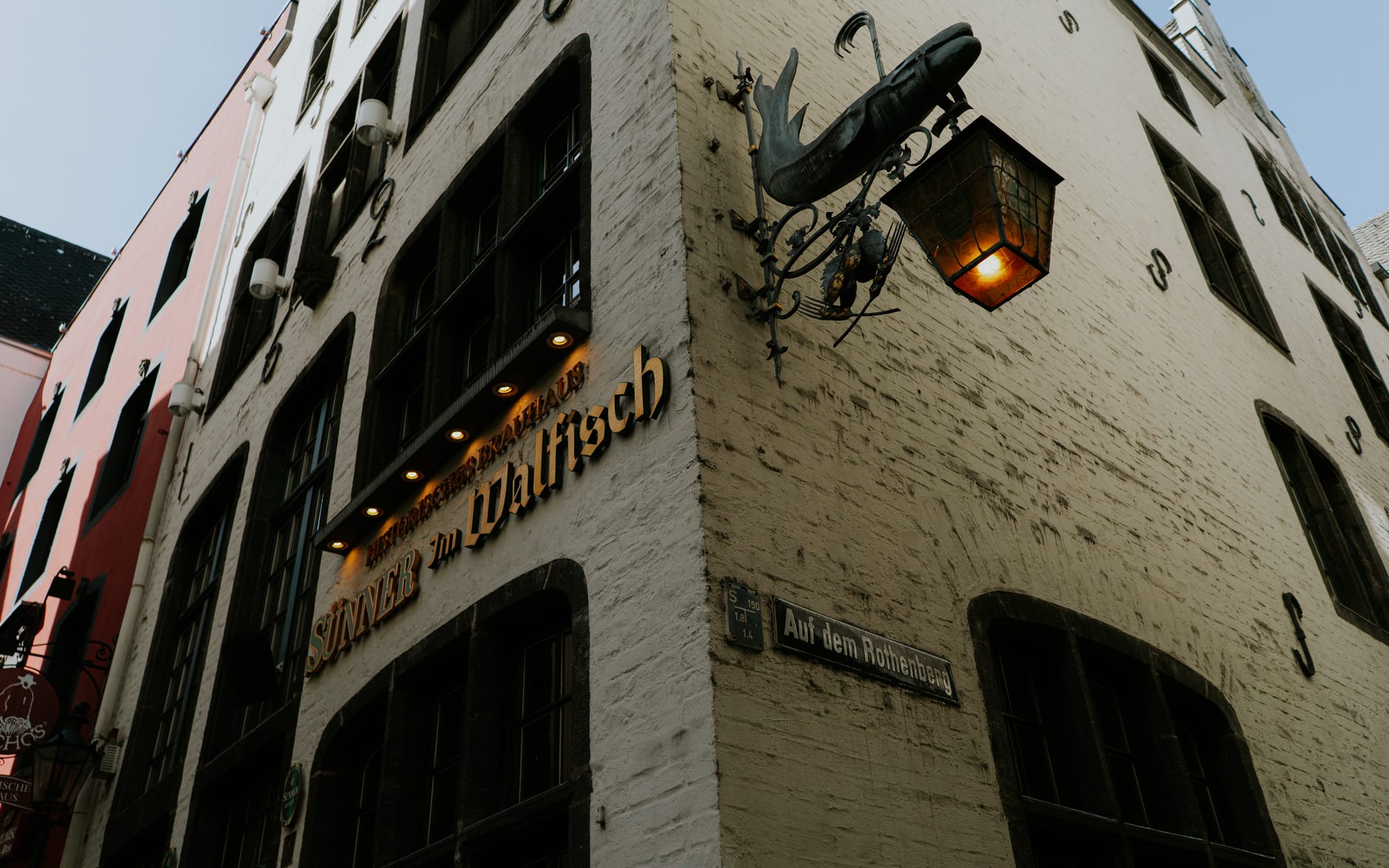
Kölsch is a pale, filtered, top-fermented beer brewed to a specific style that has been legally defined since 1986 and geographically protected under EU law since 1997. That combination of rules is rare in the beer world and explains why Cologne's brewing culture feels unlike anywhere else in Germany. You cannot buy draft Kölsch brewed to convention standards in Munich, Hamburg, or Berlin. If it says 'Kölsch' on the label, it was brewed within the legally defined Kölsch origin area around Cologne.
The beer itself sits in an unusual technical category. It uses top-fermenting yeast like an ale, but it is cold-conditioned at lager temperatures after fermentation. The result is a beer that is crisp and clean without the heaviness of many ales, and lighter and more aromatic than most lagers. Typical alcohol content sits at around 4.8% ABV, with an original gravity between roughly 11 and 14 degrees Plato. The official style description, locked in by the Kölsch-Konvention, calls it 'light, highly attenuated, hop-accentuated, clear, top-fermenting Vollbier.'
ℹ️ Good to know
Kölsch is not a lager. It is an ale brewed with top-fermenting yeast, then cold-conditioned to achieve its clean finish. This hybrid method is what gives it a character distinct from both German wheat beers and standard Pilsners.
The Kölsch-Konvention: Rules That Make the Beer
In 1986, more than 20 Cologne-area breweries signed the Kölsch-Konvention, a voluntary agreement that codified what Kölsch actually is. It covers fermentation method, filtration, alcohol content, and geographic origin. When the European Union granted Kölsch Protected Geographical Indication (PGI) status in 1997, the geographic protection gained legal weight across the entire EU. A brewery outside the defined region around Cologne can make a similar beer, but it cannot legally call it Kölsch on the European market. It has to use terms like 'Kölsch-style.'
The breweries that signed the convention include names you will encounter throughout Cologne: Früh, Gaffel, Reissdorf, Dom, Mühlen, Peters, Sion, and several others. Each has its own character within the style. Reissdorf is widely considered the most aromatic and fruity. Dom Kölsch has a slightly drier, more bitter finish. Früh is probably the most commonly encountered at tourist-facing brauhäuser. None of them would admit another is better, and locals will argue about this at length.
- Früh Kölsch Mild, rounded, slightly sweet. The most visible brand in the tourist belt around the cathedral.
- Reissdorf Kölsch More aromatic and fruity, with a soft finish. Broadly considered the favourite among Cologne beer enthusiasts.
- Gaffel Kölsch Balanced and approachable, widely available at bars and beer gardens across the city.
- Dom Kölsch Drier and slightly more bitter than most. Brewed at Radeberger Group but still within the convention's geographic boundaries.
- Mühlen Kölsch Produced at Brauerei zur Malzmühle, one of the smaller traditional breweries in the Altstadt. Less exported, more authentic.
Brauhaus Etiquette: How to Drink Kölsch Like a Local
The serving ritual around Kölsch is as important as the beer itself. In a traditional Kölner Brauhaus, Kölsch is only served in a Stange, a cylindrical glass holding exactly 0.2 litres. No pints. No half-litres. The Stange keeps the beer cold and carbonated quickly, which is the whole point of the small format. You drink it while it's fresh, and you get another one almost immediately.
The person bringing you your beer is the Köbes, a waiter who typically works a large section of the brauhaus alone, moving through the room with a Kölschkranz, a round tray designed to hold multiple Stangen. The Köbes will replace your empty glass automatically without being asked. This continues until you place your beer mat (coaster) on top of your glass to signal you are done. Do not wait to be asked if you want another round. That is not how it works here.
💡 Local tip
Put your coaster on your glass the moment you are finished. The Köbes is fast, and it is not unusual to find a fresh Stange in front of you before you have decided whether you want one. If you are keeping track of drinks for the bill, the Köbes marks each glass on a card placed at your table.
One local custom that trips up visitors: you do not clink glasses of Kölsch with 'Prost' the way you might elsewhere in Germany. In Cologne, the standard toast is 'Kölle Alaaf', used especially during Karneval. Outside of carnival season, a simple nod or 'Prost' is fine, but saying 'Kölle Alaaf' will earn you approving looks from locals. Avoid saying it sarcastically or loudly if you do not mean it, Cologne's identity is taken seriously.
Where to Drink Kölsch in Cologne
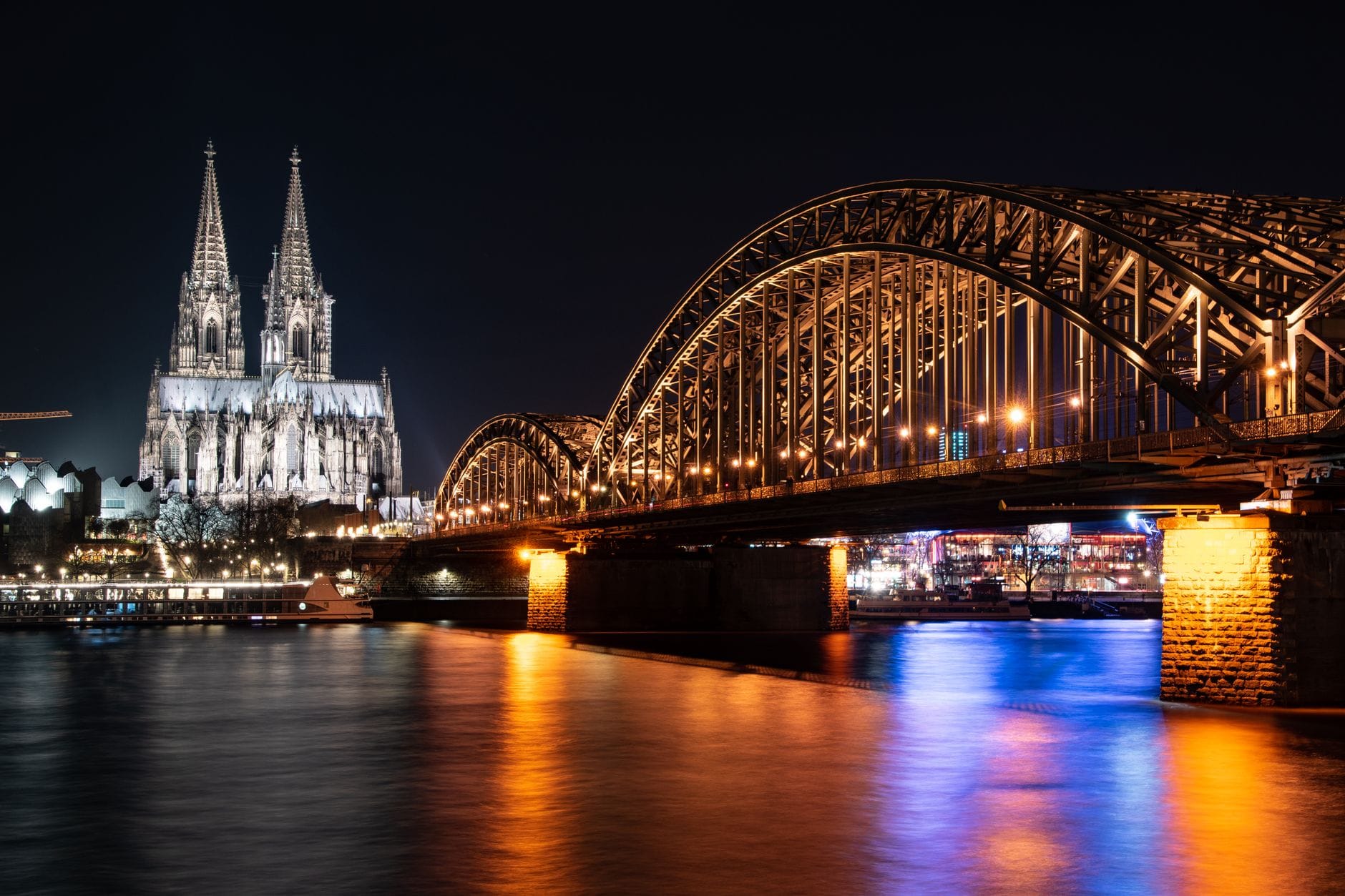
The highest concentration of traditional brauhäuser sits within walking distance of the Cologne Cathedral and the Hohenzollern Bridge, in the heart of the Altstadt. This is also where prices are highest and tourist density peaks, especially on summer weekends. If you want your first Kölsch in a setting that looks like the posters, this is where to go. If you want a more local atmosphere, you will need to walk ten minutes.
- Früh am Dom The most central brauhaus, directly opposite the cathedral. Reliable, traditional, and extremely busy on weekends. Serves Früh Kölsch in a multi-floor setting with outdoor tables in season.
- Gaffel am Dom Also centrally located in the Altstadt, known for its large indoor hall and consistent service. Good entry point for first-time visitors.
- Brauerei zur Malzmühle Located further into the Altstadt-Süd, away from the immediate cathedral crowds. Serves their own Mühlen Kölsch and has a more neighbourhood feel.
- Peters Brauhaus A traditional brauhaus on Mühlengasse, known for solid food and a loyal local crowd alongside tourists. Slightly more relaxed atmosphere than the cathedral-adjacent venues.
- Päffgen Brauhaus On Friesenstrasse, further north from the cathedral. Popular with students and younger locals. One of the few remaining smaller breweries producing Kölsch on premises.
For a different context, the Belgian Quarter and Ehrenfeld both have bars and smaller venues serving Kölsch alongside craft beers and cocktails. These neighbourhoods attract a younger crowd and are where you will find the city's bar scene more concentrated. Do not expect a traditional Köbes experience here, but do expect lower prices and less competition for seats.
⚠️ What to skip
The brauhäuser immediately adjacent to the Hohenzollern Bridge and cathedral can charge a premium and sometimes seat tourists in areas away from the main hall. Ask for a table in the Gastraum (main room) if you want the full experience. Peak season (June to August) and Karneval weekends mean very long waits for tables without a reservation.
Kölsch and Karneval: When Brewing Culture Peaks
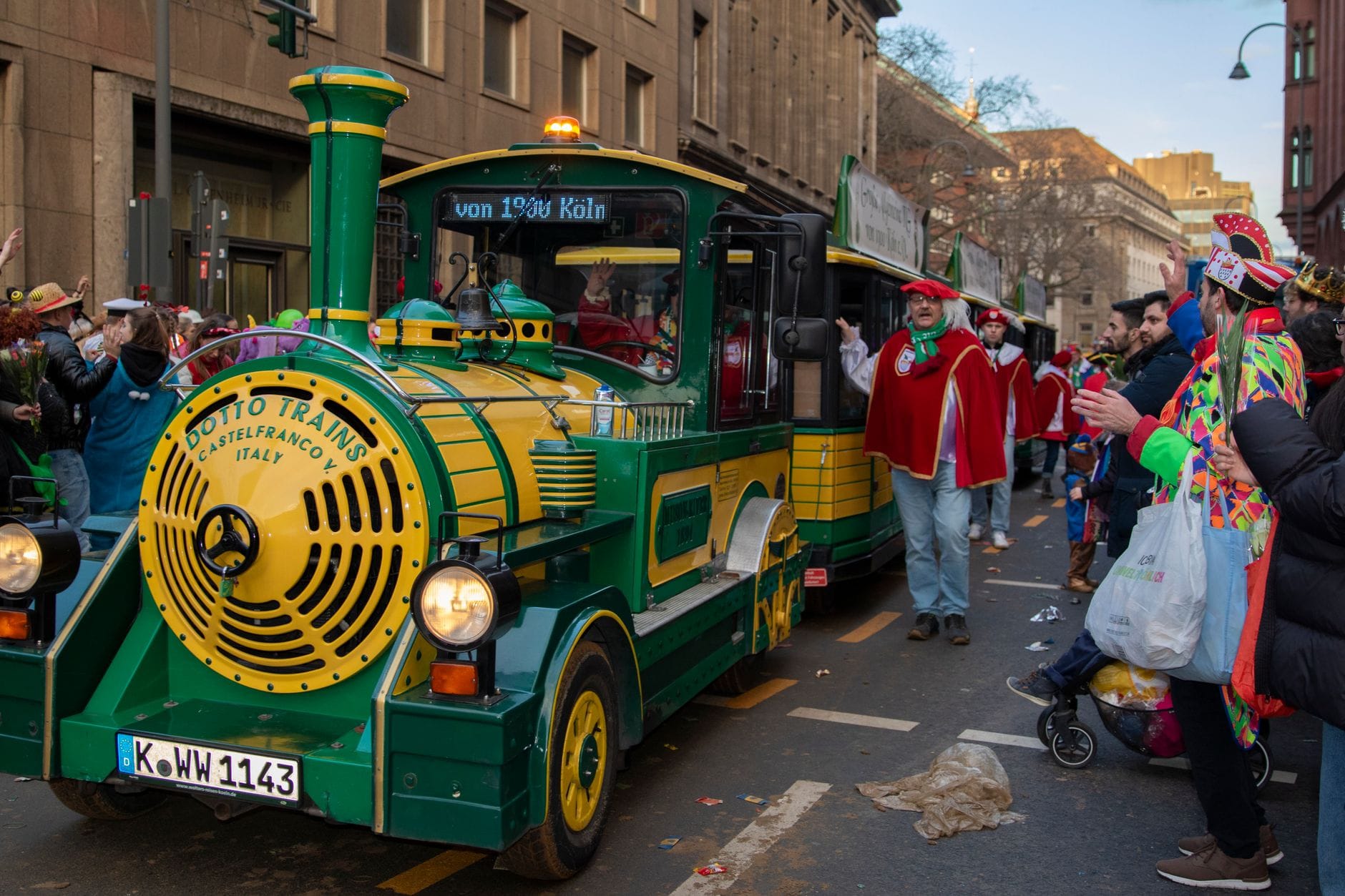
Kölsch is brewed and served year-round, but its cultural significance peaks during Karneval, the city's annual carnival that runs in the days before Ash Wednesday, typically in February or early March depending on the year. During Karneval, Kölsch consumption rises sharply across the city, brauhäuser operate extended hours, and the drink becomes inseparable from the street celebrations. If you want to understand why Cologne treats its beer with such seriousness, visiting during Karneval makes it obvious. For a full breakdown of timing and logistics, see the Cologne Karneval guide.
Some breweries release special Karneval labels or packaging during the season, but the beer inside is the same Kölsch. There is no seasonal variation in the recipe itself under the convention. What changes is the atmosphere: outdoor stands, street vendors, and makeshift bars all serving Kölsch in plastic Stangen during the parade days. The cardboard beer carrier, the Köbes, the small glass format, all of it scales up to street level.
Brewery Tours, Tastings, and Prices
Guided Kölsch brewery tours in Cologne typically cost around €20–€35 per person and usually include visits to two or three brauhäuser with tastings at each stop. Most tours last two to three hours and are led in English and German. Several operators run these, including walking tour companies based near the cathedral. For context on how this fits into a wider itinerary, the Cologne walking tour guide covers routes that can be combined with brauhaus stops.
If you prefer to go independently, prices per Stange at tourist-facing central brauhäuser run roughly €2.30–€2.80 at the time of writing. Prices in neighbourhood bars and less central venues tend to be slightly lower. Kölsch is not an expensive beer by any German or European standard, and a session of four to six glasses remains very affordable compared to what you would pay for equivalent craft beer in most European cities. That said, prices change, so check menus before you sit down.
✨ Pro tip
If you are visiting Cologne on a tighter budget, the neighbourhood brauhäuser in Nippes, Ehrenfeld, and Südstadt consistently charge less per glass than those in the Altstadt tourist belt. The beer is identical in style. The difference is location, not quality.
For broader budget planning in Cologne, including free tastings and cheaper food-and-drink combinations, the Cologne on a budget guide has specific recommendations. Kölsch pairs naturally with traditional Cologne food: Himmel un Ääd (black pudding with mashed potato and apple sauce), Reibekuchen (potato pancakes), and Halve Hahn (a rye roll with aged Gouda, despite the name suggesting half a chicken).
FAQ
What makes Kölsch different from other German beers?
Kölsch uses top-fermenting yeast like an ale, but is cold-conditioned at low temperatures like a lager. This hybrid method produces a pale, clean, lightly hopped beer that is unlike either a typical German Pilsner or a wheat beer. It is also legally protected: only breweries in Cologne and its defined surrounding origin area can call their beer Kölsch under EU PGI rules.
Why is Kölsch served in such a small glass?
The 0.2 L Stange keeps the beer cold and carbonated while you drink it. Because the Köbes replaces your glass continuously, the small format means you are almost always drinking fresh, properly chilled beer rather than a warm half-empty pint. It is a practical system built around the serving culture of the Kölner Brauhaus.
How do I tell the Köbes I don't want another Kölsch?
Place your beer mat (coaster) flat on top of your empty glass. The Köbes will not bring another. If you leave the glass empty without covering it, assume a fresh one is on the way. Many visitors accidentally order more than they planned simply by not knowing this.
Is Kölsch available outside Cologne?
Some Cologne breweries export their Kölsch, and you may find bottles or cans of brands like Reissdorf or Früh at specialist German beer retailers internationally. However, draft Kölsch at a traditional brauhaus, served by a Köbes in a Stange, is only available in Cologne and the immediate surrounding region. Imported bottled versions are a reasonable substitute but lose much of the context.
When is the best time to visit Cologne for the full Kölsch experience?
Karneval (February or early March) is when Kölsch culture is most visible and intense, but it also means maximum crowds, higher prices, and limited accommodation availability. For a more relaxed brauhaus experience, May through September offers outdoor seating, pleasant weather, and full operating hours. Weekday afternoons in any season are far quieter than weekend evenings.
Tickets & tours
Live prices and dates from our booking partner. If you book, we may earn a commission at no extra cost to you.
Planning a trip? Discover personalized activities with the Nomado app.