Cologne on a Budget: How to Visit Köln Without Overspending
Cologne (Köln) is one of western Germany's most rewarding cities, and it doesn't have to be expensive. This guide breaks down realistic daily costs, the best free and low-cost attractions, smart transport choices, and the seasonal timing that keeps your spending in check.
Tickets & tours
Live prices and dates from our booking partner. If you book, we may earn a commission at no extra cost to you.
TL;DR
- A realistic budget in Cologne runs €50–85 per person per day, covering a hostel bed, street food, local transport, and a few sights.
- The Rhine promenades, several parks, and tip-based walking tours are free, and children 13 and under still enter the Cathedral interior for free (adult tourist entry costs €12 from 1 July 2026) — see our list of free things to do in Cologne for the full picture.
- The KölnCard (around €9 for 24 hours) bundles free public transport with discounts of up to 50% at museums — worth it if you plan to use both.
- Avoid visiting during Carnival or major trade fairs unless you book months ahead: accommodation prices can double or triple overnight.
- Shoulder season (March–May and September–November) cuts accommodation costs by roughly 25–35% compared to peak summer, with little sacrifice in weather.
What Does Cologne Actually Cost? A Realistic Daily Budget
Cologne sits comfortably in the mid-tier of German city costs: more affordable than Munich or Frankfurt for day-to-day spending, but not as cheap as Leipzig or Dresden. The city's size means there are options at every price point, from hostel dorms to five-star hotels along the Rhine, and from currywurst at a street stand to tasting menus in the Altstadt.
- Budget traveler (€50–85/day) Hostel dorm bed (€20–35), two street-food meals (€10–15 total), a Kölsch or two at a local pub (€5–7), and one or two paid attractions or a day pass for public transport.
- Mid-range traveler (€120–180/day) Budget hotel or private hostel room (€70–110), sit-down restaurant meals at lunch and dinner (€35–50 combined), and entry to two or three museums.
- Comfortable spend (€200+/day) Three-star hotel near the cathedral, full restaurant dining, Rhine river cruise, and guided tours. This is where most package tourists land without planning.
The biggest variable is accommodation, which can swing your daily total by €50 or more depending on the season and how far in advance you book. Food is the easiest category to control: Cologne's street food and bakery culture makes it straightforward to eat well for under €10 at a meal if you know where to look.
ℹ️ Good to know
All prices in this guide are in euros (EUR). Germany is part of the Schengen Area, and Cologne operates on Central European Time (UTC+1, or UTC+2 in summer). Tap water is safe to drink and free everywhere, which matters more than it sounds over a multi-day visit.
Accommodation: Where to Stay Without Paying Over the Odds
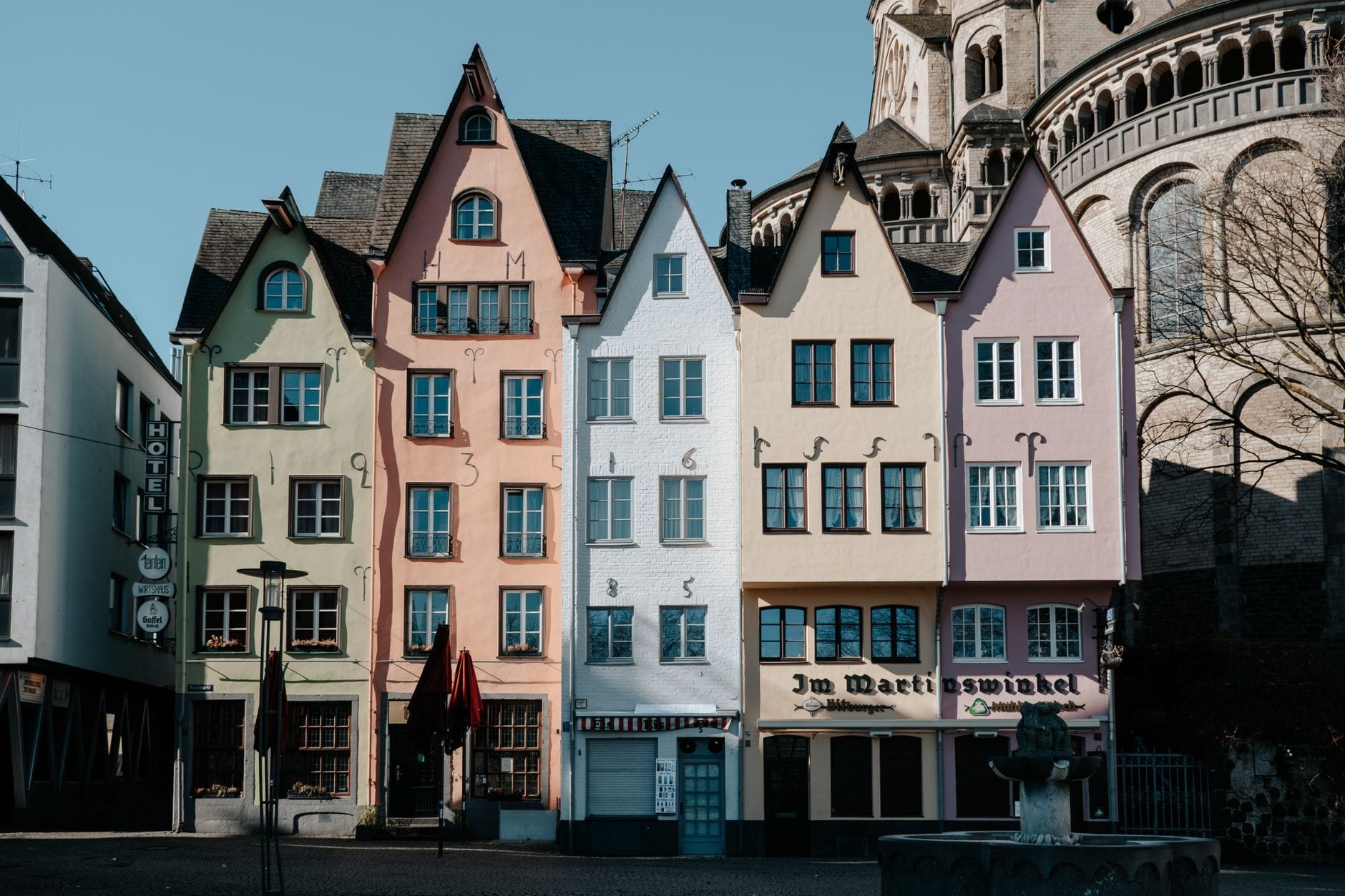
Hostel dorm beds in Cologne typically run €20–35 per night during normal periods, dropping closer to €18–28 in shoulder season. Private rooms in hostels or budget hotels start around €60–90. The cathedral district (Innenstadt) commands a premium for location; staying slightly further out in Ehrenfeld or Nippes can knock 20–30% off your nightly rate while keeping you on the KVB tram network.
The Ehrenfeld district is a practical base for budget travelers: well-connected by U-Bahn and tram, with cheaper cafes, independent bars, and a different feel from the tourist-heavy Altstadt. It's a genuine local neighborhood, not a budget concession.
⚠️ What to skip
During Cologne Carnival (Karneval, held in February or early March depending on the year) and major trade fairs at Koelnmesse, accommodation prices can double or triple with almost no availability for last-minute bookers. If your dates overlap with these events, book at least three to four months in advance or choose alternative dates entirely. The same applies to the Christmas market period in late November and December.
Eating and Drinking Cheaply in Cologne
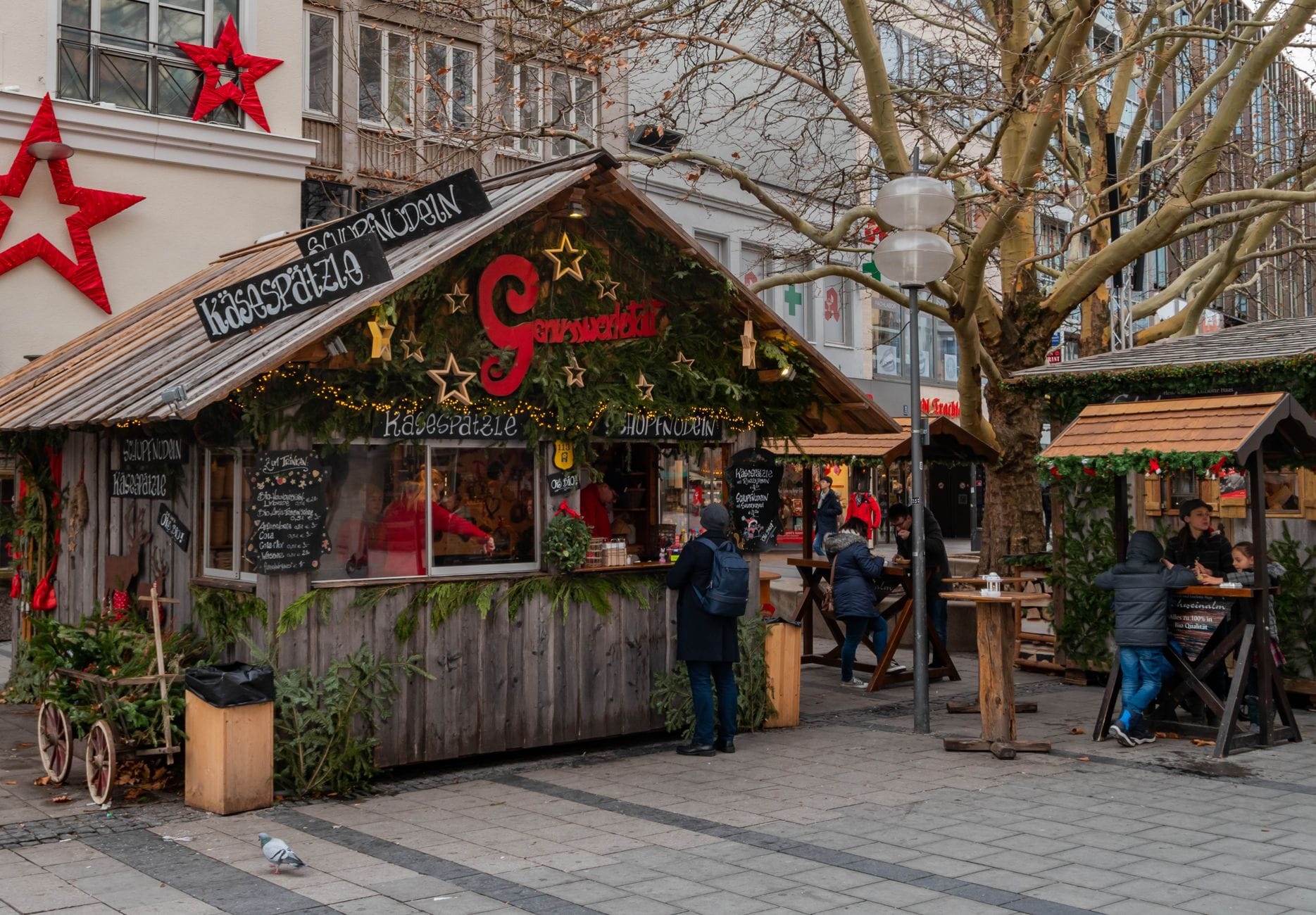
Cologne rewards people who eat like locals rather than following the tourist trail. The Altstadt has plenty of restaurants that charge €18–25 for a main course, but the same city also has excellent street food options for a fraction of that price. A currywurst from a street stand runs around €4, a Halve Hahn (a local rye roll with aged Gouda, despite the misleading name) costs around €5, and a fresh pretzel or bakery pastry is typically €2–3.
Kölsch, the city's protected local beer, is served in 0.2-litre glasses and typically costs €2–3 in traditional beer halls. The ritual at places like Früh am Dom is that waiters (called Köbes) keep bringing rounds until you place a coaster on your glass to signal you're done. It's very easy to drink more than planned — and more than budgeted.
- Supermarket lunch: Buy bread, cheese, and cold cuts from Aldi, Lidl, or Rewe for under €5 and eat along the Rhine promenade.
- Turkish and Middle Eastern snack spots: Döner kebabs and falafel wraps around €5–7, concentrated especially in the areas around Ehrenfeld and the city center.
- Bakery chains: Kamps and local bakeries offer filled rolls (belegte Brötchen) and coffee for €3–5 combined — a perfectly adequate breakfast or lunch.
- Wochenmarkt (weekly markets): Fresh fruit, vegetables, and local produce at lower prices than tourist-adjacent shops. The market at Wilhelmsplatz in Nippes runs weekly and draws locals rather than visitors.
- Set lunch menus (Mittagstisch): Many restaurants offer a fixed two-course lunch for €10–15, significantly cheaper than the same dishes at dinner.
✨ Pro tip
Avoid the restaurants immediately surrounding the Cologne Cathedral on Domplatte — they charge a premium purely for location and the food rarely justifies it. Walk two or three streets in any direction and prices drop noticeably.
Free and Low-Cost Things to Do in Cologne
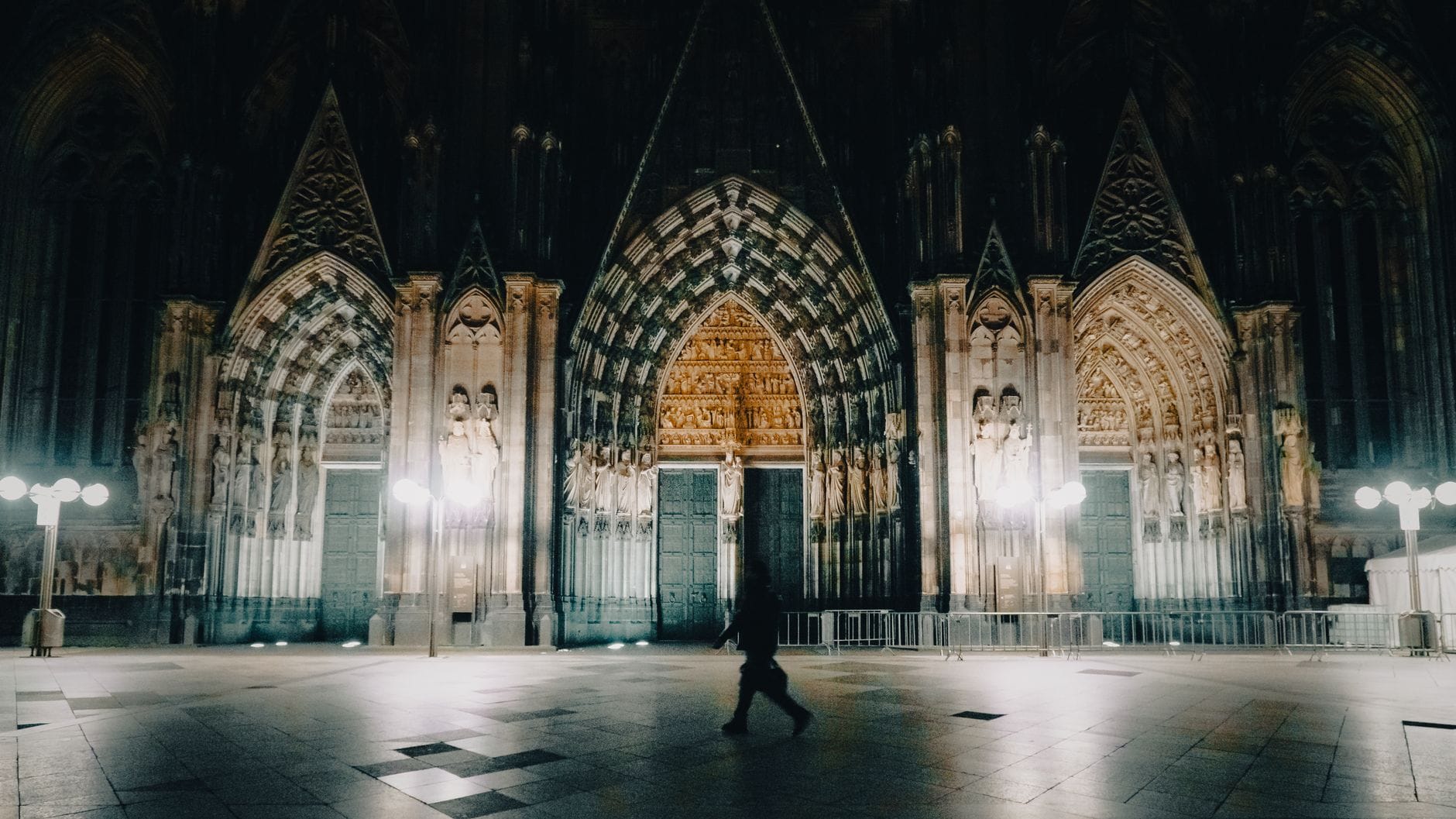
Cologne has a surprisingly strong roster of no-cost experiences. The most significant is the Cologne Cathedral (Kölner Dom) is one of the great Gothic structures in Europe. From 1 July 2026, tourist visits to the interior cost €12 (reduced €6; children 13 and under free); prayer and services remain free via the north entrance. The tower climb (around €8) and treasury are ticketed separately. Even on the standard ticket you can spend a full hour inside without running out of things to look at.
The Rhine riverfront is free, always open, and underused by visitors who stay in the old town. Walk south from the cathedral along the left bank to reach Hohenzollern Bridge — famous for its padlocks — and continue to the Rheinauhafen harbor development with its landmark crane houses. The whole stretch takes about 45 minutes at a relaxed pace and costs nothing.
- Cologne Cathedral interior: €12 tourist entry (reduced €6; children 13 and under free) from 1 July 2026; free entry via the north portal for prayer/services
- Rhine promenade and Hohenzollern Bridge: free, accessible 24 hours
- Rheinpark on the right bank: free green space with Rhine views, popular with locals
- Tip-based walking tours: several operators run daily English-language tours starting from the cathedral steps; pay what you think it was worth
- Ehrenfeld street art: free, concentrated around Venloer Strasse and surrounding streets
- Botanical Garden (Flora): free entry to all garden and greenhouse areas
- Stadtwald: Cologne's large city forest in Lindenthal, free to walk through at any time
- Romanesque churches: Cologne has twelve Romanesque churches from the medieval period, most free to enter during opening hours
If you want to go beyond the free tier, the Museum Ludwig and Wallraf-Richartz Museum are two of Germany's strongest art collections. Museum Ludwig currently costs about €19.80 for adults (reduced €13.50); other major museums are often in the €7–12 range. The KölnCard reduces this significantly — see the transport section below for whether it's worth buying.
Getting Around Cologne Without Overspending on Transport
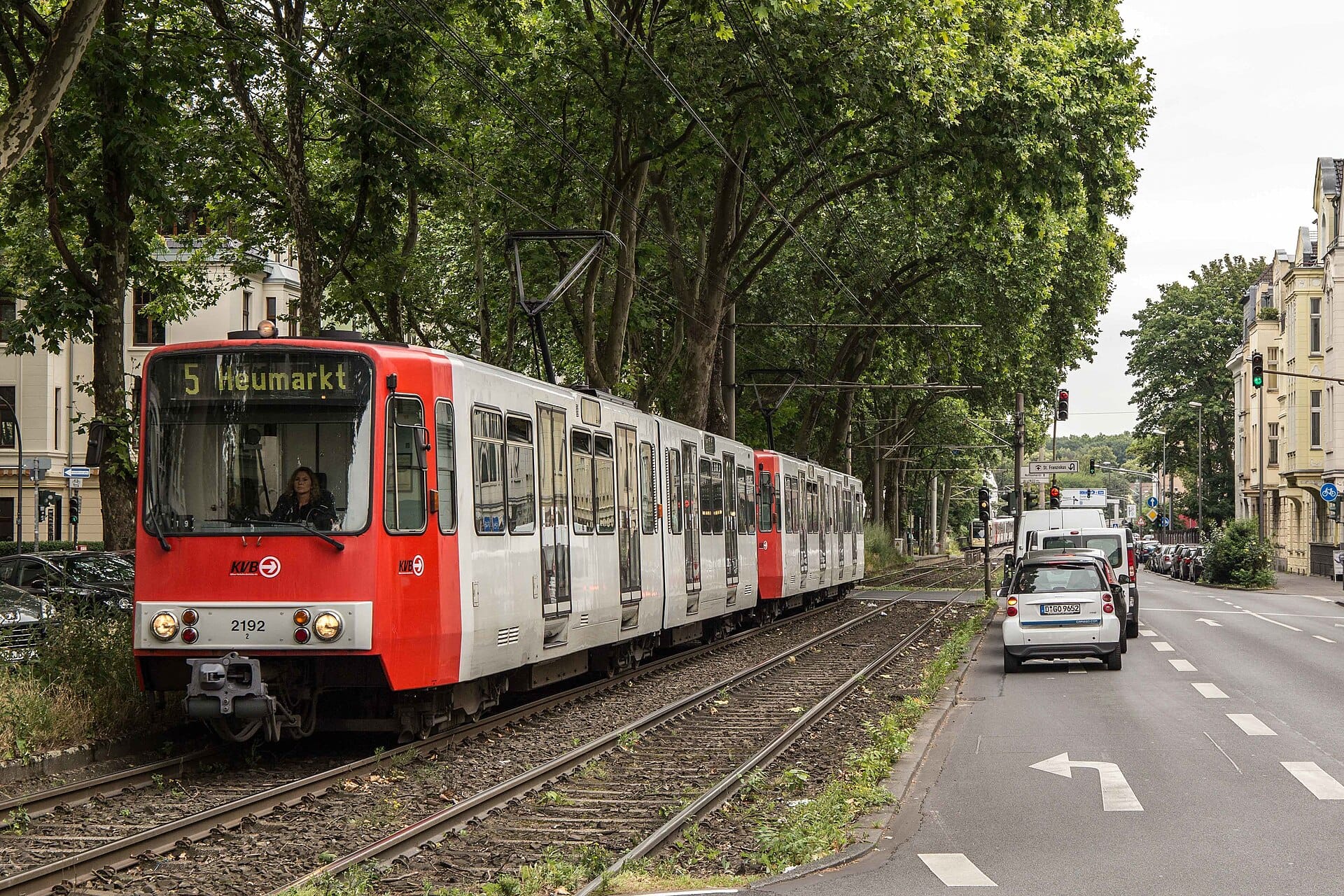
The city's public transport network, operated by KVB (Kölner Verkehrs-Betriebe), covers the entire urban area with trams, light rail (Stadtbahn), and buses. A single ticket within the central zones costs around €2–3. A 24-hour ticket runs approximately €9 and covers unlimited travel for the day — worth buying on any day you plan to make more than three journeys.
From Cologne Bonn Airport (CGN), the S-Bahn S19 and Regional Express trains reach Köln Hauptbahnhof in roughly 15 minutes for around €3. A taxi covers the same route for approximately €30–35. The train is the obvious choice for budget travelers. For more on navigating the city, the getting around Cologne guide covers all transport modes in detail.
The KölnCard deserves a mention because it genuinely delivers value if you use it correctly. Priced at around €9 for 24 hours or €18 for 48 hours, it includes free use of all KVB public transport and discounts of up to 50% at a long list of museums and attractions. If your day involves the public transport day pass plus two museum entries, the KölnCard typically costs less than buying those separately. If you are only planning one museum and mostly walking, it probably doesn't pay off.
💡 Local tip
Cologne's central area is compact and very walkable. The cathedral, Altstadt, Hohenzollern Bridge, and the Chocolate Museum are all within a 20-minute walk of each other. On a clear day, you can do the entire historic core on foot and skip public transport entirely — saving the day pass for a day when you head to Ehrenfeld, Deutz, or the zoo.
When to Visit Cologne for the Best Value
Timing your visit is one of the most effective ways to control costs. Cologne's climate is temperate oceanic, with mild winters and warm but not hot summers. Average temperatures range from around 2–5°C in winter to 17–20°C in July and August, with no pronounced dry season — rain is distributed fairly evenly across the year.
Shoulder season (March to May and September to November) offers the best balance of cost and experience. Accommodation drops 25–35% compared to peak summer, crowds thin noticeably at major sights, and the weather is generally workable. Spring in particular suits the city well: the Rhine promenade fills with locals, the botanical garden comes into bloom, and you can walk the Altstadt without navigating through tour groups.
The two periods to approach carefully on a budget are Carnival (Karneval, usually in February or early March) and the Christmas market season (late November through December). Carnival is one of Europe's largest street festivals and the city's defining cultural event — the Cologne Karneval guide explains the schedule and what to expect. It's absolutely worth experiencing if your budget allows for the higher accommodation costs, but it's not a good time to be looking for cheap last-minute beds.
Summer (June to August) sits between the two extremes: busier and pricier than shoulder season but without Carnival's price spikes. It's the right time to take advantage of the Rhine riverfront, the Cologne city beach, and outdoor events. For context on seasonal trade-offs, the best time to visit Cologne guide goes into more depth on month-by-month conditions.
FAQ
How much money do I need per day in Cologne?
A realistic budget is €50–85 per person per day on a tight budget, covering a hostel dorm, street food or bakery meals, local public transport, and one or two free or low-cost attractions. Mid-range travelers spending on a private room, sit-down restaurant meals, and museum entries typically spend €120–180 per day.
Is the Cologne Cathedral free to visit?
From 1 July 2026, tourist visits to the interior of Cologne Cathedral cost €12 (reduced €6; children 13 and under free). Prayer and services remain free via the north entrance. The tower climb (€8) and treasury (€8) are separate. The exterior and Domplatte plaza are of course free at any hour.
Is the KölnCard worth buying?
It depends on your itinerary. The KölnCard costs around €9 for 24 hours and bundles free KVB public transport with up to 50% off museums and attractions. If you plan to use both the day transport pass and visit at least two paid museums, it usually saves money. If you're mainly walking and only visiting free sights, it's not worth it.
What is the cheapest way to get from Cologne Bonn Airport to the city center?
The S-Bahn S19 and Regional Express trains run from the airport station directly to Köln Hauptbahnhof (Cologne Central Station) in about 15 minutes for approximately €3. A taxi covers the same journey for around €30–35. The train is by far the better budget option and runs frequently throughout the day.
Is Cologne cheaper than Munich or other German cities?
Generally yes. Cologne sits in the mid-range of German city costs: notably more affordable than Munich for accommodation and daily expenses, roughly comparable to Hamburg, and more expensive than cities like Leipzig or Dresden. It's not a bargain destination, but it's far from Germany's most expensive city.
Tickets & tours
Live prices and dates from our booking partner. If you book, we may earn a commission at no extra cost to you.
Planning a trip? Discover personalized activities with the Nomado app.