Best Time to Visit Cologne: A Season-by-Season Breakdown
Cologne rewards visitors year-round, but the experience varies dramatically depending on when you arrive. This guide breaks down every season, from Carnival chaos in February to peaceful autumn walks along the Rhine, so you can match your trip to your priorities.
Tickets & tours
Live prices and dates from our booking partner. If you book, we may earn a commission at no extra cost to you.
TL;DR
- The best overall window is May, June, and September: mild temperatures (18–21°C), manageable crowds, and the full range of outdoor activities along the Rhine.
- Cologne Carnival (Karneval) in late February or early March is the city's biggest annual event — extraordinary to witness, but hotels sell out months in advance and prices spike sharply.
- December brings the famous Cologne Christmas markets, some of Germany's best, but expect peak prices and weekend crowds.
- January and early November are the cheapest, quietest months — good for budget travelers and museum-focused trips, less ideal if you want outdoor dining or riverfront atmosphere.
- Rain falls year-round with no true dry season, so pack a compact umbrella regardless of when you go.
Cologne's Climate: What to Actually Expect
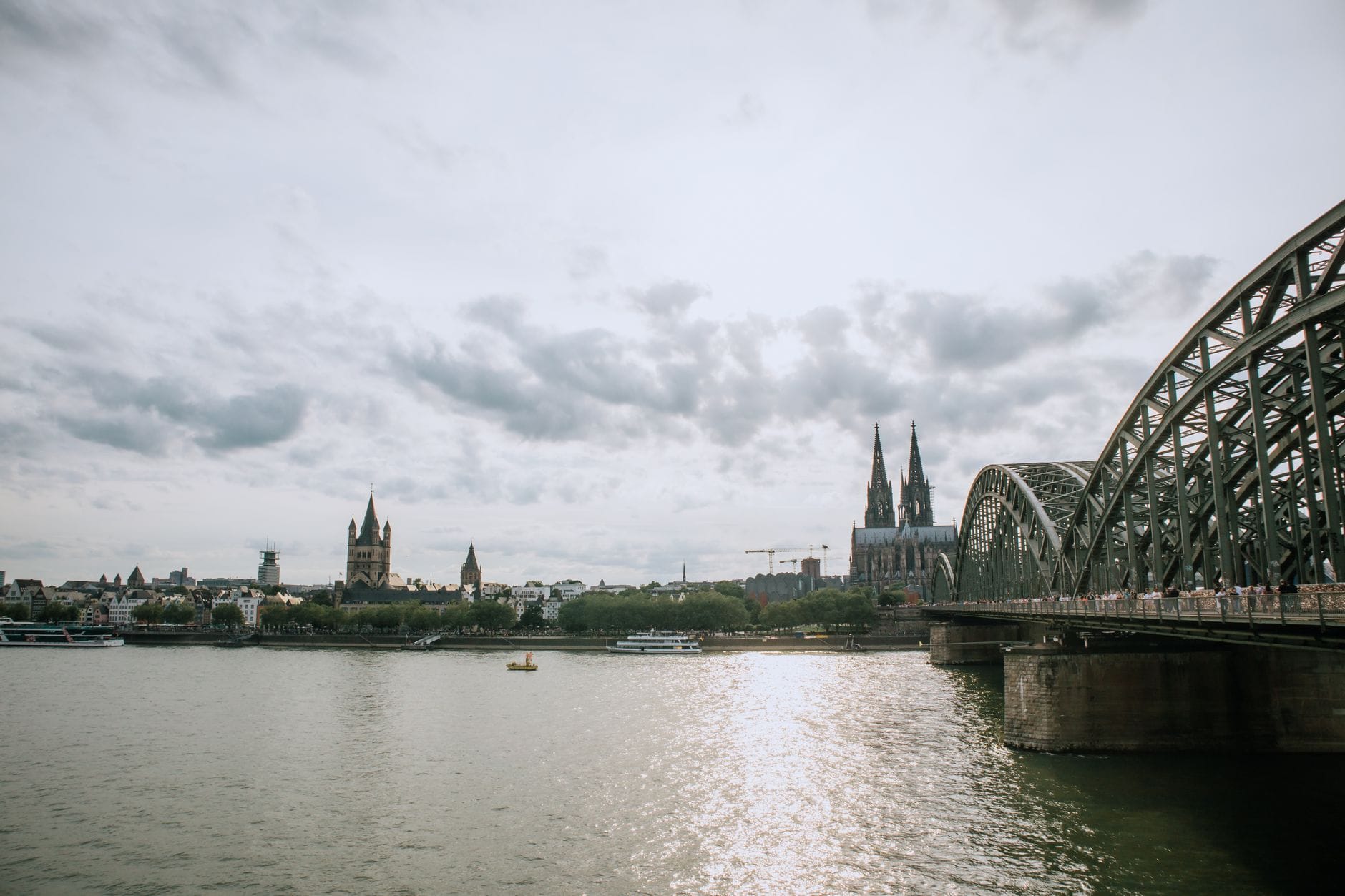
Cologne sits on the Rhine at around 37 metres above sea level in western Germany, which gives it a temperate oceanic climate. That means mild winters, moderately warm summers, and rain distributed fairly evenly across all twelve months. There is no pronounced dry season, which distinguishes it from Mediterranean destinations. Summers rarely hit extremes, with average highs in July and August sitting around 23–24°C, though occasional heat waves can push temperatures above 30°C.
Winters are cold but rarely brutal. January averages around 2–4°C, with grey skies and frequent cloud cover. Snow is possible but not guaranteed and does not typically persist. Spring warms gradually from March through May, and September often delivers some of the year's most settled weather before autumn sets in with cooler temperatures and more rainfall. Daylight hours matter too: a June day in Cologne gives you roughly 16 hours of light, while a December day offers fewer than 8.
ℹ️ Good to know
Cologne's weather is genuinely unpredictable in shoulder seasons. A warm, sunny week in March can be followed by a cold, wet week in April. Layer clothing and check the forecast within 48 hours of outdoor plans rather than relying on monthly averages alone.
Spring (March to May): The Sweet Spot for First-Timers
Late spring is widely considered the best time to visit Cologne, and the reasoning is straightforward: temperatures climb from around 10°C in March to 18–21°C by May, daylight hours increase noticeably, and the city's outdoor spaces, especially Rheinpark and the riverfront promenades, come to life without the crowds of peak summer. Hotel rates are also more competitive than in July or December.
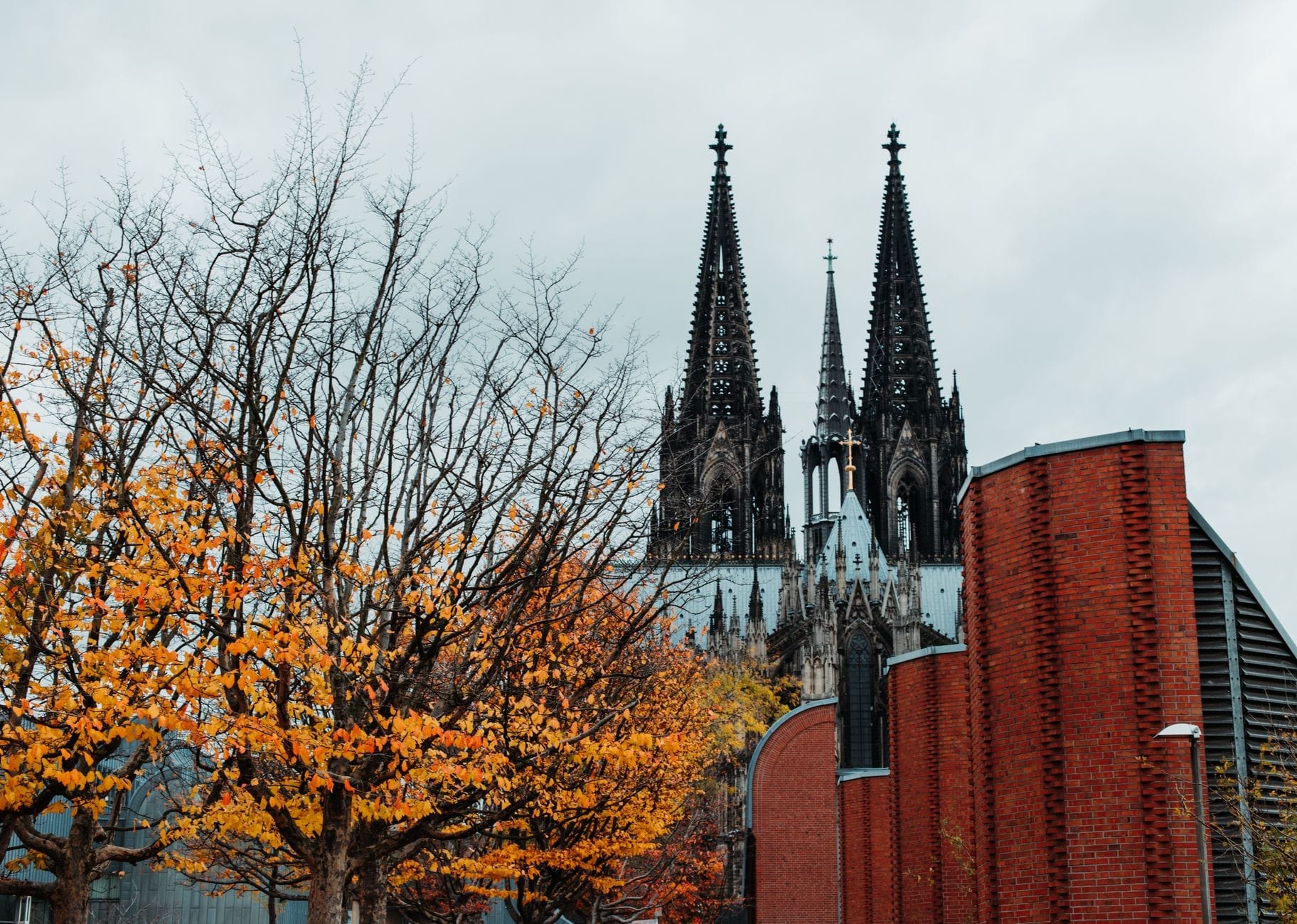
March is transitional. It can be mild and pleasant or cold and drizzly, sometimes both in the same week. The city is notably quieter after Carnival ends, which can be a relief or a disappointment depending on what you're after. April brings more reliable warmth, blooming gardens, and longer evenings. By May, Cologne is essentially in full swing: outdoor restaurant seating, boat trips on the Rhine, and the Cologne Cathedral looking its best in soft spring light.
Spring is also strong for museum visits before summer tour groups arrive. The Museum Ludwig and the Wallraf-Richartz Museum are more relaxed in April than in July. If you're planning a walking tour of Cologne, May is probably the ideal month: comfortable temperatures and long daylight hours without the full summer heat.
💡 Local tip
Public holidays can affect opening hours in spring. Germany observes several national holidays including Easter Monday, Labour Day (May 1), and Ascension Day. Check museum and attraction schedules around these dates, as closures are common.
Summer (June to August): Peak Season with Trade-Offs
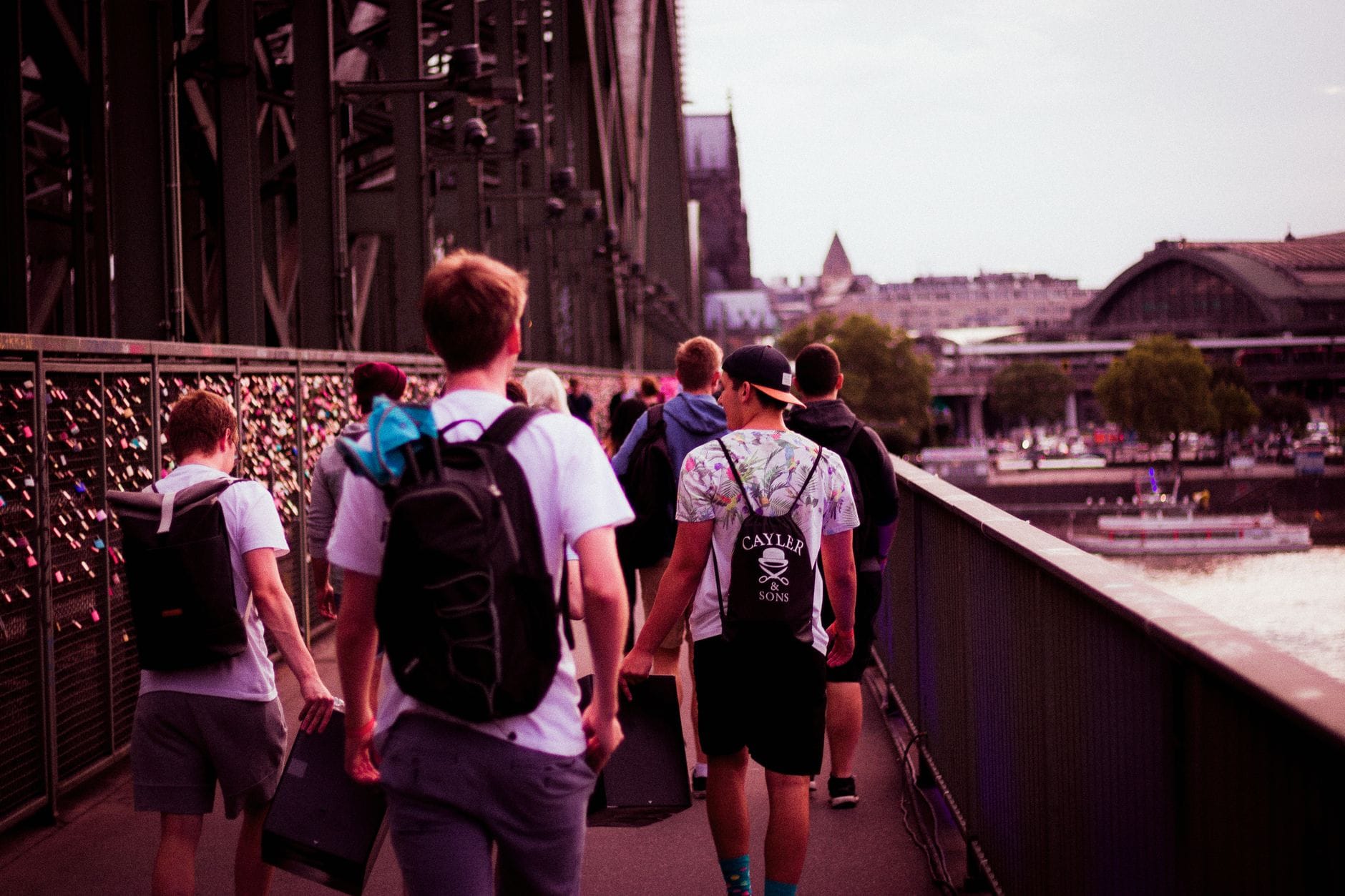
Summer is Cologne's most visited season, and it earns that status. Temperatures typically sit between 17–25°C, outdoor events multiply across the city, and the Rhine riverfront becomes genuinely social, with beach bars, outdoor cinema screenings, and increased boat traffic. The evenings are long and warm enough to stay outside comfortably past 9pm.
The trade-offs are real. Hotel prices are at their annual peak in July and August, and popular attractions like the Cologne Cathedral and the Hohenzollern Bridge are at their most crowded. Lines for the cathedral tower climb can stretch significantly on weekends. If you're visiting with children, summer is still a strong choice given school holidays and the range of family-friendly programming, but book accommodation early.
- June Often the best summer month. Warm, long days, and slightly lower prices than July-August. Corpus Christi (a public holiday in North Rhine-Westphalia) usually falls in June, worth checking.
- July Peak summer. Highest crowds and hotel rates of the year. Book 2-3 months ahead for central accommodation. Outdoor events are at maximum frequency.
- August Similar to July. Many locals leave the city for their own holidays, which can make some neighbourhood restaurants and shops quieter while tourist areas remain busy.
A Rhine river cruise is genuinely enjoyable in summer and pairs well with visits to the riverfront. For a broader sense of what's on the water, the Rhine river cruise guide covers options across different budgets and durations.
Autumn (September to November): Underrated and Affordable
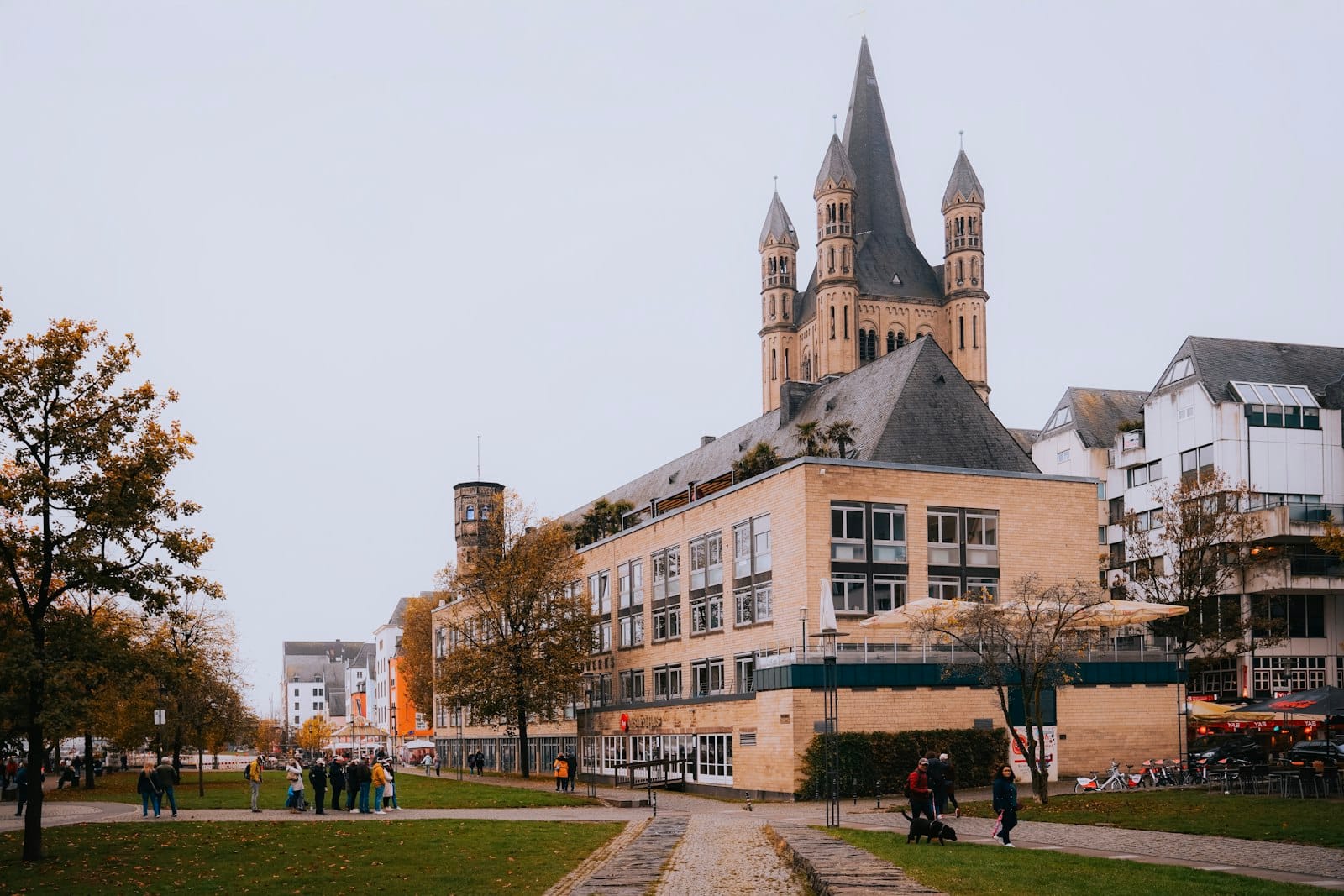
September is arguably the single best month to visit Cologne if you want a combination of good weather and manageable crowds. Temperatures hold at 16–20°C through most of the month, summer visitors have thinned out, and hotel prices drop noticeably compared to July. The city's parks and the Stadtwald are genuinely beautiful as foliage turns in October.
October cools quickly and is a mixed proposition. Early October can still be pleasant, but the second half brings more overcast days, lower temperatures (10–14°C), and increasing rainfall. November is Cologne's quietest and often least appealing month for outdoor sightseeing: grey, cold, and with few major events until the Christmas markets open in late November. Budget travelers who primarily want museums and indoor culture will find November the cheapest month outside of January.
✨ Pro tip
The Cologne Literature Festival (LitCologne) typically runs in March, and various art and culture events pick up in September and October. If your trip aligns with specific cultural events, autumn can offer a genuinely rich program at far lower costs than summer peak.
Winter (December to February): Events Over Comfort
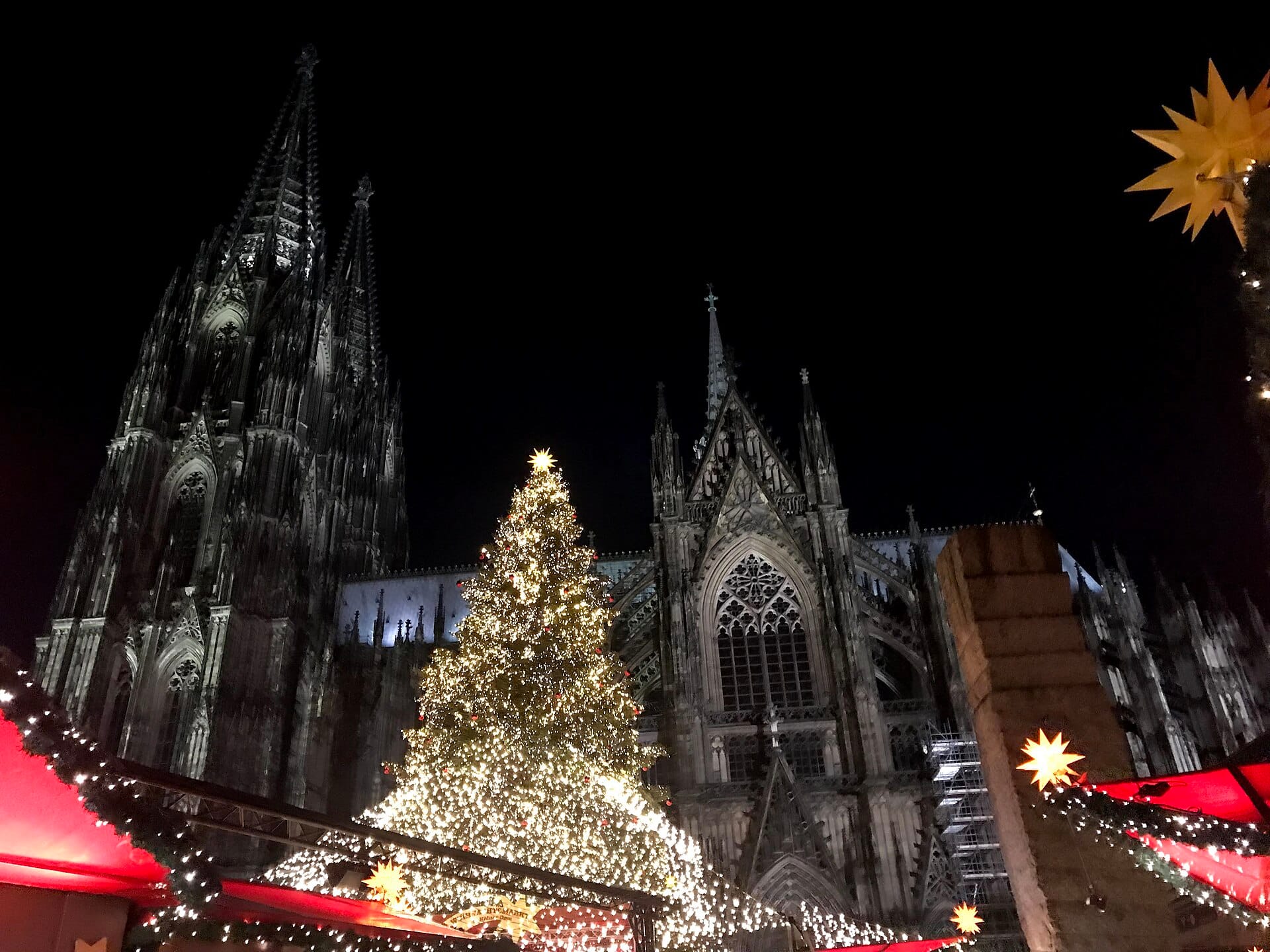
Winter in Cologne is not about weather, it is about events. December brings the city's Christmas markets, which rank among the best in Germany. The most famous is the market around the Cathedral at Roncalliplatz, but there are several others including the market at the Old Town's Alter Markt and the Altstadt waterfront. Markets typically run from late November through December 23 or 24. Weekends in December are extremely busy; visiting on a weekday gives you a significantly better experience.
February brings Karneval, Cologne's version of Carnival. This is one of the oldest and largest street carnival celebrations in Europe, centered on Rose Monday (Rosenmontag), when a massive parade winds through the city. Participation is expected: costumes are essentially mandatory if you want to blend in, and the atmosphere is unlike anything else in Germany. The city fills far beyond normal tourist capacity. Planning around Karneval requires booking accommodation months in advance and accepting that prices double or more.
January is a genuinely quiet month. The city functions normally, prices are low, and there are no major crowds at any attraction. For travelers primarily interested in the Romanesque churches, the city's art museums, or the cathedral itself, January is entirely viable, just pack warm layers and accept short daylight hours.
- December: Christmas markets, high prices, weekend crowds, spectacular atmosphere
- January: Cheapest month, no events, cold (2-5°C), ideal for budget museum trips
- February: Karneval dominates, prices spike, book far in advance or avoid entirely if you dislike large street parties
Month-by-Month Quick Reference for Planning
The table below gives a fast overview. For detailed neighborhood-by-neighborhood advice, the guide on where to stay in Cologne and the things to do in Cologne overview cover what's available regardless of season.
- January Cheapest. Cold, quiet. Good for budget travelers and indoor culture. No crowds.
- February Karneval season. Prices surge. Book many months ahead. Extraordinary atmosphere if you want it, overwhelming if you don't.
- March Quiet post-Carnival. Weather unpredictable. Good value, especially mid-to-late month.
- April Warming up. Parks and outdoor spaces come alive. Moderate prices and crowds.
- May Excellent. Mild weather, long days, competitive prices. One of the two best months.
- June Strong month. Warm but not extreme. Busier than May but still manageable.
- July Peak season. Highest prices and crowds. Book well ahead.
- August Similar to July. Good for outdoor activities; busy and expensive.
- September Excellent. Warm weather, thinning crowds, dropping prices. The other top month.
- October Mixed. Early October can be lovely; late October is grey and cooling. Good value.
- November Quiet and cheap. Limited outdoor appeal. Markets open in late November.
- December Christmas markets make this busy and expensive. Weekdays far preferable to weekends.
⚠️ What to skip
Major trade fairs at Koelnmesse in Deutz — including events like Anuga, Art Cologne, and gamescom — can fill the entire city's hotel inventory on specific dates year-round, not just in summer. If you're visiting and notice unusually high prices for your dates, check the Koelnmesse event calendar for overlapping fairs before assuming it's just seasonal pricing.
For travelers focused on specific interests, timing matters differently. Nightlife is year-round and not particularly seasonal, though the Belgian Quarter and Ehrenfeld are livelier in summer when outdoor bars and event spaces operate at full capacity. The Cologne on a budget guide is worth reading alongside this one if cost is a primary factor in your timing decision.
FAQ
What is the best month to visit Cologne Germany?
May and September consistently offer the best combination of weather, crowd levels, and pricing. May brings warming temperatures (averaging 18–20°C), long daylight hours, and spring atmosphere without summer peak prices. September delivers similar conditions after summer crowds have thinned. Both months allow comfortable outdoor sightseeing across the city's major attractions.
Is Cologne Germany worth visiting in winter?
Yes, but your experience depends almost entirely on the time within winter. December is excellent if you're visiting for the Christmas markets, which are genuinely among Germany's best, though prices are high and weekends are very crowded. January is the cheapest and quietest month of the year, good for museum-focused trips. February means Karneval, which is extraordinary but requires advance planning and comes with significant price increases.
How hot does Cologne get in summer?
Average summer highs in Cologne typically range from 22–25°C in July and August, which is warm but generally comfortable. Occasional heat waves can push temperatures above 30°C for stretches of days. The city does not have the extreme summer heat of southern European destinations, and evenings cool down to around 14–17°C The city does not have the extreme summer heat of southern European destinations, and evenings cool down to around 14–16°C even in the warmest months.
Does Cologne have a rainy season?
No. Cologne's temperate oceanic climate means rainfall is distributed fairly evenly across all months with no true dry season. May through August sees slightly higher rainfall totals than winter, but no single month is dramatically wetter than others. A compact umbrella or light waterproof jacket is worth carrying on any visit regardless of the season.
When should I avoid visiting Cologne?
Two windows are worth avoiding unless you specifically want the events: Karneval in February (unless you've booked months ahead and want to participate in the street carnival) and the peak Christmas market weekends in December, when the city centre becomes extremely crowded. If large crowds and premium prices are dealbreakers, stick to January, March, or October for the quietest, most affordable experience.
Tickets & tours
Live prices and dates from our booking partner. If you book, we may earn a commission at no extra cost to you.
Planning a trip? Discover personalized activities with the Nomado app.