Cologne Karneval: Everything You Need to Know
Cologne Karneval is one of Europe's largest street festivals, drawing over a million people to the city in the days before Lent. This guide covers the full season timeline, Rose Monday parade logistics, costume traditions, crowd realities, and practical advice for first-timers and returning visitors alike.
Tickets & tours
Live prices and dates from our booking partner. If you book, we may earn a commission at no extra cost to you.
TL;DR
- Cologne Karneval runs from 11 November (season opening) through Shrove Tuesday, with the main street events packed into five days starting on Weiberfastnacht (the Thursday before Rose Monday).
- Rose Monday is the centerpiece: a parade through the city center stretching roughly 7 km, with floats, candy throws, and enormous crowds.
- In 2027, the street carnival runs 4-9 February; dates shift each year based on when Easter falls, so always verify the current year's schedule.
- Book accommodation months in advance. Hotels near the Cologne Cathedral and the Altstadt sell out faster than almost any other event in the city.
- This is not a fairground carnival. Karneval is a deeply local, tradition-heavy festival with its own language, customs, and etiquette. Knowing the basics makes the experience significantly better.
What Is Cologne Karneval, Really?
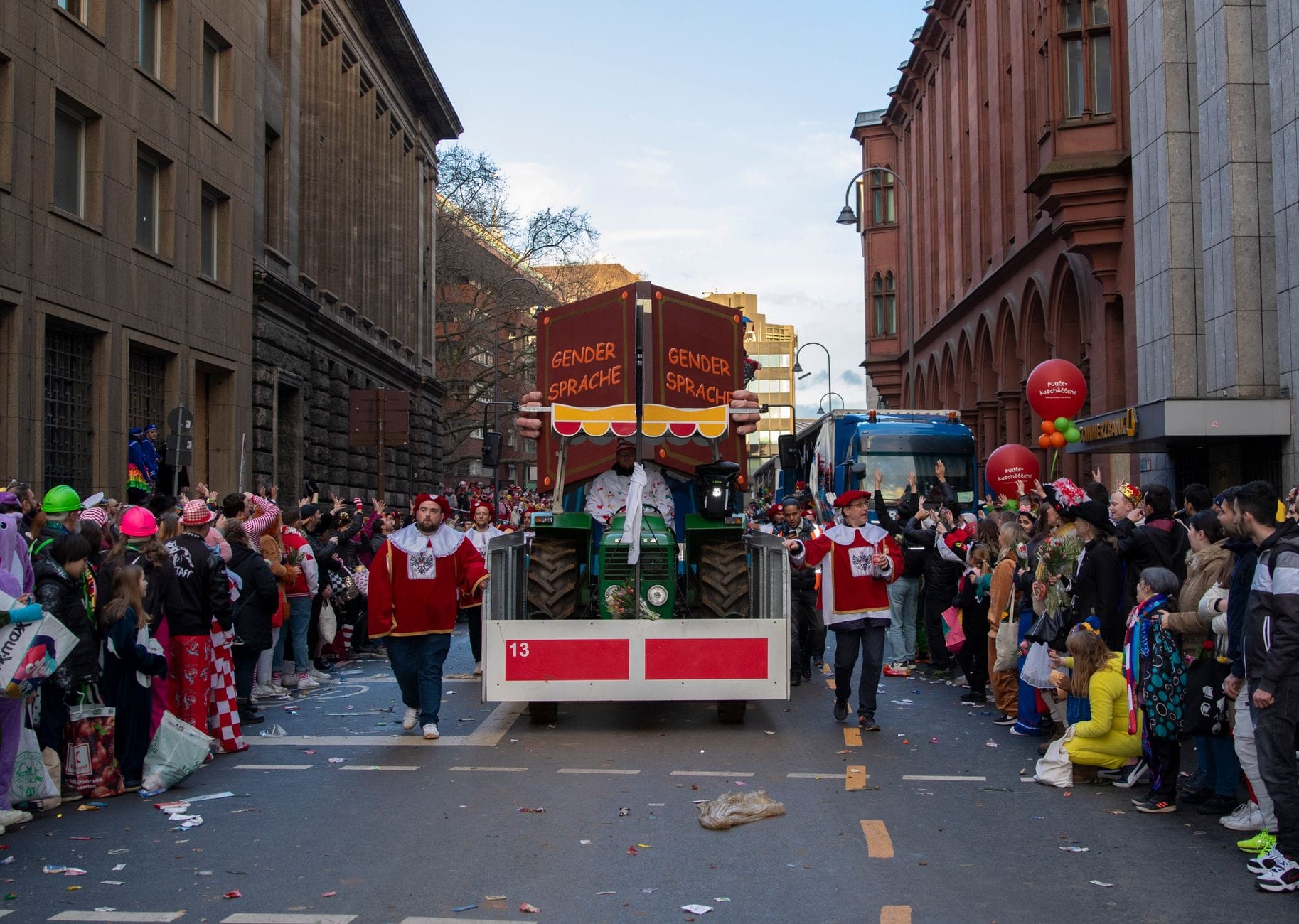
The Cologne Carnival, known locally as Kölner Karneval or by the Kölsch dialect name Fastelovend, is a pre-Lent festival with roots going back centuries. It is not a theme park event or a tourist-facing spectacle imported for visitors. It is a genuine civic tradition that effectively takes over the entire city, and it operates by its own set of rules, rituals, and social expectations.
The word "Karneval" confuses some international visitors who associate it with fairground rides or beach parades in warmer climates. In Cologne, it means something more specific: organized sessions (Sitzungen), elaborate costume wearing, traditional songs, candy throws (Kamelle), and a culture of open celebration in the streets. Think less Rio, more city-wide street party with deep local identity attached to every detail.
The festival's symbolic opening happens on 11 November at exactly 11:11 AM each year, marking the start of the carnival season in the German tradition. This date, repeated time, and double-number format (11/11, 11:11) are all intentional, tied to old Germanic and pre-Christian seasonal customs that predate the Christian calendar overlay. The actual street celebrations, however, don't begin until the Thursday before Ash Wednesday, roughly three months later.
ℹ️ Good to know
Karneval dates shift every year because they are tied to Easter, which itself changes annually. Rose Monday in 2026 falls on 16 February. In 2027, the street carnival runs 4-9 February. Always check the current year's dates via Cologne Tourism (cologne-tourism.com) before booking anything.
The Karneval Timeline: From November to Shrove Tuesday
Understanding the structure of Karneval prevents the most common mistake first-timers make: arriving at the wrong time. The season has two very distinct phases, and only one of them involves streets full of costumed revelers.
- 11 November at 11:11 AM (Season Opening) The ceremonial start of the season. Held at the Alter Markt in the old town, this event features the first official celebrations, speeches, and symbolic handover of the city's key to carnival figures. It draws a crowd, but the city functions normally the rest of the day.
- Weiberfastnacht (Women's Carnival Thursday) This is when the serious street celebrations begin. By tradition, women have the right to cut the ties of any man they encounter, a custom that survives in mildly chaotic form in office parties and street festivities. The city center fills up fast from late morning.
- Carnival Weekend (Friday-Sunday) The Schull- un Veedelszöch (school and neighborhood parades) happen on Sunday, attracting families and local groups rather than the mass-tourism crowds. Friday and Saturday nights are among the busiest in the city's bars and clubs.
- Rose Monday (Rosenmontag) The main event. The Rosenmontag parade is the largest and most famous of the Karneval parades, drawing over a million spectators. Floats carry political satire, musicians perform, and enormous quantities of sweets, flowers, and small gifts are thrown into the crowds.
- Shrove Tuesday (Veilchendienstag / Violet Tuesday) A final day of street celebrations before the season ends at midnight. Smaller parades happen in neighborhoods. The atmosphere is more reflective and local than the frenzy of Rose Monday.
⚠️ What to skip
Ash Wednesday brings everything to a complete halt. Restaurants, shops, and public life return to normal. If you arrive expecting Karneval on Ash Wednesday or later, you will find nothing. The contrast is stark and immediate.
Rose Monday: Logistics and What to Expect
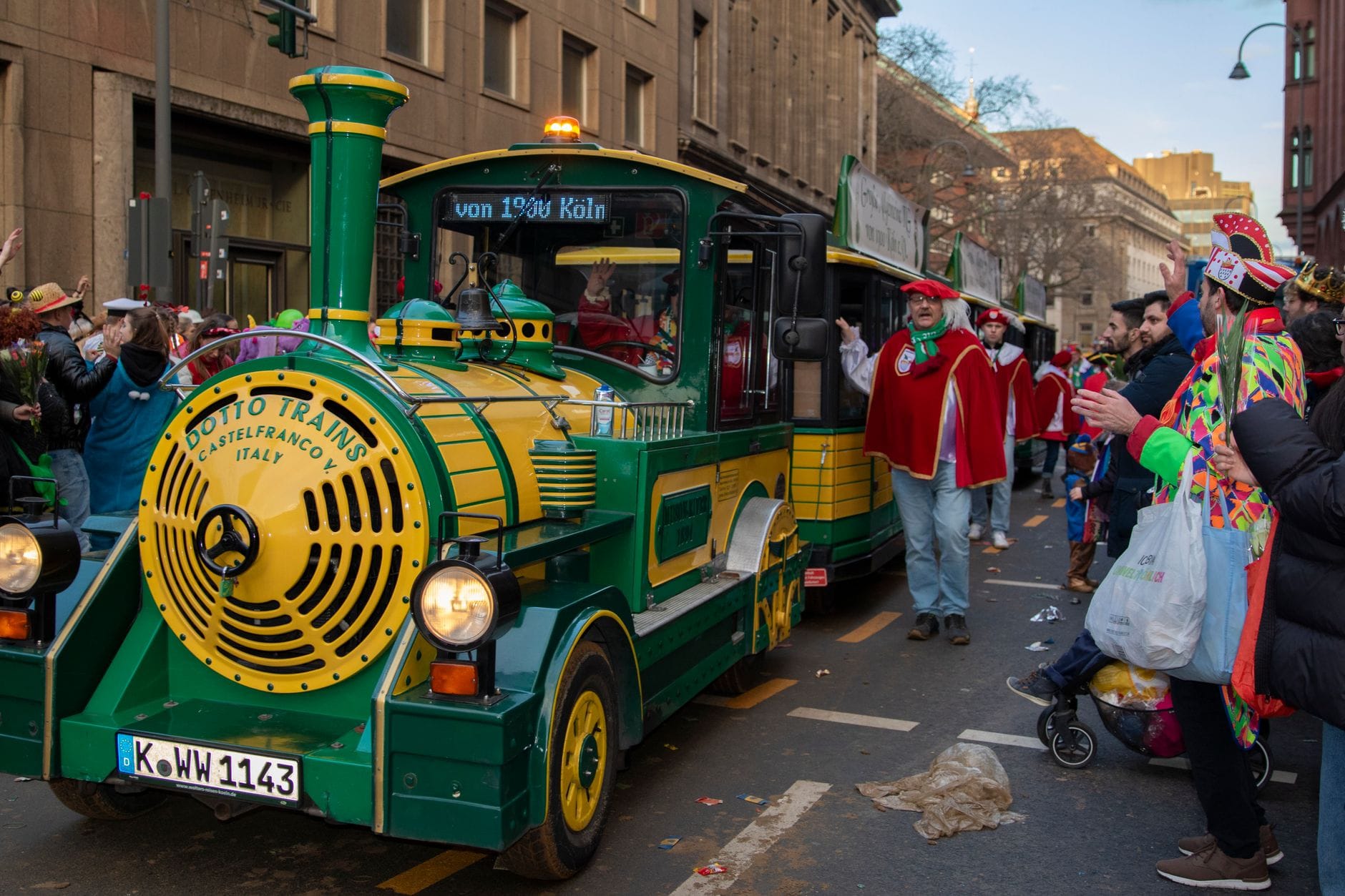
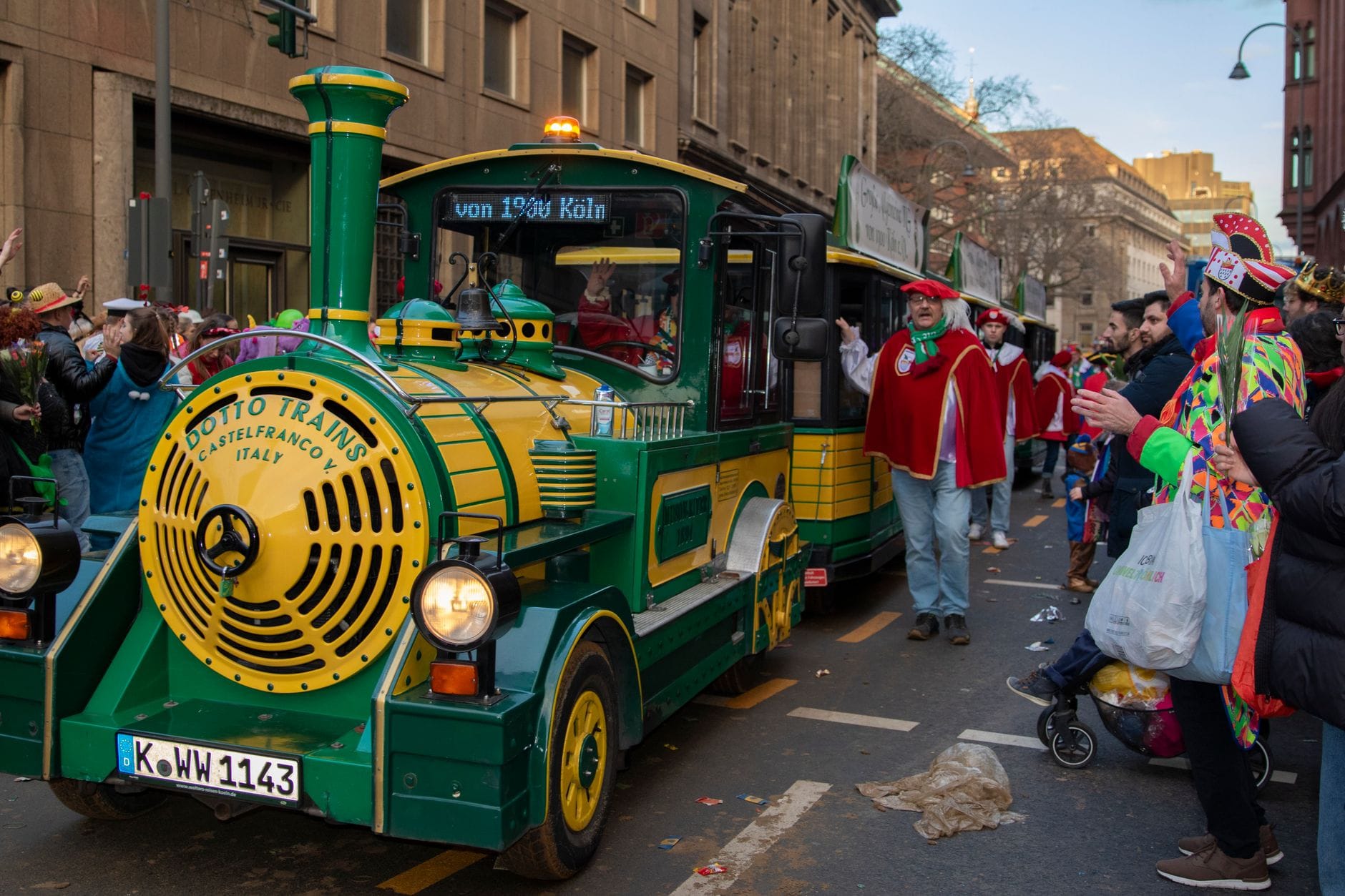
Rosenmontag is the day that defines Cologne Karneval in the public imagination, and it lives up to the reputation. The parade route runs approximately 8 kilometers through the city center, starting in the Südstadt and ending near the old town. The procession typically includes dozens of floats, marching bands, and groups on horseback or on foot, all in elaborate costume.
The parade usually starts around 10 AM and can last four hours or more. Arriving at your chosen spot by 8:30-9:00 AM is advisable if you want a position with a clear sightline. Crowds along the entire route are dense, particularly around the cathedral area and the Alter Markt. Bring something to stand on if you are not tall, because sightlines disappear quickly in the press of people.
The candy and gift throws, called Kamelle, are a central part of the experience. Attendees hold out bags to catch sweets, flowers (traditionally), and small trinkets thrown from floats. It is participatory and genuinely fun, but watch small children near the edges of floats. For the best overall view of the city during Karneval without the parade crush, the Cologne Triangle Panorama observation deck offers a remarkable overhead perspective on the crowds below.
✨ Pro tip
The neighborhoods away from the main parade route, particularly parts of the Belgisches Viertel (Belgian Quarter), host smaller street parties on Rose Monday that are far more manageable in terms of crowd density and far more local in character. Worth considering if the main parade feels overwhelming.
Costumes, Customs, and Local Etiquette
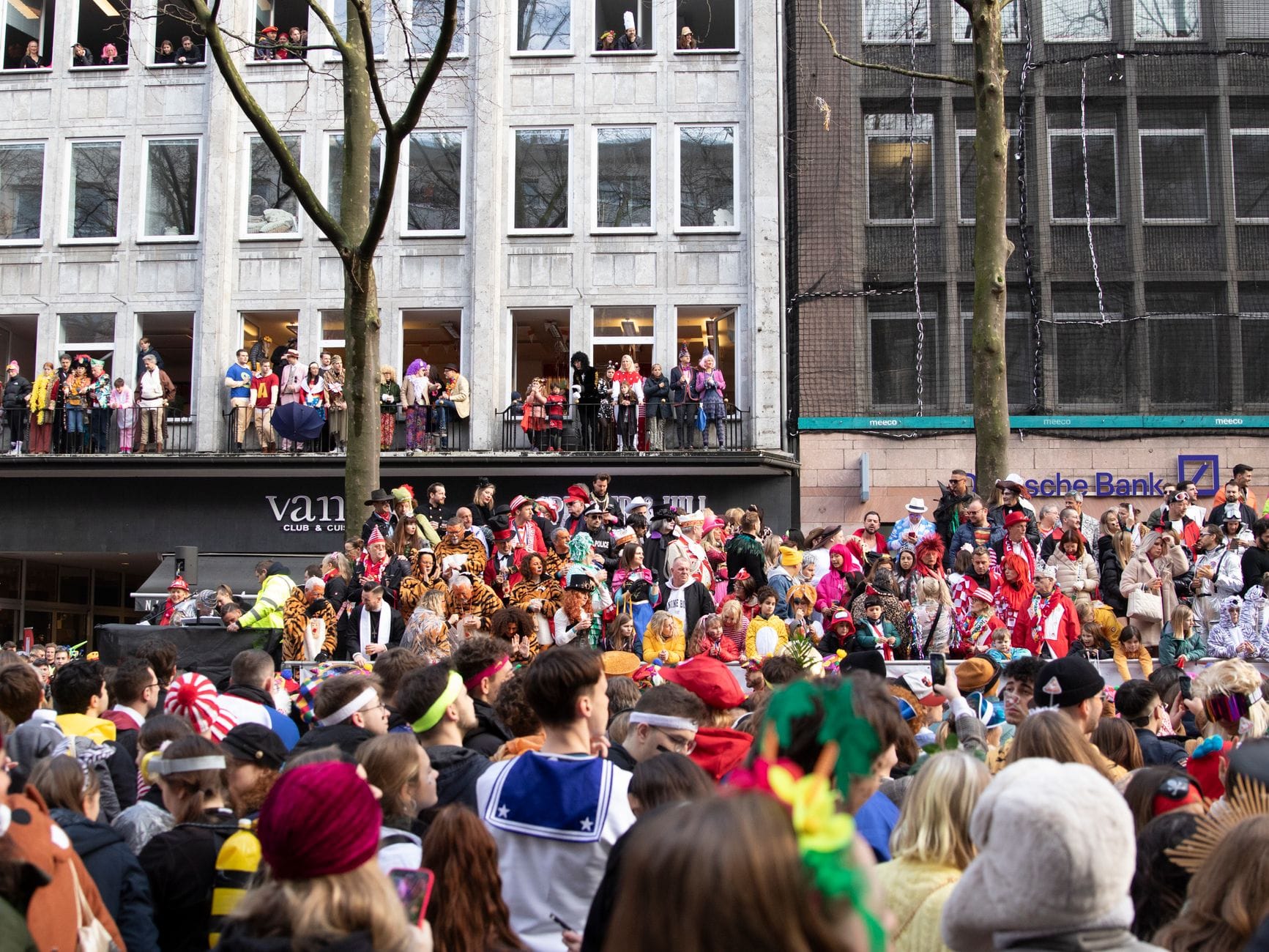
Wearing a costume during Karneval is expected, not optional. Locals who arrive on the street without one stand out immediately. This is not a spectator event; participation is the social norm. Costumes range from simple themed outfits to full character builds that took weeks to construct. The culture strongly values creativity and humor over expense or polish.
A few costume categories are genuinely popular year after year: historical figures, pop culture references, animals, and occupational costumes. Cologne also has its own traditional carnival characters, including the Ranzengarde (a type of ceremonial guard with distinctive blue-and-white uniforms) and the Dreigestirn, the three official carnival princes who are elected each season and serve as ceremonial figureheads. Seeing the Dreigestirn appear at official events is part of the authentic experience.
- Avoid costumes that mock ethnic or religious identities. German social norms on this point are similar to those in other Western European countries, and blackface or culturally appropriative costumes are widely condemned.
- The greeting during Karneval is 'Alaaf!' (specifically Cologne's carnival call; Düsseldorf uses 'Helau!'). Responding correctly signals you know where you are.
- On Weiberfastnacht, men should expect their neckties to be cut by women exercising the traditional right. Wearing a cheap or novelty tie is common practice.
- Kissing strangers on the cheek is part of the social culture during Karneval, but it is celebratory rather than romantic. Decline politely if it's not your preference.
- Children participate fully in Karneval, including in the parades. It is a genuinely family-inclusive event during the day, though the nighttime bar scene is firmly adult.
Practical Planning: Accommodation, Transport, and Crowds
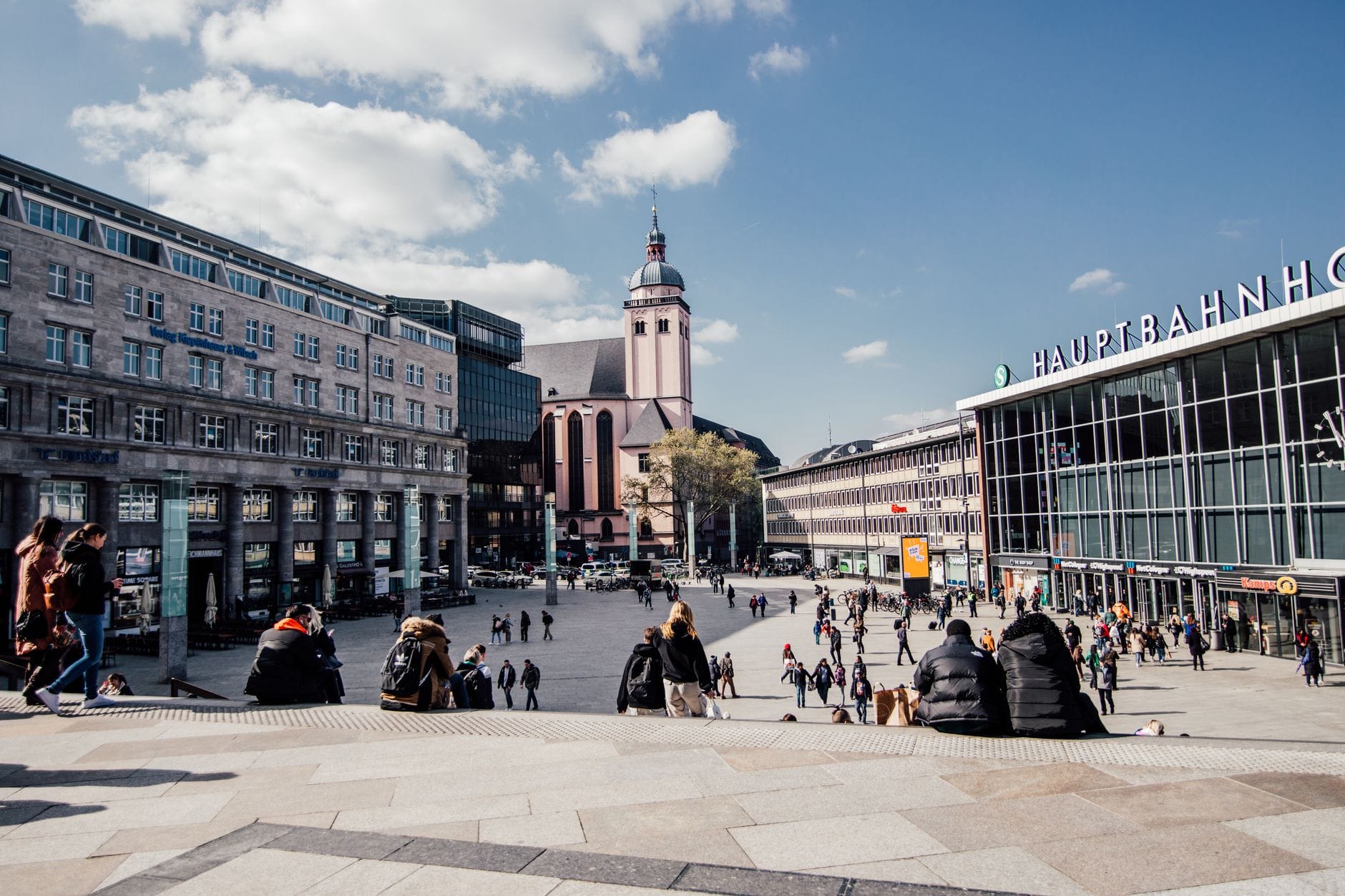
Accommodation during Karneval is the biggest logistical challenge. Hotels in the city center, particularly around the Altstadt, book out many months in advance. Prices during the peak Karneval weekend are significantly higher than standard rates. Book as early as possible, and consider staying in a neighborhood slightly farther from the center, such as Ehrenfeld or Deutz, both of which are well-connected by public transport.
Public transport in Cologne is run by KVB (Kölner Verkehrs-Betriebe), and the network runs extended hours during Karneval. However, several tram and U-Bahn lines are rerouted or suspended during the Rose Monday parade due to street closures. Check the KVB website for the specific Karneval service map in the weeks before your visit, as it changes slightly each year.
If you are flying in, Cologne Bonn Airport (CGN) is about 15 km from the city center, with S-Bahn trains running directly to Köln Hauptbahnhof in roughly 15–20 minutes. See the Cologne airport guide for full transfer details. Driving into the city during Karneval is not advisable. Road closures are extensive and parking near the center is effectively impossible during Rose Monday.
- Book accommodation 6-9 months in advance for Rose Monday weekend specifically.
- Carry cash. While card payment is common in Cologne generally, temporary street vendors and some bars during Karneval operate cash-only.
- Wear comfortable shoes with solid grip. Streets become wet with spilled drinks and can be slippery.
- Bring a small bag or backpack for Kamelle collection during the parade. Plastic bags from a supermarket work perfectly.
- Mobile signal is poor during the parade and peak street events due to network congestion. Download offline maps and agree on a meeting point with companions before you separate.
- KVB runs night buses throughout Karneval to handle the volume. Check their Karneval-specific timetable published in January each year.
Karneval vs. the Rest of the Year: Is It Worth the Chaos?
Cologne during Karneval is a genuinely different city from the one that exists the other 360 days of the year. Whether it is better depends entirely on what you want from a trip. The festival is loud, crowded, expensive to sleep in, and requires planning. It is also unlike almost anything else in Europe in terms of scale and spontaneous civic energy. If you enjoy street festivals and participatory culture, it is exceptional. If you prefer quiet museum visits and pleasant restaurant dinners, the experience will be frustrating.
It is worth being honest about the drinking culture. Karneval involves substantial public alcohol consumption from morning onwards on most of the main days. The local beer, Kölsch, is served in the traditional 0.2-liter glasses called Stangen at bars and pop-up stalls throughout the city. Understanding Kölsch cultureA bit of research into Kölsch etiquette before you arrive helps, because ordering the wrong beer in the wrong way will reliably produce raised eyebrows from locals.
For visitors who want to experience Cologne without the Karneval crowds, the best time to visit Cologne guide covers the full seasonal picture. May through September offers warmer weather and full access to the city's museums, the Rhine riverfront, and attractions like the Hohenzollern Bridge without competing with festival crowds.
💡 Local tip
If you want a taste of Karneval without the full Rose Monday chaos, the neighborhood parades on the Sunday before (Schull- un Veedelszöch) are a genuinely good alternative. They are attended primarily by locals and families, costumes are just as creative, and you can actually move freely along the route.
FAQ
When does Cologne Karneval take place in 2025 and 2026?
Karneval dates shift each year because they are tied to the date of Easter. In 2025, the main street carnival runs from 27 February to 4 March. In 2026, Rose Monday falls on 16 February. For 2027, the street carnival runs 4-9 February. Always verify the current year's dates through Cologne Tourism (cologne-tourism.com) before booking travel, as dates are confirmed well in advance of each season.
Do I have to wear a costume to attend Cologne Karneval?
There is no legal requirement, but attending the street celebrations without a costume will make you conspicuous in a way that locals consider mildly odd. Costume-wearing is deeply embedded in the social culture of the festival. Even a simple themed outfit puts you in the spirit of things and makes interactions with locals far more natural.
Is Cologne Karneval suitable for children?
Yes, during the day. The parades, including Rose Monday, are family events, and the candy throws (Kamelle) are especially popular with children. The city becomes significantly less family-friendly after dark, particularly on Rose Monday night when bars and public areas are very crowded and alcohol consumption is high.
How far in advance should I book a hotel for Karneval?
For Rose Monday weekend, six to nine months in advance is the realistic minimum if you want reasonable options at non-extreme prices. Hotels in the city center near the cathedral and old town are the first to sell out. Consider Deutz (right bank), Ehrenfeld, or the Belgian Quarter as alternatives with good public transport connections to the center.
What is the difference between Cologne Karneval and Düsseldorf Karneval?
Both cities celebrate the Rhineland carnival tradition with parades, costumes, and parties, but they are rival cities with distinct identities and each considers its own Karneval superior. The key difference visitors notice is the call: Cologne shouts 'Alaaf!', Düsseldorf shouts 'Helau!'. Using the wrong call in either city will get a reaction. Cologne's Rose Monday parade is generally considered the larger of the two.
Tickets & tours
Live prices and dates from our booking partner. If you book, we may earn a commission at no extra cost to you.
Planning a trip? Discover personalized activities with the Nomado app.