Once a factory district west of central Cologne, Ehrenfeld has evolved into one of the city's most distinctive neighborhoods. It combines multicultural street life along Venloer Straße with a thriving arts and music scene, making it a compelling alternative to the tourist-heavy Altstadt.
Ehrenfeld sits about 4 kilometers west of Cologne Cathedral, and the further you walk from the center, the more the city reveals a different face. This is working-class Cologne reborn: industrial-era buildings converted into studios, a street art scene that treats entire building facades as canvas, and a Venloer Straße lined with Turkish bakeries, Italian coffee bars, and independent record shops.
Orientation
Ehrenfeld is one of Cologne's western Stadtteile (quarters), sitting within Stadtbezirk 4 (the borough of Köln-Ehrenfeld). It covers roughly 3.8 square kilometers and is home to about 38,000 residents, making it one of the denser neighborhoods outside the city center. Despite its size and population, it often flies under the radar for first-time visitors who tend to gravitate toward the Rhine riverfront.
The quarter is bordered by Neuehrenfeld to the north, Bickendorf to the west, and Müngersdorf and Braunsfeld to the southwest. To the east, it transitions into Neustadt-Nord, which connects back toward the city center and the Belgian Quarter. This eastward corridor is important to understand: Ehrenfeld and the Belgian Quarter are often discussed together as Cologne's creative axis, but they feel quite different on the ground. The Belgian Quarter is polished and expensive; Ehrenfeld is rougher, more affordable, and more genuinely mixed.
The central spine of the neighborhood is Venloer Straße, a wide commercial street that runs east-west through the heart of Ehrenfeld. This is where the tram runs, where most of the shops and restaurants are, and where the rhythm of daily life is most visible. Running perpendicular to Venloer Straße, streets like Körnerstraße and Subbelrather Straße lead into the quieter residential blocks. The further you get from Venloer Straße, the more the neighborhood feels like a place people actually live in, rather than a destination.
ℹ️ Good to know
Ehrenfeld was incorporated into Cologne in 1888, having developed rapidly from rural land to a dense industrial zone after the mid-19th century railway expansion. Many of the brick factory buildings that defined that era still shape the physical character of the neighborhood today.
Character and Atmosphere
On a weekday morning, Ehrenfeld operates at a pace that feels removed from the tourist circuits near the Cathedral. The Venloer Straße bakeries open early, and you will find commuters stopping for a Brötchen alongside the kind of regulars who have been coming to the same spot for decades. The air carries the smell of fresh bread and coffee from small Turkish and German bakeries side by side. The light in the morning is flat and northern, falling on brick facades and graffiti-covered shutters in equal measure.
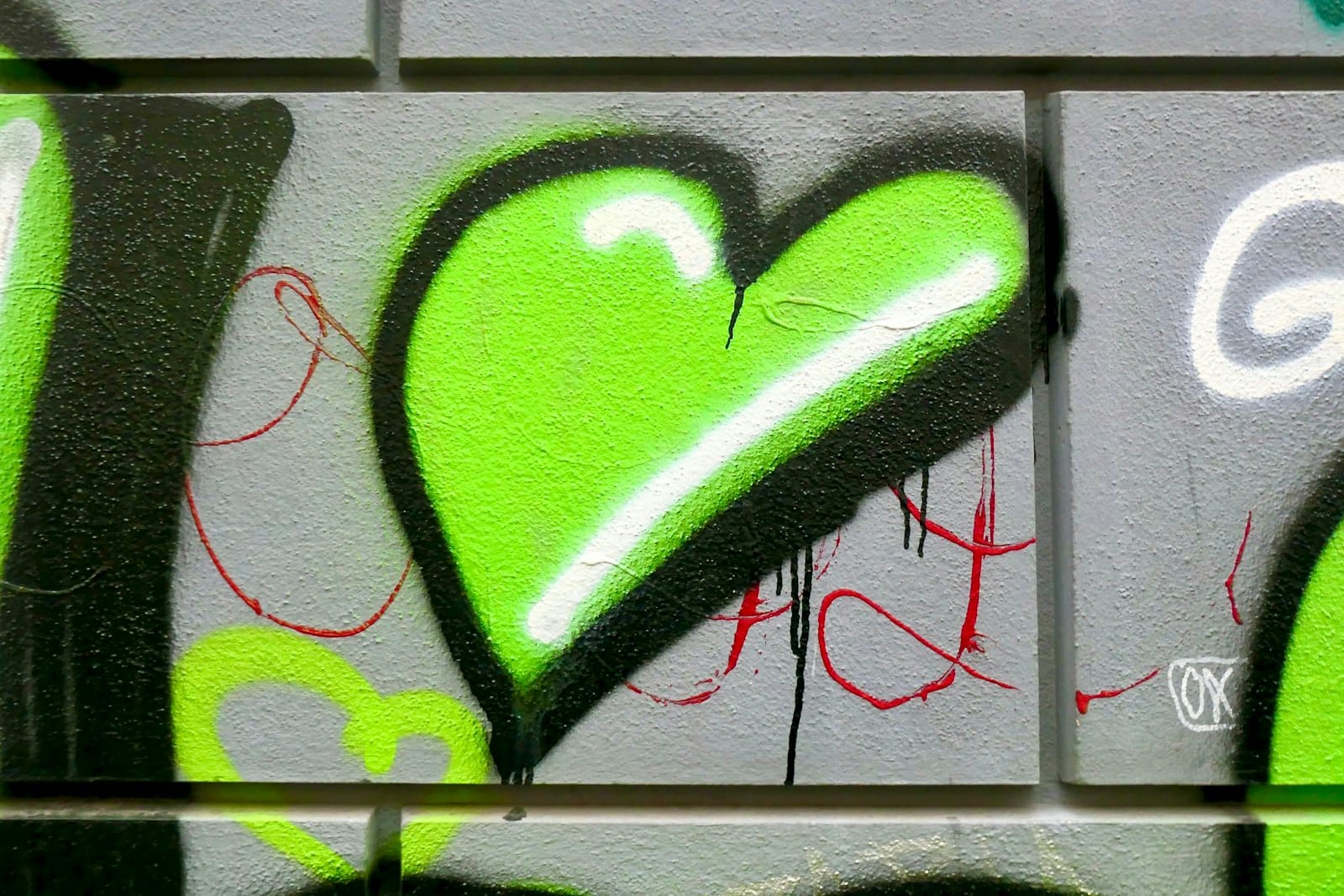
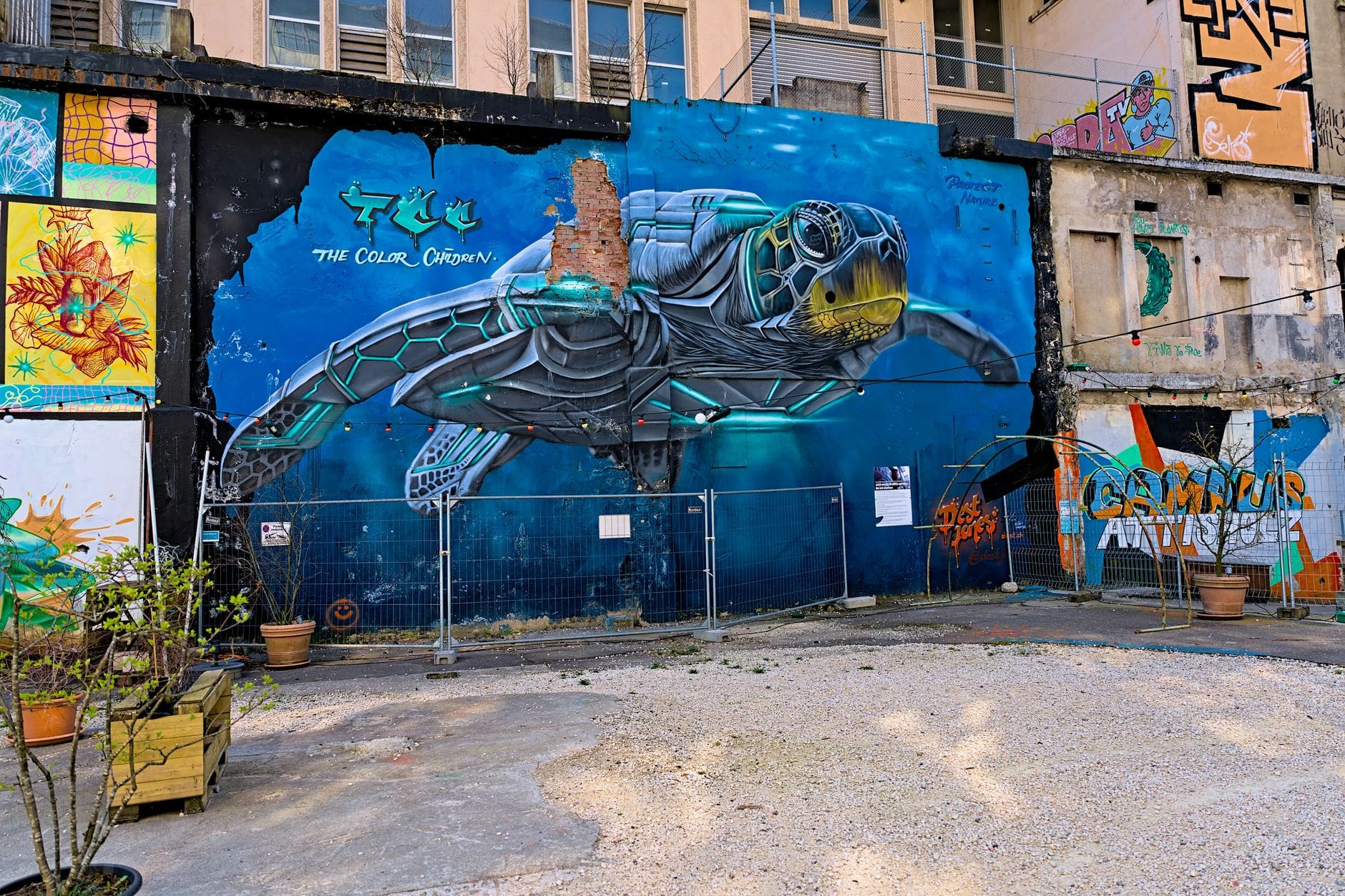
By afternoon, the neighborhood shifts. Students from the nearby university areas filter in, and the cafes along Venloer Straße and its side streets fill with people working on laptops or meeting friends. Independent shops, small galleries, and the odd vinyl record store draw a slow stream of browsers. The street art that covers many of the larger walls is impossible to ignore at any hour: large-scale murals depicting social and political themes are concentrated around the Körnerstraße and the streets running north from Venloer Straße toward Subbelrather Straße.
After dark, Ehrenfeld's reputation comes into full focus. The neighborhood has a genuine club and live music culture, with venues that attract both local regulars and visitors who specifically seek out Cologne's alternative nightlife scene. If you want to understand this scene in more depth, the Cologne nightlife guide covers the city's after-dark options across all districts, including how Ehrenfeld compares to the Altstadt and Zülpicher Viertel.
It would be misleading to describe Ehrenfeld as uniformly cool or gentrified. Parts of the neighborhood are genuinely scruffy. Some blocks around the railway line feel industrial and in-between. That texture is part of the point: Ehrenfeld has not yet been smoothed into a branded experience, and that is exactly why a certain type of traveler gravitates here.
⚠️ What to skip
Ehrenfeld's nightlife concentration means some streets around the main venues can be noisy late into the night, particularly on weekends. If you are sensitive to noise, check hotel and apartment listings carefully for proximity to the main club corridor near Venloer Straße.
What to See and Do
The single most photographed landmark in Ehrenfeld is the Heliosturm, a 19th-century factory tower that once served the Helios machinery works. It stands as a reminder of what this neighborhood used to be: a zone of heavy industry that produced everything from electrical equipment to machines. Today the site around the tower has been repurposed for events, markets, and cultural programming. It is not a museum in any formal sense, but it is a focal point that anchors the industrial memory of the area.
The street art scene in Ehrenfeld is one of the most concentrated in Cologne. Large murals appear on former factory walls, on the sides of apartment blocks, and on underpasses throughout the neighborhood. Unlike street art in some cities that feels staged or officially commissioned into blandness, Ehrenfeld's murals tend toward political and social commentary. A dedicated walk through the backstreets between Körnerstraße and the S-Bahn line rewards close attention. The Ehrenfeld street art route is one of the more satisfying self-guided walks in all of Cologne.
Although the historic 4711 fragrance house is most associated with its flagship store in the city center on Glockengasse, the brand's roots in Cologne's industrial and commercial history touch Ehrenfeld as well. If you are curious about 4711's place in Cologne's identity, the 4711 House on Glockengasse is the better destination for a deep dive, but the brand's long presence in western Cologne helps explain why Ehrenfeld developed the way it did.
Ehrenfeld has a notable theater and live performance culture. Several smaller independent theaters and music venues operate out of converted industrial spaces across the neighborhood. These are not tourist attractions in the conventional sense: programming is usually in German, and audiences are overwhelmingly local. But for travelers with an interest in urban performing arts culture, attending something at one of these venues offers an experience that is genuinely different from anything in the Altstadt.
Walk the Ehrenfeld street art route along Körnerstraße and the streets north of Venloer Straße
Visit the Heliosturm area, particularly if there is a market or event on
Browse the independent record shops, book stores, and vintage clothing on Venloer Straße and its side streets
Catch a live show at one of the neighborhood's music venues on a Thursday or Friday evening
Explore the transition zone between Ehrenfeld and the Belgian Quarter for a sense of how differently two adjacent neighborhoods can feel
Eating and Drinking
Ehrenfeld's food scene reflects its demographics more honestly than most Cologne neighborhoods. Turkish restaurants and döner spots sit next to Italian espresso bars and Vietnamese noodle shops along Venloer Straße and its immediate side streets. This is not a curated 'international food hall' arrangement: these places have been here for decades, and many are run by families who settled in Ehrenfeld during the waves of labor migration that shaped western German cities from the 1960s onward. For context on what to order across Cologne more broadly, the Cologne food guide covers regional specialties worth seeking out.
For coffee, Ehrenfeld has developed a small but serious specialty coffee culture over the last decade, concentrated in the independent cafes along the side streets off Venloer Straße. These are not chain outlets: they tend to be small, often with only a handful of tables, and the quality is high. Morning hours are quieter; by mid-afternoon the best spots fill up with a mix of creative workers and residents.
Kölsch, the local top-fermented beer specific to Cologne, is available everywhere in Ehrenfeld, including in the neighborhood's traditional German pubs (Kneipen) that have been part of the street furniture here for generations. These are not tourist-facing Brauhaus experiences of the kind you find near the Cathedral: they are local pubs where the beer is served in the traditional 0.2-liter Stange glass and the regulars know each other by name. For everything you need to know about Kölsch before you order, the Kölsch beer guide explains the customs, the glassware, and why you should not ask for a different beer.
On the higher end, a scattering of more ambitious restaurants has opened in Ehrenfeld as the neighborhood's profile has risen. These tend to occupy former industrial or commercial spaces, with the kind of exposed brick and high-ceiling aesthetic that follows creative neighborhoods everywhere. Prices at these spots are noticeably lower than equivalent places in the Belgian Quarter or the city center, which is one of Ehrenfeld's consistent advantages for value-conscious travelers.
💡 Local tip
Weekend mornings are the best time to explore Venloer Straße for food. Turkish breakfast spots are particularly good, often serving spreads of olives, cheese, eggs, and bread for a fraction of what you would pay for an equivalent meal at a hotel.
Getting There and Around
Ehrenfeld is well connected to the rest of Cologne by both rail and tram. The most useful rail connection is Köln-Ehrenfeld station, one of the older stations in Cologne, dating from 1863 on the Cologne-Aachen line. It is served by Rhine-Ruhr S-Bahn services and regional trains, making it possible to reach the city center at Köln Hauptbahnhof in just a few minutes. Regional connections extend westward toward Aachen and eastward across the Rhine-Ruhr network.
Venloer Straße is served by KVB Stadtbahn (light rail) lines, providing frequent tram connections that run east-west along the street and connect Ehrenfeld to the city center and to other neighborhoods. Tickets are available from machines at stops and operate within the standard VRS zone structure. For a full overview of how to get around Cologne by public transport, the Cologne transport guide covers zones, tickets, and the most useful lines for visitors.
Walking from the edge of Ehrenfeld nearest to Neustadt-Nord, you can reach the Belgian Quarter in about 10 to 15 minutes on foot, following the streets eastward. From the Belgian Quarter it is another 15 to 20 minutes on foot to the Cathedral area, though the tram is faster and more practical if you are covering more ground. Cycling is a practical option within Ehrenfeld: the neighborhood's relatively flat terrain and grid-like street layout make it easy to navigate, and bike-share options are available.
From Cologne Bonn Airport, the most efficient route is the S-Bahn to Köln Hauptbahnhof, then a local Stadtbahn line or regional train service west to Köln-Ehrenfeld station. Total journey time is typically 25 to 35 minutes depending on connections.
Where to Stay
Ehrenfeld is primarily a residential neighborhood, and accommodation options reflect that. The area does not have large hotels in any number, but it has a growing supply of apartments and smaller guesthouses, often in converted older buildings. For travelers who want to stay in Cologne for several days and experience the city as a resident rather than a tourist, an apartment in Ehrenfeld is one of the better options in the city. For a broader picture of accommodation choices across Cologne, the Cologne accommodation guide compares neighborhoods by traveler type and budget.
The best location within the neighborhood for most visitors is close to Venloer Straße, within easy walking distance of the Stadtbahn stops and the S-Bahn station. This puts you in reach of the food scene and the main streets without being so close to the nightlife venues that noise becomes an issue. Streets just north of Venloer Straße, running toward Körnerstraße, tend to be calmer and more residential in character.
Ehrenfeld suits independent travelers, creatively oriented visitors, and anyone who finds the Altstadt too crowded or too tourist-facing. It is less suitable for travelers who prioritize proximity to the main sights: from Ehrenfeld, a trip to the Cathedral requires a tram or train ride, not a walk. Budget travelers will find prices here consistently lower than in more central areas, both for accommodation and for food.
ℹ️ Good to know
Ehrenfeld is a good base if you are visiting Cologne for Karneval. The neighborhood has its own strong Karneval culture separate from the Altstadt events, and being based here gives you access to local street parties that feel quite different from the tourist-heavy celebrations near the city center.
How Ehrenfeld Fits Into a Wider Cologne Visit
For first-time visitors to Cologne, Ehrenfeld works best as a day trip from a more central base, or as an evening destination. The neighborhood's food and nightlife scenes are strong enough to justify a dedicated visit, and the street art walk makes for a satisfying couple of hours. If you are planning a 48-hour itinerary that combines the Cathedral area, the Rhine waterfront, and a taste of local neighborhood life, the 2-day Cologne itinerary can help you sequence those visits efficiently.
For visitors spending longer in Cologne, Ehrenfeld pairs naturally with the Belgian Quarter to the east. Moving between the two neighborhoods on foot or by tram gives you a clear picture of how Cologne's creative and multicultural west has evolved differently from the Rhine-facing historic center. Together, they represent a side of Cologne that most short-stay visitors miss.
Travelers interested in Cologne's broader cultural offer beyond Ehrenfeld might also consider the major museums concentrated closer to the city center. The Cologne museum guide covers everything from the Museum Ludwig's modern art collection to the Romano-Germanic Museum's Roman antiquities, most of which are within easy reach by Stadtbahn from Ehrenfeld.
TL;DR
Ehrenfeld is Cologne's most genuinely multicultural neighborhood, shaped by waves of immigration and a long industrial history that still shows in its architecture and street life.
The main draw for visitors is the combination of street art, independent food and drink venues, and a live music and club scene that operates at a different register from the Altstadt.
Venloer Straße and the streets immediately north of it are the most active parts of the neighborhood; the S-Bahn and Stadtbahn connections make the city center easy to reach in under 15 minutes.
Best for: independent travelers, night-out seekers, food-curious visitors, and anyone who wants to experience Cologne beyond the tourist sights.
Not ideal for: travelers who want to walk to the Cathedral and major museums, or those who need a wide range of hotel options within the neighborhood itself.
Two days is enough time to see the best of Cologne if you plan well. This itinerary covers the Gothic cathedral, world-class museums, the Rhine waterfront, historic brewhouses, and the city's most interesting neighborhoods — structured so you can walk between most stops without backtracking.
Cologne offers an unusually rich museum landscape, with over 100 collections spanning Roman archaeology, medieval religious art, modern masterpieces, ethnology, and even chocolate. This guide covers the best museums in Cologne, organized by theme, so you can plan your visits efficiently.
Cologne rewards visitors year-round, but the experience varies dramatically depending on when you arrive. This guide breaks down every season, from Carnival chaos in February to peaceful autumn walks along the Rhine, so you can match your trip to your priorities.
Cologne rewards those who look up, across, and down from the right spot. This guide covers the city's best viewpoints, from paid observation decks to free riverbank promenades, with practical tips on timing, access, and exactly what you'll see from each vantage point.
Cologne Bonn Airport is one of Germany's most convenient city break entry points, with direct trains to Cologne city centre in under 20 minutes. This guide covers every transport option, real fare ranges, and what to watch out for at different times of day.
Cologne is an unexpectedly strong art city. With more than 30 museums and hundreds of galleries, it rivals much larger European capitals for depth and range. This guide covers the essential art museums, from world-class modern art to medieval religious masterpieces and East Asian treasures.
Cologne (Köln) hosts one of Germany's most impressive concentrations of Christmas markets, with seven or eight major markets spread across a compact city centre, all free to enter and most within a 10- to 20-minute walk of each other. This guide covers every main market, practical logistics, pricing, crowd patterns, and clear guidance on what to skip.
Cologne is an underrated romantic destination. This guide covers the best experiences for couples: riverside walks, Gothic cathedral views, perfume heritage, candlelit Brauhaus dinners, and where to stay for a memorable trip to Köln.
Cologne Karneval is one of Europe's largest street festivals, drawing over a million people to the city in the days before Lent. This guide covers the full season timeline, Rose Monday parade logistics, costume traditions, crowd realities, and practical advice for first-timers and returning visitors alike.
Cologne's nightlife is one of the most underrated in Germany, spread across distinct neighborhoods rather than a single strip. This guide breaks down every major area, what to drink, what to spend, and how to get home at 5 AM.
Cologne (Köln) is one of western Germany's most rewarding cities, and it doesn't have to be expensive. This guide breaks down realistic daily costs, the best free and low-cost attractions, smart transport choices, and the seasonal timing that keeps your spending in check.
The Cologne to Amsterdam train is a direct ICE high-speed service covering roughly 214 km in as little as 2 hours 37 minutes. This guide breaks down fares, booking strategy, schedules, and everything you need to know before you board.
The Cologne to Frankfurt train is one of Germany's most efficient intercity connections. ICE services cover the roughly 152 km route in around one hour, with dozens of daily departures and fares starting around €10–15 if you book smart. This guide covers schedules, pricing, booking platforms, and practical tips for getting the most out of the journey.
Cologne's historic core is compact enough to cover on foot in a single morning or afternoon. This guide maps out a 6.6 km self-guided walking tour through the Cathedral, Old Town, Romanesque churches, and Rhine riverfront, with clear guidance on what to skip, what costs money, and how to time it right.
Cologne (Köln) delivers more for families than most travellers expect. With a world-class zoo, an interactive chocolate museum, a climbable cathedral tower, and free riverside parks, the city offers a full week of family activities without straining your budget. This guide covers what to do, what to skip, and how to plan smart.
Cologne's location in western Germany puts you within two hours of medieval castles, Roman ruins, Dutch canals, and some of the Rhine Valley's finest scenery. This guide covers the most rewarding day trips from Köln, with train times, realistic costs, and honest notes on what works and what doesn't.
Cologne rewards budget travellers generously. The botanical garden, riverside promenades, Romanesque churches, and entire neighbourhoods of street art all cost nothing to enjoy (cathedral tourist entry is ticketed from July 2026). This guide covers the best free experiences across the city.
Cologne's public transport network is efficient, affordable, and covers the entire city. This guide breaks down every option for getting around Köln, from the KVB Stadtbahn to airport trains, taxis, cycling, and walking, with current fares, route tips, and clear guidance on what to skip.
Cologne's Kölner Dom draws millions of visitors, but the city's real character lives elsewhere. From a medieval ossuary church to a free botanical garden, a rooftop panorama across the Rhine, and one of Europe's best ethnological museums, these are the places locals love and tourists too often miss.
Cologne (Köln) is Germany's fourth-largest city, a 2,000-year-old Rhine river city with a Gothic cathedral, 40-plus museums, and one of Europe's wildest festivals. This guide cuts through the hype to tell you exactly what makes it worth the trip, what to skip, and how to get the most out of your time there.
Kölsch is more than a beer style. It's a legally protected product, a serving ritual, and a point of local pride in Cologne. This guide covers the brewing rules, brauhaus etiquette, the best places to drink, and what to know before your first Stange.
From one-hour panorama loops past the Cologne Cathedral to full-day excursions toward the UNESCO-listed Rhine Gorge, this guide covers every cruise option available from Cologne, including prices, operators, seasonal schedules, and clear guidance on what's worth your time.
Cologne's 12 Romanesque churches form one of the most remarkable medieval ensembles in Europe, arranged in a rough semicircle around the city center and predating the famous Gothic cathedral by centuries. This guide covers all 12 churches, practical visiting tips, and how to see them in a single day.
Cologne (Köln) offers one of Germany's most diverse retail landscapes, from the country's busiest pedestrian shopping mile to weekend flea markets and design-forward boutiques. This guide breaks down exactly where to shop, when to go, and what to avoid.
Cologne (Köln) packs an extraordinary range of experiences into a compact, walkable city on the Rhine. This guide covers the essential sights, the best neighbourhoods to explore, seasonal events worth planning around, and clear guidance on what to skip.
Cologne's food culture is deeply rooted in Rhineland tradition: hearty, honest, and built around a handful of dishes that locals have been eating for centuries. This guide covers the essential foods to try, the best places to eat them, and a few traps worth avoiding.
Cologne (Köln) offers genuinely distinct neighborhoods to base yourself in, each with different trade-offs between location, price, and atmosphere. This guide breaks down the best areas to stay, who each one suits, and what to watch out for when booking.