Best Museums in Cologne: 13 Top Picks for Every Interest
Cologne offers an unusually rich museum landscape, with over 100 collections spanning Roman archaeology, medieval religious art, modern masterpieces, ethnology, and even chocolate. This guide covers the best museums in Cologne, organized by theme, so you can plan your visits efficiently.
Tickets & tours
Live prices and dates from our booking partner. If you book, we may earn a commission at no extra cost to you.
Few German cities rival Cologne's museum density. The city's art museum scene alone could fill several days, and that's before you factor in archaeology, design, world cultures, and Nazi-era history. Most major institutions cluster in or near the Altstadt, making it easy to combine several in a single day on foot. One practical note: most city museums are closed on Mondays, so plan your itinerary for Tuesday through Sunday. The Cologne MuseumCard covers nine municipal museums for two consecutive days and is worth buying if you plan to visit three or more of the city-run institutions.
✨ Pro tip
The Cologne MuseumCard covers two consecutive days at 9 municipal museums including Museum Ludwig, Wallraf-Richartz, MAKK, Museum Schnütgen, Rautenstrauch-Joest, and NS Documentation Centre. Verify current prices before purchasing.
Art Museums: From Medieval Masters to Pop Art
Cologne's art museums cover an extraordinary range, from 13th-century Cologne School altarpieces to Warhol silkscreens. The concentration of world-class collections near the cathedral makes this area one of the richest museum corridors in Germany. If you're short on time, consult the 2 days in Cologne itinerary to prioritize efficiently.
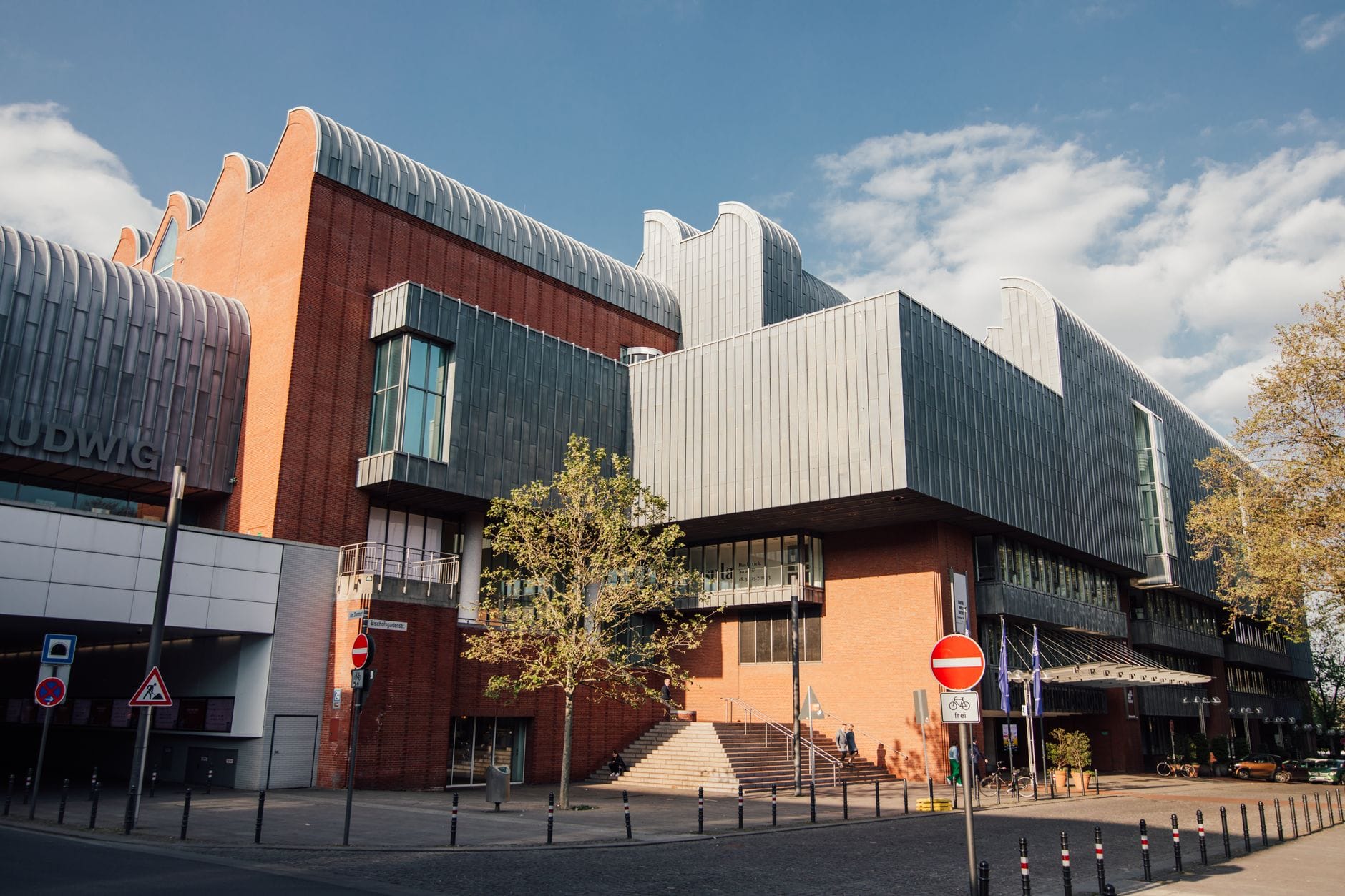
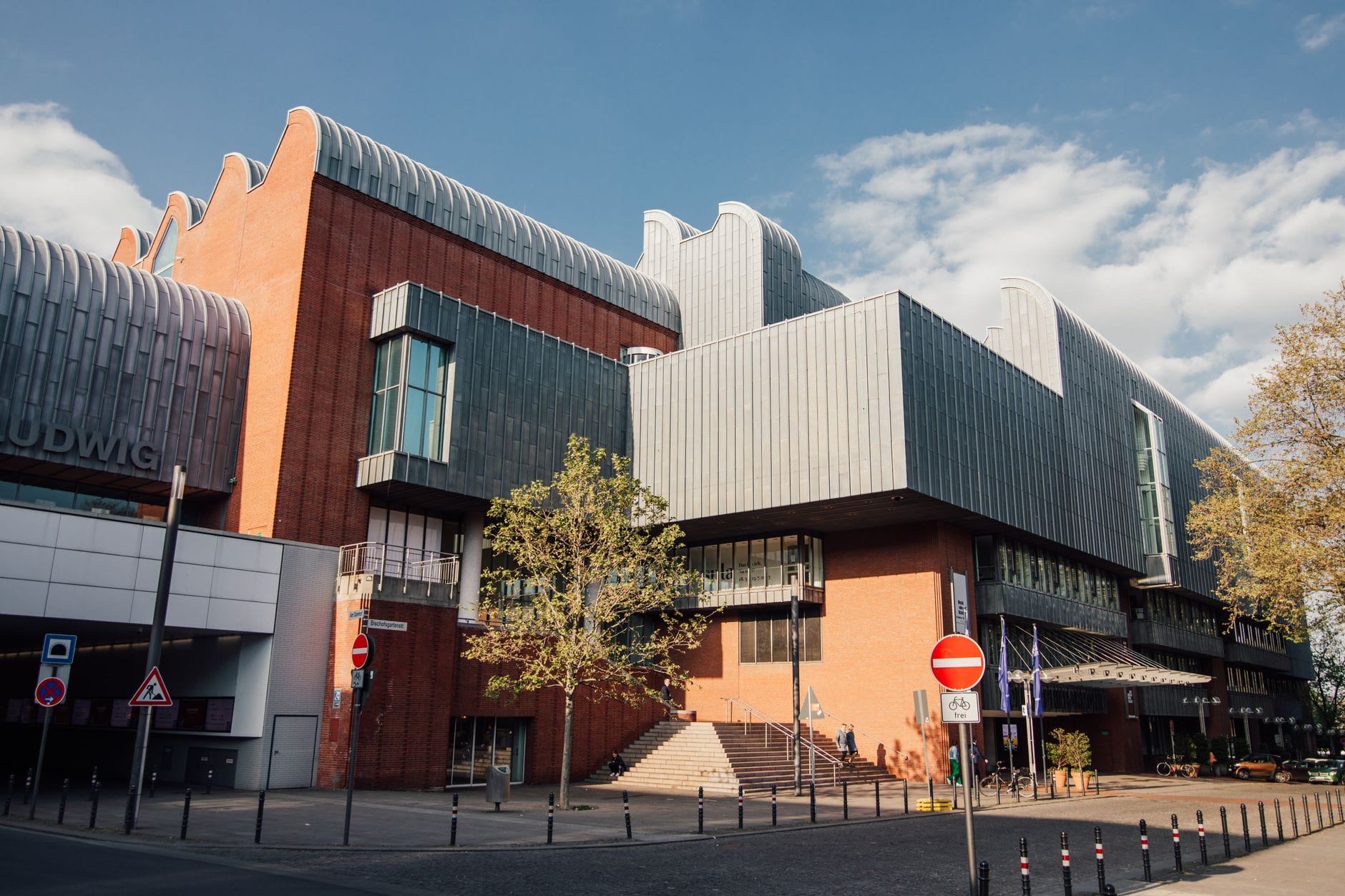
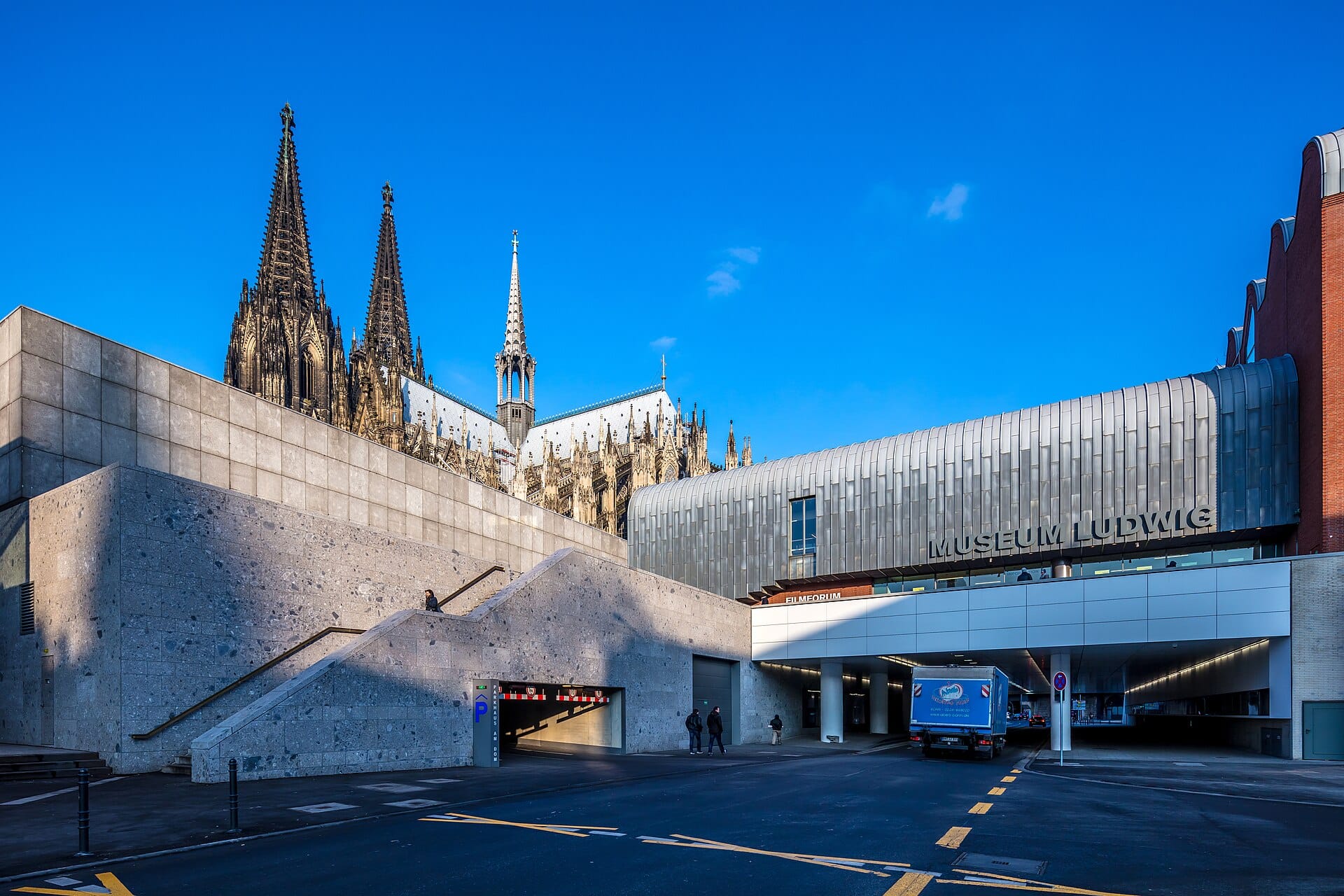
1. See One of Europe's Greatest Pop Art Collections at Museum Ludwig
Directly beside the cathedral, Museum Ludwig holds a world-class modern art collection: one of the largest Picasso holdings outside Spain, plus Warhol, Lichtenstein, and key German Expressionists. Open until 22:00 on the first Thursday of each month.
Explore1. See One of Europe's Greatest Pop Art Collections at Museum Ludwig
Directly beside the cathedral, Museum Ludwig holds a world-class modern art collection: one of the largest Picasso holdings outside Spain, plus Warhol, Lichtenstein, and key German Expressionists. Open until 22:00 on the first Thursday of each month.
Explore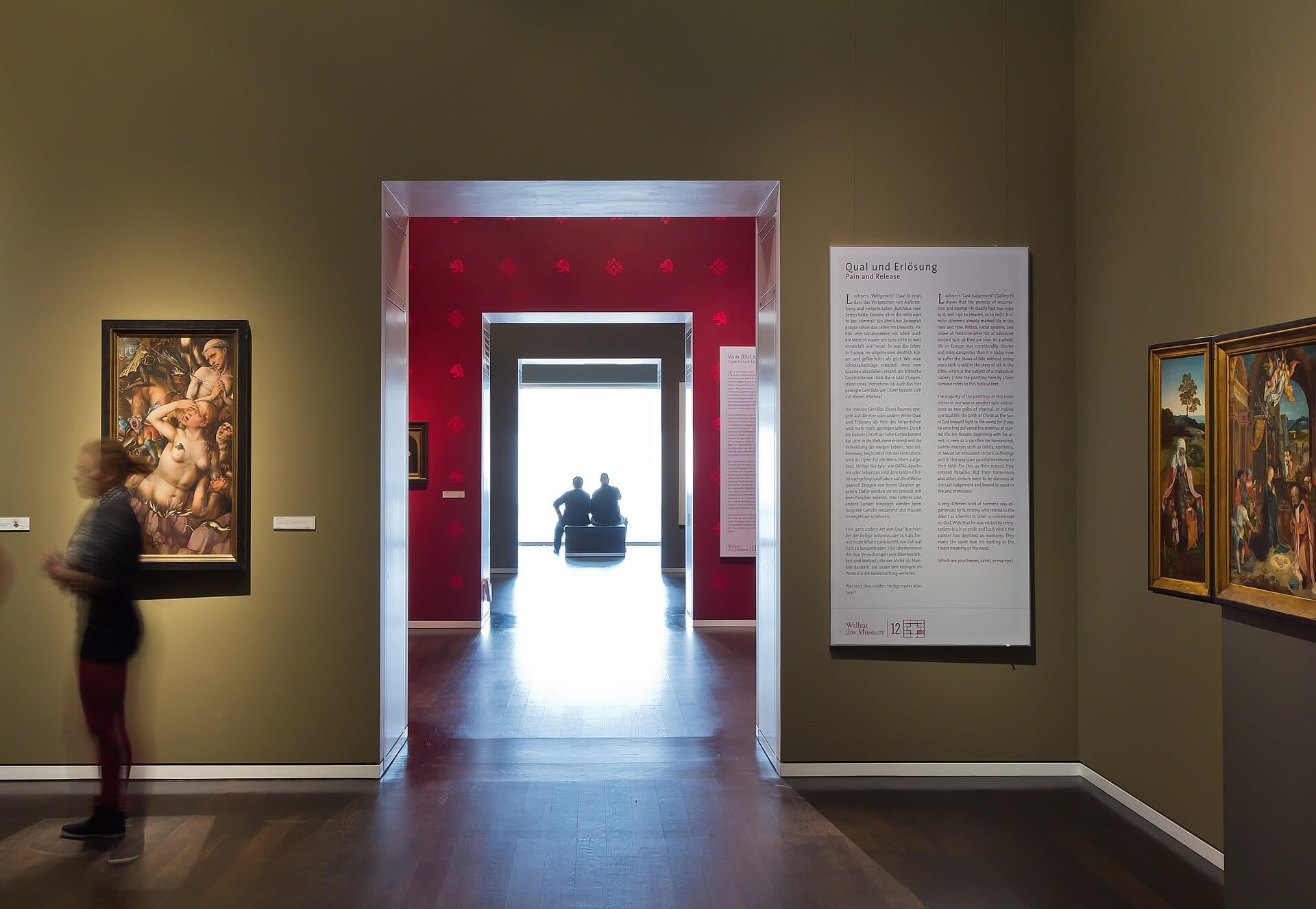
2. Explore 700 Years of European Painting at the Wallraf-Richartz Museum
One of Germany's oldest public art museums, the Wallraf-Richartz spans medieval Cologne School paintings through Dutch Old Masters to Impressionists including Monet and Renoir. Its medieval altarpieces rank among the finest in Northern Europe.
Explore2. Explore 700 Years of European Painting at the Wallraf-Richartz Museum
One of Germany's oldest public art museums, the Wallraf-Richartz spans medieval Cologne School paintings through Dutch Old Masters to Impressionists including Monet and Renoir. Its medieval altarpieces rank among the finest in Northern Europe.
Explore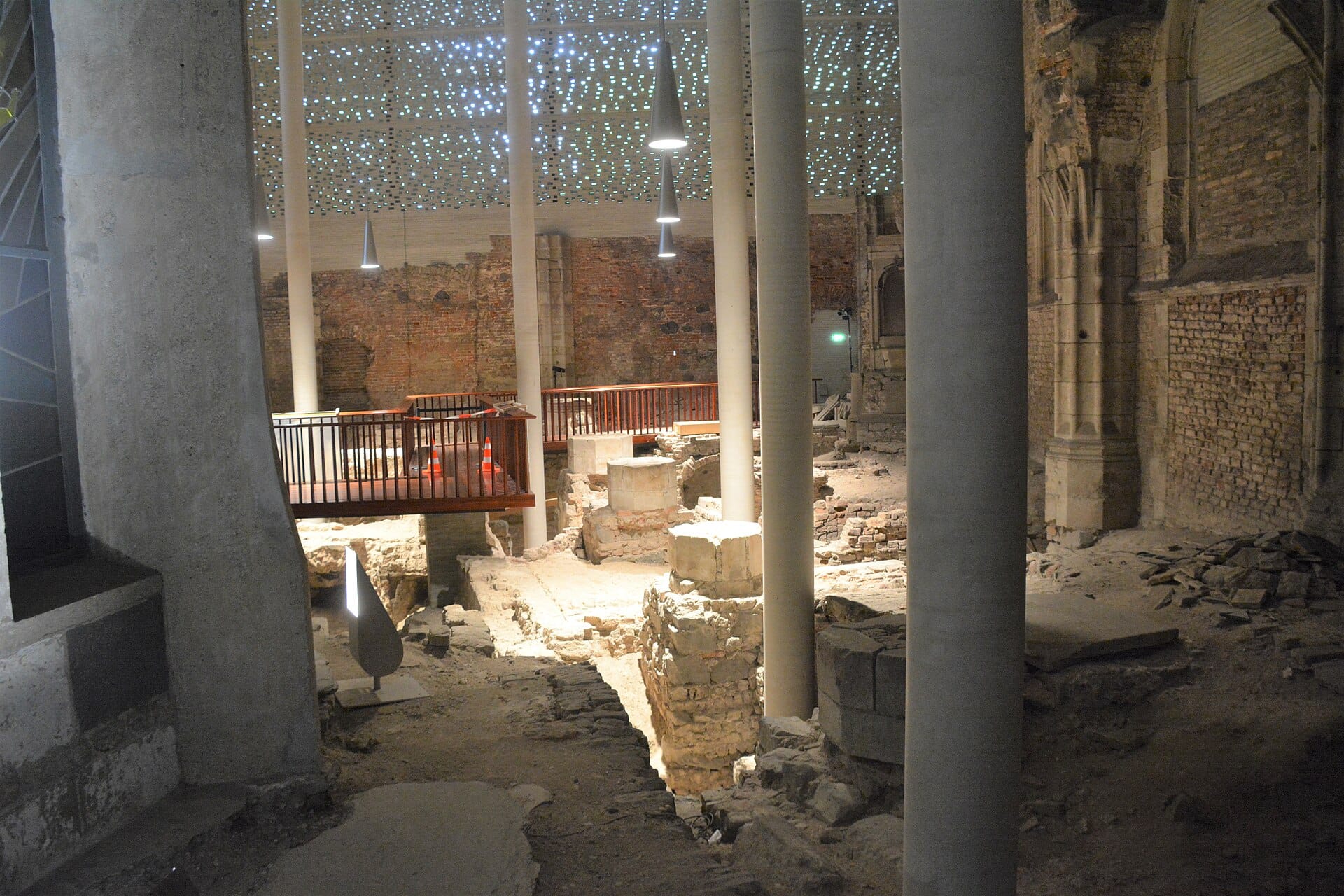
3. Experience Sacred Art in a Masterpiece of Architecture at Kolumba
Peter Zumthor's building for the Archdiocese of Cologne rises over Gothic ruins and Roman foundations. Inside, 2,000 years of religious art are displayed in meditative silence. The architecture alone justifies the visit; the collection is a profound bonus.
Explore3. Experience Sacred Art in a Masterpiece of Architecture at Kolumba
Peter Zumthor's building for the Archdiocese of Cologne rises over Gothic ruins and Roman foundations. Inside, 2,000 years of religious art are displayed in meditative silence. The architecture alone justifies the visit; the collection is a profound bonus.
Explore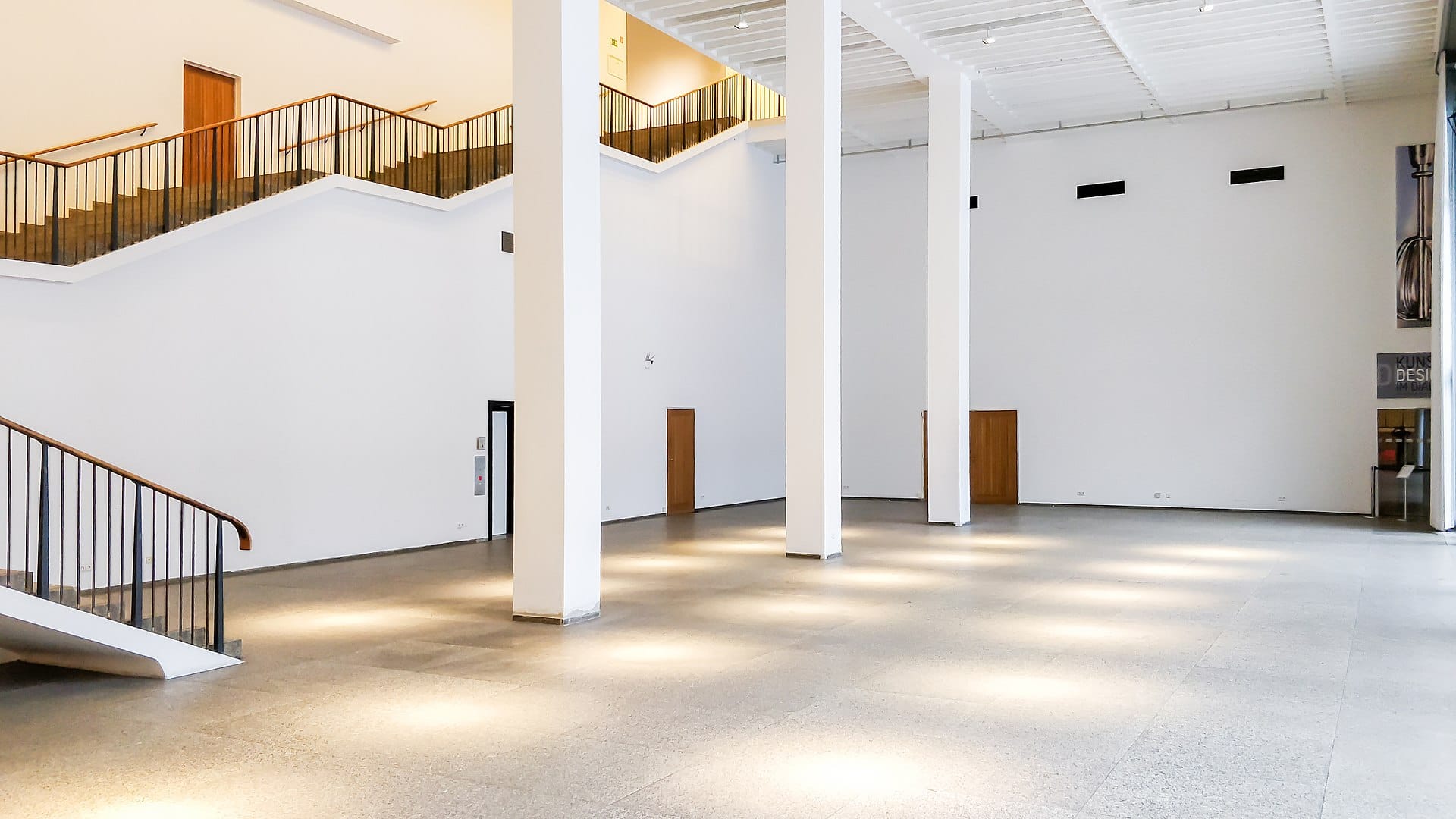
4. Discover 2,000 Years of Design at the Museum of Applied Arts (MAKK)
MAKK traces decorative arts and design from medieval craftsmanship through Bauhaus furniture to contemporary product design. The Rhine promenade building is architecturally notable, and the museum is included in the Cologne MuseumCard.
Explore4. Discover 2,000 Years of Design at the Museum of Applied Arts (MAKK)
MAKK traces decorative arts and design from medieval craftsmanship through Bauhaus furniture to contemporary product design. The Rhine promenade building is architecturally notable, and the museum is included in the Cologne MuseumCard.
ExploreHistory & Archaeology Museums
Cologne was founded as the Roman city of Colonia Claudia Ara Agrippinensium in 50 AD, and that deep history is visible across the city's archaeology and history museums. Several of these institutions sit within walking distance of each other in the Altstadt, making them natural companions on a history-focused day. For a broader look at what the city offers beyond museums, the Cologne walking tour guide connects many of these sites on foot.
5. See Roman Cologne at the Romano-Germanic Museum
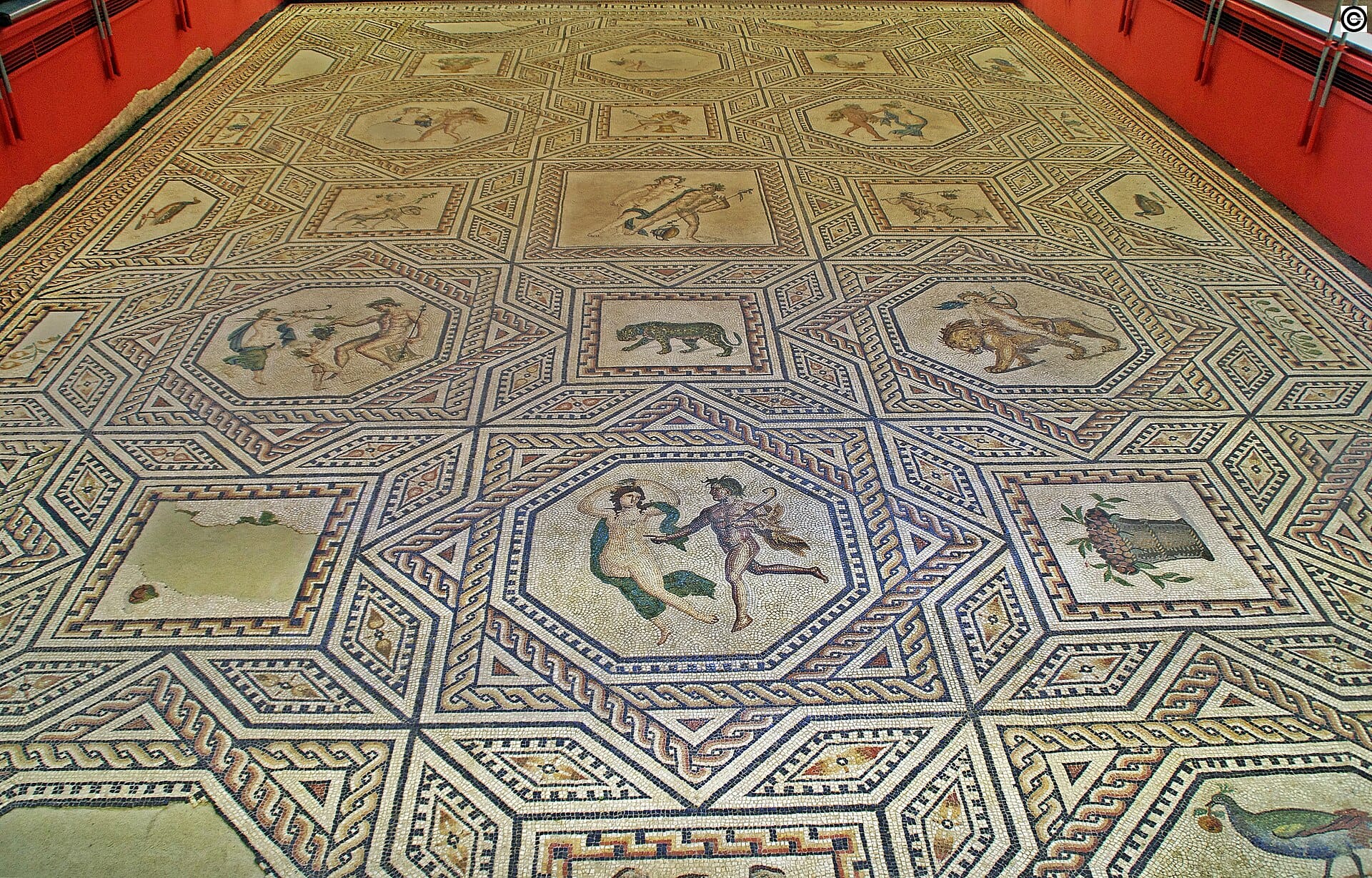
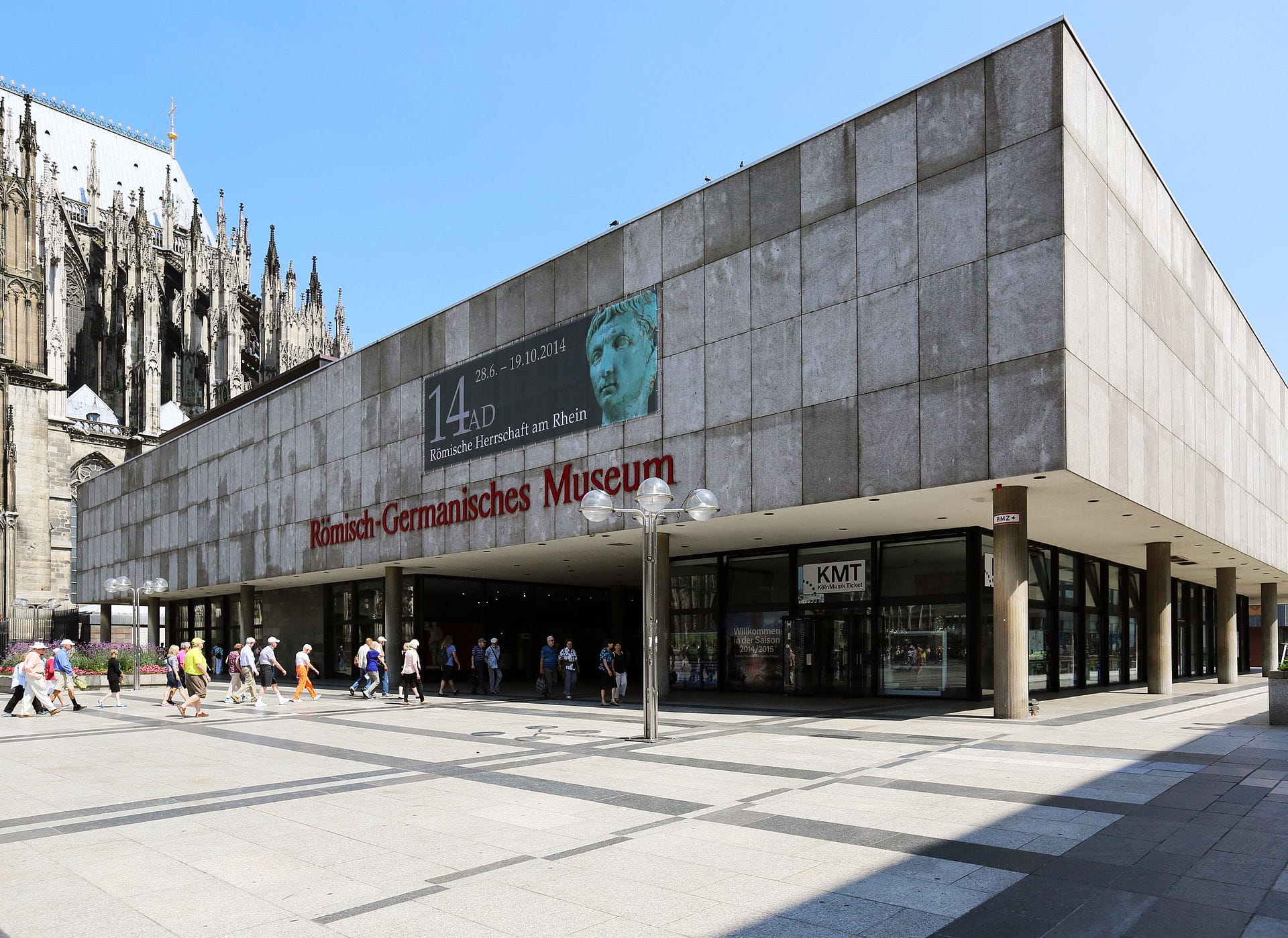
This museum documents Cologne's 2,000-year Roman past. The main building at Roncalliplatz next to the Cathedral is closed for renovation; a curated selection of objects is on display at the Belgian House on Cäcilienstraße. The famous in-situ Dionysus Mosaic remains under the closed building and is not currently on display.
Explore5. See Roman Cologne at the Romano-Germanic Museum
This museum documents Cologne's 2,000-year Roman past. The main building at Roncalliplatz next to the Cathedral is closed for renovation; a curated selection of objects is on display at the Belgian House on Cäcilienstraße. The famous in-situ Dionysus Mosaic remains under the closed building and is not currently on display.
Explore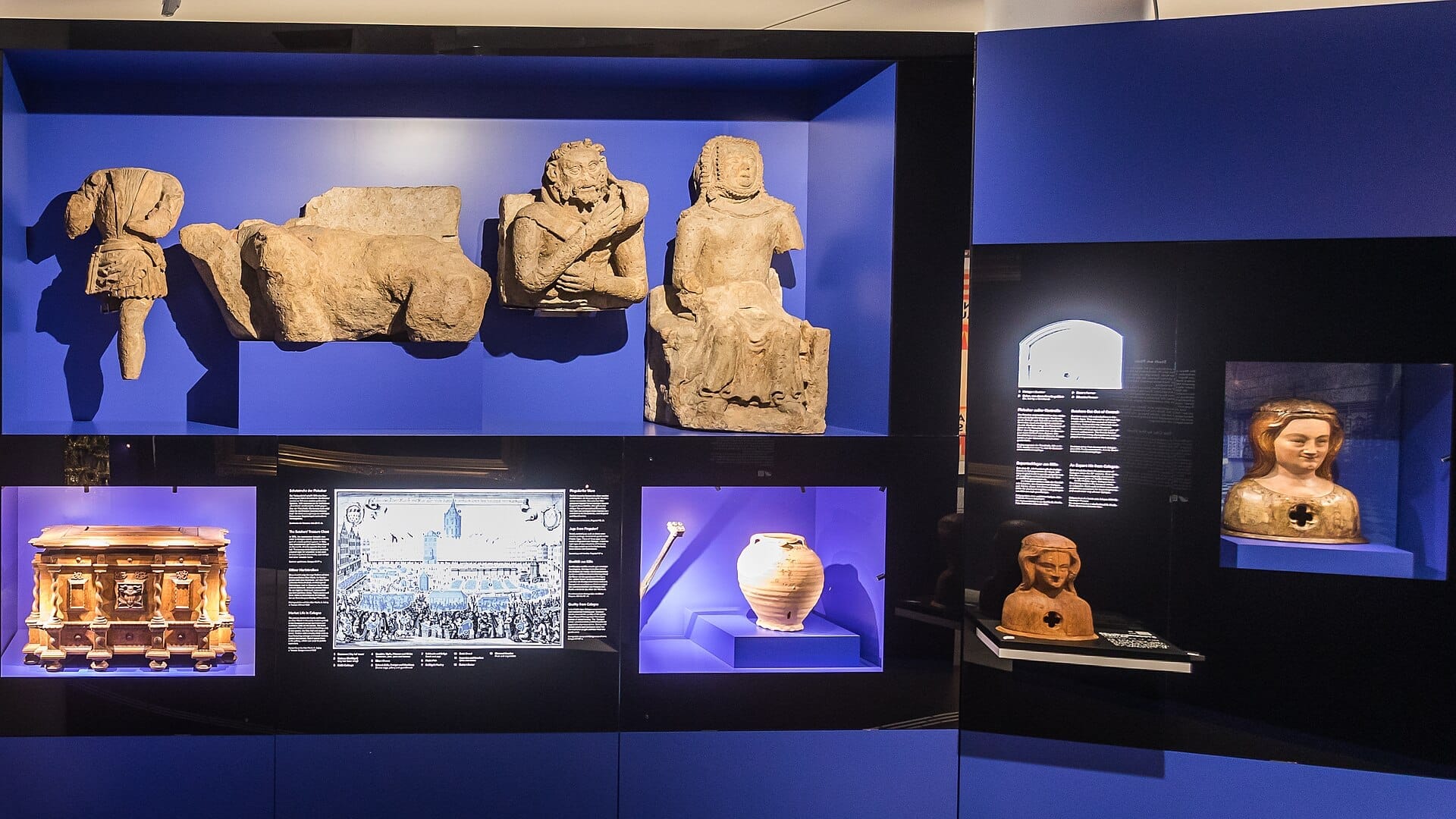
6. Understand Cologne's Identity at the Cologne City Museum (Kölnisches Stadtmuseum)
The Kölnisches Stadtmuseum covers Cologne's full urban history from Roman times to today, with strong coverage of Karneval traditions, WWII destruction, and medieval trade. It is the single best museum for understanding what makes Cologne distinctive.
Explore6. Understand Cologne's Identity at the Cologne City Museum (Kölnisches Stadtmuseum)
The Kölnisches Stadtmuseum covers Cologne's full urban history from Roman times to today, with strong coverage of Karneval traditions, WWII destruction, and medieval trade. It is the single best museum for understanding what makes Cologne distinctive.
Explore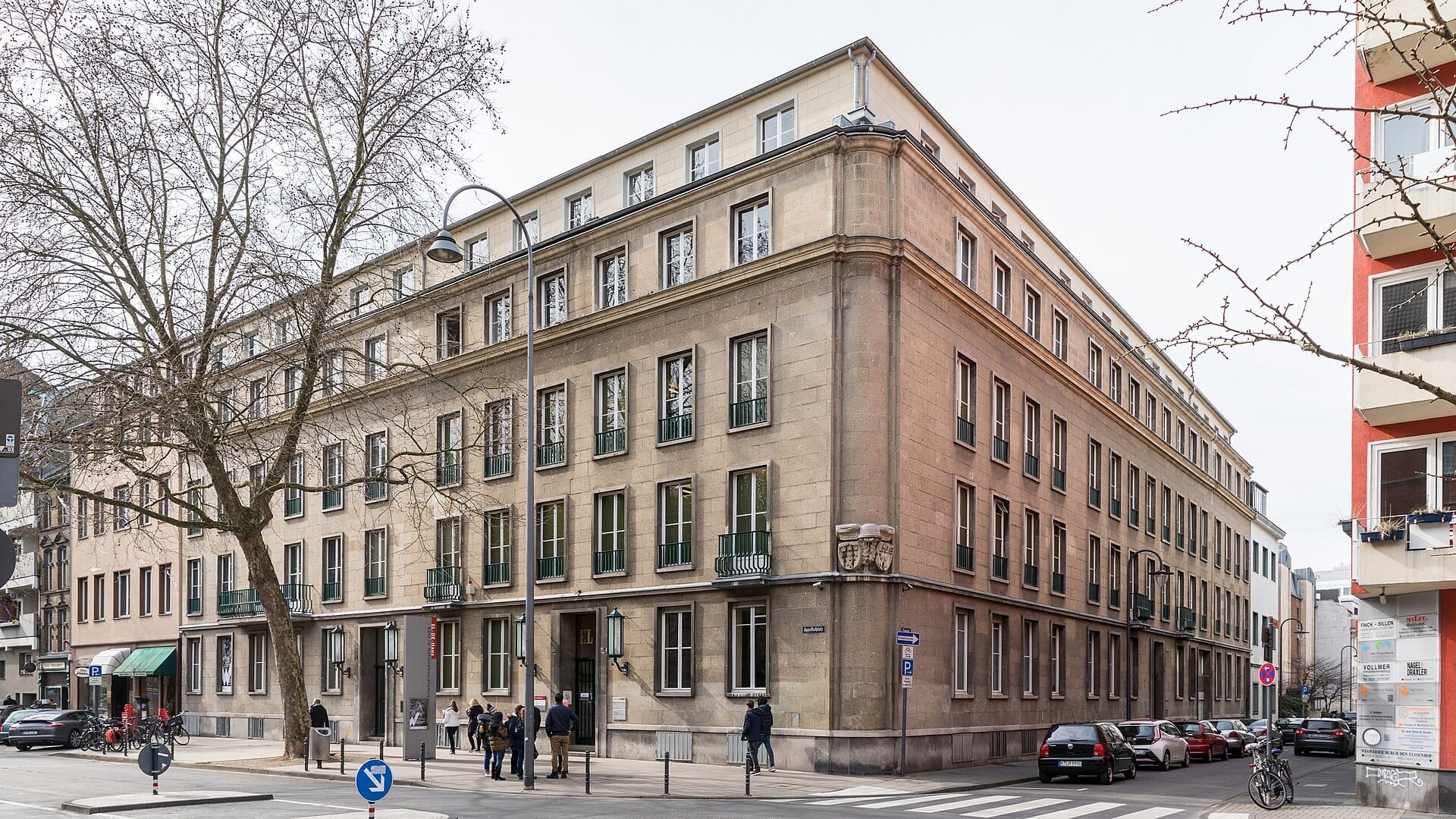
7. Confront Difficult History at the NS Documentation Centre (EL-DE Haus)
The former Gestapo headquarters in Cologne, the EL-DE Haus preserves basement prison cells still inscribed by prisoners. Its permanent exhibition on National Socialism in Cologne is one of Germany's most important memorial museums. Deeply sobering.
Explore7. Confront Difficult History at the NS Documentation Centre (EL-DE Haus)
The former Gestapo headquarters in Cologne, the EL-DE Haus preserves basement prison cells still inscribed by prisoners. Its permanent exhibition on National Socialism in Cologne is one of Germany's most important memorial museums. Deeply sobering.
ExploreReligious & Medieval Art Museums
Cologne's medieval religious heritage is exceptional, and several of its finest collections are housed inside or directly beside Romanesque churches. The city's twelve Romanesque churches form a unique architectural ensemble, and the museums connected to them reward visitors who go beyond the cathedral.
8. See Medieval Sacred Art Inside a Romanesque Church at Museum Schnütgen
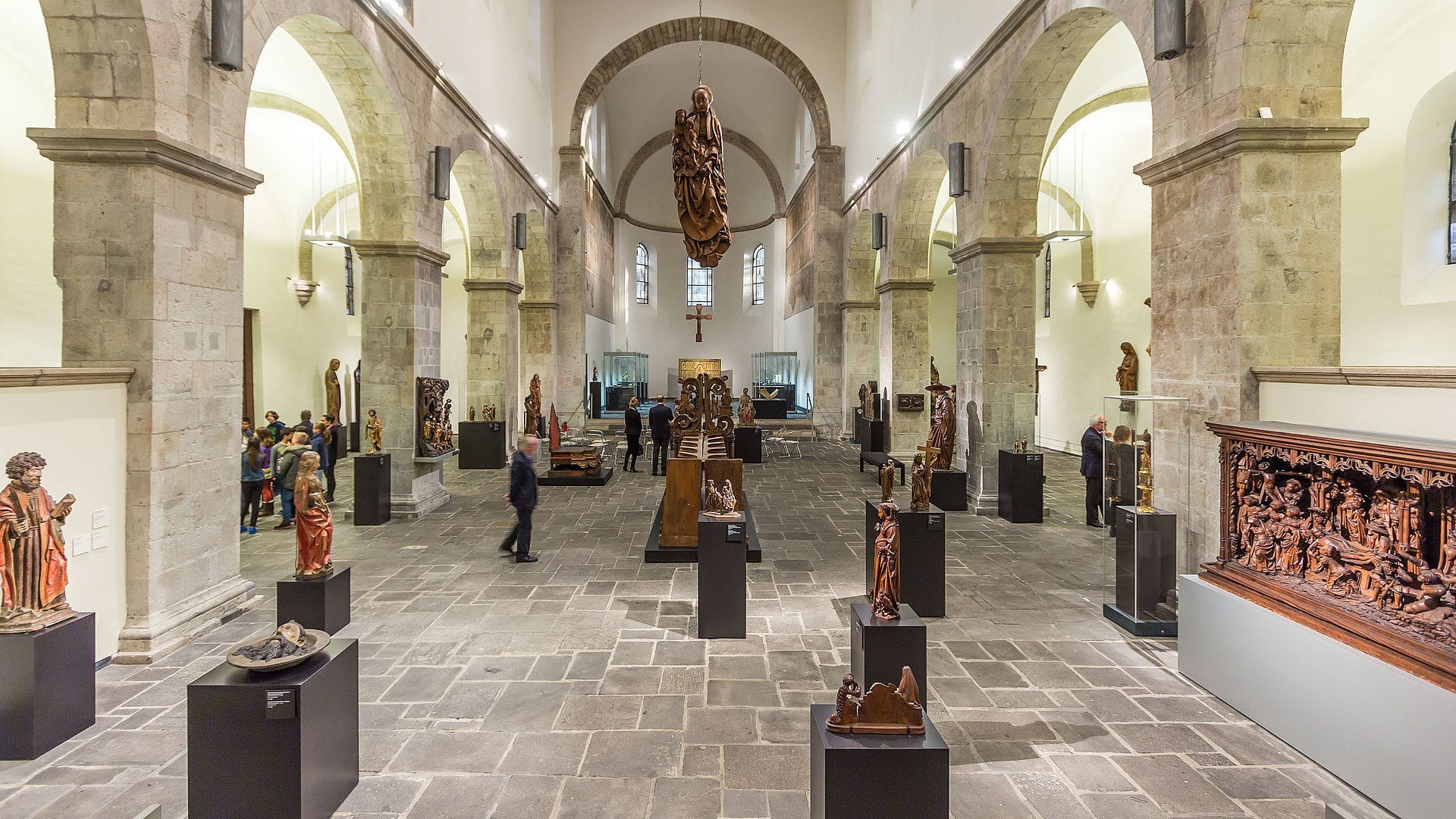
Germany's finest Romanesque and Gothic religious art collection is displayed inside the 12th-century church of St. Cäcilien: ivory carvings, reliquaries, stained glass, and wooden sculptures. The setting inside an active Romanesque interior is extraordinary.
Explore8. See Medieval Sacred Art Inside a Romanesque Church at Museum Schnütgen
Germany's finest Romanesque and Gothic religious art collection is displayed inside the 12th-century church of St. Cäcilien: ivory carvings, reliquaries, stained glass, and wooden sculptures. The setting inside an active Romanesque interior is extraordinary.
Explore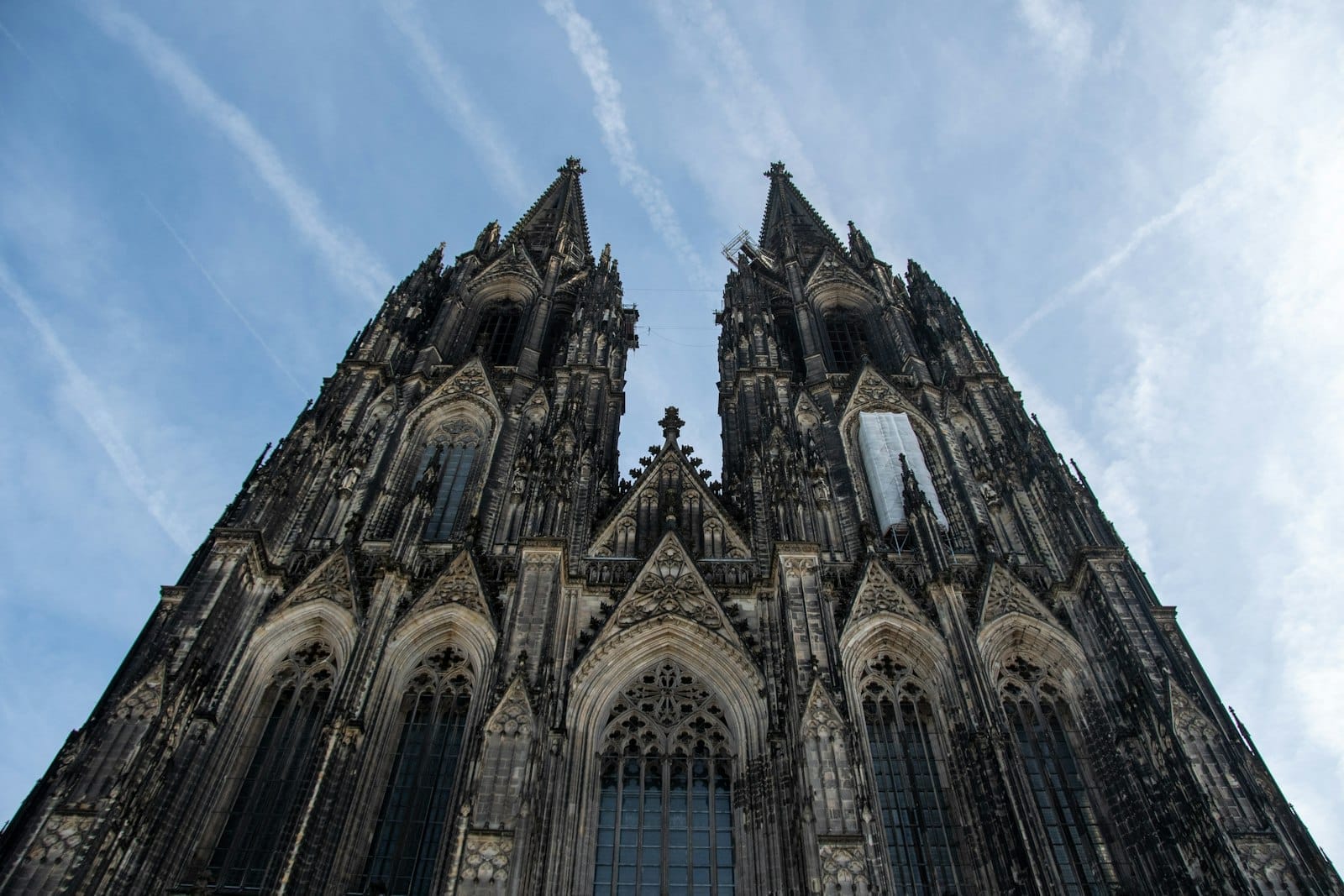
9. Explore the Treasury and Tower of Cologne Cathedral
Beyond the Gothic architecture, the Cathedral's treasury holds the Shrine of the Three Kings, the most important reliquary in Northern Europe. Climb the south tower's 533 steps for panoramic city views. Allow at least two hours for a thorough visit.
Explore9. Explore the Treasury and Tower of Cologne Cathedral
Beyond the Gothic architecture, the Cathedral's treasury holds the Shrine of the Three Kings, the most important reliquary in Northern Europe. Climb the south tower's 533 steps for panoramic city views. Allow at least two hours for a thorough visit.
ExploreWorld Cultures & Specialist Museums
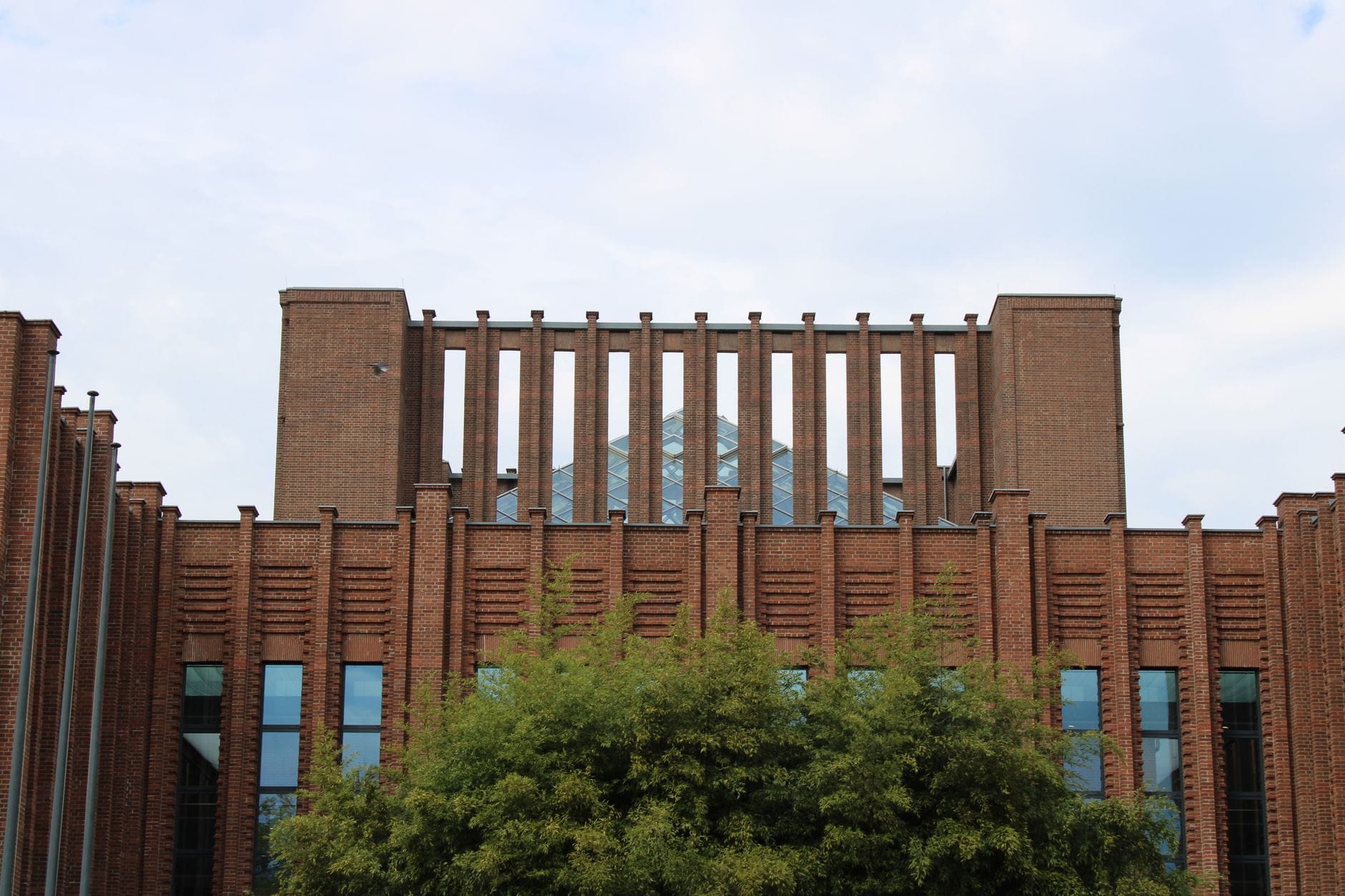
Some of Cologne's most intellectually stimulating museums sit outside the typical tourist trail. These institutions offer genuinely original collections and are far less crowded than the cathedral-area blockbusters. They are particularly worth seeking out if you are spending more than two days in the city. For more off-the-beaten-path suggestions, see the guide to hidden gems in Cologne.
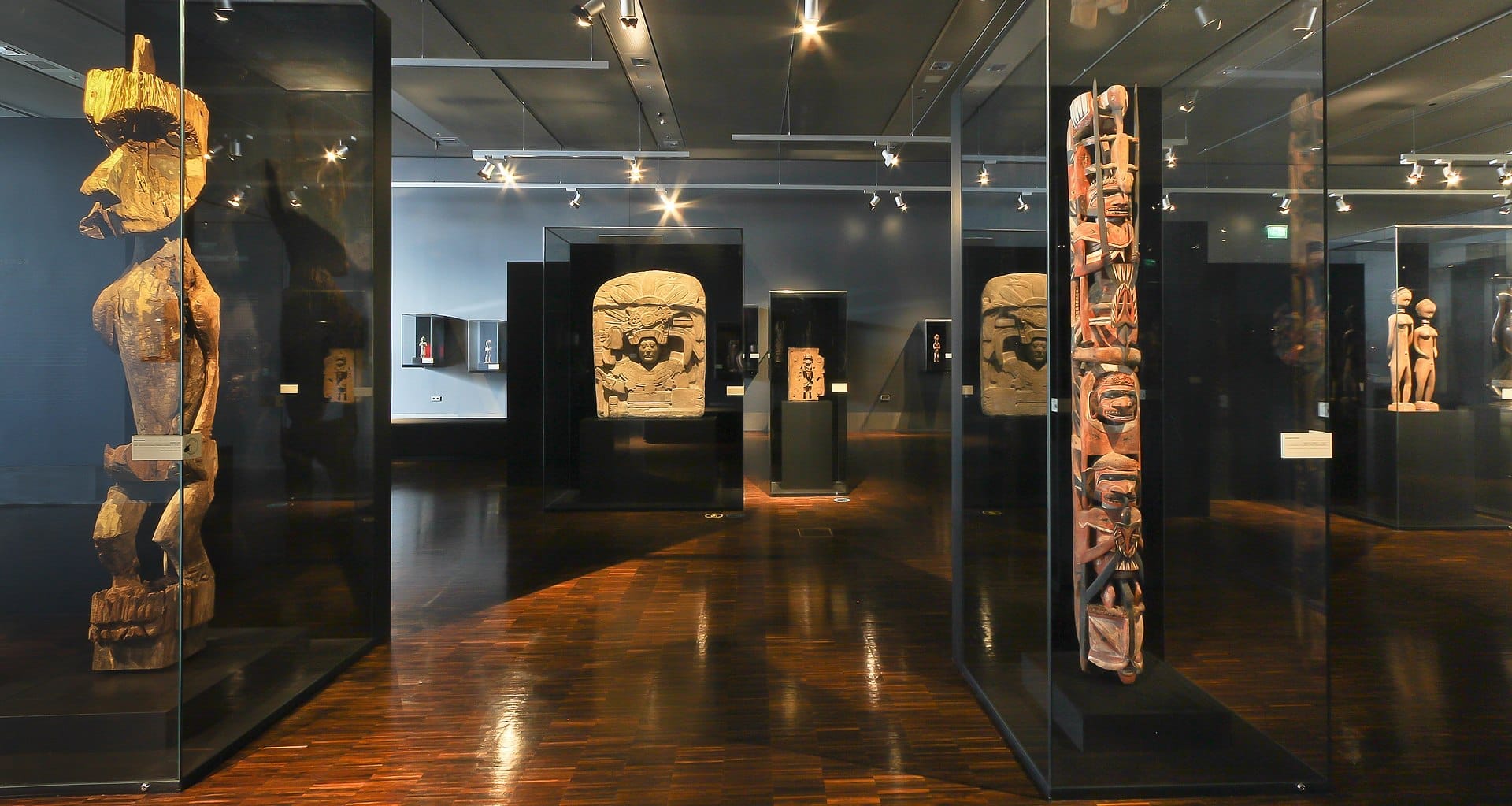
10. Explore World Cultures in Immersive Depth at the Rautenstrauch-Joest Museum
One of Europe's leading ethnological museums, the Rautenstrauch-Joest holds artefacts from Africa, Asia, the Americas, and Oceania in innovative, immersive displays. Its approach to presenting non-European cultures is thoughtful and consistently engaging.
Explore10. Explore World Cultures in Immersive Depth at the Rautenstrauch-Joest Museum
One of Europe's leading ethnological museums, the Rautenstrauch-Joest holds artefacts from Africa, Asia, the Americas, and Oceania in innovative, immersive displays. Its approach to presenting non-European cultures is thoughtful and consistently engaging.
Explore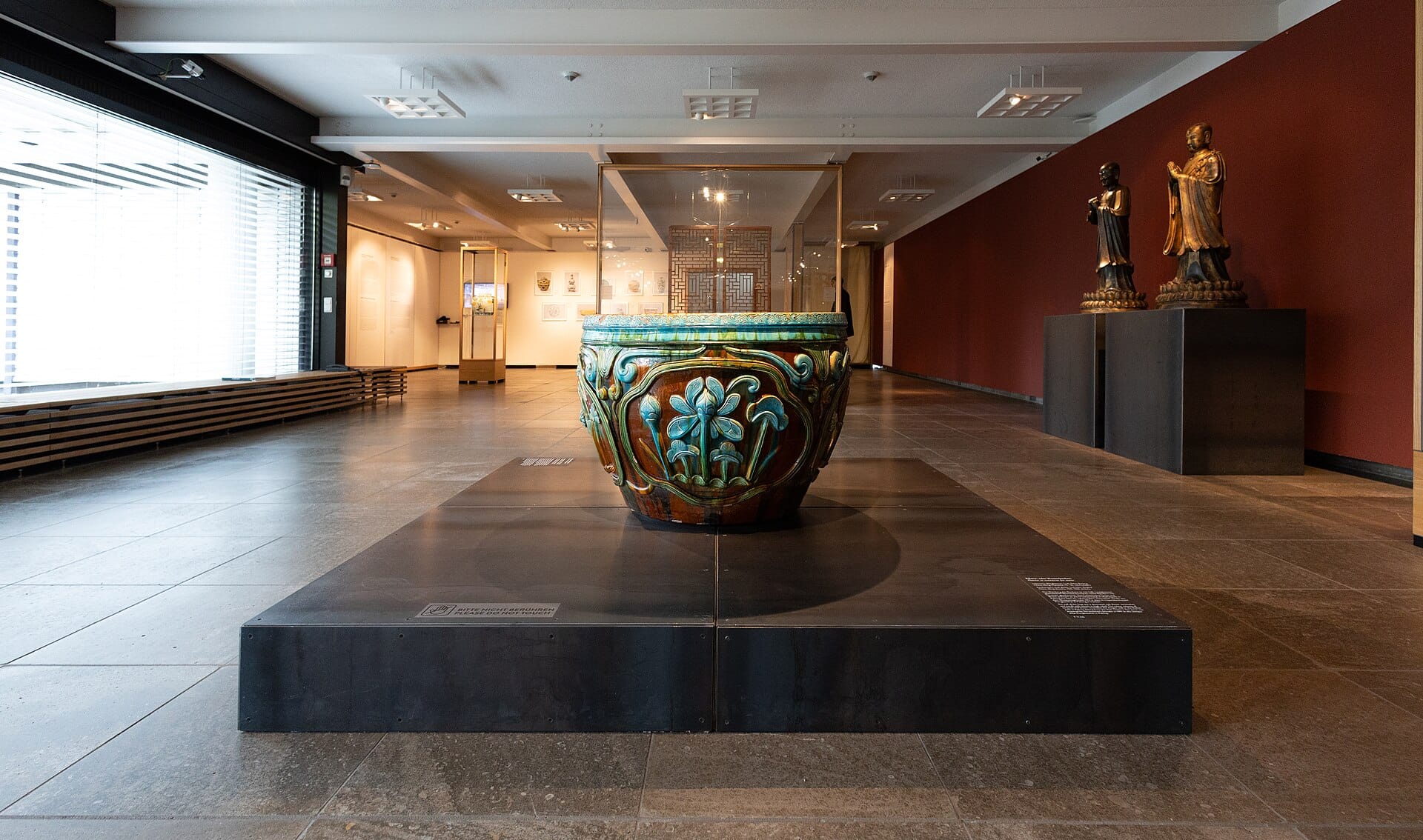
11. Discover East Asian Art in a Serene Setting at the Museum of East Asian Art
One of Europe's finest Asian art collections, displayed in a building designed by Japanese architect Kunio Maekawa. Buddhist sculpture, ceramics, and lacquerware from China, Japan, and Korea are the highlights. Unhurried and rarely crowded.
Explore11. Discover East Asian Art in a Serene Setting at the Museum of East Asian Art
One of Europe's finest Asian art collections, displayed in a building designed by Japanese architect Kunio Maekawa. Buddhist sculpture, ceramics, and lacquerware from China, Japan, and Korea are the highlights. Unhurried and rarely crowded.
Explore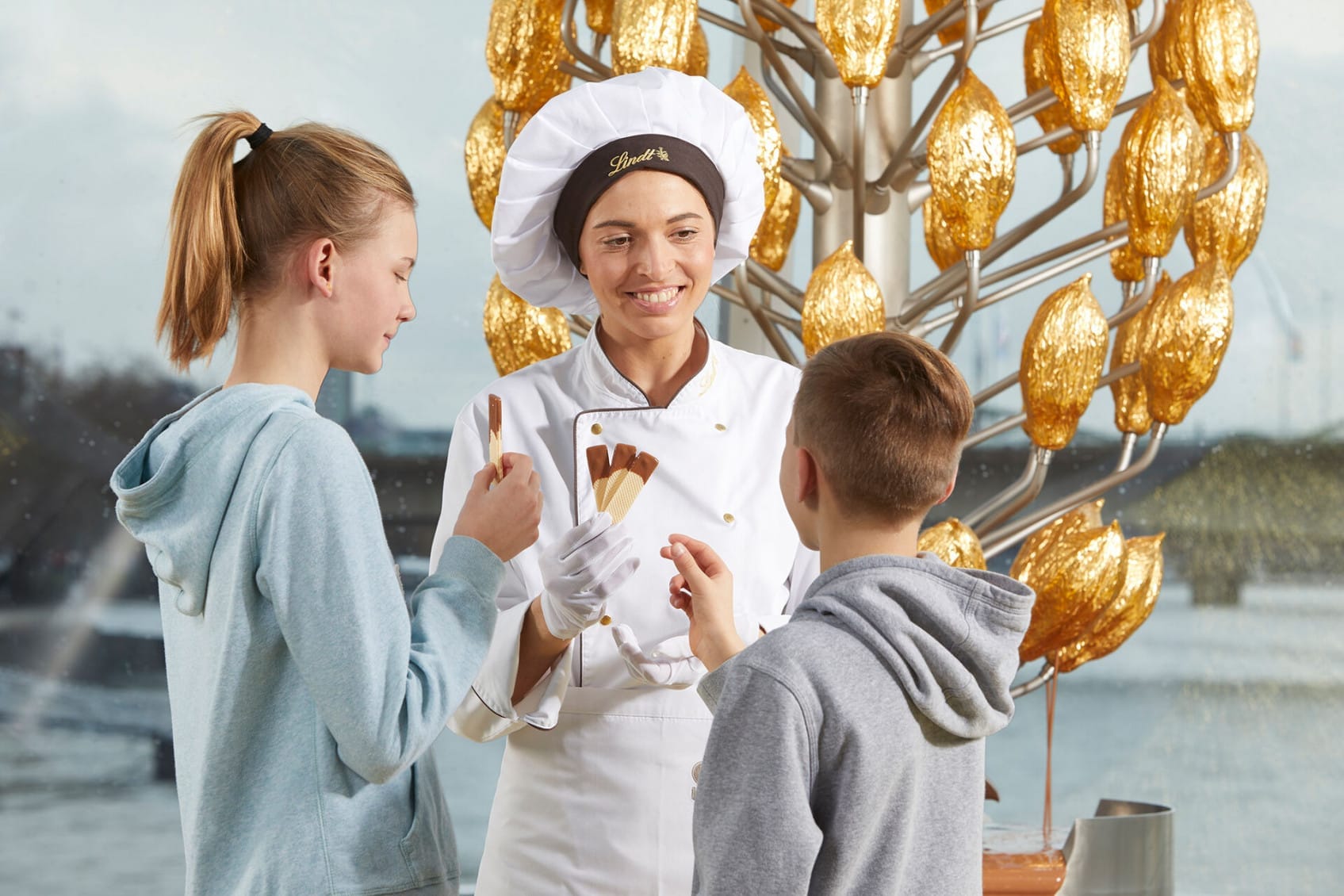
12. Follow 3,000 Years of Chocolate History at the Chocolate Museum
Germany's most-visited private museum traces chocolate from Mesoamerican origins to modern confectionery, with a famous three-metre chocolate fountain where you can dip a wafer. Located on the Rhine waterfront in Rheinauhafen; buy tickets in advance.
Explore12. Follow 3,000 Years of Chocolate History at the Chocolate Museum
Germany's most-visited private museum traces chocolate from Mesoamerican origins to modern confectionery, with a famous three-metre chocolate fountain where you can dip a wafer. Located on the Rhine waterfront in Rheinauhafen; buy tickets in advance.
Explore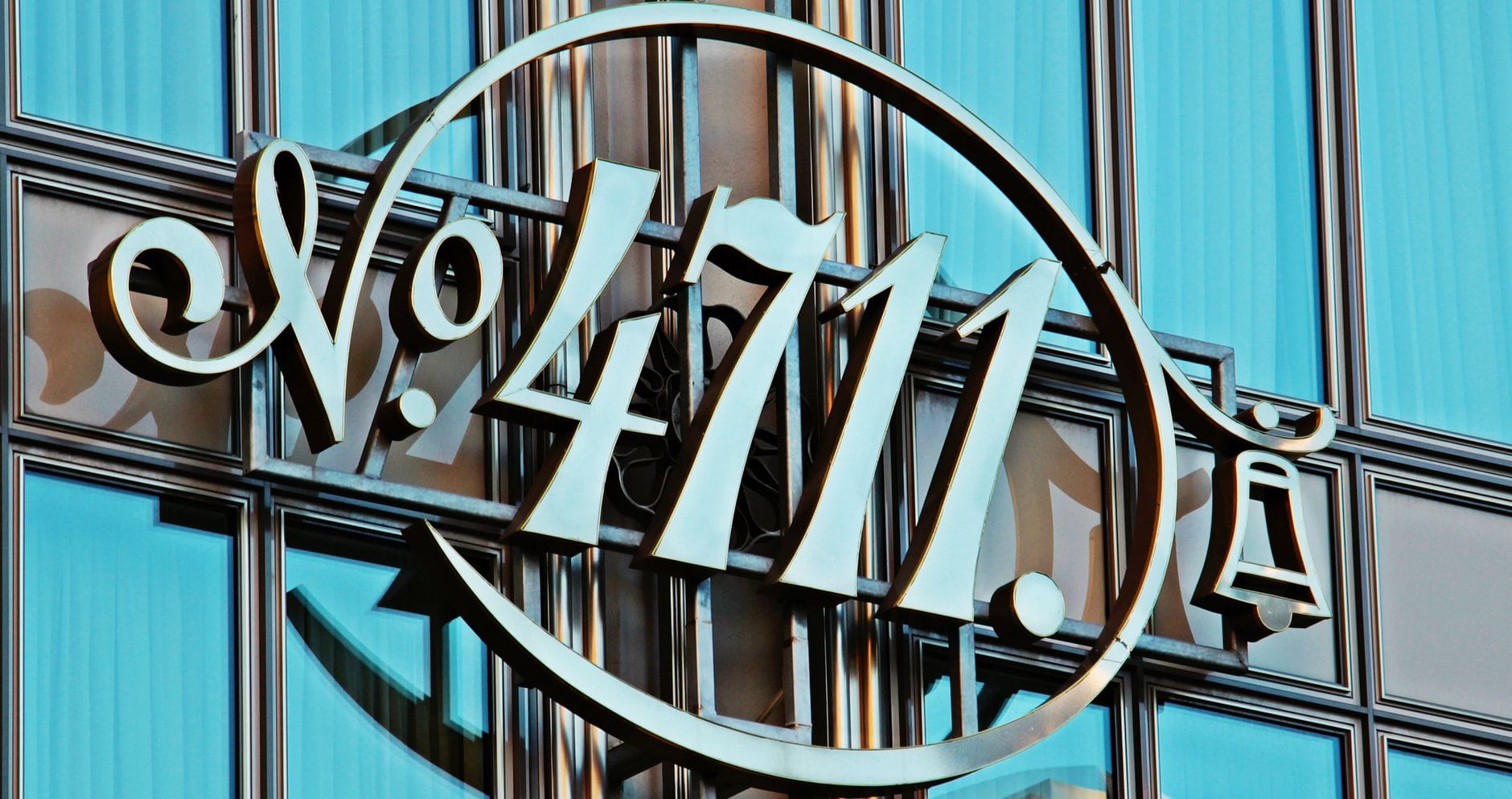
13. Visit the 4711 House, Historic Home of 4711 Original Eau de Cologne
The original fragrance created here in 1792 gave cologne its name worldwide. Today the Glockengasse building is both a boutique and museum, with the famous carillon playing hourly. A short but fascinating stop for anyone curious about fragrance history.
Explore13. Visit the 4711 House, Historic Home of 4711 Original Eau de Cologne
The original fragrance created here in 1792 gave cologne its name worldwide. Today the Glockengasse building is both a boutique and museum, with the famous carillon playing hourly. A short but fascinating stop for anyone curious about fragrance history.
Explore💡 Local tip
Most Cologne museums are closed on Mondays. Plan your museum days for Tuesday through Sunday to avoid disappointment, especially if your trip is short.
FAQ
What is the best museum in Cologne?
Museum Ludwig is widely considered Cologne's premier museum, with one of Europe's finest modern art collections including major Picasso holdings and standout Pop Art works by Warhol and Lichtenstein. For ancient history, the Romano-Germanic Museum is exceptional. For something unique, Kolumba combines architecture and 2,000 years of religious art in a way found nowhere else.
Is there a museum pass for Cologne?
Yes. The Cologne MuseumCard covers nine municipal museums for two consecutive days, including Museum Ludwig, Wallraf-Richartz Museum, MAKK, Museum Schnütgen, Rautenstrauch-Joest, and the NS Documentation Centre. It does not cover private museums like the Chocolate Museum or Cathedral Treasury. Verify current prices before purchasing.
Are Cologne museums closed on Mondays?
Many Cologne museums are closed on Mondays, so plan your museum days for Tuesday through Sunday. Museum Ludwig opens until 22:00 on the first Thursday of each month, which is a good option for evening visits.
Is the Romano-Germanic Museum open?
The Romano-Germanic Museum's main building at Roncalliplatz is closed for renovation. An interim exhibition of selected objects is on display at the Belgian House on Cäcilienstraße 46. The in-situ Dionysus Mosaic is under the closed building and is not currently on view. Check the museum's official website or Cologne Tourism for the current exhibition location before visiting.
How many museums are there in Cologne?
Cologne has more than 30 museums, collections, and exhibition spaces, ranging from major institutions like Museum Ludwig and the Wallraf-Richartz to specialist museums dedicated to chocolate, perfume, East Asian art, and local city history. Even dedicated museum-goers will find more than enough to fill a week.
Tickets & tours
Live prices and dates from our booking partner. If you book, we may earn a commission at no extra cost to you.
Planning a trip? Discover personalized activities with the Nomado app.