Hidden Gems in Cologne: Beyond the Cathedral
Cologne's Kölner Dom draws millions of visitors, but the city's real character lives elsewhere. From a medieval ossuary church to a free botanical garden, a rooftop panorama across the Rhine, and one of Europe's best ethnological museums, these are the places locals love and tourists too often miss.
Tickets & tours
Live prices and dates from our booking partner. If you book, we may earn a commission at no extra cost to you.
Most visitors to Cologne spend their first hours staring up at the twin spires of the Dom, and rightly so. But if you stay in that orbit, you miss the city entirely. Cologne rewards the curious: its Altstadt alone contains Romanesque basilicas that predate the cathedral, a former Gestapo prison, and one of Germany's finest medieval art collections. Venture further into Ehrenfeld and the Belgian Quarter and you find street murals, jazz parks, and neighbourhood bars that feel nothing like a tourist itinerary. This guide collects the attractions that most visitors walk straight past, organised so you can fold them into a day or a full weekend. For a structured route through the city's highlights, the Cologne walking tour guide pairs well with this list.
Ancient Rome & Medieval History
Cologne was founded as a Roman colony in 50 CE and the evidence is still underfoot. Several of the sites below sit within a short walk of each other in the Altstadt, making them easy to combine. If Roman and medieval history are your focus, the guide to Cologne's Romanesque churches goes deeper on the architectural details.
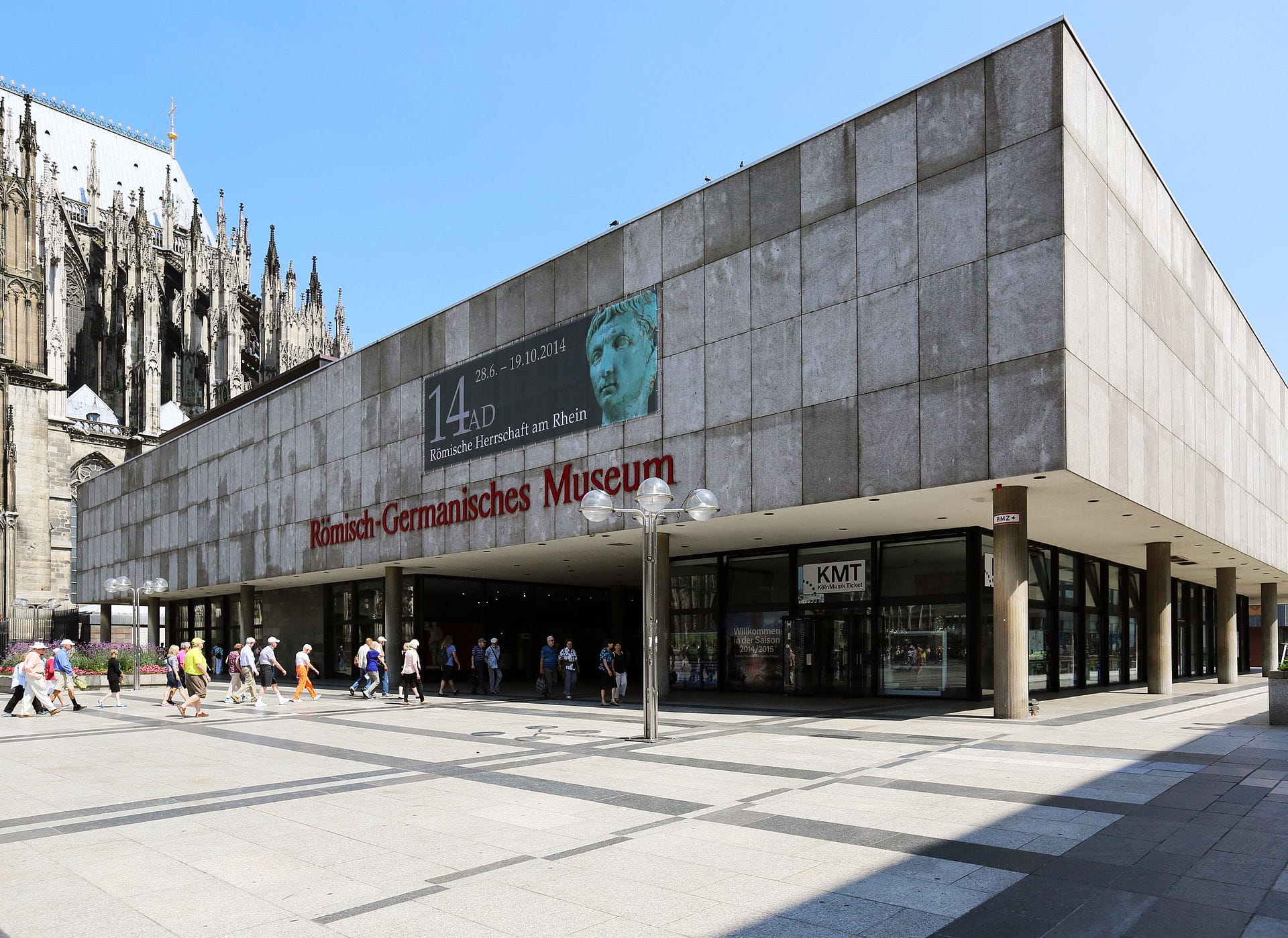
1. See Roman Cologne at the Romano-Germanic Museum
The main building at Roncalliplatz is closed for renovation and the famous in-situ Dionysus Mosaic is not currently on display. The interim exhibition at the Belgian House on Cäcilienstraße shows a curated selection: glassware, tombstones, and weaponry from Roman Cologne. Allow around 90 minutes.
Explore1. See Roman Cologne at the Romano-Germanic Museum
The main building at Roncalliplatz is closed for renovation and the famous in-situ Dionysus Mosaic is not currently on display. The interim exhibition at the Belgian House on Cäcilienstraße shows a curated selection: glassware, tombstones, and weaponry from Roman Cologne. Allow around 90 minutes.
Explore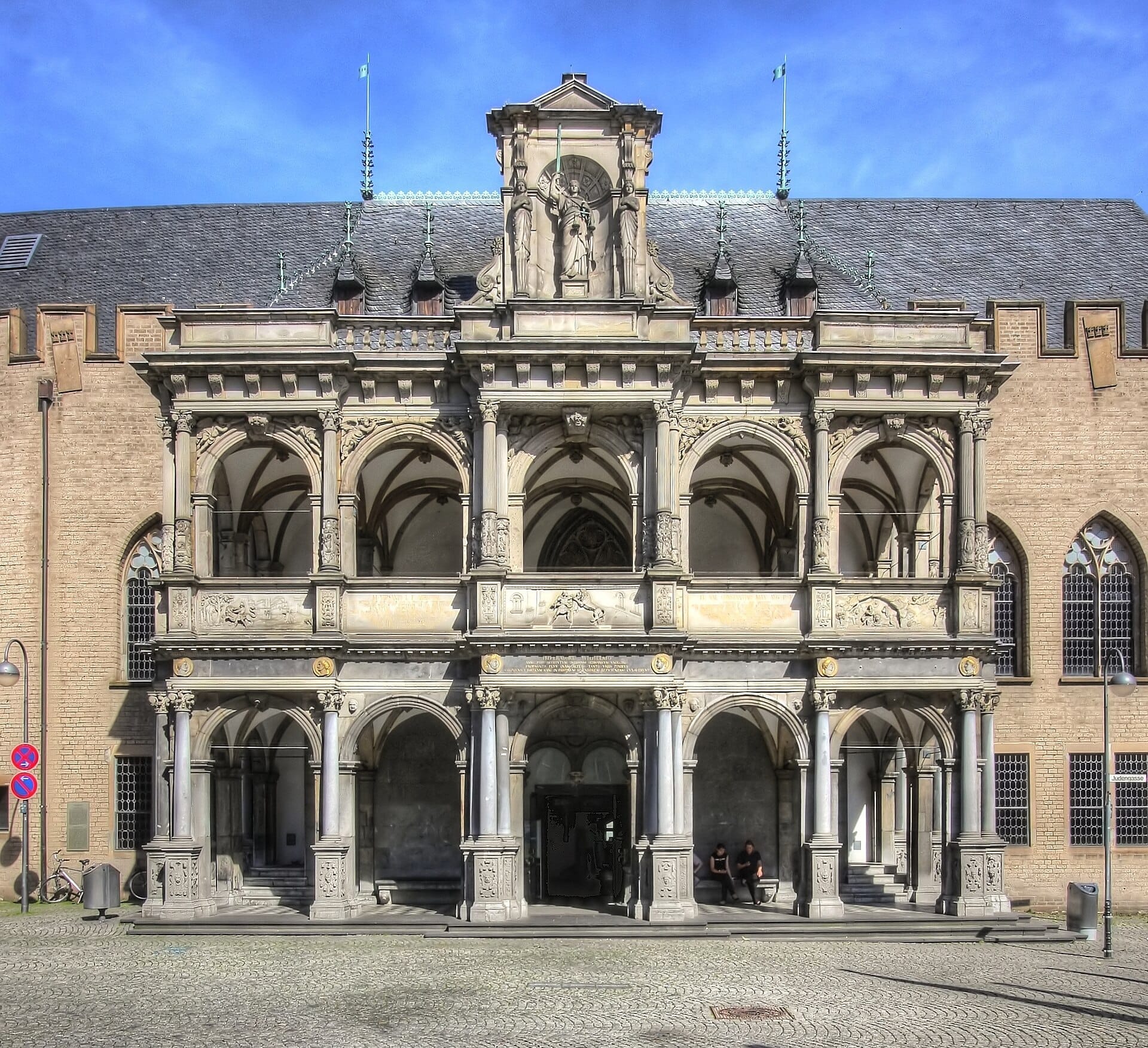
2. Find Roman Ruins Beneath Cologne's City Hall
Below the Gothic tower and Renaissance loggia lies the excavated Roman praetorium and the remains of the medieval Jewish quarter. The building is still in civic use, which makes this layering of 2,000 years of history feel genuinely alive rather than museumified.
Explore2. Find Roman Ruins Beneath Cologne's City Hall
Below the Gothic tower and Renaissance loggia lies the excavated Roman praetorium and the remains of the medieval Jewish quarter. The building is still in civic use, which makes this layering of 2,000 years of history feel genuinely alive rather than museumified.
Explore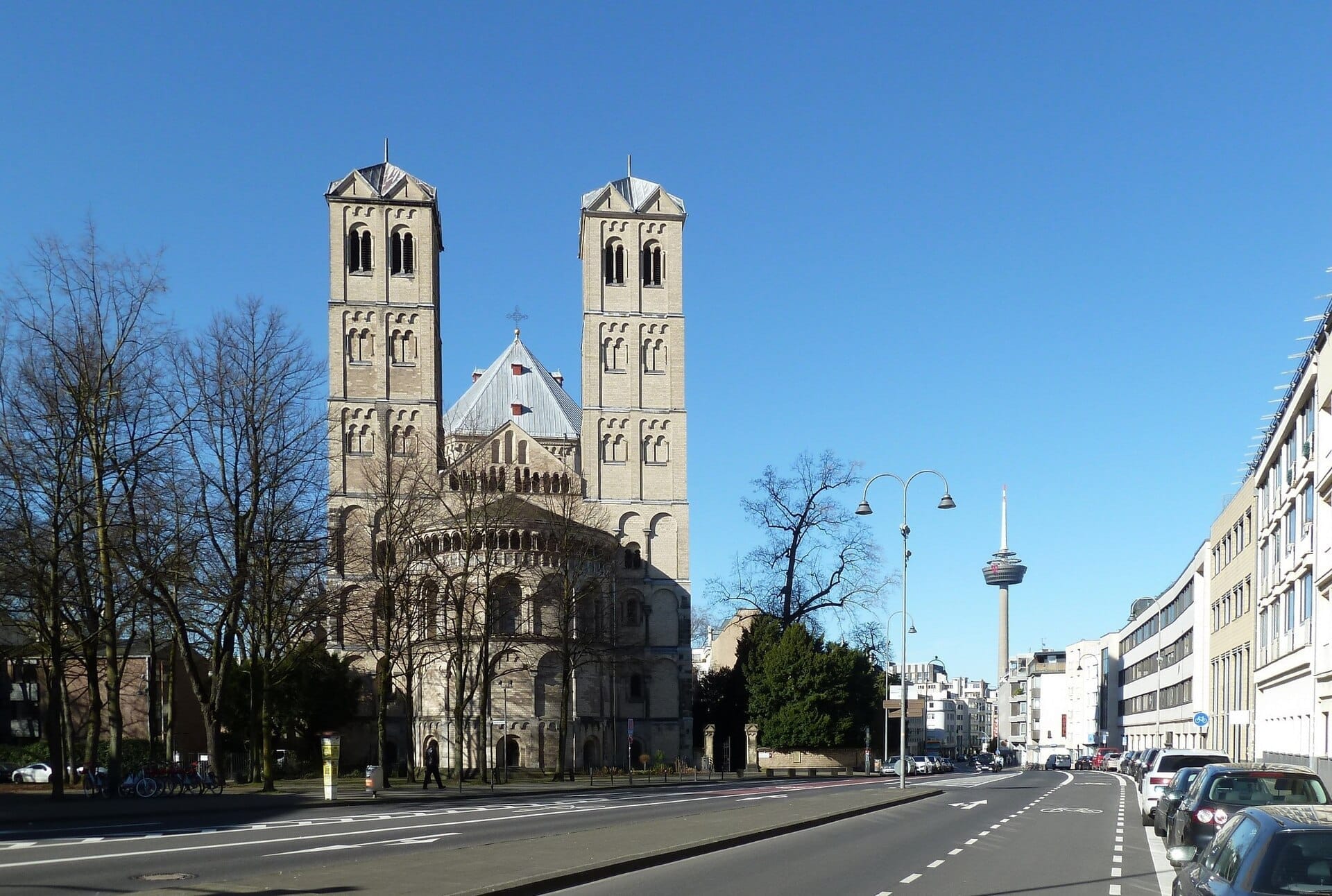
3. See the Decagonal Nave of St. Gereon's Basilica
Built over a Roman mausoleum, St. Gereon features one of the largest Romanesque domes ever constructed. Most visitors to Cologne never find it. The interior mosaics and ancient foundations are extraordinary, and the church sees a fraction of the Dom's crowds.
Explore3. See the Decagonal Nave of St. Gereon's Basilica
Built over a Roman mausoleum, St. Gereon features one of the largest Romanesque domes ever constructed. Most visitors to Cologne never find it. The interior mosaics and ancient foundations are extraordinary, and the church sees a fraction of the Dom's crowds.
Explore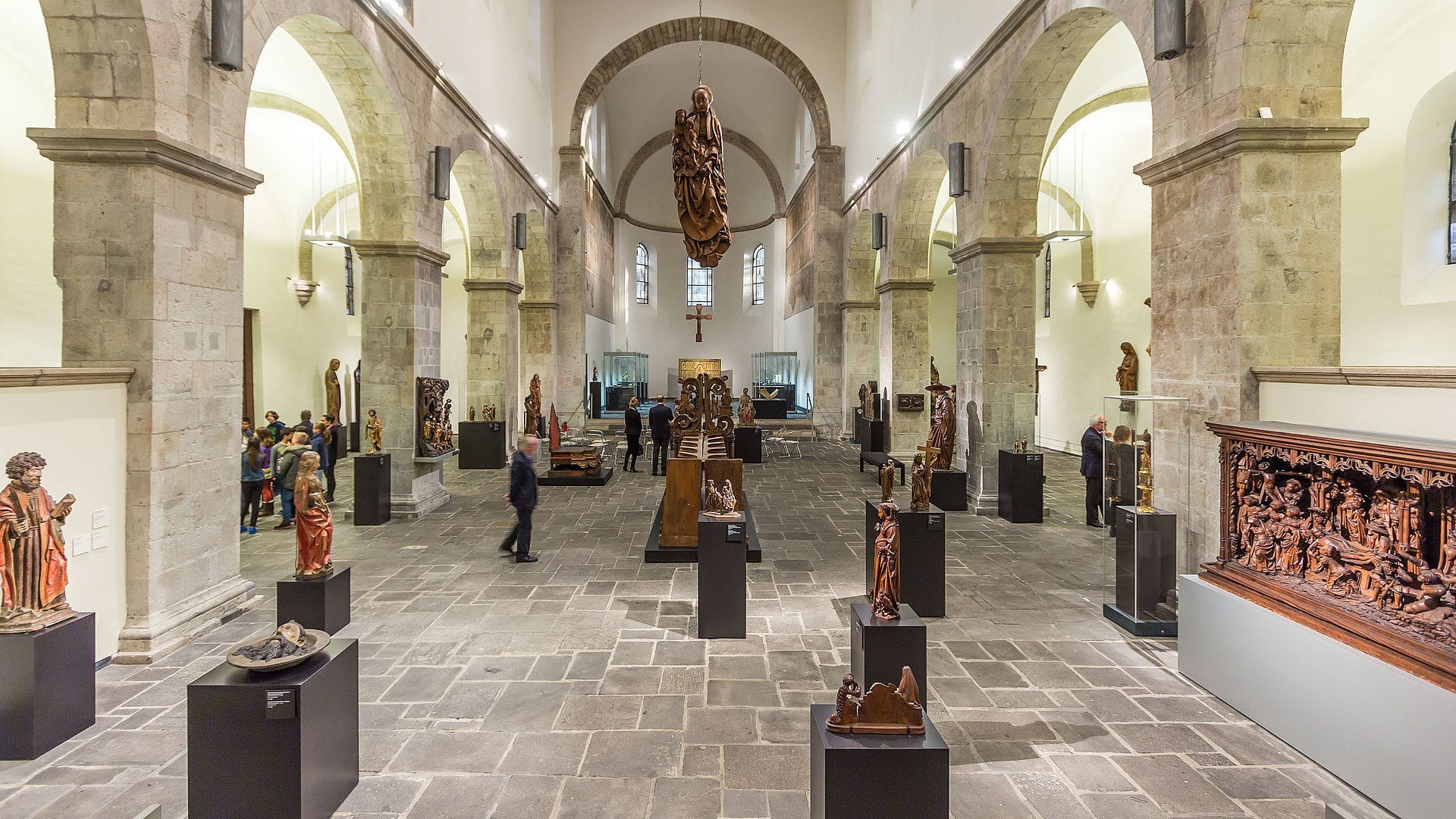
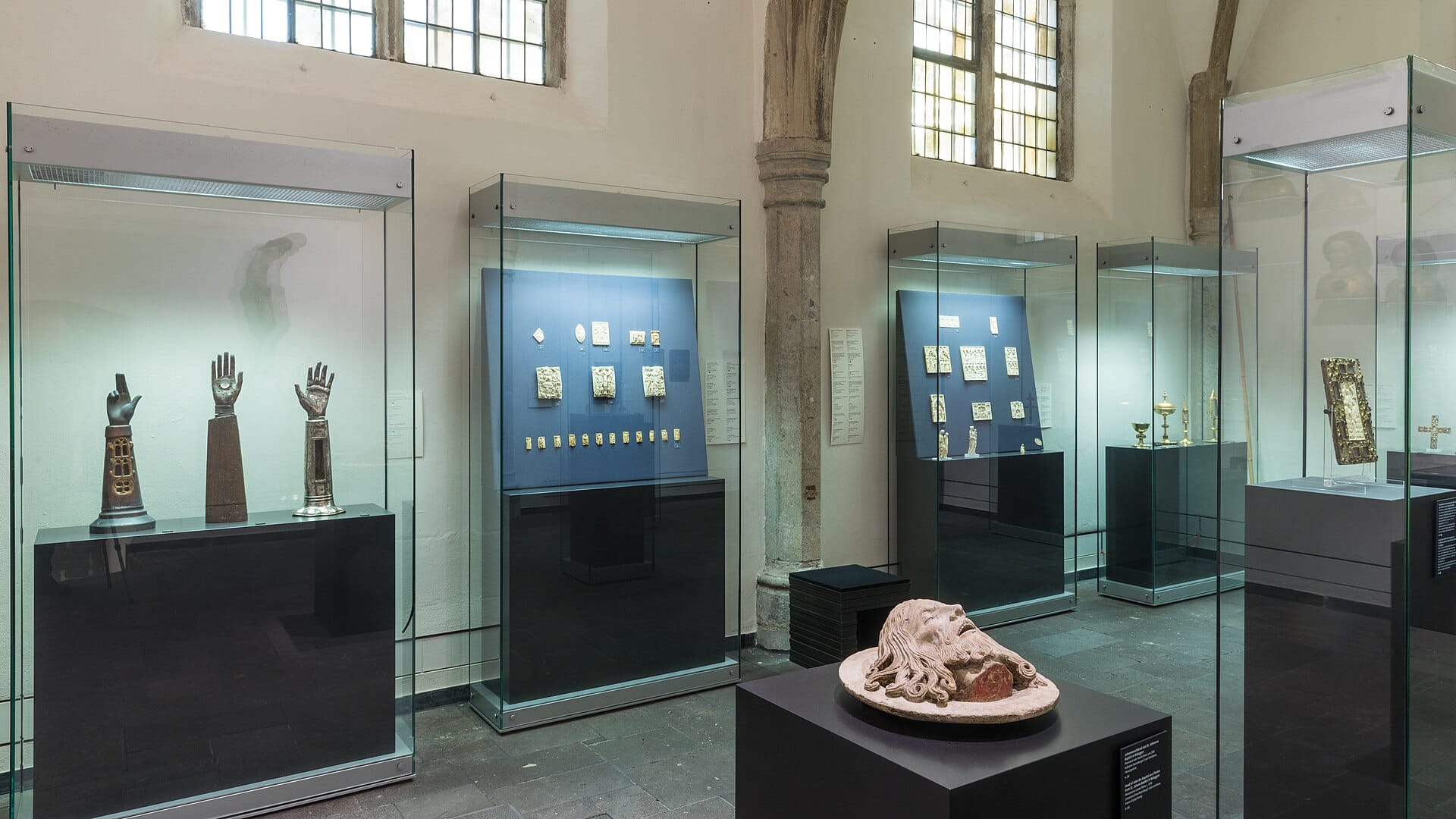
4. See Medieval Art Inside a Living Romanesque Church at Museum Schnütgen
Germany's finest collection of Romanesque and Gothic religious art, displayed inside the 12th-century church of St. Cäcilien. Ivory carvings, reliquaries, and wooden Madonnas are lit dramatically in a space that still feels sacred. Rarely crowded.
Explore4. See Medieval Art Inside a Living Romanesque Church at Museum Schnütgen
Germany's finest collection of Romanesque and Gothic religious art, displayed inside the 12th-century church of St. Cäcilien. Ivory carvings, reliquaries, and wooden Madonnas are lit dramatically in a space that still feels sacred. Rarely crowded.
Explore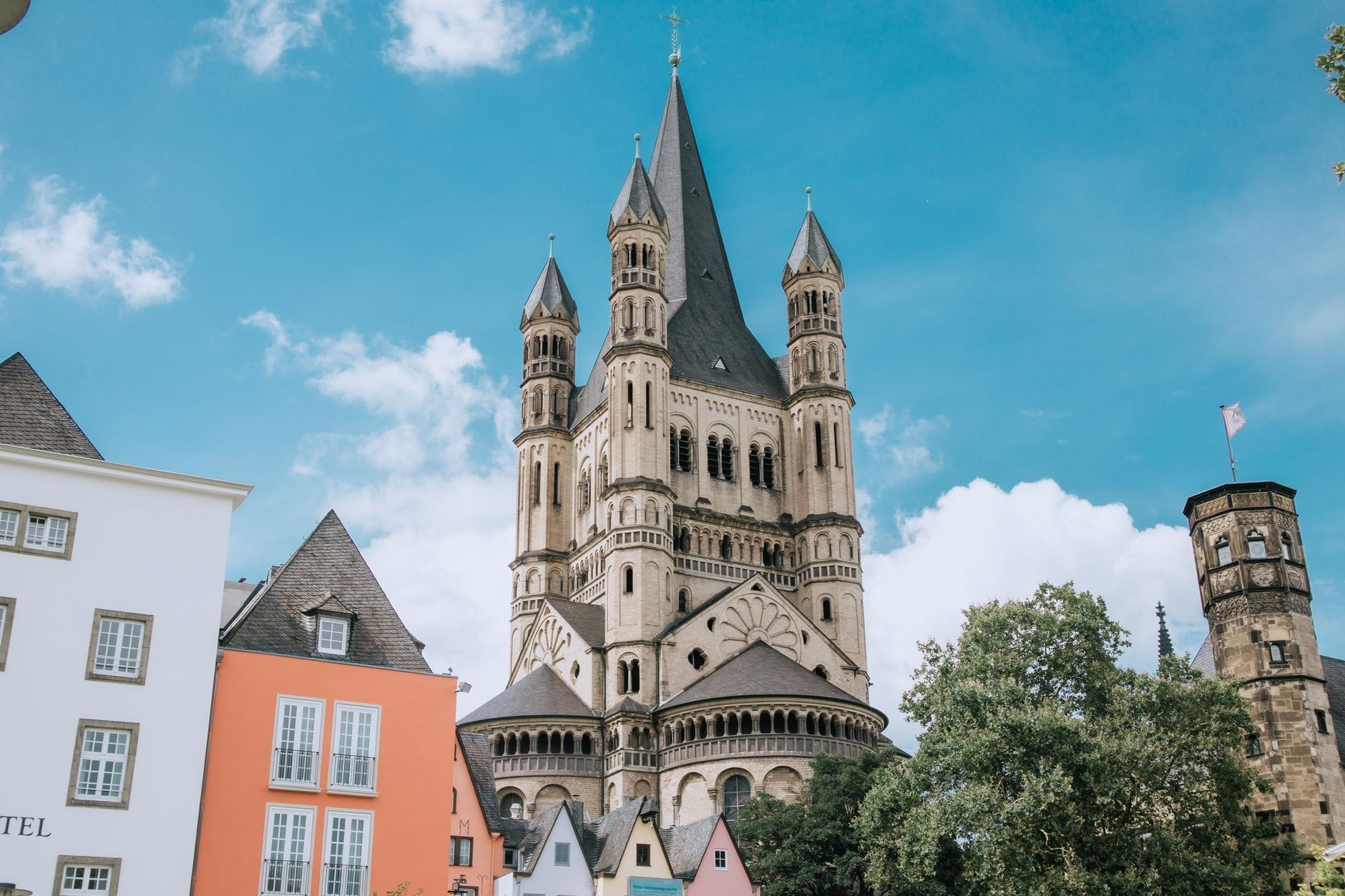
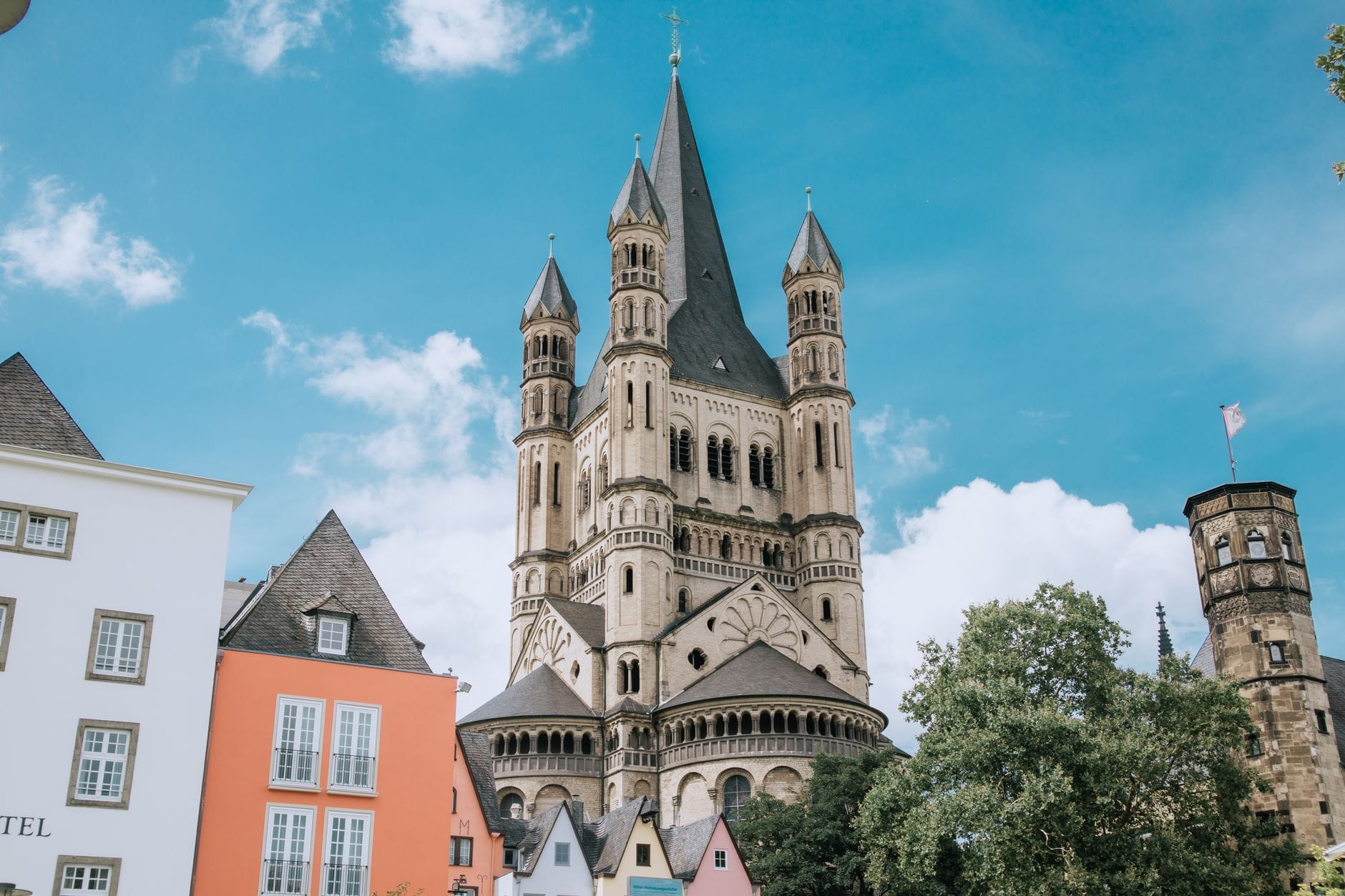
5. Walk to Great St. Martin Church via the Historic Fischmarkt
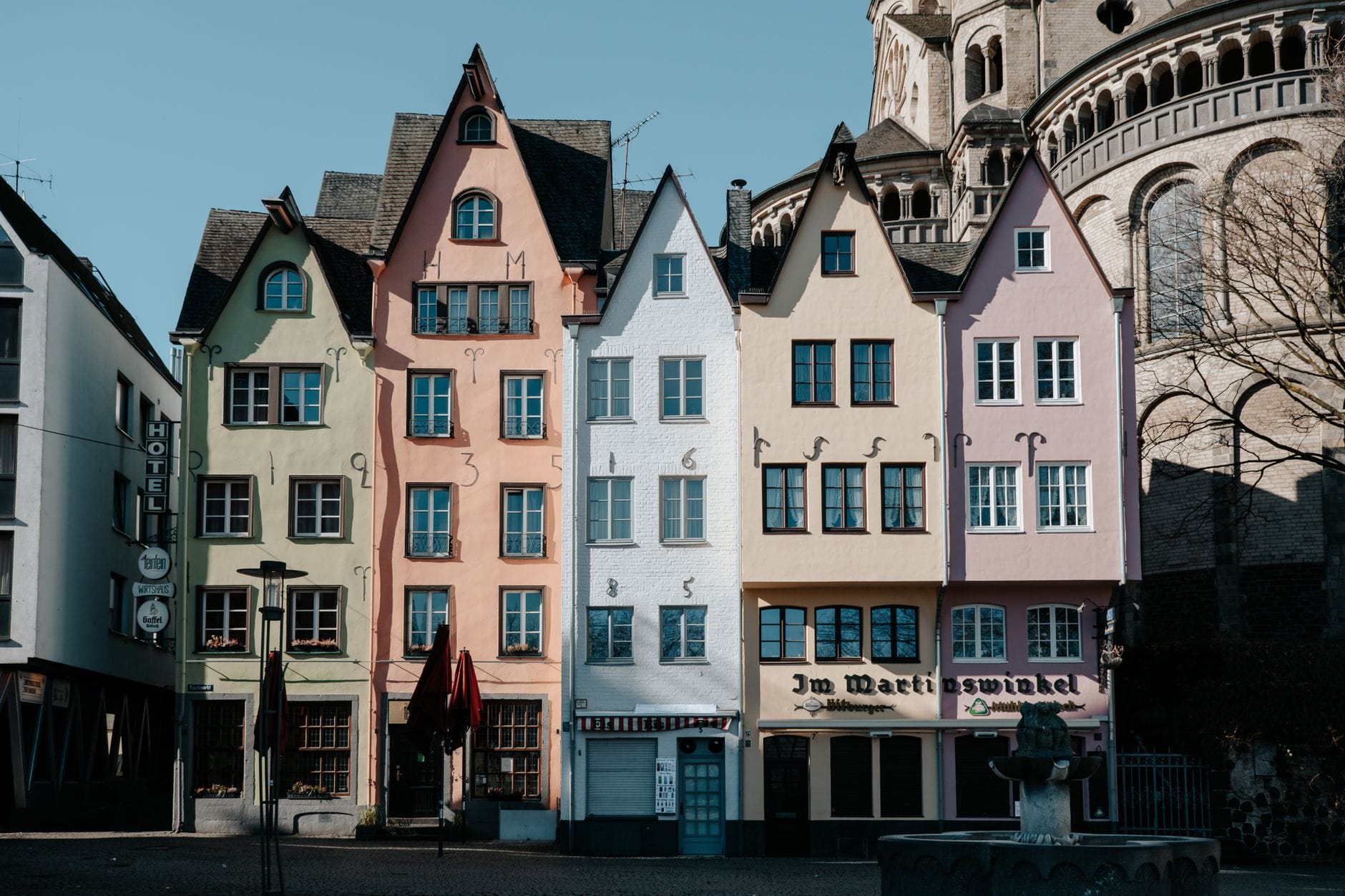
The clover-leaf apse and central tower of Great St. Martin are visible from across the Rhine, yet the church itself is often overlooked. The Fischmarkt square surrounding it is one of the prettiest corners of the Old Town, especially early in the morning before tour groups arrive.
Explore5. Walk to Great St. Martin Church via the Historic Fischmarkt
The clover-leaf apse and central tower of Great St. Martin are visible from across the Rhine, yet the church itself is often overlooked. The Fischmarkt square surrounding it is one of the prettiest corners of the Old Town, especially early in the morning before tour groups arrive.
ExploreArt Museums Worth Seeking Out
Cologne has an exceptional museum landscape that extends well beyond the famous Museum Ludwig next to the Dom. The city's art museum guide covers opening hours and ticketing in detail, but the three below are consistently underrated by visitors who don't know they exist.
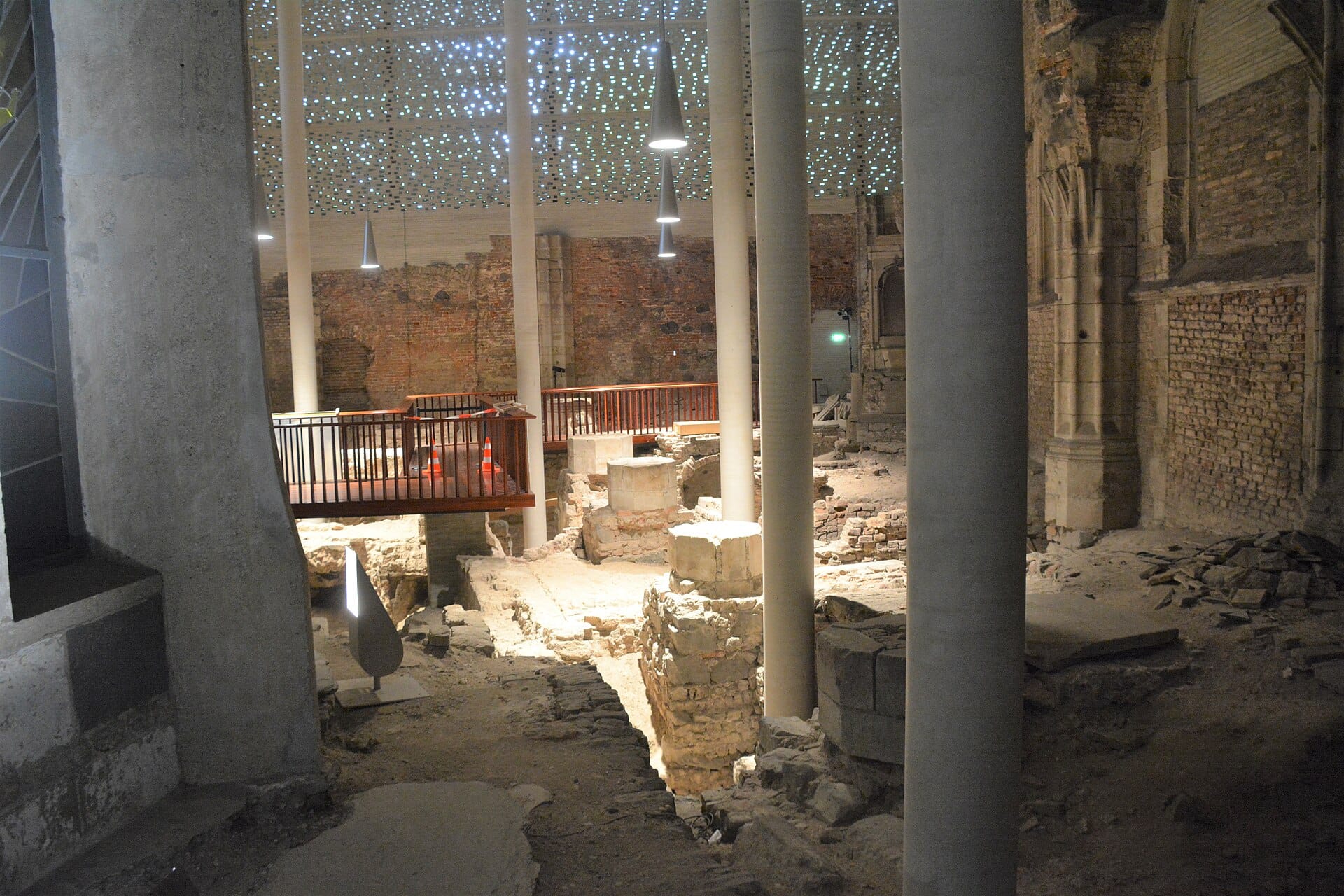
6. Experience 2,000 Years of Sacred Art at Kolumba
Peter Zumthor's building, constructed over Gothic ruins and Roman foundations, is itself worth the visit. The collection of religious art is presented in near-silence across low-lit galleries. Nothing else in Cologne feels quite like this. Book ahead as entry is timed.
Explore6. Experience 2,000 Years of Sacred Art at Kolumba
Peter Zumthor's building, constructed over Gothic ruins and Roman foundations, is itself worth the visit. The collection of religious art is presented in near-silence across low-lit galleries. Nothing else in Cologne feels quite like this. Book ahead as entry is timed.
Explore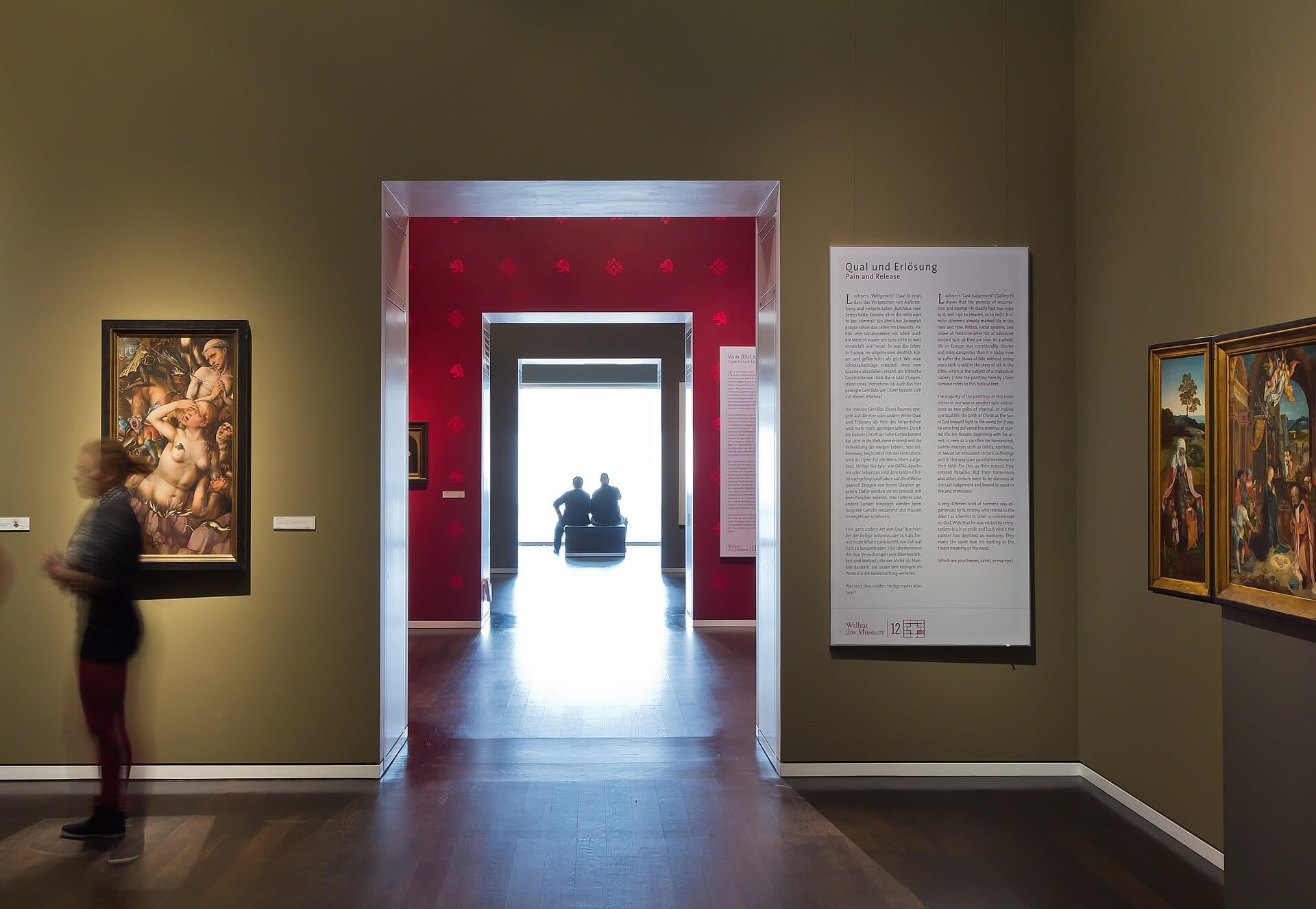
7. Discover Medieval Altarpieces at the Wallraf-Richartz Museum
The Cologne School paintings here are among the finest medieval works in Northern Europe. The museum also holds Impressionists including Monet and Sisley, but the medieval galleries are the real draw and rarely receive the attention they deserve. Plan 90 minutes minimum.
Explore7. Discover Medieval Altarpieces at the Wallraf-Richartz Museum
The Cologne School paintings here are among the finest medieval works in Northern Europe. The museum also holds Impressionists including Monet and Sisley, but the medieval galleries are the real draw and rarely receive the attention they deserve. Plan 90 minutes minimum.
Explore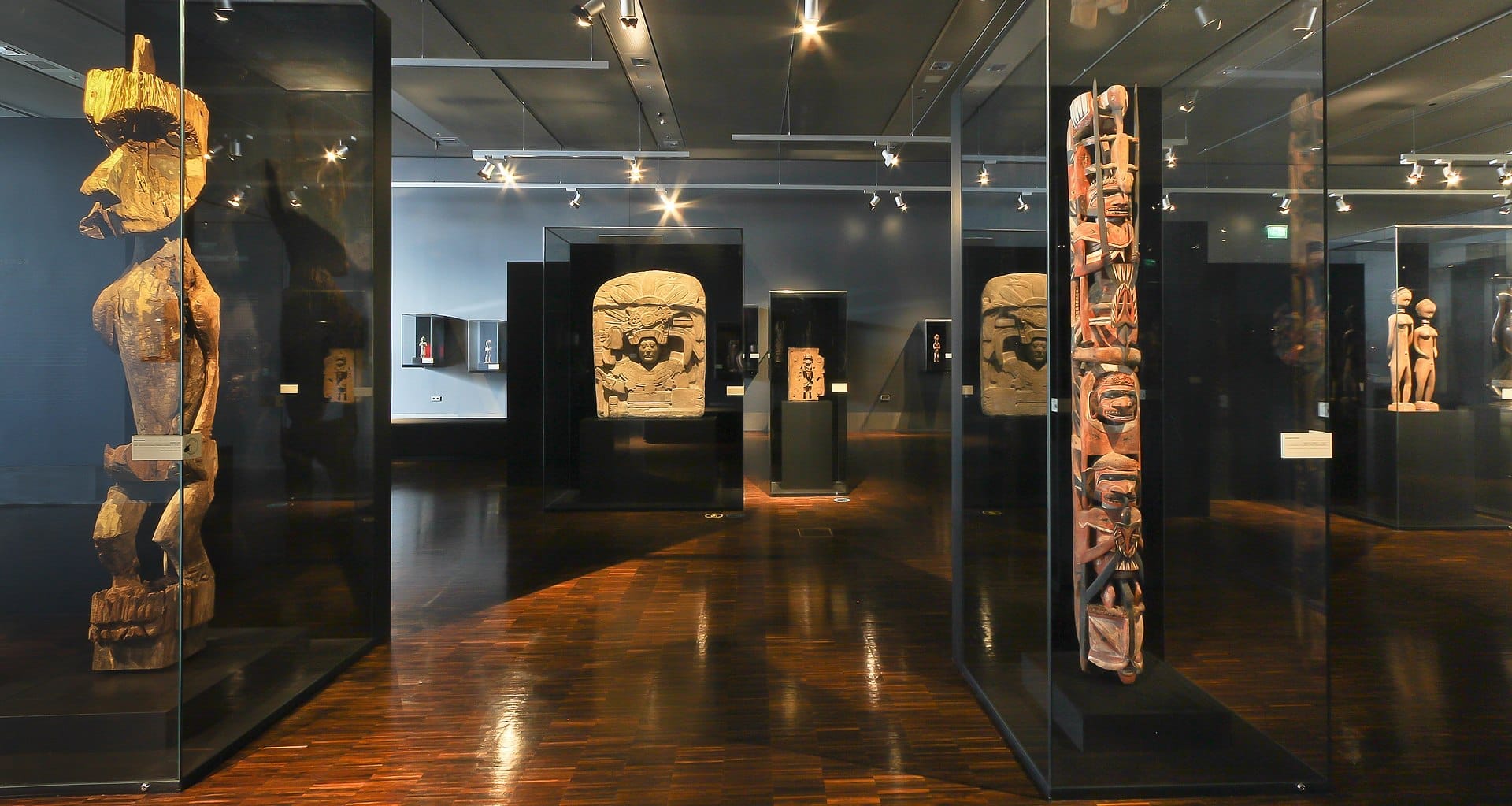
8. Engage with Global Cultures at the Rautenstrauch-Joest Museum
One of Europe's best ethnological museums, with immersive displays on African, Asian, and Oceanic cultures that challenge easy assumptions. The curation is genuinely thoughtful. Locals rate it highly; most tourists walk past it entirely. Allow at least two hours.
Explore8. Engage with Global Cultures at the Rautenstrauch-Joest Museum
One of Europe's best ethnological museums, with immersive displays on African, Asian, and Oceanic cultures that challenge easy assumptions. The curation is genuinely thoughtful. Locals rate it highly; most tourists walk past it entirely. Allow at least two hours.
Explore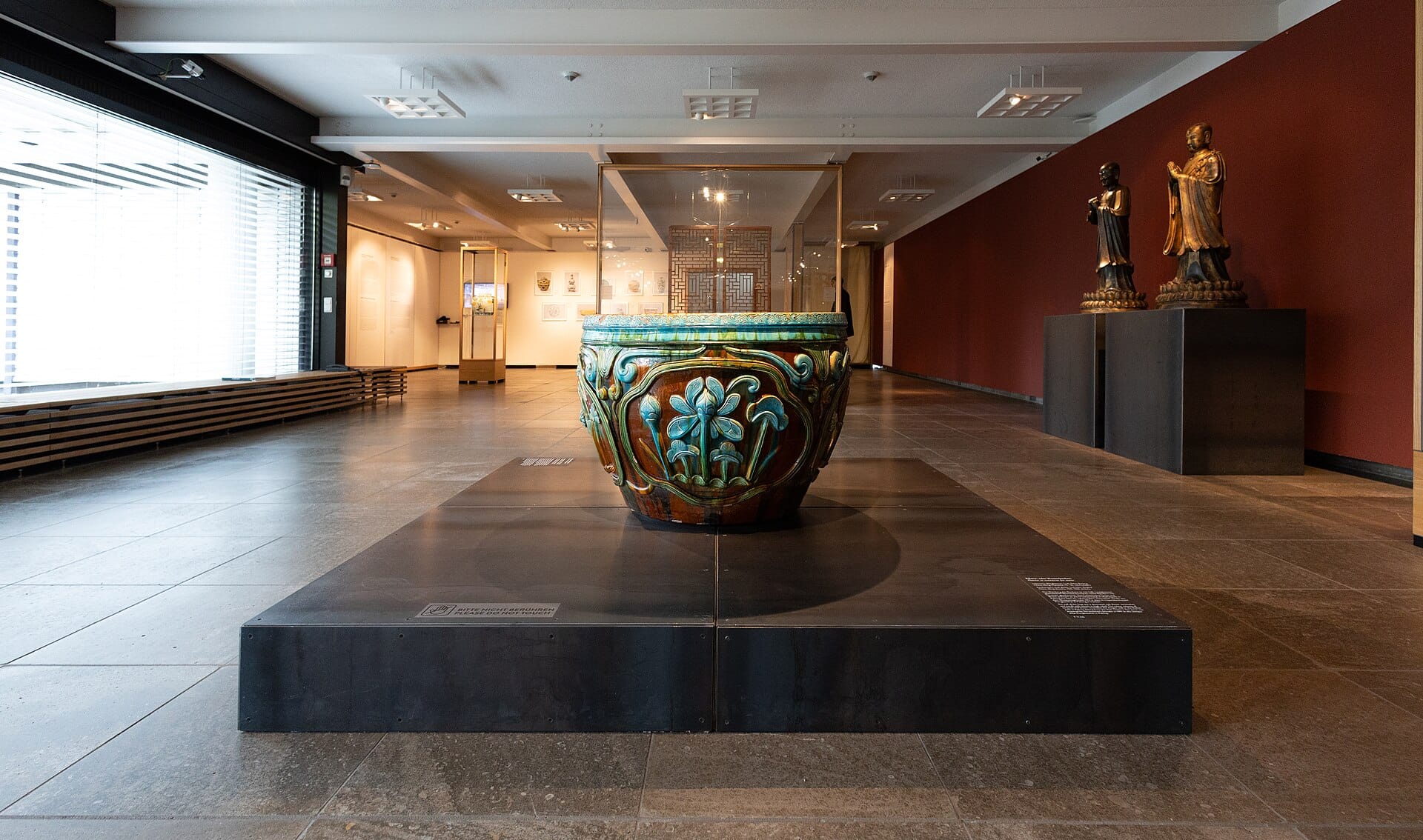
9. Find Calm at the Museum of East Asian Art
A serene building by Japanese architect Kunio Maekawa houses one of Europe's finest collections of Chinese, Japanese, and Korean art. The Buddhist sculpture and lacquerware rooms are outstanding. On a weekday morning, you may have entire galleries to yourself.
Explore9. Find Calm at the Museum of East Asian Art
A serene building by Japanese architect Kunio Maekawa houses one of Europe's finest collections of Chinese, Japanese, and Korean art. The Buddhist sculpture and lacquerware rooms are outstanding. On a weekday morning, you may have entire galleries to yourself.
Explore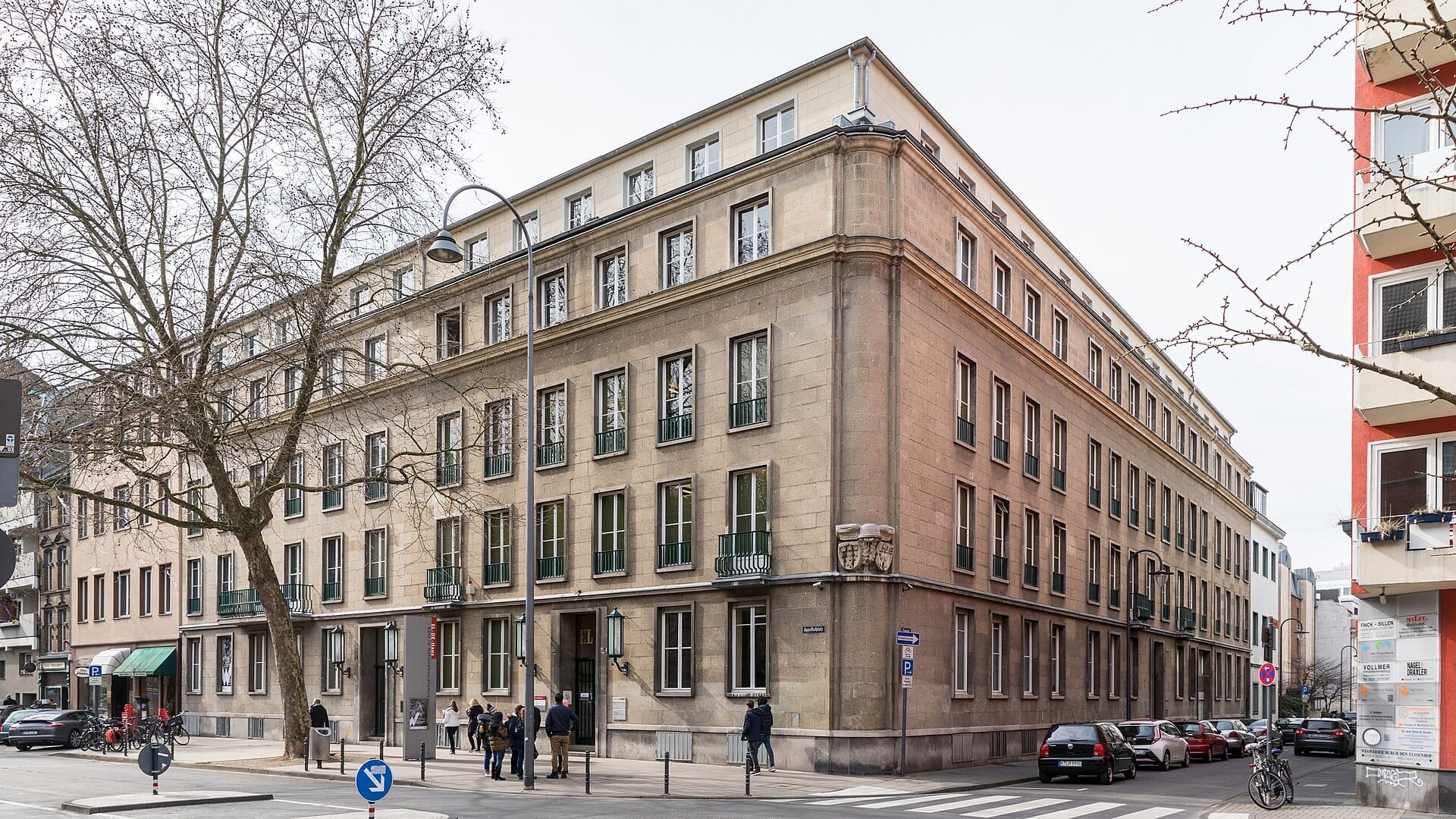
10. Confront Cologne's Nazi History at the EL-DE Haus
The former Gestapo headquarters, with its basement prison cells still bearing prisoner inscriptions, is one of Germany's most important memorial sites. The permanent exhibition on National Socialism in Cologne is sober and essential. Not easy, but necessary.
Explore10. Confront Cologne's Nazi History at the EL-DE Haus
The former Gestapo headquarters, with its basement prison cells still bearing prisoner inscriptions, is one of Germany's most important memorial sites. The permanent exhibition on National Socialism in Cologne is sober and essential. Not easy, but necessary.
ExploreNeighbourhood Discoveries
11. Follow the Murals Through Ehrenfeld's Street Art District
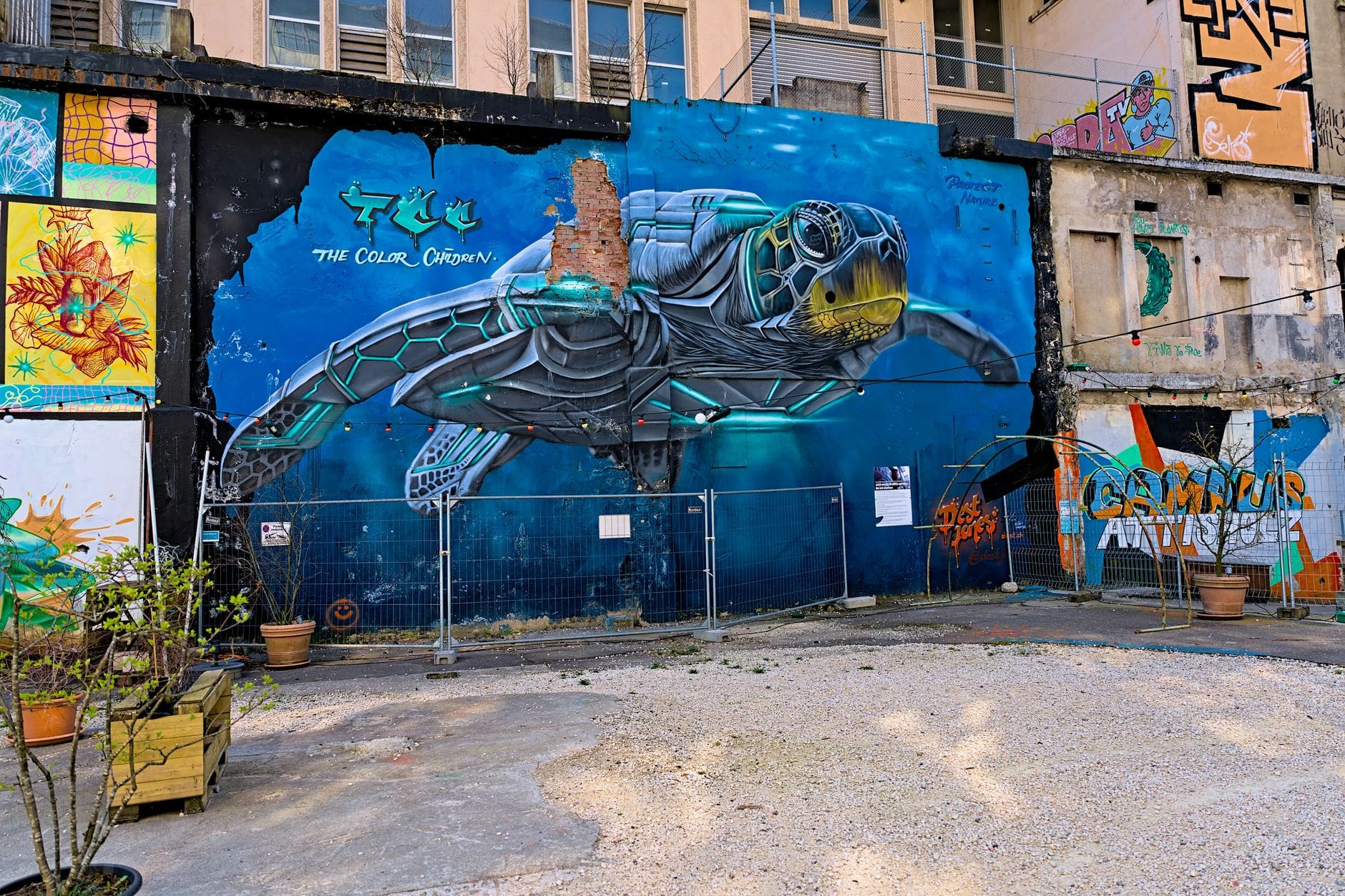
Entire building facades are covered in large-scale murals across Ehrenfeld, Cologne's most creatively energetic district. Walk along Venloer Straße and the side streets off Herbrandstraße. The annual street art festival adds new pieces each year. Best explored on foot.
Explore11. Follow the Murals Through Ehrenfeld's Street Art District
Entire building facades are covered in large-scale murals across Ehrenfeld, Cologne's most creatively energetic district. Walk along Venloer Straße and the side streets off Herbrandstraße. The annual street art festival adds new pieces each year. Best explored on foot.
Explore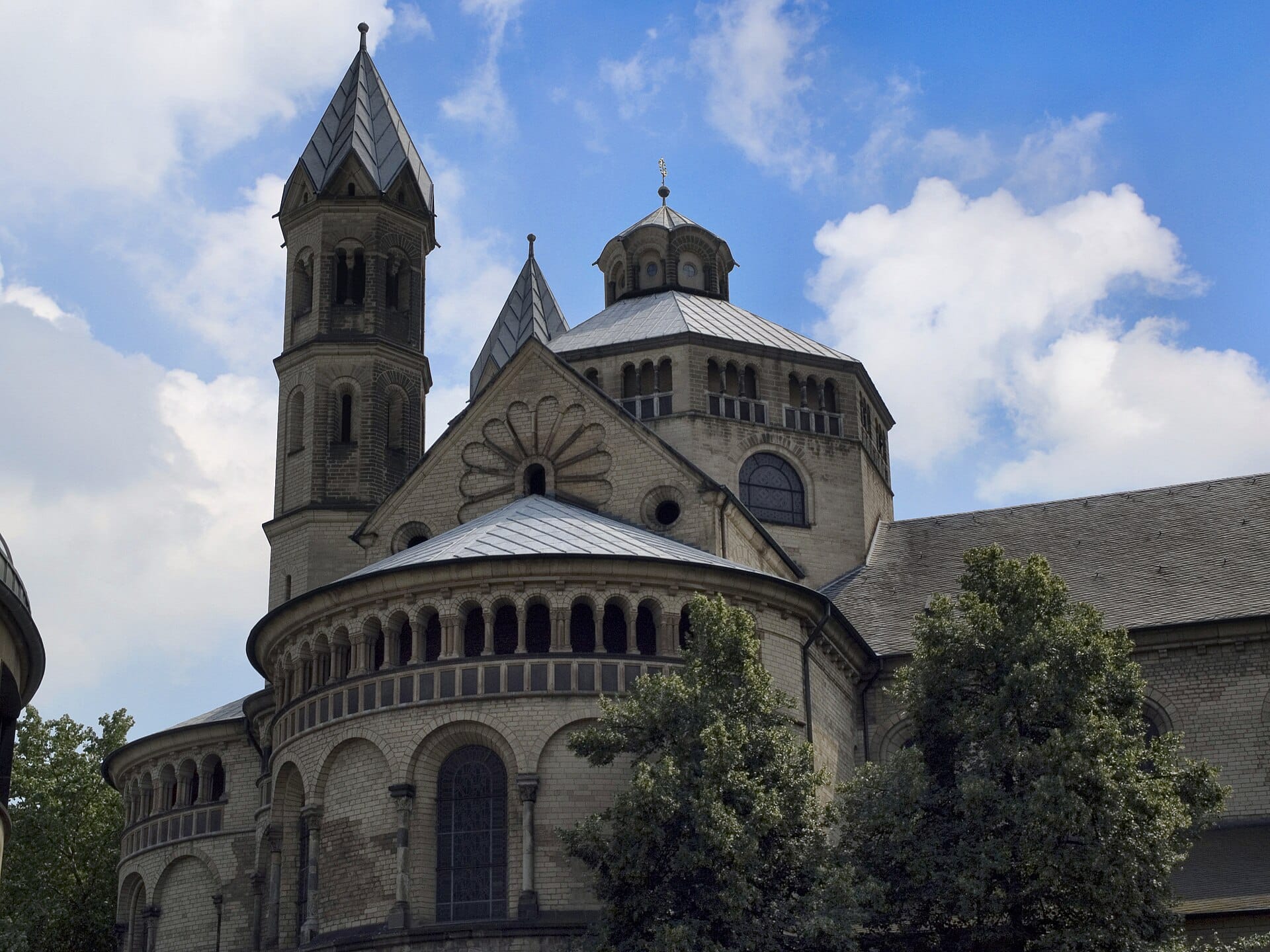
12. Spot the Trefoil Choir of St. Aposteln on Neumarkt
This 11th-century Romanesque basilica anchors Neumarkt square at the edge of the Belgian Quarter. Most people walk past without stopping. Step inside for beautifully restored interior mosaics and the kind of quiet that is impossible to find in the cathedral a few streets away.
Explore12. Spot the Trefoil Choir of St. Aposteln on Neumarkt
This 11th-century Romanesque basilica anchors Neumarkt square at the edge of the Belgian Quarter. Most people walk past without stopping. Step inside for beautifully restored interior mosaics and the kind of quiet that is impossible to find in the cathedral a few streets away.
Explore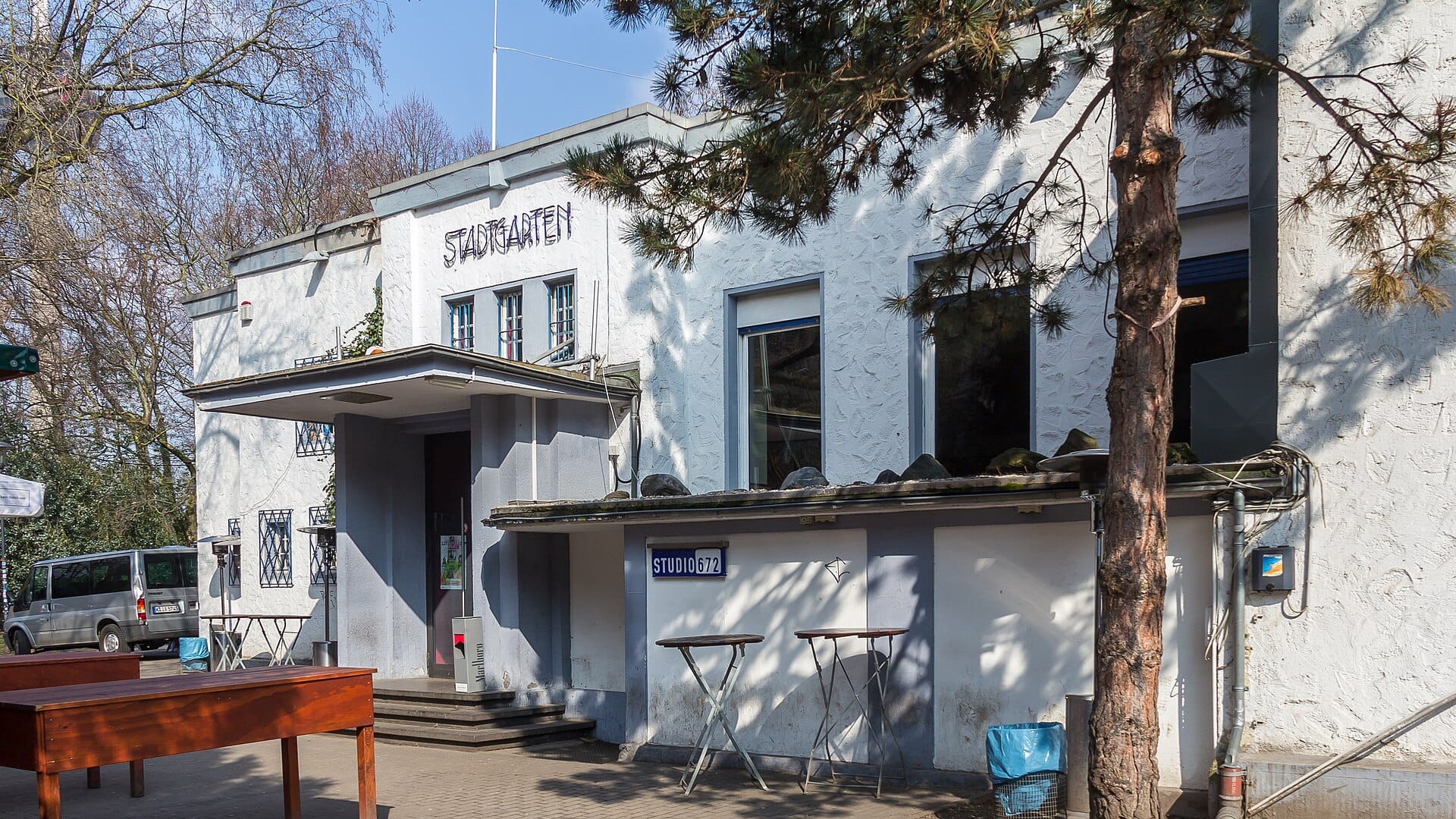
13. Spend an Evening at the Stadtgarten Beer Garden and Jazz Club
The Stadtgarten park in the Belgian Quarter has a large pond, tree-lined lawns, and a beer garden that locals fill on warm evenings. The attached Stadtgarten jazz club is one of Germany's most respected, with an intimate programme running most nights of the week.
Explore13. Spend an Evening at the Stadtgarten Beer Garden and Jazz Club
The Stadtgarten park in the Belgian Quarter has a large pond, tree-lined lawns, and a beer garden that locals fill on warm evenings. The attached Stadtgarten jazz club is one of Germany's most respected, with an intimate programme running most nights of the week.
Explore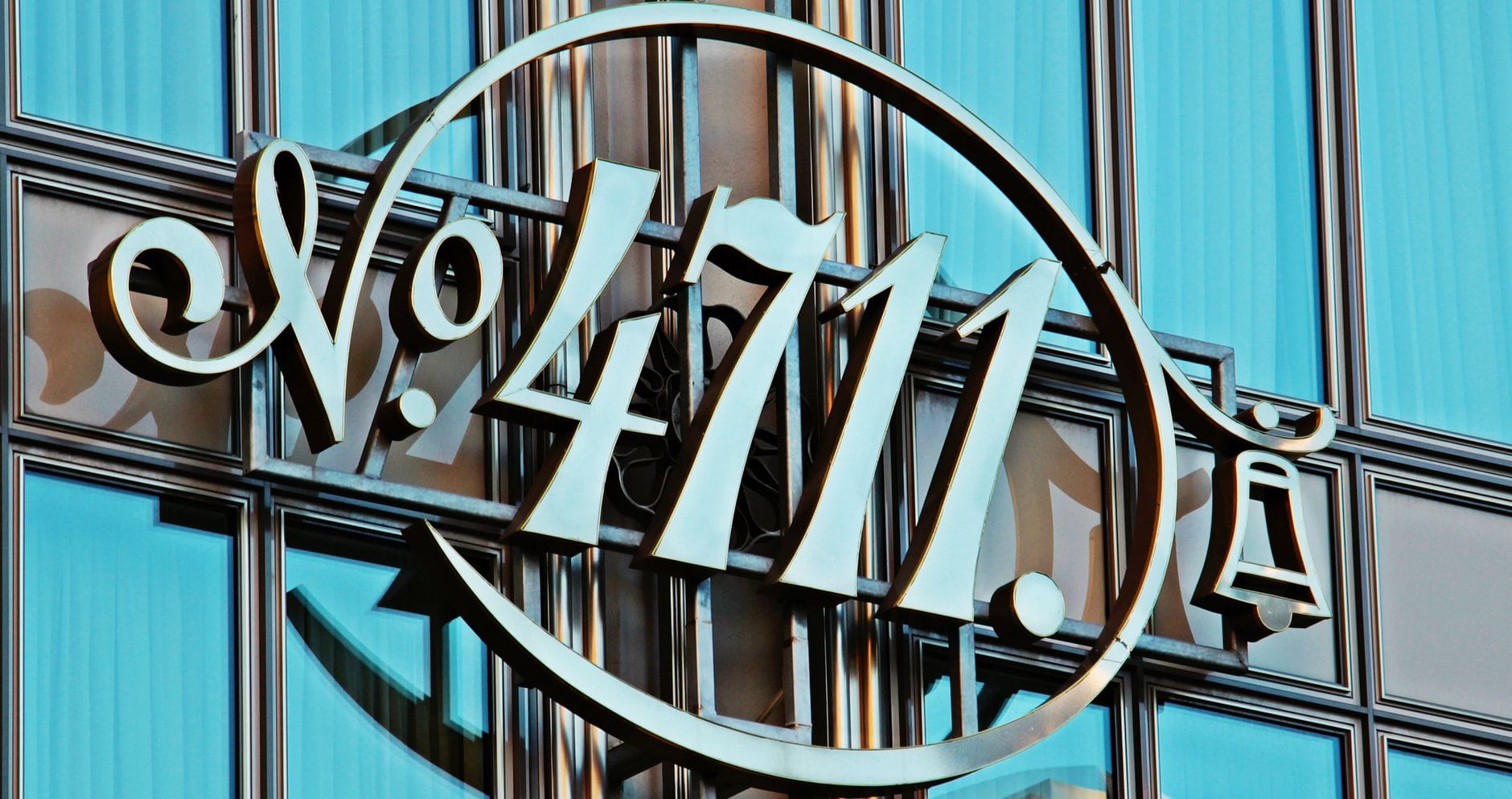
14. Visit the 4711 House on Glockengasse
The fragrance that gave cologne its name was created here in 1792. The boutique and small museum on Glockengasse tell that story well, and the hourly carillon is a quirky bonus. Worth 30 minutes if you are walking through the Altstadt regardless.
Explore14. Visit the 4711 House on Glockengasse
The fragrance that gave cologne its name was created here in 1792. The boutique and small museum on Glockengasse tell that story well, and the hourly carillon is a quirky bonus. Worth 30 minutes if you are walking through the Altstadt regardless.
ExploreViews, Water & Green Spaces
15. Get the Best Cathedral View from the Cologne Triangle Tower
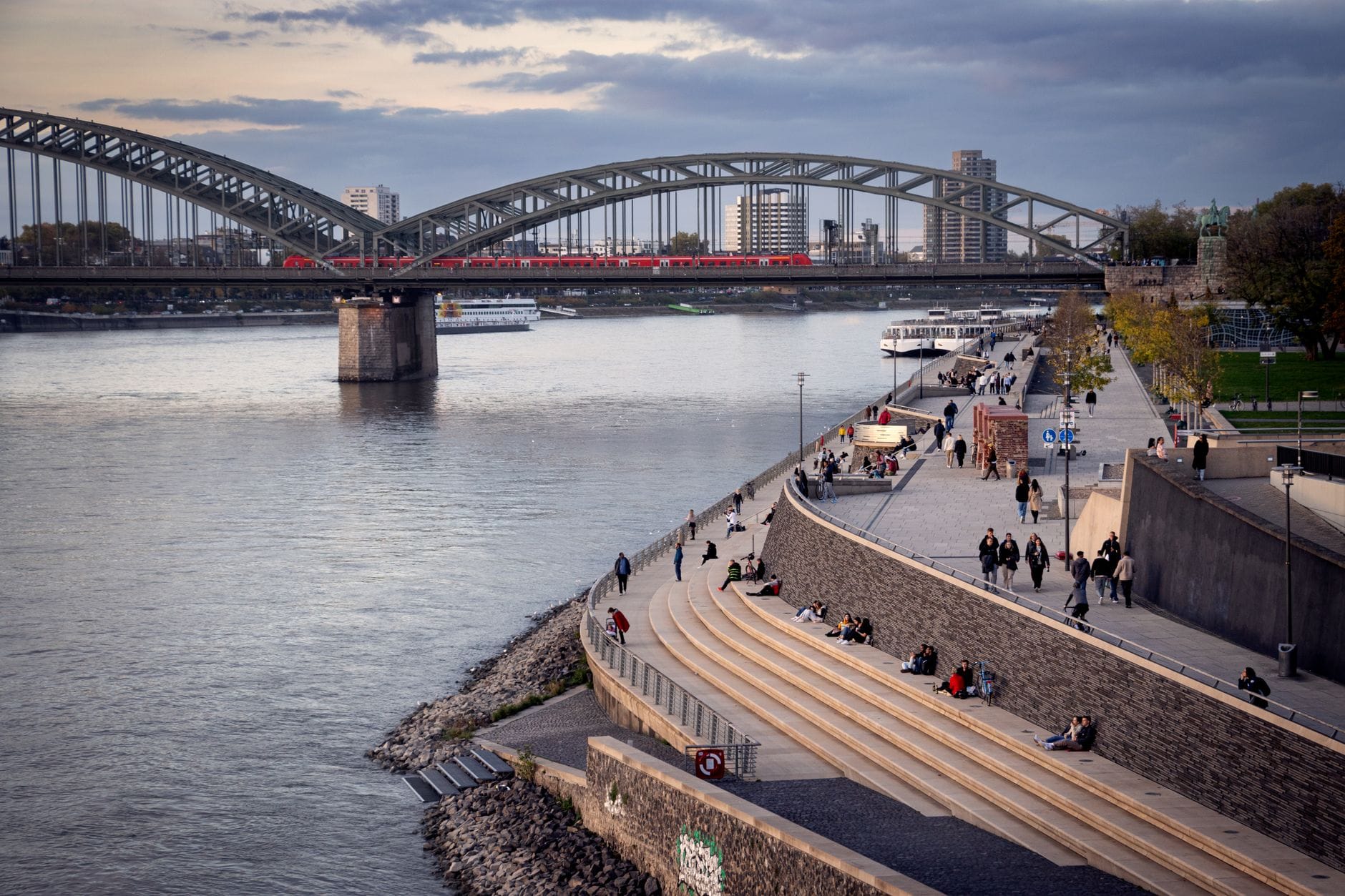
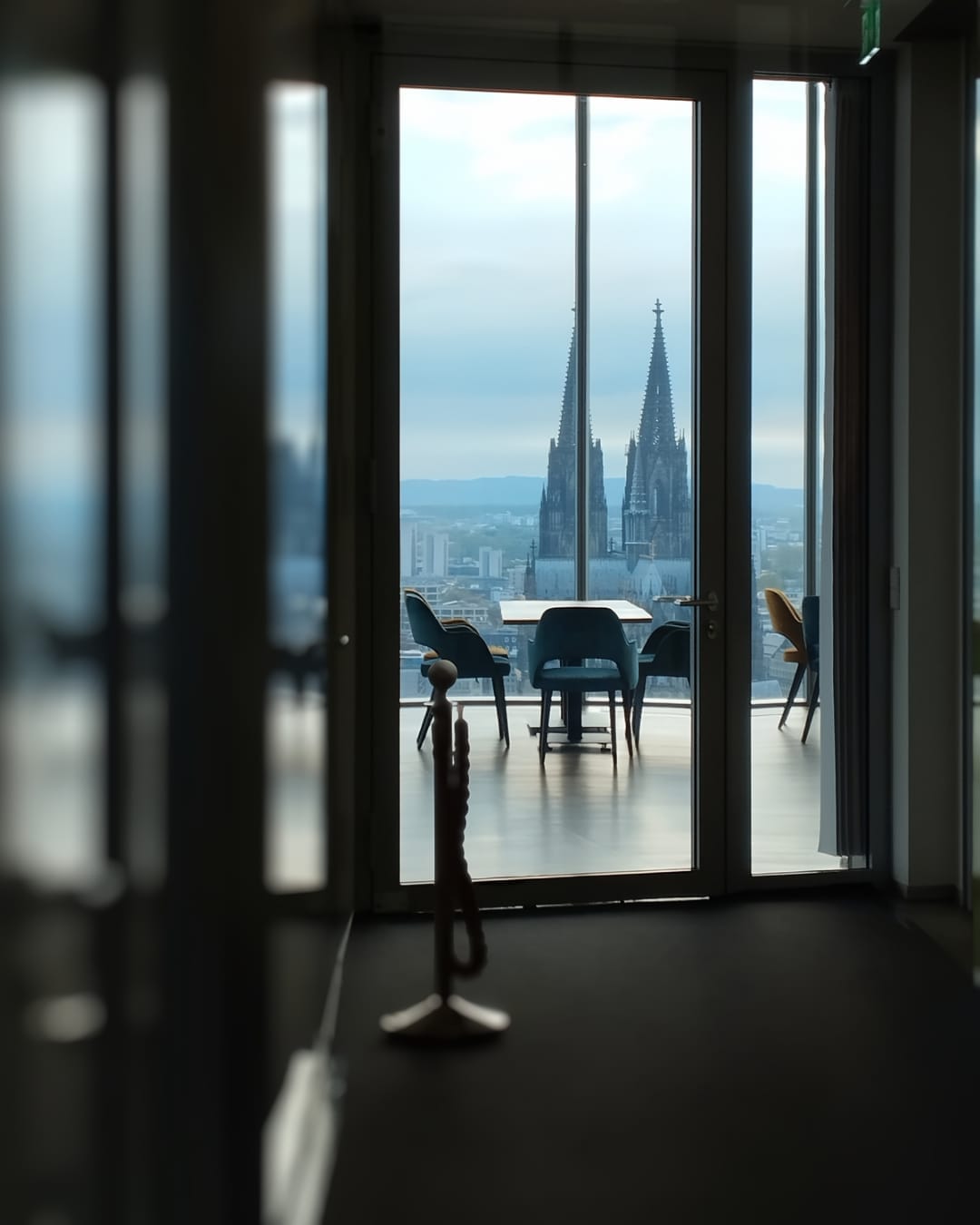
The rooftop platform of this 103-metre Deutz office tower gives you the cathedral straight ahead, the Rhine below, and the whole Cologne skyline on either side. Entry costs just a few euros, it is open year-round, and there is almost never a queue. Go at dusk.
Explore15. Get the Best Cathedral View from the Cologne Triangle Tower
The rooftop platform of this 103-metre Deutz office tower gives you the cathedral straight ahead, the Rhine below, and the whole Cologne skyline on either side. Entry costs just a few euros, it is open year-round, and there is almost never a queue. Go at dusk.
Explore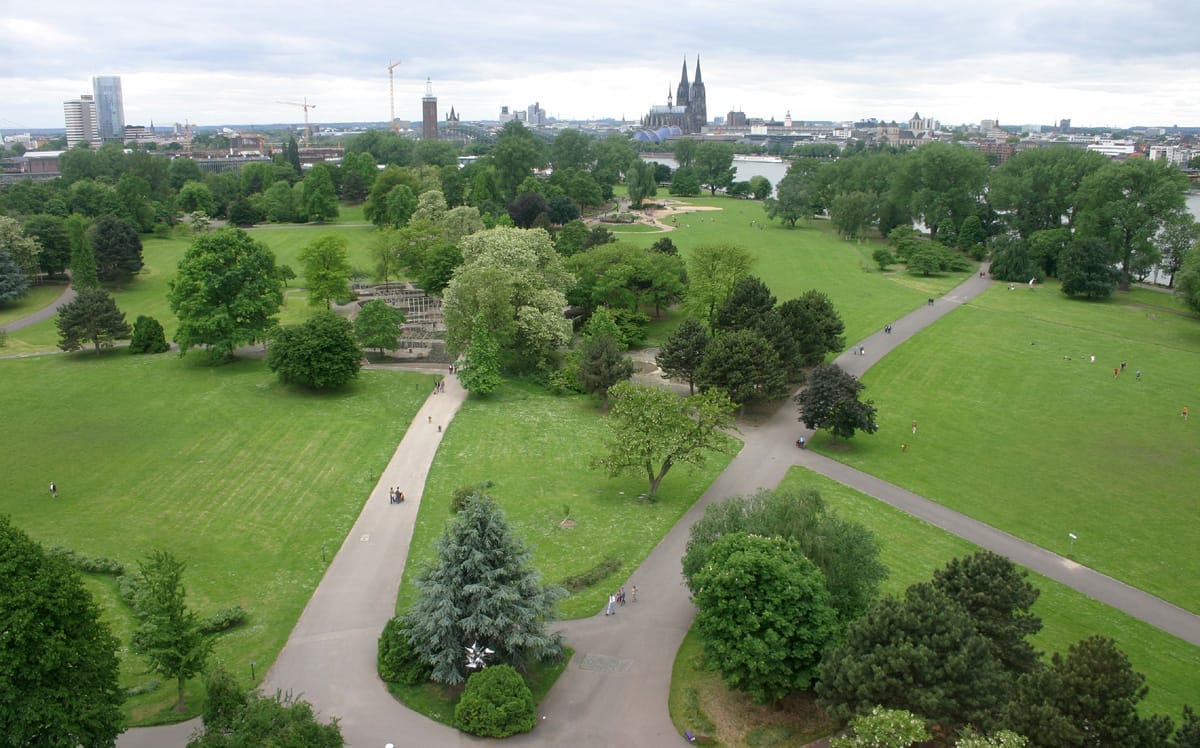
16. Cross to the East Bank for Rhine Views in Rheinpark
Few tourists cross the river to Deutz's Rheinpark, but the views back across to the cathedral and Hohenzollern Bridge are exceptional. The park is wide and flat, ideal for cycling, and connects directly to the cable car landing in summer. Quiet on weekday mornings.
Explore16. Cross to the East Bank for Rhine Views in Rheinpark
Few tourists cross the river to Deutz's Rheinpark, but the views back across to the cathedral and Hohenzollern Bridge are exceptional. The park is wide and flat, ideal for cycling, and connects directly to the cable car landing in summer. Quiet on weekday mornings.
Explore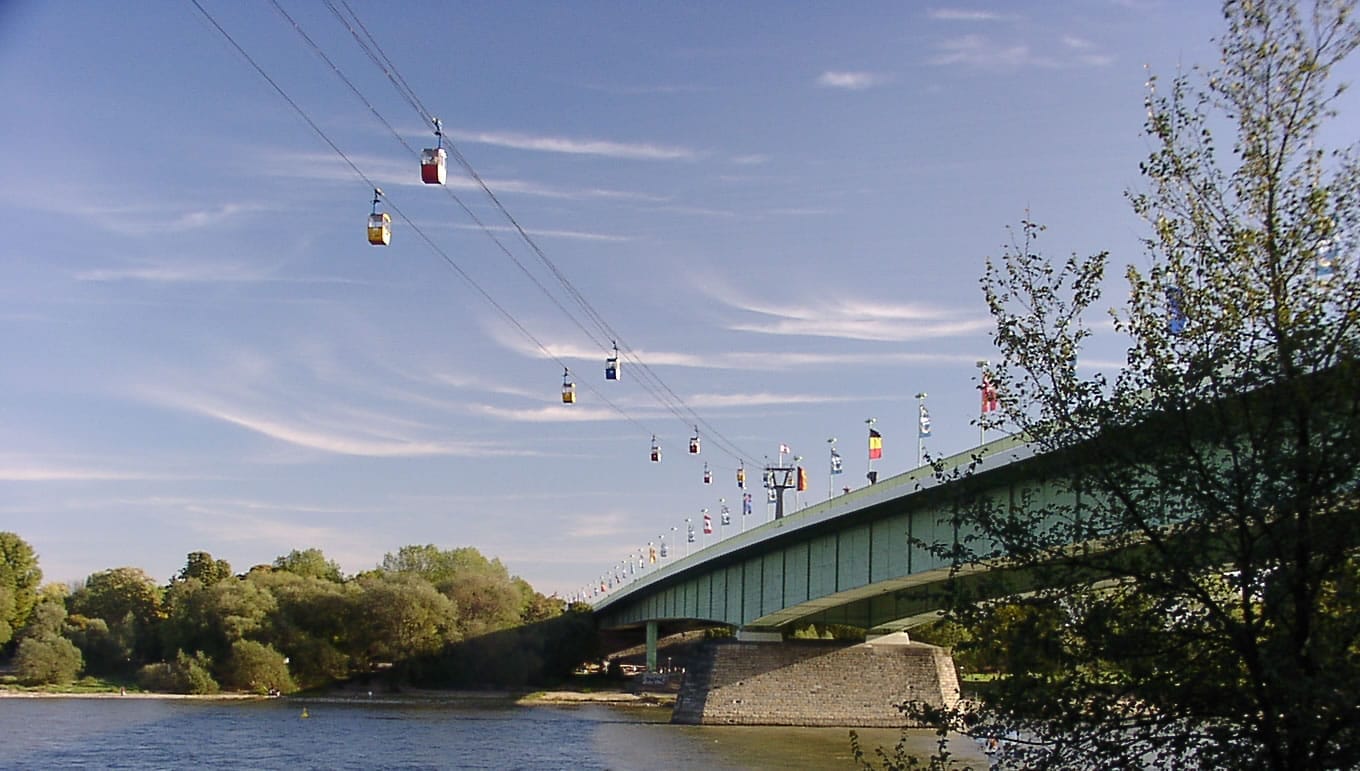
17. Cross the Rhine by Cable Car for a Four-Minute Bird's-Eye View
Germany's only cable car to cross a major river runs from the zoo side to Rheinpark between April and October. The four-minute ride lifts you above the Rhine with unobstructed views of the cathedral and the Hohenzollern Bridge. A genuinely fun and unusual perspective.
Explore17. Cross the Rhine by Cable Car for a Four-Minute Bird's-Eye View
Germany's only cable car to cross a major river runs from the zoo side to Rheinpark between April and October. The four-minute ride lifts you above the Rhine with unobstructed views of the cathedral and the Hohenzollern Bridge. A genuinely fun and unusual perspective.
Explore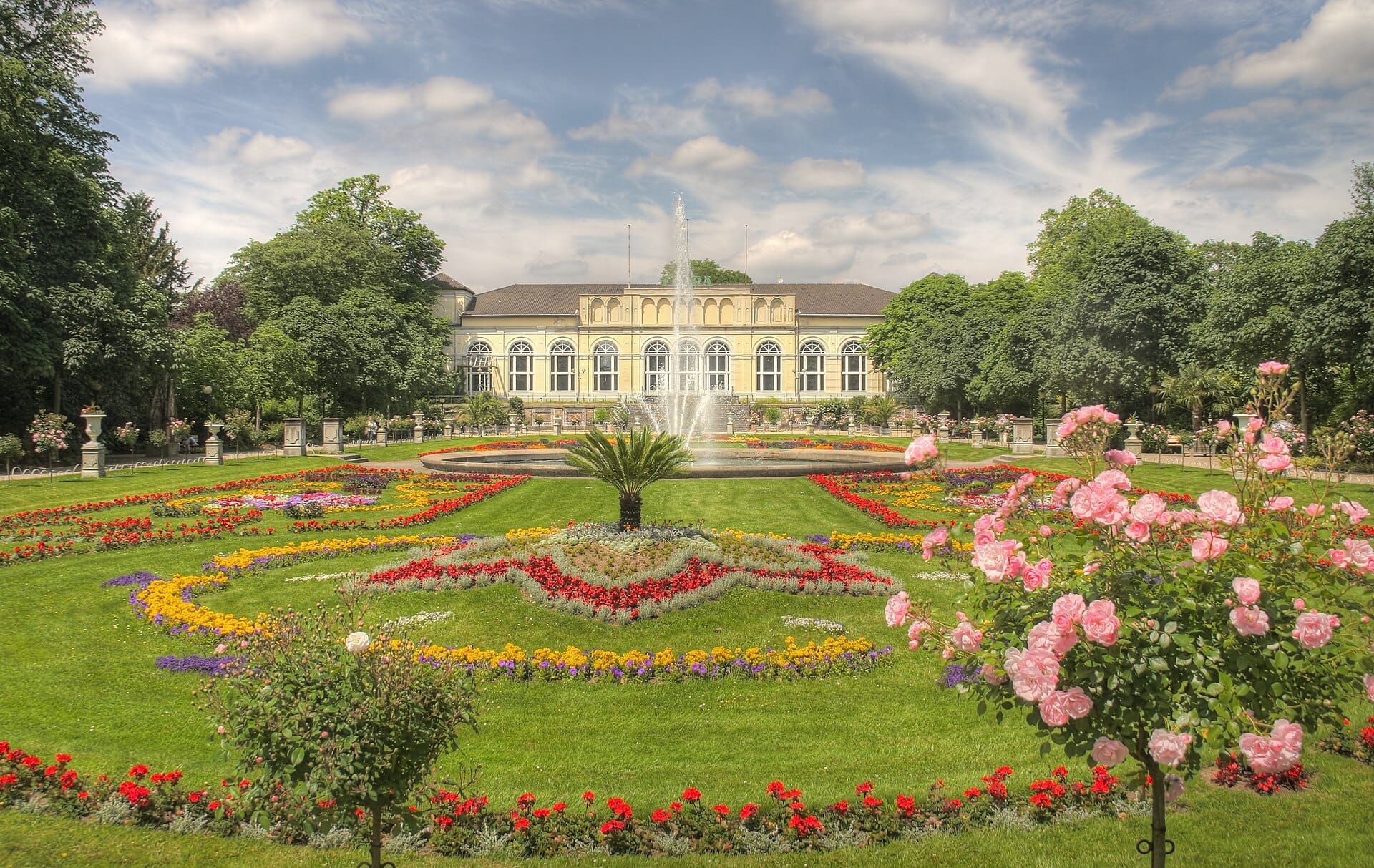
18. Escape the City at the Free Flora Botanical Garden
The Flora's 11.5 hectares include a grand 19th-century glasshouse, rose gardens in full bloom from June, and thousands of species from around the world. Entry is free. Reachable by tram lines 16 and 18 to Zoo/Flora, it is far quieter than the central sights.
Explore18. Escape the City at the Free Flora Botanical Garden
The Flora's 11.5 hectares include a grand 19th-century glasshouse, rose gardens in full bloom from June, and thousands of species from around the world. Entry is free. Reachable by tram lines 16 and 18 to Zoo/Flora, it is far quieter than the central sights.
Explore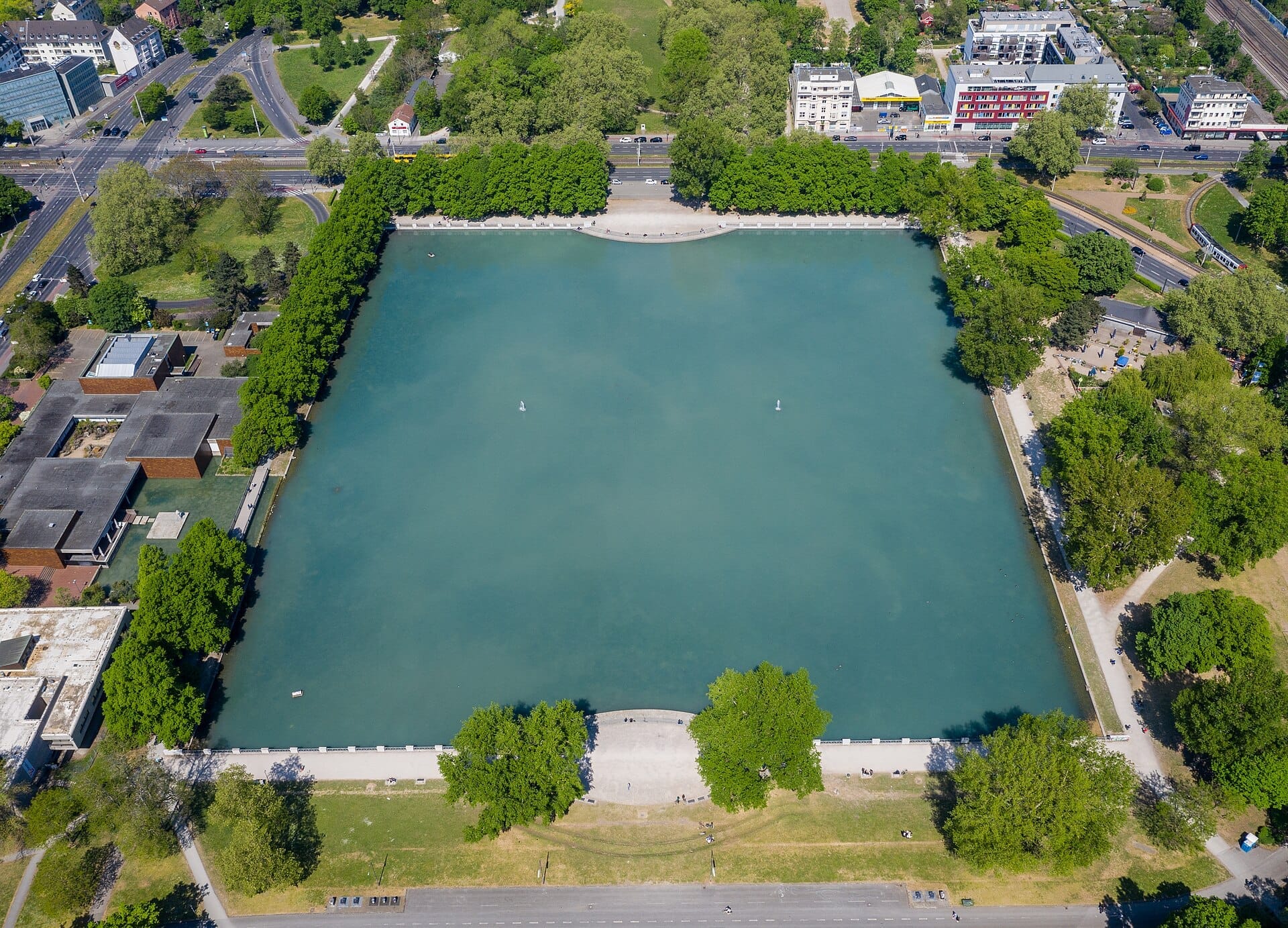
19. Join Locals at Aachener Weiher for an Outdoor Evening
This urban lake in Lindenthal district draws students and locals to its strip of outdoor bars and cafés on warm evenings. There are no queues, no entry fees, and no tourist groups: just the unpretentious side of Cologne that most visitors never find.
Explore19. Join Locals at Aachener Weiher for an Outdoor Evening
This urban lake in Lindenthal district draws students and locals to its strip of outdoor bars and cafés on warm evenings. There are no queues, no entry fees, and no tourist groups: just the unpretentious side of Cologne that most visitors never find.
Explore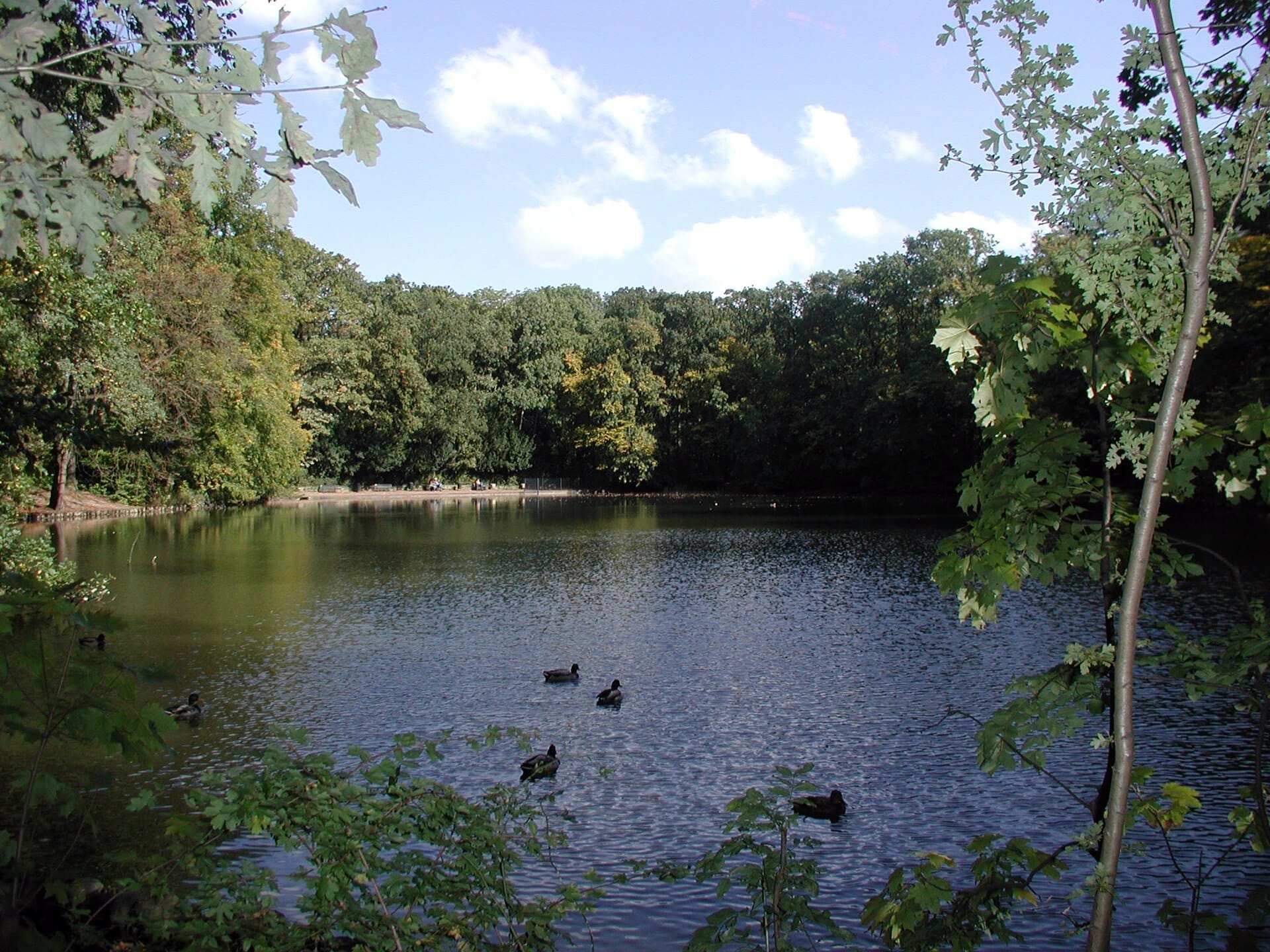
20. Lose Yourself in Cologne's 200-Hectare City Forest
The Stadtwald in Lindenthal is Cologne's green lung: 200 hectares of woodland, meadows, and ponds with walking and cycling paths in all directions. Locals come here every weekend. Hire a bike and spend a morning exploring; it feels a world away from the Altstadt.
Explore20. Lose Yourself in Cologne's 200-Hectare City Forest
The Stadtwald in Lindenthal is Cologne's green lung: 200 hectares of woodland, meadows, and ponds with walking and cycling paths in all directions. Locals come here every weekend. Hire a bike and spend a morning exploring; it feels a world away from the Altstadt.
ExploreWaterfront Architecture & Local Culture
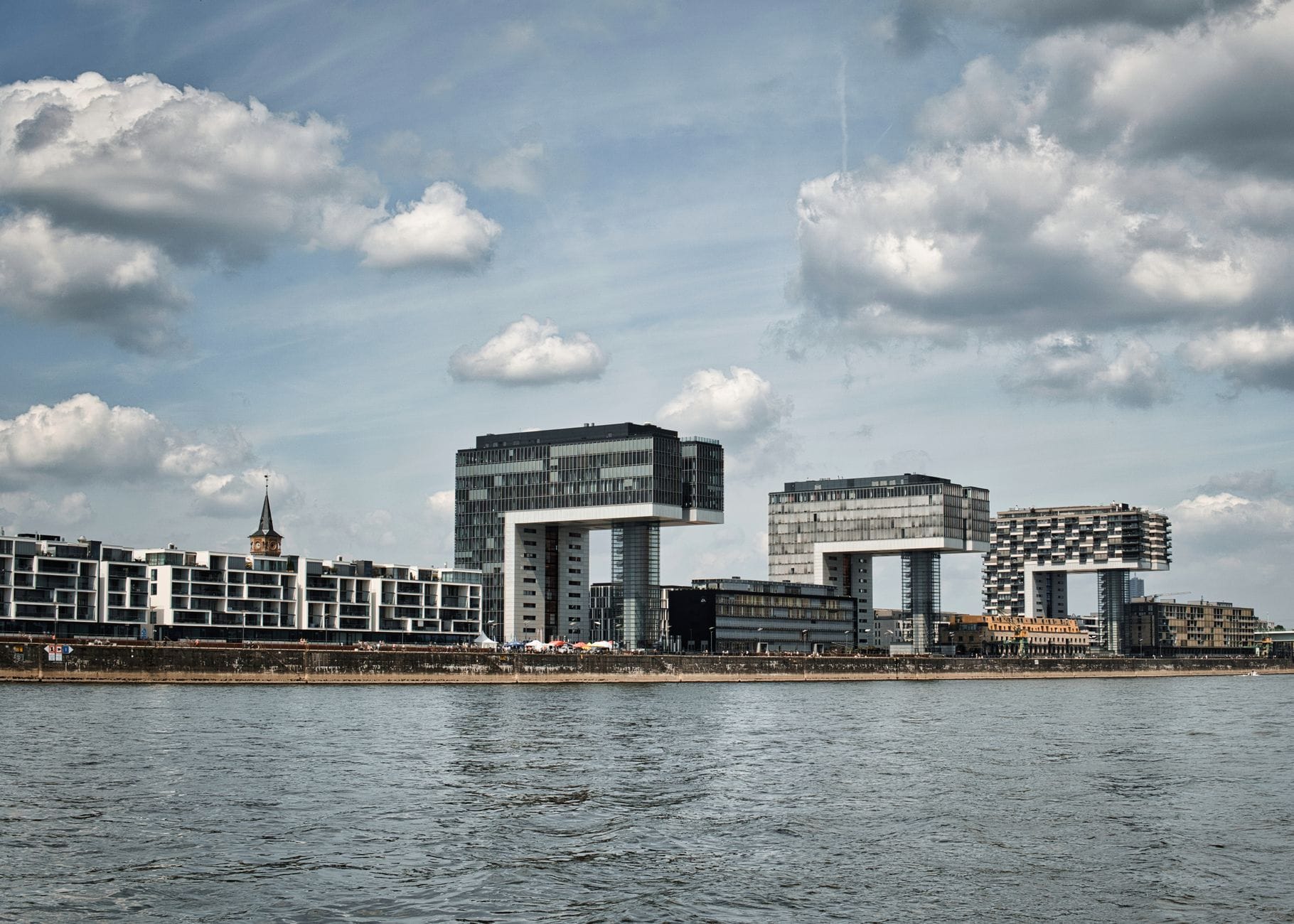
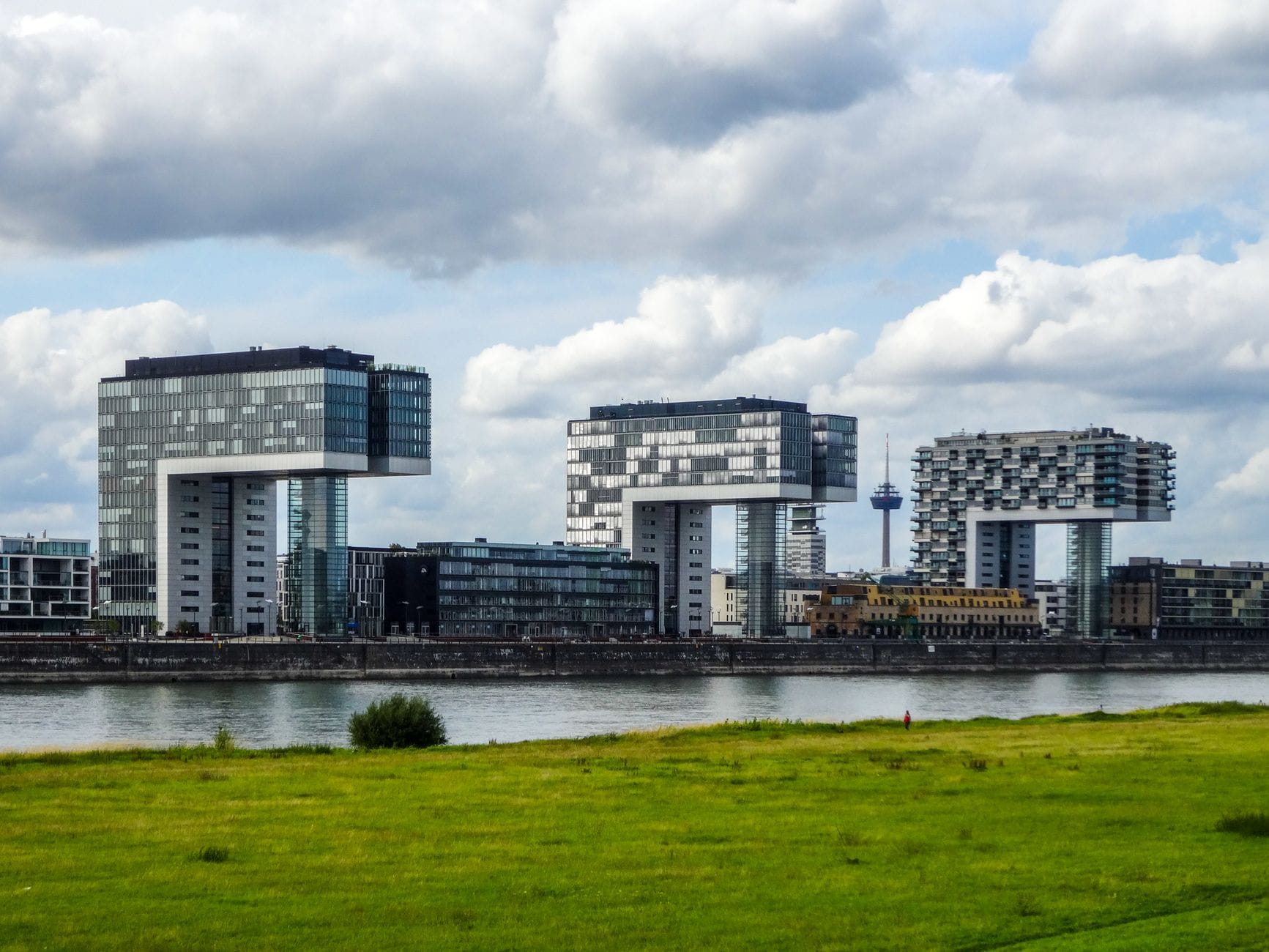
21. Walk the Rheinauhafen Waterfront to See the Crane Houses
Three L-shaped residential towers designed to echo the historic harbour cranes anchor a redeveloped waterfront district south of the Altstadt. The architecture is striking and the riverside promenade is lined with restaurants. Best viewed from the opposite Rhine bank.
Explore21. Walk the Rheinauhafen Waterfront to See the Crane Houses
Three L-shaped residential towers designed to echo the historic harbour cranes anchor a redeveloped waterfront district south of the Altstadt. The architecture is striking and the riverside promenade is lined with restaurants. Best viewed from the opposite Rhine bank.
Explore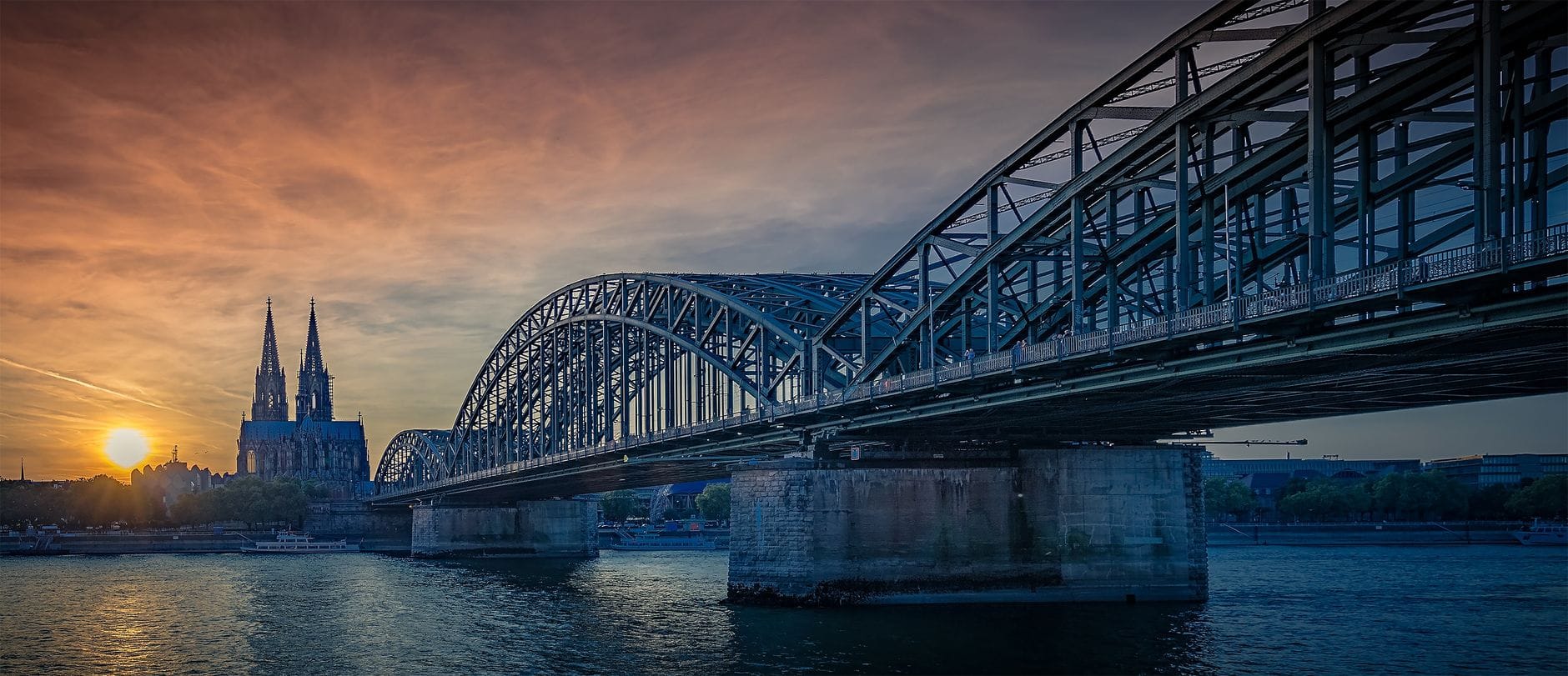
22. Walk the Love-Lock Railway Bridge at Sunset
Over half a million padlocks cover the railings of this railway bridge, added by couples over decades. The pedestrian walkway is free to use at any time and offers some of the best unobstructed cathedral views in the city, especially in the golden hour before dusk.
Explore22. Walk the Love-Lock Railway Bridge at Sunset
Over half a million padlocks cover the railings of this railway bridge, added by couples over decades. The pedestrian walkway is free to use at any time and offers some of the best unobstructed cathedral views in the city, especially in the golden hour before dusk.
Explore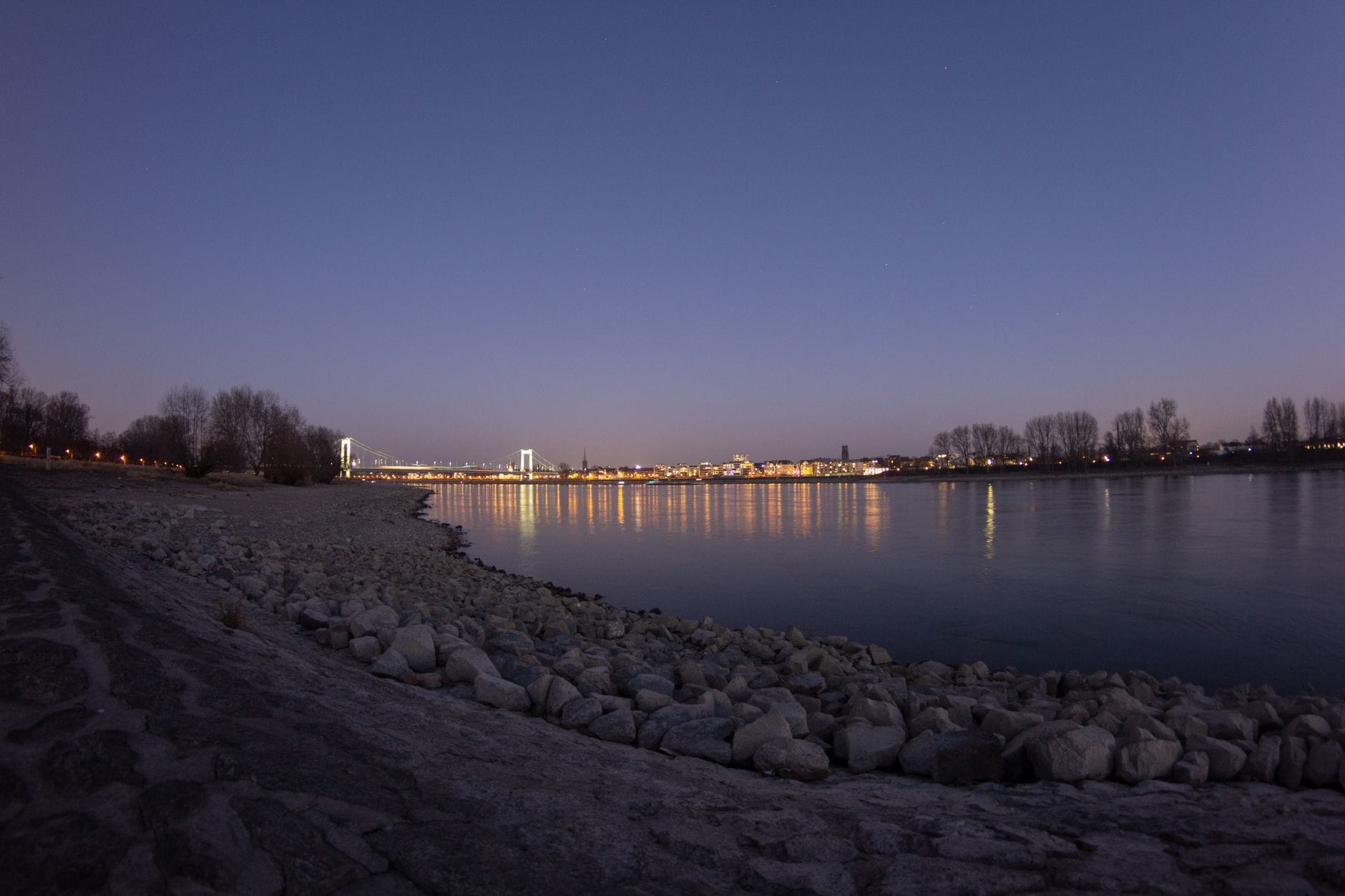
23. Find Cologne's Local Beach Culture Along the Rhine Banks
In summer, the Rhine riverbanks at Rodenkirchen and the Deutzer Rheinufer become informal beaches where locals set up chairs, play volleyball, and swim. This is the unphotographed, unscheduled side of Cologne: relaxed, free, and entirely off the tourist trail.
Explore23. Find Cologne's Local Beach Culture Along the Rhine Banks
In summer, the Rhine riverbanks at Rodenkirchen and the Deutzer Rheinufer become informal beaches where locals set up chairs, play volleyball, and swim. This is the unphotographed, unscheduled side of Cologne: relaxed, free, and entirely off the tourist trail.
Explore✨ Pro tip
Many of these sites cluster within walking distance of each other. Pair St. Gereon, Kolumba, and the City Hall Roman ruins into a single morning loop through the Altstadt. Then take the tram to Ehrenfeld or the Belgian Quarter for the afternoon.
FAQ
What is there to do in Cologne besides the cathedral?
Quite a lot. Cologne has 12 Romanesque churches older than the cathedral, several world-class museums (Kolumba, Rautenstrauch-Joest, Museum Schnütgen), a free botanical garden, Roman ruins beneath the City Hall, and the Ehrenfeld street art district. The cathedral area is a small fraction of the city.
Are there free things to do in Cologne?
Yes. The Flora Botanical Garden and Stadtwald city forest are free to enter. Walking the Hohenzollern Bridge love-lock walkway costs nothing. The Ehrenfeld street art district is entirely free to explore. Many churches including St. Gereon and Great St. Martin are free to enter during visiting hours.
Which Cologne neighbourhood is best for avoiding tourists?
Ehrenfeld and the Belgian Quarter both have strong local character with cafés, bars, and independent shops used primarily by residents. Lindenthal, home to Aachener Weiher and the Stadtwald, is almost entirely residential and rarely appears on tourist itineraries.
How do I get to Rheinpark and the east bank of the Rhine?
You can walk across the Hohenzollern Bridge or the Deutzer Brücke from the Altstadt. Between April and October, the seasonal cable car also crosses from the zoo side directly to Rheinpark. Trams to Deutz run frequently from the main station area.
Is the Cologne Triangle observation platform worth it compared to climbing the cathedral tower?
For the view of the cathedral itself, the Triangle is actually better since you are looking at the Dom rather than from it. Entry is cheaper and there is rarely a queue. The cathedral tower climb gives you height and the treasury visit, but the Triangle platform is the faster, easier option for a skyline photo.
Tickets & tours
Live prices and dates from our booking partner. If you book, we may earn a commission at no extra cost to you.
Planning a trip? Discover personalized activities with the Nomado app.