Cologne's Art Museums: A Complete Guide for Art Lovers
Cologne is an unexpectedly strong art city. With more than 30 museums and hundreds of galleries, it rivals much larger European capitals for depth and range. This guide covers the essential art museums, from world-class modern art to medieval religious masterpieces and East Asian treasures.
Tickets & tours
Live prices and dates from our booking partner. If you book, we may earn a commission at no extra cost to you.
Few cities in Germany offer art lovers as much in such a compact area as Cologne. The museums cluster conveniently around the Altstadt, allowing you to move between a Picasso and a 12th-century ivory carving in under ten minutes on foot. If you are planning your visit around the museums, the 2-day Cologne itinerary gives a practical framework for fitting the highlights together. For budget travellers, several of the institutions covered here offer free or reduced admission on certain days, which is covered in detail in the free things to do in Cologne guide.
✨ Pro tip
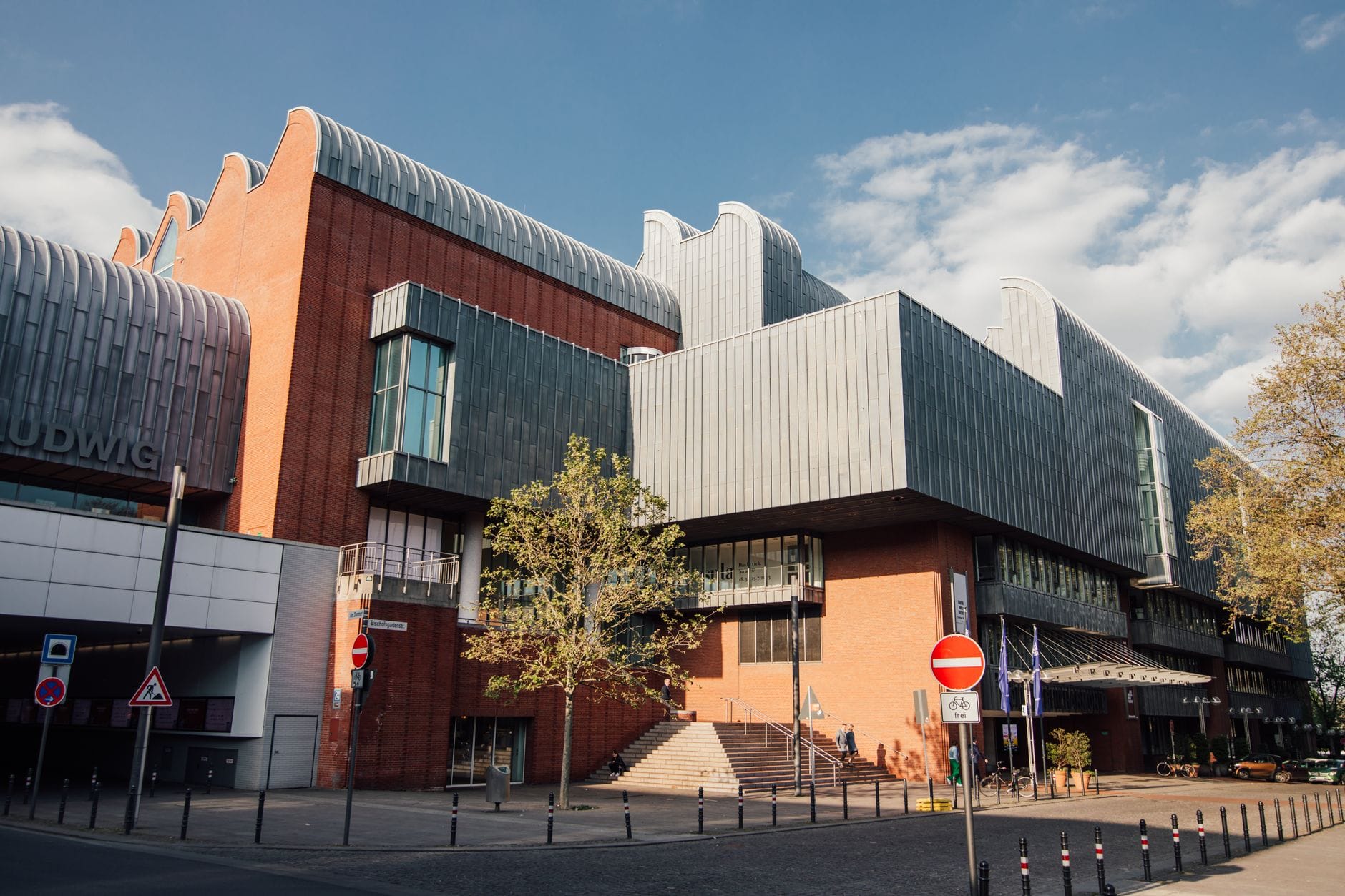
Museum Ludwig, Wallraf-Richartz, Kolumba, Museum Schnütgen, MAKK, and the Romano-Germanic Museum all sit within a few minutes' walk of each other near the Cathedral. Plan two focused half-days here rather than rushing through everything in one go.
Modern & Contemporary Art
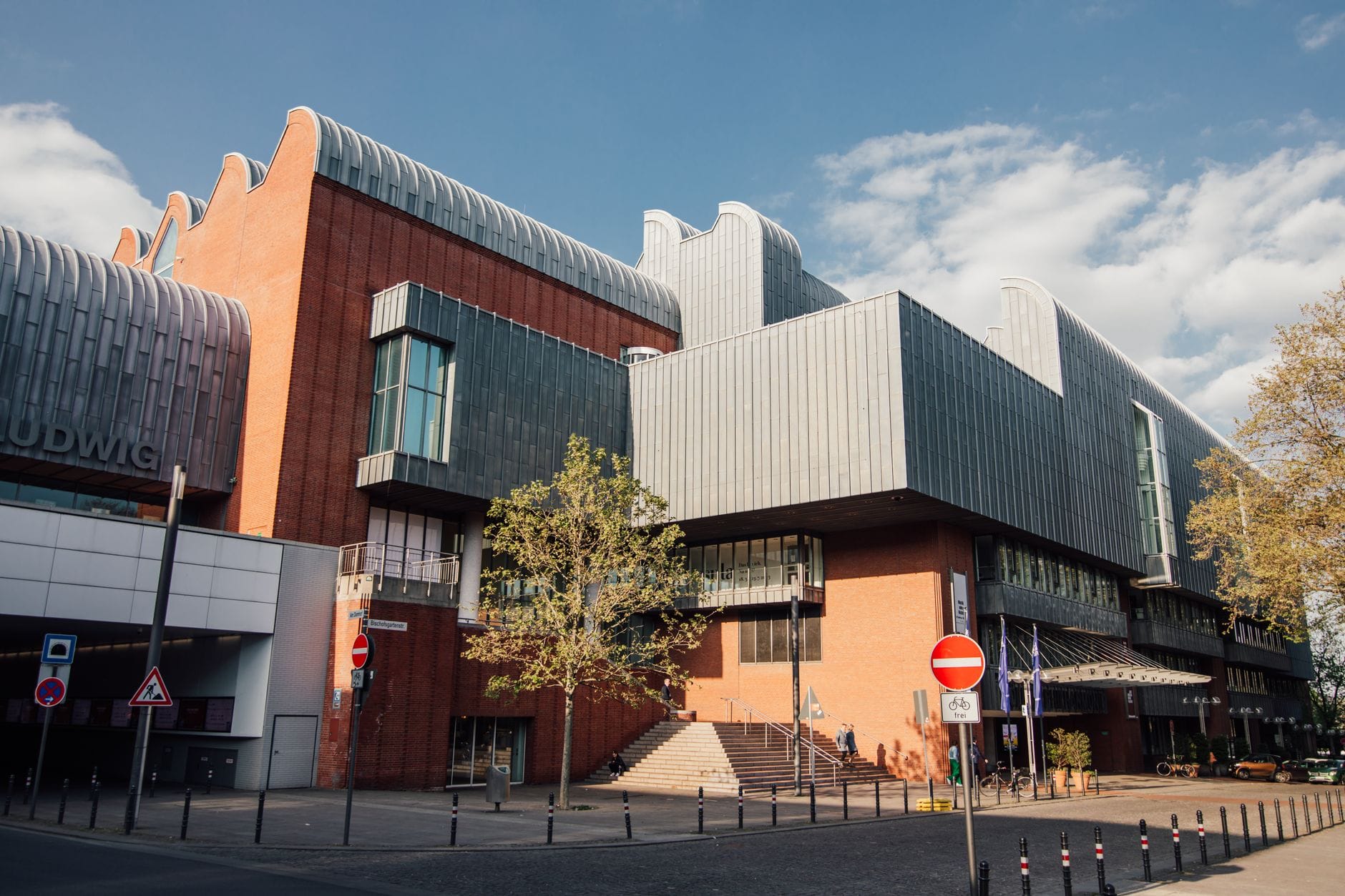
Cologne's modern art credentials rest primarily on Museum Ludwig, one of the great postwar European collections. The city also has strong ties to the international contemporary art market through Art Cologne, the world's oldest art fair, held annually in the Deutz trade fair district. If contemporary and street-based art is your focus, the Ehrenfeld neighbourhood adds a different, street-level dimension to Cologne's art scene.
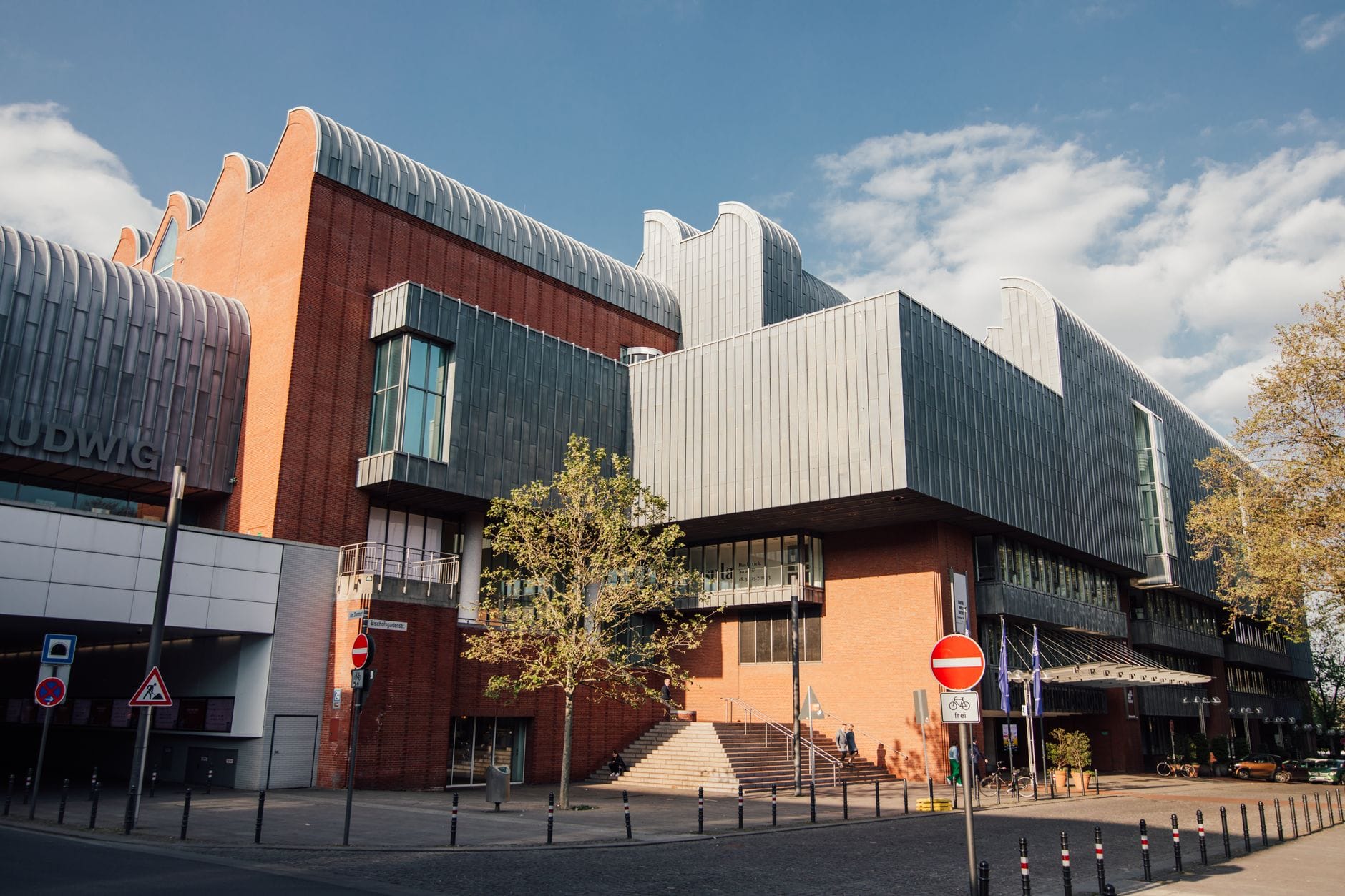
1. Explore One of Europe's Great Modern Art Collections at Museum Ludwig
Home to the world's third-largest Picasso collection, plus major works by Warhol, Lichtenstein, and Kirchner. The permanent collection spans Pop Art, German Expressionism, photography, and Surrealism. Closed Mondays; adults pay €19.80 (reduced €13.50, under-18s free).
Explore1. Explore One of Europe's Great Modern Art Collections at Museum Ludwig
Home to the world's third-largest Picasso collection, plus major works by Warhol, Lichtenstein, and Kirchner. The permanent collection spans Pop Art, German Expressionism, photography, and Surrealism. Closed Mondays; adults pay €19.80 (reduced €13.50, under-18s free).
Explore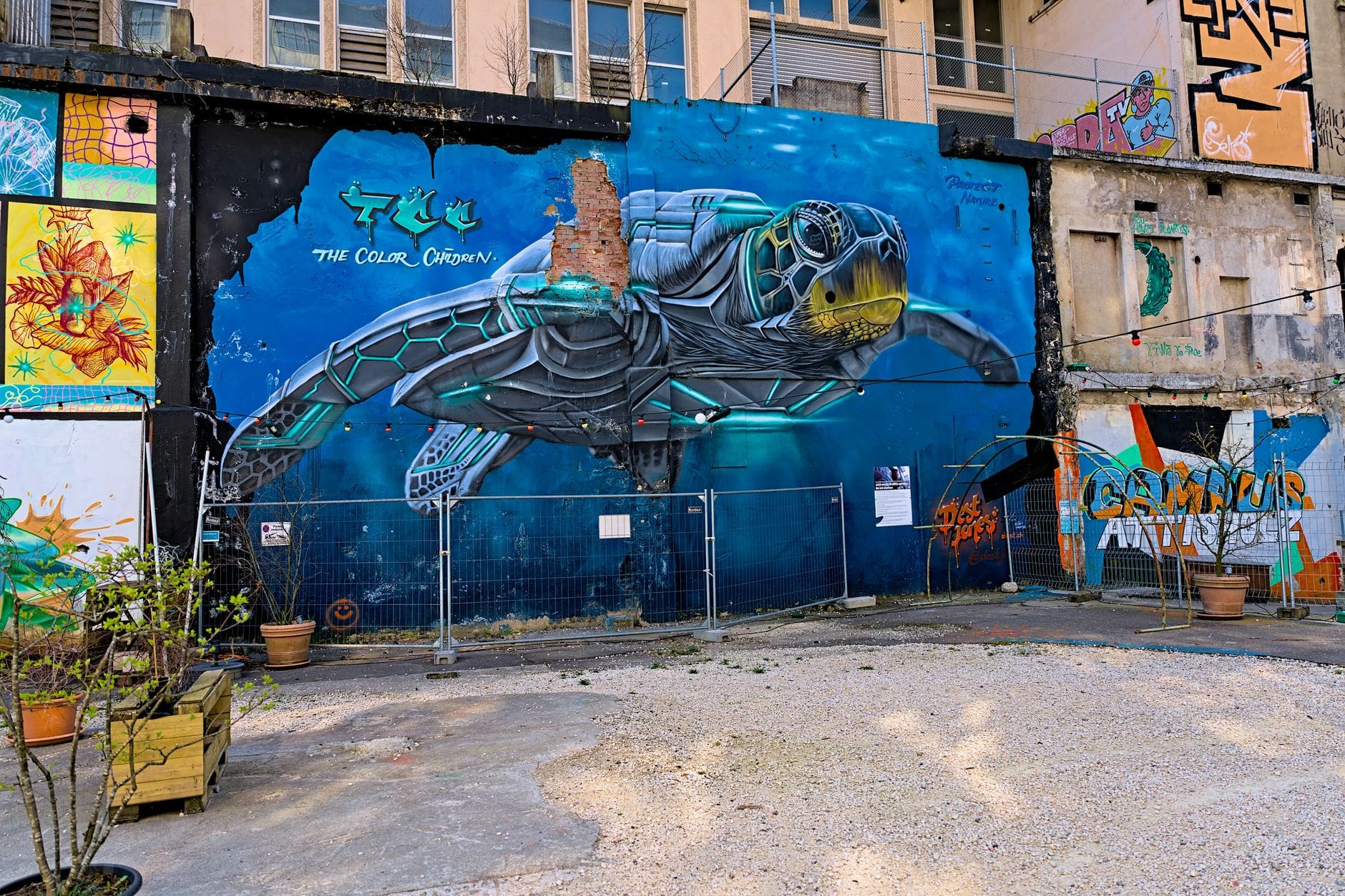
2. See Germany's Most Impressive Urban Murals in Ehrenfeld
Cologne's most creative district hosts enormous building-scale murals from international and local artists. An annual street art festival keeps the walls fresh. Walk Venloer Strasse and side streets for the densest concentration of works.
Explore2. See Germany's Most Impressive Urban Murals in Ehrenfeld
Cologne's most creative district hosts enormous building-scale murals from international and local artists. An annual street art festival keeps the walls fresh. Walk Venloer Strasse and side streets for the densest concentration of works.
ExploreMedieval & Religious Art
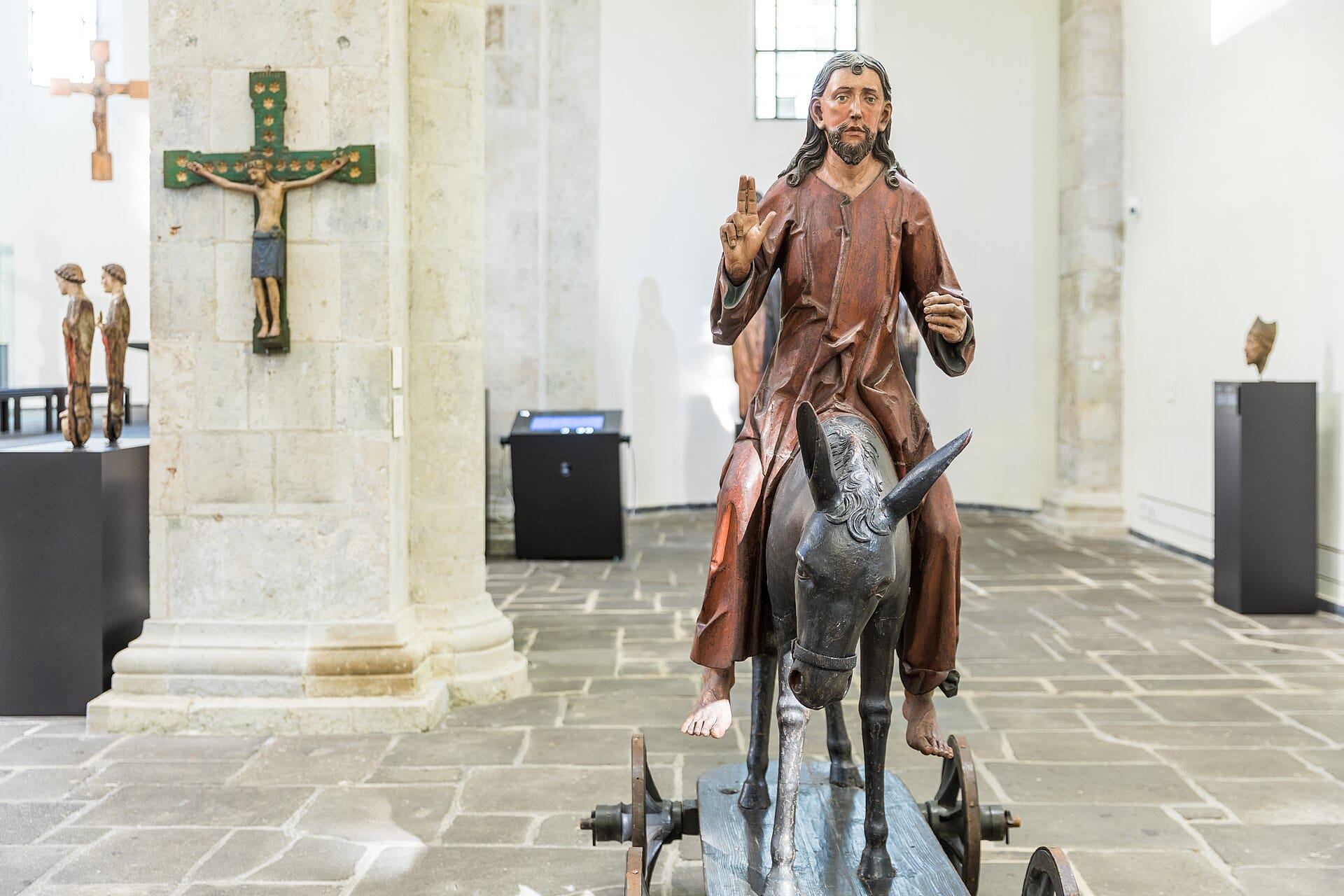
Cologne was one of medieval Europe's most important cities, and its legacy in religious art is extraordinary. The Romanesque churches alone contain artworks of museum quality, and the dedicated collections at Museum Schnütgen and Kolumba represent some of the finest holdings of their kind in Germany. For a deeper dive into Cologne's Romanesque heritage, the guide to Cologne's Romanesque churches is essential reading alongside this one.
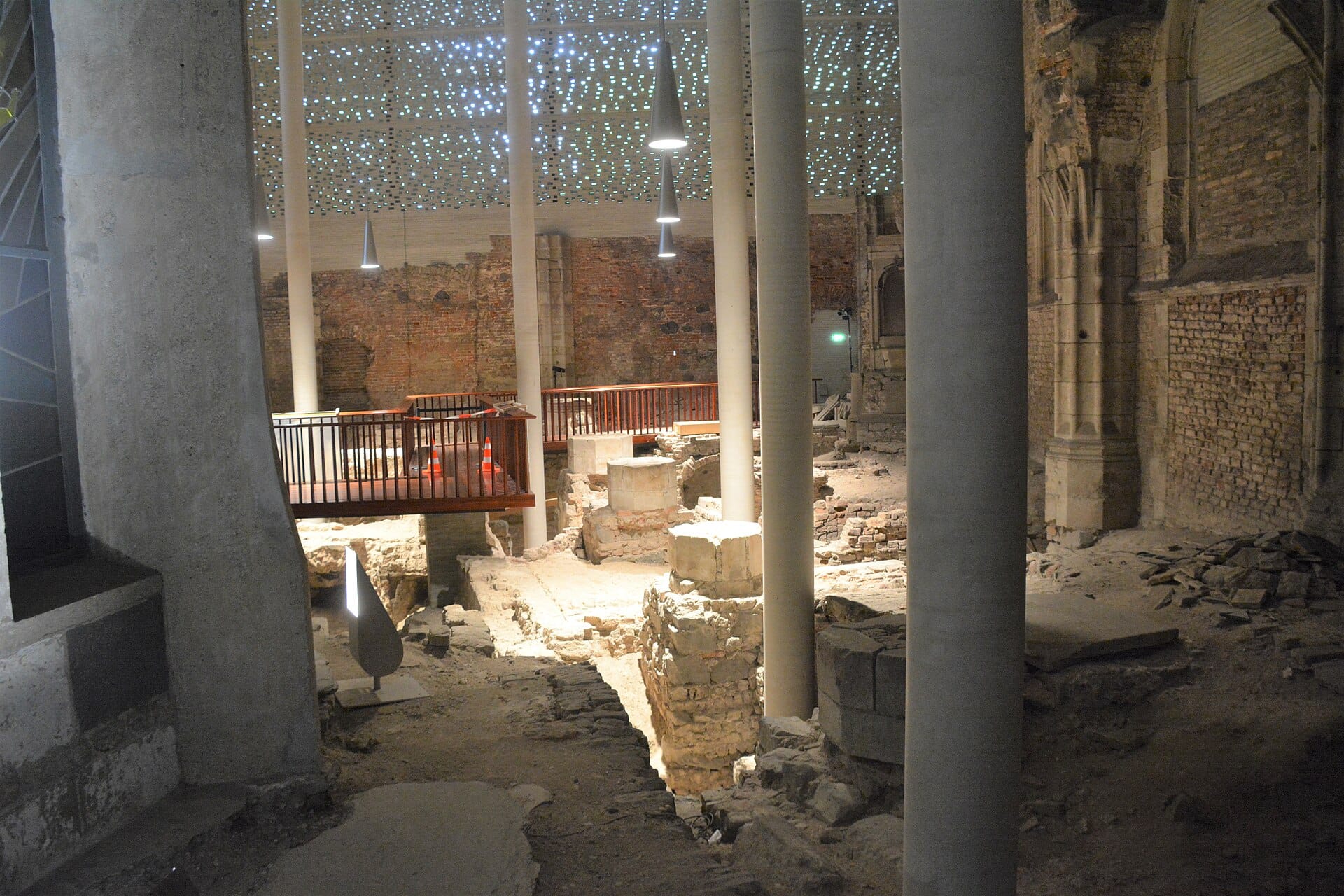
3. Experience 2,000 Years of Sacred Art at Kolumba
The Archdiocese of Cologne's art museum occupies Peter Zumthor's meditative building over Gothic ruins. The collection spans early Christianity to contemporary art, displayed with minimal labelling to encourage contemplation. Open Wed–Mon, 12:00–17:00; adults €8.
Explore3. Experience 2,000 Years of Sacred Art at Kolumba
The Archdiocese of Cologne's art museum occupies Peter Zumthor's meditative building over Gothic ruins. The collection spans early Christianity to contemporary art, displayed with minimal labelling to encourage contemplation. Open Wed–Mon, 12:00–17:00; adults €8.
Explore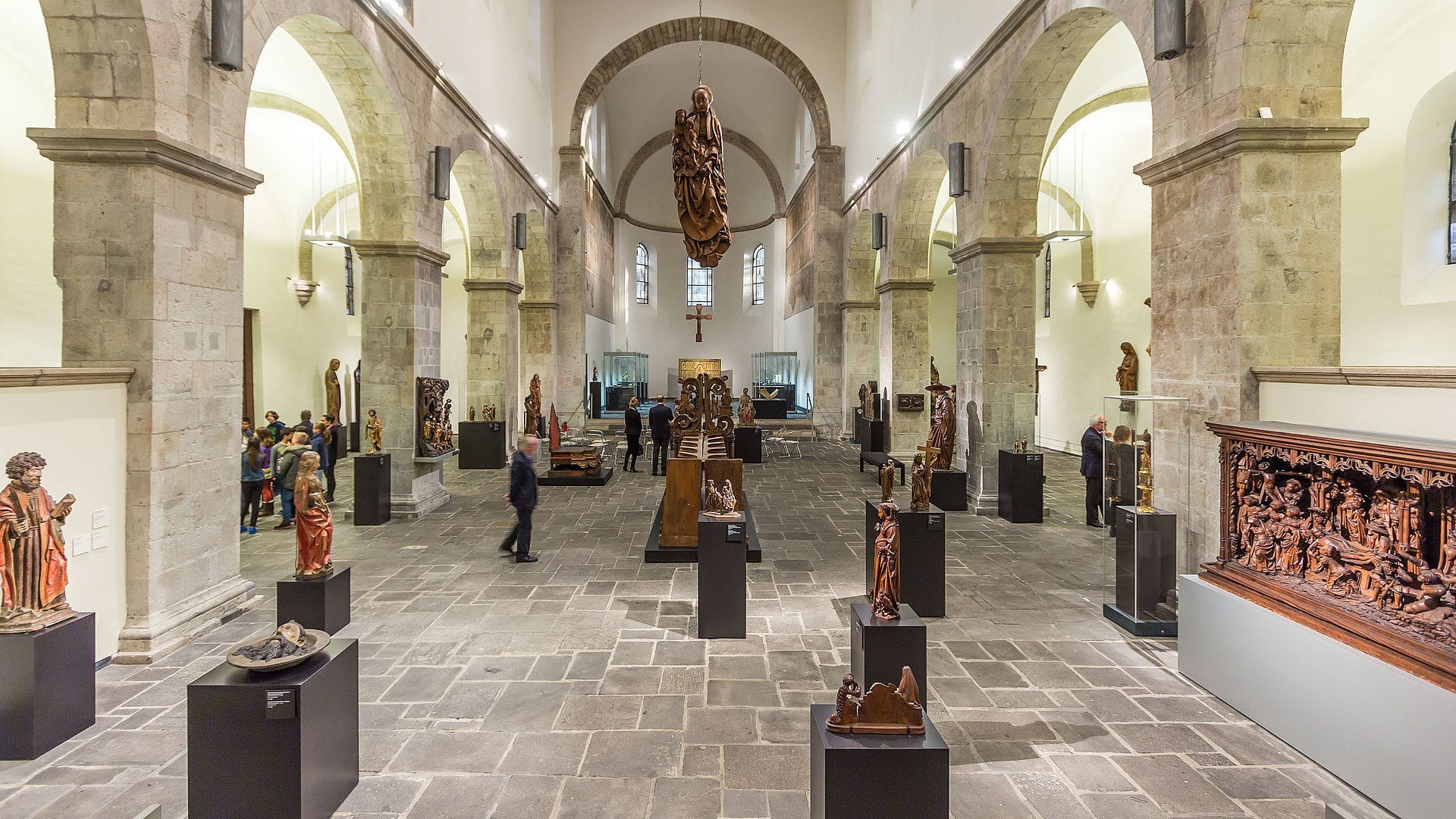
4. See Masterpieces of Romanesque and Gothic Art at Museum Schnütgen
Medieval ivory carvings, reliquaries, stained glass, and painted wood sculptures displayed inside the 12th-century Romanesque church of St. Cäcilien. The setting transforms the experience: this is medieval art in a medieval building, not a white-cube gallery.
Explore4. See Masterpieces of Romanesque and Gothic Art at Museum Schnütgen
Medieval ivory carvings, reliquaries, stained glass, and painted wood sculptures displayed inside the 12th-century Romanesque church of St. Cäcilien. The setting transforms the experience: this is medieval art in a medieval building, not a white-cube gallery.
Explore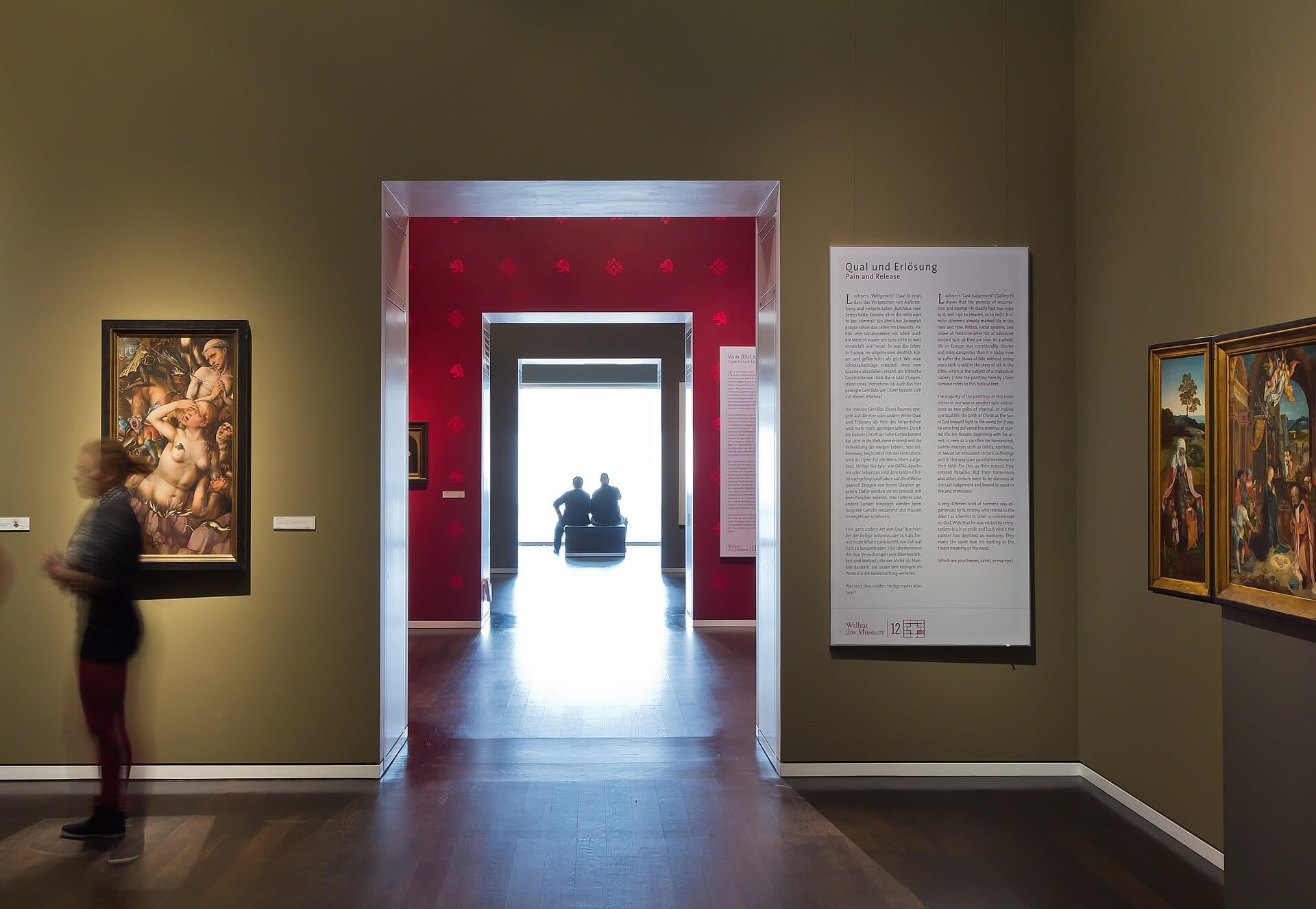
5. Discover the Cologne School and Old Masters at Wallraf-Richartz Museum
Germany's oldest public art museum holds exceptional medieval Cologne School altarpieces alongside Dutch and Flemish Old Masters and Impressionist works by Monet, Renoir, and Sisley. The 14th-century panel paintings are among the finest in Northern Europe.
Explore5. Discover the Cologne School and Old Masters at Wallraf-Richartz Museum
Germany's oldest public art museum holds exceptional medieval Cologne School altarpieces alongside Dutch and Flemish Old Masters and Impressionist works by Monet, Renoir, and Sisley. The 14th-century panel paintings are among the finest in Northern Europe.
Explore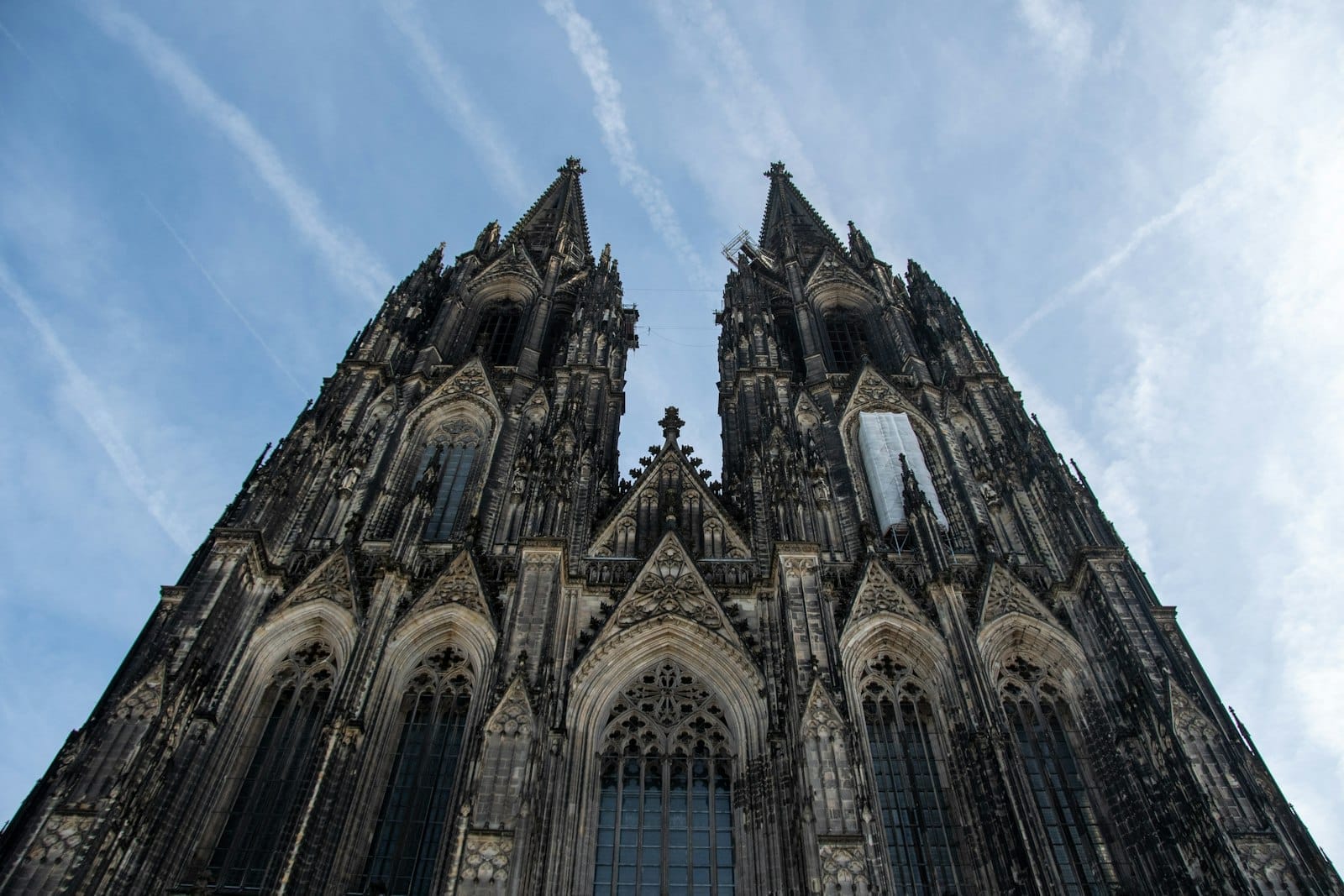
6. View the Shrine of the Three Kings and Medieval Treasury at Cologne Cathedral
Beyond the Gothic architecture, the Cathedral treasury holds one of the richest collections of medieval goldsmithing in existence, including the Shrine of the Three Kings, completed around 1225. Allow at least 30 minutes for the treasury visit alone.
Explore6. View the Shrine of the Three Kings and Medieval Treasury at Cologne Cathedral
Beyond the Gothic architecture, the Cathedral treasury holds one of the richest collections of medieval goldsmithing in existence, including the Shrine of the Three Kings, completed around 1225. Allow at least 30 minutes for the treasury visit alone.
ExploreApplied Arts, Design & Decorative Collections
7. Trace 2,000 Years of Design History at MAKK
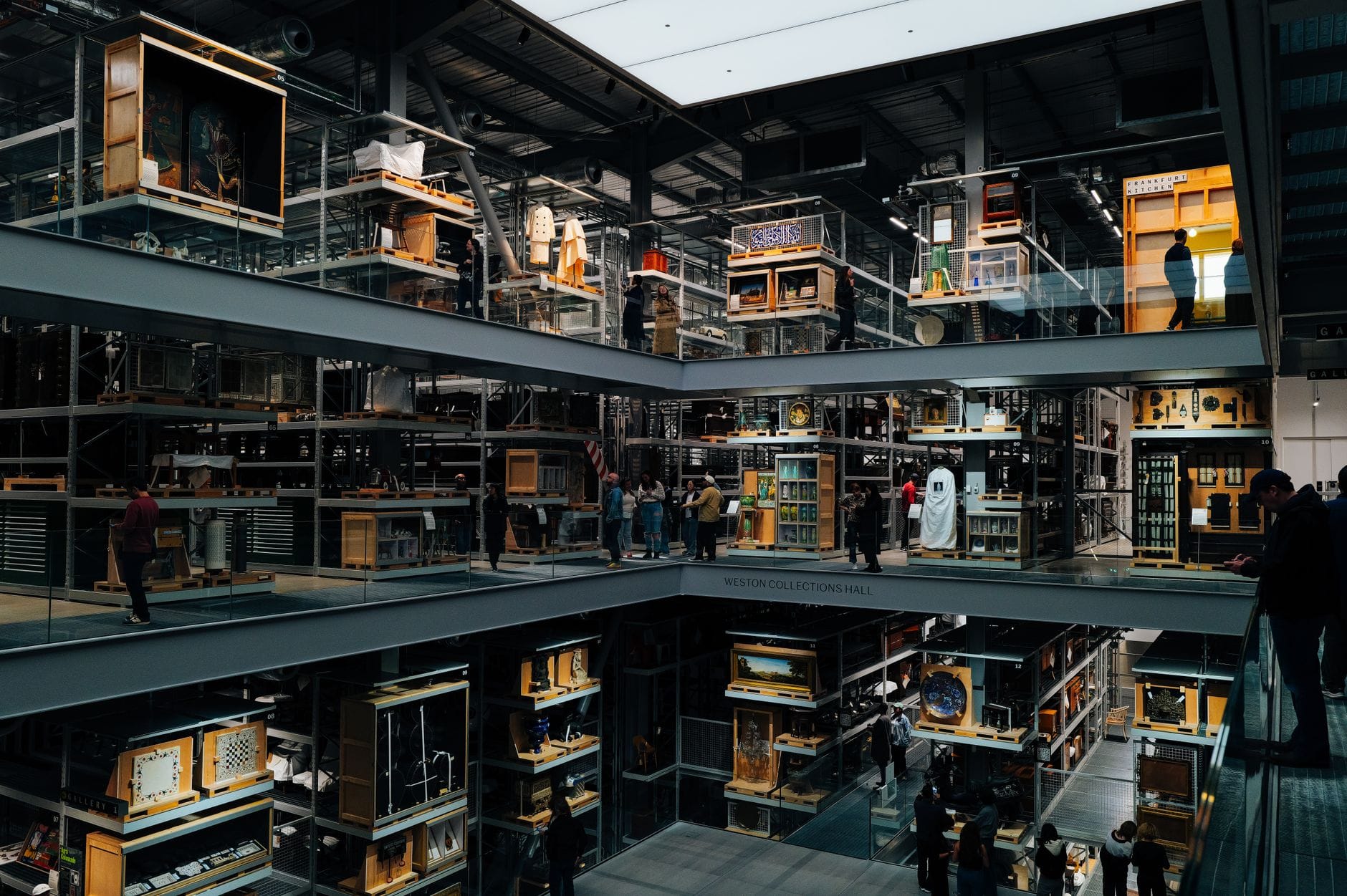
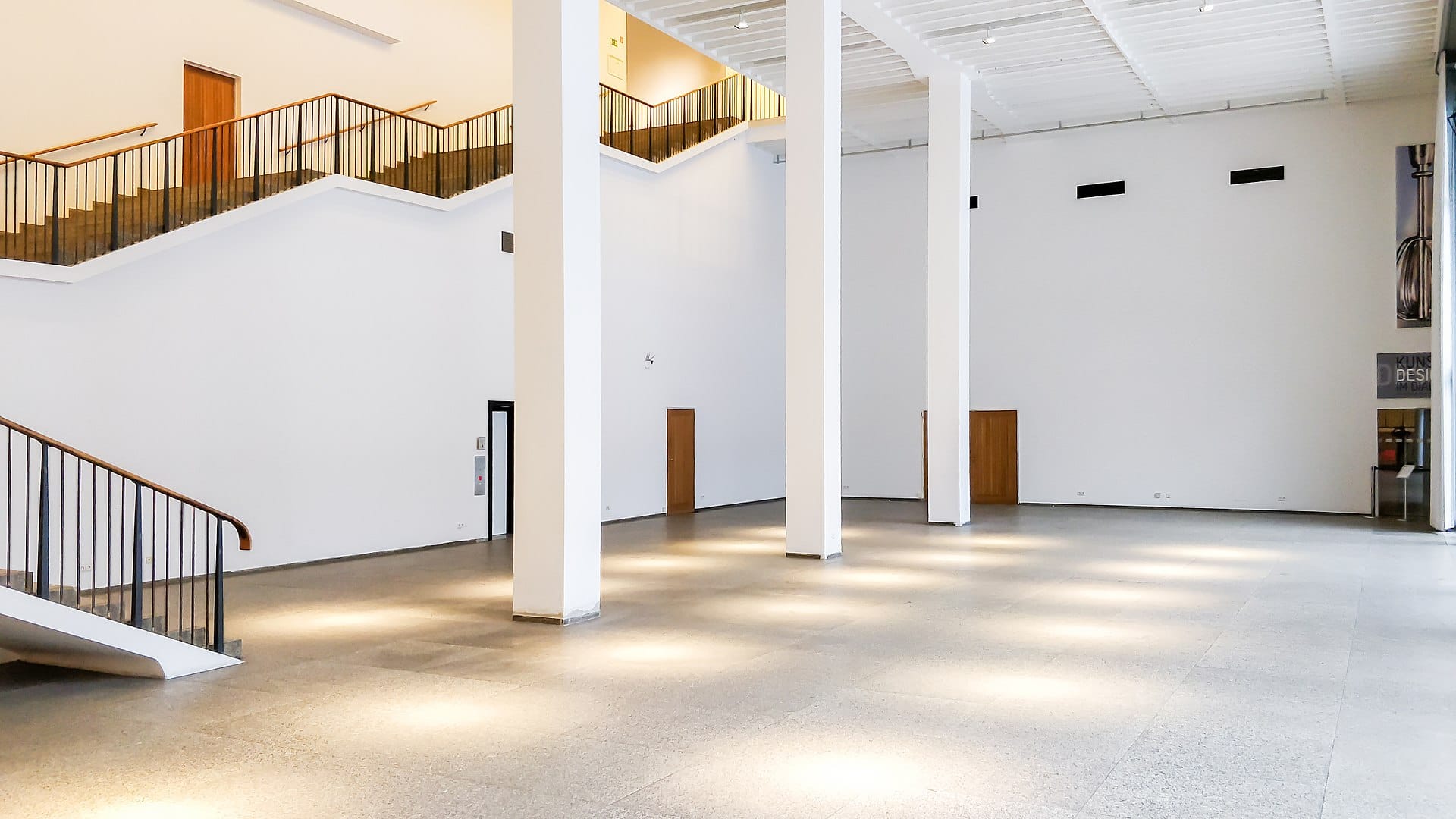
The Museum für Angewandte Kunst spans medieval crafts, Renaissance furniture, Jugendstil objects, Bauhaus design, and contemporary product innovation. Its building on the Rhine promenade is itself architecturally distinctive. One of Germany's leading design museums.
Explore7. Trace 2,000 Years of Design History at MAKK
The Museum für Angewandte Kunst spans medieval crafts, Renaissance furniture, Jugendstil objects, Bauhaus design, and contemporary product innovation. Its building on the Rhine promenade is itself architecturally distinctive. One of Germany's leading design museums.
Explore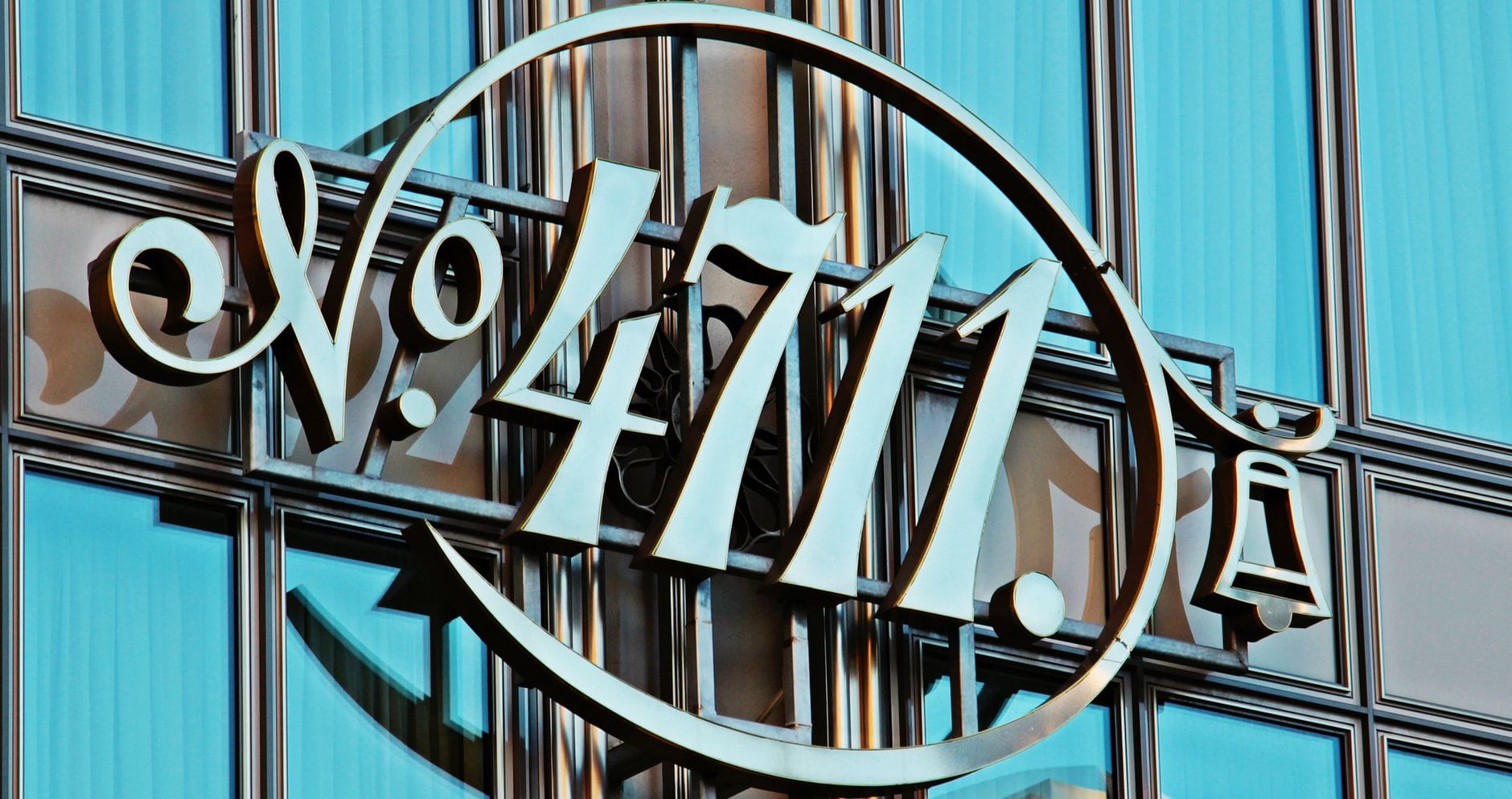
8. Visit the 4711 House, Historic Home of 4711 Original Eau de Cologne
The original fragrance created here in 1792 gave the world a new word for scent. The boutique and museum on Glockengasse tells that story with period artefacts and a famous hourly carillon. A compact but surprisingly rich cultural stop for design and history lovers.
Explore8. Visit the 4711 House, Historic Home of 4711 Original Eau de Cologne
The original fragrance created here in 1792 gave the world a new word for scent. The boutique and museum on Glockengasse tells that story with period artefacts and a famous hourly carillon. A compact but surprisingly rich cultural stop for design and history lovers.
ExploreAncient Civilisations & World Cultures
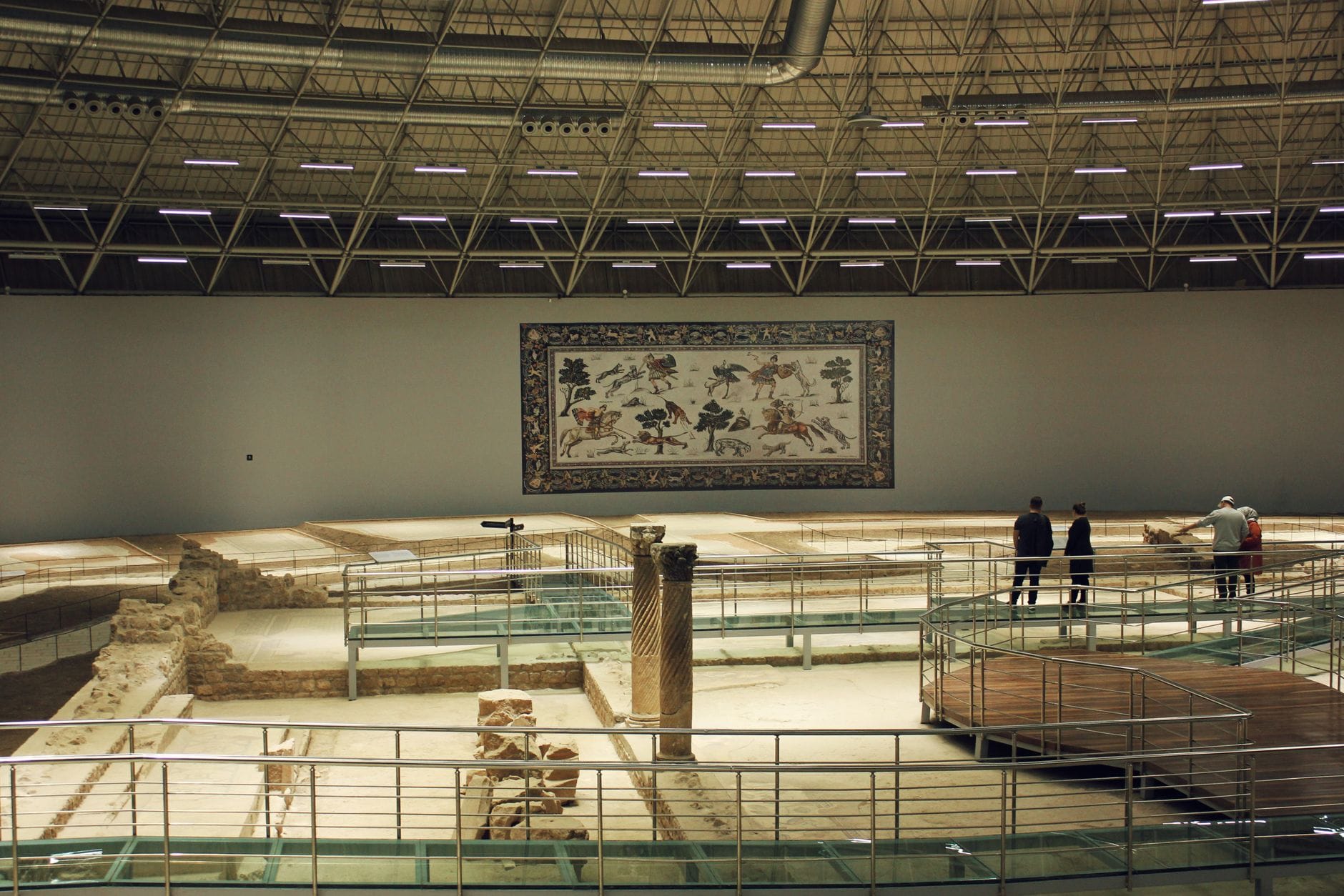
Cologne's identity as a Roman city is central to understanding it, and the Romano-Germanic Museum makes that tangible in a way few ancient collections anywhere in the world manage. Pair it with the ethnological collections at Rautenstrauch-Joest for a genuinely global perspective on human material culture. Both are within the Cologne walking tour radius.
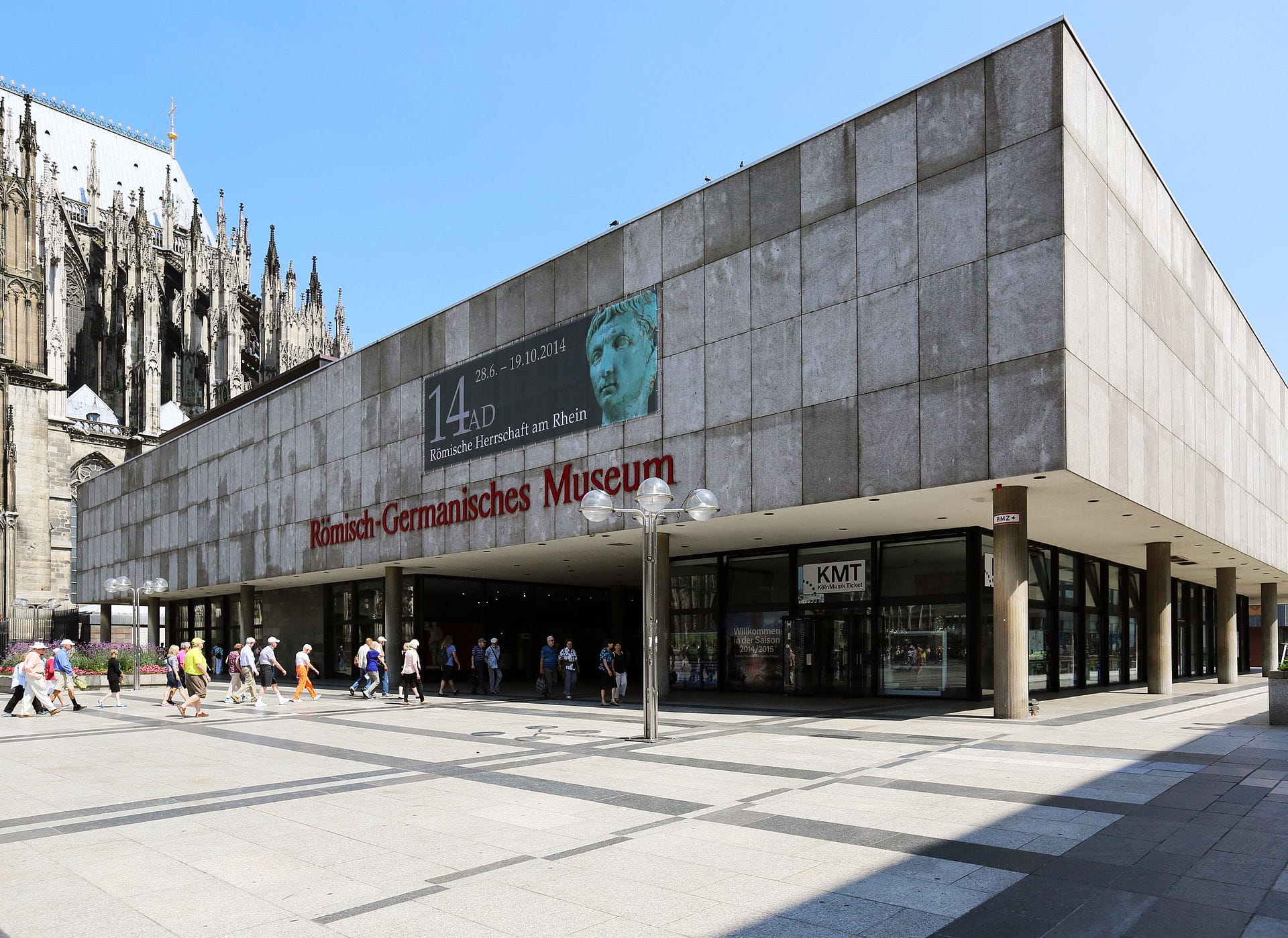
9. See Roman Cologne at the Romano-Germanic Museum
This museum holds one of the world's finest Roman antiquities collections, documenting Cologne's 2,000-year urban history as Colonia Claudia Ara Agrippinensium. The main building at Roncalliplatz is closed for renovation; an interim exhibition of selected objects runs at the Belgian House on Cäcilienstraße. The in-situ Dionysus Mosaic is not currently on display.
Explore9. See Roman Cologne at the Romano-Germanic Museum
This museum holds one of the world's finest Roman antiquities collections, documenting Cologne's 2,000-year urban history as Colonia Claudia Ara Agrippinensium. The main building at Roncalliplatz is closed for renovation; an interim exhibition of selected objects runs at the Belgian House on Cäcilienstraße. The in-situ Dionysus Mosaic is not currently on display.
Explore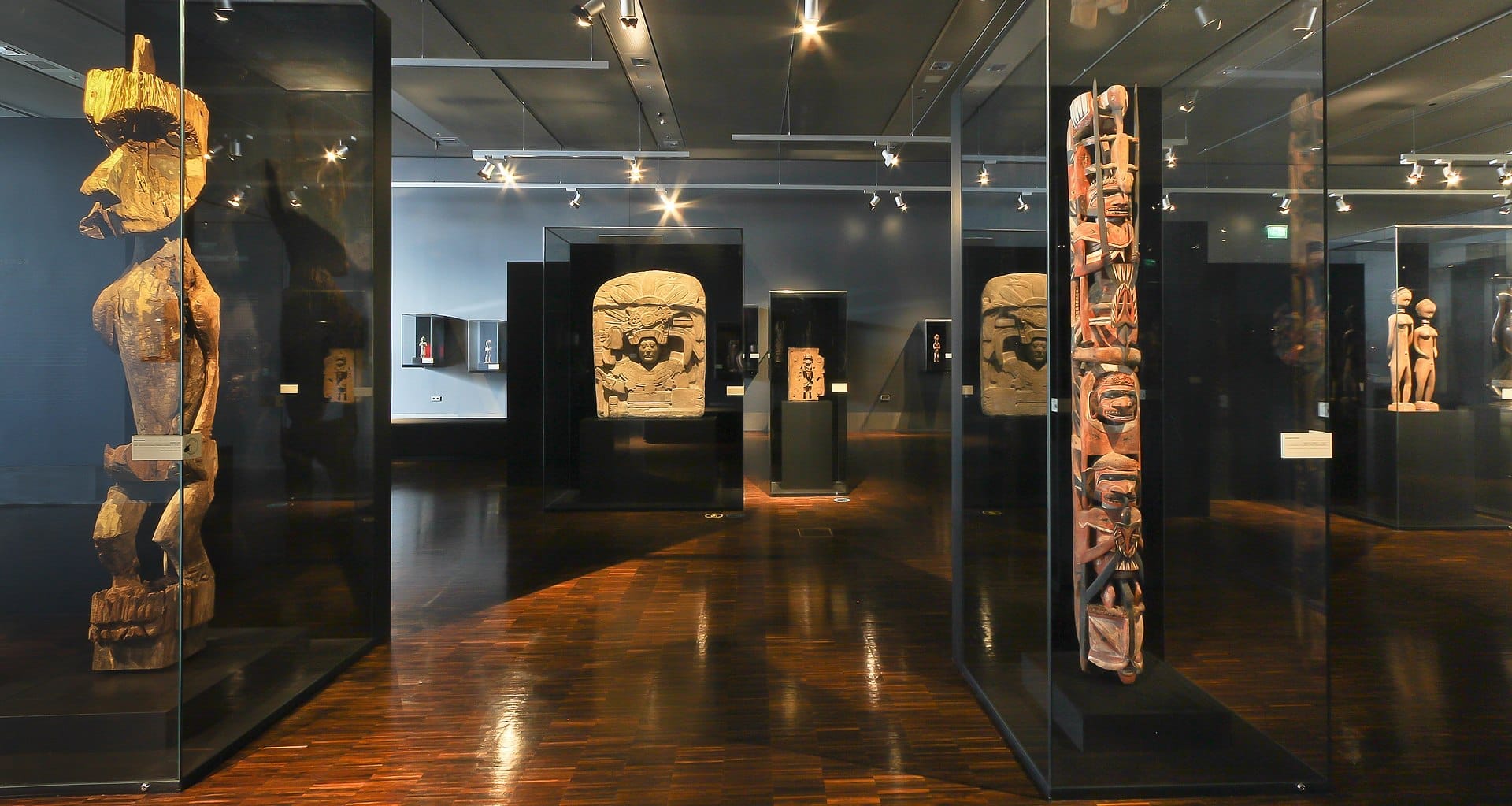
10. Explore Global Material Culture at the Rautenstrauch-Joest Museum
One of Europe's leading ethnological museums, with immersive, critical displays of artefacts from Africa, Asia, the Americas, and Oceania. The approach challenges conventional museum hierarchies and invites genuine reflection. Allow two hours for the permanent collection.
Explore10. Explore Global Material Culture at the Rautenstrauch-Joest Museum
One of Europe's leading ethnological museums, with immersive, critical displays of artefacts from Africa, Asia, the Americas, and Oceania. The approach challenges conventional museum hierarchies and invites genuine reflection. Allow two hours for the permanent collection.
Explore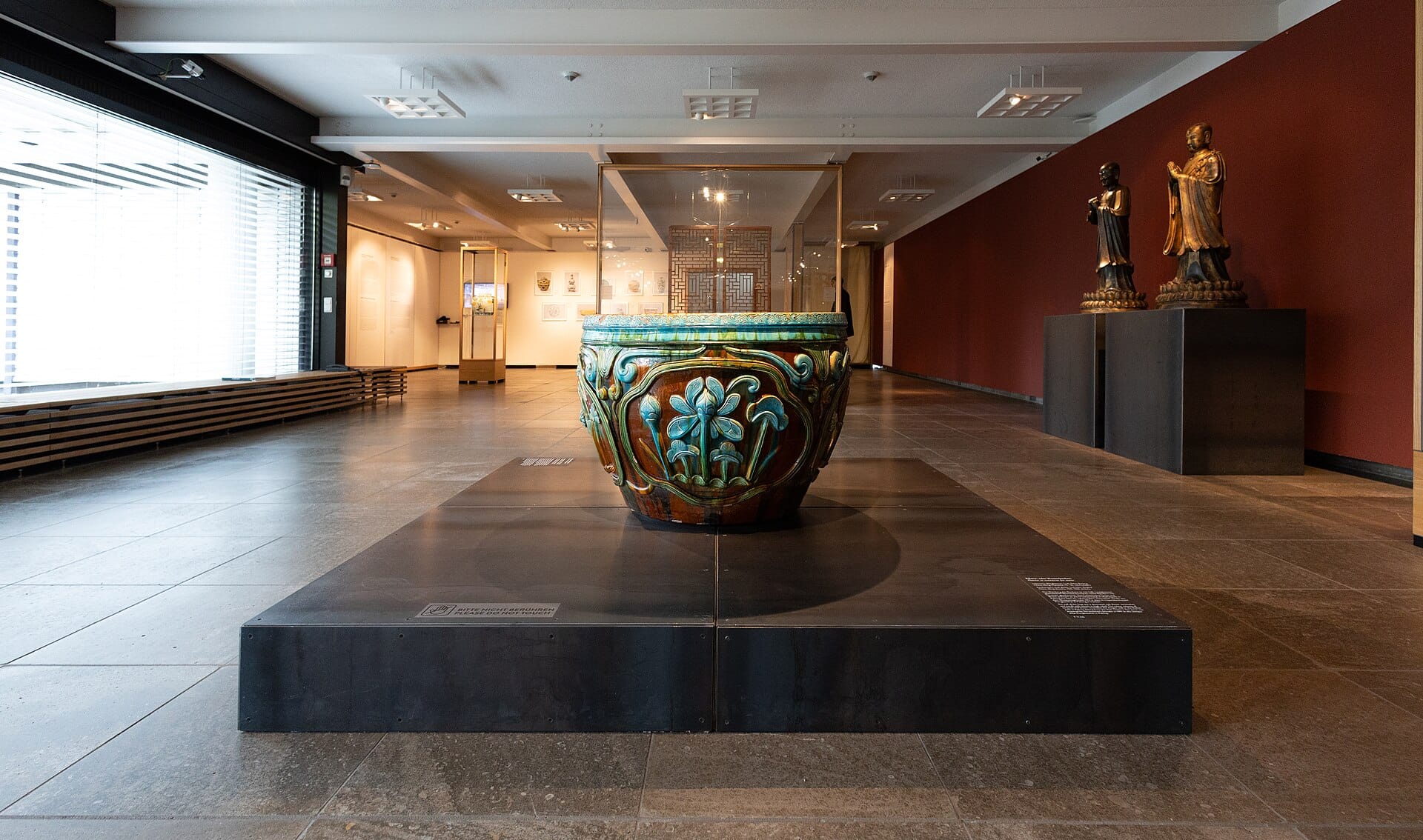
11. Discover Buddhist Sculpture and Lacquerware at the Museum of East Asian Art
One of Europe's finest collections of Chinese, Japanese, and Korean art, displayed in a serene building designed by Japanese architect Kunio Maekawa. The Buddhist sculptures and ceramic holdings are outstanding. Rarely crowded, making for an unusually contemplative visit.
Explore11. Discover Buddhist Sculpture and Lacquerware at the Museum of East Asian Art
One of Europe's finest collections of Chinese, Japanese, and Korean art, displayed in a serene building designed by Japanese architect Kunio Maekawa. The Buddhist sculptures and ceramic holdings are outstanding. Rarely crowded, making for an unusually contemplative visit.
ExploreHistory, Memory & Architecture as Art
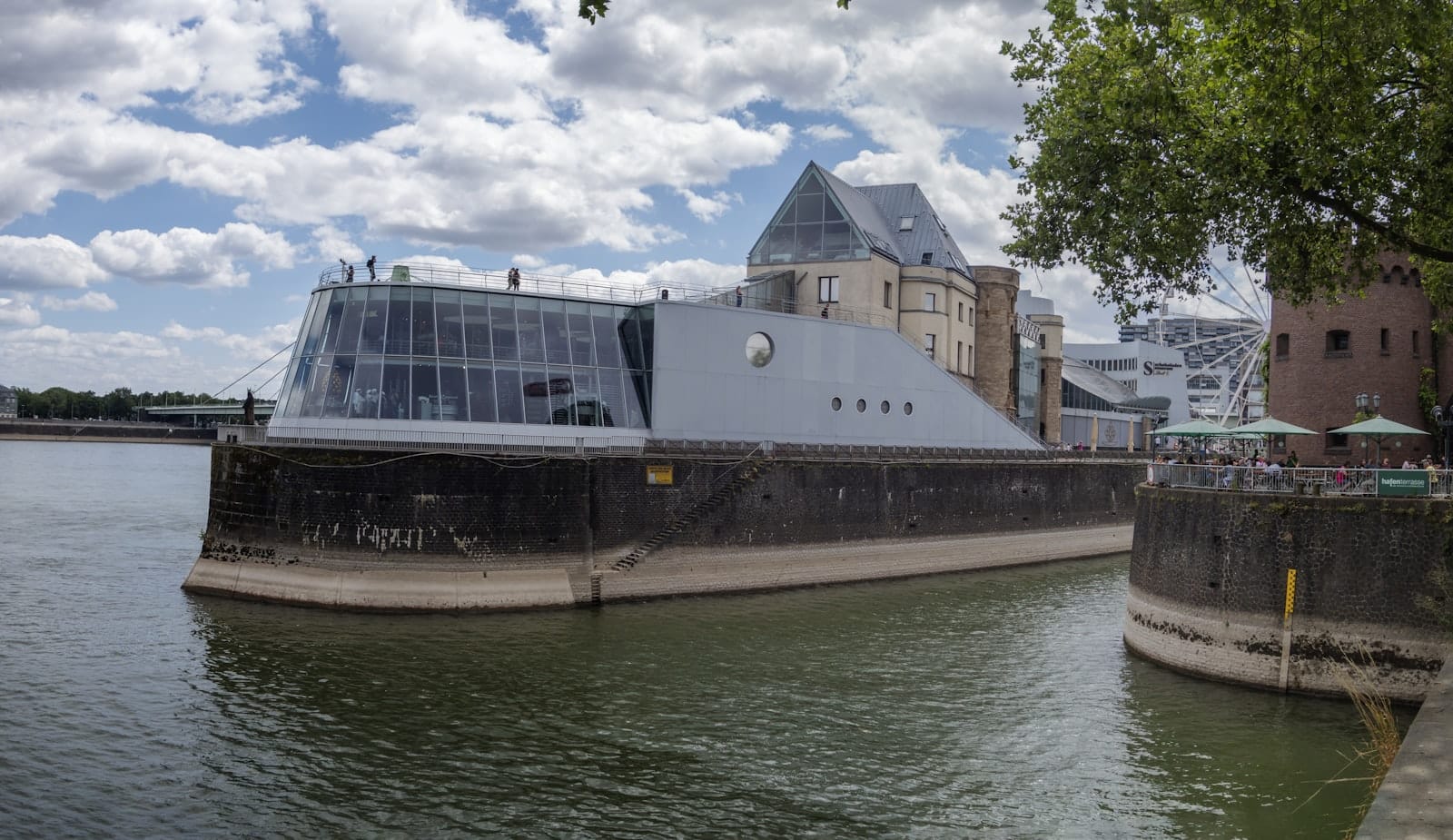
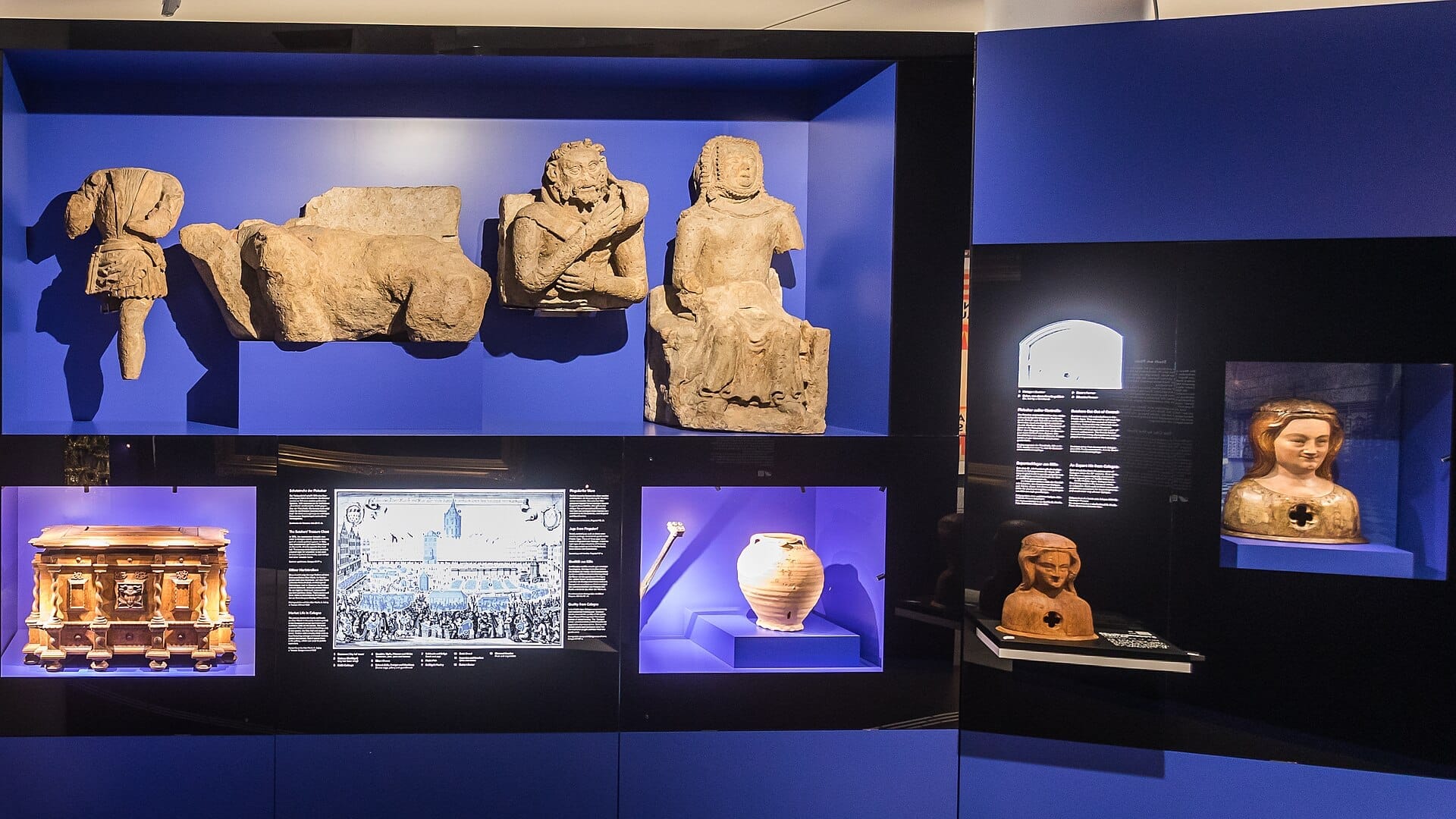
12. Understand the City Itself at the Kölnisches Stadtmuseum
Cologne's city history museum covers Roman origins through WWII destruction and reconstruction to the modern city. Its collection on Karneval culture is particularly strong. Useful context before visiting any other museum in Cologne; it explains why the city looks the way it does.
Explore12. Understand the City Itself at the Kölnisches Stadtmuseum
Cologne's city history museum covers Roman origins through WWII destruction and reconstruction to the modern city. Its collection on Karneval culture is particularly strong. Useful context before visiting any other museum in Cologne; it explains why the city looks the way it does.
Explore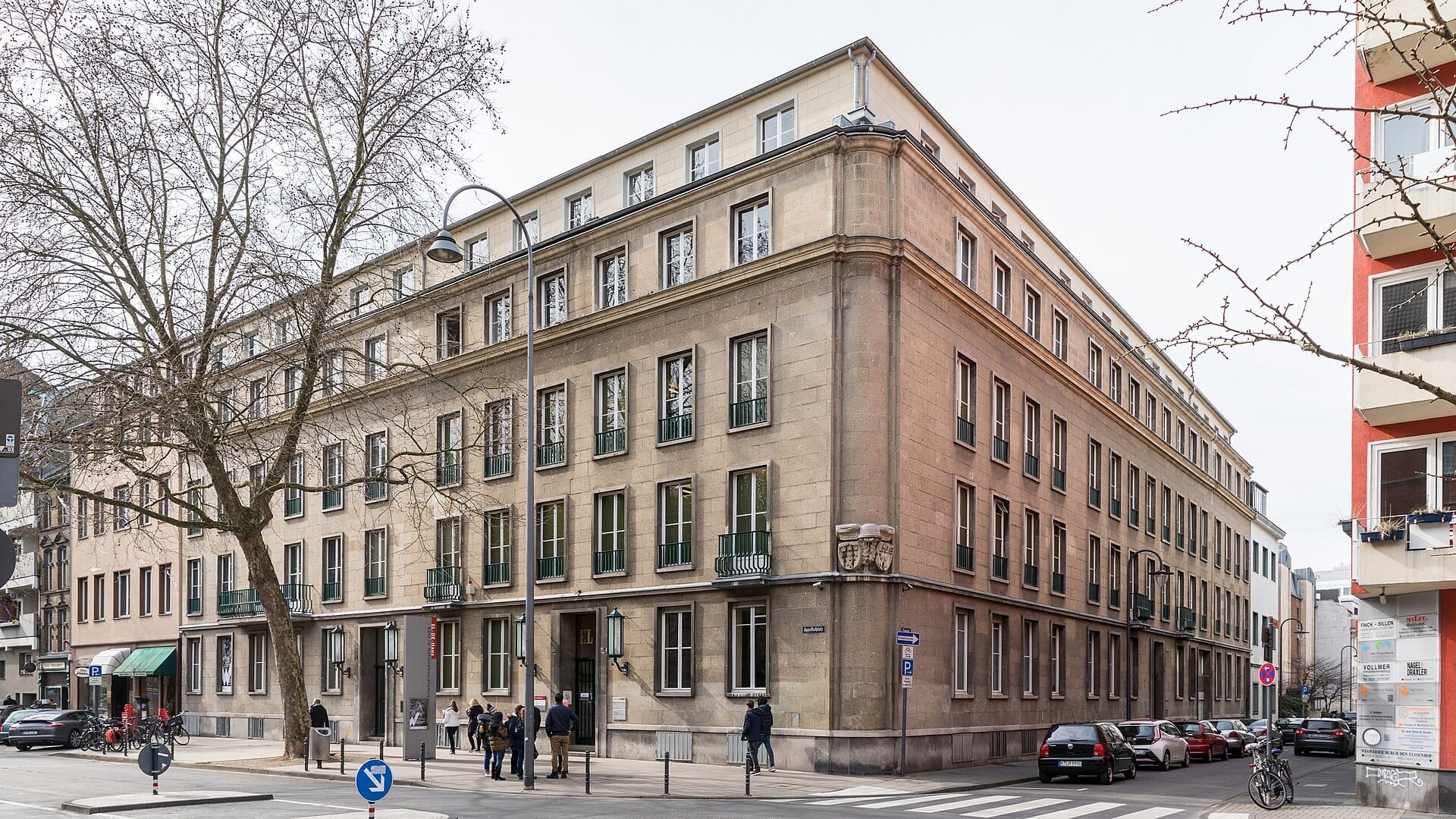
13. Confront Difficult History at the NS Documentation Centre (EL-DE Haus)
The former Gestapo headquarters, with its original basement prison cells still bearing prisoners' inscriptions, is one of Germany's most powerful memorial museums. The permanent exhibition on National Socialism in Cologne is thorough, sobering, and essential for any serious visitor.
Explore13. Confront Difficult History at the NS Documentation Centre (EL-DE Haus)
The former Gestapo headquarters, with its original basement prison cells still bearing prisoners' inscriptions, is one of Germany's most powerful memorial museums. The permanent exhibition on National Socialism in Cologne is thorough, sobering, and essential for any serious visitor.
Explore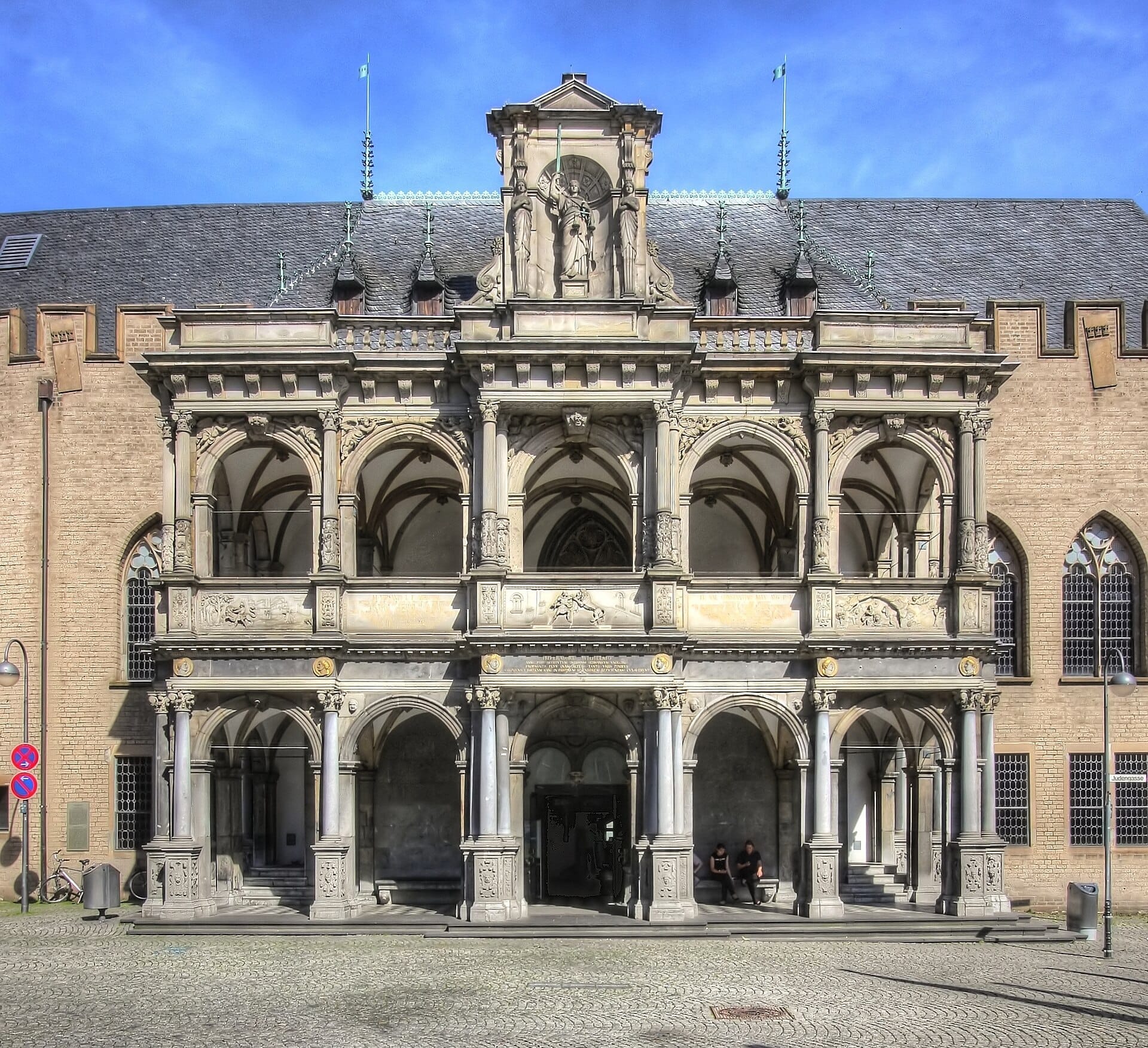
14. See the Medieval and Renaissance Architecture of Cologne City Hall
The 1569 Renaissance loggia and 14th-century Gothic tower make this one of Germany's most architecturally layered civic buildings. It stands above excavated Roman and medieval Jewish remains visible below ground. A compelling convergence of centuries in one site.
Explore14. See the Medieval and Renaissance Architecture of Cologne City Hall
The 1569 Renaissance loggia and 14th-century Gothic tower make this one of Germany's most architecturally layered civic buildings. It stands above excavated Roman and medieval Jewish remains visible below ground. A compelling convergence of centuries in one site.
Explore💡 Local tip
The MuseumsCard Köln gives entry to participating municipal museums plus reduced entry to some others. It covers Wallraf-Richartz, Museum Ludwig, MAKK, Rautenstrauch-Joest, Museum Schnütgen, and the Romano-Germanic Museum. Verify current pricing and conditions at the tourist information office near the Cathedral before purchase.
FAQ
Which art museum in Cologne should I visit if I only have time for one?
Museum Ludwig is the single most comprehensive choice, with its Picasso holdings, Pop Art, and German Expressionism all under one roof. If medieval and sacred art is your primary interest, Museum Schnütgen or Kolumba would be the stronger pick.
Are Cologne's art museums free to enter?
Most charge admission, though the amounts are reasonable. Museum Ludwig and Kolumba both charge admission, and several museums offer free or reduced admission on specific days or for under-18s. The MuseumsCard covers entry to participating municipal museums and is worth calculating against your planned visits.
How many art museums can I realistically visit in one day in Cologne?
Two major museums in a full day is realistic if you want to give each collection proper attention. Museum Ludwig and Wallraf-Richartz are next door to each other, making them a natural pairing. Kolumba and Museum Schnütgen are also within easy walking distance of each other.
Is Kolumba a municipal museum?
No. Kolumba is run by the Roman Catholic Archdiocese of Cologne, not the city. No. Kolumba is run by the Roman Catholic Archdiocese of Cologne, not the city. This means it is not included in the municipal MuseumsCard and operates on its own admission structure. It is open Wednesday through Monday.
What is the best time of year to visit Cologne's art museums?
The museums are open year-round and are particularly rewarding in winter when outdoor options are limited. Spring and early autumn avoid summer crowds. Note that Museum Ludwig closes on Mondays, so plan accordingly.
Tickets & tours
Live prices and dates from our booking partner. If you book, we may earn a commission at no extra cost to you.
Planning a trip? Discover personalized activities with the Nomado app.