4711 House (Dufthaus 4711 / Haus Mülhens): Home of the 4711 Original Eau de Cologne
The 4711 House on Glockengasse is the home of the 4711 Original Eau de Cologne, the famous citrus fragrance developed by Wilhelm Mülhens from 1792 (the earlier Farina fragrance from 1709 is generally considered the original 'eau de Cologne'). Part flagship store, part fragrance museum, and part architectural curiosity, it offers a compact but interesting stop in Cologne's Altstadt-Nord for anyone curious about the city's most famous exports.
Quick Facts
- Location
- Glockengasse 4, 50667 Cologne (Altstadt-Nord)
- Getting There
- Appellhofplatz (tram/U-Bahn lines 3, 4, 5, 16, 18); ~10 min walk from Cologne Hauptbahnhof
- Time Needed
- 30–60 minutes
- Cost
- Free entry to store and exhibition; guided tours and fragrance seminars priced separately
- Best for
- History lovers, fragrance enthusiasts, architecture buffs, curious day visitors
- Official website
- 4711.com
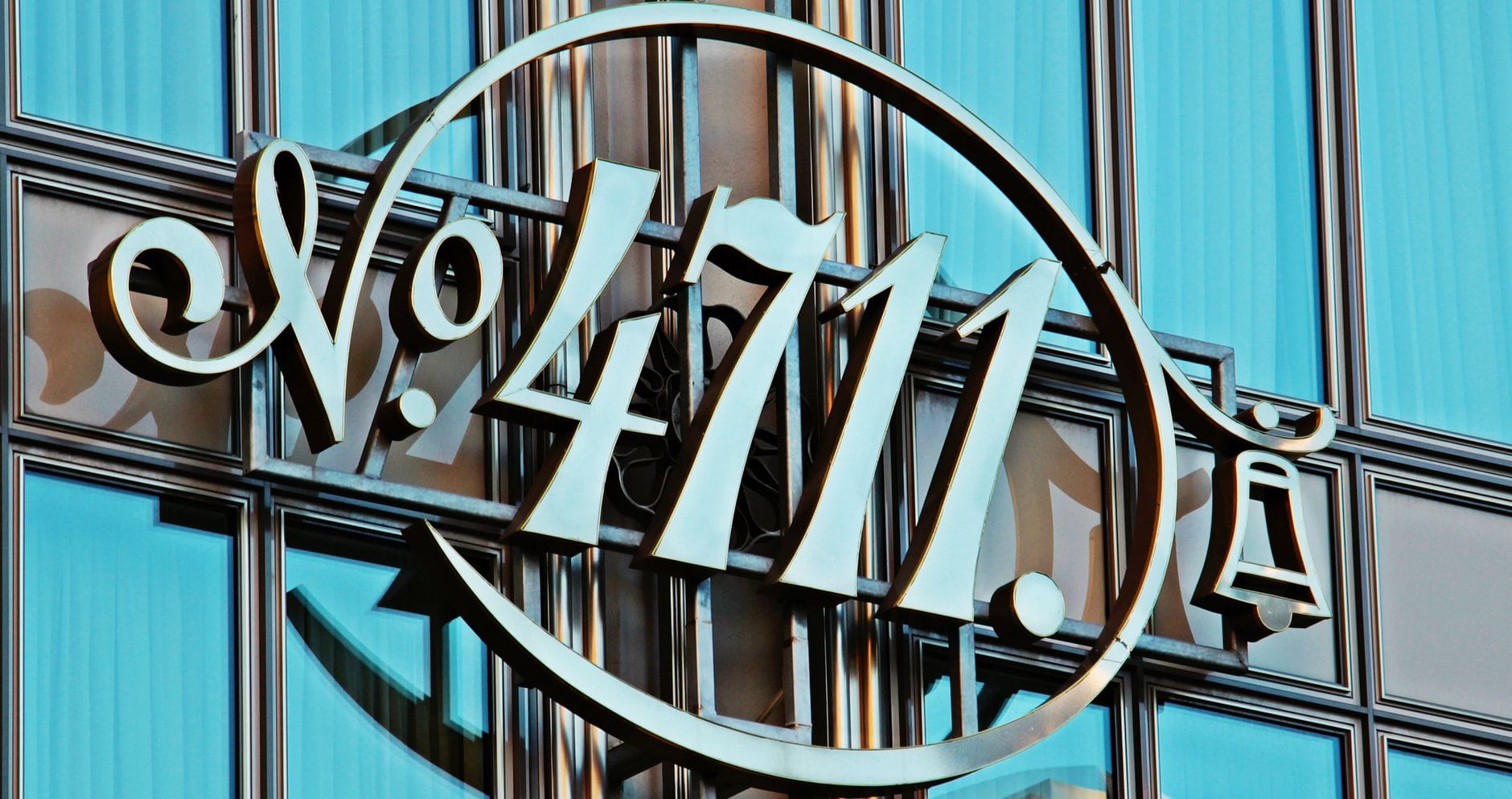
What Is the 4711 House?
The 4711 House (known in German as Dufthaus 4711 or Haus Mülhens) sits on Glockengasse, a pedestrianized street in Cologne's historic Altstadt-Nord district. It is the flagship store, fragrance museum, and historic home of 4711 Original Eau de Cologne, a light citrus fragrance developed by Wilhelm Mülhens from 1792. The category itself takes its name from the city — the earlier fragrance by Johann Maria Farina, first produced in 1709, is generally regarded as the original 'eau de Cologne', with 4711 becoming the later, famous brand. The address is deceptively modest: a reconstructed neo-Gothic building faced in pale stone, its turrets and pointed arches slightly incongruous among the standard postwar shopfronts nearby.
The fragrance was first produced commercially by Wilhelm Mülhens in 1792, and the brand name itself comes from a quirk of military bureaucracy: French occupying forces numbered all buildings in Cologne during the late 18th century, and the house on Glockengasse received the number 4711. What began as an administrative label became one of the most recognizable brand names in the history of perfumery.
💡 Local tip
The glockenspiel above the main entrance plays on the hour, featuring a mounted rider and melodies including the Marseillaise and Treuer Husar. Arrive a few minutes early to catch it — a small crowd tends to gather on the pavement below.
The Building: Neo-Gothic in a City of Romanesque Churches
The original 4711 House was built between 1852 and 1854 by Cologne architect Johann Jakob Claassen for entrepreneur Peter Joseph Mülhens. It was notably early among Cologne's neo-Gothic constructions, featuring small turrets that consciously echoed the Gürzenich, the city's medieval festival hall. The building stood as one of the more distinctive commercial facades in 19th-century Cologne.
World War II bombing reduced much of the Altstadt to rubble, and the original structure did not survive. The current building is a 1963 reconstruction, positioned slightly differently from the original site on the same street. This is worth knowing before you arrive: what you see today is architecturally faithful in spirit rather than in strict historical continuity. The neo-Gothic detailing, the clock tower, the ornamental stonework — all are reconstruction rather than original fabric.
Cologne's Altstadt is full of similar stories. Many of its most photographed streets and facades are careful postwar reproductions. If that interests you, the broader context is well explored in the Romano-Germanic Museum nearby, which excavates the city's much older foundations.
Tickets & tours
Live prices and dates from our booking partner. If you book, we may earn a commission at no extra cost to you.
Cologne haunted places and ghost stories: interactive city game
From 8 €Instant confirmationFree cancellationFood Tour Cologne Sudstadt
From 44 €Instant confirmationFree cancellationCologne brewery tour including 3 Kolsch beer
From 28 €Instant confirmation2-hour afternoon cruise in Cologne at Christmastime
From 25 €Instant confirmationFree cancellation
Inside the Dufthaus: Store, Exhibition, and the Carillon
Entry to the ground-floor store is free and open during retail hours. The space is organized as a premium fragrance retail environment: the full range of 4711 products is displayed with care, including the original Eau de Cologne in its distinctive turquoise and gold bottle, limited editions, home fragrances, and bath products. It does not feel like a museum shop. It feels like a working perfumery with strong brand identity, and the scent that greets you at the entrance is unmistakable — the sharp, briefly bracing combination of citrus, neroli, and rosemary that has not changed significantly in over two centuries.
An upper-floor exhibition covers the history of 4711 Eau de Cologne: archival packaging, advertising materials, and context about the Mülhens family's commercial story across roughly two centuries. It is a compact display rather than an exhaustive museum, but it is well organized and genuinely informative if you spend time reading rather than passing through. Photography is generally possible within the store.
Guided historical tours and fragrance seminars are available but must be booked separately, and prices vary by program. These are worth considering if you have a serious interest in perfumery history or want a structured experience rather than self-guided browsing.
ℹ️ Good to know
Opening hours are commonly listed as Monday to Saturday, 09:30–18:30 (with Saturday sometimes closing at 18:00). Hours can vary around public holidays. Verify directly with the official site before visiting.
What the Visit Actually Feels Like, Hour by Hour
Mid-morning on a weekday is the easiest time to visit. The pedestrian zone is active but not crowded, the store is quiet enough to browse comfortably, and the staff are unhurried. Weekend afternoons are busier, particularly in summer when Cologne's Altstadt draws significant foot traffic from day visitors and Rhine cruise passengers. The store is small enough that even moderate crowding can feel congested near the main display counters.
The street-level exterior is worth a few minutes of examination before entering. The clock tower and glockenspiel dominate the upper facade, and the carved stonework around the entrance is finer than it appears in photographs. On the hour, a small crowd usually assembles on the pavement to watch the mechanical figures perform. The melodies are brief, but the mechanism itself is detailed and the crowd reaction is reliably warm, particularly with children.
The interior is not temperature-controlled in the way a large museum would be. In summer, it can feel warm inside, especially on busier days. In winter, it offers a dry, warmly lit respite from the cold, and the concentrated scent of the display bottles is noticeably more vivid in the cooler air.
Getting There and Around the Neighborhood
The most practical approach from Cologne Hauptbahnhof is a ten-minute walk southwest through the pedestrian zone. Follow the main shopping street (Hohe Strasse or Schildergasse) and turn north on Glockengasse. The building is unmistakable. Alternatively, tram and U-Bahn lines 3, 4, 5, 16, and 18 stop at Appellhofplatz, which places you within a two-minute walk.
The 4711 House sits at a natural junction point for exploring Cologne's Altstadt-Nord. The Cologne City Hall is a short walk to the southeast. The Wallraf-Richartz Museum is nearby for those combining culture with commerce. And the Cologne Cathedral dominates the skyline to the north — hard to miss from almost anywhere in the district.
The surrounding streets are fully pedestrianized and flat, making the area generally accessible. The store itself is at street level with no step at the entrance noted in standard tourism listings, though official accessibility specifications are not published by the brand. If step-free access is essential, it is worth calling ahead to confirm.
Is It Worth Your Time?
The 4711 House is a legitimate point of Cologne's cultural and commercial history, not just a souvenir outlet. The connection between the city and the term 'eau de cologne' is direct and traceable, and the building is one of the more distinctive facades in the pedestrian zone. For anyone curious about the history of perfumery, urban commerce, or the way Cologne has reconstructed its identity after the war, this is a genuinely worthwhile stop.
Tempered expectations are also fair here. The exhibition upstairs is informative but compact. The store is a commercial space first. The architectural experience is a reproduction. If your time in Cologne is very limited and you are prioritizing major cultural institutions or the cathedral, this is not a necessary stop. But for visitors with half an afternoon in the Altstadt, it integrates easily and cleanly into any walking route.
Visitors combining this with a broader walking route through the historic center will find useful orientation in a Cologne walking tour itinerary, which typically passes through Glockengasse on the way between the cathedral and the Neumarkt area.
⚠️ What to skip
The 4711 House is closed on Sundays, in line with standard German retail law. If you are visiting on a Sunday, the building exterior and glockenspiel are still visible and worth passing, but the store and exhibition will be shut.
Insider Tips
- The glockenspiel plays on the hour during opening hours. If you want to photograph it in action, position yourself across the narrow street slightly to the left for an unobstructed angle as people tend to cluster directly in front.
- The original 4711 Eau de Cologne formula uses bergamot, lemon, orange, neroli, and rosemary. The store stocks both the standard bottle and a higher-concentration version (Eau de Cologne Intense) that is harder to find in duty-free shops and department stores outside Germany.
- Fragrance seminars and guided historical tours are bookable through the official 4711 website and differ significantly from a self-guided visit. If you have any professional or serious interest in perfumery, these sessions go well beyond the walk-in experience.
- The street address Glockengasse 4 is the current official address, but the brand name '4711' comes from the older French occupation-era house number. Asking staff about this usually prompts a fuller explanation of the history than any signage provides.
- For the quietest experience, arrive when the store opens at 09:30 on a weekday. The Altstadt pedestrian zone is almost empty at that hour and the scent in the store is noticeably more distinct before the door has been open for hours.
Who Is 4711 House (Dufthaus 4711 / Haus Mülhens) For?
- Travelers interested in the cultural and commercial history of Cologne beyond the cathedral and Roman sites
- Fragrance enthusiasts, perfumers, or anyone curious about how 'eau de cologne' became a generic term
- Visitors on a walking tour of the Altstadt who want a free, indoor point of interest with historical weight
- Families with children, who tend to enjoy the hourly glockenspiel performance on the exterior
- Shoppers looking for authentic 4711 products in the original Cologne flagship rather than airport duty-free
Nearby Attractions
Other things to see while in Altstadt (Old Town):
- Cologne City Museum (Kölnisches Stadtmuseum)
The Kölnisches Stadtmuseum traces Cologne's extraordinary 2,000-year arc from Roman outpost to Rhine metropolis. Reopened in a striking new home on Minoritenstraße in March 2024, it offers an affordable and intellectually rewarding afternoon in the city's Altstadt.
- Cologne Cathedral (Kölner Dom)
Cologne Cathedral, officially the Hohe Domkirche Sankt Petrus, is Germany's most visited landmark and one of the great Gothic structures on earth. This guide covers tourist ticketing, tower access, the Treasury, and how to make the most of your time there.
- Cologne City Hall (Kölner Rathaus)
The Kölner Rathaus is Germany's oldest city hall, a layered architectural landmark in Cologne's Old Town that spans Gothic, Renaissance, and modern styles.
- Cologne Philharmonie
The Kölner Philharmonie is Cologne's premier concert venue, hosting around 400 performances a year beneath Heinrich-Böll-Platz. With seating for up to 2,000 and a column-free auditorium designed for acoustic precision, it draws world-class orchestras and soloists to the heart of the Altstadt.
Planning a trip? Discover personalized activities with the Nomado app.