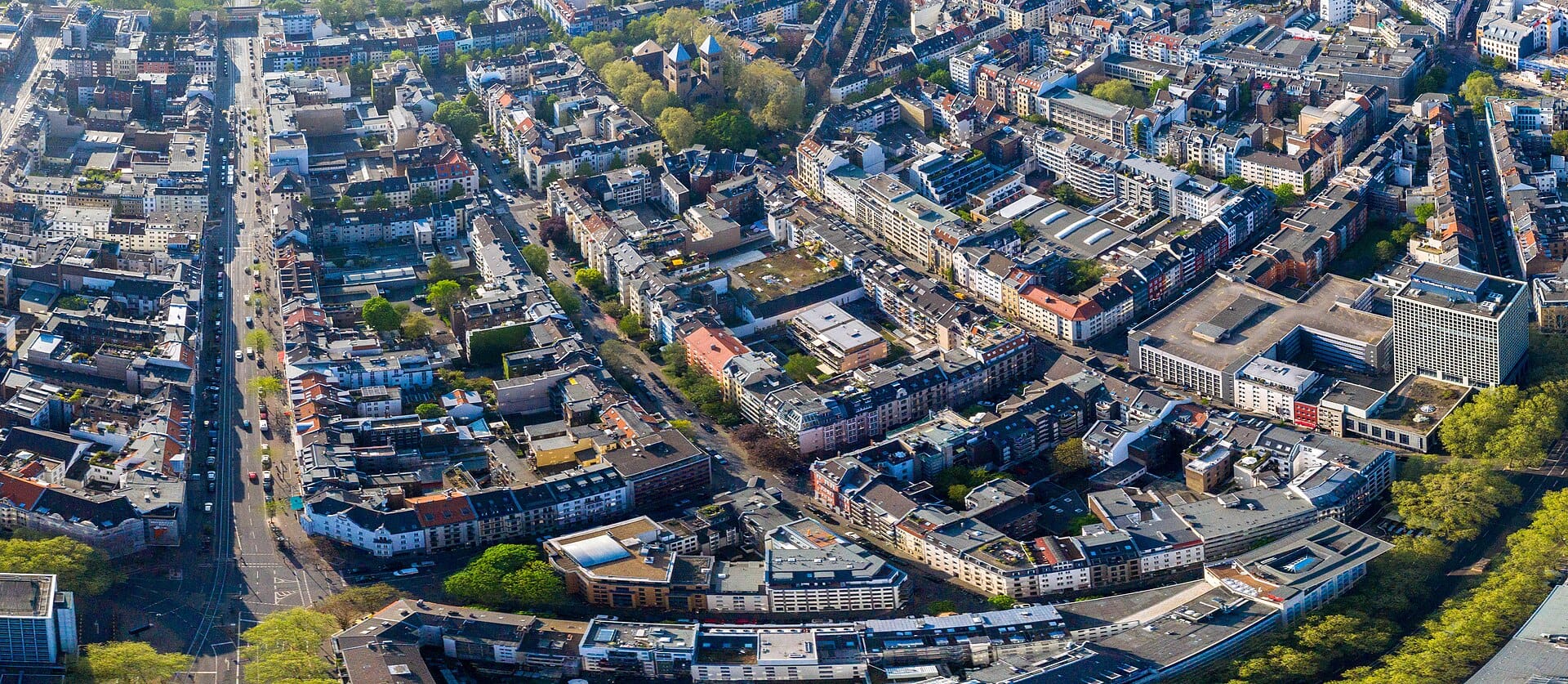
The Belgian Quarter (Belgisches Viertel) is Cologne's most design-conscious inner-city neighborhood, packed with independent boutiques, specialty coffee shops, and a nightlife scene anchored by Brüsseler Platz. Its streets are named after Belgian cities and regions, giving the area an identity that feels distinct from the rest of Neustadt-Nord.
The Belgian Quarter sits just west of Cologne's historic core and runs on a different frequency to the tourist-heavy Altstadt. Its streets are named after Belgian cities, its squares fill with Kölsch-drinking locals after dark, and its daytime personality is shaped by independent retailers, design studios, and the kind of café you return to every morning.
Orientation
The Belgian Quarter occupies a compact grid in Cologne's Neustadt-Nord district, roughly one kilometre west of the Rhine and about fifteen to twenty minutes on foot from Köln Hauptbahnhof. Its boundaries are practical to memorize: Venloer Straße marks the northern edge and Aachener Straße runs along the south, with the Hohenzollernring/Kaiser-Wilhelm-Ring forming the eastern edge and the streets around Bismarckstraße marking its western fringes.
The quarter sits between two of Cologne's busiest transit squares: Rudolfplatz to the southeast and Friesenplatz to the northeast, with Hans-Böckler-Platz also within easy reach. This position means it connects quickly to the Altstadt, the central-city shopping corridor along Schildergasse and Hohe Straße, and the Ehrenfeld district further west, without feeling like a transit hub itself. The streets inside the quarter are relatively quiet by comparison, with the noise and crowds concentrated on the outer ring roads.
Neighboring areas add useful context. To the southeast, the Altstadt's historic core and the Cologne Cathedral are reachable on foot in under twenty minutes. Ehrenfeld, Cologne's other creative district, lies directly west and has a rougher, more industrial edge. The Belgian Quarter occupies a middle position: more polished than Ehrenfeld, considerably less touristy than the Altstadt.
Character & Atmosphere
Walk into the Belgian Quarter on a Tuesday morning and the dominant sounds are espresso machines and bicycle tyres on cobblestones. The residential streets between Brüsseler Straße and Maastrichter Straße are lined with late nineteenth-century Gründerzeit apartment buildings, their facades in sandstone and plaster, most of them well-maintained. Ground floors have been converted over the decades into a dense collection of small shops, studios, and cafés, with almost no chain presence inside the core grid.
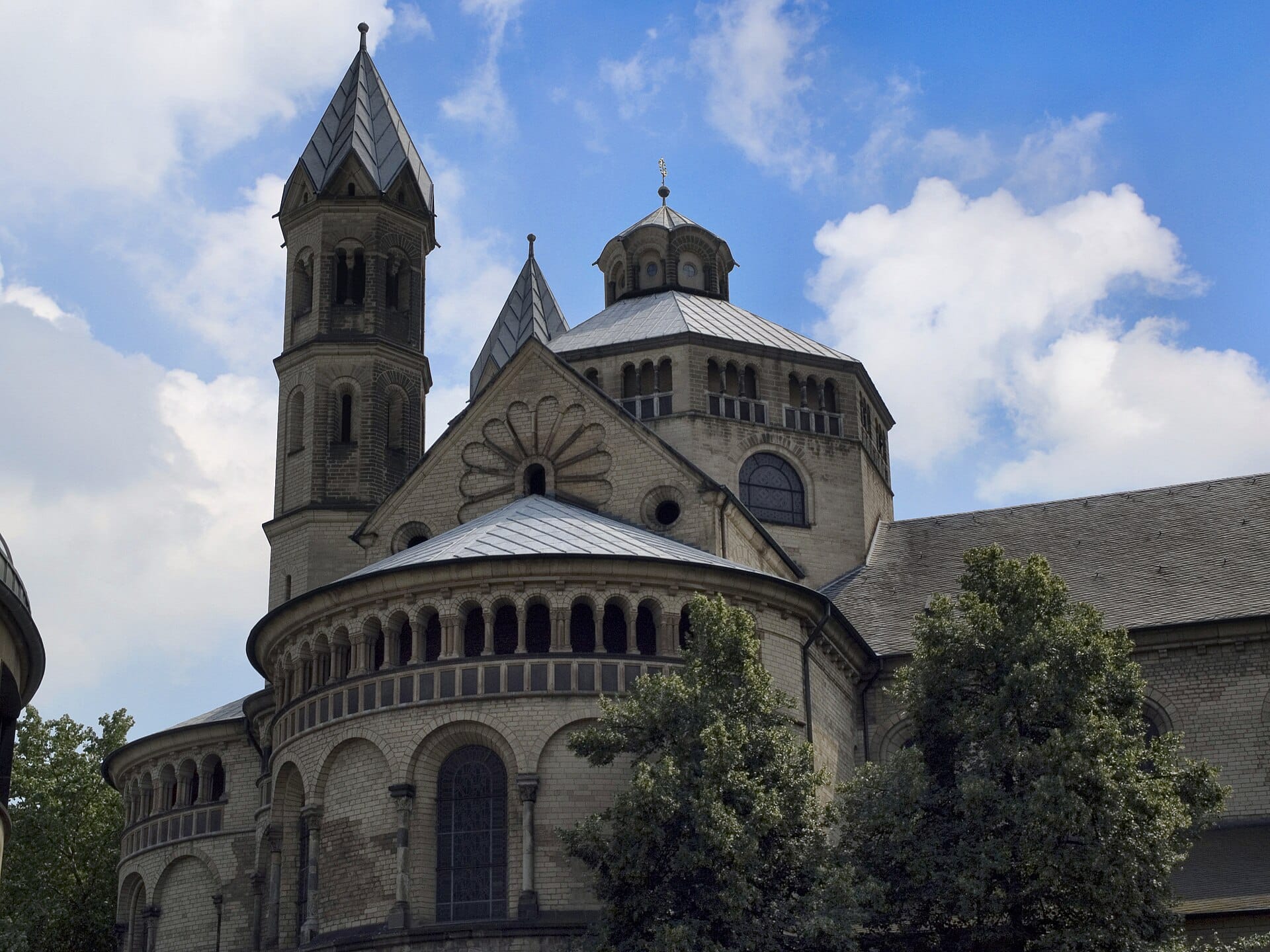
By midday the pace shifts. Brüsseler Platz, the central square with St. Michael's church at its eastern end, draws office workers and students for lunch. The square is also home to a small weekly market during warmer months, and the green space around it fills with people sitting on the grass or the low stone walls. The afternoon light on the church's brick facade is worth pausing for. This is when the quarter feels most like a functional neighbourhood rather than a destination: locals running errands, delivery cyclists weaving between parked cars, the occasional dog walker.
After dark, the character changes sharply. Brüsseler Platz becomes one of Cologne's most popular outdoor gathering points from spring through autumn. The bars surrounding the square open their windows and doors, and the square itself fills with people drinking outside, sometimes in large numbers on warm weekends. The sound carries, and the streets immediately around the square stay lively until late. This is genuine local nightlife, not tourist-oriented, but it does mean the area around the square can be noisy on Friday and Saturday nights.
⚠️ What to skip
If you are staying in the Belgian Quarter and value quiet evenings, look for accommodation on streets away from Brüsseler Platz. The area directly facing the square can be loud on weekends until well past midnight, particularly in summer.
What to See & Do
The Belgian Quarter is not an attraction-heavy neighbourhood in the conventional sense. There are no major museums or monuments within its boundaries. What it offers instead is a concentrated version of how Cologne's creative middle class actually spends its time: browsing independent shops, drinking well-made coffee, and sitting on squares. For travellers who prioritise that kind of immersion over sightseeing checklists, it delivers consistently.
Brüsseler Platz is the neighbourhood's social centre and the place to start any visit. The square is framed by the neo-Romanesque St. Michael's church, a cluster of bars and small restaurants, and a stretch of green space. It functions as an informal park during the day and an outdoor social space in the evenings. The surrounding streets, particularly Brüsseler Straße and Aachener Straße, are where the concentration of independent boutiques is highest.
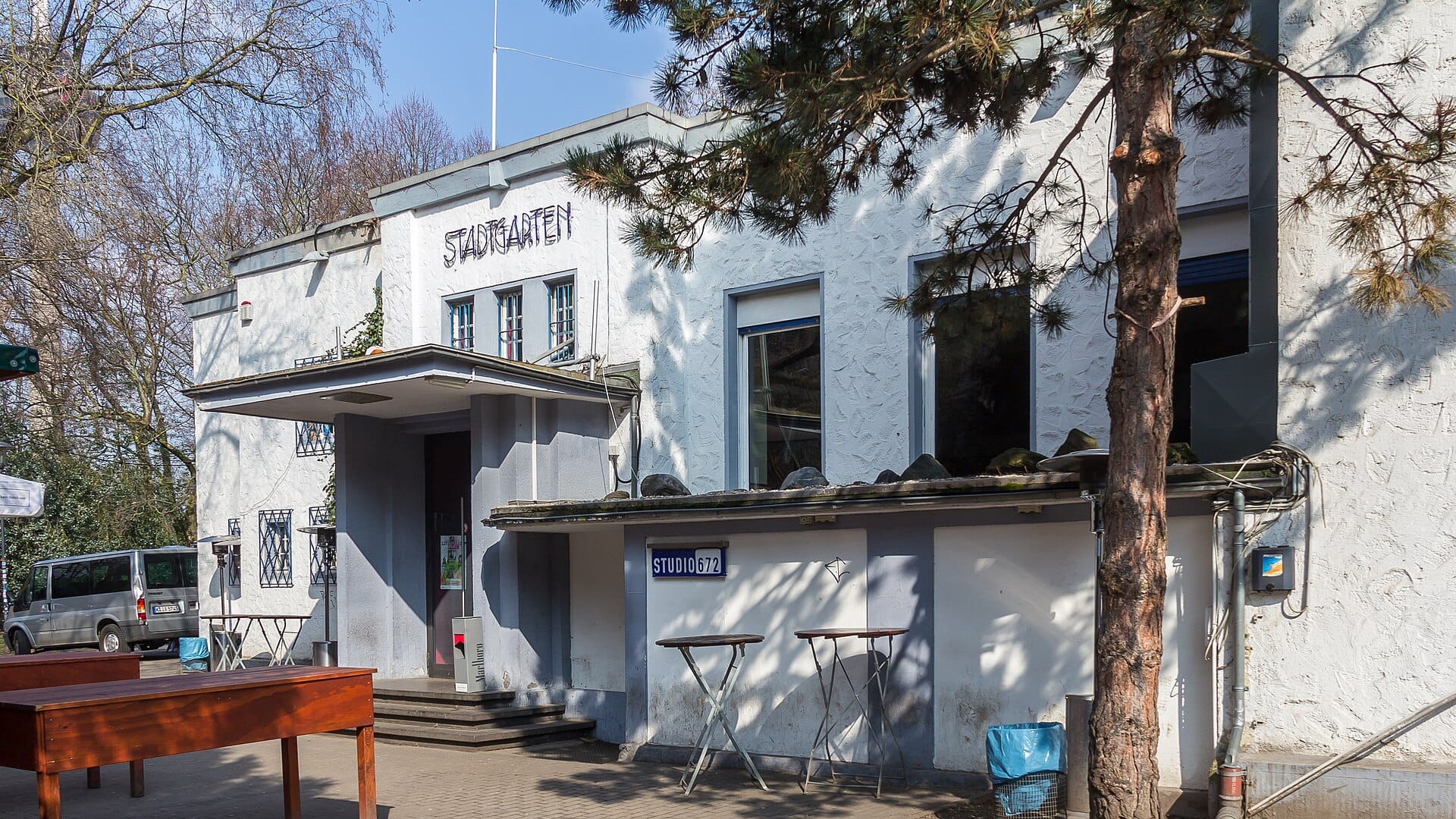
The Stadtgarten sits at the northeastern edge of the quarter near Venloer Straße. This small urban park contains a jazz club and concert venue of the same name, one of Cologne's better-regarded live music spaces, along with a beer garden that is consistently busy in good weather. It is a short walk from the core of the Belgian Quarter and makes a natural end point for an afternoon route through the neighbourhood.
For visitors building a wider day in this part of the city, the Belgian Quarter connects naturally to a broader west-central Cologne itinerary. The NS Documentation Centre is located nearby on Appellhofplatz, and the Kolumba Art Museum, one of Cologne's most architecturally distinctive galleries, is within walking distance toward the Altstadt.
Brüsseler Platz: the neighbourhood's central square, best experienced at different times of day
St. Michael's church: the square's anchor building, worth a look for its late nineteenth-century brick architecture
Stadtgarten park and jazz venue on Venloer Straße
Independent boutiques concentrated along Brüsseler Straße and Maastrichter Straße
Gallery and studio spaces scattered throughout the grid streets
The weekly market on Brüsseler Platz (check locally for current days and times)
💡 Local tip
The Belgian Quarter's street names read like a map of Belgium: Brüsseler Straße, Maastrichter Straße, Genter Straße, Lütticher Straße. Following them in sequence is a pleasant way to navigate the grid without a map, and gives you a sense of how compact the whole quarter actually is.
Eating & Drinking
The food and drink scene in the Belgian Quarter is one of the more interesting in Cologne, mainly because the independent-to-chain ratio heavily favours the former. The cafés here tend to take coffee seriously, with a concentration of specialty roasters and small espresso bars on and around Brüsseler Straße. Morning is a good time to understand what the neighbourhood is about: the café tables fill early with people working on laptops or reading, and the atmosphere is unhurried.
For lunch and dinner, the options span a wide range of cuisines at mostly mid-range prices. The quarter has Italian trattorias, Japanese and Korean spots, Middle Eastern food, and several modern European restaurants. There is no single dominant cuisine type. The Brüsseler Platz perimeter concentrates the most visible bars and casual eateries, while the streets running away from the square tend to have more neighbourhood-oriented restaurants.
Traditional Kölsch culture is present but not the defining feature here the way it is in the Altstadt. You will find Kölsch on tap in most bars, and the square itself sees plenty of it consumed outdoors, but the neighbourhood also supports wine bars and cocktail bars that would feel out of place in the more tourist-facing parts of the city. The evening bar scene around Brüsseler Platz is worth experiencing at least once, though the noise level on busy nights is not for everyone.
For visitors wanting to understand Cologne's food culture more broadly, the what to eat in Cologne guide covers local dishes and specialties across the city. The Kölsch beer guide explains the local beer tradition and where to drink it properly.
Getting There & Around
The Belgian Quarter is well-served by Cologne's KVB light rail and tram network. The most useful stops are Rudolfplatz to the southeast (served by multiple light rail lines, typically including 1, 7, 12, and 15), Friesenplatz to the northeast (served by lines 3, 4, and 5), and Hans-Böckler-Platz on the western side. All three stops put you within a five-minute walk of Brüsseler Platz. Trams on Venloer Straße and the broader network mean connections to Ehrenfeld and the main station are frequent throughout the day.
From Köln Hauptbahnhof, the walk takes roughly fifteen to twenty minutes along Tunisstraße or via the inner ring road. It is a straightforward walk that passes through the city centre and into the Neustadt, and it is worth doing at least once to understand the spatial relationship between the Altstadt and this neighbourhood. By U-Bahn, the journey from the Hauptbahnhof takes under ten minutes.
The quarter itself is best explored on foot. The grid layout is logical and distances are short: walking from Venloer Straße in the north to the Hohenzollernring in the south takes about ten minutes at a casual pace. Cycling is practical, and Cologne's bike infrastructure in this part of the city is reasonable. Parking for cars is limited on the residential streets and not recommended as a primary transport strategy.
For a broader overview of moving around the city, the getting around Cologne guide covers all transport modes, ticketing, and practical logistics.
ℹ️ Good to know
KVB tickets are valid across trams, U-Bahn, and buses within the relevant fare zones. Single tickets and day passes can be bought at machines on platforms and inside trams. Verify current prices with KVB before travelling, as fares are subject to change.
Where to Stay
The Belgian Quarter is a realistic base for a Cologne stay, particularly for travellers who want to be in a residential, non-tourist neighbourhood with good transit access to the main sights. The accommodation stock is mostly smaller hotels and aparthotels rather than large international chains, which suits the character of the area.
The best position within the quarter depends on what you are prioritising. Streets in the northern half, closer to Venloer Straße and the Stadtgarten, tend to be quieter at night. The streets immediately around Brüsseler Platz offer the most atmosphere and the most convenience for the local bar and café scene, but come with corresponding noise on weekends. The eastern edge near Rudolfplatz gives the fastest transit access to the Altstadt.
For a full comparison of where to stay across Cologne, including price ranges and which neighbourhoods suit different travel styles, the where to stay in Cologne guide covers the main options with specific neighbourhood breakdowns.
Is the Belgian Quarter Right for You?
The Belgian Quarter works well as both a base and a half-day destination, but it is not the right choice for every traveller. It has no single landmark that justifies a visit on its own, and if your priorities are major museums or the Rhine waterfront, you will spend most of your time travelling out of it. Its value is in atmosphere and in the quality of ordinary daily life it lets you access: good coffee, interesting shops, and a local social scene that is not performing for tourists.
First-time visitors to Cologne focused on the major sights might find the Altstadt a more practical base. Those who have already seen the city's highlights, or who are specifically interested in the contemporary creative side of Cologne, will find the Belgian Quarter a more rewarding place to spend time. It also pairs well with a visit to Ehrenfeld directly to the west, which has a similar independent-business character with more street art and a younger demographic.
TL;DR
The Belgian Quarter (Belgisches Viertel) is a compact inner-city neighbourhood in Neustadt-Nord, bounded to the north by Venloer Straße, to the south by Aachener Straße, and to the east by the Hohenzollernring, with Brüsseler Platz as its social centre.
Best for: travellers who want a residential, non-touristy base with good café culture, independent shopping, and an authentic local nightlife scene.
Not ideal for: visitors focused primarily on major sights or families seeking quiet evenings, particularly near Brüsseler Platz on weekends.
Transit is straightforward: Rudolfplatz, Friesenplatz, and Hans-Böckler-Platz U-Bahn stops all place you within five minutes of the quarter's core.
The neighbourhood complements, rather than competes with, the Altstadt: the two areas are about fifteen to twenty minutes apart on foot and have very different rhythms.
Top Attractions in Belgian Quarter (Belgisches Viertel)
Two days is enough time to see the best of Cologne if you plan well. This itinerary covers the Gothic cathedral, world-class museums, the Rhine waterfront, historic brewhouses, and the city's most interesting neighborhoods — structured so you can walk between most stops without backtracking.
Cologne offers an unusually rich museum landscape, with over 100 collections spanning Roman archaeology, medieval religious art, modern masterpieces, ethnology, and even chocolate. This guide covers the best museums in Cologne, organized by theme, so you can plan your visits efficiently.
Cologne rewards visitors year-round, but the experience varies dramatically depending on when you arrive. This guide breaks down every season, from Carnival chaos in February to peaceful autumn walks along the Rhine, so you can match your trip to your priorities.
Cologne rewards those who look up, across, and down from the right spot. This guide covers the city's best viewpoints, from paid observation decks to free riverbank promenades, with practical tips on timing, access, and exactly what you'll see from each vantage point.
Cologne Bonn Airport is one of Germany's most convenient city break entry points, with direct trains to Cologne city centre in under 20 minutes. This guide covers every transport option, real fare ranges, and what to watch out for at different times of day.
Cologne is an unexpectedly strong art city. With more than 30 museums and hundreds of galleries, it rivals much larger European capitals for depth and range. This guide covers the essential art museums, from world-class modern art to medieval religious masterpieces and East Asian treasures.
Cologne (Köln) hosts one of Germany's most impressive concentrations of Christmas markets, with seven or eight major markets spread across a compact city centre, all free to enter and most within a 10- to 20-minute walk of each other. This guide covers every main market, practical logistics, pricing, crowd patterns, and clear guidance on what to skip.
Cologne is an underrated romantic destination. This guide covers the best experiences for couples: riverside walks, Gothic cathedral views, perfume heritage, candlelit Brauhaus dinners, and where to stay for a memorable trip to Köln.
Cologne Karneval is one of Europe's largest street festivals, drawing over a million people to the city in the days before Lent. This guide covers the full season timeline, Rose Monday parade logistics, costume traditions, crowd realities, and practical advice for first-timers and returning visitors alike.
Cologne's nightlife is one of the most underrated in Germany, spread across distinct neighborhoods rather than a single strip. This guide breaks down every major area, what to drink, what to spend, and how to get home at 5 AM.
Cologne (Köln) is one of western Germany's most rewarding cities, and it doesn't have to be expensive. This guide breaks down realistic daily costs, the best free and low-cost attractions, smart transport choices, and the seasonal timing that keeps your spending in check.
The Cologne to Amsterdam train is a direct ICE high-speed service covering roughly 214 km in as little as 2 hours 37 minutes. This guide breaks down fares, booking strategy, schedules, and everything you need to know before you board.
The Cologne to Frankfurt train is one of Germany's most efficient intercity connections. ICE services cover the roughly 152 km route in around one hour, with dozens of daily departures and fares starting around €10–15 if you book smart. This guide covers schedules, pricing, booking platforms, and practical tips for getting the most out of the journey.
Cologne's historic core is compact enough to cover on foot in a single morning or afternoon. This guide maps out a 6.6 km self-guided walking tour through the Cathedral, Old Town, Romanesque churches, and Rhine riverfront, with clear guidance on what to skip, what costs money, and how to time it right.
Cologne (Köln) delivers more for families than most travellers expect. With a world-class zoo, an interactive chocolate museum, a climbable cathedral tower, and free riverside parks, the city offers a full week of family activities without straining your budget. This guide covers what to do, what to skip, and how to plan smart.
Cologne's location in western Germany puts you within two hours of medieval castles, Roman ruins, Dutch canals, and some of the Rhine Valley's finest scenery. This guide covers the most rewarding day trips from Köln, with train times, realistic costs, and honest notes on what works and what doesn't.
Cologne rewards budget travellers generously. The botanical garden, riverside promenades, Romanesque churches, and entire neighbourhoods of street art all cost nothing to enjoy (cathedral tourist entry is ticketed from July 2026). This guide covers the best free experiences across the city.
Cologne's public transport network is efficient, affordable, and covers the entire city. This guide breaks down every option for getting around Köln, from the KVB Stadtbahn to airport trains, taxis, cycling, and walking, with current fares, route tips, and clear guidance on what to skip.
Cologne's Kölner Dom draws millions of visitors, but the city's real character lives elsewhere. From a medieval ossuary church to a free botanical garden, a rooftop panorama across the Rhine, and one of Europe's best ethnological museums, these are the places locals love and tourists too often miss.
Cologne (Köln) is Germany's fourth-largest city, a 2,000-year-old Rhine river city with a Gothic cathedral, 40-plus museums, and one of Europe's wildest festivals. This guide cuts through the hype to tell you exactly what makes it worth the trip, what to skip, and how to get the most out of your time there.
Kölsch is more than a beer style. It's a legally protected product, a serving ritual, and a point of local pride in Cologne. This guide covers the brewing rules, brauhaus etiquette, the best places to drink, and what to know before your first Stange.
From one-hour panorama loops past the Cologne Cathedral to full-day excursions toward the UNESCO-listed Rhine Gorge, this guide covers every cruise option available from Cologne, including prices, operators, seasonal schedules, and clear guidance on what's worth your time.
Cologne's 12 Romanesque churches form one of the most remarkable medieval ensembles in Europe, arranged in a rough semicircle around the city center and predating the famous Gothic cathedral by centuries. This guide covers all 12 churches, practical visiting tips, and how to see them in a single day.
Cologne (Köln) offers one of Germany's most diverse retail landscapes, from the country's busiest pedestrian shopping mile to weekend flea markets and design-forward boutiques. This guide breaks down exactly where to shop, when to go, and what to avoid.
Cologne (Köln) packs an extraordinary range of experiences into a compact, walkable city on the Rhine. This guide covers the essential sights, the best neighbourhoods to explore, seasonal events worth planning around, and clear guidance on what to skip.
Cologne's food culture is deeply rooted in Rhineland tradition: hearty, honest, and built around a handful of dishes that locals have been eating for centuries. This guide covers the essential foods to try, the best places to eat them, and a few traps worth avoiding.
Cologne (Köln) offers genuinely distinct neighborhoods to base yourself in, each with different trade-offs between location, price, and atmosphere. This guide breaks down the best areas to stay, who each one suits, and what to watch out for when booking.