What to Eat in Cologne: A Guide to Rhineland Cuisine
Cologne's food culture is deeply rooted in Rhineland tradition: hearty, honest, and built around a handful of dishes that locals have been eating for centuries. This guide covers the essential foods to try, the best places to eat them, and a few traps worth avoiding.
Tickets & tours
Live prices and dates from our booking partner. If you book, we may earn a commission at no extra cost to you.
TL;DR
- Cologne's local cuisine is Rhineland cooking: potato-heavy, pork-forward, and deeply tied to beer hall culture.
- Halve Hahn is not chicken — it's a rye roll with Gouda cheese, a classic order in any traditional Brauhaus.
- Kölsch beer is always ordered small (0.2L glasses) and kept coming until you put your coaster on top of your glass.
- The best value Rhineland food is found at weekly markets — The best value Rhineland food is often found at weekly markets — Reibekuchen (potato pancakes) are usually affordable and sold fresh there.
- For a broader picture of eating out in Köln, pair this guide with the Kölsch beer guide to understand how food and drink culture are inseparable here.
Understanding Rhineland Cuisine
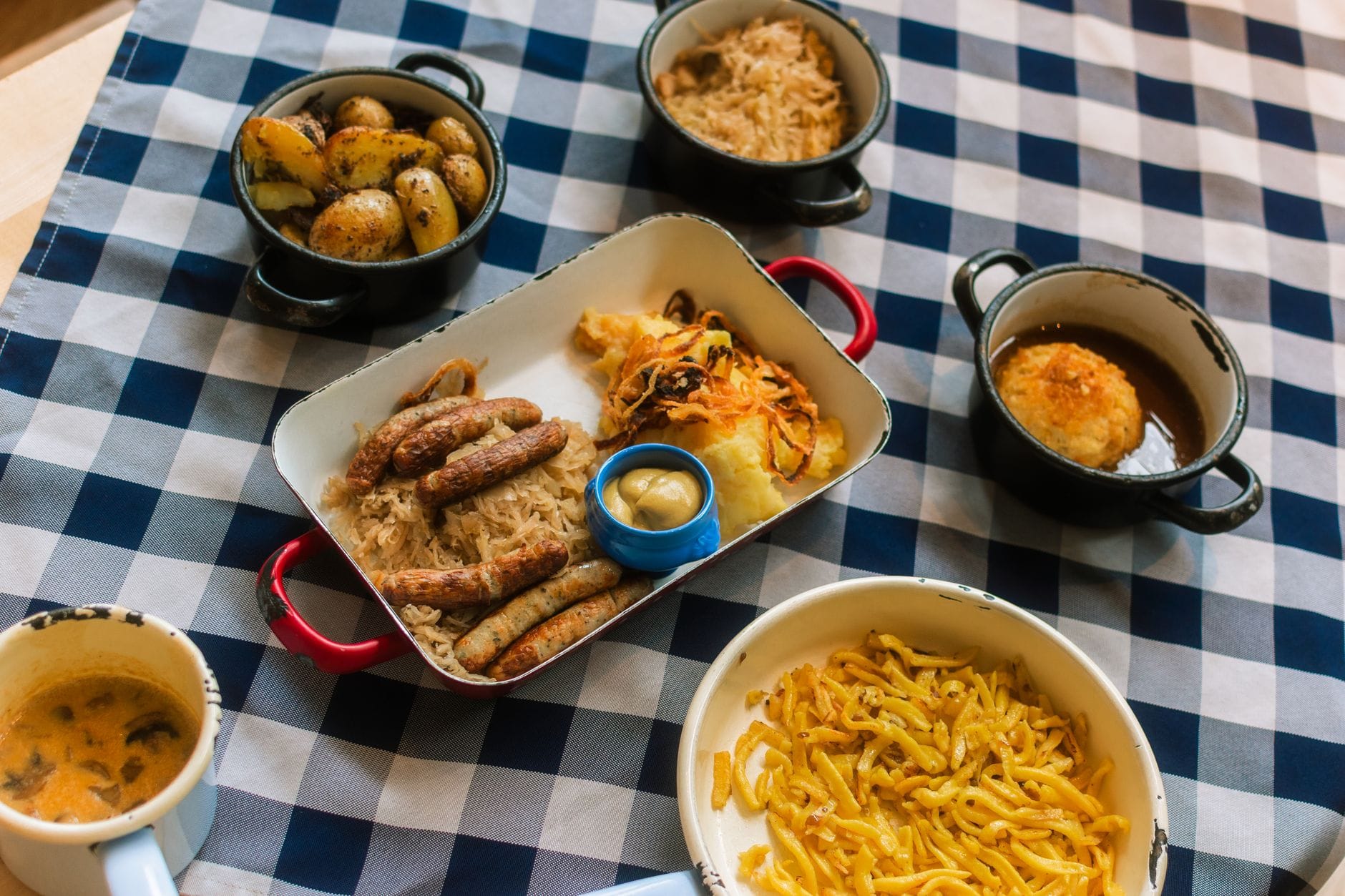
Cologne sits at the heart of the Rhineland, and its cuisine reflects centuries of working-class, agricultural roots. The foundational ingredients are potatoes, cabbage, pork, sausage, and beef, often prepared with sweet-sour flavor profiles that distinguish Rhineland cooking from the rest of Germany. That combination of sweet and acidic — fruit with meat, vinegar in braises — runs through multiple dishes and is worth paying attention to as you eat your way through the city.
This is not a cuisine built around refinement. It is filling, seasonal, and designed to pair with Kölsch. Traditional Brauhaus restaurants still dominate the old town and set the tone for what visiting Cologne tastes like. If you are hoping for a cutting-edge food scene, it exists in Ehrenfeld and the Belgian Quarter, but that is a separate conversation from what people mean when they say 'Cologne food'.
ℹ️ Good to know
Rhineland cuisine uses the term 'Himmel un Ääd' (Heaven and Earth) because apples grow high on trees and potatoes grow underground. It's a useful reminder that local dish names often have old, vernacular logic behind them — not just novelty.
The Dishes You Actually Need to Try
Start with Halve Hahn, which despite the name ('Half a Hen') contains no poultry whatsoever. It is a rye bread roll topped with aged Gouda, onions, and mustard. The name likely comes from old Cologne dialect and has nothing to do with the ingredients. It is a common lunch item and a standard order alongside a Kölsch. It sounds too simple to be interesting, and then you eat one and understand why it is still on every menu.
Himmel un Ääd is the more substantial option: mashed potatoes layered with apple sauce, traditionally served with slices of black pudding (Blutwurst) and fried onions on top. The contrast between the savory blood sausage and sweet-tart apple mash is the whole point. Some restaurants serve it with liver instead of black pudding, which gives a different but equally Rhineland result. Either way, it is a dish that rewards ordering.
- Halve Hahn Rye roll with aged Gouda, onions, and mustard. Around €5.50-7.50. No chicken involved.
- Himmel un Ääd Mashed potato with apple sauce, black pudding, and fried onions. The Rhineland sweet-savory combination at its most direct.
- Rheinischer Sauerbraten Slow-braised marinated beef (sometimes horsemeat) in a sweet-sour sauce, served with potato dumplings and red cabbage. Expect to pay €22-28 in a traditional Brauhaus.
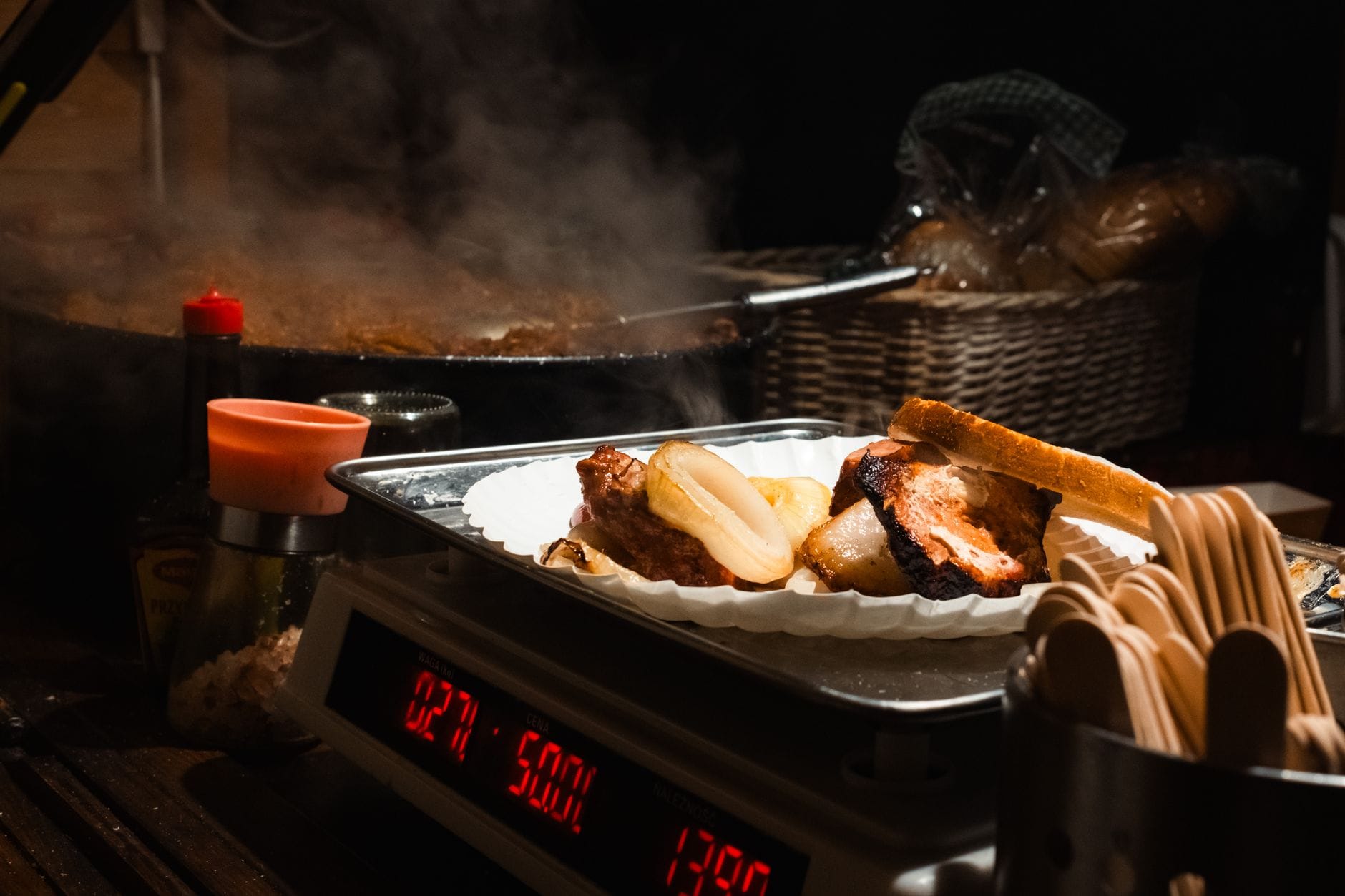
- Reibekuchen (Rievkooche) Crispy potato pancakes, usually served with apple sauce or sour cream. Especially common at winter markets and weekly market stalls, around €3-4.
- Kölsche Kaviar Blood sausage with onion rings — a local bar snack that sounds more alarming than it is.
- Muscheln (mussels) Cologne has an old Rhine-influenced tradition of eating mussels in autumn and winter, usually cooked in white wine, onions, and herbs. Look for them on seasonal Brauhaus menus from September onward.
Rheinischer Sauerbraten deserves a separate note because it is easy to misread on a menu. The marinade traditionally uses vinegar, wine, and spices, and the braising liquid is often finished with raisins or Lebkuchen (gingerbread) to create a gravy with genuine sweetness. Some Cologne restaurants still make it with horsemeat rather than beef — a tradition that goes back centuries — and if you see 'Pferdefleisch' on the label, that is what you are getting. Neither version is objectively better, but the horsemeat Sauerbraten tends to be slightly richer and darker.
⚠️ What to skip
Reibekuchen sold from stalls near major tourist sites around the cathedral can be overpriced and low quality. The best versions are found at weekly markets — where turnover is high and the pancakes are made fresh.
Kölsch Beer and Food Culture
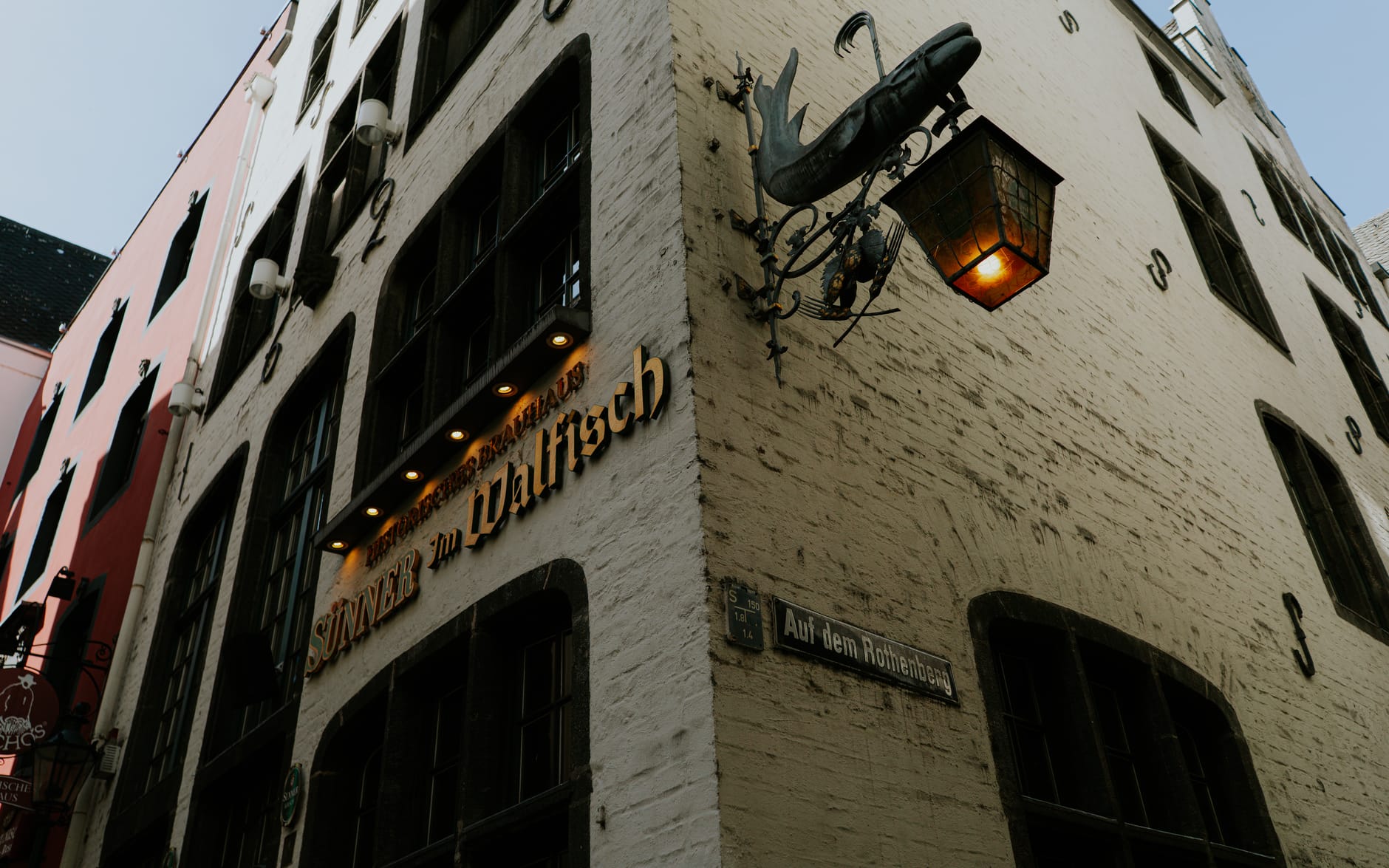
Kölsch is not just a beer style, it is a protected designation of origin — only breweries within Cologne city limits can legally call their beer Kölsch. It is served in narrow 0.2-liter glasses called Stangen, and the waiter (called a Köbes) brings replacements automatically until you signal you are done by placing a coaster on top of your glass. This custom trips up most first-time visitors. For a detailed breakdown of the beer, the breweries, and the best spots to drink it, the Kölsch beer guide covers it thoroughly.
In practical terms, Kölsch is designed to be drunk with food rather than before or after. The beer is light, slightly bitter, and not overpowering, which makes it an effective companion to the fatty, starchy Rhineland dishes on this list. Ordering food without Kölsch in a traditional Brauhaus is perfectly acceptable, but you will be slightly out of step with local rhythm.
Where to Eat in Cologne
The traditional Brauhaus is the defining eating experience in Cologne. These are large, wood-paneled beer halls that serve Rhineland food in unfussy portions at reasonable prices. Peters Brauhaus (Mühlengasse 1) and Gaffel am Dom (Bahnhofsvorplatz 1) are two of the most established near the cathedral area. Both are tourist-facing but maintain genuine quality on the core dishes. The Früh am Dom is arguably the most famous Brauhaus in the city and worth visiting at least once, though weekend evenings require either a reservation or patience.
For a different perspective on Cologne eating, head to Ehrenfeld, the western district with a large Turkish and Lebanese community. The döner and falafel options here are considerably better than anything sold near the Altstadt. Ehrenfeld also has a growing cluster of independent restaurants and cafes that reflect the neighborhood's younger, more international demographic.
The Belgian Quarter (Belgisches Viertel) concentrates some of Cologne's better independent dining options, with a mix of European cuisines and modern German cooking that sits outside the Rhineland tradition. This is where to eat if you want something beyond pork and potatoes, without leaving the city's more interesting neighborhoods.
- For classic Rhineland dishes Peters Brauhaus, Gaffel am Dom, or Früh am Dom — all reliable, all within 10 minutes of the cathedral.
- For market food The Apostelnkloster market runs on Tuesdays and Fridays in the city centre for Reibekuchen, bread, and seasonal produce. Smaller neighborhood markets run in various districts throughout the week.
- For non-German food Ehrenfeld for Middle Eastern; Belgian Quarter for modern European and international options.
- For budget eating Market stalls and bakeries are consistently the best value — a proper Halve Hahn at a bakery counter costs less than the same item on a Brauhaus menu.
✨ Pro tip
Lunch is almost always cheaper than dinner in Cologne's traditional restaurants. Many Brauhaus spots run a Mittagstisch (lunch special) on weekdays — you can get a full Rhineland plate with a drink at a lower price than in the evening.
Seasonal and Market Eating
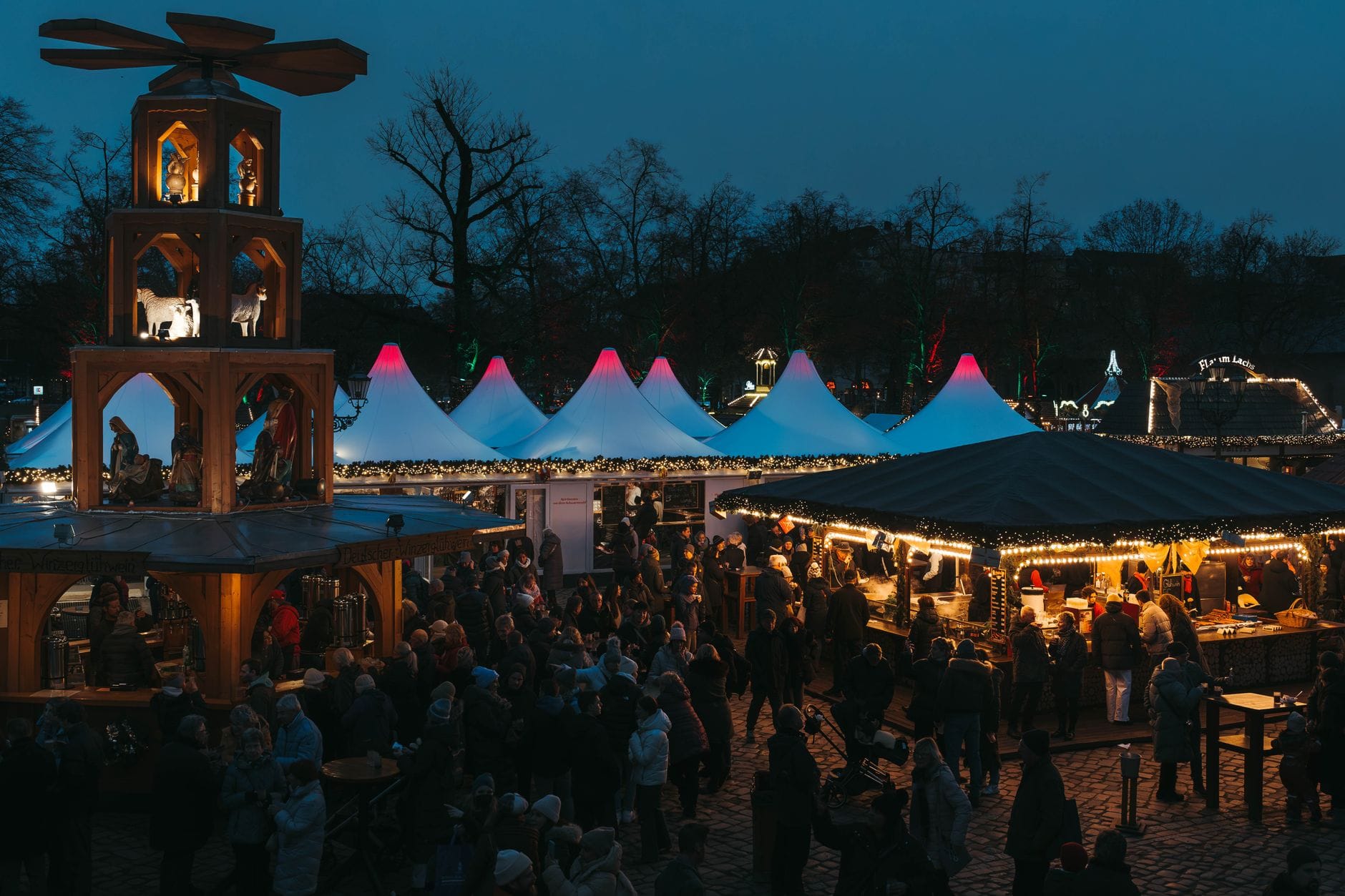
Reibekuchen are sold year-round but reach their natural habitat in winter, particularly at Christmas markets. Cologne's Christmas markets are substantial events that run from late November through December, and the food stalls are a genuine part of the experience rather than an afterthought. Alongside potato pancakes, you will find Flammkuchen (thin-crust Alsatian flatbread), roasted chestnuts, and Glühwein (mulled wine) as standard market fare.
Outside of the Christmas market season, mussels are the other seasonal food worth tracking. September through winter is when Rhine-area mussel dishes appear more regularly on traditional menus — a September visit to a Brauhaus is a good time to look for them. For timing your trip around food events and seasonal highlights, the best time to visit Cologne guide provides the full seasonal breakdown.
Practical Notes on Eating Out in Cologne
Tipping in Germany follows a round-up convention rather than a fixed percentage. Adding 5-10% in restaurants is the standard expectation for good service — rounding a €23 bill to €25 is perfectly normal. Do not leave coins on the table; tell the server the total you want to pay when settling the bill.
Cash is still widely used in Cologne, more so than in many other European cities. Smaller Brauhaus spots and market stalls often do not accept cards, so it is worth carrying some cash to avoid problems. Larger restaurants and tourist-facing venues are increasingly card-friendly, but it is not universal.
Vegetarian options in traditional Rhineland cooking are genuinely limited. Reibekuchen with apple sauce is the most practical meat-free Rhineland dish. Beyond that, Italian restaurants, the Belgian Quarter's independent spots, and Ehrenfeld's Middle Eastern options will serve vegetarians considerably better than a Brauhaus will. If budget is a concern while navigating Cologne's food options, the Cologne on a budget guide has practical advice on eating well without overspending.
💡 Local tip
Many Brauhaus restaurants in the Altstadt open around late morning and stay open into the evening, but kitchen service sometimes stops before the bar does. If you are arriving after 9pm, confirm the kitchen is still running before sitting down.
FAQ
What is the most famous food in Cologne?
Rheinischer Sauerbraten is probably the most well-known Cologne dish internationally, and all three appear on traditional Brauhaus menus.
Does Halve Hahn actually contain chicken?
No. Despite the name meaning 'Half a Hen', Halve Hahn is a rye bread roll served with aged Gouda cheese, onions, and mustard. The name comes from old Cologne dialect. Ordering it expecting poultry will result in confusion.
Where can I find the best Reibekuchen in Cologne?
Weekly markets and Christmas market season bring additional stalls across the city.
Is Cologne good for vegetarians?
Traditional Rhineland cuisine is heavily meat-based, so Brauhaus menus offer limited vegetarian options beyond Reibekuchen and bread dishes. Better vegetarian eating is found in the Belgian Quarter, Ehrenfeld, and the city's Italian and Middle Eastern restaurants.
How much should I budget for food in Cologne per day?
A realistic daily food budget depends on how often you eat in Brauhauses versus markets and bakeries, and a full Sauerbraten dinner at a traditional Brauhaus with drinks will cost significantly more than a simple market-based day.
Tickets & tours
Live prices and dates from our booking partner. If you book, we may earn a commission at no extra cost to you.
Planning a trip? Discover personalized activities with the Nomado app.