Is Cologne Worth Visiting? A Practical Assessment
Cologne (Köln) is Germany's fourth-largest city, a 2,000-year-old Rhine river city with a Gothic cathedral, 40-plus museums, and one of Europe's wildest festivals. This guide cuts through the hype to tell you exactly what makes it worth the trip, what to skip, and how to get the most out of your time there.
Tickets & tours
Live prices and dates from our booking partner. If you book, we may earn a commission at no extra cost to you.
TL;DR
- Yes, Cologne is worth visiting — even for just one or two days. The cathedral alone justifies the stop, but the city rewards longer stays.
- The compact historic centre means you can cover the Cologne Cathedral, Rhine promenade, and Old Town on foot without a car or taxi.
- Cologne has over 40 museums and 12 Romanesque churches — it is not a one-attraction city, despite what many first-time visitors assume.
- Avoid visiting during Carnival or major trade fairs unless you have booked accommodation months in advance. Read our best time to visit Cologne guide for seasonal advice.
- Cologne works exceptionally well as part of a wider European rail trip: Brussels is under 2 hours away, Amsterdam under 3 hours.
What Kind of City Is Cologne, Really?
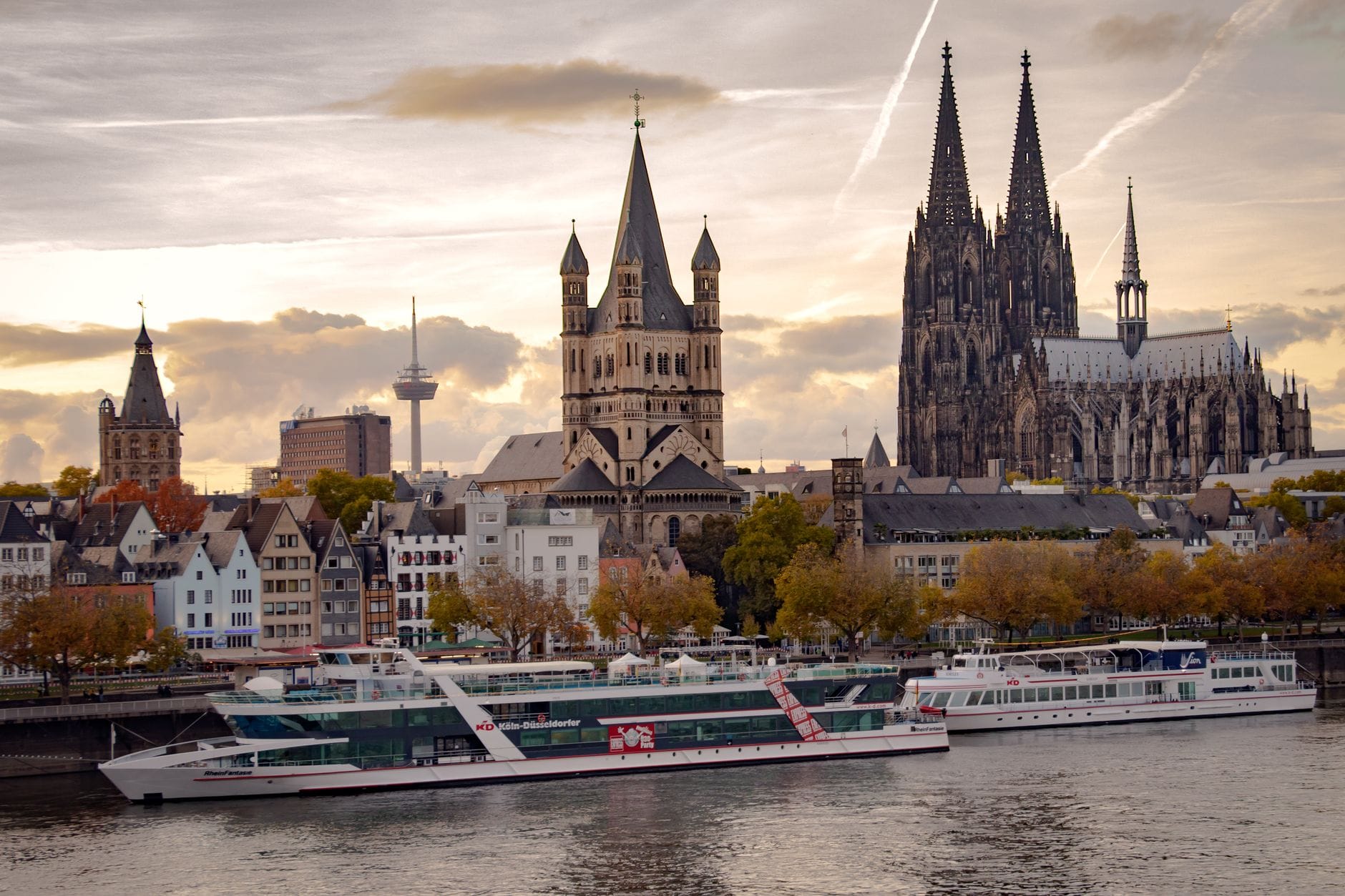
Cologne, known locally as Köln, sits on the west bank of the Rhine in North Rhine-Westphalia, roughly midway between the Dutch border and Frankfurt. With around 1.1 million residents, it is Germany's fourth-largest city and one of its oldest, founded as a Roman colony called Colonia Claudia Ara Agrippinensium in 50 AD. That 2,000-year timeline is not just a fun fact — it shapes everything from the underground Roman ruins you can visit to the 12 surviving Romanesque churches scattered across the city centre.
The city gets roughly 3.5 million overnight visitors per year, most of them drawn by the cathedral, the Christmas markets, or Carnival. But Cologne has a resident culture that is genuinely distinct from Berlin or Munich: locals are famously warm and direct, the Kölsch beer culture is a serious civic identity (there are strict rules about what can legally be called a Kölsch), and the city's LGBTQ+ community is one of the most established in Germany. This is not a city that exists purely for tourists.
ℹ️ Good to know
The term 'eau de Cologne' does come from this city — a fragrance formula developed here in 1709. The 4711 perfume house on Glockengasse is still operating and worth a quick look if you are curious about that footnote.
The Strongest Arguments For Visiting
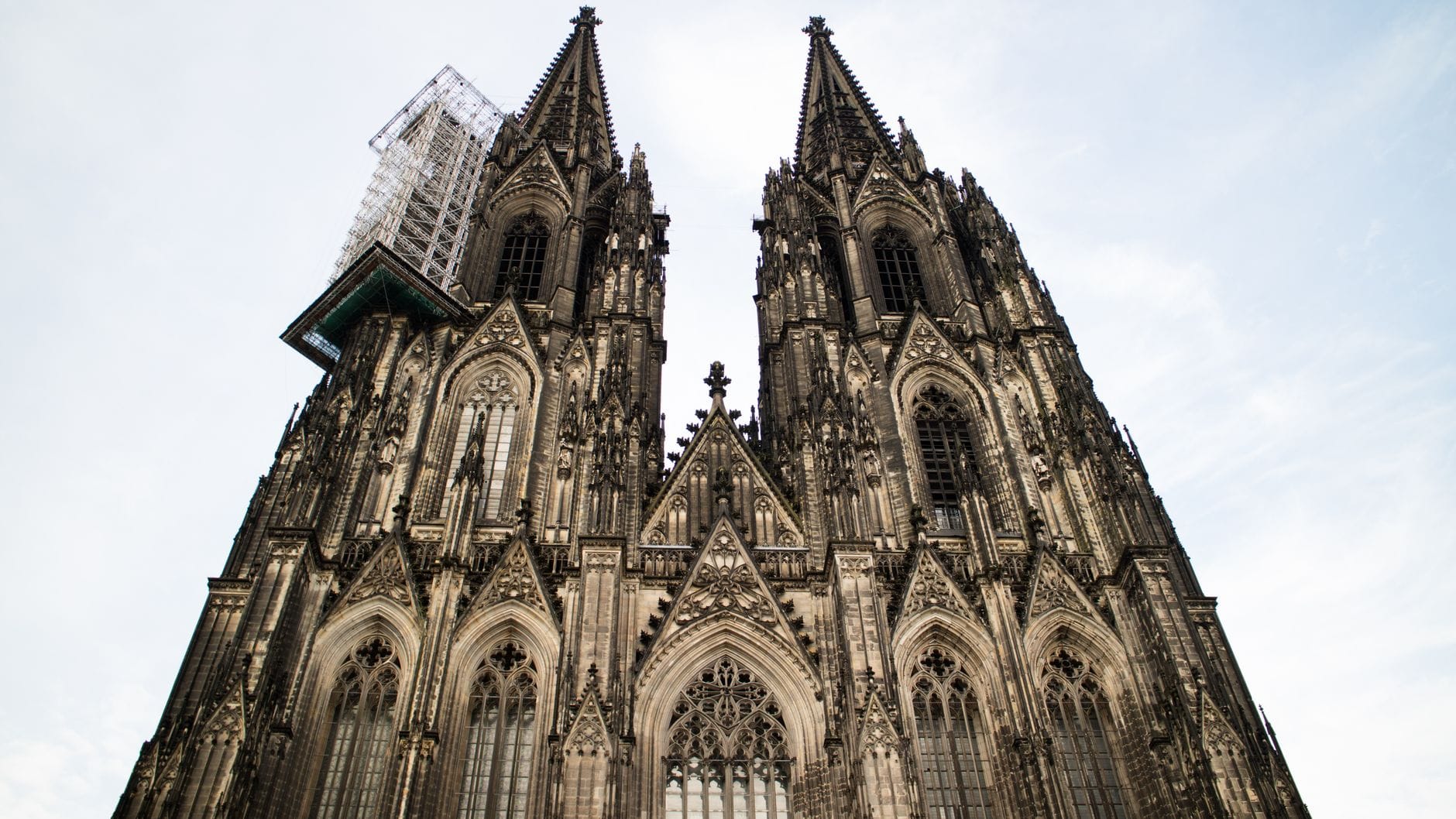
The Kölner Dom is genuinely one of the great Gothic buildings in the world. Construction began in 1248 and was not completed until 1880 — a 632-year build. At about 157 metres, it is one of Germany's tallest churches and a UNESCO World Heritage Site. Standing in front of it from the Hauptbahnhof exit is one of those rare moments in European travel where a famous building actually exceeds expectations. The interior, with its medieval stained glass and the Shrine of the Three Kings, deserves at least 45 minutes. Climbing the south tower (about 533 steps) earns you the best elevated view in the city.
Beyond the cathedral, Cologne has an unusually deep art and culture scene for a city of its size. Museum Ludwig holds one of Europe's premier collections of 20th-century art, including a significant Picasso collection and strong Pop Art holdings. The Wallraf-Richartz Museum covers medieval to 19th-century European painting with real depth. If you care about art at all, you could spend two full days in Cologne's museums without repeating yourself.
- Cologne Cathedral (Kölner Dom) UNESCO World Heritage Site, Gothic architecture spanning 632 years of construction. From 1 July 2026, tourist entry to the interior costs €12 (reduced €6; children 13 and under free); prayer and services remain free via the north entrance. Treasury and tower are ticketed separately.
- 12 Romanesque Churches A unique concentration found nowhere else in this density — Great St. Martin, St. Gereon's Basilica, St. Aposteln and others, most open to visitors and largely free.
- Museum Ludwig World-class modern and contemporary art, one of the largest Picasso collections outside Spain, strong Expressionist holdings.
- Rheinauhafen and the Crane Houses A redeveloped harbour district with striking crane-shaped residential towers (Kranhäuser), good for walking and riverside dining.
- Carnival (Karneval) A six-day street festival in February or March that draws over a million visitors and transforms the entire city. Extraordinary if you want it, overwhelming if you do not.
Honest Drawbacks and What to Skip
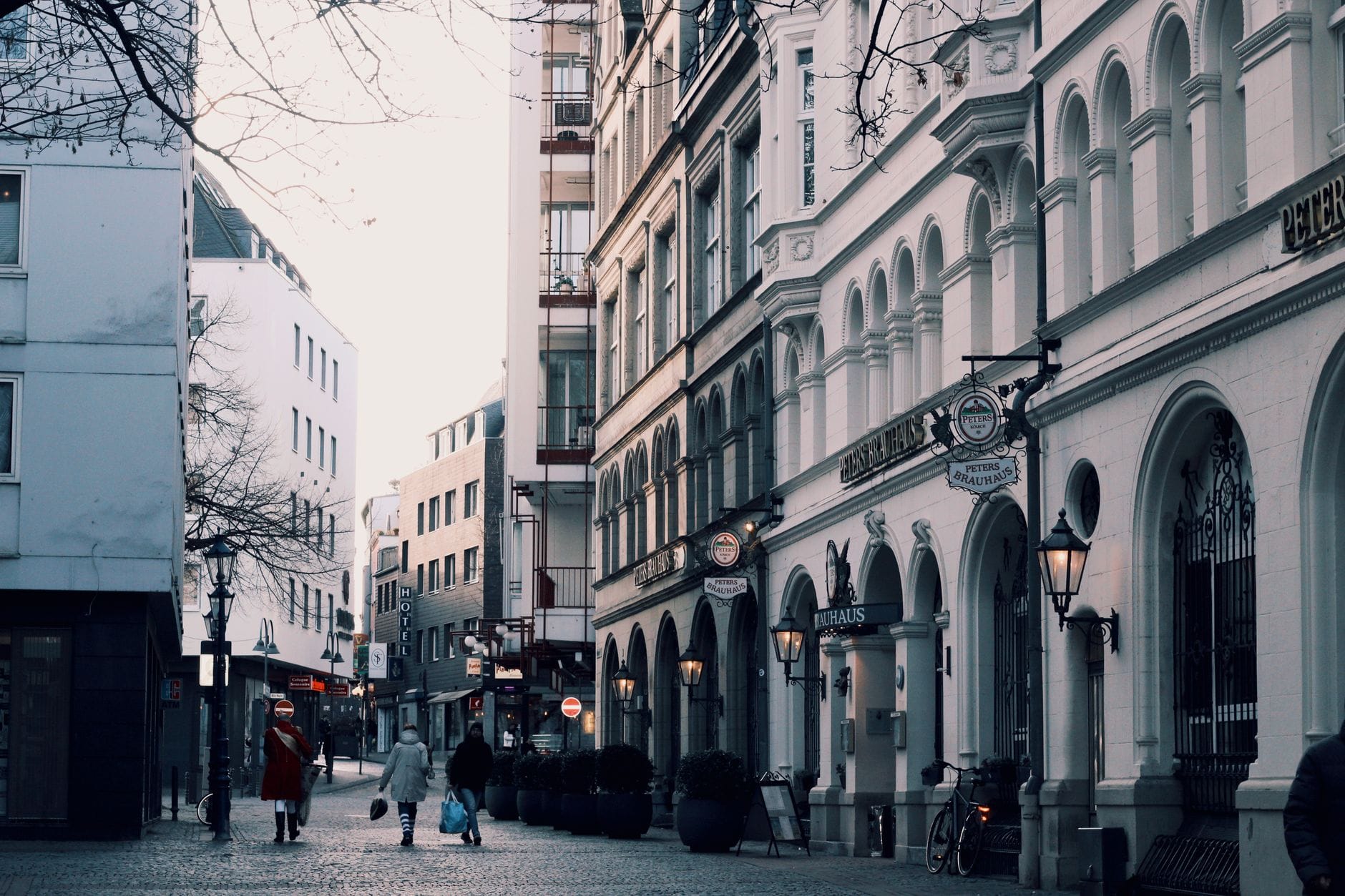
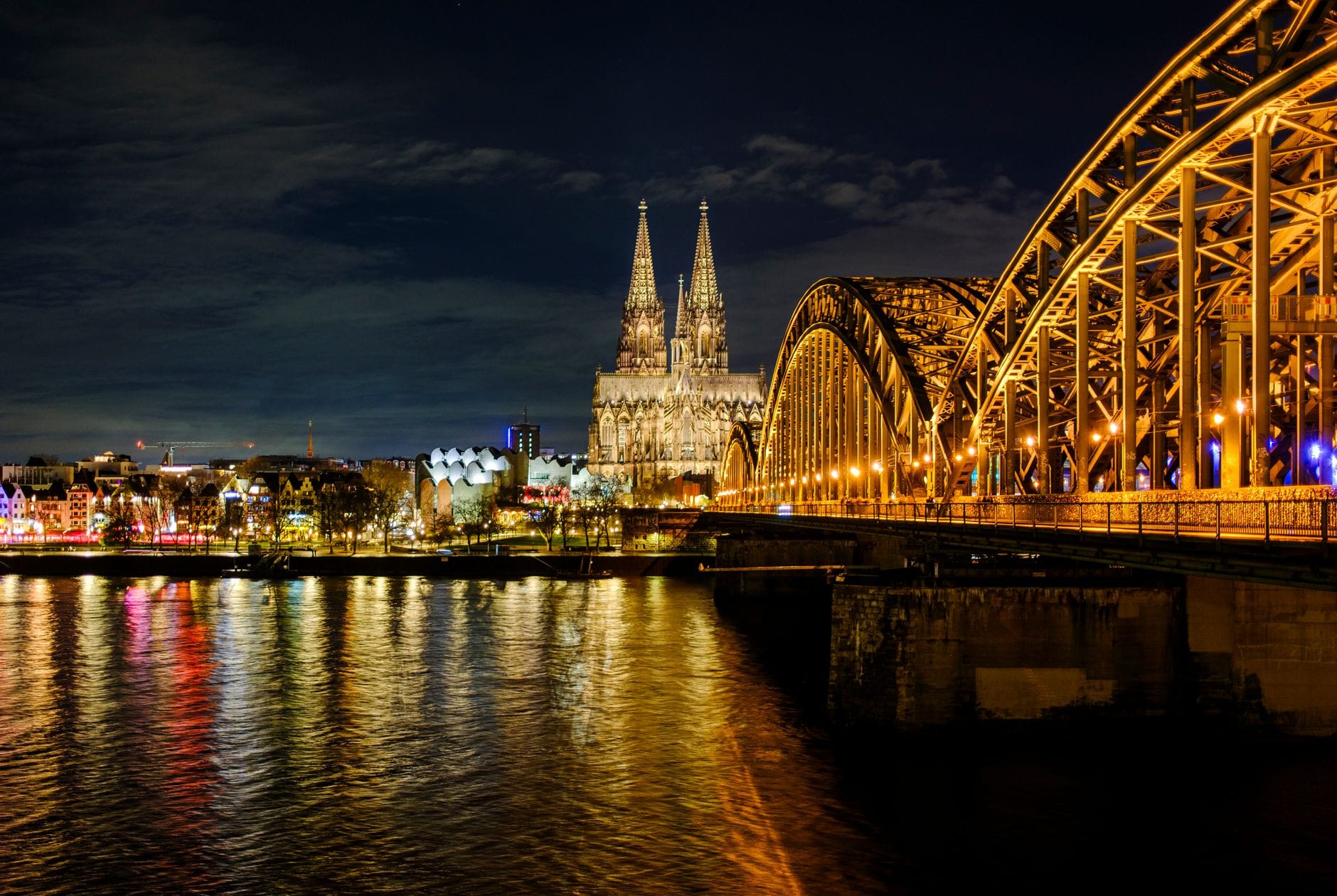
Cologne's Altstadt, the historic Old Town, is compact and atmospheric in parts, but it is also heavily touristic around the cathedral and the riverfront. The main strip along the Rhine between the Dom and the Hohenzollern Bridge fills up with day-trippers by mid-morning on weekends, and some of the restaurants in that stretch are coasting on location rather than quality. You will eat better and pay less by walking five minutes inland.
The Chocolate Museum is one of Cologne's most-visited attractions, and it is fine for families with children, but adults without kids often find it a shallow experience for the ticket price. Similarly, the Hohenzollern Bridge love-lock tradition is visually interesting for about three minutes. Neither is a reason to come to Cologne.
⚠️ What to skip
Cologne Hauptbahnhof is directly next to the cathedral, which means the immediate surroundings attract petty theft and street scams at higher rates than quieter parts of the city. Keep valuables secured in the main station area, especially during busy periods.
World War II destroyed roughly 90 percent of Cologne's city centre. The rebuilt city is functional and liveable but lacks the continuous pre-war streetscape that makes cities like Prague or Bruges visually coherent. If your primary interest in European cities is wandering beautiful historic streets, Cologne's reconstruction-era architecture in large sections of the centre may disappoint. What survived — the cathedral, the Romanesque churches, the Roman ruins, and certain areas of the Altstadt — is excellent; the rest is a modern city.
Cologne by Season: When to Go and When to Think Twice
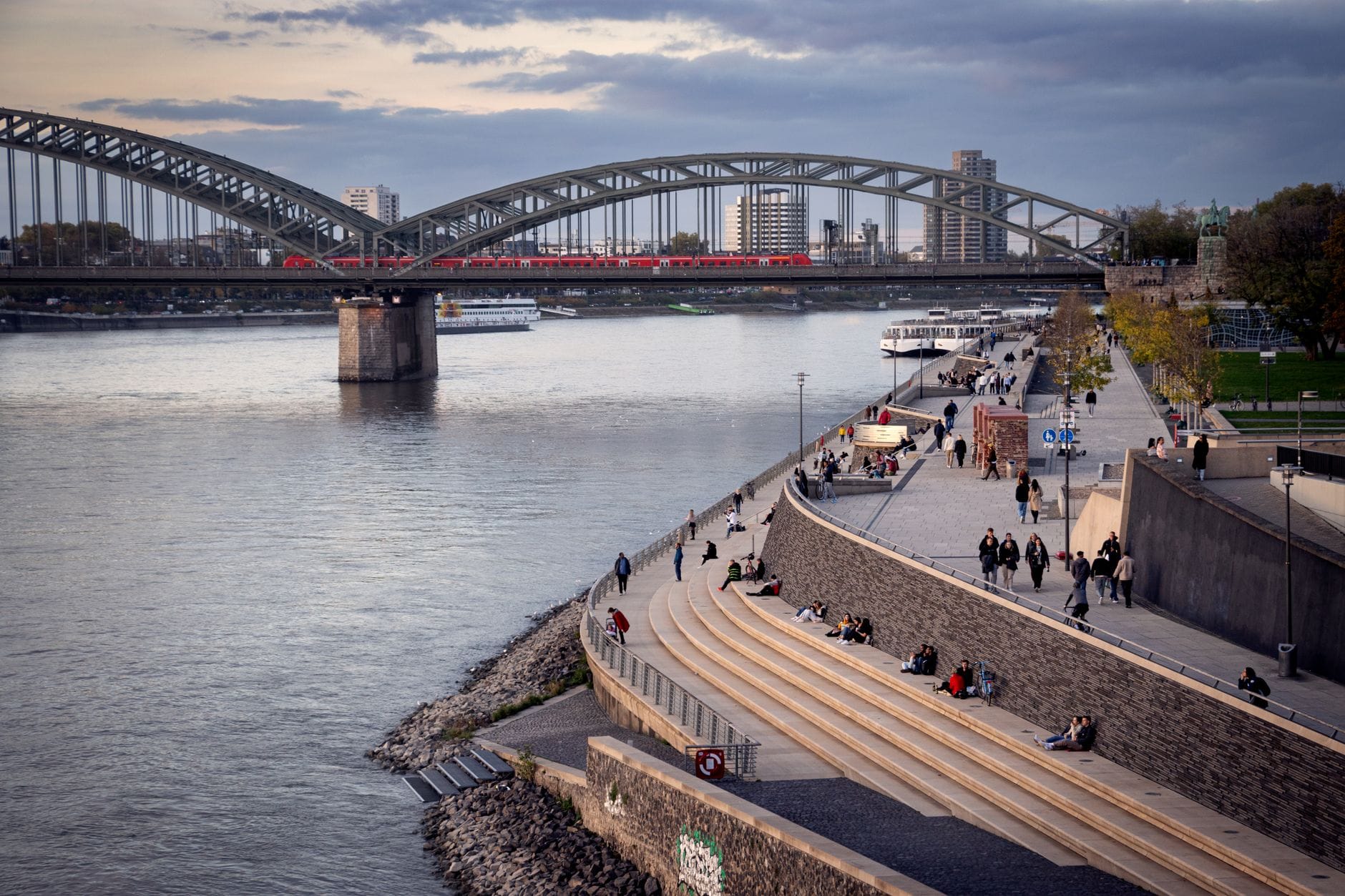
May through September offers the best weather for walking and outdoor sightseeing. Temperatures range from around 19 to 23°C in summer, daylight extends past 9pm in June and July, and the Rhine promenade and Rheinpark are genuinely pleasant. This is also the period when the city's beer gardens and outdoor terraces are open, which matters if you want to experience Kölsch beer culture properly.
Carnival is a different calculation entirely. The main street festivities peak over six days in February or March (the dates shift annually), with costumed crowds, open-air concerts, and a civic atmosphere unlike anything else in Germany. If this sounds appealing, plan it deliberately and book accommodation at least three to four months ahead — prices spike sharply and rooms disappear. If large crowds and sustained noise are not your preference, avoid those dates completely. Our Cologne Carnival guide covers the schedule, the best viewing spots, and what to actually expect.
The Christmas markets run from late November through late December and are among the better ones in Germany, particularly the market directly in front of the cathedral. They are busy but manageable on weekdays. See the full Cologne Christmas market guide for details on which of the city's six-plus markets are worth your time.
✨ Pro tip
Major trade fairs at Koelnmesse (in the Deutz district) can fill the city's hotels as thoroughly as Carnival. Check the Koelnmesse event calendar before booking any trip — the Art Cologne fair, Gamescom, and several industry expos all generate significant demand.
Getting There, Getting Around, and How Long You Need
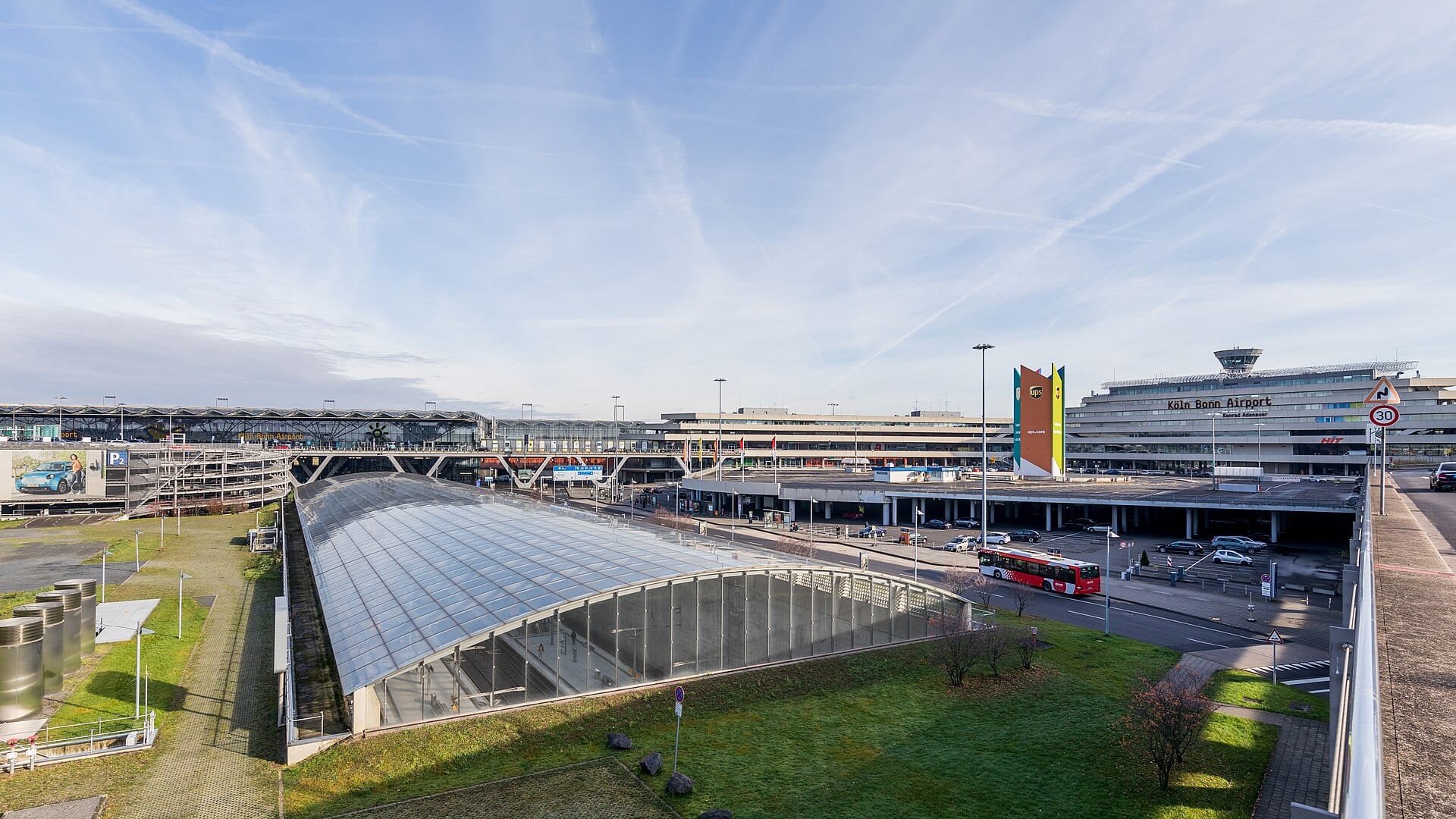
Cologne Bonn Airport (CGN) sits about 15 km southeast of the city centre. The S-Bahn and regional rail connection runs directly to Cologne Hauptbahnhof in around 15 to 20 minutes, making it one of the more convenient airport-to-centre transfers in Germany. Ticket prices are set by the VRS regional transport authority, so verify current fares before travel. Taxis and ride-hailing services are also available from the terminal.
By train, Cologne is exceptionally well connected. Brussels takes under two hours on the Eurostar high-speed network, Amsterdam under three hours, and Frankfurt around an hour on ICE services. This makes Cologne a natural addition to multi-city European itineraries without requiring a flight. Details on the Frankfurt connection are covered in our Cologne to Frankfurt train guide, and the Amsterdam route in our Cologne to Amsterdam train guide.
Within the city, the KVB tram and bus network operated by Kölner Verkehrs-Betriebe covers virtually all districts. The historic centre is compact enough that the cathedral, Altstadt, Hohenzollern Bridge, Rheinauhafen, and the main museums are all walkable from each other. For the Belgian Quarter or Ehrenfeld, a tram ride of 10 to 15 minutes is all it takes. You do not need a car in Cologne.
- One day: Cathedral, Old Town, a Kölsch at a traditional brewery pub (Brauhaus), and a Rhine walk. Tight but achievable.
- Two days: Add Museum Ludwig or Wallraf-Richartz, the Romanesque churches circuit, and an evening in the Belgian Quarter.
- Three or more days: Incorporate day trips, deeper museum dives, Ehrenfeld for street art and independent restaurants, or a Rhine river cruise.
Practical Information Before You Go
Germany uses the euro (EUR). Tap water is safe to drink throughout Cologne. The electrical standard is 230V with Type C and Type F (Schuko) sockets, as across continental Europe. Tipping is customary but moderate: rounding up the bill or adding 5 to 10 percent in restaurants is standard. English is widely spoken in hotels, tourist areas, and most restaurants.
Germany is part of the Schengen Area. Nationals of EU/EEA countries, the US, UK, Canada, Australia, and Japan, among others, can enter visa-free for stays of up to 90 days. Other nationalities require a Schengen short-stay visa obtained before travel. Verify your country's requirements with the German Federal Foreign Office before booking. For a broader picture of costs and how to manage your budget, see our guide to visiting Cologne on a budget.
💡 Local tip
The KölnCard gives unlimited public transport and discounts at many museums. For a two-day stay that includes multiple museum visits, it typically pays for itself. Check the KölnTourismus website for current pricing before purchasing.
FAQ
Is Cologne worth visiting for just one day?
Yes, if your expectations are calibrated. In a single day you can walk from Cologne Hauptbahnhof to the cathedral, explore the Old Town and Rhine promenade, visit one or two Romanesque churches, and have lunch or dinner at a traditional Brauhaus with a Kölsch. It is a satisfying day trip, particularly from Amsterdam, Brussels, or Frankfurt given the fast rail connections. A second day adds significant depth, especially if museums interest you.
How does Cologne compare to other German cities like Munich or Berlin?
Cologne is more compact and easier to navigate than either Berlin or Munich. It lacks Berlin's sheer range of culture and nightlife and Munich's postcard-perfect old town, but it offers something both lack: an unusually concentrated combination of Roman history, Gothic architecture, Romanesque churches, and world-class modern art in a walkable area. It also has a distinctive local beer culture and civic personality that feels less performed for tourists than Munich's Oktoberfest identity.
What is Cologne famous for, other than the cathedral?
Several things. Kölsch beer — a light, top-fermented lager served in 0.2-litre glasses called Stangen — is protected by an agreement called the Kölsch Konvention, which restricts its traditional designation to breweries in and around Cologne. The city also originated eau de Cologne as a fragrance in 1709. It has 12 Romanesque churches, a UNESCO-listed cathedral, and institutions like Museum Ludwig (modern art) and the Romano-Germanic Museum (Roman history). Carnival is arguably the city's most defining annual event.
Is Cologne safe for tourists?
Cologne is generally safe by Western European standards. The areas immediately around Hauptbahnhof and the cathedral see higher rates of petty theft due to heavy foot traffic, so standard urban precautions apply: keep bags closed, avoid displaying expensive items conspicuously, and be alert in crowded spaces. The rest of the city, including the Belgian Quarter, Ehrenfeld, and Deutz, is straightforwardly safe for visitors day and night.
What are the best things to do in Cologne Germany beyond the main sights?
The Belgian Quarter (Belgisches Viertel) is Cologne's best neighbourhood for independent coffee shops, boutiques, and restaurants without tourist pricing. Ehrenfeld is worth an evening for its street art scene, independent bars, and genuine local atmosphere. The Stadtgarten park is a pleasant escape from the centre, and the cable car across the Rhine offers a different perspective on the city. For a full list, the things to do in Cologne guide covers both mainstream and less-obvious options.
Tickets & tours
Live prices and dates from our booking partner. If you book, we may earn a commission at no extra cost to you.
Planning a trip? Discover personalized activities with the Nomado app.