Cologne to Amsterdam by Train: Tickets, Times & Tips
The Cologne to Amsterdam train is a direct ICE high-speed service covering roughly 214 km in as little as 2 hours 37 minutes. This guide breaks down fares, booking strategy, schedules, and everything you need to know before you board.
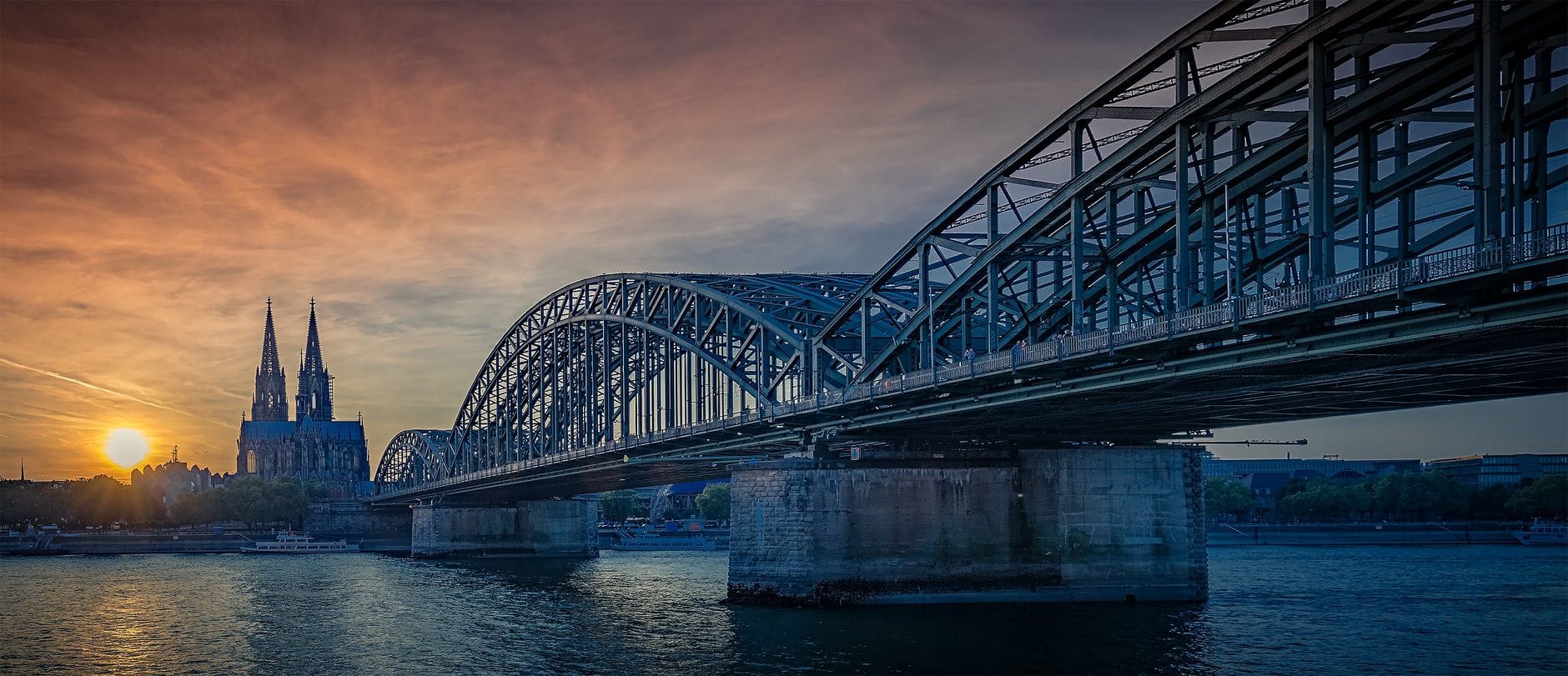
Tickets & tours
Live prices and dates from our booking partner. If you book, we may earn a commission at no extra cost to you.
TL;DR
- Direct ICE trains run from Cologne Hauptbahnhof (Köln Hbf) to Amsterdam Centraal in about 2h 37–2h 39, no changes required.
- Advance one-way fares start from around €19.99–€20 in 2nd class; flexible walk-up tickets can cost €60–€90+.
- Book through Deutsche Bahn, NS International, or SNCB International for the cheapest direct prices. Resellers like Trainline and Omio are convenient but often add fees.
- Around 5–8 direct departures run daily, with first trains leaving Cologne as early as around 05:47 and last services around 20:49–21:05.
- Combine this trip with a broader transport overview for Cologne or use it as a day trip anchor if you are based in the city.
The Route: What You're Actually Booking
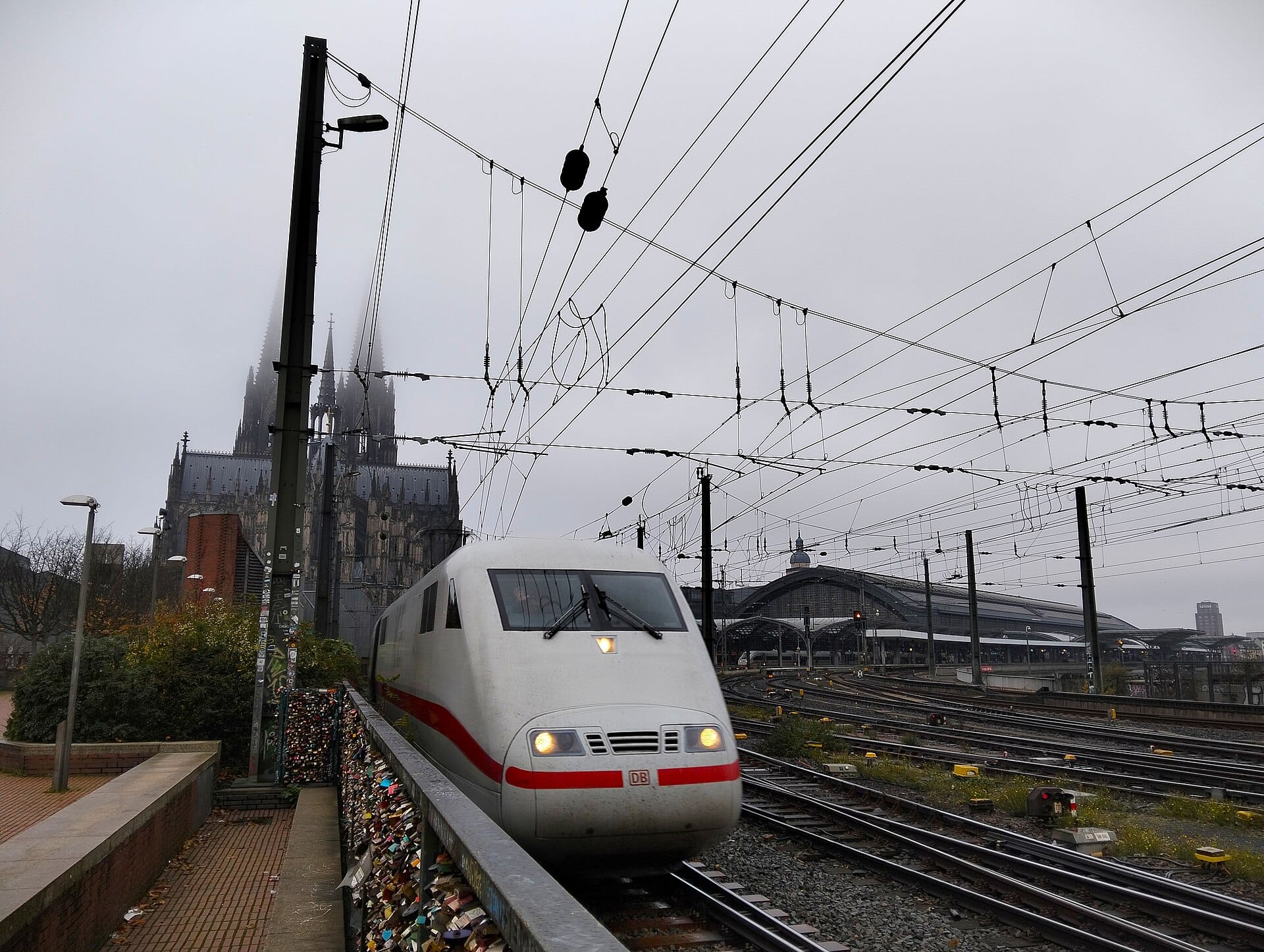
The Cologne to Amsterdam train runs as a direct ICE (InterCity Express) high-speed service between Köln Hauptbahnhof and Amsterdam Centraal. There are no transfers: you board in Cologne and step off in the heart of Amsterdam. The route covers around 214 km (about 133 miles) and cuts through the Netherlands via Utrecht, though you stay on the same train throughout.
The service is jointly operated under a cross-border arrangement involving Deutsche Bahn (DB), NS International (Dutch Railways' international arm), and SNCB International (Belgian Railways). In practice, the train is usually an ICE 3 unit. Seats are the same standard German high-speed coaches you'd find on any DB long-distance route: comfortable 2nd class with tables and power sockets, and a quieter 1st class with more space.
ℹ️ Good to know
Köln Hbf sits directly beside the Cologne Cathedral and is walkable from most city-centre hotels. It is one of Germany's busiest intercity rail hubs, so connecting from other German cities is straightforward. If you are arriving from Frankfurt, check the direct ICE to Cologne first — journey time is under 1 hour 15 minutes.
Journey Time and Daily Frequency
The fastest direct ICE services complete the Cologne to Amsterdam run in 2 hours 37 minutes to 2 hours 39 minutes. Most departures fall within that same window, so there is very little variation between trains. You are not choosing between a slow service and a fast one — you are choosing which time of day suits you.
NS International lists around 5 ICE trains per day on this corridor. Ticket aggregators such as Omio and Rome2Rio sometimes show 8 or more daily options, which can include trains with a single change (typically at Utrecht). If you specifically want a direct, non-stop ICE, filter for 0 transfers when searching. The indirect options are slower by 30–60 minutes and rarely cheaper once you factor in the inconvenience.
- Earliest departure Around 05:47–05:56 from Cologne, depending on the day. Useful if you want a full day in Amsterdam.
- Last departure Around 20:49–21:05 from Cologne. Check NS International or DB for the exact last train if you need it for a same-day return.
- Frequency Roughly one direct ICE every 2–3 hours throughout the day, with some gaps in late evening.
- Weekday vs weekend Schedules are broadly similar, but weekend trains can fill faster, especially Friday evenings heading to Amsterdam and Sunday afternoons heading back.
Fares: What Tickets Actually Cost
Prices for the Cologne to Amsterdam train vary significantly depending on how far in advance you book, which class you choose, and whether you want a flexible ticket. The headline figures from official platforms are: from around €19.99 via SNCB International and from €20 via NS International for 2nd class advance fares. These are Saver or Super Saver tier tickets — non-refundable and tied to a specific service. If you are flexible on timing and book 4–8 weeks ahead, you can usually find these prices. See the Cologne budget travel guide for how to stack savings across your whole trip.
Flexible tickets, which allow you to travel on any ICE service that day, typically run €60–€90+ for 2nd class and higher for 1st class. Business travellers or those with unpredictable schedules often pay in this range. When you buy close to travel, advance fares are usually sold out, so you end up paying the flexible rate by default.
- Lowest available fare (advance, 2nd class) From around €19.99–€20 via SNCB International or NS International. Book 4–8 weeks ahead minimum.
- Mid-range advance fare Around €26–€35 (roughly $28–$40 USD) via Trainline or Omio. These platforms add convenience but sometimes charge booking fees.
- Average price when booking close to travel Around €66–€82 (Omio's published average). This is what most last-minute buyers pay.
- 1st class Typically 40–70% more than 2nd class. Includes slightly wider seats, a dedicated quiet zone, and often a complimentary drink on some services — but the journey is short enough that 2nd class is fine for most travellers.
✨ Pro tip
Booking opens up to 6 months ahead via SNCB International and up to around 12 months on some resellers (depending on DB/NS release schedules). Set a reminder to check fares the moment the booking window opens if you're travelling during summer (June–August) or over major Dutch or German public holidays. Those low €19.99 fares disappear fast on popular dates.
Where to Book: Official Platforms vs Resellers
For this specific route, booking direct with one of the three official operators is almost always the best approach. You avoid booking fees, get the most transparent refund terms, and can often access the cheapest fare tiers first.
- Deutsche Bahn (bahn.de or DB Navigator app) The German operator's platform. Lists all ICE services on this route, including cross-border tickets. The DB Navigator app works well for managing bookings and showing your mobile ticket.
- NS International (nsinternational.com) The Dutch Railways international booking portal. Advertises fares from €20 for this route. Straightforward interface, good for searching by date and comparing available services.
- SNCB International / B-Europe (b-europe.com) Belgian Railways' international platform. Often lists fares from €19.99 and has a clean booking flow. Worth checking alongside NS if you are hunting for the cheapest option.
- Trainline and Omio Useful for comparing across multiple routes in one search, but both sometimes add booking fees on top of the base fare. Good as a price-check tool, less ideal as your actual booking platform.
One practical note: regardless of where you book, you will receive a single through-ticket for the direct ICE service. You do not need to buy separate German and Dutch segments. If you are planning more travel after Amsterdam or before Cologne, consider how this fits into a broader day trip itinerary from Cologne.
⚠️ What to skip
Seat reservations are mandatory on the direct ICE Cologne–Amsterdam service, unlike domestic German ICE trains where they are optional. Your ticket includes a reserved seat as standard. If you are travelling as a group, book together in one transaction to ensure seats are allocated in the same coach.
When to Travel: Seasonal Patterns and Peak Times
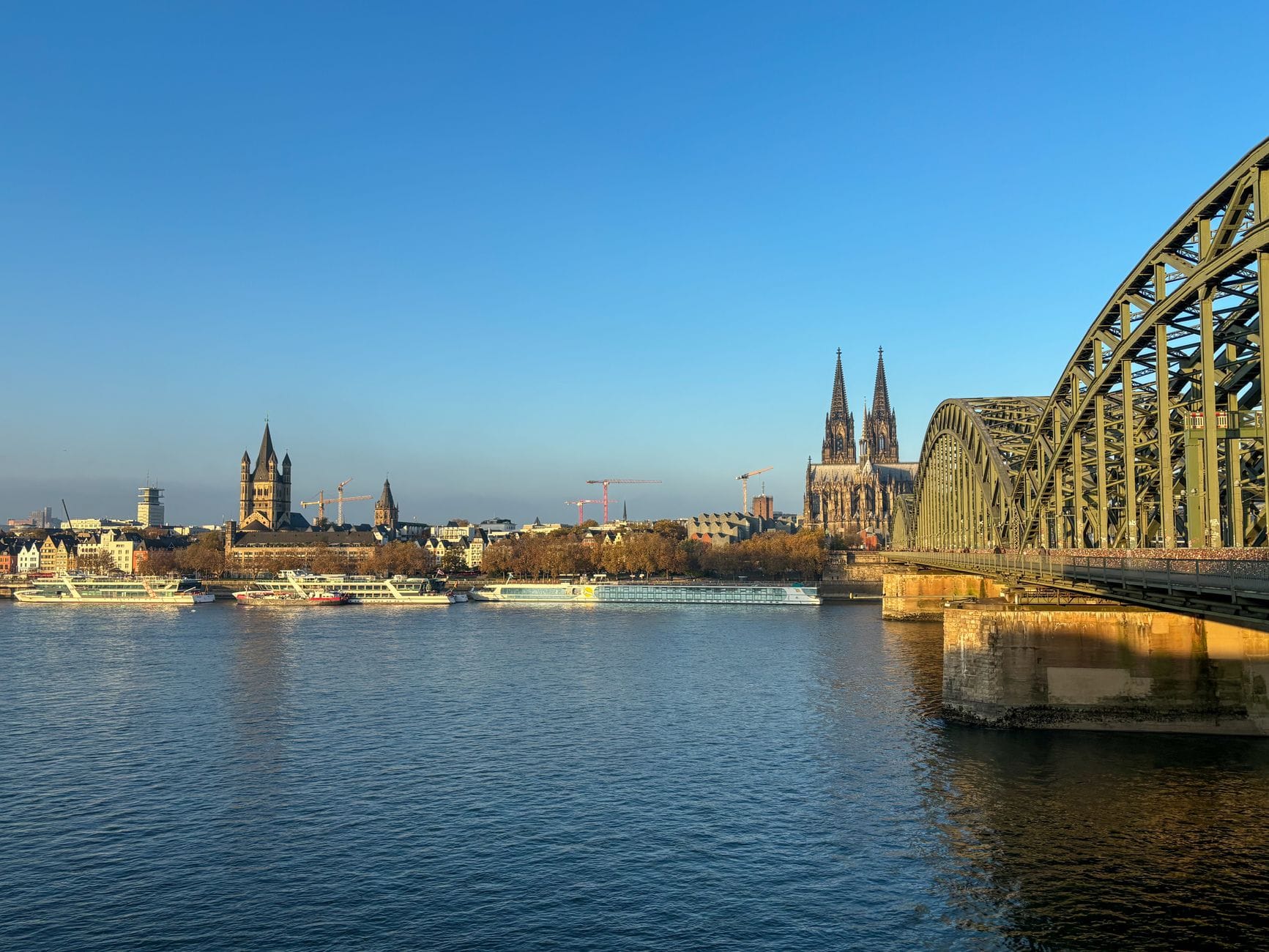
Summer (June–August) is peak season in both Cologne and Amsterdam. Trains fill faster and advance fares disappear earlier. If you are visiting Cologne in summer and considering a day trip to Amsterdam, book the train at least a month ahead. For the full picture on when Cologne itself is busiest, check the best time to visit Cologne.
Weekday peak hours on the German rail network run roughly 07:00–09:00 and 16:00–19:00. During these windows, trains on popular ICE routes are busier and flexible fares can be slightly higher. The Cologne–Amsterdam route attracts a mix of business travellers (especially Monday mornings and Friday evenings) and leisure tourists. If you can travel mid-morning on a Tuesday, Wednesday, or Thursday, you will generally find more seat availability and calmer carriages.
Dutch school holidays and public holidays, including King's Day (late April) and the Christmas period (late November through early January), see heavy demand from Amsterdam inbound. German public holidays in North Rhine-Westphalia can spike outbound demand from Cologne. Cologne's own Karneval season in February or early March is unlikely to directly affect this route unless you are trying to leave the city on the main Karneval weekend.
💡 Local tip
Travelling with kids? The ICE carriages have family zones (Familienabteil) with facing seats and more space. Book these specifically when reserving, as they are popular and go early. For other family-focused logistics in Cologne itself, see the guide to Cologne with kids.
Practical Tips for the Journey
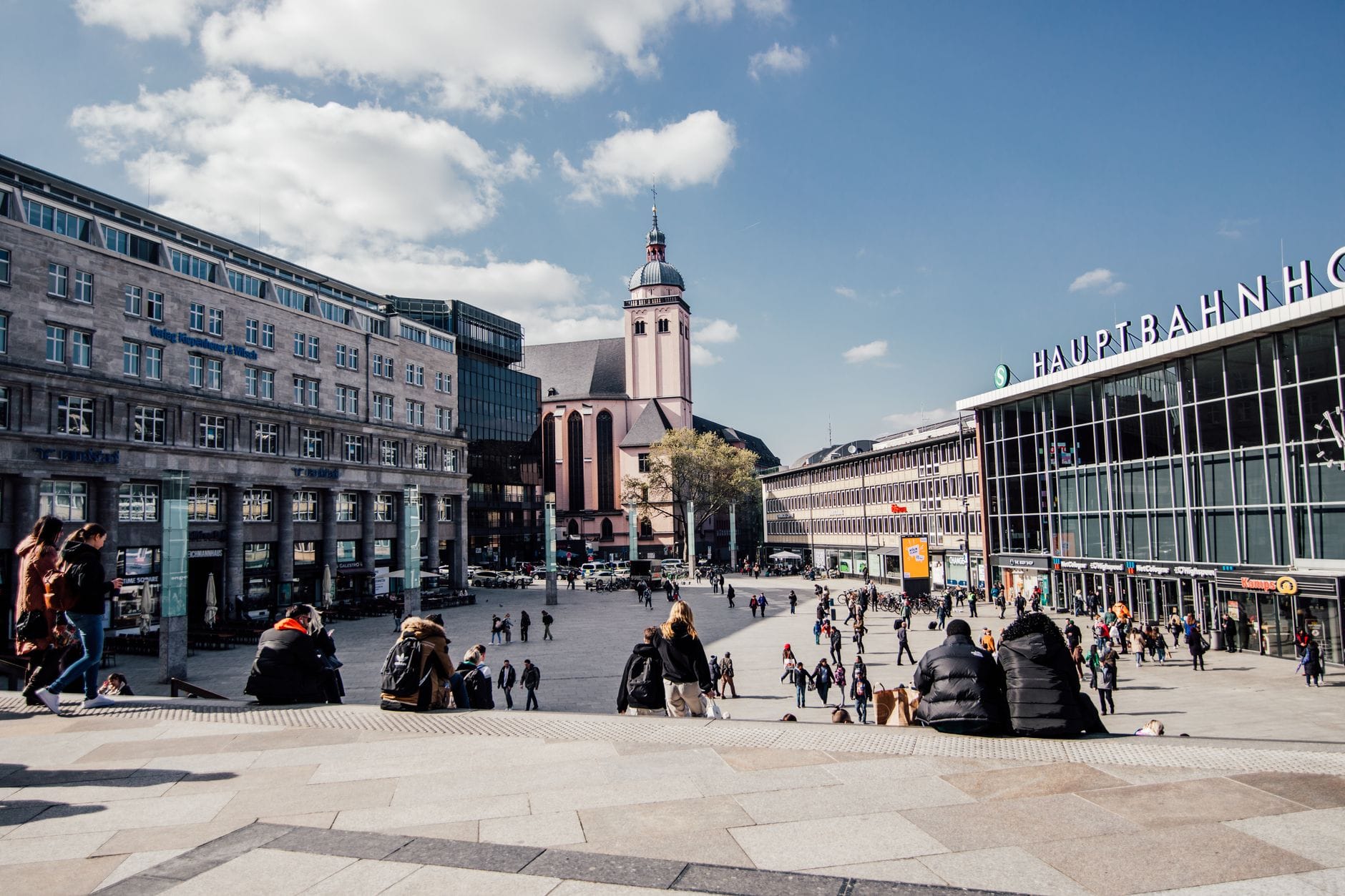
Cologne Hauptbahnhof is immediately adjacent to the Cologne Cathedral, about 200 metres from the Rhine waterfront. If you have time before your train, the cathedral's exterior alone is worth a look from the station square. Platforms for the ICE services to Amsterdam are typically in the main hall, but check the departure boards on arrival as platform assignments can change.
There is a standard German Bahn food service (Bordbistro) in the middle car of most ICE 3 trains. Prices are higher than street-level cafes in Cologne, so it is worth grabbing a coffee or snack before boarding if you're price-conscious. For food near the station, Früh am Dom is one of the most well-known Kölsch brewhouses, a 5-minute walk from the station, if you have time for a proper pre-departure meal.
The train crosses into the Netherlands after roughly 90 minutes. Passport or ID checks do occur on this route because the Netherlands is a Schengen member and Germany is too, but border police occasionally board at the Dutch frontier to spot-check documents. Non-EU travellers should have their passport accessible, not buried in a checked bag. Since both countries are within the Schengen Area, most EU/EEA nationals will not be stopped.
On arrival in Amsterdam Centraal, you are in the centre of the city with trams, metro, and ferries immediately accessible. If you're treating this as a day trip and returning to Cologne the same day, buying a return ticket at the time of your original booking is usually cheaper than two separate one-way fares. The two-day Cologne itinerary can help you plan whether a day trip to Amsterdam fits better at the start or end of your stay.
FAQ
Is there a direct train from Cologne to Amsterdam without changing?
Yes. Direct ICE high-speed trains run between Köln Hauptbahnhof and Amsterdam Centraal with no changes required. The journey takes approximately 2 hours 37 to 2 hours 39 minutes. Around 5 direct services run per day, so check schedules in advance to secure your preferred departure.
How much does the Cologne to Amsterdam train cost?
Advance fares start from around €19.99–€20 for a 2nd class one-way ticket, available via SNCB International, NS International, or Deutsche Bahn. Flexible tickets booked close to travel typically cost €60–€90+. Booking 4–8 weeks ahead is the best way to access the cheapest fares.
How long does the train from Cologne to Amsterdam take?
The fastest direct ICE services take about 2 hours 37 minutes to 2 hours 39 minutes. Indirect services with one change (usually at Utrecht) take around 3 hours 10 minutes to 3 hours 30 minutes, depending on the connection.
Do I need a passport or visa to travel from Cologne to Amsterdam by train?
Both Germany and the Netherlands are members of the Schengen Area, so EU and EEA nationals do not require a passport for the journey — a national ID card is sufficient. However, border police occasionally conduct spot checks on this route. Non-EU travellers should have their passport accessible. Visa requirements depend on your nationality; check the German Federal Foreign Office guidance before travel.
Where is the best place to buy Cologne to Amsterdam train tickets?
Book directly through Deutsche Bahn (bahn.de), NS International (nsinternational.com), or SNCB International (b-europe.com) for the lowest fares and no booking fees. Resellers like Trainline and Omio are useful for price comparison but may add surcharges. Booking windows open up to 6 months ahead on official platforms.
Tickets & tours
Live prices and dates from our booking partner. If you book, we may earn a commission at no extra cost to you.
Planning a trip? Discover personalized activities with the Nomado app.