Things to Do in Cologne, Germany: The Definitive Guide
Cologne (Köln) packs an extraordinary range of experiences into a compact, walkable city on the Rhine. This guide covers the essential sights, the best neighbourhoods to explore, seasonal events worth planning around, and clear guidance on what to skip.
Tickets & tours
Live prices and dates from our booking partner. If you book, we may earn a commission at no extra cost to you.
TL;DR
- The Cologne Cathedral (Kölner Dom) is the city's defining landmark, but most visitors underestimate how much else the city offers beyond it.
- Most major attractions sit within a 20-minute walk of each other between the Cathedral, the Altstadt, and the Rheinauhafen waterfront district.
- Carnival in February and the Christmas markets in late November are the two events that completely transform the city — and fill every hotel months in advance. See our best time to visit Cologne guide for a full seasonal breakdown.
- Kölsch beer is a Cologne-specific style, protected by a local brewing agreement, and best experienced at a traditional Brauhaus rather than a generic bar.
- Cologne's museum scene is seriously underrated: Museum Ludwig holds one of the world's largest Pop Art collections, and the Romano-Germanic Museum covers 2,000 years of local history.
Understanding Cologne Before You Arrive
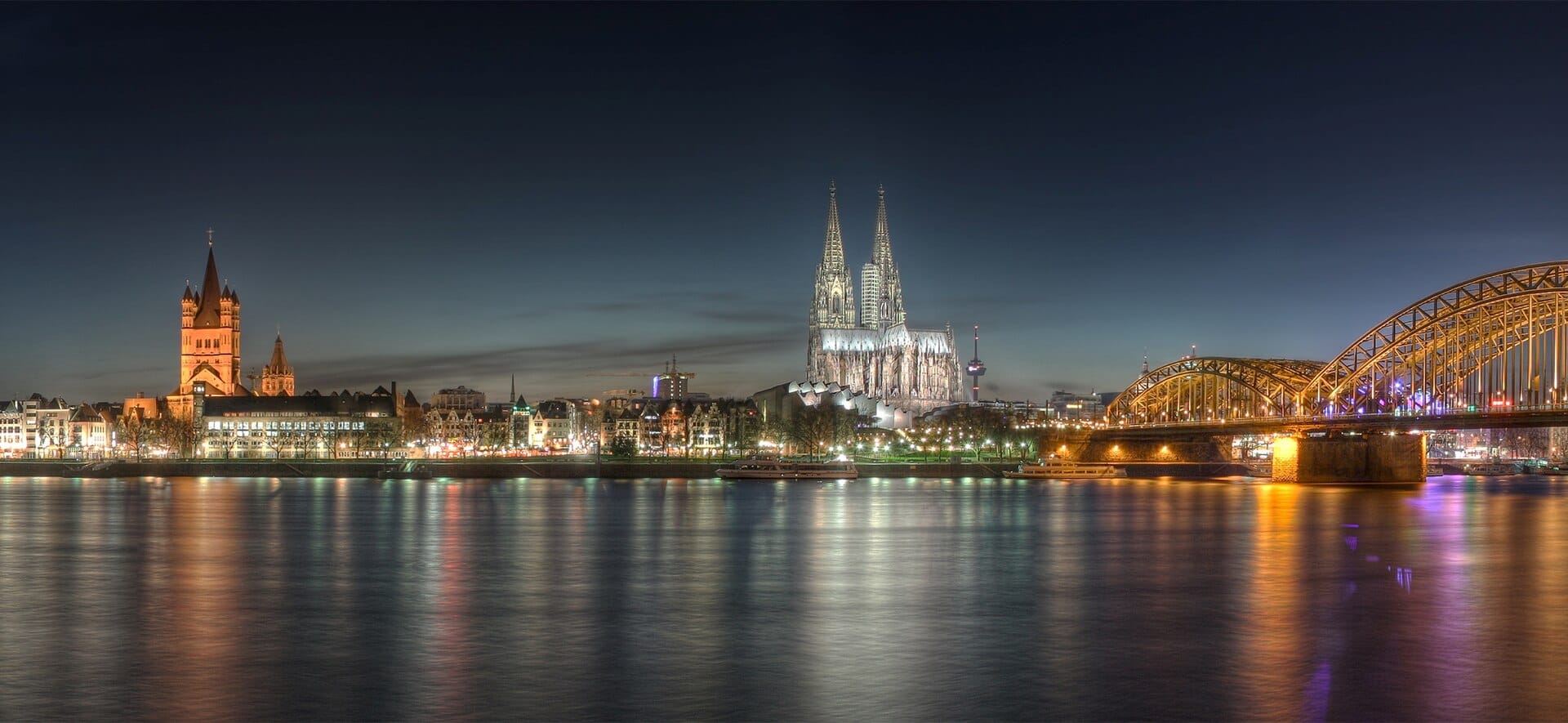
Cologne, known in German as Köln, is the fourth-largest city in Germany and the largest in North Rhine-Westphalia, with around 1.1 million residents in the city proper and around 3.6 million in the wider Cologne-Bonn urban region. It sits on the Rhine at roughly 50.94°N, 6.96°E, at an elevation of about 65 metres. Its history stretches back to a Roman presence dating to 38 BC and the founding of the city Colonia Claudia Ara Agrippinensium in 50 AD, and that depth of history is one reason the city rewards curious visitors far beyond a single day. For a first-time visit, the 2-day Cologne itinerary gives a solid framework for structuring your time.
The city has a temperate oceanic climate: winters average roughly 3–7°C with persistent cloud cover, summers are warm rather than hot at roughly 18–24°C, and rainfall is spread fairly evenly across the year. There is no real dry season to plan around, but May through September offers the best combination of warmth, long daylight hours, and outdoor dining on the riverfront. The compact geography works in your favour: the Cathedral, Old Town, major museums, and the Rhine waterfront can all be connected on a single walking loop without public transport.
ℹ️ Good to know
Germany is part of the Schengen Area. Nationals of the EU, UK, US, Canada, Australia, Japan, and many others can enter visa-free for up to 90 days in any 180-day period. Check the German Federal Foreign Office website before travel if you are unsure of your status, as rules change. Germany uses the euro (EUR), and tap water is safe to drink throughout the city.
The Cathedral and the Old Town: Where Every Visit Starts
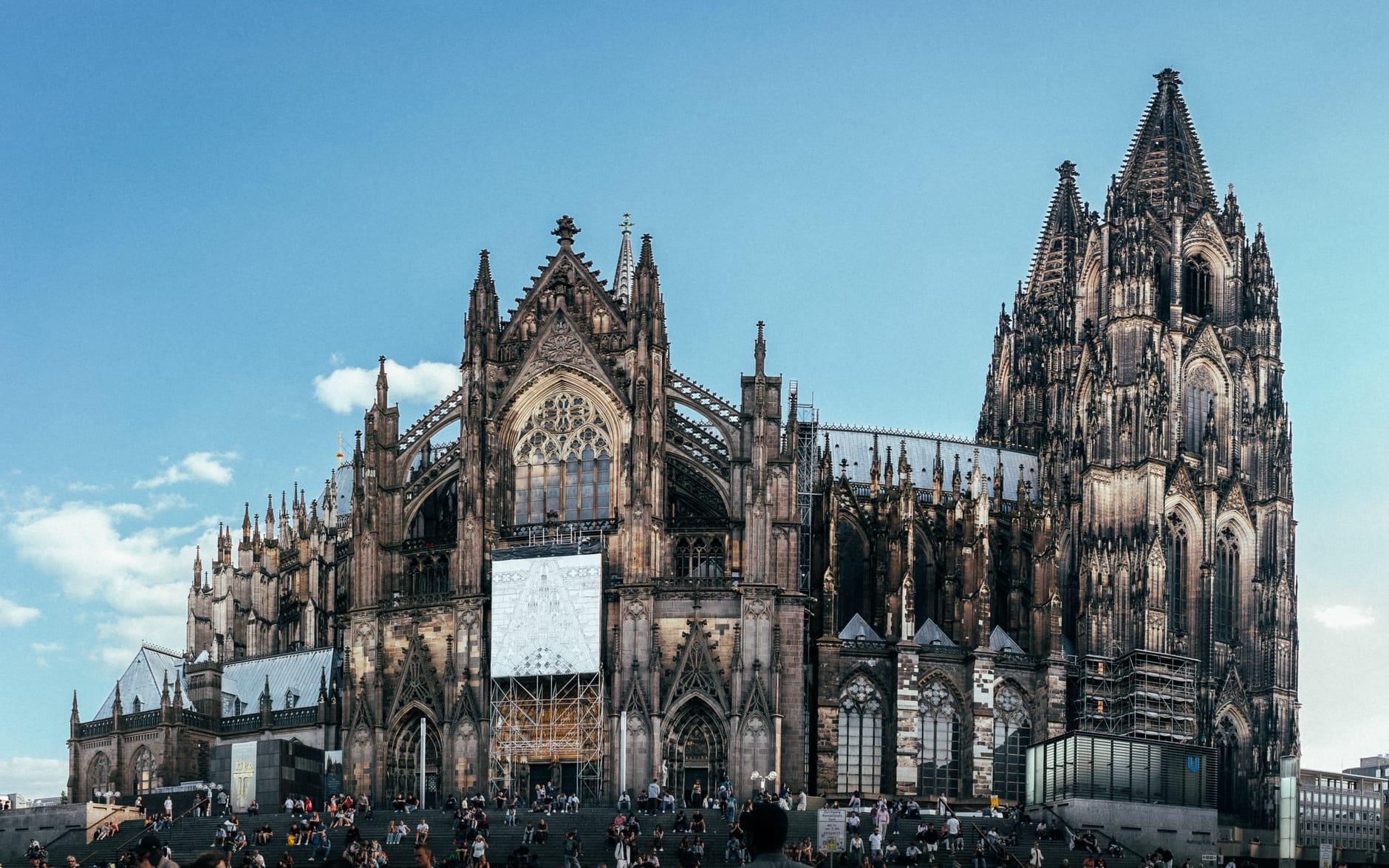
The Cologne Cathedral (Kölner Dom) is Germany's most visited landmark and a UNESCO World Heritage Site. Its twin spires reach 157 metres and dominated the European skyline for centuries after completion in 1880. Entry to the main nave is free, which makes it accessible, but also crowded: arrive before 9am or after 5pm to experience the interior without tour groups. A paid ticket covers the south tower climb (533 steps to the viewing platform, around 100 metres above the city) and the treasury, which holds remarkable medieval reliquaries. The full experience including the tower takes about 90 minutes. For a deeper look at the building's Gothic architecture and construction history, the Cologne Cathedral guide covers it in detail.
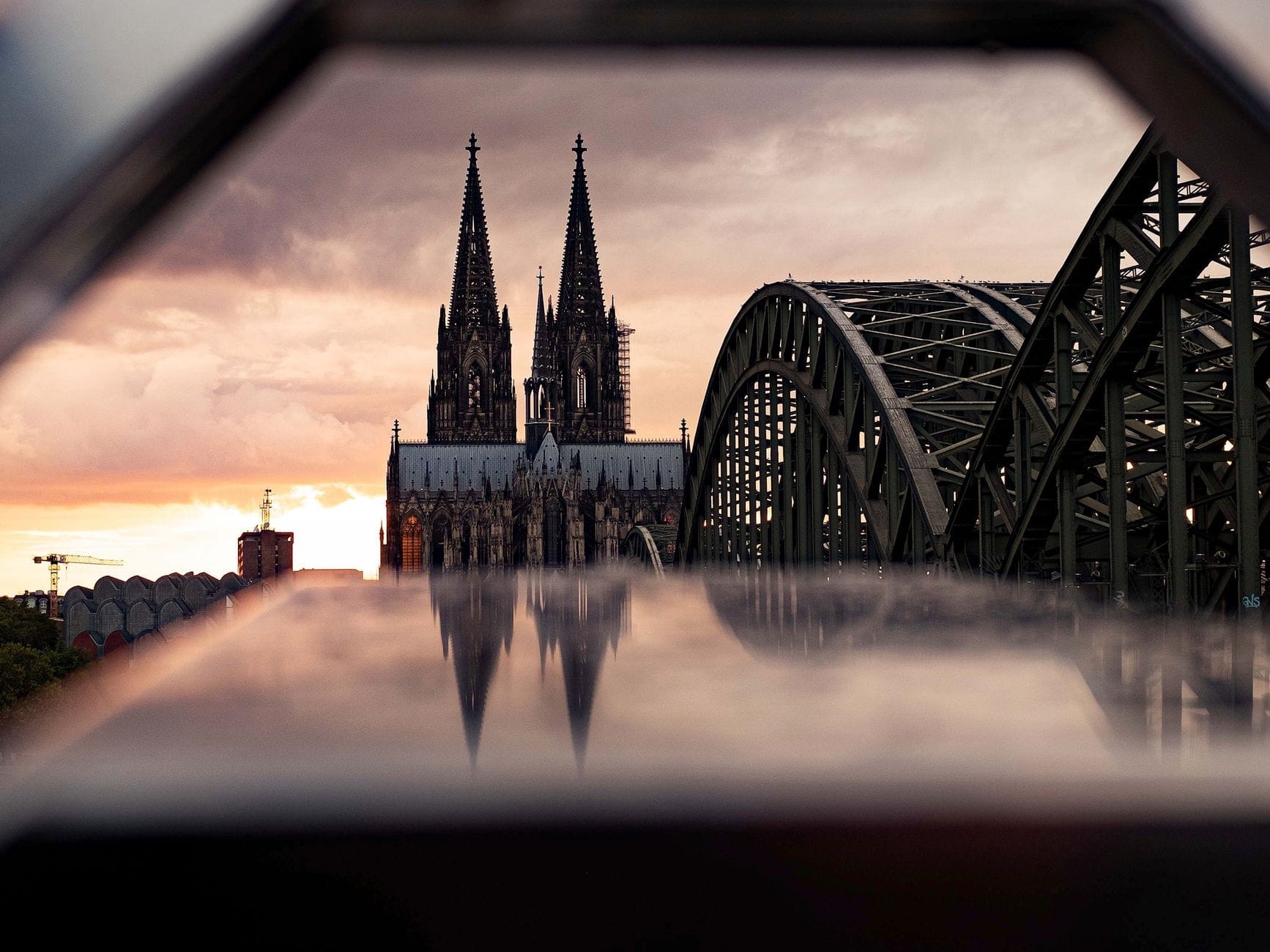
Directly adjacent to the Cathedral, the Hohenzollern Bridge is more than just a Rhine crossing. Its railings carry hundreds of thousands of padlocks placed by couples over decades, and the pedestrian walkway offers one of the best unobstructed views back toward the Cathedral's spires. Cross to the right bank and you can reach the Cologne Triangle panorama in Deutz, a rooftop observation deck on the KölnTriangle tower that gives the most complete aerial view of the city.
The Altstadt (Old Town) spreads south and west from the Cathedral along the Rhine. The medieval street grid survived World War II partially intact, and the area around Alter Markt and Fischmarkt retains genuine architectural character. Great St. Martin Church, with its distinctive Romanesque tower, anchors the riverfront. Cologne has twelve Romanesque churches in total, an unusually high concentration for a single city. If ecclesiastical architecture interests you at all, the Romanesque churches of Cologne guide is worth your time.
⚠️ What to skip
The Altstadt around Alter Markt and the streets immediately south of the Cathedral attract a high volume of tourists, and some bars and restaurants price accordingly. Moving two streets away from the main pedestrian circuits cuts prices noticeably and often improves quality. The Brauhaus at Früh am Dom is a legitimate institution, but the terrace restaurants right on the riverfront promenade tend to be mediocre and expensive.
Museums: Cologne's Most Underestimated Strength
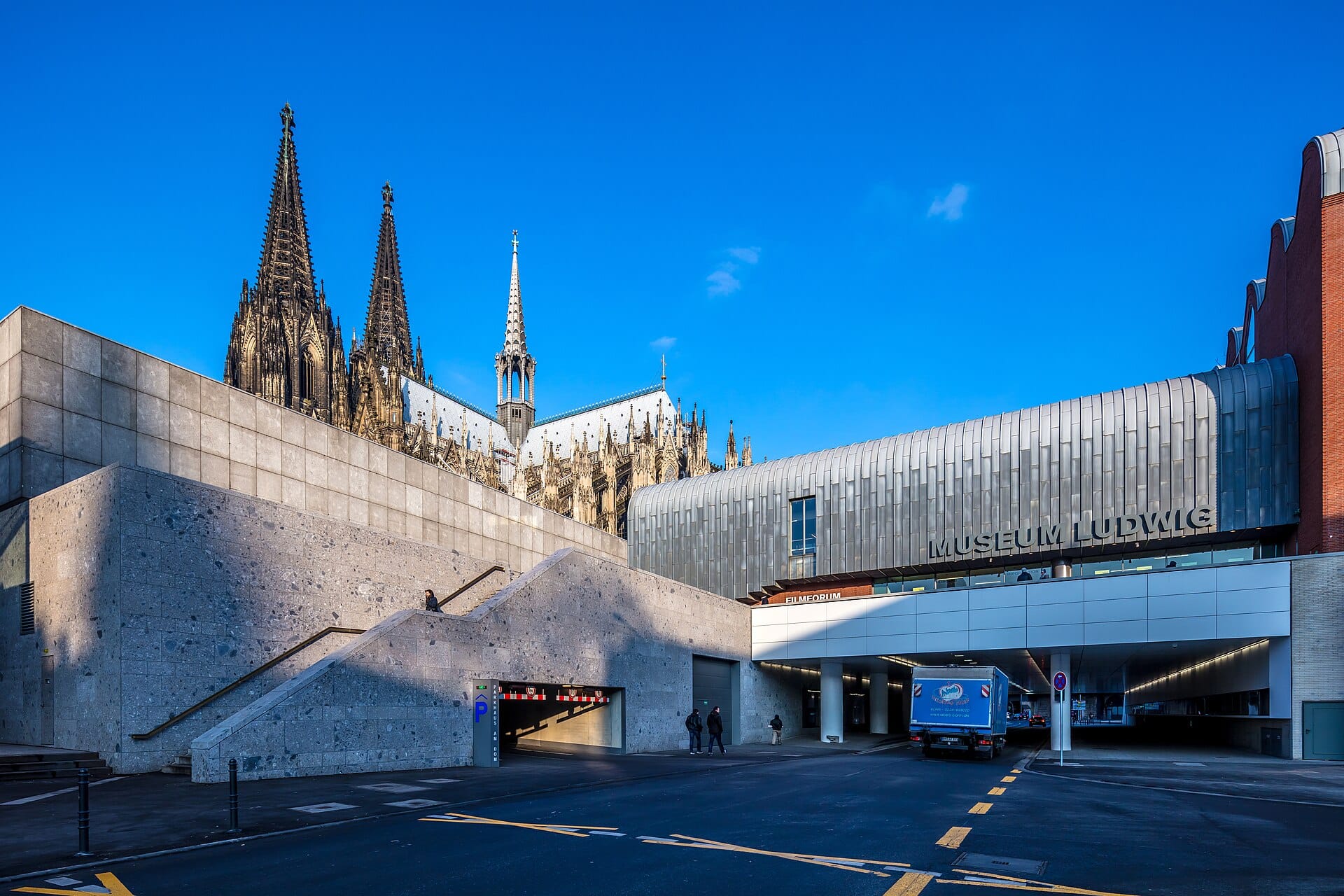
Cologne has more significant museums per square kilometre than most German cities outside Berlin and Munich, and the cluster around Heinrich-Böll-Platz near the Cathedral is particularly dense. Museum Ludwig is the standout: its permanent collection includes one of the largest Pop Art holdings anywhere in the world, substantial Picasso works, and major holdings of German Expressionism and Russian avant-garde art. Plan at least two hours. The museum occupies a striking postmodern building and the temporary exhibitions are consistently strong.
The Romano-Germanic Museum covers 2,000 years of local and regional history from the Roman era through the medieval period, with an exceptional collection of Roman glass and gravestones. Note: the main building at Roncalliplatz is closed for renovation and the interim exhibition at the Belgian House on Cäcilienstraße shows a curated selection of objects — the famous Dionysus Mosaic, which sits in situ under the closed building, is not currently on display. Verify the current situation before visiting. The Wallraf-Richartz Museum focuses on European painting from the medieval period through the 19th century and is quieter than Museum Ludwig, which suits visitors who prefer to move at their own pace.
The Chocolate Museum on the Rheinauhafen peninsula is Cologne's most popular paid attraction and genuinely delivers on its promise: 3,000 years of cacao history, working production displays, and a chocolate fountain. It works well for families and for adults with a genuine interest in food history. It does get extremely busy on weekends; a weekday morning visit is noticeably calmer. For a broader view of Cologne's cultural institutions, the best museums in Cologne guide ranks the full list.
- Museum Ludwig World-class modern and contemporary art, including major Pop Art and Picasso collections. Allow 2-3 hours. Near the Cathedral at Heinrich-Böll-Platz.
- Romano-Germanic Museum Roman Cologne brought to life with exceptional Roman glassware and gravestones. Interim exhibition at the Belgian House on Cäcilienstraße while the main building is under renovation; the in-situ Dionysus Mosaic is not currently on display. Verify before visiting.
- Chocolate Museum (Schokoladenmuseum) 3,000 years of cacao and chocolate history on the Rheinauhafen peninsula. Extremely popular; book tickets online and arrive early on weekends.
- Wallraf-Richartz Museum European painting from medieval to 19th century. Less crowded than Museum Ludwig, with a strong permanent collection.
- Kolumba Art Museum The archdiocese's art museum, built over a bombed medieval church. One of the most architecturally striking buildings in the city, with a meditative atmosphere unlike any other museum in Cologne.
Kölsch Beer, Brauhäuser, and Where to Actually Drink It
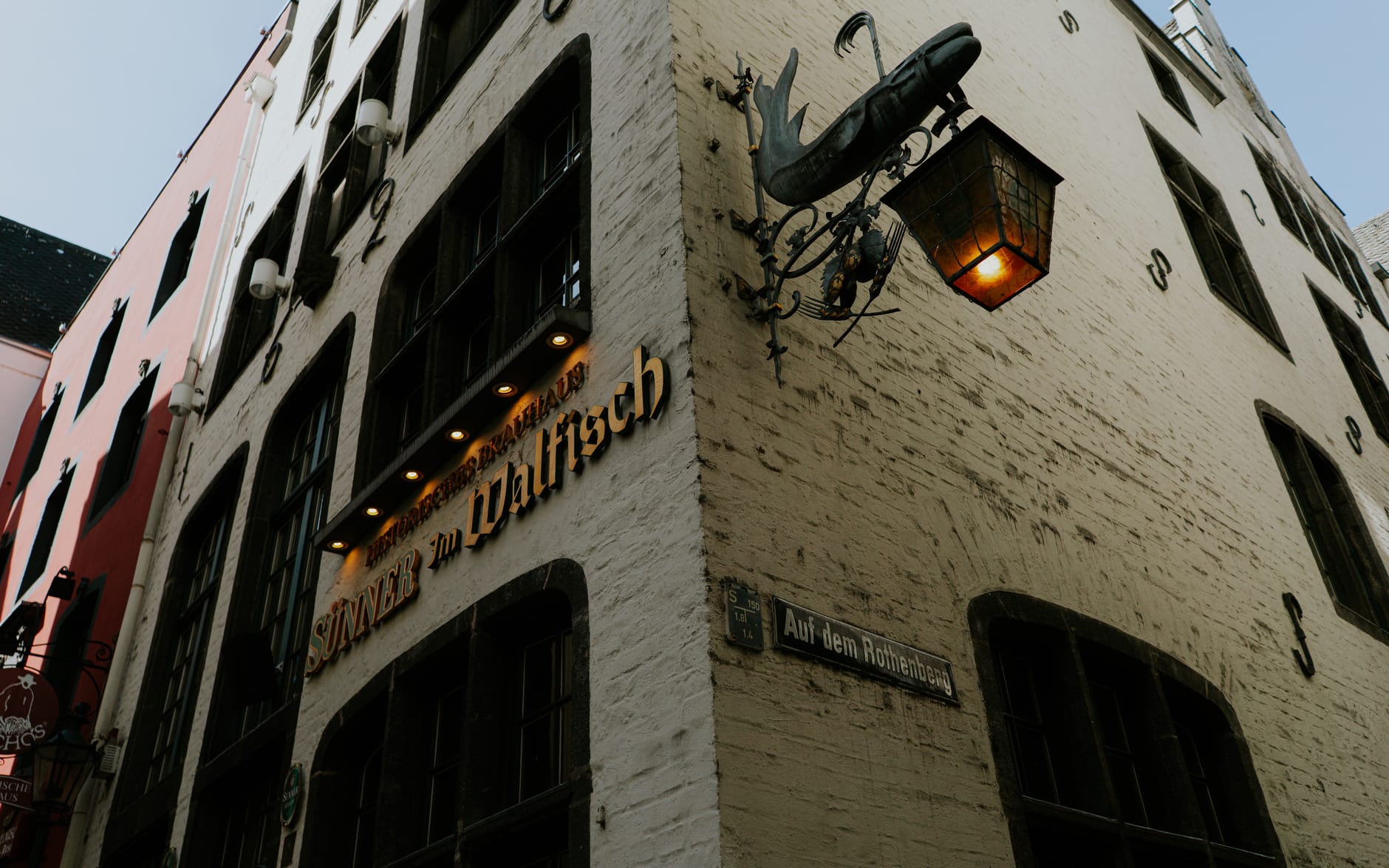
Kölsch is a pale, top-fermented beer style brewed only in Cologne, protected since 1986 by the Kölsch Konvention, a voluntary agreement among local breweries. It is served exclusively in a Stange, a straight 0.2-litre glass, and the Köbes (traditional waiter) will keep replacing your empty glass without being asked until you place a coaster on top to signal you are done. This is not a gimmick; it is how the system works, and not knowing it can leave you with more beers than you planned for. The Kölsch beer guide explains the full brewing tradition and the best places to drink it.
For the traditional Brauhaus experience, Früh am Dom is the most famous and sits right next to the Cathedral, which means it is always full. Peters Brauhaus on Mühlengasse and Gaffel am Dom on Bahnhofsvorplatz are both solid alternatives with the same format: long communal tables, hearty Rhenish food, and continuous Kölsch service. For a quieter, more local atmosphere, the Brauerei zur Malzmühle in the Altstadt-Süd draws fewer tourists and the food is consistently good.
✨ Pro tip
Kölsch is technically a lager-adjacent style but brewed with ale yeast. It is lighter and crisper than most German beers, which makes it deceptively easy to drink in quantity. The 0.2-litre format is not stinginess; it keeps each glass cold and fresh. Pace accordingly. Tipping in Cologne follows standard German practice: rounding up the bill or adding around 5-10% for good service is appropriate.
Neighbourhoods Worth Exploring Beyond the Centre
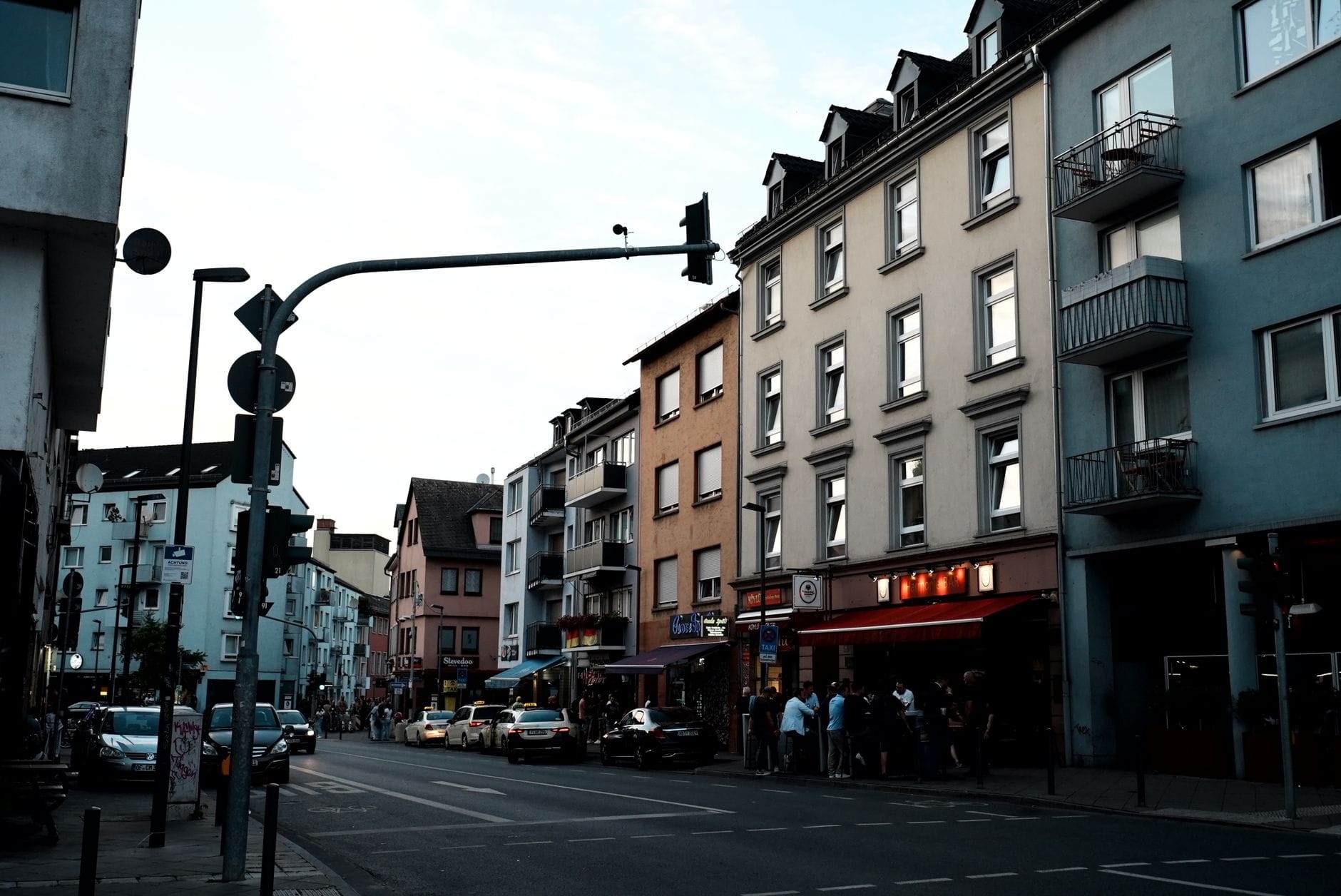
The Belgian Quarter (Belgisches Viertel) is the most talked-about neighbourhood in Cologne for good reason: the streets around Aachener Strasse are dense with independent boutiques, concept stores, galleries, and some of the city's best cafés and restaurants. It is genuinely worth an afternoon. The neighbourhood has gentrified significantly over the past fifteen years, but it retains independent character that distinguishes it from the pedestrianised shopping streets of the Innenstadt.
Ehrenfeld is Cologne's most culturally active district outside the centre: a former industrial area with large-scale street art, independent venues, a strong music scene, and a genuinely mixed residential population. The street art here is worth seeing on its own terms. It is also where Cologne's nightlife extends beyond the tourist-facing bars of the Altstadt. If you are spending more than two nights in Cologne, an evening in Ehrenfeld gives a much more accurate sense of how the city actually functions. The Ehrenfeld street art scene has produced some genuinely significant work on a large scale.
The Rheinauhafen waterfront redevelopment at the southern end of the Old Town is where the Chocolate Museum sits, alongside the three Kranhäuser (crane houses), converted port cranes that are now the most architecturally distinctive buildings on the Cologne skyline. The promenade here is excellent for an evening walk with views back toward the Cathedral. It connects naturally to the southern Altstadt and makes for a logical endpoint on any riverside walking route.
Seasonal Events That Genuinely Change the City
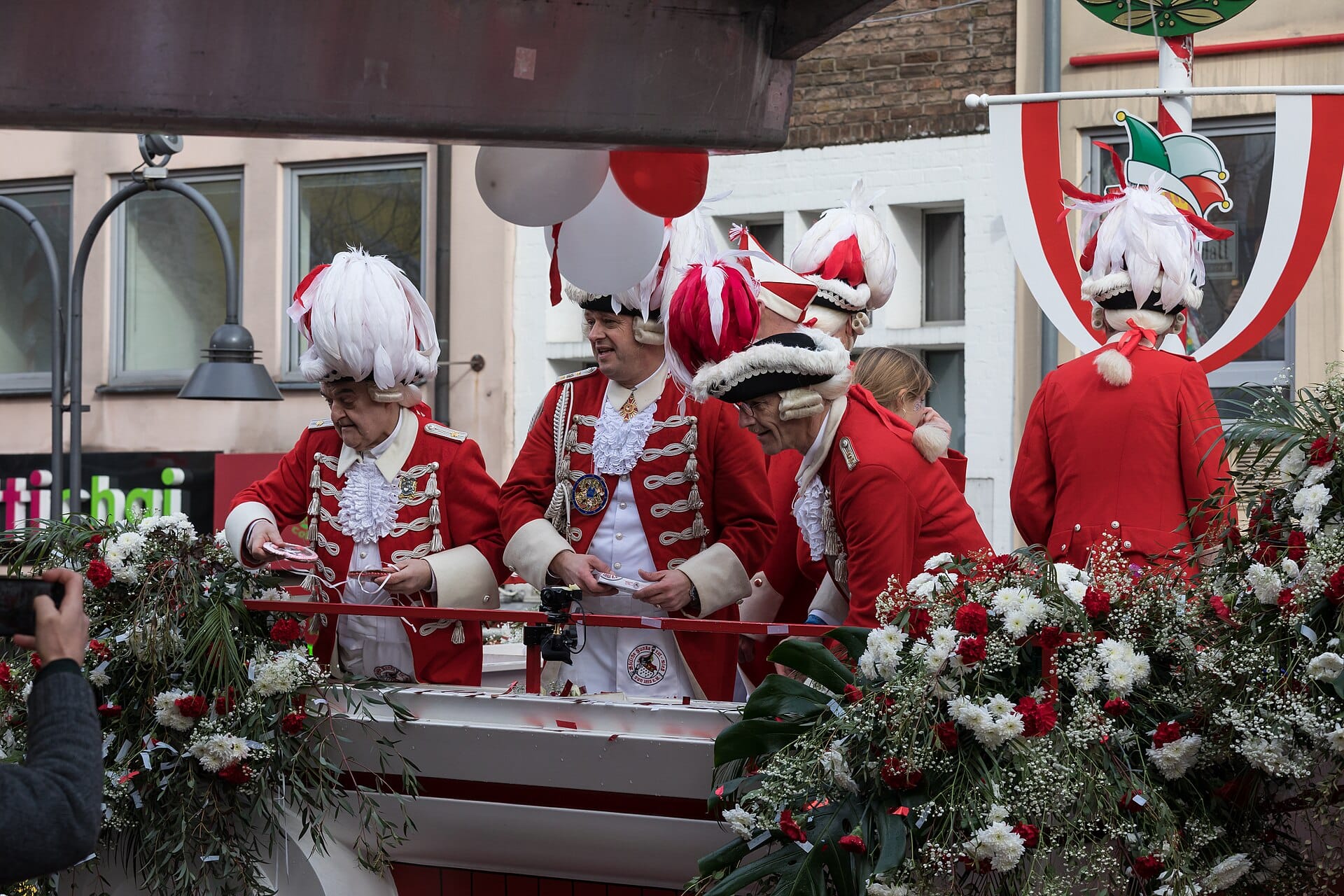
Cologne's Carnival (Kölner Karneval) is not simply a festival; it is a weeks-long civic event with deep roots in local identity. The main street celebrations run from the Thursday before Ash Wednesday (Weiberfastnacht) through Rose Monday (Rosenmontag) and end on Shrove Tuesday (Veilchendienstag), with the Rose Monday parade drawing over a million spectators. Hotels book out months in advance, prices surge, and the city operates on a different social logic entirely. If you are planning to attend, the Cologne Carnival guide covers logistics, traditions, and how to engage with it rather than just observe.
The Christmas markets run from late November through 23 December across multiple locations: Alter Markt, Neumarkt, and the Cathedral forecourt are the main ones, with smaller markets at Rudolfplatz and Stadtgarten. Cologne's markets are collectively among the largest in Germany by visitor numbers, which means they are crowded on weekends. A weekday morning visit to the Cathedral market, before noon, is a meaningfully different experience from a Saturday afternoon. For full details on locations, stalls, and what to eat, the Cologne Christmas market guide has a thorough breakdown.
Summer on the Rhine is worth understanding on its own terms. The Rheinpark on the right bank is a large riverside park that becomes genuinely lively from May onward, with open-air events, the cable car crossing point, and direct access to the waterfront. Rhine cruises run regularly from the Old Town landing stages and provide a different perspective on the Cathedral and Old Town skyline that is hard to replicate from the banks. Warmer months also mean outdoor dining along the Frankenwerft riverfront, which is pleasant in the evening light.
Practical Logistics: Getting Around and Staying Oriented
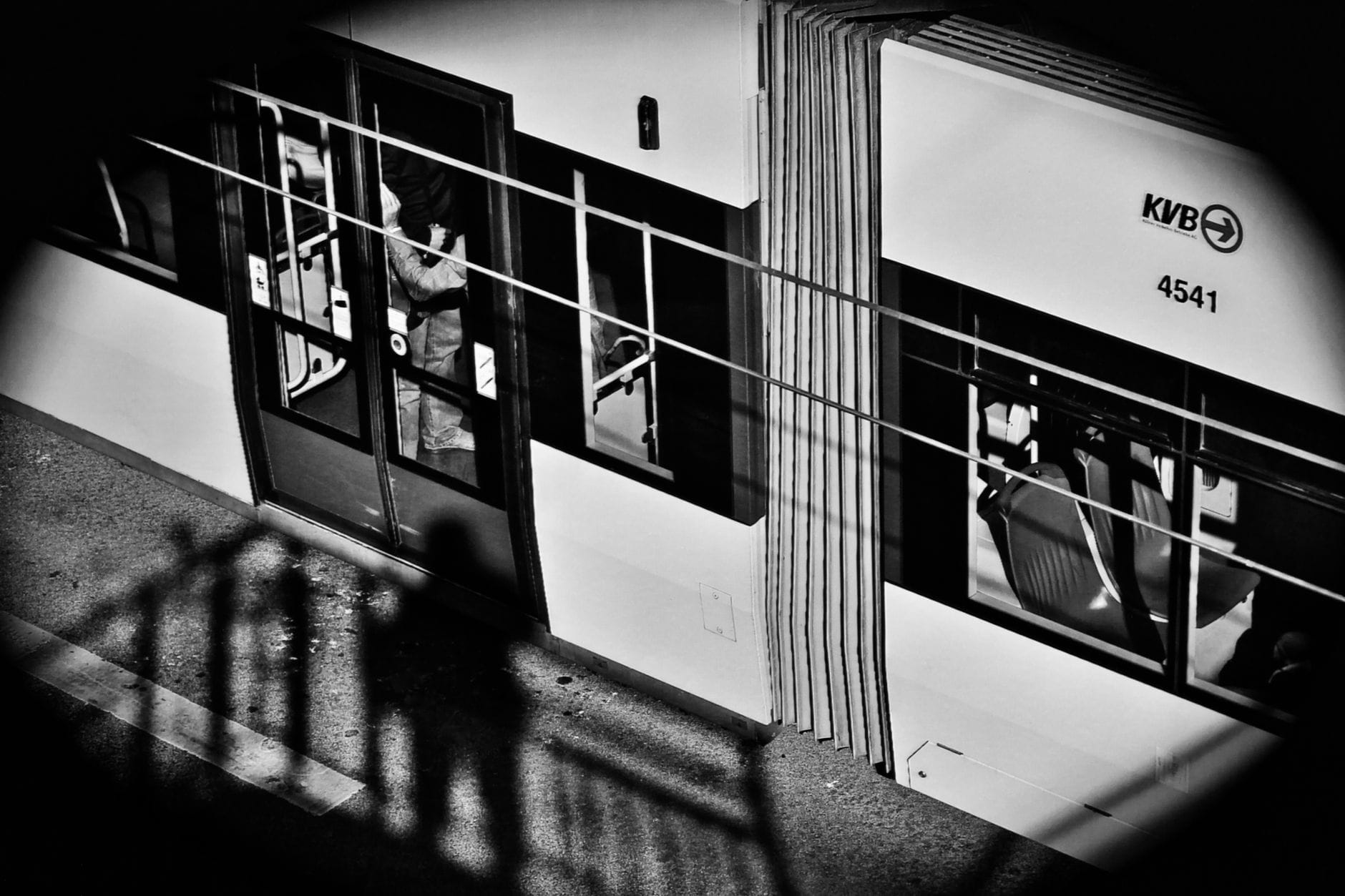
Cologne is compact enough that the central tourist circuit is entirely walkable. The distance from the Cathedral to the Chocolate Museum via the Altstadt riverfront is approximately 2 kilometres. For anything beyond the centre, the KVB tram and light rail (Stadtbahn) network covers the whole city efficiently. The system is integrated into the wider VRS regional transport association, which also covers trains to nearby cities. For Cologne's internal geography and how to move between districts, the getting around Cologne guide explains tickets, zones, and the easiest routes.
Cologne Bonn Airport (IATA: CGN) sits about 15 kilometres southeast of the city centre, between Cologne and Bonn. Direct S-Bahn and regional trains connect the airport station to Köln Hauptbahnhof (Cologne Central Station) in about 15–20 minutes. Current ticket prices are set by VRS and subject to change; check the VRS website or KVB app before travel. Taxis and ride-hailing services are available outside the terminal. Cologne Central Station sits directly beneath the Cathedral, which means arriving by train gives an immediate orientation point.
- Emergency (fire, medical): 112. Police: 110. Both are Germany-wide numbers.
- Voltage is 230V/50Hz with Type C and F (Schuko) sockets, standard across continental Europe.
- English is widely spoken in hotels, tourist sites, and most restaurants in the city centre.
- Tap water is safe to drink throughout Cologne; ordering tap water in restaurants is less common than in English-speaking countries.
- Cologne is in Central European Time (CET, UTC+1) in winter and CEST (UTC+2) in summer.
- The city's German name is Köln — the umlaut matters. The English name 'Cologne' is directly linked to the fragrance term 'cologne': Johann Maria Farina began producing his fragrance here in 1709 and named it 'eau de Cologne' after the city, and the whole product category takes its name from Köln.
💡 Local tip
If you are based in the city centre, a Cologne City Card provides unlimited public transport within the city and discounts at many museums and attractions. Calculate whether it pays off based on your specific plans; for visitors spending most of their time on foot in the Altstadt area, it may not be necessary.
FAQ
How many days do you need in Cologne?
Two days is enough to cover the Cathedral, Altstadt, one or two museums, the Rheinauhafen waterfront, and a Kölsch evening in a Brauhaus. Three days lets you add the Belgian Quarter, Ehrenfeld, a Rhine cruise, and a more relaxed pace. If you are using Cologne as a base for day trips to Düsseldorf, Bonn, or Aachen, add a day per excursion.
Is the Cologne Cathedral free to enter?
From 1 July 2026, tourist visits to the cathedral interior cost €12 (reduced €6 for eligible groups; children 13 and under free). Prayer and services remain free via the north entrance. The south tower climb (533 steps) and the treasury are ticketed separately; both are worth the cost for visitors with more than a passing interest. Check current prices on the official cathedral website before visiting.
What is Kölsch and why can you only drink it in Cologne?
Kölsch is a light, pale, top-fermented beer brewed according to the 1986 Kölsch Konvention, which restricts production to the Cologne area. Outside Cologne, local breweries in Düsseldorf produce Altbier, which is darker and slightly more bitter, and considered a rival style. Kölsch is served in small 0.2-litre straight glasses (Stange) at Brauhäuser, where the waiter (Köbes) keeps refilling until you place a coaster on your glass.
When is the worst time to visit Cologne?
Carnival week (the days from Weiberfastnacht, the Thursday before Ash Wednesday, through Rose Monday and Shrove Tuesday) is simultaneously the most exciting and the most challenging time to visit: accommodation prices double or triple, the city centre is impassable for long stretches, and logistics become complicated if you are not specifically there for Carnival. The same applies to Rosenmontag (Rose Monday). Major trade fair weeks at Koelnmesse also fill hotels and push prices up; check the fair calendar if you are visiting in spring or autumn.
What is the best neighbourhood to stay in for first-time visitors?
The Innenstadt (city centre) immediately around the Cathedral and Altstadt puts you within walking distance of all major sights, but it is noisy and rooms are priced at a premium. The area around Rudolfplatz and the edge of the Belgian Quarter offers a quieter base still within 15 minutes on foot of the Cathedral, with better access to the neighbourhood restaurant and bar scene. The Rheinauhafen area is good for those who prioritise the waterfront. Full accommodation options are covered in the where to stay in Cologne guide.
Tickets & tours
Live prices and dates from our booking partner. If you book, we may earn a commission at no extra cost to you.
Planning a trip? Discover personalized activities with the Nomado app.