Cologne Nightlife: Best Bars, Clubs & After-Dark Experiences
Cologne's nightlife is one of the most underrated in Germany, spread across distinct neighborhoods rather than a single strip. This guide breaks down every major area, what to drink, what to spend, and how to get home at 5 AM.
Tickets & tours
Live prices and dates from our booking partner. If you book, we may earn a commission at no extra cost to you.
TL;DR
- Cologne's nightlife is decentralized: the Altstadt suits Kölsch drinkers, while Ehrenfeld and the Belgian Quarter draw club and cocktail crowds.
- A 0.2L Kölsch costs around €2.20–€2.50 in local bars; expect to pay more in touristy spots near the Cologne Cathedral.
- Club entry runs €10–€20 on a normal night, rising to €25 for big DJ events; most clubs run until 5–6 AM on weekends.
- KVB night buses cover the city after the last trams; plan your route home before you start drinking.
- Carnival season (February) transforms the entire city: bar capacity doubles, queues form everywhere, and normal rules don't apply. See the Cologne Karneval guide for what to expect.
Understanding Cologne's Nightlife Geography
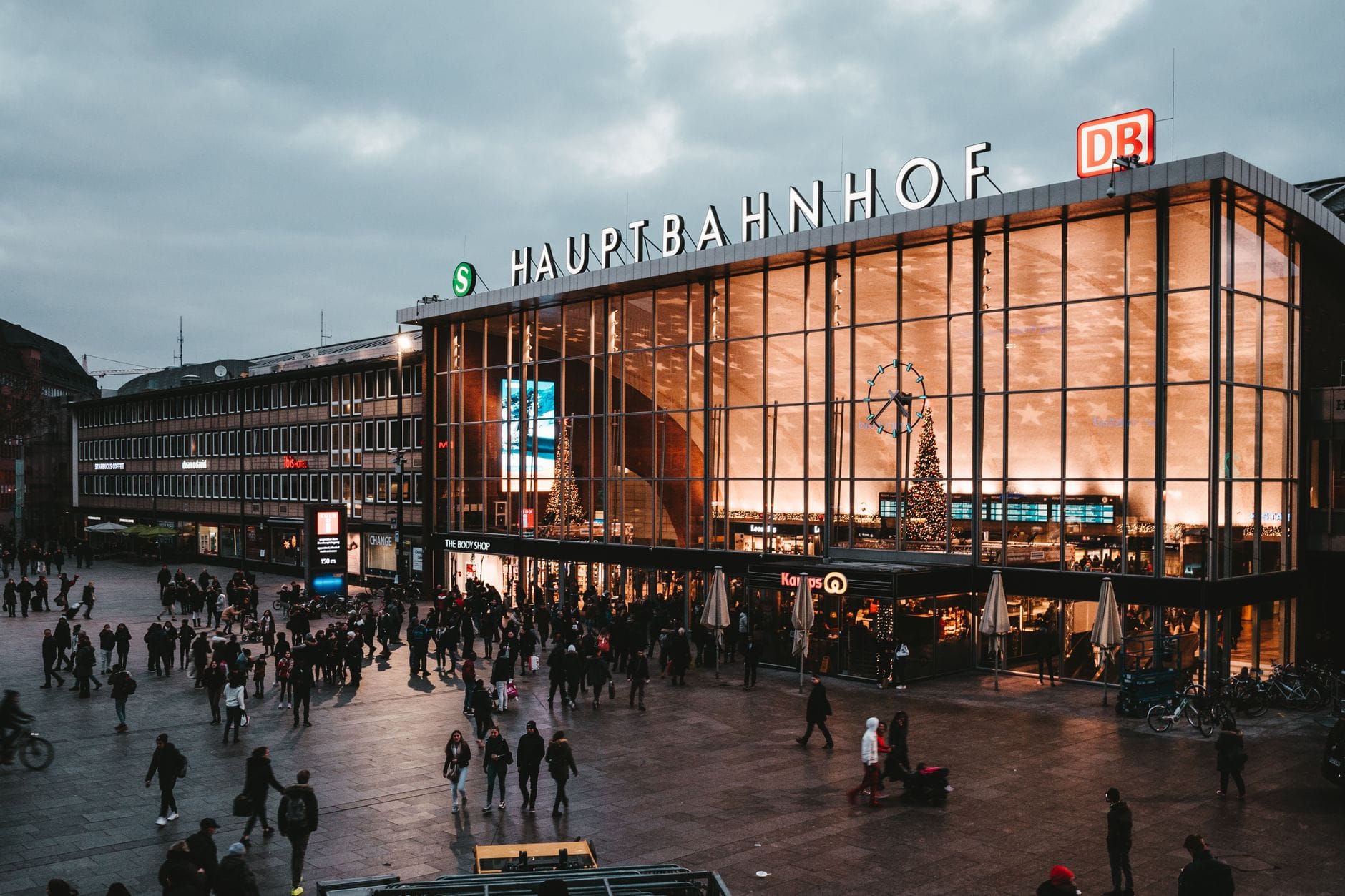
The biggest mistake visitors make is assuming Cologne has one main nightlife district. It doesn't. The city's after-dark scene is spread across several distinct Veedel (neighborhoods), each with its own character, price point, and crowd. Knowing which area fits your evening is more important than knowing any specific venue.
The five areas that matter most are: the Altstadt for traditional beer halls, Kwartier Latäng (centered on Zülpicher Straße) for student bars, the Belgian Quarter for cocktail lounges and creative crowds, Ehrenfeld for alternative clubs and live music, and Rudolfplatz/Friesenviertel for a mix of gay bars and upscale drinking spots.
ℹ️ Good to know
Cologne is home to a large, well-established LGBTQ+ community, and the area around Rudolfplatz is known locally as the 'Bermuda Triangle' for its concentration of gay bars and clubs. The neighborhood is welcoming to all visitors, not just the LGBTQ+ community.
Area by Area: Where to Drink and Dance
- Altstadt (Old Town) Best for: traditional Kölsch breweries, first-night tourists, groups who want table service and no door policy. Venues like Früh am Dom and Gaffel am Dom pour beer continuously from about 10 AM until late. It's lively but leans touristy, especially near the waterfront. Kölsch here can run €3.20+ per glass.
- Kwartier Latäng / Zülpicher Straße Best for: students, cheap rounds, bar-hopping on a budget. This is where Cologne University students go, and the density of bars per street is remarkable. Drinks are cheaper here than almost anywhere else in the centre, and the energy peaks after midnight. Not the place for a quiet conversation.
- Belgisches Viertel (Belgian Quarter) Best for: cocktail bars, independent wine bars, low-key socializing. The quarter has evolved into Cologne's most design-conscious drinking neighborhood. Bars here tend to open until 1–2 AM rather than 5 AM, so it suits an early evening out rather than an all-nighter.
- Ehrenfeld Best for: club nights, live music, alternative and electronic scenes. Venues like Club Bahnhof Ehrenfeld (Bartholomäus-Schink-Str. 65/67) and Live Music Hall anchor the area. Clubs here run past 5 AM on Fridays and Saturdays. The crowd is younger, local, and less interested in tourists — which is either a feature or a drawback depending on your perspective.
- Rudolfplatz / Friesenviertel Best for: a mixed crowd, gay-friendly bars, mid-range cocktails. Rudolfplatz itself is a pleasant evening starting point, and the surrounding streets have enough variety to keep a group happy for several hours without committing to one venue.
Drinking in Cologne: Kölsch, Cocktails & What It Costs
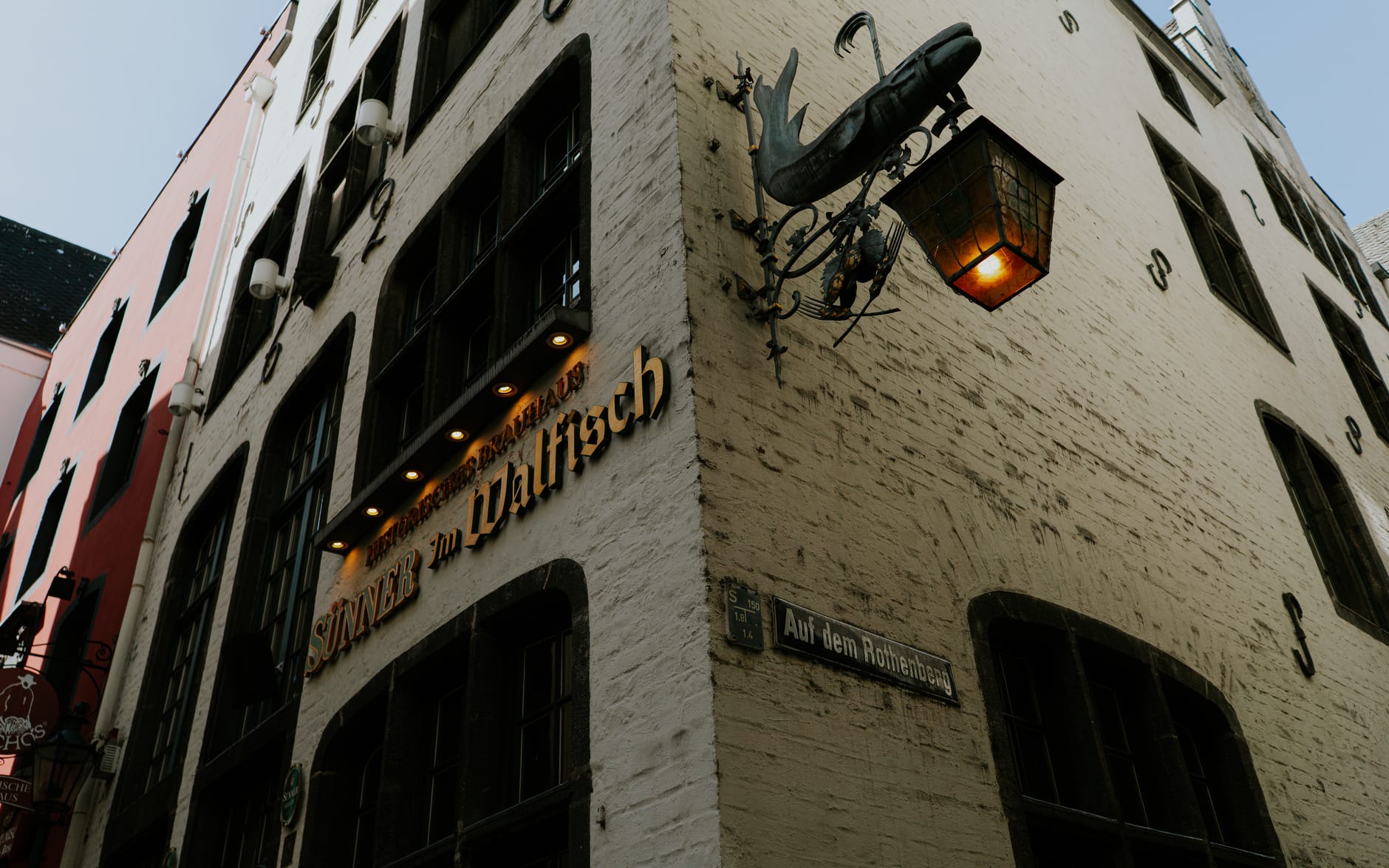
Kölsch is Cologne's defining drink: a pale, top-fermented lager-style ale served in a 0.2L cylindrical glass called a Stange. It's the only beer served in most traditional Cologne pubs, and by local custom, the waiter (called a Köbes) keeps bringing fresh glasses until you place a coaster on top of your glass to signal you're done. For a proper introduction to the Kölsch culture and which breweries to try, the Kölsch beer guide covers it in detail.
Pricing varies significantly by neighborhood. In traditional Altstadt breweries and local Veedel bars, a Kölsch costs around €2.20–€2.50. In the tourist-heavy strip near the cathedral waterfront, that same 0.2L glass often reaches €3.20 or more. Cocktails range from €8–€12 in standard bars and climb to €14–€18 in the Belgian Quarter's more upscale lounges. If you're on a budget, Zülpicher Straße is where the economics of a night out work most in your favor.
⚠️ What to skip
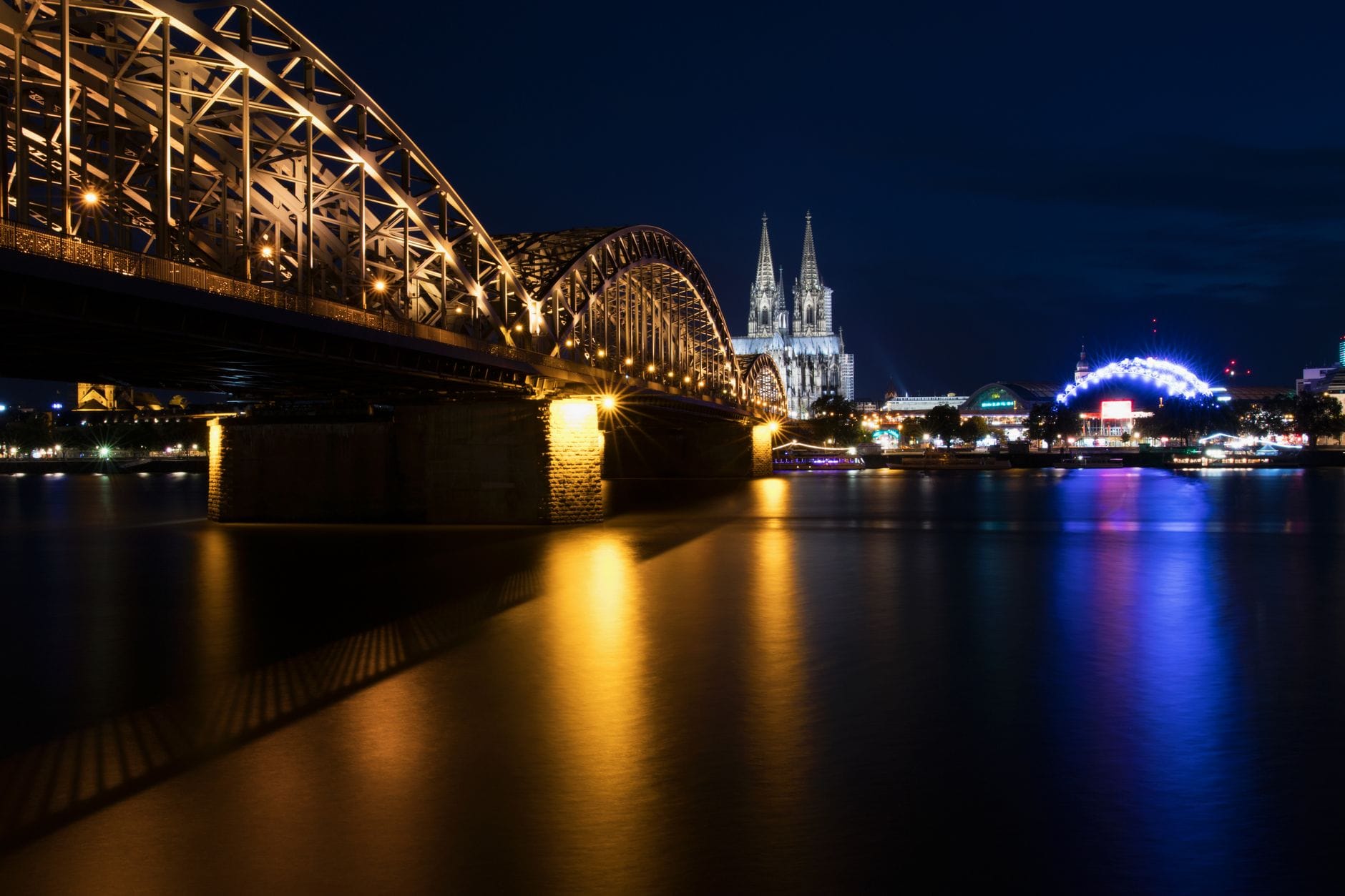
Avoid the riverside terrace bars directly in front of the Hohenzollern Bridge on busy summer weekends. They charge premium prices and fill up with tour groups. Walk five minutes south into the Altstadt side streets and you'll pay less for the same Kölsch.
- Kölsch in local bars: €2.20–€2.50 per 0.2L glass
- Kölsch in touristy Altstadt venues: €3.20 or more
- Cocktails in standard bars: €8–€12
- Cocktails in high-end cocktail bars: €14–€18
- Club entry on a regular night: €10–€20
- Club entry for big DJ events: €15–€25
- Late-night food (Döner, currywurst, pizza): €4–€8
- Tipping: round up the bill or add 5–10%; service charges are not included automatically
Clubs Worth Knowing: From Techno Bunkers to Waterfront Venues
Bootshaus (Deutz-Mülheimer Str. 117, 51063 Köln) is the name that comes up most often when Cologne clubbing is discussed internationally, and the reputation is mostly deserved. It books international techno and electronic acts, holds around a couple of thousand people, and regularly appears on European club rankings. The crowd is serious about the music, the sound system is strong, and entry can sell out in advance for marquee nights. Check their website before arriving and buy tickets early if you're visiting on a weekend with a named act.
Club Bahnhof Ehrenfeld occupies a former railway station building and operates as a venue for club nights, concerts, and cultural events. It runs past 5 AM on Fridays and Saturdays and leans toward a local, alternative crowd. The programming varies considerably week to week, so checking ahead matters more than just showing up. Live Music Hall nearby covers larger live acts across genres. Ehrenfeld as a whole rewards the effort of traveling further from the centre.
For those who prefer a night that doesn't require earplugs, the Belgian Quarter's cocktail bars offer a different pace. They're typically smaller, close around 1–2 AM, and prioritize quality drinks over volume. This is the part of Cologne's nightlife that doesn't look much like nightlife at all from the outside but tends to generate the most consistently enjoyable evenings.
✨ Pro tip
Most serious Cologne clubs don't fill up until well after midnight. Arriving before 1 AM means shorter queues and sometimes reduced entry, but the atmosphere inside won't peak until 2–3 AM. Plan your evening in the bars first and hit the clubs later.
Seasonal Nightlife: When the City Changes After Dark
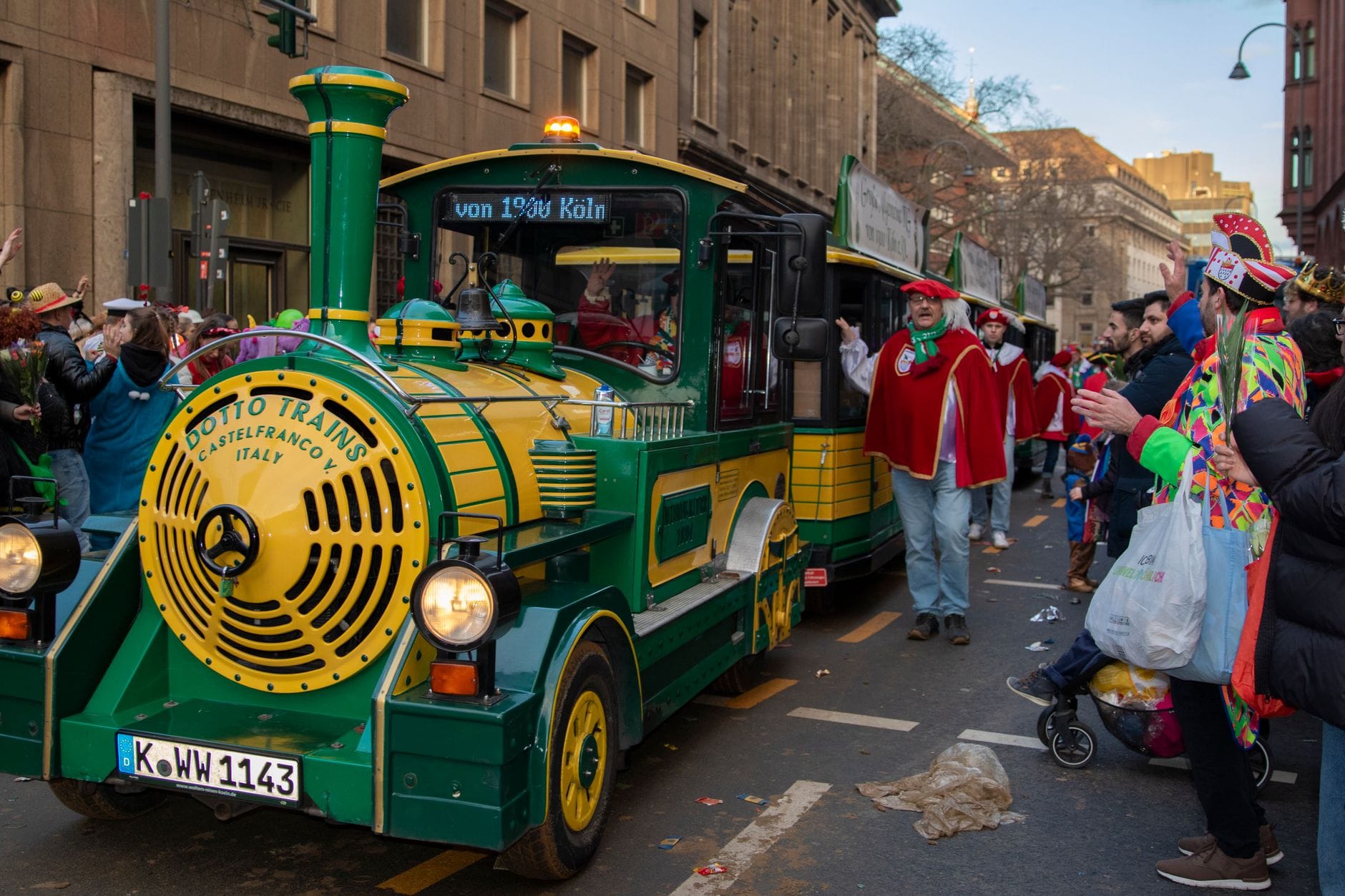
Cologne's nightlife is active year-round, but two periods change the equation dramatically. Carnival season, typically in February, transforms bar and club culture across the entire city. Crowds multiply, themed events replace normal programming, and the Altstadt in particular becomes almost impassably packed on the main days (Weiberfastnacht, Rosenmontag). If you're visiting for Carnival itself, read the Cologne Karneval guide for how to navigate it. If nightlife is your main goal and you're not a Carnival participant, this is the one period to plan around rather than for.
Summer (May through September) shifts the emphasis outdoors. Belgian Quarter bars put out terrace seating, Rhine-adjacent spots fill up for early evening drinks, and the general energy of the city's evening hours is more relaxed and spread out. The Christmas market season in late November and December brings its own after-dark atmosphere: mulled wine (Glühwein) stalls stay open until around 9–10 PM, and the Altstadt in particular draws large crowds every evening.
For visitors trying to time a trip around the best overall experience, the best time to visit Cologne guide weighs all the factors including weather, crowds, and event calendars.
Getting Around at Night: Transport Practical Facts
KVB (Kölner Verkehrs-Betriebe) operates Cologne's trams, U-Bahn, and buses. On Friday and Saturday nights, the network runs extended hours, and night bus routes (Nightliner services) cover the city after the last regular trams finish. The S-Bahn also runs reduced night services. Coverage is good enough that most central neighborhoods, including Ehrenfeld, are reachable without a taxi if you know the route.
Practical note: tram and bus lines that serve Ehrenfeld and Zülpicher Straße directly include routes that connect back to the Hauptbahnhof (central station) area. Check the KVB app or VRS journey planner before heading out, especially if you're staying somewhere outside the Innenstadt. Taxis are widely available and can be ordered via Taxiruf Köln or standard ride-hailing apps where available. At 3 AM on a Saturday, expect a wait.
💡 Local tip
Screenshot your return night bus route before you start drinking. Cologne's night network is reliable but the app connection at 4 AM is not always. Knowing your line number and direction saves the inevitable confused conversation with a fellow club-goer at a stop.
If you're staying in a hotel near the centre and planning a full night in Ehrenfeld, factor in around 15–20 minutes travel time back. The getting around Cologne guide covers fares, zones, and the night network in detail.
FAQ
What is the nightlife like in Cologne, Germany?
Cologne has a diverse and decentralized nightlife scene. The Altstadt is best for traditional Kölsch beer halls, while Ehrenfeld hosts the city's main club venues (including Bootshaus, one of Germany's most recognized electronic music clubs). The Belgian Quarter suits cocktail bar evenings, and Zülpicher Straße caters to students with cheap, high-energy bars. Clubs typically run until 5–6 AM on weekends.
How much does a night out in Cologne cost?
Budget for €2.20–€2.50 per Kölsch in a local bar (more in tourist areas), €8–€12 for cocktails, and €10–€20 for club entry on a standard night. A full evening including drinks, entry, and late-night food typically runs €40–€80 depending on how many rounds you buy and which clubs you visit.
Where should I go in Cologne for clubs?
Ehrenfeld is the main clubbing district. Bootshaus (Deutz-Mülheimer Str. 117) books international electronic acts and is well regarded across Europe. Club Bahnhof Ehrenfeld is more locally-oriented with varied programming. Both run past 5 AM on Fridays and Saturdays. Always check the venue's website before going — lineups and events vary significantly week to week.
Is Cologne nightlife safe for tourists?
Generally yes. Cologne is a large city and standard urban precautions apply: watch your belongings in crowded bar areas, use licensed taxis or known apps to get home, and avoid walking alone in unfamiliar areas very late at night. The Altstadt and Zülpicher Straße can get rowdy on weekend nights but are not considered dangerous areas.
How do I get home from Cologne clubs at night?
KVB night buses (Nightliner services) run after the last trams on weekends. The S-Bahn also has reduced night services. Download the KVB or VRS journey planner app before you go out. Taxis are available via Taxiruf Köln and can be ordered by phone or app; expect waiting times on busy weekend nights. Ride-hailing apps also operate in Cologne subject to German regulations.
Tickets & tours
Live prices and dates from our booking partner. If you book, we may earn a commission at no extra cost to you.
Planning a trip? Discover personalized activities with the Nomado app.