Shopping in Cologne: Best Streets, Markets & Boutiques
Cologne (Köln) offers one of Germany's most diverse retail landscapes, from the country's busiest pedestrian shopping mile to weekend flea markets and design-forward boutiques. This guide breaks down exactly where to shop, when to go, and what to avoid.
Tickets & tours
Live prices and dates from our booking partner. If you book, we may earn a commission at no extra cost to you.
TL;DR
- The main shopping axis runs from Hohe Straße to Schildergasse near Cologne Cathedral, but the most interesting independent shops are further west.
- The Belgian Quarter and Ehrenstraße/Mittelstraße zone are where local boutiques, vintage shops, and concept stores cluster.
- Almost all shops close on Sundays. This is a legal requirement in Germany, not just a local habit.
- Weekday mornings before 11:00 are the least crowded times on Hohe Straße and Schildergasse.
- Non-EU visitors can reclaim around 19% VAT on qualifying purchases. Check our Cologne on a budget guide for more money-saving tips.
The Main Shopping Streets: High Street and Beyond
The spine of shopping in Cologne runs roughly north to south from Cologne Cathedral down through Hohe Straße and into Schildergasse, terminating at Neumarkt square. This corridor is entirely pedestrianized, about 1.2 kilometers end to end, and contains the highest concentration of international retail brands in the city. If you've shopped any major European city center, the experience here will feel familiar: H&M, Zara, MediaMarkt, Primark, and the German department store Galeria all have a presence.
Hohe Straße is the more tourist-facing of the two streets. It sits directly south of the cathedral, which means foot traffic is dense year-round and spikes sharply on weekends and during school holidays. The stores lean toward accessible price points (roughly €20 to €150 for most items), and there are souvenir shops scattered throughout. It is perfectly functional for picking up clothing basics or branded goods, but it is not where you will find anything distinctly Cologne.
Schildergasse, which continues south from Hohe Straße, is consistently ranked among Germany's busiest shopping streets by footfall. It is broader and slightly more upmarket, with larger flagship stores and a few electronics and home goods retailers. Saturdays here can feel genuinely overwhelming: the crowd density between midday and 4pm rivals major transit hubs. If you are visiting on a Saturday, arrive before 10:30 or come back after 6pm.
⚠️ What to skip
Nearly all retail shops in Cologne are closed on Sundays by German law. There are only around four legally permitted shopping Sundays per year (Verkaufsoffene Sonntage), usually tied to specific local events. Do not plan a dedicated shopping day on a Sunday without checking in advance.
Ehrenstraße, Mittelstraße, and the Belgian Quarter: Where Locals Actually Shop
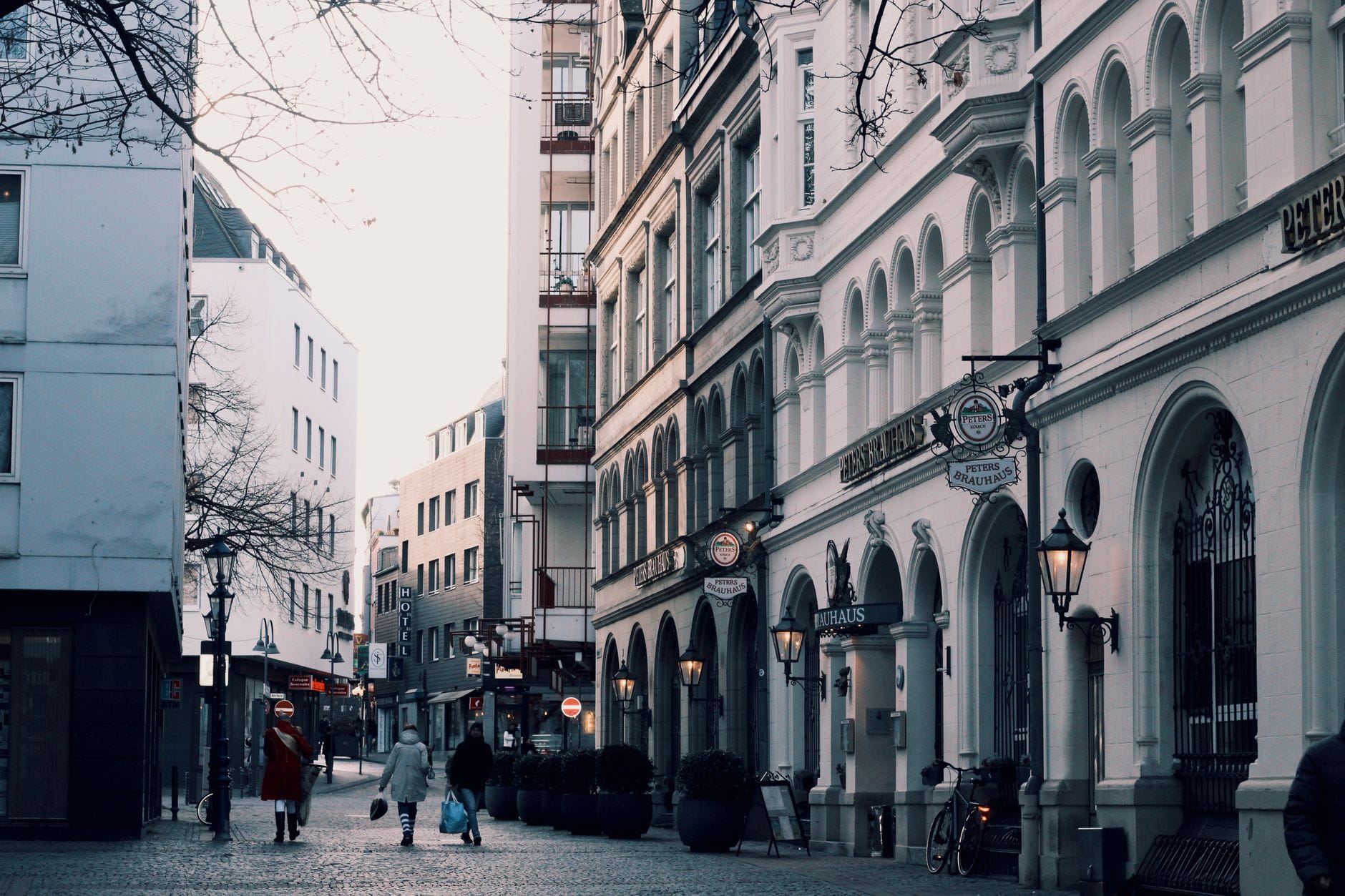
Move four to six blocks west of the Hohe Straße-Schildergasse corridor and the character of Cologne's retail scene changes considerably. Ehrenstraße and Mittelstraße form a connected shopping arc that curves from Neumarkt westward, lined with independent fashion boutiques, upscale concept stores, and a handful of well-curated interiors shops. Price points here run from around €25 to €250 and above for clothing. Brands tend to be European independents or niche labels you will not find in the city center. The Belgian Quarter (Belgisches Viertel) sits just beyond this zone and is the most concentrated cluster of independent retail in the city.
The Belgian Quarter's commercial streets, particularly Aachener Straße, Brüsseler Straße, and the surrounding blocks, contain vintage clothing dealers, design-led homeware, independent perfumeries, record shops, and a rotating cast of small gallery-boutique hybrids. The density of interesting shops relative to the area is high, and the neighborhood rewards slow walking over a couple of hours rather than targeted shopping. Many shops here open closer to 11:00 or noon and keep slightly irregular hours, so checking individual listings before a dedicated trip is sensible.
✨ Pro tip
The Belgian Quarter shops tend to be less crowded than the main shopping mile even on Saturdays. If your priority is boutique shopping without crowds, this is where to start. Combine it with a coffee stop on Brüsseler Platz for a more local experience of the neighborhood.
- Hohe Straße International chains, souvenir shops, accessible price points. Busiest tourist-facing street, runs south from the cathedral.
- Schildergasse Germany's highest-footfall shopping street. Department stores, flagship outlets, larger retailers. Avoid midday Saturdays.
- Ehrenstraße and Mittelstraße The transition zone between mass retail and independent fashion. Upscale boutiques and European labels, connecting Neumarkt to the Belgian Quarter.
- Belgian Quarter (Belgisches Viertel) The go-to destination for vintage, design, independent fashion, and concept stores. Calmer atmosphere, more interesting merchandise.
- Ehrenfeld Further west, this district has a growing creative retail scene with streetwear, artist-run shops, and independent bookstores for those willing to explore beyond the center.
Markets: Flea Markets, Farmers' Markets, and Seasonal Stalls
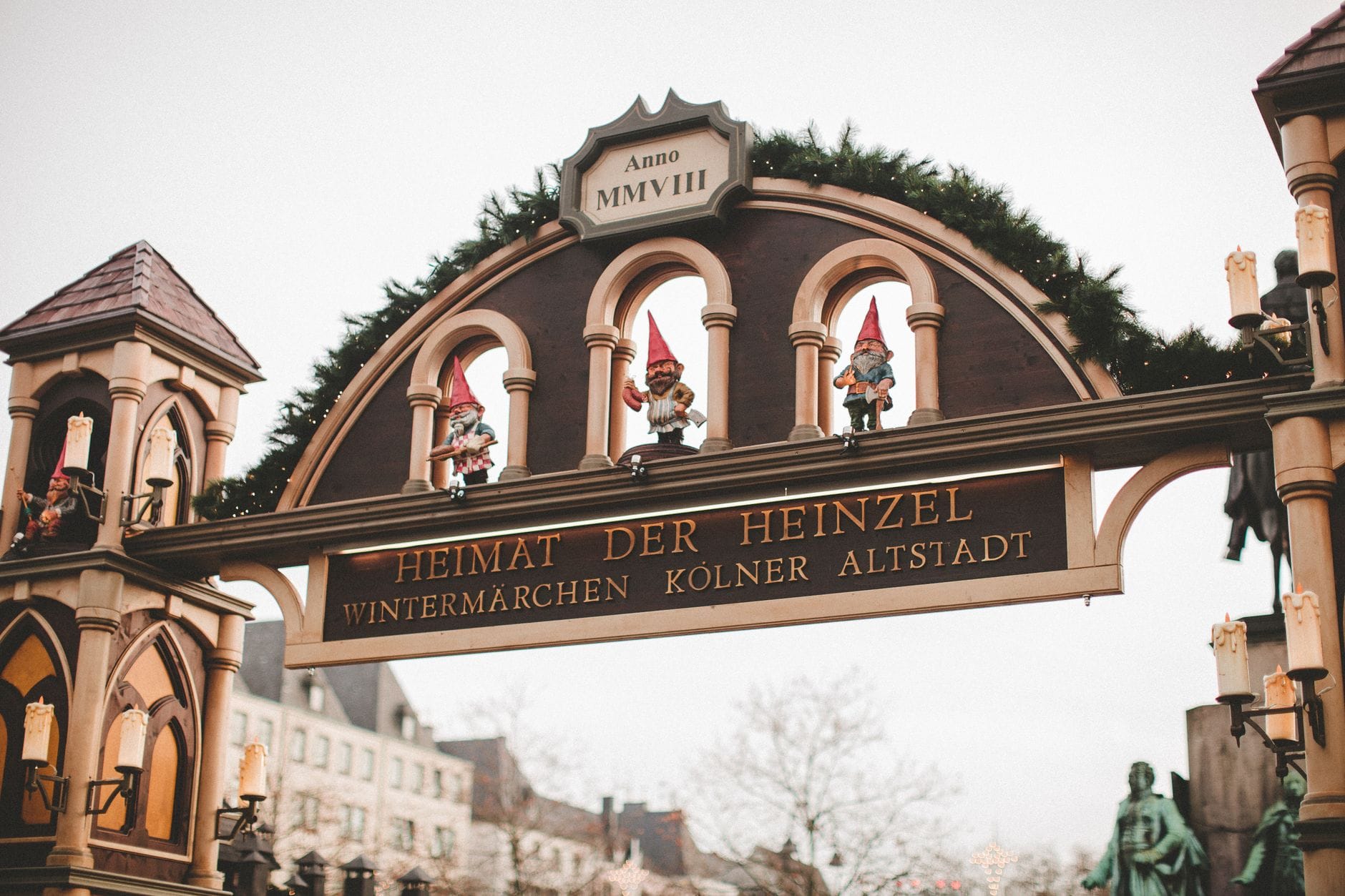
Cologne's market culture runs parallel to its permanent retail and, for many visitors, is the more memorable experience. The city has regular weekly markets scattered across its neighborhoods, plus seasonal events that draw crowds from across the region. The Altstadt's Alter Markt is the most central, a historic square that hosts traditional market stalls selling crafts, regional produce, and seasonal goods. It has a particularly strong atmosphere during Carnival in February and March and during the Cologne Christmas markets in late November and December.
Neumarkt, the large square at the south end of Schildergasse, functions as both a transit hub and a market site. It hosts rotating weekly and seasonal markets, and the Neumarkt Galerie shopping mall sits adjacent for when the weather turns. The Wilhelmplatz market in the Nippes district to the north is a weekly food and produce market with a strong local character: fewer tourists, broader selection of fresh goods, and a neighborhood pace that contrasts sharply with the center.
The university flea market (Flohmarkt) is one of the more reliable recurring markets for secondhand clothing, vinyl, books, and antiques. It typically runs on Saturdays from around 8am to 2pm. Arrive early for the best selection; by midday the most interesting items are usually gone. This is a cash-only environment, so bring euros in small denominations. The exact location and schedule can shift, so it is worth confirming the current details before going specifically for it.
- Alter Markt: Historic central square, traditional crafts and seasonal stalls. Best during Christmas and Carnival periods.
- Neumarkt: Central location, rotating farmers' markets, adjacent mall for wet weather.
- Wilhelmplatz (Nippes): Weekly food and produce market with a local, residential feel.
- University flea market: Saturdays, approximately 8am to 2pm. Secondhand clothing, books, vinyl, antiques. Cash only, arrive early.
- Rheinpark and riverside areas: Occasional weekend markets and artisan fairs in warmer months, typically May through September.
Shopping Malls: Useful in Bad Weather, Not Much More
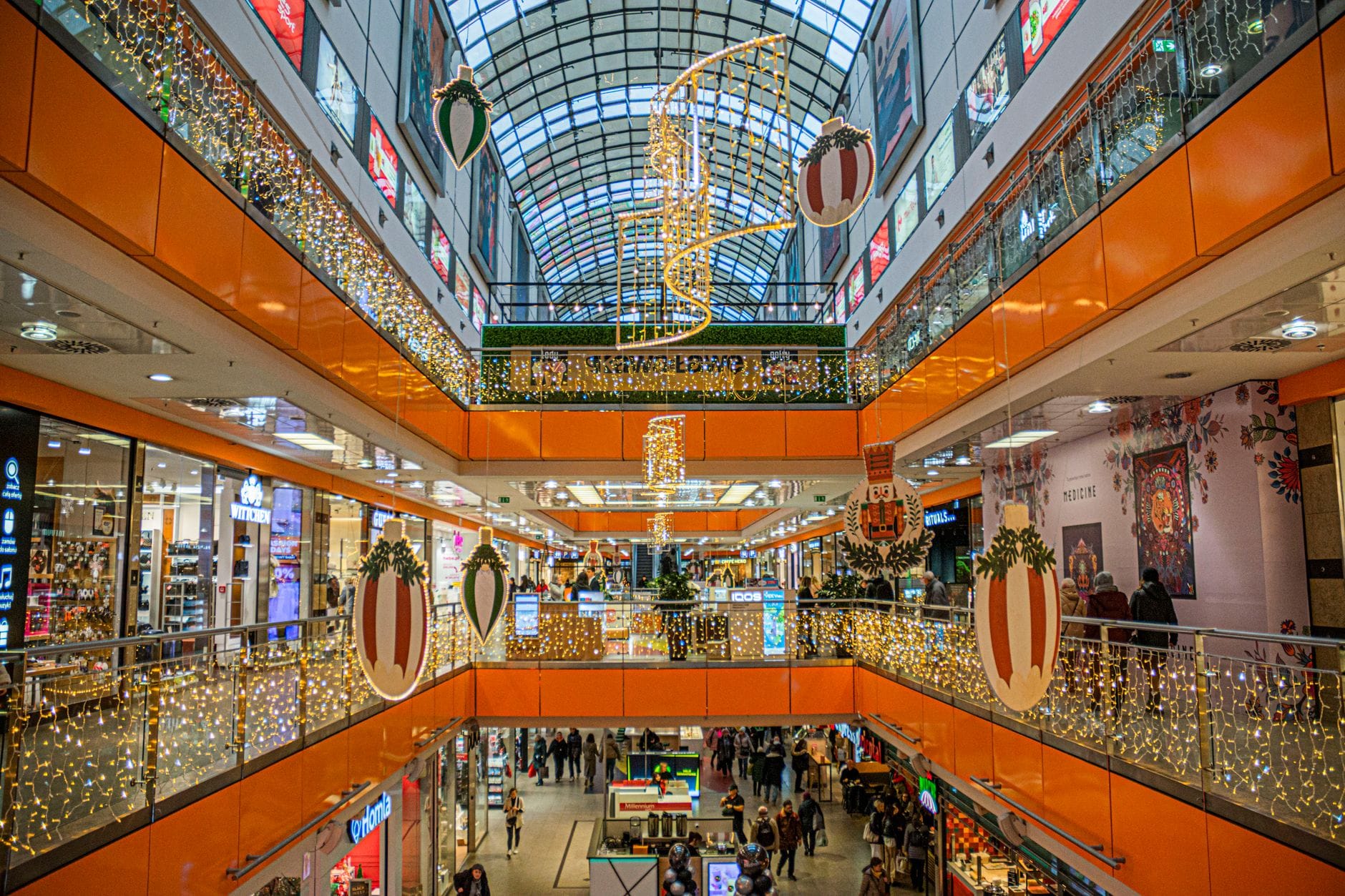
Cologne has several large enclosed malls that are genuinely useful on rainy days or during winter, when outdoor market browsing loses its appeal. Köln Arcaden in the Kalk district (east of the center, accessible by tram) is one of the larger options, with more than 110 stores covering fashion, electronics, food, and services. It draws mostly local shoppers rather than tourists, which makes the atmosphere more functional than atmospheric. Rhein-Center Weiden sits further out to the west and serves a similar purpose. Neither is a destination in its own right, but both solve the problem of needing to shop when the weather is bad.
Neumarkt Galerie, being central and connected to the Neumarkt square tram and U-Bahn stop, is the most conveniently located enclosed shopping option. It is smaller than the outer malls but far easier to reach on foot from most central accommodations. If you are staying near the cathedral or the Altstadt, this is the practical wet-weather fallback.
ℹ️ Good to know
Mall hours typically align with standard retail hours (10:00 to 20:00, Monday through Saturday), but individual anchor stores like supermarkets within a mall may open earlier or close later. Always check the specific mall's posted hours, particularly around public holidays when German retail law restricts trading.
Practical Information: Hours, Payments, and VAT Refunds
Standard shop hours across Cologne run from around 10:00 to 20:00, Monday through Saturday. Some smaller boutiques, particularly in the Belgian Quarter, open later (closer to 11:00 or noon) and may keep shorter hours on Saturdays. Department stores and chains on Schildergasse and Hohe Straße tend to be reliable on the full window. Markets have their own schedules, and outdoor flea markets operate independently of retail law.
Card payments are widely accepted across most of Cologne's retail, including boutiques and department stores. Markets and smaller stalls are more likely to be cash-only, so carrying some euros is useful. At international chain stores in the city center, contactless payment via card or smartphone works smoothly. Budget roughly €10 to €20 in cash if you plan to visit any markets or independent food stalls.
Non-EU visitors can reclaim Germany's 19% VAT on qualifying purchases. Most mid-size and larger retailers participate in tax-free shopping schemes (operated by services like Global Blue or Planet Tax Free), and the minimum qualifying purchase is typically around €50, though individual retailer thresholds vary. Ask for a tax-free form at the point of purchase; you will need to have it stamped at customs before leaving the EU. This adds up meaningfully on larger purchases like electronics, luxury goods, or high-end fashion. For more ways to manage your budget in Cologne, see the Cologne on a budget guide.
- Standard retail hours: 10:00 to 20:00, Monday through Saturday.
- Sunday shopping: Almost universally closed. Around four permitted shopping Sundays per year.
- Payment: Cards widely accepted in stores; cash useful (sometimes essential) at markets.
- VAT refund: Non-EU visitors can reclaim approximately 19% on qualifying purchases over roughly €50.
- Busiest times: Saturday midday on Hohe Straße and Schildergasse. Weekday mornings before 11:00 are significantly quieter.
- Getting around: The tram and U-Bahn network (operated by KVB) connects the main shopping areas efficiently. Neumarkt is a central interchange for multiple lines.
Seasonal Shopping and What Changes by Time of Year
The shopping experience in Cologne shifts noticeably with the seasons. Summer (June through August) brings longer opening hours at some outdoor markets, street stalls along the Rhine, and a more relaxed pace in boutique areas like the Belgian Quarter. The best time to visit Cologne for outdoor market browsing is broadly May through September, when the weather is mild and markets are most active.
The Christmas market season, running from late November through December 23rd, transforms several of the city's major squares into dedicated seasonal markets. Alter Markt, Neumarkt, and Cologne Cathedral's forecourt are all market sites during this period. These are primarily gift and food markets rather than permanent retail environments, but they are among the most atmospheric shopping experiences the city offers. Handcrafted goods, local food products, glassware, and seasonal decorations dominate the stalls. See the dedicated Cologne Christmas markets guide for full details on locations, dates, and what to buy.
During Cologne Karneval in February or early March, the city's retail also shifts: costume shops and mask sellers appear throughout the center, and Alter Markt hosts festive stalls. This is not a peak period for clothing or design shopping since the city's focus is on the festival, but it is one of the most distinctive market atmospheres you will encounter in Germany.
💡 Local tip
January and late summer (July to August) are when German retailers hold their main sales periods (Schlussverkauf). These are not as formally regulated as they once were, but most clothing chains and department stores still offer significant discounts during these windows. If you are flexible on timing, shopping in early January can yield 20 to 50% reductions on winter stock.
FAQ
Are shops open on Sundays in Cologne?
Almost all retail shops in Cologne are closed on Sundays, as required by German trading laws. There are typically around four designated shopping Sundays per year (Verkaufsoffene Sonntage), but these are tied to specific local events and are not guaranteed. Pharmacies, some petrol stations, and shops within airports or major train stations may remain open. Do not plan a shopping trip on a Sunday without checking first.
What is the best shopping street in Cologne?
For mainstream brands and department stores, Schildergasse and Hohe Straße are the main options, running south from the cathedral to Neumarkt. For independent boutiques, vintage, and design shops, the Belgian Quarter (Belgisches Viertel) is a better choice. Ehrenstraße and Mittelstraße sit between the two in terms of character, offering upscale fashion in a less crowded environment than the main shopping mile.
Can I get a VAT refund on shopping in Cologne?
Yes, non-EU visitors can reclaim Germany's 19% VAT on qualifying purchases. You need to request a tax-free form at the point of purchase, have it stamped by customs when departing the EU, and then submit it for a refund either at the airport or by post. Minimum purchase thresholds vary by retailer but are typically around €50. Most large retailers and department stores participate in tax-free schemes such as Global Blue.
Is there a flea market in Cologne?
Yes. The university flea market is one of the most consistent recurring markets, typically operating on Saturdays from around 8am to 2pm, with secondhand clothing, vinyl, books, and antiques. Alter Markt hosts seasonal and craft stalls. It is worth confirming current flea market schedules before visiting, as locations and dates can shift.
How do I get between the main shopping areas in Cologne?
The Hohe Straße to Schildergasse corridor is walkable in about 10 minutes end to end. The Belgian Quarter is roughly a 20-minute walk west from Neumarkt, or you can take a tram from Neumarkt toward Aachener Straße. The KVB tram and U-Bahn network covers all major shopping districts; Neumarkt is a key interchange for multiple lines and is the most convenient transit hub for central shopping.
Tickets & tours
Live prices and dates from our booking partner. If you book, we may earn a commission at no extra cost to you.
Planning a trip? Discover personalized activities with the Nomado app.