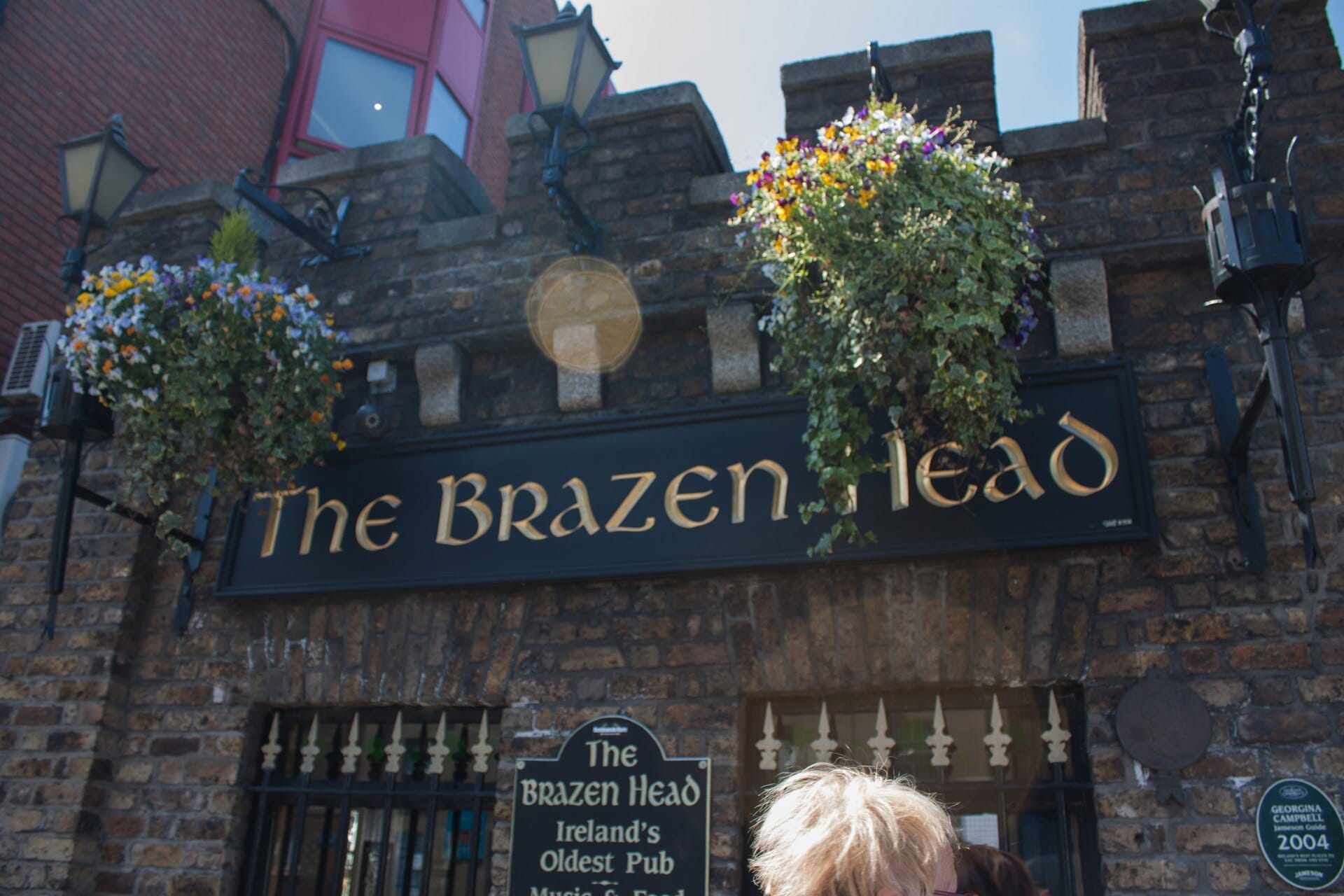
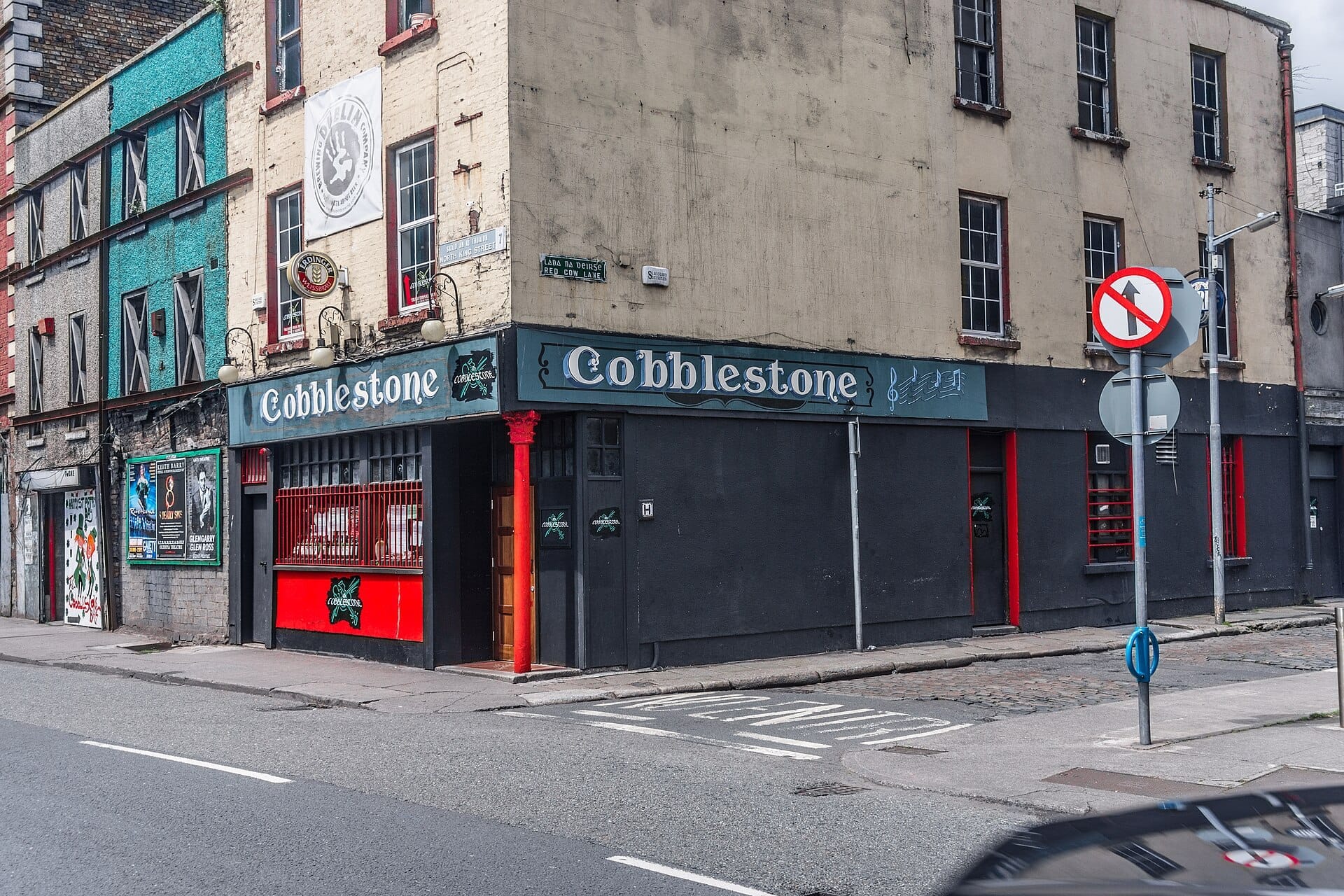
Smithfield and The Liberties are two of Dublin's most historically layered inner-city districts, sitting on opposite banks of the Liffey. From the cobblestoned square that once traded livestock to the streets that gave the world Guinness, this is a part of Dublin where the working-class past is still legible in the streetscape.
Smithfield and The Liberties occupy the older, rougher-edged western core of Dublin's city centre, where the city's brewing and distilling heritage is still written into the skyline. These are districts that resisted gentrification for decades, and are only now finding a new balance between their working-class roots and a wave of cultural investment. They reward the traveler who wants Dublin without the polish.
Orientation
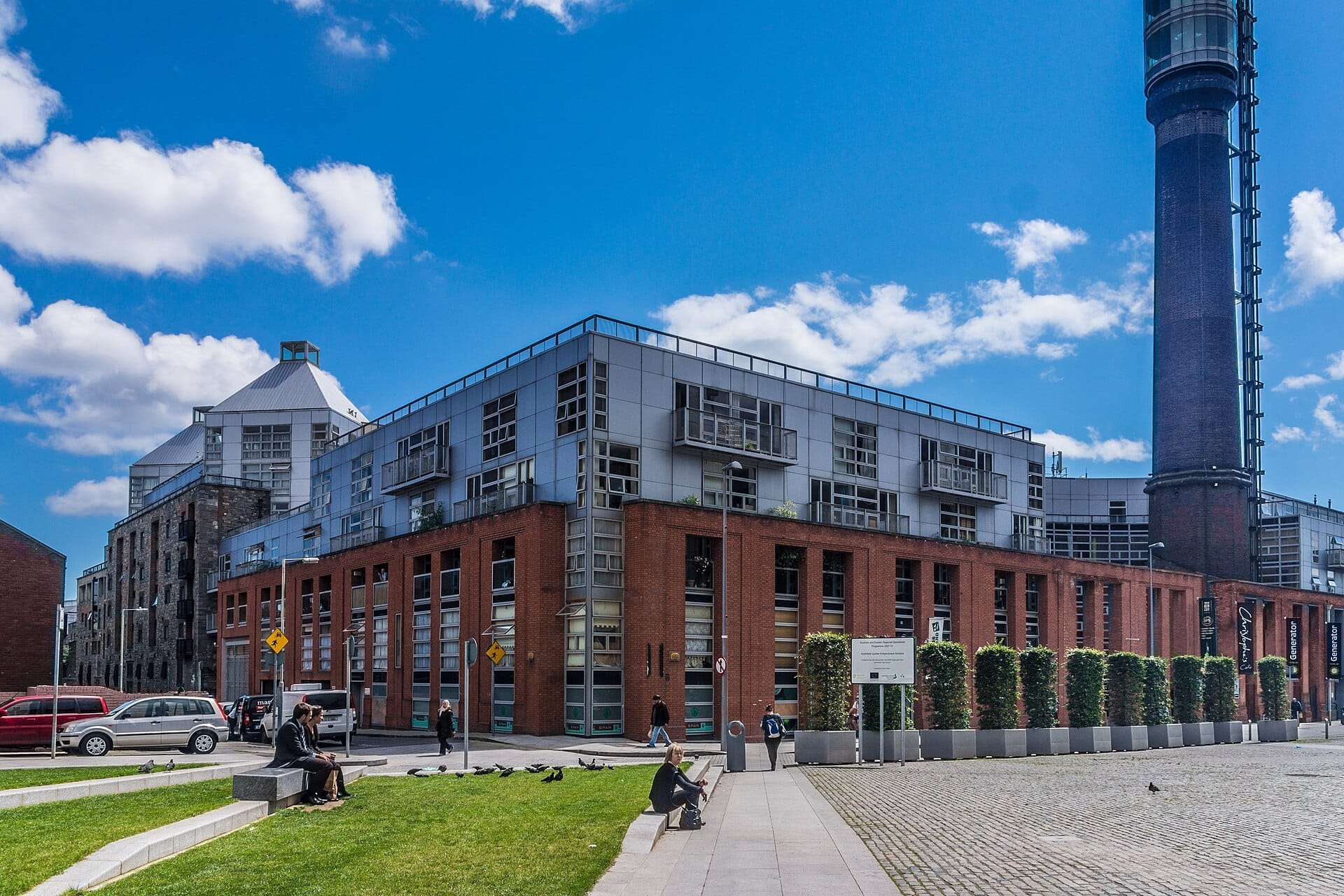
Smithfield sits on the Northside of the Liffey, forming the western flank of the historic district known as Oxmantown. It is centred on Smithfield Plaza, a wide cobbled square that opens just west of Capel Street, running up toward North King Street and down toward Arran Quay on the riverfront. The area sits roughly 1.5 kilometres west of O'Connell Street, making it firmly central but noticeably removed from the tourist corridor.
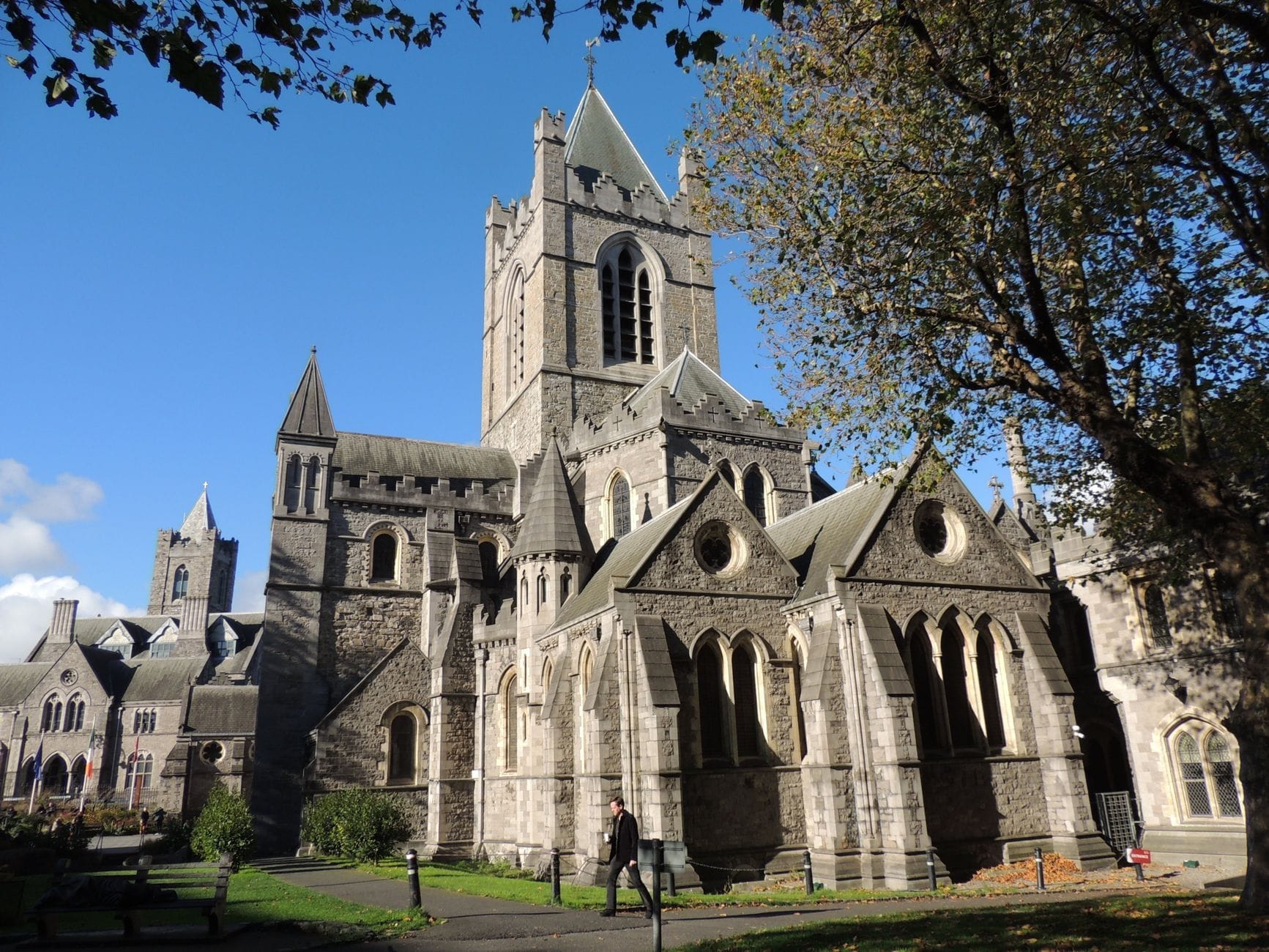
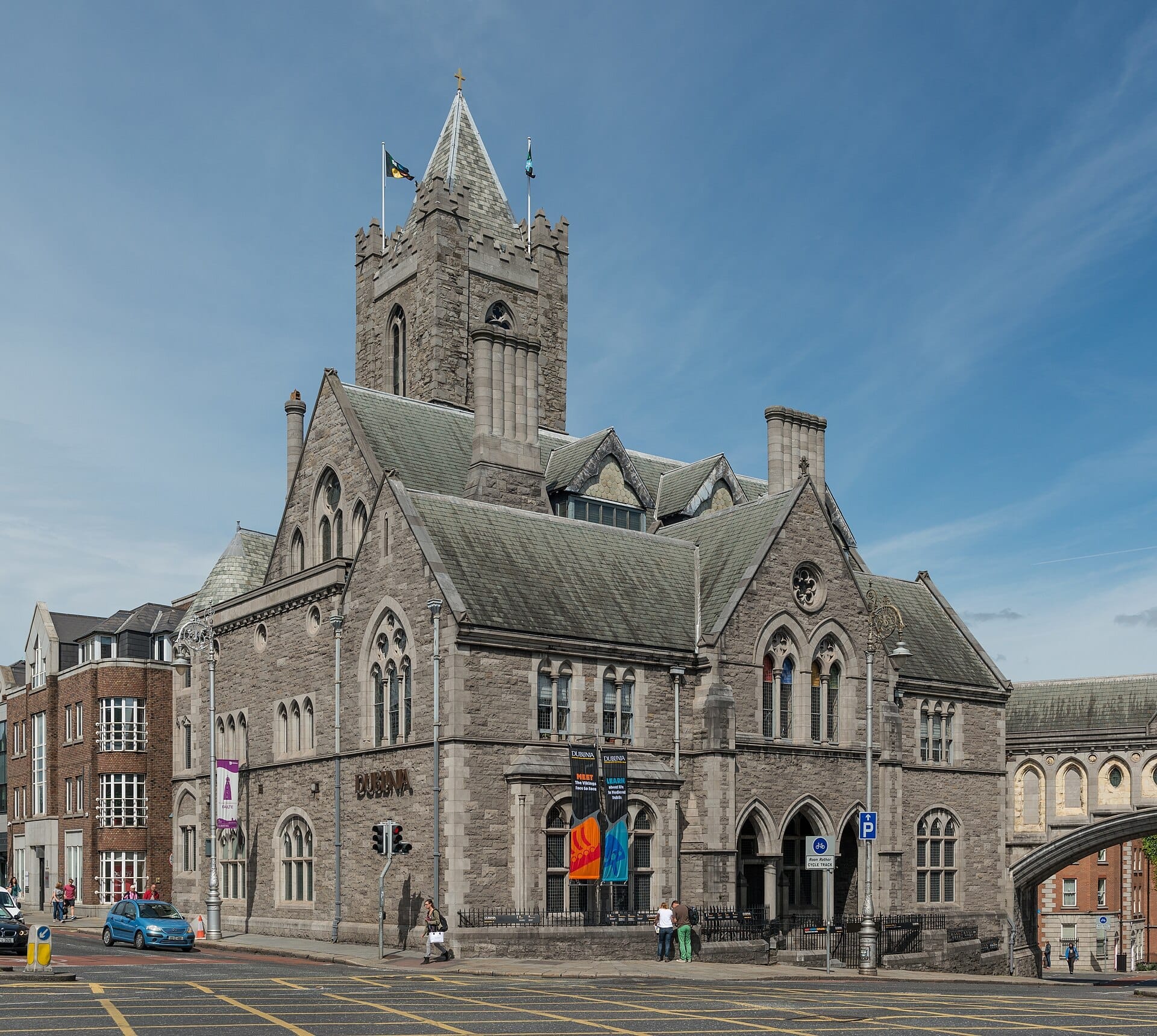
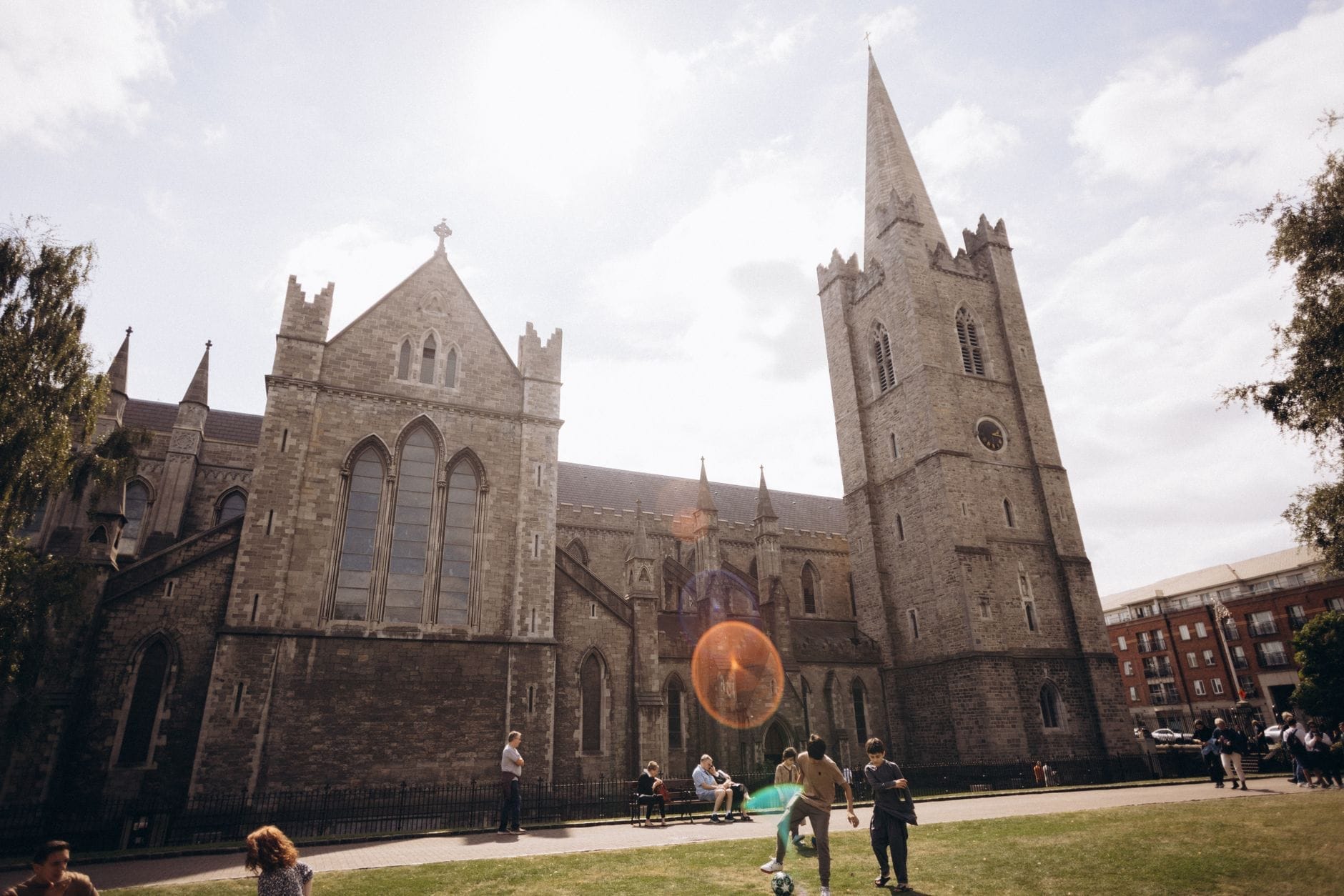
The Liberties lies The Liberties lies south of the river in the southwestern corner of the inner city.. Its spine is Thomas Street, which runs west from Cornmarket past the Guinness Brewery toward James's Street. The area's eastern edge grazes Dublin Castle and Christ Church Cathedral, while St Patrick's Cathedral marks its southern reach. The River Poddle, now largely culverted beneath the streets, once defined the Liberties' eastern boundary and explains why this district developed its own distinct identity separate from the medieval walled city.
Together, the two districts form a corridor of historic Dublin that wraps around the western approach to the city centre. Neither is far from Temple Bar or the quays, but they feel like a different city entirely. If you are also planning time in Kilmainham or the Phoenix Park, this area makes a logical geographic base for the western half of Dublin's Southside.
Character & Atmosphere
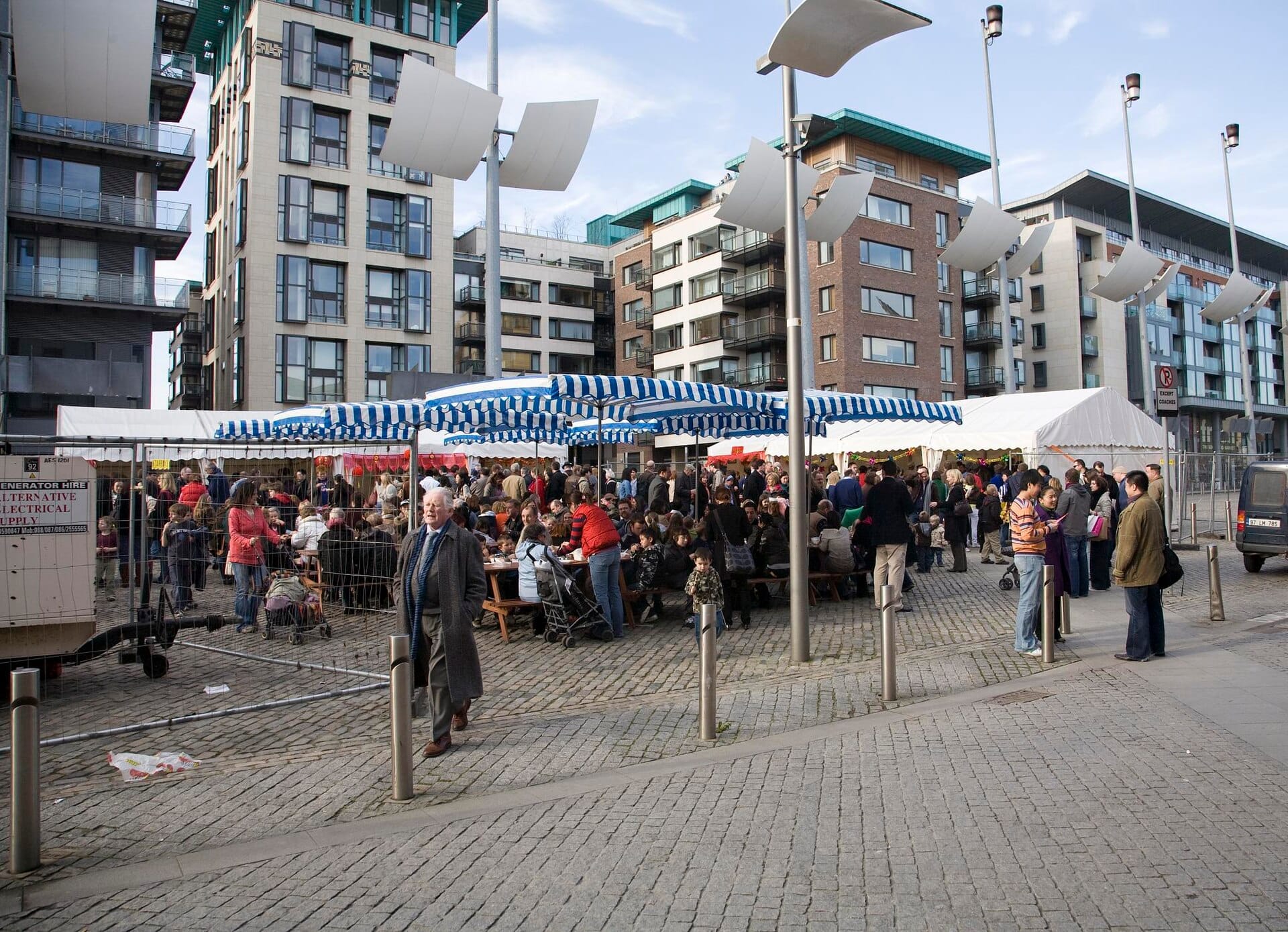
Smithfield in the early morning is one of the quieter corners of central Dublin. The plaza is large and open, its surface still the original cobblestone, and in low winter light it has the grey, stripped-back feel of a post-industrial square that has been cleaned up but not over-designed. A handful of cafés open early for the commuter crowd, and the Luas stop on the western edge of the square brings a steady rhythm of arrivals heading into the city centre.
By midday the square fills slowly. The Jameson Distillery draws tourist groups, the Light House Cinema attracts an arts-crowd in the evenings, and Token, the arcade bar on the square, pulls a younger demographic from late afternoon onward. It is not a neighbourhood that performs for visitors in the way that Grafton Street or Temple Bar does. The streets around North King Street and the smaller lanes leading toward Church Street are still genuinely residential, with corner shops, barbers, and takeaways that have been there for decades.
The Liberties has a denser, more layered texture. Walk along Thomas Street on a weekday morning and you get markets, traders calling out prices, the smell of bread from a bakery, and the low hum of the Guinness Brewery operations behind its high walls. The streets narrow as you move south toward Newmarket, and the architecture shifts between Georgian remnants, Victorian terraces, and social housing blocks built in several different eras. After dark, Vicar Street and the surrounding pubs bring a different energy, particularly on live music nights.
ℹ️ Good to know
The Liberties is one of Dublin's oldest continuously inhabited areas. Its name comes from the medieval 'liberties' or manorial jurisdictions that existed outside the walled city's legal control, giving the district a separate civic identity that persisted for centuries.
What to See & Do
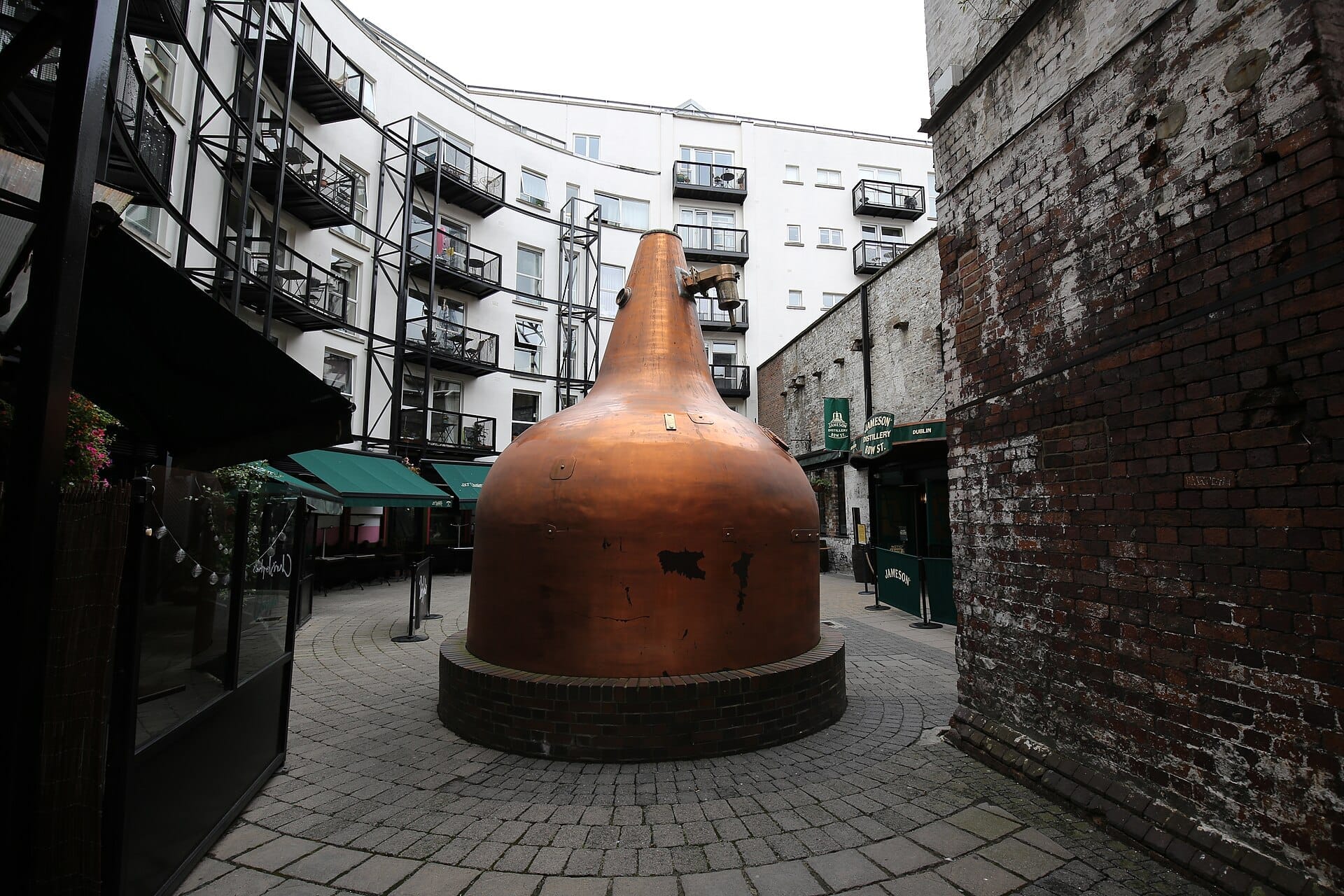
The Jameson Distillery Bow St. is the most prominent attraction in Smithfield. The original Midleton distilling operation moved out of this building in 1971, but the site has been converted into a substantial visitor experience covering the history of Irish whiskey production. Tours run throughout the day and include a tasting. It is genuinely informative even if you are not a whiskey enthusiast, and the building itself, with its Victorian-era warehouses and courtyard, is worth seeing.
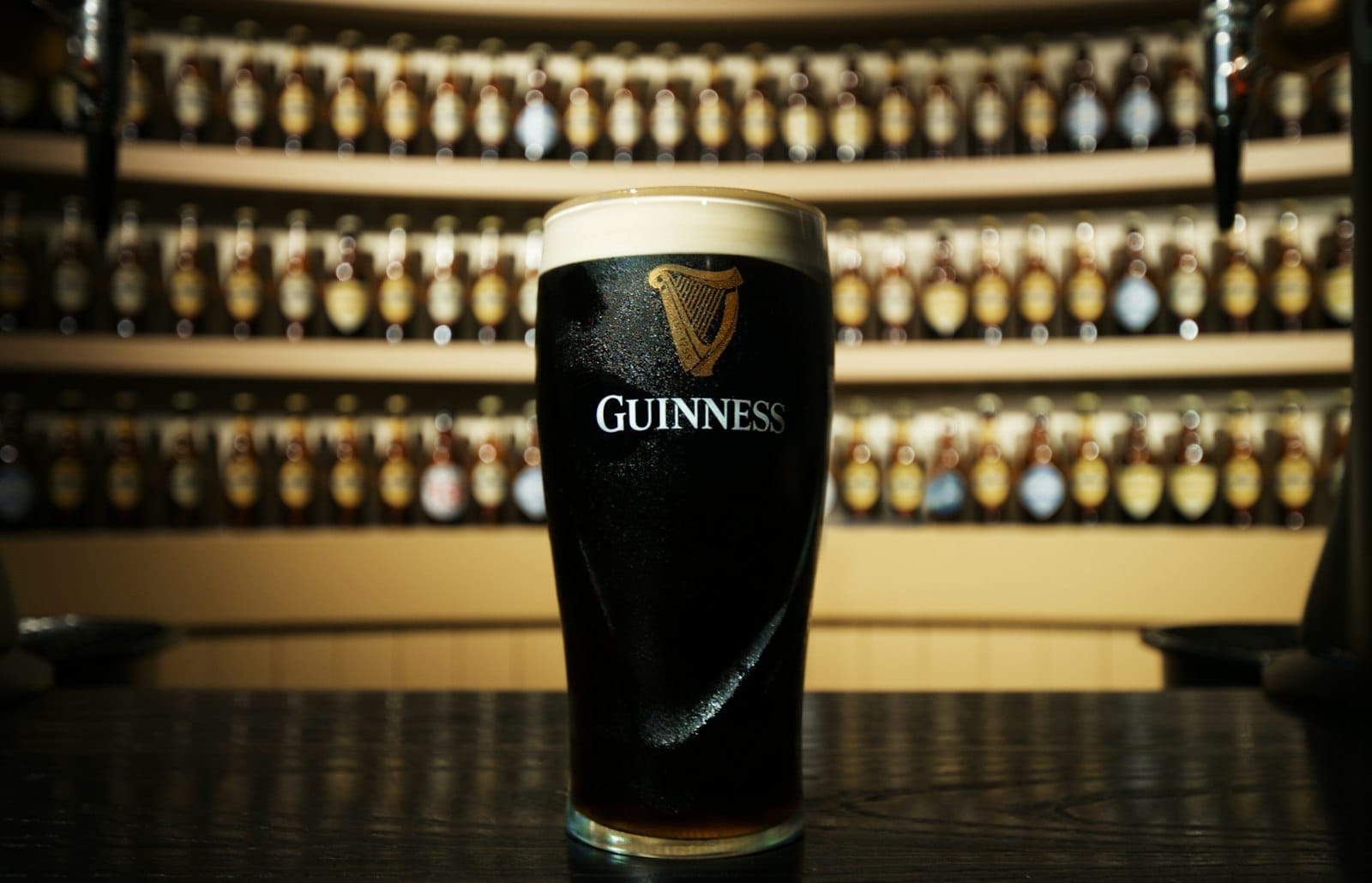
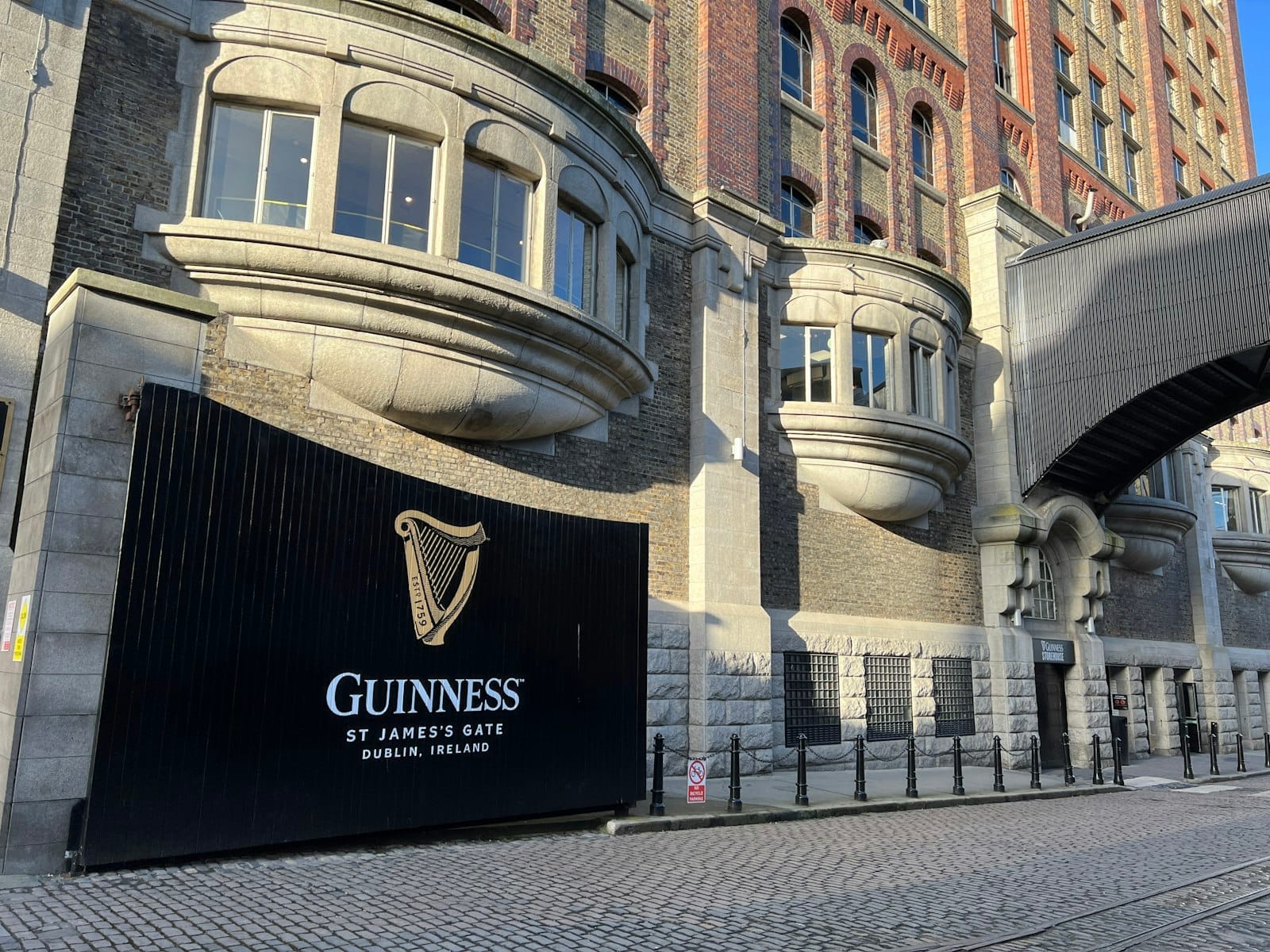
In The Liberties, the Guinness Storehouse is the most visited paid attraction in Ireland. The seven-storey museum inside the original fermentation building at St James's Gate traces the history of the brewery, the brand, and the brewing process, finishing with a pint in the Gravity Bar at the top, which has panoramic views across the city. Book tickets in advance, especially in summer. The walk from the Luas Red Line stop at Fatima or James's Hospital takes around ten minutes.
Smithfield Plaza: the square itself is worth walking on any day of the week, and hosts occasional markets and outdoor events
Light House Cinema: an independent arthouse cinema on Smithfield, showing international and Irish independent film
St Audoen's Church: contains surviving sections of medieval Dublin's city walls and is one of the oldest parish churches in the city
John's Lane Church (Church of SS Augustine and John): notable for its Victorian Gothic architecture and Harry Clarke stained glass windows
Newmarket Square: a historic market square in the southern Liberties, now used for outdoor events and surrounded by independent businesses
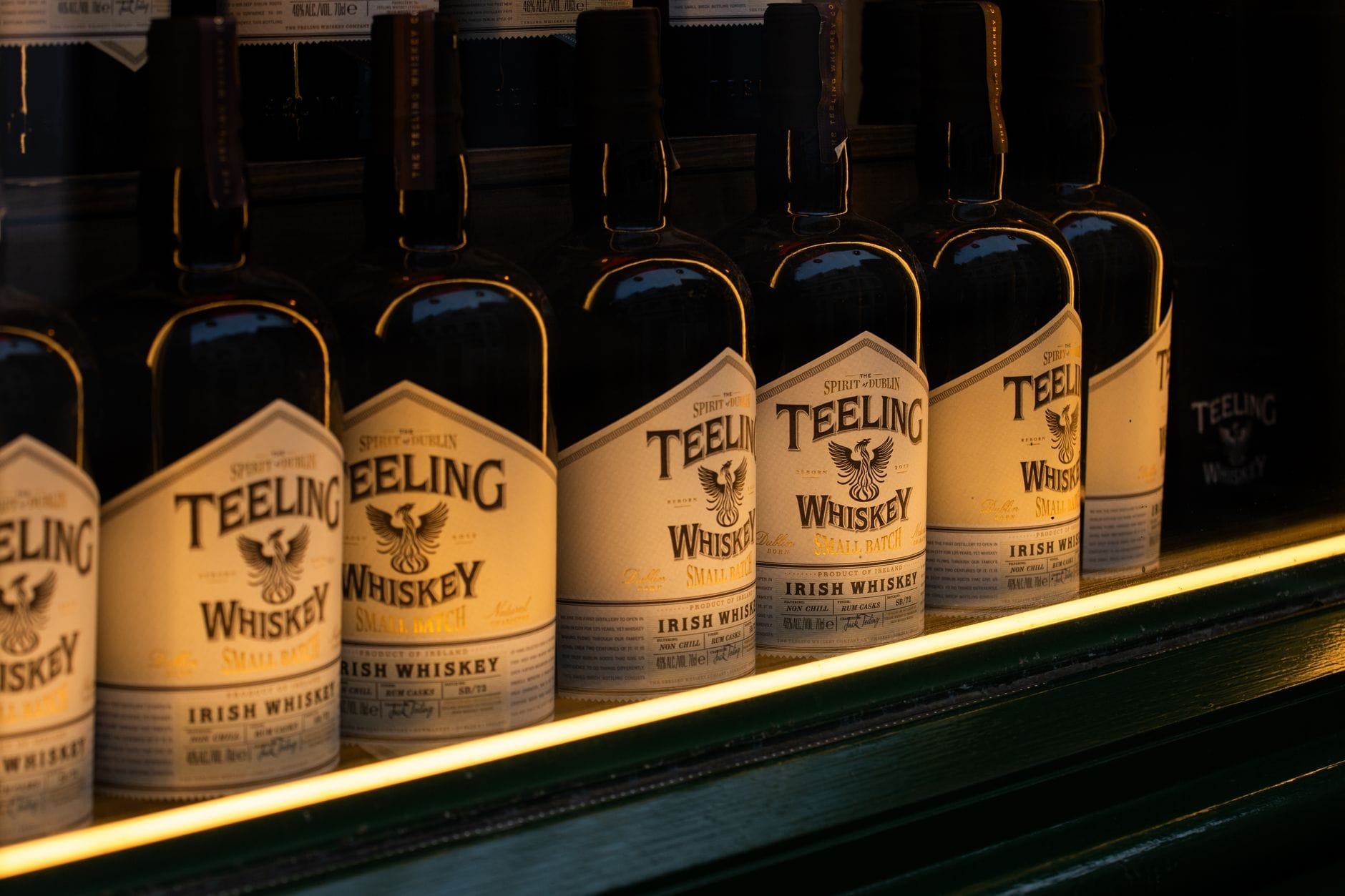
If you are interested in Irish whiskey more broadly, the Teeling Whiskey Distillery is located in the Newmarket area of the Liberties and offers tours of a working distillery, which is a different experience from the Jameson heritage site. Teeling was the first new distillery to open in Dublin in over 125 years when it launched in 2015.
The wider area connects naturally to Kilmainham, The wider area connects naturally to the Guinness Storehouse, which is a short walk west along the quays. Kilmainham Gaol and the Irish Museum of Modern Art are both within reasonable walking distance of the Guinness Storehouse, making the western Southside a logical full-day itinerary.
Eating & Drinking
The food scene in both districts has improved considerably in recent years, though it remains uneven. Smithfield has the more concentrated cluster of options around the plaza, including cafés that cater to the lunchtime office crowd and a handful of independent restaurants that serve into the evening. The area around North King Street and Stoneybatter, just north of the plaza, has a more established neighbourhood dining scene with independent spots that have loyal local followings.
In The Liberties, Thomas Street has a mix of long-standing traditional spots, newer cafés, and the occasional restaurant that has opened in the wake of increasing foot traffic from the Guinness Storehouse. The Newmarket area around the Teeling Distillery has developed a small cluster of bars and food businesses. Overall, you are not going to find the density of restaurant options you would get in, say, Ranelagh or South William Street, but there is enough variety for a couple of days of eating well without repeating.
Coffee: several independent cafés operate around Smithfield Plaza and along Thomas Street in the Liberties, catering primarily to local workers and residents
Pub culture: traditional pubs are well represented in both districts, with options ranging from old-school locals with no music to more music-focused venues
Vicar Street: a major live music venue on Thomas Street that also functions as a general events space, usually with a bar open on event nights
Newmarket: a growing cluster of independent bars and casual food spots, particularly around the Teeling Distillery
💡 Local tip
If you want to eat near the Guinness Storehouse without paying tourist prices, walk five minutes east toward Francis Street or Meath Street, where you will find more locally oriented cafés and lunch spots that are not priced for the attraction crowd.
For a broader overview of what and where to eat across Dublin, the Dublin food guide covers the full city with neighborhood-by-neighborhood breakdowns.
Getting There & Around
Smithfield is served directly by the Luas Red Line, with a stop at Smithfield on the western edge of the plaza. The Red Line runs from Tallaght in the southwest through the city centre to The Point in the Docklands, making it one of the most useful lines for cross-city travel. From the stop, you are roughly a 10-12 minute tram ride from Connolly Station (for onward rail) and about the same from Abbey Street, which is a central city-centre stop.
The Liberties does not have a Luas stop directly on Thomas Street, but the Red Line's Fatima and James's stops are within reasonable walking distance of the western end of the area. The Four Courts stop is useful for the eastern edge of the Liberties via the quays. Dublin Bus routes serve Thomas Street and the surrounding roads with several city-centre-bound services.
Walking between the two districts takes around 15 minutes via the Father Mathew Bridge or the nearby Mellows Bridge, both of which cross the Liffey and connect Smithfield to the northern end of Church Street and on down toward Thomas Street. The walk along the quays is flat and straightforward. From central Smithfield to the Guinness Storehouse is approximately 1.2 kilometres on foot, a manageable 15-minute walk.
A Leap Card (Dublin's reusable transit card) works across Luas, Dublin Bus, and DART services and gives discounted fares compared to paying cash. Buy one at the airport or at any Luas stop before you travel.
Where to Stay
Smithfield has the clearer hotel and hostel infrastructure of the two districts. The Generator Hostel near Smithfield Plaza is well located for the Luas Red Line. A small number of hotel options exist in the wider Smithfield and Stoneybatter area, generally at mid-range prices that are lower than equivalents in the city centre core.
Staying in Smithfield makes most sense if you are spending significant time on the western Northside and want Red Line access without paying city-centre hotel rates. You are a short tram ride from O'Connell Street and a reasonable walk or quick bus from Temple Bar and the south city. The neighbourhood is quieter than central Dublin at night, which suits lighter sleepers.
The Liberties has fewer dedicated accommodation options, and most visitors who want to explore this area stay either in the city centre or in nearby Kilmainham. If you are planning to spend a full day between the Guinness Storehouse, Kilmainham Gaol, and the Irish Museum of Modern Art, it may be more practical to stay slightly further east in the city centre and travel out by Luas or bus each day.
⚠️ What to skip
Parts of the Liberties, particularly around some of the older housing estates off Thomas Street and the streets south of Meath Street, can feel deserted after dark on quieter nights. This is not unusual for inner-city areas with low foot traffic at night, and does not indicate particular danger, but solo travelers should be aware that it is not a lively nightlife strip outside of specific venues like Vicar Street.
For a wider view of where to base yourself in Dublin, the Dublin accommodation guide covers all major neighbourhoods with honest assessments of who each area suits.
History & Context
Smithfield was laid out in the 1660s as a marketplace for livestock, hay, and general goods, and remained a functioning market square well into the 20th century. The square's dimensions, far larger than most urban squares, reflect its original commercial purpose. The area was in significant decline by the early 2000s but was partially revitalised through investment in the plaza itself and the arrival of cultural venues and the Luas line.
The Liberties is considerably older, with roots in the medieval period. The name derives from the manorial liberties, jurisdictions that existed outside the walls of the City of Dublin and were therefore exempt from its laws and taxes. This status attracted weavers, tanners, and tradespeople who operated independently of the city guilds, and the Liberties became a dense, working-class manufacturing district. The silk and poplin weaving industry was concentrated here, and the area also had a long association with alcohol production, including the Guinness Brewery, which opened at St James's Gate in 1759.
The Liberties suffered severe poverty and overcrowding through the 19th and early 20th centuries, a period documented in detail at the Glasnevin Cemetery Museum and explored in various parts of Dublin's literary history. Today it is home to over 23,000 residents and is undergoing steady reinvestment, though the signs of its long working-class history are still visible in the streetscape.
TL;DR
Best for travelers who want to explore Dublin's brewing and distilling heritage, including the Guinness Storehouse and Jameson Distillery Bow St., without confining themselves to the tourist centre
Smithfield is well connected via the Luas Red Line and suits travelers who want central access at lower hotel rates than the city core
The Liberties rewards slow exploration on foot: Thomas Street, Newmarket, and the side streets around St Patrick's Cathedral have genuine historical texture
Not ideal if your priority is a concentrated dining and nightlife scene; the food options are improving but remain thinner than in the south city
Works best as part of a western Dublin day combining the Guinness Storehouse, Kilmainham Gaol, and the Irish Museum of Modern Art
Three days is the sweet spot for Dublin. Long enough to cover the iconic historic sites, dig into the food and pub culture, and fit in a coastal or countryside excursion. This itinerary is built around real logistics, honest crowd warnings, and the kind of sequencing that makes a short trip feel unhurried.
Dublin punches well above its weight as a museum city. Several of its finest institutions are completely free, and the range spans Celtic gold, Viking archaeology, Irish revolutionary history, world literature, and contemporary art. This guide covers the best museums in Dublin, grouped by theme, with practical advice on when to go and what to expect.
Dublin rewards visitors year-round, but the timing of your trip shapes everything from hotel prices to what you can actually do outdoors. This guide breaks down every month, season, and key trade-off so you can plan with confidence.
Dublin sits at the centre of an exceptional day trip network. Within two hours you can reach glacial mountain valleys, medieval castles, dramatic coastal headlands, and one of Europe's great prehistoric monuments. This guide covers the best escapes, how to get there, and what to expect.
Dublin Bay is a UNESCO Biosphere Reserve with more beaches than most visitors expect. This guide covers the best strands, swimming spots, and coastal walks within easy reach of the city, from the vast sands of Dollymount to the dramatic cliffs of Howth and the sheltered coves of Dún Laoghaire.
Bloomsday is Dublin's most distinctive literary celebration, held every 16 June to honour the date James Joyce set Ulysses. This guide covers the key locations, walking routes, festival events, food traditions, and everything you need to join the festivities — whether you've read the book or not.
Dublin rewards couples who look beyond the obvious. This guide covers scenic walks, intimate cultural experiences, evening entertainment, and coastal day trips — with honest advice on what's worth it and what to skip.
Attending a Gaelic Games match at Croke Park is one of the most authentic experiences Dublin offers. This guide covers everything from buying tickets and navigating the stadium to understanding the sport, the season, and what separates a regular league game from an All-Ireland final.
Dublin rewards the curious traveller who ventures beyond the Guinness Storehouse and Temple Bar. From a mummified Crusader beneath a Northside church to a Victorian reservoir turned secret garden, these are the places Dubliners love and visitors rarely find.
Dublin transforms in winter, with Christmas markets running from late November through early January, citywide light trails, cathedral concerts, and festive fairgrounds. This guide covers every major event, what things actually cost, and what to watch out for before you visit.
Dublin is one of the few cities in the world to have produced three Nobel Prize-winning writers of literature. This guide maps the key sites connected to George Bernard Shaw, W.B. Yeats, and Samuel Beckett, plus James Joyce, Oscar Wilde, and others, covers the best guided tours with practical pricing, and gives you the detail to do it properly.
Dublin has around 772 pubs, dozens of late-night bars, and several distinct club districts. This guide breaks down where to drink, when to go, what it costs, and which neighbourhoods to skip if you want to avoid tourist pricing.
Dublin has a reputation for being expensive, but that reputation is only half true. The city's best museums are free, the centre is walkable, public transport is cheap with the right pass, and the finest pub sessions cost nothing beyond the price of a pint. This guide breaks down every major cost category so you can plan a genuinely great trip without watching every euro.
Seven days is enough to see Dublin's best and reach the wild west coast of Ireland, but only if you plan smart. This itinerary balances city time with coastal scenery, covers realistic driving and transit times, and flags the planning mistakes that turn a great trip into an exhausting one.
Dublin, Ireland offers a surprisingly varied shopping scene, from the flagship stores lining Grafton Street to independent boutiques on South William Street, weekend food markets in Temple Bar, and Ireland's largest mall in Dundrum. This guide covers where to go, what to expect, and how to avoid wasting time.
Dublin rewards walkers like few cities in Europe. Compact enough to cover on foot, layered enough to take weeks to unpack, the city reveals itself best at street level. This guide covers the stops, routes, and landmarks that make Dublin's walking tours so compelling.
Dublin punches well above its weight as a family destination. Between a world-class zoo, free city parks, Viking history museums, coastal castles, and indoor waterparks, there is genuinely enough to fill a week without repeating yourself. This guide covers the best things to do in Dublin with kids, organised by type, age range, and weather — so you can plan around Irish reality rather than tourist brochure optimism.
Dublin punches well above its weight for free attractions. National museums, modern art galleries, coastal walks, and grand public parks all cost nothing to enter. This guide covers 22 of the best free things to do across the city, organised by type so you can plan your days without watching your budget.
Dublin's Georgian streets and squares represent one of Europe's most intact examples of 18th-century urban planning. This guide covers the key buildings, the best self-guided walking route, what's actually open to visitors, and how to avoid the common traps that waste your time.
Dublin's public transport network covers the city and coast through buses, DART rail, Luas trams, and airport coaches. This guide breaks down fares, Leap Card options, airport transfer routes, and the practical details that save you time and money when navigating Ireland's capital.
Dublin sits at the doorstep of some of Ireland's finest walking country. Whether you want cliff-top sea views, ancient monastic valleys, or proper mountain terrain, these are the best hikes and trails within easy reach of the city.
Dublin's St Patrick's Festival is a multi-day national celebration centred on 17 March, with a free city-centre parade, ticketed concerts, street theatre, and events across the city. This guide covers the full programme, booking essentials, crowd logistics, and what to realistically expect from Ireland's biggest annual celebration.
Dublin packs centuries of history, world-class museums, legendary pubs, and coastal scenery into a compact, walkable city. This guide covers the best things to do in Dublin across every interest and budget, with honest advice on what's worth your time and what to skip.
Dublin's food scene has transformed well beyond stew and soda bread. This guide covers the essential Irish dishes, where to find them, what to pay, and which areas give you the best value — including a frank look at where not to waste your money.
Choosing where to stay in Dublin, Ireland shapes your entire trip. This guide breaks down every major neighbourhood by location, vibe, price range, and transport links, so you can book with confidence rather than guesswork.