Romantic Dublin: The Best Things to Do for Couples
Dublin rewards couples who look beyond the obvious. This guide covers scenic walks, intimate cultural experiences, evening entertainment, and coastal day trips — with honest advice on what's worth it and what to skip.

Plan and book this trip
Tools from our partner Travelpayouts help you compare flights and hotels. If you book through them, we may earn a commission at no extra cost to you.
Flights
Hotels map
TL;DR
- Dublin has a strong range of romantic experiences across scenery, food, culture, and nightlife — it is far more couple-friendly than its reputation as a party city suggests.
- The Howth coastal walk and Howth Harbour are the city's most consistently rewarding half-day escapes for couples, easily reached by DART.
- Evening options range from traditional Irish music sessions in centuries-old pubs to cocktail workshops and intimate dinner shows — book in advance for anything on a Friday or Saturday.
- Late spring to early autumn (May to September) offers the best combination of daylight, mild temperatures, and open outdoor attractions. See the best time to visit Dublin for a full seasonal breakdown.
- Free and low-cost romantic options — parks, galleries, architecture walks — are genuinely excellent and often better than ticketed alternatives.
Scenic Walks and Outdoor Escapes
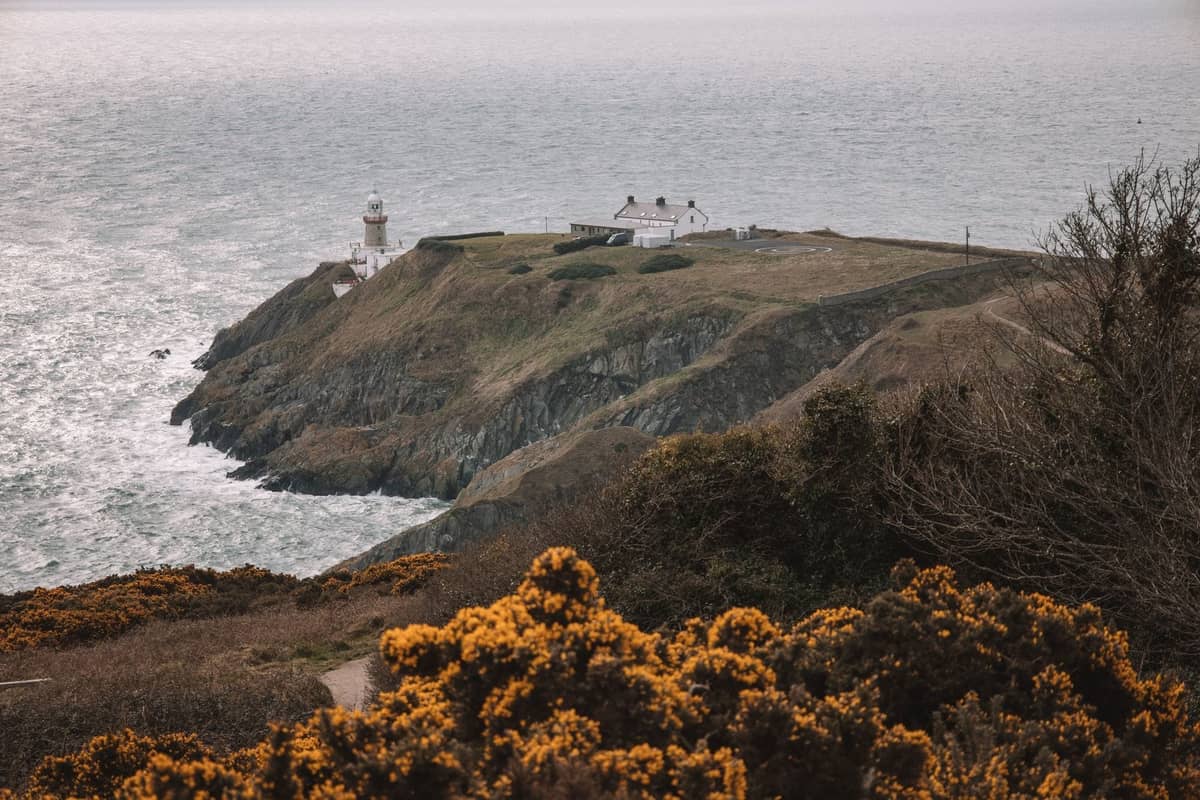
Some of the most reliably romantic experiences in Dublin require little more than a DART card and comfortable shoes. The Howth Cliff Walk is a 6-kilometre loop above the Irish Sea, with views across Dublin Bay, Ireland's Eye, and Lambay Island on clear days. The full loop takes around 90 minutes at a relaxed pace. Howth village itself has good seafood restaurants along the harbour for a post-walk meal, and the DART runs directly from Connolly or Pearse stations in about 30–35 minutes.
For something closer to the city centre, the Grand Canal towpath between Baggot Street and Portobello offers a quieter, greener alternative to Dublin's main streets. It is especially pleasant on weekday mornings or weekend afternoons when foot traffic is light. The canal locks, Georgian bridges, and weeping willows make it one of the more underrated walks in the city.
Phoenix Park approximately 707 hectares in the northwest of the city and is free to enter year-round. The fallow deer herd roams freely and is most visible near Áras an Uachtaráin and the Papal Cross area, particularly at dawn and dusk. Bike hire is available at the main gate area from several operators, making it easy to cover more ground without the walk becoming a slog.
💡 Local tip
For the Howth Cliff Walk, take the DART to Howth station and walk the loop anticlockwise (heading up past the Summit first). This means you descend into the village at the end — ideal for finishing with food and a drink at the harbour rather than starting there when you still have a walk ahead.
Cultural Experiences Worth Sharing
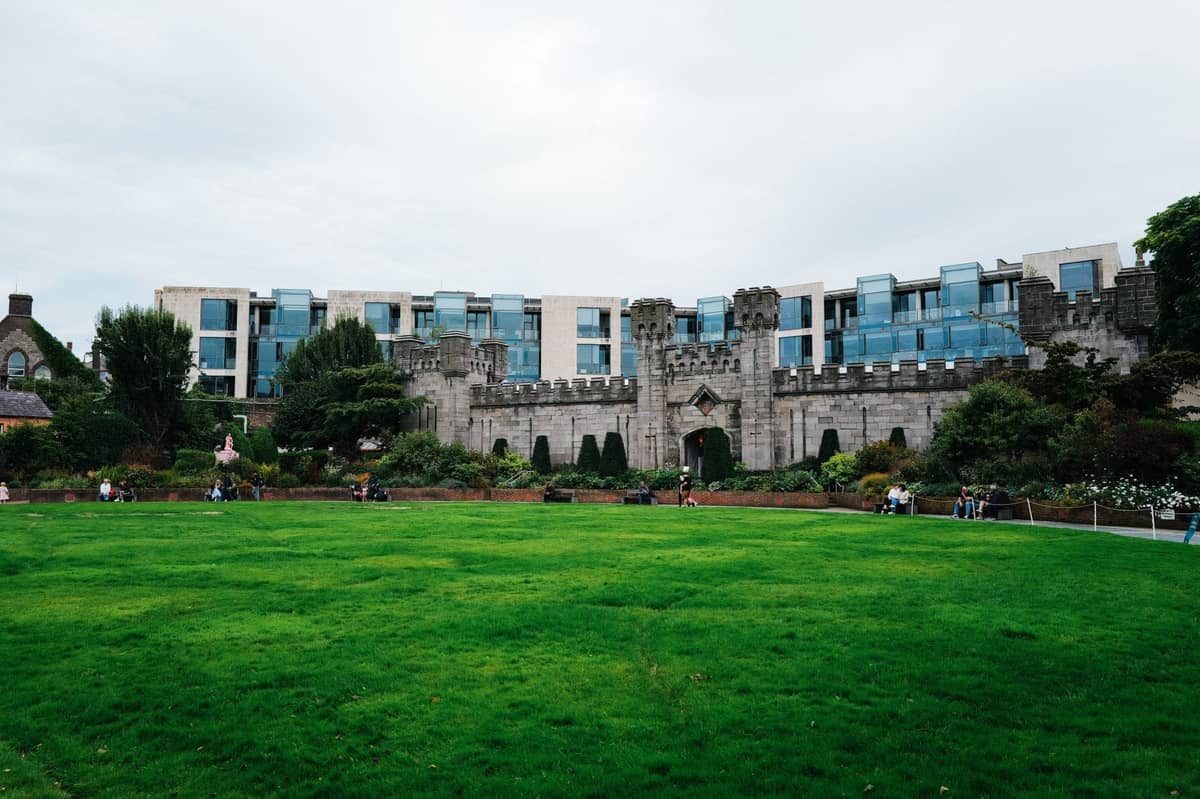
Dublin's museums punch well above their size. The Chester Beatty Library in Dublin Castle's grounds holds one of the world's finest collections of manuscripts, sacred texts, and decorative arts — and admission is free. The building itself is beautifully designed, and the rooftop garden offers a quiet spot above the city. It is one of those places that consistently surprises visitors who expect a conventional museum experience.
The National Gallery of Ireland on Merrion Square West is another free option with genuine depth — its collection spans six centuries and includes major works by Caravaggio, Vermeer, and Irish masters like Jack B. Yeats. It stays open late on Thursdays, making it a practical choice before a nearby dinner. The gallery café is a reasonable spot for a quiet coffee between rooms.
For couples interested in something more active and interactive, the whiskey scene offers well-run experiences at multiple distilleries. Roe and Co Distillery in the Liberties runs cocktail workshops in small groups, while the Teeling Whiskey Distillery offers guided tastings with a strong focus on the distillery's own production story. Neither is a mass-tourism conveyor belt — both work better as an early evening activity before dinner rather than a standalone afternoon outing.
⚠️ What to skip
The Guinness Storehouse is Dublin's most visited paid attraction, but it functions as a large-scale tourist operation rather than an intimate experience. The Gravity Bar views are genuinely impressive, but the queues, crowds, and €24-30 ticket price mean it is not the most romantic option in the city. If views are the priority, the rooftop bar at the Marker Hotel in the Docklands or a clear-day walk in Killiney Hill offer better atmosphere at lower cost.
Evening Options: Pubs, Performances, and Dinner
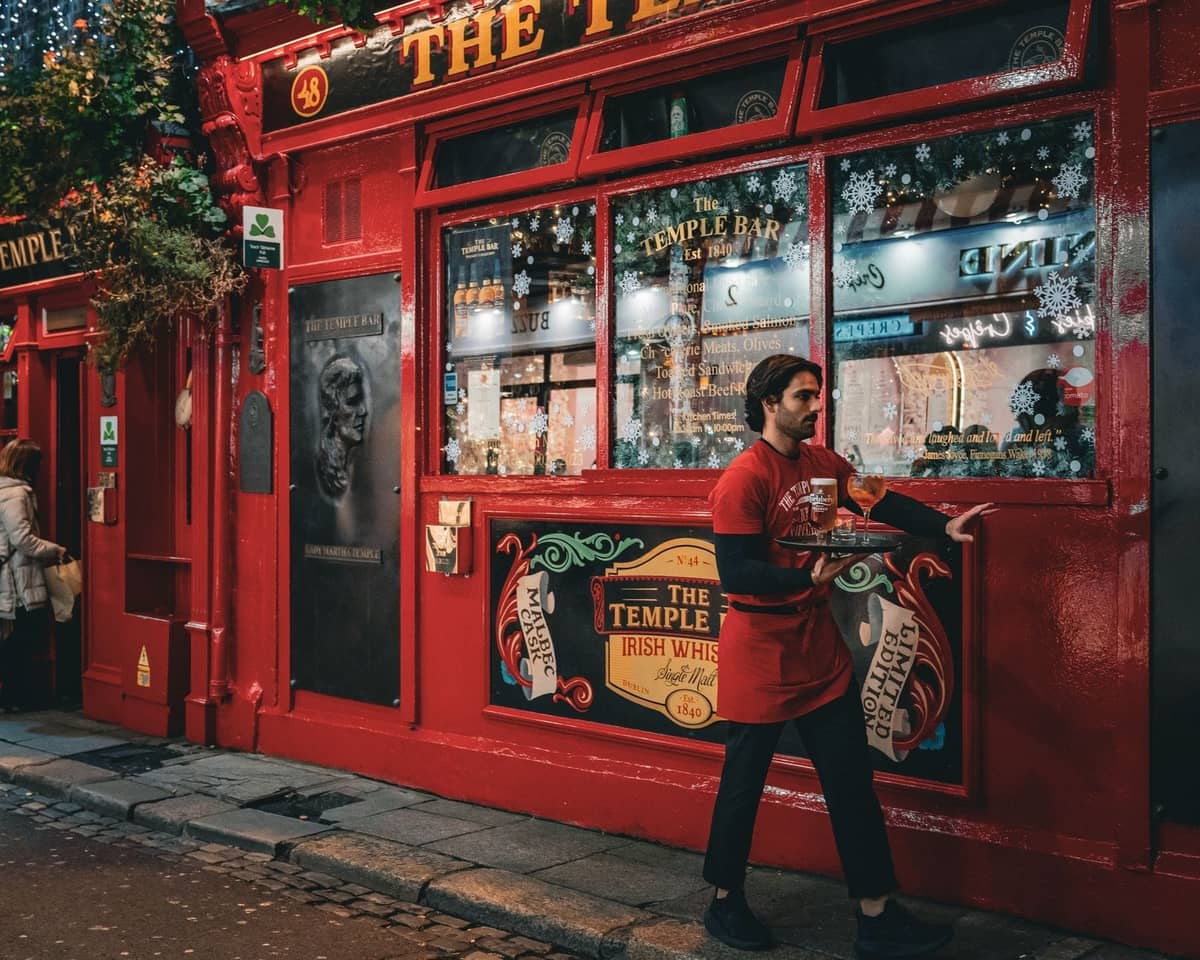
A good traditional pub session is one of Dublin's most distinctive evening experiences, and it does not require a tour or a ticket. O'Donoghue's on Merrion Row and The Cobblestone in Smithfield both run regular sessions of traditional Irish music. The Cobblestone in particular has a reputation among musicians rather than tourists — the sessions there tend to be spontaneous and genuinely good, especially Thursday through Sunday evenings. Arrive before 9pm to get a seat.
Organised Irish dinner and music shows such as The Irish House Party and the Johnnie Fox's show in Glencullen offer a more structured evening — three-course dinner followed by live music and dance, typically starting around 7pm and finishing by 9:30pm. These are reliable, well-run, and good value for couples who want a complete evening without making multiple decisions. Book in advance through GetYourGuide or the venue directly, especially in summer.
The Bord Gáis Energy Theatre in the Docklands is Dublin's main venue for West End and Broadway touring productions, opera, and ballet. The Grand Canal Dock area around it has a cluster of good restaurants, making it straightforward to combine dinner and a show in the same neighbourhood. The Abbey Theatre on Lower Abbey Street stages Irish and international drama with regular programming — check the schedule for shorter runs and new productions, which often have better availability than headline shows.
- Best for spontaneous atmosphere The Cobblestone (Smithfield) or O'Donoghue's (Merrion Row) — no booking, no ticket, just good traditional music.
- Best for a complete evening Irish dinner and music shows (Irish House Party, Johnnie Fox's) — structured, easy, good value. Book ahead.
- Best for culture and drama Abbey Theatre or Bord Gáis Energy Theatre — check current schedules; the Docklands location makes pre-show dining easy.
- Best for a low-key drink The Long Hall on South Great George's Street — a beautifully preserved Victorian pub, quieter than Temple Bar, no tourist markups.
Coastal Day Trips for Couples
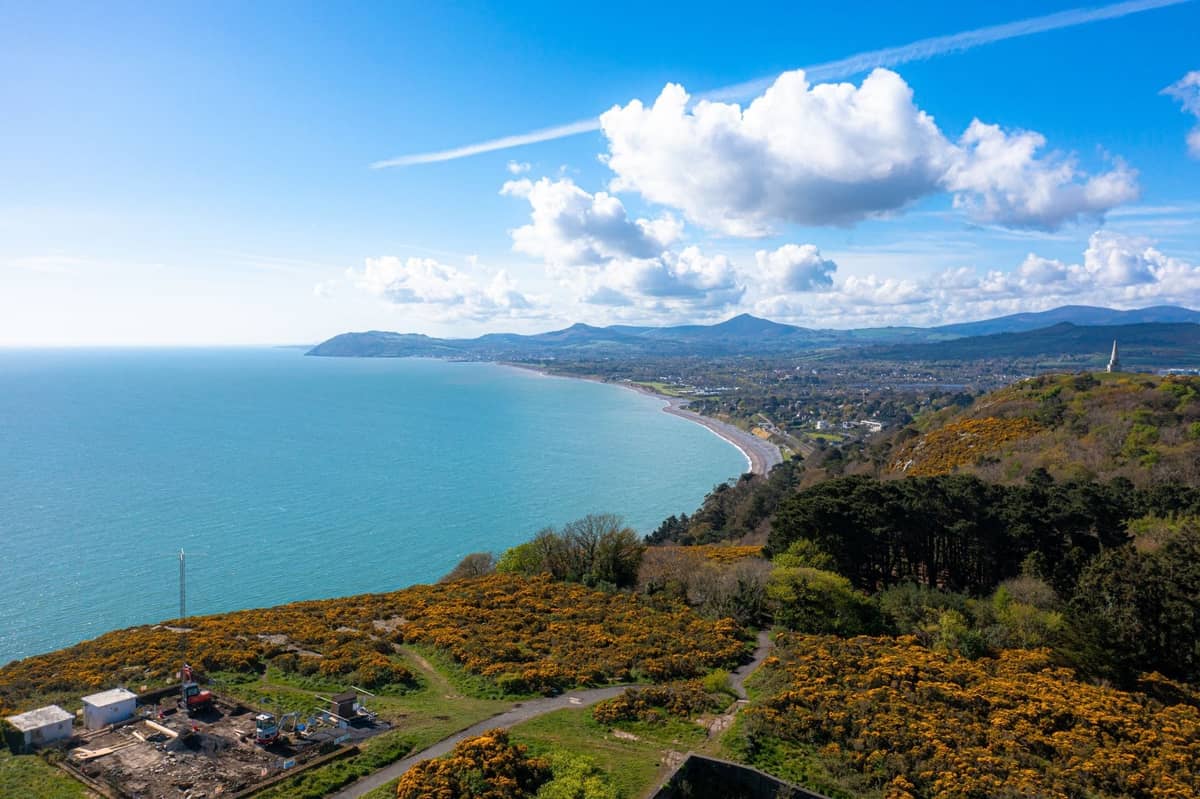
Dublin's coastline is one of its strongest assets for couples, and much of it is accessible without a car. The DART line runs south from the city through Blackrock, Dún Laoghaire, Dalkey, and Killiney in around 20-35 minutes. Dalkey and Killiney are the standout stops: Dalkey village is compact and well-served by good restaurants and cafés, while Killiney Hill offers a 30-minute walk to panoramic views of Dublin Bay, the Wicklow Mountains, and on clear days, the Welsh coastline.
From Howth, boat trips to Ireland's Eye run seasonally from Howth Harbour. The uninhabited island takes around 15 minutes by ferry and has a Martello tower, a ruined medieval church, and a substantial gannet and seabird colony on the north cliffs. It is not a manicured experience — the island is largely wild and the ferry schedule is weather-dependent — but it is genuinely different and unlikely to feel crowded even in summer.
✨ Pro tip
The James Joyce Tower and Museum at Sandycove, a 15-minute walk from Dún Laoghaire DART station, is free to enter and almost always quiet. The Martello tower itself is remarkable — Joyce stayed here in 1904 and it became the opening setting of Ulysses. The rocky Forty Foot bathing place directly below the tower has been a sea-swimming spot for around 200 years. A cold dip and a warm café stop in Sandycove village makes for a genuinely memorable morning.
Unusual and Specific Romantic Details
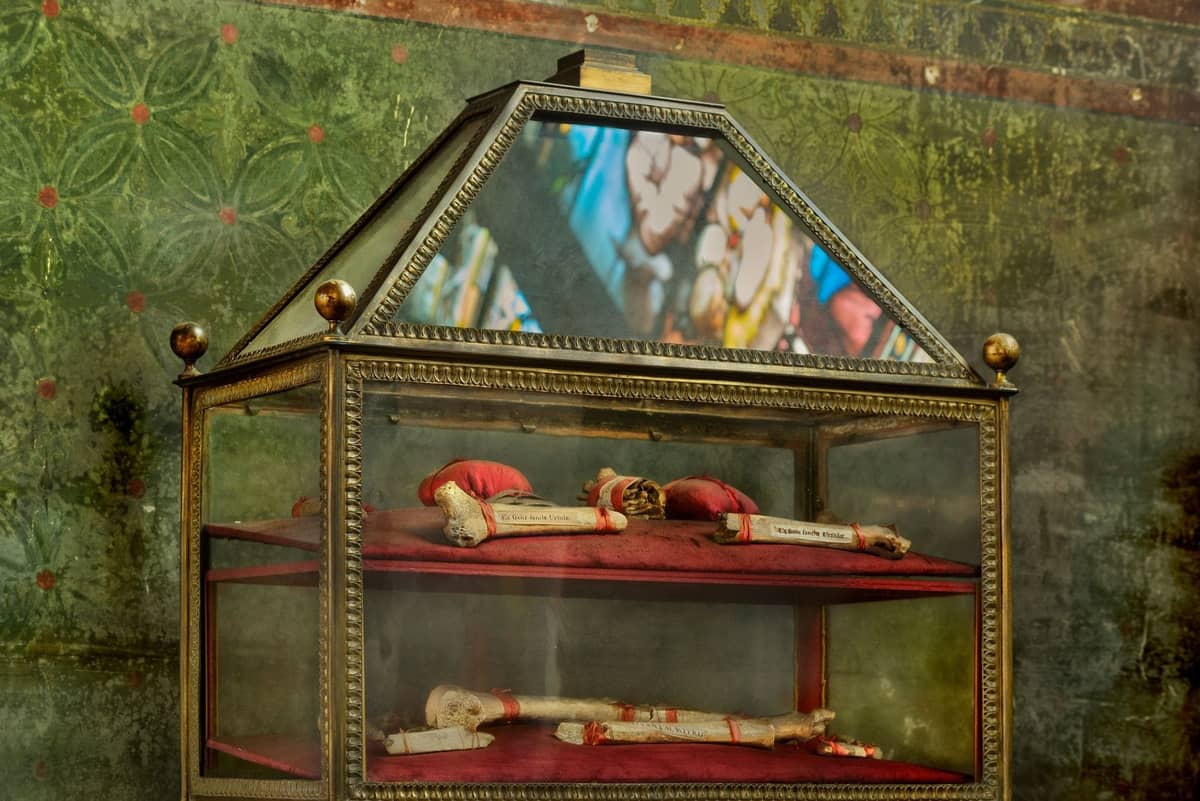
Whitefriar Street Church — formally the Church of Our Lady of Mount Carmel, on Aungier Street — holds a casket containing relics of St Valentine, donated by Pope Gregory XVI in 1835. The relics are displayed year-round at a side altar and can be visited free of charge during church opening hours. On 14 February the casket is moved to the main altar and a special blessing is given for couples — queues form early and the church fills quickly by mid-morning. For couples who find the Valentine's Day crowds off-putting, visiting on any other day offers the same experience in near-complete quiet.
For couples interested in Dublin's literary history, the Dublin Literary Trail connects sites associated with Joyce, Beckett, Wilde, and Behan across the city. The Oscar Wilde statue in Merrion Square is a good starting point — Wilde's family home at 1 Merrion Square sits directly opposite. The square itself, with its Georgian terraces and central park, is one of the more elegant public spaces in the city for a slow afternoon walk.
- St Valentine's relics at Whitefriar Street Church (Aungier Street) — free, year-round, almost never crowded outside of 14 February
- Iveagh Gardens off Harcourt Street — a walled garden that many Dubliners have never visited; quieter than St Stephen's Green and genuinely beautiful in May and June
- The Casino at Marino — a 18th-century neoclassical building of extraordinary craftsmanship; small, eccentric, and almost unknown to visitors
- Sandymount Strand at low tide — a flat, wide strand with views back to the city and across the bay; free, easy to reach by bus or DART
- Afternoon tea at the Merrion Hotel or Shelbourne Hotel — expensive (around €65-75 per person) but a classic Dublin splurge for a special occasion
Practical Advice for Planning a Romantic Break in Dublin
Most romantic activities in Dublin work better with some advance planning, particularly accommodation and any ticketed evening experiences. Where you stay shapes the experience considerably — the Merrion, Fitzwilliam, and Number 31 guesthouse are among the most atmosphere-rich options for couples on the southside, while the Marker in the Docklands suits those who want modern design and proximity to the theatre and waterfront.
Transport in Dublin is straightforward for most romantic itineraries. The DART handles the coastal route to Howth, Dalkey, and Dún Laoghaire efficiently. The Luas Green Line connects the city centre to Ranelagh and Dundrum. For the city centre itself, most things are walkable — Dublin is compact. See the guide to getting around Dublin for full options including the Leap Card, which covers bus, DART, and Luas fares.
Weather is the honest variable. Dublin's oceanic climate means rain is possible in any month. Late May through early September gives the most reliable combination of dry days, long evenings (sunset past 9pm in June and July), and warmth sufficient for outdoor dining. That said, autumn in Dublin has a particular atmosphere — low golden light, quieter crowds, and good craic in warm pubs — that suits couples who do not mind carrying a rain jacket.
FAQ
What is the most romantic area of Dublin for couples to stay?
The southside between St Stephen's Green and Ballsbridge is the most consistently atmospheric area — Georgian architecture, quieter streets, proximity to good restaurants in Ranelagh and Rathmines, and easy access to Merrion Square and the National Gallery. Ballsbridge itself has several boutique and upscale hotel options. The Docklands suits couples more interested in contemporary design and proximity to the theatre district.
Are there free romantic things to do in Dublin?
Yes, and some of the best options are free. The Chester Beatty Library, National Gallery, Iveagh Gardens, Phoenix Park, Merrion Square, the Grand Canal walk, the Howth Cliff Walk, and Sandymount Strand all cost nothing to visit. The Forty Foot sea swimming spot at Sandycove and the James Joyce Tower (check current admission status) are also low-cost or free.
When is the best time of year for a romantic trip to Dublin?
May to September offers the longest days and mildest temperatures — sunset after 9pm in midsummer means long evenings for outdoor dining and coastal walks. February is busiest around Valentine's Day. Late September and October are underrated: smaller crowds, lower hotel prices, and the city's pub culture becomes more appealing as evenings draw in.
Is Dublin good for a romantic weekend break?
Dublin works very well as a weekend break for couples — it is compact enough to cover a lot without constant transport logistics, has a strong food and drinks scene, and the coastal DART line gives easy access to scenery within 30-40 minutes of the city centre. Two full days is enough to combine a coastal excursion, an evening show or traditional music session, good restaurants, and at least one gallery or museum.
What are the best romantic restaurants in Dublin?
Dublin's restaurant scene has improved significantly in recent years. For a special occasion, the areas around Merrion Row, Baggot Street, and Ranelagh have consistent concentrations of quality. Specific names and price points change year to year — check current reviews on Lovin Dublin or the Irish Times food section for up-to-date recommendations rather than relying on fixed lists.