Where to Stay in Dublin: Best Neighbourhoods & Hotels
Choosing where to stay in Dublin, Ireland shapes your entire trip. This guide breaks down every major neighbourhood by location, vibe, price range, and transport links, so you can book with confidence rather than guesswork.
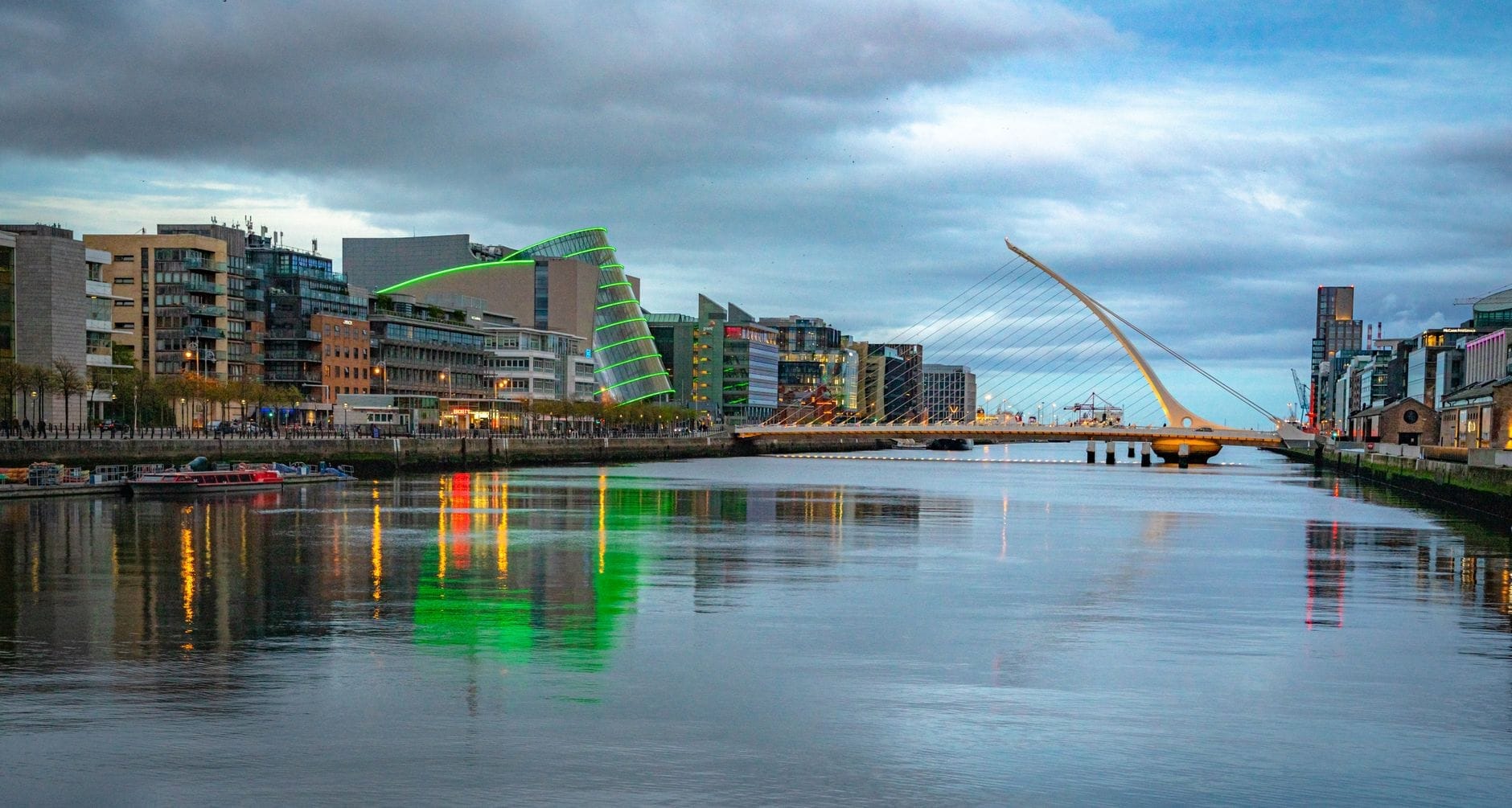
Plan and book this trip
Tools from our partner Travelpayouts help you compare flights and hotels. If you book through them, we may earn a commission at no extra cost to you.
Flights
Hotels map
TL;DR
- Dublin's most walkable base is the Trinity College / Grafton Street / St Stephen's Green area, with upscale hotels close to the top attractions. See our St Stephen's Green & Grafton Street neighbourhood guide for more detail.
- Temple Bar is genuinely central but noisy at night — fine for short stays, less ideal if you're a light sleeper.
- Suburbs like Ranelagh, Rathmines, and Ballsbridge offer a calmer base with reliable bus and Luas connections into the centre, typically at lower prices.
- Book well ahead for summer (June–August) and around St Patrick's Festival (mid-March); room rates spike sharply and availability tightens fast.
- Coastal bases like Howth, Dalkey, or Dún Laoghaire work well if you want a quieter setting with quick DART access to the city centre.
How to Think About Dublin's Neighbourhoods
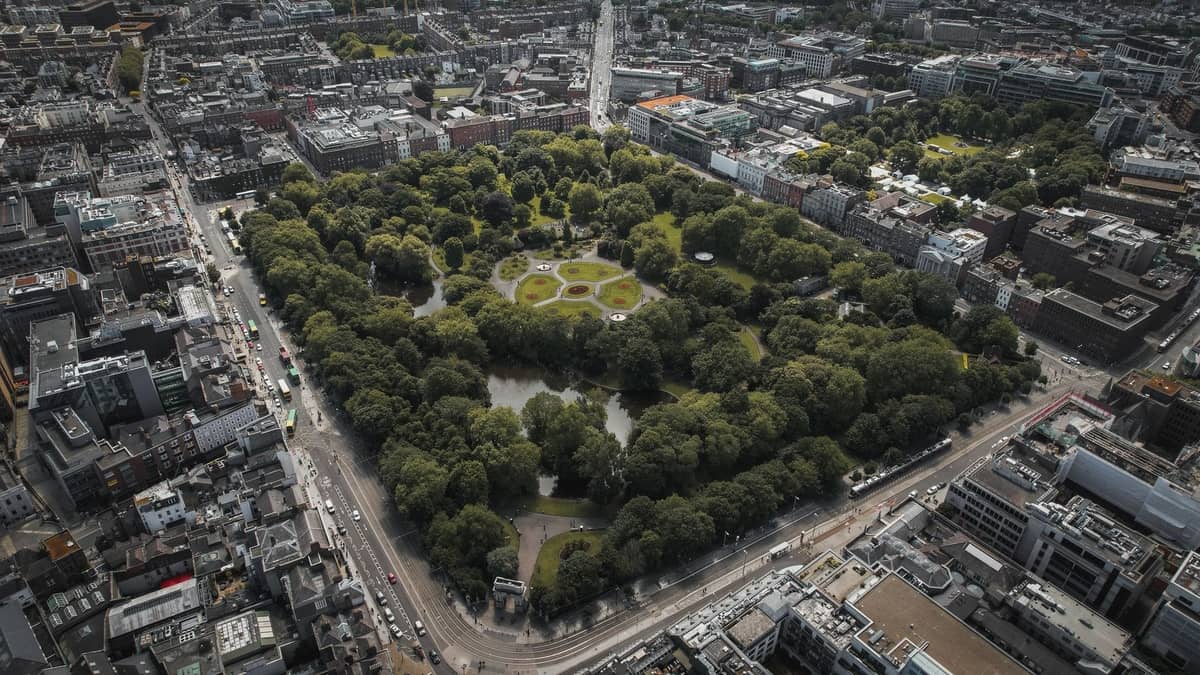
Dublin, Ireland is a compact city by European capital standards, covering around 115–116 km² in the city area proper. That compactness is a major advantage for visitors: most of the central neighbourhoods are connected by a short walk, a Luas tram ride, or a Dublin Bus journey of under 20 minutes. The River Liffey divides the city into the Northside and the Southside, a distinction Dubliners themselves take semi-seriously, but one that is mostly irrelevant to where you should stay unless you have strong preferences about specific sights.
The practical question is not 'north or south' but rather how much noise, nightlife proximity, and price variation you can tolerate. If you want to walk to Trinity College Dublin, the Guinness Storehouse, and St Patrick's Cathedral without using public transport, the inner southside neighbourhoods will suit you well. If you want lower rates and a more residential atmosphere, the suburbs to the south deliver that without much sacrifice in access time.
ℹ️ Good to know
Dublin does not use boroughs in the way that London or New York does. The postal districts (Dublin 1, Dublin 2, Dublin 4, etc.) are more useful shorthand. D2 covers much of the inner southside including Temple Bar and St Stephen's Green. D1 covers O'Connell Street and the north city centre. D4 takes in Ballsbridge and Sandymount.
The Inner Southside: Trinity, Grafton Street & St Stephen's Green
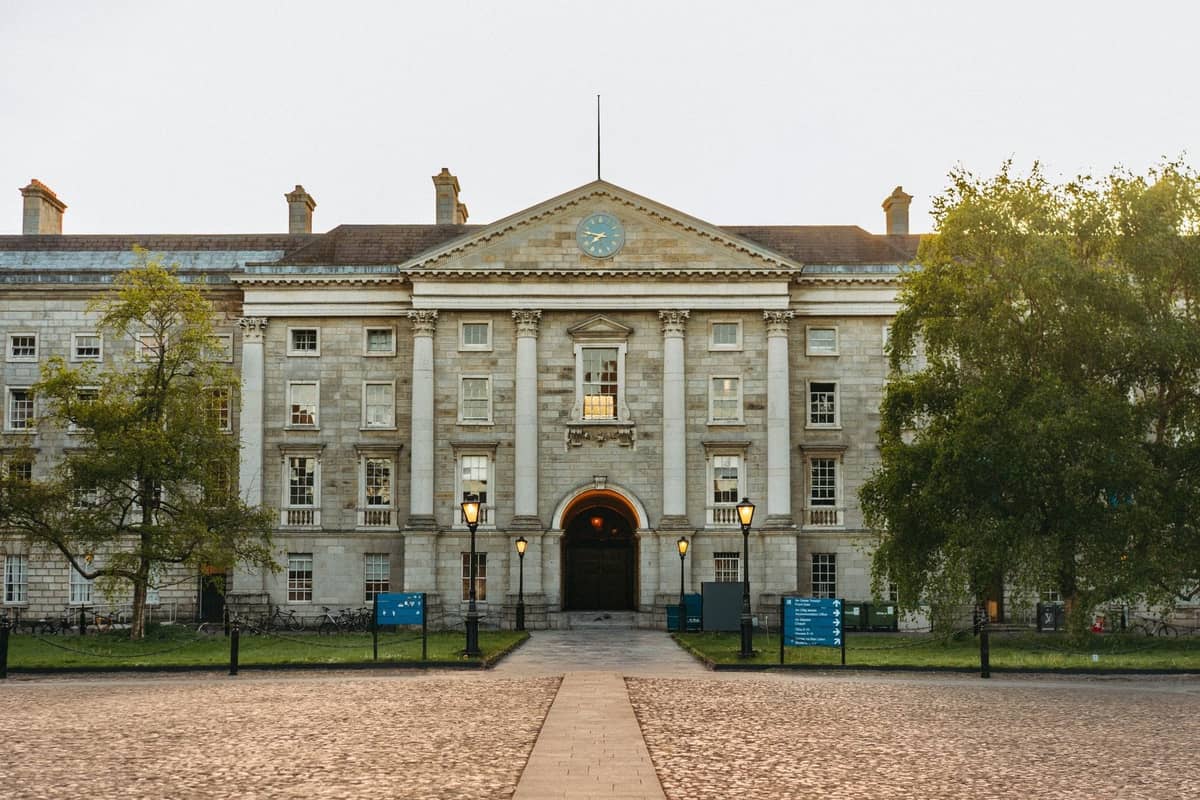
This is the most popular base for first-time visitors to Dublin, Ireland, and for good reason. The triangle formed by Trinity College, Grafton Street, and St Stephen's Green puts you within a 10-minute walk of the Book of Kells, the National Gallery of Ireland, Merrion Square, Dublin Castle, and the main shopping district. Hotels here tend to be in the higher price bracket, with many well-regarded four and five-star properties clustered around the Green and along the streets running south of the Liffey toward the Grand Canal.
The area around St Stephen's Green is quieter at night than Temple Bar, which is a meaningful distinction in summer. Grafton Street itself is pedestrianised, which keeps through-traffic noise down. The drawback is price: budget accommodation is almost non-existent in this pocket, and mid-range options fill up quickly in peak season. If this area is where you want to be, book at least 6-8 weeks ahead in July and August.
Temple Bar: Central, Loud, and Worth Understanding
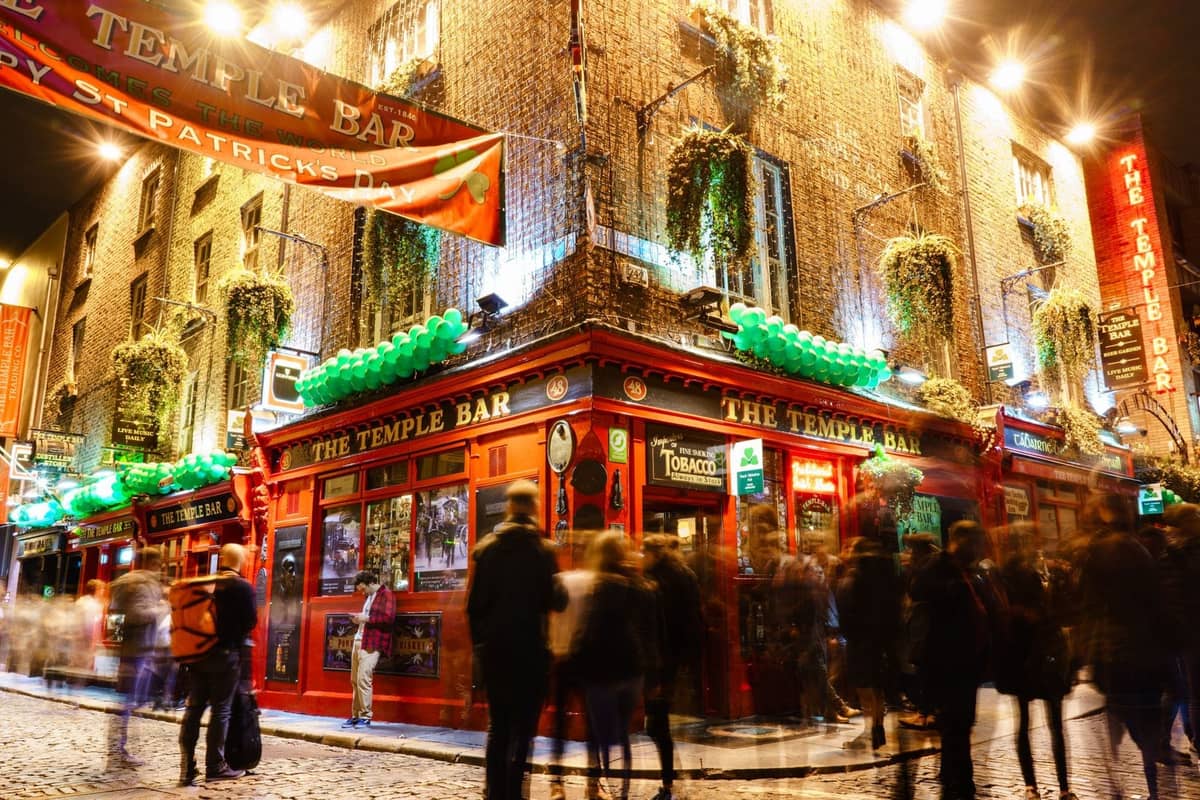
Temple Bar is Dublin's most recognisable central district, running along the south bank of the Liffey between the Ha'penny Bridge and Dublin Castle. It is compact, culturally dense, and extremely well-located for walking to almost everywhere in the historic core. The Irish Film Institute, a strong concentration of independent galleries, and several live music venues sit alongside the pubs that give the area its international reputation.
The honest reality is that Temple Bar is loud on weekend nights and during high season. Stag and hen parties have historically concentrated here, and the noise from the cobbled streets carries easily. If your travel style involves early starts, late nights in your room, or sensitivity to street-level activity after midnight, this is genuinely not the right base for you. That said, for travellers who want to be in the middle of the action and can sleep through ambient city noise, the location is hard to beat.
⚠️ What to skip
Some bars and restaurants in Temple Bar charge notably higher prices than equivalent venues a few streets away. A pint of Guinness can cost EUR 7–8 in the most tourist-facing pubs here versus EUR 5.50–6.50 in nearby Portobello or Smithfield. The location premium is real.
O'Connell Street & the North City Centre
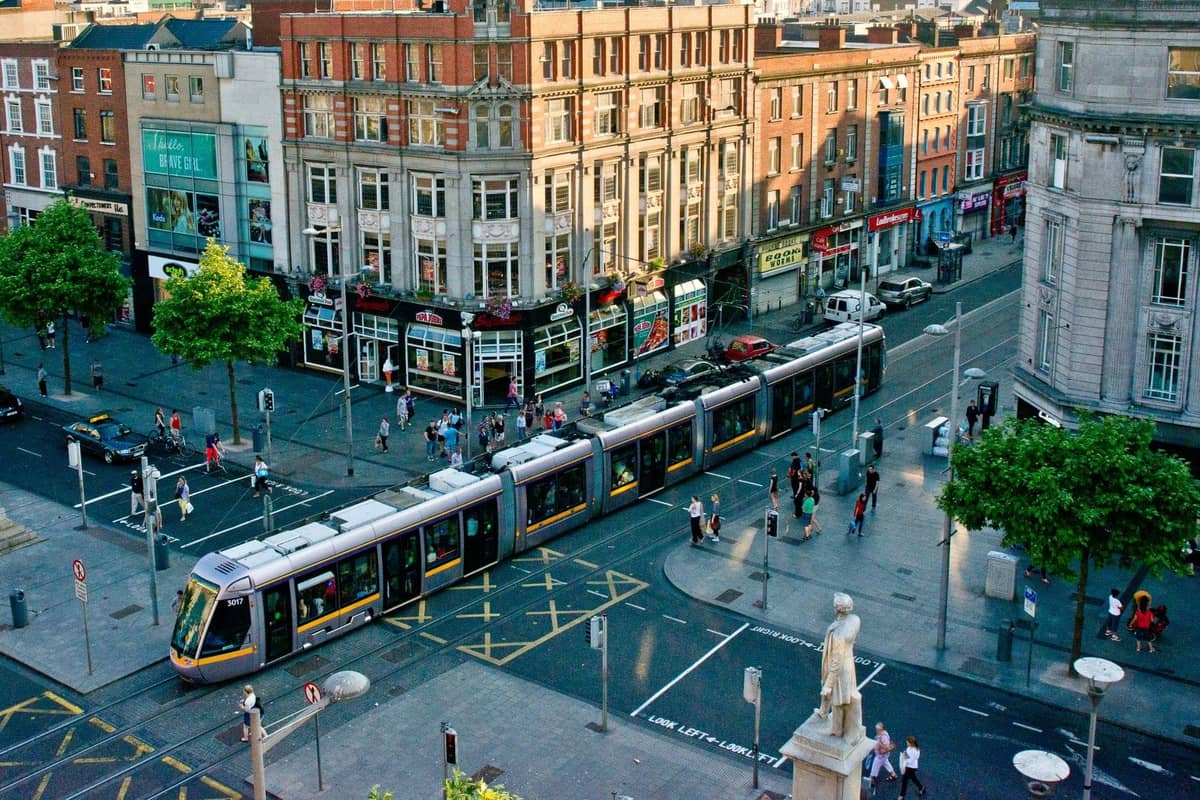
The northside city centre, centred on O'Connell Street and running up toward Parnell Square and the Smithfield area, is often overlooked in favour of the southside, which means it tends to offer better value for money at the mid-range level. The Spire, the GPO, the Abbey Theatre, and the Garden of Remembrance are all here. The area has a slightly different character to the southside: busier main streets, more mixed-use blocks, and a stronger sense of everyday Dublin life alongside the tourist infrastructure.
The Smithfield area specifically has developed significantly as an accommodation and restaurant destination in recent years, with the Jameson Distillery and the Cobblestone pub drawing visitors. For travellers doing the full Dublin circuit, staying on the northside cuts the Liffey crossing out of your morning walk to the EPIC Irish Emigration Museum or the Docklands, though the southside sights will require crossing the river regardless.
- O'Connell Street / North City Best for: budget and mid-range travellers who want central location at lower prices than D2. Good bus connectivity. Luas Red Line accessible at Smithfield and Four Courts.
- Temple Bar (D2) Best for: short stays, travellers who want maximum proximity to nightlife and cultural venues, and those who don't mind street noise. Avoid if you're a light sleeper.
- Trinity / Grafton / St Stephen's Green (D2) Best for: first-time visitors who want a quiet, walkable base near the top sights and don't mind paying a premium for the location. The most consistently recommended area across travel forums.
- Ballsbridge / Donnybrook (D4) Best for: business travellers, those attending events at the RDS, and visitors who want a leafy residential area with easy bus access to the centre. A short ride to St Stephen's Green.
- Ranelagh / Rathmines / Portobello Best for: travellers who want a local neighbourhood feel with independent cafés and restaurants, lower hotel rates, and the Luas Green Line or bus into the centre in 15-20 minutes.
The Southside Suburbs: Ballsbridge, Ranelagh & Rathmines
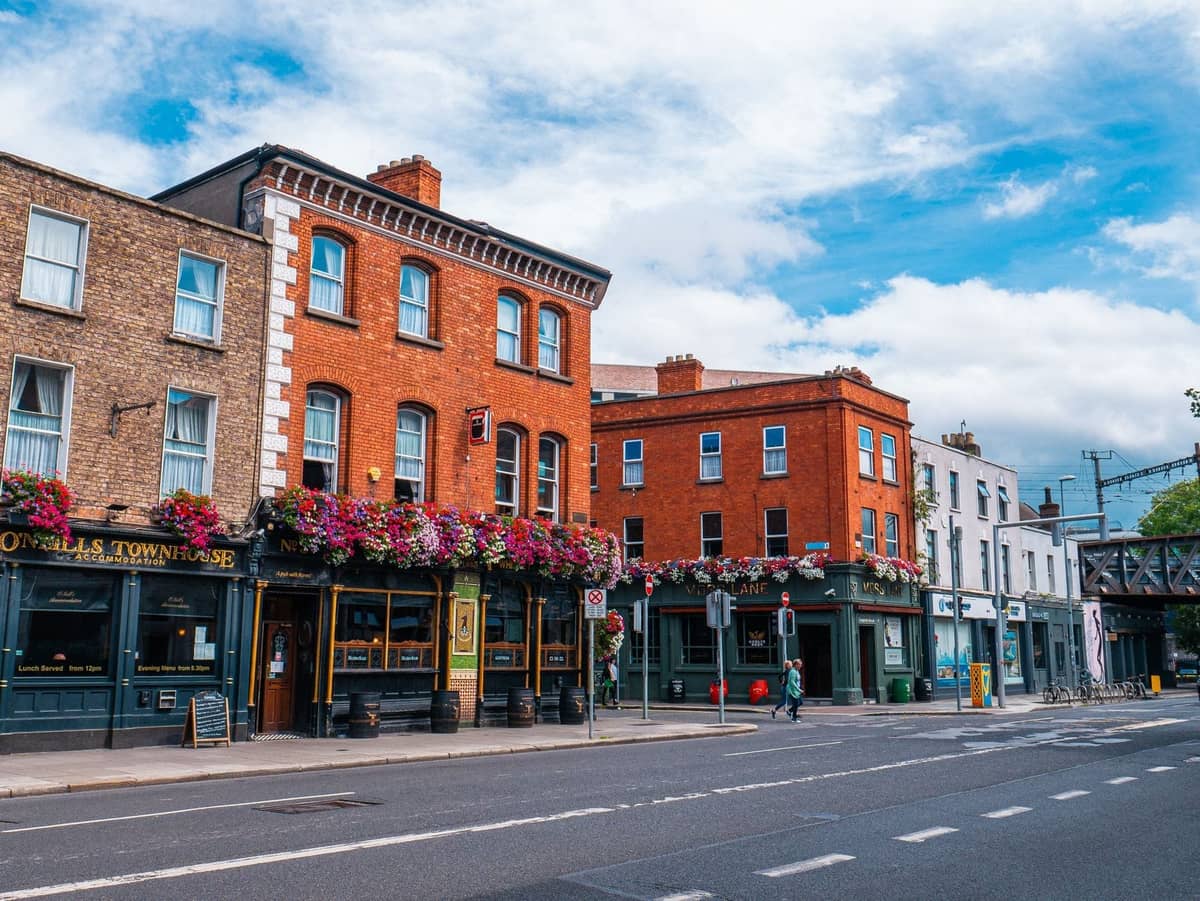
The inner southside suburbs within 2-3 km of St Stephen's Green are often the best choice for travellers who have visited Dublin before, want more space for their money, and prefer a neighbourhood with working restaurants and cafés rather than tourist-facing ones. Ranelagh and Portobello in particular have built strong reputations for independent food and drink. Rathmines has a larger student population, giving it a more energetic everyday atmosphere.
Ballsbridge sits about 2 km southeast of St Stephen's Green and is traditionally associated with embassies and professional offices. Hotels in this area often represent good value compared to equivalent-quality options in D2, and the No. 7 and No. 18 bus routes connect quickly to the city core. The Luas Green Line stops at Ranelagh and Beechwood, making the journey into St Stephen's Green under 10 minutes by tram. Walking to the city centre from Ranelagh takes around 20-30 minutes along pleasant streets.
✨ Pro tip
If you're visiting Dublin for a week or more, consider an apartment rental in Ranelagh or Rathmines. You get a proper kitchen, more living space, and access to the same independent food shops and markets that locals use, at significantly lower per-night costs than central hotels. The Luas Green Line makes day trips to the centre effortless.
Coastal Bases: Howth, Dalkey & Dún Laoghaire
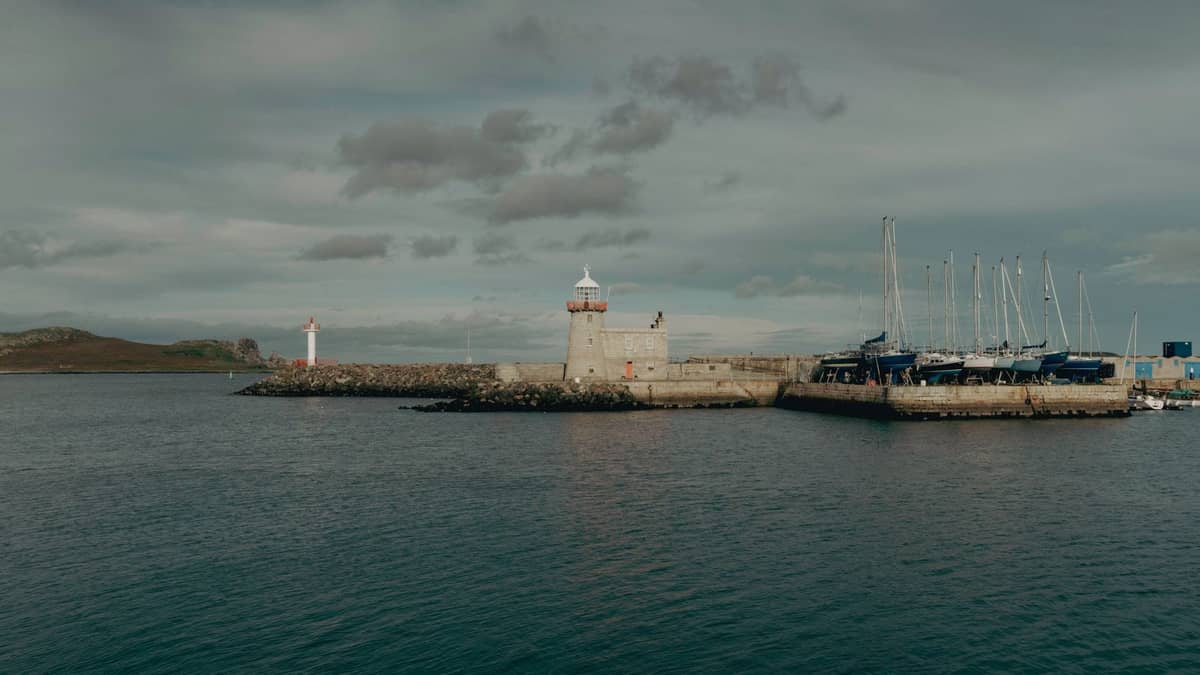
Some visitors to Dublin, Ireland choose to stay outside the city entirely, using the DART coastal rail line to commute into the centre. Howth to the north and Dalkey and Dún Laoghaire to the south are the most popular choices for this approach. DART trains from Howth to Connolly Station take around 30-35 minutes; from Dalkey to Pearse Station, the journey is approximately 20-25 minutes.
This option is not ideal if your main goal is walking the Dublin streets at night or attending late events, since DART services run less frequently after 11pm. But for families, couples, or anyone who wants a harbour setting, sea walks, and genuinely different surroundings, the coastal towns offer an experience that central Dublin hotels cannot match. Accommodation costs in these areas are generally comparable to or slightly lower than the inner city equivalents.
Practical Booking Advice for Dublin Hotels
Dublin hotel prices follow a fairly predictable seasonal pattern. Summer (June through August) is the busiest period, with rates at their highest. St Patrick's Festival in mid-March drives a sharp but short spike in demand for central accommodation. The weeks around major sporting events at Croke Park and the Aviva Stadium also tighten availability in the relevant surrounding areas. Outside these periods, particularly in November through February, rates drop substantially and rooms are plentiful.
Mid-range three-star hotels in the historic centre typically run around EUR 90-130 per night for a double room when booked in advance during shoulder season. In peak summer or during major events, the same rooms can reach EUR 180-250 or more. Properties near Merrion Square or St Stephen's Green with strong reputations rarely dip below EUR 150 in high season. Budget accommodation including hostels exists primarily in the D1 and D7 areas on the northside.
- Book 6-8 weeks ahead minimum for July and August stays in D1 or D2
- Check event calendars for Croke Park and the Aviva Stadium before choosing a northside or southside base
- Apartments via short-term rental platforms often work out cheaper than hotels for stays of 4+ nights
- Dublin Airport (DUB) is around 7-10 km north of the city centre; airport hotels make sense only if you have a very early departure or arrival
- The Luas Green Line connects the southside suburbs to St Stephen's Green efficiently; the Red Line runs from Tallaght/Saggart to Connolly/The Point via the city centre and is most useful for Smithfield and the Docklands
- DART trains run along the coast and are the best option for reaching Howth, Malahide, Sandymount, or Dún Laoghaire from the city
💡 Local tip
If you're arriving at Dublin Airport and want to get to the city centre without paying taxi fares (which can reach EUR 25-40 depending on destination and time of day), the Aircoach and Dublin Bus 16/41 routes run frequently. Journey times to O'Connell Street run around 30-45 minutes depending on traffic. Pre-book Aircoach online for a small discount.
For more context on planning your overall time in Dublin, the getting around Dublin guide covers the full public transport network in detail. If you're deciding between a short break and a longer stay, the 3-day Dublin itinerary and the one-week Dublin itinerary will help you map your base against your sightseeing plans.
FAQ
What is the best area to stay in Dublin for first-time visitors?
The Trinity College / Grafton Street / St Stephen's Green area (Dublin 2) is the most consistently recommended base for first-time visitors. It puts you within walking distance of the majority of the major sights, keeps you close to the best restaurant and café options, and is generally quieter at night than Temple Bar. It commands a price premium, but the convenience is genuine.
Is Temple Bar a good place to stay in Dublin?
Temple Bar is well-located but noisy, especially on Friday and Saturday nights in summer. It works well for short stays where proximity to nightlife is a priority. For families, light sleepers, or anyone on an early schedule, the noise levels can be a real problem. The Trinity College or Portobello areas give you nearly the same location advantages without the late-night street activity.
How far in advance should I book a Dublin hotel?
For summer visits (June–August) and around St Patrick's Festival (mid-March), book at least 6-8 weeks ahead for central areas. During major events at Croke Park or the Aviva Stadium, book even earlier. Outside peak periods, booking 2-3 weeks ahead is usually sufficient, with last-minute deals sometimes available in winter months.
Is it worth staying outside Dublin city centre?
Yes, for the right traveller. Areas like Ranelagh, Rathmines, and Ballsbridge offer lower rates, a more local atmosphere, and reliable Luas or bus connections that put you in the city centre within 15-25 minutes. Coastal options like Howth or Dún Laoghaire suit those who want a harbour base with DART access into the city.
What are typical hotel prices in Dublin?
Mid-range 3-star hotels in the historic city centre typically cost around EUR 90-130 per night for a double room in shoulder season, rising to EUR 180-250 or more in July and August or during major events. Budget hostels exist primarily in the northside (D1, D7) and run around EUR 25-50 per dorm bed. Luxury properties near Merrion Square or St Stephen's Green start from EUR 200-300 per night in high season.