One Week in Dublin & Ireland: The Complete 7-Day Itinerary
Seven days is enough to see Dublin's best and reach the wild west coast of Ireland, but only if you plan smart. This itinerary balances city time with coastal scenery, covers realistic driving and transit times, and flags the planning mistakes that turn a great trip into an exhausting one.
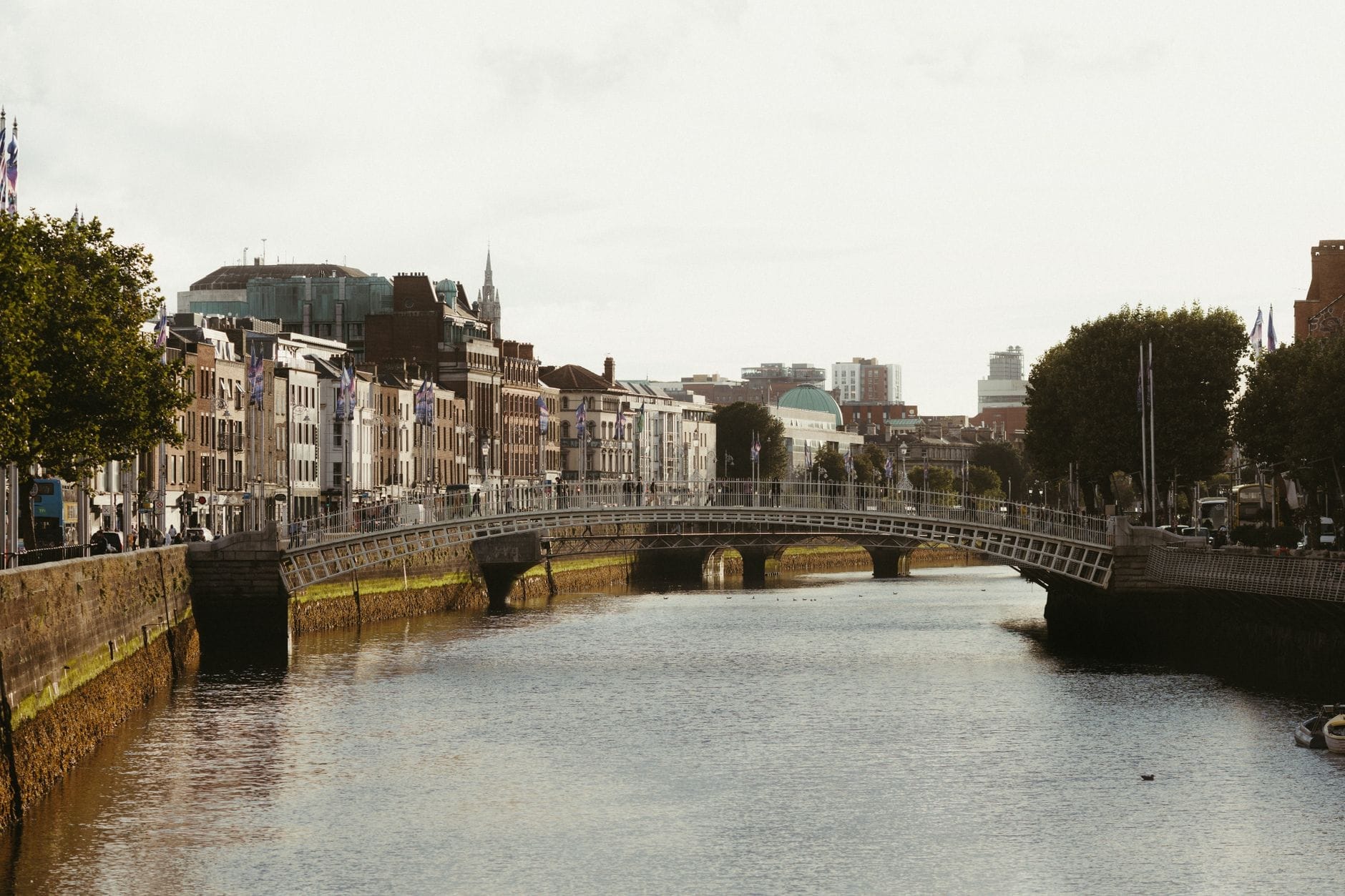
Plan and book this trip
Tools from our partner Travelpayouts help you compare flights and hotels. If you book through them, we may earn a commission at no extra cost to you.
Flights
Hotels map
TL;DR
- Seven days works best as 2 days in Dublin plus 5 days covering 2-3 regions, not a full loop of Ireland.
- The classic route runs Dublin to Galway to the Cliffs of Moher to Kerry/Cork, then back to Dublin. See our day trips from Dublin guide for side-trip options.
- Renting a car unlocks the west coast far more than public transport. Book early, especially for summer travel.
- Dublin to the Cliffs of Moher is about 3.5-4 hours by car. It is not a sensible day trip from the city.
- Book the Guinness Storehouse and Kilmainham Gaol online in advance. Check when to visit Dublin for seasonal crowd advice.
Before You Go: What to Know About Planning a Week in Ireland
Ireland rewards realistic planning more than almost any other European destination. The island is not large by geographic standards, but the roads, particularly in the west, are narrow, winding, and frequently shared with slow farm traffic. A journey that looks like 90 minutes on a map can take 2.5 hours. Building this into your itinerary is the single most important planning decision you will make.
Dublin is the primary international gateway, served by Dublin city centre and Dublin Airport (IATA: DUB), located roughly 10 km north of the city. Most visitors arrive with a single week and want to balance Dublin sightseeing with at least a taste of the Irish countryside. The good news is that seven days is a genuinely comfortable amount of time for this, as long as you resist the temptation to cover too much ground.
⚠️ What to skip
Do not plan the Cliffs of Moher as a Dublin day trip. The drive is 3.5-4 hours each way, which means 7-8 hours in the car for perhaps 90 minutes at the cliffs. Staying overnight in Galway or Doolin and visiting the cliffs the following morning is far more worthwhile.
The standard question is whether to start in Dublin or go straight west. If your flight arrives early, heading directly to Galway from the airport (roughly 2.5 hours by road or coach) lets you maximize time in the west while your body adjusts to the time zone. Save Dublin for your final two nights when you know the country better and can appreciate the city's context. That said, starting in Dublin is the more common and slightly more relaxed choice, especially for first-time visitors who want to ease in.
Days 1-2: Dublin, Done Right

Two full days in Dublin is tight but workable if you are selective. The city has enough to fill a week on its own, but for a one-week Ireland itinerary, focus on the tier-one experiences and leave the rest for a return trip. Start with Trinity College Dublin and the Book of Kells first thing in the morning, before the tour groups arrive. The Long Room library alone justifies the entrance fee.
- Trinity College & Book of Kells Book online in advance. Arrive at opening time to avoid the worst of the crowds. Allow 1.5-2 hours including the Long Room.
- Kilmainham Gaol This is one of the most significant historical sites in Ireland and gets booked out weeks in advance in summer. Book the guided tour online the moment your travel dates are confirmed.
- Guinness Storehouse Popular and commercially polished, but the gravity bar view over Dublin is genuinely worth it. Book online for a cheaper rate than the door price.
- National Museum of Archaeology Free entry. The Bog Bodies and the Viking-era gold collection are world-class. Allow 2 hours and do not skip this in favour of a paid attraction.
- St. Patrick's Cathedral The largest cathedral in Ireland and worth visiting for its scale and the Jonathan Swift connections. Entry fee applies.
On your second Dublin day, shift focus to the neighbourhoods. Walk from St. Stephen's Green through Merrion Square, taking in the Georgian architecture and the Oscar Wilde statue, then make your way to the Docklands to see how radically the city has changed in the last 25 years. If time allows, the Chester Beatty Library in Dublin Castle's gardens is free, outstanding, and consistently overlooked by visitors following standard tourist itineraries.
💡 Local tip
Skip Temple Bar for drinking. The area is worth a quick daytime walk for the cobblestones and atmosphere, but the pubs charge roughly double what you will pay two streets away. For a proper Dublin pub experience, head to Mulligan's on Poolbeg Street, Kehoe's on South Anne Street, or O'Donoghue's on Merrion Row.
Days 3-4: Galway and the West Coast
Leave Dublin on day three. If you have a rental car, pick it up from the city or airport on your way out. If you are relying on public transport, the direct coach from Dublin to Galway takes about 2.5 hours and runs regularly through private operators like GoBus and Citylink. Iarnród Éireann (Irish Rail) also runs services to Galway, with journey times of around 2 hours 10 minutes from Heuston Station. Book in advance for better prices.
Galway is compact enough to explore on foot and has one of the most animated city centres in Ireland. The Latin Quarter, the Spanish Arch, and the covered Galway Market (held Saturday and Sunday) are all within easy walking distance of each other. Galway also functions as the best base for reaching Connemara, the Aran Islands, and the Cliffs of Moher, which is why it earns two nights in most well-structured itineraries.
From Galway, the Cliffs of Moher are about 75-80 km south via the N67 coastal road, which is scenic but slower than it looks. Allow 1.5-2 hours driving each way. The cliffs are at their most dramatic in morning light and far less crowded before 10am. The visitor centre charges an entry fee that includes parking and access to the cliff-side paths. There is no need to pay for additional guided tours at the site itself. After the cliffs, the Burren plateau on the return route to Galway is worth a short detour for its extraordinary limestone landscape.
✨ Pro tip
For the Aran Islands, ferries depart from Galway City Docks (Aran Island Ferries) and from Rossaveal, about 40 minutes west of Galway. The Rossaveal crossing is shorter at roughly 40 minutes versus around 90 minutes from the city docks. Book online in advance, especially in summer, and confirm the current timetable directly with the ferry operator before your trip.
Days 5-6: Kerry or Cork (Choose One)
This is where most one-week itineraries try to do too much. Kerry and Cork are both exceptional, but covering both properly requires at least 3-4 days. For a seven-day trip, choose one region and commit to it.
- Choose Kerry if: You want dramatic mountain and coastal scenery, the Ring of Kerry drive, Dingle Peninsula, and a quieter, more rural experience. The drive from Galway to Killarney takes about 3 hours via the N18 and N21.
- Choose Cork if: You want a city base with good restaurants, Blarney Castle nearby (about 8 km from Cork city), the English Market, and easy access to the charming coastal town of Kinsale (30 minutes south). Galway to Cork is roughly 3 hours by road.
- The compromise option: Drive from Galway to Killarney (Kerry) on day 5, spend day 6 on the Ring of Kerry or Dingle, then continue east to Cork city on the evening of day 6 to position yourself for the drive back to Dublin on day 7. This works but it is a lot of driving.
The Ring of Kerry is a 179 km circular route around the Iveragh Peninsula. It is genuinely scenic, particularly the section between Cahersiveen and Waterville, but it is also heavily trafficked in summer, with coach tours following the route clockwise. Drive it counter-clockwise (starting from Killarney via Killorglin) to avoid the worst of the coach congestion. The hiking options near Dublin pale in comparison to what Kerry offers, so if outdoor walking is a priority, Kerry is the right call.
Day 7: The Return to Dublin
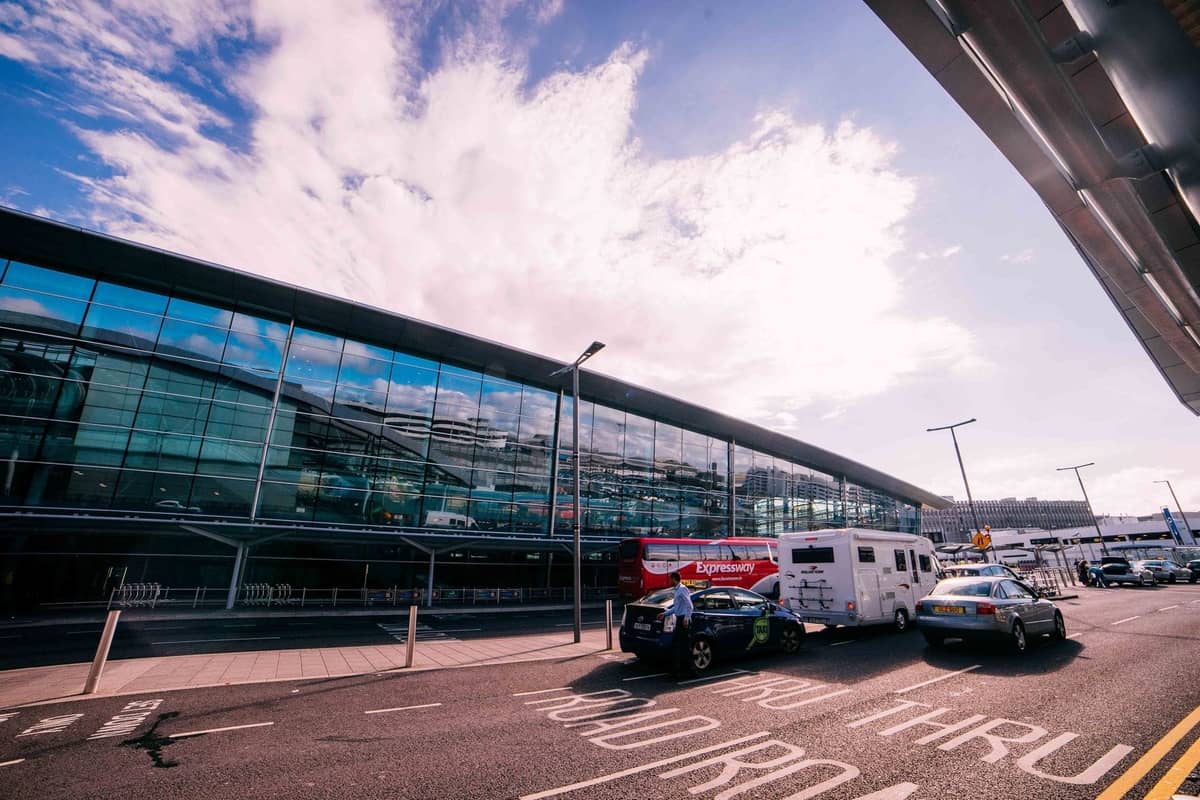
The drive from Cork to Dublin takes around 2.5–3 hours via the M8 motorway, making it one of the most straightforward legs of the trip. From Kerry (Killarney), allow around 3.5–4 hours to Dublin. If your flight departs from Dublin Airport on day 7 rather than day 8, leave yourself at least 3 hours at the airport for international departures, plus the driving time from wherever you are in the south or west.
If you have a morning flight and are coming from Killarney or Kerry, seriously consider driving back to Dublin on the evening of day 6 and spending your final night near the airport or city centre. Drop the rental car the night before to avoid morning stress. For those with an afternoon departure and a final Dublin morning, the area around the Docklands or a walk along the Grand Canal offers a quieter farewell to the city than another lap of Temple Bar.
Transport, Logistics, and Practical Advice
A rental car is the most practical way to cover this itinerary, particularly for the west coast. Irish road conditions vary considerably: motorways between cities are fast and modern, but rural roads in Kerry, Connemara, and Clare are frequently single-track with passing places. If you have not driven on the left before, practice in Dublin suburbs before hitting the west coast. Book your car as far in advance as possible, especially for travel between June and August, when Ireland in peak season sees rental supply tighten sharply and prices rise.
- Dublin Airport has all major rental car operators based at a dedicated car hire facility near the airport, reached by shuttle bus. Return the car here at the end of the trip to avoid one-way fees, which can be significant.
- Driving in Dublin city itself is not recommended for visitors. Use public transport (Luas, DART, Dublin Bus) within the city and only collect your rental car when leaving for the west.
- The Luas Green Line connects the city centre to the south suburbs. The DART coastal rail service runs north to Howth and south to Greystones, useful for day trips without a car.
- Intercity coaches through Bus Éireann and private operators like GoBus and Citylink are a viable alternative to the train and often cheaper. Journey times are similar.
- Aircoach runs a direct service between Galway Bus Station and Dublin Airport roughly every hour, with a journey time of around 3 hours. Useful if you fly into Dublin and want to head west immediately.
For accommodation, expect to pay more in Dublin than anywhere else on this itinerary. Budget around €150-250 per night for a mid-range Dublin hotel in a good location, less in hostels or guesthouses. Galway and Killarney are also popular, so book early, particularly for weekend stays. Smaller towns like Doolin (near the Cliffs of Moher) or Dingle can fill up completely in summer. Read the where to stay in Dublin guide for neighbourhood-by-neighbourhood advice on the city.
ℹ️ Good to know
Ireland uses Type G plugs (the same three-pin rectangular plugs as the UK) and 230V electricity at 50Hz. Visitors from North America will need a plug adapter, and a voltage converter only for non-dual-voltage devices. The currency is the Euro (EUR). Ireland is not part of the Schengen Area, so non-EU visitors should check Irish visa requirements separately from any Schengen visa they may hold.
FAQ
Is one week enough to see Dublin and Ireland?
One week is enough to see Dublin properly and experience 2-3 other regions of Ireland, but not the whole country. Focus on Dublin plus the west coast (Galway, Cliffs of Moher) and either Kerry or Cork. Trying to cover more than that results in too much time in the car and not enough time actually experiencing the places you visit.
Do I need a rental car for a 7-day Ireland itinerary?
For the west coast, a car makes an enormous difference. Connemara, the Ring of Kerry, Dingle, and the smaller towns near the Cliffs of Moher are difficult or time-consuming to reach by public transport. Dublin itself is best explored on foot and by public transit. You can pick up a rental car when leaving Dublin and return it to the airport at the end of the trip.
What is the best time of year for a week in Ireland?
Late May through September offers the longest daylight hours and the highest chance of mild, dry weather, though Ireland can and does rain in any month. July and August are the busiest months, with higher prices and advance booking essential. May, June, and September offer a good balance of reasonable weather and fewer crowds. Winter travel is possible and has its own appeal, but shorter daylight hours and some seasonal closures are real constraints.
Should I start my Ireland trip in Dublin or fly into another city?
Most international flights arrive at Dublin Airport (DUB), so Dublin is the practical starting point for most visitors. Shannon Airport (SNN) in County Clare is an alternative entry point that puts you closer to Galway and the Cliffs of Moher from day one, which suits a west-first itinerary. Cork Airport (ORK) also has European connections. Check what routing makes sense for your specific flights.
What should I book in advance for Dublin?
Book Kilmainham Gaol tours as early as possible, they sell out weeks ahead in summer. The Guinness Storehouse is cheaper online than at the door. The Book of Kells at Trinity College is also best booked ahead. For the west coast, reserve accommodation in Galway, Doolin, and Killarney early, particularly for travel between June and August.