Best Hikes Near Dublin: Wicklow Mountains & Coastal Trails
Dublin sits at the doorstep of some of Ireland's finest walking country. Whether you want cliff-top sea views, ancient monastic valleys, or proper mountain terrain, these are the best hikes and trails within easy reach of the city.
Plan and book this trip
Tools from our partner Travelpayouts help you compare flights and hotels. If you book through them, we may earn a commission at no extra cost to you.
Flights
Hotels map
You don't need to travel far from Dublin to find outstanding hiking. The Wicklow Mountains begin less than 30 minutes south of the city centre, and the coast stretches in both directions with cliff-top and seafront trails. Many of the best routes are reachable without a car: the DART connects you to Howth and Dún Laoghaire in under 30 minutes, while dedicated buses serve Glendalough from St Stephen's Green. This guide covers the top hiking destinations near Dublin, from quick half-day walks to full-day mountain adventures. For ideas on combining hikes with broader exploration, see our day trips from Dublin guide.
✨ Pro tip
Pack waterproofs regardless of the forecast. Wicklow Mountain weather changes fast, and upland trails can be boggy even in summer. Proper walking boots are essential for anything beyond coastal paths.
Coastal Walks & Sea Cliff Trails
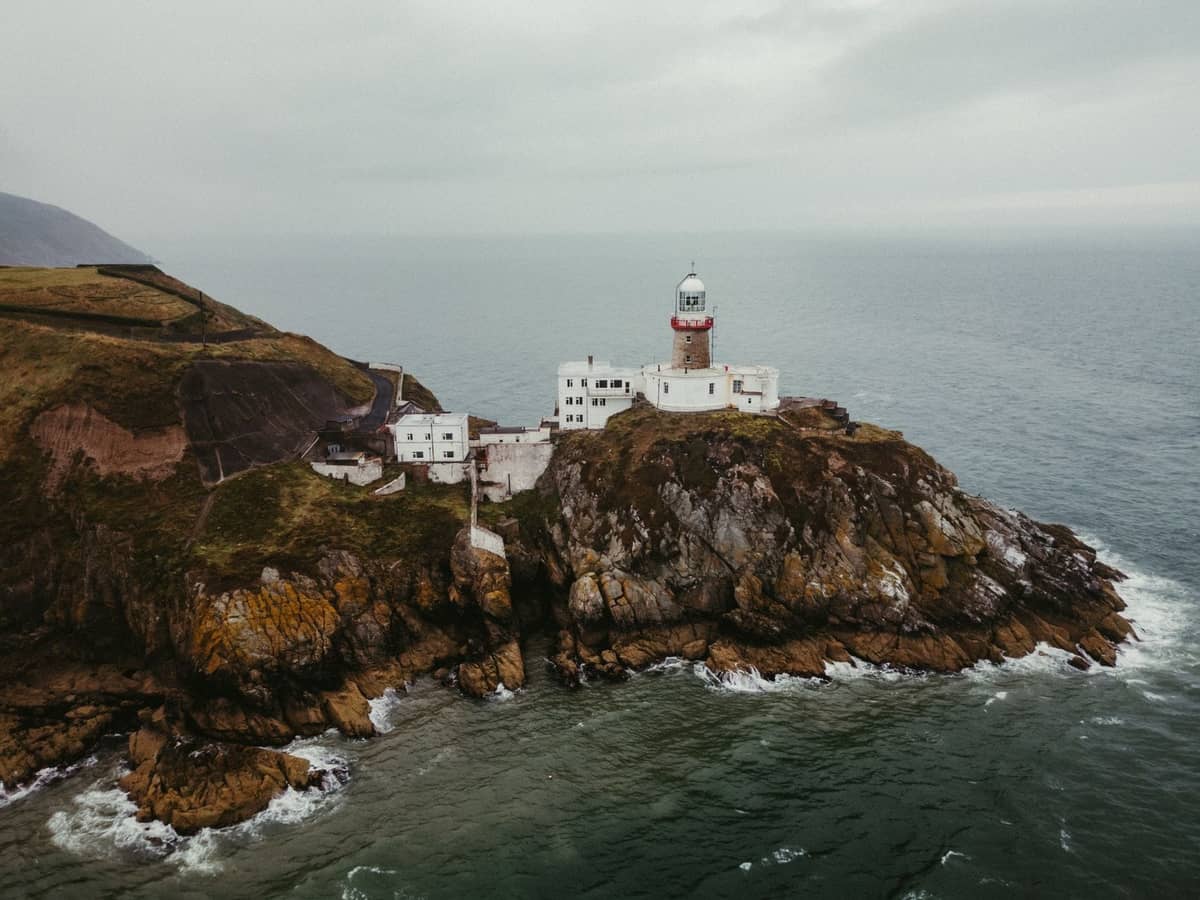
Dublin's coastline offers some of Ireland's most accessible and rewarding walking. The northern headland at Howth and the southern stretch toward Dalkey and Killiney are both reachable by DART and deliver dramatic sea views with minimal effort. These trails suit all fitness levels, though the Howth cliff sections demand sure footing.
1. Walk the Howth Cliff Loop for Dublin's Best Sea Views
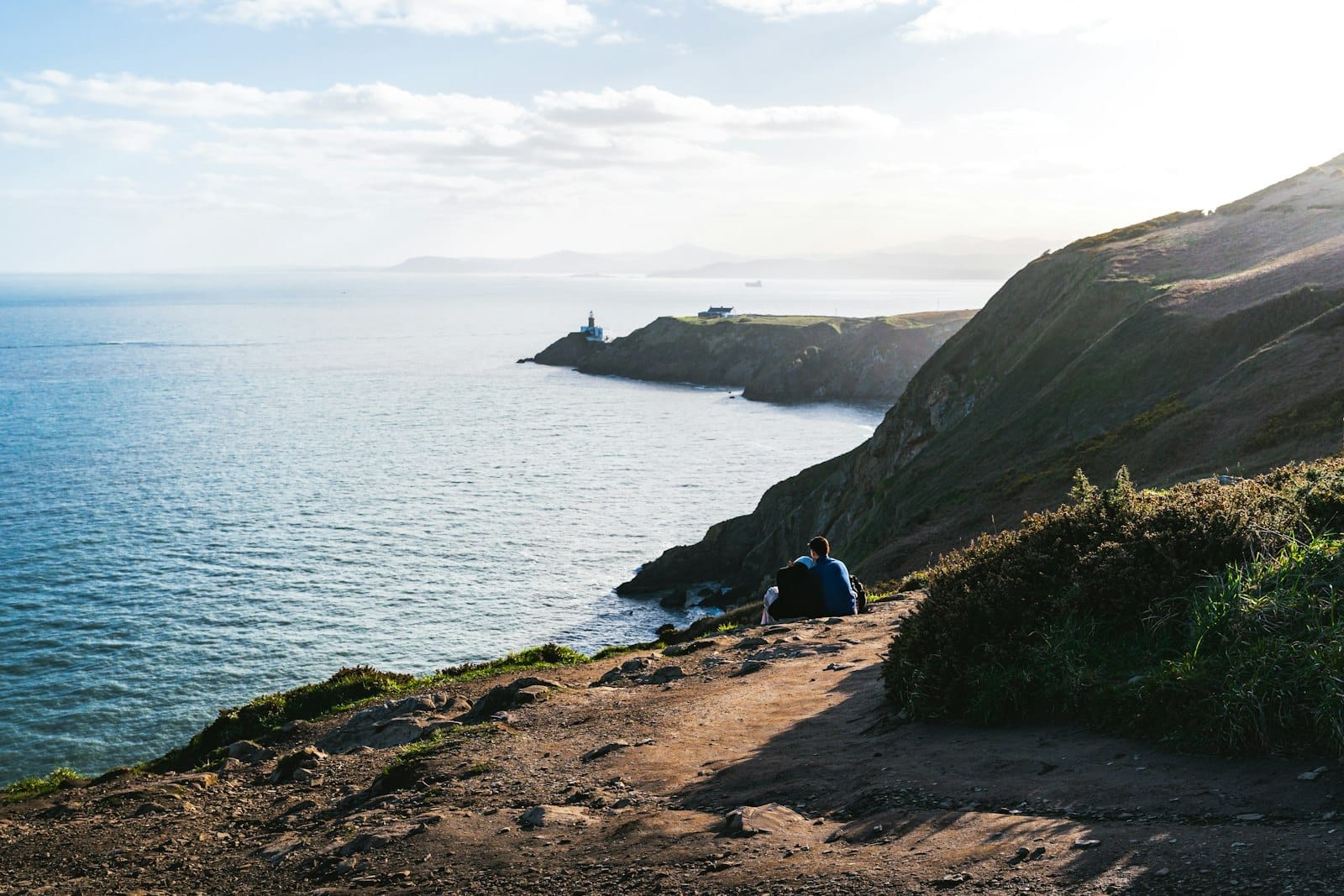
The full 10 km loop around Howth Head passes heather-covered headlands, seabird colonies, and sheer cliff drops above Dublin Bay. Take the DART from the city in 25 minutes. Do the loop anticlockwise to walk the clifftops with the sea on your left.
Explore1. Walk the Howth Cliff Loop for Dublin's Best Sea Views
The full 10 km loop around Howth Head passes heather-covered headlands, seabird colonies, and sheer cliff drops above Dublin Bay. Take the DART from the city in 25 minutes. Do the loop anticlockwise to walk the clifftops with the sea on your left.
Explore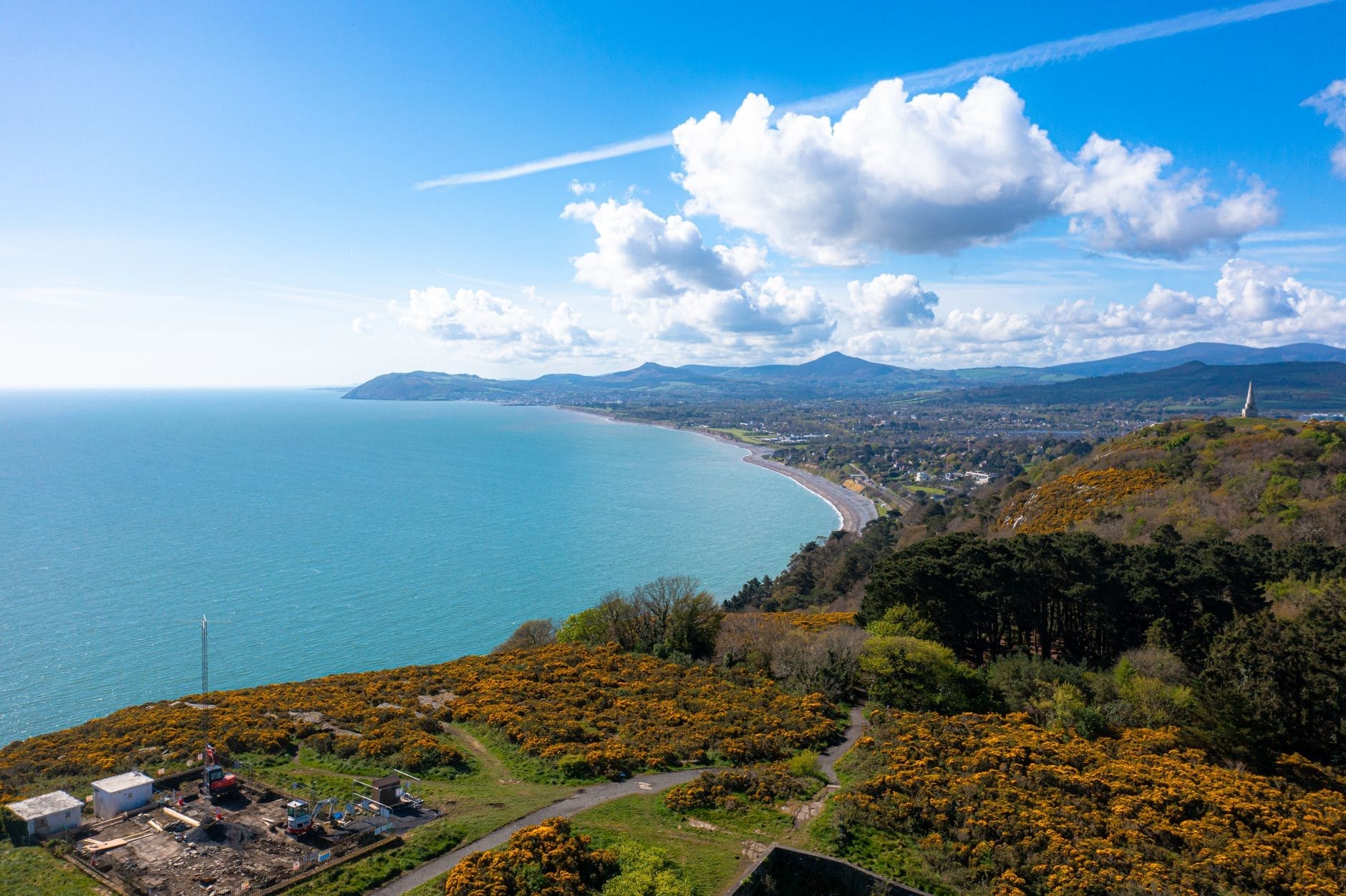
2. Climb Killiney Hill for Views Across Dublin Bay
A short but rewarding climb above Killiney village rewards with a panorama often compared to the Bay of Naples: Dublin Bay sweeping north, the Wicklow Mountains behind, and on clear days, Wales on the horizon. DART to Killiney station, then a 10-minute walk to the park entrance.
Explore2. Climb Killiney Hill for Views Across Dublin Bay
A short but rewarding climb above Killiney village rewards with a panorama often compared to the Bay of Naples: Dublin Bay sweeping north, the Wicklow Mountains behind, and on clear days, Wales on the horizon. DART to Killiney station, then a 10-minute walk to the park entrance.
Explore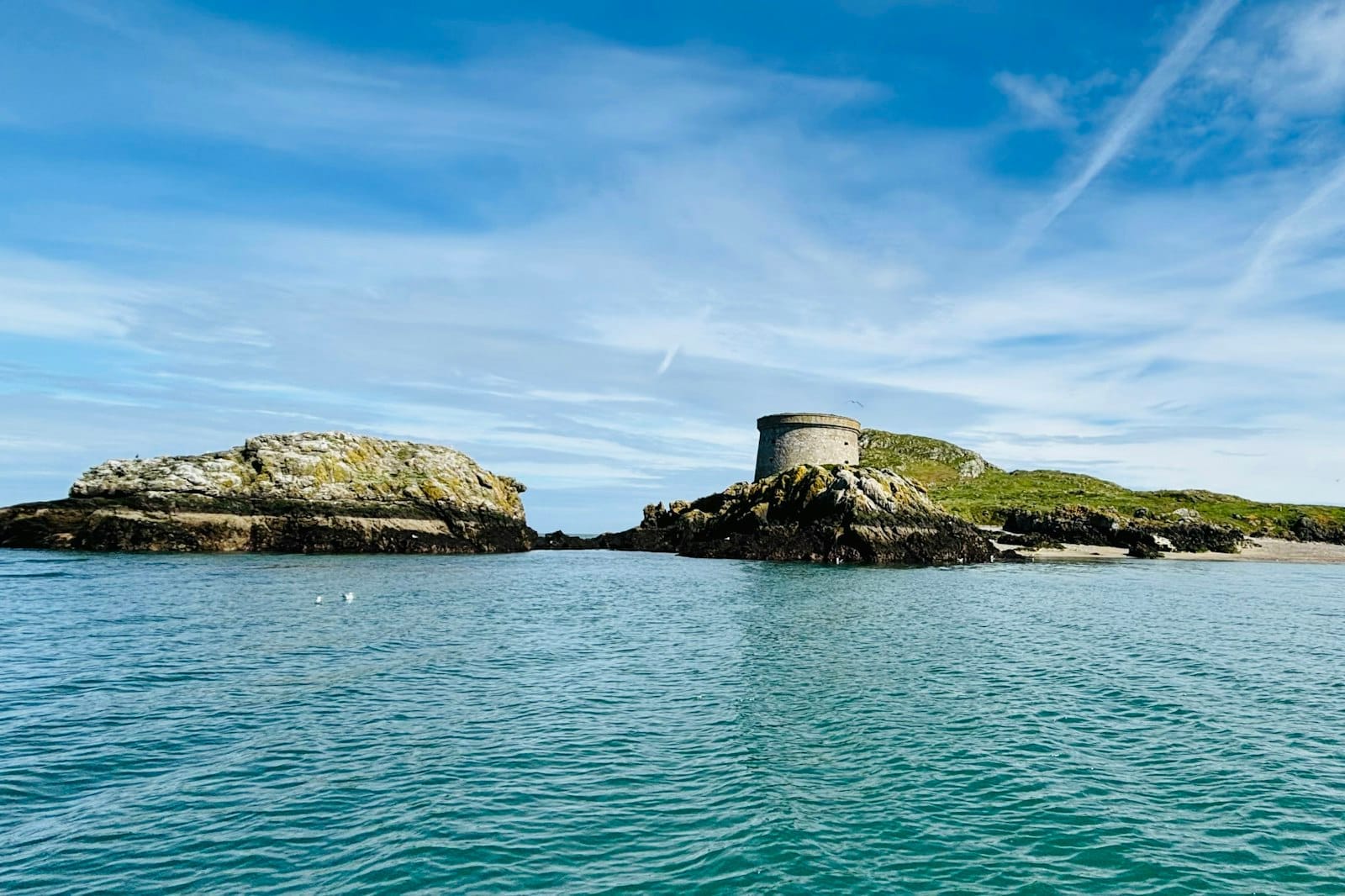
3. Take a Boat to Ireland's Eye for a Wild Island Hike
A 10-minute boat trip from Howth Harbour lands you on this uninhabited island with a ruined 8th-century church, Martello tower, dramatic sea stacks, and gannet colonies. Allow 2-3 hours to explore properly. Boats run seasonally; check operators at Howth Harbour before visiting.
Explore3. Take a Boat to Ireland's Eye for a Wild Island Hike
A 10-minute boat trip from Howth Harbour lands you on this uninhabited island with a ruined 8th-century church, Martello tower, dramatic sea stacks, and gannet colonies. Allow 2-3 hours to explore properly. Boats run seasonally; check operators at Howth Harbour before visiting.
Explore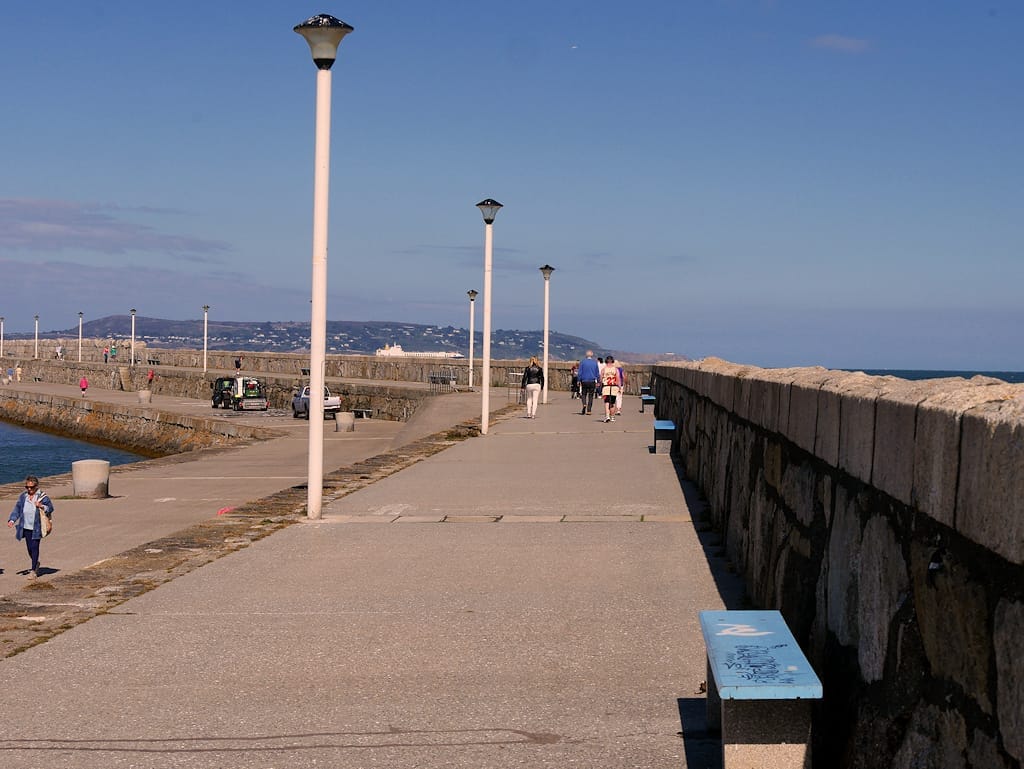
4. Stride the Victorian Piers at Dún Laoghaire
The East Pier extends 1.3 km into Dublin Bay, offering a brisk, flat walk with open sea air and views of the Wicklow Mountains. Combine both piers for a longer 6 km circuit. Perfect for an easy morning walk before exploring the harbour town.
Explore4. Stride the Victorian Piers at Dún Laoghaire
The East Pier extends 1.3 km into Dublin Bay, offering a brisk, flat walk with open sea air and views of the Wicklow Mountains. Combine both piers for a longer 6 km circuit. Perfect for an easy morning walk before exploring the harbour town.
Explore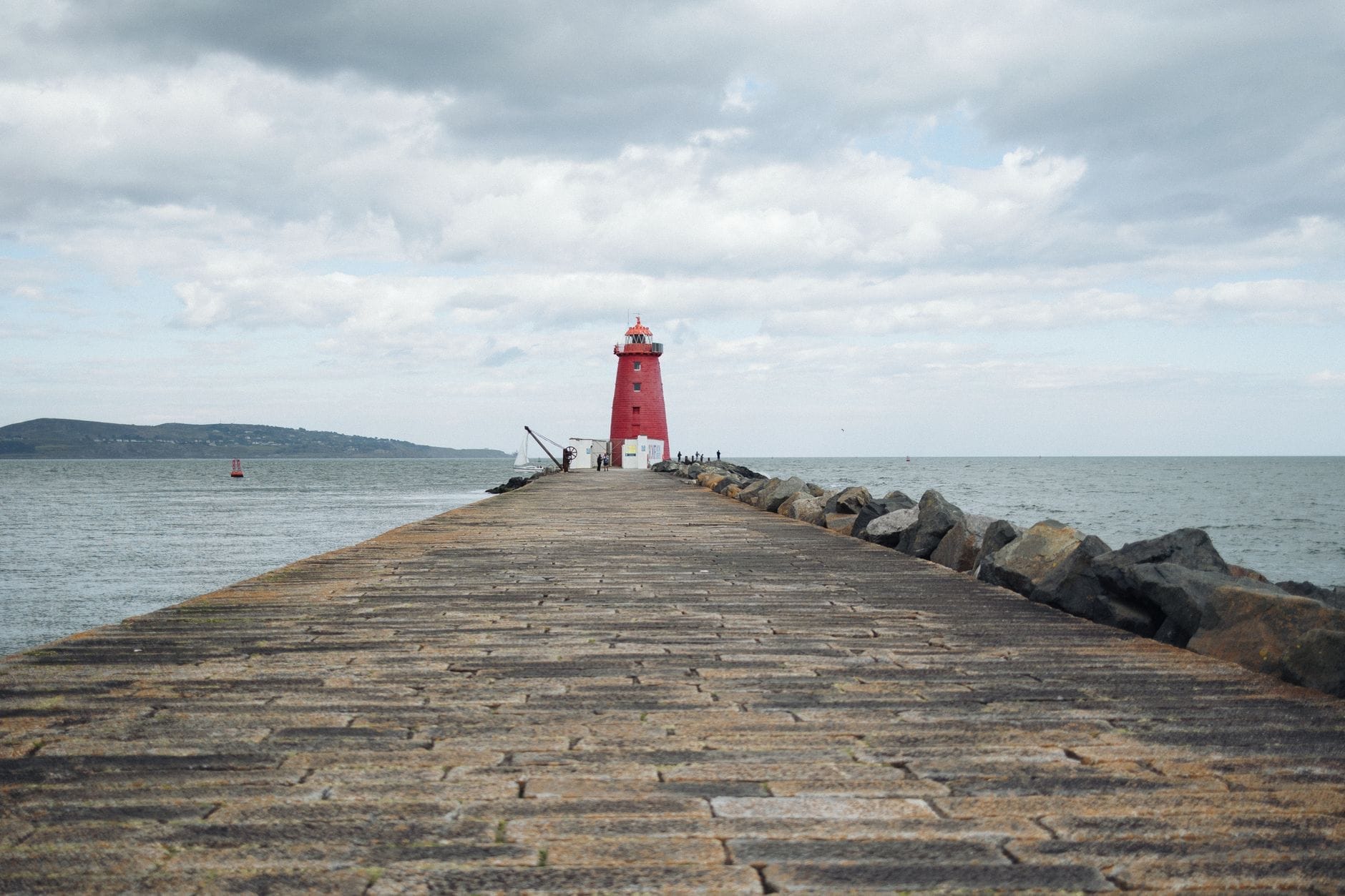
5. Walk the Great South Wall to the Red Poolbeg Lighthouse
A 4 km out-and-back walk along a granite sea wall jutting into Dublin Bay, ending at the iconic red-and-white Poolbeg Lighthouse. The views back to the city skyline and chimneys are unique. No public transport to the start; take a taxi or cycle from Ringsend.
Explore5. Walk the Great South Wall to the Red Poolbeg Lighthouse
A 4 km out-and-back walk along a granite sea wall jutting into Dublin Bay, ending at the iconic red-and-white Poolbeg Lighthouse. The views back to the city skyline and chimneys are unique. No public transport to the start; take a taxi or cycle from Ringsend.
Explore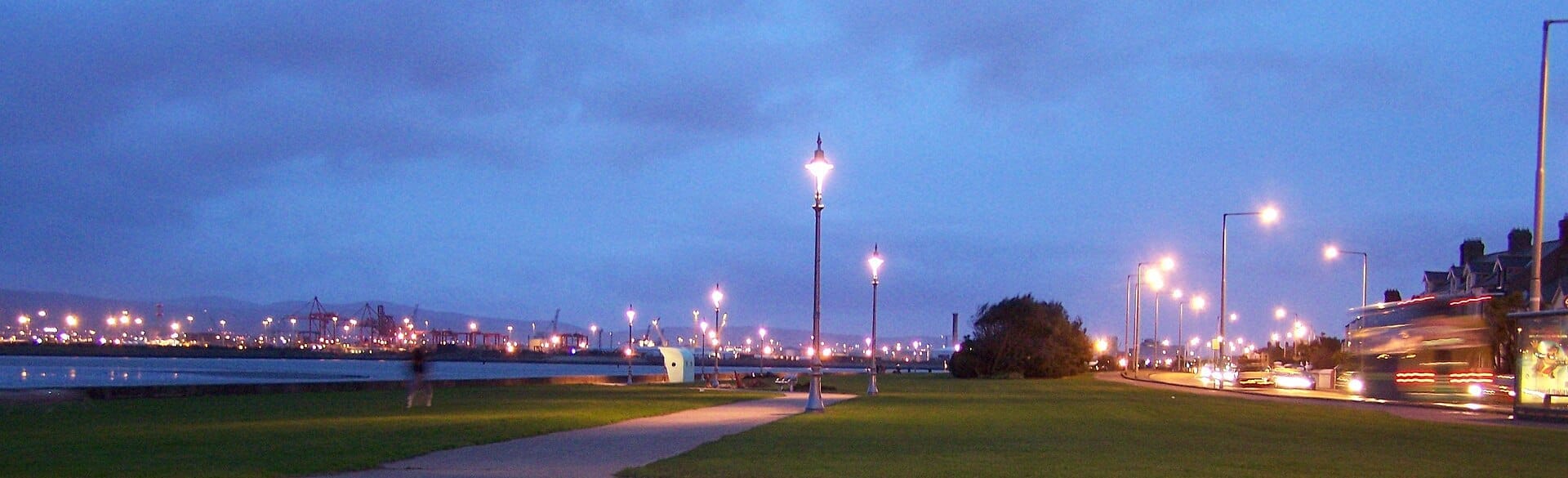
6. Stroll the Clontarf Seafront Promenade Along Dublin Bay
A flat 3 km seafront walk passing the site of the 1014 Battle of Clontarf, with views across to Howth and the Dublin Mountains. Ideal as a warm-up route or easy evening walk. Frequent buses connect Clontarf Road to the city centre in 15 minutes.
Explore6. Stroll the Clontarf Seafront Promenade Along Dublin Bay
A flat 3 km seafront walk passing the site of the 1014 Battle of Clontarf, with views across to Howth and the Dublin Mountains. Ideal as a warm-up route or easy evening walk. Frequent buses connect Clontarf Road to the city centre in 15 minutes.
ExploreWicklow Mountains: Day Hikes & Glacial Valleys
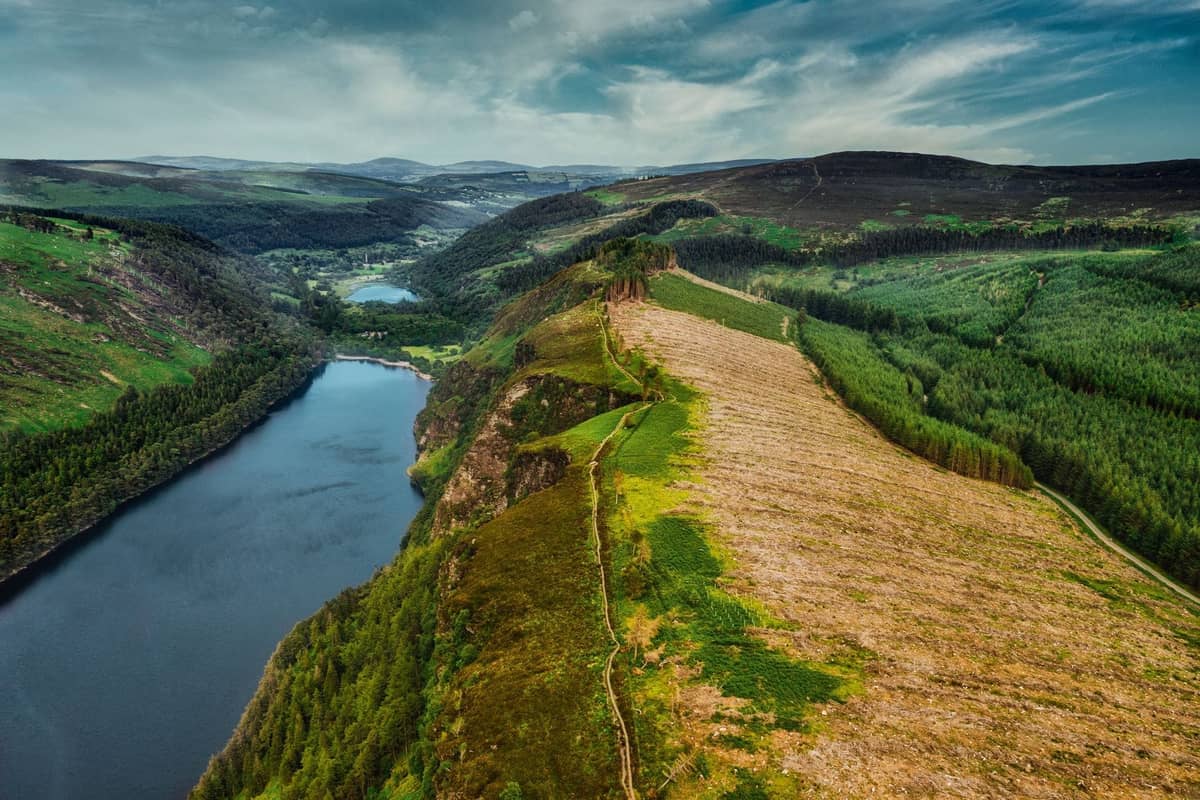
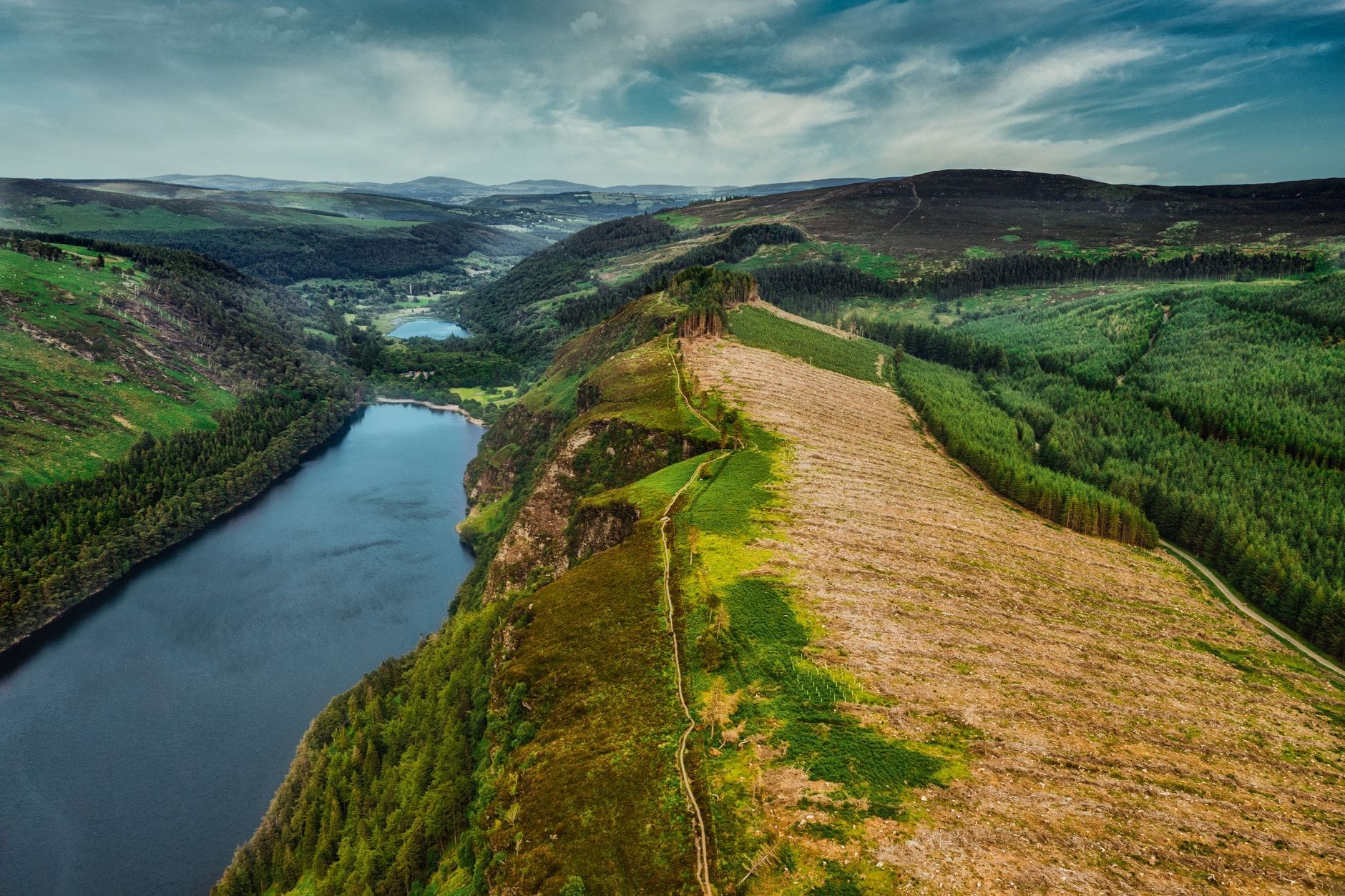
The Wicklow Mountains offer the most dramatic hiking within reach of Dublin. Glacial valleys, blanket bog, ancient oak woodland, and mountain lakes define the landscape. Glendalough is the main hub, reachable by bus from St Stephen's Green, making it Dublin's most popular hiking day trip. For more on the wider area, the 3-day Dublin itinerary includes a dedicated Wicklow day.
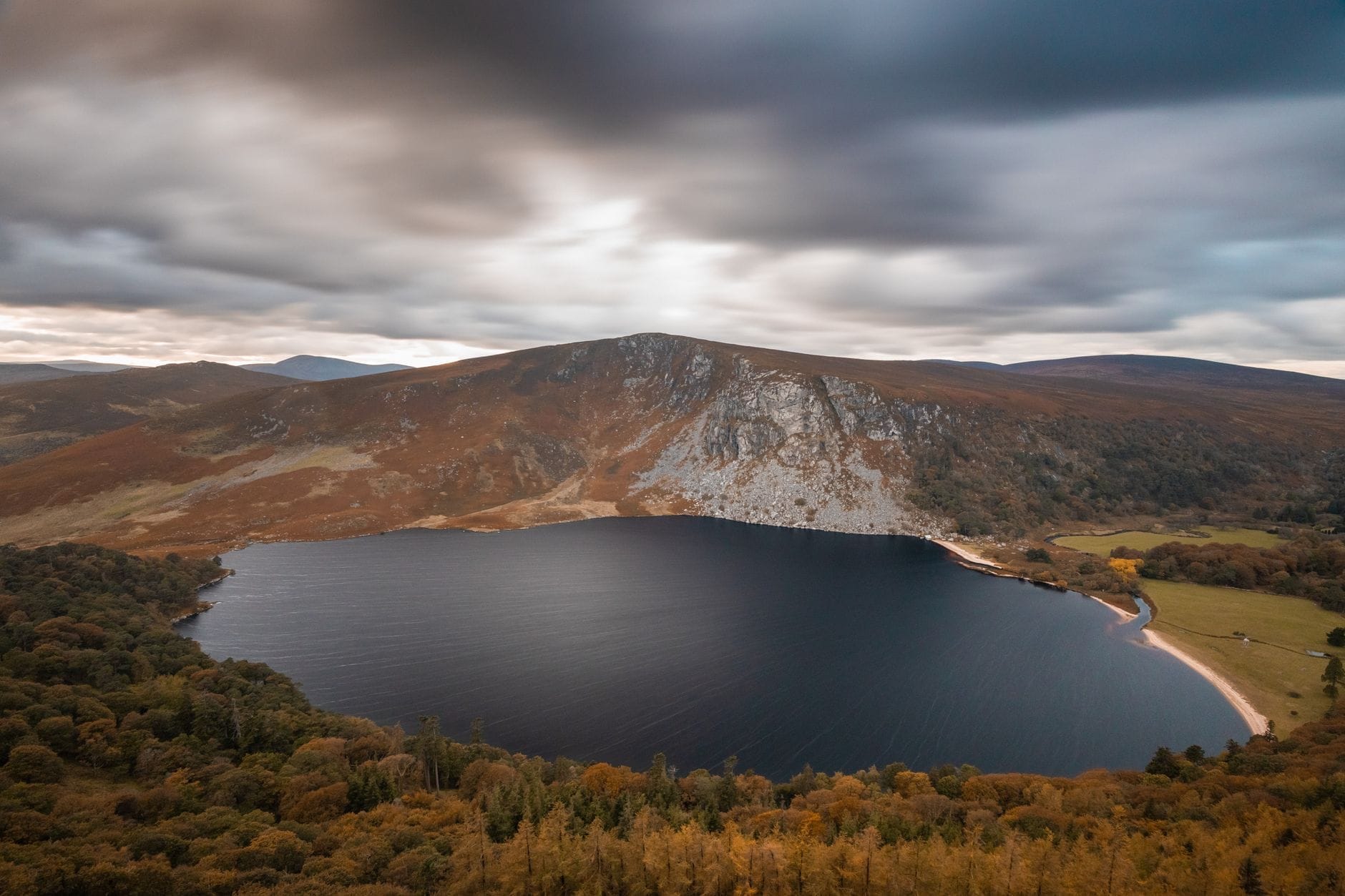
7. Hike the Wicklow Mountains National Park's Iconic Trails
Ireland's largest national park covers blanket bog, glacial lakes, and ancient oak woodland 30 minutes from Dublin. The Spinc Ridge above Glendalough (9.6 km, 460 m ascent) is the benchmark day hike. Sally Gap and Lough Tay are classic scenic drives combined with short walks.
Explore7. Hike the Wicklow Mountains National Park's Iconic Trails
Ireland's largest national park covers blanket bog, glacial lakes, and ancient oak woodland 30 minutes from Dublin. The Spinc Ridge above Glendalough (9.6 km, 460 m ascent) is the benchmark day hike. Sally Gap and Lough Tay are classic scenic drives combined with short walks.
Explore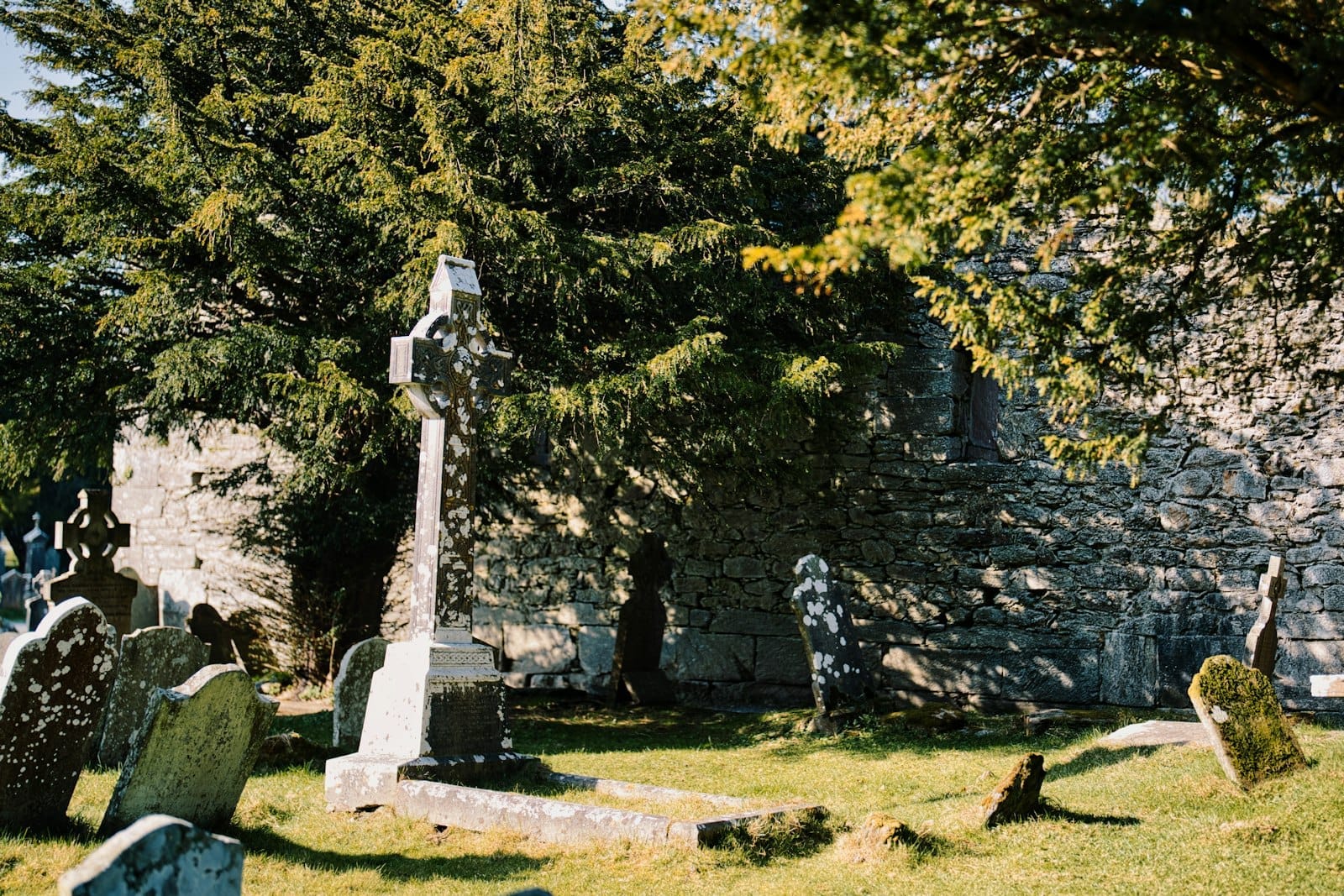
8. Explore Glendalough's Monastic Valley and Mountain Trails
St Kevin's 6th-century monastery sits at the base of two glacial lakes, with trails radiating into the mountains above. The Upper Lake walk (3 km, easy) is manageable for most; the Spinc loop adds serious elevation. A dedicated bus runs from Dublin's St Stephen's Green daily.
Explore8. Explore Glendalough's Monastic Valley and Mountain Trails
St Kevin's 6th-century monastery sits at the base of two glacial lakes, with trails radiating into the mountains above. The Upper Lake walk (3 km, easy) is manageable for most; the Spinc loop adds serious elevation. A dedicated bus runs from Dublin's St Stephen's Green daily.
Explore
9. Walk the Grounds at Powerscourt and Hike to the Waterfall
Powerscourt Estate sits in 47 acres of formal Wicklow gardens with the Great Sugarloaf mountain as backdrop. The adjacent Powerscourt Waterfall, at 121 metres Ireland's highest, requires a separate drive. Combine both for a half-day trip, roughly 45 minutes from Dublin by car.
Explore9. Walk the Grounds at Powerscourt and Hike to the Waterfall
Powerscourt Estate sits in 47 acres of formal Wicklow gardens with the Great Sugarloaf mountain as backdrop. The adjacent Powerscourt Waterfall, at 121 metres Ireland's highest, requires a separate drive. Combine both for a half-day trip, roughly 45 minutes from Dublin by car.
ExploreDublin Mountains: Hikes on the City's Doorstep
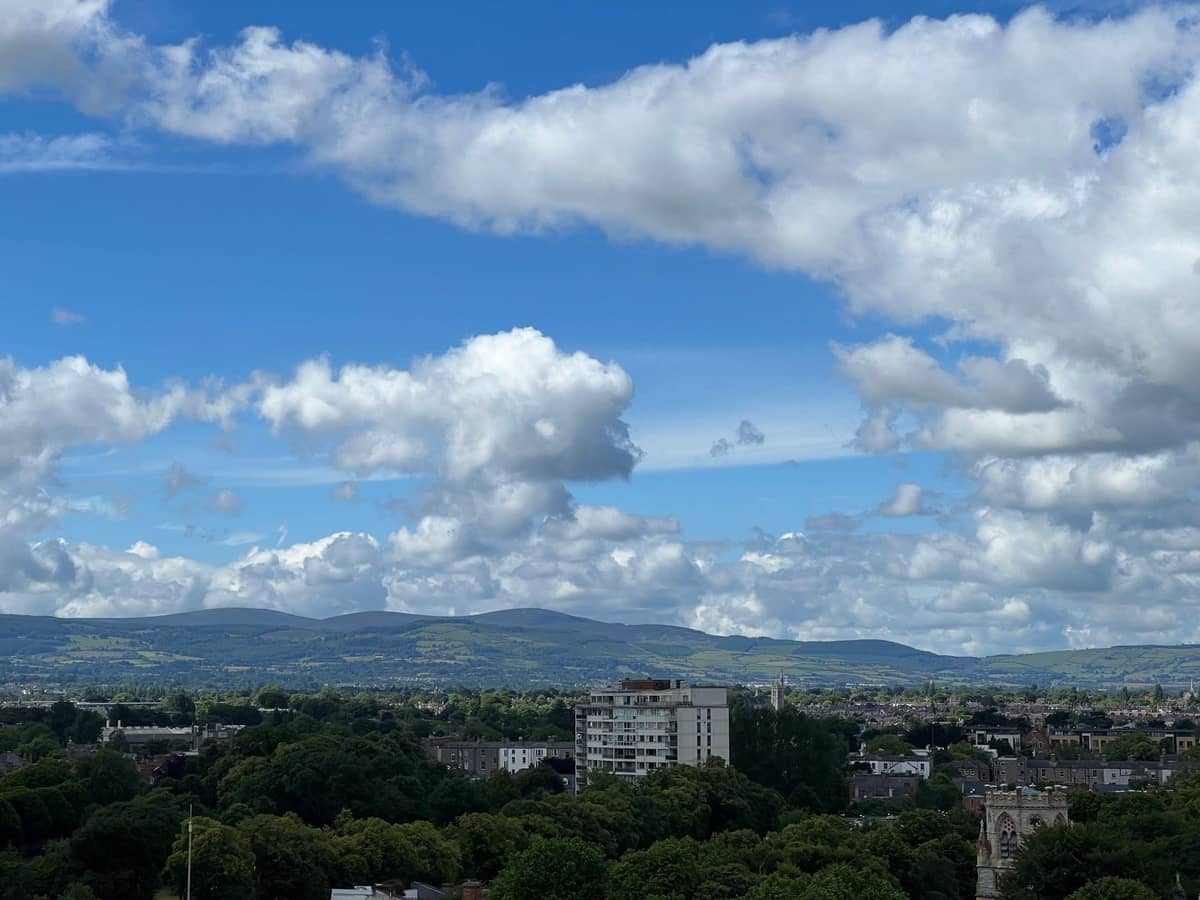
The Dublin Mountains run along the city's southern edge and offer surprisingly rugged hiking within 30 minutes of the centre. Ticknock, Cruagh, and Montpelier Hill are all served by bus or short drives. These trails are less visited than Glendalough but deliver excellent views over the city and bay.
10. Hike Montpelier Hill to the Hellfire Club Ruins
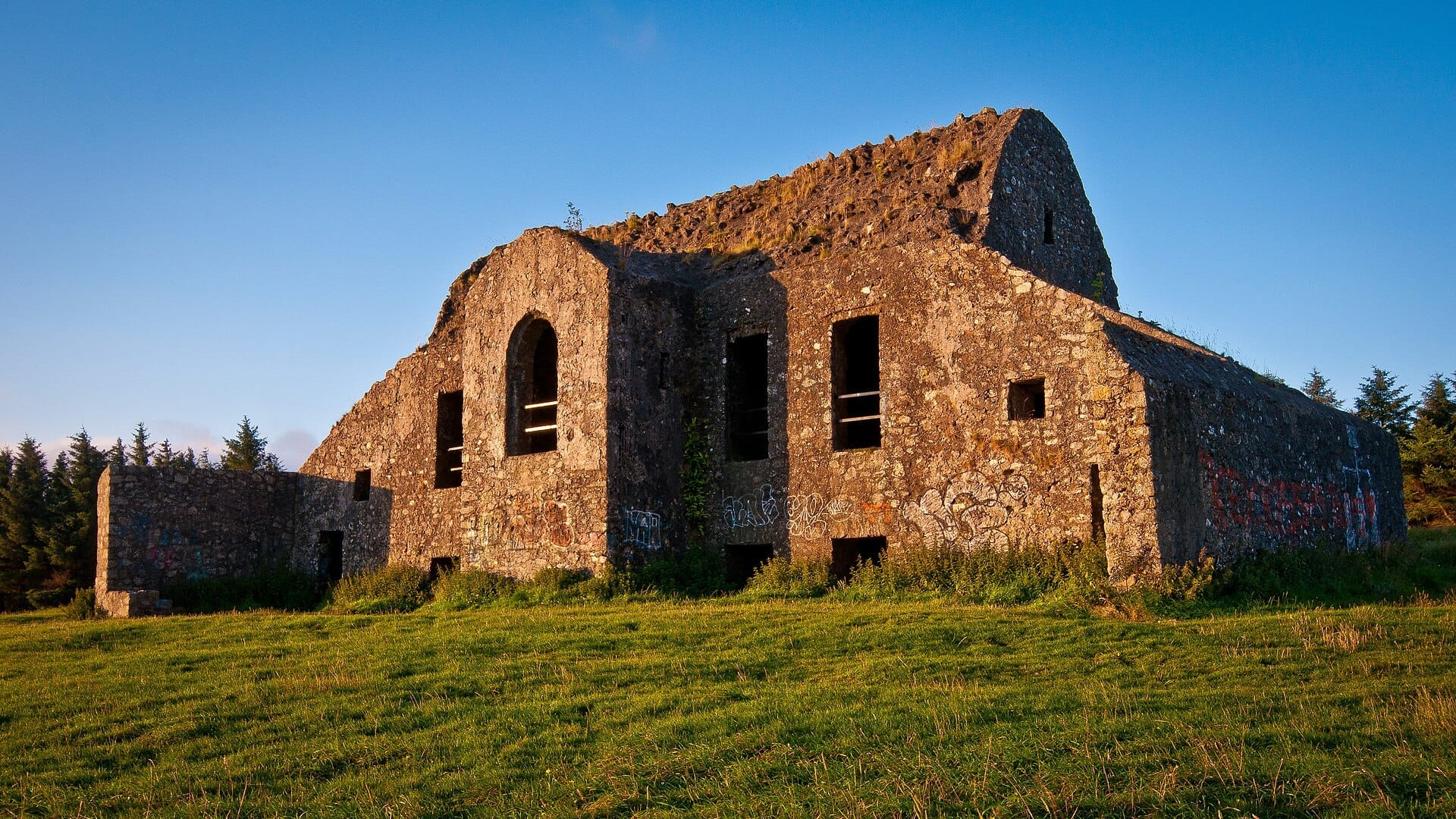
A short but steep 2 km climb to a ruined 18th-century hunting lodge steeped in dark folklore, set on an open hilltop with sweeping views over Dublin city and bay. The trail starts at Montpelier car park. Bus 47 gets you to the lower road; from there it's a 20-minute uphill walk.
Explore10. Hike Montpelier Hill to the Hellfire Club Ruins
A short but steep 2 km climb to a ruined 18th-century hunting lodge steeped in dark folklore, set on an open hilltop with sweeping views over Dublin city and bay. The trail starts at Montpelier car park. Bus 47 gets you to the lower road; from there it's a 20-minute uphill walk.
ExploreWaterside & Nature Walks Near Dublin
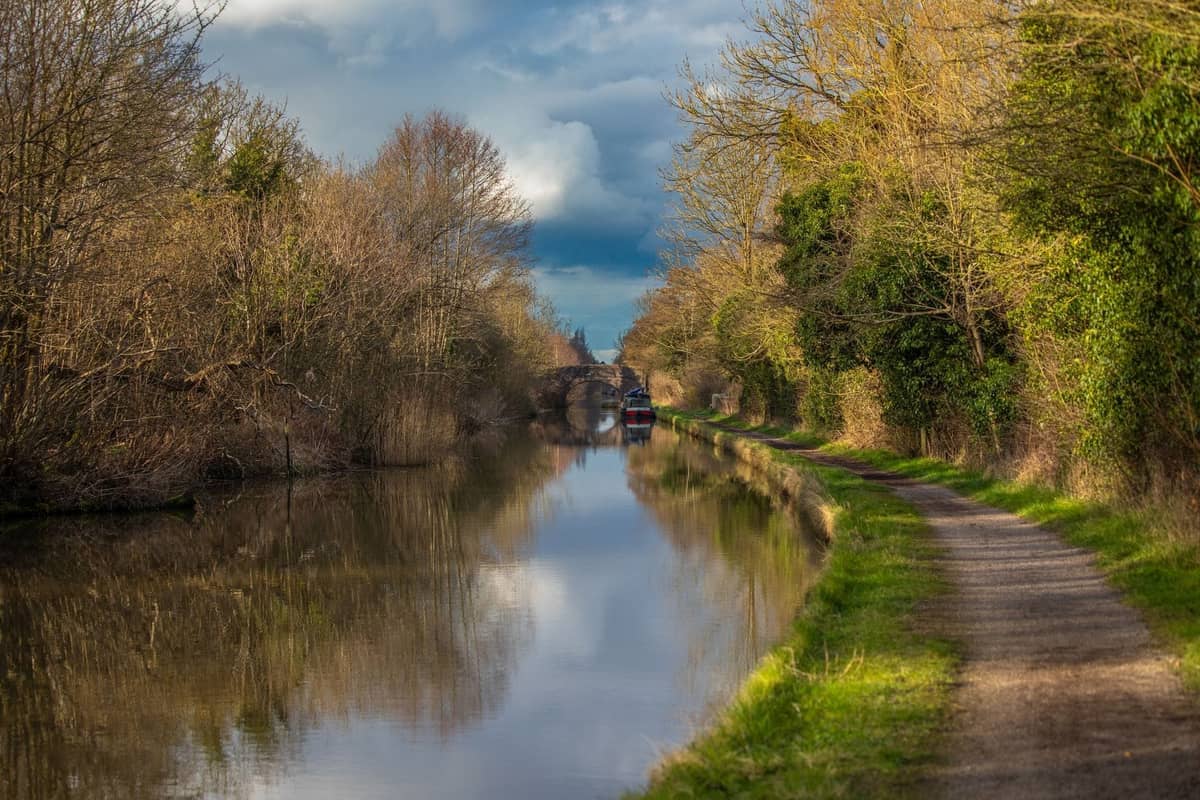
Beyond the mountains and coast, Dublin and its surrounds offer quieter nature walks along canals, through wildlife reserves, and across island landscapes. These routes suit walkers who prefer flat terrain with rewarding scenery. The free things to do in Dublin guide covers several of these green spaces in more detail.
11. Walk Bull Island's Wild Dunes and Tidal Shore
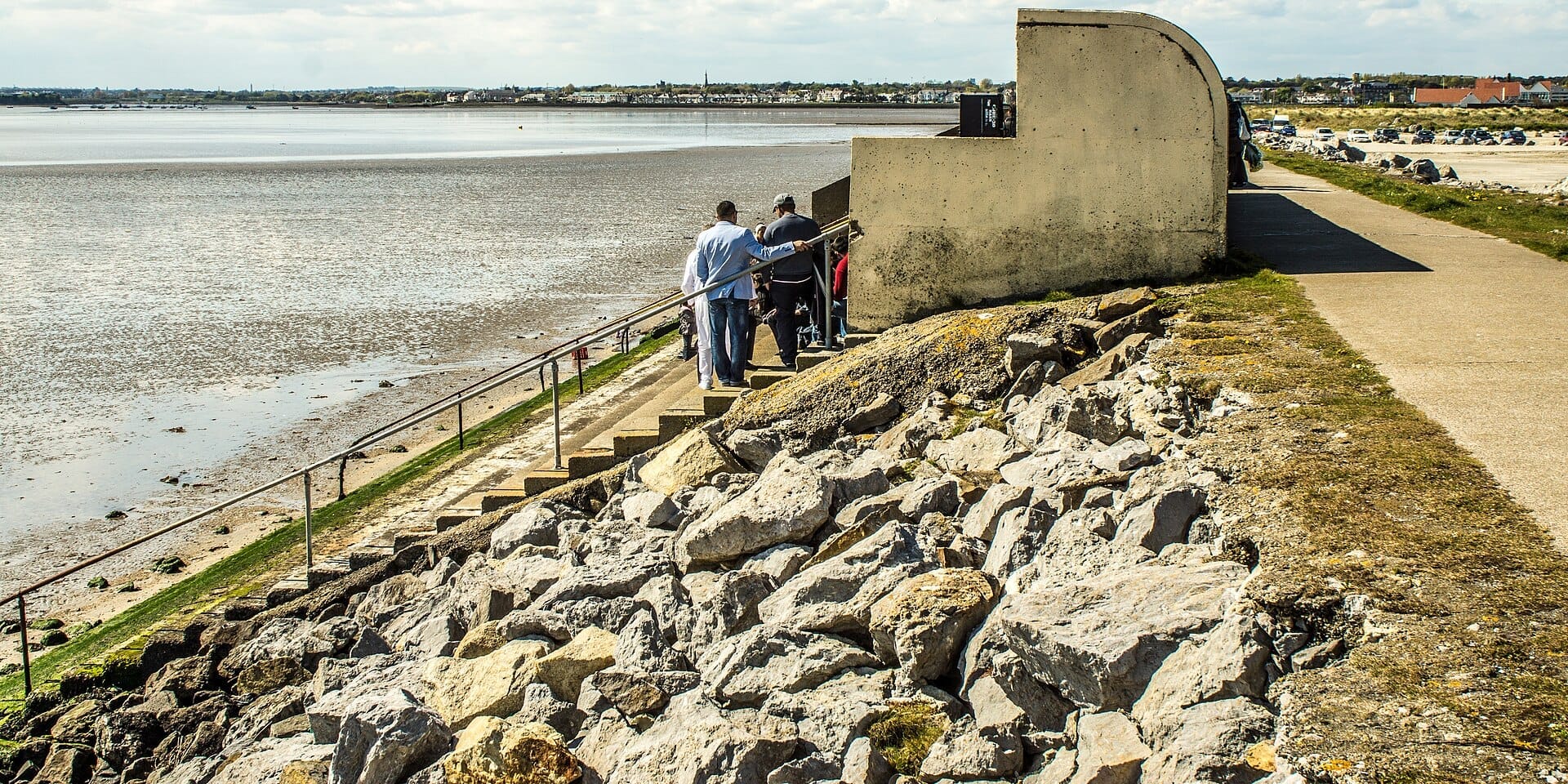
A 5 km beach on a UNESCO Biosphere Reserve island 5 km from the city, with sand dunes, salt marshes, and important migratory bird populations. Low tide exposes vast tidal flats for walking. Accessible by bus 130 from the city; no car needed.
Explore11. Walk Bull Island's Wild Dunes and Tidal Shore
A 5 km beach on a UNESCO Biosphere Reserve island 5 km from the city, with sand dunes, salt marshes, and important migratory bird populations. Low tide exposes vast tidal flats for walking. Accessible by bus 130 from the city; no car needed.
Explore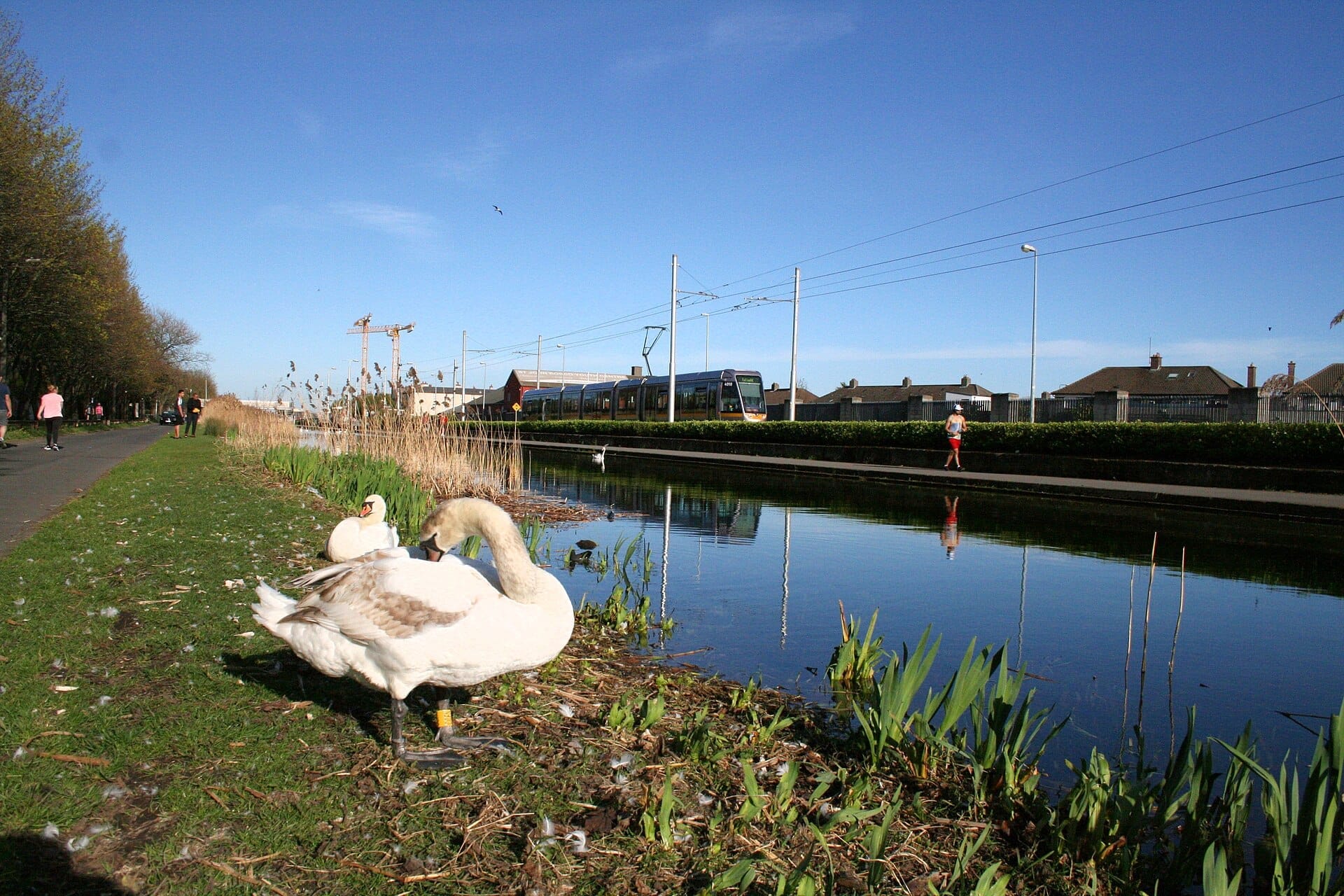
12. Follow the Grand Canal Towpath Through South Dublin
A flat, scenic towpath follows the Grand Canal through Portobello and beyond, passing Georgian bridges, lock-keeper's cottages, and willow-lined banks. Walk as little or as far as you like. Start at Baggot Street Bridge and head west for the quietest stretches.
Explore12. Follow the Grand Canal Towpath Through South Dublin
A flat, scenic towpath follows the Grand Canal through Portobello and beyond, passing Georgian bridges, lock-keeper's cottages, and willow-lined banks. Walk as little or as far as you like. Start at Baggot Street Bridge and head west for the quietest stretches.
Explore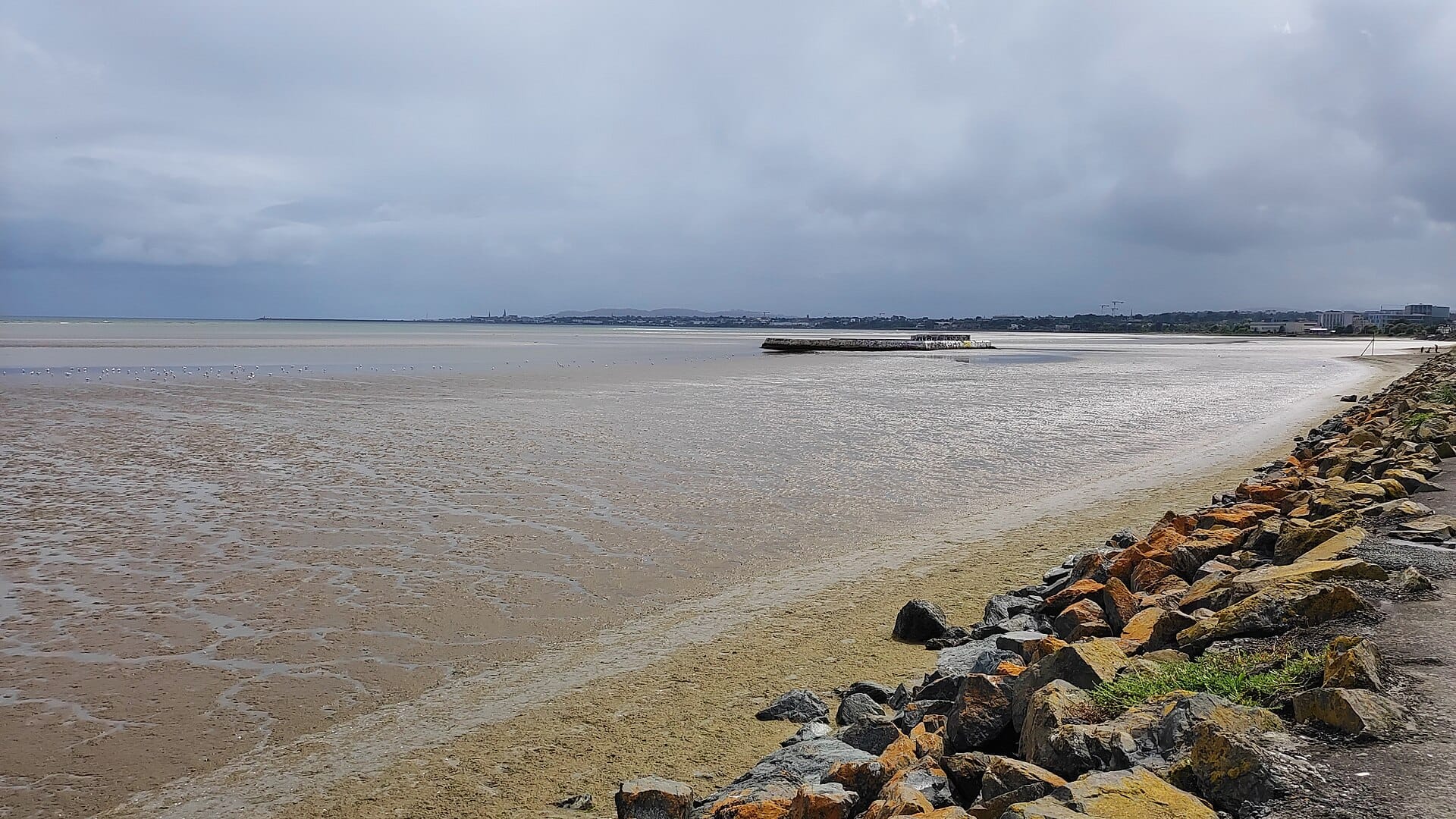
13. Walk Sandymount Strand at Low Tide Under Wicklow Mountain Views
At low tide, Sandymount opens into a vast tidal flat with views of the Poolbeg chimneys and Wicklow Mountains. The strand stretches nearly 2 km from shore. Immortalised in Joyce's Ulysses, it remains a favourite walking destination close to the city. Tram to Sandymount from the city.
Explore13. Walk Sandymount Strand at Low Tide Under Wicklow Mountain Views
At low tide, Sandymount opens into a vast tidal flat with views of the Poolbeg chimneys and Wicklow Mountains. The strand stretches nearly 2 km from shore. Immortalised in Joyce's Ulysses, it remains a favourite walking destination close to the city. Tram to Sandymount from the city.
Explore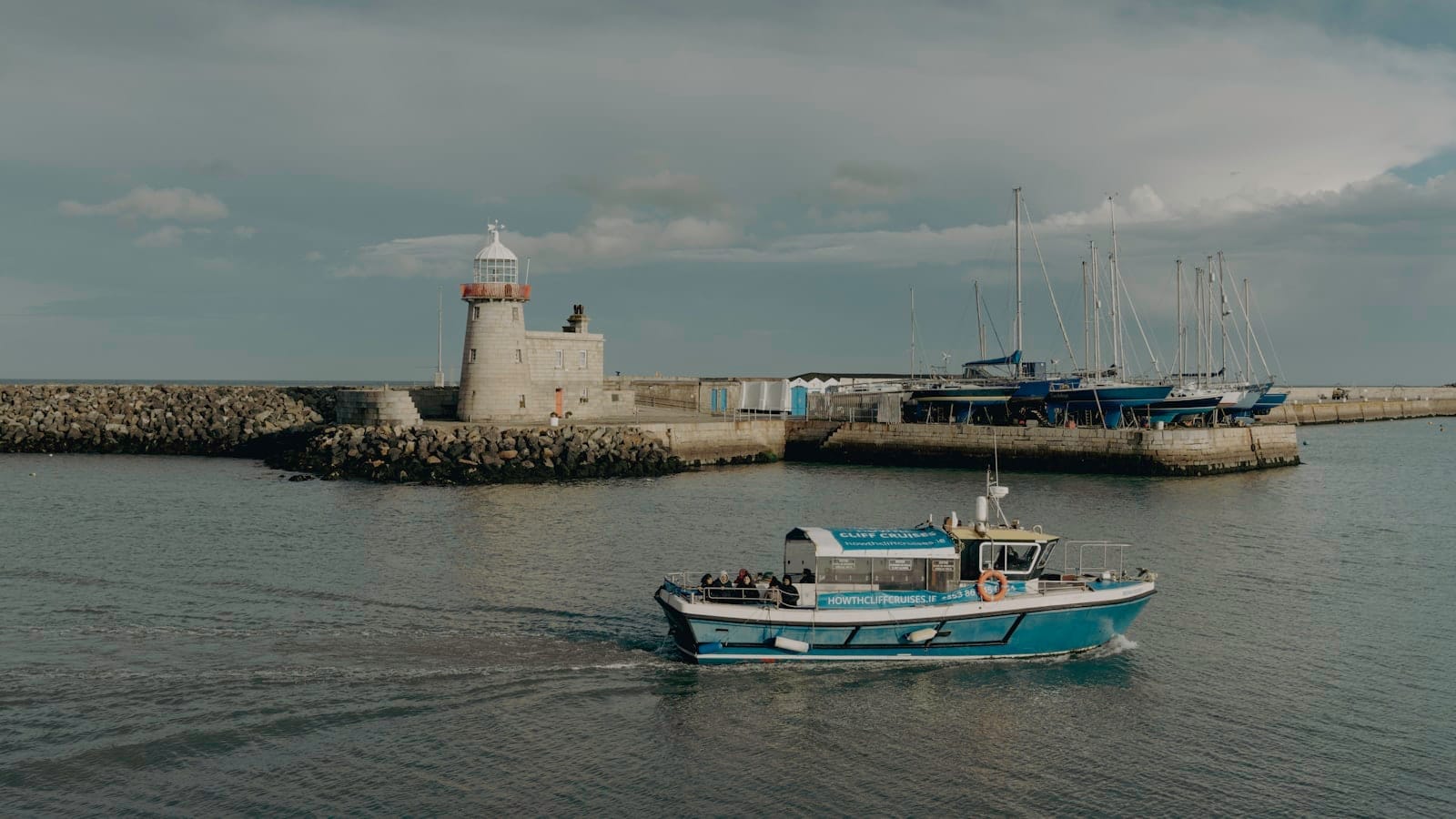
14. Start Your Howth Hike at the Harbour and Finish with Seafood
Howth Harbour is the perfect base for the cliff walk loop, with fish-and-chip shops, seafood restaurants, and fresh stalls waiting when you return. Pick up provisions before heading out, or reward yourself after. The DART drops you directly at the harbour, 25 minutes from the city.
Explore14. Start Your Howth Hike at the Harbour and Finish with Seafood
Howth Harbour is the perfect base for the cliff walk loop, with fish-and-chip shops, seafood restaurants, and fresh stalls waiting when you return. Pick up provisions before heading out, or reward yourself after. The DART drops you directly at the harbour, 25 minutes from the city.
Explore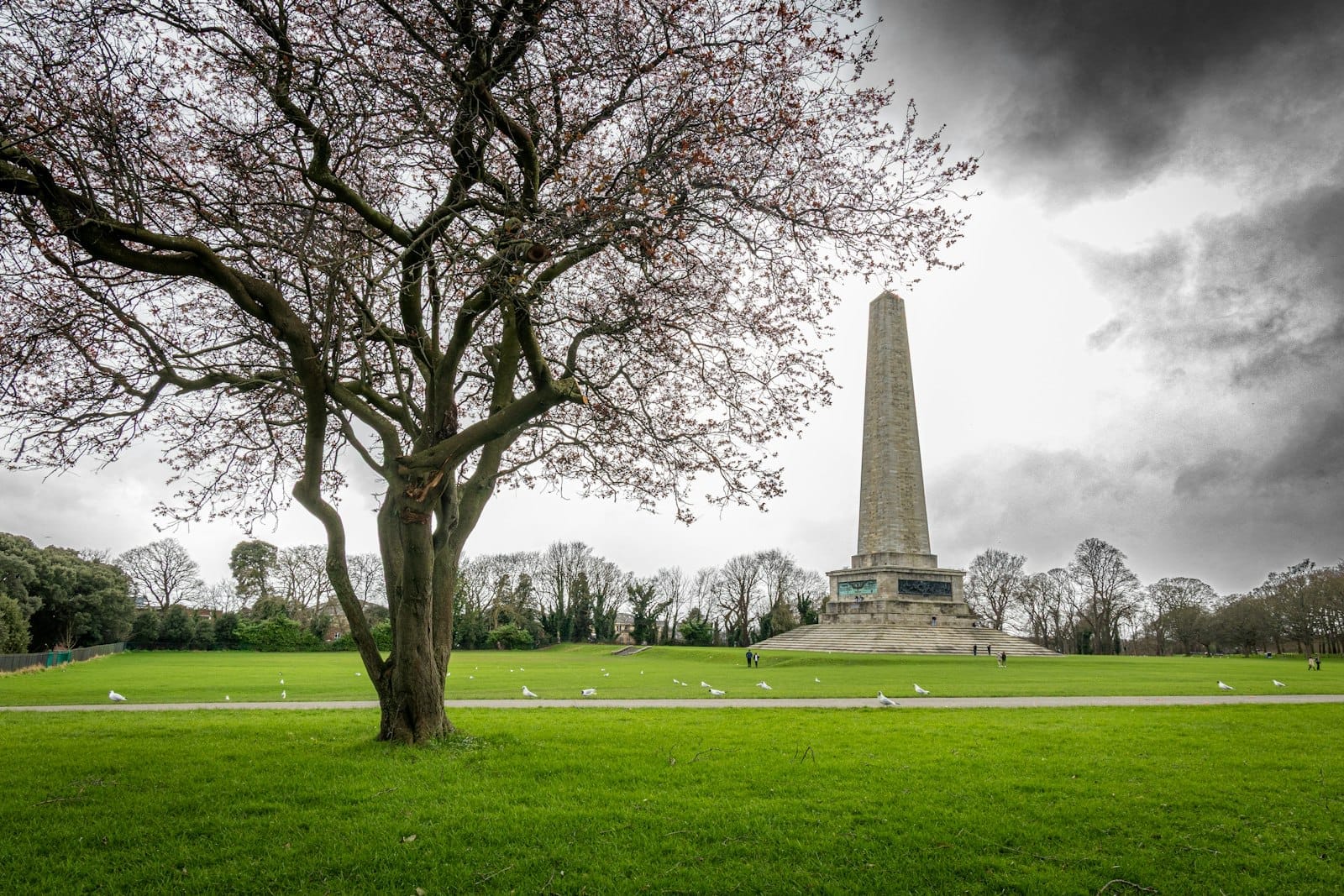
15. Run or Walk Phoenix Park's Trails Among Free-Roaming Deer
At 1,750 acres, Phoenix Park is one of Europe's largest enclosed urban parks, with cycling and walking routes through open grassland where fallow deer roam freely. Not a mountain hike, but a genuine green escape with 15 km of trails. Bus 37 runs directly to the main gate.
Explore15. Run or Walk Phoenix Park's Trails Among Free-Roaming Deer
At 1,750 acres, Phoenix Park is one of Europe's largest enclosed urban parks, with cycling and walking routes through open grassland where fallow deer roam freely. Not a mountain hike, but a genuine green escape with 15 km of trails. Bus 37 runs directly to the main gate.
ExploreCombine Your Hike with Heritage Stops
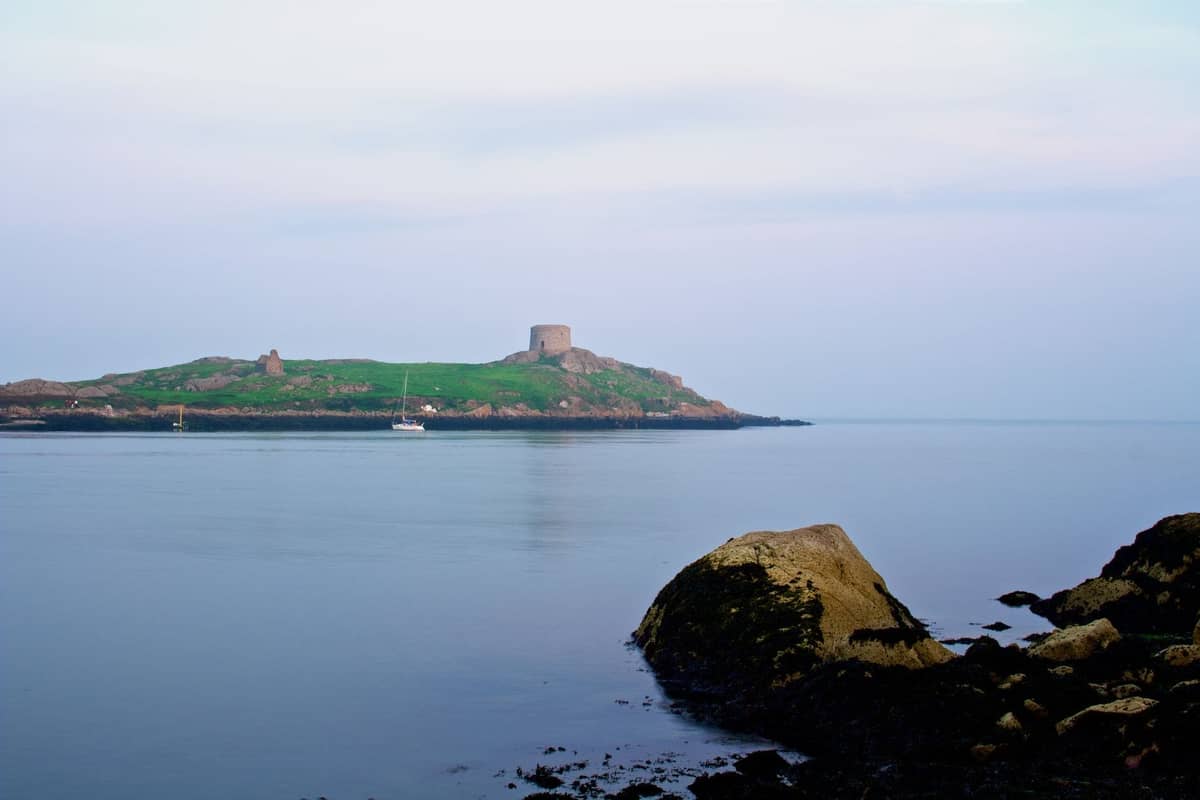
Many of the best walks near Dublin pass through or near historic sites. Pairing a hike with a cultural stop adds depth to any day out. The coastal trails around Dalkey and Killiney connect to Dalkey Castle, while the Glendalough valley holds one of Ireland's most important early Christian sites. For a full cultural day trip, see the Dublin hidden gems guide for lesser-known stops to add to your route.
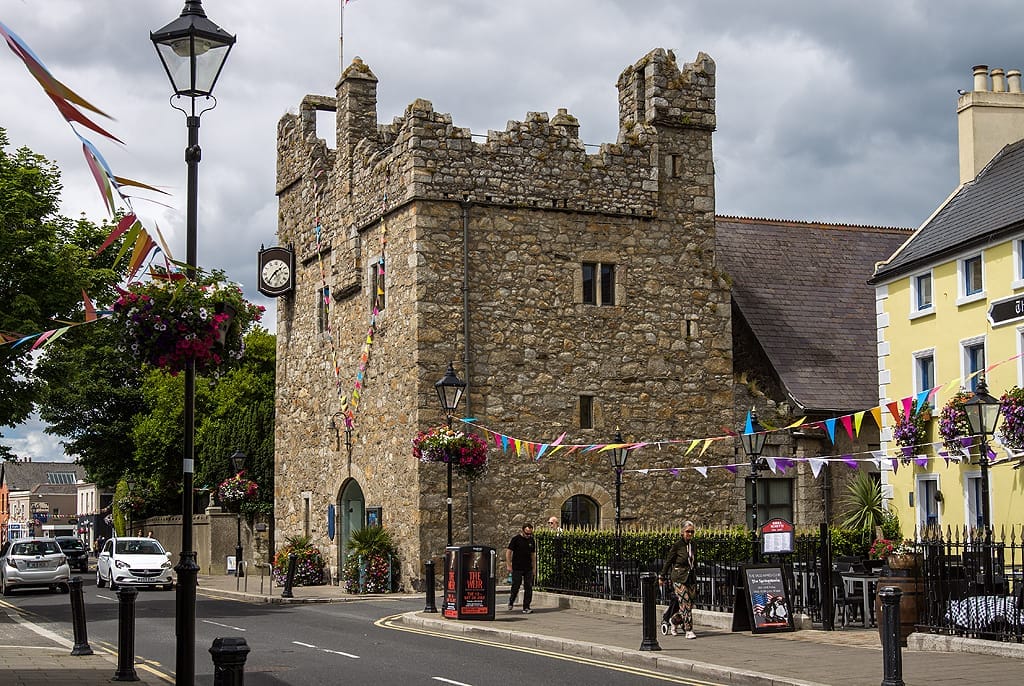
16. Add Dalkey Castle to Your Coastal Walking Day
A well-preserved medieval tower house in Dalkey village makes a natural stop when walking the coastal trail between Killiney and Dalkey. Guided tours with costumed performers run regularly. The DART stops in Dalkey, making it easy to start or end your walk here.
Explore16. Add Dalkey Castle to Your Coastal Walking Day
A well-preserved medieval tower house in Dalkey village makes a natural stop when walking the coastal trail between Killiney and Dalkey. Guided tours with costumed performers run regularly. The DART stops in Dalkey, making it easy to start or end your walk here.
Explore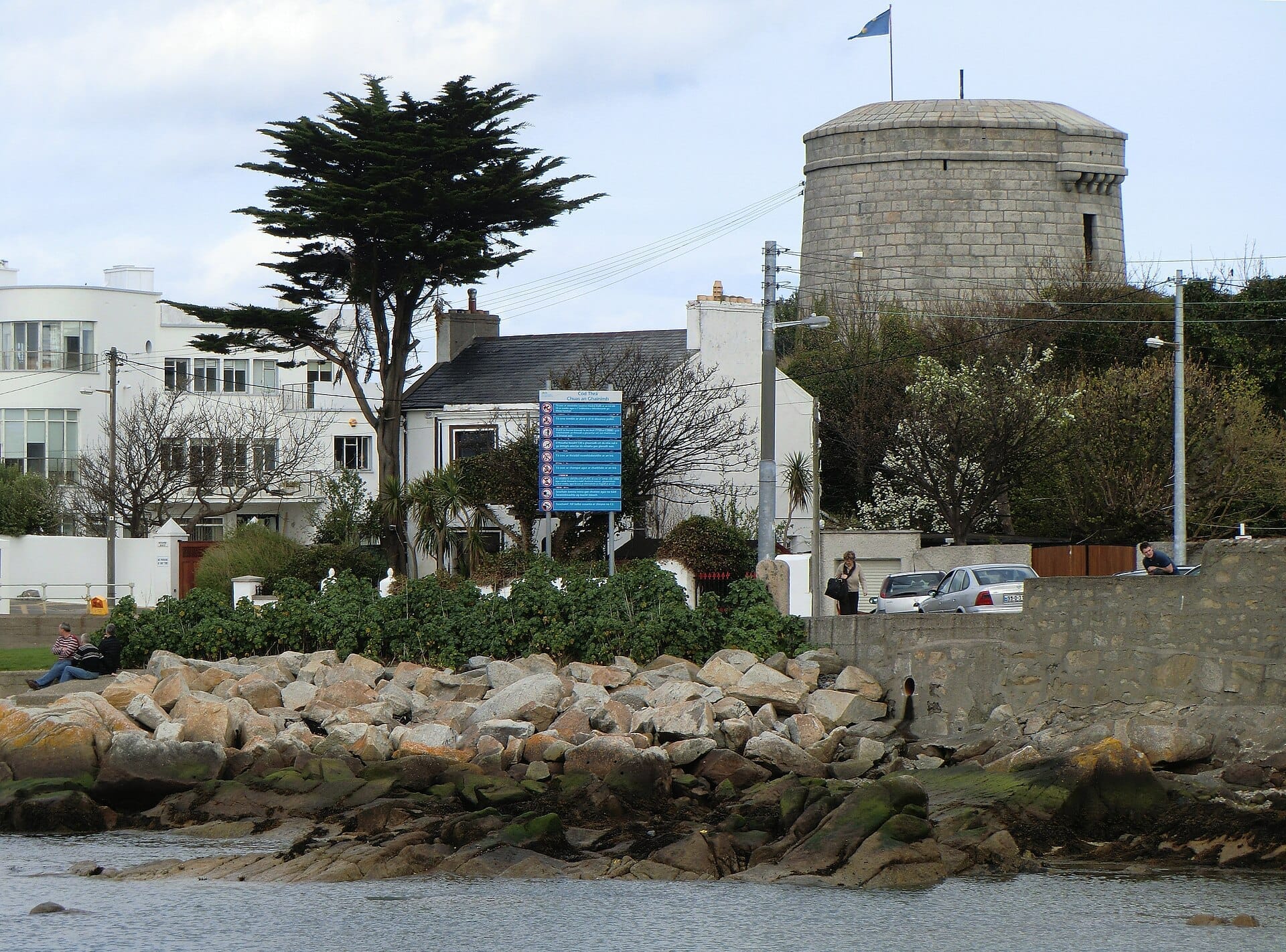
17. Visit the Martello Tower at Sandycove Before Your Beach Walk
This Martello tower at Sandycove, where Joyce briefly lived in 1904 and which opens Ulysses, sits directly on the coastal path. The small museum takes 30-45 minutes. The adjacent Forty Foot is a famous year-round outdoor swimming spot to finish your visit.
Explore17. Visit the Martello Tower at Sandycove Before Your Beach Walk
This Martello tower at Sandycove, where Joyce briefly lived in 1904 and which opens Ulysses, sits directly on the coastal path. The small museum takes 30-45 minutes. The adjacent Forty Foot is a famous year-round outdoor swimming spot to finish your visit.
Explore💡 Local tip
For Glendalough, the dedicated bus from Dublin's St Stephen's Green runs year-round but has limited departures. Check current timetables before you go and book the return journey early in the day to avoid being stranded.
FAQ
Can I hike near Dublin without a car?
Yes. The Howth Cliff Walk is reachable by DART in 25 minutes from the city centre. The Bray to Greystones cliff walk is also fully DART-accessible. Glendalough is served by a dedicated bus from St Stephen's Green. Many top routes require no car at all.
What is the best hike near Dublin for beginners?
The Howth Cliff Walk main loop (approximately 6-10 km depending on route) is well-signposted, accessible by DART, and manageable for most walkers with reasonable fitness. The Dún Laoghaire Pier walk is even easier and fully flat. For something inland, the lower Glendalough valley trails around the Upper Lake are gentle and very rewarding.
How do I get to Glendalough from Dublin by public transport?
A dedicated bus service runs from Dublin city centre (St Stephen's Green area) to Glendalough. Journey time is roughly 1.5 hours. Timetables and booking are available from the operator's website; check current schedules before travelling.
What is the Wicklow Way and can I do part of it as a day hike?
The Wicklow Way is Ireland's oldest long-distance trail, running 130 km from Marlay Park in south Dublin to Clonegal in County Carlow. You can walk individual day stages without doing the full route. The section from Marlay Park to Knockree (roughly 24 km) is a popular first stage, or you can base yourself at Glendalough and walk sections from there.
What should I wear and bring for hiking in the Wicklow Mountains?
Waterproof jacket and trousers are essential regardless of the forecast. Wear proper walking boots with ankle support, as upland trails are often boggy. Bring enough water, a snack, a map or downloaded trail on your phone, and a charged battery pack. Weather changes quickly at altitude, so layers are important even in summer.