3 Days in Dublin: The Perfect Itinerary
Three days is the sweet spot for Dublin. Long enough to cover the iconic historic sites, dig into the food and pub culture, and fit in a coastal or countryside excursion. This itinerary is built around real logistics, honest crowd warnings, and the kind of sequencing that makes a short trip feel unhurried.
Plan and book this trip
Tools from our partner Travelpayouts help you compare flights and hotels. If you book through them, we may earn a commission at no extra cost to you.
Flights
Hotels map
TL;DR
- Three days in Dublin is genuinely enough to see the major attractions, eat well, and do a half-day coastal escape, provided you book key tickets in advance.
- Day 1 focuses on the historic core: Trinity College, Dublin Castle, and the medieval cathedrals, all walkable in a tight radius.
- Day 2 is for the Guinness Storehouse, Kilmainham Gaol, and the Liberties, with an evening in the Portobello or Ranelagh area for food and pubs that locals actually use.
- Day 3 works best as a coastal escape to Howth or Dalkey via the DART, or a guided day trip to Glendalough if you prefer mountains.
- Kilmainham Gaol and the Book of Kells both require advance online booking, especially in summer. Skip this step and you may lose half a day.
How to Think About 3 Days in Dublin
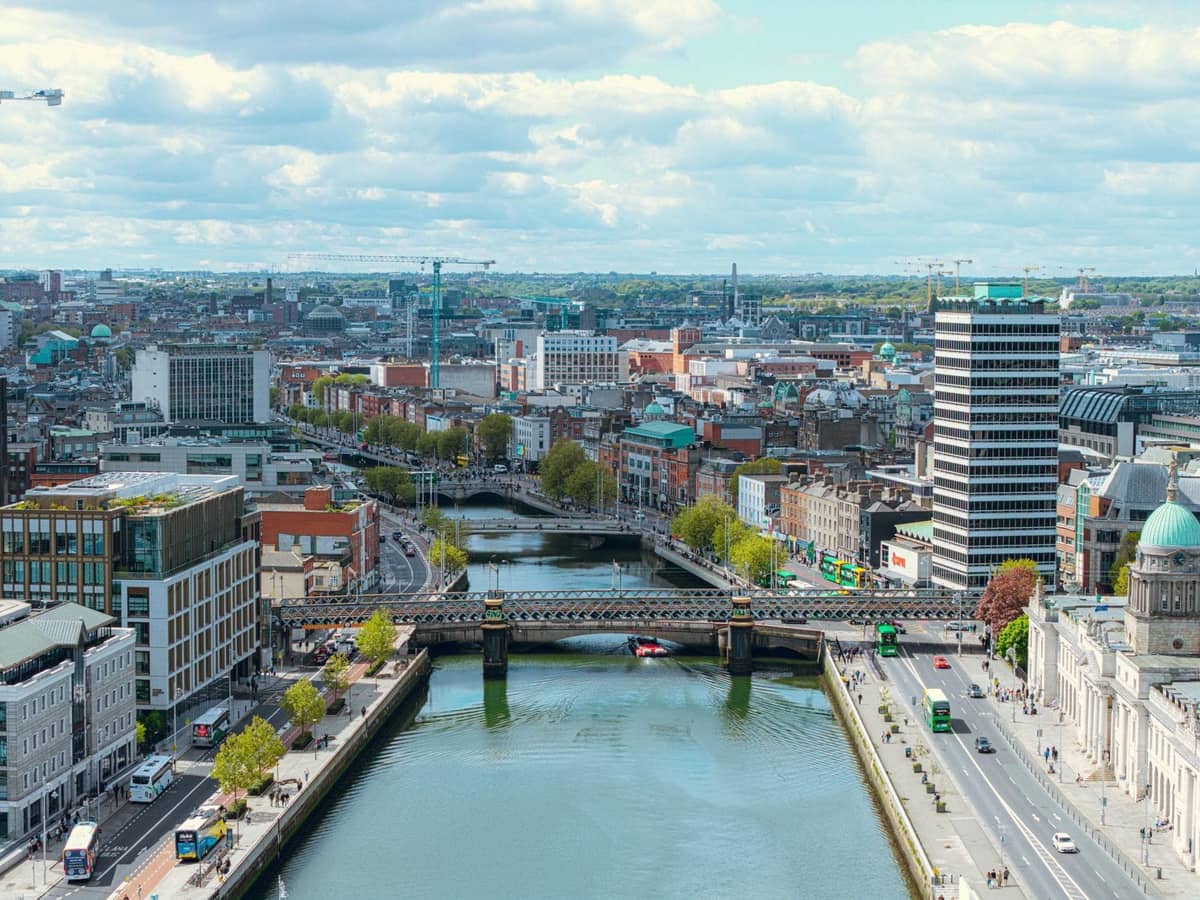
Dublin, formally Baile Átha Cliath in Irish, is a compact city sitting at the mouth of the River Liffey on Dublin Bay. Its walkable core makes it unusually well-suited to short trips. Most of the headline attractions sit within a 2-3 km radius of each other, and the DART coastal rail line puts Howth and Dalkey within 30-40 minutes of the city centre. Three days gives you enough time to move at a sane pace rather than sprinting between landmarks.
The question most people arrive with is not whether 3 days is enough, but how to sequence it. The answer depends on priorities. If history and museums are your focus, the city centre alone can fill three days easily. If you want to balance urban sightseeing with fresh air and coastline, build Day 3 as an escape. Our recommended structure below does exactly that. For a longer trip, see our one-week Dublin itinerary which expands on the neighbourhood detail.
💡 Local tip
Buy your Book of Kells and Kilmainham Gaol tickets as soon as you book flights. Both sell out days, sometimes weeks, in advance during June, July, and August. The Guinness Storehouse also uses timed entry and can sell out on peak weekends — book online for the best price and to skip the queue.
Day 1: The Historic Core (Trinity College to Dublin Castle)

Start at Trinity College Dublin, Ireland's oldest university, founded in 1592. Your visit centres on the Old Library and the Book of Kells, an illuminated Gospel manuscript from around 800 CE that is widely considered one of the finest examples of medieval European art. Allocate around 1 hour. The surrounding cobbled campus is worth a slow 20-minute walk on the way out.
From Trinity, walk 10 minutes southwest to Dublin Castle, the seat of British rule in Ireland for 700 years and now a state venue. Note: Dublin Castle and the Chester Beatty Library within its grounds are closed to the public from 15 June through December 2026 for Ireland's EU Council Presidency. When open, the State Apartments are the main draw, and the Chester Beatty is one of Dublin's underrated institutions — free entry, with Islamic manuscripts, Japanese woodblock prints, and Egyptian papyri. Budget 1.5-2 hours for the castle complex when it reopens in 2027.
Spend the afternoon at Christ Church Cathedral (founded 1028) and a short walk to St Patrick's Cathedral, the largest church in Ireland. The two are only 500 metres apart and together give a strong sense of Dublin's medieval Norman footprint. Finish the day with a walk through Grafton Street and into St Stephen's Green if the weather holds. The park is free and a good decompression after a full day of paid attractions.
⚠️ What to skip
Temple Bar sits between Trinity College and Dublin Castle and looks like a convenient lunch stop. Prices are inflated (expect to pay 30-50% more for the same food) and the pubs are aimed squarely at tourists. Walk 10 minutes further to Dame Street or George's Street for better value. Temple Bar is worth a quick look in the evening for the atmosphere, but do not base your eating or drinking around it.
Day 2: Guinness, Kilmainham, and the Liberties
Start early at Kilmainham Gaol, the Victorian prison where the leaders of the 1916 Easter Rising were executed. It is one of the most historically significant sites in Ireland and the tour is genuinely good: a trained guide walks you through the cells, the execution yard, and the complex timeline of Irish nationalism. Slots book up fast, especially for the 09:30 and 10:00 openings, so arriving on the first tour of the day avoids any wait and leaves the rest of the morning clear. Allow 1.5 hours including travel from the city centre. The prison is roughly 3 km from Trinity, walkable in 35 minutes or a short bus ride.
The Guinness Storehouse is a 10-minute walk from Kilmainham and works well as the second stop of the day. Seven floors trace the history of the brewery, the ingredients, and the brand, with a self-guided pace that most visitors cover in 90 minutes to 2 hours. The top-floor Gravity Bar has a 360-degree view of the city and a complimentary pint of Guinness included in the ticket. It is unapologetically touristy, but it is well-produced and the city views alone justify it. Book online to save money and skip queues.
For the afternoon, the surrounding Liberties area has two independent whiskey distilleries within easy walking distance of the Storehouse: Teeling Whiskey Distillery and Pearse Lyons Distillery, housed in a converted 19th-century church. Tours at both run around 45-60 minutes with tastings included. You do not need to visit both; pick one based on interest and move on.
For the evening, skip the tourist corridor and head to Portobello or Ranelagh, two adjacent southside neighbourhoods with a concentration of independent restaurants, wine bars, and pubs. The LUAS Red or Green line or a short taxi gets you there in minutes. This is where a more authentic read of contemporary Dublin comes through, without the acoustic ceiling tiles and inflated pint prices.
Day 3: Coast or Countryside
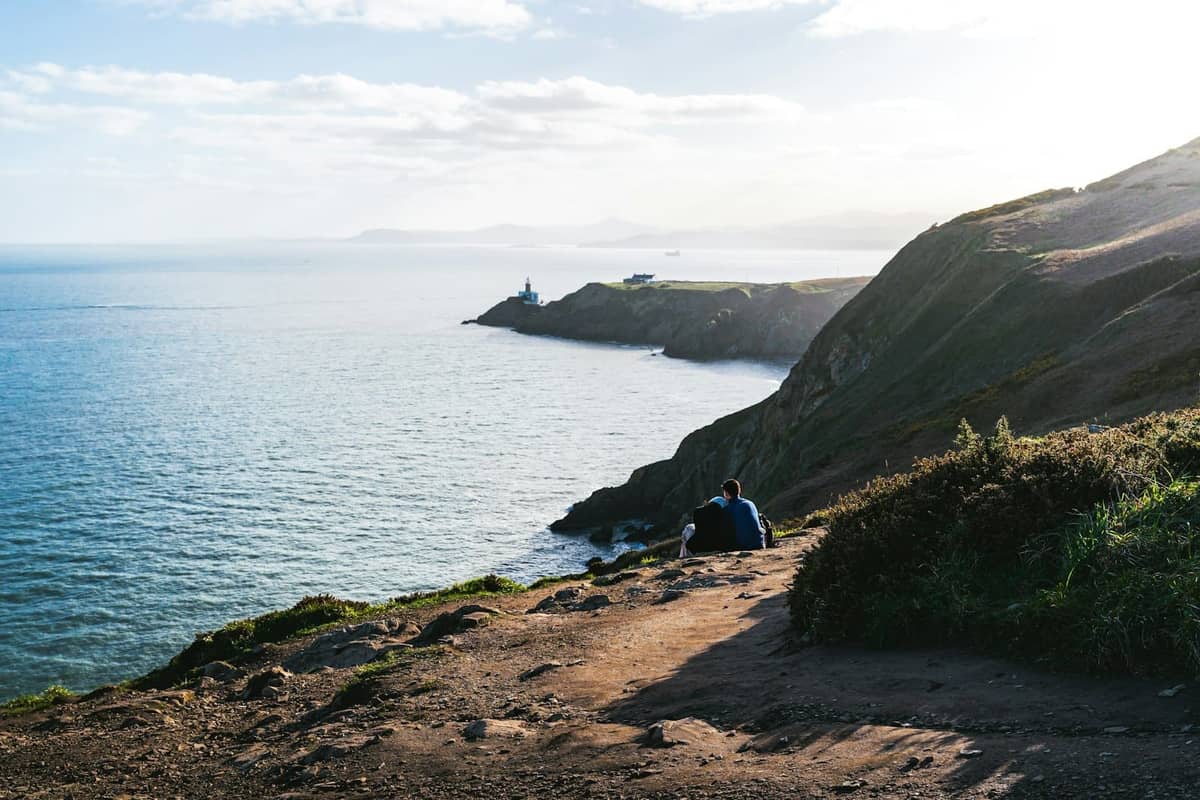
The DART (Dublin Area Rapid Transit) electrified rail line runs along Dublin Bay and connects the city centre to a string of coastal villages. For a 3-day Dublin itinerary, HowthFor a 3-day Dublin itinerary, Howth is the most reliable Day 3 option. It is 13 km north of the city and combines a working fishing harbour, a cliffside looped walk (6 km, 1.5-2 hours, manageable fitness required), and several good seafood restaurants. The cliff walk views across Dublin Bay to the Wicklow Mountains are exceptional on a clear morning. Go early to beat the weekend crowds.
If you prefer a quieter, more village-like setting, Dalkey and Killiney on the DART's south line offer an alternative. Dalkey Castle, the main street with good independent cafes, and Killiney Hill Park with its panoramic coastal views make for a relaxed half-day. Combine both Howth and Dalkey in one day only if you are comfortable with an early start and minimal loitering.
If you want to escape the coast entirely, a guided day trip to the Wicklow Mountains National Park and Glendalough is the most popular countryside option from Dublin. Glendalough is a 6th-century monastic settlement set in a glacial valley about 50 km south of the city. Most people join a half-day or full-day coach tour, which typically departs from the city centre around 09:00-10:30. Self-driving is straightforward if you have a rental car. See our full guide to day trips from Dublin for options and booking advice.
✨ Pro tip
The Howth cliff walk gets muddy after rain, and sections are uneven. Wear actual walking shoes, not trainers or sandals. The walk is free and signposted from the DART station. Most people do the 6 km loop anticlockwise for better views on the outward leg.
Practical Logistics: Transport, Tickets, and Timing
Dublin Airport (IATA: DUB) sits about 7-10 km north of the city centre. The Dublin Express coach runs directly to the city centre in roughly 30 minutes under normal traffic. Taxis are metered and readily available at the terminal; fares are regulated but carry airport surcharges, so verify current rates via the National Transport Authority before travel. The Luas, DART, and Dublin Bus network covers most of what you need within the city. A Leap Card (reloadable transport card) gives discounted fares on all three networks compared to cash and is sold at the airport and newsagents across the city.
For a broader overview of how to get around once you arrive, the getting around Dublin guide covers Luas lines, DART zones, and when it makes sense to walk versus take transit. The city centre is genuinely very walkable: Trinity College to Dublin Castle is 12 minutes on foot, Dublin Castle to Guinness Storehouse is around 20 minutes. On most days, the only real need for transit is the Kilmainham run (westward, awkward on foot) and any coastal excursion.
- Book of Kells (Trinity College) Timed entry, must book online in advance. Allow 1 hour on site. The Old Library Long Room is included and is genuinely worth lingering in.
- Kilmainham Gaol Guided tours only, no self-guided option. First tours start around 09:30. Advance booking essential from April to September. Tours last about 60-70 minutes.
- Guinness Storehouse Self-guided. Online tickets are cheaper than door prices. Quietest before 11:00 or after 16:00. Allow 90 minutes to 2 hours comfortably.
- EPIC The Irish Emigration Museum Self-guided, allow 60-90 minutes. Combine with the Jeanie Johnston tall ship tour next door (50 minutes, runs on the hour). Located in the Docklands.
- Chester Beatty Library Free when open. Closed June–December 2026 for the EU Presidency. One of Dublin's best museums — allow 60-90 minutes when it reopens.
When to Visit and What to Expect
Dublin's temperate maritime climate means mild, changeable weather year-round. Summer (June to August) brings the longest days, with daylight stretching past 21:00, and average daytime temperatures in the high teens Celsius. It also brings the largest crowds and the highest hotel prices; weekend stays in June can push accommodation costs significantly, so mid-week travel in summer saves money without giving up good weather. Spring (April to May) and early autumn (September) offer a reasonable compromise: fewer crowds, lower prices, and weather that is unpredictable but often pleasant.
Winter visits are underrated for anyone who does not need beach weather. Crowds thin considerably at major attractions, prices drop, and the city's pub and music culture becomes more prominent relative to outdoor activity. The Dublin in winter guide covers what actually changes between seasons and which attractions are worth prioritising in colder months. For a calibrated view of weather across the full year, see the best time to visit Dublin.
- Pack a waterproof layer regardless of season. Dublin rain arrives quickly and passes just as fast.
- Ireland uses Type G (three-pin rectangular) plugs at 230V. Bring an adapter if coming from outside Europe or the UK.
- The euro is the only currency. ATMs are widely available in the city centre. Card payments are accepted almost everywhere.
- Emergency services: dial 112 or 999. Country dialling code: +353. Dublin city area code: 01.
- Tipping is not mandatory but is often around 10-15% in restaurants and appreciated in taxis. No strict dress codes apply at most attractions or pubs.
- Tap water is safe to drink and regulated to EU standards under normal conditions.
FAQ
Is 3 days in Dublin enough?
Yes, three days covers the major historic attractions, one or two museum visits, a food and pub evening in a local neighbourhood, and a coastal or countryside excursion. You will not run out of things to do, but you also will not feel rushed if you plan the sequence logically. The city centre is compact and walkable, which makes a short trip more efficient than in most capitals.
How many days in Dublin do I actually need?
Three days is the practical minimum for a well-rounded visit. Two days is tight and requires sacrifices. Four or five days allows you to slow down, explore neighbourhoods like Rathmines, Smithfield, and the Docklands more thoroughly, and do a full countryside day trip alongside the city core. If you have a week, Dublin pairs naturally with a trip along the Wild Atlantic Way or into the Irish Midlands.
Do I need to book Dublin attractions in advance?
For the Book of Kells and Kilmainham Gaol, advance booking is not optional in peak season, it is essential. Both regularly sell out days or weeks ahead from June through August. The Guinness Storehouse, EPIC Museum, and most distillery tours can usually be booked a day or two out, though online booking always saves money and time. Chester Beatty Library and St Stephen's Green are free and require no booking.
What is the best day trip from Dublin in 3 days?
Howth on the DART is the easiest and most flexible option. It requires no booking, costs a few euros each way, and can be shaped around weather and energy levels. Glendalough in the Wicklow Mountains is the best option for scenery and history, but it requires either a rental car or a booked coach tour. Dalkey and Dun Laoghaire are good for a relaxed half-day rather than a full day.
Is Temple Bar worth visiting?
Temple Bar is worth a walk-through, especially in the evening when the cobblestone laneways and live music spilling out of pubs create a certain energy. It is not worth building a meal or a night of drinking around. Prices are significantly higher than comparable venues 10 minutes away, and the atmosphere caters to stag and hen parties and tourists rather than locals. Go for a look, then move on.