Pearse Lyons Distillery: Whiskey, History, and a Church That Still Surprises
Pearse Lyons Distillery operates inside the restored Church of St James on James's Street, Dublin 8, combining genuine whiskey production with one of the city's most unusual architectural settings. Tours are typically hourly and include tastings, making this a compact but rewarding stop in the Liberties.
Quick Facts
- Location
- 121–122 James's Street, Dublin 8 (The Liberties)
- Getting There
- Luas Red Line: St. James's stop; Dublin Bus 13, 123, G1, G2, S2
- Time Needed
- 1.5–2 hours including tour and tasting
- Cost
- Paid admission; check the official site for current pricing, including any reduced rates for younger visitors.
- Best for
- Whiskey enthusiasts, history lovers, architecture fans, curious travelers
- Official website
- pearselyonsdistillery.com
A Distillery Inside a Church: What to Expect Before You Arrive
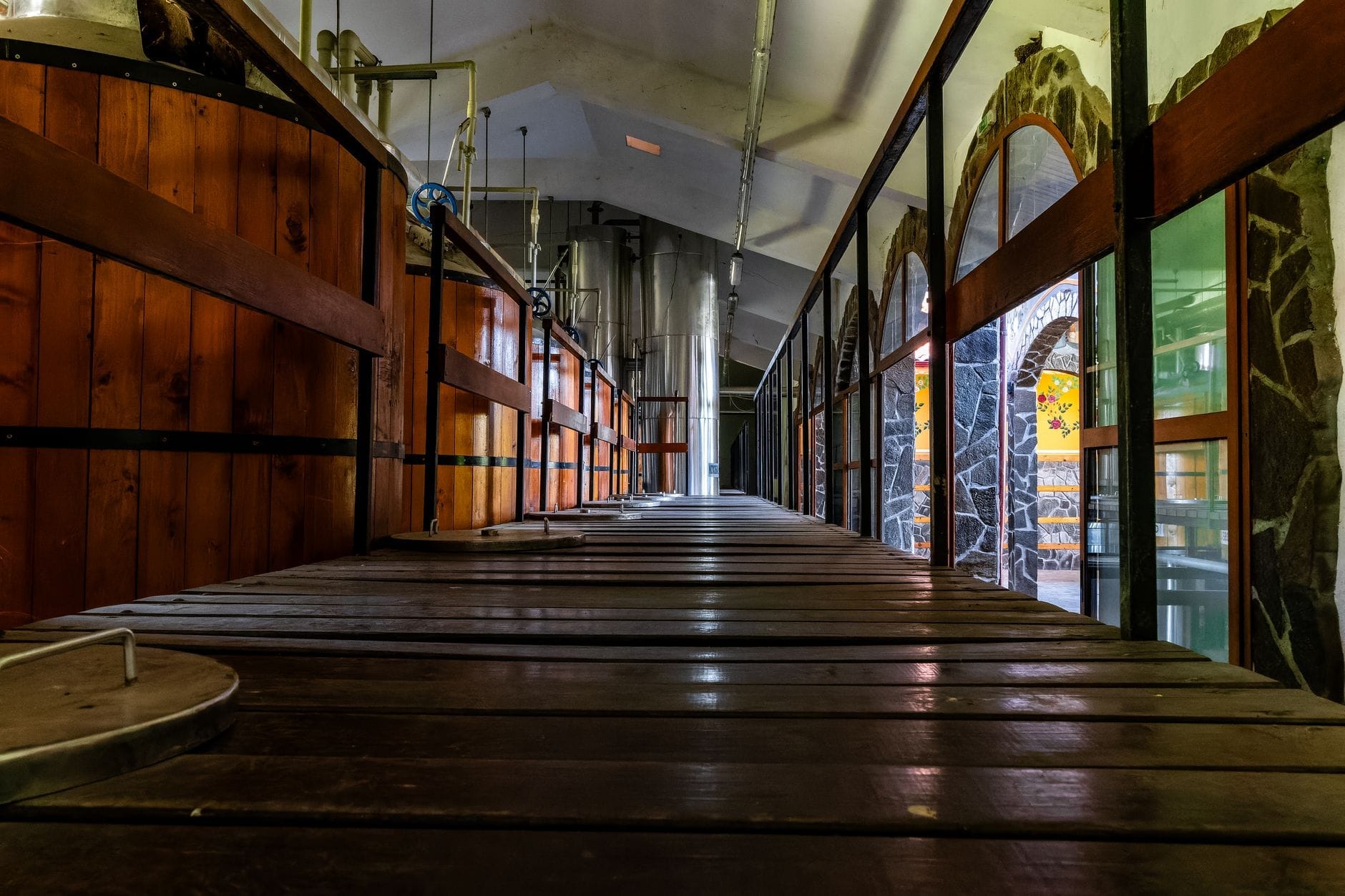
Pearse Lyons Distillery occupies the former Church of St James, an 18th-century stone building on James's Street in Dublin's Liberties. The choice of location is not arbitrary. This stretch of the southside has been connected to brewing and distilling for centuries, and the distillery sits within walking distance of some of the industry's most famous addresses. When the church was deconsecrated and later restored, the decision to fill it with copper pot stills rather than apartments or offices was a deliberate statement about what the Liberties means to Irish whiskey culture.
The distillery opened to visitors in 2017, founded by Pearse Lyons himself, founder of the international animal health company Alltech, during the restoration of the church. Lyons, a biochemist with roots in County Kildare, had a long personal connection to fermentation science. He passed away in 2018, but the distillery continues under the Alltech family umbrella and remains one of the more thoughtfully conceived visitor experiences in Dublin's increasingly crowded whiskey tourism scene.
💡 Local tip
Book your tour slot online in advance, especially on weekends. Tours typically run hourly, with the first at 11:00 (12:00 on Sundays) and the last at 17:00. Walk-ins are possible but not guaranteed.
The Building: What the Architecture Tells You
The Church of St James is worth pausing to look at before you step inside. The exterior is a composed, grey stone structure typical of Dublin's 18th-century ecclesiastical buildings, more understated than the grand Gothic revival churches elsewhere in the city. What sets it apart immediately is the copper distilling equipment visible through the windows, the industrial meeting the sacred in a way that takes a moment to process.
Inside, the original stained glass windows have been preserved, and they cast shifting coloured light across the copper pot stills below depending on the time of day. Morning visits, particularly on a sunny day, catch warmer, more saturated light through the eastern windows. The height of the nave, which would once have carried the sound of a congregation, now amplifies the low hum of the working distillery. It is an unusual acoustic environment, and it contributes to the sense that this is a genuinely functioning operation, not a reconstruction built for tourists.
If architectural heritage is a particular interest, it is worth combining the distillery visit with a broader walk through the Liberties. The area around James's Street, Thomas Street, and the surrounding blocks contains a dense layering of 18th and 19th-century Dublin that is easy to overlook in favour of more obvious city centre landmarks. Our guide to Georgian Dublin architecture provides useful context for understanding how this building fits into the wider fabric of the neighbourhood.
Tickets & tours
Hand-picked options from our booking partner. Prices are indicative; availability and final rates are confirmed when you complete your booking.
Private Dublin distillery trail
From 163 €Instant confirmationFree cancellationGiant's Causeway and Titanic Distillers Whiskey tasting from Dublin
From 75 €Instant confirmationFree cancellationGiant's Causeway, Dark Hedges, and Belfast Tour from Dublin
From 85 €Instant confirmationFree cancellationDublin self-guided audio tour
From 10 €Instant confirmation
The Tour: What Happens and How Long It Takes
Tours are guided and run approximately 60 to 75 minutes before the tasting session. The guide leads groups through the distillery's production process, from grain to glass, explaining fermentation, distillation, and maturation in terms that work for both first-time whiskey visitors and people with existing knowledge. The copper stills are the visual centrepiece, but the guide tends to spend meaningful time on the building's history alongside the whiskey science, which gives the tour a layered quality that purely process-focused distillery visits lack.
Group sizes are manageable on standard tour slots, which keeps the experience from feeling like a conveyor belt. Questions are encouraged, and guides generally have depth on both the Pearse Lyons family story and the broader history of distilling in the Liberties. The tasting at the end covers several expressions of Pearse Lyons whiskey. Younger visitors aged 11 to 17 can usually join the tour at a reduced rate without the whiskey element, making this workable for families with teenagers, though it is not designed around children.
ℹ️ Good to know
The distillery is open Monday to Saturday from 10:30, and Sunday from 11:30. It closes at 18:00 daily. The venue is closed 24–26 December and 1 January.
Getting There: Practical Directions
James's Street is well served by public transport. The Luas Red Line stops at St. James's, which is the most direct option from the city centre. Dublin Bus routes 13, 123, G1, G2, and S2 all stop on James's Street, with the 13 and 123 running from O'Connell Street, D'Olier Street, and Dame Street approximately every 10 to 15 minutes. The Big Bus and Do Dublin hop-on, hop-off services also stop nearby, which makes the distillery easy to fit into a broader sightseeing day.
On foot from the city centre, James's Street is about 20 to 25 minutes from Dame Street, passing through Thomas Street, which has its own architectural and historical interest. The distillery is approximately a 5-minute walk from the Guinness Storehouse, and many visitors combine both in a single afternoon, though back-to-back tours plus tastings at both locations is a significant commitment. It is worth choosing one as the primary experience rather than rushing both.
⚠️ What to skip
Specific wheelchair accessibility details are limited on the official website, though the site is stated to be wheelchair accessible. If you have mobility requirements, contact the distillery directly before booking to confirm what the building can accommodate.
How This Compares to Other Dublin Whiskey Experiences
Dublin now has several whiskey visitor attractions, each with a different emphasis. The Jameson Distillery on Bow Street is larger, more heavily marketed, and more interactive in a brand-experience sense. The Teeling Whiskey Distillery in the Liberties is a purpose-built modern facility with strong production credentials. Pearse Lyons sits between these: smaller and more intimate than Jameson, architecturally more striking than Teeling, and arguably the most distinctive setting of the three.
What Pearse Lyons offers that neither competitor quite matches is the combination of genuine production inside a listed historic building. The whiskey being made here is not a reconstruction or a heritage brand exercise. The distillery produces real whiskey on these premises, which means the smell of active distillation, the warmth of working equipment, and the sounds of a live process are all part of the tour. That specificity of place is harder to manufacture than most visitor attractions acknowledge.
If you are trying to decide how to allocate time across Dublin's whiskey and drinks attractions, the broader Dublin attractions guide can help you prioritise based on your interests. For travellers on a budget, note that the Irish Whiskey Museum near Trinity College covers the category-wide history if you prefer context over production.
Who Will and Will Not Enjoy This
The distillery rewards visitors who are genuinely curious, whether about the whiskey, the building, or the local history of the Liberties. The tour pace is conversational rather than rushed, and the guide does not just recite a script. If you come with specific questions about production, maturation, or the Pearse Lyons family story, the format accommodates that.
Visitors who are not particularly interested in whiskey or distilling and are looking primarily for an architectural experience may find the tour content heavy relative to the building appreciation time. Equally, very young children are not well-suited to this experience since there is no dedicated family programme and the content is adult-oriented. Travellers who have already done extensive whiskey tours elsewhere in Ireland may find the production explanation covers familiar ground, though the setting remains genuinely unusual regardless of prior experience.
Insider Tips
- The morning light through the original stained glass windows is noticeably better for photography than afternoon visits. If you want images of copper stills against coloured church light, aim for the 11:00 tour.
- The distillery is a short walk from the Guinness Storehouse, making it a natural pairing with the Guinness Storehouse experience for a full southside history day without needing public transport between the two.
- Ask your guide about the architectural restoration process as well as the distilling. The decision-making behind converting an active church into a working distillery involves planning, conservation, and engineering details that are genuinely interesting and not always covered unless prompted.
- If you find the Pearse Lyons range interesting, the distillery shop stocks expressions that are not always easy to find in standard Dublin off-licences. It is a more focused selection than the gift shops at larger competitors.
- Combining this with the Guinness Storehouse on the same day is very doable logistically, but plan your tasting pace. Two full tastings plus a Guinness experience in one afternoon is a lot. Consider doing the Guinness Storehouse first, skipping the complimentary pint, and saving the whiskey tasting for Pearse Lyons.
Who Is Pearse Lyons Distillery For?
- Whiskey enthusiasts who want a working distillery rather than a brand museum
- Architecture and heritage visitors interested in adaptive reuse of historic buildings
- Travellers who have done the Jameson or Guinness experience before and want something smaller and less commercial
- Couples or small groups looking for a focused 90-minute experience rather than a theme park-style attraction
- Curious generalists who enjoy knowing the context and history of a place as well as its product
Nearby Attractions
Other things to see while in Smithfield & The Liberties:
- Christ Church Cathedral
Christ Church Cathedral has anchored Dublin's skyline for nearly a thousand years, predating the city's most famous landmarks by centuries. This guide covers what you actually see inside, when to go, how to get there, and whether the admission fee is worth it.
- Dublinia Viking and Medieval Museum
Dublinia brings over a thousand years of Dublin's earliest history to life through immersive reconstructions of Viking longships, medieval streetscapes, and hands-on archaeology exhibits. Housed in the 19th-century Gothic Revival Synod Hall beside Christ Church Cathedral, it rewards curious visitors of almost any age.
- Guinness Open Gate Brewery
Tucked inside the St. James's Gate complex on James's Street, the Guinness Open Gate Brewery is a working experimental taproom where Guinness brewers test recipes that never make it to supermarket shelves. No queues, no theatrics, just serious beer in a real brewery setting.
- Guinness Storehouse
The Guinness Storehouse takes you through seven floors of brewing history at St James's Gate, the birthplace of one of the world's most recognisable drinks. The experience ends at the rooftop Gravity Bar with a complimentary pint and views across the Dublin skyline. It draws more visitors than any other paid attraction in Ireland, and whether that's a recommendation or a caution depends entirely on what you're after.