Best Things to Do in Dublin: The Definitive Guide
Dublin packs centuries of history, world-class museums, legendary pubs, and coastal scenery into a compact, walkable city. This guide covers the best things to do in Dublin across every interest and budget, with honest advice on what's worth your time and what to skip.
Plan and book this trip
Tools from our partner Travelpayouts help you compare flights and hotels. If you book through them, we may earn a commission at no extra cost to you.
Flights
Hotels map
TL;DR
- The Guinness Storehouse, Kilmainham Gaol, and the Book of Kells are the three most-booked paid attractions. Book all three in advance, especially in summer.
- Dublin's best free experiences include St Stephen's Green, the National Museum of Archaeology, and a walk along the Grand Canal.
- Peak season runs June to August. Visiting in May or September gives you good weather, fewer crowds, and lower hotel rates.
- Temple Bar is not the best place for traditional music. Locals know better spots.
- The Cliffs of Moher and Giant's Causeway are full-day trips from Dublin. Check our day trips from Dublin guide before committing to a tour.
Iconic Dublin Attractions Worth Every Euro

The best things to do in Dublin start with a handful of world-class attractions that genuinely earn their reputations. These are not tourist traps. They are the anchors of any Dublin itinerary, and each rewards a couple of hours of your time.
The Guinness Storehouse is a seven-floor immersive experience built inside a former fermentation plant at St James's Gate. It covers the history of the brew, Arthur Guinness's 9,000-year lease (really), and the science of the perfect pint. Tickets run roughly €22 to €32 and include a pint at the Gravity Bar on the top floor, which offers a full 360-degree view over the city. Note: the Storehouse does not brew Guinness. The active brewery surrounds it, but the Storehouse itself is a visitor centre.
The Book of Kells at Trinity College is one of the world's most important illuminated manuscripts, created by monks around 800 AD. Tickets for the Book of Kells Experience are around €16 to €19 for adults, though pricing has shifted in recent years so confirm before visiting. The Long Room, a barrel-vaulted library housing 200,000 ancient texts, is the real visual highlight. Arrive early: by mid-morning the queues outside are significant.
Kilmainham Gaol is where fourteen leaders of the 1916 Easter Rising were executed. Access is by guided tour only (around 60 minutes, allow up to 90 minutes on site), and the experience is genuinely affecting. Tours run daily from approximately 10:30 to 17:15, but slots sell out days or weeks ahead in summer. Booking online through the official site is essential. Combined with the nearby Irish Museum of Modern Art in the former Royal Hospital grounds, this makes for a full half-day in Kilmainham.
⚠️ What to skip
Kilmainham Gaol tours sell out weeks in advance during July and August. If you're visiting in peak season, book the moment your travel dates are confirmed. Showing up without a ticket means you will not get in.
Free and Low-Cost Things to Do in Dublin
Dublin's national museums are free to enter, which is a genuine advantage over most European capitals. The National Museum of Ireland has four sites across the city. The Archaeology branch on Kildare Street holds the Bog Bodies, Iron Age gold hoards, and the Ardagh Chalice. The Decorative Arts and History branch in Collins Barracks is equally impressive and consistently less crowded. Both are free.
The National Gallery of Ireland on Merrion Square is free and houses one of Europe's stronger collections of Old Masters, including a dedicated Caravaggio room and extensive Irish art. The Chester Beatty Library in Dublin Castle gardens is also free and repeatedly voted one of Europe's best museums. Its collection of Islamic manuscripts, Japanese woodblock prints, and rare Bibles is extraordinary for a city this size.
- St Stephen's Green Nine hectares of parkland in the heart of the city. Free and open daily. Watch for the summer lunchtime concerts.
- Merrion Square Park Free public park surrounded by Georgian townhouses. Oscar Wilde's statue is here, and the park has a relaxed, local feel that St Stephen's Green sometimes lacks.
- Ha'penny Bridge Dublin's iconic pedestrian bridge over the Liffey, dating to 1816. Best photographed at dusk. Free to cross.
- Grand Canal Walk A flat, easy walk east from Portobello toward the Docklands. Lined with Georgian lock-keepers' cottages and Baggot Street pubs.
- Glasnevin Cemetery Museum One of Ireland's most significant historical sites. The cemetery itself is free to walk; the museum and tours are ticketed. Graves of Daniel O'Connell, Michael Collins, and Éamon de Valera are here.
💡 Local tip
If your budget is tight, build your itinerary around the free national museums and parks first, then allocate spending to one or two ticketed attractions. A well-planned Dublin day can cost under €20 per person and still be exceptional. See our guide to free things to do in Dublin for a full breakdown.
Whiskey, Pubs, and the Real Dublin Nightlife
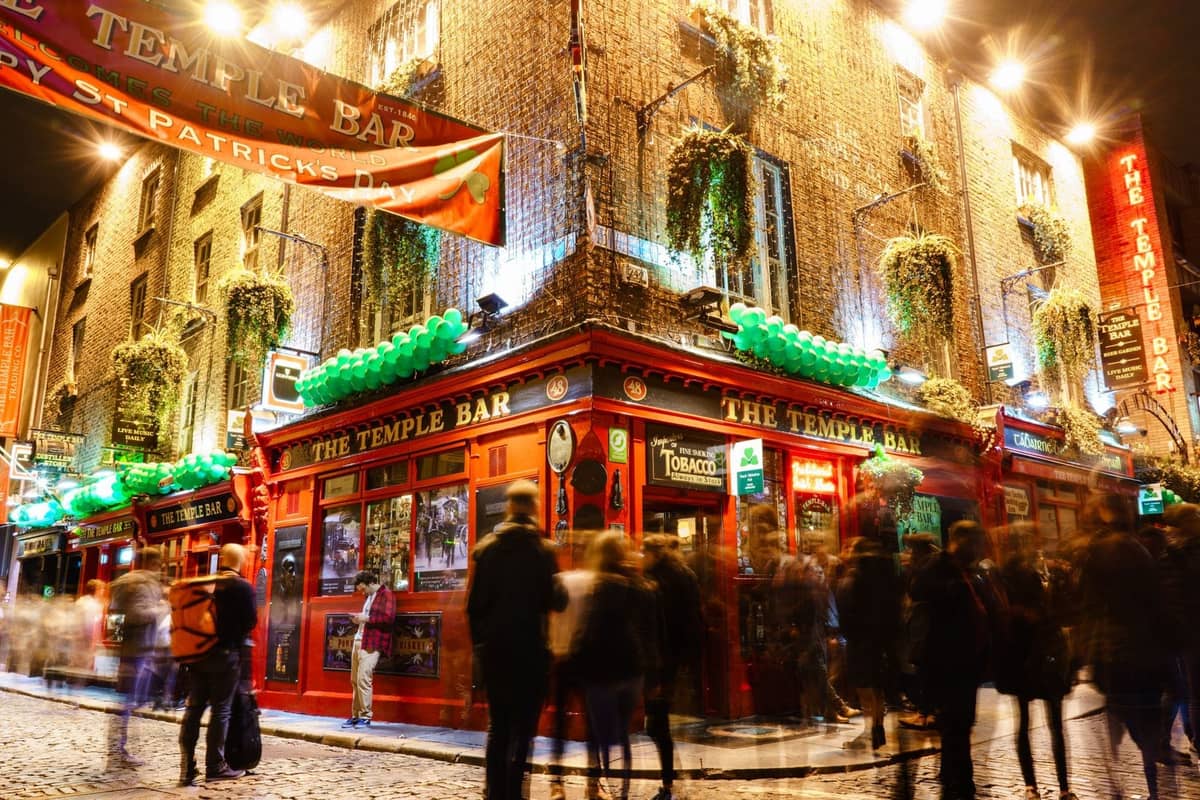
Dublin's pub culture is not just marketing. The pub is genuinely a community institution, a place for conversation, live music, and long afternoons over a pint of Guinness or a glass of Jameson. The challenge for visitors is separating the authentic from the performance.
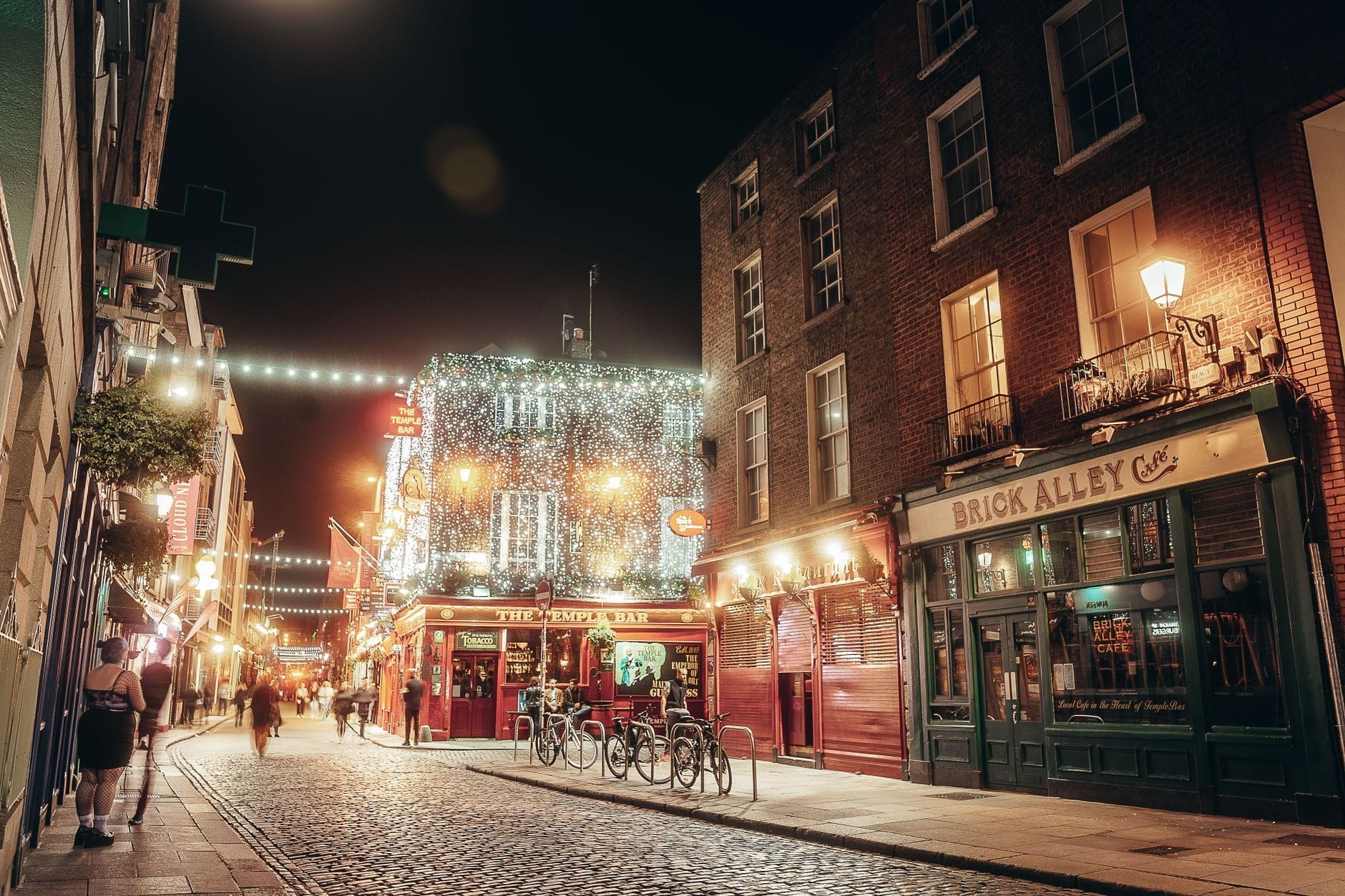
Temple Bar is the most visited part of Dublin for nightlife, and it shows. Drinks are priced at a significant premium, the music is often staged rather than spontaneous, and the crowds on weekend nights are intense. It has its uses, and the area's cultural institutions, including the Irish Film Institute and Project Arts Centre, are legitimate. But if you want traditional music in a pub that locals actually use, head to The Cobblestone in Smithfield or O'Donoghue's on Merrion Row, where sessions happen several nights a week and the audience is genuinely mixed.
For whiskey, Dublin now has multiple working distilleries in the city, which is historically significant since there were none for decades. The Teeling Whiskey Distillery in Newmarket runs tours daily from around 11:00 to 18:00. The Tasting Tour costs approximately €22, with premium options up to €50 for the Connoisseur Experience. The Jameson Distillery on Bow Street is larger, more polished, and better for groups. Pearse Lyons Distillery operates inside a converted church in the Liberties, which makes for an unusual setting.
Parks, Coast, and Getting Outside Dublin
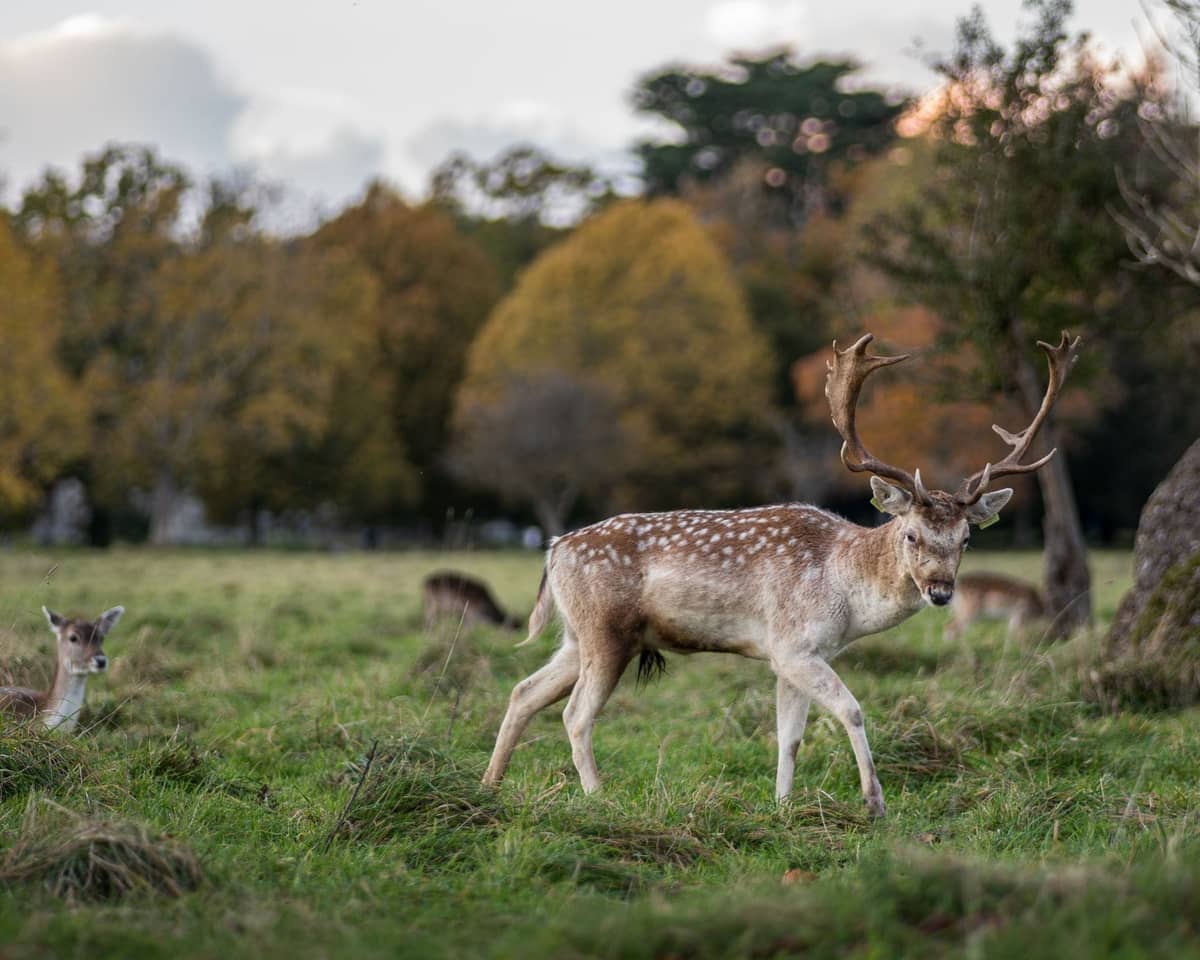
Phoenix ParkPhoenix Park covers about 707 hectares and is one of the largest enclosed public parks in any European capital. Entry is free and pedestrian access is available day and night, though vehicle gates close overnight. Fallow deer roam freely and are reliably spotted near the Papal Cross in the early morning. The park also contains Áras an Uachtaráin (the President's residence, open for free guided tours on Saturdays), Dublin Zoo, and Farmleigh House, the State guesthouse.
For coastal scenery without leaving the greater Dublin area, take the DART south to Dún Laoghaire and walk the East Pier, or continue to Dalkey and Killiney for cliff-path views over Dublin Bay. North of the city, Howth offers a dramatic cliff walk above the Irish Sea, excellent seafood, and a working fishing harbour. Both Howth and Dún Laoghaire are roughly 25 to 35 minutes from the city centre by DART and cost the price of a train ticket.
✨ Pro tip
The DART coastal route is one of the most scenic rail journeys in Ireland and costs a few euros each way. Buy a Leap Card at any convenience store to avoid paper ticket queues and get a small fare discount. The card works across Dublin Bus, Luas, and DART.
Dublin With Kids: What Actually Works

Things to do in Dublin with kids vary significantly by age. For younger children, Phoenix Park and Dublin Zoo are the obvious anchors. Dublin Zoo is one of Europe's older zoos and has invested heavily in larger, more naturalistic enclosures. Tickets should be booked and priced through the official Dublin Zoo website, as pricing changes by season and age group.
Dublinia, attached to Christ Church Cathedral, is an interactive Viking and medieval history experience aimed specifically at children and families. It is better than its slightly gimmicky name suggests. The National Leprechaun Museum is not recommended for most adults but works for younger children curious about Irish folklore. For teenagers, the EPIC Irish Emigration Museum in the Docklands is genuinely well-designed, digital-first, and covers Irish diaspora history in a way that connects with younger audiences.
- Dublin Zoo in Phoenix Park: best for ages 3 to 12, allow 3 to 4 hours
- Dublinia at Christ Church: interactive Viking exhibits, best for ages 6 to 14
- Natural History Museum (Merrion Street): free, Victorian-era taxidermy collection, fascinating for curious children of any age
- National Botanic Gardens in Glasnevin: free, extensive glasshouses, good for a half-day without spending anything
- Sandymount Strand: free tidal beach about 25 to 30 minutes from the city centre by bus, accessible and family-friendly
Planning Your Visit: Timing, Logistics, and What to Know
The average visitor spends two to four days in Dublin, which is enough to cover the major attractions without rushing. A week allows you to explore the neighbourhoods properly and take at least one day trip. June through August brings the most daylight, the warmest temperatures (typically 18 to 21°C on good days), and the highest prices. May and September are generally better value with comparable weather.
Dublin Airport (IATA: DUB) is approximately 10 km north of the city centre. Bus connections via Dublin Bus and dedicated coach routes operate regularly to the city; the DART does not currently serve the airport directly. Taxis are metered and available at the terminal. For transport within the city, the Luas tram (two lines: Red and Green) and the extensive Dublin Bus network cover most visitor destinations. The DART connects the city centre to coastal suburbs. For a full breakdown, see the getting around Dublin guide.
Ireland uses the Euro (EUR) and the Type G three-pin plug (the same as the UK). Tap water is safe to drink in normal circumstances, though occasional boil-water notices do occur and are announced by the local utility. English is the everyday language throughout Dublin. Irish (Gaeilge) is an official language and appears on all signage. Emergency calls go to 112 or 999. For advice on accommodation across budgets and neighbourhoods, the where to stay in Dublin guide covers the main options with honest assessments of each area.
FAQ
What are the best things to do in Dublin in one day?
With one day, focus on a compact route: start at Trinity College for the Book of Kells and Long Room (book ahead), walk through St Stephen's Green, cross to Temple Bar and the Ha'penny Bridge, then choose one major afternoon attraction. The Guinness Storehouse works if you want a set-piece experience; the National Museum of Archaeology on Kildare Street is free and requires no booking. Finish with a pint in a non-Temple Bar pub.
How many days do you need in Dublin?
Two full days covers the main attractions without feeling rushed. Three days lets you add a coastal half-day (Howth or Dún Laoghaire by DART) and explore a neighbourhood like Portobello or the Docklands. A week is comfortable for anyone who also wants to take a day trip to Glendalough or the Wicklow Mountains.
What are the best free things to do in Dublin?
The National Museum of Archaeology, National Gallery of Ireland, Chester Beatty Library, National Botanic Gardens, and all of Dublin's major parks (Phoenix Park, St Stephen's Green, Merrion Square) are free. The Ha'penny Bridge, the Docklands architecture walk, and the Grand Canal towpath cost nothing. Most of a very good Dublin day can be assembled for free.
Is Temple Bar worth visiting in Dublin?
Temple Bar is worth a daytime walk for its architecture and cultural venues like the Irish Film Institute. The cobbled streets are photogenic. However, it is not the place for an authentic Irish pub experience: drinks are more expensive than elsewhere, the music is often tailored to tourists, and it gets uncomfortably crowded on weekend nights. For traditional music, The Cobblestone in Smithfield or O'Donoghue's on Merrion Row are better choices.
What day trips can you do from Dublin?
Glendalough and the Wicklow Mountains are the most accessible day trips, around 1.5 hours by car or tour bus. Howth and Dún Laoghaire are 20 to 30 minutes by DART and count as easy half-day escapes rather than full day trips. The Cliffs of Moher and Giant's Causeway are frequently marketed alongside Dublin itineraries but require a full day of travel and are in different provinces entirely.