Dublinia: What the Viking and Medieval Museum Is Really Like
Dublinia brings over a thousand years of Dublin's earliest history to life through immersive reconstructions of Viking longships, medieval streetscapes, and hands-on archaeology exhibits. Housed in the 19th-century Gothic Revival Synod Hall beside Christ Church Cathedral, it rewards curious visitors of almost any age.
Quick Facts
- Location
- St Michael's Hill, Christ Church, Dublin 8
- Getting There
- Multiple Dublin Bus routes to Christ Church; about 12 min walk from Trinity College. Hop-on hop-off bus stops outside.
- Time Needed
- 1.5 to 2.5 hours
- Cost
- Ticketed; adult, child, family, and concession rates available. Combined ticket with Christ Church Cathedral offered. Check dublinia.ie for current prices.
- Best for
- Families with children, history enthusiasts, school groups, rainy-day visits
- Official website
- dublinia.ie
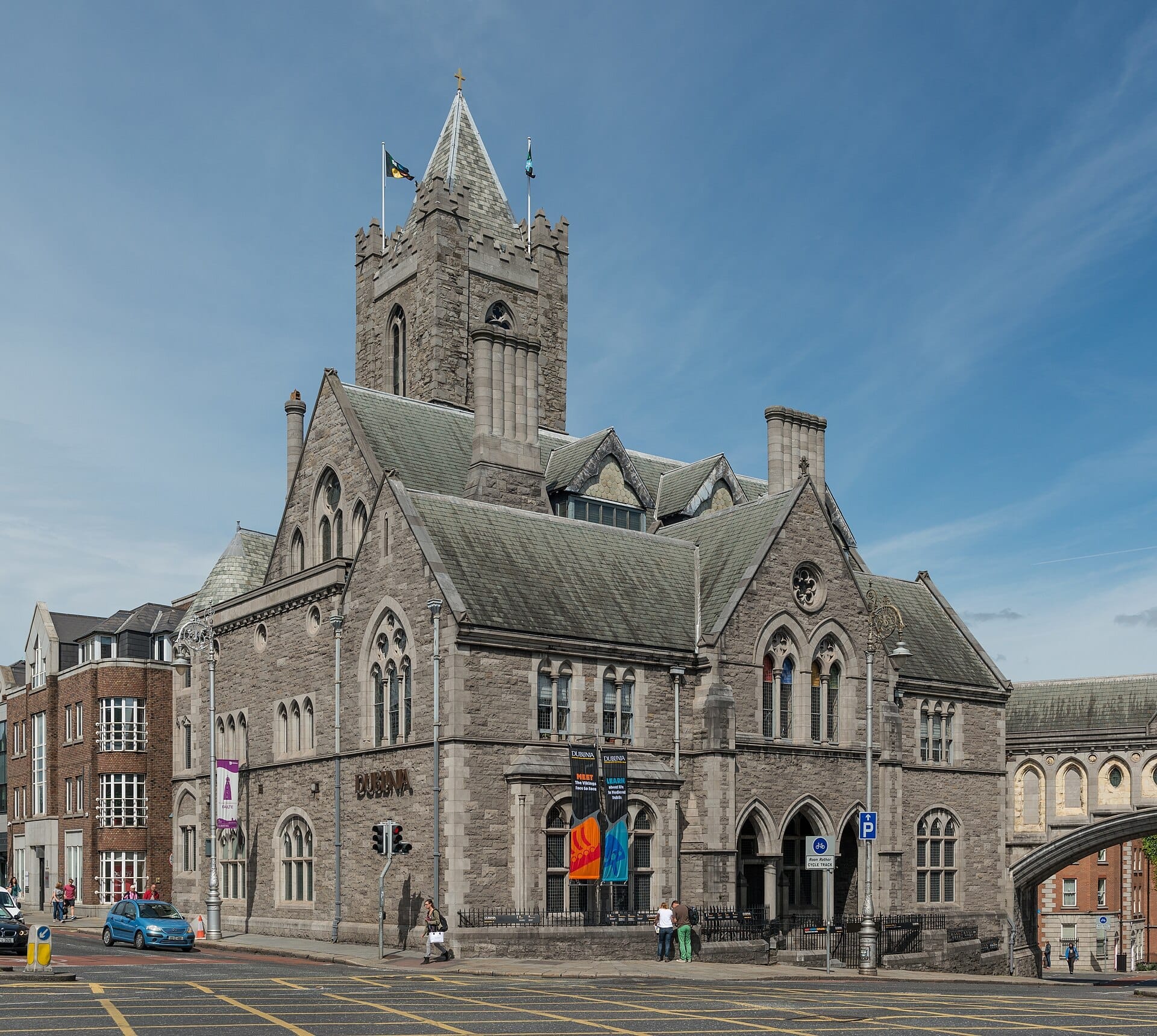
What Dublinia Actually Is
Dublinia is a living history museum dedicated to Viking and medieval Dublin, covering the period from the Norse settlement of the ninth century through to the close of the medieval era. It opened in 1993 and underwent a significant €2 million redevelopment in 2010, which overhauled the exhibition design into the multi-floor, walk-through experience visitors encounter today.
The museum occupies the Synod Hall, a nineteenth-century Gothic Revival building connected by a covered bridge over the street to Christ Church Cathedral. That bridge connection is worth noting before you arrive: the two institutions are physically linked and visually inseparable from the outside, but they are separately ticketed attractions. A combined ticket covering both is available and represents reasonable value if you plan to visit the cathedral as well.
The building's age shapes the experience in ways that floor plans can't convey. The Synod Hall was constructed on the site of much older ecclesiastical buildings, and the museum is aware of its layered setting. If you have already explored Christ Church Cathedral next door, Dublinia makes a natural second stop that deepens the historical context considerably.
💡 Local tip
Opening hours vary by season: roughly 10:00–17:00 (last entry 16:00) in the summer months and shorter hours in winter. Always confirm on dublinia.ie before visiting, as hours are updated periodically and the museum closes 24–26 December.
The Exhibition: Floor by Floor
The layout takes visitors upward through time. The Viking World on the lower floors covers the Norse founding of Dublin from around 841 AD. Reconstructed longship sections, Norse market scenes, and artifact replicas give a tangible sense of scale. The smells of timber and rope-like materials in the Viking reconstruction area are subtle but deliberate, and children tend to respond instinctively to spaces they can physically move around.
The Medieval Dublin section covers the Norman conquest and the transformation of the settlement into a walled town. Reconstructed lanes, a recreated medieval merchant's house interior, and exhibits on craft and trade give a credible sense of daily life in a small but strategically important city. The archaeology section is particularly strong: it draws on actual excavation finds from Wood Quay, the site near the riverbank where one of Europe's most significant Viking-age urban digs took place in the 1970s and 1980s. The political battle to preserve those excavations is part of Dublin's civic memory, and the museum references it.
The top-floor viewing area offers an elevated view over Christ Church Cathedral's roofline toward the wider cityscape. It is a short stop but a surprisingly useful one for orienting yourself in relation to the older medieval core of the city.
Tickets & tours
Hand-picked options from our booking partner. Prices are indicative; availability and final rates are confirmed when you complete your booking.
Giant's Causeway, Dark Hedges, and Belfast Tour from Dublin
From 85 €Instant confirmationFree cancellationDublin self-guided audio tour
From 10 €Instant confirmationBird of Prey, Cliffs of Moher and Aillwee Cave from Dublin
From 201 €Instant confirmationFree cancellationGame of Thrones Studio tour with return transfer from Dublin
From 63 €Instant confirmationFree cancellation
How It Feels to Visit at Different Times of Day
Mornings, particularly on weekdays outside school holidays, are when the museum is quietest. The dimly lit Viking sections feel genuinely atmospheric with few other visitors around, and the reconstructed market scenes hold attention in a way that becomes harder when tour groups are moving through. The audio elements, ambient sounds of Norse Dublin, including crowd noise and craft activity, are more noticeable when the space is calm.
By late morning on weekends and throughout the summer, school groups and family tours arrive in numbers. The space is well designed to handle this: the exhibit flow is largely one-directional, which prevents the bottlenecks common in older Irish museums. But the hands-on archaeology activity area on the upper floors can get crowded, and younger children may need to wait.
Afternoons in high season are the busiest period. If you are visiting with older children or adults who want to read exhibit text carefully, aim for opening time or at least the first half hour of the day. The museum is an indoor experience entirely, which makes it a reliable choice on the rain-heavy days Dublin delivers without warning.
💡 Local tip
Weekday mornings outside Irish school holiday periods give the best experience for unhurried adults. Check Irish school term dates if timing matters to you.
Historical and Cultural Context
Dublin's Viking history is older and more substantial than most visitors realise before they arrive. The Norse established a longphort, a ship encampment, near the confluence of the Liffey and the Poddle rivers in the ninth century. Over the following two centuries they built a permanent settlement that became one of the most significant Viking trading towns in the North Atlantic world. Slaves, silver, weapons, and textiles moved through what is now central Dublin.
The Norman arrival in the twelfth century reordered the settlement dramatically: new stone walls, new ecclesiastical institutions, and a new administrative structure replaced or overlaid the Viking town. Christ Church Cathedral, visible from Dublinia's bridge, was itself refounded by the Normans on the site of an earlier Norse church. Walking between the museum and the cathedral, you are moving through a landscape where those two eras still coexist in physical form.
For visitors who want to pursue Dublin's early history further, the National Museum of Ireland: Archaeology on Kildare Street holds the original Wood Quay excavation finds, including swords, combs, leather shoes, and everyday objects that complement what Dublinia presents through reconstruction.
Practical Walkthrough: Getting There and Around
Dublinia sits on St Michael's Hill in Dublin 8, at the western edge of the area most visitors think of as central Dublin. From Dame Street, it is a short uphill walk. From Temple Bar it takes around eight to ten minutes on foot. The hop-on hop-off tourist bus has a dedicated stop outside the museum, which makes it easy to combine with other stops on that circuit.
Several Dublin Bus routes serve the Christ Church area; check the Transport for Ireland journey planner for current routes. The getting around Dublin guide covers bus and tram options in detail. The museum is not directly served by the Luas, but the Red Line at Smithfield is a reasonable starting point if you are coming from the north of the city.
The building spans multiple levels and the museum's official visitor information includes details on lifts and accessibility facilities. The historic structure means some areas involve changes in floor level, so it is worth checking the accessibility section on dublinia.ie directly if mobility is a consideration for your group.
ℹ️ Good to know
A combined ticket covering both Dublinia and Christ Church Cathedral is available. If you plan to visit both, buy the combined ticket at either venue rather than paying separately.
Photography and What to Bring
Photography is generally permitted in the exhibition spaces for personal use. The lighting throughout is intentionally low in the Viking section, designed to reinforce the atmosphere of candlelit interiors and overcast Norse skies. Standard smartphone cameras cope adequately; dedicated camera users may want to adjust ISO settings before entering those areas. The reconstructed interiors with warm-toned artificial lighting photograph well without flash.
There is nothing weather-dependent about the visit itself, but the walk uphill from Dame Street is on an uneven historic street surface. Comfortable shoes are practical. The cloakroom near the entrance handles bags and coats.
An Honest Assessment: Is It Worth It?
Dublinia occupies a particular position in the Dublin attraction landscape. It is not a conventional artifact museum, and if you arrive expecting dense display cases of original objects you will be partly disappointed. The experience is built around reconstruction and narrative rather than museum-standard archaeological display. That is a deliberate and defensible choice for an attraction aimed partly at families, and it works well for that audience.
For adult visitors with a serious interest in Norse or medieval history, the museum functions best as an accessible introduction or as a contextual companion to deeper reading. The exhibit texts are informative without being academic, and the 2010 redevelopment has kept the production values from feeling dated. The archaeology component is the most substantial intellectually, particularly the sections drawing on the Wood Quay dig.
Solo adult visitors with a limited afternoon and already full itinerary might reasonably prioritise the National Museum of Ireland: Archaeology or Chester Beatty Library instead, both of which are free and hold original collections of exceptional quality. But for families with children aged roughly six to fourteen, Dublinia is one of the most consistently engaging paid attractions in the city centre.
⚠️ What to skip
The museum closes 24–26 December. If visiting around the Christmas period, confirm opening dates on dublinia.ie in advance.
Insider Tips
- Buy a combined ticket with Christ Church Cathedral if you plan to visit both: it saves money and the two institutions are literally connected by a bridge, making a joint visit logistically simple.
- The rooftop viewing platform on the top floor is easy to miss if you follow the main exhibit flow without looking for signage. Take the stairs to the top before leaving: the view over the cathedral roof is genuinely worth the detour.
- The hands-on archaeology dig activity area is popular with children and can have a wait during busy periods. Head there first when you arrive rather than working through the floors sequentially.
- The museum sits at the edge of the Liberties neighbourhood, one of the oldest parts of Dublin. After your visit, the streets immediately south and west, particularly around Thomas Street, have independent cafes and food spots that are notably quieter and less tourist-oriented than Temple Bar.
- If you are following a broader medieval Dublin itinerary, St Audoen's Church on High Street is a short walk away and one of the oldest surviving medieval parish churches in the city, often overlooked by visitors focused on the larger sites.
Who Is Dublinia Viking and Medieval Museum For?
- Families with children aged 6 to 14 looking for interactive historical content
- First-time visitors who want a grounding in Dublin's earliest history before exploring the city on foot
- Rainy-day visits: the experience is entirely indoors and fills 1.5 to 2.5 hours comfortably
- Travellers combining a visit to Christ Church Cathedral who want historical context for the area
- School groups and educational visits focused on Viking or medieval European history
Nearby Attractions
Other things to see while in Smithfield & The Liberties:
- Christ Church Cathedral
Christ Church Cathedral has anchored Dublin's skyline for nearly a thousand years, predating the city's most famous landmarks by centuries. This guide covers what you actually see inside, when to go, how to get there, and whether the admission fee is worth it.
- Guinness Open Gate Brewery
Tucked inside the St. James's Gate complex on James's Street, the Guinness Open Gate Brewery is a working experimental taproom where Guinness brewers test recipes that never make it to supermarket shelves. No queues, no theatrics, just serious beer in a real brewery setting.
- Guinness Storehouse
The Guinness Storehouse takes you through seven floors of brewing history at St James's Gate, the birthplace of one of the world's most recognisable drinks. The experience ends at the rooftop Gravity Bar with a complimentary pint and views across the Dublin skyline. It draws more visitors than any other paid attraction in Ireland, and whether that's a recommendation or a caution depends entirely on what you're after.
- Jameson Distillery Bow St
Set in the historic Bow Street distillery building that dates to 1780, Jameson Distillery Bow St in Smithfield is the original home of Irish whiskey's most recognised name. Guided tours combine genuine industrial history with hands-on tasting, finishing at a rooftop bar above the cobbled square.