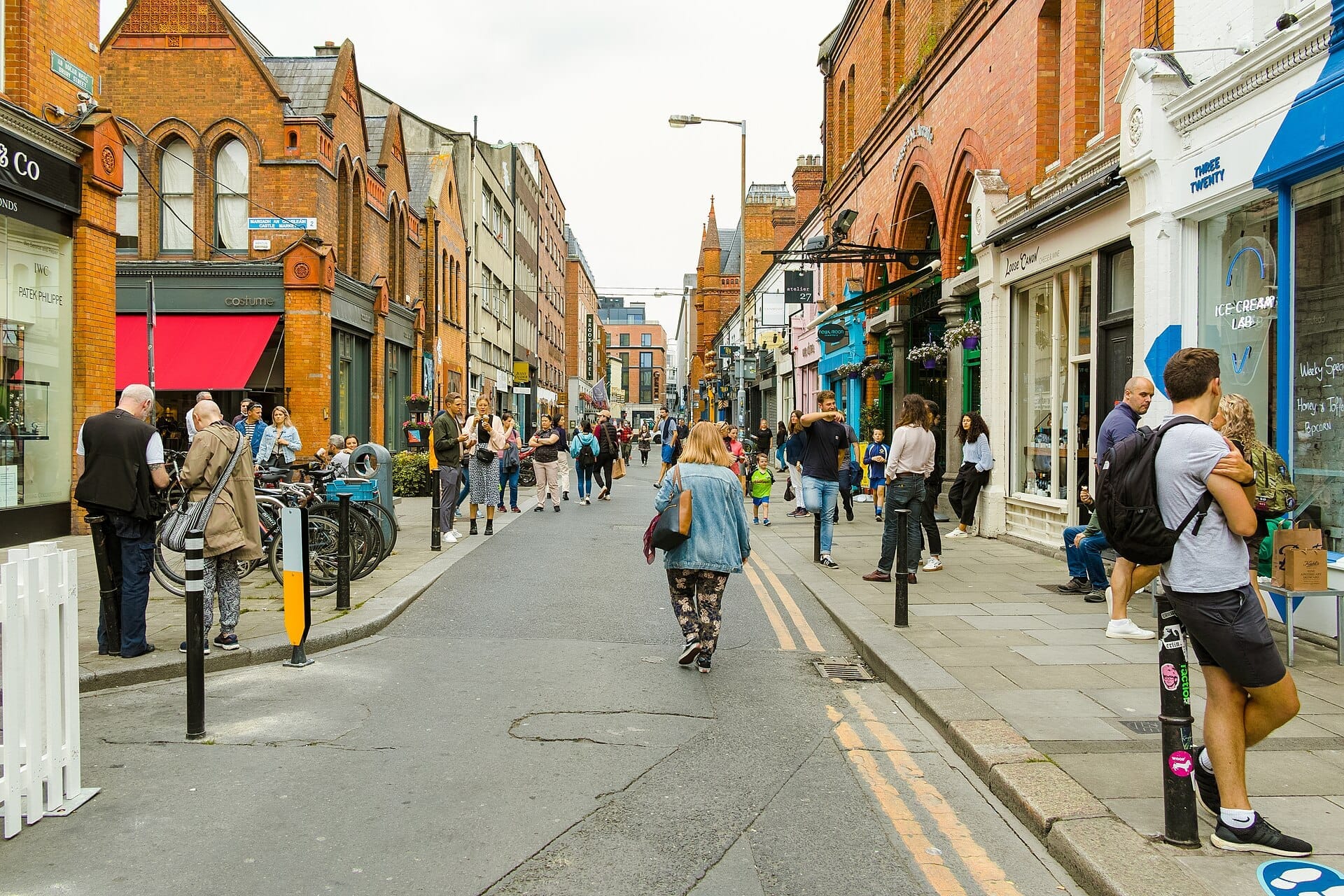
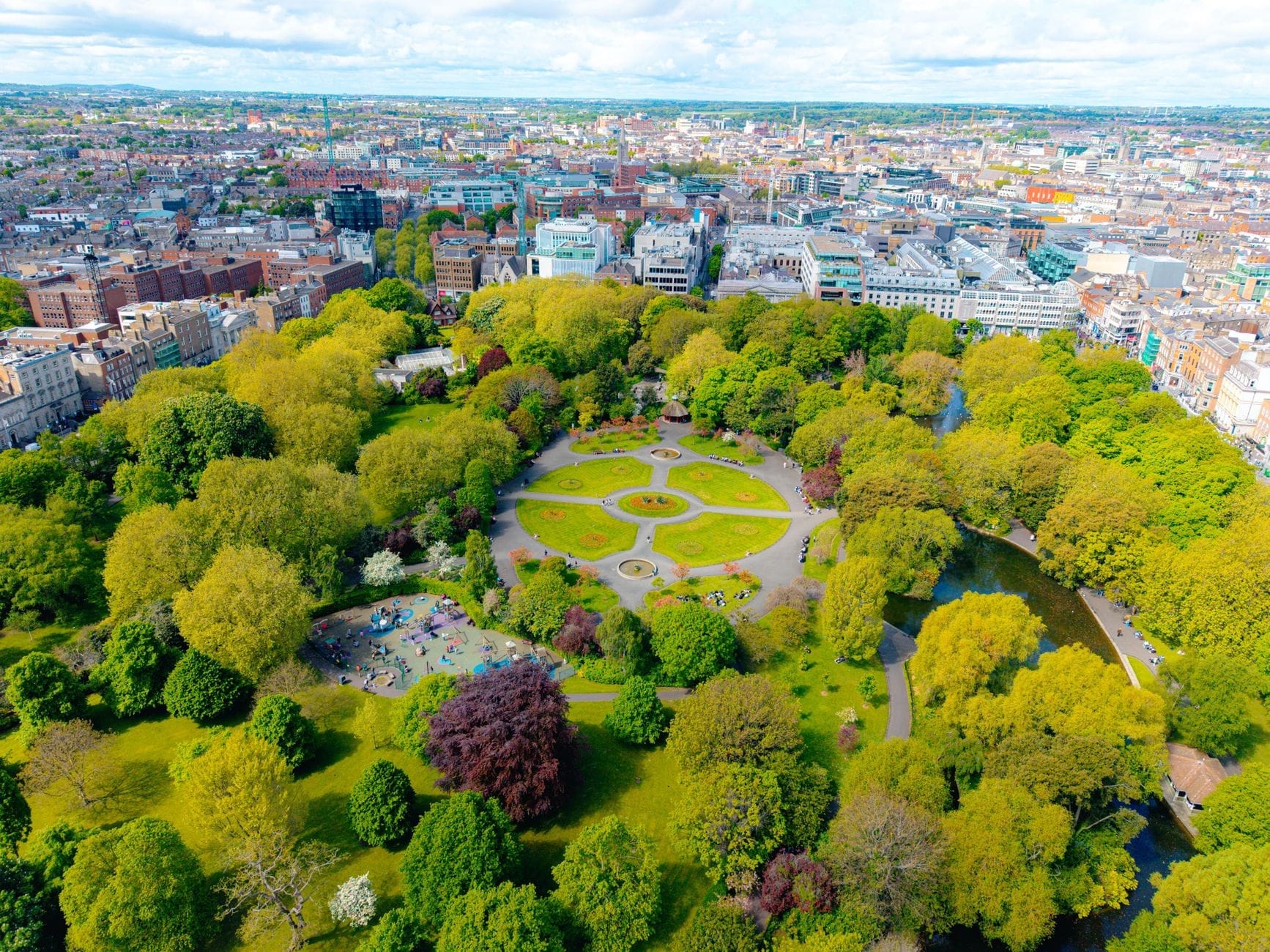
St Stephen's Green and Grafton Street sit at the commercial and civic heart of Dublin's southside, where a 9-hectare Victorian park meets Ireland's most famous pedestrian shopping street. The area draws everyone from office workers eating lunch on park benches to tourists making their first Dublin pilgrimage, and the streets radiating outward from the Green contain some of the city's best cafés, galleries, and Georgian architecture.
St Stephen's Green and Grafton Street form the southside axis of central Dublin, where a grand Victorian park and a pedestrianised shopping street meet in a way that feels both civic and genuinely useful. The area is one of the few places in Dublin where you can move seamlessly from a quiet walk among ornamental flower beds to an afternoon in world-class museums, all without leaving a square kilometre.
Orientation
St Stephen's Green sits in Dublin 2, on the southern edge of the city centre. The park itself is roughly rectangular, bounded by St Stephen's Green North, South, East, and West, covering around 9 hectares. Grafton Street runs north from the park's northwestern corner, marked by the Fusiliers' Arch, straight toward the junction with Nassau Street and Trinity College Dublin to the north. The whole corridor from the top of Grafton Street to the southern perimeter of the park is walkable in under ten minutes.
Understanding the surrounding grid helps enormously. To the northeast lies Trinity College and the area known as the Trinity College quarter. To the west, Harcourt Street and Camden Street lead toward Portobello and Ranelagh. To the east, Merrion Street and Baggot Street connect the Green to the National Gallery, Government Buildings, and eventually the Grand Canal. The streets immediately south and east of the park shift quickly from commercial to residential, with Georgian terraces along Harcourt Road and Leeson Street forming the boundary between the city centre and the inner southside suburbs.
The area is the southern terminus of the Luas Green Line, with St Stephen's Green tram stop sitting on the western side of the square. From here, trams run north through the city to Broombridge, and south through Ranelagh, Dundrum, and out to Brides Glen, the southern terminus of the line. This single stop makes the Green one of the most transit-connected points in Dublin. For a broader view of how to move around the city from this hub, see the guide to getting around Dublin.
Character & Atmosphere
Early on a weekday morning, Grafton Street belongs almost entirely to the people who work there. Café staff carry out sandwich boards, delivery vans idle at the loading bays off Wicklow Street, and the street cleaners are still finishing their rounds. By nine o'clock the first serious shoppers appear, and within an hour the street is full. The buskers arrive mid-morning and set up in the spots they know draw the best foot traffic, between Bewley's and the Brown Thomas corner. On a dry afternoon, the music carries all the way from the top of the street down to the Stephen's Green end.
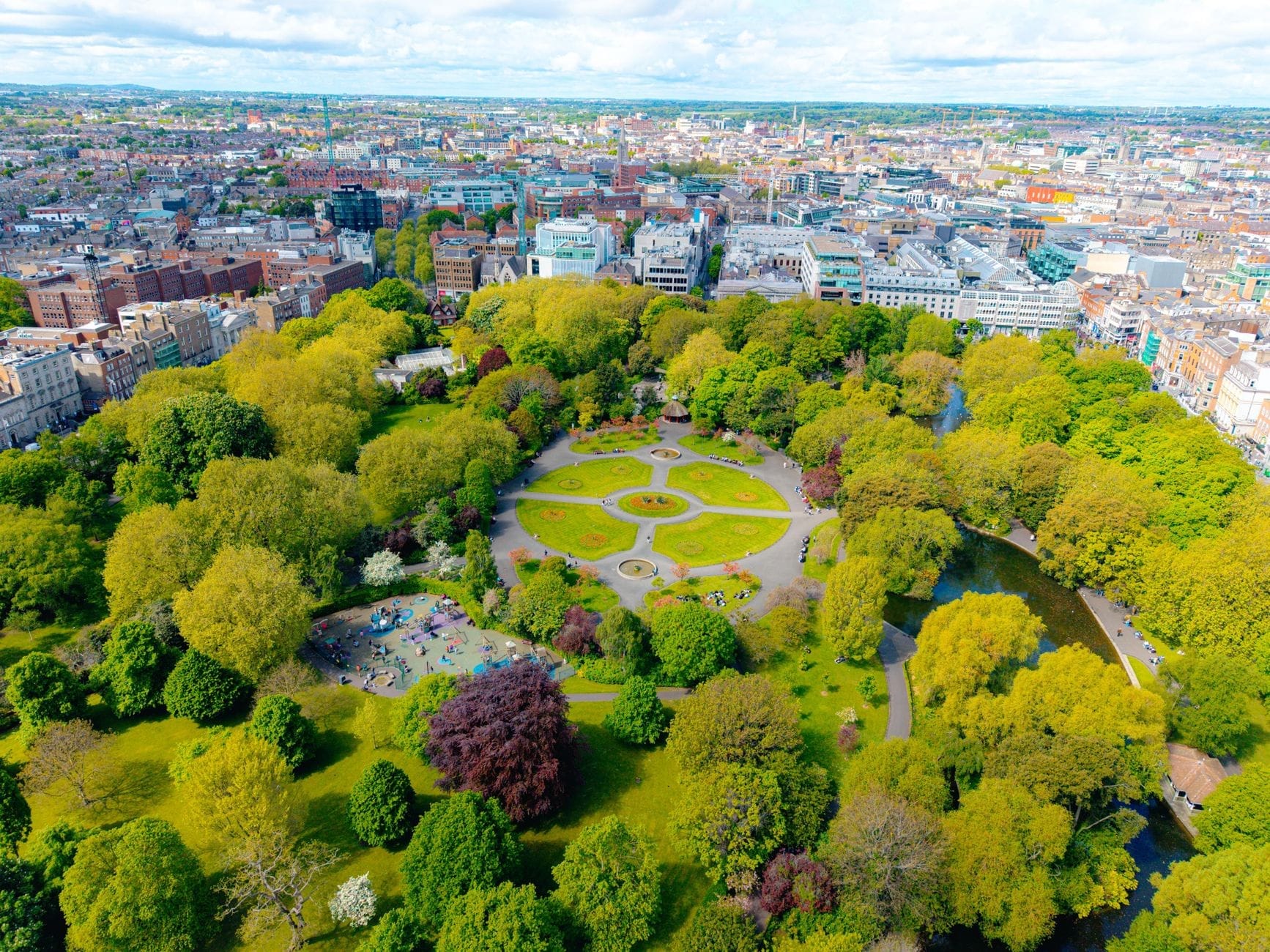
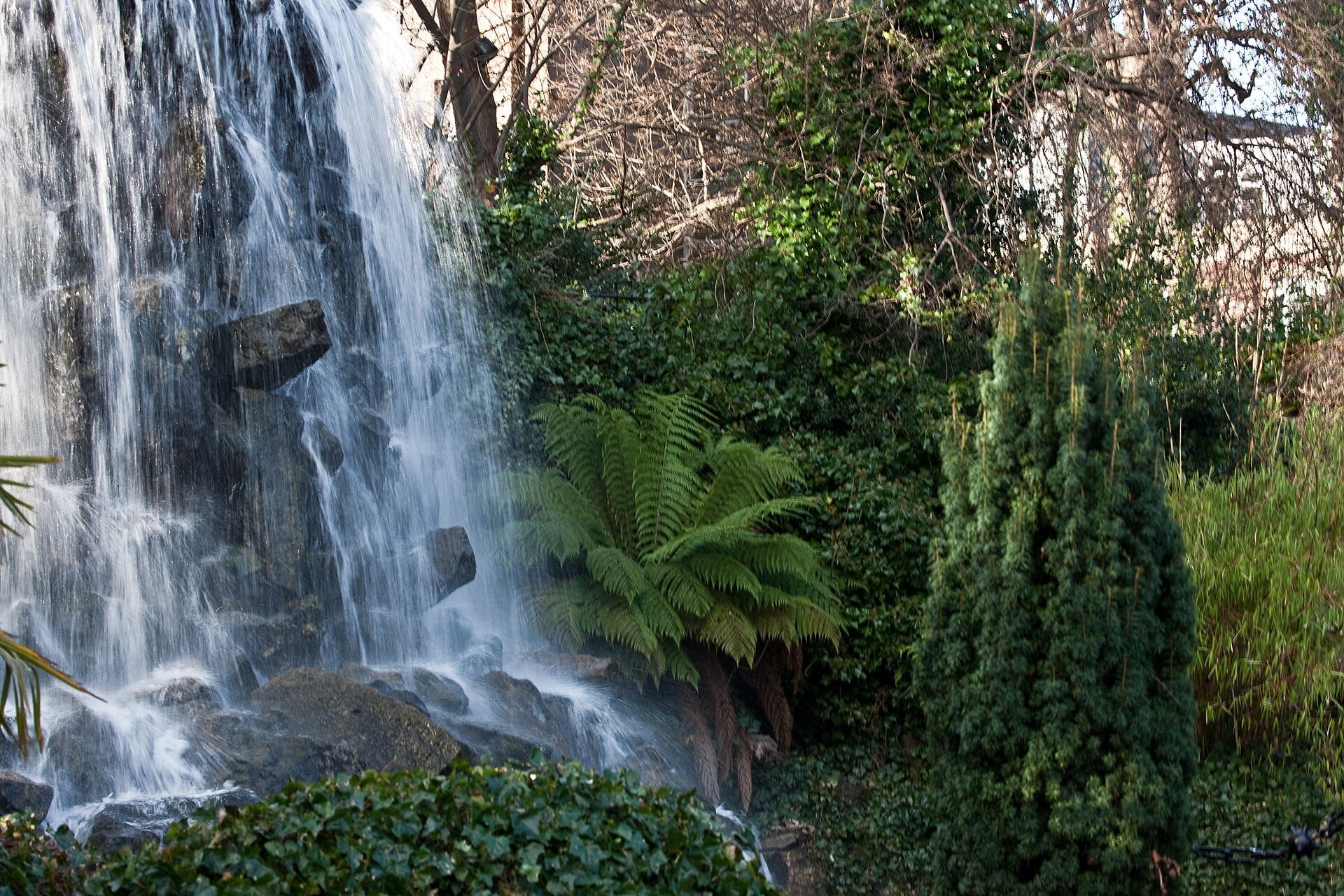
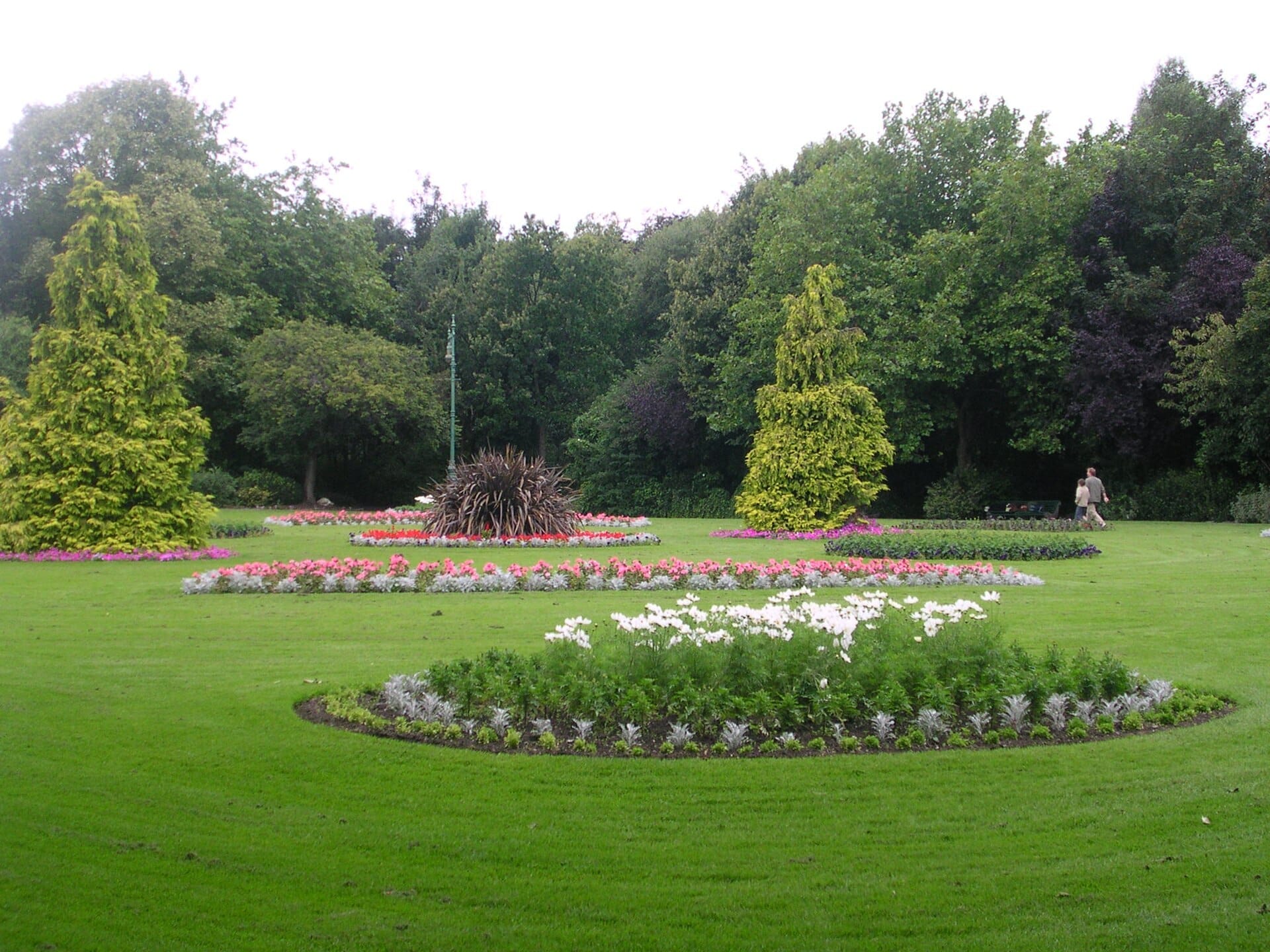
The park operates at a different rhythm entirely. The gates open early and the first visitors are joggers circling the perimeter path and dog walkers cutting through before the no-dogs-near-the-lake rules become actively enforced. By mid-morning, the benches along the main lake are filling up with people eating breakfast they've brought from the surrounding cafés. The ornamental lake sits roughly in the centre of the park, with the Pulham rockwork and small waterfall on its western side providing a backdrop that looks incongruously naturalistic for a park in the middle of a capital city. In summer, the surrounding lawns become an informal urban commons, covered by lunchtime with office workers, students from nearby Grafton Street, and visitors reading guidebooks.
After dark, the character shifts again. The park closes at dusk, so the Green itself empties out, but the streets around it pick up pace. The restaurants on St Stephen's Green North and along Dawson Street fill their reservation slots. The bars on Harcourt Street become progressively louder as the evening moves toward midnight. This is the entertainment corridor connecting the city centre to the nightlife zone around Camden Street, and it can be noisy. Visitors staying in hotels directly on the Green should be aware that Harcourt Street in particular is a late-night strip; the nearer you are to it, the more that matters on a Friday or Saturday.
💡 Local tip
The park is at its most atmospheric on a weekday morning in spring or autumn, when the light is soft and the crowds are thinner. The western side of the lake, near the waterfall and rockwork, is the quietest corner and the one most visitors skip on a direct route through.
What to See & Do
The park is the obvious starting point. St Stephen's Green was re-opened to the public in 1880 after Arthur Guinness, later Lord Ardilaun, purchased and landscaped it at his own expense. Before that, the green had been enclosed and used only by surrounding householders since the 1660s. The Victorian redesign created the layout that survives today: the ornamental lake, the formal planting beds, the network of about 3.5 kilometres of paths. The James Joyce Memorial Sculpture and a Henry Moore work are among the statuary distributed through the grounds. There is also a children's playground in the northeastern section of the park, which makes the Green more practical for families than many central Dublin green spaces.
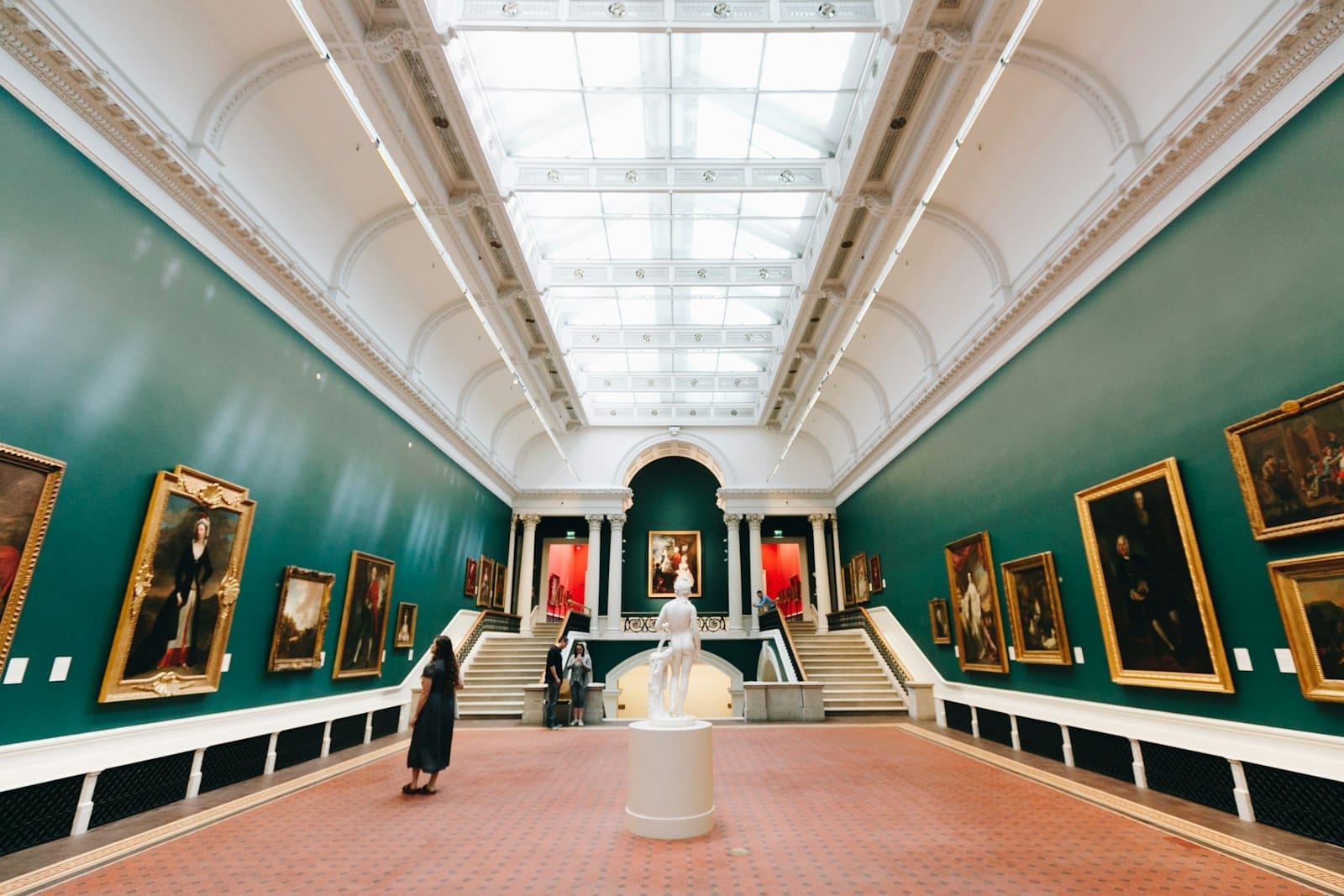
The Fusiliers' Arch at the Grafton Street entrance to the park was completed in 1907 to commemorate the Royal Dublin Fusiliers killed in the Second Boer War. It is a weighty piece of Edwardian stonework that frames the top of Grafton Street in a way that photographs well but is easy to walk past without registering what it commemorates. A short detour east from the Green brings you to Merrion Square Park and the National Gallery of Ireland, both free to enter and both within a ten-minute walk of the Green's eastern gates.
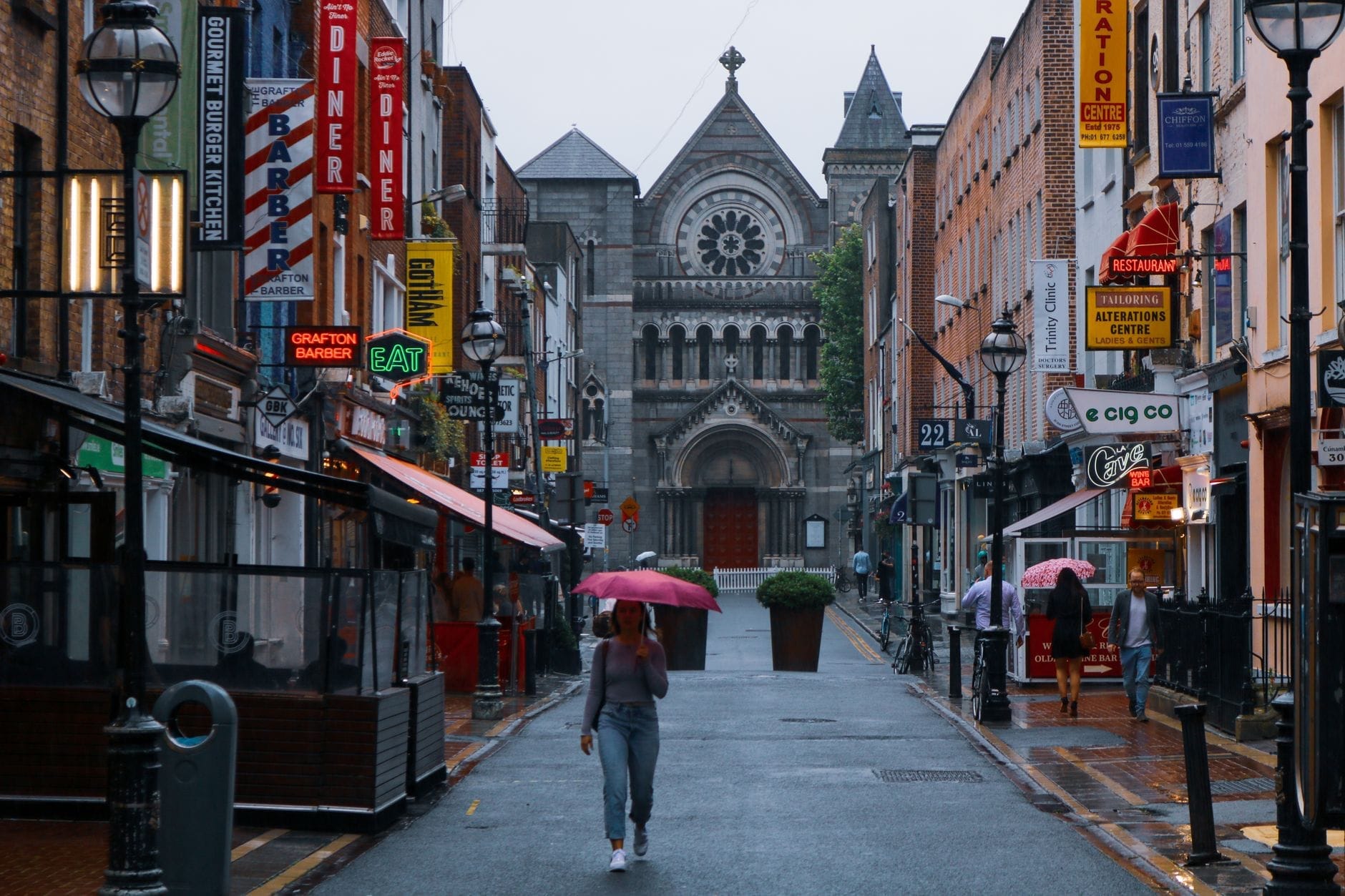
Grafton Street itself is primarily a shopping street, but it is also one of Dublin's main public stages. The buskers who perform here operate under a licensing system, so the quality is generally higher than you find on most European pedestrian streets. The street runs for about 200 metres from the junction with Nassau Street and Suffolk Street at its northern end down to the Stephen's Green Shopping Centre at its southern end. Side streets off Grafton, particularly Wicklow Street, Clarendon Street, and South William Street, contain much of what makes the immediate area interesting beyond retail. South William Street in particular has developed into a strip of independent cafés, bars, and fashion stores that sits in deliberate contrast to the main street chains on Grafton itself.
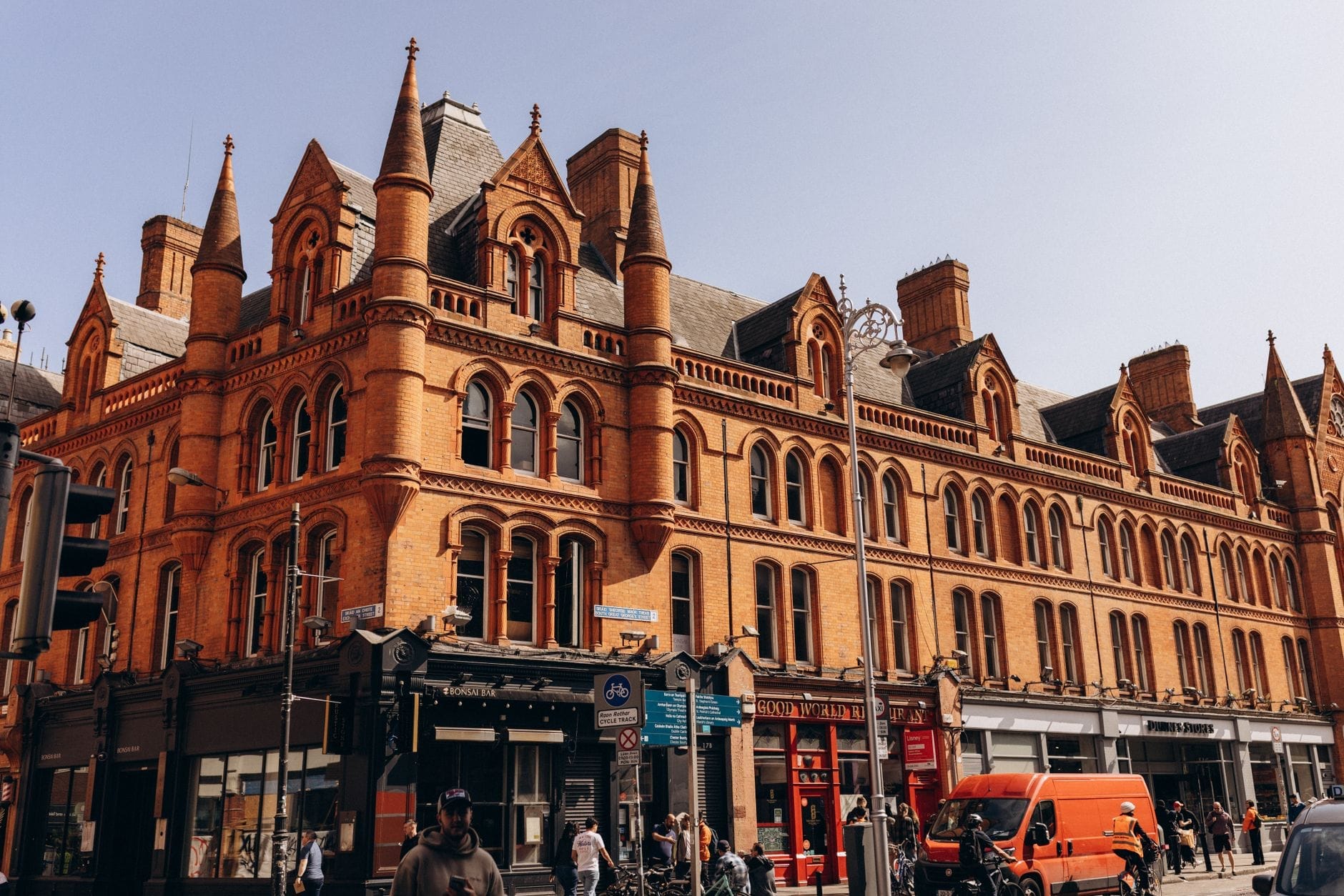
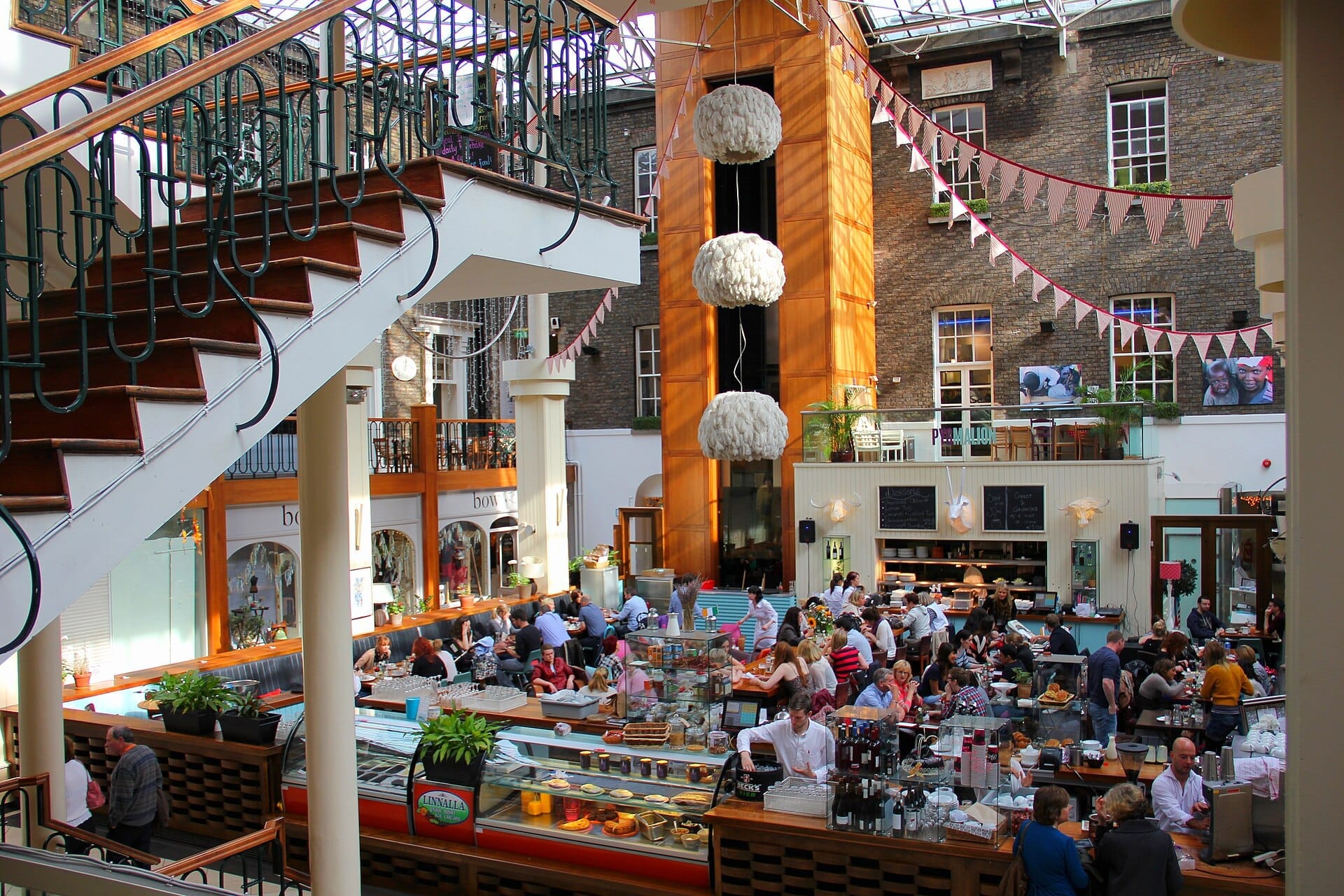
The Powerscourt Centre on South William Street deserves specific mention. It occupies the interior of a restored 18th-century townhouse and contains independent design shops, cafés, and a covered courtyard. It is a practical demonstration of how Dublin's Georgian building stock has been adapted for commercial use without being entirely flattened into something generic. The George's Street Arcade, a Victorian market arcade a few minutes further west on South Great George's Street, offers a different but complementary experience: second-hand books, vintage clothing, independent food stalls, and the slightly chaotic energy of a covered market that has been operating continuously since 1881.
St Stephen's Green park: ornamental lake, formal gardens, sculpture trail, children's playground
Fusiliers' Arch: Edwardian memorial gate at the Grafton Street park entrance
Grafton Street: licensed buskers, flagship stores, Brown Thomas department store
Powerscourt Centre: Georgian townhouse converted into an independent shopping arcade on South William Street
George's Street Arcade: Victorian covered market with vintage, books, and street food
National Gallery of Ireland: free entry, ten-minute walk east of the Green
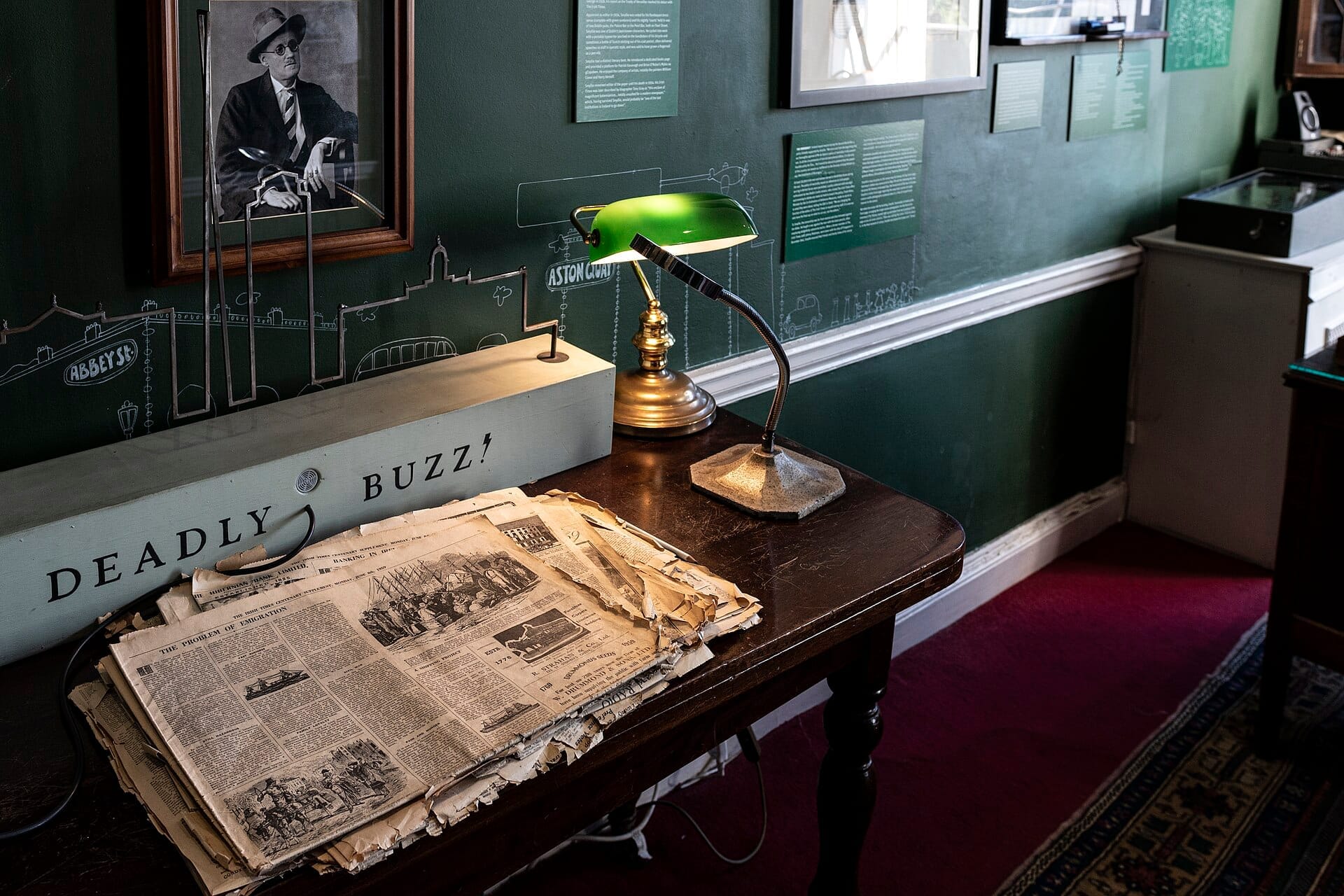
Little Museum of Dublin: social history collection on St Stephen's Green North
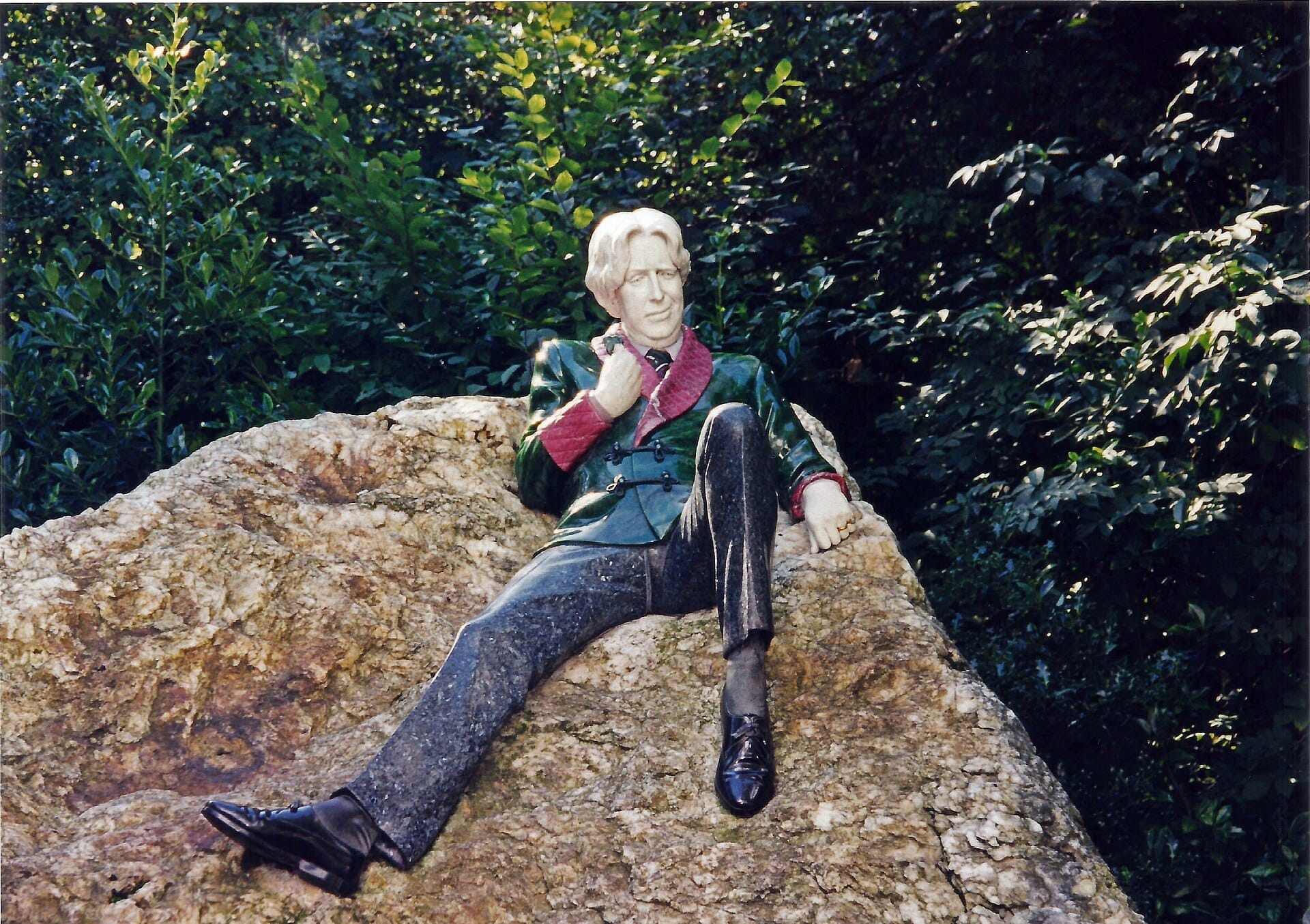
For those interested in Dublin's literary connections, the area is dense with references. The Oscar Wilde Statue in Merrion Square is the most photographed literary monument in the city, and the Dublin literary trail passes through this neighbourhood on its route across the southside.
Eating & Drinking
The food offering in this area covers an unusually wide range for a relatively small geography. The streets immediately off Grafton, particularly Wicklow Street, Chatham Street, and South William Street, have a dense concentration of cafés, casual restaurants, and wine bars. The overall price point is mid-range to high, reflecting the commercial rents and the foot traffic. Budget eating exists, but it takes a little more navigation than in Smithfield or the Liberties.
Bewley's Grafton Street Café is one of the landmarks of the street. The building, with its Harry Clarke stained glass windows and the old-fashioned café interior, has been operating in some form since 1927. The food offer is straightforward café fare, but the room itself is worth spending time in, especially the James Joyce Room on the upper floor. It is tourist-facing but not cynical about it, which is a distinction that matters on Grafton Street.
South William Street and the lanes connecting it to Grafton Street have evolved into the neighbourhood's most interesting food strip. The options here shift regularly, but the general character is independent, slightly creative, and pitched at a lunch or early dinner crowd of workers and younger visitors. Weekday lunchtimes see a genuine queue at the better sandwich and bowl places. Evenings tend toward wine bars and small plates, a format that has taken firm hold across Dublin's southside over the last decade.
For a broader read of where to eat across Dublin's southside, the guide to what to eat in Dublin covers the city's food culture in more depth. The nearby neighbourhood of Portobello and Ranelagh is worth exploring for dinner if you want to move away from the tourist-adjacent pricing around Grafton Street.
⚠️ What to skip
Restaurants on and immediately around Grafton Street price to the location. A coffee and a pastry at a café directly on the street will cost more than the same thing two streets away on Drury Street or Chatham Street. The quality does not always justify the premium. Booking ahead is advisable for dinner at the better-regarded restaurants on any evening from Thursday to Sunday.
Getting There & Around
St Stephen's Green Luas stop is the southern terminus of the Green Line within the city centre, which runs north through the city centre to Broombridge and south through Ranelagh, Milltown, Dundrum, and out to Brides Glen, in the Cherrywood area. The stop is on the western side of the square, near the junction with Grafton Street. From here, trams run frequently during the day, and the line connects to the Red Line at Abbey Street for access to Connolly Station, Heuston Station, and the western suburbs. Fares are capped with a Leap Card, which is significantly cheaper than single cash fares.
Numerous Dublin Bus routes serve the surrounding streets. Nassau Street, St Stephen's Green North, and Dawson Street are all bus corridors, though bus routes and numbers are subject to change under the ongoing BusConnects network restructuring. The most practical approach for visitors is to use the Transport for Ireland journey planner or the TFI Live app rather than relying on fixed route numbers.
On foot, Trinity College Dublin is about a five-minute walk north along Grafton Street, turning right onto Nassau Street and entering from the front gate on College Green. The Ha'penny Bridge and the north quays are around fifteen minutes on foot heading north through College Green. Temple Bar is about ten minutes northwest, crossing Dame Street from the George's Street end. The Dublin walking tours guide covers several routes that originate from or pass through the Grafton Street area.
ℹ️ Good to know
Grafton Street itself is fully pedestrianised, but the streets around St Stephen's Green are full traffic roads and can be congested at peak times. Cycling is possible, with Dublin Bikes docking stations near the Green, but the immediate area around the park is not well-suited to cycling during busy periods. If arriving by car, there are multi-storey car parks at Stephen's Green Shopping Centre and on Drury Street.
Where to Stay
This is one of Dublin's prime hotel districts, with a range of accommodation from boutique properties on the Georgian streets east and south of the park to larger hotels on St Stephen's Green North and Harcourt Street. For a full picture of the city's accommodation options, the where to stay in Dublin guide covers all the main neighbourhoods.
Staying directly on St Stephen's Green North puts you at the geographic centre of Dublin's southside attractions, with easy Luas access and the park on your doorstep. The tradeoff is price: rooms here are among the most expensive in the city, and the surrounding streets are active well into the night on weekends. If you want the southside location at a slightly lower price point and noise level, the Georgian streets east of the Green toward Merrion Square, or south on Harcourt Road, offer good alternatives within a short walk.
Harcourt Street is technically convenient, with the Luas stop adjacent, but it hosts several nightclubs and late bars. Rooms on this street or immediately adjacent to it will not be quiet after midnight on Thursday, Friday, or Saturday. This is worth raising specifically because several mid-range and budget hotels on Harcourt Street present their location as a straightforward advantage without flagging the noise. If a quiet night's sleep matters more than proximity to the Green, choose carefully and read recent guest reviews for noise references.
Practical Notes
St Stephen's Green park opens early and closes according to daylight hours, with closing times varying by season. The gates are locked at closing time, so walking into the park late in the afternoon in winter without checking the schedule can mean a shorter visit than planned. Heritage Ireland manages the park and publishes seasonal hours; check these before visiting if your schedule is tight.
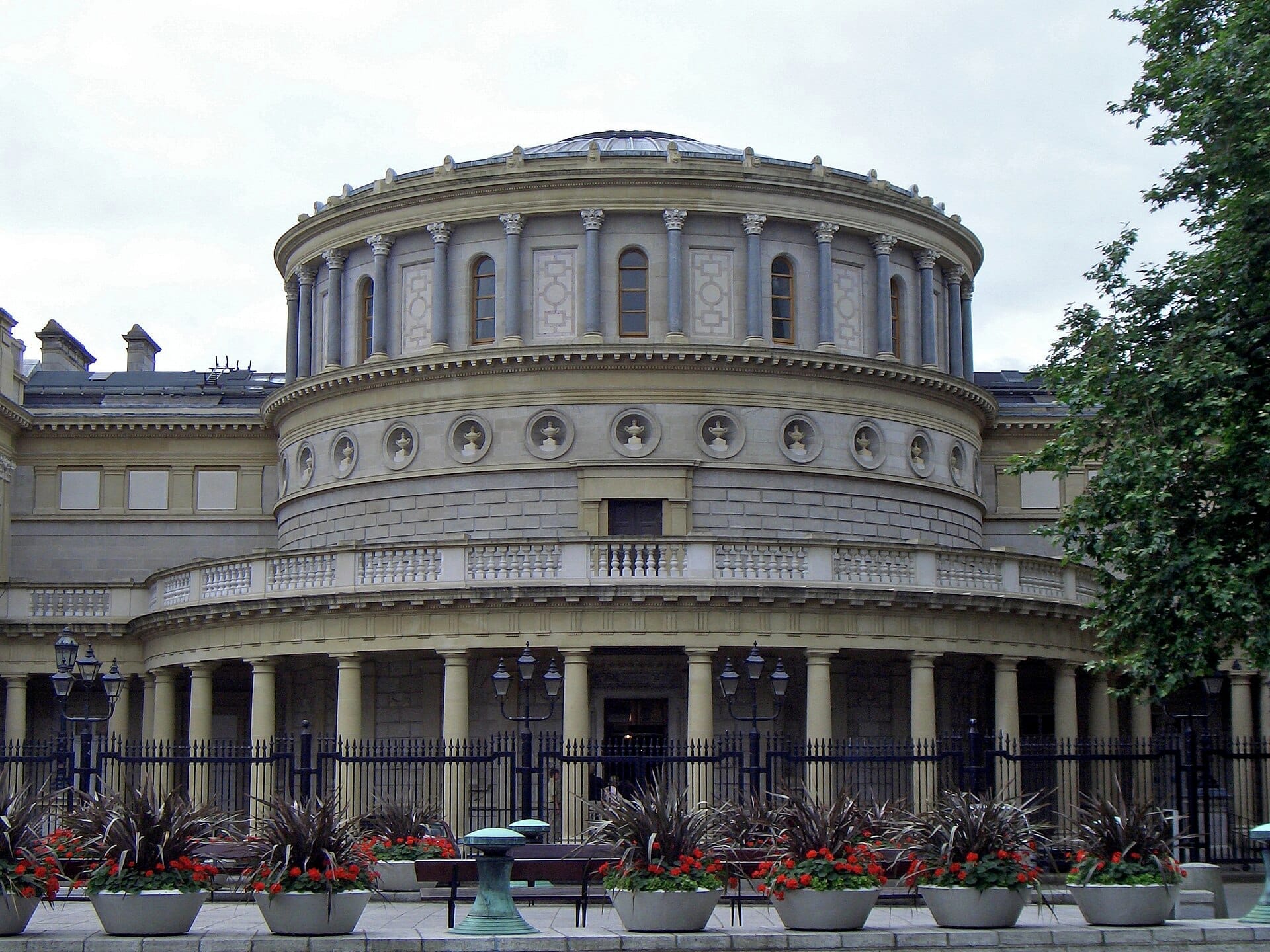
The area is also the entry point for several of Dublin's major free attractions, which matters if you're exploring Dublin on a budget. The National Gallery, the Chester Beatty Library in Dublin Castle, and the National Museum of Ireland (Archaeology) on Kildare Street are all within ten to fifteen minutes on foot and all free to enter. The combination of the park, the side streets off Grafton, and these free cultural institutions makes the area workable for a full day without significant expenditure.
The wider neighbourhood is very safe by the standards of any European capital city centre. Standard urban awareness applies, particularly around Grafton Street itself where pickpockets have been reported as with any busy pedestrian shopping street. The park is actively managed and generally feels secure during daylight hours.
TL;DR
St Stephen's Green and Grafton Street form the civic and commercial core of Dublin's southside, combining a Victorian park, a pedestrian shopping street, and easy access to galleries, museums, and Georgian streets in a compact and walkable area.
Best for: first-time visitors to Dublin, shoppers, those who want the most central southside location with excellent Luas connections to the rest of the city.
Be aware of: premium pricing for restaurants and hotels directly on or near Grafton Street; late-night noise on Harcourt Street on weekends; park closing times vary by season.
The area around South William Street and Powerscourt Centre offers the most interesting independent retail and food options just off the main tourist circuit.
Not ideal for travellers seeking a quiet residential neighbourhood feel, very low budget accommodation, or distance from crowds. The area is busy during the day and loud on weekend nights near the Harcourt Street end of the Green.
Top Attractions in St Stephen's Green & Grafton Street
Three days is the sweet spot for Dublin. Long enough to cover the iconic historic sites, dig into the food and pub culture, and fit in a coastal or countryside excursion. This itinerary is built around real logistics, honest crowd warnings, and the kind of sequencing that makes a short trip feel unhurried.
Dublin punches well above its weight as a museum city. Several of its finest institutions are completely free, and the range spans Celtic gold, Viking archaeology, Irish revolutionary history, world literature, and contemporary art. This guide covers the best museums in Dublin, grouped by theme, with practical advice on when to go and what to expect.
Dublin rewards visitors year-round, but the timing of your trip shapes everything from hotel prices to what you can actually do outdoors. This guide breaks down every month, season, and key trade-off so you can plan with confidence.
Dublin sits at the centre of an exceptional day trip network. Within two hours you can reach glacial mountain valleys, medieval castles, dramatic coastal headlands, and one of Europe's great prehistoric monuments. This guide covers the best escapes, how to get there, and what to expect.
Dublin Bay is a UNESCO Biosphere Reserve with more beaches than most visitors expect. This guide covers the best strands, swimming spots, and coastal walks within easy reach of the city, from the vast sands of Dollymount to the dramatic cliffs of Howth and the sheltered coves of Dún Laoghaire.
Bloomsday is Dublin's most distinctive literary celebration, held every 16 June to honour the date James Joyce set Ulysses. This guide covers the key locations, walking routes, festival events, food traditions, and everything you need to join the festivities — whether you've read the book or not.
Dublin rewards couples who look beyond the obvious. This guide covers scenic walks, intimate cultural experiences, evening entertainment, and coastal day trips — with honest advice on what's worth it and what to skip.
Attending a Gaelic Games match at Croke Park is one of the most authentic experiences Dublin offers. This guide covers everything from buying tickets and navigating the stadium to understanding the sport, the season, and what separates a regular league game from an All-Ireland final.
Dublin rewards the curious traveller who ventures beyond the Guinness Storehouse and Temple Bar. From a mummified Crusader beneath a Northside church to a Victorian reservoir turned secret garden, these are the places Dubliners love and visitors rarely find.
Dublin transforms in winter, with Christmas markets running from late November through early January, citywide light trails, cathedral concerts, and festive fairgrounds. This guide covers every major event, what things actually cost, and what to watch out for before you visit.
Dublin is one of the few cities in the world to have produced three Nobel Prize-winning writers of literature. This guide maps the key sites connected to George Bernard Shaw, W.B. Yeats, and Samuel Beckett, plus James Joyce, Oscar Wilde, and others, covers the best guided tours with practical pricing, and gives you the detail to do it properly.
Dublin has around 772 pubs, dozens of late-night bars, and several distinct club districts. This guide breaks down where to drink, when to go, what it costs, and which neighbourhoods to skip if you want to avoid tourist pricing.
Dublin has a reputation for being expensive, but that reputation is only half true. The city's best museums are free, the centre is walkable, public transport is cheap with the right pass, and the finest pub sessions cost nothing beyond the price of a pint. This guide breaks down every major cost category so you can plan a genuinely great trip without watching every euro.
Seven days is enough to see Dublin's best and reach the wild west coast of Ireland, but only if you plan smart. This itinerary balances city time with coastal scenery, covers realistic driving and transit times, and flags the planning mistakes that turn a great trip into an exhausting one.
Dublin, Ireland offers a surprisingly varied shopping scene, from the flagship stores lining Grafton Street to independent boutiques on South William Street, weekend food markets in Temple Bar, and Ireland's largest mall in Dundrum. This guide covers where to go, what to expect, and how to avoid wasting time.
Dublin rewards walkers like few cities in Europe. Compact enough to cover on foot, layered enough to take weeks to unpack, the city reveals itself best at street level. This guide covers the stops, routes, and landmarks that make Dublin's walking tours so compelling.
Dublin punches well above its weight as a family destination. Between a world-class zoo, free city parks, Viking history museums, coastal castles, and indoor waterparks, there is genuinely enough to fill a week without repeating yourself. This guide covers the best things to do in Dublin with kids, organised by type, age range, and weather — so you can plan around Irish reality rather than tourist brochure optimism.
Dublin punches well above its weight for free attractions. National museums, modern art galleries, coastal walks, and grand public parks all cost nothing to enter. This guide covers 22 of the best free things to do across the city, organised by type so you can plan your days without watching your budget.
Dublin's Georgian streets and squares represent one of Europe's most intact examples of 18th-century urban planning. This guide covers the key buildings, the best self-guided walking route, what's actually open to visitors, and how to avoid the common traps that waste your time.
Dublin's public transport network covers the city and coast through buses, DART rail, Luas trams, and airport coaches. This guide breaks down fares, Leap Card options, airport transfer routes, and the practical details that save you time and money when navigating Ireland's capital.
Dublin sits at the doorstep of some of Ireland's finest walking country. Whether you want cliff-top sea views, ancient monastic valleys, or proper mountain terrain, these are the best hikes and trails within easy reach of the city.
Dublin's St Patrick's Festival is a multi-day national celebration centred on 17 March, with a free city-centre parade, ticketed concerts, street theatre, and events across the city. This guide covers the full programme, booking essentials, crowd logistics, and what to realistically expect from Ireland's biggest annual celebration.
Dublin packs centuries of history, world-class museums, legendary pubs, and coastal scenery into a compact, walkable city. This guide covers the best things to do in Dublin across every interest and budget, with honest advice on what's worth your time and what to skip.
Dublin's food scene has transformed well beyond stew and soda bread. This guide covers the essential Irish dishes, where to find them, what to pay, and which areas give you the best value — including a frank look at where not to waste your money.
Choosing where to stay in Dublin, Ireland shapes your entire trip. This guide breaks down every major neighbourhood by location, vibe, price range, and transport links, so you can book with confidence rather than guesswork.