St Patrick's Day in Dublin: The Complete Festival Guide
Dublin's St Patrick's Festival is a multi-day national celebration centred on 17 March, with a free city-centre parade, ticketed concerts, street theatre, and events across the city. This guide covers the full programme, booking essentials, crowd logistics, and what to realistically expect from Ireland's biggest annual celebration.
Plan and book this trip
Tools from our partner Travelpayouts help you compare flights and hotels. If you book through them, we may earn a commission at no extra cost to you.
Flights
Hotels map
TL;DR
- The St Patrick's Festival 2026 runs 14–17 March in Dublin, Ireland, with the main parade on 17 March through the city centre.
- The parade route is free to line; grandstand seats are ticketed and sell out fast via the official St Patrick's Festival website.
- Beyond the parade, expect ticketed concerts, free street spectacle, food events, and venue programming at places like the Guinness Storehouse throughout the festival week.
- Book accommodation months in advance: the nights of 15–17 March are among the most expensive and fastest-selling in Dublin's calendar.
- Mid-March in Dublin means cold, frequently wet weather. Layers, waterproofs, and comfortable shoes are not optional.
What Is the St Patrick's Festival (and What It Actually Involves)
The St Patrick's Festival in Dublin is not simply a parade. Run by St Patrick's Festival CLG, it is a multi-day arts and cultural programme built around the national feast day of Ireland's patron saint on 17 March. For 2026, the festival runs 14–17 March in Dublin; the annual theme is announced by the organisers closer to the time and shapes the art installations, street performances, music programming, and parade design that appear across the city.
The programme typically includes live music gigs at indoor and outdoor venues, walking tours, theatre performances, art exhibitions, circus and street spectacle acts, family-specific events, and food markets. Not all of this is free: many concerts and venue events are ticketed, with prices set per event and published annually on the St Patrick's Festival website and individual organiser pages. The free elements are the parade itself (as a standing spectator), most outdoor street performances, and several daytime cultural events at public spaces around the city.
ℹ️ Good to know
The St Patrick's Festival is distinct from celebrations in Dublin, California, Dublin, Ohio, and Dublin, Georgia, all of which hold their own separate events, sometimes on the weekend nearest to 17 March rather than on the date itself. This guide covers Dublin, Ireland only.
The Parade: Route, Viewing, and Grandstand Tickets
The St Patrick's Day Parade on 17 March is the centrepiece of the entire festival. The route runs through Dublin city centre, passing major landmarks along streets that include O'Connell Street and the broader city core. The specific route and assembly points are published by the festival organisers each year, so check the O'Connell Street area and official festival maps closer to the date for any adjustments.
Lining the route is free. Crowds gather from early morning, and prime spots on the barriers fill up two to three hours before the parade begins, particularly anywhere near O'Connell Street and the Liffey crossings. If you want a guaranteed sightline without arriving at dawn, grandstand seating tickets are available. These are sold through the official St Patrick's Festival website; exact pricing is updated annually and is not fixed year to year. They typically go on sale several weeks before the festival and routinely sell out.
- Free standing spots Available along the full route, but you need to arrive early — 2-3 hours before start time for a front-barrier position on O'Connell Street.
- Grandstand tickets Seated viewing with a guaranteed sightline. Sold via stpatricksfestival.ie annually. Book as soon as they go on sale.
- Elevated views Some hotels and bars along the route sell window or balcony viewing packages. Prices are set commercially and vary widely — check directly with venues from January onwards.
⚠️ What to skip
Road closures across the city centre begin the morning of 17 March. If you're arriving by car, parking will be extremely limited or entirely closed near the route. Use the DART, Luas, or Dublin Bus to reach the city centre. Even public transport runs at capacity by mid-morning, so build in extra travel time.
Festival Events Beyond the Parade
The parade lasts a couple of hours. The festival programme fills four days. That spread of time is where you can actually explore Dublin without the worst of the crowds. The Guinness Storehouse runs a dedicated St Patrick's week programme, typically from 11–18 March, with ticketed live music nights, special experiences, and extended events. Tickets for these sell independently of the main festival and are worth booking early if that interests you.
Across the rest of the city, the festival brings street spectacle and outdoor performance to public squares, parks, and unexpected corners. Smithfield Square and Merrion Square Park have both hosted outdoor festival stages and installations in recent years. The locations shift annually based on the programme theme and event design, so use the official festival app or website for the current year's map.
Theatre and concert events happening around the festival are staged at venues across the city. These are separately ticketed through the individual venues or the festival's own listings. If you're planning to attend specific indoor events, treat them exactly like any popular Dublin concert: buy tickets when they go on sale, not the week before.
Practical Logistics: Crowds, Accommodation, and Getting Around
Mid-March is one of Dublin's peak periods. Hotel prices in the nights surrounding 17 March are significantly higher than normal, and properties fill months in advance. If you're flexible on budget and dates, book before Christmas for a mid-March trip. For advice on which areas to base yourself in, the Dublin accommodation guide covers neighbourhoods and price tiers in detail.
Getting around during the festival requires patience. The city centre is heavily congested on 17 March, and road closures affect routes across the Liffey. The Dublin transport guide covers the DART, Luas, and Dublin Bus in detail. On parade day, the Luas Red Line and Dublin Bus services into the city centre fill up quickly. If you're coming from further afield, the DART coastal line from Dún Laoghaire or Howth into Connolly or Pearse is often less overwhelmed than central bus routes.
- Book accommodation at least 3–4 months out for 15–17 March stays. Last-minute options will be expensive or unavailable.
- Arrive at the parade route at least 2 hours early for a good standing spot. For grandstand seats, check availability from January.
- Wear layers and carry a waterproof. March in Dublin averages around 7–10°C with frequent rain. The parade is outdoors regardless of weather.
- Carry cash as well as cards. Busy festival days can slow card terminals at outdoor stalls and busy bars.
- If you're trying to visit major attractions like Trinity College or Dublin Castle during the festival week, pre-book timed entry tickets. Queues are longer than usual across the board.
✨ Pro tip
The day before and after the parade are often more enjoyable for exploring the city. On 16 March, many festival events are running without the full parade-day crowds. On 18 March, the city is quieter again and many locals take it easy — which makes it a good day for galleries, cafes, and a walk along the coast.
What to See and Do Around the Festival

If you're spending several days in Dublin for the festival, build in time for the city's standout attractions beyond the festival programme itself. The Book of Kells at Trinity College is consistently one of the most visited sights in the country. The Kilmainham Gaol offers essential context for understanding Irish history, particularly the 1916 Easter Rising — relevant background when attending a festival with Irish national identity at its core. Pre-book both: they sell out during festival week.
For something less crowded, the Chester Beatty Library in Dublin Castle gardens is free to enter and rarely has queues even during festival week. The National Gallery of Ireland is also free and worth a few hours. Both are good options when the city centre is at peak capacity on the day of the parade.
If the crowds get too much, the city's coastal areas offer easy escapes. A walk along the Howth cliff path or an afternoon in Dún Laoghaire are both a short DART ride from the city centre and feel worlds apart from O'Connell Street on parade day.
Weather, What to Wear, and Realistic Expectations
March in Dublin is genuinely cold and frequently wet. Average temperatures sit around 7–10°C with changeable conditions that can include wind, rain, and occasional sunshine on the same afternoon. The parade takes place on 17 March regardless of the weather. Past festivals have seen both bright cold days and grey, drizzly ones. Planning your outfit around 'it might rain' rather than 'it might not' is the sensible approach.
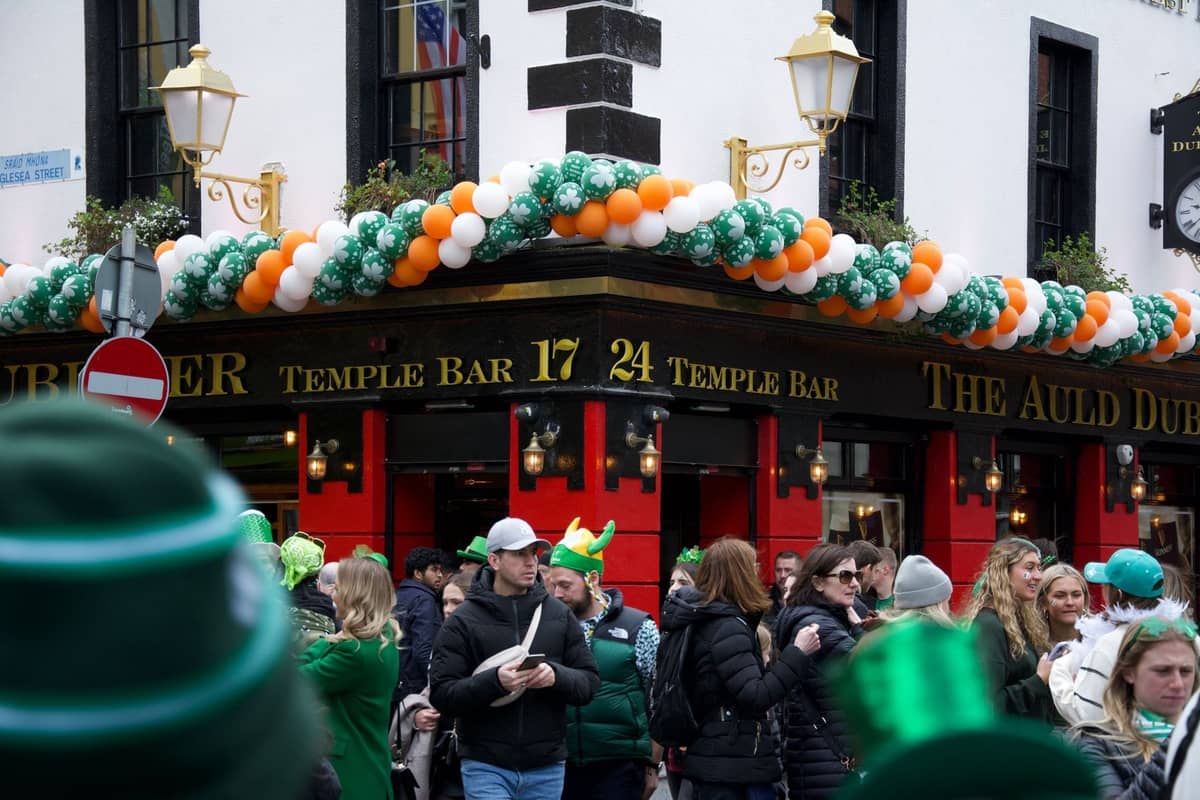
On the green clothing front: wearing something green on 17 March is widely done and entirely optional. The festival programme does not require it. If you're attending pub events or street gatherings, it helps you blend in. If you're watching the parade near crowds of tourists, you'll see the full spectrum from elaborate costumes to ordinary winter coats.
💡 Local tip
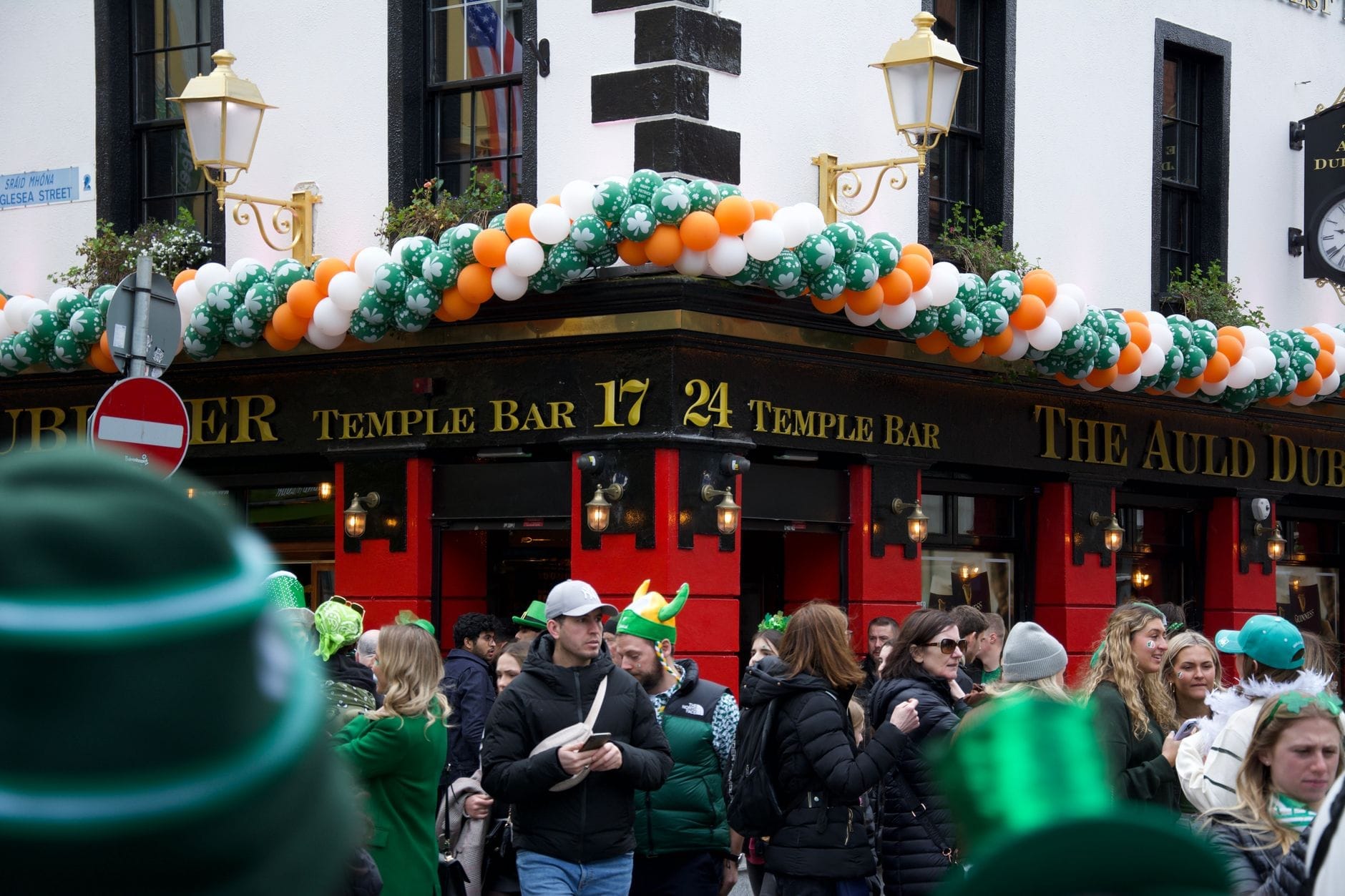
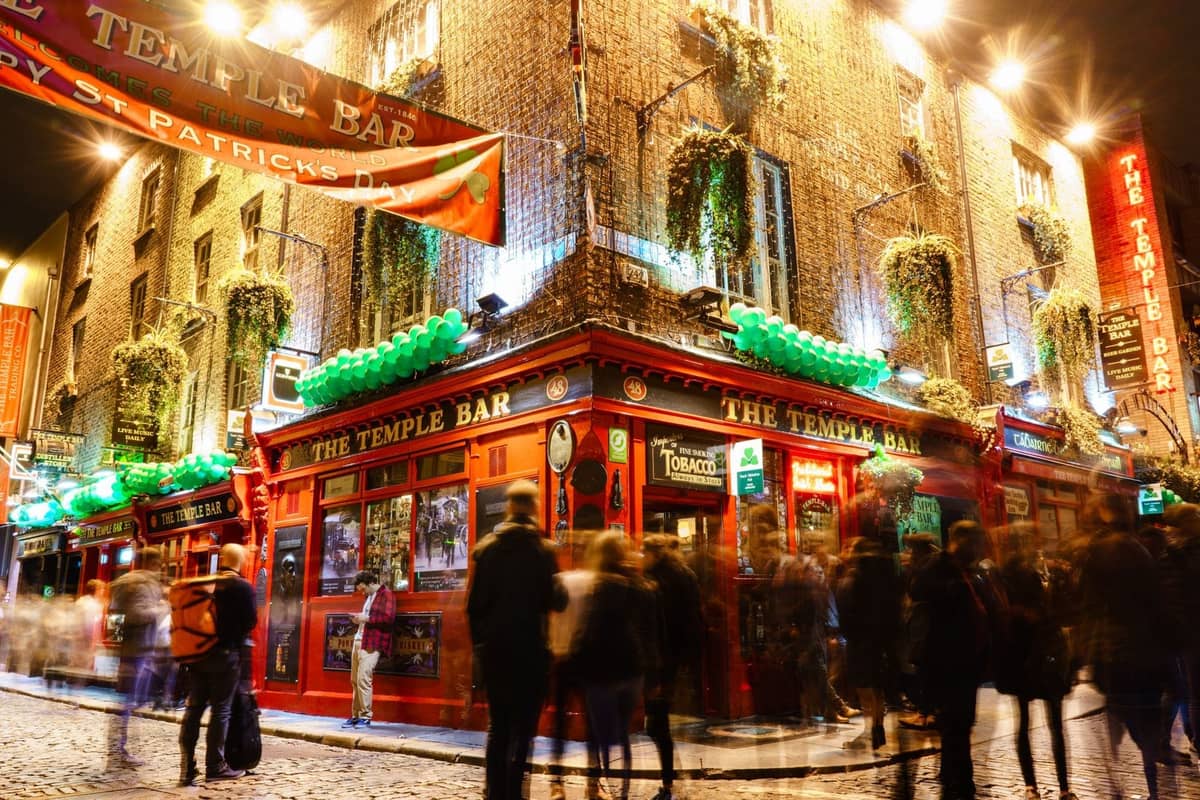
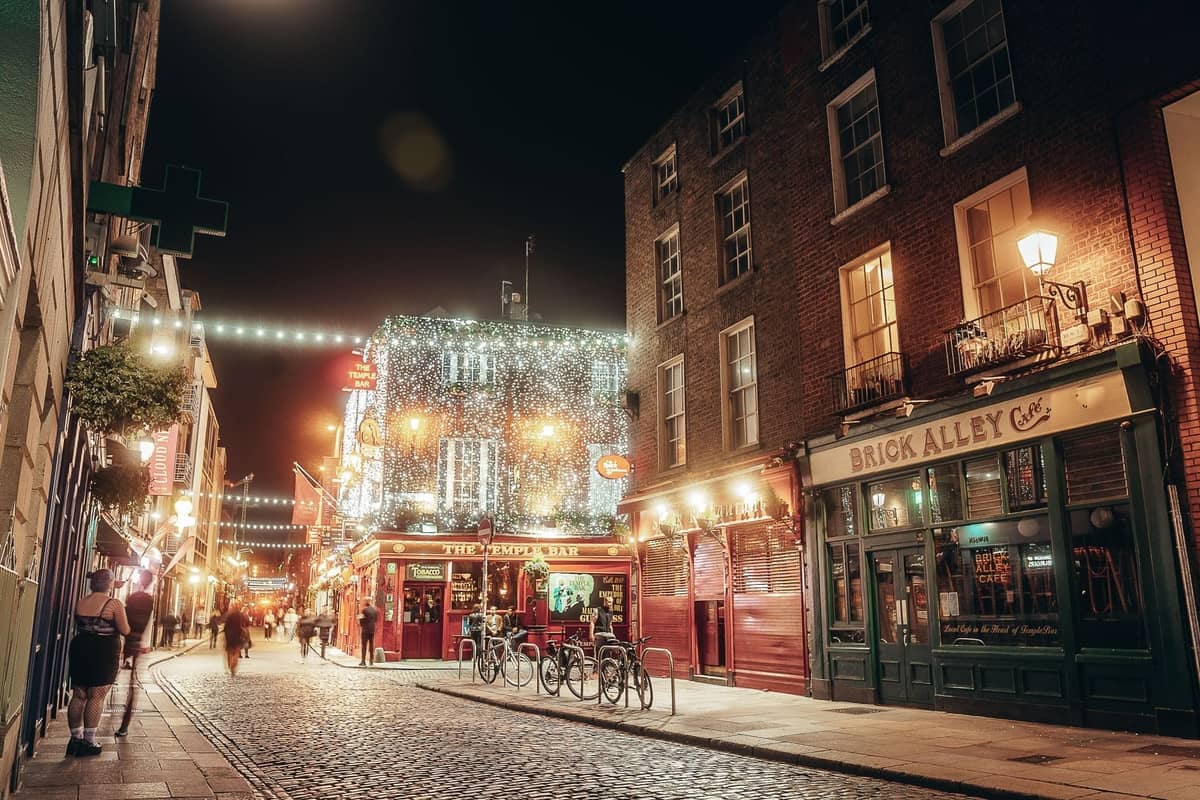
Dublin's pubs are extremely busy on 17 March, particularly in Temple Bar and around the city centre. If you want a quieter pint without a queue out the door, head to residential neighbourhoods like Portobello, Ranelagh, or Stoneybatter. The atmosphere is less performative and more like an ordinary Irish pub on a busy day.
FAQ
Is the St Patrick's Day parade in Dublin free to watch?
Yes, lining the parade route as a standing spectator is free. Grandstand tickets with allocated seating are sold separately through the official St Patrick's Festival website (stpatricksfestival.ie) and typically sell out well in advance. Prices are set annually, so check the official site for current year pricing.
When does the St Patrick's Festival 2026 run?
The St Patrick's Festival 2026 runs from 14 to 17 March 2026 in Dublin, Ireland. The St Patrick's Day Parade takes place on 17 March. Some venue programming, including at the Guinness Storehouse, extends beyond these dates.
How early should I arrive to get a good spot for the parade?
For a front-barrier spot along the main route, arriving 2–3 hours before the parade starts is generally necessary for prime locations on O'Connell Street. Less central parts of the route fill more slowly but still get busy. If you have grandstand tickets, arrive at least 30–45 minutes before the start.
How far in advance should I book accommodation for St Patrick's Day in Dublin?
At least 3–4 months in advance for reasonable options at reasonable prices. The nights of 15, 16, and 17 March see the highest demand and the fastest-selling properties. Waiting until a few weeks before the festival will result in very limited availability and significantly higher prices.
What else is there to do in Dublin during the St Patrick's Festival beyond the parade?
The festival programme includes concerts, theatre, street spectacle, art exhibitions, food events, and family activities across the four festival days. Major venue programmes run at places like the Guinness Storehouse. For a wider look at the city's attractions, the Dublin travel guide and Dublin things to do guide cover the full range of options across all interests.