Bloomsday in Dublin: How to Celebrate Ulysses on 16 June
Bloomsday is Dublin's most distinctive literary celebration, held every 16 June to honour the date James Joyce set Ulysses. This guide covers the key locations, walking routes, festival events, food traditions, and everything you need to join the festivities — whether you've read the book or not.
Plan and book this trip
Tools from our partner Travelpayouts help you compare flights and hotels. If you book through them, we may earn a commission at no extra cost to you.
Flights
Hotels map
TL;DR
- Bloomsday is held every 16 June, the date Joyce set Ulysses in 1904 — it is not a public holiday, but a city-wide literary celebration.
- The Bloomsday Festival typically runs for several days leading up to 16 June, organised by the James Joyce Centre on North Great George's Street.
- Key stops include Sweny's Chemist, Davy Byrne's pub, the National Library, and the James Joyce Tower in Sandycove.
- Edwardian dress (straw boaters, white linen, parasols) is encouraged but never required — you will fit in either way.
- Many events are free; check free things to do in Dublin if you are travelling on a budget.
What Bloomsday Is (and Why It Matters)
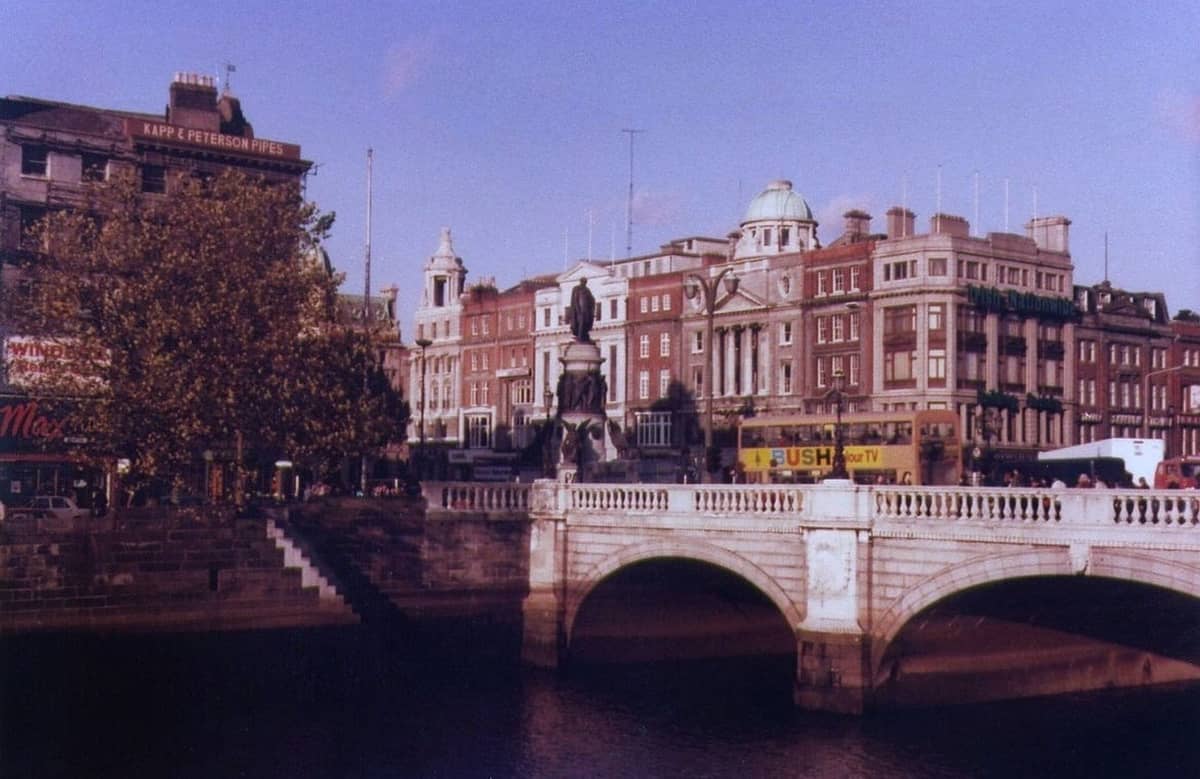
Bloomsday in Dublin is an annual commemoration of 16 June 1904, the single day on which James Joyce set all 18 episodes of Ulysses. The date was not chosen at random: it was the day Joyce first went out with Nora Barnacle, the woman who would become his lifelong partner and wife. The 'Bloom' in Bloomsday refers to Leopold Bloom, the novel's protagonist, an ordinary Dublin man whose wanderings through the city form the backbone of one of the 20th century's most celebrated works of fiction.
The first organised Bloomsday celebration took place in 1954, when a small group of writers including Flann O'Brien and Patrick Kavanagh attempted to retrace Bloom's route by horse-drawn cab. That effort reportedly ended in a pub before it got very far — which, depending on your perspective, is either a failure or a fitting tribute to Dublin literary culture. The festival has grown substantially since then, and today it draws visitors from across the world who come specifically for the 16 June events, joining Dubliners who treat it as an annual ritual.
ℹ️ Good to know
Bloomsday is not a bank holiday or public holiday in Ireland. Shops, businesses, and transport run on a normal Tuesday or mid-week schedule. Plan accordingly — public transport will be standard, not festival-adjusted.
The Bloomsday Festival: Dates, Organisers, and Programme
The official Bloomsday Festival in Dublin is organised by the James Joyce Centre, a Georgian townhouse on North Great George's Street that serves as the hub of Joyce scholarship and public programming in the city. The 2026 Bloomsday Festival runs 11–16 June 2026, with a full week of events culminating on 16 June itself. Full programme details, including ticketed and free events, are published on the James Joyce Centre website and the Bloomsday Festival site (bloomsdayfestival.ie) as the date approaches.
The programme typically includes public readings from Ulysses, theatrical performances, guided walking tours, concerts, lectures, and exhibitions. Some events are ticketed and sell out weeks in advance — particularly the more theatrical or intimate readings. Many street-level events, outdoor performances, and pub readings are free and open to anyone who shows up. If you are visiting Dublin specifically for Bloomsday, check the programme by late April or early May and book anything that requires tickets early.
- James Joyce Centre The official festival hub. Runs readings, exhibitions, and guided tours throughout the week. Located on North Great George's Street, D01.
- Sweny's Chemist A preserved Victorian pharmacy on Lincoln Place that appears in Ulysses. Volunteers run free daily readings here year-round; Bloomsday draws larger crowds and extended programming.
- Davy Byrne's Pub The 'moral pub' of Ulysses, on Duke Street. Bloom stops here for a gorgonzola sandwich and a glass of Burgundy — many visitors recreate the meal on 16 June.
- National Library of Ireland Hosts lectures and exhibitions connected to Joyce's manuscripts and life. Free entry to the reading room and exhibitions.
- James Joyce Tower & Museum, Sandycove The Martello tower where the novel opens. Located about 12 km south of the city centre via the DART; the museum inside displays Joyce's letters and personal effects.
Following Bloom's Route: A Practical Walking Guide
The heart of any Bloomsday experience is tracing Leopold Bloom's path across Dublin. The novel's geography is famously precise — Joyce reportedly boasted that if Dublin were destroyed, it could be reconstructed from the pages of Ulysses. The walking tour circuit most commonly followed on 16 June starts in the south city centre and moves through streets that still exist largely as Joyce described them.
Visit Dublin notes that a guided Bloomsday walk departs from the Gate Theatre on Cavendish Row on 16 June. From there, a typical self-guided or organised route takes in Eccles Street (where Bloom's fictional home stood — the door from No. 7 is preserved in the Bailey pub on Duke Street), the National Museum on Kildare Street, Sweny's Chemist on Lincoln Place, Davy Byrne's pub on Duke Street, and the National Library. The full circuit can be covered in around three to four hours on foot at a relaxed pace, with stops.
For the opening episode of Ulysses, you need to make the trip south to Sandycove. The James Joyce Tower in Sandycove is where Buck Mulligan shaves on the roof as the novel begins. Take the DART from Pearse or Connolly station to Sandycove & Glasthule (journey time around 25 minutes). The tower is a short walk from the station. On Bloomsday morning, the tower typically holds readings and opens early — confirm current opening hours with the museum directly before visiting.
💡 Local tip
Arrive at Sweny's Chemist early on 16 June. The small space fills up quickly during readings, and volunteers sometimes run multiple sessions throughout the day. You can also buy a bar of lemon soap there — the same kind Bloom purchases in Ulysses — as a low-cost, high-significance souvenir.
The Food and Drink Traditions of Bloomsday
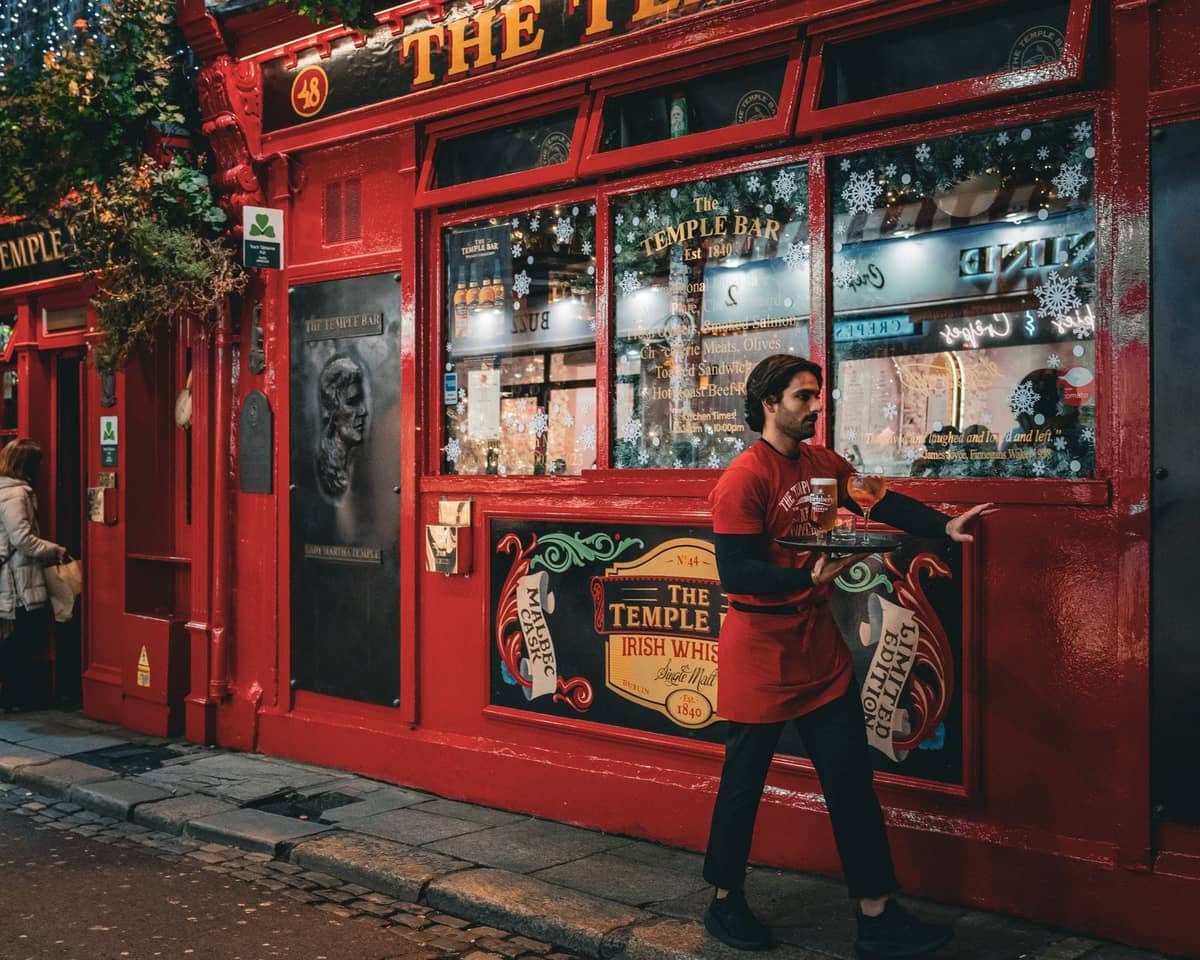
Food is not incidental to Bloomsday — it is central. Joyce's prose is unusually attentive to what characters eat and drink, and Ulysses is peppered with specific Dublin food references. On Bloomsday, several venues lean into this with themed menus and period-appropriate offerings.
The standout tradition is the gorgonzola sandwich and glass of Burgundy at Davy Byrne's on Duke Street, which recreates the meal Bloom has in Episode 8 (Lestrygonians). Davy Byrne's typically puts on a full Bloomsday menu on 16 June. Bewley's Oriental Café on Grafton Street is another historically significant stop — it appears in the novel and has hosted Bloomsday breakfasts in past years, though their exact annual programming varies and is worth confirming ahead of the visit. For context on the wider food scene nearby, see what to eat in Dublin.
- Gorgonzola cheese sandwich and red wine at Davy Byrne's — the canonical Bloomsday meal
- The full Irish breakfast, referenced early in Ulysses and widely available across the city on 16 June
- Lemon soap from Sweny's Chemist — not edible, but a legitimate Joycean keepsake
- Burgundy wine (or any red wine) — Bloom's drink of choice throughout the Lestrygonians episode
- Offal and organ meats — Joyce's prose is frank about Bloom's taste for grilled kidneys, though most modern venues offer tamer alternatives
Dress Code, Atmosphere, and What to Expect on the Day
Edwardian dress is strongly associated with Bloomsday and you will see plenty of it: straw boater hats, white linen suits, long dresses, parasols, and waistcoats. This is encouraged by the festival organisers and adds considerably to the atmosphere, particularly around the James Joyce Centre and on the Bloomsday walk. That said, it is entirely optional. Nobody will turn you away from a reading or a pub for wearing ordinary clothes, and a significant proportion of participants — especially locals — show up in everyday attire.
The atmosphere on 16 June is unlike any other day in Dublin's calendar. It is quieter and more intellectual than St Patrick's Day, more local in character than the big summer music festivals, and genuinely participatory in a way that tourist-facing events often are not. People declaim passages of Ulysses in the street without irony. Pubs play traditional music and hold readings in the same session. Academics argue with strangers about the correct pronunciation of 'Dedalus'. If you find that sort of thing appealing, 16 June in Dublin is a remarkable day to be in the city.
⚠️ What to skip
Bloomsday is not suitable as a first introduction to Ulysses if you expect to follow every reference in real time. The novel is long and deliberately difficult. Most people enjoy Bloomsday without having read the book cover to cover — the public readings, guided tours, and pub conversations are designed to be accessible regardless of your familiarity with Joyce.
June weather in Dublin averages around 15–18°C with long daylight hours (sunset after 9:30 pm). Rain is always possible — this is Dublin, and the city does not have a dry season. Layers and a light waterproof jacket are sensible regardless of what forecast you check in the morning. The good news is that many Bloomsday events are held indoors or move indoors easily. For a broader view of Dublin's June conditions, see the best time to visit Dublin guide.
Planning Your Bloomsday Visit: Practical Logistics
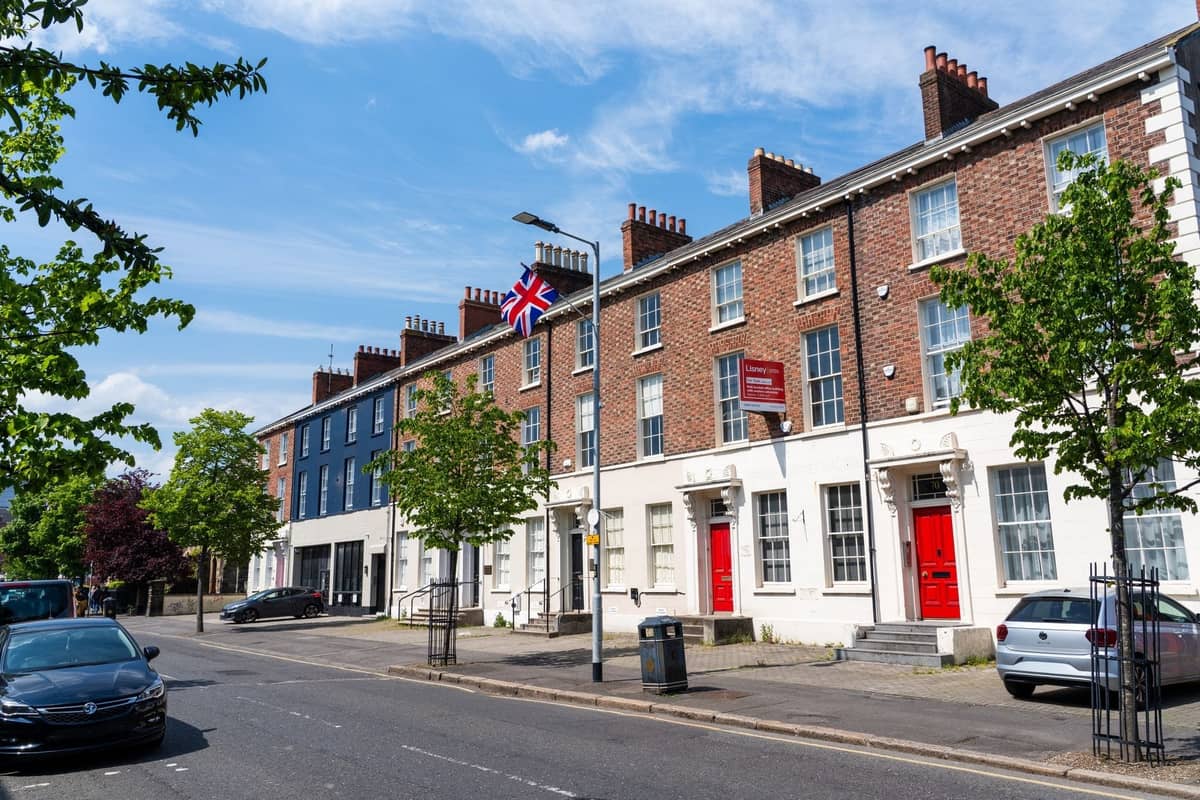
If you are coming to Dublin specifically for Bloomsday, book accommodation well in advance. Mid-June is a popular period in Dublin generally, and Bloomsday visitors add to demand in the city centre. The areas closest to the main festival locations are the south inner city and the area around St Stephen's Green and Grafton Street. Staying here puts you within walking distance of Davy Byrne's, Sweny's, and the National Library. See the full where to stay in Dublin guide for neighbourhood breakdowns and price ranges.
Getting to the James Joyce Tower in Sandycove requires the DART. Trains run regularly from Pearse Station (a short walk from Trinity College) and Connolly Station on the north side. A single DART fare to Sandycove and Glasthule is in the range of €2–4 depending on your Leap Card status, though fares are subject to change and should be confirmed on the Transport for Ireland website. If you plan to do the Sandycove visit in the morning and the city-centre route in the afternoon — the most common approach — allow at least half a day for each.
Bloomsday pairs well with a longer Dublin itinerary. The 3 days in Dublin guide structures a visit around the city's major draws, and Bloomsday slots naturally into Day 2 or 3 once you have covered the headline sights. The Dublin literary trail is a natural complement — many of the same locations appear on both routes.
✨ Pro tip
The Bloomsday Festival programme is published incrementally — some events appear weeks before 16 June, others only a few days before. Set a reminder to check bloomsdayfestival.ie and jamesjoyce.ie in early May if you want first pick of ticketed events. Free events rarely need booking, but arrive 20–30 minutes early for indoor readings at the James Joyce Centre, which has limited capacity.
FAQ
Do I need to have read Ulysses to enjoy Bloomsday in Dublin?
No. The vast majority of Bloomsday participants have not read Ulysses in its entirety. The public readings, guided walks, and pub events are designed to be accessible and enjoyable regardless of your familiarity with the novel. Even a passing knowledge of the basic plot — one man's day wandering Dublin — is enough to follow along and appreciate the atmosphere.
Is Bloomsday a public holiday in Ireland?
No. Bloomsday on 16 June is not a bank holiday or public holiday in Ireland. Dublin runs on its normal mid-week schedule — shops are open, public transport follows standard timetables, and most businesses operate as usual. Only the festival events themselves are specific to the day.
What are the best free events at Bloomsday?
The readings at Sweny's Chemist on Lincoln Place are free and run throughout the day, led by volunteers. Outdoor street readings and performances around the James Joyce Centre are typically free. Many pub events — including readings and traditional music sessions at venues along the Bloomsday route — charge nothing beyond the price of a drink. Check the official programme at bloomsdayfestival.ie for the current year's free listings.
How do I get to the James Joyce Tower in Sandycove for Bloomsday?
Take the DART from Pearse Station or Connolly Station to Sandycove & Glasthule. The journey takes around 25 minutes. From the station, the Martello tower is a short walk along the coast road. On Bloomsday, the tower opens early and holds morning readings — confirm current opening hours with the museum before visiting, as they can vary year to year.
When does the Bloomsday Festival start — is it just 16 June?
The Bloomsday Festival runs for several days before 16 June, with the 2026 edition scheduled from 11–16 June. Events ramp up across the week, with the largest concentration of programming on 16 June itself. If you can only attend on the day, that is the right day to be in Dublin — but the days before offer less crowded readings and more intimate events.