Best Walking Tours in Dublin: History, Literature, Pubs & Hidden Corners
Dublin rewards walkers like few cities in Europe. Compact enough to cover on foot, layered enough to take weeks to unpack, the city reveals itself best at street level. This guide covers the stops, routes, and landmarks that make Dublin's walking tours so compelling.
Plan and book this trip
Tools from our partner Travelpayouts help you compare flights and hotels. If you book through them, we may earn a commission at no extra cost to you.
Flights
Hotels map
Dublin's walking tours range from gratuity-based free tours meeting daily at the Spire to specialist guided experiences focused on the 1916 Rising, James Joyce, Georgian architecture, or traditional pubs. Whether you join a group tour or follow a self-guided route, the city's compact core means most major landmarks sit within 30 minutes of each other on foot. Start with our things to do in Dublin guide to get your bearings, then use this guide to plan your walking days in depth. The stops below are grouped by theme to help you string together a coherent route, or simply pick the ones that match your interests. For a full day-by-day plan, our 3-day Dublin itinerary shows how to combine these walks efficiently.
💡 Local tip
Most central Dublin walking tours are 2-3 hours and cover 3-5 km. Wear comfortable waterproof shoes year-round. 'Free' tours are gratuity-based, not zero-cost. Book specialist tours in advance during summer and around St Patrick's Day.
The Historic Core: Where Dublin's Story Begins

The tight medieval grid around the Liberties and Smithfield contains the oldest layers of the city, from Viking foundations to Georgian grandeur. Most guided history tours start at the Spire on O'Connell Street and work south through these streets, covering 700 years in roughly two hours. This section covers the landmarks every history-focused walking tour passes through.

1. Start Your Tour at the Spire, Dublin's Central Landmark
The 120-metre stainless steel needle on O'Connell Street is the city's most recognisable meeting point and the departure spot for most guided walking tours. It also marks the historic spine of Dublin's main thoroughfare, ideal for orienting yourself.
Explore1. Start Your Tour at the Spire, Dublin's Central Landmark
The 120-metre stainless steel needle on O'Connell Street is the city's most recognisable meeting point and the departure spot for most guided walking tours. It also marks the historic spine of Dublin's main thoroughfare, ideal for orienting yourself.
Explore
2. Step Inside the GPO, Headquarters of the 1916 Rising
The General Post Office on O'Connell Street is the symbolic heart of Irish independence. The immersive visitor centre inside uses film and artefacts to tell the 1916 story. Most history walking tours pause here before heading south across the Liffey.
Explore2. Step Inside the GPO, Headquarters of the 1916 Rising
The General Post Office on O'Connell Street is the symbolic heart of Irish independence. The immersive visitor centre inside uses film and artefacts to tell the 1916 story. Most history walking tours pause here before heading south across the Liffey.
Explore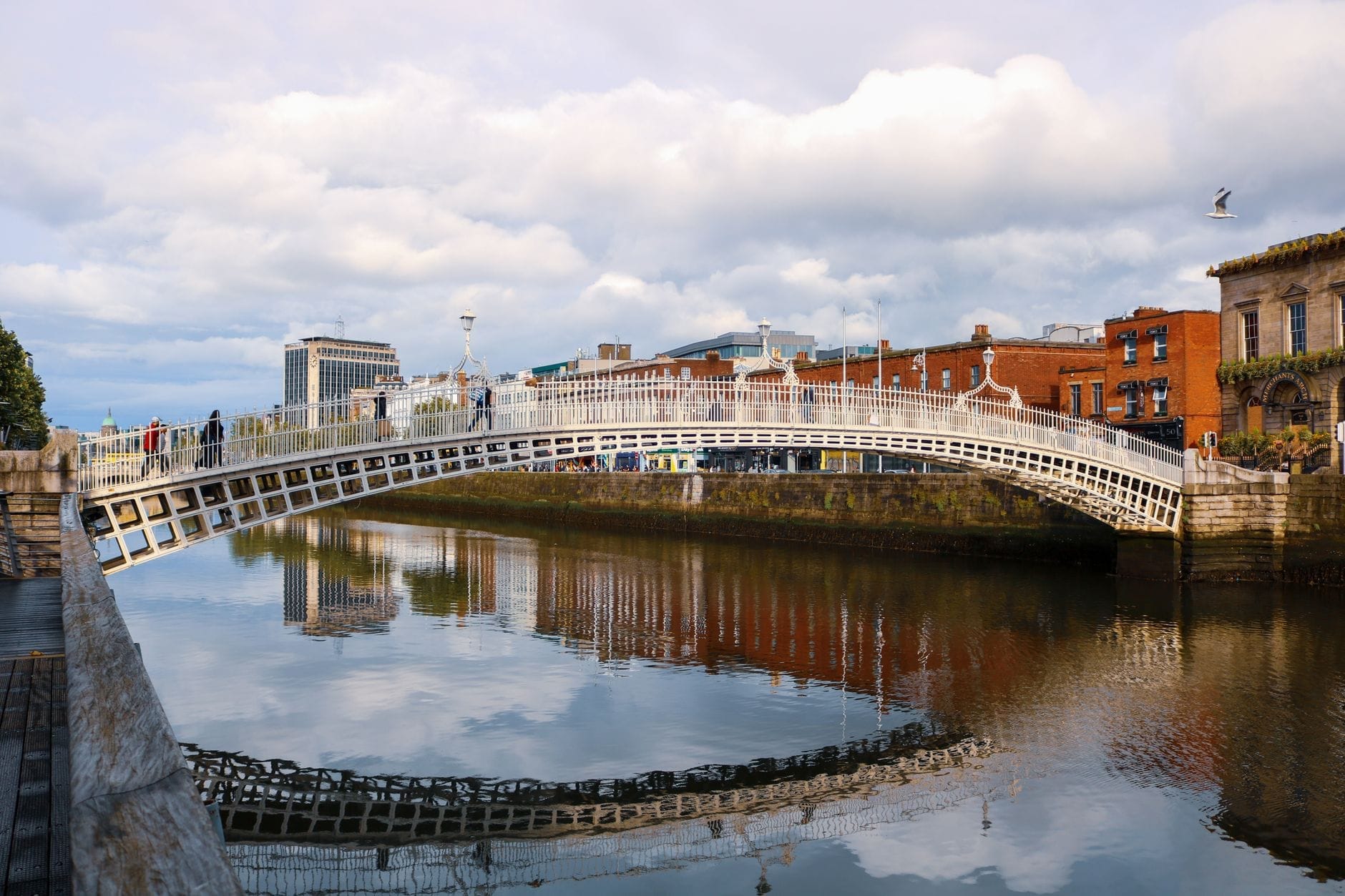
3. Cross the Liffey on the Iconic Ha'penny Bridge
This 1816 cast-iron footbridge is Dublin's most photographed landmark and a natural crossing point on any walking tour. Named for the halfpenny toll once charged, it connects the north city quays to Temple Bar and takes less than two minutes to cross.
Explore3. Cross the Liffey on the Iconic Ha'penny Bridge
This 1816 cast-iron footbridge is Dublin's most photographed landmark and a natural crossing point on any walking tour. Named for the halfpenny toll once charged, it connects the north city quays to Temple Bar and takes less than two minutes to cross.
Explore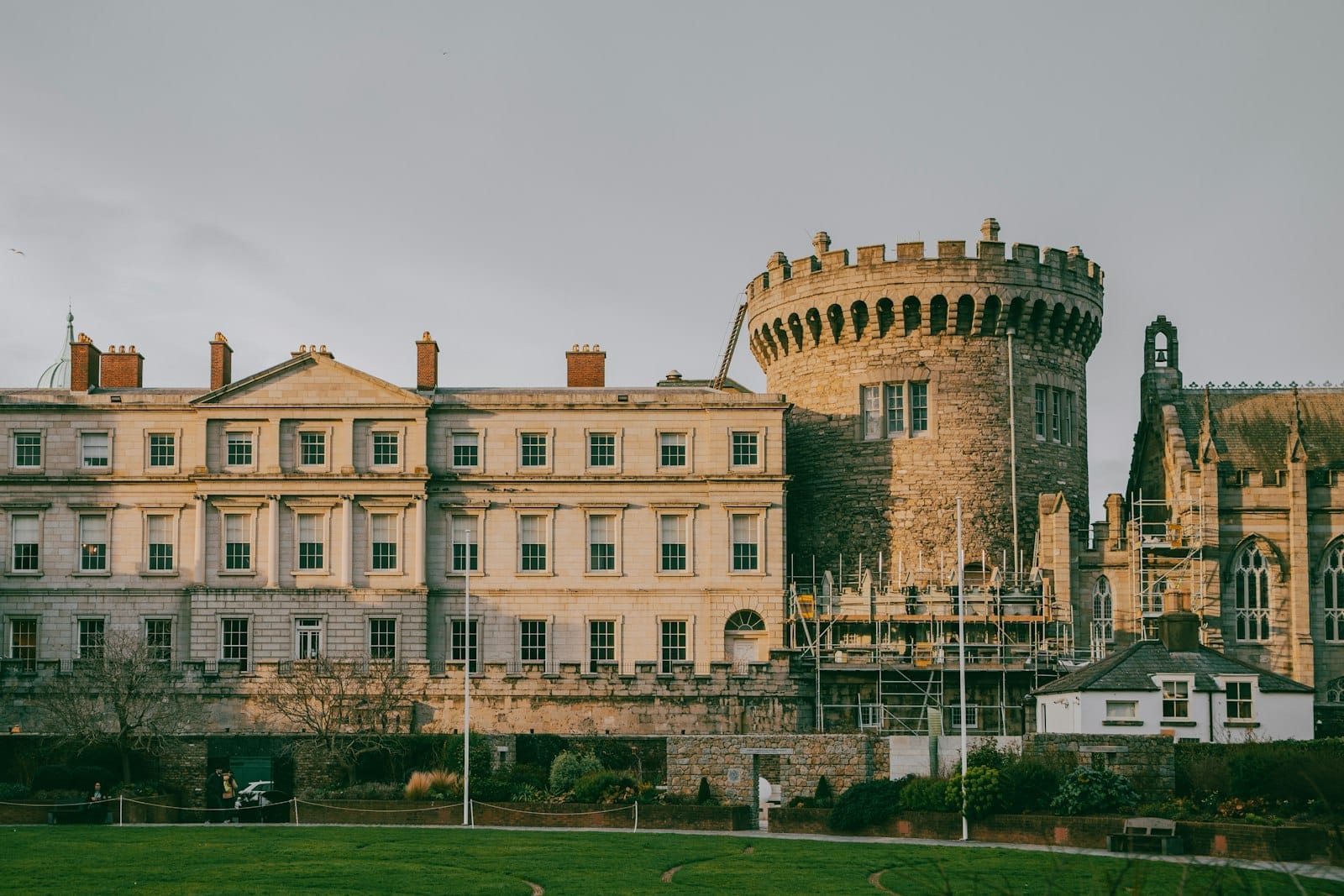
4. Explore Dublin Castle, Seven Centuries of Power in One Complex
The former seat of British rule in Ireland for around 700 years, Dublin Castle is a layered complex of State Apartments, medieval towers, and Georgian chapels. Guided tours take roughly 45 minutes and reveal Norman foundations beneath the current buildings.
Explore4. Explore Dublin Castle, Seven Centuries of Power in One Complex
The former seat of British rule in Ireland for around 700 years, Dublin Castle is a layered complex of State Apartments, medieval towers, and Georgian chapels. Guided tours take roughly 45 minutes and reveal Norman foundations beneath the current buildings.
Explore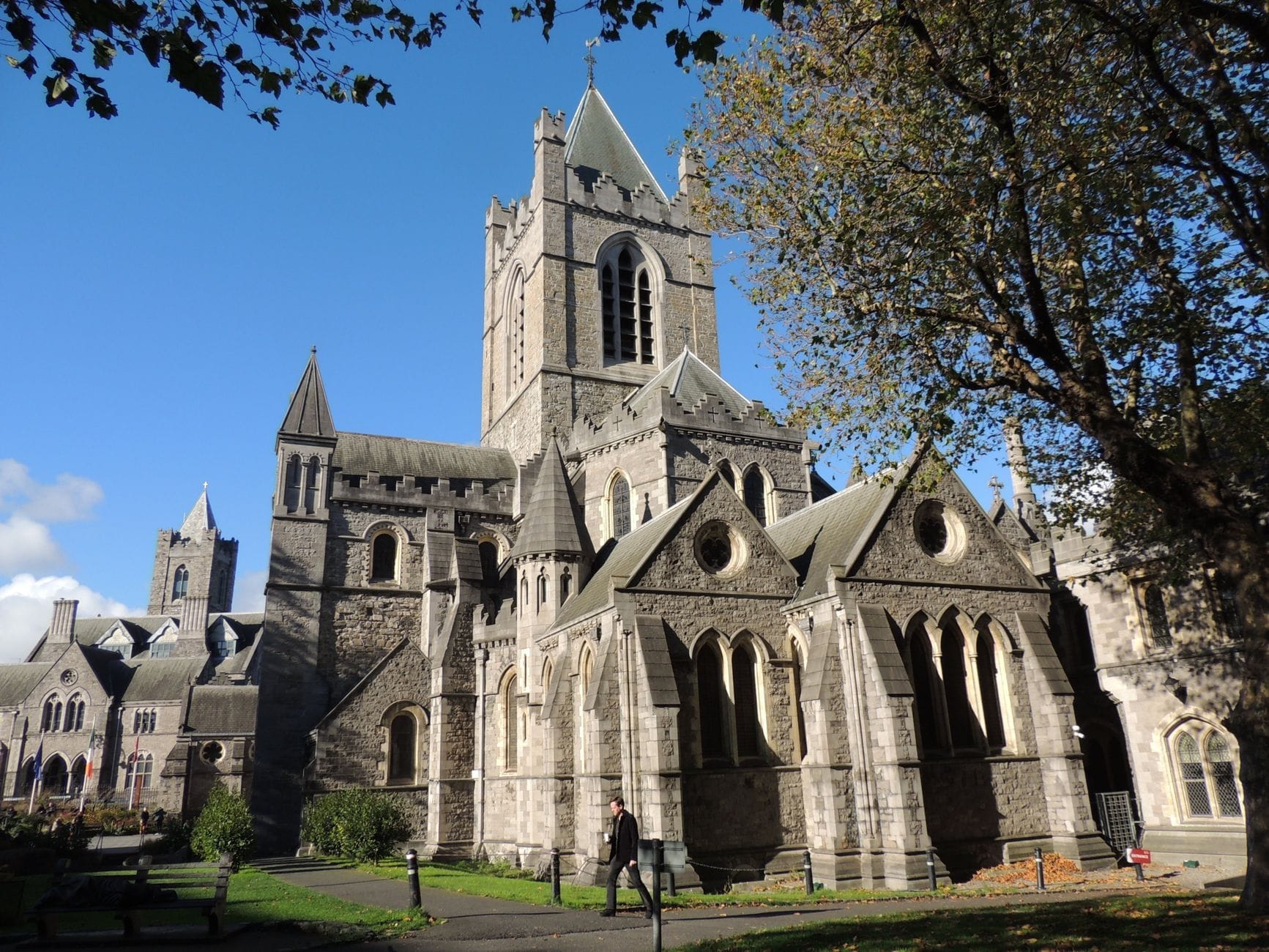
5. Visit Christ Church, Dublin's Oldest and Most Atmospheric Cathedral
Founded in 1030, Christ Church anchors the medieval city and is a common endpoint for history walking tours. The Romanesque nave, Gothic choir, and underground crypt housing St Laurence O'Toole's preserved heart are genuinely extraordinary.
Explore5. Visit Christ Church, Dublin's Oldest and Most Atmospheric Cathedral
Founded in 1030, Christ Church anchors the medieval city and is a common endpoint for history walking tours. The Romanesque nave, Gothic choir, and underground crypt housing St Laurence O'Toole's preserved heart are genuinely extraordinary.
Explore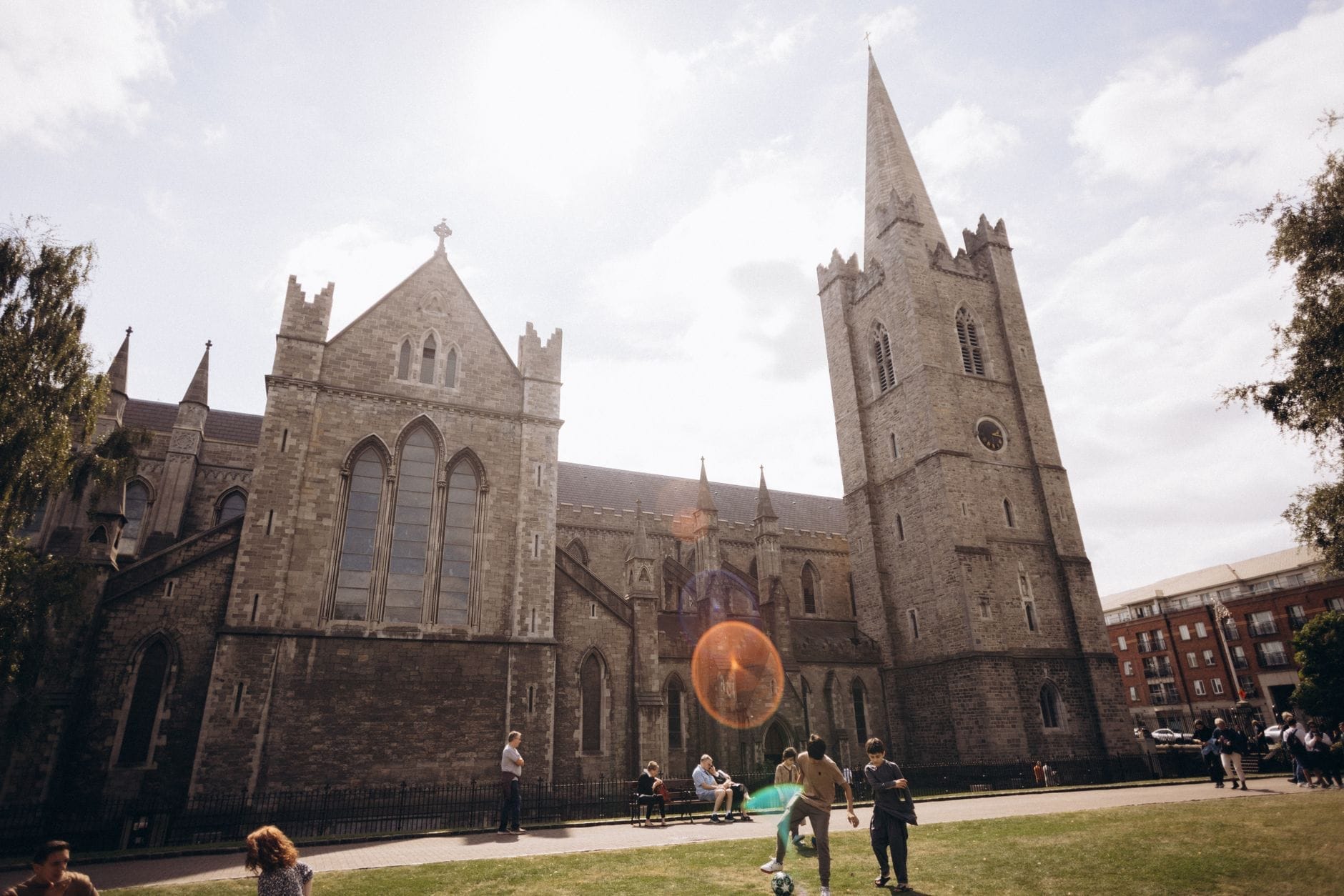
6. Walk to St Patrick's Cathedral and Jonathan Swift's Tomb
A short walk south from Christ Church, Ireland's largest cathedral contains Jonathan Swift's tomb, medieval memorials, and some of the finest Gothic stonework in the country. The walk between the two cathedrals passes through the original Viking city boundary.
Explore6. Walk to St Patrick's Cathedral and Jonathan Swift's Tomb
A short walk south from Christ Church, Ireland's largest cathedral contains Jonathan Swift's tomb, medieval memorials, and some of the finest Gothic stonework in the country. The walk between the two cathedrals passes through the original Viking city boundary.
Explore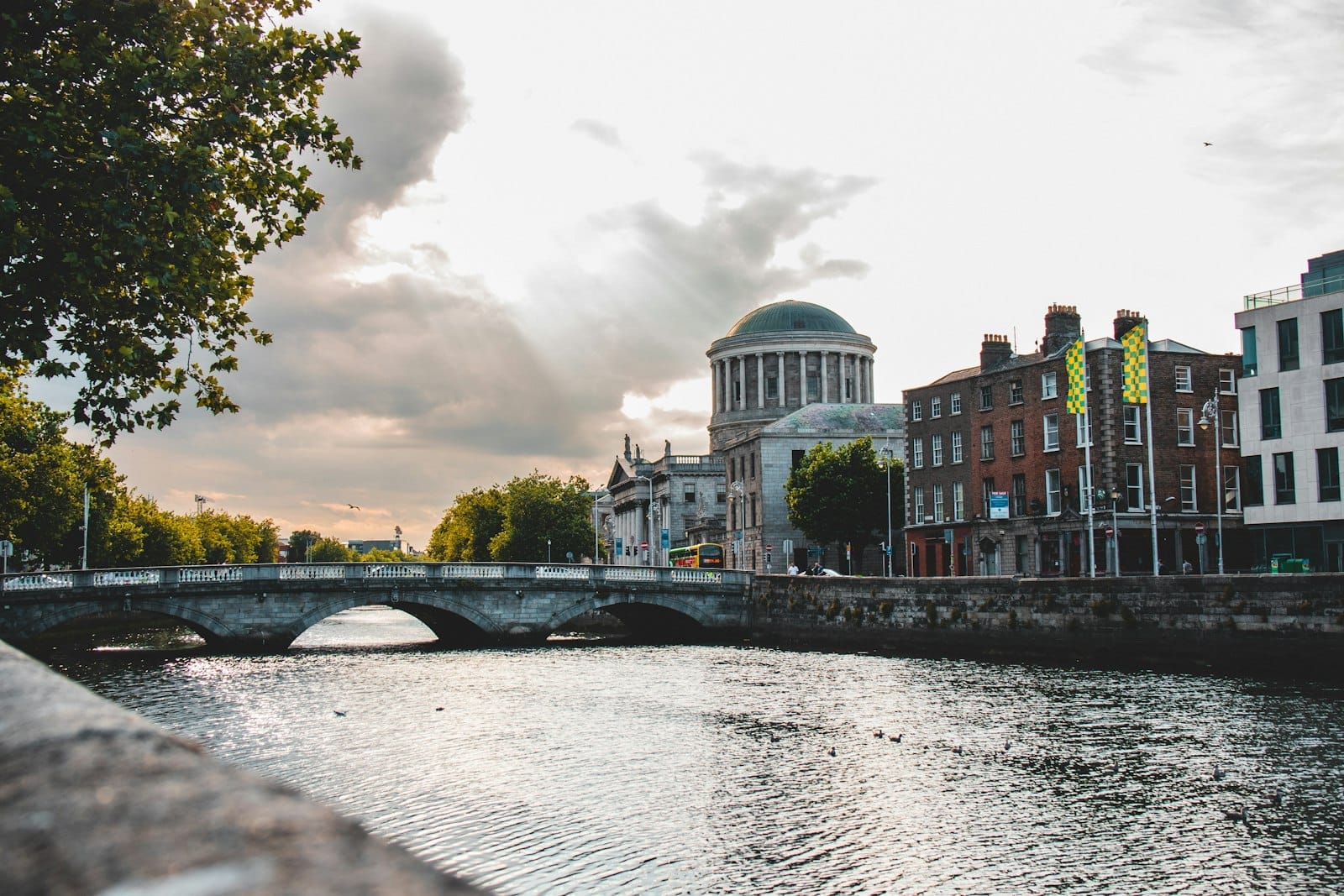
7. See the Four Courts, Scene of the Irish Civil War's Opening Shots
James Gandon's copper-domed courthouse on the north quays was seized and bombarded during the 1922 Civil War. Walking tours covering the revolutionary period always include this building. View it from the south quay for the best perspective of Gandon's design.
Explore7. See the Four Courts, Scene of the Irish Civil War's Opening Shots
James Gandon's copper-domed courthouse on the north quays was seized and bombarded during the 1922 Civil War. Walking tours covering the revolutionary period always include this building. View it from the south quay for the best perspective of Gandon's design.
ExploreLiterary Dublin: Walking in the Footsteps of Joyce, Wilde, and Beckett

Dublin's literary walking tours are among the most rewarding in any city, largely because the writers who shaped world literature actually lived and worked in these specific streets. The Dublin literary trail connects Georgian townhouses, university squares, and south-city streets in a route that covers three Nobel laureates within two kilometres. The stops below form the backbone of any self-guided literary walk.
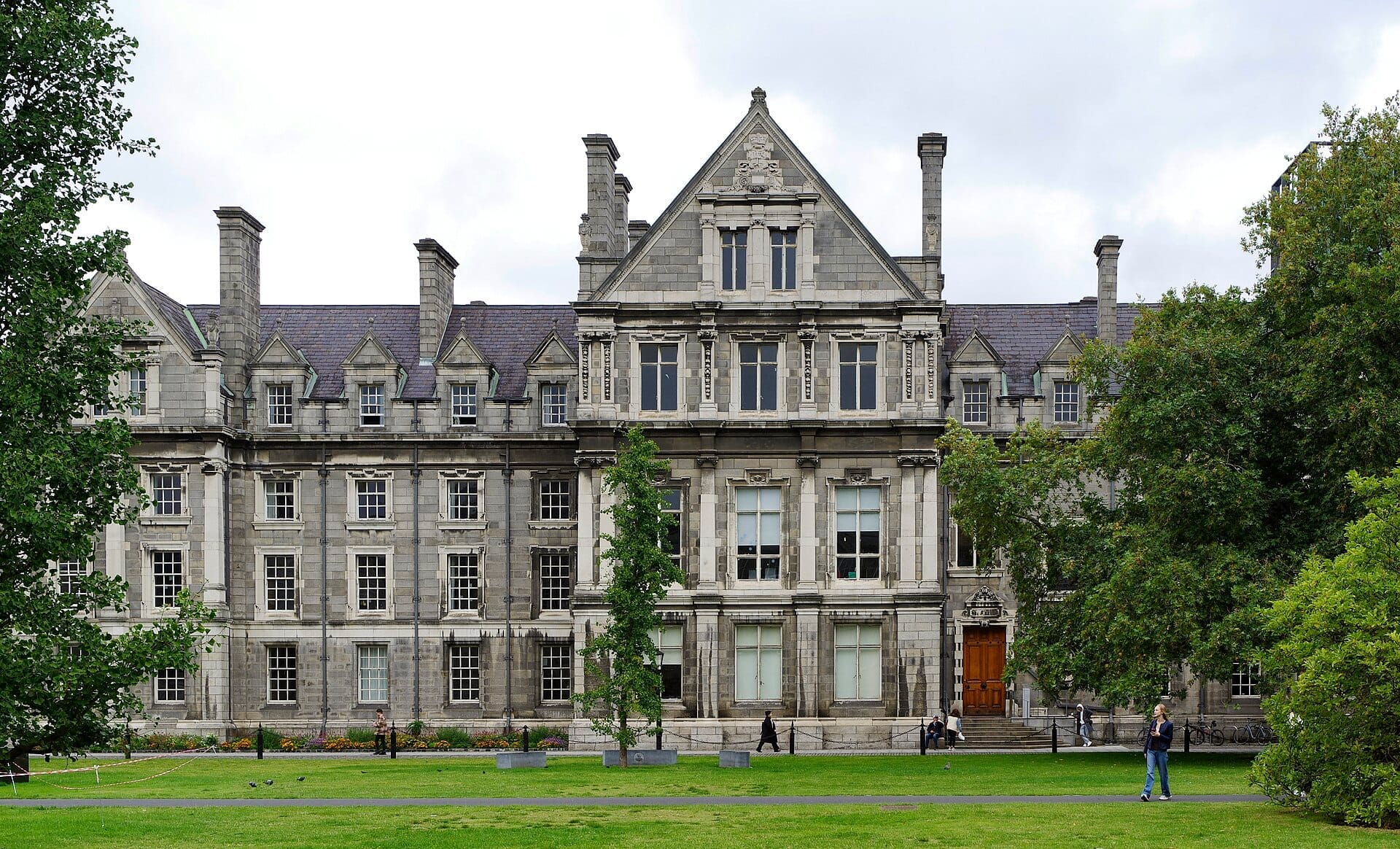
8. Walk Through Trinity College, Where Beckett and Burke Studied
Trinity's 47-acre cobblestone campus is freely open to walkers and is one of Dublin's great pleasures. Samuel Beckett, Edmund Burke, and Bram Stoker all studied here. Arrive early to avoid tour groups and take time in the quiet back squares.
Explore8. Walk Through Trinity College, Where Beckett and Burke Studied
Trinity's 47-acre cobblestone campus is freely open to walkers and is one of Dublin's great pleasures. Samuel Beckett, Edmund Burke, and Bram Stoker all studied here. Arrive early to avoid tour groups and take time in the quiet back squares.
Explore
9. See the Book of Kells Inside Trinity's Long Room
The 9th-century illuminated manuscript in Trinity's Treasury is one of the finest examples of medieval art in the world. The adjacent Long Room, a barrel-vaulted hall of 200,000 ancient books, adds to the spectacle. Book timed entry well in advance.
Explore9. See the Book of Kells Inside Trinity's Long Room
The 9th-century illuminated manuscript in Trinity's Treasury is one of the finest examples of medieval art in the world. The adjacent Long Room, a barrel-vaulted hall of 200,000 ancient books, adds to the spectacle. Book timed entry well in advance.
Explore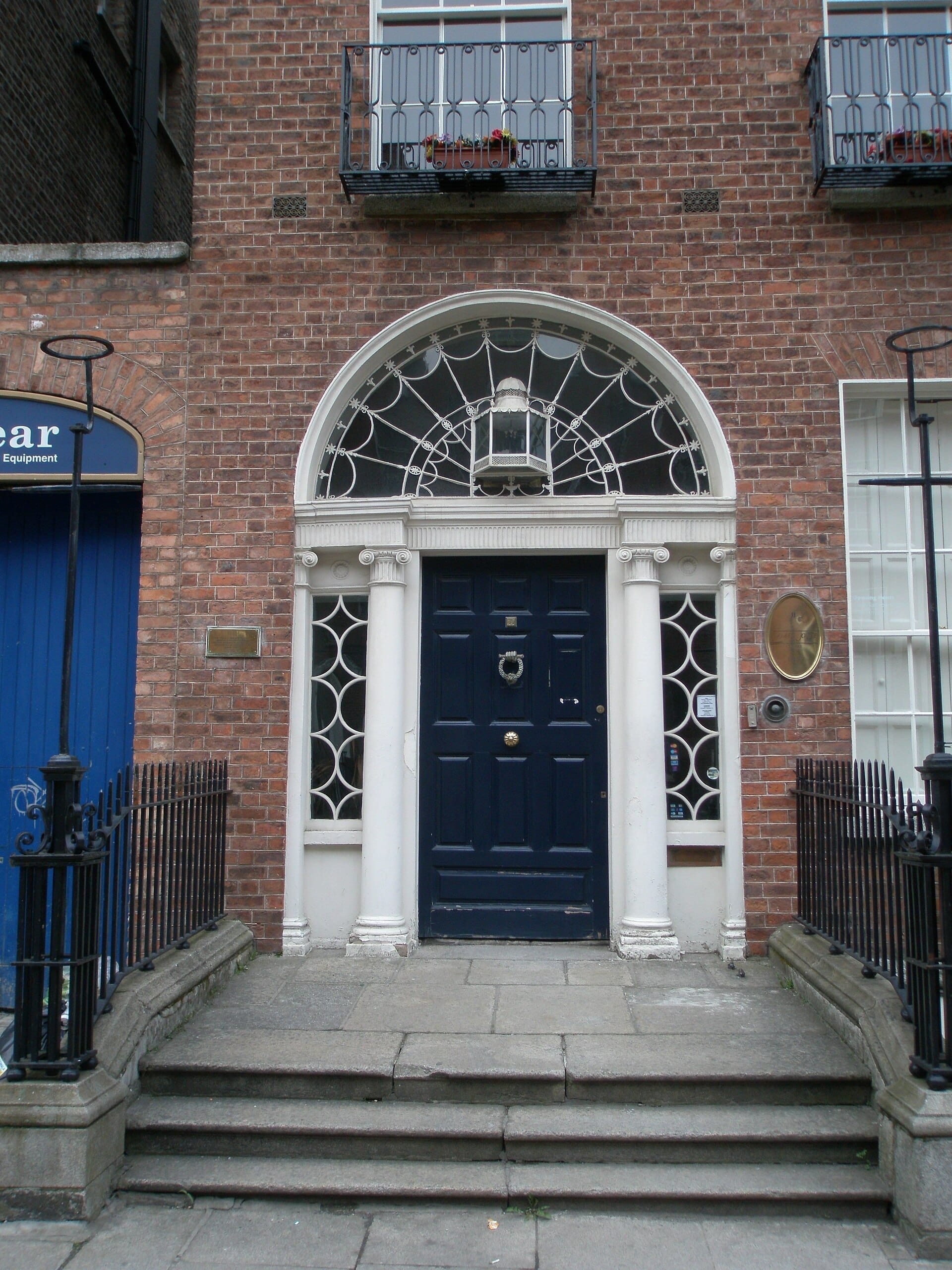
10. Visit the James Joyce Centre on North Great George's Street
This restored Georgian townhouse is the city's dedicated Joyce museum and the organiser of annual Bloomsday events on 16 June. The guided walks departing from here trace Ulysses through the north city streets and are among Dublin's best specialist tours.
Explore10. Visit the James Joyce Centre on North Great George's Street
This restored Georgian townhouse is the city's dedicated Joyce museum and the organiser of annual Bloomsday events on 16 June. The guided walks departing from here trace Ulysses through the north city streets and are among Dublin's best specialist tours.
Explore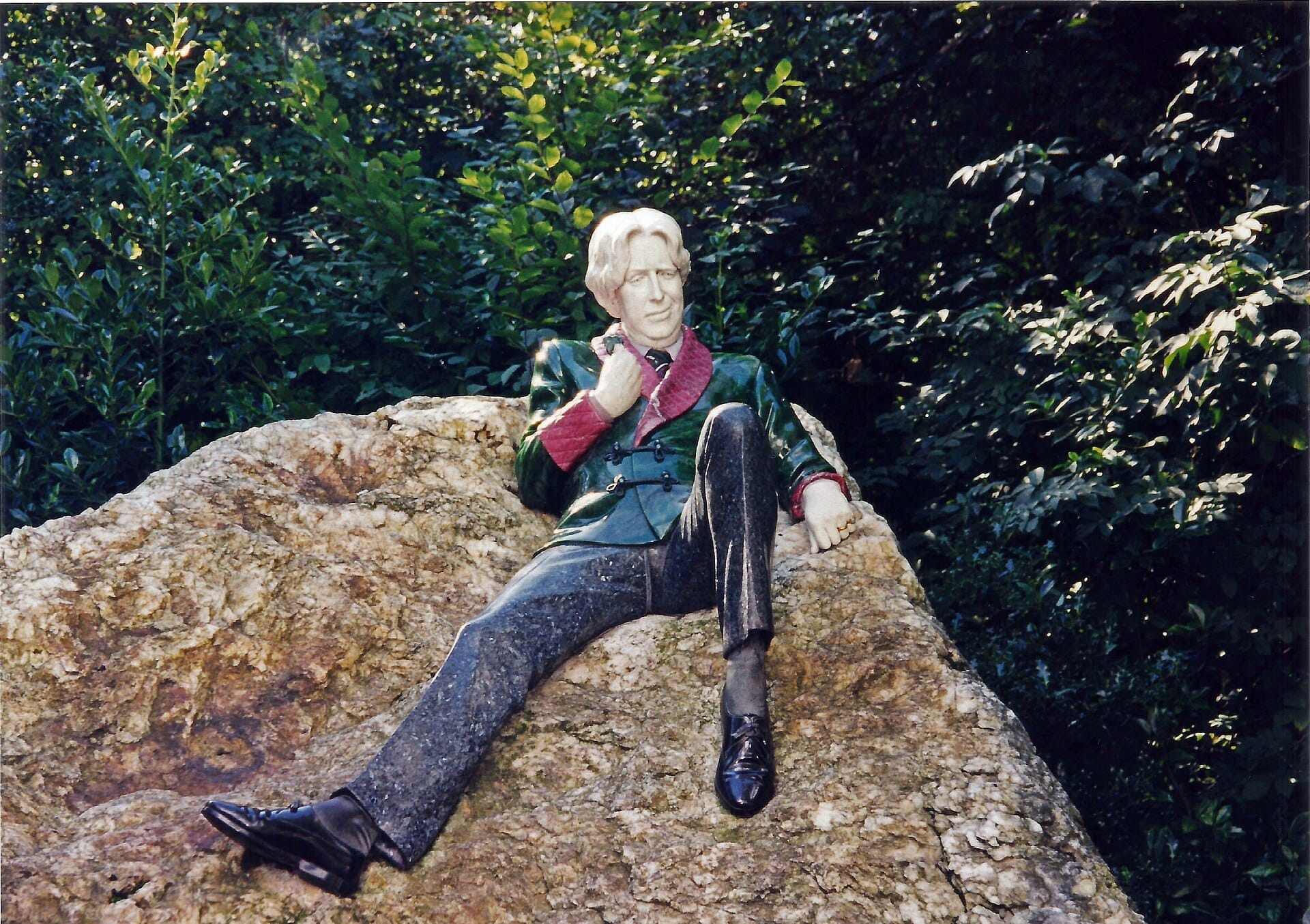
11. Find Oscar Wilde Lounging in Merrion Square
The flamboyant sculpture of Wilde reclining on a granite boulder sits opposite the house where he grew up, at the northwest corner of Merrion Square. It's one of Dublin's wittiest public artworks and a key stop on any literary walking tour.
Explore11. Find Oscar Wilde Lounging in Merrion Square
The flamboyant sculpture of Wilde reclining on a granite boulder sits opposite the house where he grew up, at the northwest corner of Merrion Square. It's one of Dublin's wittiest public artworks and a key stop on any literary walking tour.
Explore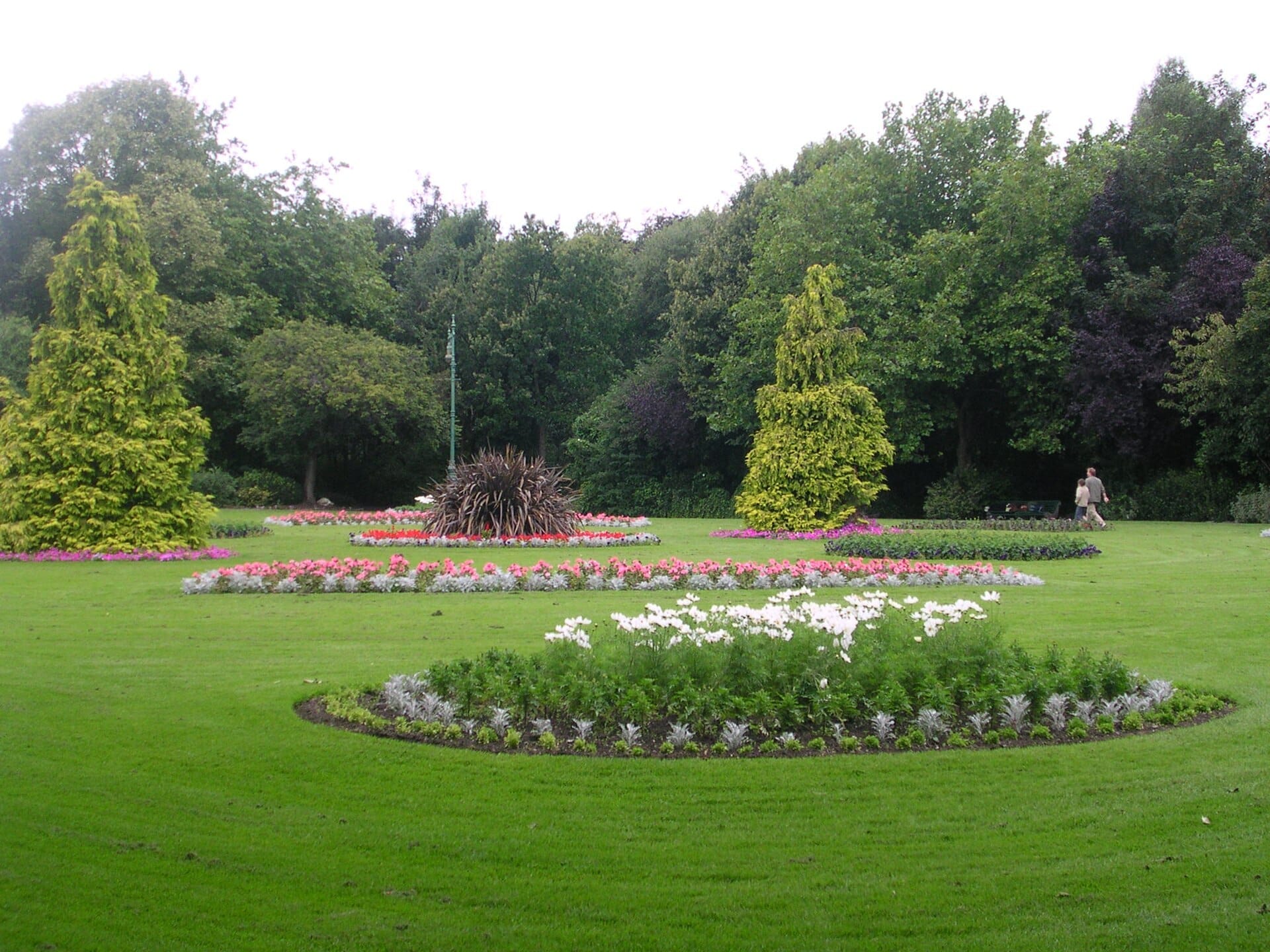
12. Stroll Merrion Square, Dublin's Most Elegant Georgian Park
The finest of Dublin's Georgian squares combines architecture, green space, and literary history. The park borders the National Gallery, the Natural History Museum, and the former homes of Wilde, W.B. Yeats, and Daniel O'Connell. The weekend art market runs along the outer railings.
Explore12. Stroll Merrion Square, Dublin's Most Elegant Georgian Park
The finest of Dublin's Georgian squares combines architecture, green space, and literary history. The park borders the National Gallery, the Natural History Museum, and the former homes of Wilde, W.B. Yeats, and Daniel O'Connell. The weekend art market runs along the outer railings.
Explore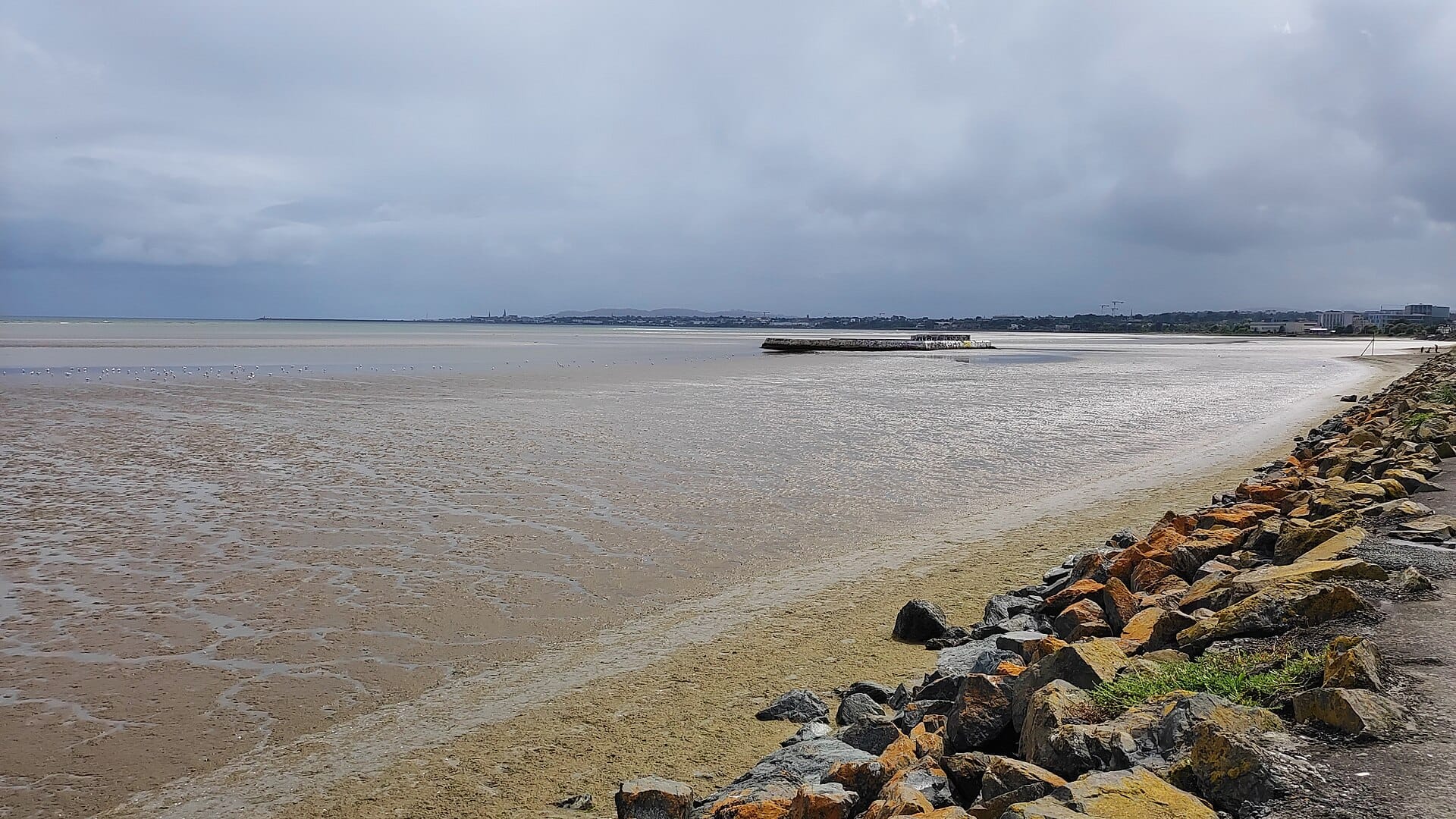
13. Walk Sandymount Strand, Immortalised in Ulysses
This wide tidal strand on Dublin Bay features in the Proteus episode of Joyce's Ulysses. At low tide you can walk far out across the sand with views of the Poolbeg chimneys. A 30-minute bus ride from the city centre, it rewards literary walkers who go the extra distance.
Explore13. Walk Sandymount Strand, Immortalised in Ulysses
This wide tidal strand on Dublin Bay features in the Proteus episode of Joyce's Ulysses. At low tide you can walk far out across the sand with views of the Poolbeg chimneys. A 30-minute bus ride from the city centre, it rewards literary walkers who go the extra distance.
ExploreGeorgian Architecture and Elegant Squares
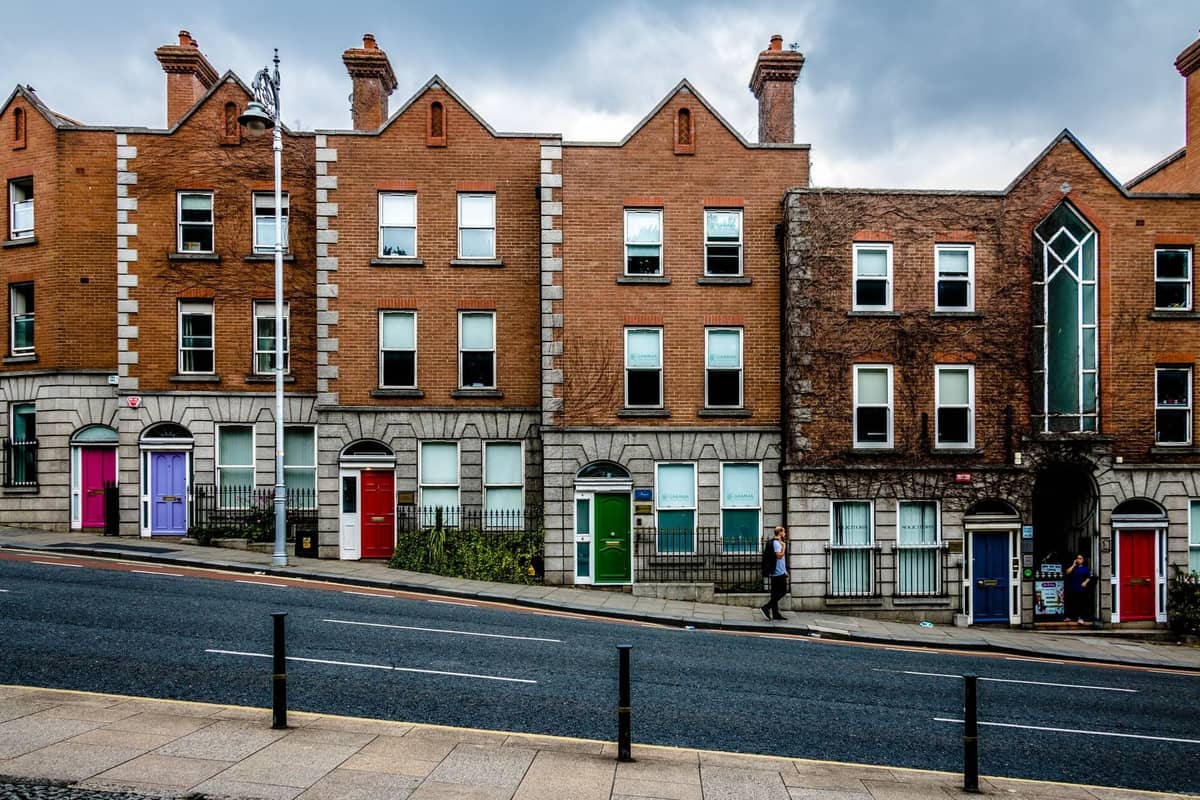
Dublin's 18th-century building boom produced some of the finest Georgian streetscapes in Europe, and much of it survives intact. Our Georgian Dublin architecture guide goes deeper into the specific building styles and what to look for, but the stops below form a coherent walking circuit around the St Stephen's Green and Grafton Street area that can be completed in two to three hours.
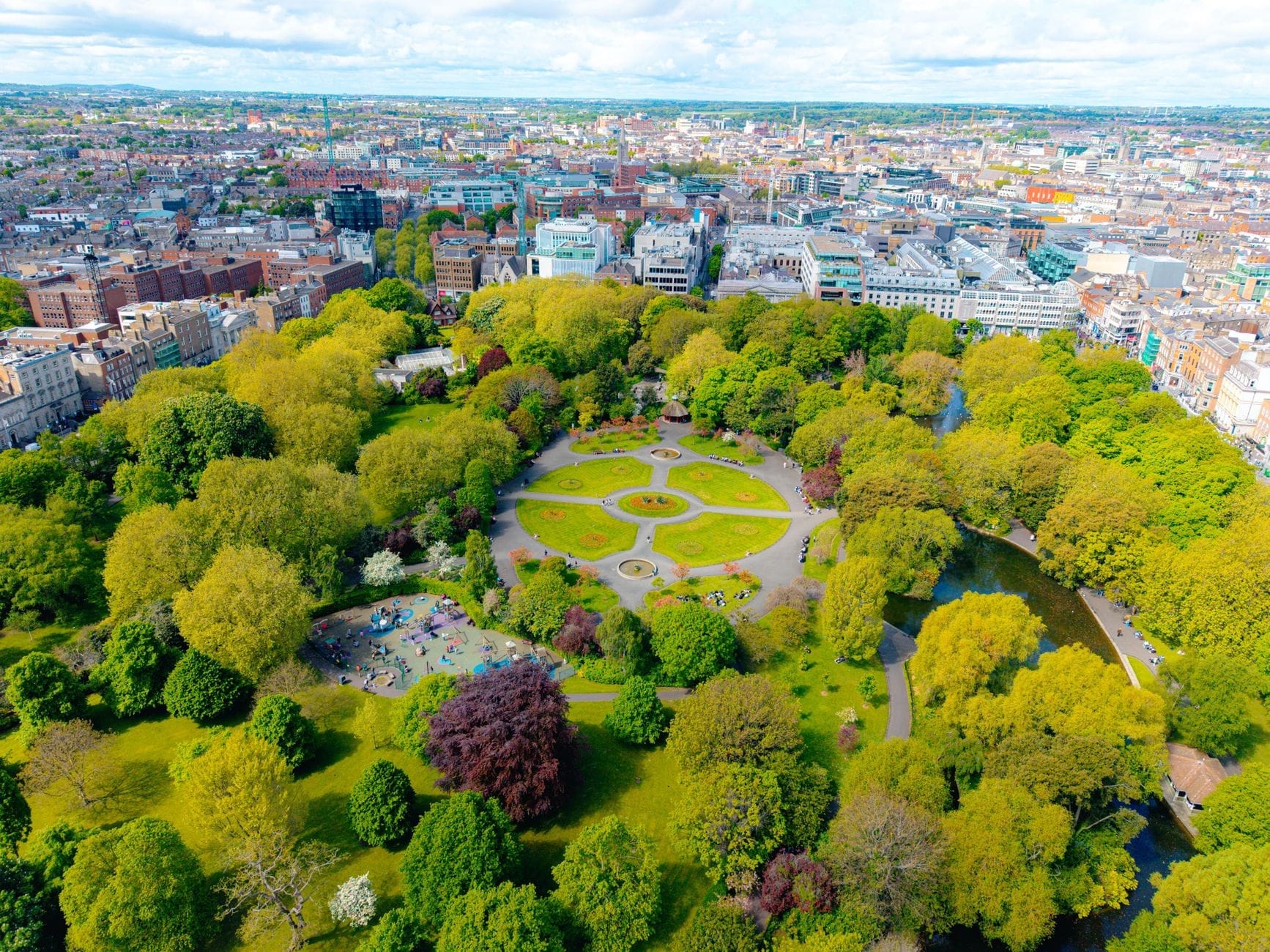
14. Begin or End Your Walk at St Stephen's Green
The 22-acre Victorian park at the top of Grafton Street is a natural anchor for any southside walking tour. Ornamental lakes, memorials, and formal gardens sit surrounded by some of Dublin's finest Georgian and Victorian facades. Free to enter at all times.
Explore14. Begin or End Your Walk at St Stephen's Green
The 22-acre Victorian park at the top of Grafton Street is a natural anchor for any southside walking tour. Ornamental lakes, memorials, and formal gardens sit surrounded by some of Dublin's finest Georgian and Victorian facades. Free to enter at all times.
Explore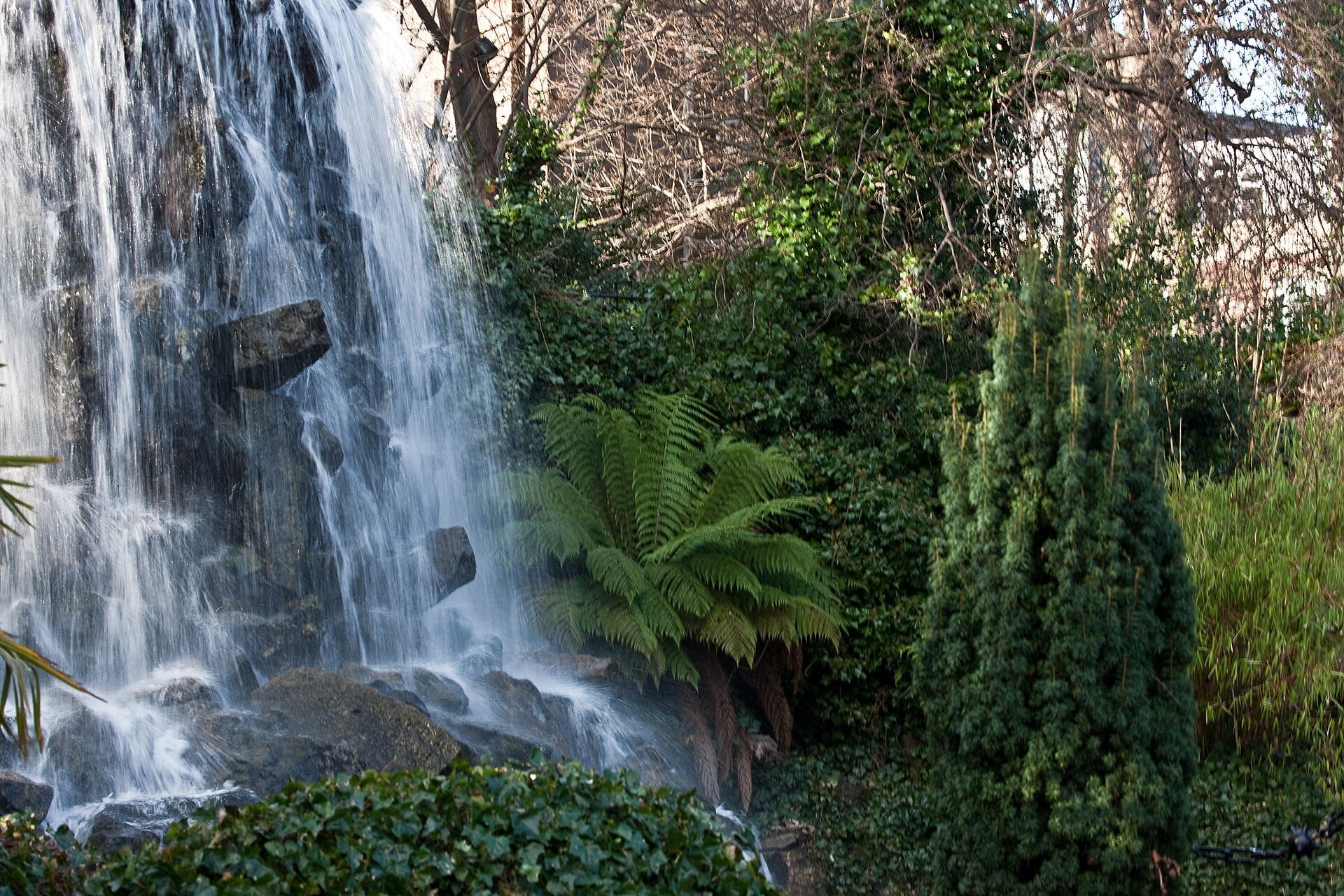
15. Discover the Iveagh Gardens, Dublin's Best-Kept Green Secret
Tucked behind the National Concert Hall, these Victorian gardens feature a sunken lawn, maze, cascade, and rustic grotto. Almost no tourist crowds, even in summer. Enter from Clonmel Street or Earlsfort Terrace and allow 30 minutes to explore properly.
Explore15. Discover the Iveagh Gardens, Dublin's Best-Kept Green Secret
Tucked behind the National Concert Hall, these Victorian gardens feature a sunken lawn, maze, cascade, and rustic grotto. Almost no tourist crowds, even in summer. Enter from Clonmel Street or Earlsfort Terrace and allow 30 minutes to explore properly.
Explore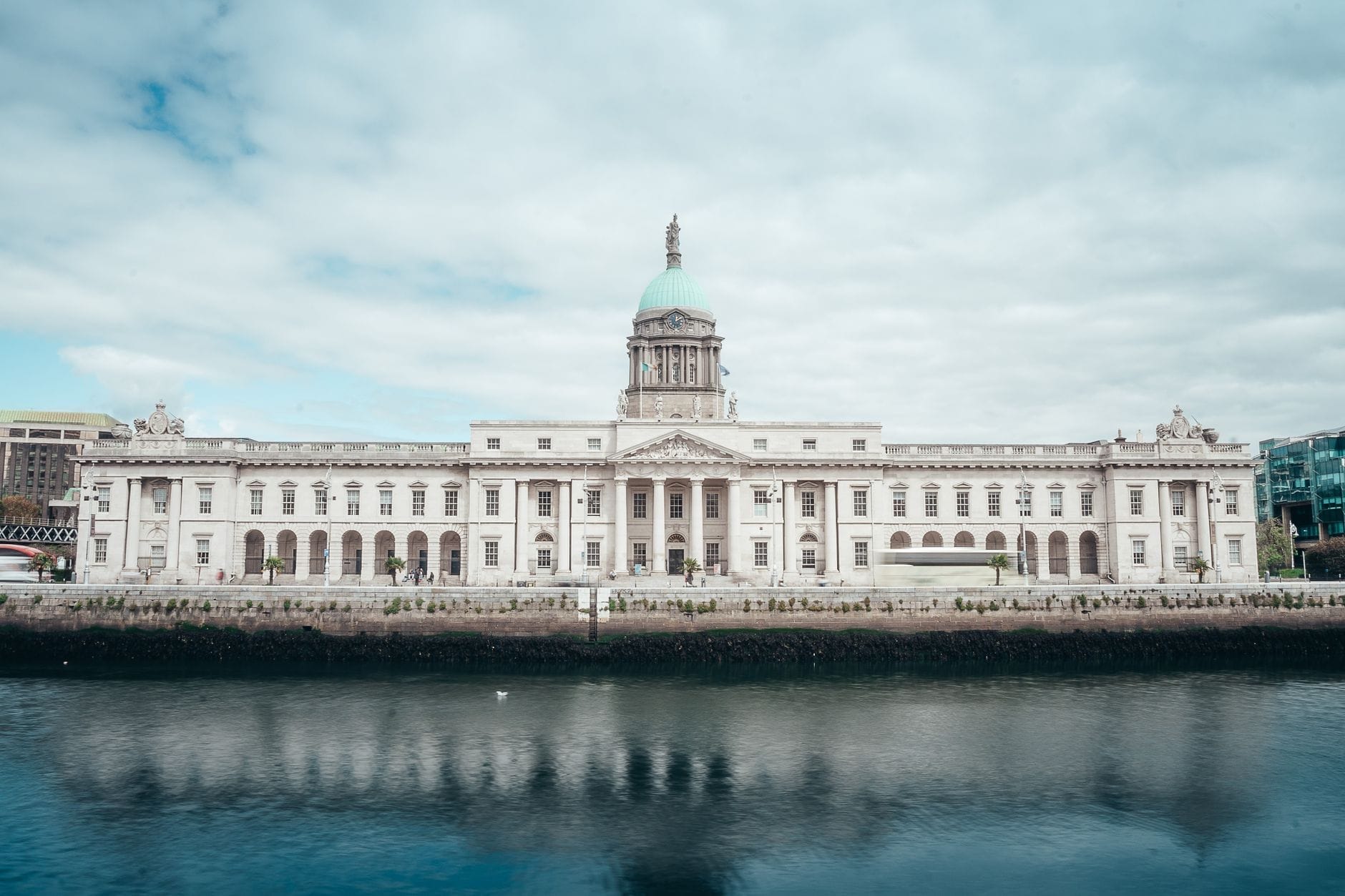
16. Admire James Gandon's Custom House on the North Quays
Built 1781-1791, this neoclassical riverside building is considered Gandon's finest work and defines Dublin's north quay skyline. Walking tours covering Georgian architecture always stop here. The best viewing angle is from the south bank of the Liffey, across the water.
Explore16. Admire James Gandon's Custom House on the North Quays
Built 1781-1791, this neoclassical riverside building is considered Gandon's finest work and defines Dublin's north quay skyline. Walking tours covering Georgian architecture always stop here. The best viewing angle is from the south bank of the Liffey, across the water.
Explore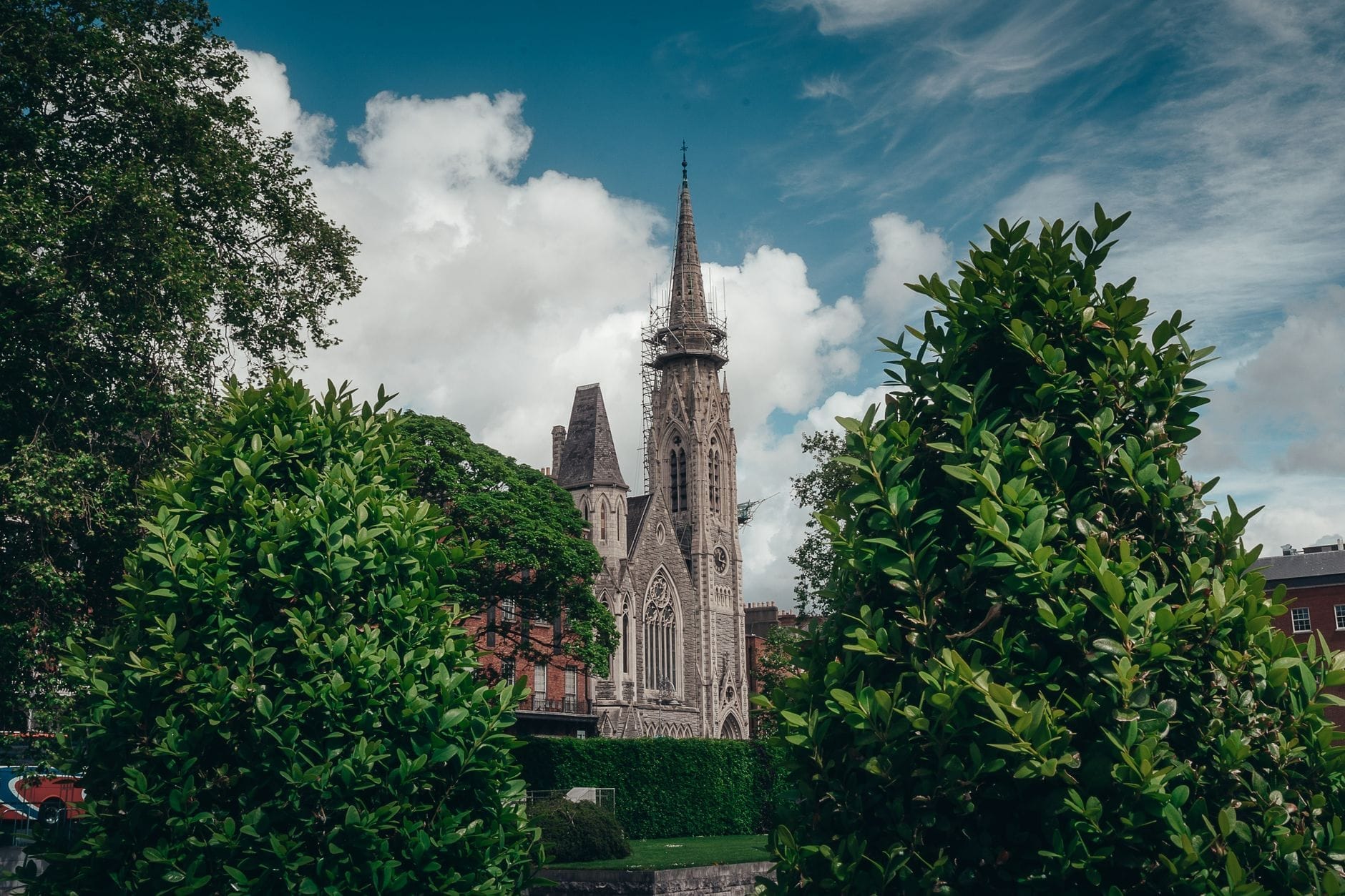
17. Pause at the Garden of Remembrance on Parnell Square
This solemn memorial garden, dedicated to those who died for Irish freedom, features Oisín Kelly's sculpture of the Children of Lir above a cross-shaped pool. A quiet and meaningful stop on any north-city walking tour, just five minutes from the Spire.
Explore17. Pause at the Garden of Remembrance on Parnell Square
This solemn memorial garden, dedicated to those who died for Irish freedom, features Oisín Kelly's sculpture of the Children of Lir above a cross-shaped pool. A quiet and meaningful stop on any north-city walking tour, just five minutes from the Spire.
Explore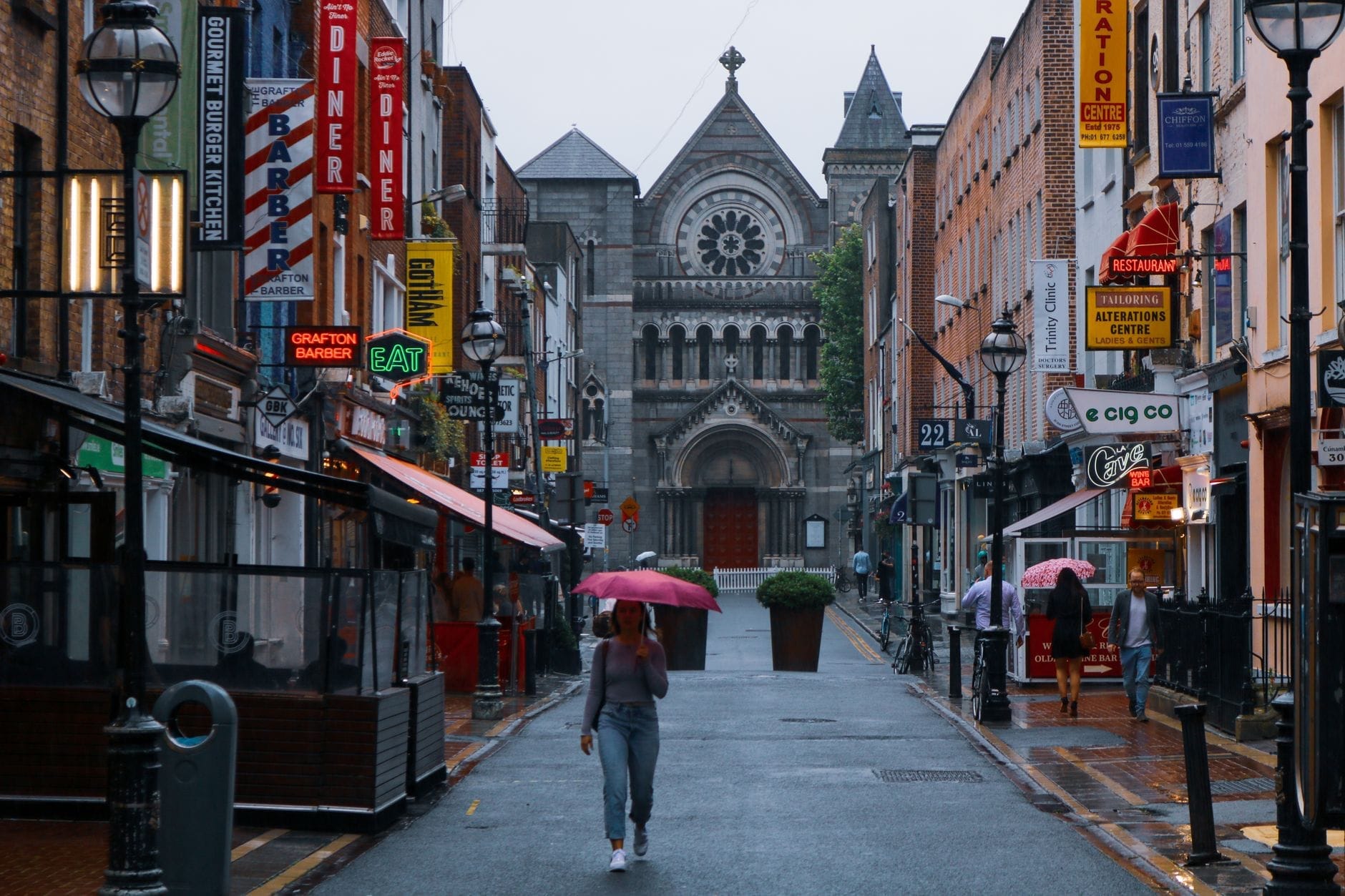
18. Walk Grafton Street, the Social Spine of South Dublin
The pedestrianised link between Trinity College and St Stephen's Green passes Bewley's Oriental Café, street performers, and flagship stores. Walking tours of the southside almost always route through here. Go on a weekday morning to see it without the weekend crowds.
Explore18. Walk Grafton Street, the Social Spine of South Dublin
The pedestrianised link between Trinity College and St Stephen's Green passes Bewley's Oriental Café, street performers, and flagship stores. Walking tours of the southside almost always route through here. Go on a weekday morning to see it without the weekend crowds.
ExploreWaterfront and Docklands Walks
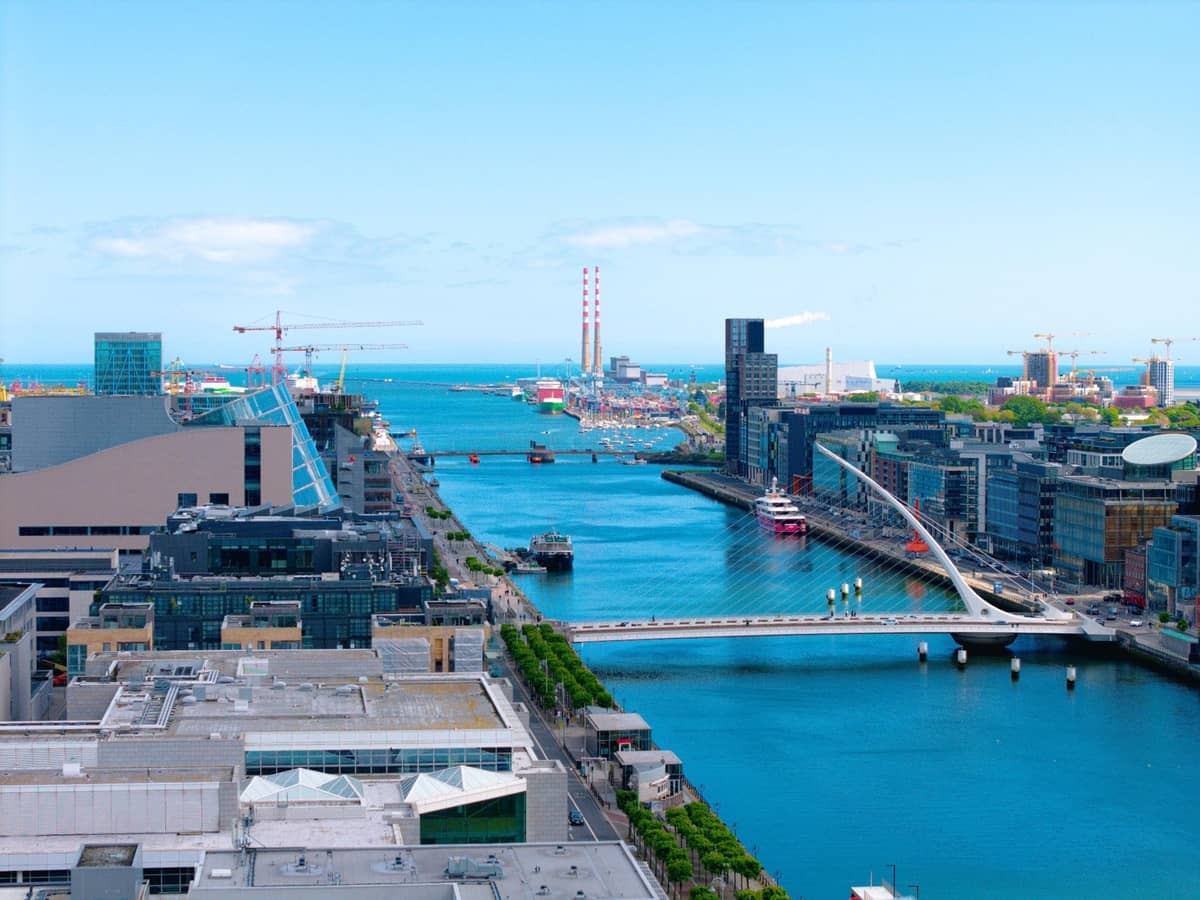
Dublin's waterfront has transformed dramatically in the 21st century, from derelict docklands to a showcase of contemporary architecture. The Docklands walking loop connects the river quays with Grand Canal Dock and the Liffey bridges in a route that contrasts historic Georgian facades with bold modern design. These stops also work as standalone walks for visitors staying in the city's east end.
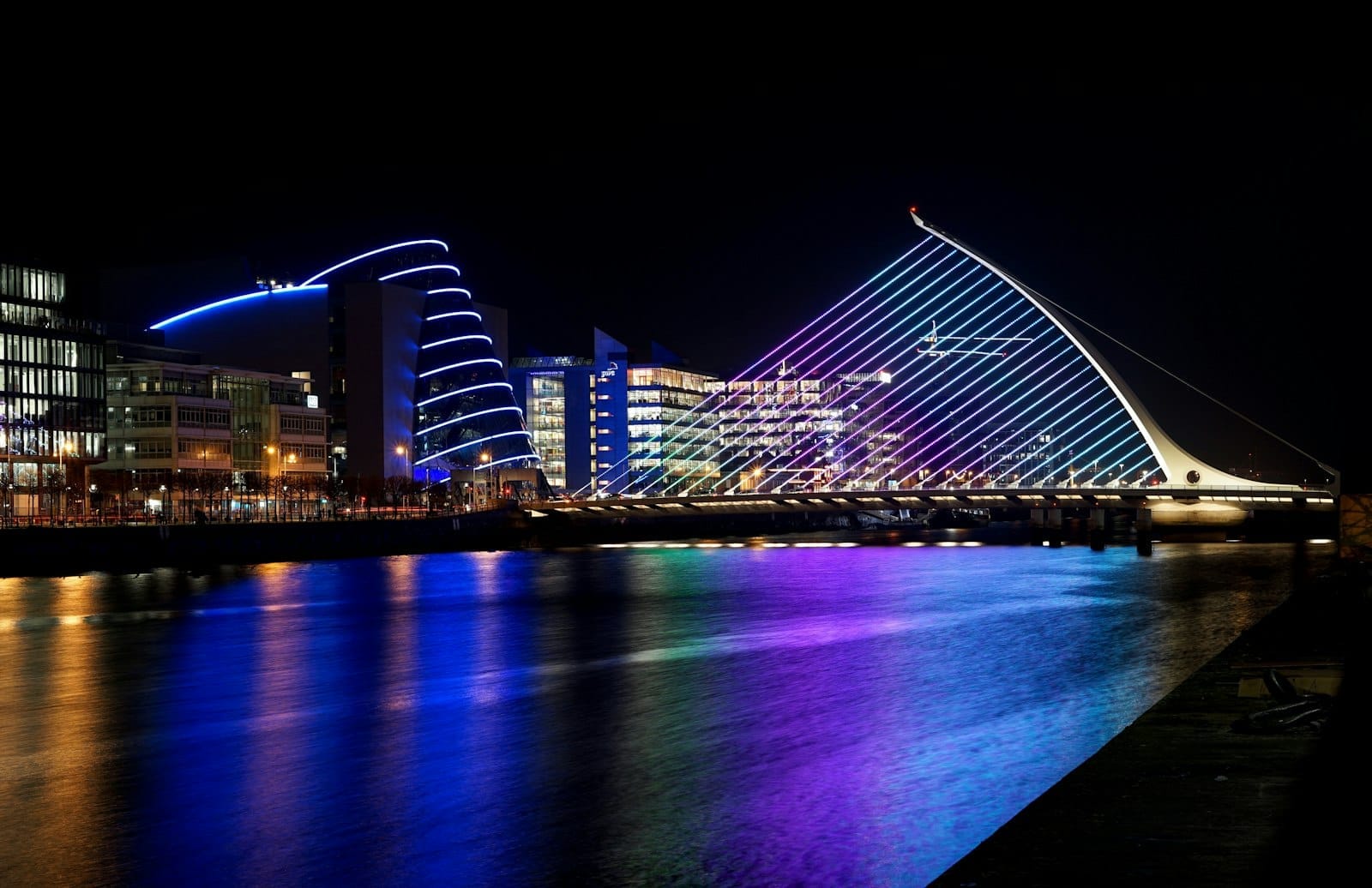
19. Cross Calatrava's Samuel Beckett Bridge, Shaped Like an Irish Harp
The Docklands' most striking piece of infrastructure, this cable-stayed bridge designed by Santiago Calatrava resembles a harp on its side. It's worth walking across and photographing from both banks. Combine with a full Liffey quay walk for the best perspective.
Explore19. Cross Calatrava's Samuel Beckett Bridge, Shaped Like an Irish Harp
The Docklands' most striking piece of infrastructure, this cable-stayed bridge designed by Santiago Calatrava resembles a harp on its side. It's worth walking across and photographing from both banks. Combine with a full Liffey quay walk for the best perspective.
Explore
20. Explore Grand Canal Dock, Dublin's Contemporary Architecture Showcase
Martha Schwartz's Grand Canal Square, the angular Bord Gáis Energy Theatre by Daniel Libeskind, and the surrounding tech campuses make this the most architecturally dense kilometre in modern Dublin. Allow 45 minutes to walk the square and surrounding streets.
Explore20. Explore Grand Canal Dock, Dublin's Contemporary Architecture Showcase
Martha Schwartz's Grand Canal Square, the angular Bord Gáis Energy Theatre by Daniel Libeskind, and the surrounding tech campuses make this the most architecturally dense kilometre in modern Dublin. Allow 45 minutes to walk the square and surrounding streets.
Explore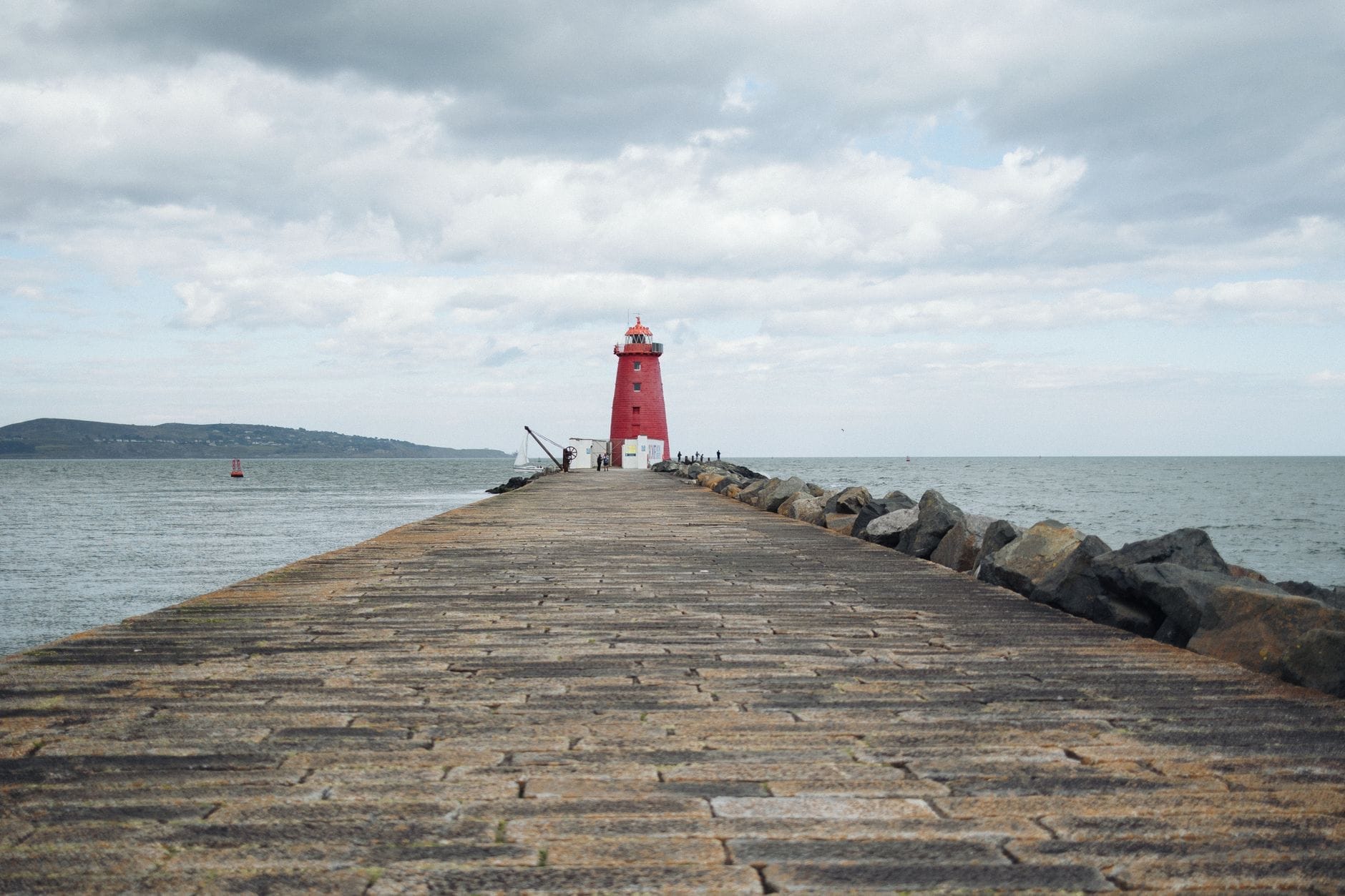
21. Walk the Great South Wall to the Poolbeg Lighthouse
A 4 km walk along a granite sea wall jutting into Dublin Bay, ending at the iconic red-and-white lighthouse. The views back to the city skyline and the Wicklow Mountains are spectacular. Wear windproof layers and check the weather before setting out.
Explore21. Walk the Great South Wall to the Poolbeg Lighthouse
A 4 km walk along a granite sea wall jutting into Dublin Bay, ending at the iconic red-and-white lighthouse. The views back to the city skyline and the Wicklow Mountains are spectacular. Wear windproof layers and check the weather before setting out.
Explore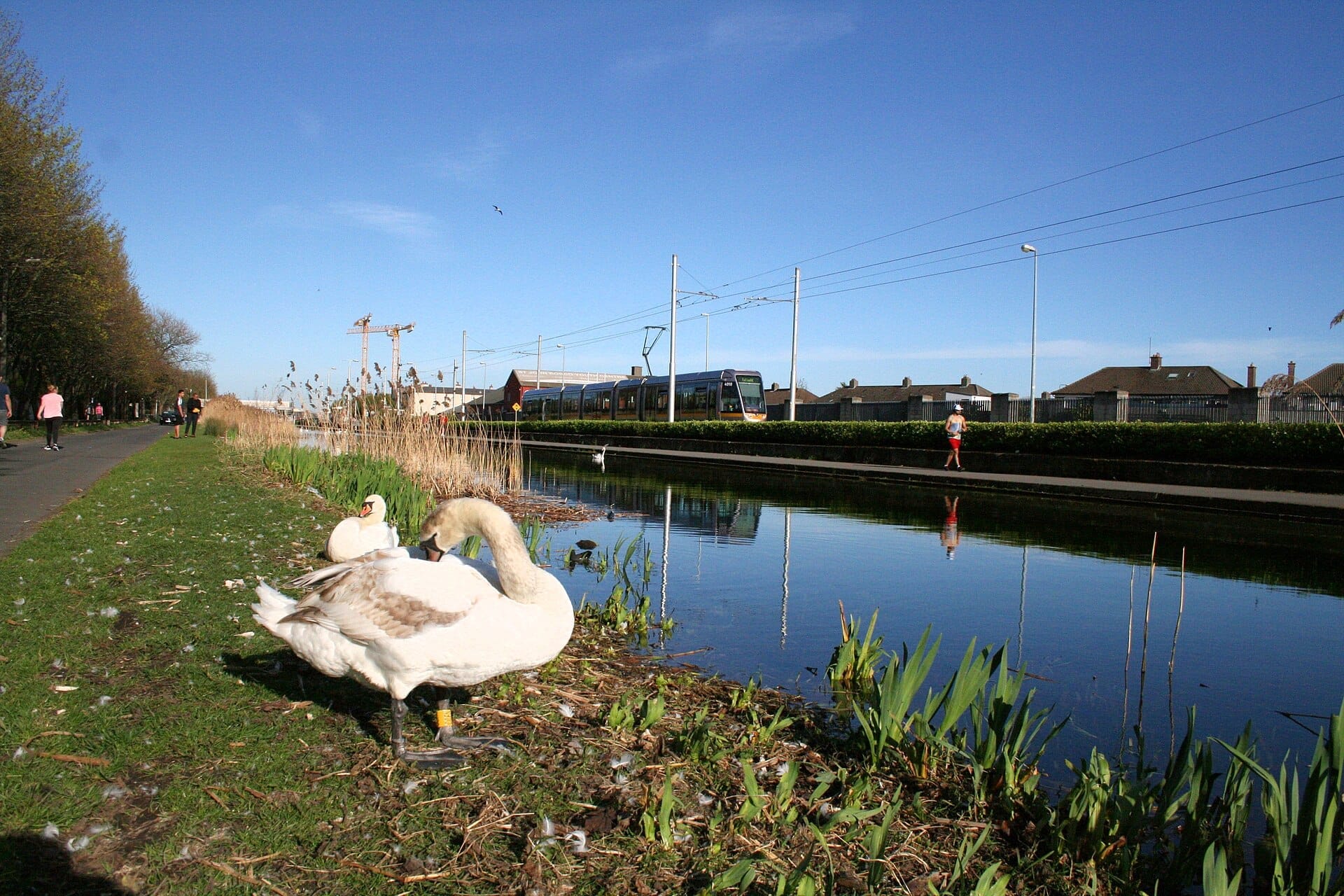
22. Follow the Grand Canal Towpath Through Portobello
The willow-lined canal path from Baggot Street through Portobello is one of Dublin's finest urban walking routes. Georgian bridges, lock-keeper's cottages, and the Patrick Kavanagh memorial bench make it both scenic and literary. About 3 km one-way to Harold's Cross.
Explore22. Follow the Grand Canal Towpath Through Portobello
The willow-lined canal path from Baggot Street through Portobello is one of Dublin's finest urban walking routes. Georgian bridges, lock-keeper's cottages, and the Patrick Kavanagh memorial bench make it both scenic and literary. About 3 km one-way to Harold's Cross.
ExploreCoastal and Hillside Walks Within the City
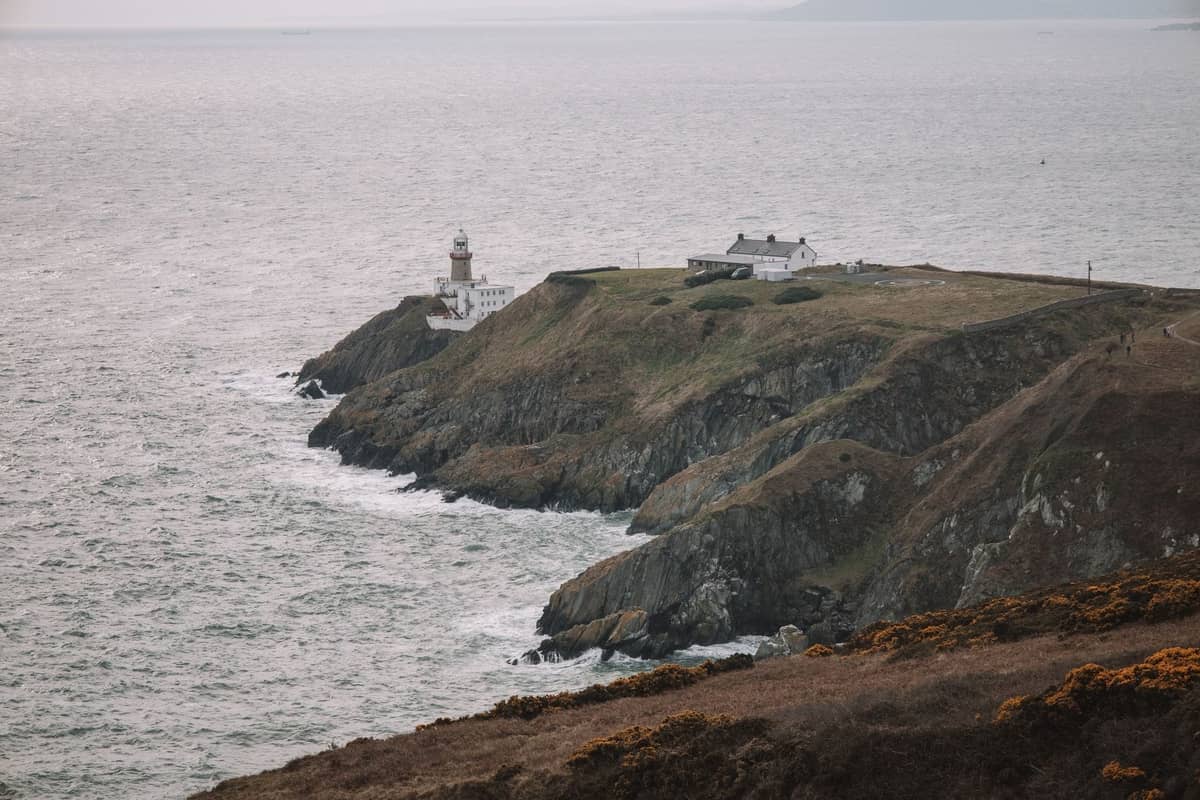
Dublin's greatest geographical asset is how quickly the city gives way to open coast and hills. The DART train means you can reach Howth, Dún Laoghaire, or Sandycove in under 30 minutes and walk spectacular coastal paths before returning for dinner. See our hiking near Dublin guide for longer routes, but the walks below are accessible, rewarding, and manageable without specialist equipment.
23. Take the Howth Cliff Walk for Dublin's Best Coastal Trail
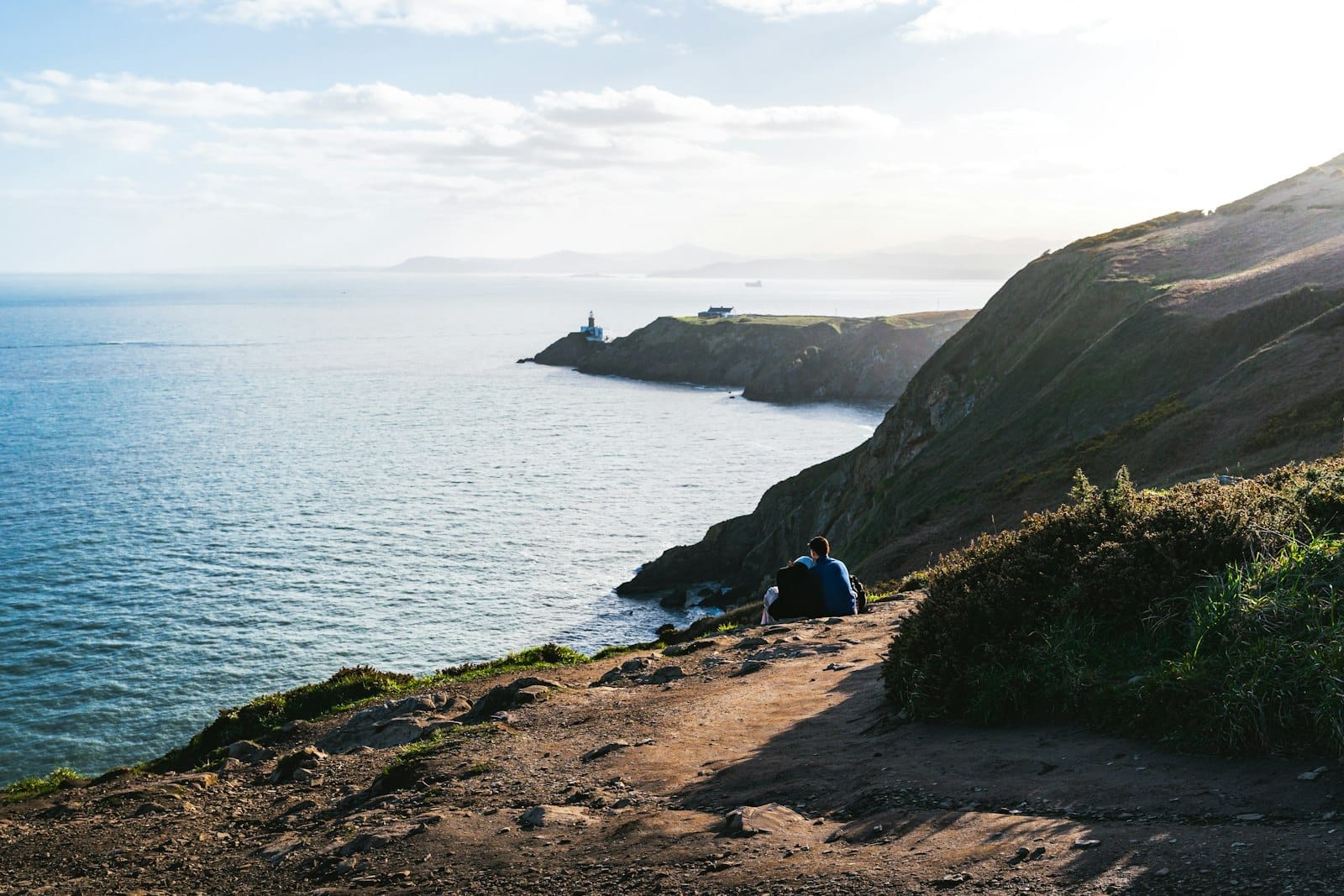
The full loop around the Howth Peninsula covers approximately 10 km of dramatic cliff-top paths above Dublin Bay, passing heather headlands and seabird colonies. Take the DART to Howth station and start there. The walk takes 2.5-3.5 hours depending on pace.
Explore23. Take the Howth Cliff Walk for Dublin's Best Coastal Trail
The full loop around the Howth Peninsula covers approximately 10 km of dramatic cliff-top paths above Dublin Bay, passing heather headlands and seabird colonies. Take the DART to Howth station and start there. The walk takes 2.5-3.5 hours depending on pace.
Explore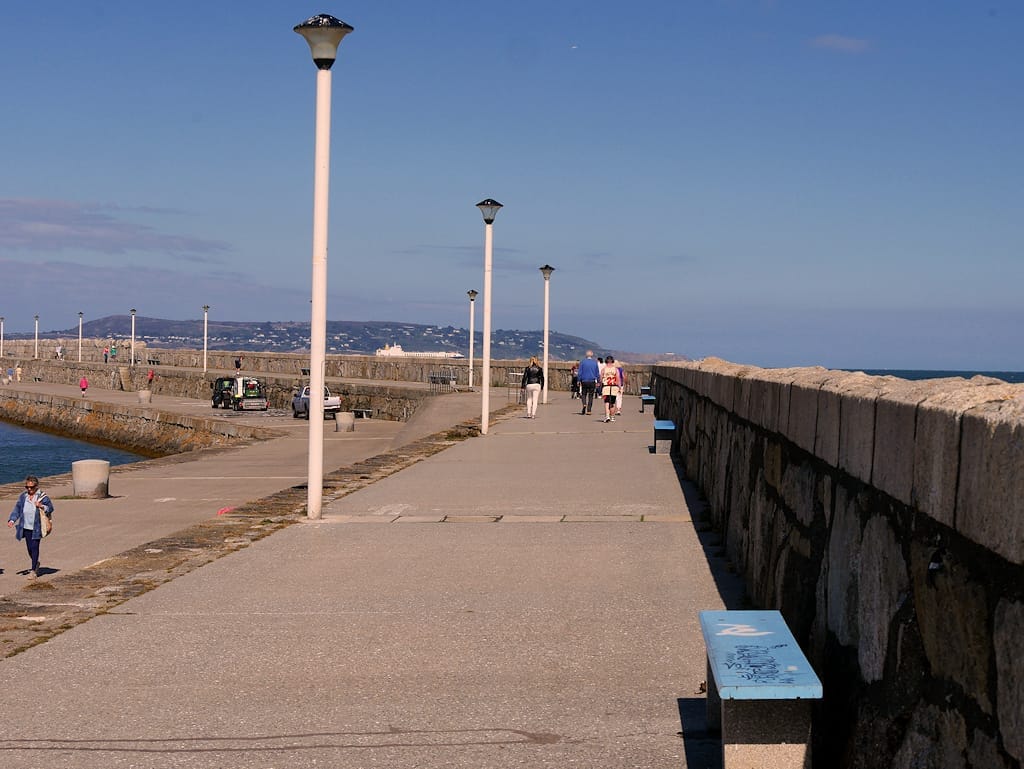
24. Walk Dún Laoghaire East Pier for Fresh Sea Air and Bay Views
The 1.3 km Victorian pier walk is a beloved Dublin institution, offering sea air, views of the bay and mountains, and a traditional promenade atmosphere. The DART runs directly to Dún Laoghaire from city centre. Walk out and back in under an hour.
Explore24. Walk Dún Laoghaire East Pier for Fresh Sea Air and Bay Views
The 1.3 km Victorian pier walk is a beloved Dublin institution, offering sea air, views of the bay and mountains, and a traditional promenade atmosphere. The DART runs directly to Dún Laoghaire from city centre. Walk out and back in under an hour.
Explore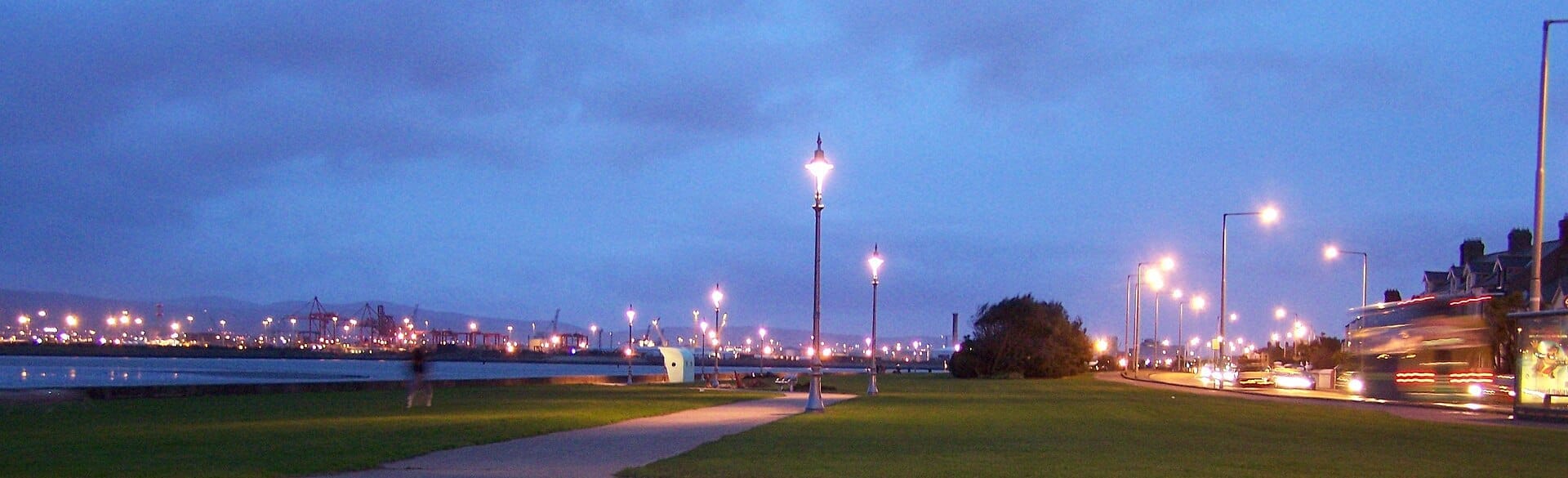
25. Stroll Clontarf Promenade Along the Northside Shore of Dublin Bay
The 3 km seafront path passes the site of the 1014 Battle of Clontarf and offers views across to Howth and the mountains. Flat, accessible, and popular with local walkers year-round. Bus routes 130 and 104 connect Clontarf directly to the city centre.
Explore25. Stroll Clontarf Promenade Along the Northside Shore of Dublin Bay
The 3 km seafront path passes the site of the 1014 Battle of Clontarf and offers views across to Howth and the mountains. Flat, accessible, and popular with local walkers year-round. Bus routes 130 and 104 connect Clontarf directly to the city centre.
Explore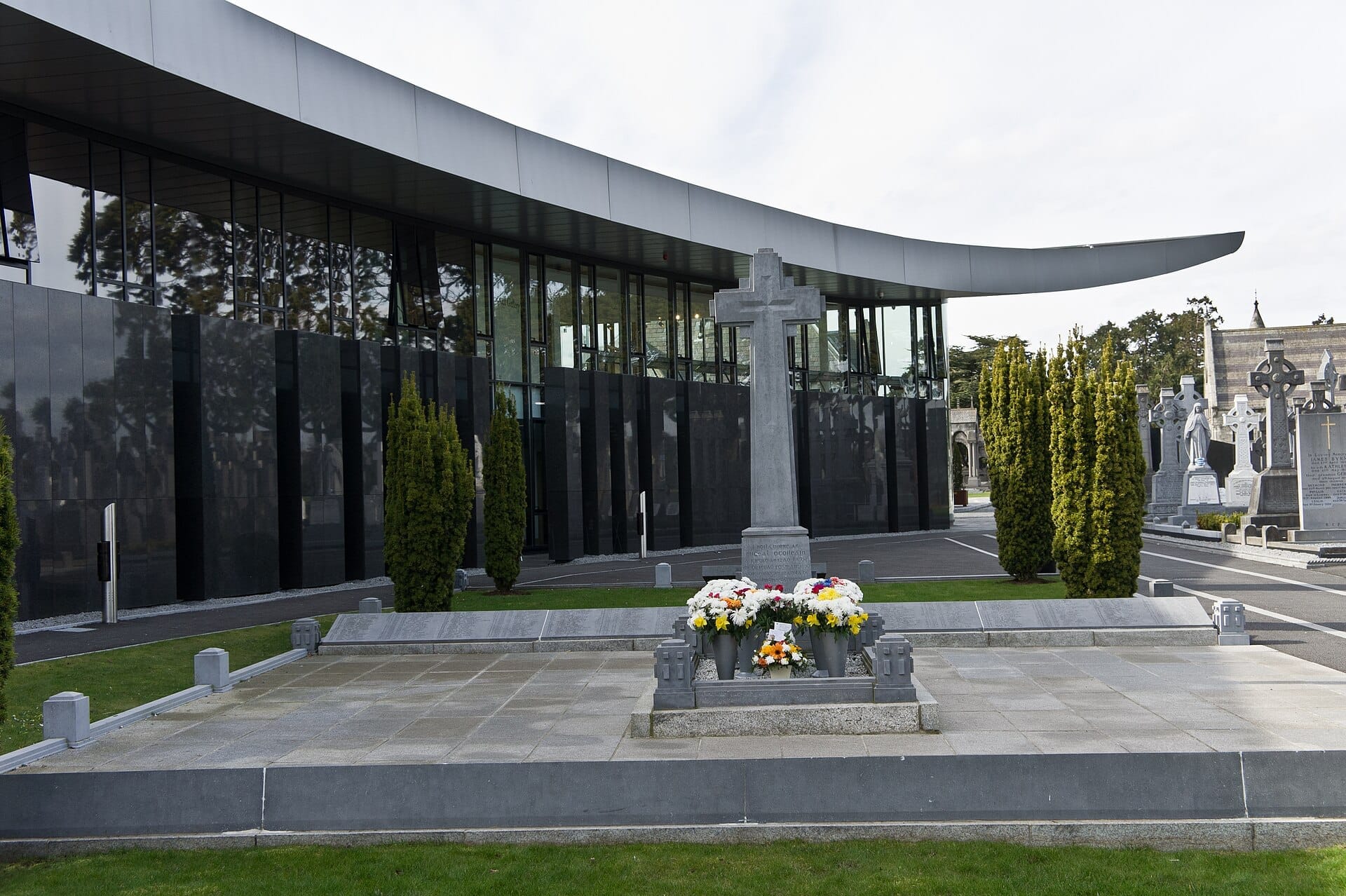
26. Join a Glasnevin Cemetery Tour Through 200 Years of Irish History
Ireland's largest cemetery holds Michael Collins, Daniel O'Connell, Éamon de Valera, and Brendan Behan among 1.5 million graves. The guided tours are historically rich and take around 75 minutes through 48 hectares of monuments, chapels, and stories.
Explore26. Join a Glasnevin Cemetery Tour Through 200 Years of Irish History
Ireland's largest cemetery holds Michael Collins, Daniel O'Connell, Éamon de Valera, and Brendan Behan among 1.5 million graves. The guided tours are historically rich and take around 75 minutes through 48 hectares of monuments, chapels, and stories.
Explore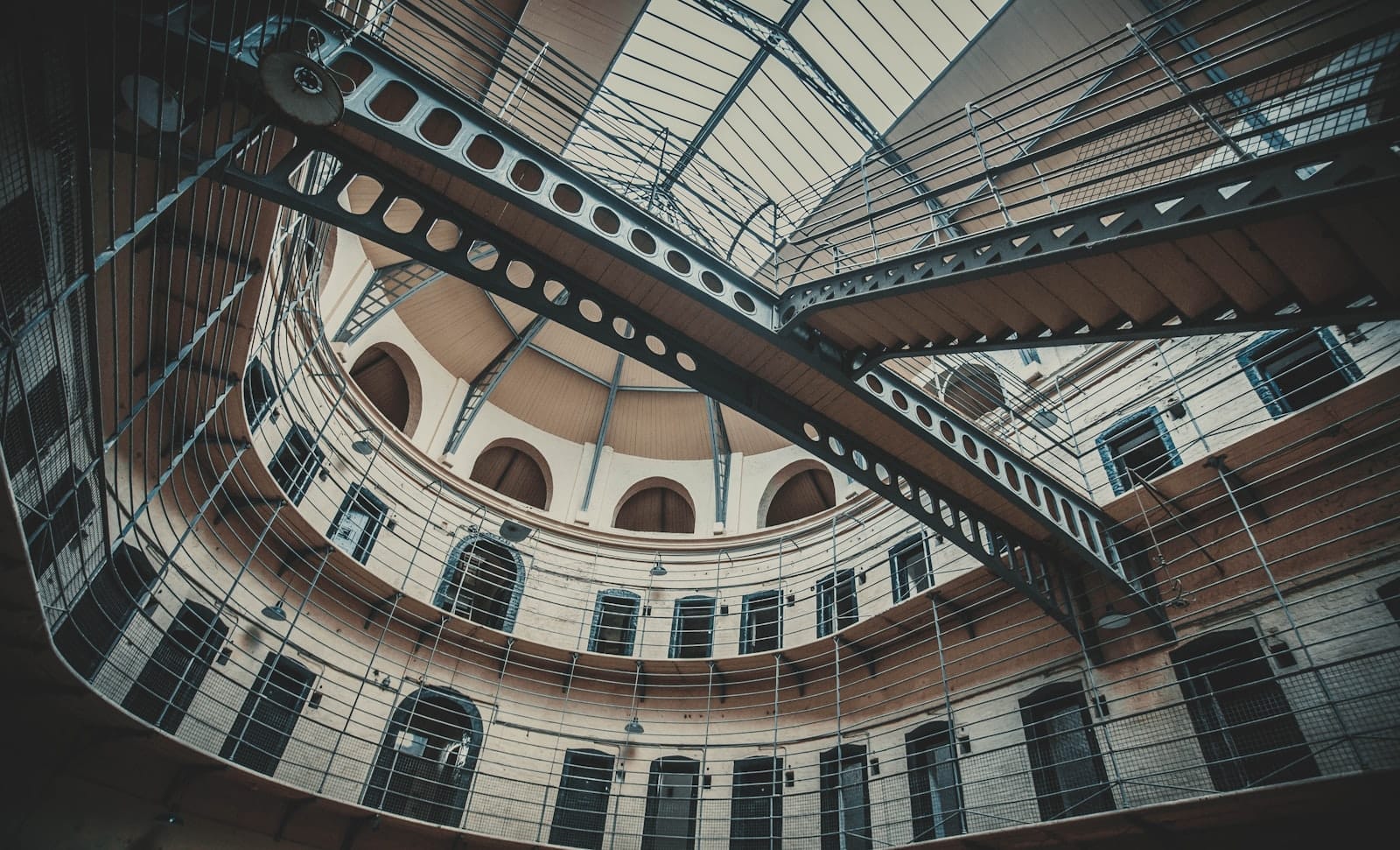
27. Tour Kilmainham Gaol, the Most Emotionally Powerful Site in Dublin
The Victorian prison where the 1916 Rising leaders were executed is the most moving guided tour in the city. The 60-minute tour through cells and the execution yard is essential context for understanding modern Ireland. Book well in advance online, especially in summer.
Explore27. Tour Kilmainham Gaol, the Most Emotionally Powerful Site in Dublin
The Victorian prison where the 1916 Rising leaders were executed is the most moving guided tour in the city. The 60-minute tour through cells and the execution yard is essential context for understanding modern Ireland. Book well in advance online, especially in summer.
ExploreFAQ
Are free walking tours in Dublin actually free?
Free walking tours in Dublin operate on a gratuity model, meaning there is no fixed charge but guides expect a tip at the end. Most tours meet at the Spire on O'Connell Street and run daily at multiple times. Budget €10-15 per person as a reasonable tip for a good guide.
How long do Dublin walking tours typically take?
Most guided city centre walking tours last 2-3 hours and cover 3-5 km. Specialist tours covering Glasnevin Cemetery, Kilmainham, or the literary trail can run up to 3 hours with substantial walking. The Howth Cliff Walk takes 2.5-3.5 hours for the full 10 km loop.
What is the best area in Dublin for a self-guided walking tour?
The southside circuit from Trinity College to St Stephen's Green, through Merrion Square and back via Grafton Street, covers the highest concentration of landmarks in the shortest distance. It takes 2-3 hours at a leisurely pace including stops inside Trinity and the National Museum.
When is the best time of year to do walking tours in Dublin?
May to September offers the most daylight and mildest weather. However, Dublin tours run year-round. Autumn (September-October) combines good weather with smaller crowds. Always bring waterproof layers regardless of season, as rain can arrive without warning at any time of year.
Can I do Dublin's main walking tour highlights in one day?
A single day covers the core northside and southside highlights if you start by 9am. A practical route: O'Connell Street and GPO in the morning, cross the Ha'penny Bridge to Temple Bar and Dublin Castle, then finish with Trinity, Merrion Square, and St Stephen's Green by late afternoon.