What to Eat in Dublin: The Complete Irish Food & Drink Guide
Dublin's food scene has transformed well beyond stew and soda bread. This guide covers the essential Irish dishes, where to find them, what to pay, and which areas give you the best value — including a frank look at where not to waste your money.
Plan and book this trip
Tools from our partner Travelpayouts help you compare flights and hotels. If you book through them, we may earn a commission at no extra cost to you.
Flights
Hotels map
TL;DR
- Dublin's food scene combines traditional Irish dishes with creative modern cooking — it is far more varied than its old reputation suggests.
- A pub lunch runs €15–25; dinner at a mid-range restaurant costs roughly €35–55 per person. Eating on a budget in Dublin is possible if you know where to look.
- Pints in Temple Bar regularly hit €9 or more — drink where locals do for better prices.
- Book weekend dinners in advance at any restaurant listed in major guides, especially in summer.
- The best eating neighborhoods are spread across the city: Ranelagh and Portobello, Smithfield, and the southside city centre consistently outperform Temple Bar for quality and value.
The Essential Irish Dishes to Try in Dublin
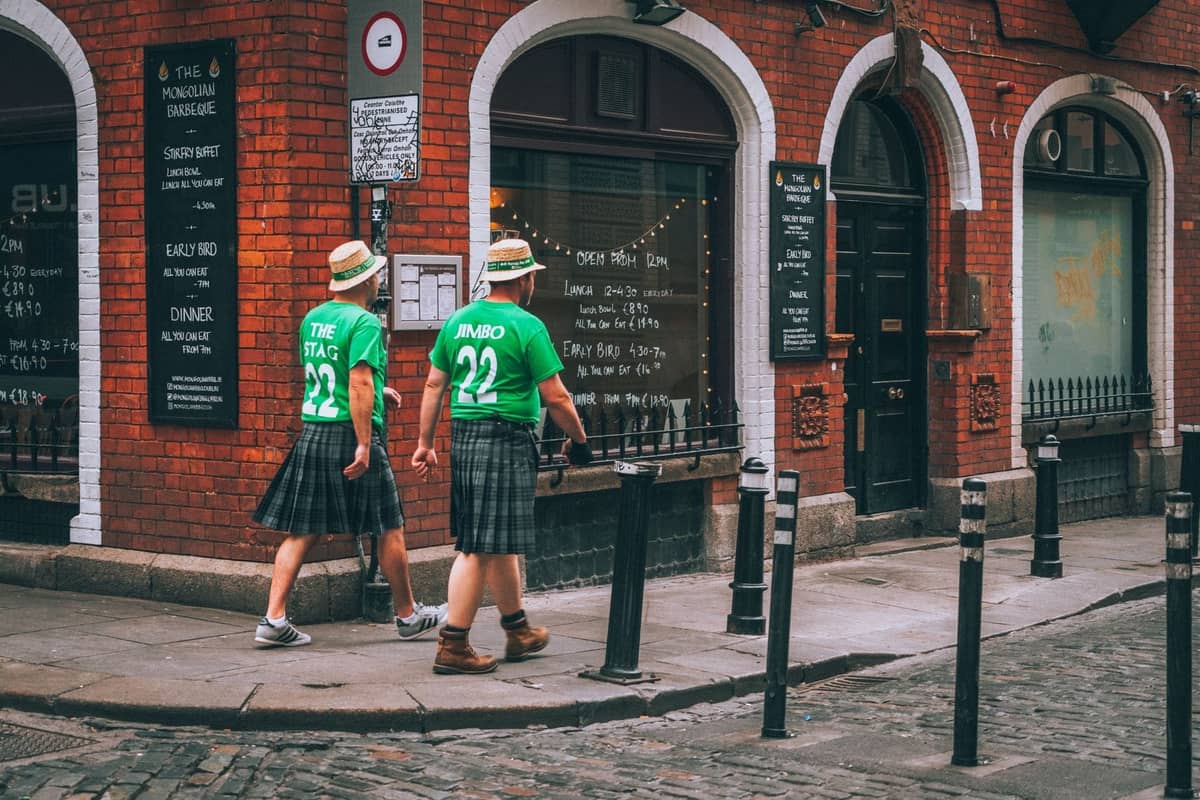
Irish food in Dublin, Ireland centers on a handful of classic dishes that show up on pub menus, restaurant specials, and breakfast tables alike. These are not novelty items for tourists — they are genuinely what people here eat, and the best versions are worth seeking out.
- Irish Stew The original is lamb-based, with potatoes, onions, and carrots in a light broth. Modern pub versions often use beef, which purists will tell you is technically incorrect. Either way, it is the kind of food that makes sense in Dublin's damp climate.
- Boxty A traditional potato pancake from the northern midlands, now most prominently served at Gallagher's Boxty House in Temple Bar. It comes stuffed with various fillings — think of it as an Irish crepe made with grated and mashed potato. Genuinely good, not just a tourist gimmick.
- Full Irish Breakfast Bacon (back rashers, not American-style strips), sausages, black and white pudding, fried egg, grilled tomato, and soda bread toast. A serious undertaking. Most Dublin cafes and guesthouses serve it until noon.
- Seafood Chowder Dublin's position on the coast means the seafood is genuinely fresh. A good chowder — thick, cream-based, loaded with smoked fish, mussels, or prawns — served with brown bread is one of the best quick lunches in the city.
- Soda Bread Made with bicarbonate of soda rather than yeast, this is the bread that turns up everywhere: with soup, as toast, alongside a cheese board. Brown soda bread with Irish butter is a minor pleasure that adds up over a few days.
- Fish and Chips Available all over the city, but coastal areas like Dún Laoghaire and Howth serve better versions using fresher fish. In the city centre, quality varies considerably.
💡 Local tip
The black pudding debate matters: Clonakilty is the brand most often cited as the gold standard in Dublin restaurants. If a menu specifies it, that is a signal the kitchen is paying attention to sourcing.
Where to Eat in Dublin: Neighborhoods That Deliver
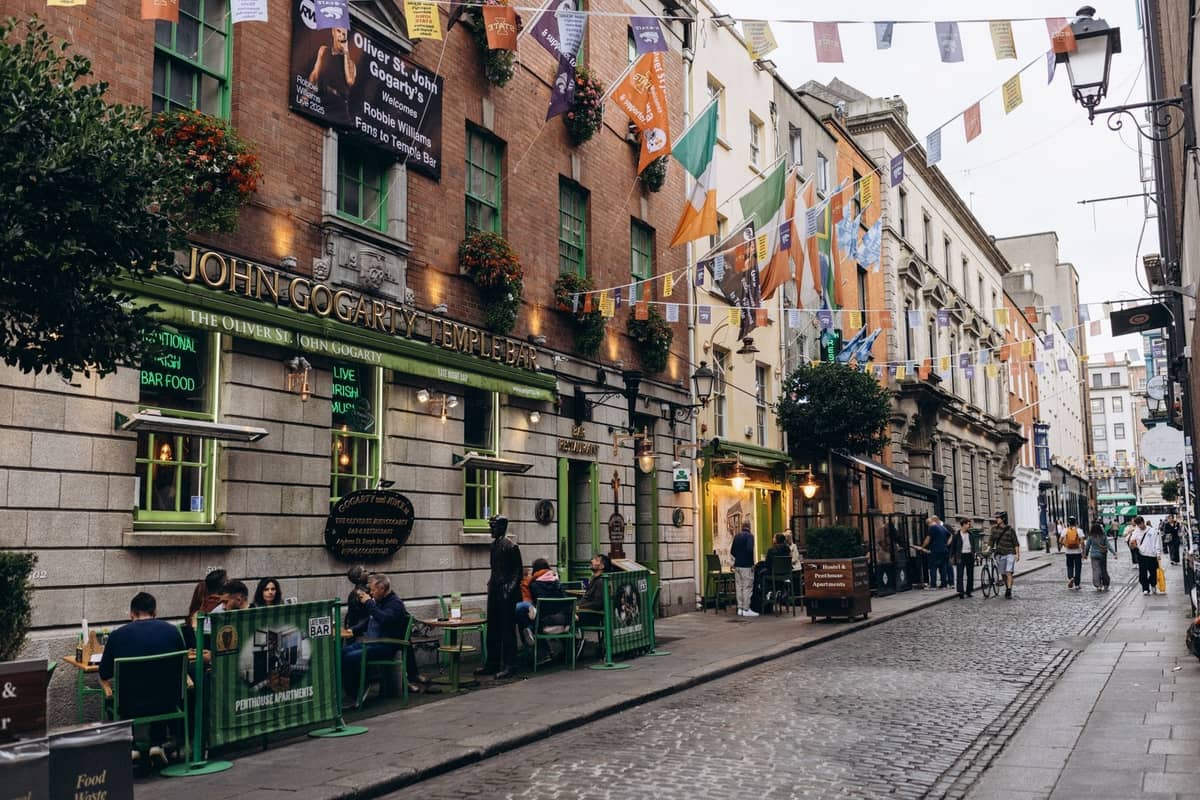
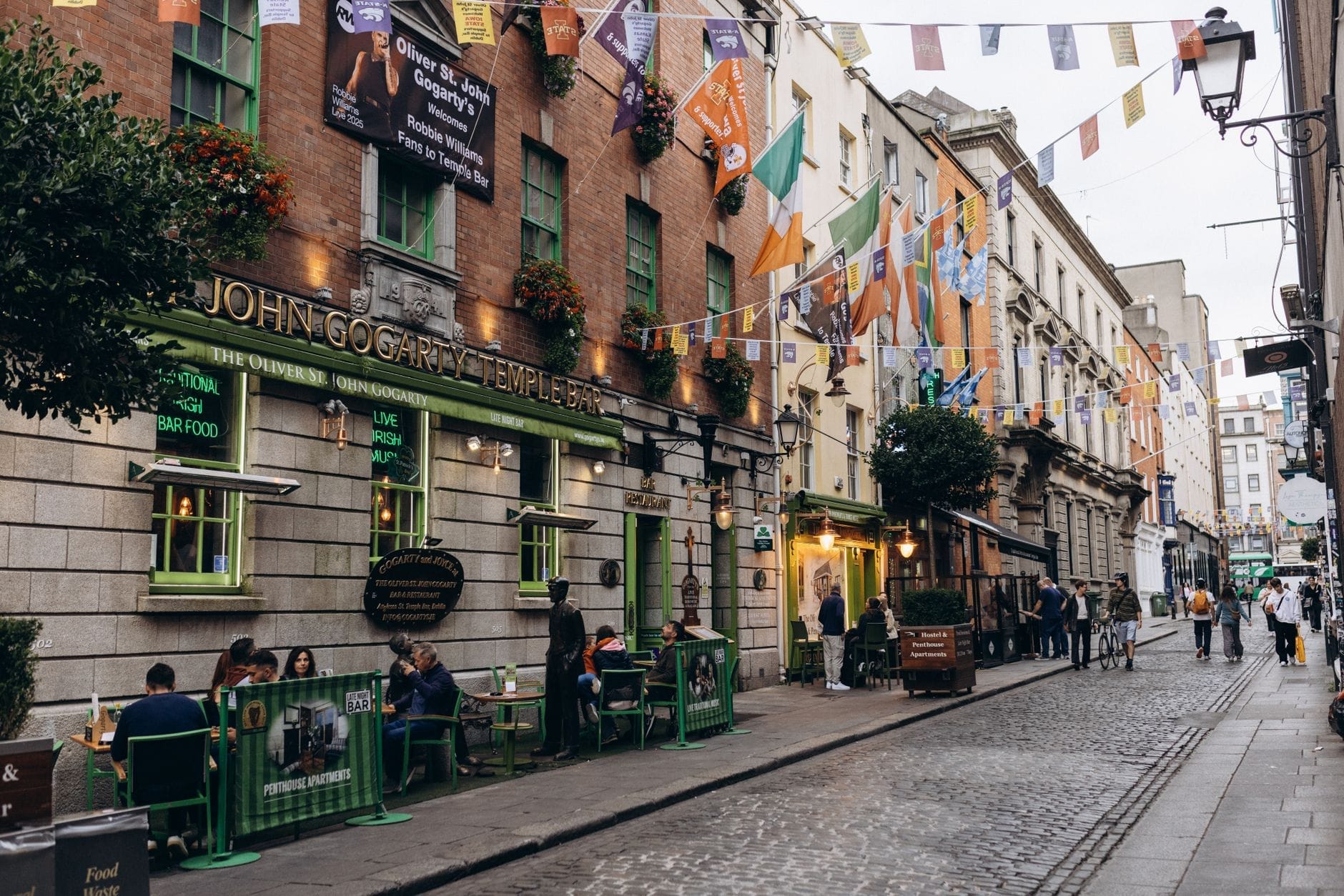
The most important thing to understand about eating in Dublin is that neighborhood matters as much as restaurant choice. Temple Bar is the obvious starting point for many visitors, but it is also where you are most likely to pay more for less. The streets around Dame Street, South William Street, and the southside suburbs consistently offer better food at fairer prices.
For a more rewarding eating experience, head to Smithfield, where Fish Shop has built a serious reputation for Irish seafood without the tourist markup. The Liberties and Portobello areas have a growing number of independent cafes and casual restaurants that cater primarily to residents, which tends to keep quality up and prices honest.
Ranelagh is probably Dublin's most consistent dining neighborhood: a high concentration of restaurants within a short walk of each other, with real competition keeping standards up. It is about 3 km south of the city centre — easily reached by Luas Green Line. The Grafton Street area has plenty of options too, though quality is uneven and the streets get very crowded during peak hours.
⚠️ What to skip
Avoid eating in Temple Bar purely because it is convenient. Pints regularly cost around €10–11 in the area, and food menus are often priced 20–30% higher than comparable spots a 10-minute walk away. It is fine for a drink and the atmosphere, but it is not where Dublin eats well.
Modern Irish Cuisine: Beyond the Pub Menu
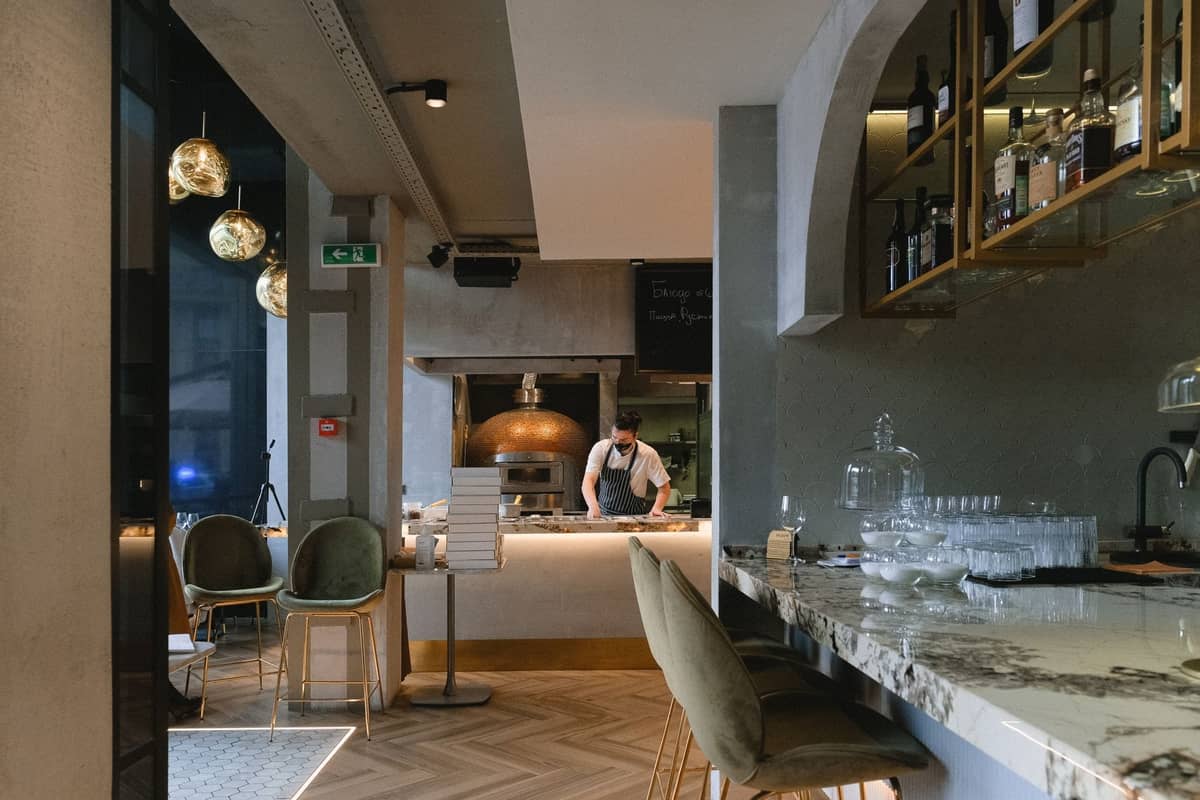
Dublin's contemporary restaurant scene has matured significantly over the past two decades. The phrase 'modern Irish cuisine' refers to cooking that uses Irish ingredients — coastal seafood, heritage vegetables, farmhouse cheeses, grass-fed beef and lamb — with techniques and presentation that owe as much to contemporary European cooking as to traditional recipes.
Chapter One, located in the Dublin Writers Museum building on Parnell Square, is widely considered one of Ireland's best restaurants and holds a Michelin star. It is a special-occasion destination rather than an everyday option — expect a tasting menu experience at corresponding prices. The Winding Stair, on the north side of the Ha'penny Bridge, occupies the middle ground: a proper sit-down restaurant with a strong Irish menu and a wine list that takes the food seriously, at prices that feel justified.
For something more casual but still high-quality, Bunsen has earned genuine loyalty for its burgers — a narrowly focused menu done very well, at multiple city centre locations. It is a useful benchmark: if the simplest things are executed with care, the kitchen understands what it is doing.
✨ Pro tip
Many of Dublin's best restaurants offer significantly better value at lunch than dinner. A restaurant charging €55 per head at dinner may serve a two-course lunch for €25–30. If your schedule allows flexibility, this is the single most effective way to eat well without stretching your budget.
Drinking in Dublin: Pubs, Craft Beer, and Irish Whiskey
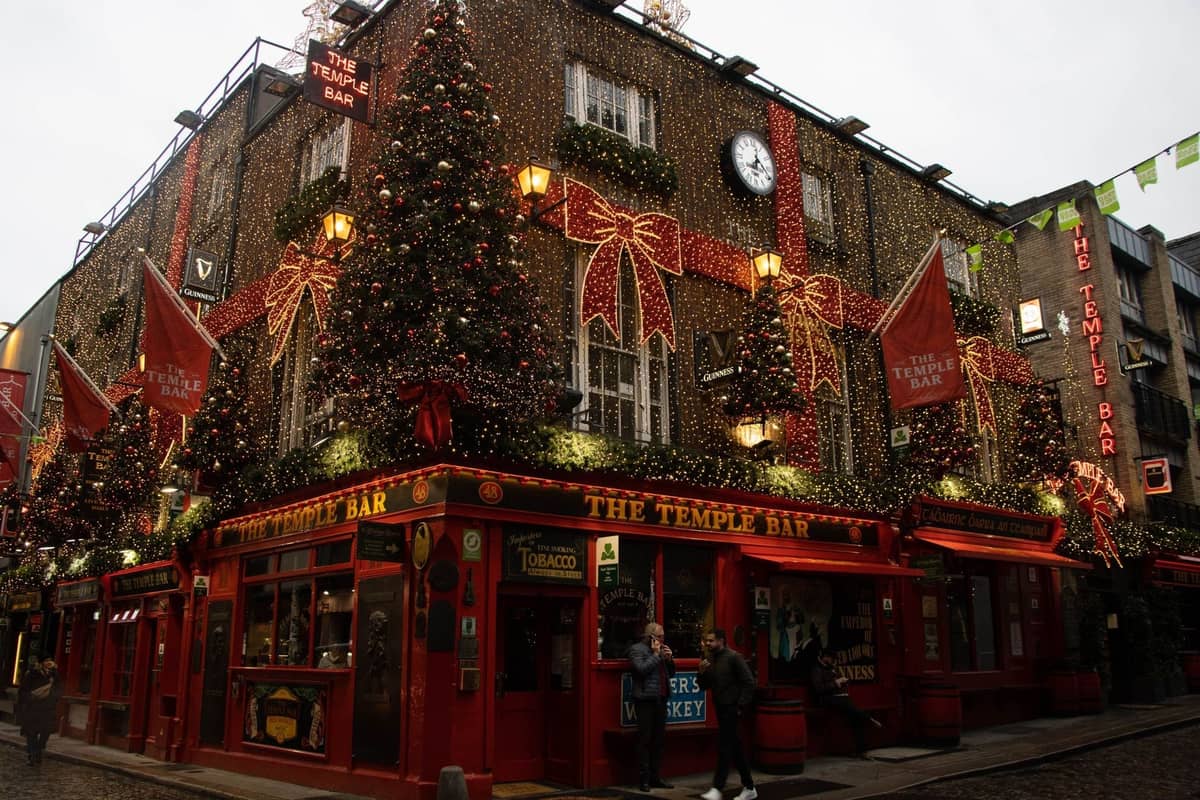
The pub is not just a place to drink in Dublin — it is where conversations happen, where music is played without announcement, and where the rhythm of the day is measured. A pint of Guinness in a good pub, pulled properly (the two-part pour takes about two minutes), is one of the reliable pleasures of a trip to Dublin, Ireland. It tastes better here than anywhere else, and that is not marketing copy — it is a function of freshness, line cleanliness, and staff who do it constantly.
The older traditional pubs — Mulligan's on Poolbeg Street, Kehoe's on South Anne Street, or O'Donoghue's on Merrion Row — have dark wood interiors, no music screens, and regulars who have been coming for decades. These are not curated experiences; they are just old pubs that have not changed because there was no reason to. The Cobblestone in Smithfield is another example, with traditional music sessions that happen organically rather than on a scheduled tourist roster.
Irish whiskey has had a significant revival, with several distilleries now operating in Dublin itself. Teeling Whiskey Distillery in the Liberties offers tours and tastings, and is worth visiting if whiskey interests you — it is genuinely informative rather than purely commercial. The Jameson Distillery on Bow Street is larger and more polished, with a heavier tourist focus, but the tasting component is solid.
- A pint of Guinness in a regular pub: around €5.50–6.50
- A pint in central tourist areas (Temple Bar, O'Connell Street): €7–8 or more
- A measure of Irish whiskey in a bar: €6–9 depending on the brand and location
- Craft beer from Dublin-based breweries like Rascals or Wicklow Wolf: available in specialist bars for €6–8 per pint
- Non-alcoholic options: Dublin has a solid coffee culture, with independent cafes throughout the city centre and southside suburbs
Practical Eating Guide: Prices, Timing, and Booking
Dublin is not a cheap city for food and drink by European standards, but the price range is wide enough that eating well without overspending is entirely possible. The key is knowing which category of venue you are in and adjusting expectations accordingly.
- Budget (under €15 per person) Takeaway fish and chips, market food stalls, supermarket meal deals (Marks & Spencer on Grafton Street is popular for this), and many lunchtime sandwich cafes. Farmer's markets in Ranelagh and Dún Laoghaire operate on weekends with hot food options.
- Mid-range (€15–35 per person) Most gastropubs and casual restaurants. A pub lunch with a main course and a pint typically lands in the €20–25 range. This is the most common category for everyday eating in Dublin.
- Higher-end (€35–60 per person) Sit-down dinner at a quality restaurant with wine. Covers a wide range — from neighborhood spots in Ranelagh to well-reviewed city-centre restaurants. Prices at this level generally reflect genuine quality.
- Special occasion (€70+ per person) Tasting menus at Michelin-level restaurants. Worth it if that kind of dining matters to you, but not representative of everyday Dublin eating.
Timing matters. Most Dublin restaurants are busiest between 7pm and 9pm on Friday and Saturday. If you want a table at a well-regarded restaurant without booking weeks ahead, aim for early sittings (6pm–6:30pm) or a Thursday evening. Food tours are another option for getting oriented quickly — guided food and walking tours typically combine tastings with local context, which is a more efficient way to sample several things in a few hours.
Tipping is appreciated but not mandatory in Dublin. In restaurants, rounding up or leaving 10–12% is considered generous. Some bills include a discretionary service charge — check before adding more. For pub drinks ordered at the bar, tipping is not expected. For more on getting around the city to reach these neighborhoods, see the guide on getting around Dublin.
Seasonal Food in Dublin: What Changes by Time of Year
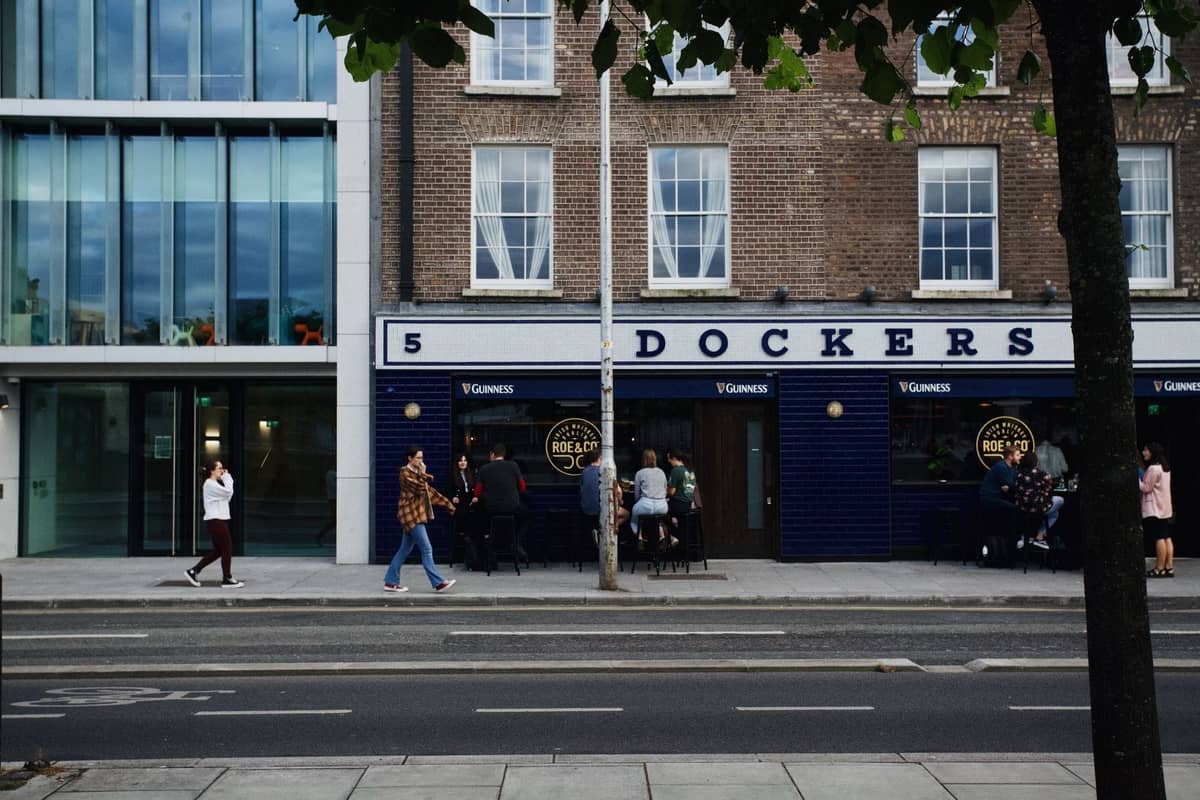
Dublin restaurants increasingly work with seasonal Irish produce, and the difference is noticeable on menus. Summer (roughly June through August) brings lighter dishes, more emphasis on seafood, and outdoor seating at the cafes and restaurants that have the space for it. This is also peak tourism season — Ireland in August, for instance, is significantly busier than in February, and popular restaurants fill up faster.
Autumn is arguably the strongest season for Irish produce: game, root vegetables, wild mushrooms, and the last of the summer seafood. Coastal day trips in autumn, such as a visit to Howth for fish and chips or smoked salmon, are genuinely rewarding — the crowds have thinned but the quality is at its peak. Ireland in September sits in a sweet spot: shoulder season prices with summer-level produce availability.
Winter dining in Dublin tends toward comfort: heavier pub food, more stew and chowder, and the kind of warm interiors that make a two-hour pub lunch feel entirely reasonable. Christmas markets and food events pop up around December, particularly around Smithfield Square and the city centre. Visiting Ireland in winter is underrated for food specifically — fewer tourists means easier restaurant bookings and more attentive service.
FAQ
What is the most traditional Irish food to try in Dublin?
The full Irish breakfast is the most genuinely traditional meal you will encounter daily in Dublin — rashers, sausages, black and white pudding, eggs, and soda bread. For lunch or dinner, Irish stew (lamb-based in its traditional form) and seafood chowder with brown bread are the most representative dishes. Boxty, the potato pancake, is less universal but worth trying at Gallagher's Boxty House in Temple Bar.
Is food expensive in Dublin compared to other European cities?
Dublin is among the more expensive European capitals for eating out. A pub lunch with a drink runs €20–25; a mid-range dinner is €35–55 per person. That said, the range is wide — takeaway and market food can keep costs well under €15 per meal, and lunch menus at quality restaurants offer significantly better value than dinner.
Where should I avoid eating in Dublin?
Temple Bar is consistently overpriced for food and drink compared to the rest of the city. It is fine for one drink and the atmosphere, but restaurants on the main tourist drag tend to charge more for food that does not match the price. Walk 10–15 minutes south toward Dame Street, South William Street, or the Portobello area for noticeably better value.
What is the best area in Dublin for eating out?
Ranelagh is the most consistent neighborhood for quality dining — a high density of independent restaurants with real competition keeping standards up, accessible by Luas from the city centre. Smithfield is worth noting for seafood (Fish Shop). The south city centre around South William Street and Camden Street also has a strong concentration of well-regarded cafes and restaurants.
Do Dublin restaurants require reservations?
For any restaurant that appears in major food guides or has earned a reputation, yes — especially for Friday and Saturday evenings. Many popular places are fully booked a week or more in advance during summer and around major events. Booking directly via the restaurant's website is standard. If you have not planned ahead, early sittings (6pm) or weeknight visits give you the best chance of walking in.