Dublin on a Budget: How to Visit Without Breaking the Bank
Dublin has a reputation for being expensive, but that reputation is only half true. The city's best museums are free, the centre is walkable, public transport is cheap with the right pass, and the finest pub sessions cost nothing beyond the price of a pint. This guide breaks down every major cost category so you can plan a genuinely great trip without watching every euro.
Plan and book this trip
Tools from our partner Travelpayouts help you compare flights and hotels. If you book through them, we may earn a commission at no extra cost to you.
Flights
Hotels map
TL;DR
- Dublin's top museums, parks, and coastal walks are free — you can fill several days without spending a cent on entry fees.
- The Leap Visitor Card covers unlimited bus, Luas, and DART travel from €8 per day — far cheaper than taxis across a multi-day trip. See getting around Dublin for the full breakdown.
- Avoid Temple Bar for drinking — it charges tourist prices. Neighborhoods like Portobello, Smithfield, and Ranelagh have better pubs at half the cost.
- Book the Guinness Storehouse and Book of Kells online in advance: last-minute tickets are pricier and availability is limited in summer.
- Traveling in late September to early November or February to March cuts accommodation costs significantly versus the May-September peak. Check the best time to visit Dublin for a full seasonal breakdown.
The Real Cost of Dublin: What to Expect
Dublin is one of Western Europe's more expensive capitals, but the gap between a budget trip and a costly one is almost entirely determined by accommodation choices, drinking habits, and whether you know which attractions are free. Food and transport are manageable with a bit of planning. The areas where money genuinely disappears are hotels, rounds of drinks in tourist-zone bars, and paid tours that replicate things you can do independently for nothing.
As a rough daily baseline: a hostel dorm bed runs €25-45 per night depending on season and location. A supermarket lunch (more on that below) costs under €5. A pint in a non-tourist pub is around €5.50-6.50. A day's unlimited public transport on a Leap Visitor Card works out to €8. So a very lean day in Dublin — hostel, supermarket meals, free sightseeing, one or two pints — is achievable for €50-60. A mid-range day with one paid attraction and a sit-down dinner lands closer to €100-120.
ℹ️ Good to know
Ireland uses the Euro (EUR). Dublin is not part of the Schengen Area, so if you're combining Ireland with a broader European trip, check your visa requirements separately via the Irish Naturalisation and Immigration Service (inis.gov.ie). Entry rules vary significantly by nationality.
Free Things to Do in Dublin (There Are More Than You Think)
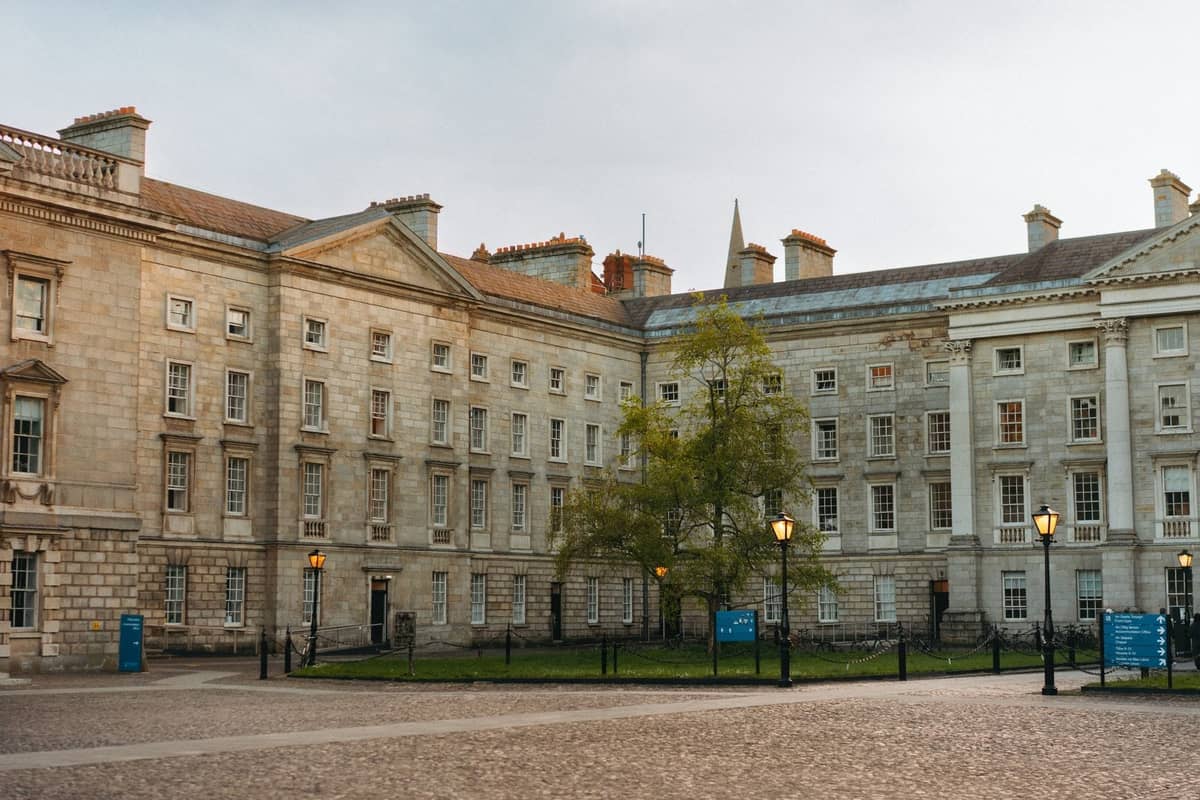
The single biggest misconception about Dublin is that seeing the city costs money. In practice, the National Museum of Ireland (Archaeology) on Kildare Street is entirely free and houses one of Europe's finest collections of prehistoric gold and Viking artefacts. The National Gallery of Ireland on Merrion Square West is also free, with a permanent collection spanning Old Masters to Irish modernists. Both are worth two to three hours each.
Outdoors, Phoenix Park is 707 hectares of free public green space — the largest enclosed park in any European capital. You can walk, cycle, or simply sit near the deer herd without spending anything. The Chester Beatty Library in Dublin Castle gardens is free and frequently rated among the best museums in Europe for its collection of manuscripts, scrolls, and printed books from across Asia, the Middle East, and North Africa.
- National Museum of Ireland (Archaeology & Decorative Arts) Two separate free sites: Kildare Street covers prehistoric gold and Viking Dublin; Collins Barracks covers decorative arts and history.
- National Gallery of Ireland Free permanent collection on Merrion Square West. Temporary exhibitions sometimes carry an admission charge.
- Chester Beatty Library Free entry. Located in the grounds of Dublin Castle. One of the genuinely undervisited world-class museums in the city.
- Phoenix Park Free to enter at all times. Home to wild fallow deer, the Irish President's residence (Áras an Uachtaráin), and the Dublin Zoo (paid entry).
- Merrion Square Park Free public park with Oscar Wilde's statue, Georgian architecture on all sides, and regular outdoor events in summer.
- Poolbeg Lighthouse Walk and Great South Wall A 4 km return walk along Dublin Bay to a red lighthouse. Completely free and dramatically underused by visitors.
- Traditional music sessions Many pubs in non-tourist neighborhoods run free trad sessions several nights a week. You only pay for what you drink.
For a comprehensive list with practical details, see the free things to do in Dublin guide, which covers free walking routes, outdoor spaces, and cultural venues in more depth.
Getting Around Dublin Cheaply
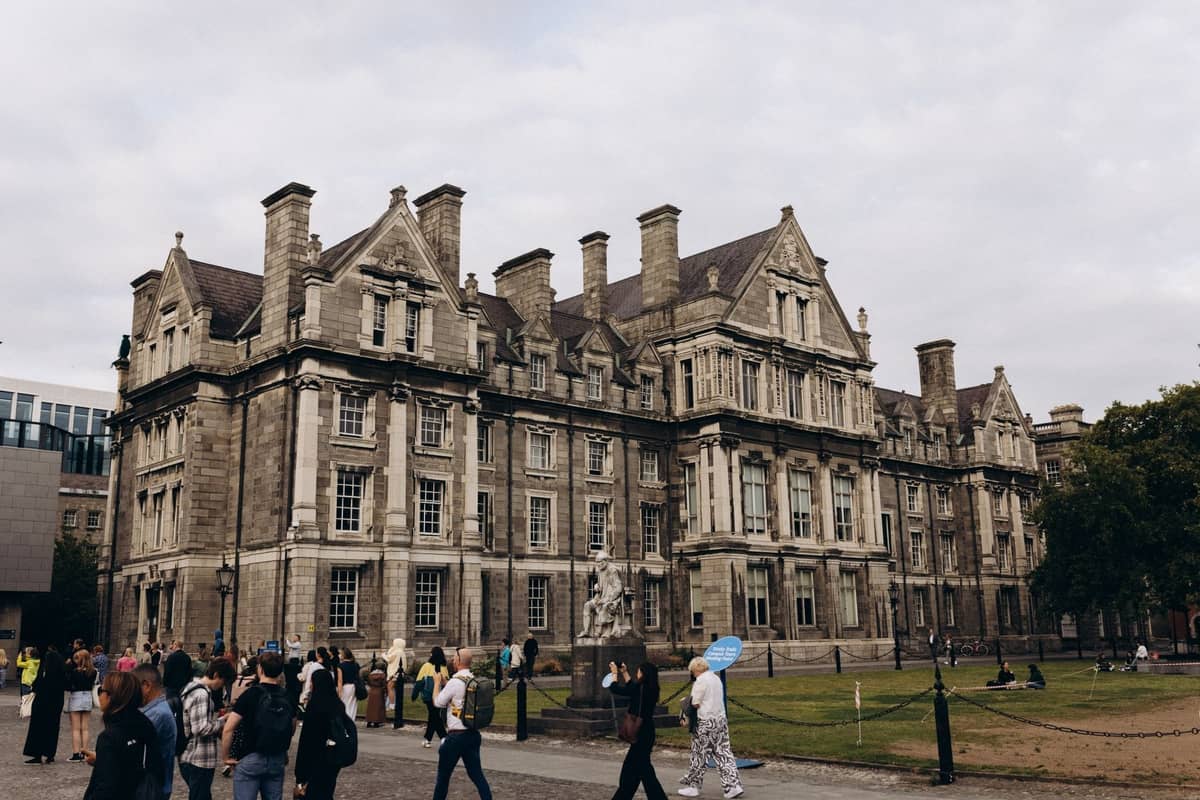
Dublin's city centre is compact. The area most visitors want to cover — from Trinity College to the Guinness Storehouse, from the Spire to Merrion Square — is roughly 2 km across. Walking is genuinely the best way to move between most central sights, and it costs nothing. Factor this into your planning before buying any transport pass.
When you do need public transport, the Leap Visitor Card is the most cost-efficient option for tourists. It covers unlimited travel on Dublin Bus, the Luas (tram) Red and Green lines, and DART and suburban rail services. Official pricing: €8 for one day, €18 for three days, €24 for seven days. If you're spending more than a day using public transport regularly, the three-day card pays for itself quickly compared to buying individual tickets.
💡 Local tip
Getting from Dublin Airport to the city centre on a budget: the Dublin Express bus runs around €9 one way. Public bus route 41 (operated by Dublin Bus) connects the airport to the city centre at standard bus fares, which are significantly cheaper — around €2.50-3 one way with a Leap card. The journey takes longer than the express coaches but works fine with a small amount of luggage and no rush.
DublinBikes is an underrated option for getting around the south side of the city centre. A 3-Day Ticket costs €5, and any individual trip under 30 minutes is free once you're subscribed. The docking stations are dense in the centre, so for short hops between, say, St Stephen's Green and the Docklands, it's faster than a bus and costs almost nothing.
⚠️ What to skip
Taxis in Dublin are metered and regulated, but fares add up fast over a multi-day visit. A taxi from the airport to the city centre typically costs €25-40 depending on time of day and exact destination. Unless you're arriving late at night with heavy luggage, there's almost no budget justification for taking a taxi from the airport.
Where to Eat and Drink Without Overspending
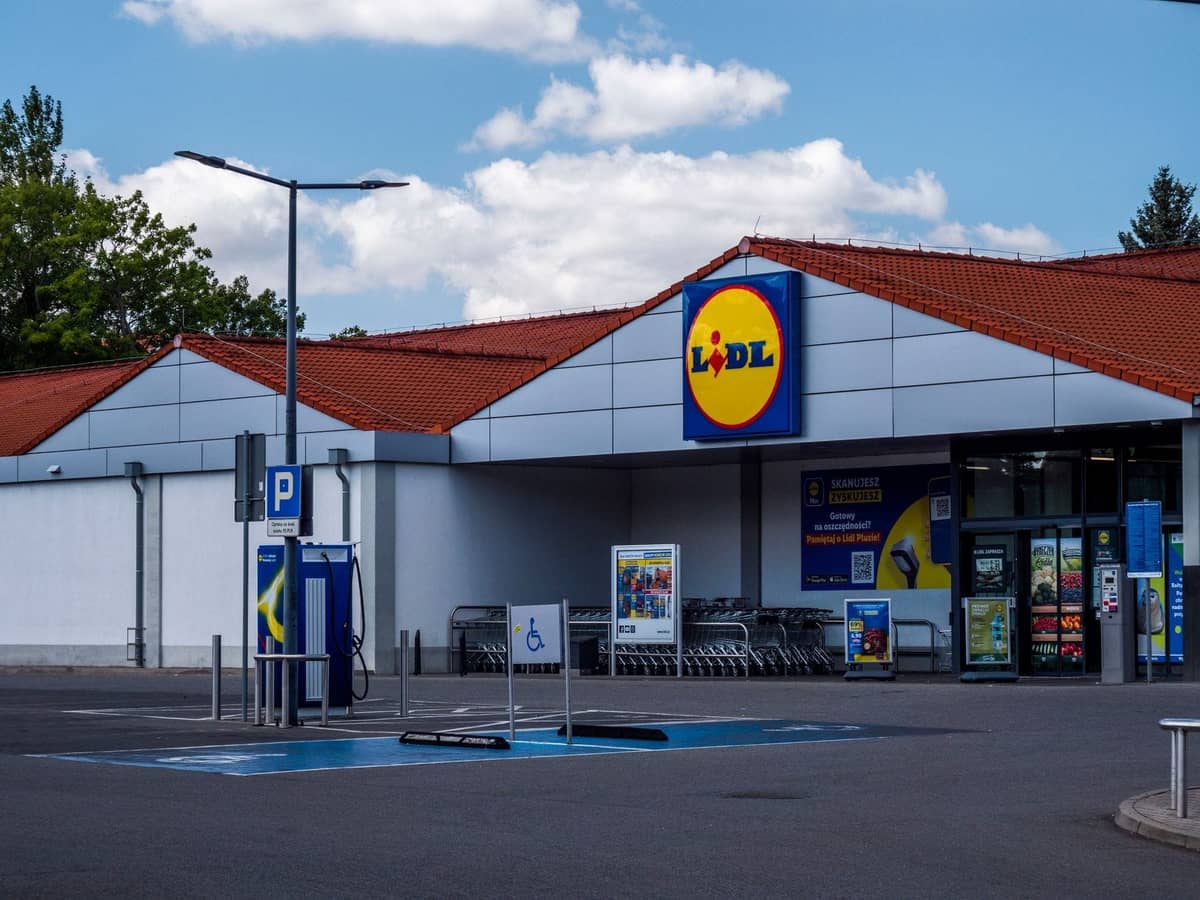
Dublin has a well-earned reputation for expensive food and drink, but the extremes are mostly concentrated in tourist corridors and upscale restaurant districts. Tesco, Lidl, and Dunnes Stores all operate supermarkets within easy walking distance of the city centre, and all run meal deal-style offers (sandwich or wrap, drink, snack) for under €5. For a budget trip, eating supermarket lunches and treating restaurant meals as an occasional event rather than every-meal habit makes a significant difference.
Early bird menus are a legitimate and widely used option for budget dining at sit-down restaurants. Many Dublin restaurants offer two or three courses for €20-30 if you're seated before 6:30 or 7pm, compared with the same dishes at €45-60 during peak evening service. This is not a compromise on quality — the food is identical. It just requires eating slightly earlier, which most visitors on a packed itinerary are doing anyway.
On drinking: Temple Bar is the most expensive place in Dublin to buy a pint, and the experience it offers is primarily aimed at tourists and stag parties. A pint of Guinness in Temple Bar regularly costs €8-9. The same pint at a local pub in Portobello, Smithfield, or Ranelagh costs €5.50-6.50, the atmosphere is better, and you're more likely to encounter actual Dublin residents. Pubs like The Cobblestone in Smithfield run free traditional music sessions several times a week. That's Irish pub culture at its most authentic, and it costs the price of a drink.
- Buy lunch from a supermarket: Tesco, Lidl, and Dunnes Stores all have central Dublin locations.
- Use early bird restaurant menus (before 6:30-7pm) for a proper sit-down meal at 30-40% less than evening pricing.
- Drink in non-tourist neighborhoods: Portobello, Ranelagh, Smithfield, and Stoneybatter all have good pubs at normal prices.
- Avoid Temple Bar bars entirely unless you're specifically curious about the scene — the price premium is real and the experience is not representative of Dublin.
- Coffee from independent cafes in areas like South William Street or Camden Street tends to be cheaper and better than chain options near the main tourist sights.
Paid Attractions: What's Worth It and What's Overpriced
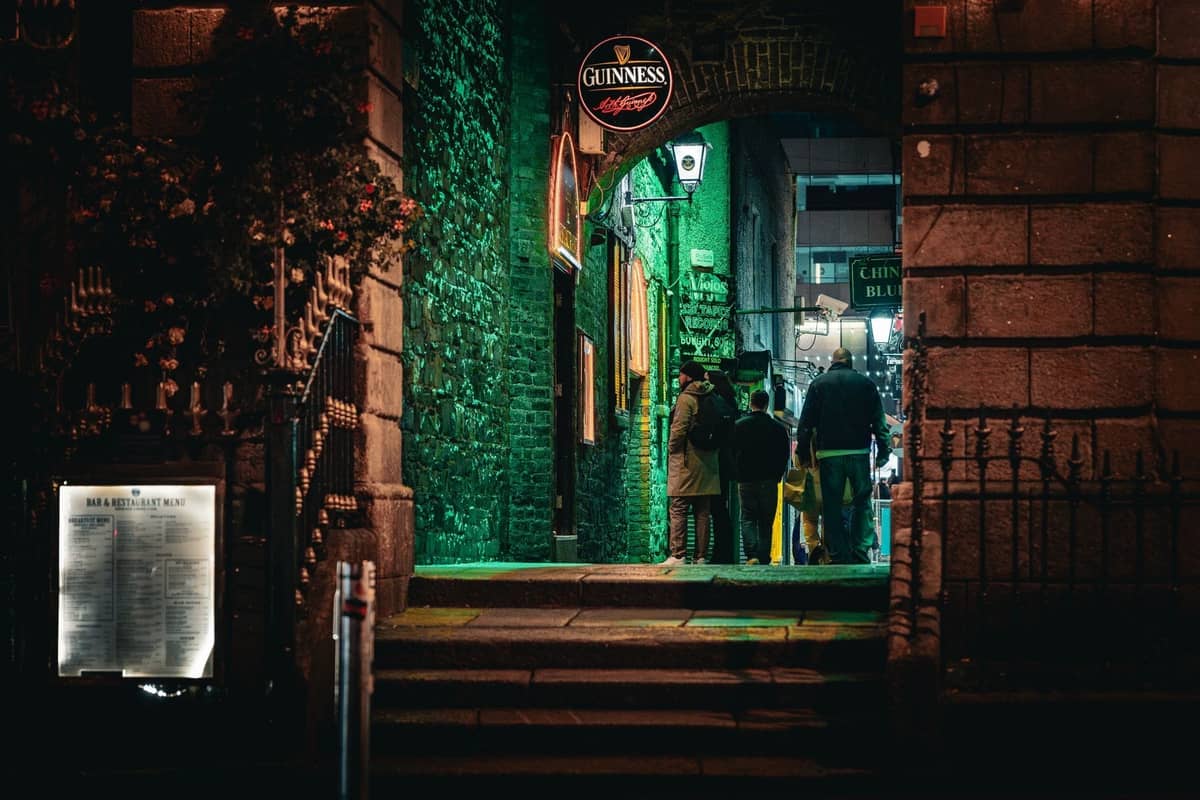
Not everything in Dublin worth seeing is free, and a few paid attractions genuinely earn their entry fee. The Guinness Storehouse is the most visited paid attraction in Ireland and is expensive (around €26-30+ depending on how you book and when), but the rooftop Gravity Bar with 360-degree views over Dublin is a legitimate reason to go. Booking online in advance is consistently cheaper than paying at the door, and it guarantees entry during busy periods.
The Book of Kells at Trinity College Dublin is similarly expensive for what it is physically — you're seeing illuminated manuscript pages in a somewhat crowded viewing environment — but the Long Room library above it is genuinely spectacular. Book online well in advance, especially May through August, when sold-out days are common. The Kilmainham Gaol is one of the most historically significant sites in Ireland and entry is modest (around €8 for adults). It tells the story of Irish independence in a way few other places can, and it's worth every cent.
✨ Pro tip
The Dublin Pass bundles multiple paid attractions (including the Guinness Storehouse, Dublin Zoo, and several historic sites) into a single card. It saves money if you plan to visit four or more paid attractions in a short trip, but breaks even only if you're genuinely going to all of them. Do the arithmetic on your specific itinerary before buying — for many budget travelers who lean heavily on free sights, individual booking is cheaper.
Accommodation: Where to Stay on a Budget

Hostels are the obvious starting point, and Dublin has several well-regarded ones in the city centre. Dorm beds typically run €30-55 per night depending on season and how far in advance you book. The difference between booking a dorm in January versus the same room in July or August can be 40-60% more expensive during peak season, so timing matters.
Location matters as much as price. A hostel in the city centre or within easy walking distance of the Liffey will save you on transport costs and time. Areas like Smithfield and the Liberties offer accommodation options that are slightly cheaper than the immediate Temple Bar or Grafton Street area, with easy Luas Red Line access into the centre.
For longer stays, self-catering apartments (via Airbnb or similar platforms) can work out cheaper than hotels, especially for two or more people sharing. The ability to cook your own meals removes a significant daily cost. That said, Dublin's short-term rental market is tight, so availability at reasonable prices requires booking well in advance.
- Shoulder season (Oct-Nov, Feb-Mar) Accommodation prices drop noticeably outside summer and the main festival periods. Dublin's weather is cool but manageable, and the city's museums, pubs, and restaurants are all fully open.
- Hostels in the city centre Dorm beds from around €25-45 per night. Private rooms in hostels (often en suite) are mid-range but cheaper than most hotels.
- Self-catering apartments Worth considering for groups of 2+ or stays of 4+ nights. The saving on restaurant meals can easily offset the higher nightly rate versus a hostel dorm.
- Avoid staying in Temple Bar Hotel prices in the Temple Bar area carry a significant location premium. Neighborhoods 10-15 minutes' walk away are considerably cheaper.
Timing Your Trip to Save Money
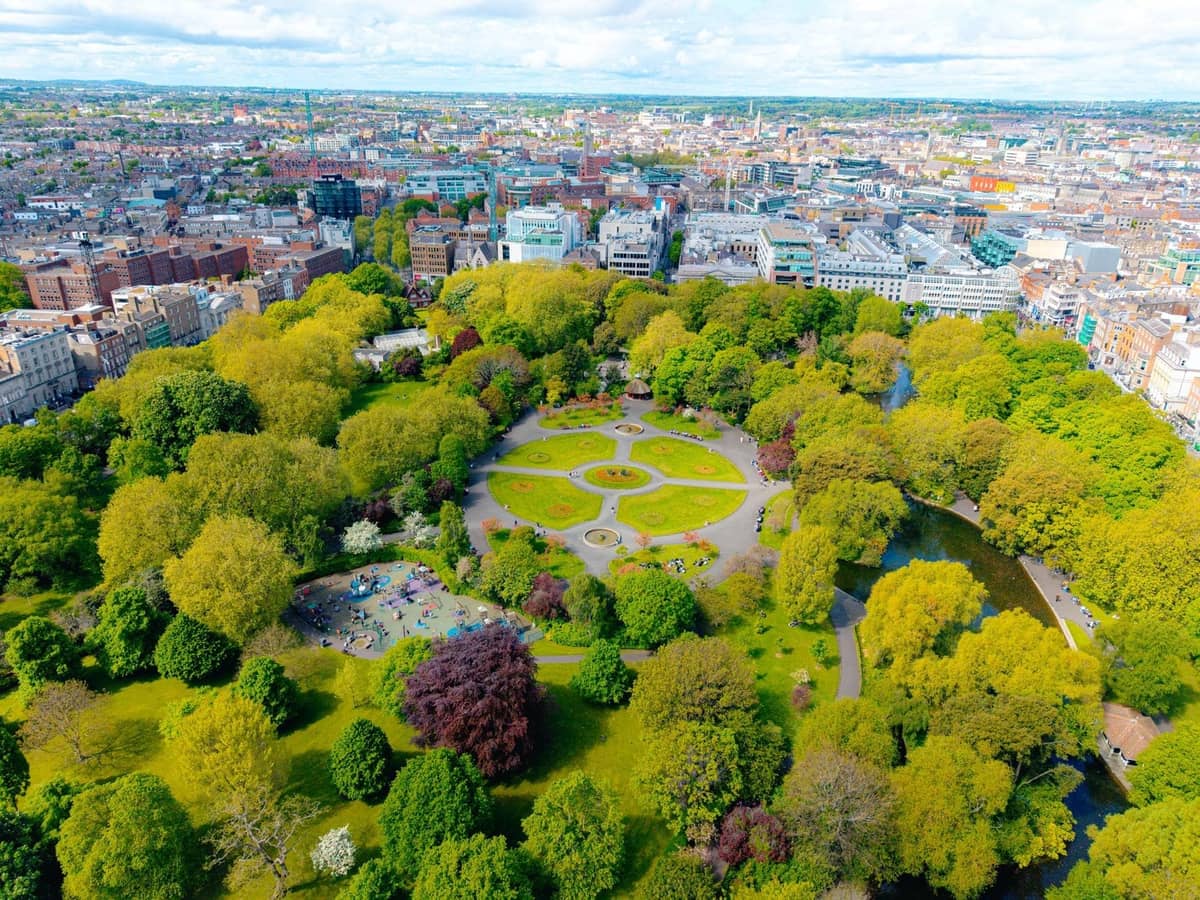
Peak season in Dublin runs roughly May through September, with July and August being the most expensive weeks for accommodation and the most crowded for major attractions. The city is at its liveliest during this window, with longer daylight hours (it stays light until 10pm in midsummer) and a full calendar of outdoor events, but you pay for all of it.
March is worth flagging separately. St Patrick's Day in Dublin draws enormous crowds and causes accommodation prices to spike significantly in the week around 17 March. If saving money is the priority, avoid that window. Conversely, Dublin in winter is genuinely underrated for budget travel: hotel and hostel prices drop, queues at paid attractions are short, and the city's indoor culture (museums, pubs, theatres, bookshops) is as good in November as it is in June.
FAQ
Is Dublin expensive for tourists?
Dublin is one of the more expensive cities in Western Europe, particularly for accommodation and alcohol. However, many of the city's best experiences are free: the National Museum, National Gallery, Chester Beatty Library, Phoenix Park, and most coastal walks cost nothing to visit. Budget travelers who plan around free sights, supermarket lunches, and local pubs rather than tourist-zone bars can have a full and rewarding trip for €50-70 per day including accommodation.
What is the cheapest way to get from Dublin Airport to the city centre?
Dublin Bus route 41 connects the airport to the city centre at standard bus fares — around €2-3 with a Leap card, significantly cheaper than the Dublin Express (around €9) or private taxis (€25-40). The 41 takes longer than express coaches, but for budget travelers with manageable luggage, it's the clear value choice.
Is the Leap Visitor Card worth buying?
It depends on how much you plan to use public transport. The 1-day card costs €8 and covers unlimited trips on Dublin Bus, the Luas, the DART, and suburban rail services. If you make three or more journeys in a day, it pays for itself versus paying individual fares. For trips that are largely on foot with occasional bus rides, buying single tickets with a standard Leap card (available at stations and newsagents) may work out cheaper.
Which Dublin neighborhoods have the best budget pubs?
Smithfield, Portobello, Stoneybatter, and Ranelagh consistently offer pints at €1-2 less than tourist-zone equivalents, with better atmospheres. The Cobblestone in Smithfield is well known for free traditional music sessions. Camden Street and the surrounding area has a mix of local pubs and bars that are a significant step down in price from Temple Bar, which is worth avoiding entirely for budget drinkers.
What's the cheapest time of year to visit Dublin?
January and February are the cheapest months for accommodation, but the city is quieter and daylight hours are short. October and November offer a good middle ground: prices are lower than summer, the city is still active, and the weather is cool but manageable. Avoid the week of St Patrick's Day (mid-March) and the main summer school holiday period (July-August) if cost is the priority.