The Best Museums in Dublin: From Ancient Treasures to Modern Masterpieces
Dublin punches well above its weight as a museum city. Several of its finest institutions are completely free, and the range spans Celtic gold, Viking archaeology, Irish revolutionary history, world literature, and contemporary art. This guide covers the best museums in Dublin, grouped by theme, with practical advice on when to go and what to expect.
Plan and book this trip
Tools from our partner Travelpayouts help you compare flights and hotels. If you book through them, we may earn a commission at no extra cost to you.
Flights
Hotels map
Few European capitals offer this concentration of world-class museums at no charge. The national institutions alone, covering archaeology, decorative arts, and fine art, could fill two full days. Add in specialist museums on emigration, whiskey, and literature, and you have a city that rewards the curious traveller at every turn. If you are planning your time, the 3 days in Dublin itinerary weaves several of these museums into a structured route, while the free things to do in Dublin guide highlights which institutions cost nothing to enter. For those particularly interested in Dublin's literary connections, the Dublin literary trail pairs several of the museums below with walking routes between the places that shaped Irish writing.
💡 Local tip
Most national museum branches (Archaeology, Decorative Arts, National Gallery) are free and often closed on Mondays. The Chester Beatty and Dublin Castle are closed June–December 2026 for the EU Presidency. Always verify current hours on official websites before visiting, as public holiday schedules vary.
The Free National Institutions
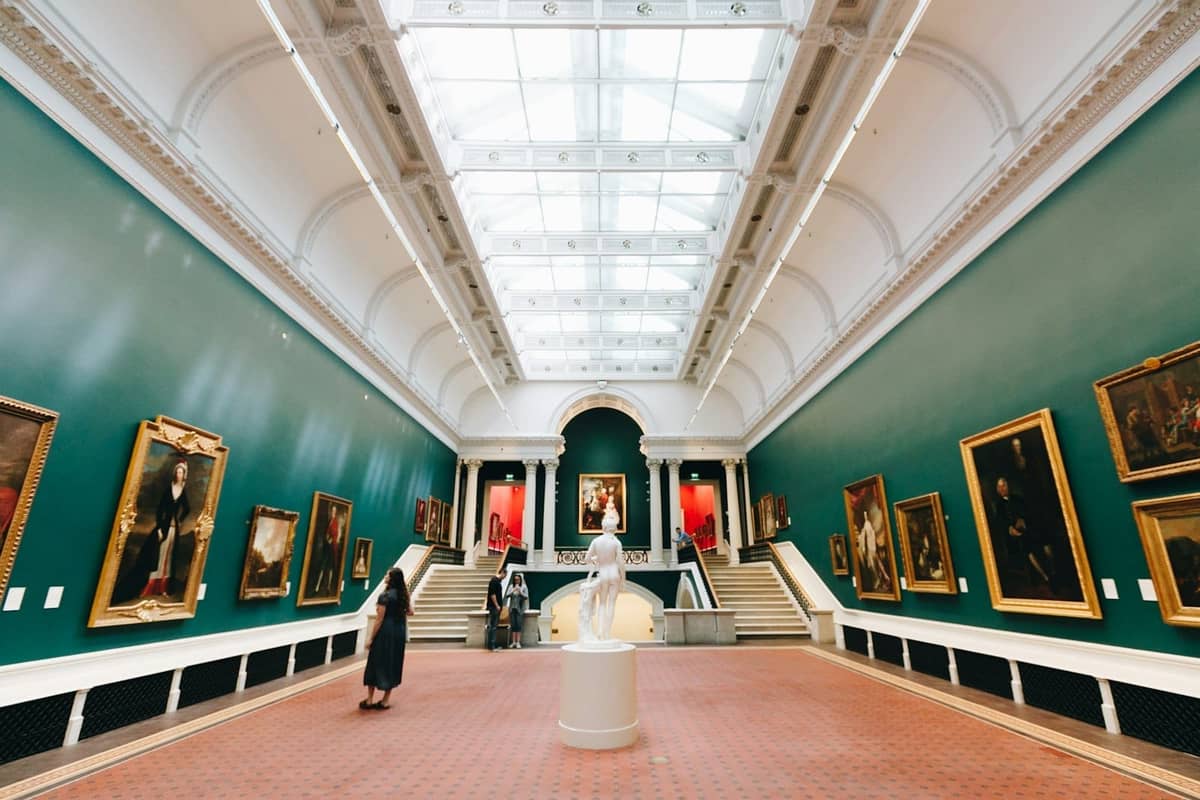
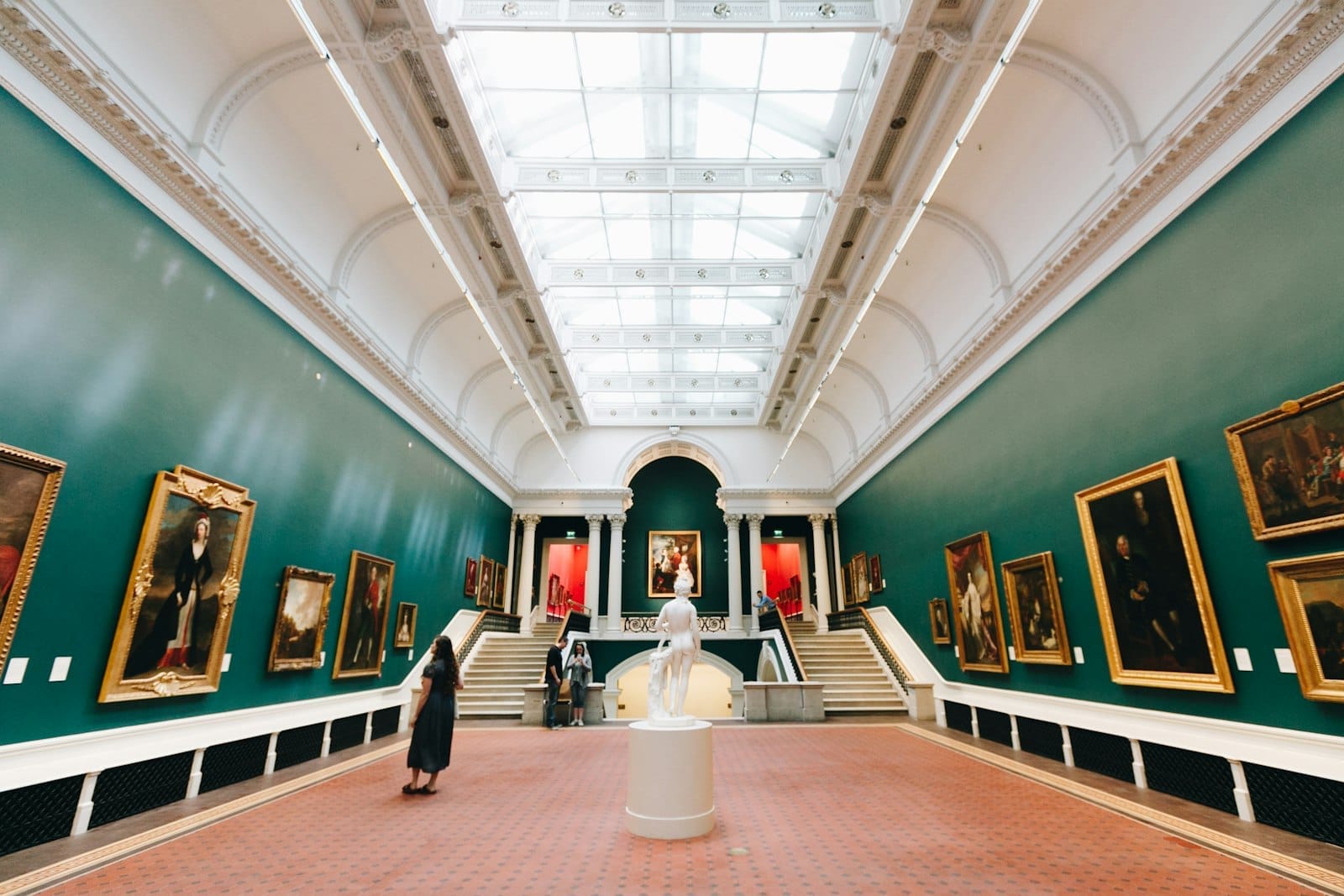
Ireland's state-funded museums are a remarkable public resource. Clustered around Merrion Square and the south city centre, most can be reached on foot from each other in under ten minutes. Plan to arrive when they open to avoid crowds, especially at the National Gallery and Chester Beatty.
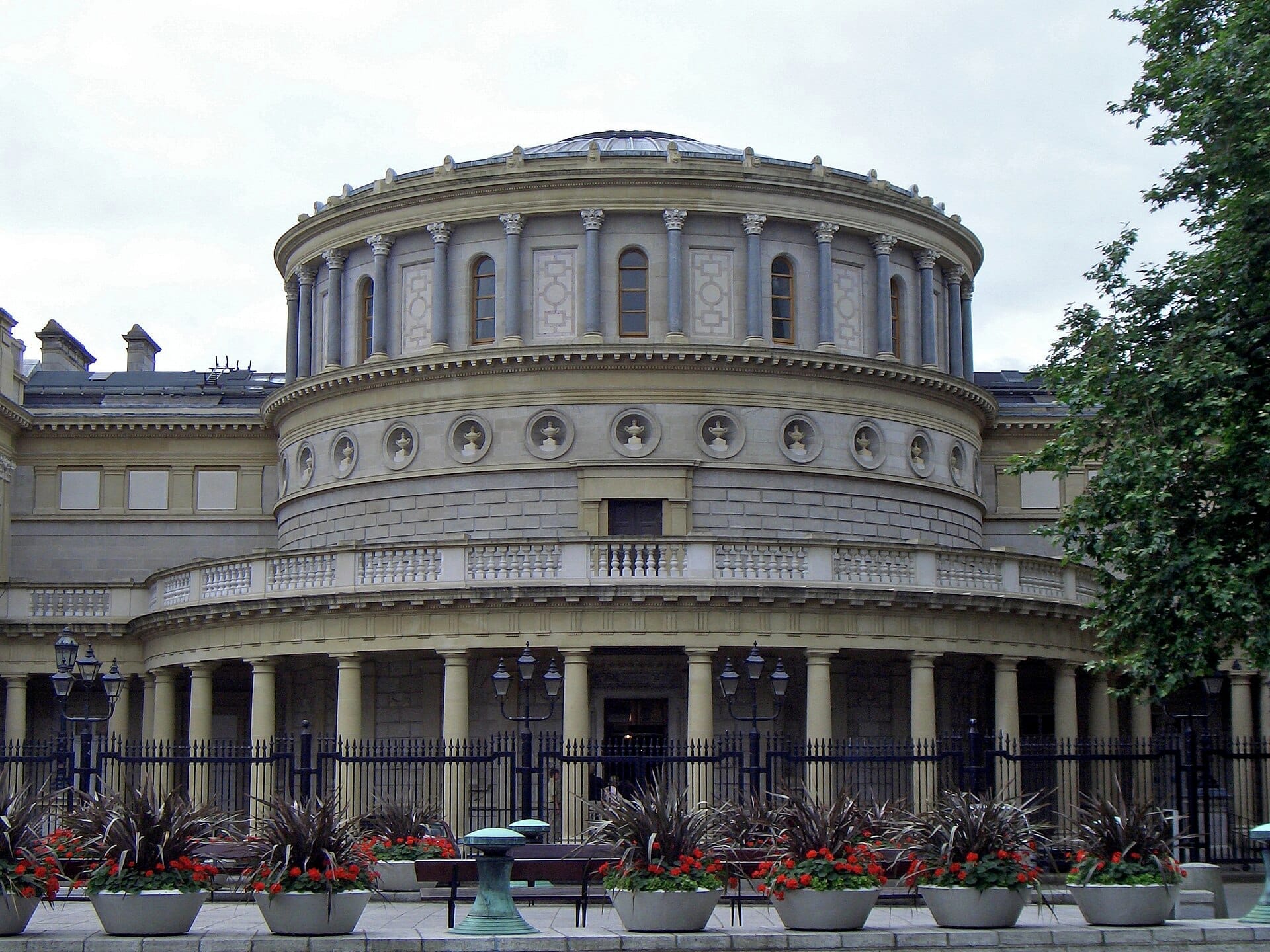
1. Marvel at the Ardagh Chalice and Ireland's Bog Bodies
Free and unmissable, this Kildare Street museum holds the Ardagh Chalice, the Tara Brooch, and the extraordinarily preserved Bog Bodies. Allow at least 90 minutes. Closed Mondays; check hours before visiting.
Explore1. Marvel at the Ardagh Chalice and Ireland's Bog Bodies
Free and unmissable, this Kildare Street museum holds the Ardagh Chalice, the Tara Brooch, and the extraordinarily preserved Bog Bodies. Allow at least 90 minutes. Closed Mondays; check hours before visiting.
Explore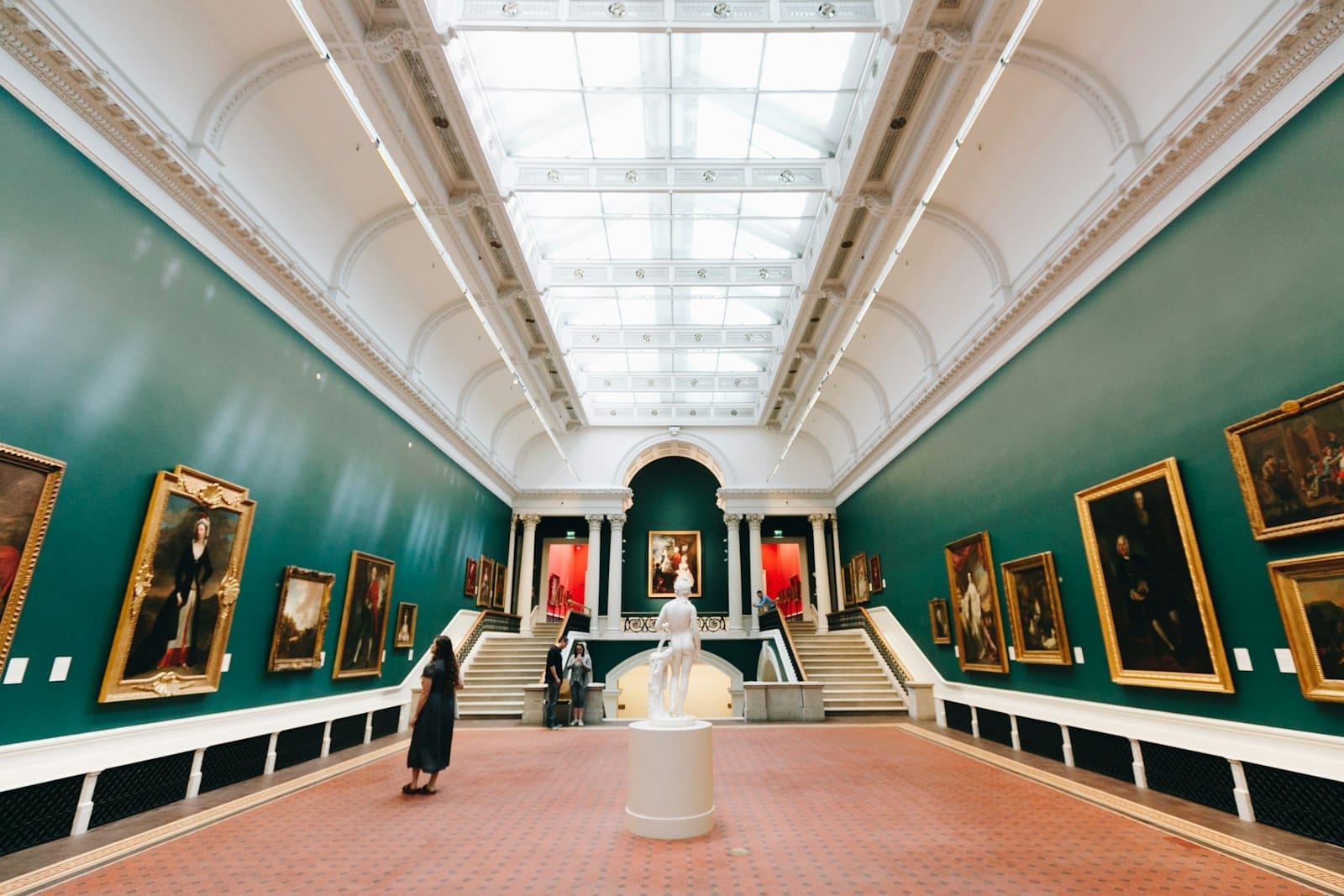
2. See Caravaggio, Vermeer, and Jack B. Yeats for Free
Ireland's premier art museum holds a Caravaggio, significant Dutch masters, and the largest collection of Jack B. Yeats works anywhere. Free entry, with late opening on Thursdays until 20:30 for quieter viewing.
Explore2. See Caravaggio, Vermeer, and Jack B. Yeats for Free
Ireland's premier art museum holds a Caravaggio, significant Dutch masters, and the largest collection of Jack B. Yeats works anywhere. Free entry, with late opening on Thursdays until 20:30 for quieter viewing.
Explore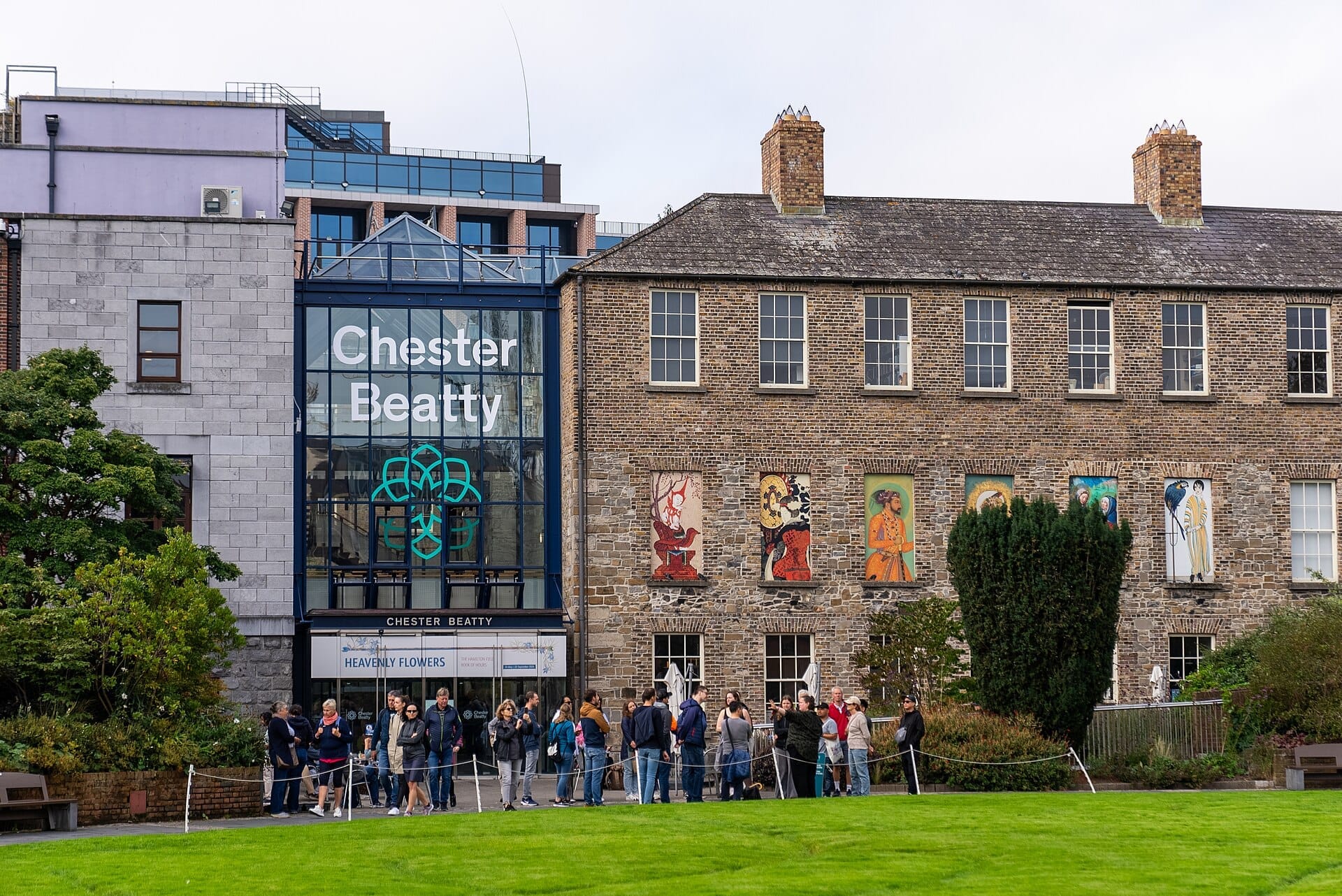
3. Explore One of the World's Finest Manuscript Collections
Voted European Museum of the Year, this free museum in Dublin Castle holds breathtaking Islamic manuscripts, Japanese woodblock prints, and ancient papyri. Free public tours run on Wednesdays, Saturdays, and Sundays.
Explore3. Explore One of the World's Finest Manuscript Collections
Voted European Museum of the Year, this free museum in Dublin Castle holds breathtaking Islamic manuscripts, Japanese woodblock prints, and ancient papyri. Free public tours run on Wednesdays, Saturdays, and Sundays.
Explore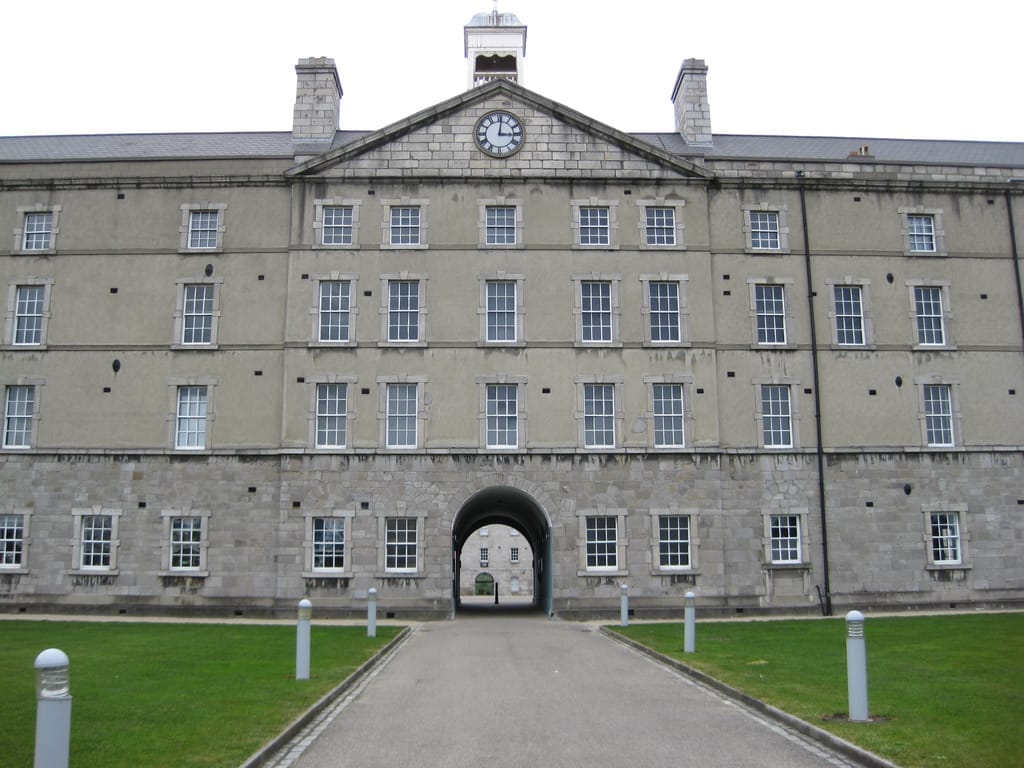
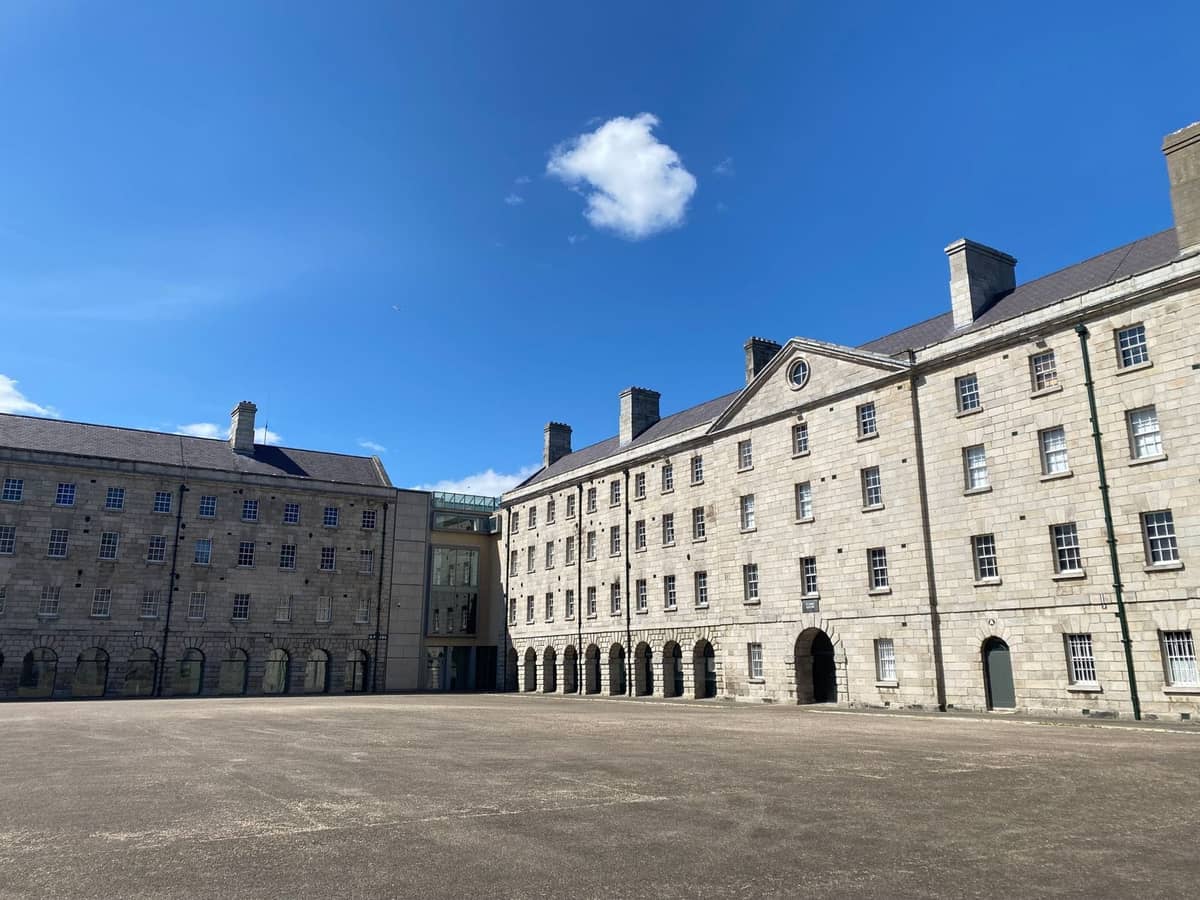
4. Discover Irish Social and Military History at Collins Barracks
Housed in a stunning 18th-century barracks in Smithfield, this free branch of the National Museum covers Irish decorative arts, military history, and currently displays Natural History specimens from the partially closed Merrion Street building.
Explore4. Discover Irish Social and Military History at Collins Barracks
Housed in a stunning 18th-century barracks in Smithfield, this free branch of the National Museum covers Irish decorative arts, military history, and currently displays Natural History specimens from the partially closed Merrion Street building.
Explore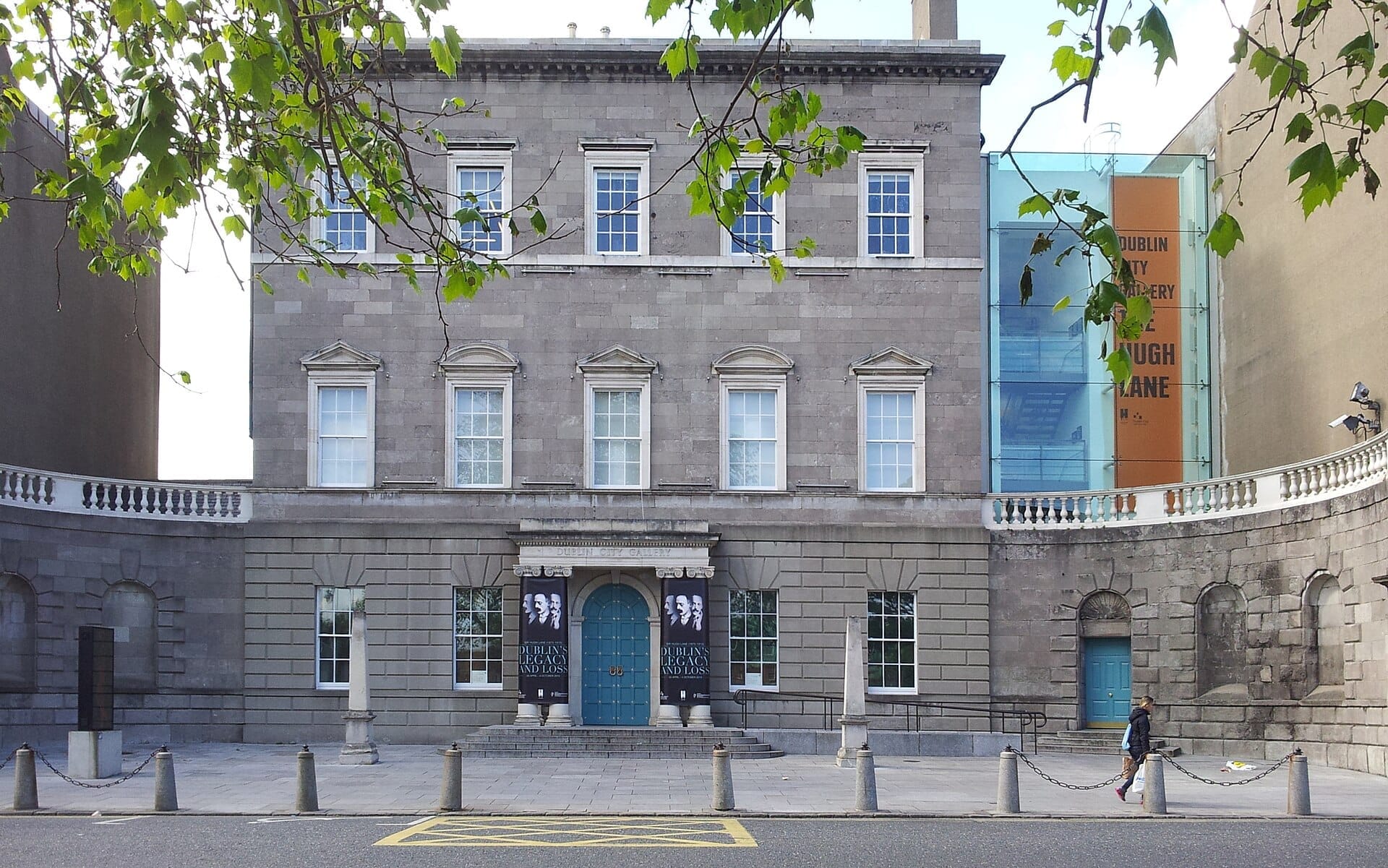
5. Step Inside Francis Bacon's Reconstructed Studio at the Hugh Lane
This free gallery on Parnell Square houses Francis Bacon's entire London studio, reassembled exactly as found. The surrounding collection of modern Irish and international art is outstanding. One of Dublin's most underrated institutions.
Explore5. Step Inside Francis Bacon's Reconstructed Studio at the Hugh Lane
This free gallery on Parnell Square houses Francis Bacon's entire London studio, reassembled exactly as found. The surrounding collection of modern Irish and international art is outstanding. One of Dublin's most underrated institutions.
ExploreHistory and Heritage Museums
Dublin's history spans Viking settlement, British rule, revolutionary upheaval, and the creation of a modern republic. The museums in this section tackle those centuries directly, several of them housed in the very buildings where history unfolded. The area around Kilmainham is particularly rich, containing two of Ireland's most emotionally powerful sites within walking distance of each other.
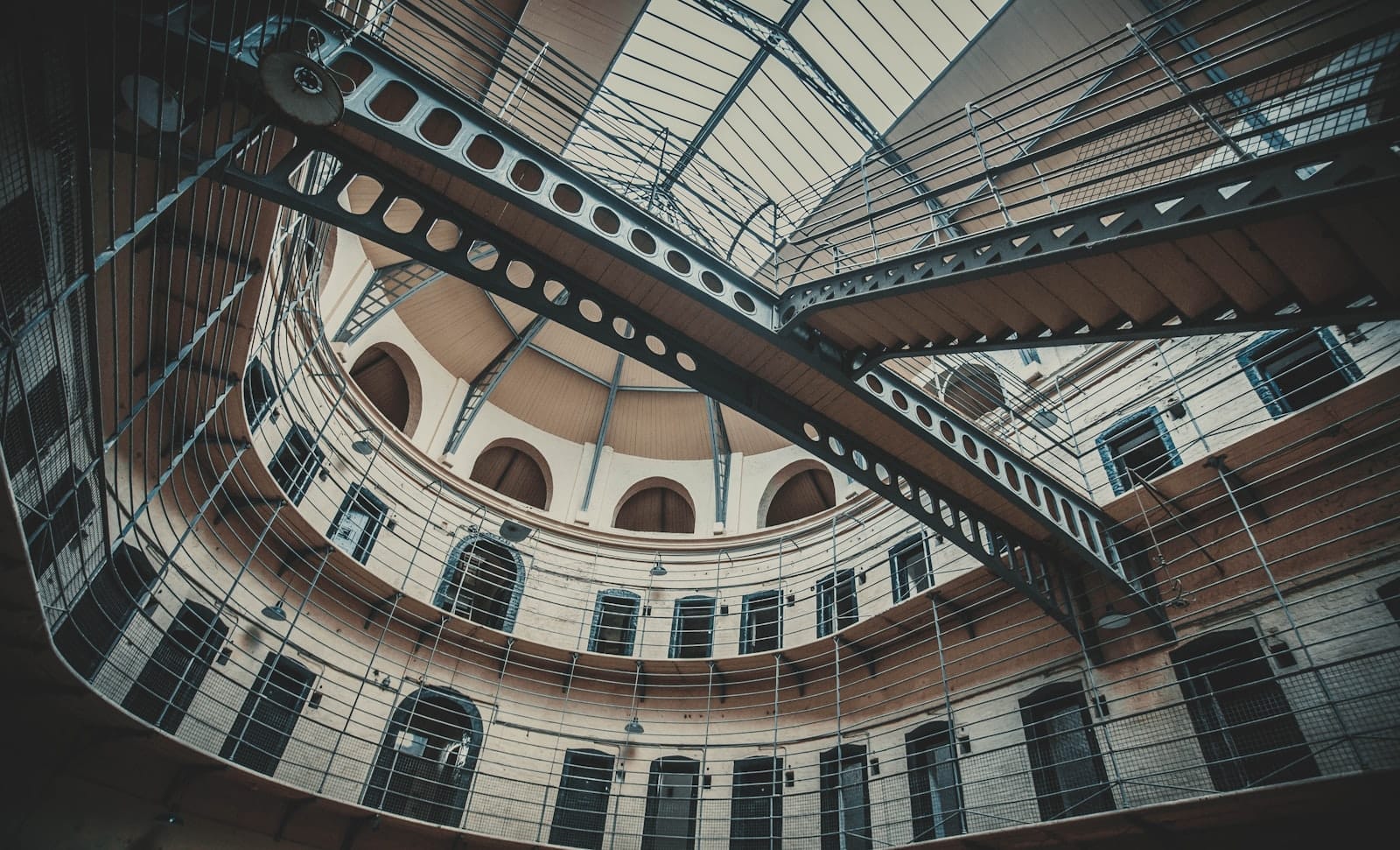
6. Walk the Cells Where the 1916 Leaders Were Executed
Kilmainham Gaol is among Ireland's most affecting historical sites. Guided tours move through Victorian cell blocks to the execution yard where Easter Rising leaders died. Book in advance: tours sell out, especially in summer.
Explore6. Walk the Cells Where the 1916 Leaders Were Executed
Kilmainham Gaol is among Ireland's most affecting historical sites. Guided tours move through Victorian cell blocks to the execution yard where Easter Rising leaders died. Book in advance: tours sell out, especially in summer.
Explore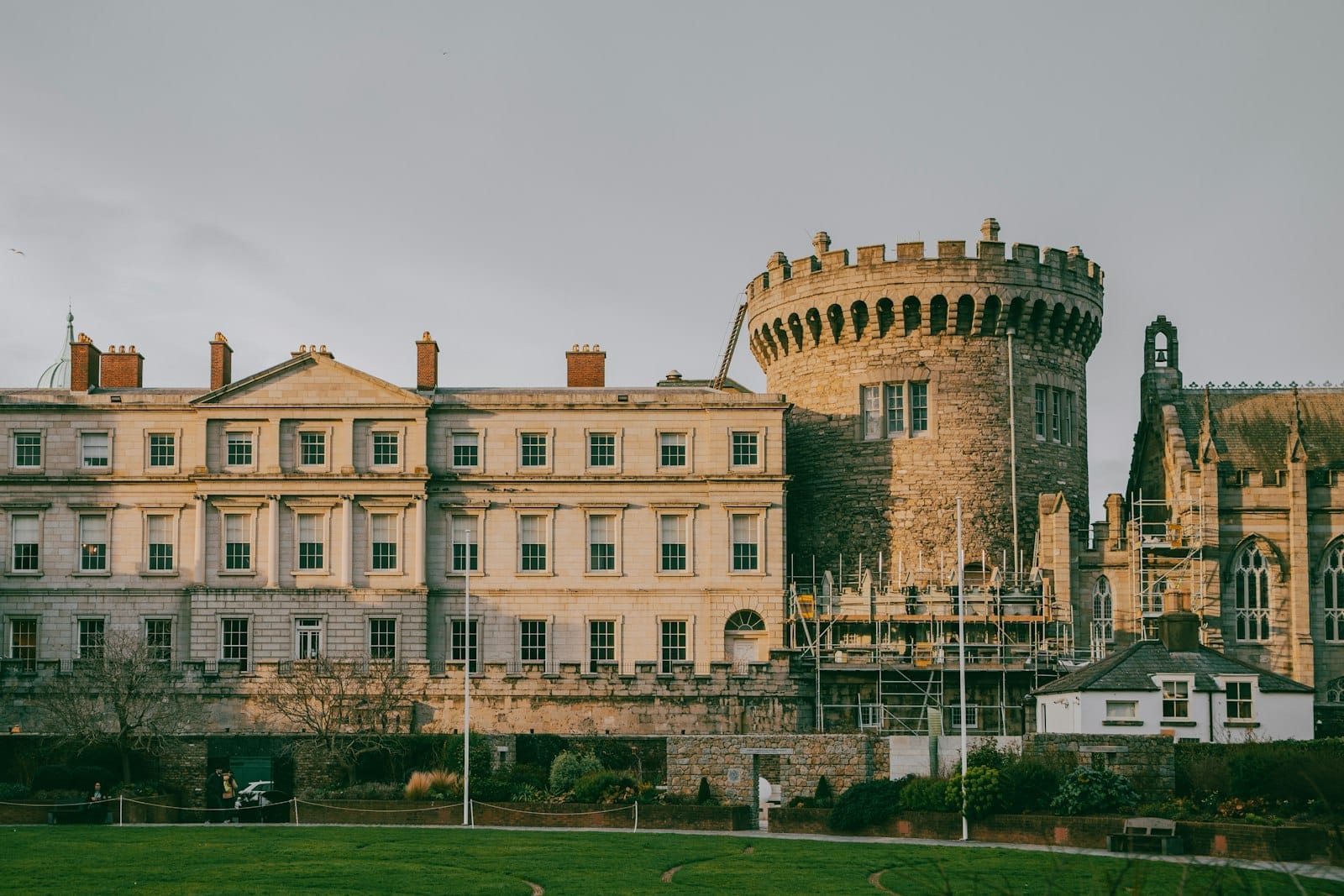
7. Tour the Seat of 700 Years of British Rule in Ireland
Dublin Castle's State Apartments, medieval undercroft, and Chapel Royal span centuries of Irish and British history. Both guided and self-guided tours are available; the Viking foundations visible beneath the courtyard are particularly striking.
Explore7. Tour the Seat of 700 Years of British Rule in Ireland
Dublin Castle's State Apartments, medieval undercroft, and Chapel Royal span centuries of Irish and British history. Both guided and self-guided tours are available; the Viking foundations visible beneath the courtyard are particularly striking.
Explore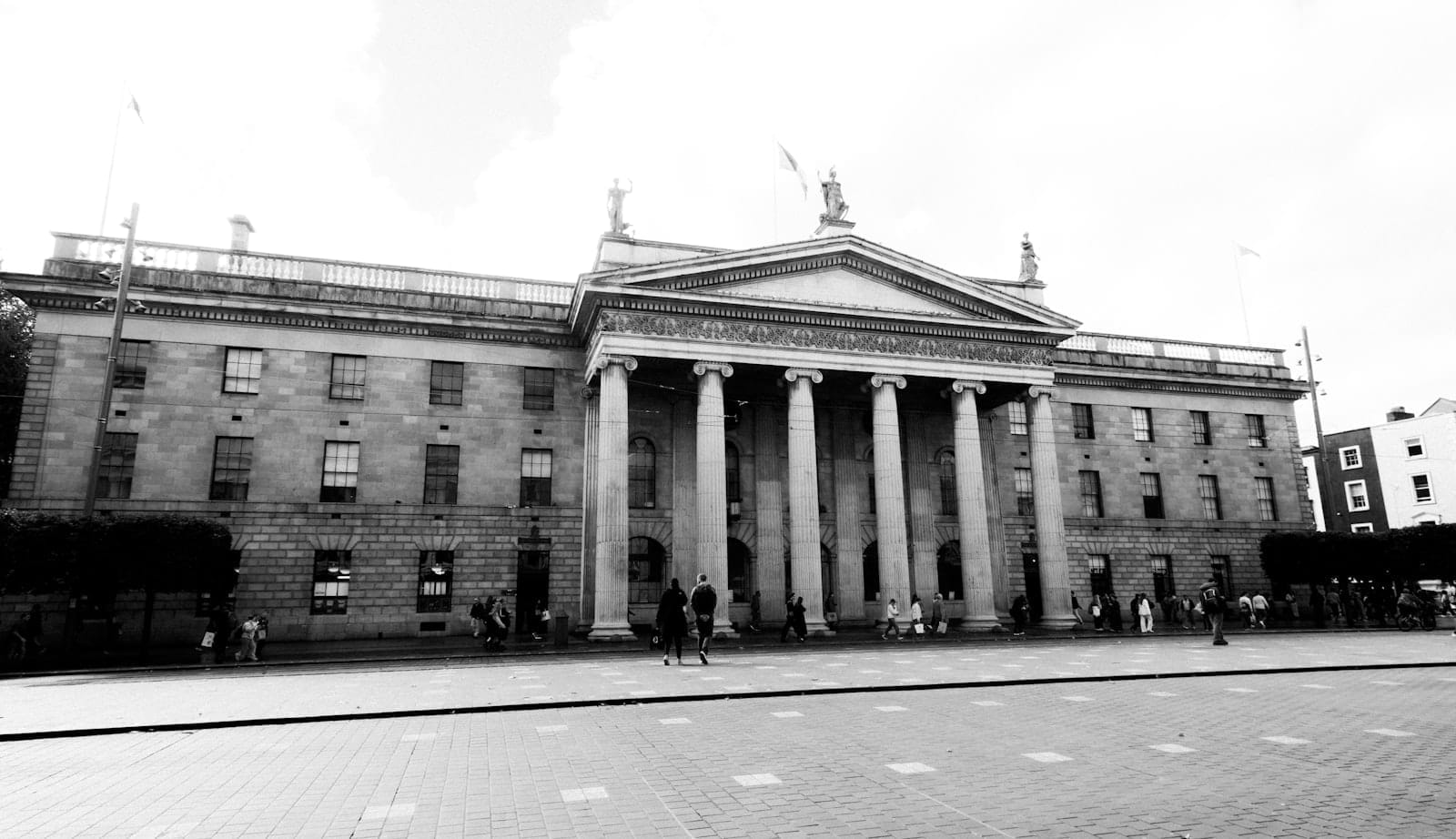
8. Experience the 1916 Easter Rising Inside the GPO
The General Post Office was the command centre of the 1916 Rising. The Witness History visitor centre uses film, artefacts, and immersive sound to reconstruct the rebellion inside the very building where it happened. Deeply engaging.
Explore8. Experience the 1916 Easter Rising Inside the GPO
The General Post Office was the command centre of the 1916 Rising. The Witness History visitor centre uses film, artefacts, and immersive sound to reconstruct the rebellion inside the very building where it happened. Deeply engaging.
Explore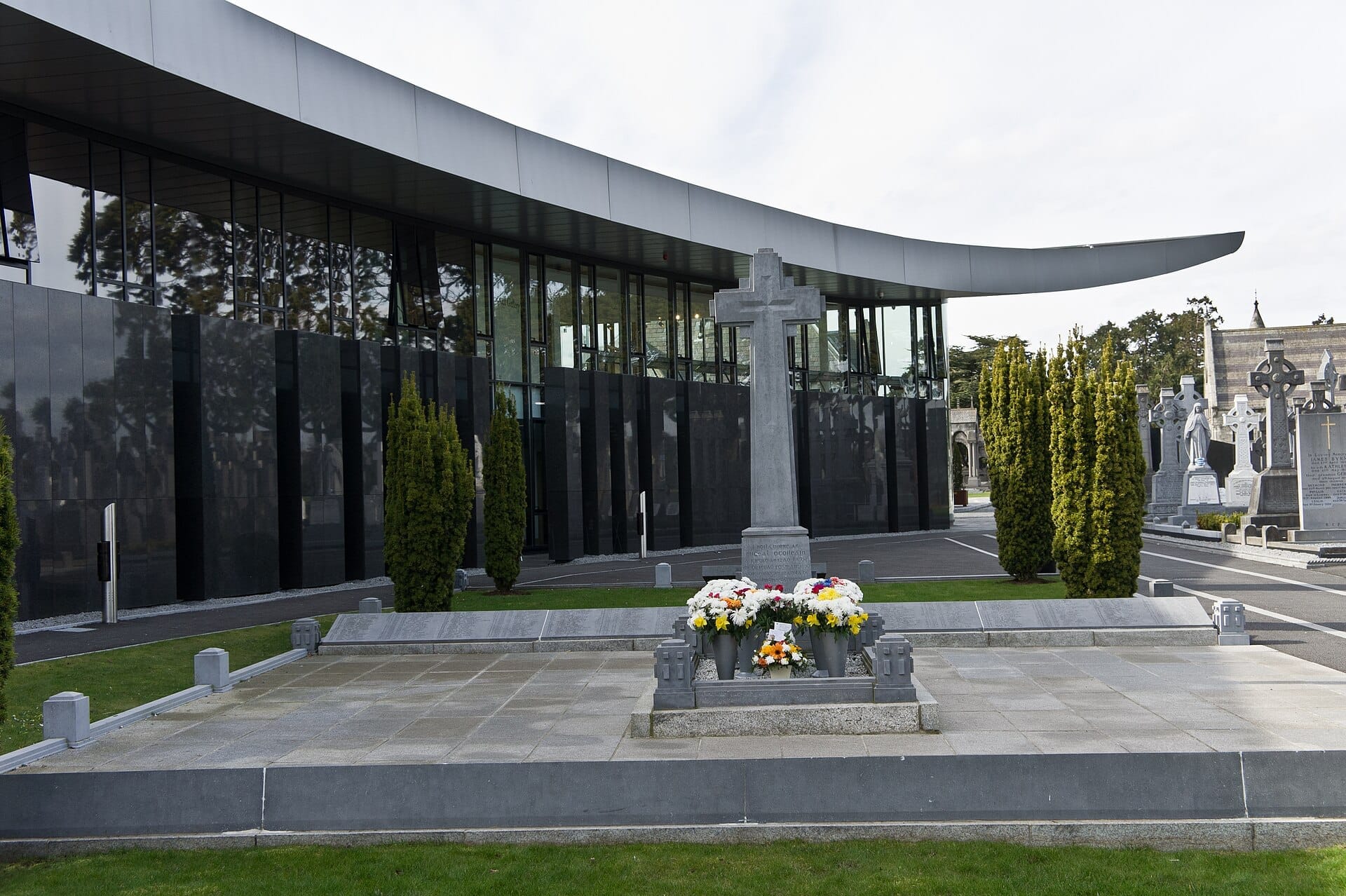
9. Trace 200 Years of Irish History at Glasnevin Cemetery
Michael Collins, Daniel O'Connell, and Brendan Behan all rest here. Guided tours weave through 1.5 million graves and two centuries of Irish political history. The museum building provides essential context before you walk the grounds.
Explore9. Trace 200 Years of Irish History at Glasnevin Cemetery
Michael Collins, Daniel O'Connell, and Brendan Behan all rest here. Guided tours weave through 1.5 million graves and two centuries of Irish political history. The museum building provides essential context before you walk the grounds.
Explore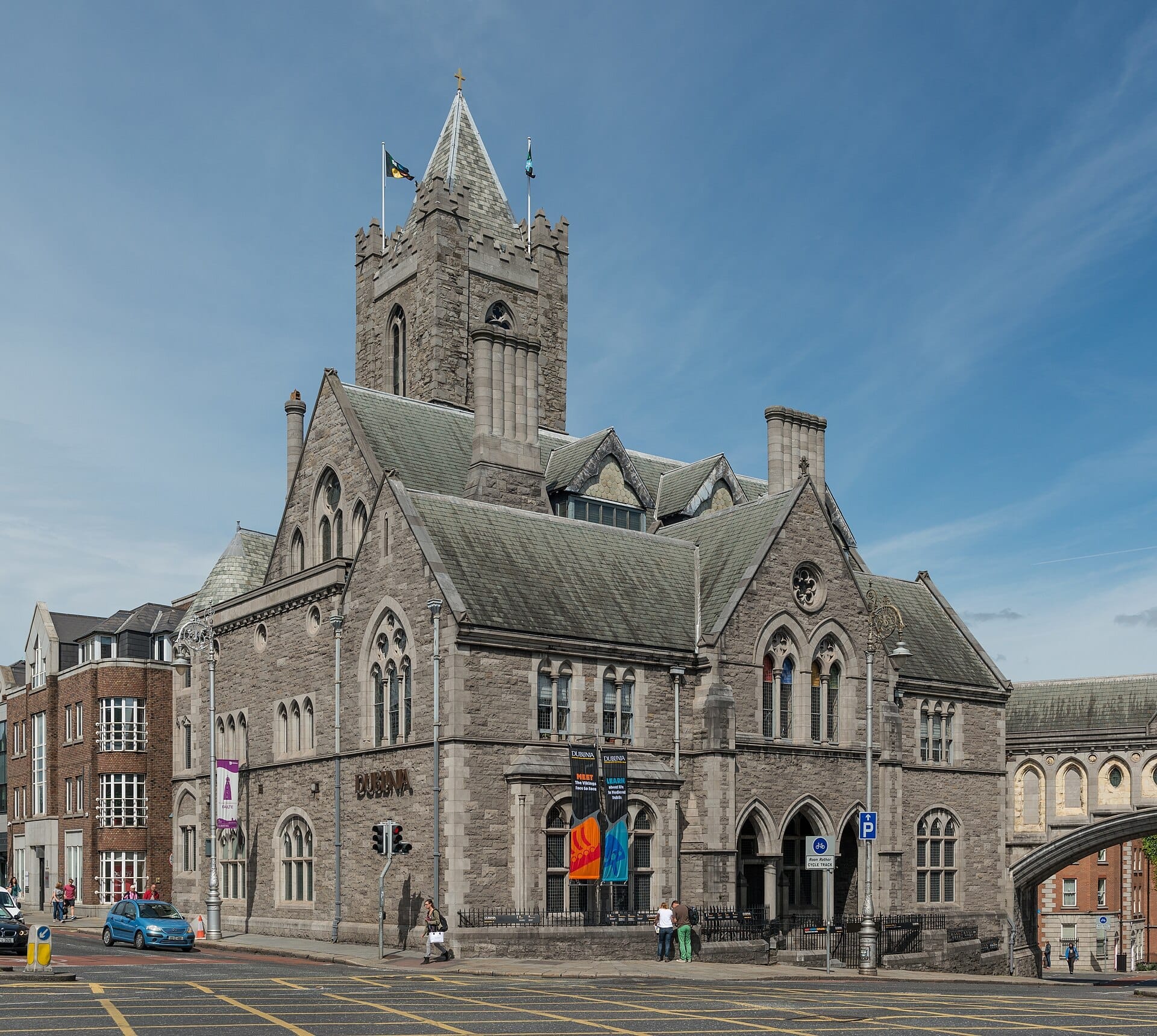
10. Bring Viking Dublin to Life at Dublinia
Adjacent to Christ Church Cathedral, Dublinia reconstructs Viking and medieval Dublin with archaeological finds and interactive exhibits. It works particularly well for visitors with children, but the artefacts are genuinely interesting for adults too.
Explore10. Bring Viking Dublin to Life at Dublinia
Adjacent to Christ Church Cathedral, Dublinia reconstructs Viking and medieval Dublin with archaeological finds and interactive exhibits. It works particularly well for visitors with children, but the artefacts are genuinely interesting for adults too.
Explore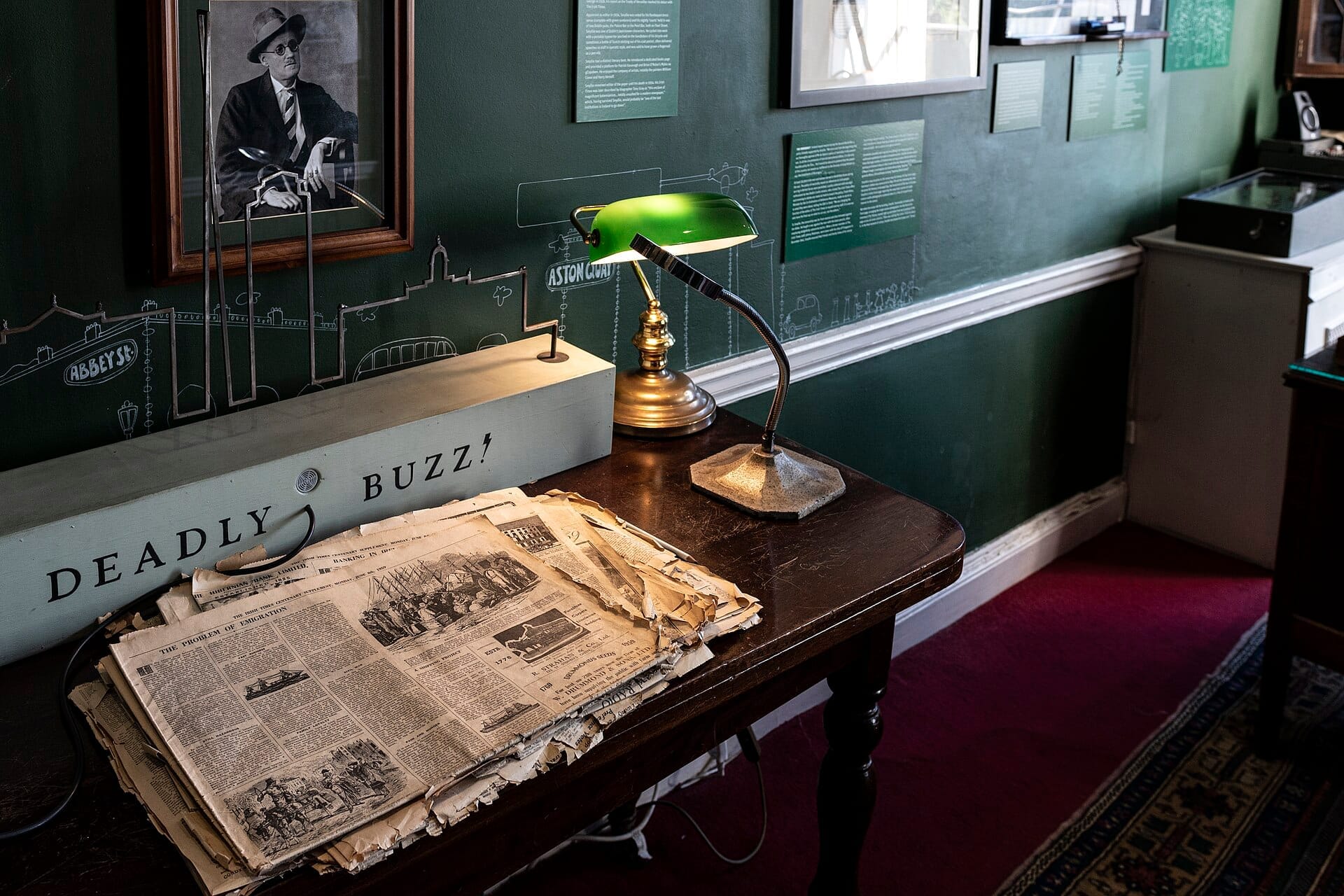
11. Get Dublin's 20th Century in a Georgian Drawing Room
This intimate museum on St Stephen's Green tells Dublin's modern story through donated objects, photographs, and witty guided commentary. Tours run throughout the day; the small scale makes it one of the most enjoyable museum visits in the city.
Explore11. Get Dublin's 20th Century in a Georgian Drawing Room
This intimate museum on St Stephen's Green tells Dublin's modern story through donated objects, photographs, and witty guided commentary. Tours run throughout the day; the small scale makes it one of the most enjoyable museum visits in the city.
ExploreBooks, Manuscripts, and Literary Museums
Dublin's relationship with the written word is unparalleled for a city its size. Four Nobel laureates in literature, the world's most celebrated medieval manuscript, and the setting of one of the greatest novels in the English language all call this city home. The Trinity College area is the natural starting point for any literary museum trail.

12. Come Face to Face with the Book of Kells and the Long Room
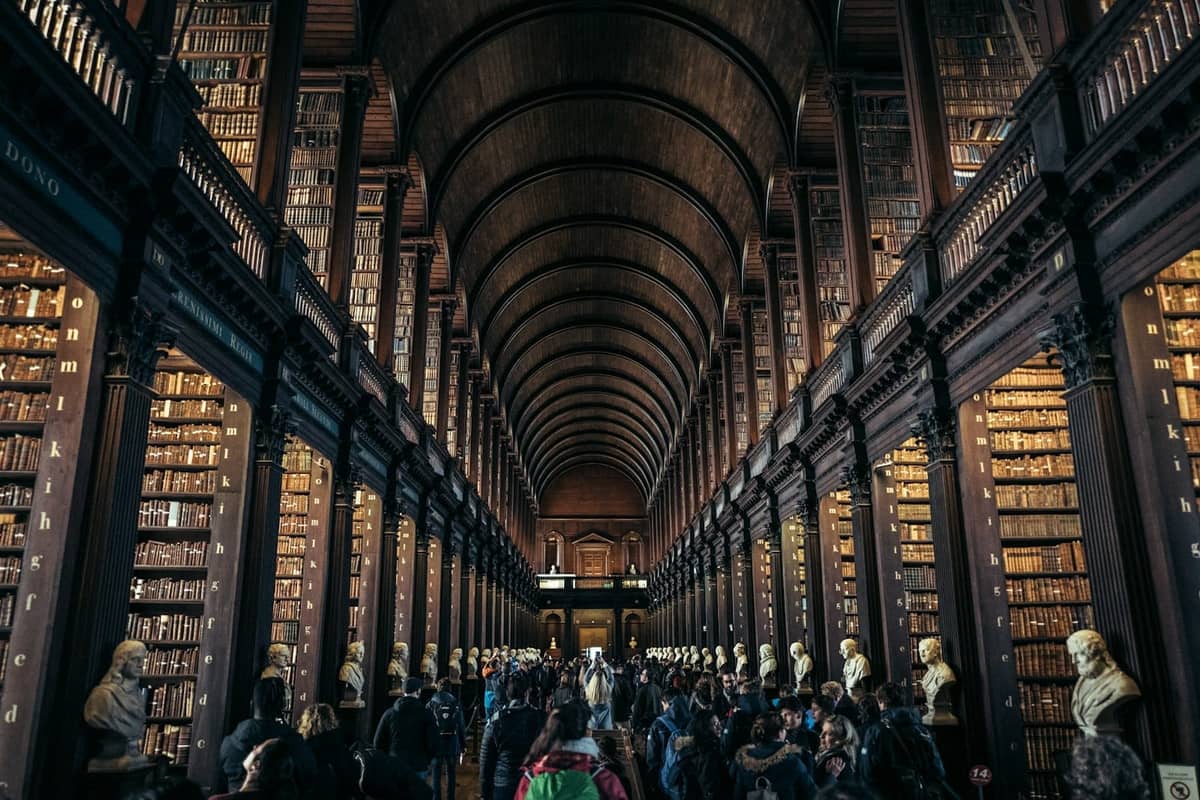
The 9th-century illuminated Gospel manuscript is extraordinary up close. The adjacent Long Room, a barrel-vaulted hall of 200,000 ancient books, is equally spectacular. Book online to skip queues; early morning slots are quietest.
Explore12. Come Face to Face with the Book of Kells and the Long Room
The 9th-century illuminated Gospel manuscript is extraordinary up close. The adjacent Long Room, a barrel-vaulted hall of 200,000 ancient books, is equally spectacular. Book online to skip queues; early morning slots are quietest.
Explore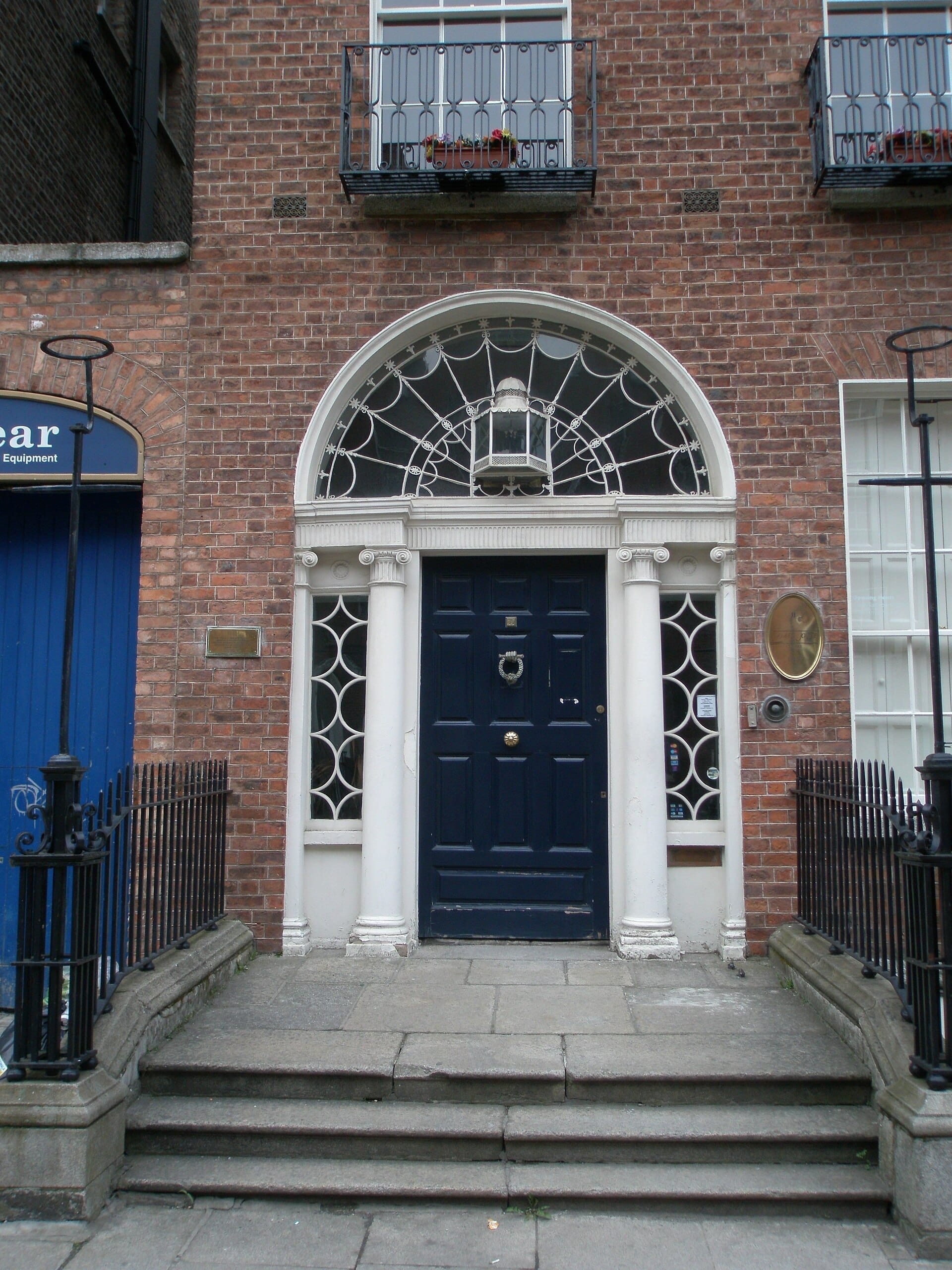
13. Explore Joyce's Dublin at the James Joyce Centre
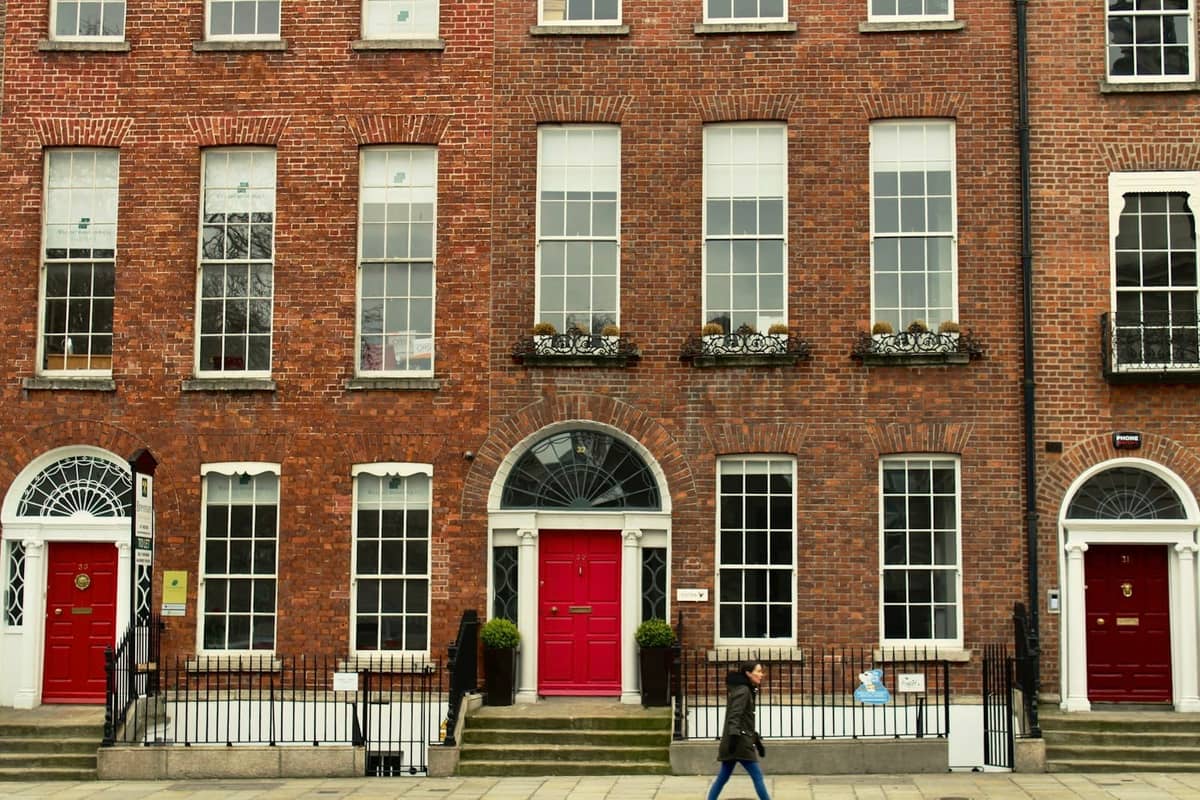
A restored Georgian townhouse on North Great George's Street dedicated to Joyce's life and work, with exhibitions, guided Ulysses walks, and the hub for annual Bloomsday events on 16 June. Small but thoughtfully curated.
Explore13. Explore Joyce's Dublin at the James Joyce Centre
A restored Georgian townhouse on North Great George's Street dedicated to Joyce's life and work, with exhibitions, guided Ulysses walks, and the hub for annual Bloomsday events on 16 June. Small but thoughtfully curated.
Explore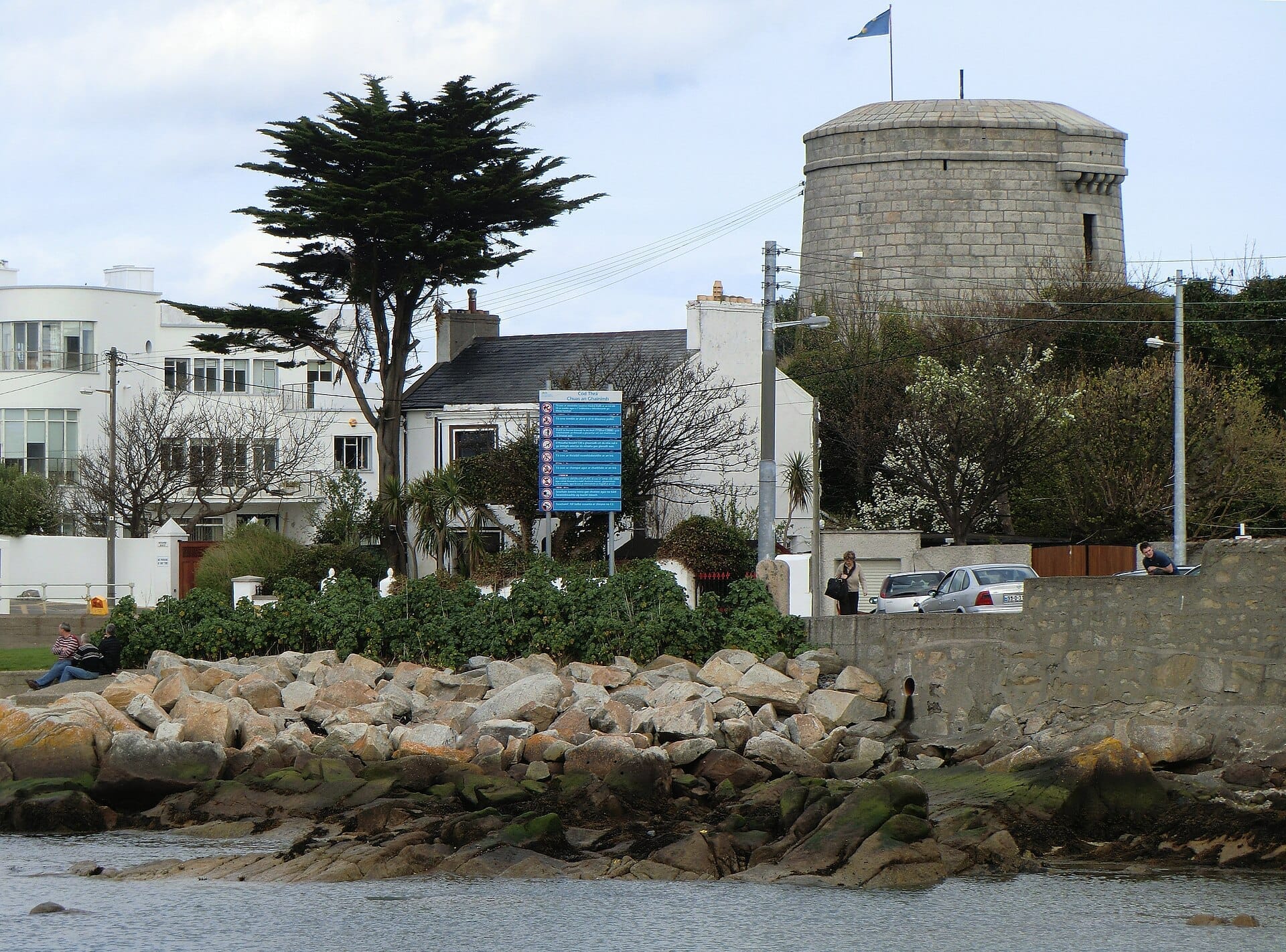
14. Visit the Martello Tower That Opens Ulysses
Joyce lived briefly in this Sandycove seafront tower in 1904; it now houses Joycean first editions, letters, and memorabilia. The adjacent Forty Foot is a famous year-round swimming spot. Combine with a walk along Dún Laoghaire pier.
Explore14. Visit the Martello Tower That Opens Ulysses
Joyce lived briefly in this Sandycove seafront tower in 1904; it now houses Joycean first editions, letters, and memorabilia. The adjacent Forty Foot is a famous year-round swimming spot. Combine with a walk along Dún Laoghaire pier.
ExploreEmigration, Culture, and Specialist Museums
Beyond the national institutions, Dublin has a strong tier of specialist paid museums that offer immersive, expertly produced experiences. These tend to be located in architecturally interesting buildings, adding a layer of interest beyond the collections themselves. Several are concentrated in the Docklands, Dublin's most dramatically redeveloped district.
15. Understand Ireland's Global Diaspora at EPIC
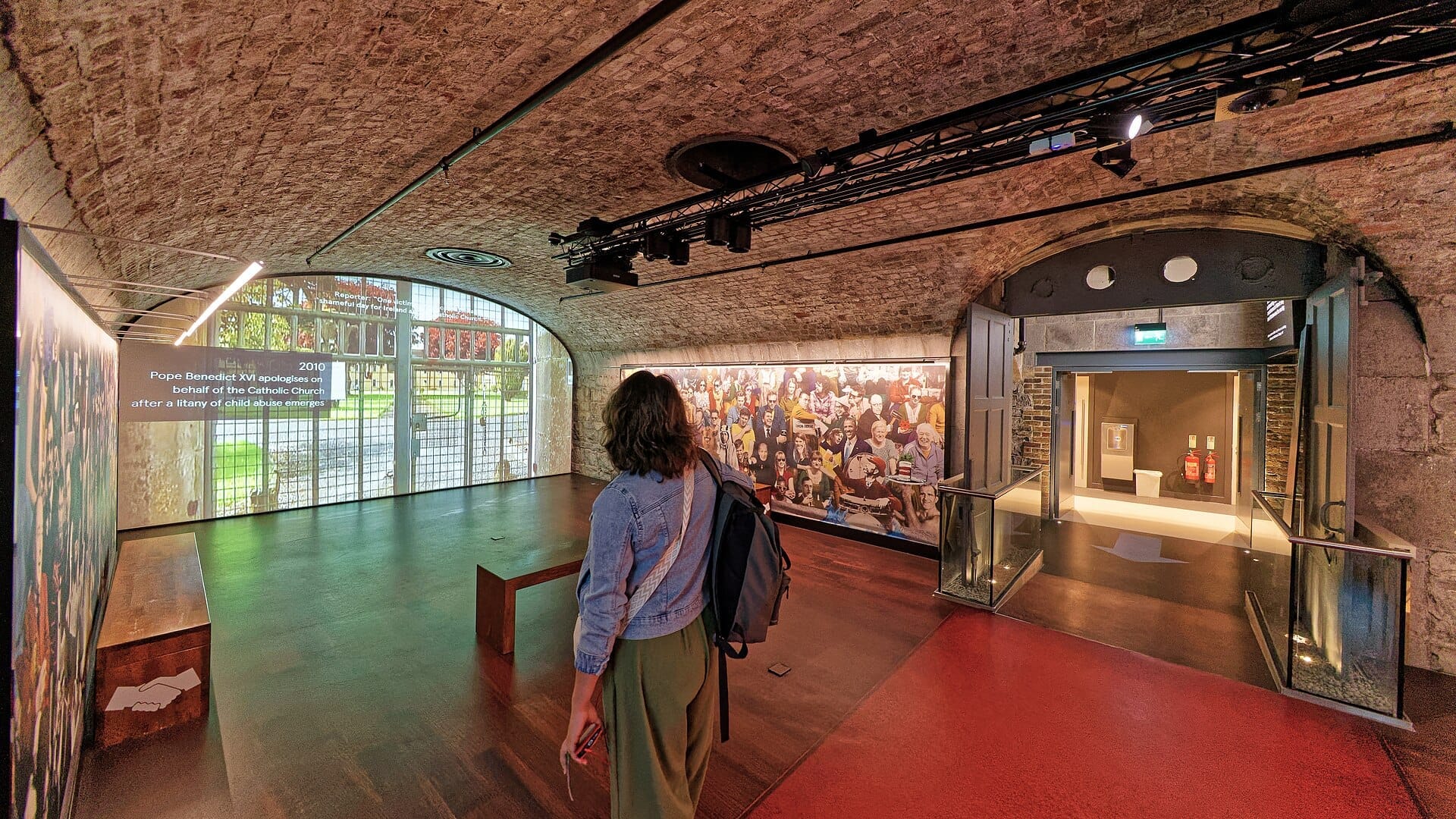
Winner of Europe's Leading Tourist Attraction at the World Travel Awards, EPIC tells the story of Irish emigration through 20 immersive galleries in a stunning Victorian building. Allow two hours. Often included on the Dublin Pass.
Explore15. Understand Ireland's Global Diaspora at EPIC
Winner of Europe's Leading Tourist Attraction at the World Travel Awards, EPIC tells the story of Irish emigration through 20 immersive galleries in a stunning Victorian building. Allow two hours. Often included on the Dublin Pass.
Explore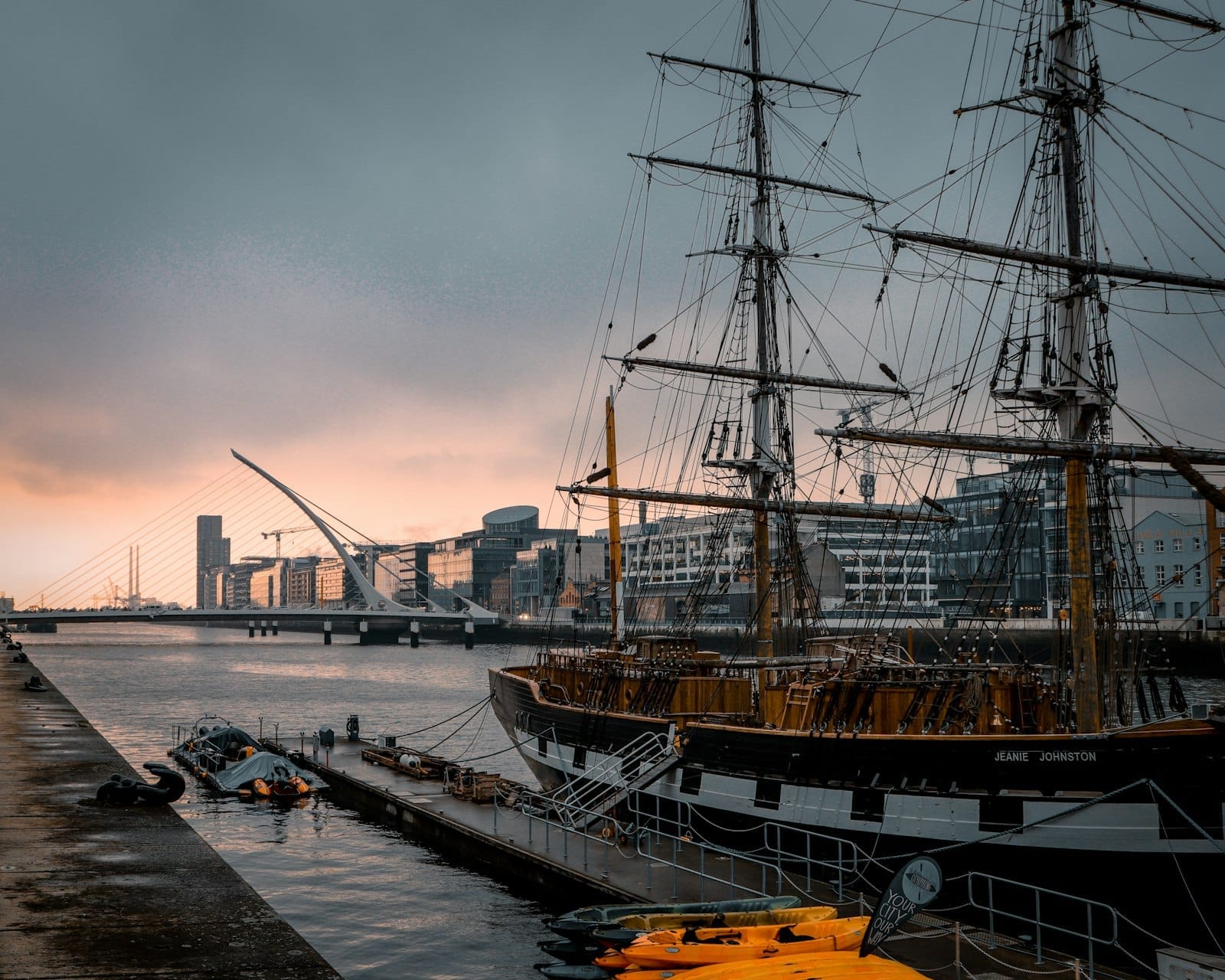
16. Board the Famine Ship Moored on the Liffey Quays
A full-scale replica of a Famine-era emigrant vessel, moored beside the EPIC museum. Guided tours descend into the cramped below-deck quarters to convey the harrowing reality of 19th-century emigration. Compact but genuinely moving.
Explore16. Board the Famine Ship Moored on the Liffey Quays
A full-scale replica of a Famine-era emigrant vessel, moored beside the EPIC museum. Guided tours descend into the cramped below-deck quarters to convey the harrowing reality of 19th-century emigration. Compact but genuinely moving.
Explore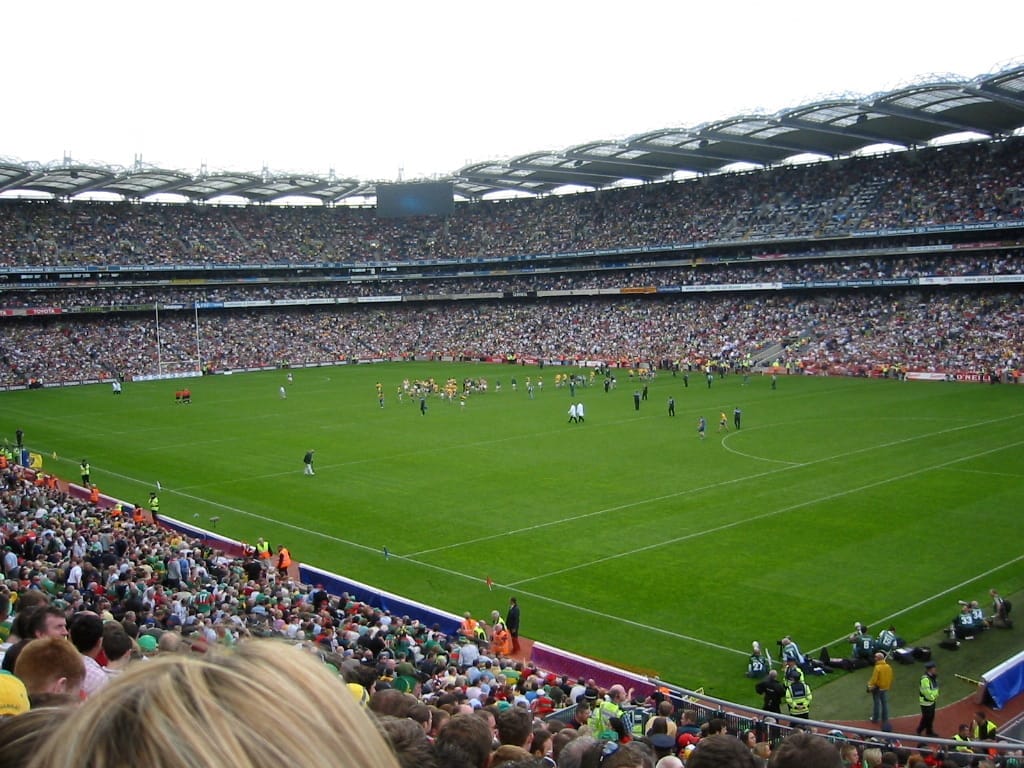
17. Climb Over the Roof of Croke Park for Panoramic City Views
The GAA museum charts the history of Gaelic games with archive footage and artefacts. The Skyline rooftop tour, which scales the 82,500-seat stadium's exterior, delivers one of the best views of Dublin available anywhere. Book ahead.
Explore17. Climb Over the Roof of Croke Park for Panoramic City Views
The GAA museum charts the history of Gaelic games with archive footage and artefacts. The Skyline rooftop tour, which scales the 82,500-seat stadium's exterior, delivers one of the best views of Dublin available anywhere. Book ahead.
Explore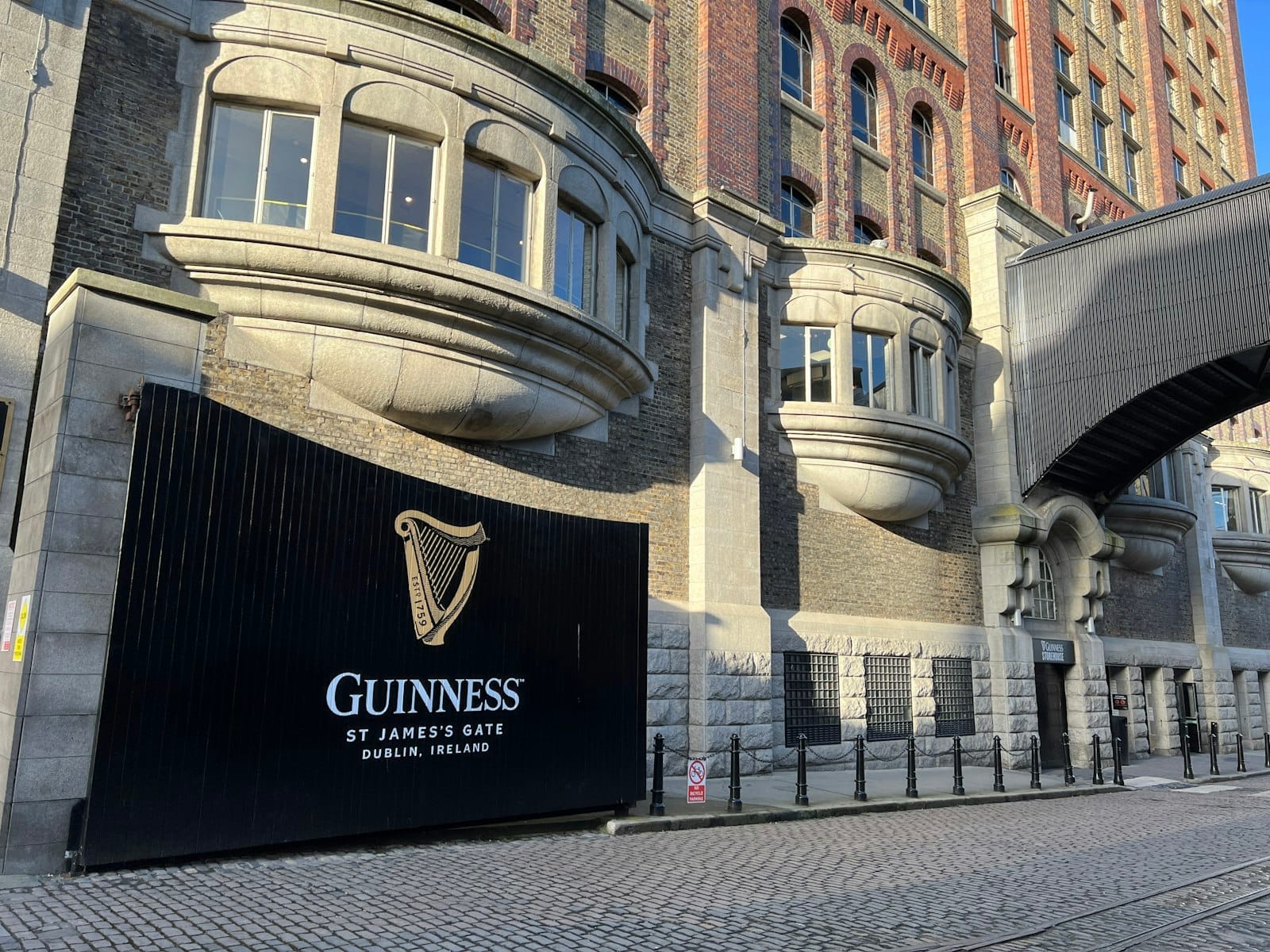
18. Trace 260 Years of Guinness and Drink in the Gravity Bar View
Ireland's most visited attraction spans seven storeys of interactive brewing history, finishing at the panoramic Gravity Bar with a complimentary pint. Book online for cheaper tickets and shorter queues. Best on weekday mornings.
Explore18. Trace 260 Years of Guinness and Drink in the Gravity Bar View
Ireland's most visited attraction spans seven storeys of interactive brewing history, finishing at the panoramic Gravity Bar with a complimentary pint. Book online for cheaper tickets and shorter queues. Best on weekday mornings.
ExploreWhiskey Distillery Museums
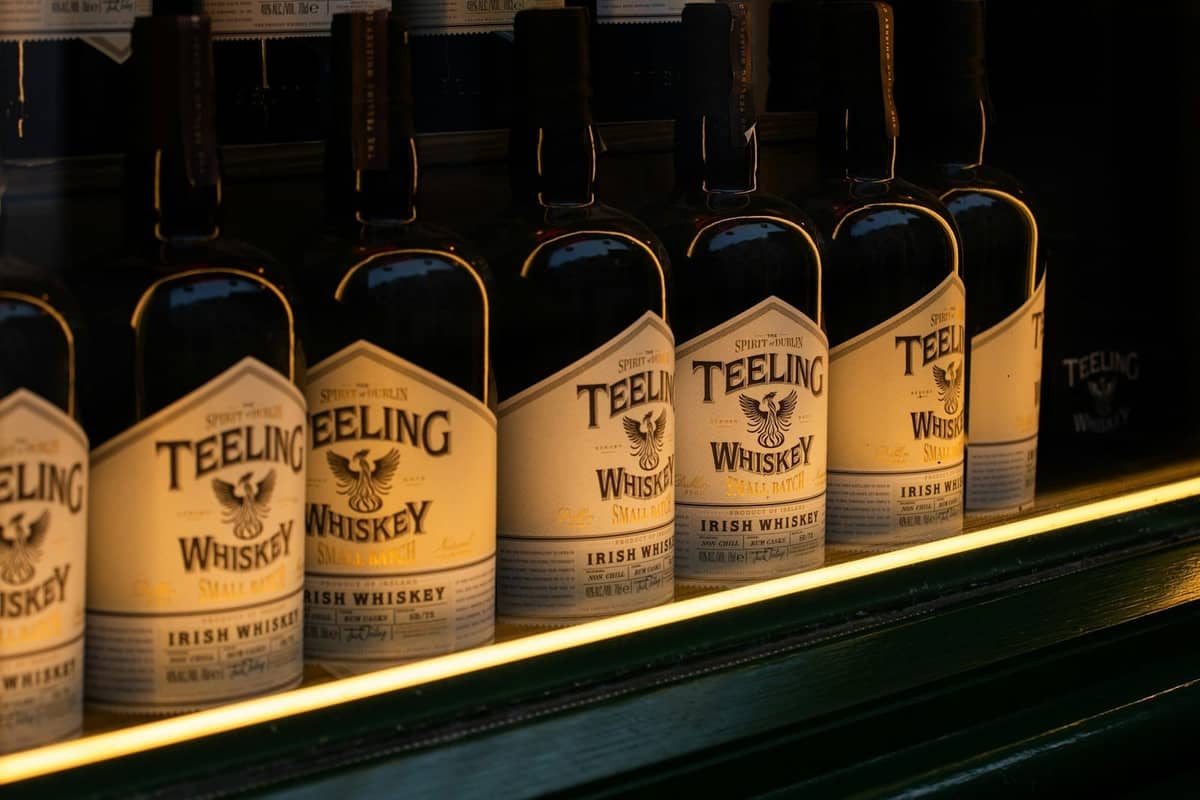
Dublin's whiskey museum scene has expanded significantly in the past decade, with several distilleries opening in the historic Liberties and Smithfield neighbourhoods. These combine working distillery tours with genuine historical depth, making them more interesting than a standard tasting experience.
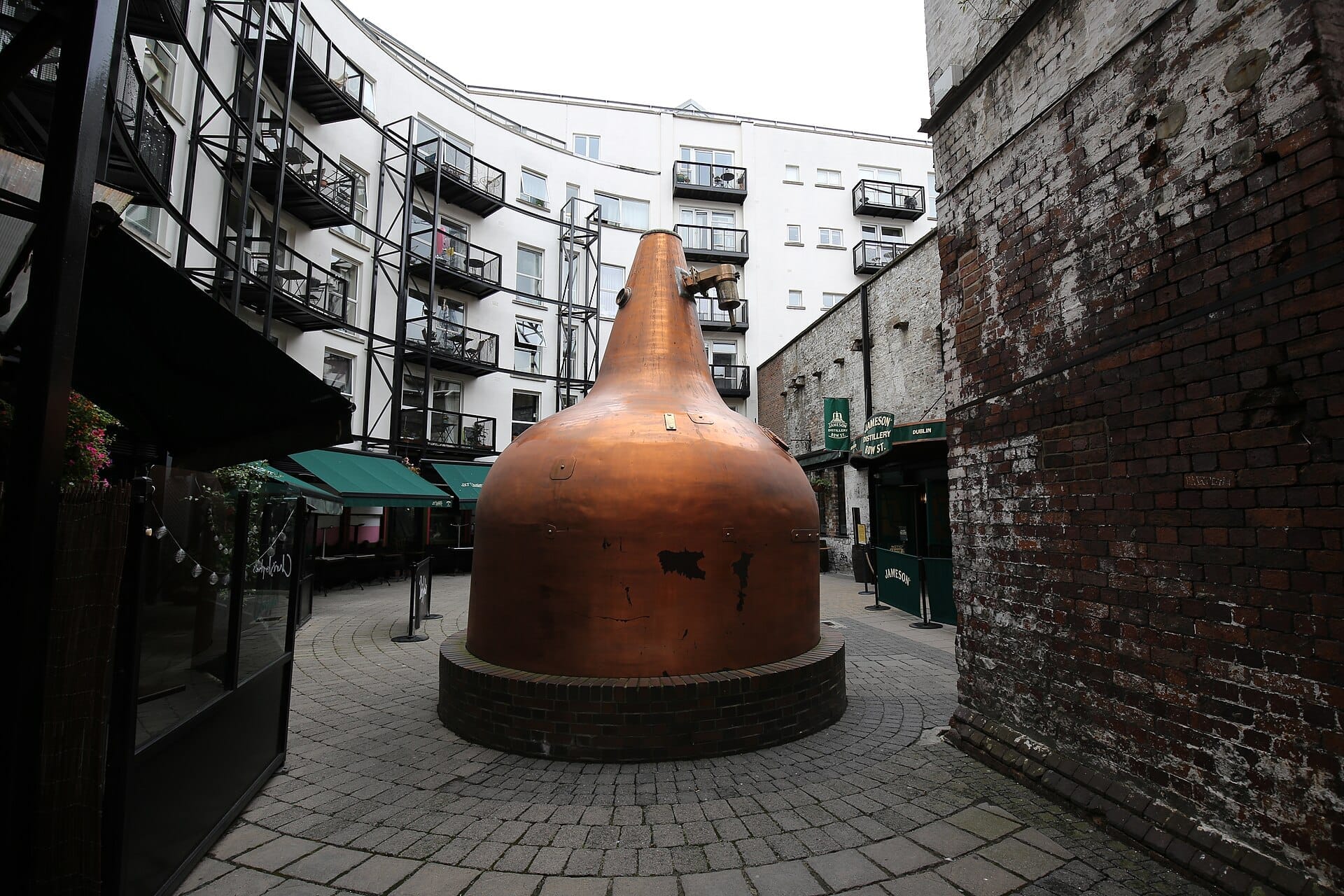
19. Tour the Original Jameson Distillery in Smithfield
The beautifully restored home of Jameson Irish Whiskey in Smithfield offers guided tours through the history of Ireland's most famous whiskey export, with tastings and cocktail masterclasses available. A polished and well-run visitor experience.
Explore19. Tour the Original Jameson Distillery in Smithfield
The beautifully restored home of Jameson Irish Whiskey in Smithfield offers guided tours through the history of Ireland's most famous whiskey export, with tastings and cocktail masterclasses available. A polished and well-run visitor experience.
Explore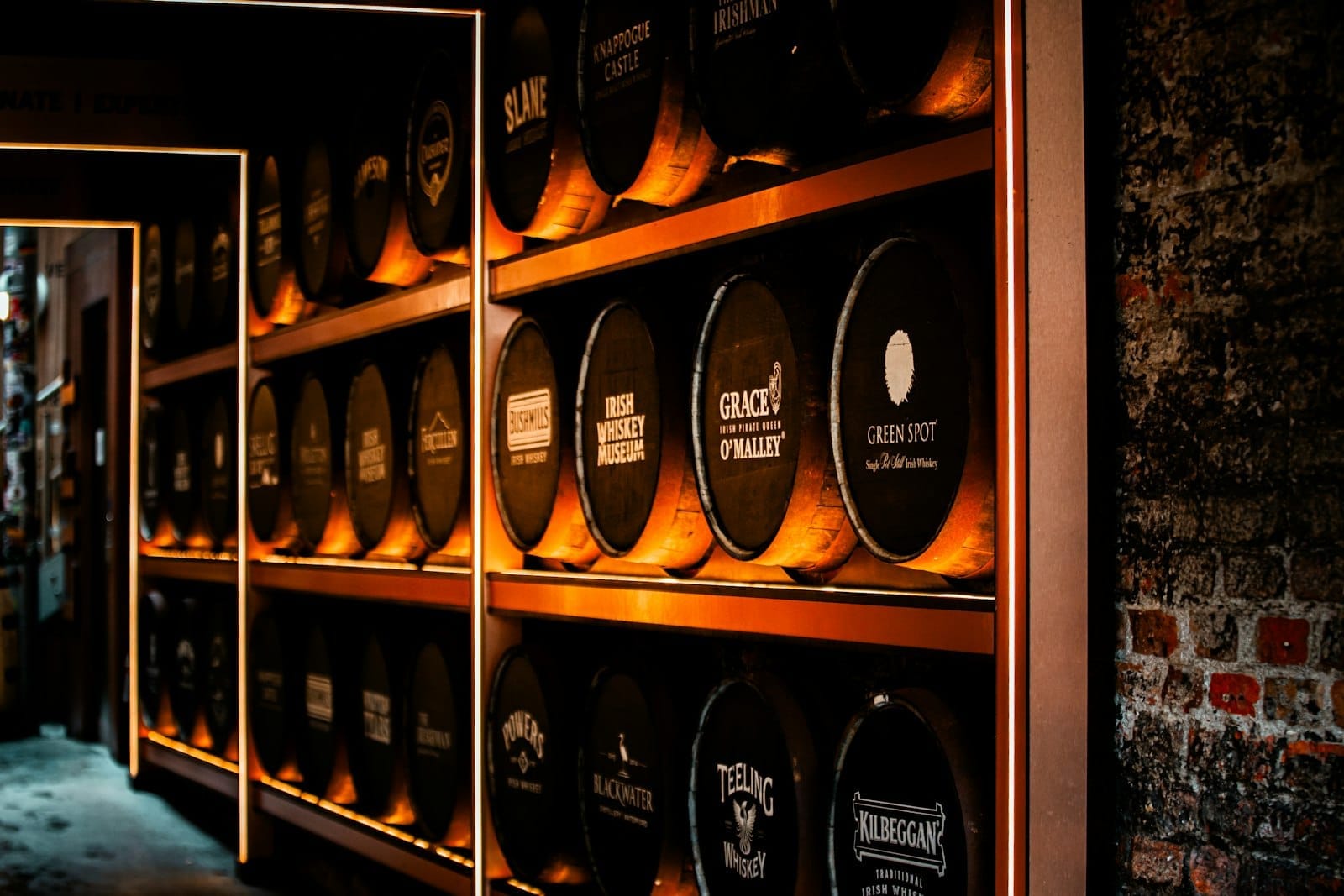
20. Get the Full History of Irish Whiskey on College Green
This dedicated whiskey museum in a Georgian building opposite Trinity College takes visitors from monastic distilling origins to the modern craft revival, with interactive tastings. Convenient central location makes it easy to combine with other attractions.
Explore20. Get the Full History of Irish Whiskey on College Green
This dedicated whiskey museum in a Georgian building opposite Trinity College takes visitors from monastic distilling origins to the modern craft revival, with interactive tastings. Convenient central location makes it easy to combine with other attractions.
Explore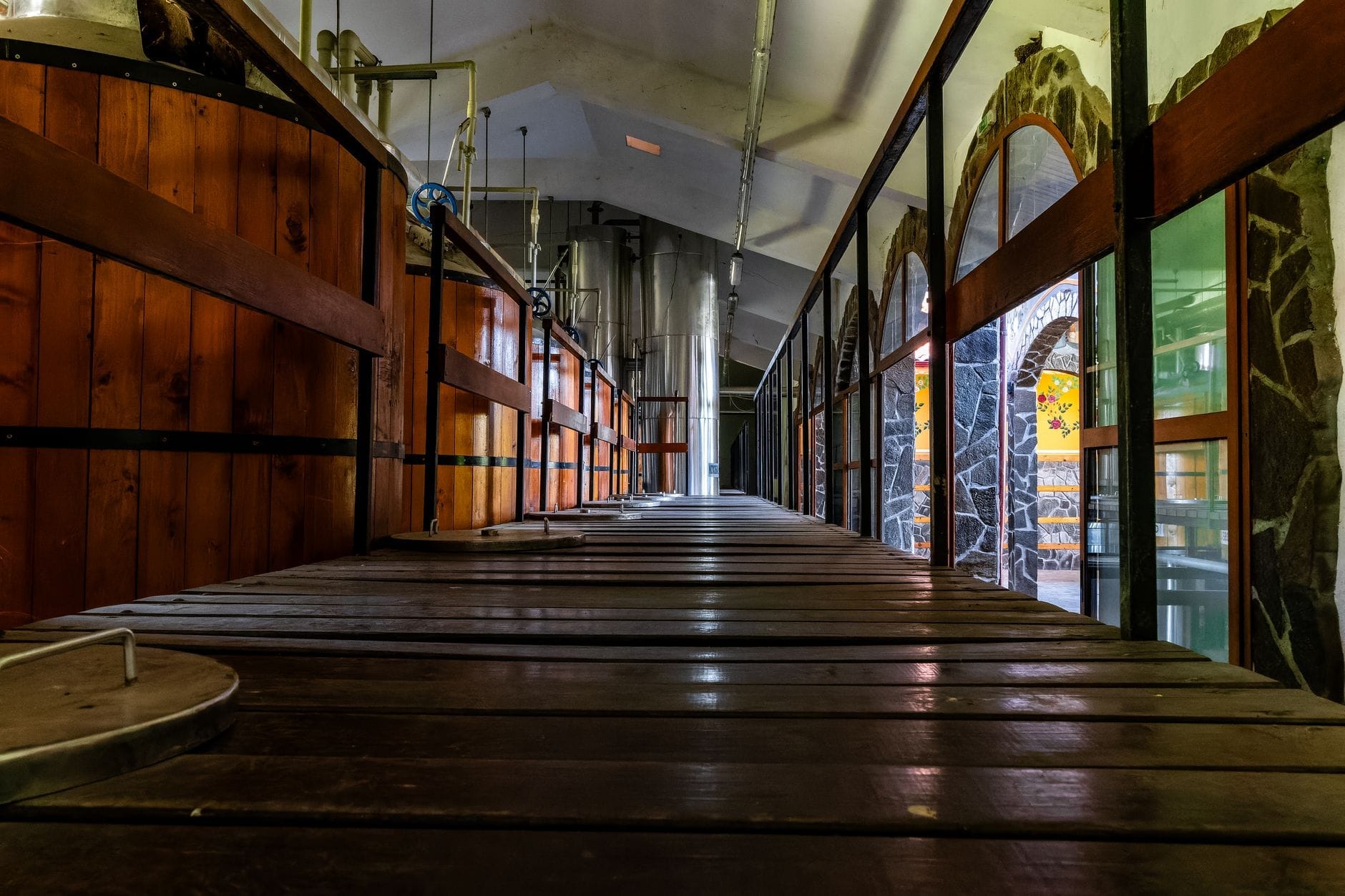
21. Taste Craft Whiskey Inside a Converted Victorian Church
A working craft distillery built into a beautifully restored 19th-century church in the Liberties. Tours cover the distilling process; tastings happen in the stunning converted nave. One of Dublin's most architecturally distinctive museum experiences.
Explore21. Taste Craft Whiskey Inside a Converted Victorian Church
A working craft distillery built into a beautifully restored 19th-century church in the Liberties. Tours cover the distilling process; tastings happen in the stunning converted nave. One of Dublin's most architecturally distinctive museum experiences.
ExploreFAQ
Which museums in Dublin are free to enter?
Several major Dublin museums are free, including the National Museum of Ireland (Archaeology branch on Kildare Street and Decorative Arts at Collins Barracks), the National Gallery of Ireland, the Chester Beatty Library, and the Dublin City Gallery The Hugh Lane. Always verify current admission policies on official websites before visiting, as temporary exhibitions may be ticketed.
What is the most visited museum in Dublin?
The Guinness Storehouse is consistently Ireland's most visited paid tourist attraction. Among free institutions, the National Museum of Ireland (Archaeology) and the National Gallery attract very large numbers. Book the Guinness Storehouse online in advance, especially in summer, to avoid queues and access cheaper ticket prices.
Are Dublin museums open on Mondays?
Many national institutions, including the National Museum branches and the Chester Beatty, are closed on Mondays. The Guinness Storehouse, Little Museum of Dublin, EPIC, and several paid attractions are typically open seven days a week. Always check official websites before visiting, particularly around public holidays when hours vary.
How many museums can I realistically visit in one day in Dublin?
Two or three museums make for a full and satisfying day. The National Museum of Ireland (Archaeology), National Gallery, and Chester Beatty are all within easy walking distance of each other and could be combined, though each deserves at least 90 minutes. Save Kilmainham Gaol, EPIC, and the Guinness Storehouse for separate days as each takes two or more hours.
Is the Book of Kells worth the ticket price?
The Book of Kells display in Trinity College's Treasury is genuinely extraordinary; the manuscript's detail is remarkable even under glass. The adjacent Long Room of the Old Library is worth the ticket alone. Book online in advance to avoid sold-out sessions and significantly longer queues at peak times, particularly summer and around St Patrick's Day.