Gaelic Games in Dublin: How to Watch GAA at Croke Park
Attending a Gaelic Games match at Croke Park is one of the most authentic experiences Dublin offers. This guide covers everything from buying tickets and navigating the stadium to understanding the sport, the season, and what separates a regular league game from an All-Ireland final.
Plan and book this trip
Tools from our partner Travelpayouts help you compare flights and hotels. If you book through them, we may earn a commission at no extra cost to you.
Flights
Hotels map
TL;DR
- Croke Park in Dublin is the home of the GAA and one of the largest stadiums in Europe, with a capacity of 82,300.
- All tickets must be bought in advance online via Ticketmaster or the GAA website. There is no ticket office at the gate. Create a My GAA account before you try to buy.
- All-Ireland Finals are not on general public sale. Tickets are allocated through county boards, clubs, and the GAA network — so for those games, you need to plan very differently.
- Regular championship and league games are far more accessible: prices range roughly from €15 for provincial club games up to €55+ for terrace seats at major All-Ireland fixtures.
- If you cannot get match tickets, the Croke Park Stadium Tour and the Skyline rooftop walk are bookable year-round and are genuinely worth the visit.
What Are Gaelic Games and Why Do They Matter in Dublin?
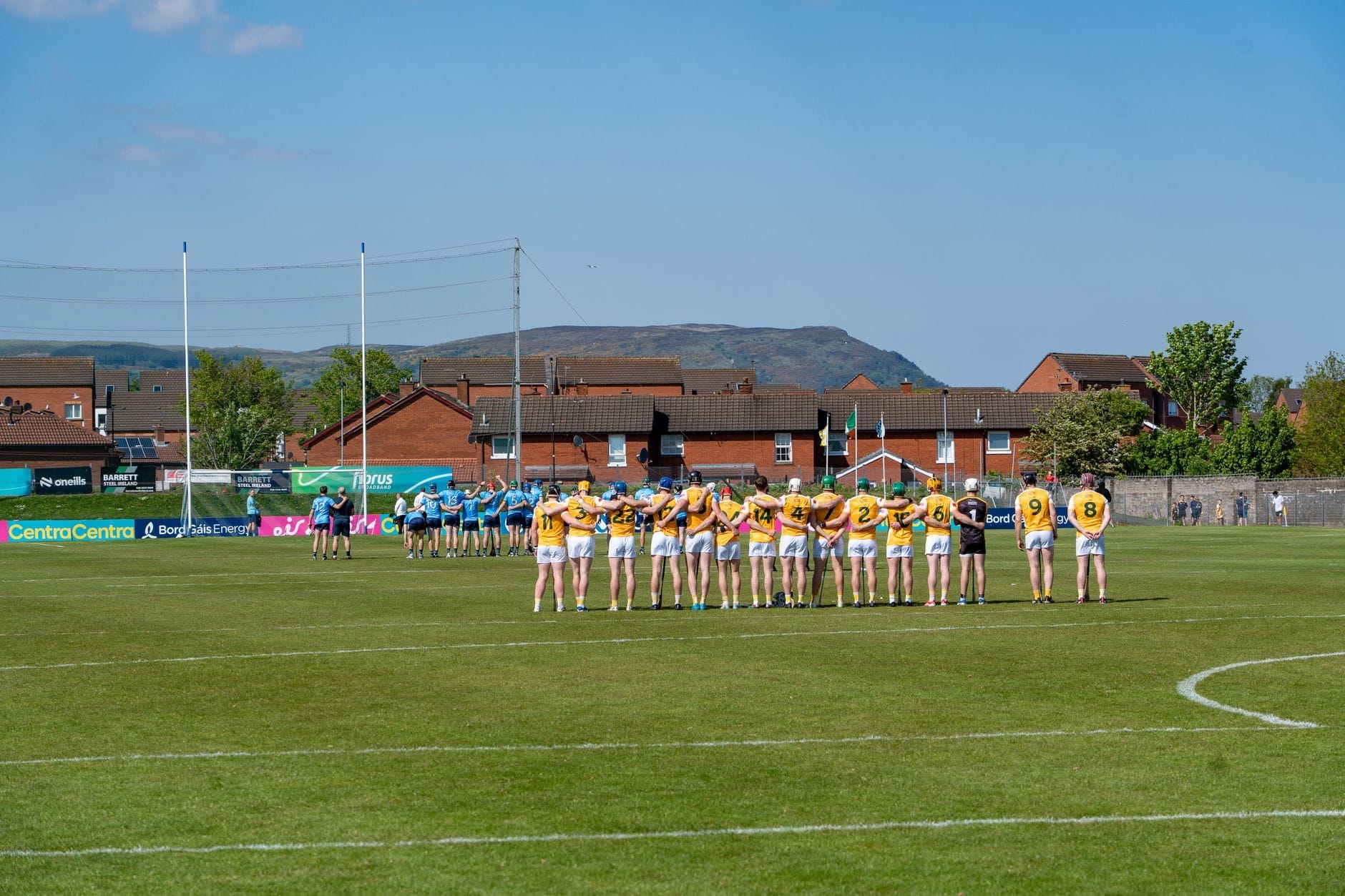
Gaelic Games are a collection of amateur sports governed by the Gaelic Athletic Association (GAA), founded in 1884. The two main codes are Gaelic football and hurling. Both are fast, physical, and played on a large grass pitch. Gaelic football resembles a hybrid of football and rugby: players kick, punch, and carry a round ball toward H-shaped goals. Hurling uses a curved wooden stick called a hurley to strike a small leather ball (the sliotar) at speed. Hurling is widely regarded as the fastest field sport in the world and is at least 3,000 years old according to Irish mythology and historical records.
Both sports are entirely amateur at all levels. Players represent their county, not a club franchise, and receive no payment. That fact alone changes the atmosphere at matches. The county jersey means something different from a professional team shirt. When Dublin (in navy blue) plays Kerry or Tyrone at Croke Park, it carries the weight of regional identity in a way that few professional leagues replicate. For a visitor, this context transforms what could look like a confusing ball game into something worth watching very closely.
ℹ️ Good to know
Dublin is one of the most successful counties in the modern GAA era. The Dublin senior football team won five consecutive All-Ireland titles between 2016 and 2020. Watching Dublin play at Croke Park in front of a home crowd is a particular kind of occasion.
Croke Park: The Stadium You Need to Know
Croke Park sits in Drumcondra, about 2 km north of O'Connell Street in Dublin city centre. With a capacity of 82,300, it is one of the largest stadiums in Europe and the largest in Ireland. The stadium has four stands: the Cusack Stand (the main west-facing stand), the Hogan Stand (east), the Canal End (south), and the Hill 16 terrace (north). Hill 16 is historically associated with the most passionate Dublin supporters and is standing-only. Tickets for Hill 16 are usually the cheapest option for big games.
The ground is not just a sports venue. It was the site of the Bloody Sunday massacre in November 1920, when British forces opened fire on spectators during a football match, killing 14 civilians. The history is embedded in the fabric of the place. If you want context before attending a match, the Croke Park Museum and Stadium Tour covers this history in detail and is one of the more thoughtful sports museum experiences in Ireland.
- Cusack Stand West-facing, the largest stand. Most corporate and premium seating is here. Named after GAA founder Michael Cusack.
- Hogan Stand East-facing. Named after Tipperary player Michael Hogan, killed on Bloody Sunday 1920. The players' tunnel and presentation area.
- Canal End (Davin Stand) South end. Good views, slightly cheaper prices for bigger games. Named after Maurice Davin, first GAA president.
- Hill 16 North terrace. Standing room. Traditionally the Dublin supporters' end. The cheapest terrace tickets for All-Ireland fixtures, historically priced around €55 for finals.
How to Buy Tickets for GAA Matches at Croke Park
This is the most important practical section in this guide. The single biggest mistake visitors make is arriving at Croke Park expecting to buy a ticket at the gate. There is no on-site ticket office. No ticket vans. No cash-on-the-door option. If you do not have a ticket before you arrive, you will not get in.
Official tickets are available through three channels: Ticketmaster (the primary platform for most championship fixtures), the official GAA ticket site at gaa.ie/tickets, and selected SuperValu and Centra convenience stores across Ireland. For any online purchase, you need to create a free My GAA account first. Tickets are typically issued as mobile passes, so have your phone charged and your account logged in before you travel.
⚠️ What to skip
All-Ireland Finals (both hurling and football) are NOT sold on general public sale. Tickets are allocated through county boards, clubs, corporate partners, and GAA members. If you want to attend a Final without a GAA connection, you will need to buy from a reseller — but expect prices many times face value and verify legitimacy carefully. Scam tickets and duplicate barcodes are a real problem around Finals week.
Pricing varies by fixture. There is no single standard price for a Croke Park match. A provincial club game or early-round Allianz League match might have terrace tickets in the €10-20 range. Senior All-Ireland Championship quarter-finals and semi-finals typically sit in the €30-55 range for terrace seats. For the All-Ireland Finals, the official face-value prices have been reported at around €55 for terraces and €100 for stands, though again these are only accessible through official GAA allocation channels. Check the specific match page on crokepark.ie for accurate pricing before buying anything.
💡 Local tip
Your best chance as a visitor to see a high-quality game with accessible tickets is an All-Ireland Championship preliminary quarter-final or quarter-final in July. The standard of play is excellent, crowds are large and passionate, and tickets go on general sale through normal channels. Book as soon as fixtures are confirmed.
The GAA Season: When to Go and What to Watch
The GAA season runs from late January through to mid-to-late August for the main senior inter-county competitions. The Allianz National Football and Hurling Leagues run from February through April and are the best low-pressure entry point for visitors. Crowd sizes are smaller, tickets are cheaper, and the atmosphere is still genuine. These games are also more likely to feature counties that would not normally reach the later stages of the All-Ireland Championship.
The All-Ireland Championship takes over from May onwards. Provincial championships (Leinster and Munster are the main ones) feed into a knockout and round-robin structure leading to the All-Ireland semi-finals in late July and the Finals in late July to mid-August. The hurling final typically comes first, followed by the football final a few weeks later. Both finals are played at Croke Park and are among the biggest sporting occasions on the Irish calendar. For more context on what else is happening in Dublin across the year, the best time to visit Dublin guide covers seasonal events in detail.
- February–April: National Leagues Lower ticket prices, better availability, good football and hurling. Ideal for first-time GAA visitors who want to ease in.
- May–June: Provincial Championships Leinster finals are often played at Croke Park. Dublin fixtures here attract huge local support.
- July: All-Ireland quarter-finals and semi-finals The most accessible high-stakes games for visitors. Book early but general sale applies.
- Late July–August: All-Ireland Finals The pinnacle of both hurling and football. Tickets are extremely difficult to source through normal channels.
Getting to Croke Park on Match Day
Croke Park is well served by public transport and is genuinely walkable from the city centre. From O'Connell Street, it takes around 20-25 minutes on foot heading north via Parnell Square and along Jones Road. On a clear summer evening this is a pleasant walk with the crowd building around you as you get closer.
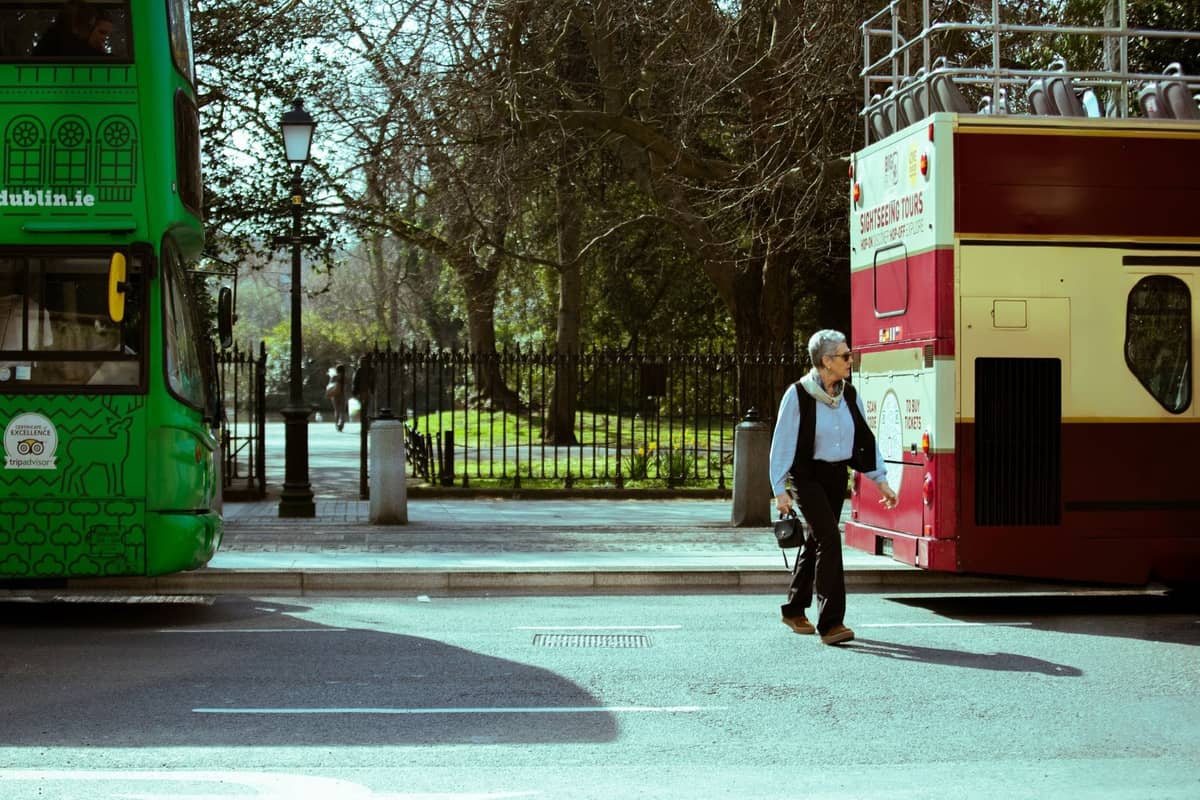
By public transport, the Dublin Bus network has multiple routes that serve the area, particularly along Clonliffe Road and the North Circular Road. The Luas Red Line stops at Connolly Station, which is about a 15-minute walk from the ground. There is no direct Luas stop at the stadium itself. Taxis and ride-hailing apps (Free Now and Uber, which operates using licensed taxis in Dublin) are a practical option for getting there, but picking up after the match can be slower due to traffic and demand spikes around the stadium exits.
Driving is not recommended for match days. Parking near the stadium is extremely limited, many surrounding streets have match-day restrictions, and post-match traffic can be serious. The stadium itself does not have a public car park. Walk, get the bus, or plan a taxi drop-off a few streets away and walk the rest.
✨ Pro tip
Your ticket will have a colour-coded gate assignment printed on it. Follow that colour, not just the nearest entrance. The four stands have separate entrances and stewards will redirect you if you go to the wrong gate, which wastes time when crowds are largest in the 30 minutes before throw-in.
What to Expect Inside the Ground
Croke Park is a modern, well-run stadium. Concourses are wide, food and drink facilities are spread across all levels, and the sightlines from almost every seat are excellent. The pitch dimensions are significantly larger than a football (soccer) pitch, which takes a moment to adjust to. The speed of play in hurling in particular is striking the first time you see it in person. Television does not fully capture how fast the sliotar moves.
The atmosphere during big championship games is genuinely something apart. County colours dominate the stands, the national anthem is sung before throw-in, and the noise levels at key moments are comparable to any major sports event in Europe. Bring layers regardless of the time of year. Dublin's weather is unpredictable and the open sections of the upper tiers can be cold and exposed even in July. For more on what else makes Dublin worth visiting in summer, the things to do in Dublin guide covers the broader picture.
Accessibility provision is solid. Wheelchair spaces are located on Level 4 in both the Cusack and Davin Stands. The accessible entrance for public-level wheelchair users is via Gate A2 at the Cusack Stand turnstiles. When buying tickets for wheelchair users, select the relevant accessibility category when prompted during the online booking process or contact the GAA ticketing team directly.
If you cannot make it to a live match, the stadium itself is worth visiting independently. The Croke Park Museum traces the full history of Gaelic Games and the 1920 Bloody Sunday events. The Skyline experience is a guided walk across the roof of the stadium with views across Dublin toward the Wicklow Mountains on clear days. Both require pre-booking and are separate from match tickets.
FAQ
Can I buy GAA tickets at the Croke Park gate on the day?
No. Croke Park does not sell tickets at the gate or through any on-site ticket office. All tickets must be purchased in advance through Ticketmaster, the official GAA ticketing site, or selected SuperValu/Centra stores. Arriving without a ticket means you will not get in, even for less prominent fixtures.
How do I get tickets for an All-Ireland Final at Croke Park?
All-Ireland Finals are not sold on general public sale. Tickets are distributed through county boards, GAA clubs, corporate partners, and the broader GAA membership network. Visitors without a GAA connection typically need to use ticket resellers, but prices are often several times face value and the risk of fraudulent tickets is real. Your best alternative is to target All-Ireland semi-finals or quarter-finals, which are on general sale and offer the same venue and near-equivalent atmosphere.
How much do Croke Park GAA tickets cost?
Prices vary by fixture. Early league games can cost €10-20 for terrace entry. Championship quarter-finals and semi-finals are typically in the €30-55 range for standing areas and higher for seating. All-Ireland Final tickets, where officially allocated, have been priced at around €55 for terraces and €100 for stand seats in recent years. Always check the specific match page on crokepark.ie for current pricing.
What is the best GAA match to watch as a first-time visitor?
An All-Ireland Championship quarter-final or semi-final in July gives you the best combination of high-quality play, genuine crowd atmosphere, and accessible ticket availability. If you are in Dublin during the National League season (February to April), those games are less intense but significantly cheaper and still worth attending to get a feel for the sport.
Is there anything to do at Croke Park when there is no match on?
Yes. The Croke Park Stadium Tour and Museum are open most days and cover the history of Gaelic Games including the 1920 Bloody Sunday events. The Skyline guided rooftop walk offers panoramic views across Dublin. Both require advance booking and are entirely separate from match-day tickets. Check crokepark.ie for current schedules and pricing.