Dublin Nightlife Guide: Best Pubs, Bars & Clubs (2026)
Dublin has around 772 pubs, dozens of late-night bars, and several distinct club districts. This guide breaks down where to drink, when to go, what it costs, and which neighbourhoods to skip if you want to avoid tourist pricing.
Plan and book this trip
Tools from our partner Travelpayouts help you compare flights and hotels. If you book through them, we may earn a commission at no extra cost to you.
Flights
Hotels map
TL;DR
- Dublin has roughly 772 pubs spread across the city, split by the River Liffey into distinct north and south drinking cultures.
- Temple Bar is convenient but overpriced — locals drink on Capel Street, Camden Street, and in Portobello and Ranelagh instead.
- Standard pubs close around 23:30 on weeknights; select late-night venues serve until 02:30 on Fridays and Saturdays.
- The legal drinking age is 18, but many clubs enforce over-21 or over-25 door policies — carry ID regardless of age.
- For the best pint-to-price ratio, head north of the Liffey or explore the Smithfield and Liberties areas.
Understanding Dublin's Nightlife Landscape
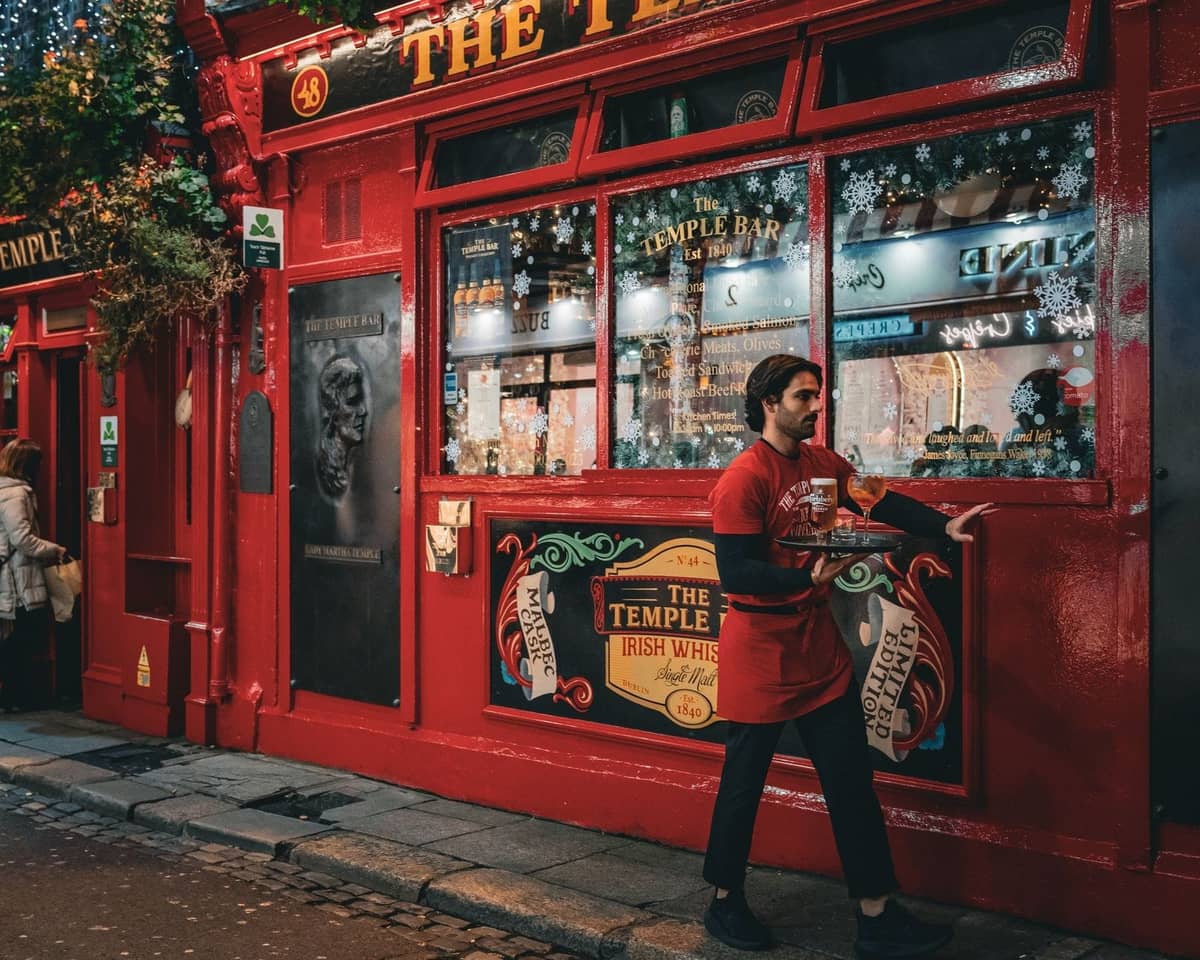
Dublin's nightlife is built around the pub, and that is not a cliche. The pub in Ireland functions as a social institution rather than simply a place to drink: conversations run long, live music is often free, and nobody rushes you out. With close to 772 pubs in the city alone, the density means there is rarely a need to travel far, but the quality and character vary enormously by neighbourhood.
The River Liffey divides Dublin into northside and southside, and that split shapes the drinking culture. The southside concentrates most of the tourist-facing nightlife: Temple Bar, Harcourt Street, Camden Street, and the streets around St Stephen's Green. The northside offers Capel Street, Parnell Street, and a growing cluster around Smithfield that tends to be cheaper and less crowded with visitors.
⚠️ What to skip
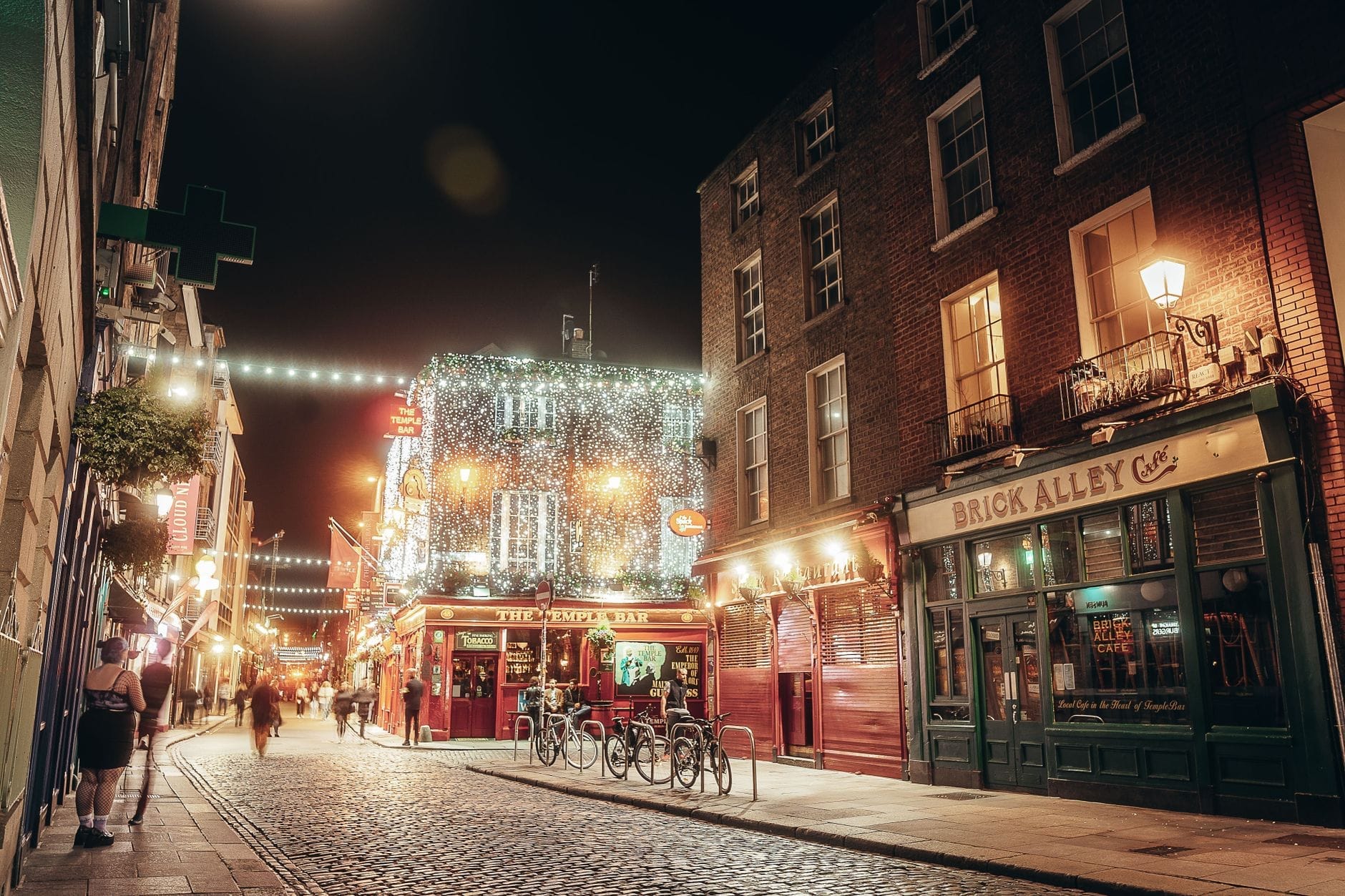
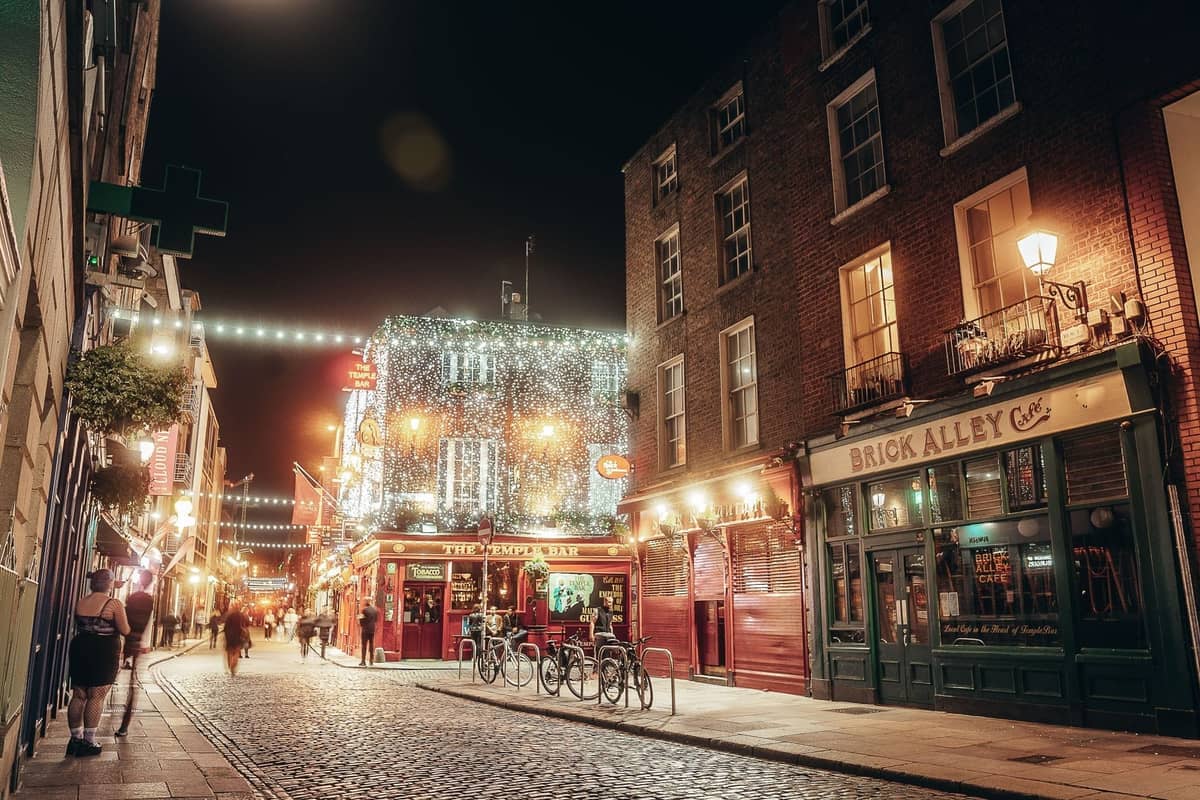
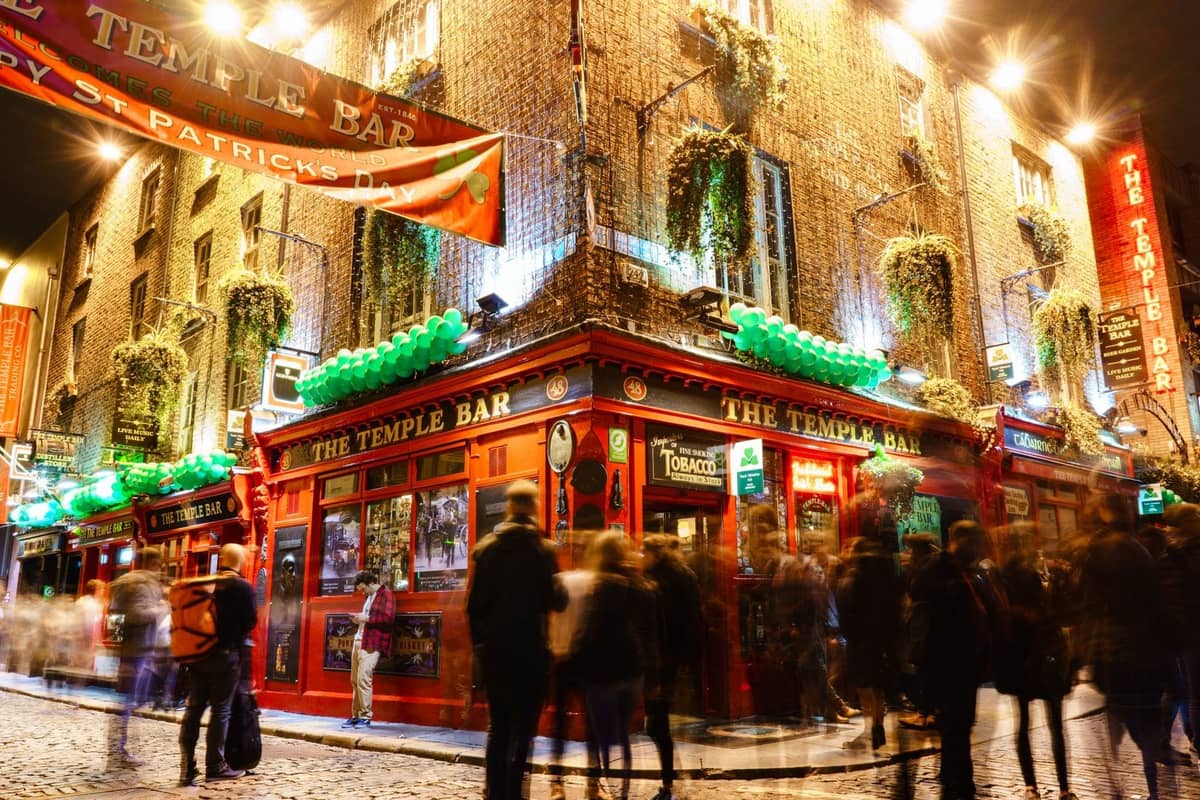
Temple Bar is not where Dubliners drink. Local guides consistently describe it as a tourist enclave with prices to match — think of it like Times Square in New York. It is fine for one drink and the atmosphere, but you will pay a premium for that experience. A pint in Temple Bar can cost noticeably more than the same beer two streets away.
Opening Hours, Late Licences, and How the Night Works
Irish licensing law sets the framework for when pubs can serve alcohol, and Dublin operates within those national rules. Standard pub hours run from around 10:30 on weekdays with last orders at 23:30. On Fridays and Saturdays, last orders extend to 00:30. Sundays start later, from noon, with last orders at 23:00. After last orders, venues have roughly 30 minutes of drinking-up time before they must clear the bar.
A separate category of late-night venues holds special licences allowing service until around 02:30 on selected nights. These include late bars and clubs such as Pygmalion and several venues concentrated on Harcourt Street: Copper Face Jacks, Dicey's, and The Black Door, which are the spots you head to after the pubs close, not instead of them.
- Monday to Thursday Pubs open from around 10:30, last orders 23:30, drinking-up time until approximately midnight.
- Friday and Saturday Last orders at 00:30, meaning you can realistically be drinking until around 01:00 in most pubs.
- Sunday Most pubs open from noon, last orders 23:00. A quieter, more relaxed session day.
- Late-night venues Selected bars and clubs hold licences to serve until approximately 02:30 on Friday and Saturday nights.
💡 Local tip
If you want to make a night of it, plan to pub-hop until around midnight, then move to a late-licence venue. Arriving at Harcourt Street clubs before 23:30 usually means shorter queues and no cover charge at some venues. After midnight, queues can stretch for 30-45 minutes.
The Best Areas for Nightlife by Type
Different parts of Dublin serve different purposes at night. Choosing the right neighbourhood upfront saves time and money.
Camden Street and its extension into Wexford Street is where many Dubliners actually drink. The stretch runs south from St Stephen's Green and contains a mix of traditional pubs, live music venues, and late bars. It is walkable from the city centre and the crowd is a genuine cross-section of the city. Nearby Portobello adds quieter, neighbourhood-style pubs that are worth seeking out if the main strip gets too loud.
Capel Street on the northside has developed significantly over the past decade. It now hosts a concentration of independent bars, queer-friendly venues, and late-night spots that attract a younger, more local crowd. Prices here tend to be lower than on the southside, and the area connects easily to Smithfield, which has its own cluster of bars around the square.
Harcourt Street is Dublin's club corridor. The street itself is short but dense with nightclubs, and the Luas Green Line stop at Harcourt makes getting there and home straightforward. This is where you go if dancing is the plan. The clubs here range from commercial pop to more varied DJ nights depending on the venue and night of the week.
- Temple Bar Best for: atmosphere, tourist experience, one iconic drink. Not for: value, avoiding crowds, or finding locals.
- Camden Street / Wexford Street Best for: live music, genuine local bars, late-night options. Good all-round choice for most visitors.
- Capel Street (Northside) Best for: independent bars, queer-friendly spaces, lower prices. Growing scene worth exploring.
- Harcourt Street Best for: nightclubs, late-night dancing. Copper Face Jacks is an institution; expect queues on weekends.
- Smithfield Best for: whiskey distillery bars, pre-club drinks, a less tourist-heavy experience north of the Liffey.
Classic Pubs Worth Visiting
Dublin's historic pubs have genuine character that is worth experiencing, even if some have become well-known to visitors. The key is managing expectations: these are not undiscovered locals-only spots, but they are historically significant and often excellent.
The Brazen Head on Bridge Street claims to be Ireland's oldest pub, with an origin date of 1198, though the current building dates to 1754. It sits just west of the city centre near the Liberties, and runs live traditional music seven nights a week from 21:00. It draws a mixed crowd of tourists and locals, and the courtyard is worth seeing. It is genuinely atmospheric rather than purely performative.
The Stag's Head on Dame Court is one of the finest Victorian pub interiors in the city: mahogany, stained glass, and tiled floors that have not been ripped out and replaced with laminate. It is small and gets busy early on weekends, so arrive before 20:00 if you want a seat. The Palace Bar on Fleet Street is another well-preserved traditional pub with a strong literary history, sitting at the edge of Temple Bar without the full tourist-zone markup.
For traditional Irish music in an authentic setting, O'Donoghue's on Merrion Row remains one of the city's best-regarded session venues. It has strong associations with the Dubliners folk group and attracts serious musicians. Sessions typically run Wednesday through Sunday, but mid-week visits often feel more genuine than Friday or Saturday when capacity is pushed to the limit.
✨ Pro tip
Traditional Irish music sessions are almost always free to attend in pubs — no cover charge, no ticket required. The musicians are typically regulars, not paid performers, and the etiquette is to buy drinks and let the music happen around you rather than treating it as a concert. Shouting requests or filming musicians up close is considered poor form.
Whiskey Bars, Craft Beer, and the Evolving Drinks Scene
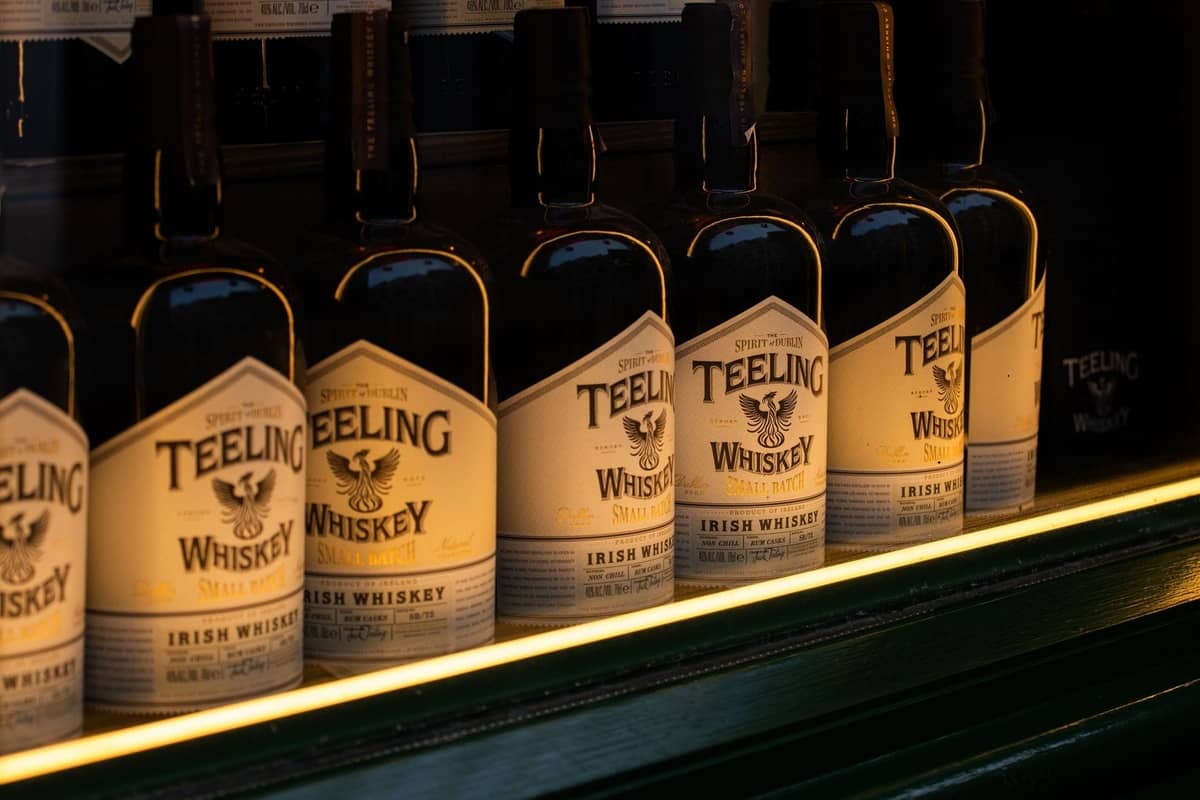
Dublin's drinks scene has expanded well beyond Guinness and generic lager. The city now has multiple working distilleries that operate bars: Teeling Whiskey Distillery in the Liberties and Jameson Distillery on Bow Street both offer tasting experiences and in-house bars. If Irish whiskey is your focus, these give context to the glass in a way a regular bar cannot.
Craft beer has taken hold across the city, with Irish breweries like Rascals, Dot Brew, and White Hag appearing on taps in independent bars. The Cobblestone in Smithfield is an institution that blends traditional session music with a wider drinks selection than most old-school pubs. It has a fiercely loyal local following and represents the kind of pub that Dubliners will defend loudly when development threatens it.
Cocktail bars have also grown in number, particularly around South William Street and the streets between Grafton Street and Camden Street. The area around George's Street Arcade contains several good options within walking distance of each other, making it a practical starting point for a night that moves between styles of venue.
Practical Rules, Entry Requirements, and What to Expect
The legal drinking age in Ireland is 18. Carry photo ID regardless of how old you look; many venues enforce strict ID checks, particularly late-night bars and clubs. A passport or EU identity card is the most reliably accepted form of identification. Irish driver's licences are accepted, but foreign driver's licences can sometimes be questioned.
Age at the door is a separate issue from the legal drinking age. Many Dublin clubs operate over-21 or over-25 entry policies, particularly on weekend nights. This is a venue decision rather than a legal requirement, and it is applied at the discretion of door staff. Check the venue's social media or website before queuing if age policy matters to your group.
Dress codes in pubs are generally casual, but nightclubs often prohibit sports trainers (sneakers), tracksuits, or overly casual sportswear. Smart casual is the safe default. For context on navigating the city's different areas at night, the getting around Dublin guide covers transport options including night buses and taxis, which are essential for late-night returns.
- Legal drinking age: 18, but many clubs enforce 21 or 25-plus entry.
- Always carry photo ID — passport is the most universally accepted.
- Trainers and sportswear are often refused entry at clubs; smart casual is the safest choice.
- Tipping is appreciated but not mandatory in pubs; rounding up or leaving small change is the norm.
- Night buses (Nitelink) and taxis are the main options after midnight; rideshare apps including Bolt and Free Now operate in Dublin.
- Pints of Guinness cost more in Temple Bar than in most other areas — the price difference can be substantial.
If nightlife is central to your trip, it is worth thinking about where you stay. Accommodation close to Camden Street or the southside city centre puts you within walking distance of most venues without needing taxis. The where to stay in Dublin guide breaks down the best neighbourhoods by location and budget.
FAQ
What time do pubs close in Dublin?
Standard pubs call last orders at 23:30 Monday to Thursday, and 00:30 on Fridays and Saturdays. Sundays last orders are at 23:00. There is roughly 30 minutes of drinking-up time after last orders. A selection of late-licence venues can serve until around 02:30 on weekend nights.
Is Temple Bar worth visiting for nightlife?
Temple Bar is convenient and atmospheric, but it is not where Dubliners drink. Prices are higher than elsewhere in the city, and the crowd is predominantly tourists. One drink and a look around is worthwhile; spending your whole evening there is not the most authentic or cost-effective choice. Camden Street and Capel Street offer better value and a more local experience.
What is the best area for traditional Irish music in Dublin?
O'Donoghue's on Merrion Row and The Cobblestone in Smithfield run regular traditional sessions. Mid-week sessions, particularly Wednesday to Thursday, often have a more authentic feel than Friday and Saturday nights when venues fill beyond comfortable capacity. Sessions are almost always free to attend.
Do Dublin clubs have age restrictions beyond the legal drinking age?
Yes. Many Dublin nightclubs operate over-21 or over-25 door policies, particularly on Friday and Saturday nights. This is a venue decision rather than a legal requirement. Check the specific club's website or social media before queuing. The legal drinking age in Ireland is 18, but that does not guarantee entry to all venues.
How much does a pint cost in Dublin?
Pint prices vary significantly by area. Temple Bar commands a premium. Away from tourist-facing areas, on Capel Street or in neighbourhood pubs, prices tend to be lower. Exact prices change and should be checked at individual venues, but as a general rule, northside and residential southside pubs consistently undercut the Temple Bar area.