Best Beaches Near Dublin: Strands, Swims & Coastal Walks
Dublin Bay is a UNESCO Biosphere Reserve with more beaches than most visitors expect. This guide covers the best strands, swimming spots, and coastal walks within easy reach of the city, from the vast sands of Dollymount to the dramatic cliffs of Howth and the sheltered coves of Dún Laoghaire.
Plan and book this trip
Tools from our partner Travelpayouts help you compare flights and hotels. If you book through them, we may earn a commission at no extra cost to you.
Flights
Hotels map
Dublin Bay stretches from Howth Head in the north to Killiney Hill in the south, threading together a surprisingly varied coastline of sandy strands, sheltered coves, Victorian piers, and dramatic clifftops. All of it is accessible by DART, bus, or a short drive, making a beach day one of the easiest and most rewarding things you can do here. For a broader look at what else the coast offers, see our day trips from Dublin guide. If you want to plan the rest of your time in the city around the water, our one-week Dublin itinerary builds in coastal stops alongside the main city sights.
💡 Local tip
Dublin's official bathing season runs 1 June to 15 September, when lifeguards are most likely to be on duty. Sea temperatures range from roughly 10–16°C year-round. Check tide times and water quality flags at Beaches.ie before you go.
Sandy Strands Close to the City
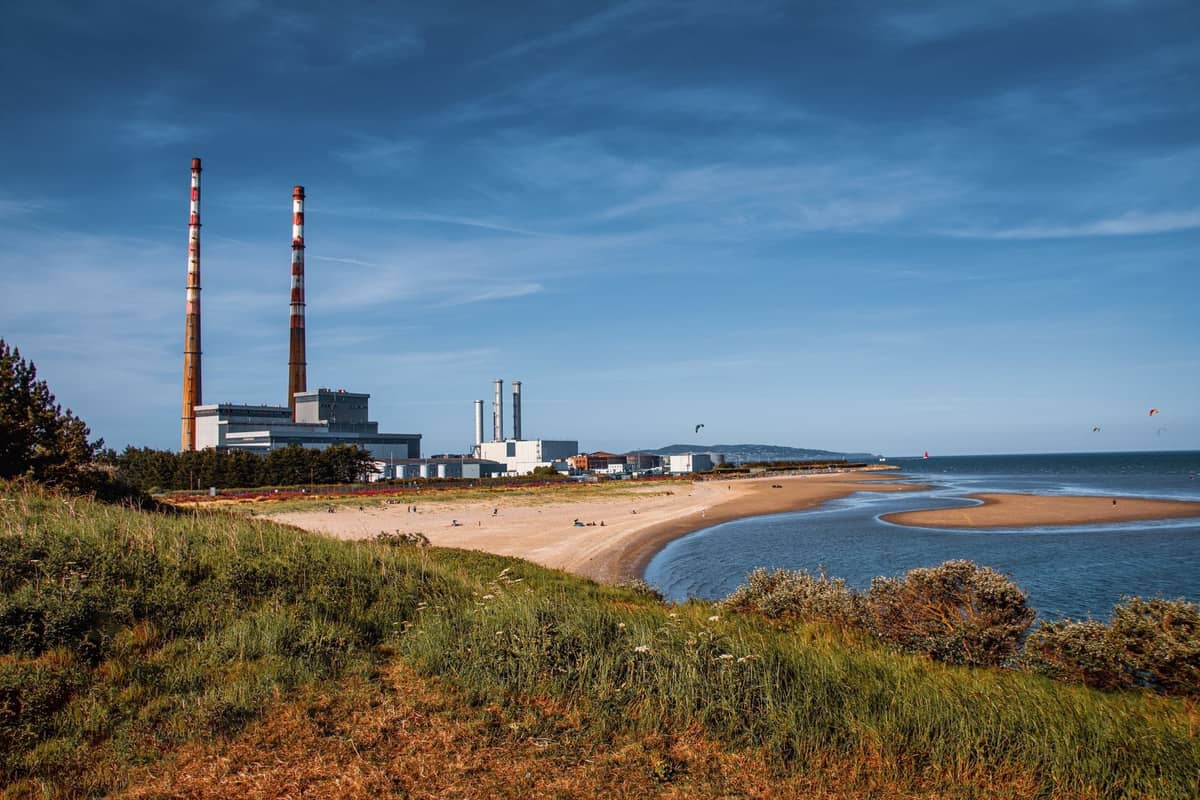
The closest beaches to central Dublin sit within Dún Laoghaire and the northside bay, reachable in under 30 minutes from the city centre. These are the go-to spots for Dubliners on a warm afternoon, and for good reason: the two main strands are long, free, and well-served by public transport.
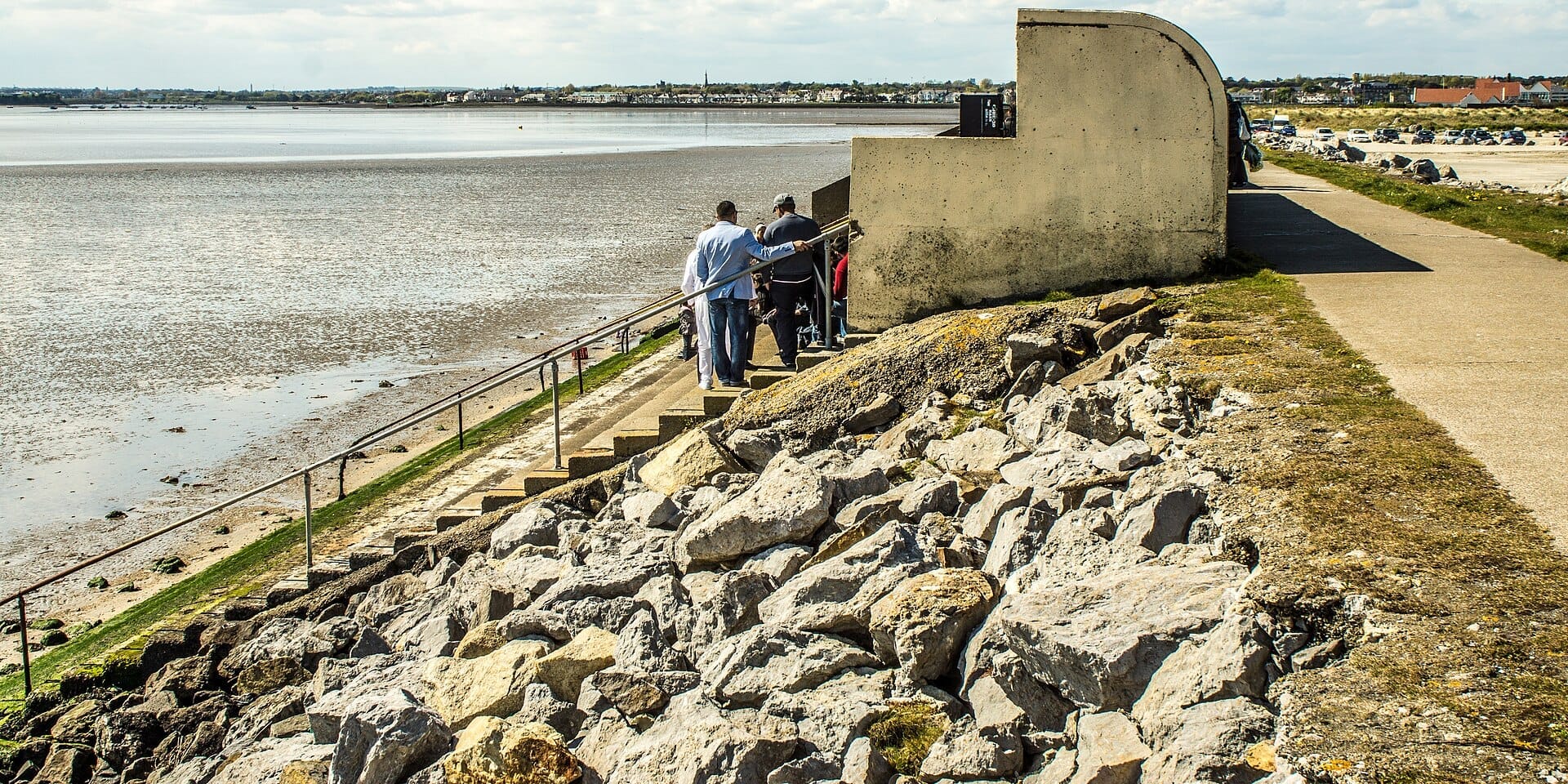
1. Walk or Swim at Dollymount Strand on Bull Island
Dublin's closest large beach, just 5 km from the city centre. The 5 km sandy strand sits on a UNESCO Biosphere Reserve island with dunes, salt marshes, and birdlife. Take the 130 bus or cycle the wooden bridge. Strong tides, so check flags before swimming.
Explore1. Walk or Swim at Dollymount Strand on Bull Island
Dublin's closest large beach, just 5 km from the city centre. The 5 km sandy strand sits on a UNESCO Biosphere Reserve island with dunes, salt marshes, and birdlife. Take the 130 bus or cycle the wooden bridge. Strong tides, so check flags before swimming.
Explore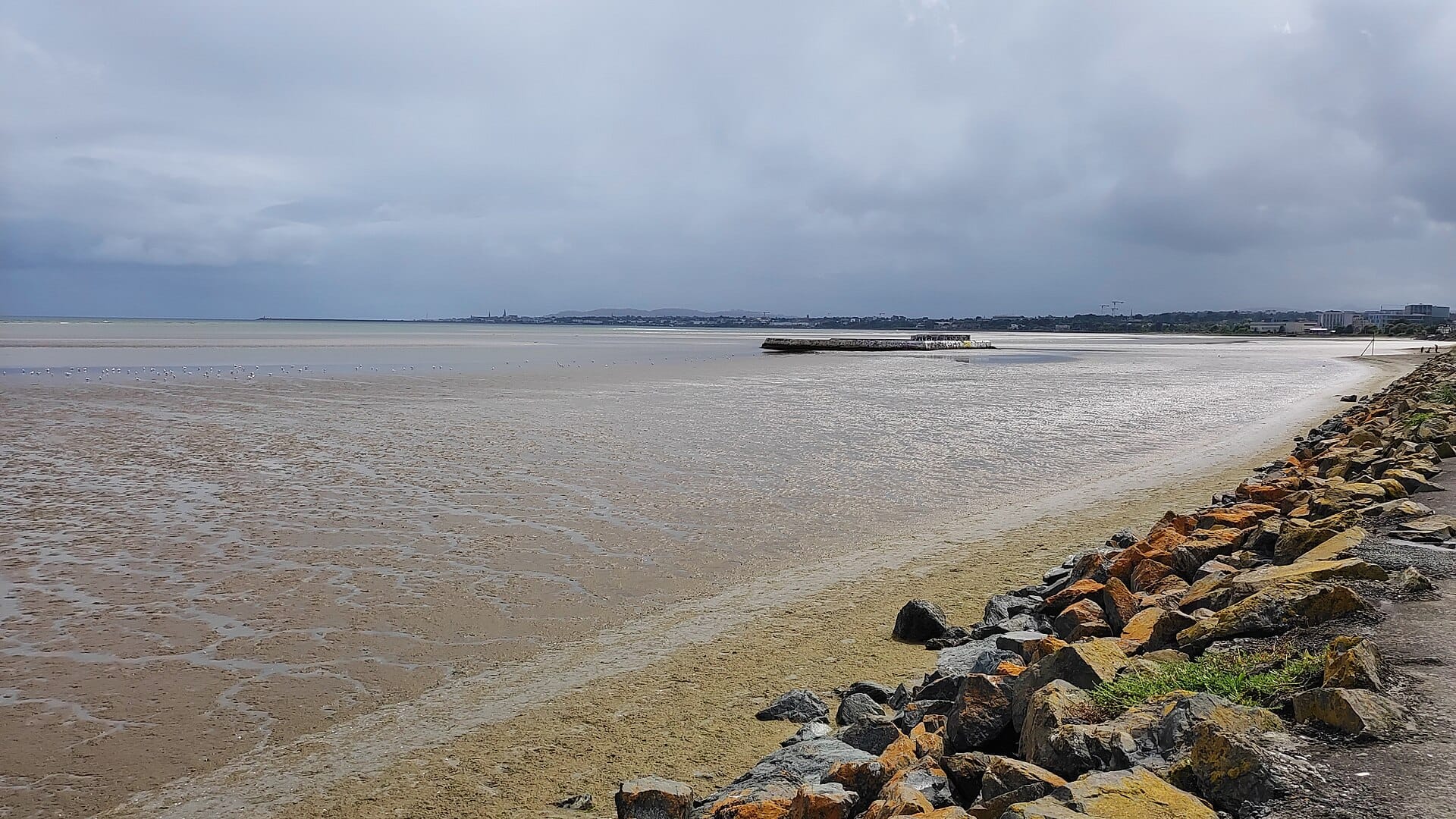
2. Stroll the Tidal Flats of Sandymount Strand
A vast tidal strand on Dublin's southside, immortalised in Joyce's Ulysses. At low tide, the sand stretches hundreds of metres, with views of the Poolbeg chimneys and Wicklow Mountains. It's a walker's beach rather than a swimmer's, due to the shallow tidal nature.
Explore2. Stroll the Tidal Flats of Sandymount Strand
A vast tidal strand on Dublin's southside, immortalised in Joyce's Ulysses. At low tide, the sand stretches hundreds of metres, with views of the Poolbeg chimneys and Wicklow Mountains. It's a walker's beach rather than a swimmer's, due to the shallow tidal nature.
Exploreℹ️ Good to know
Sandymount is best for walking at low tide. Dollymount has stronger currents on the seaward side. Both are free and served by Dublin Bus routes from the city centre.
Dún Laoghaire & Sandycove: Piers, Coves & Cold Water Swimming
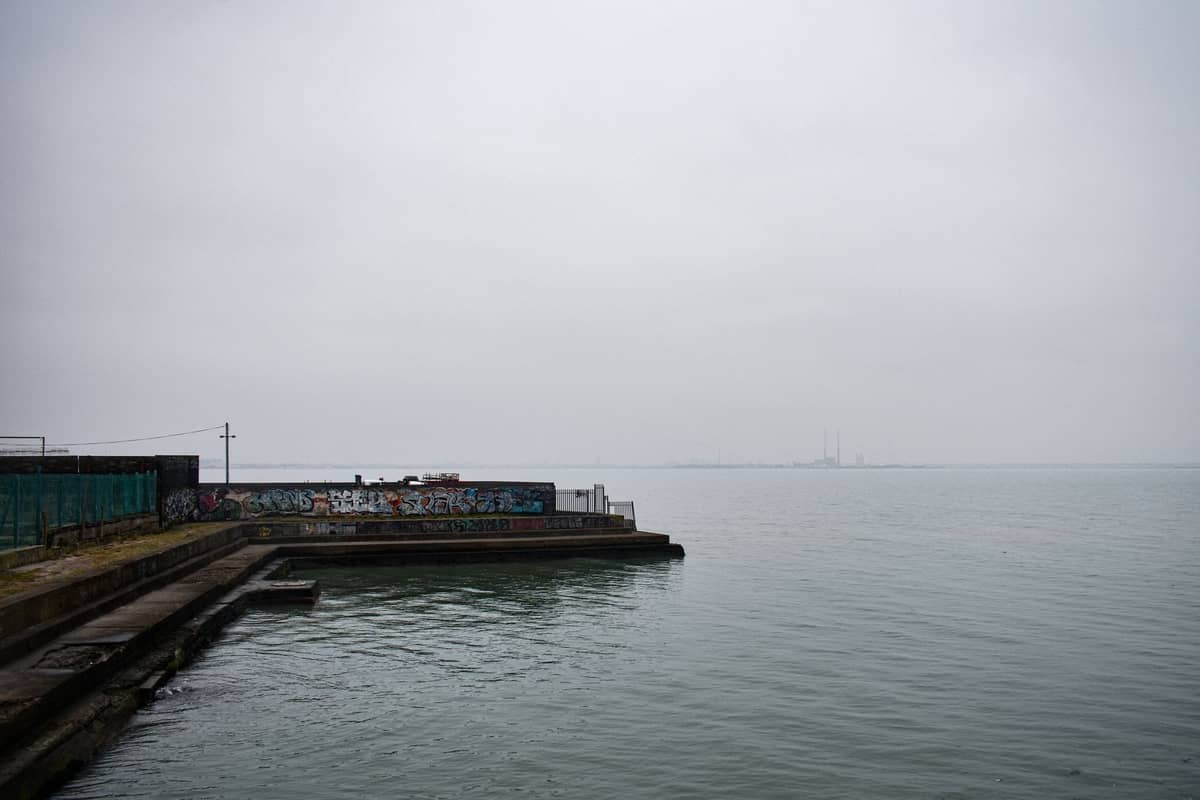
The DART south line runs directly to Dún Laoghaire and Sandycove/Glasthule stations, putting two of Dublin's finest coastal spots within 25 minutes of the city centre. This stretch of coast combines a Victorian promenade, a famous sea swimming spot, and a Joycean Martello tower. For more on what to do in the area, see our Dún Laoghaire area guide.
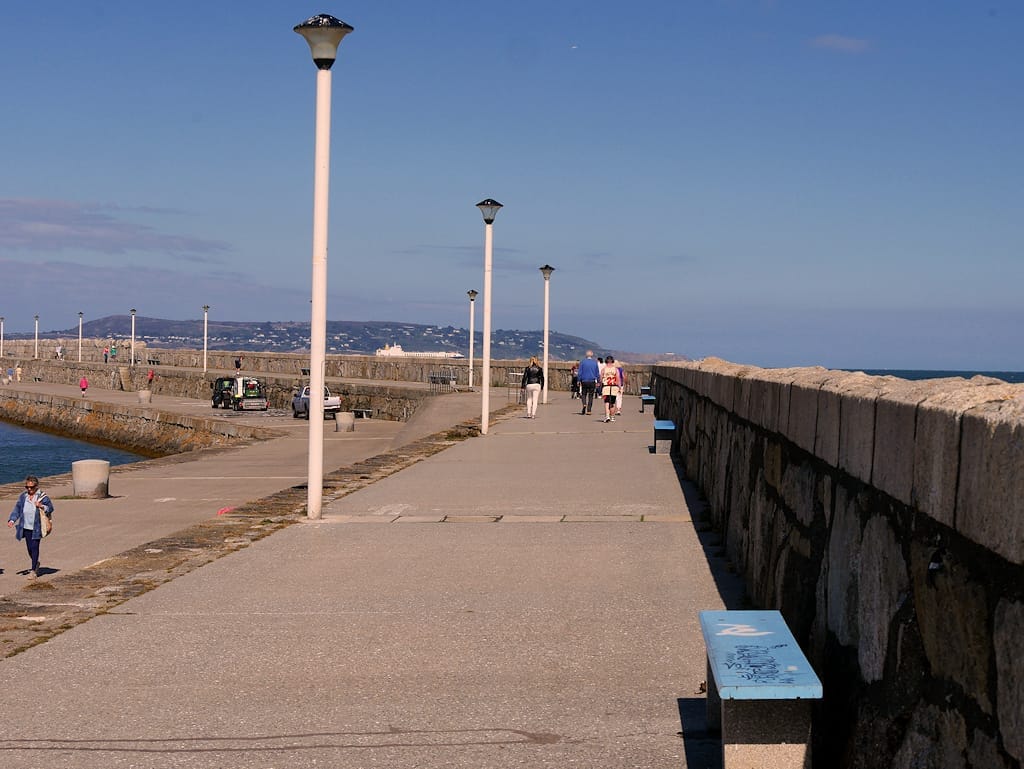
3. Take the Classic Pier Walk at Dún Laoghaire
The 1.3 km East Pier walk is one of Dublin's great seaside rituals. The Victorian granite pier juts into Dublin Bay with views of the Wicklow Mountains and passing ferries. Wind can be strong at the pier head, but there is shelter along the inner harbour side. Allow 45 minutes return.
Explore3. Take the Classic Pier Walk at Dún Laoghaire
The 1.3 km East Pier walk is one of Dublin's great seaside rituals. The Victorian granite pier juts into Dublin Bay with views of the Wicklow Mountains and passing ferries. Wind can be strong at the pier head, but there is shelter along the inner harbour side. Allow 45 minutes return.
Explore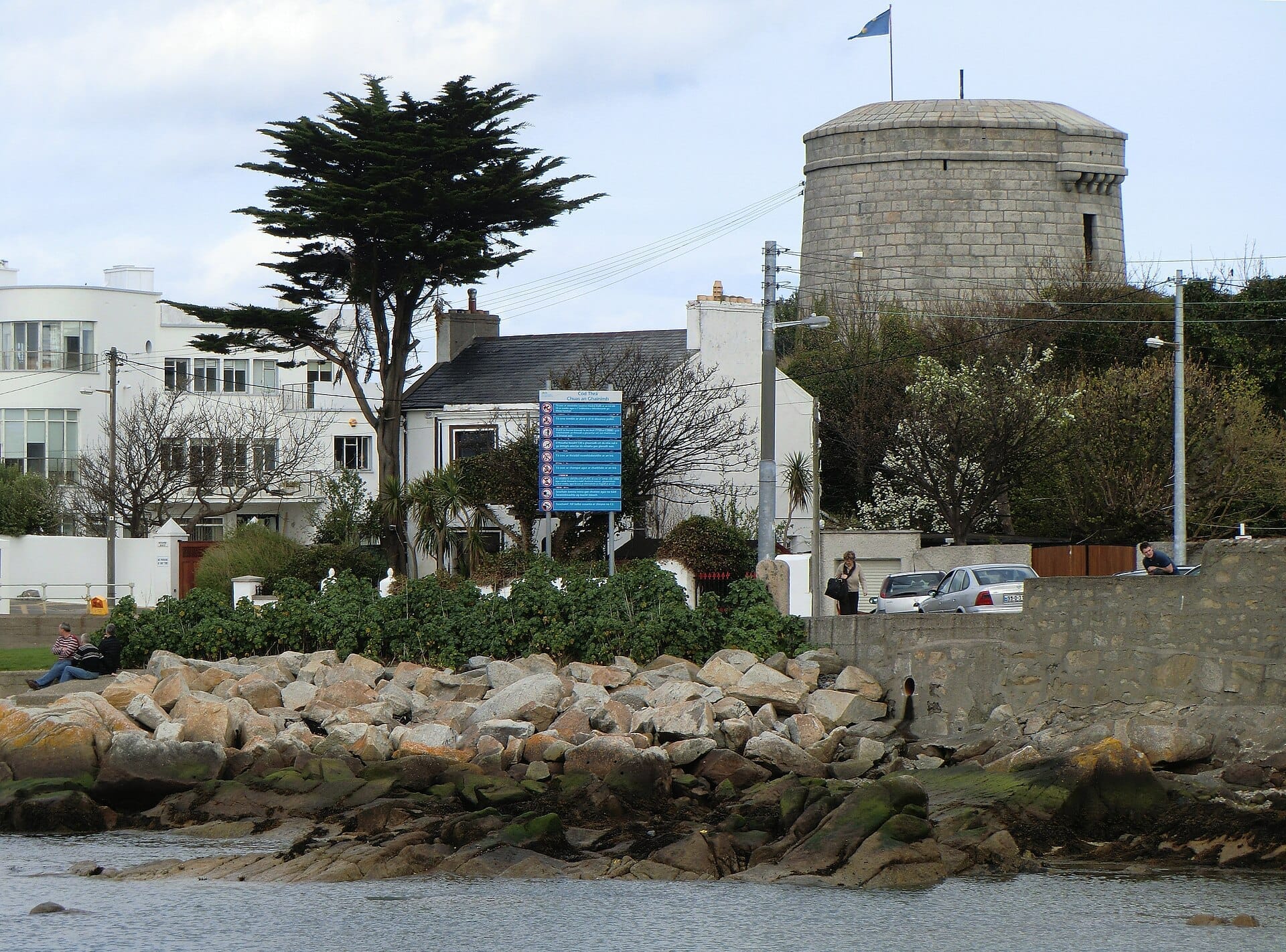
4. Swim at the Forty Foot and Visit the Joyce Tower, Sandycove
Sandycove is where the Forty Foot, a famous year-round sea swimming spot, sits below a Martello tower that opens Ulysses. The sheltered cove is ideal for a dip. The tower houses a small Joyce museum. Take the DART to Sandycove/Glasthule, a 5-minute walk from both.
Explore4. Swim at the Forty Foot and Visit the Joyce Tower, Sandycove
Sandycove is where the Forty Foot, a famous year-round sea swimming spot, sits below a Martello tower that opens Ulysses. The sheltered cove is ideal for a dip. The tower houses a small Joyce museum. Take the DART to Sandycove/Glasthule, a 5-minute walk from both.
ExploreHowth: Cliffs, Harbour & Wild Swimming
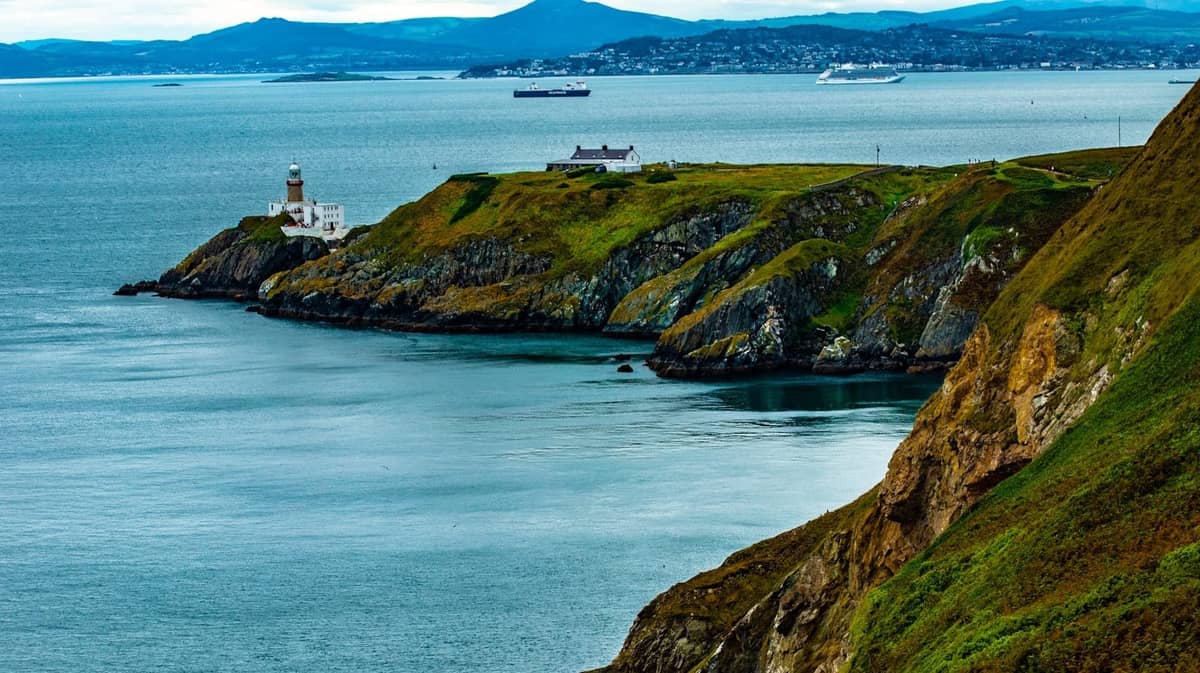
Howth sits at the northern tip of Dublin Bay, 30 minutes from Connolly Station by DART. The Howth Peninsula combines dramatic cliff walks with a working fishing harbour, seafood restaurants, and the option to take a boat to a small uninhabited island. It offers something quite different from the flat sandy strands of the city bay.
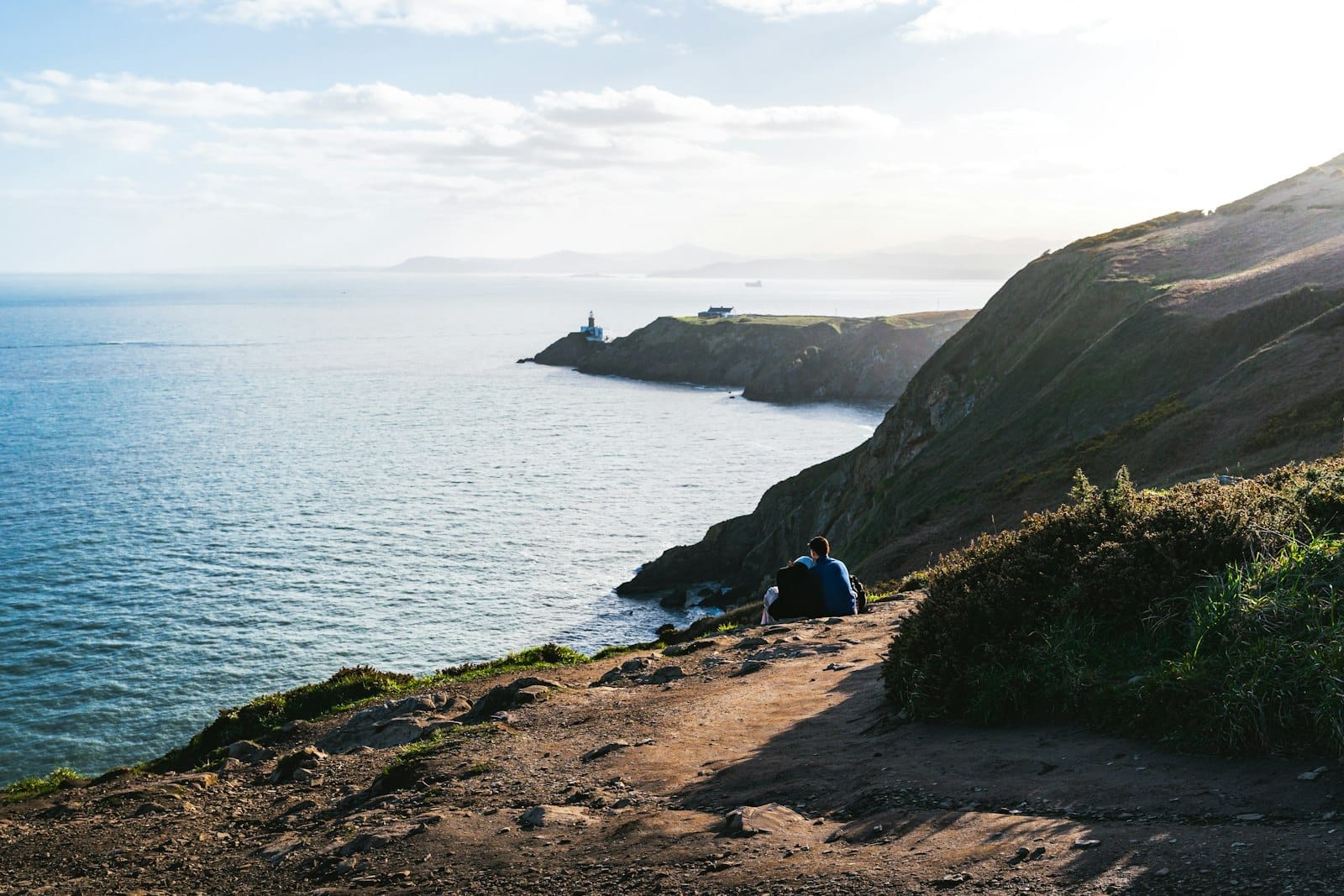
5. Walk the Howth Cliff Path Above Dublin Bay
The approximately 10 km circular cliff trail around Howth Head is one of the finest coastal walks near any European capital. Heather-covered headlands drop to the sea, with views across the bay to the Wicklow Mountains. Wear sturdy shoes. The full loop takes 2.5 to 3.5 hours.
Explore5. Walk the Howth Cliff Path Above Dublin Bay
The approximately 10 km circular cliff trail around Howth Head is one of the finest coastal walks near any European capital. Heather-covered headlands drop to the sea, with views across the bay to the Wicklow Mountains. Wear sturdy shoes. The full loop takes 2.5 to 3.5 hours.
Explore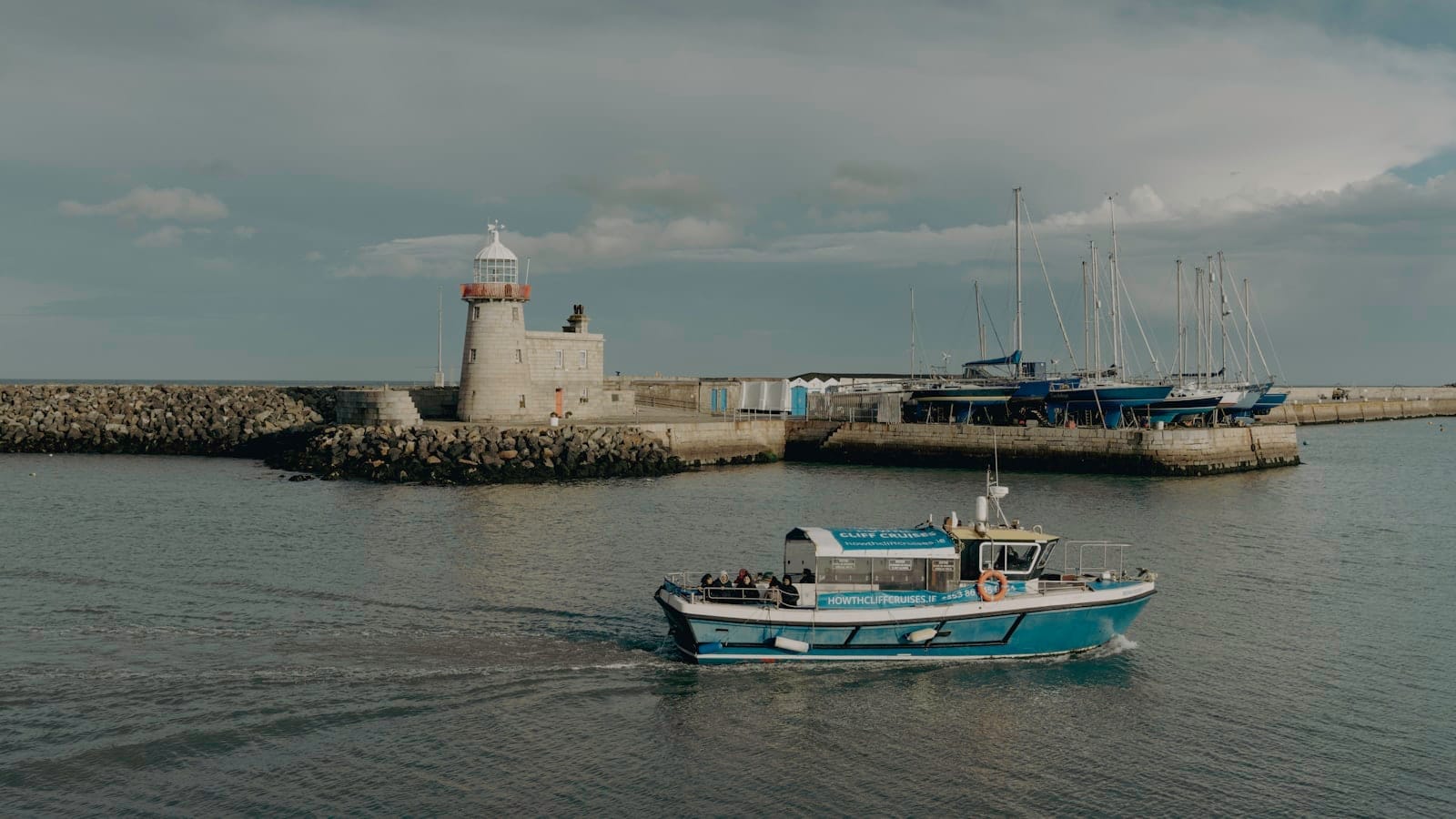
6. Eat Fresh Seafood at Howth Harbour After Your Walk
Howth Harbour is a working fishing port with a row of seafood restaurants and fresh fish stalls selling lobster, crab, and fish straight off the boats. It's also the departure point for boat trips to Ireland's Eye. Combine with the cliff walk for a perfect half-day out.
Explore6. Eat Fresh Seafood at Howth Harbour After Your Walk
Howth Harbour is a working fishing port with a row of seafood restaurants and fresh fish stalls selling lobster, crab, and fish straight off the boats. It's also the departure point for boat trips to Ireland's Eye. Combine with the cliff walk for a perfect half-day out.
Explore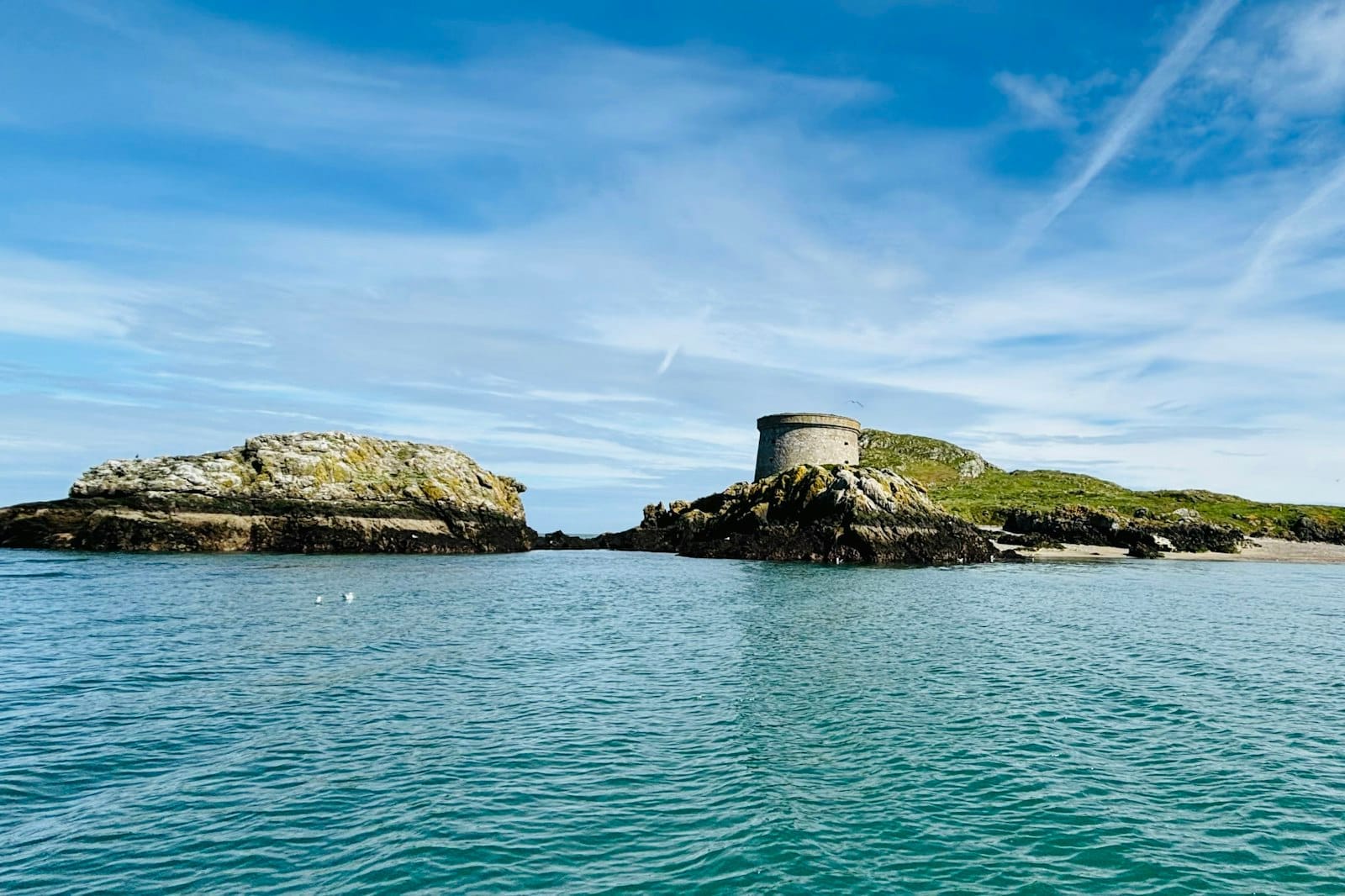
7. Take a Boat to Ireland's Eye Island for Wildlife and History
A short boat trip from Howth Harbour reaches this uninhabited island with a ruined 8th-century church, a Martello tower, and large seabird colonies including gannets and guillemots. Boats run seasonally from Howth Harbour. Allow 2 to 3 hours on the island.
Explore7. Take a Boat to Ireland's Eye Island for Wildlife and History
A short boat trip from Howth Harbour reaches this uninhabited island with a ruined 8th-century church, a Martello tower, and large seabird colonies including gannets and guillemots. Boats run seasonally from Howth Harbour. Allow 2 to 3 hours on the island.
ExploreSouth Dublin Bay: Views, Walks & the Great South Wall
The southern stretch of Dublin Bay offers some of the city's most dramatic coastal walking. The Clontarf Promenade on the northside is a gentler option, while the Poolbeg walk and Killiney Hill offer real drama. For ambitious hikers, our hiking near Dublin guide covers the best trails in the Dublin and Wicklow mountains just beyond the coast.
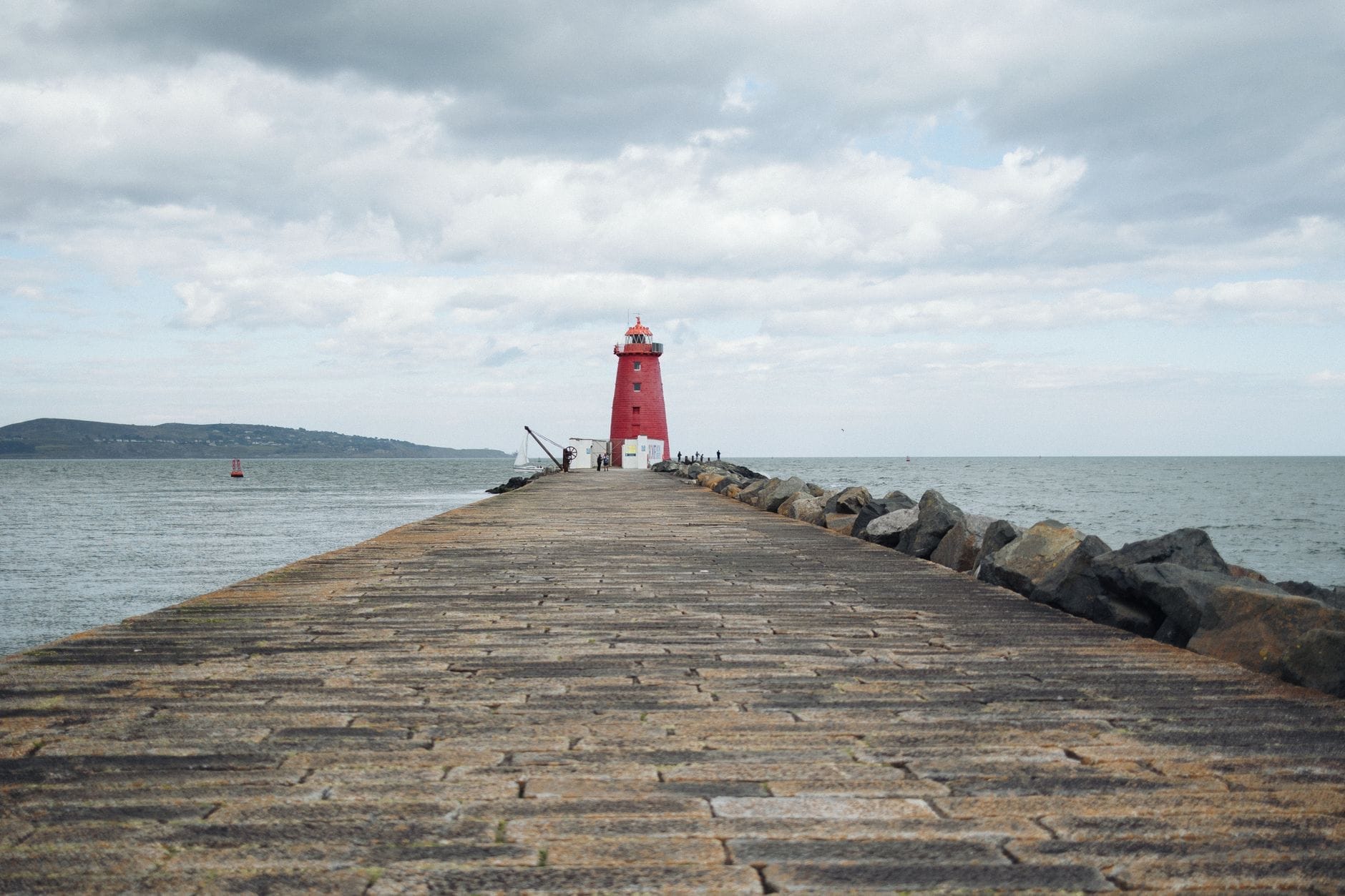
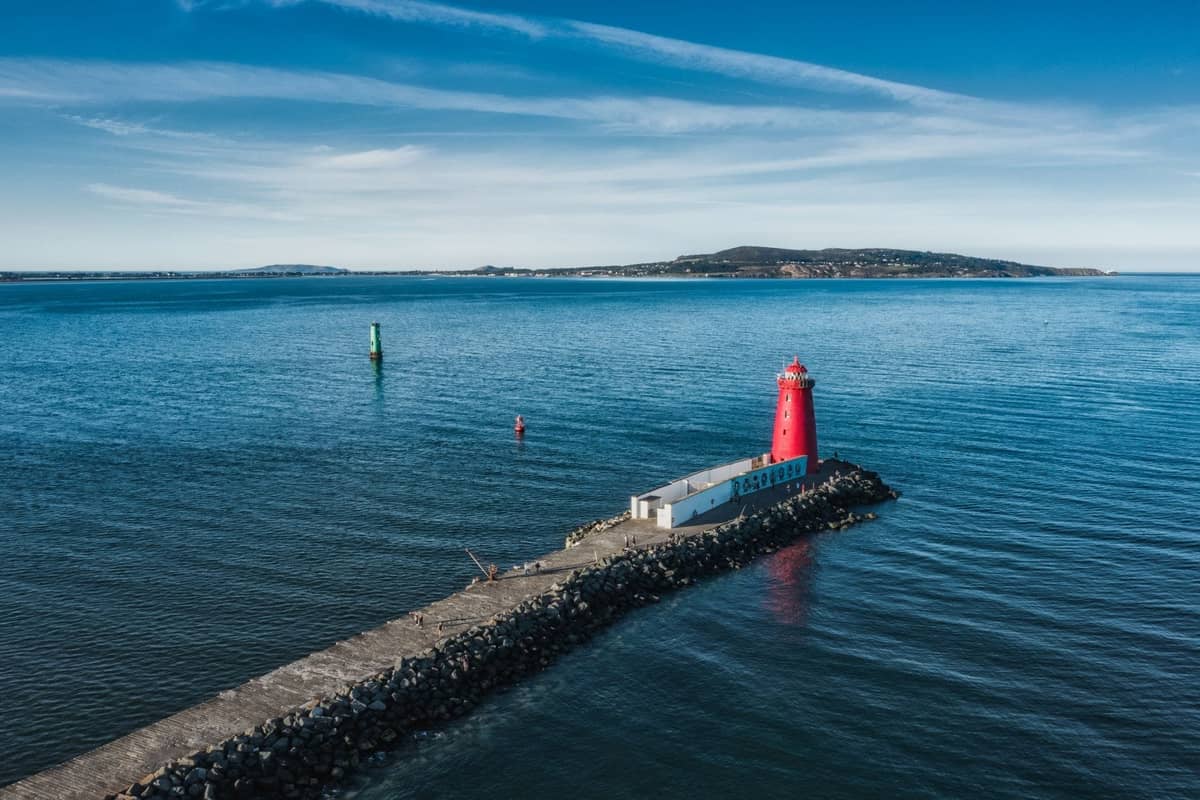
8. Walk to the Poolbeg Lighthouse Along the Great South Wall
A 4 km walk along a narrow granite sea wall jutting into Dublin Bay, ending at the iconic red-and-white Poolbeg Lighthouse. The walk delivers extraordinary open-sea views and a real sense of being out on the water. There is no shelter from wind, so check the weather before going.
Explore8. Walk to the Poolbeg Lighthouse Along the Great South Wall
A 4 km walk along a narrow granite sea wall jutting into Dublin Bay, ending at the iconic red-and-white Poolbeg Lighthouse. The walk delivers extraordinary open-sea views and a real sense of being out on the water. There is no shelter from wind, so check the weather before going.
Explore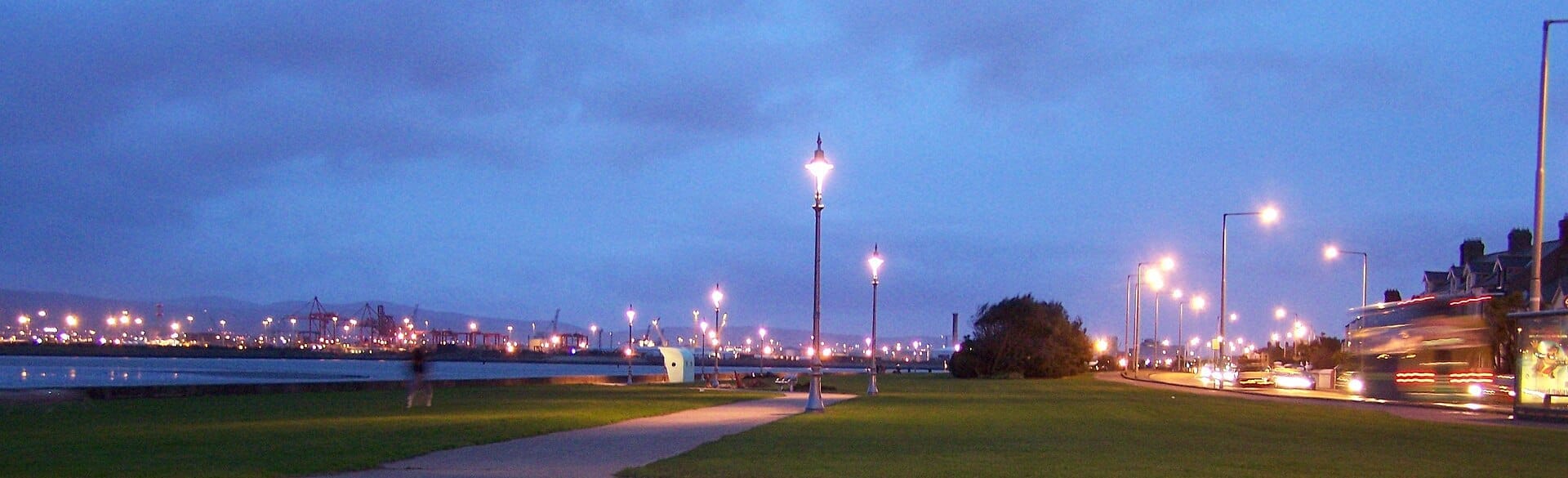
9. Walk the Clontarf Promenade Along the Northside Bay
A 3 km seafront promenade in the residential suburb of Clontarf, with uninterrupted views across Dublin Bay to Howth and the mountains beyond. It passes the site of the 1014 Battle of Clontarf and is flat, paved, and easy for all abilities. Accessible by several bus routes.
Explore9. Walk the Clontarf Promenade Along the Northside Bay
A 3 km seafront promenade in the residential suburb of Clontarf, with uninterrupted views across Dublin Bay to Howth and the mountains beyond. It passes the site of the 1014 Battle of Clontarf and is flat, paved, and easy for all abilities. Accessible by several bus routes.
Explore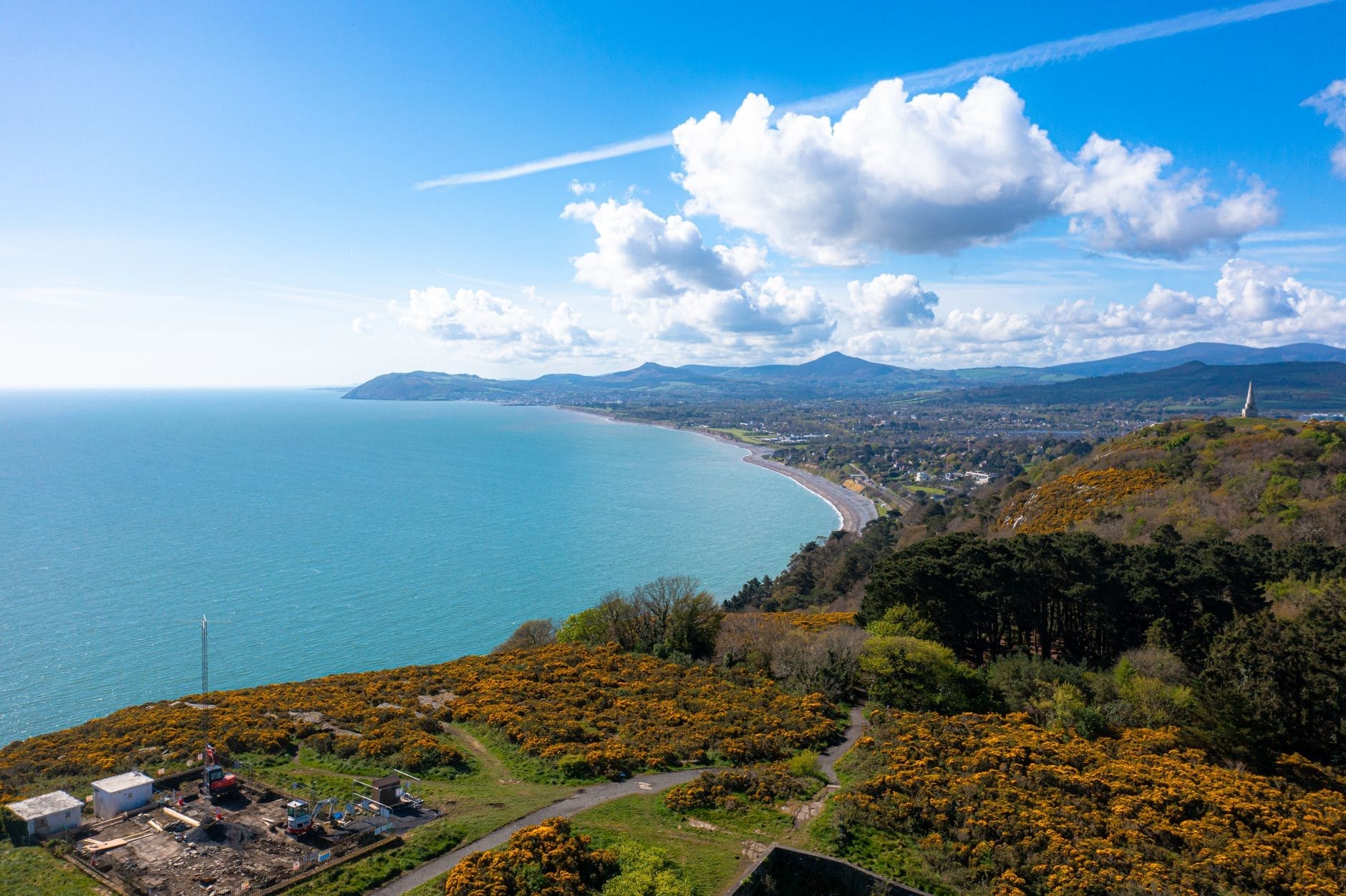
10. Climb Killiney Hill for the Best View Over Dublin Bay
The hilltop park above Killiney village offers one of the finest panoramas in Ireland: Dublin Bay, the Wicklow Mountains, and on clear days, the Welsh coast. The DART stops at Killiney station below. The hill is a short but steep 20-minute walk from the station. Views are exceptional at sunset.
Explore10. Climb Killiney Hill for the Best View Over Dublin Bay
The hilltop park above Killiney village offers one of the finest panoramas in Ireland: Dublin Bay, the Wicklow Mountains, and on clear days, the Welsh coast. The DART stops at Killiney station below. The hill is a short but steep 20-minute walk from the station. Views are exceptional at sunset.
ExploreCoastal Villages Worth Combining With a Beach Day
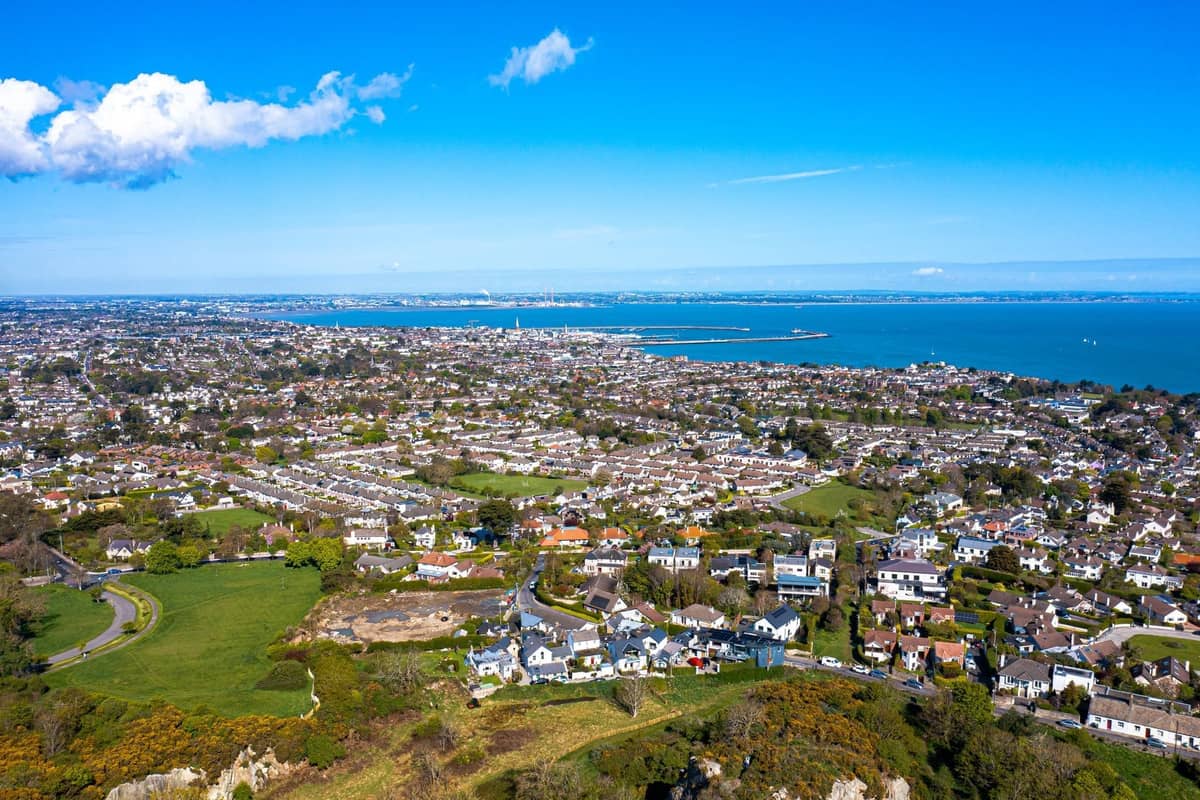
Some of the best coastal experiences near Dublin come from pairing a beach visit with the village or town nearby. Both Dalkey and Killiney reward an afternoon of exploration alongside any swimming or walking. Malahide to the north also combines a great harbour beach with a medieval castle and extensive parkland.
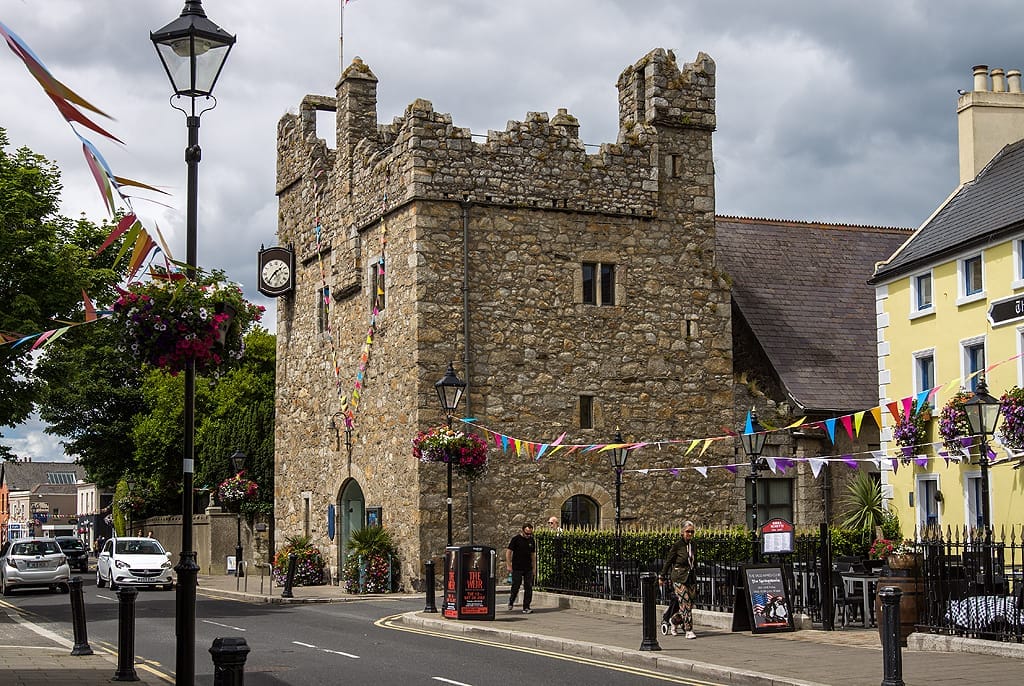
11. Explore Medieval Dalkey Village After a Swim at Killiney
Dalkey is one of the most charming coastal villages in Dublin, with a medieval castle offering costumed tours and a rooftop viewpoint. It sits between Killiney beach and Dalkey Island, making it ideal to combine with a morning swim. The DART stops right in the village centre.
Explore11. Explore Medieval Dalkey Village After a Swim at Killiney
Dalkey is one of the most charming coastal villages in Dublin, with a medieval castle offering costumed tours and a rooftop viewpoint. It sits between Killiney beach and Dalkey Island, making it ideal to combine with a morning swim. The DART stops right in the village centre.
Explore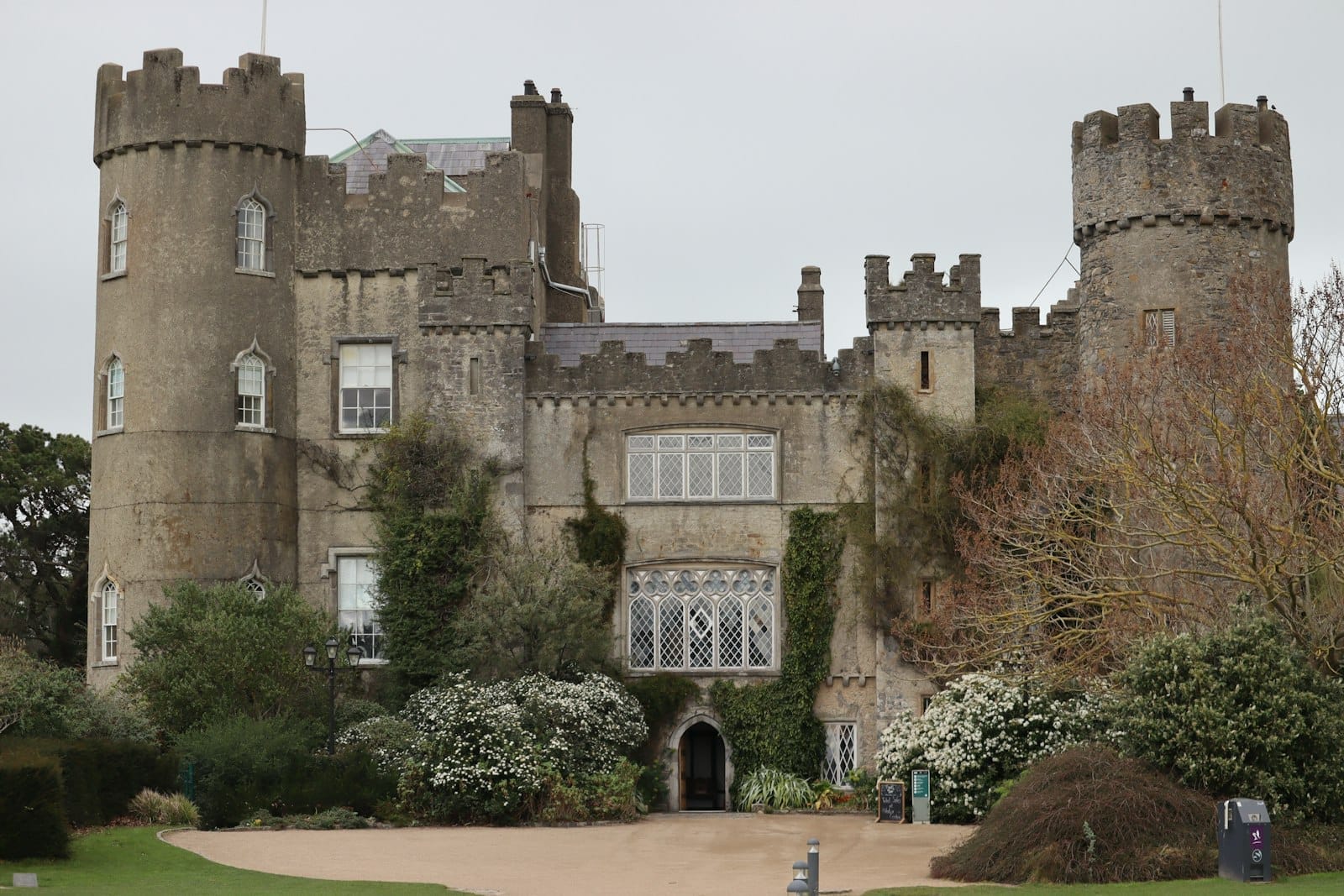
12. Pair a Malahide Beach Visit with the Castle and Gardens
Malahide has a sandy harbour beach and estuary walks, plus a remarkably intact medieval castle set in 260 acres of parkland. The Talbot Botanic Gardens are free and beautiful. Take the Northern Commuter rail from Connolly to Malahide, approximately 25 minutes. Allow a full half-day.
Explore12. Pair a Malahide Beach Visit with the Castle and Gardens
Malahide has a sandy harbour beach and estuary walks, plus a remarkably intact medieval castle set in 260 acres of parkland. The Talbot Botanic Gardens are free and beautiful. Take the Northern Commuter rail from Connolly to Malahide, approximately 25 minutes. Allow a full half-day.
ExploreFAQ
What is the closest beach to Dublin city centre?
Dollymount Strand on Bull Island is the closest large sandy beach, approximately 5–6 km from the city centre. It is reachable by the 130 bus from the city or by bicycle across the wooden causeway. Sandymount Strand is also close and accessible by bus or about a 25-minute walk from Lansdowne Road DART station.
Can you reach Dublin beaches by public transport?
Yes. The DART coastal rail line connects the city centre to Sandycove & Glasthule, Dún Laoghaire, Killiney, and Howth. Dollymount and Sandymount are served by Dublin Bus routes. Fares on the DART with a Leap Card are typically under €3 one way for short coastal trips. Check Transport for Ireland for current timetables and fares.
Is it safe to swim at Dublin beaches?
Most designated Dublin beaches have lifeguards on duty during the official bathing season (1 June to 15 September). Water quality and safety flags are updated daily at Beaches.ie. Strong tidal currents exist at Dollymount's seaward side, and Sandymount is primarily a walking beach due to shallow, fast-moving tides. The Forty Foot at Sandycove and Seapoint are the most popular dedicated swimming spots.
Which Dublin beach is best for families with children?
Dollymount Strand is wide, sandy, and backed by dunes that children enjoy exploring. Dún Laoghaire's pier and nearby Seapoint offer calmer waters. Sandycove's sheltered cove is good for smaller children. All are free to access. Check Beaches.ie for current water quality status before visiting with young children.
Are there any beaches reachable from Dublin as a day trip beyond the city?
Yes. Killiney beach (mainly pebble, good for walks) is at the southern end of the DART line. Further out, Brittas Bay in County Wicklow is one of Ireland's finest sandy beaches, approximately 1 hour south of Dublin by car. Portmarnock and Rush beaches are accessible by rail or bus north of the city. These make excellent day trips; see our day trips from Dublin guide for more.