Qianmen and Dashilar sit at the southern foot of Beijing's Central Axis, just below Tiananmen Square. This compact district pairs one of the city's most recognizable gate towers with a web of restored pedestrian streets and traditional commercial lanes that have served shoppers and visitors for centuries. It is simultaneously one of Beijing's most historic neighborhoods and one of its most heavily visited.
Qianmen and Dashilar form the ceremonial southern gateway to old Beijing, where the imperial axis meets centuries of street-level commerce. The Zhengyangmen Gate Tower still anchors the skyline, while the lanes behind it shift between polished tourist thoroughfares and genuinely old commercial streets lined with time-honored Chinese brands. Few places in the city pack this much history into such a walkable area.
Orientation
Qianmen and Dashilar occupy the southern end of Beijing's historic Central Axis, directly below Tiananmen Square and the Forbidden City. The district sits at the boundary of Dongcheng District to the north and east, with Xicheng District covering the western portion including Dashilar itself. For practical purposes, visitors treat the whole area as a single walkable precinct.
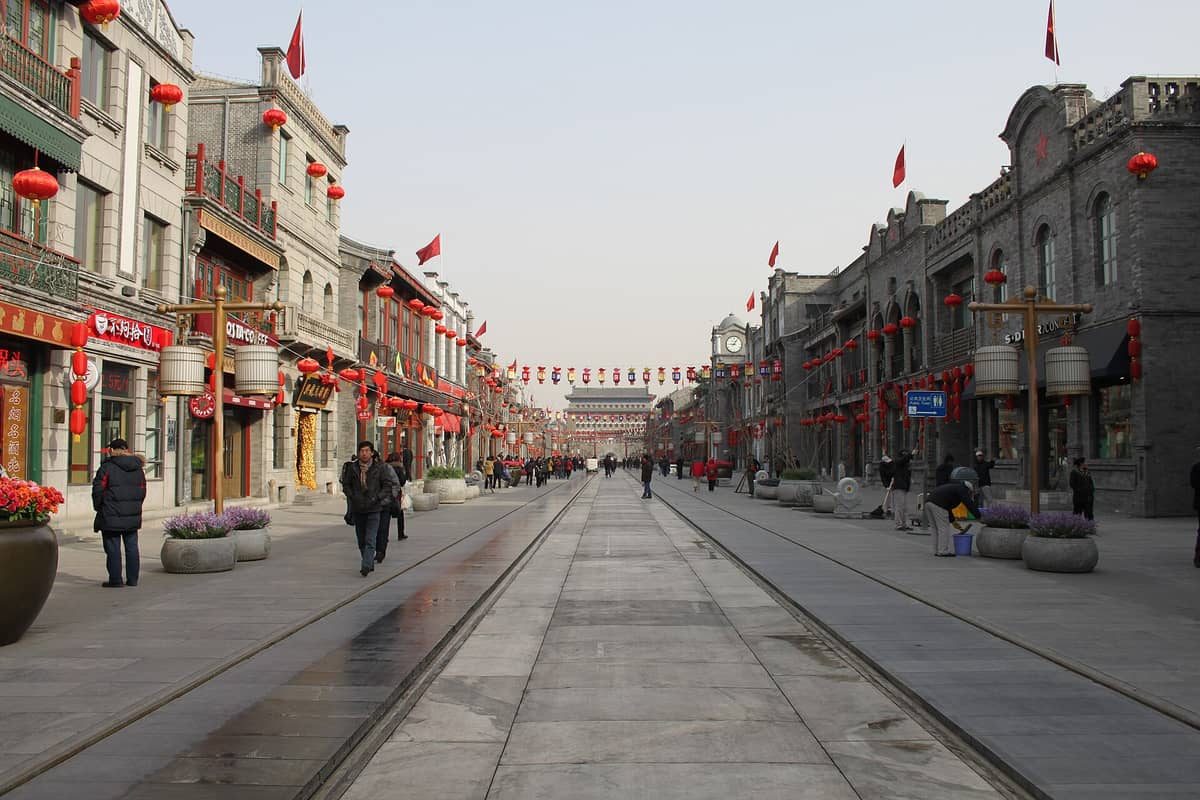
The main spine is Qianmen Street (前门大街), an approximately 800-metre pedestrian corridor running south from the Zhengyangmen Gate toward the Tianqiao area. Dashilar Walking Street (大栅栏步行街), also romanized as Dazhalan, branches off to the west roughly midway down Qianmen Street and extends about 275 metres through a dense grid of older commercial lanes. Together they form an L-shape, with Tiananmen Square less than ten minutes' walk to the north and the temple districts of Xicheng accessible on foot heading west.
The district is flat and compact. Most visitors can cover Qianmen Street and Dashilar in a single morning or afternoon. The surrounding lanes, including Langfang Hutong and the alleys branching south and west from Dashilar, reward anyone willing to leave the main pedestrian axis and explore on foot.
Character & Atmosphere
Early in the morning, around 7 to 8 a.m., Qianmen Street is unusually quiet for a major tourist zone. Shop staff mop thresholds, delivery tricycles navigate the pedestrian lane, and the Zhengyangmen Gate Tower catches the low eastern light in a way that makes it look exactly as imposing as it was intended to be. This is the best hour to photograph the gate and the street without crowds.
By mid-morning the tour groups arrive and the street fills quickly, particularly on weekends and public holidays. Qianmen Street's main axis is broad, paved in smooth grey stone, and lined with two- and three-storey buildings in a late-Qing commercial style, many of them reconstructed or heavily restored during a major renovation project completed around 2008. The effect is handsome but curated: this is an idealized version of old Beijing commerce rather than a preserved original. Dashilar itself has a rougher, more genuine texture, with older shopfronts and a narrower lane that forces pedestrians to slow down.
In the afternoon the light softens over the rooftiles and the street fills with a mix of domestic tourists, international visitors, school groups, and local shoppers doing genuinely practical errands at the pharmacies and fabric stores that have traded here for generations. After dark, Qianmen Street is lit by lanterns and shopfront illumination, giving it a theatrical glow. It is safe and active until around 9 or 10 p.m., when shops close and the crowd thins quickly.
💡 Local tip
Visit Dashilar Walking Street on a weekday morning for the most relaxed experience. Weekend afternoons, especially during public holidays, can make the narrow lane feel genuinely overcrowded.
What to See & Do
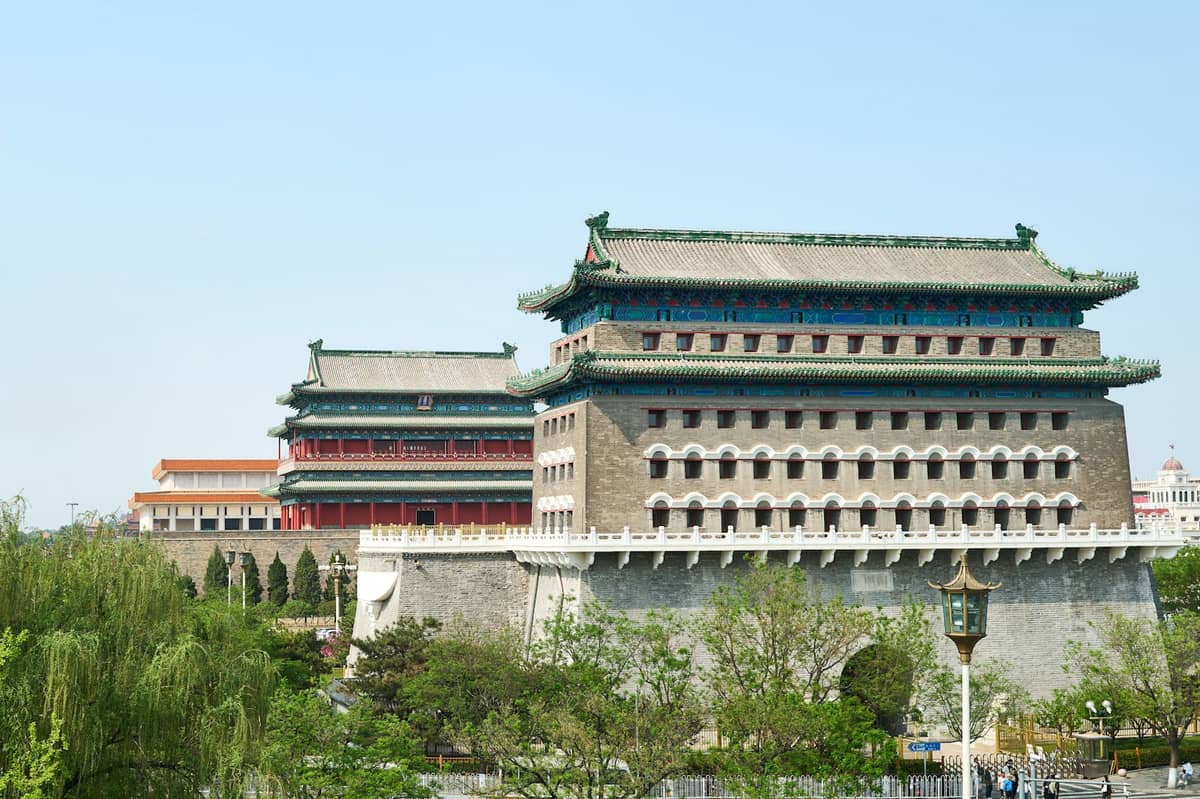
The visual anchor of the whole district is the Zhengyangmen Gate Tower, known colloquially as Qianmen. The main gate tower and its companion archery tower (Jian Lou) face each other across a broad plaza at the northern end of Qianmen Street. Both date from the Ming dynasty and formed the main southern gate of the inner city wall. The gate tower is periodically open to visitors as an exhibition space. Directly north, the walk across to Tiananmen Square takes less than five minutes and is an obvious pairing.
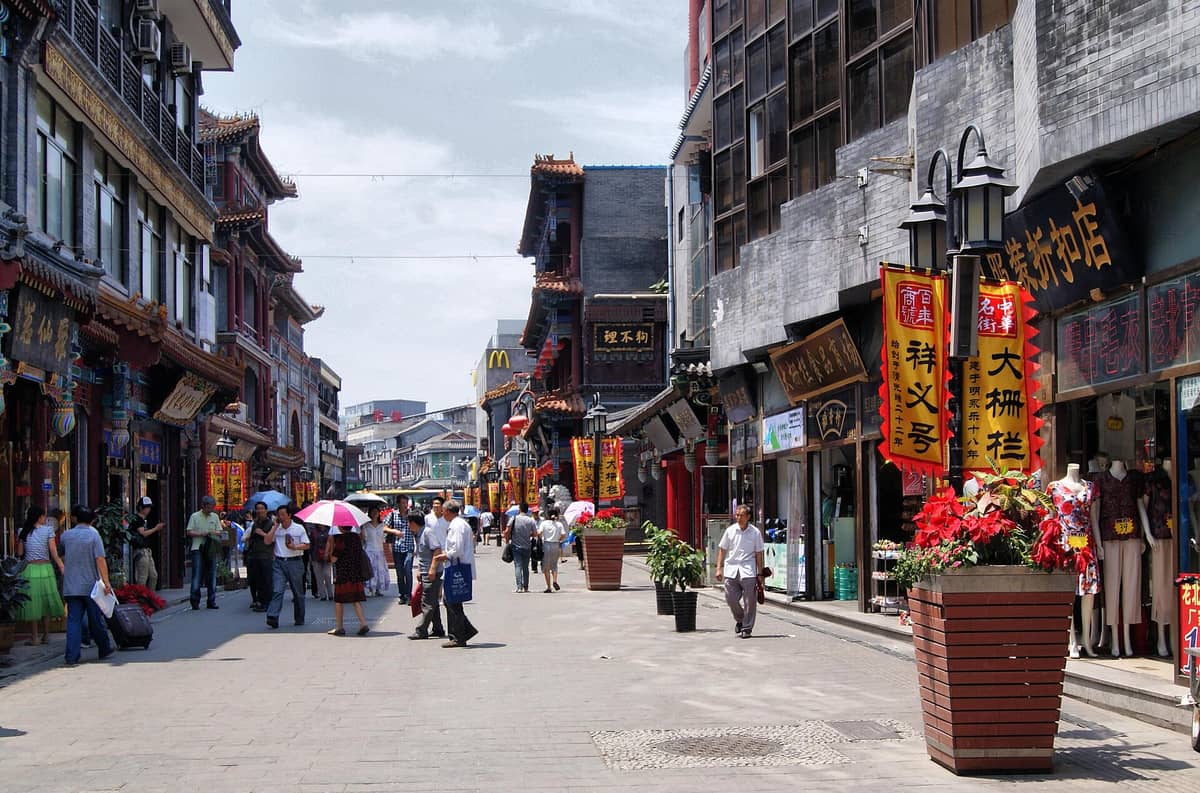
Dashilar Walking Street is the commercial and historical core of the area. The lane has housed silk merchants, pharmacies, tea houses, and hat makers since at least the Ming dynasty. Several of Beijing's most famous "time-honored brands" (老字号, lao zi hao) still operate from their original or near-original locations here, including long-established sellers of traditional Chinese medicine, silk, and specialty foods. The street connects to a network of narrower hutong lanes to the south and west, explored in detail in the Beijing hutong guide.
Just northeast of the district, the National Museum of China on the eastern edge of Tiananmen Square is one of the largest museums in the world and covers Chinese history from prehistoric times to the present. Admission requires advance reservation and is free. Allow at least two to three hours; a full day is not excessive.
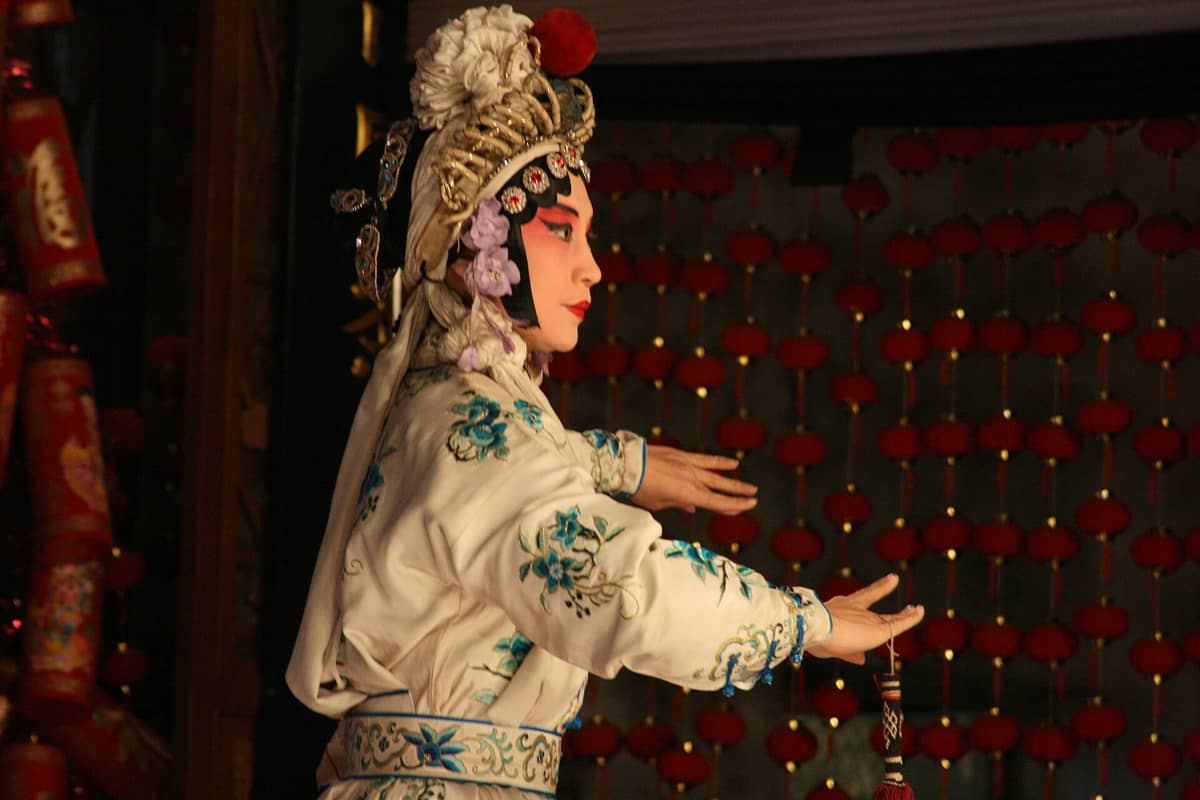
For a deeper look at traditional Beijing commercial culture, the nearby Liulichang Cultural Street is about fifteen minutes' walk west and specializes in antiques, calligraphy supplies, and art books. It complements Dashilar well as a half-day pairing. To the south, the Lao She Teahouse on Qianmen West Street offers traditional Beijing opera performances, acrobatics, and tea service in a setting that has become a cultural institution in its own right.
Zhengyangmen Gate Tower and Archery Tower: the architectural centerpiece of the area
Dashilar Walking Street: historic commercial lane with time-honored Chinese brands
Langfang Hutong and surrounding alleys: quieter residential lanes behind the main tourist corridor
Lao She Teahouse: Beijing opera, acrobatics, and tea in a traditional setting
National Museum of China: world-class history museum, free entry with advance reservation
Liulichang Cultural Street: antiques and art supplies, a short walk west
ℹ️ Good to know
Entry to Tiananmen Square requires a valid ID or passport scan at security checkpoints. Foreign visitors should carry their passport. Photography restrictions apply near official government buildings in the square; observe posted signage.
Eating & Drinking
Qianmen is one of the best-known addresses in Beijing for Peking duck. The area's most famous duck restaurant has operated in this neighborhood for well over a century and draws serious queues, particularly at dinner. The broader Peking duck scene in Beijing is covered in detail separately, but the restaurants around Qianmen represent a credible starting point, particularly for visitors who want to combine the meal with the surrounding sightseeing.
Dashilar and the surrounding hutong lanes house a mix of old-school Beijing snack counters, Muslim-style noodle shops, and tea houses. Look for stalls selling jianbing (savory crepes), tang hulu (candied hawthorn skewers), and lu zhu huo shao (offal and flatbread in broth), which has been sold in this neighborhood for generations. These are inexpensive, typically under 20 RMB per item, and eaten standing or on the move.
Qianmen Street itself skews toward tourist-facing restaurants and chain outposts, some of them in attractively restored shopfronts. Prices here are noticeably higher than in the adjacent hutong lanes for equivalent food. For a proper sit-down meal at reasonable prices, walk one or two blocks off the main pedestrian axis into the residential streets to the south or east.
Tea houses are worth seeking out both for the beverage and for the surroundings. The Lao She Teahouse offers the full performance-with-tea package, but smaller, quieter tea houses in the Dashilar lanes serve good Chinese teas without the theatrical element. For travelers interested in the full range of Beijing street food beyond this neighborhood, the guide to what to eat in Beijing covers the city's wider food landscape.
⚠️ What to skip
Restaurants directly on Qianmen Street, especially those with photo menus displayed outside, tend to charge premium prices for standard Beijing dishes. Ask for the full menu and check prices before ordering if you are budget-conscious.
Getting There & Around
Qianmen Station on Beijing Subway Line 2 is the direct metro access point for the district. Line 8 also serves the station. The station exit deposits visitors almost directly at the northern end of Qianmen Street, with the gate tower visible immediately. From Tiananmen Square, it is a short walk south along the Central Axis to reach the same point.
Several bus lines serve the area, with stops at Qianmen and Dashilan including routes 5, 9, 22, 44, 82, 137, and 599. Bus travel is slower than the metro across central Beijing but useful for connections to adjacent neighborhoods not directly on the subway network.
The district is entirely walkable once you arrive. Qianmen Street is pedestrianized. Dashilar is also pedestrian-only. The surrounding hutong lanes are navigable on foot, though some are narrow enough to make cycling impractical. From Qianmen Station, the walk south to the Tianqiao area takes roughly 15 minutes at a casual pace. The walk west to Liulichang takes about 15 minutes. For transit across the wider city, the guide to getting around Beijing covers metro lines, buses, and ride-hailing in detail.
Taxis and DiDi ride-hailing vehicles can drop off and pick up on the streets surrounding the pedestrian zone. The central pedestrian areas are inaccessible to private vehicles, so drivers will typically stop on Qianmen West Street or the parallel roads to the east. Allow a few extra minutes to walk to your pickup point if using a ride-hailing app.
Where to Stay
Qianmen and Dashilar are not a major hotel district in their own right, but a cluster of boutique hotels and guesthouses operate in the hutong lanes south and west of Dashilar Street. These tend to be courtyard-style properties in converted traditional buildings, ranging from budget guesthouses to mid-range boutique hotels. Staying in this area puts you within walking distance of Tiananmen Square and the Forbidden City, which is a significant practical advantage for early-morning sightseeing before the crowds arrive.
Travelers who prioritize hotel amenities and international brands will find more options in Dongcheng to the east, around Wangfujing, where larger properties cluster near the same sightseeing corridor. The Qianmen area itself suits travelers who want character over convenience, are comfortable with smaller properties, and enjoy being able to walk to Tiananmen at sunrise before the tour groups appear. For a full breakdown of where to base yourself in Beijing, see the where to stay in Beijing guide.
One honest caveat: the hutong lanes around Dashilar can be noisy on weekend evenings, with street vendors, pedestrian traffic, and occasional amplified music from nearby venues. Light sleepers should check room locations carefully or look for properties on quieter alleys one or two blocks removed from the main commercial streets.
Honest Assessment: Who This Neighborhood Is For
Qianmen and Dashilar are not a quiet, off-the-beaten-track corner of Beijing. This is one of the city's most visited areas, and Qianmen Street in particular is a polished, heavily managed tourist corridor that reflects a curated version of traditional Beijing rather than an unaltered historic streetscape. Visitors expecting to find a raw, spontaneous slice of old-city life will need to push past the main drag into the surrounding hutong lanes.
That said, the concentration of history, accessibility, and food options here is genuinely high. The Zhengyangmen Gate Tower is an impressive piece of architecture that earns its place on any Beijing imperial history itinerary. Dashilar has real commercial and social history layered into its lanes. And the area's position on the Central Axis means it naturally connects a day that starts at Tiananmen and the Forbidden City with an afternoon in the traditional shopping streets and then dinner at a nearby Peking duck restaurant. That is a Beijing day that makes geographic and cultural sense.
For travelers on a first visit, this neighborhood will almost certainly be on the itinerary regardless of personal preference, simply because of its proximity to the city's most significant imperial monuments. The Beijing first-timer guide addresses how to sequence these central sights efficiently.
TL;DR
Qianmen and Dashilar sit at the foot of Beijing's Central Axis, directly south of Tiananmen Square, making them an inevitable stop on any central Beijing itinerary.
Qianmen Street is a restored, pedestrianized tourist corridor: historically significant but heavily managed. The most authentic experience is in Dashilar and the surrounding hutong lanes.
Best visited in the early morning before tour groups arrive, or on weekday afternoons. Weekends and public holidays bring heavy crowds to the main pedestrian axis.
Strong food options for Beijing classics including Peking duck, traditional snacks, and old-school teahouses, though prices on the main street are tourist-inflated.
Best suited to first-time Beijing visitors, history and architecture enthusiasts, and anyone wanting a full Central Axis day combining Tiananmen, the Forbidden City, and the historic commercial south city.
Three days is enough to cover Beijing's imperial core, climb the Great Wall, and wander centuries-old hutong lanes. This itinerary is built around real booking logistics, seasonal crowd patterns, and a candid take on what's worth your time.
Five days is enough time to move beyond Beijing's headline sights and get a real feel for the city: imperial history, Great Wall day trips, traditional neighborhoods, and contemporary culture. This itinerary is structured to minimize backtracking, front-load booking requirements, and leave room to breathe.
Beijing has two major international airports: Capital (PEK) to the northeast and Daxing (PKX) to the south. This guide covers every transport option between both airports and the city center, with current fares, journey times, and straightforward guidance on which option suits your trip.
Chinese New Year transforms Beijing into one of the world's great festival cities. From ticketed temple fairs at Ditan and Longtan to free lantern displays and park programs, here is everything you need to plan a rewarding visit during the Spring Festival holiday.
Beijing's contemporary art scene reaches far beyond its most famous address. This guide covers the 798 Art Zone in depth, plus the city's best independent museums, seasonal logistics, ticketing realities, and neighborhoods where serious collectors and curious visitors find the most rewarding art experiences.
Beijing rewards visitors who come prepared. This guide covers the essentials for first-timers: when to go, how to get around, which neighborhoods to base yourself in, what to book in advance, and the practical details that make the difference between a frustrating trip and a seamless one.
The Forbidden City is Beijing's single most visited site, and getting in requires advance planning. This guide covers ticket prices, official booking steps, opening hours by season, entry logistics, and a clear take on what's worth your time inside the palace complex.
Beijing rewards the curious traveler who looks past the Forbidden City and Great Wall. This guide uncovers the city's overlooked temples, eccentric museums, quiet hutong streets, and extraordinary day trips that reveal a deeper, stranger, and more rewarding side of the capital.
Beijing's hutongs are a world apart from the grand imperial sights most visitors come for. These narrow residential lanes, some over 700 years old, are where the city's daily life actually plays out. This guide covers the best hutong areas, how to navigate them, what things cost, and how to avoid the tourist traps.
Beijing served as the imperial capital of China for more than 500 years across the Ming and Qing dynasties. This guide covers every major imperial site, how to visit them efficiently, what to skip, and the historical context that makes it all make sense.
Beijing rewards travellers willing to spend well. This guide covers the city's finest hotels, its 2026 Michelin-starred restaurant scene, private cultural experiences, and the practical logistics that separate a genuinely exceptional trip from an overpriced one.
Beijing at night is a different city entirely. This guide covers every layer of the evening scene, from rooftop cocktail bars in Chaoyang to hutong speakeasies, live music venues, cultural performances, and summer night markets, with practical logistics for getting home safely when the subway stops running.
Beijing is one of Asia's most rewarding cities to explore on a tight budget. With free parks, cheap metro fares, and world-class sights that cost less than a coffee back home, careful planning can stretch every yuan further than you'd expect.
Peking Opera is one of China's most elaborate performing arts, and Beijing is the best city in the world to see it. This guide covers the top venues, ticket prices, what actually happens during a performance, and practical tips for first-time visitors.
Beijing rewards photographers at every turn, from sweeping imperial vistas and crumbling Great Wall ramparts to neon-lit hutong lanes and avant-garde factory galleries. This guide covers the city's 20 best photography locations, with specific advice on timing, light, and what makes each spot worth your shot.
Beijing is one of Asia's safest capitals for tourists, but specific scams, transport traps, and health risks catch visitors off guard every year. This guide breaks down the real threats, how to spot them, and what to do if something goes wrong.
Choosing between the Beijing to Shanghai train and a flight comes down to more than just ticket prices. This guide breaks down total journey times, costs, booking logistics, and seasonal factors so you can make the right call for your trip.
Beijing rewards walkers more than almost any major city on earth. From the UNESCO-listed Central Axis to centuries-old hutong alleyways and cutting-edge contemporary art districts, these self-guided walking tours cover the city's most compelling neighborhoods with practical logistics, frank warnings, and seasonal guidance.
Beijing delivers a remarkable range of experiences for families: world-class wildlife, interactive museums, imperial parks, and theme parks sit within a single city. This guide covers the top family-friendly attractions, realistic assessments of what works for different ages, and the practical details parents need to make the trip run smoothly.
Beijing's museums span 5,000 years of Chinese civilization, from the world's largest palace complex to cutting-edge contemporary art factories. This guide covers the essential museums by theme, with practical notes on reservations, crowds, and how to make the most of each visit.
Beijing's temples span over a thousand years of religious history, from Tang-dynasty Buddhist courtyards to Ming imperial ceremonial complexes. This guide covers the city's most significant and rewarding temples, with practical advice on when to visit, what to look for, and how to get the most from each site.
The best time to visit Beijing is April to May or September to October, when temperatures are comfortable and rainfall is low. But the full picture is more nuanced: holidays, air quality, and attraction hours all shift the calculation. This guide covers every season with specific temperatures, crowd forecasts, and booking advice.
Beijing rewards slow exploration, but the surrounding region is packed with day-trip destinations that rival anything inside the city. From legendary Great Wall sections to preserved Ming villages and dramatic gorges, here are the best excursions you can make from the capital in a single day.
Beijing is one of the world's great cities for budget travelers. From Tiananmen Square and sprawling imperial parks to the 798 Art District and ancient hutong streets, dozens of the city's most rewarding experiences are completely free. This guide covers the best no-entry-fee attractions across every corner of the capital.
Beijing's transport network is extensive and affordable, but it rewards those who understand how it works. This guide covers the subway, taxis, DiDi, airport connections, intercity rail, and everything in between, with straightforward guidance on what to use when.
Not all Great Wall sections are equal. This guide breaks down the five main sections accessible from Beijing, including real admission prices, crowd levels, difficulty ratings, and a candid take on which one actually suits your trip.
Beijing duck (北京烤鸭) is one of the world's great dishes, and eating it in the city where it was perfected is an experience worth planning carefully. This guide covers the top restaurants, real-world price breakdowns, ordering etiquette, and practical tips for first-timers and repeat visitors alike.
Beijing's shopping scene runs from chaotic weekend antique markets to polished luxury malls, with every stop in between. This guide breaks down the best places to shop, what's worth buying, where to negotiate, and what to skip.
Beijing rewards visitors who go beyond the headline sights. This guide covers the top things to do in Beijing, from imperial landmarks and ancient temples to hutong streets and contemporary art, with practical notes on reservations, crowds, and seasonal timing.
Beijing food is far more than Peking duck. This guide covers the dishes you should not leave the city without trying, where to find the best versions, what things actually cost, and a few traps worth sidestepping.
Beijing has 16 districts and two international airports, which makes choosing accommodation more complicated than it first looks. This guide cuts through the noise with district-by-district breakdowns, realistic price ranges, and the seasonal timing details that booking platforms won't tell you.