La Macarena occupies the north-eastern corner of Seville's old city, where 12th-century Almohad walls run alongside working-class streets and one of Andalusia's most venerated religious sites. It trades tourist polish for local character: neighbourhood markets, unpretentious tapas bars, and the kind of daily rhythm that feels genuinely Sevillano rather than staged for visitors.
La Macarena is where Seville's religious soul and working-class identity meet inside the same ancient walls. North of the cathedral district but still firmly within the casco antiguo, it holds the city's best-preserved stretch of medieval fortifications and the basilica that houses the Virgen de la Esperanza Macarena, the most passionately followed image in all of Semana Santa.
Orientation: Where La Macarena Sits
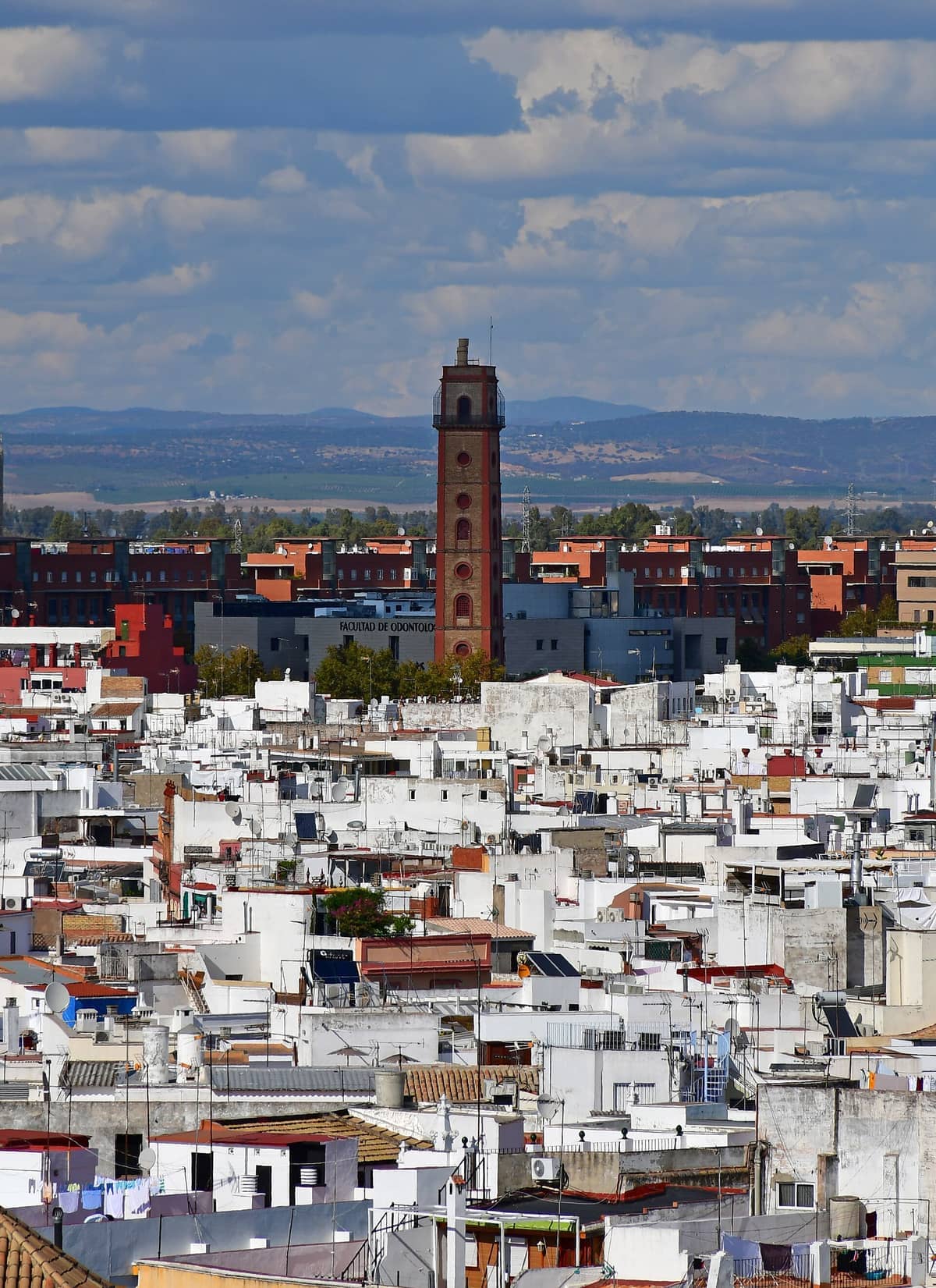
La Macarena forms the north-eastern quarter of Seville's casco antiguo, the historic walled city on the eastern bank of the Guadalquivir. If you picture the old city as a rough oval, La Macarena occupies the upper-right section, bounded to the west by Calle Feria, to the south by Calle Escuelas Pías (where it transitions into the denser commercial core), and to the east by the inner ring road that runs just outside the old city walls. To the north, the neighbourhood opens toward the SE-30 ring road and the broader Macarena municipal district.
This positioning matters for visitors. La Macarena is roughly 20 minutes on foot north of the Cathedral and Real Alcázar, walking up through the tangle of streets past the Iglesia de San Salvador and the Alameda de Hércules. It sits at the edge of the tourist circuit without being outside it. The Santa Cruz quarter is 25 minutes south-east on foot; Triana requires crossing the Guadalquivir via the Puente de Isabel II, about 30 minutes south-west. This is not a neighbourhood you stumble into by accident, which is precisely why it retains its character.
The central spine of the neighbourhood is Calle San Luis, which runs from the Puerta de la Macarena southward through a sequence of Baroque churches and neighbourhood squares toward the city centre. Walking this street is the clearest way to understand how La Macarena connects to the rest of the old city. For a broader picture of how Seville's neighbourhoods relate to each other, the guide to where to stay in Seville provides useful context for first-time visitors.
Character and Atmosphere
La Macarena has historically been a working-class barrio, and that identity has not been diluted by tourism in the way that Santa Cruz or El Arenal have been. The streets are narrow and mostly residential, lined with low apartment blocks and the occasional Baroque church facade appearing without warning around a corner. Laundry lines still cross inner courtyards. Neighbourhood women carry their shopping home from Calle Feria in the morning. Elderly men occupy the same bar stools at the same hour every day.
In the early morning, the neighbourhood operates on an entirely domestic frequency. By 8am, the bars along Calle San Luis and around Plaza del Pumarejo are already serving coffee and tostadas to residents heading to work. The light comes in low and golden from the east, catching the ochre plasterwork and the worn stone of the city walls. This is the best time to walk the perimeter of the Almohad fortifications: quiet, photogenic, and free of the afternoon heat.
By midday, especially on Thursday mornings when the Calle Feria market operates, the neighbourhood takes on more energy. Stalls spread across the street and the bars fill with a mix of regulars and the occasional curious visitor. Afternoons in summer are largely still: the streets empty as temperatures climb, and the neighbourhood retreats behind closed shutters until early evening. After 7pm, the terrace bars reopen, children return to the squares, and the pace picks up again in a way that feels entirely unhurried.
The neighbourhood is not particularly animated after midnight on weekdays. It is not a nightlife destination in the way that the Alameda de Hércules corridor is, though the proximity to the Alameda means that weekend evenings bring more foot traffic through the southern edges of La Macarena. The religious dimension of the neighbourhood is ever-present: the Basílica de la Macarena draws pilgrims and visitors at all hours, and the run-up to Semana Santa transforms the entire area into something approaching collective devotion.
ℹ️ Good to know
Semana Santa in La Macarena is an experience unlike anywhere else in Seville. The procession of the Virgen de la Esperanza Macarena on Good Friday morning is one of the most emotionally charged events in the city's calendar. Crowds gather from the early hours, and the streets around the basilica are packed. Book accommodation months in advance if visiting during Holy Week.
What to See and Do
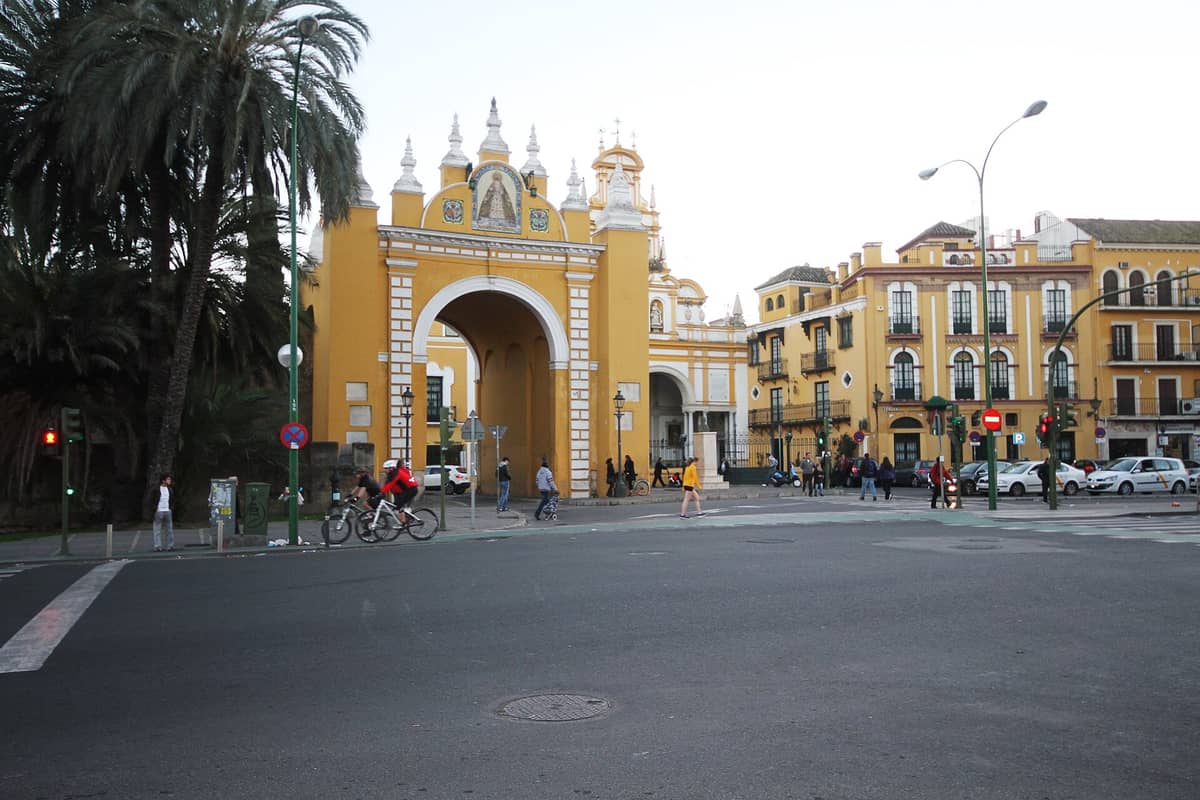
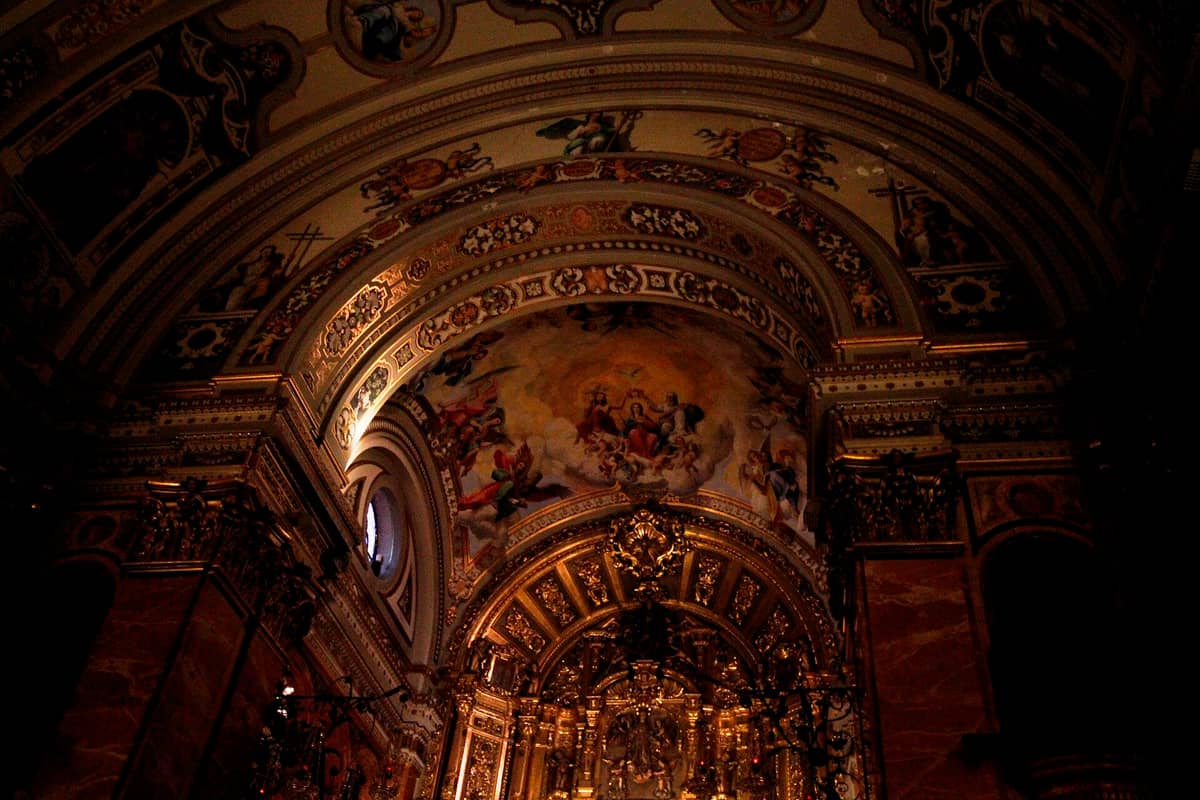
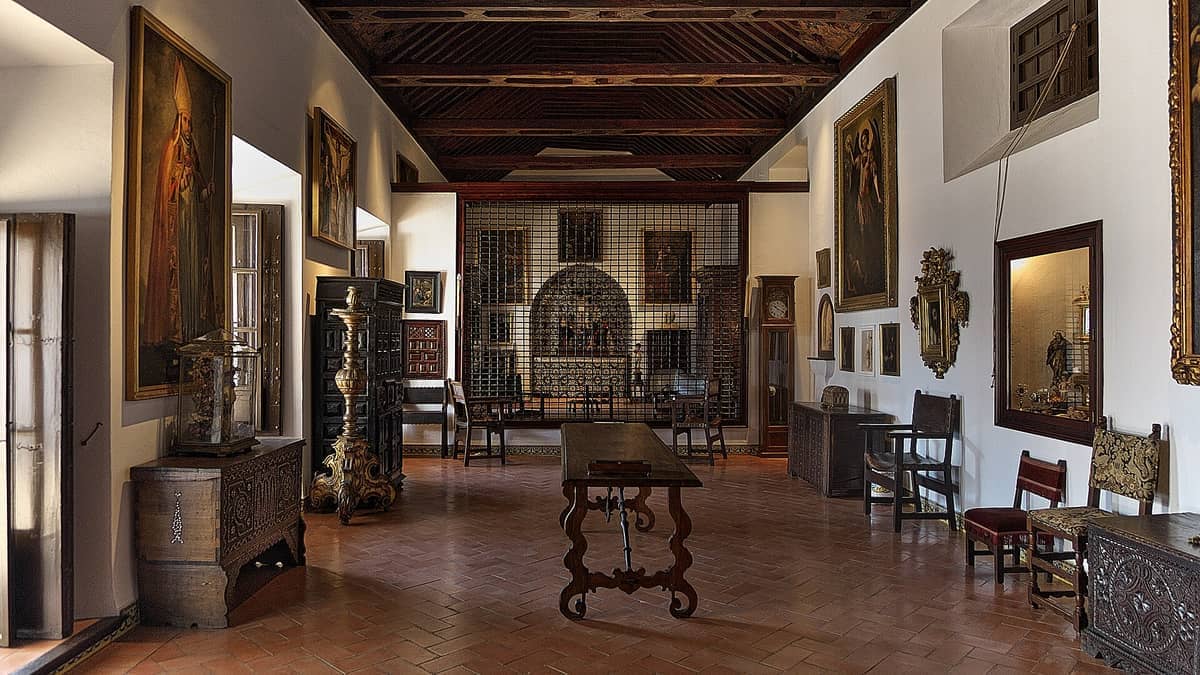
The non-negotiable starting point is the Basílica de la Macarena, built in 1941 to house the Virgen de la Esperanza Macarena, a 17th-century image that is arguably the most venerated in Seville's entire religious tradition. The basilica itself is relatively modest architecturally, but the interior has considerable weight: the gold retablo, the jewelled robes of the Virgin, and the palpable devotion of the people who visit create an atmosphere that goes well beyond typical church tourism. There is a small museum attached that documents the history of the Hermandad de la Macarena and its Semana Santa traditions.
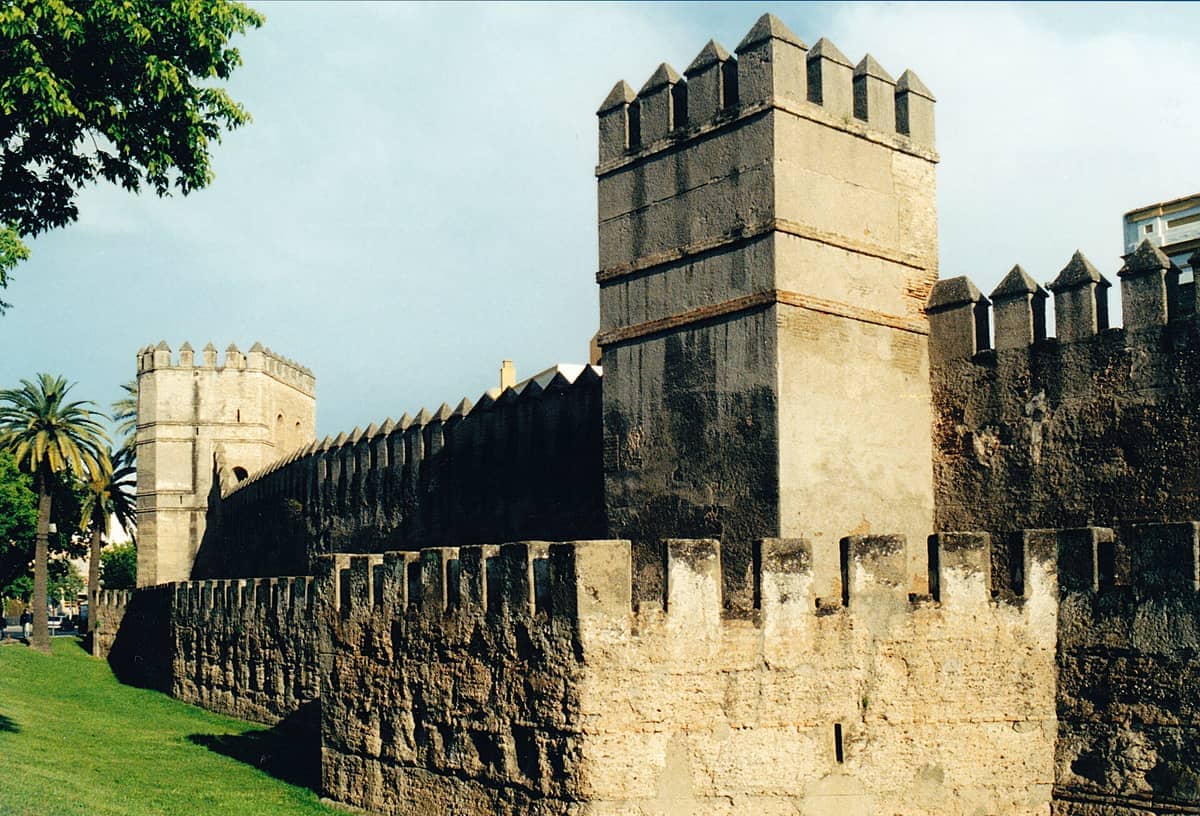
Immediately adjacent to the basilica stand the best-preserved sections of Seville's medieval city walls. The Murallas de Sevilla here date from the 12th-century Almohad period and stretch for several hundred metres, incorporating a series of square towers. Walking along the base of the walls and through the Puerta de la Macarena gate gives a visceral sense of the city's medieval scale. Most visitors see only the short section in front of the basilica, but it is worth walking east along the wall circuit toward the Puerta de Córdoba for a quieter, less photographed stretch.
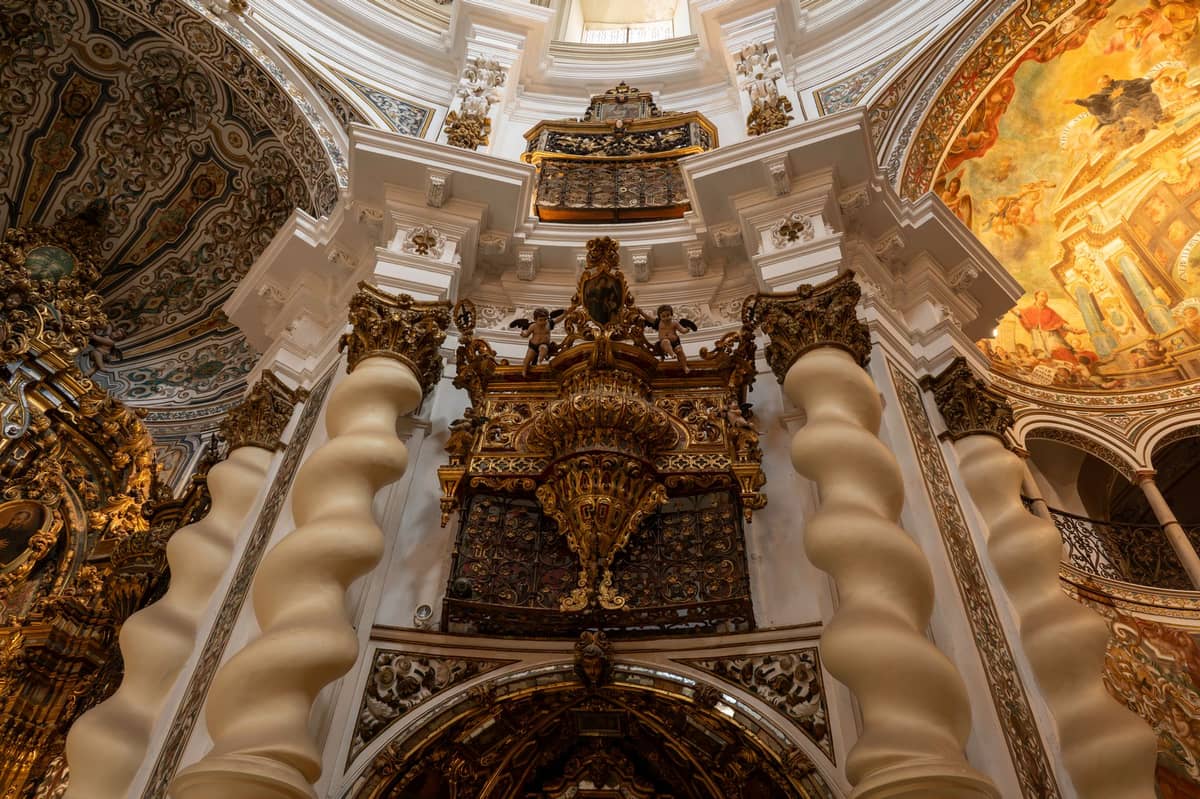
Calle San Luis is the neighbourhood's architectural showcase. Walking south from the basilica, you pass several extraordinary Baroque churches in quick succession. The Iglesia de San Luis de los Franceses is the most spectacular: an early 18th-century Jesuit church with an elliptical floor plan, twin towers, and an interior covered in frescoes and gilded plasterwork. It opens limited hours and requires some planning, but is one of the most remarkable religious interiors in a city with no shortage of competition. Further south on the same street, the church of San Marcos and the cluster of streets around Santa Catalina add to the architectural density.
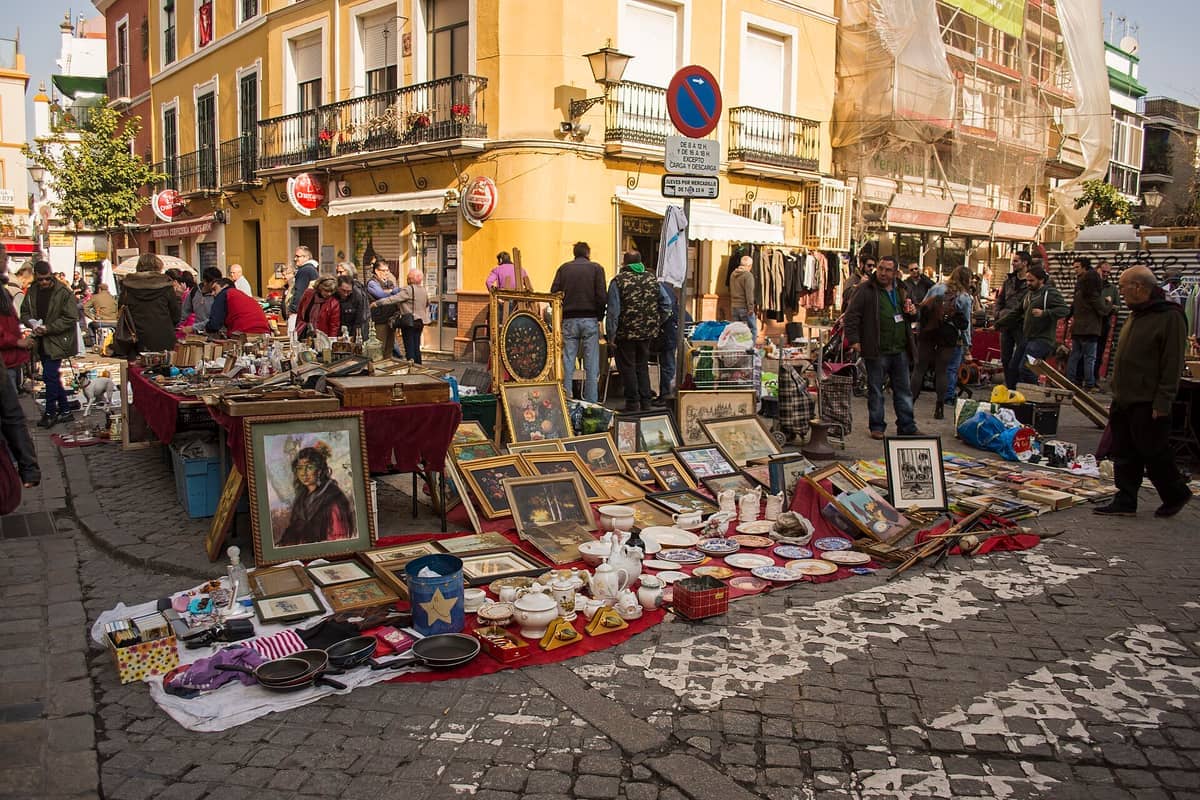
The Calle Feria market, held every Thursday morning along the street of the same name that forms the western boundary of La Macarena, is one of Seville's oldest street markets. Known informally as El Jueves (Thursday), it specialises in second-hand goods, antiques, and general bric-a-brac. It is not a curated vintage market but a genuine flea market, and it draws a cross-section of the city. Budget an hour to walk the length of the stalls and browse without obligation.
Basílica de la Macarena and its attached museum
Almohad city walls and the Puerta de la Macarena gate
Iglesia de San Luis de los Franceses (Baroque masterpiece, check opening hours)
Calle Feria flea market every Thursday morning
Plaza del Pumarejo, a quiet residential square with a palace facade
Convento de Santa Paula, a functioning convent with a public church and museum
For those interested in exploring Seville's lesser-known religious architecture more broadly, the guide to the best churches in Seville places La Macarena's churches in the wider context of what the city has to offer.
Eating and Drinking
La Macarena's food and drink scene is almost entirely local in orientation. There are no celebrity-chef restaurants here, no Instagram-optimised brunch spots, and very few places with menus translated into four languages. What the neighbourhood offers instead is the kind of everyday tapas bar that has been feeding the same families and their neighbours for decades: unambiguous in purpose, consistent in quality, and priced for people who eat there four times a week.
The streets around Calle San Luis and the Alameda de Hércules (technically at the southern edge of La Macarena's territory) carry the highest concentration of bars and restaurants. Typical offerings include montaditos (small open sandwiches), fried fish in paper cones, and the standard Sevillano tapas repertoire: espinacas con garbanzos (spinach with chickpeas), carrillada (braised pork cheeks), and jamón ibérico. A tapa with a caña (small beer) rarely costs more than two or three euros in the neighbourhood bars away from the main tourist routes.
The Alameda de Hércules, a long tree-lined promenade connecting to the southern edge of La Macarena, has a more varied and slightly more bar-forward atmosphere, with terraces that fill on warm evenings. It serves a younger, more mixed crowd and has some of the better casual dining options in this part of the city. This is also where you find more of the city's alternative and LGBTQ+ venues, making it livelier on weekend nights than the streets further north.
💡 Local tip
On Thursday mornings, a number of the bars along Calle Feria open early to serve the market crowd. A coffee and a mollete (a soft roll with olive oil and tomato) at one of these counters while the stalls set up around you is about as Sevillano an experience as the neighbourhood offers.
Getting There and Around
La Macarena is not served by Seville's metro system, which runs on a limited single line (Line 1) connecting outlying areas rather than the historic centre. The most practical public transport options are the TUSSAM city buses. Lines 10, C4, and 32 all stop near the Basílica de la Macarena, making it straightforward to reach the neighbourhood's main entrance point without walking the full 20 minutes from the cathedral area.
On foot, the most direct route from the cathedral area follows Calle Imagen and Calle Escuelas Pías northward, passing through the increasingly residential streets before hitting Calle San Luis. From the Alameda de Hércules, the walk to the basilica is about 10 minutes heading north on Calle Feria. From Santa Justa railway station, the journey by foot takes around 20 minutes westward through Nervión and the old city, or roughly 15 minutes by taxi.
Cycling is a practical option in this part of Seville. The city has an extensive network of cycle lanes, and Seville's flat topography makes the bike the fastest way to move between neighbourhoods. The SEVICI bike-sharing scheme has docking stations near the basilica and along Calle Feria. For a full overview of how to move around the city, the guide to getting around Seville covers all transport options including the EA airport bus, trams, and ride-hailing apps.
⚠️ What to skip
During Semana Santa processions, large sections of the streets around the basilica and along the processional route are closed to all traffic, including buses. Timings shift each year. If visiting during Holy Week, check the route map in advance and be prepared to walk from further away than usual.
Where to Stay
La Macarena has a smaller and less polished accommodation offer than Santa Cruz or El Arenal, which suits some travellers perfectly. The neighbourhood has a number of small guesthouses and independent hotels in renovated historic buildings, typically at lower prices than equivalent properties in the tourist core. Staying here means waking up in a genuinely residential barrio: the sounds in the morning are coffee machines and scooters, not tour groups assembling outside a landmark.
The trade-off is proximity to the major sights. The Cathedral, Real Alcázar, and Plaza de España are all 20 to 30 minutes on foot from the centre of La Macarena, which is entirely walkable but more than some travellers want to cover repeatedly in summer heat. The neighbourhood is better suited to visitors who already know Seville and want to experience a different side of it, or to those spending at least four or five nights and willing to use buses and bikes rather than walking everywhere.
The streets closest to the Alameda de Hércules offer the best balance of atmosphere and access, with the Alameda's bar and restaurant scene on the doorstep and the rest of the old city reachable on foot. For a broader comparison of Seville's accommodation options by neighbourhood, the complete guide to where to stay in Seville maps out the differences between La Macarena, Santa Cruz, Triana, and the other main areas.
Practical Notes and Honest Assessment
La Macarena was historically one of the poorest areas in Seville, and its working-class identity is not a marketing construction. The neighbourhood has gentrified gradually in some pockets, particularly around the Alameda and along Calle Feria, but it remains a residential barrio without the sanitised quality that tourist-heavy areas sometimes acquire. Standard city-level precautions apply: be aware of pickpocketing in crowded situations, especially during Semana Santa when the streets are exceptionally busy.
The neighbourhood is at its least appealing in the middle of a July afternoon, when temperatures in Seville regularly exceed 38°C and the streets are largely deserted. If visiting in summer, plan any exploration of La Macarena for early morning or late evening. The walls and the basilica are particularly good at first light.
La Macarena rewards visitors who arrive without a rigid itinerary and are willing to follow a street because it looks interesting rather than because it leads to a specific sight. For travellers on a short trip focused on the iconic sights, the neighbourhood works well as a half-day excursion from a base further south. For those with more time, it offers a counterpoint to the grandeur of the cathedral zone that explains a great deal about how Seville actually lives. The full guide to things to do in Seville can help integrate La Macarena into a broader city itinerary.
ℹ️ Good to know
La Macarena's Semana Santa hermandad is the most followed in the city. If your visit to Seville coincides with Holy Week, making time to see the Macarena procession is strongly recommended even if religious tourism is not usually your focus. The collective emotional intensity of the event is a significant cultural experience.
TL;DR
La Macarena is the most authentically residential of Seville's historic neighbourhoods, with a strong local identity built around the Basílica de la Macarena, the medieval Almohad city walls, and the Calle Feria Thursday market.
The neighbourhood suits travellers who want to see a working city alongside the major monuments, and those with a particular interest in Seville's Semana Santa traditions.
It is not the right base for first-time visitors on a short trip who want to minimise walking to the cathedral area, but works well as a half-day excursion from anywhere in the old city.
Eating and drinking here is inexpensive and local in character, with the Alameda de Hércules corridor at the southern edge providing more variety and a livelier evening atmosphere.
Key considerations: plan visits for morning or evening in summer, check bus routes for the most direct access, and book well in advance if your trip coincides with Semana Santa.
Three days is enough time to cover Seville's greatest landmarks, explore its best neighbourhoods, and eat and drink well without rushing. This day-by-day itinerary gives you practical routes, current ticket prices, and the kind of logistical detail that makes the difference between a smooth trip and a frustrating one.
Seville makes an ideal home base for a week in Andalusia. With high-speed rail to Córdoba in under 45 minutes and buses to Granada in 3 hours, you can cover the region's highlights without changing hotels. This guide breaks down exactly how to structure 7 days, what to prioritize, and what to skip.
The journey from Barcelona to Seville covers roughly 830 km across Spain. This guide breaks down every transport option, from the high-speed AVE train to budget flights, with practical tips on cost, comfort, and what awaits you in Andalusia's capital.
Seville's skyline is defined by bell towers, domes, and gilded facades accumulated over eight centuries of Christian, Moorish, and Renaissance building. This guide covers the city's finest religious architecture, from UNESCO-listed giants to intimate neighbourhood churches that most visitors walk straight past.
Seville delivers more than its size suggests when it comes to museums. From world-class fine art and Moorish palaces to ceramics, naval history, and flamenco, this guide covers the best museums in Seville across every interest and budget.
Seville's climate is one of the most extreme in Western Europe for a major city. This guide breaks down every month by temperature, rainfall, crowds, and events so you can choose the timing that actually fits your trip.
Seville rewards those who look up and climb high. This guide covers the city's best panoramic viewpoints, from iconic tower climbs to riverside vantage points and rooftop terraces with sweeping skyline views.
Seville sits at the heart of Andalusia, putting some of Spain's most compelling destinations within easy reach. This guide breaks down the best day trips from Seville by travel time, transport options, and what you actually get for the effort — including which ones are genuinely worth the journey and which ones need an overnight.
Seville's Feria de Abril is one of Europe's great street festivals: six days of flamenco dresses, horses, sherry, and late nights on a purpose-built fairground. This guide covers everything from how to get in without an invitation to what things actually cost, when to go, and what to wear.
Seville is the spiritual home of flamenco, and navigating its shows requires more than a hotel concierge recommendation. This guide breaks down the best tablaos, what to expect, how much to pay, and how to avoid the tourist traps, so you leave with a genuine experience of one of Spain's most powerful art forms.
Seville is one of Europe's most rewarding cities to explore on a tight budget. Many of its greatest sights offer free entry on specific days, and its parks, plazas, churches, and neighbourhoods reward hours of walking without spending a cent.
Seville is one of southern Spain's most walkable cities, but knowing which transport option to use, and when, can save you real time and money. This guide covers everything from landing at SVQ airport to hopping trams through the historic centre.
Seville is the capital of Andalusia and one of Spain's most architecturally rich cities, but it's not right for every traveller or every season. This guide breaks down what the city genuinely delivers, where it falls short, and exactly when and how to visit to get the most from it.
The Madrid to Seville route is one of Spain's most travelled corridors, and three competing high-speed rail operators now make it faster and cheaper than ever. This guide breaks down every option, from budget OUIGO tickets to overnight buses, with practical tips on timing, pricing, and what to expect on arrival.
Seville's Semana Santa is one of the most intense religious spectacles in the world, drawing hundreds of thousands of visitors each spring. This guide covers the full schedule, the key brotherhoods, how to secure Carrera Oficial seats, when to go for smaller crowds, and everything else you need to experience Holy Week properly.
Attending a Sevilla FC home match is one of the most authentic experiences Seville, Spain offers. This guide covers how to buy tickets, get to the stadium, pick the right seat, and make the most of match day — without the rookie mistakes.
Seville rewards those who look beyond the Cathedral and Alcázar. These 18 off-the-beaten-path experiences reveal aristocratic palaces, forgotten Roman cities, local markets, and baroque masterpieces that most visitors walk straight past.
Autumn is arguably Seville's most underrated season. Temperatures drop from summer extremes, crowds thin out after peak season, and the city's streets become walkable again. This guide breaks down exactly what to expect each month, from weather data to practical tips.
Spring is Seville's most dramatic season, combining mild weather with two of Europe's biggest festivals. This guide breaks down exactly what to expect each month, when to book, and how to navigate the crowds.
July and August in Seville mean scorching temperatures regularly above 35°C, occasional heatwaves above 40°C, and almost zero rain. This guide gives you the strategies, timing, and specific attractions to make summer work in your favor rather than against you.
Seville in winter is mild, uncrowded, and genuinely good for sightseeing. This guide covers the real weather, the seasonal events worth planning around, what to pack, and how to make the most of Andalusia's capital between December and February.
Seville nightlife runs on Andalusian time: dinner at 22:00, bars at midnight, clubs after 02:30. This guide covers the best neighborhoods, rooftop bars, nightclubs, flamenco shows, and practical details on dress codes, pricing, and the noise regulations that shape the scene.
Seville (Sevilla) is one of southern Spain's most rewarding city breaks, and it doesn't have to be expensive. This guide breaks down real daily costs, free entry windows at major monuments, the cheapest ways to get around, and the exact seasons when prices drop significantly.
Seville is lined with tens of thousands of bitter orange trees, yet almost no one eats the fruit. This guide explains the history, seasonality, and surprising uses of the Seville orange, plus what visitors actually experience walking beneath these famous trees.
Seville rewards shoppers who know where to look. This guide covers the best shopping streets, markets, and authentic products to buy in Sevilla, from azulejos and flamenco accessories to olive oil and vintage finds at El Jueves.
The journey from Seville to Córdoba is one of Andalusia's easiest and most rewarding travel connections. This guide covers every option: high-speed trains that take under an hour, budget buses, and guided day trips, with practical tips on costs, booking, and what to do once you arrive.
The journey from Seville to Málaga is one of the most popular routes in Andalusia, with trains taking as little as 2 hours. This guide breaks down every option — train, bus, and car — with real prices, scheduling advice, and the honest tradeoffs between each.
Both Seville and Granada rank among Spain's most compelling cities, but they offer very different experiences. This guide breaks down the key differences across sightseeing, atmosphere, budget, logistics, and timing so you can choose the right destination or plan both.
From a world-class aquarium and a theme park with a water area to horse-drawn carriage rides and riverfront parks, Seville rewards families who plan well. This guide covers the top kid-friendly attractions, current pricing, seasonal timing, and practical logistics so you can skip the guesswork.
Seville, the capital of Andalusia, packs more history, architecture, and street life into a walkable city than almost anywhere in Spain. This guide covers the essential things to do in Seville, with accurate ticket prices, seasonal advice, neighborhood breakdowns, and clear assessments of what's worth your time.
Seville is one of the most walkable cities in southern Spain, with its major monuments clustered within a compact historic core. This guide covers the best self-guided walking routes by neighbourhood, current entry prices for the Alcázar and Cathedral, seasonal timing advice, and the practical details most visitors overlook.
Seville has one of Spain's most distinctive food cultures: paid tapas ordered gradually, cold soups in summer, and markets that close by mid-afternoon. This guide covers the dishes you need to try, where to find them, how much to pay, and what to skip.
Choosing where to stay in Seville shapes your entire trip. This guide breaks down every major neighbourhood by location, atmosphere, price range, and who it suits best — so you can book with confidence.