Hidden Gems in Seville: 18 Off-the-Beaten-Path Experiences
Seville rewards those who look beyond the Cathedral and Alcázar. These 18 off-the-beaten-path experiences reveal aristocratic palaces, forgotten Roman cities, local markets, and baroque masterpieces that most visitors walk straight past.
Tickets & tours
Live prices and dates from our booking partner. If you book, we may earn a commission at no extra cost to you.
Seville's famous landmarks are genuinely worth your time, but the city's most memorable experiences are often the ones you stumble into by accident: a convent where nuns sell sweets through a hatch, a Roman amphitheatre 20 minutes from the city centre, a shot tower with 360-degree views that most tourists have never heard of. This guide cuts through the obvious and points you to the Seville that locals actually know. If you are planning your first visit, the 3-day Seville itinerary covers the essentials, but save at least half a day for the places listed here. For budget-conscious travellers, several of these attractions are free or very low cost — see our free things to do in Seville guide for more options. The best time to explore on foot is spring or autumn, when temperatures stay comfortable — spring in Seville is particularly good for outdoor wandering.
Overlooked Palaces & Aristocratic Interiors
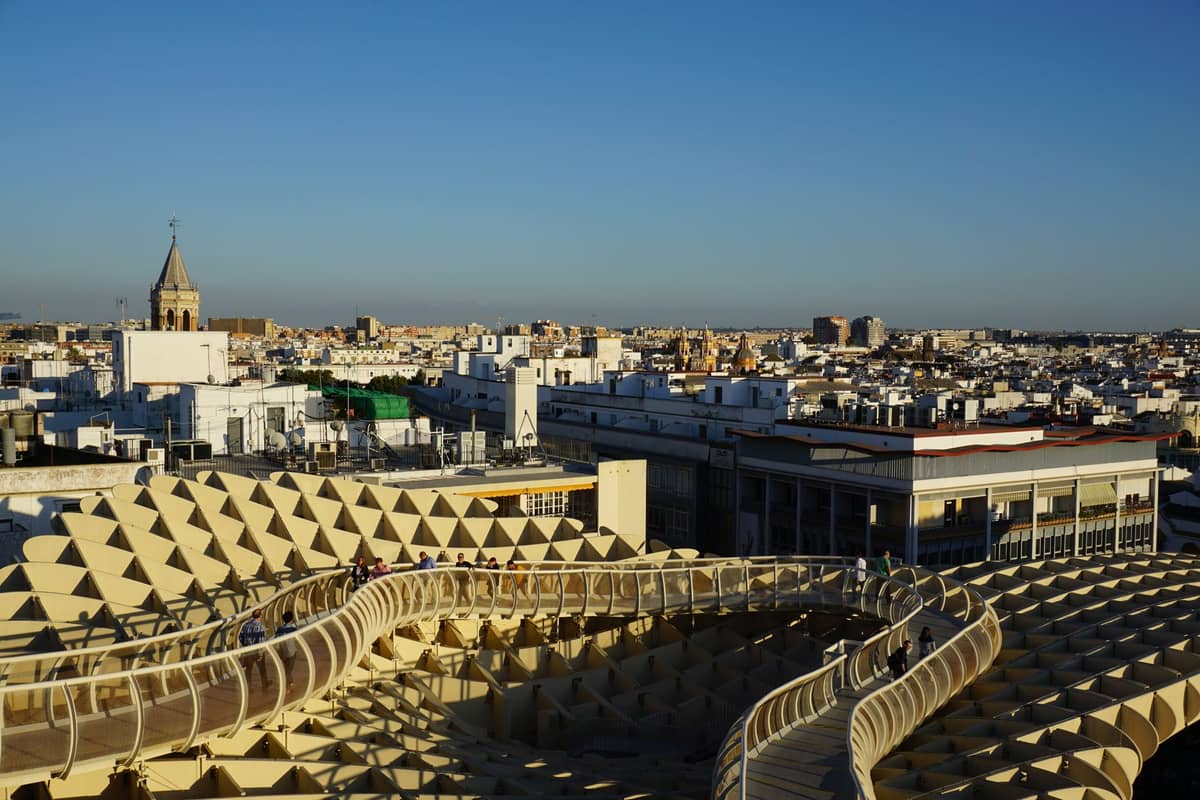
Seville has more noble palaces per square kilometre than almost any city in Spain, yet most visitors queue only for the Alcázar. The places below are all within easy walking distance of the historic centre, and none of them require booking weeks in advance. The Santa Cruz and La Macarena neighbourhoods are where most of these palaces are concentrated.
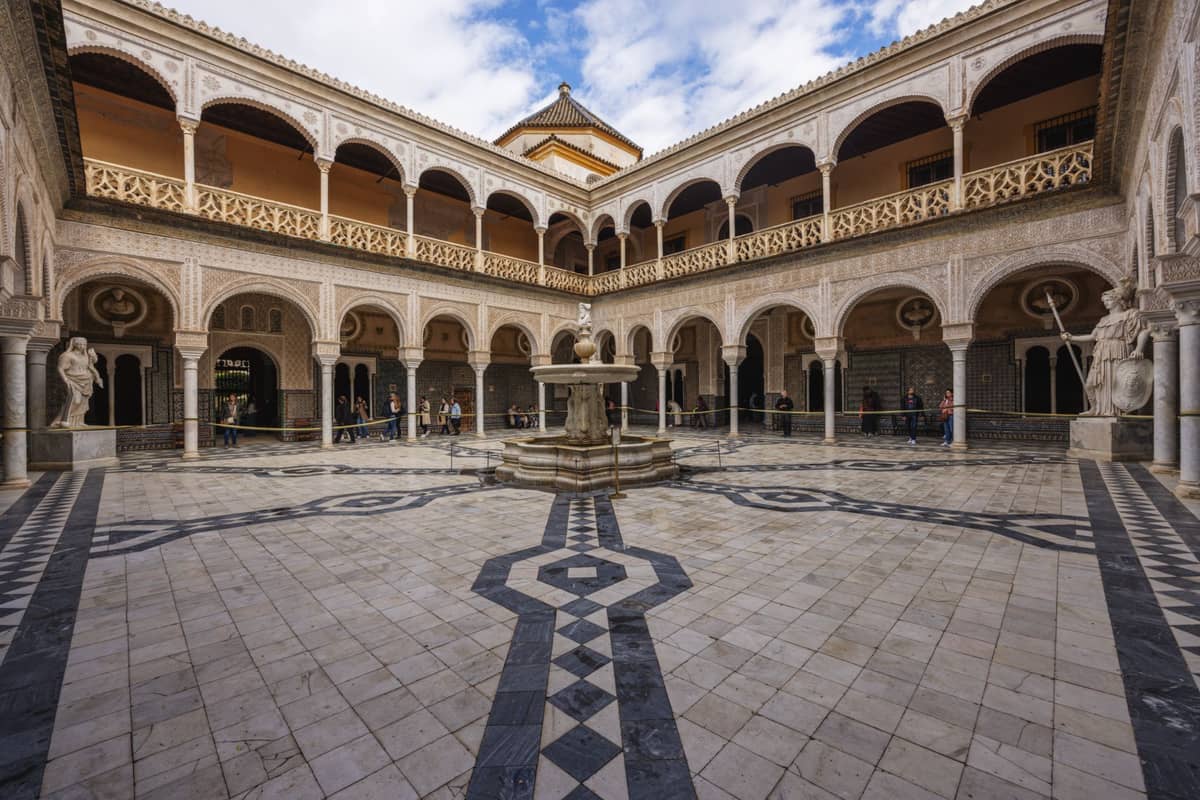
1. Wander a Mudéjar Masterpiece at Casa de Pilatos
Seville's finest private palace blends Mudéjar tilework, Gothic vaulting, and Roman sculptures in a single courtyard complex. Far less crowded than the Alcázar, it is privately managed by the Dukes of Medinaceli and open daily from 09:00. Budget 90 minutes.
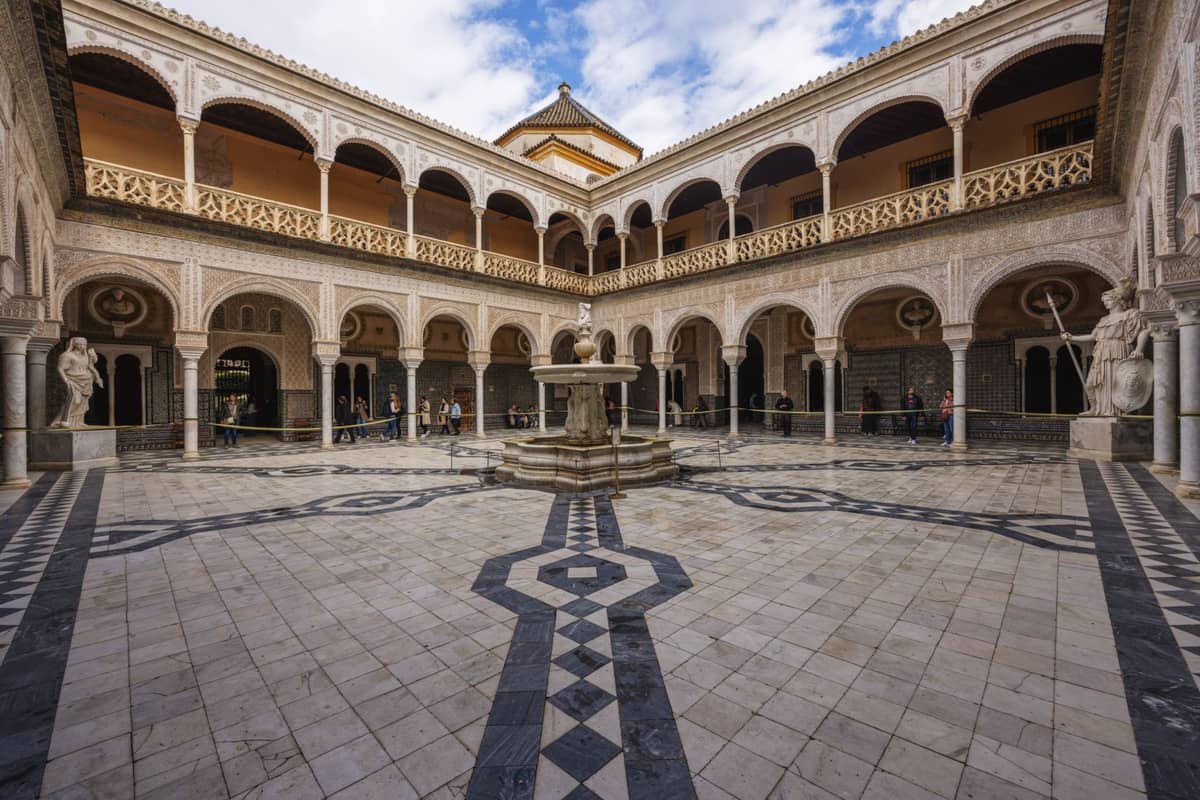
Explore1. Wander a Mudéjar Masterpiece at Casa de Pilatos
Seville's finest private palace blends Mudéjar tilework, Gothic vaulting, and Roman sculptures in a single courtyard complex. Far less crowded than the Alcázar, it is privately managed by the Dukes of Medinaceli and open daily from 09:00. Budget 90 minutes.
Explore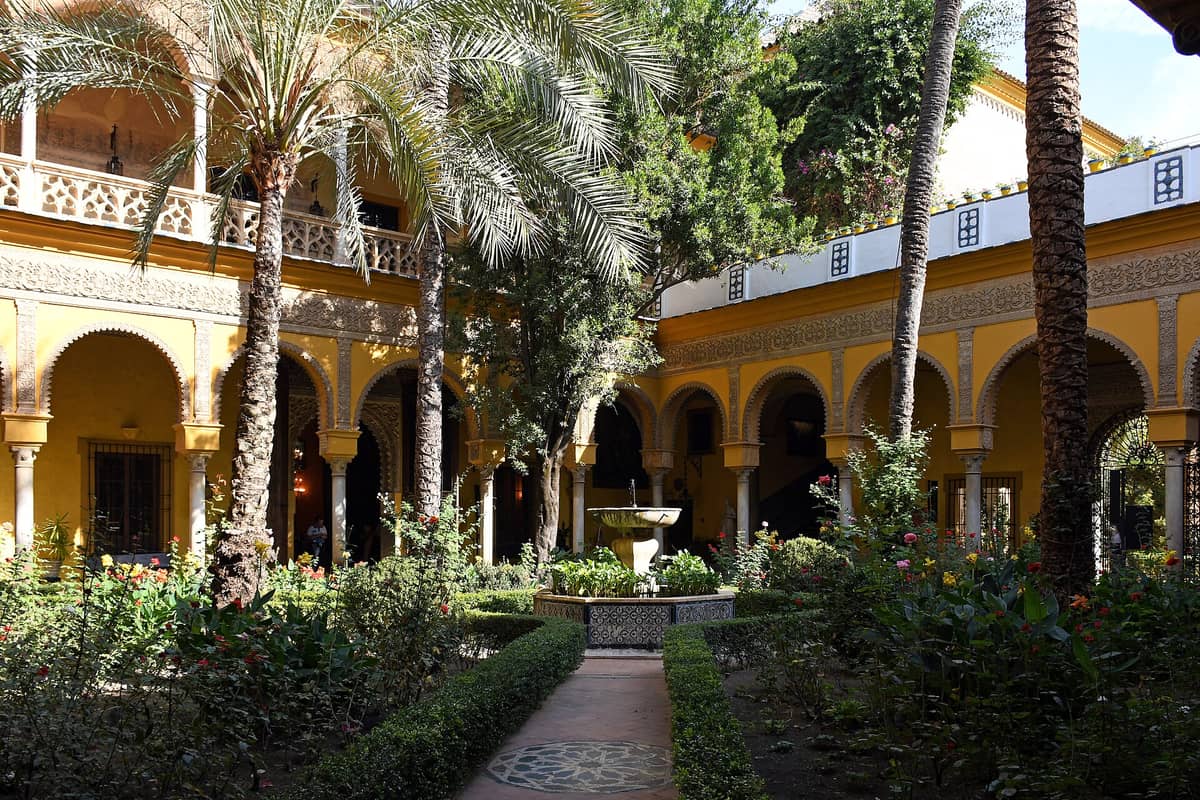
2. Step Inside the House of Alba at Palacio de las Dueñas
The Seville home of the House of Alba — Spain's most titled noble family — opens its Gothic-Mudéjar courtyards and art collection to visitors. The gardens are particularly beautiful in spring, and the personal objects inside make it feel genuinely lived-in, not museum-stiff.
Explore2. Step Inside the House of Alba at Palacio de las Dueñas
The Seville home of the House of Alba — Spain's most titled noble family — opens its Gothic-Mudéjar courtyards and art collection to visitors. The gardens are particularly beautiful in spring, and the personal objects inside make it feel genuinely lived-in, not museum-stiff.
Explore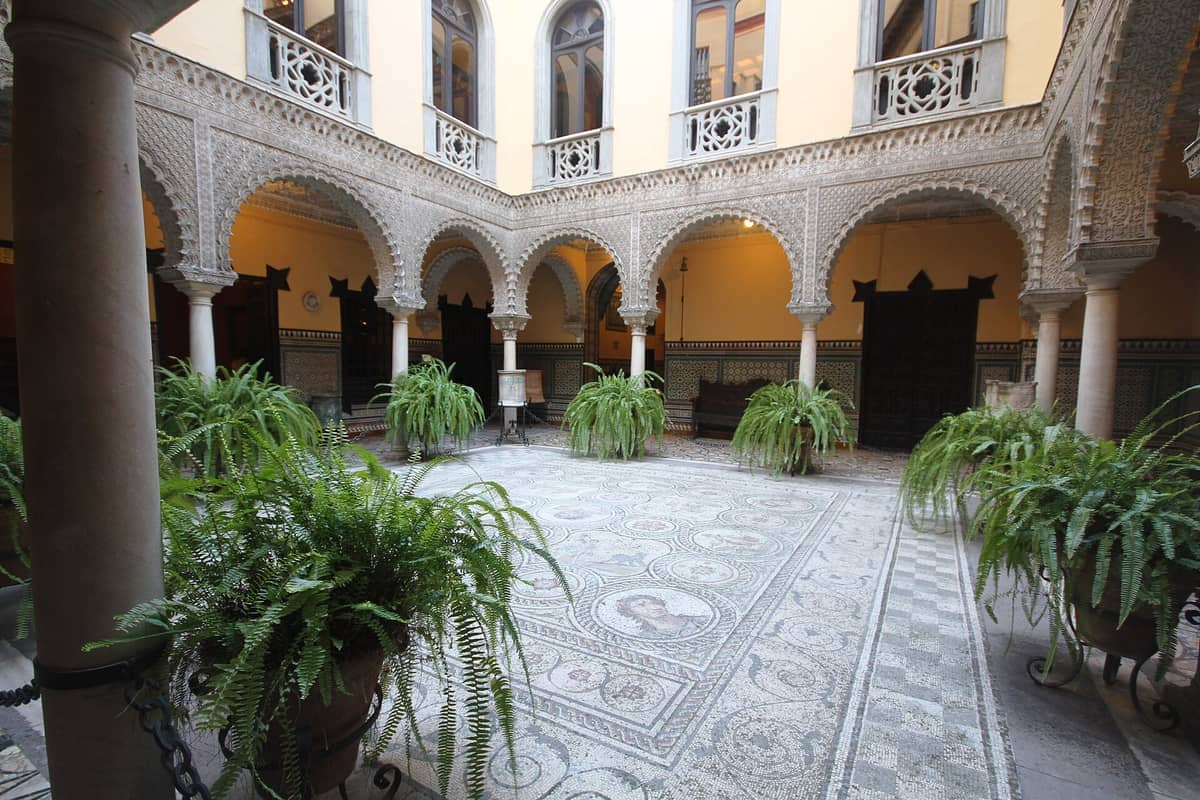
3. Find Roman Mosaics Underfoot at the Condesa de Lebrija Palace
An aristocratic townhouse in the historic centre where entire floors are covered with Roman mosaics lifted from Itálica. The Countess assembled this private collection in the early 20th century — it is extraordinary for its quality and almost entirely unknown to casual visitors.
Explore3. Find Roman Mosaics Underfoot at the Condesa de Lebrija Palace
An aristocratic townhouse in the historic centre where entire floors are covered with Roman mosaics lifted from Itálica. The Countess assembled this private collection in the early 20th century — it is extraordinary for its quality and almost entirely unknown to casual visitors.
Explore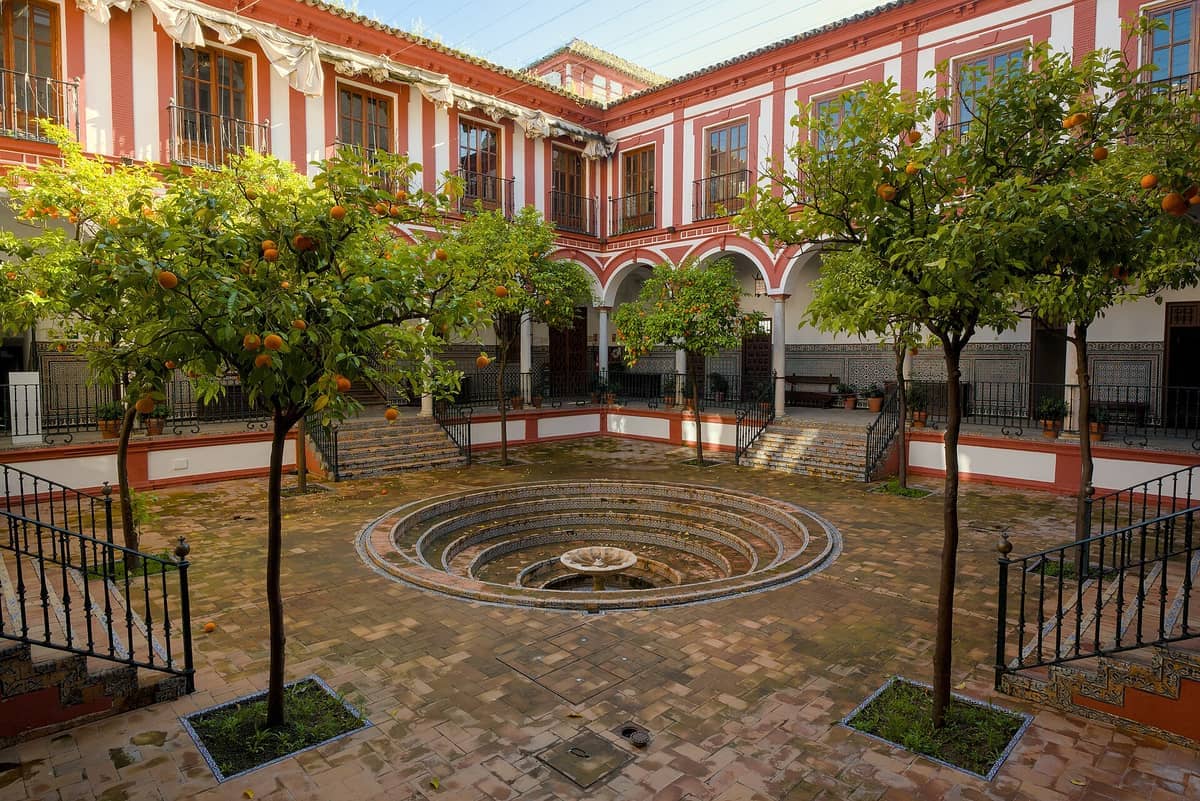
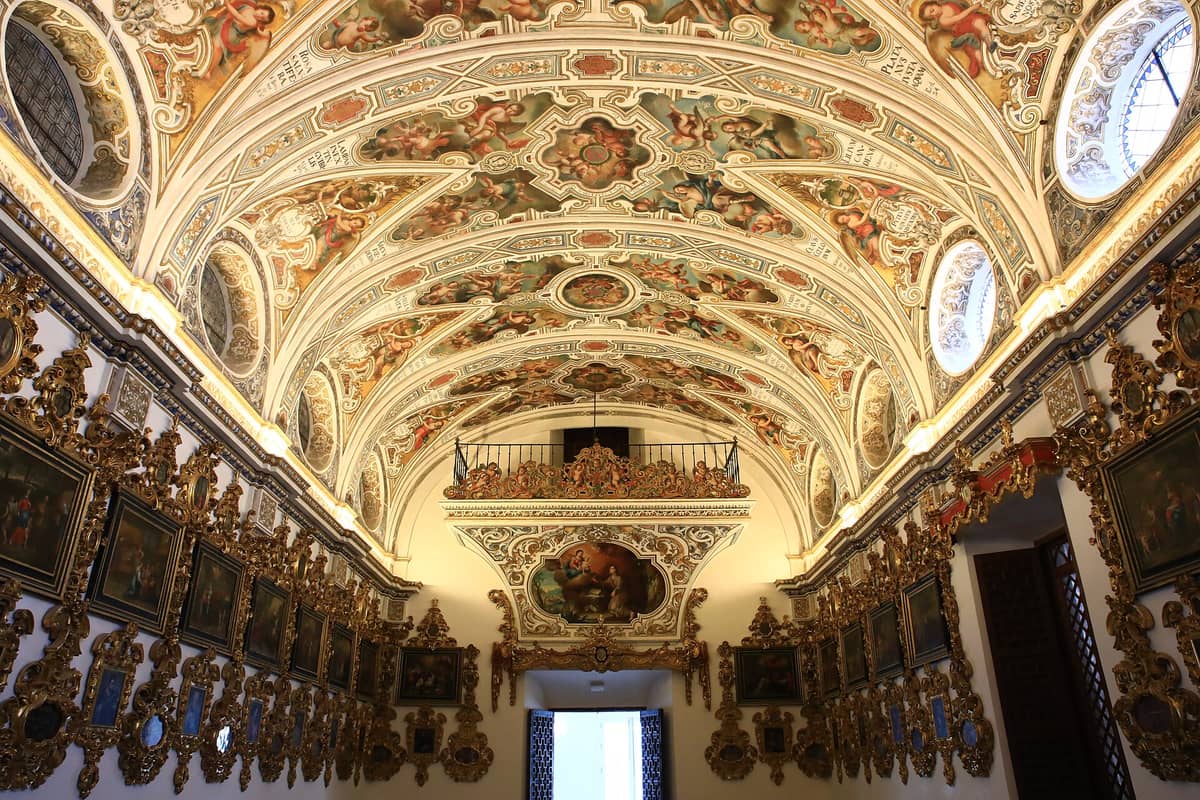
4. See Golden Age Masterpieces at the Hospital de los Venerables
A 17th-century baroque building in Santa Cruz housing serious Velázquez works and a church with one of the finest painted ceilings in the city. Entry is affordable, visitor numbers are low, and the courtyard alone justifies the detour. Allow 45-60 minutes inside.
Explore4. See Golden Age Masterpieces at the Hospital de los Venerables
A 17th-century baroque building in Santa Cruz housing serious Velázquez works and a church with one of the finest painted ceilings in the city. Entry is affordable, visitor numbers are low, and the courtyard alone justifies the detour. Allow 45-60 minutes inside.
ExploreBaroque Churches Worth Seeking Out
Seville has more than 100 churches, and the vast majority see almost no tourist traffic. The three below are architectural standouts that rival anything in the historic centre. For a full overview of the city's religious architecture, the best churches in Seville guide covers the complete picture.
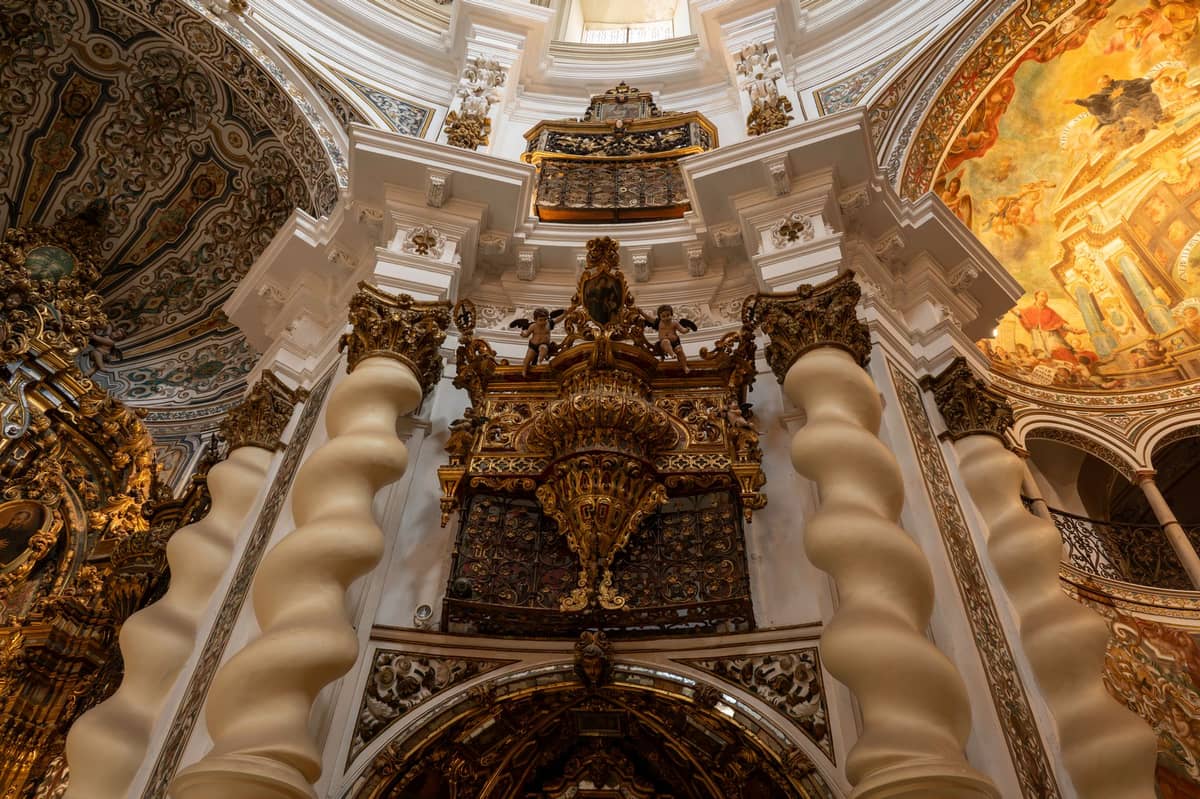
5. Marvel at the Best Baroque Interior in the City at San Luis de los Franceses
This 18th-century Jesuit church in La Macarena has an octagonal dome, gilded altarpieces, and ceiling frescoes that rank among the finest baroque interiors in Spain. It is genuinely overlooked. Opening hours are limited, so check locally before visiting.
Explore5. Marvel at the Best Baroque Interior in the City at San Luis de los Franceses
This 18th-century Jesuit church in La Macarena has an octagonal dome, gilded altarpieces, and ceiling frescoes that rank among the finest baroque interiors in Spain. It is genuinely overlooked. Opening hours are limited, so check locally before visiting.
Explore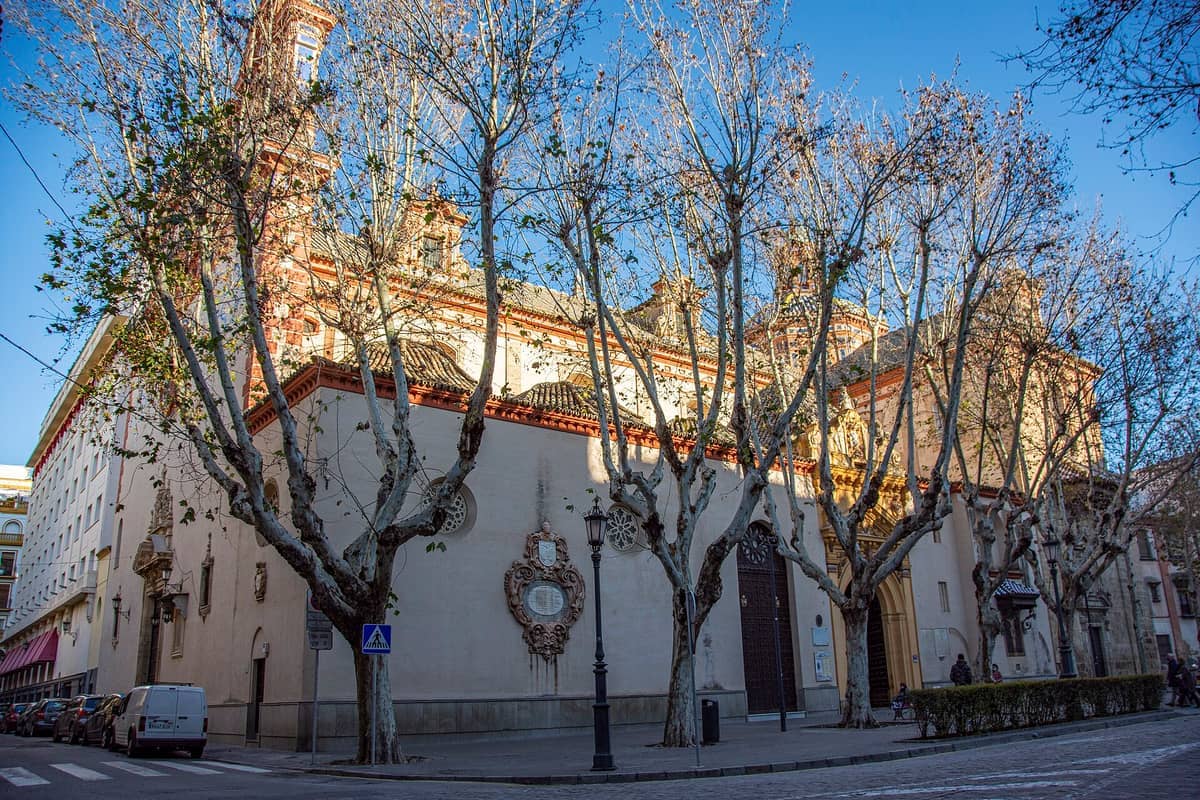
6. Discover Stunning Frescoes at the Iglesia de la Magdalena
Lucas Valdés painted the remarkable frescoes inside this baroque church near the Museo de Bellas Artes. Its religious art collection is substantial, admission is very low, and visitor numbers rarely rise above a handful, even on busy weekends. Ten minutes from Plaza Nueva.
Explore6. Discover Stunning Frescoes at the Iglesia de la Magdalena
Lucas Valdés painted the remarkable frescoes inside this baroque church near the Museo de Bellas Artes. Its religious art collection is substantial, admission is very low, and visitor numbers rarely rise above a handful, even on busy weekends. Ten minutes from Plaza Nueva.
Explore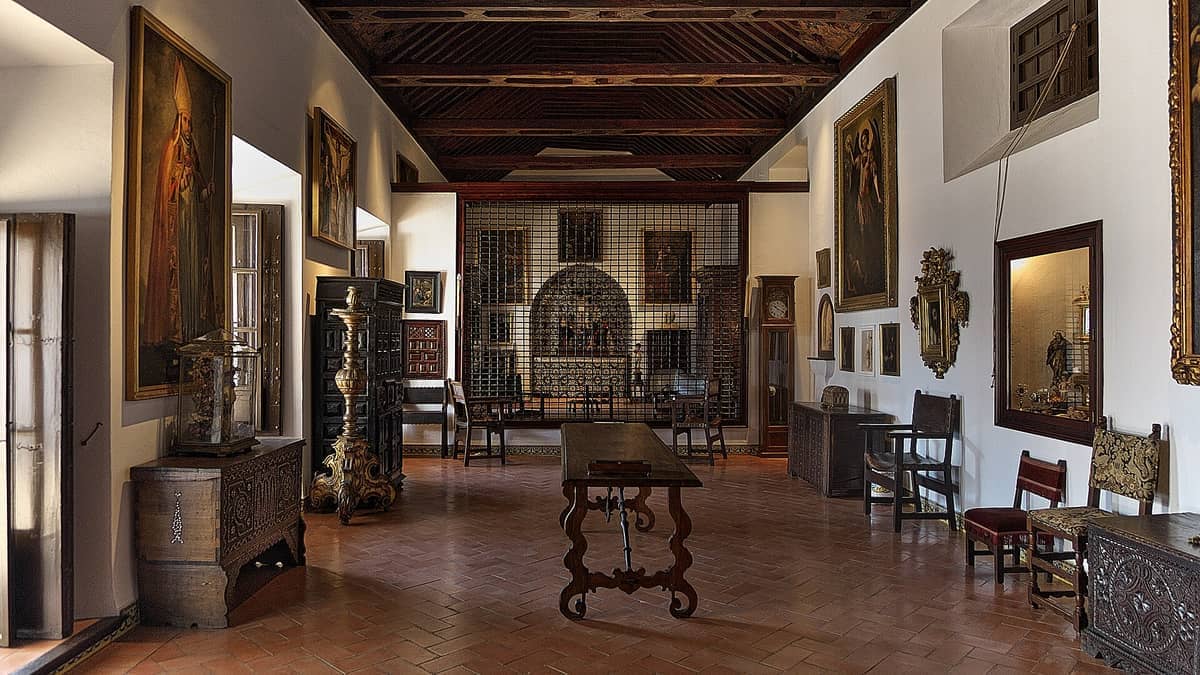
7. Buy Convent Sweets Through a Hatch at Santa Paula
A 15th-century convent with a Mudéjar-Gothic portal and a small museum of religious art. The real draw is the nuns' tradition of selling homemade marmalades through a wooden revolving hatch — one of the most quietly charming experiences in Seville's La Macarena neighbourhood.
Explore7. Buy Convent Sweets Through a Hatch at Santa Paula
A 15th-century convent with a Mudéjar-Gothic portal and a small museum of religious art. The real draw is the nuns' tradition of selling homemade marmalades through a wooden revolving hatch — one of the most quietly charming experiences in Seville's La Macarena neighbourhood.
ExploreAlternative Viewpoints & Street-Level Discoveries
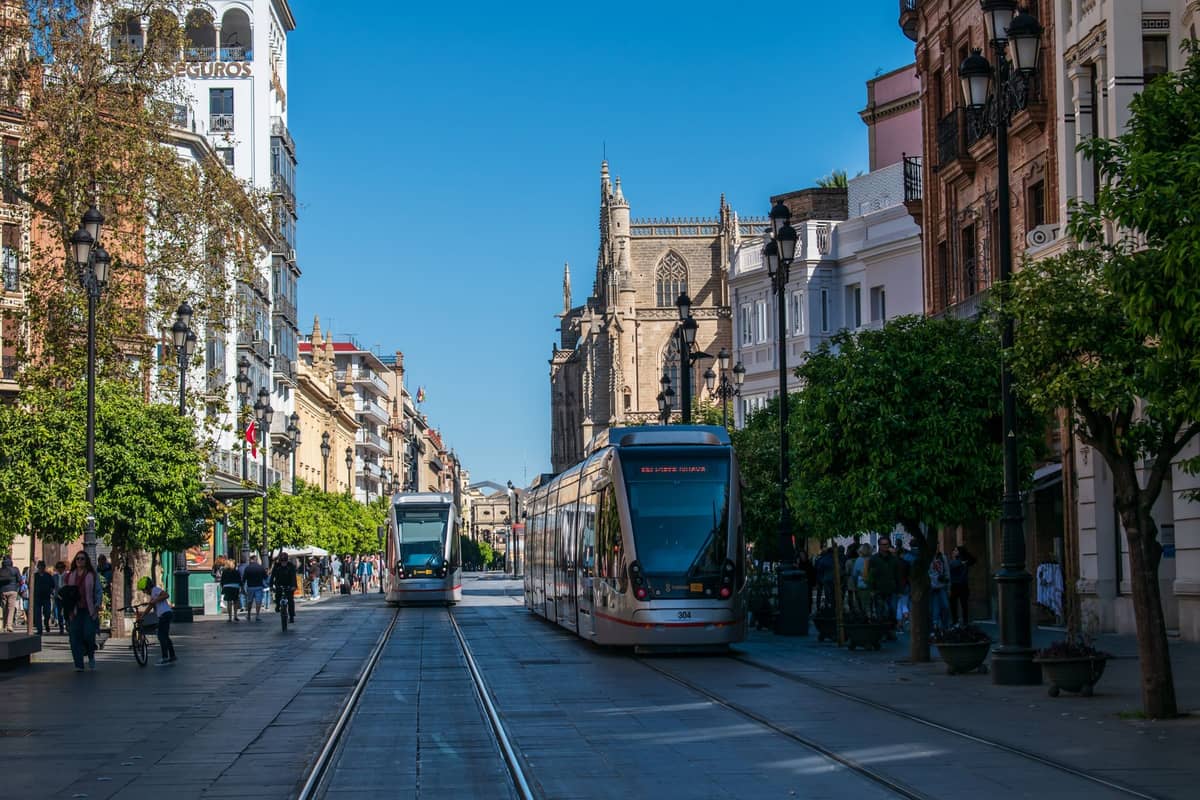
Everyone climbs the Giralda. Far fewer people know about the shot tower in La Macarena or the medieval city walls that stretch for over a kilometre on the northern edge of the old city. The best viewpoints in Seville guide covers all the high points in detail.
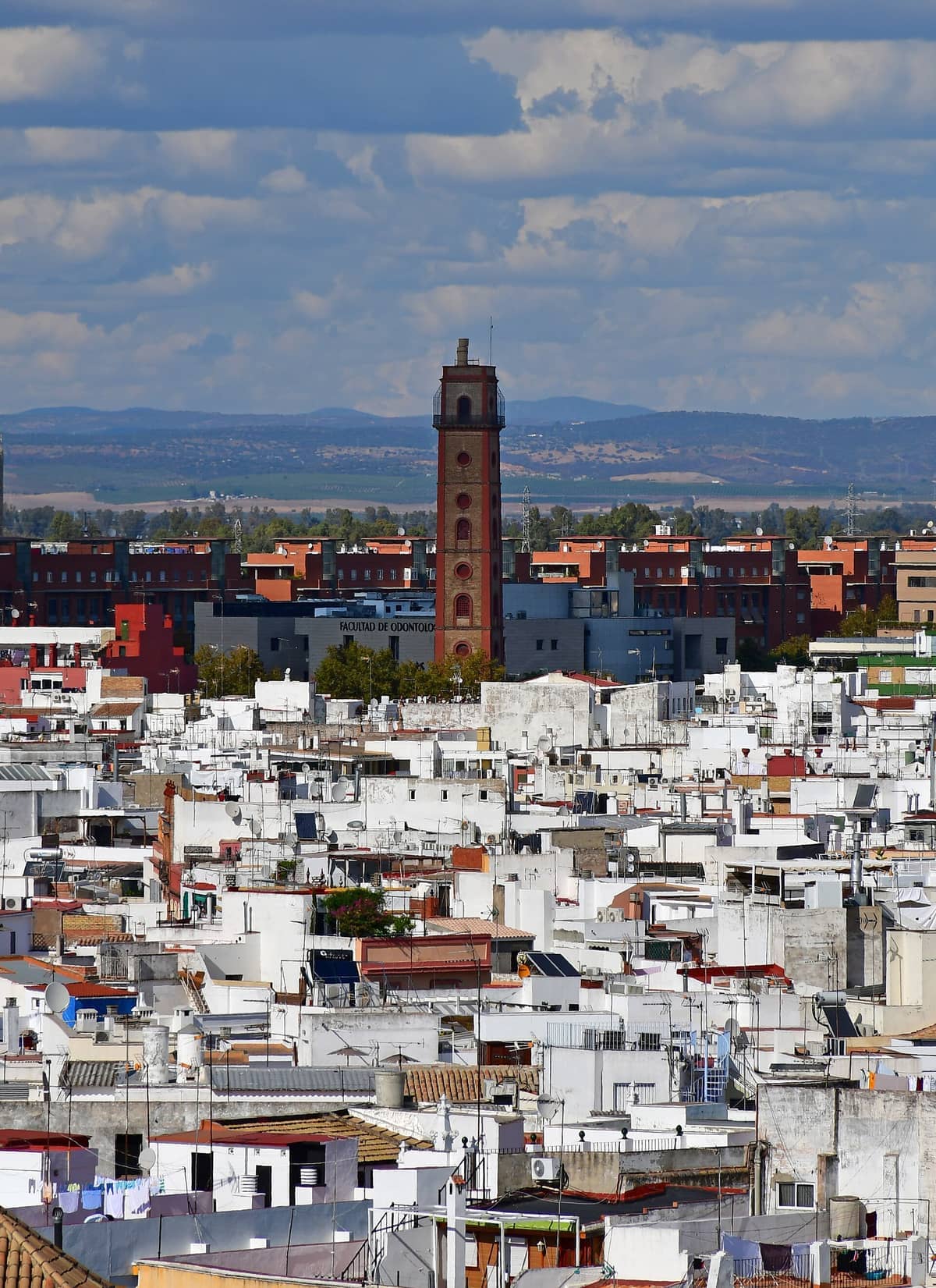
8. Get a 360-Degree View from the Torre de los Perdigones
A 19th-century shot tower repurposed as a camera obscura and panoramic viewpoint with unobstructed 360-degree views of Seville. Virtually unknown to most visitors, it offers a completely different perspective of the city's skyline away from the Giralda queues.
Explore8. Get a 360-Degree View from the Torre de los Perdigones
A 19th-century shot tower repurposed as a camera obscura and panoramic viewpoint with unobstructed 360-degree views of Seville. Virtually unknown to most visitors, it offers a completely different perspective of the city's skyline away from the Giralda queues.
Explore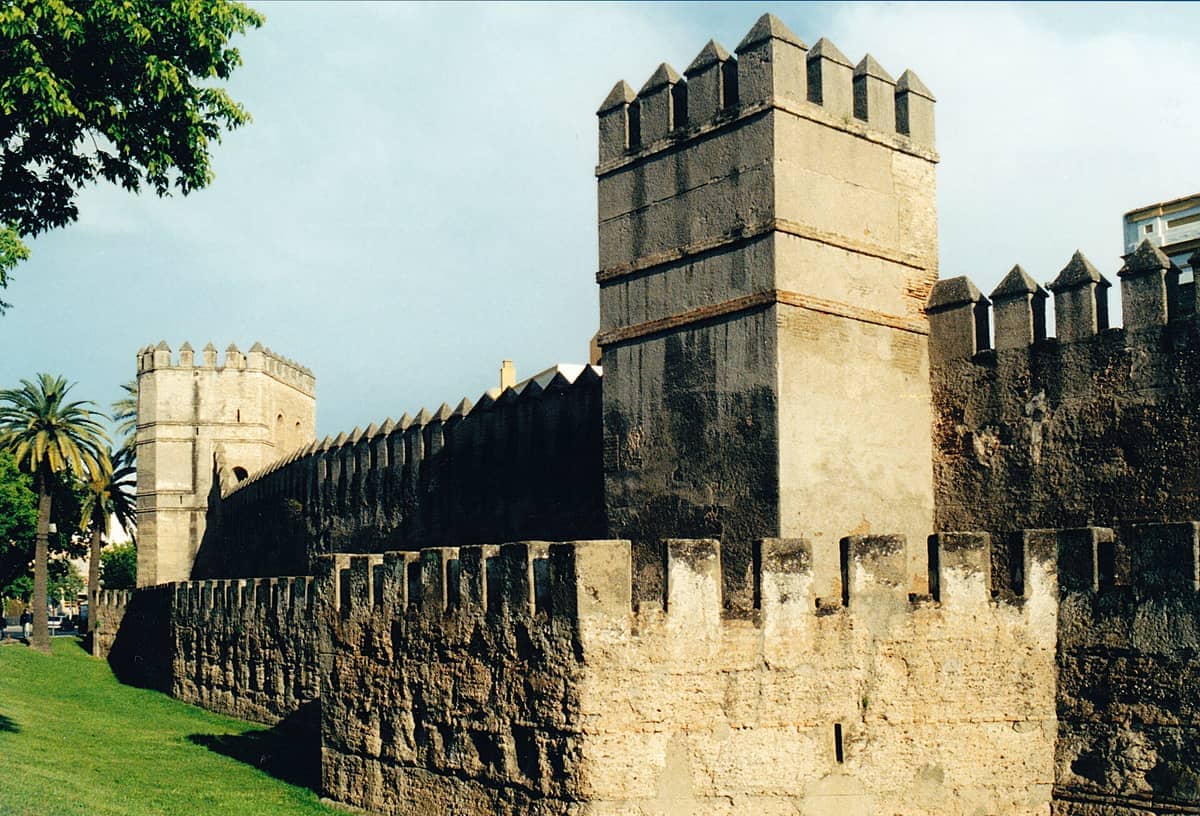
9. Walk Seville's Medieval City Walls in La Macarena
Over a kilometre of original Almohad walls, towers, and the Puerta de la Macarena gate run through the northern edge of the old city. The walk is entirely free, the walls are among the best-preserved in Andalusia, and almost no tourists make it this far north.
Explore9. Walk Seville's Medieval City Walls in La Macarena
Over a kilometre of original Almohad walls, towers, and the Puerta de la Macarena gate run through the northern edge of the old city. The walk is entirely free, the walls are among the best-preserved in Andalusia, and almost no tourists make it this far north.
Explore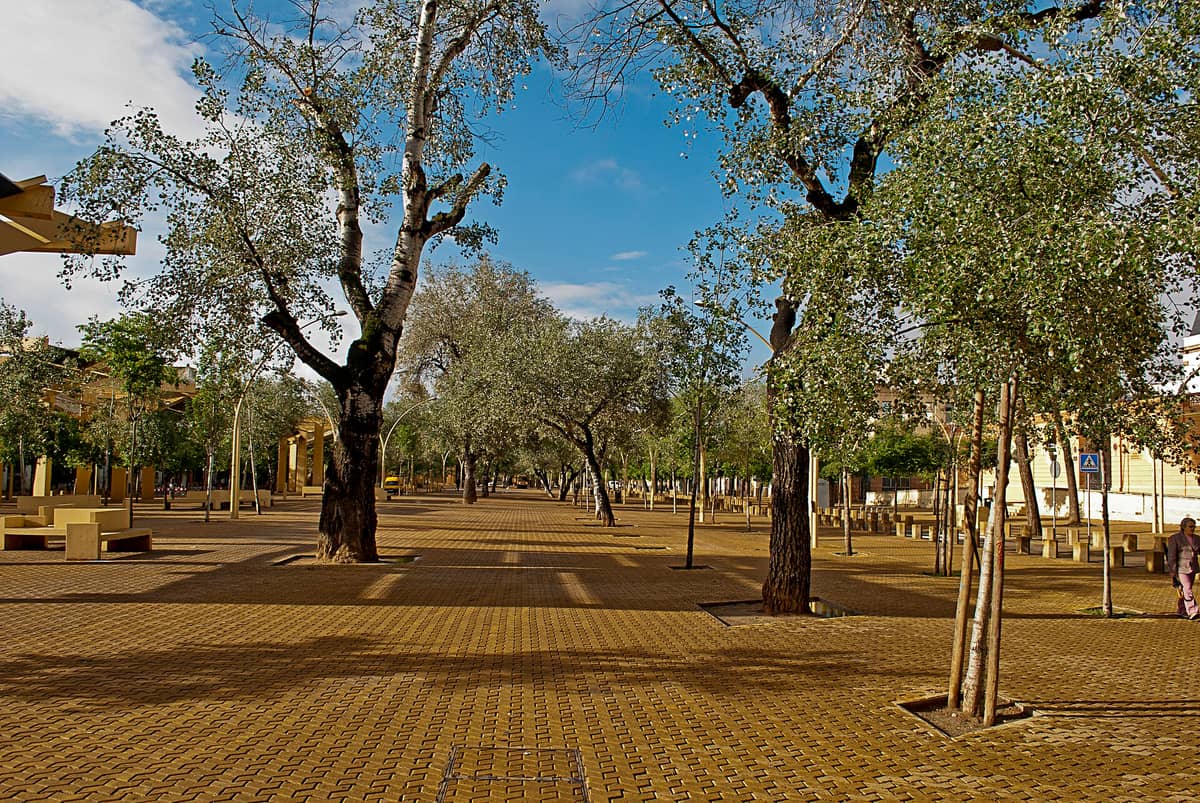
10. Join the Locals on Europe's Oldest Public Promenade
Flanked by ancient Roman columns and surrounded by neighbourhood bars and cafés, the Alameda de Hércules is where Seville actually goes out. Come in the evening for a genuinely local atmosphere. It sits at the heart of the city's bohemian scene in La Macarena.
Explore10. Join the Locals on Europe's Oldest Public Promenade
Flanked by ancient Roman columns and surrounded by neighbourhood bars and cafés, the Alameda de Hércules is where Seville actually goes out. Come in the evening for a genuinely local atmosphere. It sits at the heart of the city's bohemian scene in La Macarena.
Explore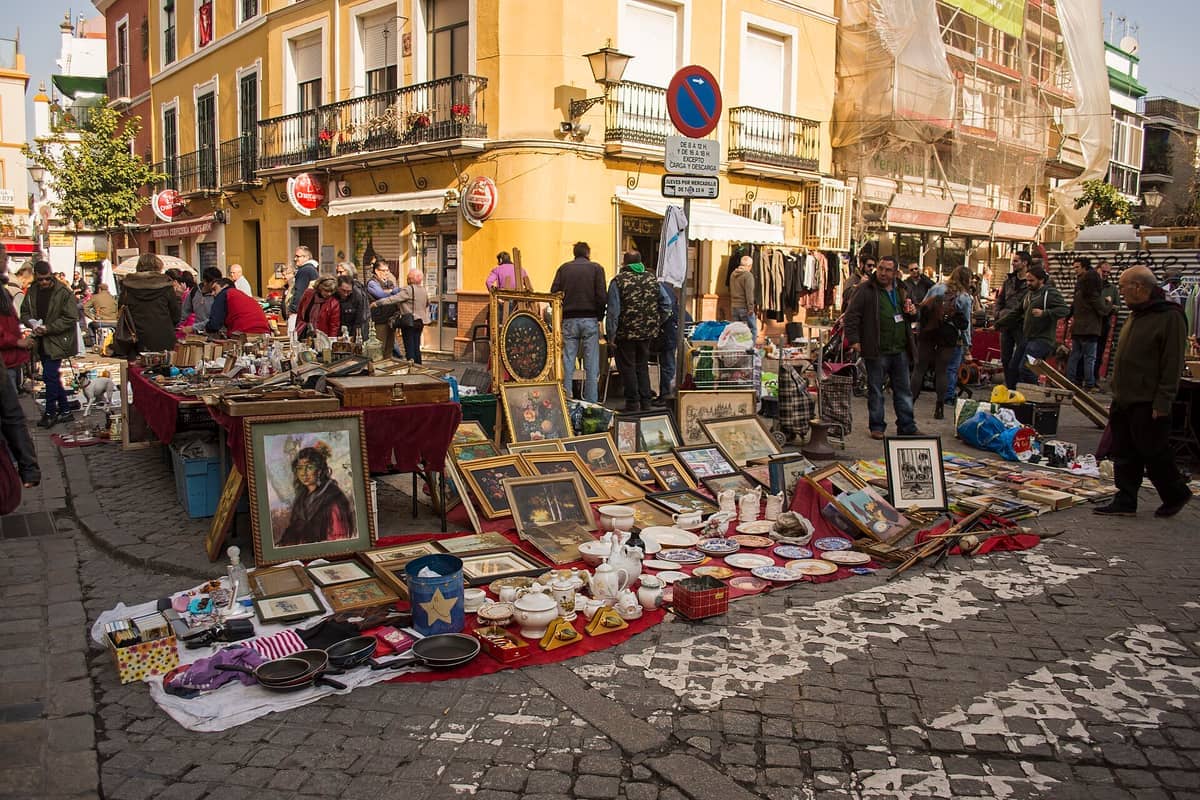
11. Browse El Jueves, Spain's Oldest Street Market, on Calle Feria
Every Thursday morning, Calle Feria in La Macarena hosts El Jueves flea market — one of the oldest street markets in Spain. Beyond market day, the street itself rewards slow wandering, with independent shops and tapas bars well away from the tourist trail.
Explore11. Browse El Jueves, Spain's Oldest Street Market, on Calle Feria
Every Thursday morning, Calle Feria in La Macarena hosts El Jueves flea market — one of the oldest street markets in Spain. Beyond market day, the street itself rewards slow wandering, with independent shops and tapas bars well away from the tourist trail.
ExploreTriana: The Neighbourhood Most Visitors Only Cross
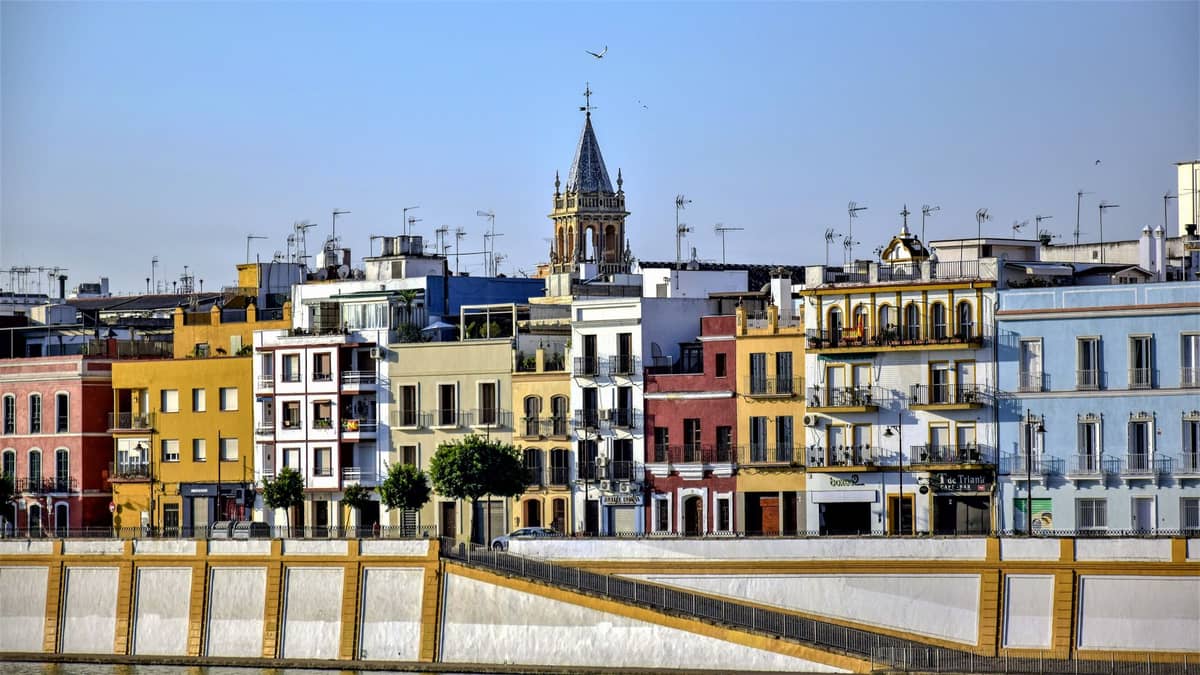
Most visitors cross the Puente de Triana for a quick look and then head back. Those who stay longer discover a working neighbourhood with its own identity, ceramic tradition, and local market that has been feeding residents for generations. The Triana neighbourhood deserves at least half a day.
12. Explore the Inquisition History Beneath Triana Market
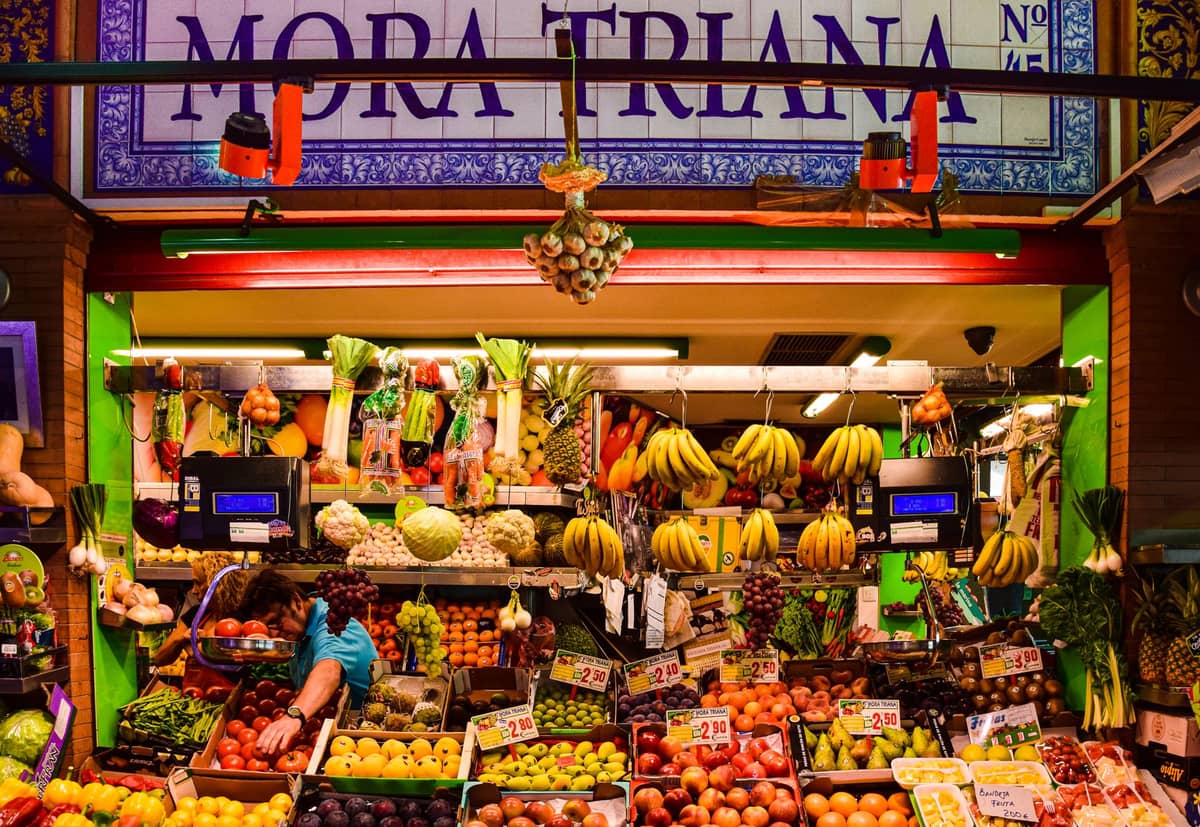
Built on the site of the Inquisition's Seville headquarters, Triana Market is a working covered market with an underground museum about the Castillo de San Jorge. Arrive before 14:00 for full stalls; evenings are for the bars. Entry to both market and museum is free.
Explore12. Explore the Inquisition History Beneath Triana Market
Built on the site of the Inquisition's Seville headquarters, Triana Market is a working covered market with an underground museum about the Castillo de San Jorge. Arrive before 14:00 for full stalls; evenings are for the bars. Entry to both market and museum is free.
Explore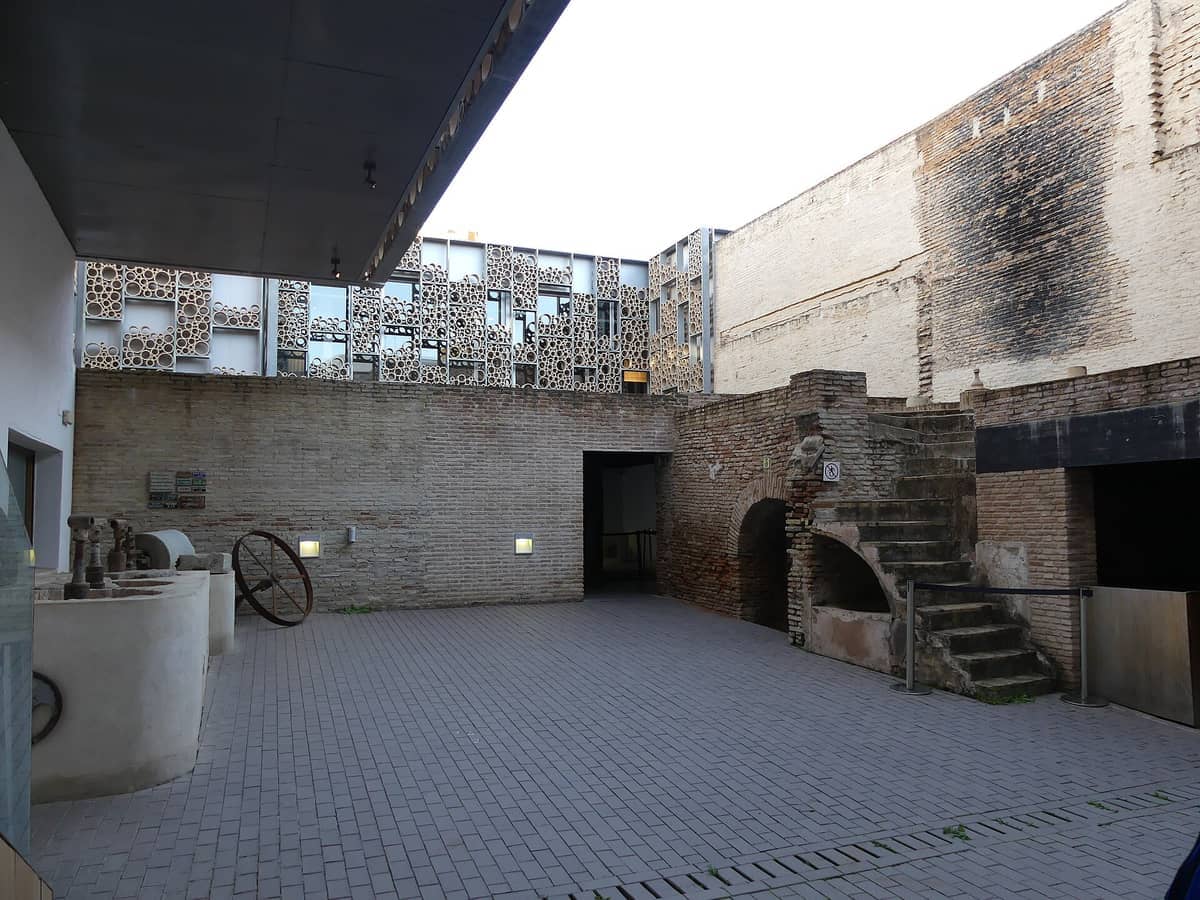
13. Trace Seville's Tile-Making History at Centro Cerámica Triana
Triana has produced the azulejo tiles that cover Seville's buildings for centuries, and this museum traces that history from Moorish kilns to the present. The streets around it are still lined with working ceramic workshops where you can watch and buy directly.
Explore13. Trace Seville's Tile-Making History at Centro Cerámica Triana
Triana has produced the azulejo tiles that cover Seville's buildings for centuries, and this museum traces that history from Moorish kilns to the present. The streets around it are still lined with working ceramic workshops where you can watch and buy directly.
Explore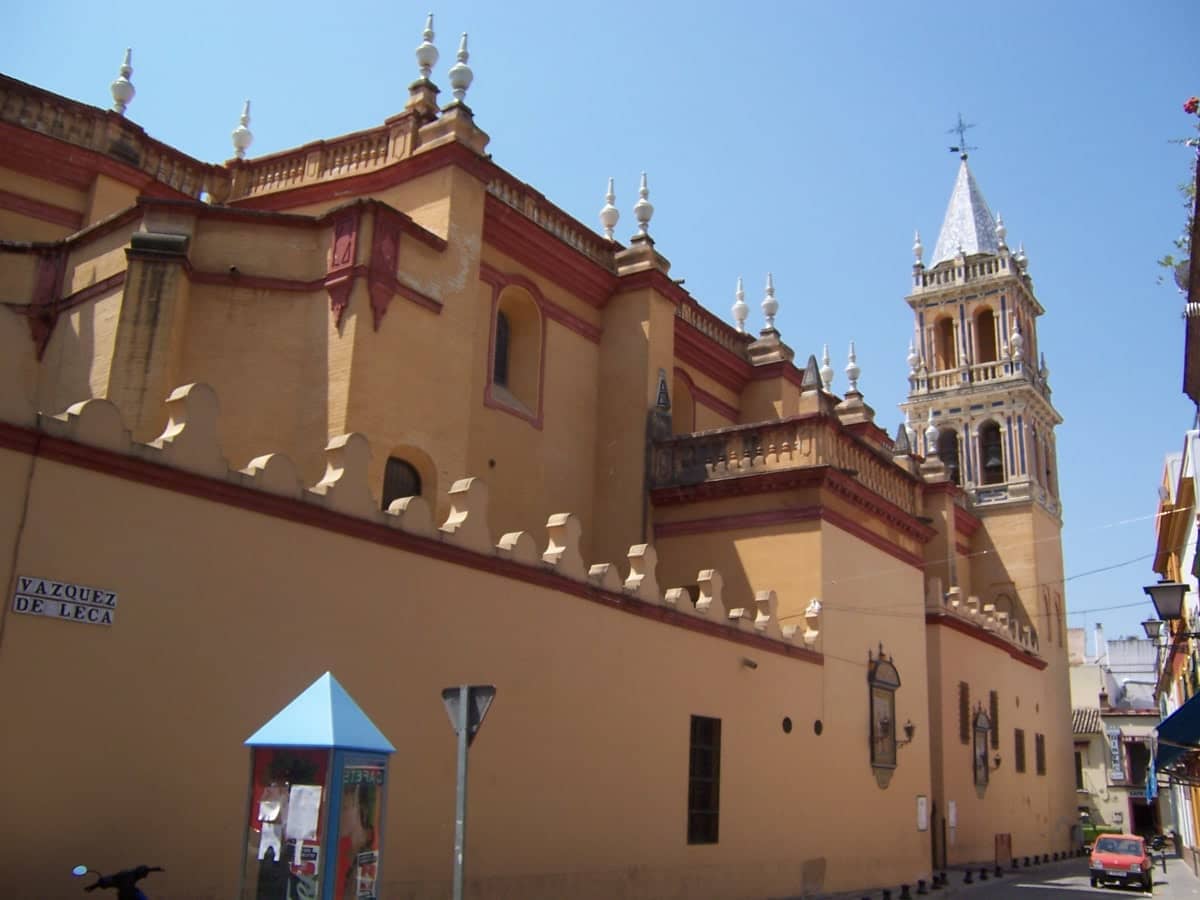
14. Visit the 'Cathedral of Triana' at Iglesia de Santa Ana
One of the oldest parish churches in Seville, dating to the 13th century, Santa Ana is the spiritual core of the Triana neighbourhood. Its interior holds remarkable artworks rarely seen by visitors who don't venture beyond the main tourist sites across the river.
Explore14. Visit the 'Cathedral of Triana' at Iglesia de Santa Ana
One of the oldest parish churches in Seville, dating to the 13th century, Santa Ana is the spiritual core of the Triana neighbourhood. Its interior holds remarkable artworks rarely seen by visitors who don't venture beyond the main tourist sites across the river.
ExploreHistory Beyond the City Limits
Two of the most rewarding experiences near Seville are just outside its boundaries and easy to reach without a car. Both are covered in depth in the day trips from Seville guide, which includes transport options and timing for each.
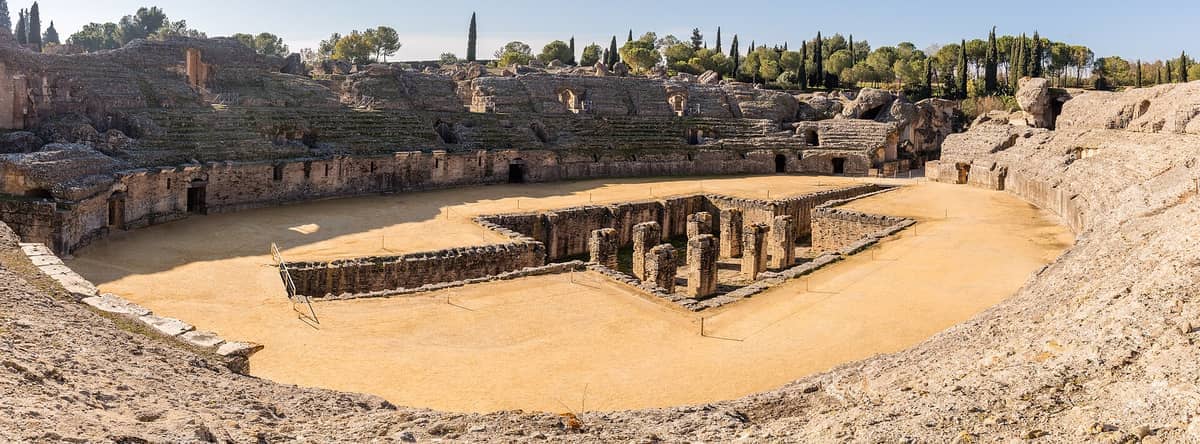
15. Walk Through a Roman City at Itálica, Just 9 km from Seville
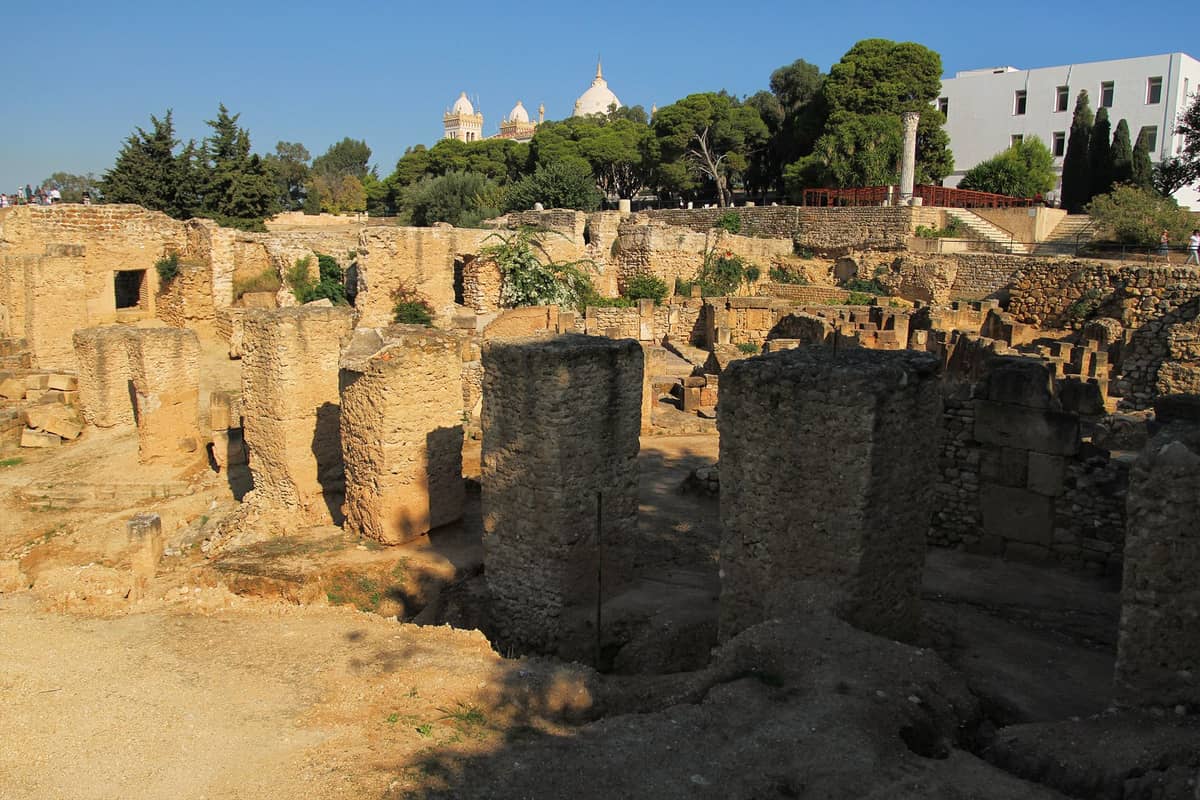
Birthplace of emperors Trajan and Hadrian, Itálica holds one of the largest Roman amphitheatres ever built and mosaic-floored villas in remarkable condition. It is 9 km from central Seville, reachable by local bus, and remains one of the least crowded major Roman sites in Spain.
Explore15. Walk Through a Roman City at Itálica, Just 9 km from Seville
Birthplace of emperors Trajan and Hadrian, Itálica holds one of the largest Roman amphitheatres ever built and mosaic-floored villas in remarkable condition. It is 9 km from central Seville, reachable by local bus, and remains one of the least crowded major Roman sites in Spain.
Explore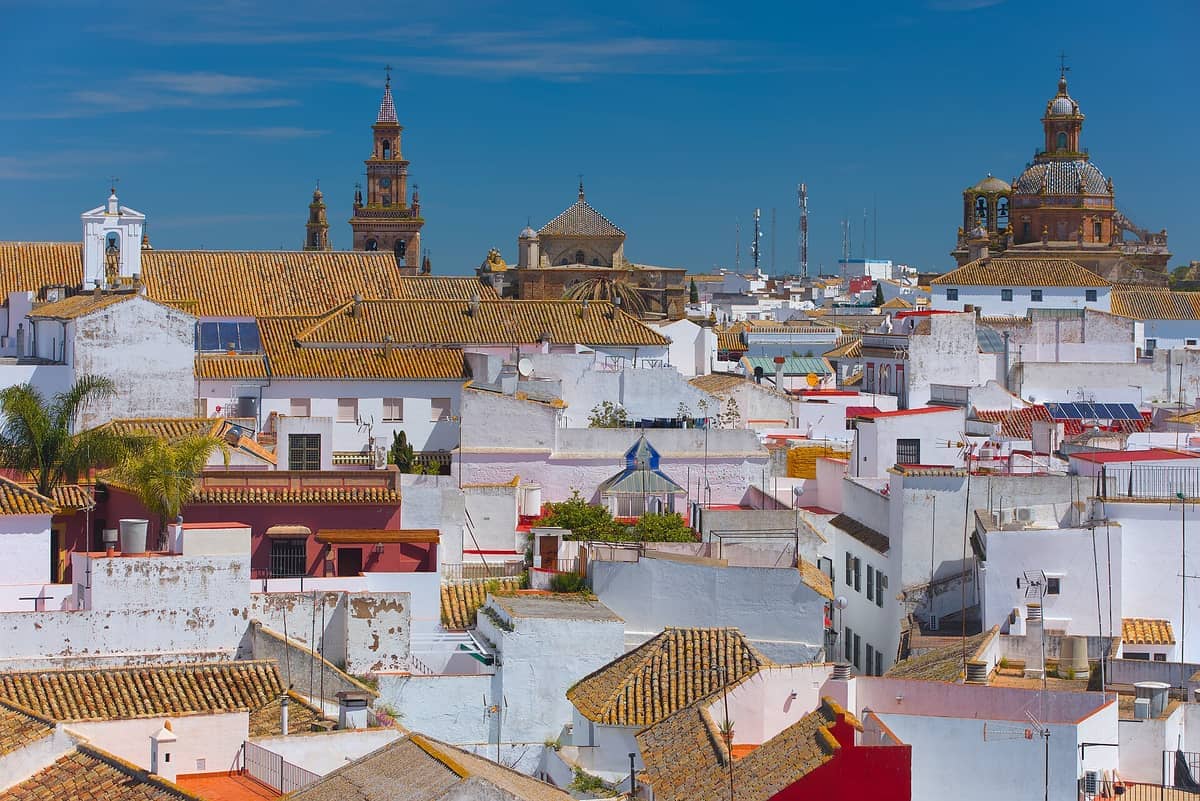
16. Escape the Crowds at Carmona, an Untouched Hilltop Town
Thirty-five kilometres east of Seville, Carmona has a Moorish Alcázar, a Roman necropolis, and a well-preserved old town that sees a fraction of Seville's visitor numbers. It makes a very good half-day trip, especially if Seville's centre is feeling overcrowded in high season.
Explore16. Escape the Crowds at Carmona, an Untouched Hilltop Town
Thirty-five kilometres east of Seville, Carmona has a Moorish Alcázar, a Roman necropolis, and a well-preserved old town that sees a fraction of Seville's visitor numbers. It makes a very good half-day trip, especially if Seville's centre is feeling overcrowded in high season.
Explore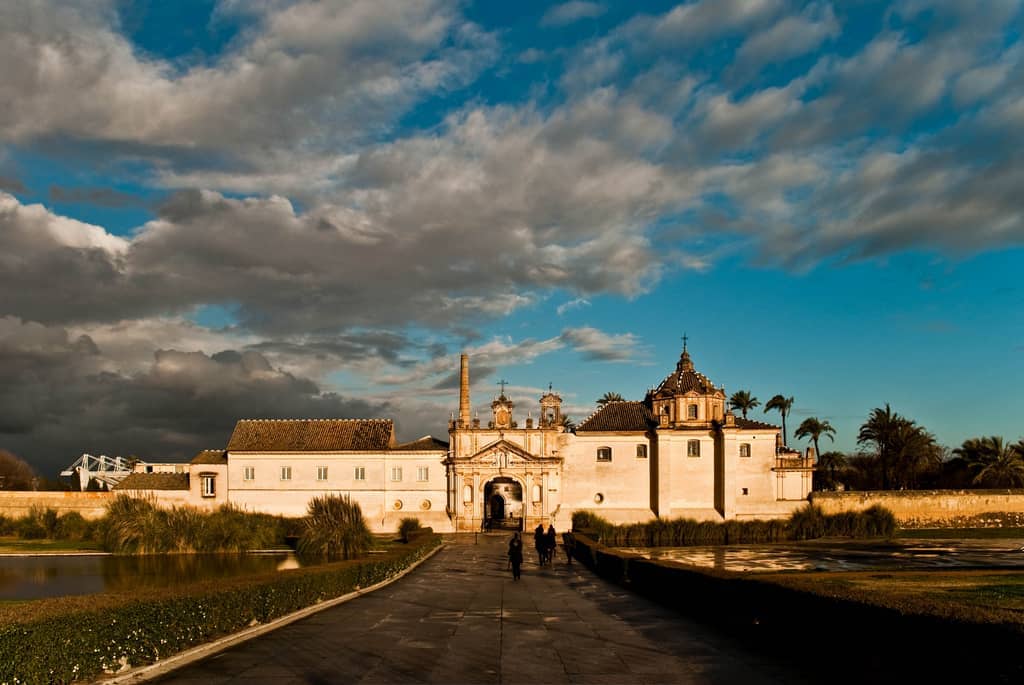
17. Combine Medieval History and Contemporary Art at La Cartuja Monastery
A 14th-century Carthusian monastery where Columbus stayed before his voyages now houses the Centro Andaluz de Arte Contemporáneo. The combination of medieval cloisters and world-class contemporary exhibitions on the Isla de la Cartuja is genuinely unexpected and rarely busy.
Explore17. Combine Medieval History and Contemporary Art at La Cartuja Monastery
A 14th-century Carthusian monastery where Columbus stayed before his voyages now houses the Centro Andaluz de Arte Contemporáneo. The combination of medieval cloisters and world-class contemporary exhibitions on the Isla de la Cartuja is genuinely unexpected and rarely busy.
Explore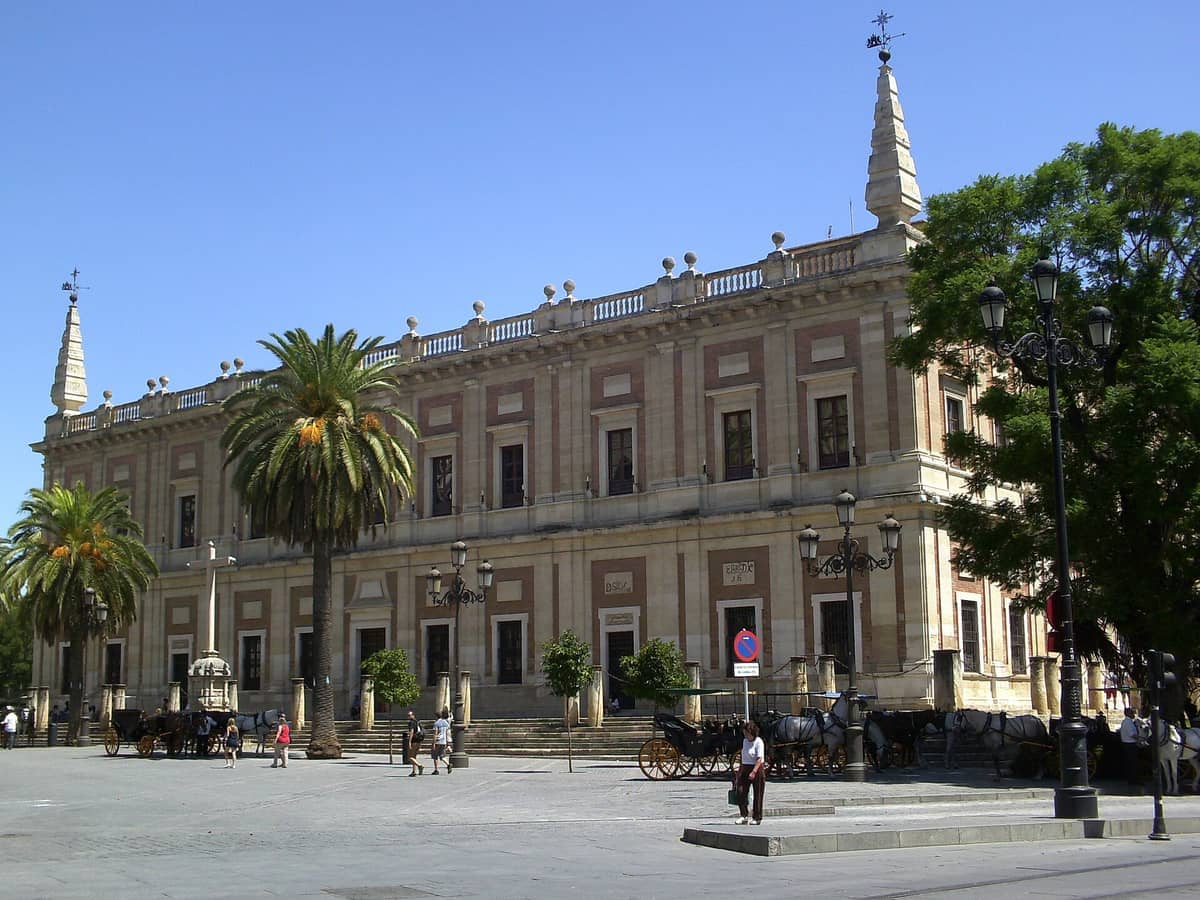
18. Enter a UNESCO Archive Free of Charge at the Archivo de Indias
A Renaissance building between the Cathedral and the Alcázar holding the world's most important archive of Spanish colonial documents. Entry is free, the architecture is magnificent, and rotating exhibitions of original maps and manuscripts make it more engaging than it sounds.
Explore18. Enter a UNESCO Archive Free of Charge at the Archivo de Indias
A Renaissance building between the Cathedral and the Alcázar holding the world's most important archive of Spanish colonial documents. Entry is free, the architecture is magnificent, and rotating exhibitions of original maps and manuscripts make it more engaging than it sounds.
Explore✨ Pro tip
Many of Seville's overlooked attractions close for a midday break between 14:00 and 16:00. Plan your visits to palaces and churches for morning or late afternoon, and use the middle of the day for markets and outdoor walks.
FAQ
What are the most underrated places to visit in Seville?
Casa de Pilatos, the Condesa de Lebrija Palace, and the Iglesia de San Luis de los Franceses are consistently underrated. All three are within walking distance of the Cathedral but see a fraction of the crowds. The Torre de los Perdigones viewpoint in La Macarena is arguably the city's least-known panoramic spot.
Are there any free hidden gems in Seville?
Yes. The Murallas de Sevilla (city walls) walk in La Macarena is completely free. The Archivo General de Indias has free entry for tourist visits. Mercado de Triana costs nothing to enter. The Alameda de Hércules promenade costs nothing to walk. The Iglesia de San Luis de los Franceses has a modest entry fee with free entry on Sunday afternoons — check locally.
How do I get to Itálica Roman Ruins from Seville city centre?
Itálica is 9 km northwest of Seville in the town of Santiponce. The M-172A bus departs from the Plaza de Armas bus station roughly every 30 minutes on weekdays (around hourly on weekends) and takes about 25–35 minutes. The site is straightforward to reach without a car and the journey is inexpensive.
Is Triana worth visiting as a half-day trip from central Seville?
Absolutely. Cross the Puente de Triana in the morning to visit the Mercado de Triana while stalls are fully open (before 14:00), explore the Centro Cerámica Triana museum and nearby workshops, then visit the Iglesia de Santa Ana. Return in the evening when the waterfront bars come alive.
When is the best time to visit Seville's off-the-beaten-path attractions?
Spring (March to May) and autumn (late September to October) offer the most comfortable temperatures for walking between sites. Many indoor attractions like palaces and churches are particularly worthwhile in July and August when outdoor exploration in 37–38°C average daytime heat is difficult during the middle of the day.
Tickets & tours
Live prices and dates from our booking partner. If you book, we may earn a commission at no extra cost to you.
Planning a trip? Discover personalized activities with the Nomado app.