3 Days in Seville: The Perfect Itinerary
Three days is enough time to cover Seville's greatest landmarks, explore its best neighbourhoods, and eat and drink well without rushing. This day-by-day itinerary gives you practical routes, current ticket prices, and the kind of logistical detail that makes the difference between a smooth trip and a frustrating one.
Tickets & tours
Live prices and dates from our booking partner. If you book, we may earn a commission at no extra cost to you.
TL;DR
- Book the Real Alcázar (€15.50) and Seville Cathedral (€13 online) in advance — both regularly sell out in peak season.
- Spread the big three monuments (Cathedral, Alcázar, Plaza de España) across different days to avoid sightseeing fatigue.
- Spring (March–May) and autumn (late September–October) offer the most comfortable sightseeing temperatures; summers regularly exceed 35°C. See our guide on the best time to visit Seville for a full breakdown.
- Cross the Guadalquivir to Triana on Day 2 — the neighbourhood changes the entire feel of the city and deserves at least a half-day.
- A 3-day Seville itinerary works best if you stay in or near the Santa Cruz district — nearly everything is walkable from there.
Before You Arrive: Logistics That Will Save You Time
Seville (Sevilla in Spanish) is the capital of Andalusia and sits in southern Spain at roughly 7–10 metres above sea level on the Guadalquivir River. The city has a hot-summer Mediterranean climate, which means the timing of your visit has a real impact on how enjoyable a 3-day itinerary is. July and August bring daytime highs around 36°C, making sustained outdoor sightseeing genuinely uncomfortable. March to May and late September to October are the windows when temperatures sit in the 18–25°C range and rainfall is moderate but manageable. If you're visiting in summer, plan outdoor sites for before 10:00 or after 18:00.
Seville Airport (IATA: SVQ) sits about 9–10 km northeast of the city centre. The EA airport bus runs approximately every 12–20 minutes, stops at Santa Justa station, Puerta de Jerez, and Plaza de Armas, and costs around €6 for a single ticket with a journey time of roughly 35 minutes. A taxi from the airport ranks takes 15–25 minutes and typically costs €25–€35 depending on time of day and supplements. Once in the city, the historic centre is compact and largely walkable. For an overview of your transport options, see the getting around Seville guide covers tram, metro, and bike rental in detail.
⚠️ What to skip
Book the Real Alcázar and Seville Cathedral online before you travel — not the morning you plan to visit. In April, May, and September especially, same-day tickets are often gone by 9:00. The Cathedral's free Sunday visit (16:30–18:00) also requires an advance online reservation and has limited capacity. Many visitors discover this only after arriving at the door.
Day 1: The Historic Core — Cathedral, Alcázar, and Santa Cruz
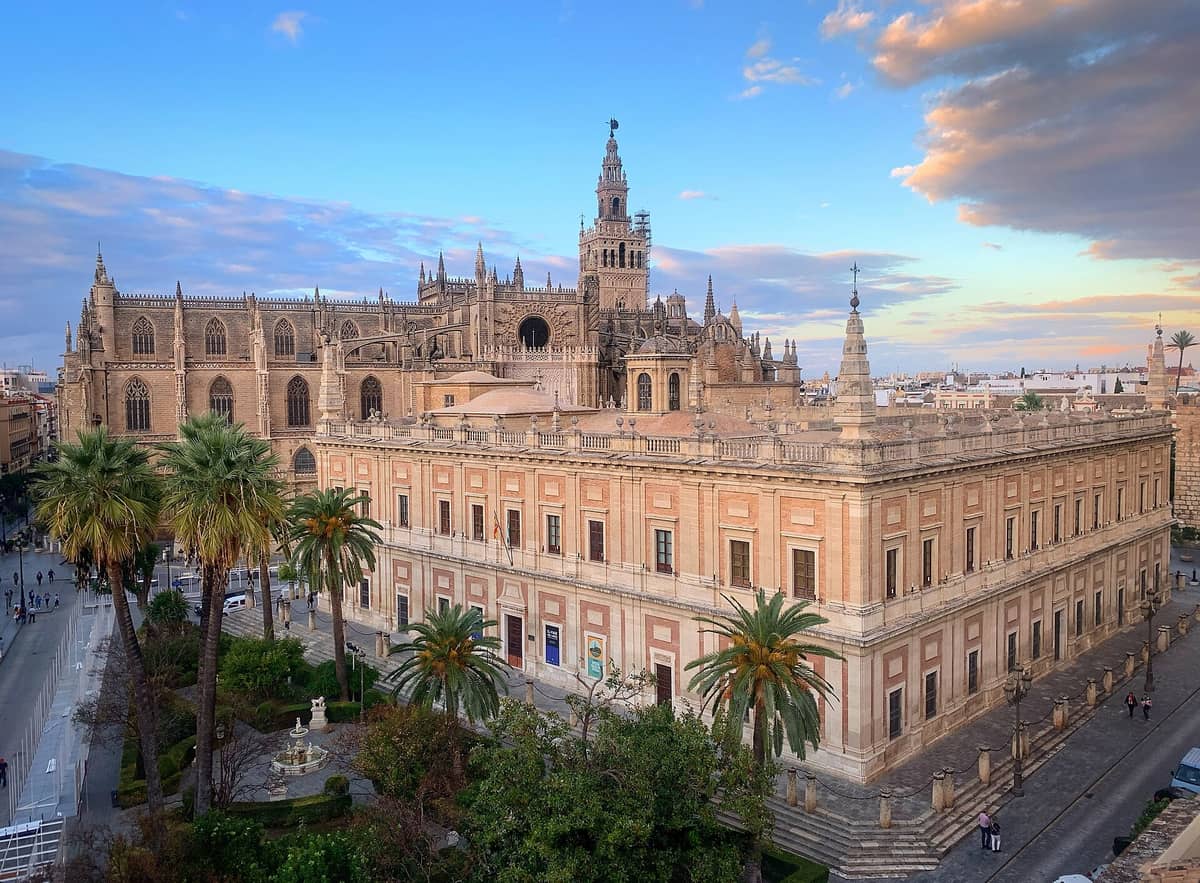
Start Day 1 at the Seville Cathedral, the largest Gothic cathedral in the world and the burial site of Christopher Columbus. Allocate at least 90 minutes. The climb up La Giralda — the former minaret converted into a bell tower — involves a series of ramps rather than stairs, which makes it accessible but also busier than you might expect. General admission is €13 if booked online, €14 at the ticket office; reduced tickets cost €7 or €8 respectively. The Cathedral opens Monday to Saturday from 11:00 (last entry 17:00) and Sunday from 14:30 (last entry 18:00), so a morning visit requires arriving promptly at opening.
After the Cathedral, walk five minutes south to the Real Alcázar, the royal palace complex that blends Mudéjar, Gothic, and Renaissance architecture across multiple centuries of construction. General admission is €15.50, with a reduced rate of €8 for students aged 14–30, retirees, and European Youth Card holders. Children under 13 enter free. If you want to visit the Cuarto Real Alto (Royal Apartments), add €5.50 and book that separately when purchasing your ticket. Plan for at least 2 hours — the gardens alone justify unhurried time.
Spend the late afternoon wandering the Santa Cruz neighbourhood, the former Jewish quarter directly adjacent to the Alcázar. The narrow lanes, flower-filled patios, and small plazas are best explored without a rigid route. Avoid the restaurants immediately surrounding the Cathedral and Alcázar — pricing is inflated and quality rarely matches. Instead, push a few streets deeper into the barrio for tapas bars that serve locals alongside tourists. The evening is a good time to seek out a flamenco show; Santa Cruz has several tablaos, including Tablao Los Gallos, one of the city's longest-established venues.
- Seville Cathedral €13 online / €14 at door. Opens 11:00 Mon–Sat. Book online to avoid queues and sell-outs.
- Real Alcázar €15.50 general / €8 reduced / free under 13. Royal Apartments add €5.50. Book weeks ahead in peak season.
- Santa Cruz neighbourhood Free to explore. Best in late afternoon and evening when the heat drops and the light softens.
- Flamenco show Tablaos typically cost €30–€50 per person including one drink. Check current programme and book the evening in advance.
Day 2: Triana, the Guadalquivir, and an Afternoon at the Setas
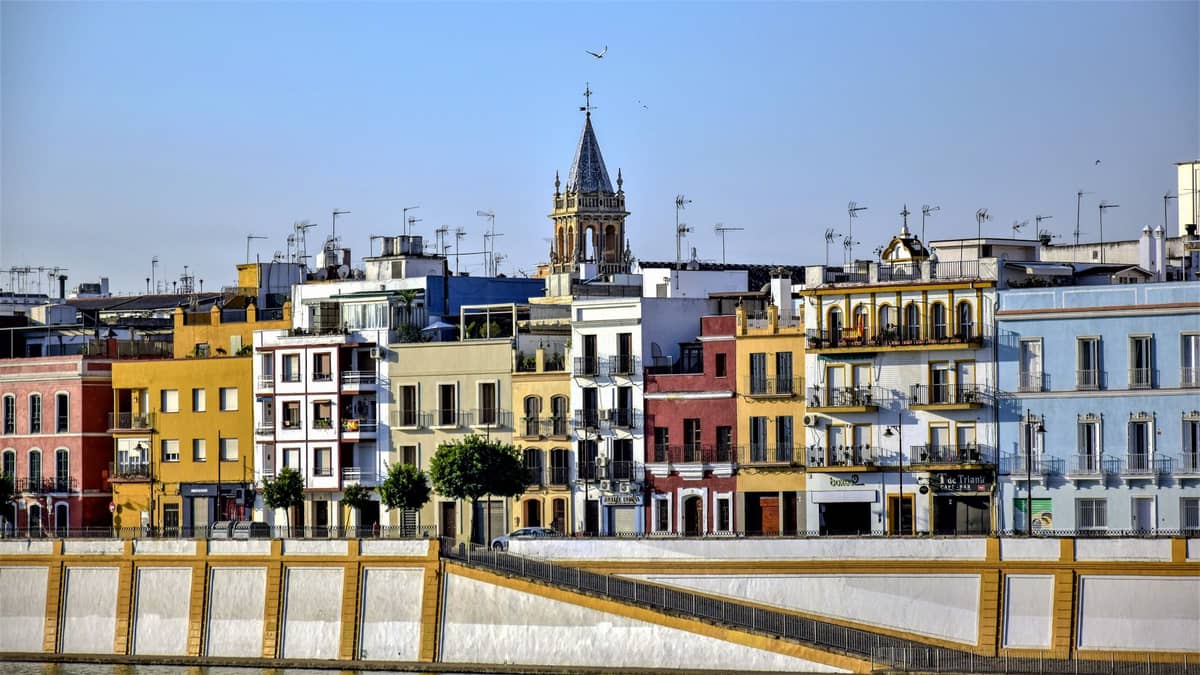
Cross the Puente de Triana in the morning and you immediately enter a different Seville. Triana has a distinct identity from the historic centre — more residential, less touristic in the interior streets, and with a strong local ceramic tradition. Start at the Mercado de Triana, Cross the in the morning and you immediately enter a different Seville. has a distinct identity from the historic centre — more residential, less touristic in the interior streets, and with a strong local ceramic tradition. Start at the , a covered market inside a former castle gatehouse on the riverfront. It opens from around 09:00 and the food stalls inside serve breakfast. From there, walk along Calle San Jacinto, the neighbourhood's main commercial street, to get a sense of everyday Seville life.. It opens from around 09:00 and the food stalls inside serve breakfast. From there, walk along Calle San Jacinto, the neighbourhood's main commercial street, to get a sense of everyday Seville life.
Triana is also where the city's flamenco roots run deepest, and the Centro Cerámica Triana tells the story of the neighbourhood's tile-making heritage through archaeological remains found on-site. It's a compact, low-key museum that rewards about an hour of your time. If you're interested in flamenco history and culture beyond a tablao performance, the Museo del Baile Flamenco back across the river in the historic centre is worth a separate visit; combine it with a morning or afternoon that doesn't include the major monuments.
Return to the city centre in the afternoon and head to the Setas de Sevilla (officially the Metropol Parasol), the enormous wooden lattice structure in Plaza de la Encarnación. The rooftop walkway offers some of the best elevated views in the city, and the base level houses an archaeological museum with Roman remains discovered during construction. Return to the city centre in the afternoon and head to the (officially the Metropol Parasol), the enormous wooden lattice structure in Plaza de la Encarnación. The rooftop walkway offers some of the best elevated views in the city, and the base level houses an archaeological museum with Roman remains discovered during construction. Admission to the walkway currently starts at around €16, and it works particularly well in the late afternoon when the light is warmer. The surrounding Plaza de la Encarnación is one of the more local-feeling squares in the centre, good for a coffee or early evening drink.
💡 Local tip
Triana gets significantly busier on weekends. If your trip includes a Saturday or Sunday, consider scheduling Triana on a weekday morning when the market and local cafés are at their most authentic. The neighbourhood also comes alive on Thursday and Friday evenings, when the riverfront bars draw a local crowd.
Day 3: Plaza de España, Parque de María Luisa, and La Macarena
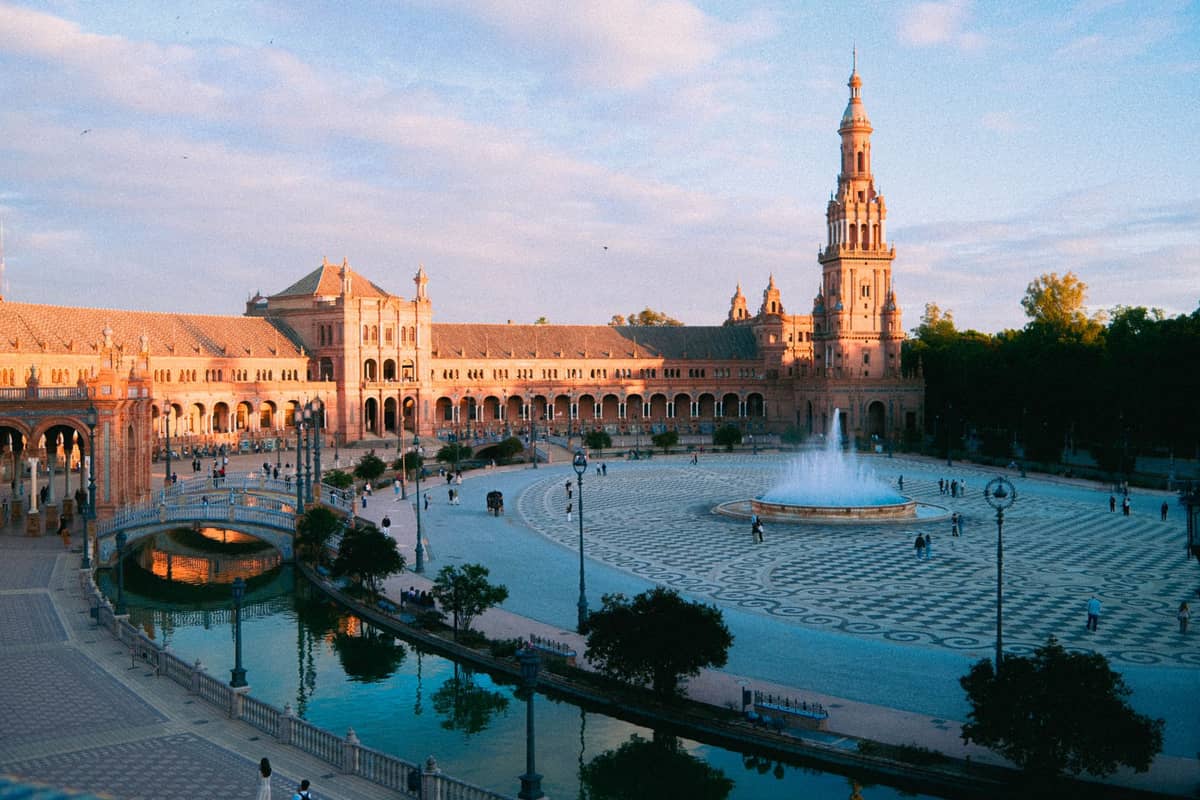
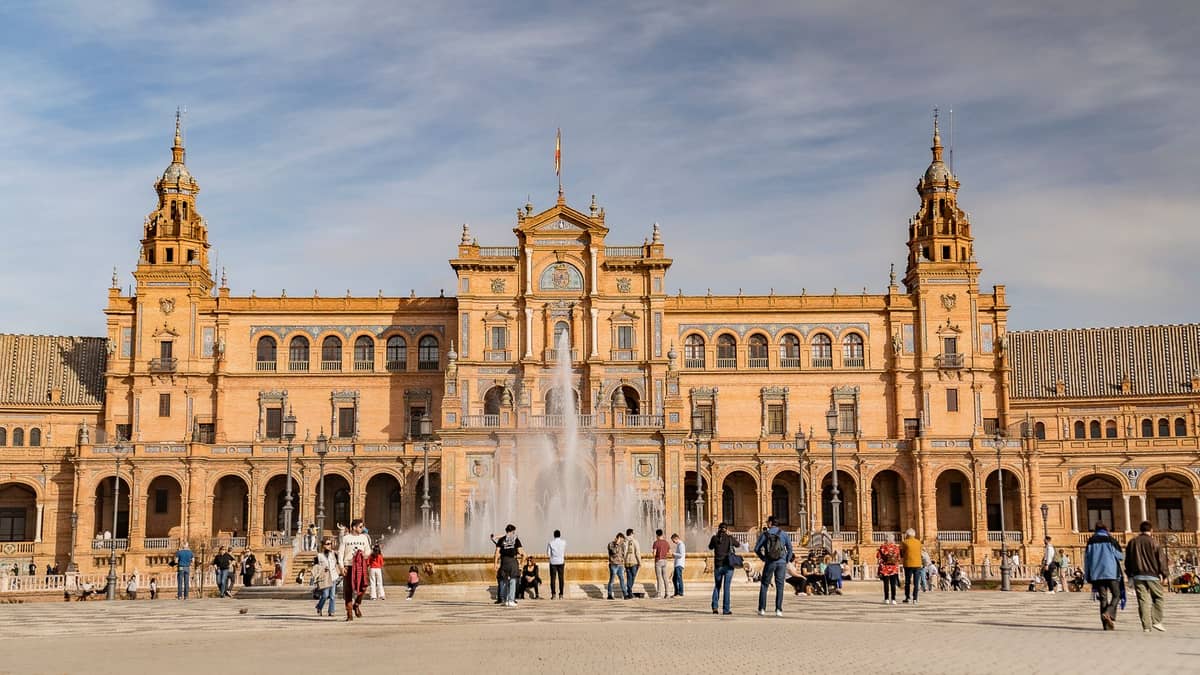
Spend Day 3 morning at Plaza de España, the semi-circular 1929 exhibition complex in the south of the city. It's one of the most architecturally striking public spaces in Spain, and it's free to enter. Arrive before 10:00 to have it largely to yourself — by midday in spring and summer, it fills rapidly with tour groups and photographers. The tiled alcoves representing every Spanish province are detailed enough to merit a slow walk around the full arc. Rowboats can be hired on the canal that curves around the base. The plaza sits at the edge of Parque de María Luisa, a shaded park that connects to several smaller museums and the Plaza de América — a good route to take on foot heading back toward the centre.
Use the early afternoon to explore La Macarena, the northern section of the old city beyond the historic walls. The area has a grittier, more local feel than Santa Cruz and rewards slower exploration. The Basílica de la Macarena houses the venerated Virgin of Macarena, a figure of enormous importance in Seville's Holy Week processions. Use the early afternoon to explore La Macarena, the northern section of the old city beyond the historic walls. The area has a grittier, more local feel than Santa Cruz and rewards slower exploration. The adjacent museum displays the paso (float) and embroidered robes used during Semana Santa, which gives real context to the devotion surrounding the image. Admission to the museum is modest — around €5 — and the basilica itself is free. From there, walk south along the old city walls toward Calle Feria market street and the wider La Macarena neighbourhood for lunch at a genuinely local price point.
If time allows on Day 3 evening, the area around the Alameda de Hércules is where Seville's younger population congregates at night. The long tree-lined promenade is lined with bars and has a relaxed, neighbourhood atmosphere very different from the tourist-heavy streets near the Cathedral. For a more comprehensive view of the city's evening options, the Seville nightlife guide covers areas and timing in detail.
- Plaza de España: free entry, arrive before 10:00 in peak months to beat the crowds.
- Parque de María Luisa: free, connects Plaza de España to Plaza de América and the Museo de Bellas Artes area.
- Basílica de la Macarena: basilica free, museum around €5, open most mornings — verify current hours before visiting.
- Calle Feria: street market runs Thursday mornings (El Jueves flea market), worth timing your visit accordingly.
- Alameda de Hércules: the right place for an early evening drink if you want to move away from the tourist circuit.
✨ Pro tip
The Seville Card (Tarjeta Turística de Sevilla) bundles public transport and some museum entries but does not include the Cathedral or Alcázar tickets. For a 3-day itinerary focused on the major monuments, it rarely pays for itself. Calculate your actual planned entries before buying any city pass.
Practical Tips for a 3-Day Seville Visit
Seville's historic centre is compact enough that most Day 1 and Day 2 sights are within 20–30 minutes on foot. The exception is Plaza de España and Parque de María Luisa (Day 3), which are about 1.5 km south of the Cathedral and easily reached by a 20-minute walk Seville's historic centre is compact enough that most Day 1 and Day 2 sights are within 20–30 minutes on foot. The exception is Plaza de España and Parque de María Luisa (Day 3), which are about 1.5 km south of the Cathedral and easily reached by a 20-minute walk or a short ride on the MetroCentro tram. The tram runs between Plaza Nueva and San Bernardo and is useful for quick hops across the centre. TUSSAM urban buses cover broader routes. Taxis are metered and straightforward for late nights or when carrying luggage.
Tipping in Seville follows Spanish norms: it is not mandatory, but rounding up or leaving a euro or two for good service at restaurants and cafés is standard. Churches across the city require modest attire, particularly covered shoulders, which matters if you're visiting the Cathedral, the Macarena Basilica, or any of Seville's smaller historic churches. For a full overview of the best churches in Seville, including lesser-known options worth adding to any itinerary, that guide covers both the highlights and the practical details. Spain's emergency number is 112. The country code is +34. Tap water in Seville is potable, though the taste varies by area and many locals prefer bottled water.
Three days is a solid introduction to Seville, but it won't cover everything. If you're considering day trips, Three days is a solid introduction to Seville, but it won't cover everything. If you're considering day trips, Córdoba is around 45 minutes by AVE high-speed train from Santa Justa station, and the Roman ruins at Itálica are only 9 km north of the city. The covers these and other options including Cádiz and the Doñana National Park for travellers with more flexibility in their schedule. The day trips from Seville guide covers these and other options including Cádiz and the Doñana National Park for travellers with more flexibility in their schedule.
ℹ️ Good to know
Seville observes a late-eating culture. Lunch is typically served from 14:00 to 16:00 and dinner rarely before 21:00. Restaurants that open earlier cater primarily to tourists and generally charge more for lower quality. Adjusting your meal times by even an hour makes a noticeable difference to both the food and the price.
Budget Breakdown for 3 Days in Seville
Seville sits at a mid-range price point for Western Europe. Accommodation in or near Santa Cruz ranges from around €80–€150 per night for a good mid-range hotel; budget options exist in Nervión and the areas east of the centre for €40–€70. For a detailed neighbourhood-by-neighbourhood breakdown of where to stay, the where to stay in Seville guide maps out the trade-offs between location and cost clearly.
- Seville Cathedral €13 online, €14 at door. Guided tour ticket €20–€21. Free Sunday slot (16:30–18:00) requires advance reservation.
- Real Alcázar €15.50 general, €8 reduced, free under 13. Royal Apartments add €5.50. Book online well in advance.
- Plaza de España & Parque de María Luisa Free. Rowboat hire on the canal is additional (around €6 per 35 minutes).
- Setas de Sevilla rooftop walkway Around €16 for the rooftop walkway. The Antiquarium museum at the base is a separate ticket.
- Tablao flamenco €30–€50 per person typically including one drink. Book ahead.
- Tapas and meals €2–€4 per tapa at local bars; a full restaurant dinner with wine €20–€35 per person. Avoid Cathedral-adjacent restaurants for anything under €30 per head.
FAQ
Is 3 days enough time in Seville?
Three days covers the essential landmarks comfortably without rushing: the Cathedral and Giralda, the Real Alcázar, Plaza de España, Triana, and La Macarena. You won't exhaust the city — Seville has enough depth for 5+ days — but 3 days gives you a complete and satisfying experience if the itinerary is well-structured and you pre-book the major monuments.
Do I need to book the Real Alcázar and Cathedral in advance?
Yes. Both the Real Alcázar and Seville Cathedral operate with timed-entry ticketing and limited daily capacity. During spring and autumn in particular, tickets sell out days or even weeks ahead. Book online as soon as your dates are confirmed. The Cathedral's free Sunday visit slot (16:30–18:00) also requires an advance online reservation — it is not a walk-in option.
What is the best time of year to do a 3-day Seville itinerary?
March to May and late September to October offer the most practical conditions: daytime temperatures in the comfortable range, reasonable daylight hours, and manageable crowds outside of Semana Santa (Holy Week) and Feria de Abril (April Fair) weeks. July and August are viable but require adjusting outdoor sightseeing to early morning and evening to avoid heat above 35–37°C.
How should I get between the main sights in Seville?
Most of central Seville is walkable. The Cathedral, Alcázar, Santa Cruz, and the Setas de Sevilla are all within a 15-minute walk of each other. Triana is a 15-minute walk across the Puente de Triana. Plaza de España is about 20 minutes on foot south of the Cathedral, or a short hop on the MetroCentro tram from Plaza Nueva toward San Bernardo. Taxis and ride-hailing apps (including Uber and Cabify) are useful for late evenings or longer crossings.
Is Seville expensive for tourists?
Seville is moderately priced by Western European standards. The two major paid attractions (Cathedral and Alcázar) cost around €29 combined if booked online. Tapas at neighbourhood bars cost €2–€4 each. Mid-range accommodation runs €80–€150 per night. Avoiding the restaurants in the immediate tourist zones around the Cathedral saves meaningful money — prices there can be double those a few streets away.
Tickets & tours
Live prices and dates from our booking partner. If you book, we may earn a commission at no extra cost to you.
Planning a trip? Discover personalized activities with the Nomado app.